
Quarterly Newsletter - March 2024
Message from Leadership
Spotlights

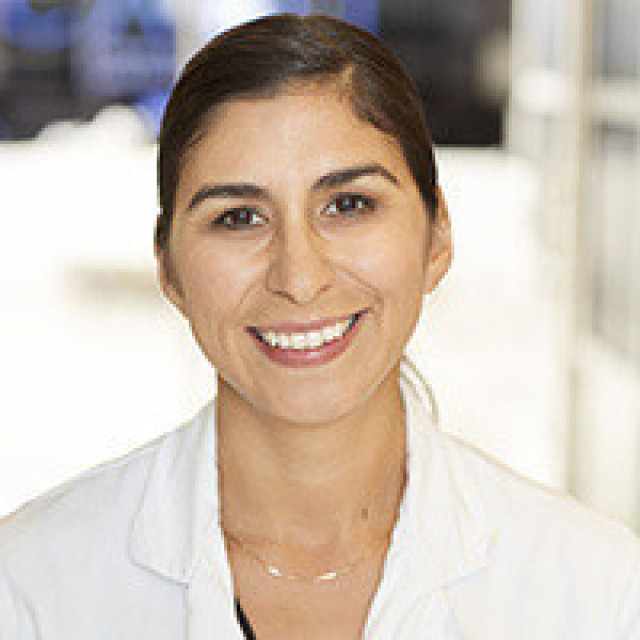
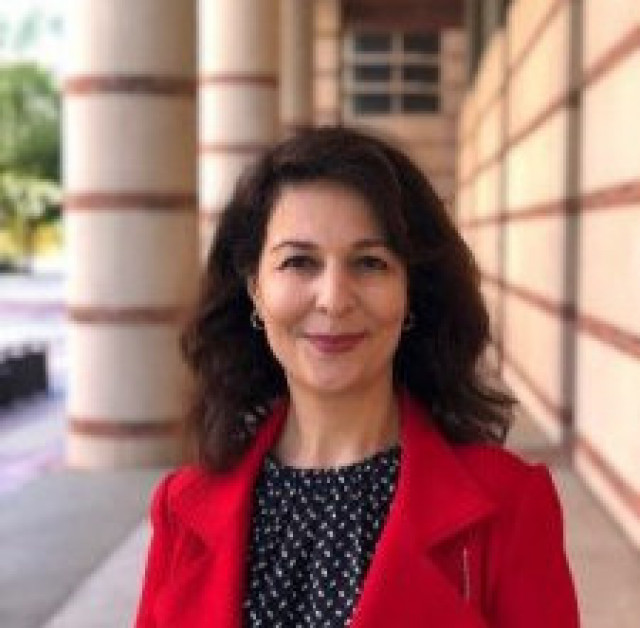
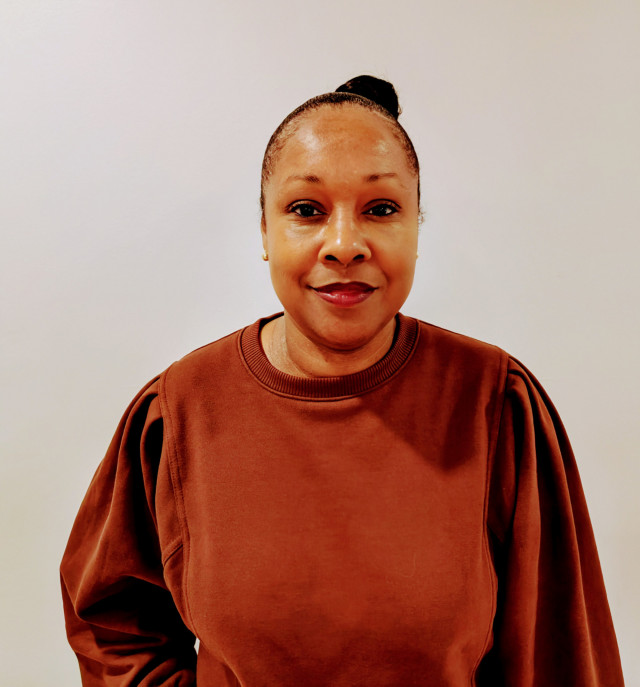
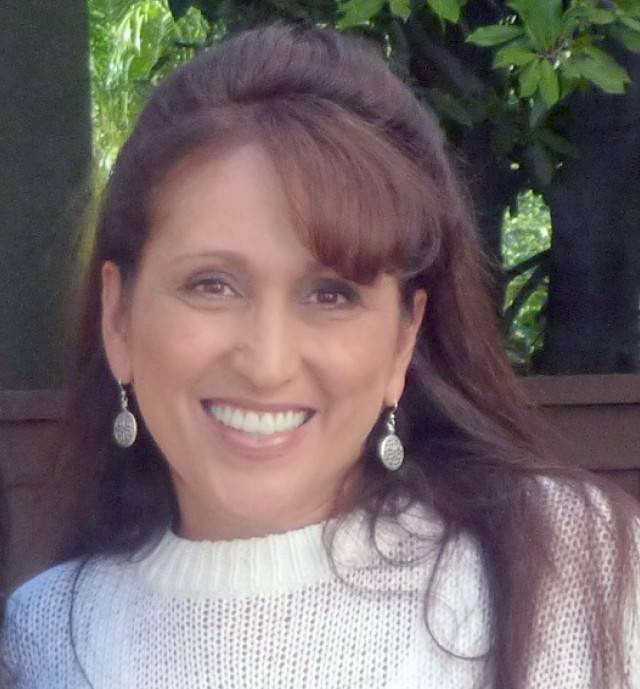
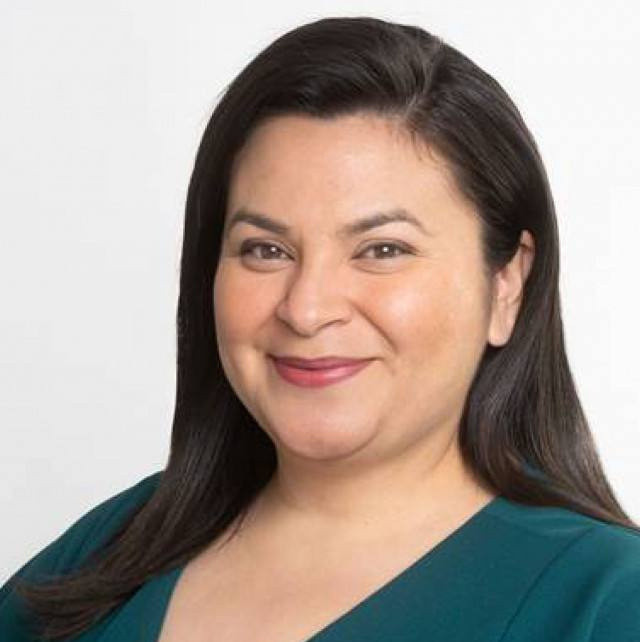
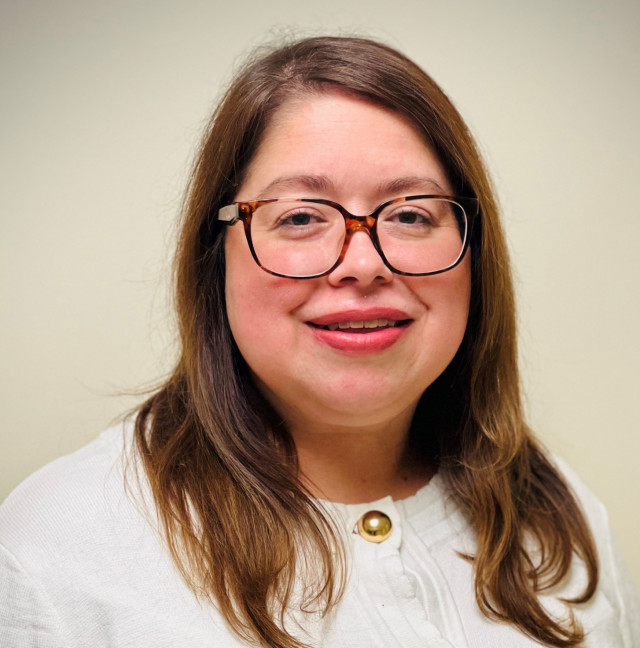
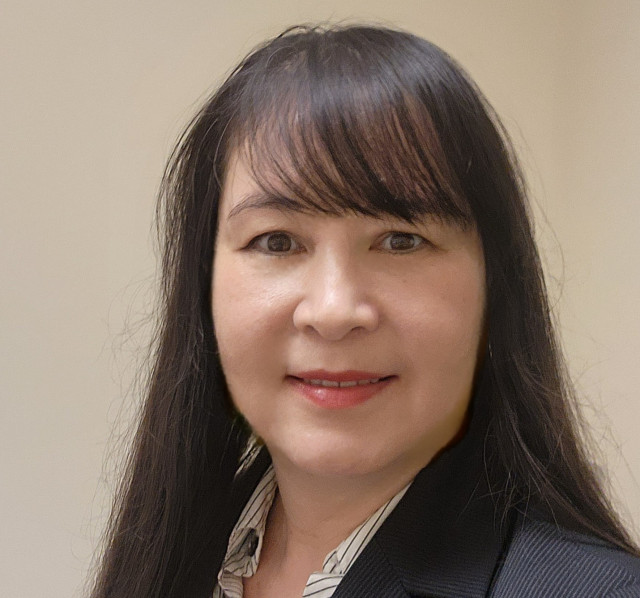
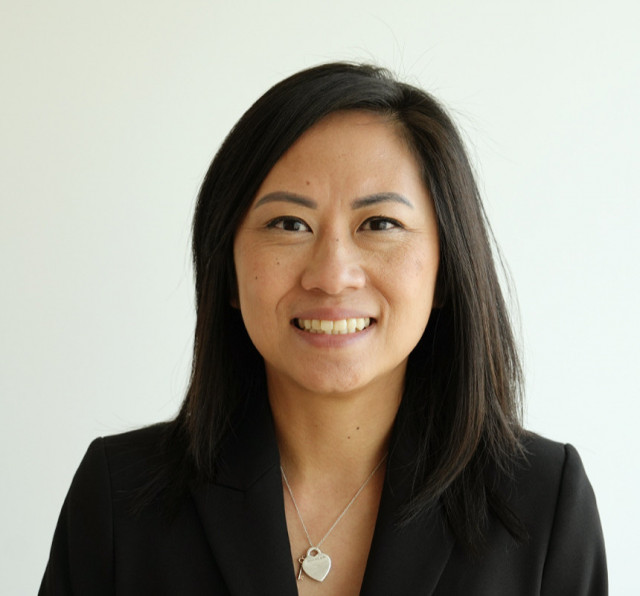
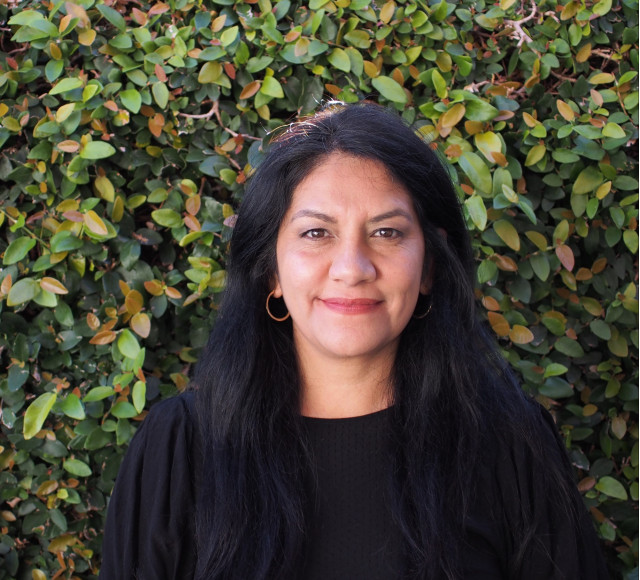
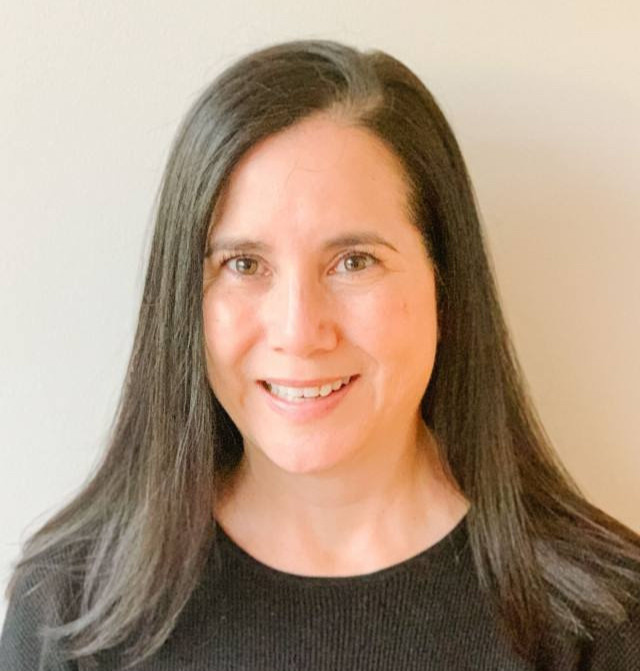
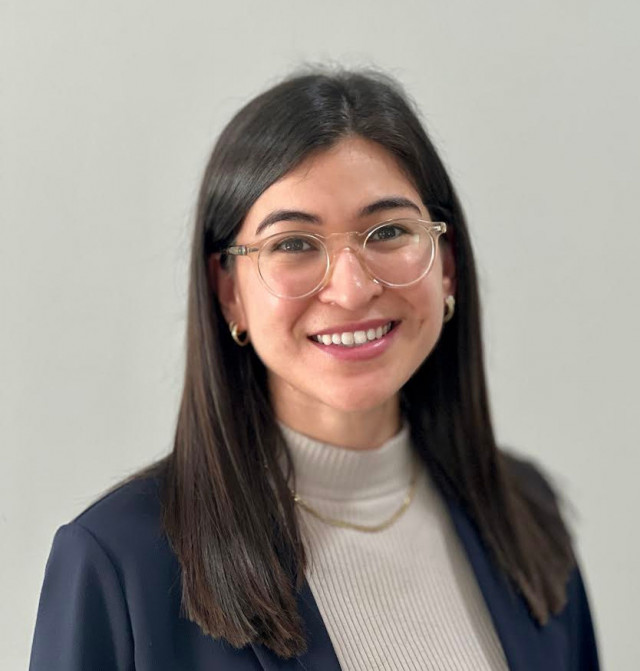
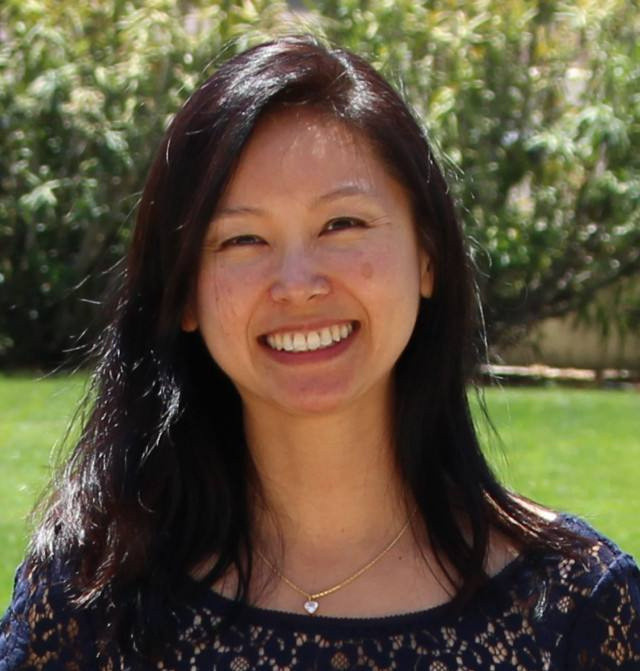
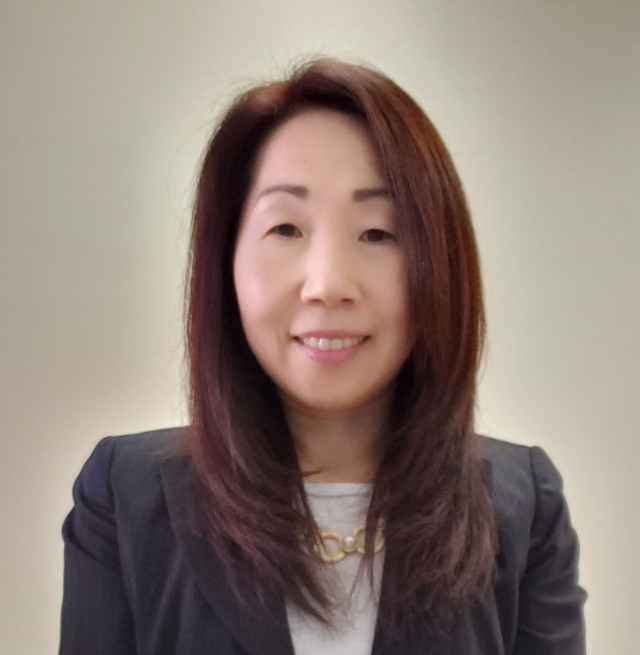
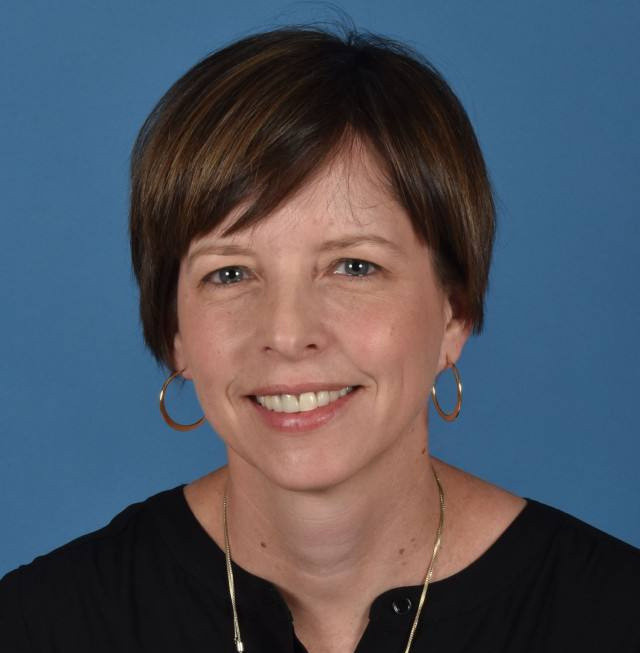
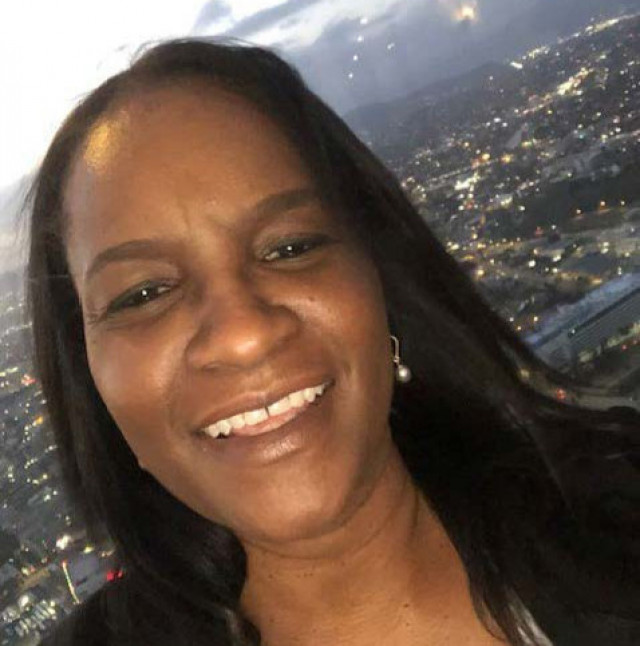
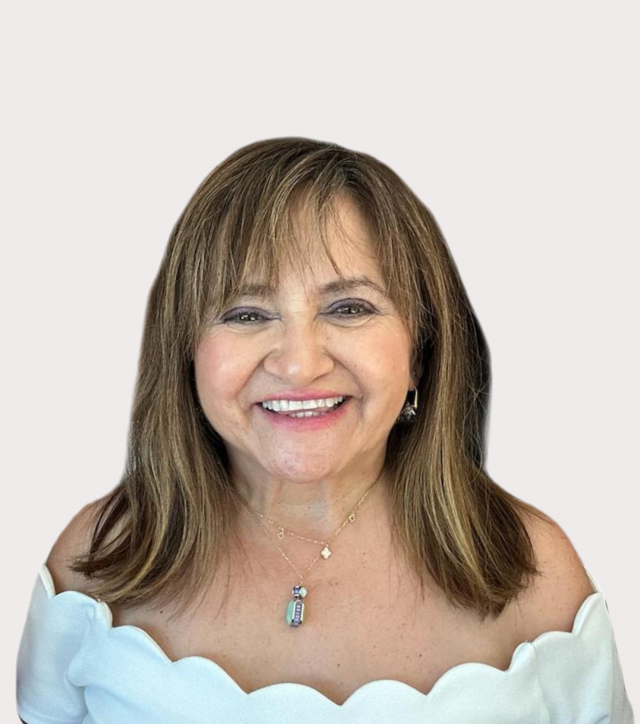
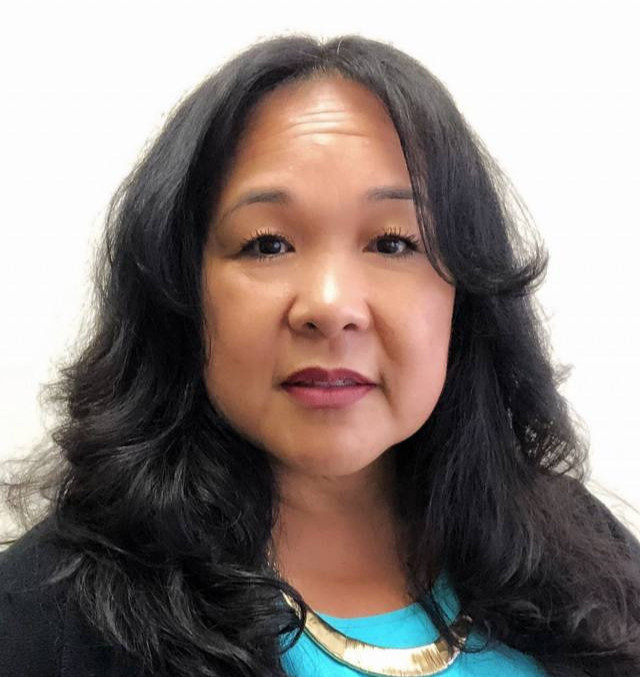
Dr. Evelyn Curls was born and raised in Los Angeles and attended Harvard-Westlake - a private school in North Hollywood. Despite the financial hurdles posed by the school’s tuition, a generous act from one of her father's clients made her attendance possible. This foundational experience in education propelled her to pursue a degree in Biomedical engineering at the University of Southern California (USC). Following her undergraduate studies, she pursued her medical education and residency at UCLA, where she later stayed on to join the faculty. Dr. Curls worked as a full-time clinician for her first 5 years then transitioned into sharing her time between patient care and administration, culminating in her current position as Vice Chair of Ambulatory Medicine and Clinical Chief of UCLA GIM/HSR.
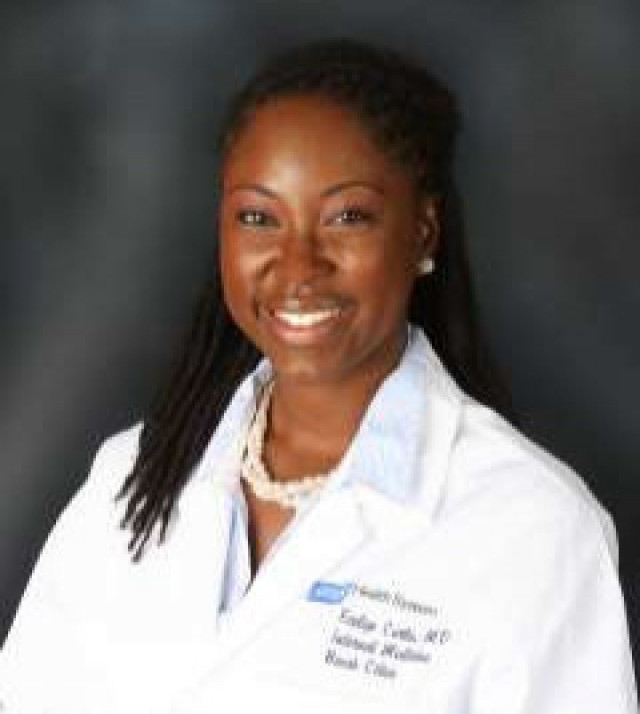
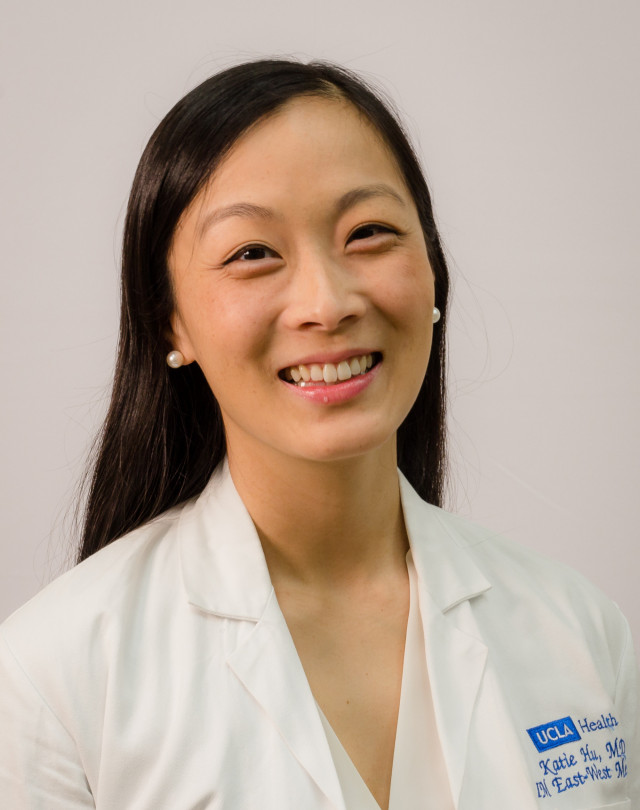
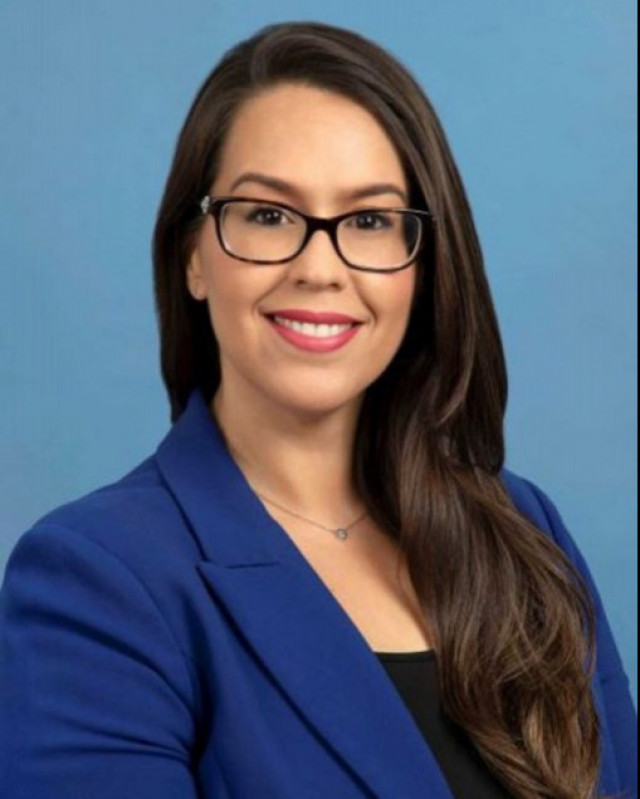
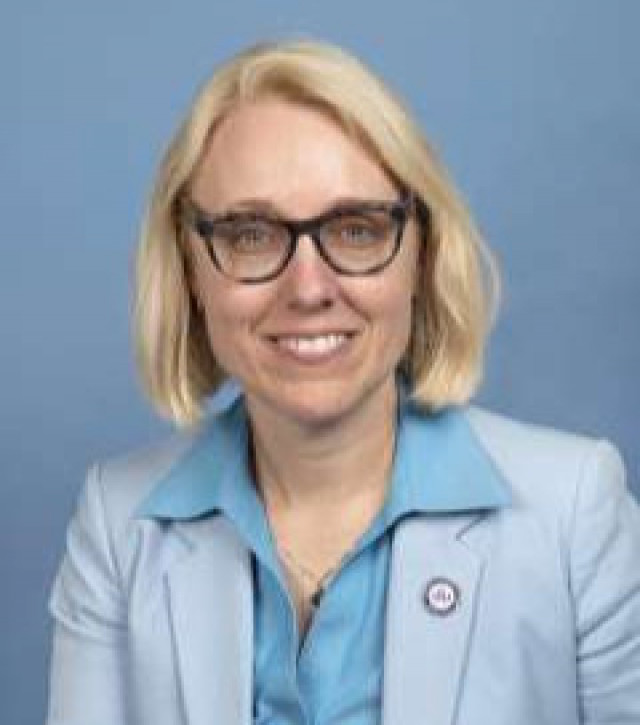
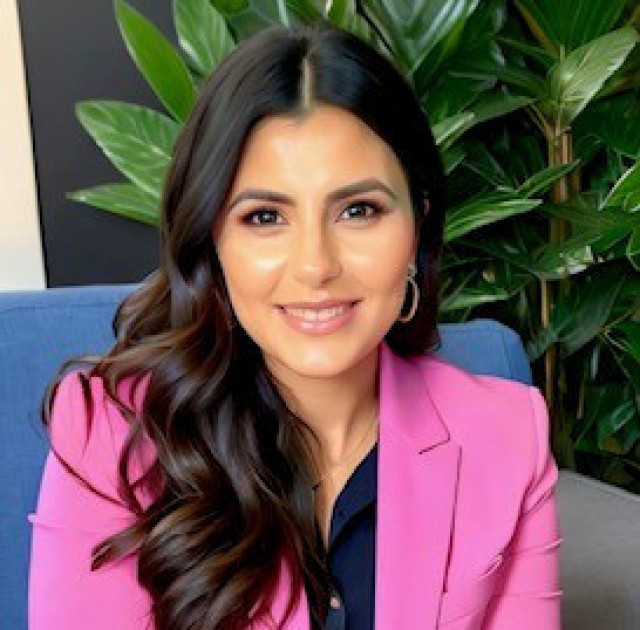
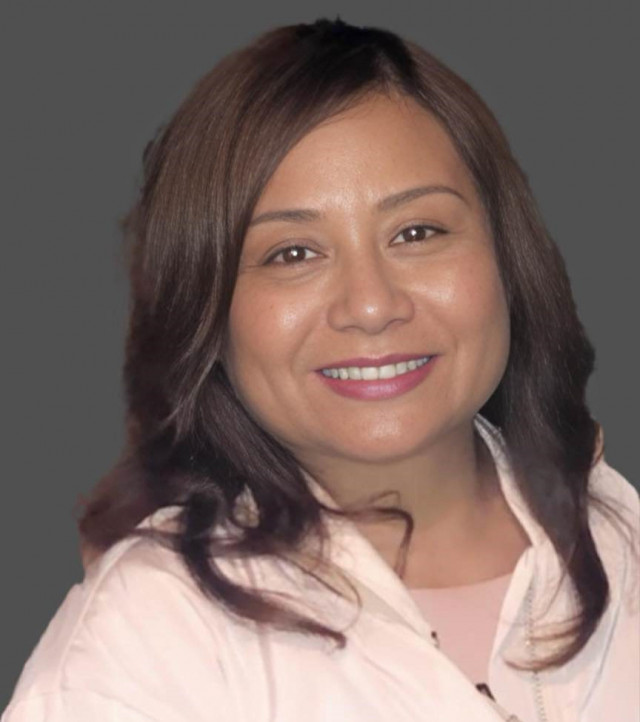
Dr. Lisa J. Skinner’s parents grew up in a rural Ozark Mountain community of about 600 people. Medical care was paid in cash or livestock and was often provided in the home by neighbors. When she and her brother were born, her mother, who was an uninsured teenager at the time, recalls paying out of pocket, cutting the hospitalization short to save money that they didn’t have. She left the Ozarks when she was young but spent summers back on the farm, seeing people she loved suffer from ailments and injuries that were often ignored and untreated. She wishes that she could say that witnessing these disparities inspired her to be a doctor. In truth, the idea of becoming a physician was so implausible to her that she didn’t consider medical school until a college mentor suggested it might be an option for her.
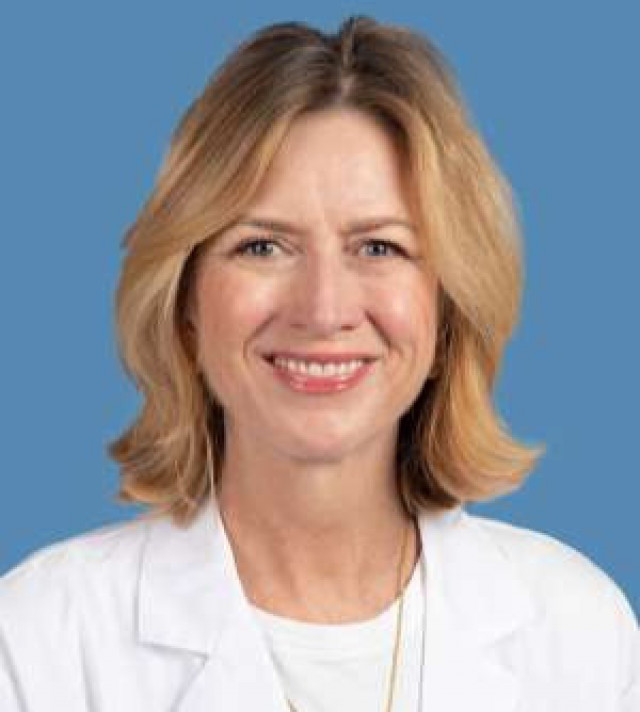
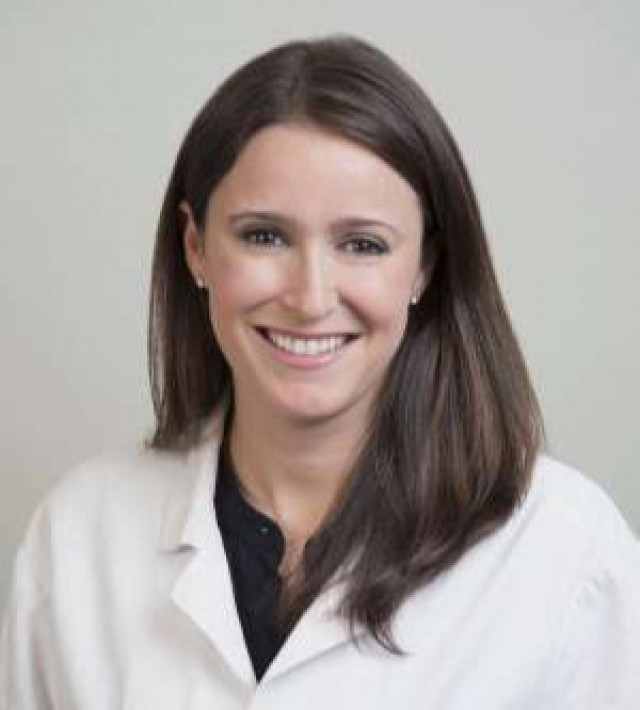
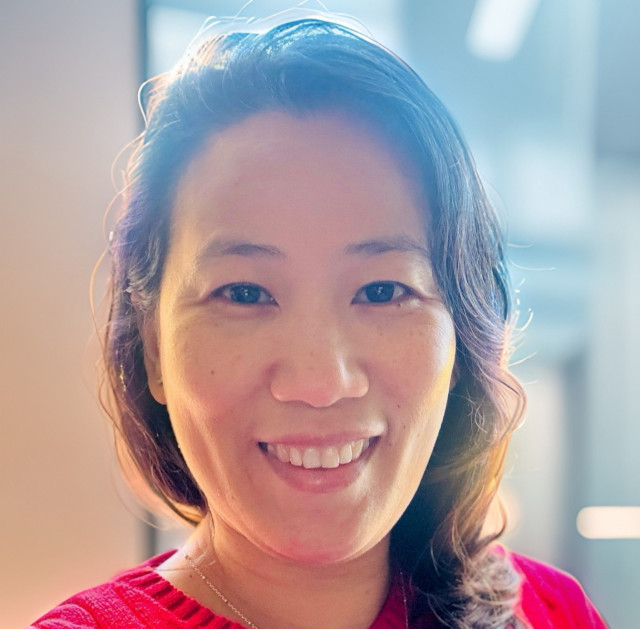
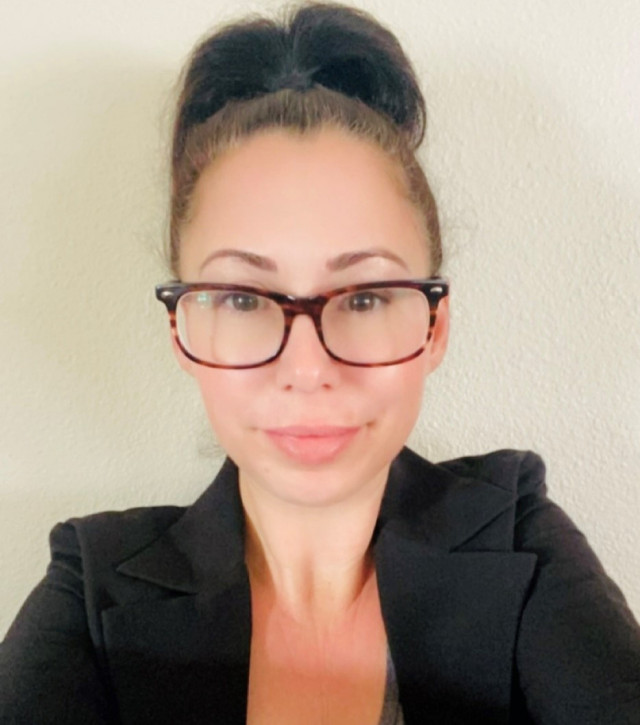
Dr. Karol Watson was drawn to medicine by the health inequities she witnessed in her own family, which persist in her daily clinical work. As a leading cardiologist and Professor at UCLA DGSOM, Director of the UCLA Women’s Cardiovascular Health Center, Director of the UCLA-Barbra Streisand Women’s Heart Health Program, Co-Director of the UCLA Program in Preventive Cardiology, Director of the UCLA Fellowship Program in Cardiovascular Diseases, and principal investigator for several large National Institutes of Health research studies, she directs numerous programs tackling health disparities, particularly in women's cardiovascular health.
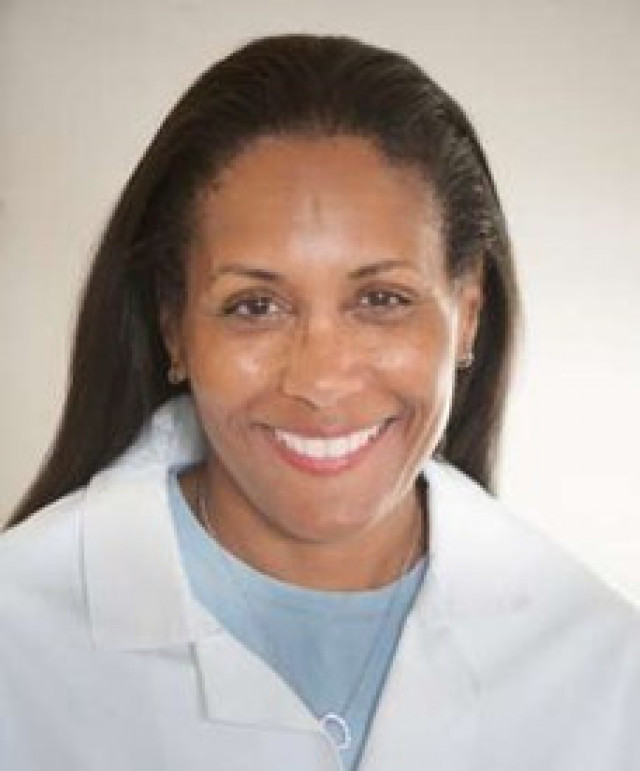
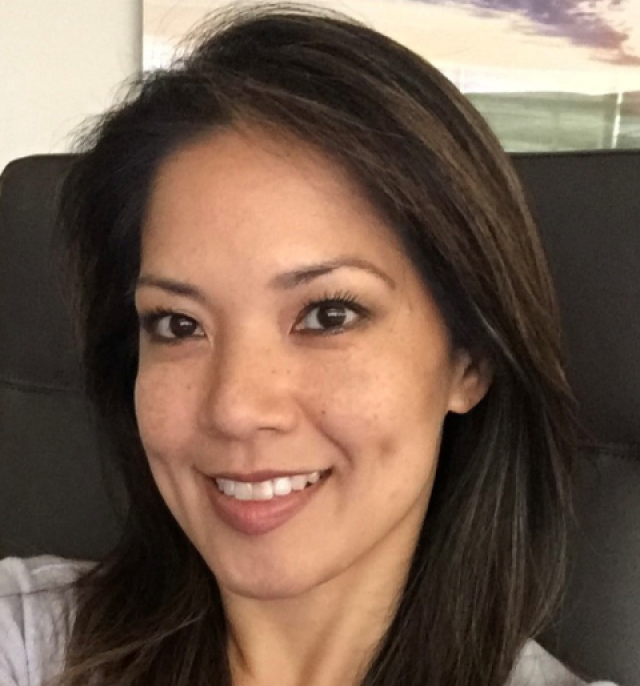
Empowering Women: Key Contributors in DoM Administrative Leadership

We'd love to hear from you
Announcements

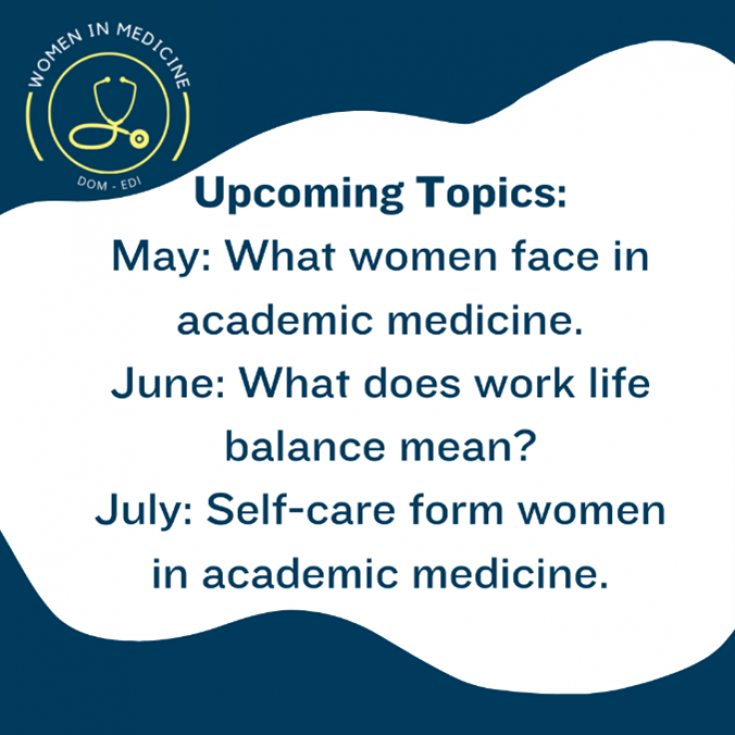
At the beginning of the month, the Women in Medicine Committee launched a new Women in Medicine Channel on DoM TV. Link to channel here. The first video introduces the faculty who provided interviews to spark discussion during the ongoing Women in Medicine Networking Group’s Monthly Learn & Learn Series. On March 11, the Lunch & Learn series held its first meeting 30 faculty members joined us for a discussion on “How to deal with feeling overwhelmed.” The short video that was screened during the Lunch & Learn is now available on the DoM TV Women in Medicine Channel. Our next meeting will be on April 8 from 12P-1P where we will be talking about Parenting vs Career, can you have it all? RSVP here! Please see a preview of upcoming topics below.

Highlights

DoM First Gen
We are looking to build a community among faculty in the DoM who identify as First-Generation College Graduates (First-Gen, first generation in family to go to college). This initiative is an extension of the work that is already happening at UCLA and DGSOM First Gen.
We have many ideas on how to empower DoM First-Gen, and that includes visibility and building our First-Gen Faculty community here in the department. To that end, we are building a list of all DoM faculty who identify as First-Gen. If you do self-identify as First-Gen, please fill out this quick survey.
Last October, DoM First-Gen hosted its first reception to build community among college graduates. We had a great turnout and plan to host more in the future! We hope you will join us to connect and empower the DoM First Gen Community.
We would also love your ideas for future First Gen support in DoM! If you have any questions, please feel free to email acasillas@mednet.ucla.edu.
See: Challenges Facing First-Generation College Graduates in Medical School: A Qualitative Analysis. JAMA Netw Open. 2023 Dec 1;6(12):e2347528. doi: 10.1001/jamanetworkopen.2023.47528.
Challenges Facing First-Generation College Graduates in Medical School: A Qualitative Analysis | Medical Education | JAMA Network Open | JAMA Network
Reminders
DoM-EDI Publications & Reports
Achieving equity in Residency and Fellowship Application with a Partial Blindfold: A Call for Measuring the Distance Traveled. Vijayan T, Graber CJ, Harris CE, Kozman D. ACP Journals. 2023
Asian Americans and Racial Justice in Medicine. Ko M, Ngo V, Zhang A, Mabeza R, Hahn M. New England Journal of Medicine. 2024
Diversifying the Medical Pathway in a Post–Affirmative Action World. JAMA. Essien UR, Agbafe V, Norris KC. Published online September 18, 2023. doi:10.1001/jama.2023.17089
Editorial: Social determinants of kidney health: a global perspective. Front Nephrol. Garcia-Garcia G, Norris KC, Sahay M, Ulasi II.2023 Aug 14;3:1260221. doi: 10.3389/fneph.2023.1260221. PMID: 37675345; PMCID: PMC10479554.
Racial and ethnic disparities in telehealth use before and after California's stay-at-home order .Bustamante AV, Martínez LE, Jalal S, Benitez Santos N, Félix Beltrán L, Rich J, Anaya YB Front Public Health. 2023 Aug 22;11:1222203. doi: 10.3389/fpubh.2023.1222203. PMID: 37674681; PMCID: PMC10477577.
Advances in the adaptation and implementation of evidence-based interventions for historically marginalized groups. Lau AS, Huey SJ Jr, Baumann AA. Behav Res Ther. 2023 Sep;168:104377. doi: 10.1016/j.brat.2023.104377. Epub 2023 Jul 21. PMID: 37531808.'
Community-based organization perspectives on participating in state-wide community canvassing program aimed to reduce COVID-19 vaccine disparities in California. Mansfield LN, Carson SL, Sunku N, Troutt A, Jackson S, Santillan D, Vassar SD, Slaughter D, Kim G, Norris KC, Brown AF. BMC Public Health. 2023 Jul 14;23(1):1356. doi: 10.1186/s12889-023-16210-9. PMID: 37452299; PMCID: PMC10349443.
Promoting Racial/Ethnic Identity in Child and Adolescent Mental Health Treatments. J Am Acad Child Adolesc Psychiatry. Bath EPJ, Meza JI.2023 Aug;62(8):847-849. doi: 10.1016/j.jaac.2023.04.008. Epub 2023 Apr 17. PMID: 37075890.
Challenges Facing First-Generation College Graduates in Medical School: A Qualitative Analysis. Havemann C, Mason HRC, Russell RG, Casillas A, Nguyen M, Boatright D, Webber A, Parilla JA, Gallegos A, Wyatt TR.. JAMA Netw Open. 2023 Dec 1;6(12):e2347528. doi: 10.1001/jamanetworkopen.2023.47528
Eliminating Health Disparities in Atrial Fibrillation, Heart Failure, and Dyslipidemia: A Path Toward Achieving Pharmacoequity. Amin K, Bethel G, Jackson LR 2nd, Essien UR, Sloan CE. Curr Atheroscler Rep. 2023 Dec 18. doi: 10.1007/s11883-023-01180-5. Epub ahead of print. PMID: 38108997.
Racial inequity in low value care. Moriates C, Essien UR. BMJ. 2023 Oct 25;383:2293. doi: 10.1136/bmj.p2293.
Advancing equity research in the quality of and access to health care in a post-affirmative action era. Ong MK, Norris KC. 2023 Dec;58 Suppl 3(Suppl 3):281-283. doi: 10.1111/1475-6773.14249. PMID: 38015864; PMCID: PMC10684033.
Mental Health and Gender Affirmation of Black and Latine Transgender/Nonbinary Youth Compared to White Peers Prior to Hormone Initiation. Vance SR Jr, Chen D, Garofalo R, Glidden DV, Ehrensaft D, Hidalgo M, Tishelman A, Rosenthal SM, Chan YM, Olson-Kennedy J, Sevelius J. J Adolesc Health. 2023 Nov;73(5):880-886. doi: 10.1016/j.jadohealth.2023.06.022. Epub 2023 Aug 23. PMID: 37610390; PMCID: PMC10723039.
Investigating the relationship between participation in the building infrastructure leading to diversity (BUILD) initiative and intent to pursue a science career: A cross-sectional analysis. Ramos HV, Cobian KP, Srinivasan J, Christie CA, Crespi CM, Seeman T. Eval Program Plann. 2024 Feb;102:102380. doi: 10.1016/j.evalprogplan.2023.102380. Epub 2023 Oct 12. PMID: 37866132.
Email us at DoMEDI@mednet.ucla.edu and we will be in touch!