Spotlights
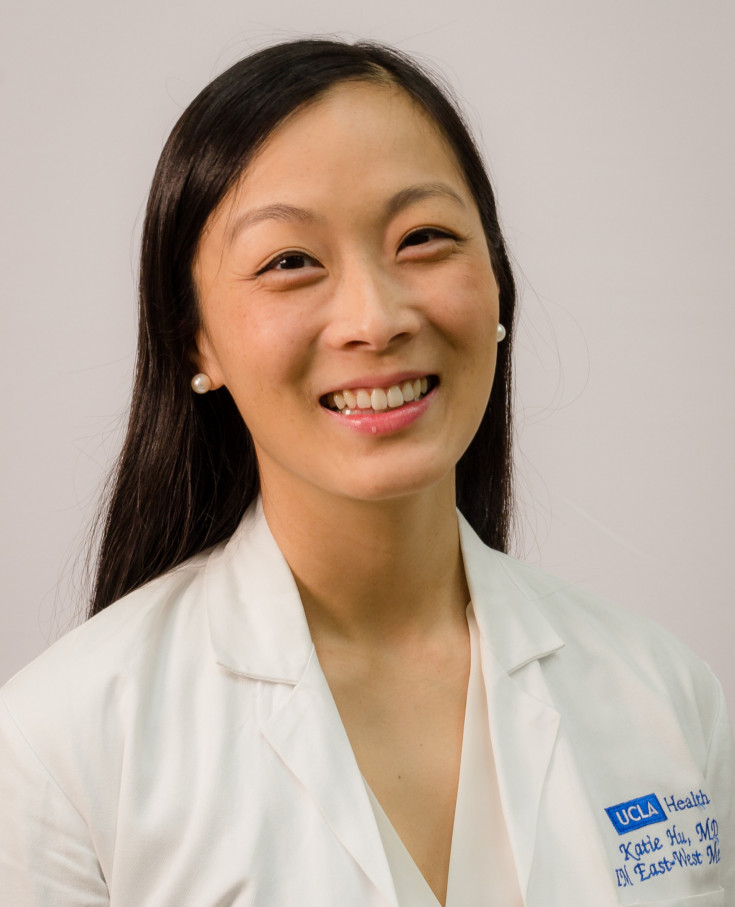
Dr. Katie Hu was born in Shanghai, China. She was the daughter of two engineers who both immigrated to the United States to pursue higher education in pursuit of a better life. Growing up, Dr. Hu and her family moved every 2-3 years as her father’s career quickly took off. She learned at a young age how to adapt to change, to make friends quickly, and to build a community wherever she went. When Dr. Hu was 8 years old, her little brother Alan was born, and her grandparents also moved in to help with childcare. One day, Dr. Hu’s grandmother commented that even as a baby, Alan was smarter than Dr. Hu, because he was a boy. This pushed Dr. Hu on a path to prove otherwise.
In Louisville, Kentucky, Dr. Hu attended a private school where she was the only Asian in her grade and the second Asian in the entire school. To promote the limited diversity at school, she founded the Multicultural Club and established Multicultural Day at school. She was able to convince the headmaster to shut down the entire high school for 1 day to celebrate the diverse races, ethnicities, and religions at the school.
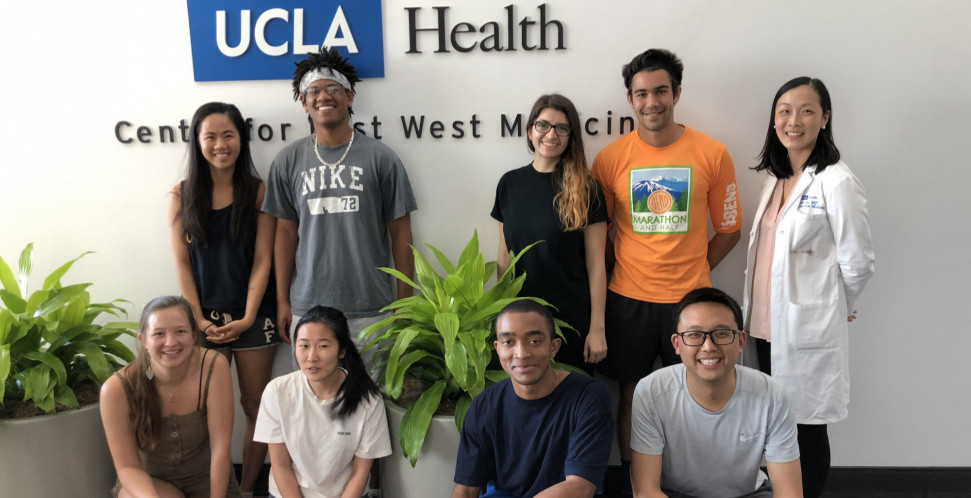
In college, Dr. Hu was awarded a summer research fellowship to work at Mt. Sinai Hospital in Chicago. She studied the changes in the utilization of ED by psychiatric patients. It was in this ER that she began to realize the blatant health disparities in healthcare and began to understand the impact of social determinants of health. Fueled by her family, school, and life experiences, Dr. Hu chose to pursue a career in medicine and attended medical school at Washington University in St. Louis. She then moved to Los Angeles to complete her family medicine residency at UCLA and to focus on preventative healthcare. Finally, she completed a 2-year fellowship at UCLA’s Center for East-West Medicine on integrative medicine. At the East-West Center, she learned how to integrate a biopsychosocial approach using the unique lens of traditional Chinese medicine. She also gained the tools, skills, and knowledge to offer patients high-touch, low-cost, evidence-informed, and safe therapies, with the potential to benefit patients of all socioeconomic backgrounds.
Upon joining the East-West faculty and assuming the role of Program Director for the East-West Integrative Medicine Fellowship, Dr. Hu has prioritized the recruitment and retention of a more gender and racially-diverse faculty by adding a trauma-informed care training and a 20-hour health equity and social determinants of health course into the fellowship curriculum. She has served as the East-West DEI Champion since 2022, and she also serves on the Academic Consortium for Integrative Medicine & Health Fellowship Competency Review Task Force with 12 other leaders from academic institutions across the country. The end goal of this task force is to incorporate a health equity lens into the integrative medicine competencies taught during fellowship training.
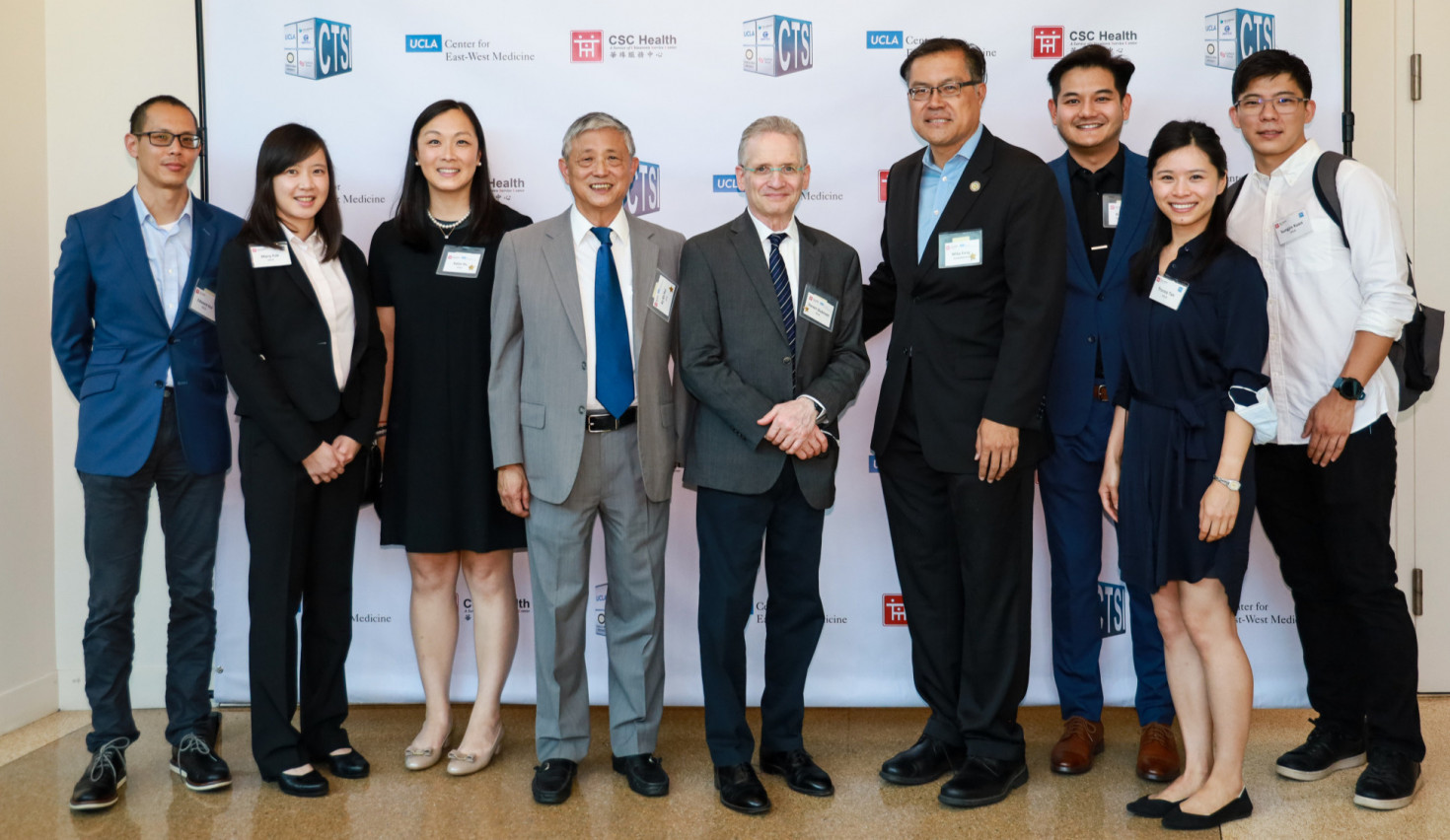
Dr. Hu has worked with other leaders at the Center to strengthen the partnership with a local organization called Chinatown Service Center (CSC) Health. CSC provides healthcare at federally qualified health centers (FQHC) to a large population of Chinese immigrants as well as a sizeable Hispanic population in under-resourced communities. In 2020, Dr. Hu helped to formalize a community track for the fellowship, allowing fellows interested in underserved care to split their time between CSC’s FQHC and integrative medicine training at UCLA. More recently, under the leadership of Dr. Edward Hui, a formal partnership with CSC is underway to allow interested faculty and all fellows to work and train at CSC to offer marginalized families an opportunity to access integrative medicine services.
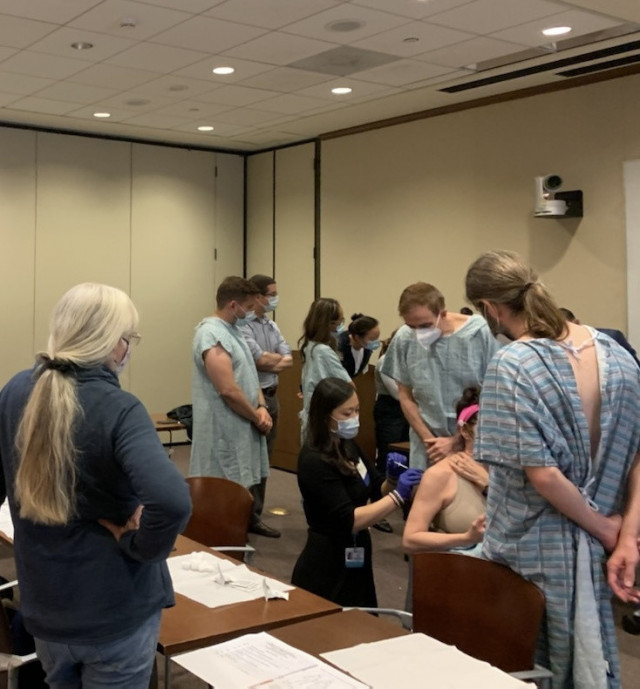
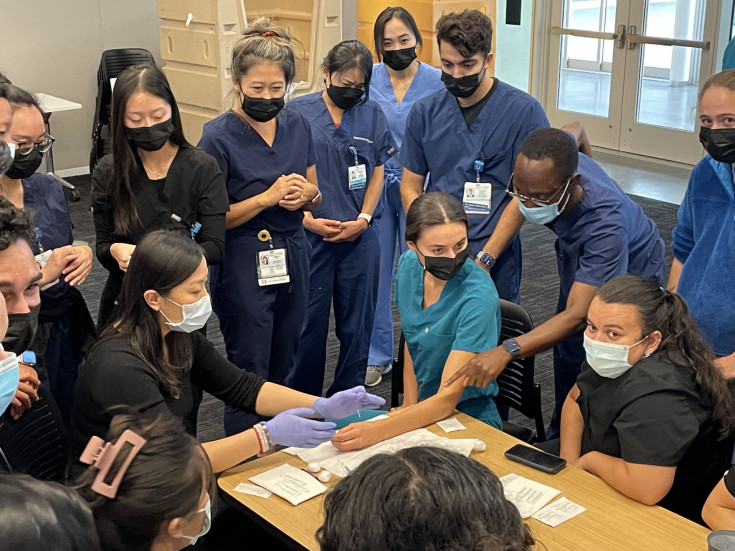
In recent years, Dr. Hu has also taught students and trainees of all levels, practicing physicians, allied health professionals, and community members both locally and globally about the benefits of Integrative East-West medicine. She lectures not only to share the unique model but also to enhance cultural competency and sensitivity towards the Asian community and its traditional healing practices. Dr. Hu finds meaning and fulfillment in educating others on the benefits of the integrative approach to health and healing, and to care for those from all walks of life.