Hello COAD Outreach Partners!
COAD's Children and Family Support Subcommittee is launching this year's information campaign for family emergency preparedness. As our partners, we encourage you to share this information with as many clients and partners as you can so that more people know about the resources available in our community before a disaster happens. The first steps in a response for vulnerable individuals, such as families with young children and infants, is preparedness. Together we can build a more resilient Napa County!
This week's topic is: FAMILY EMERGENCY PLANNING
Flyers, in both pdf and jpeg formats, and links are provided for easy sharing. You may use the jpeg images for online sharing, and the pdf versions for printing and sharing hard copies. Feel free to share this information with your distribution list of partners and/or include this information in any newsletters you may send out to the greater community. CLICK THE RED BUTTON BELOW TO SHARE THE LINK TO OTHERS.
If you are sharing these flyers on Facebook, please copy and paste this blurb as the caption and tag us (@Napa Valley COAD). Press the Facebook icon below for easy sharing!
ENGLISH: "Napa Valley COAD is continuing its information campaign for emergency preparedness for families. This week's theme is FAMILY EMERGENCY PLANNING. We are quickly approaching fire season and it's important that families with young children and infants become prepared before a disaster so they can stay safe. Have your emergency plan in place so you know where you're going and what you'll need in the case of an emergency! Please share this information with friends and family so we can build a more resilient Napa County!
SPANISH: "El Napa Valley COAD continúa la campaña informativa de la preparación de emergencias para familias. El tema de esta semana es LA PLANIFICACIÓN FAMILIAR PARA EMERGENCIAS. Nos estamos acercando a la temporada de los incendios y es importante que las familias con niños pequeños y bebés estén preparados antes de que sucede un desastre para que todos se mantengan a salvo. Tenga su plan de emergencia preparado para que sepa a donde ir y qué se necesita en caso de una emergencia. Por favor comparta esta información con sus familias y amistades para poder hacer más fuerte nuestra comunidad aquí en el condado de Napa."

FAMILY RESOURCES
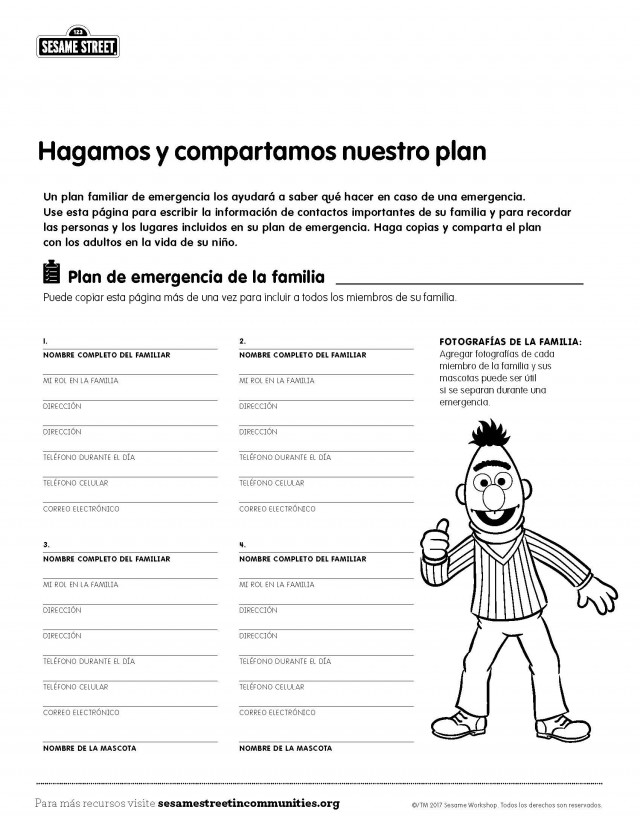
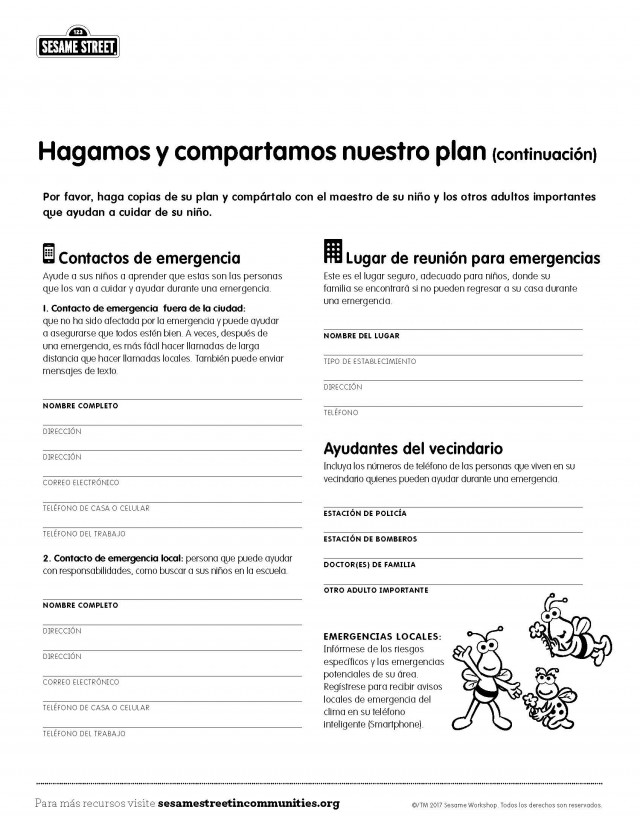
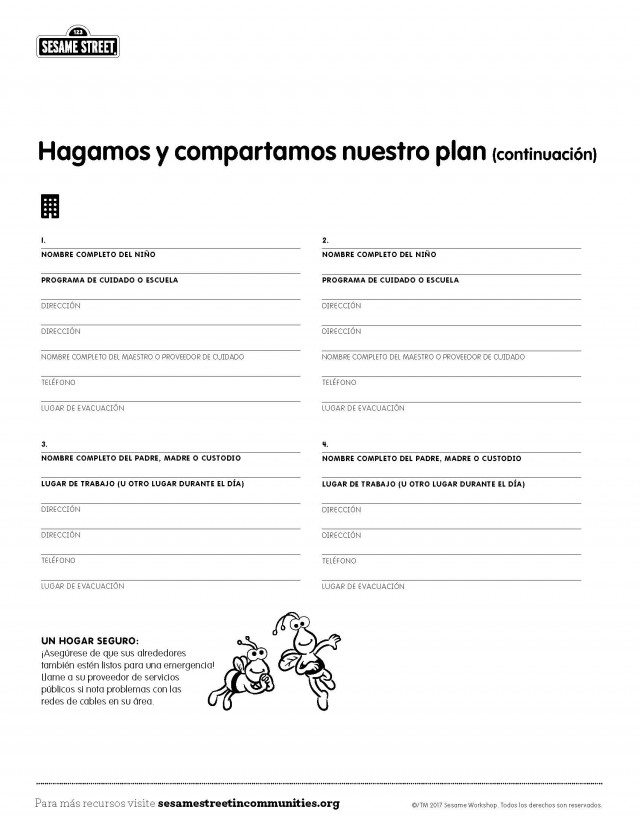
MAKE A PLAN
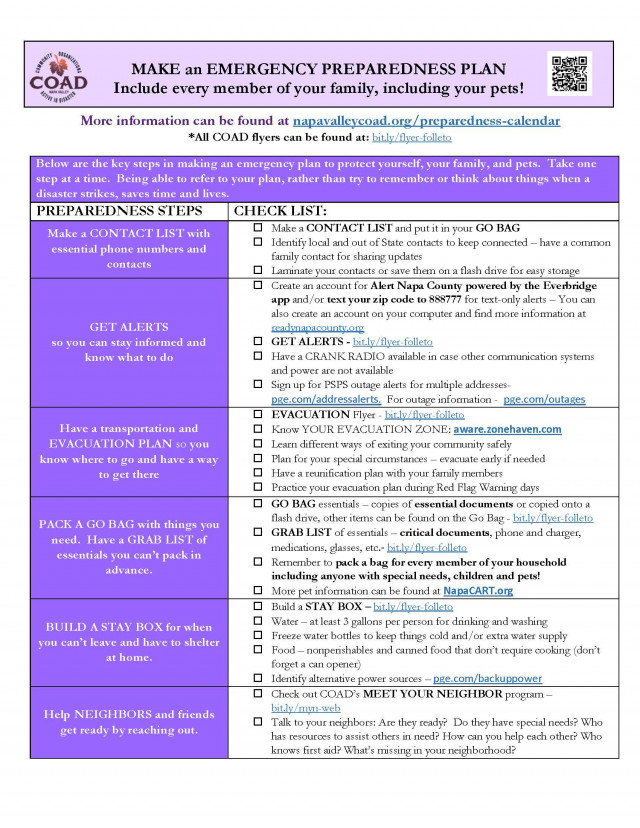
Every family should talk about disasters and emergencies before they happen. This allows young children to feel more secure during times of distress, especially if they've practiced these drills with their family. Family emergency planning is important, so parents know how to best help their little ones during times of emergency. Making detailed plans for each type of disaster can be overwhelming, and takes time. COAD suggests you take it one step at a time during the off-seasons. For example, start your wildfire preparedness in the late fall or winter to get ahead of the game.
Below is the Napa Valley COAD Make a Plan flyer for more ideas on how to create an emergency plan.

 download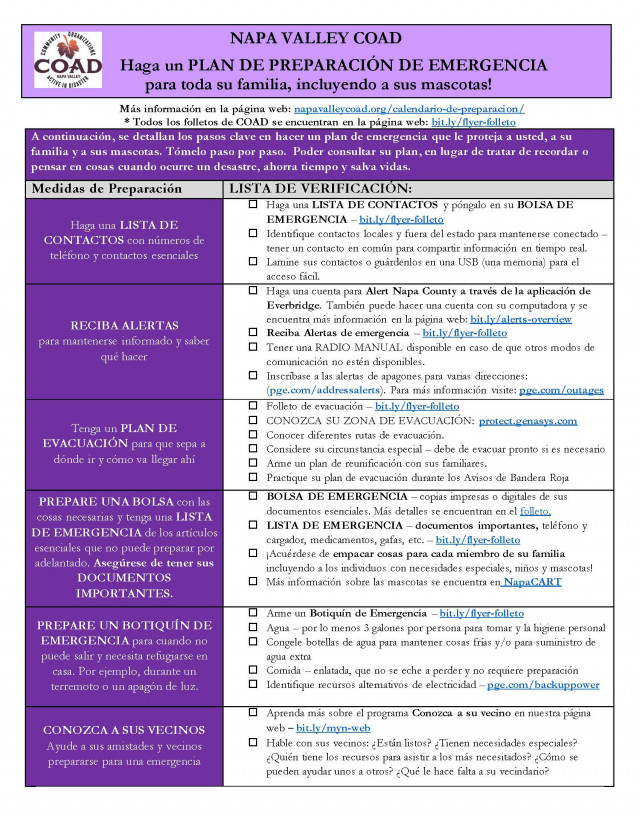
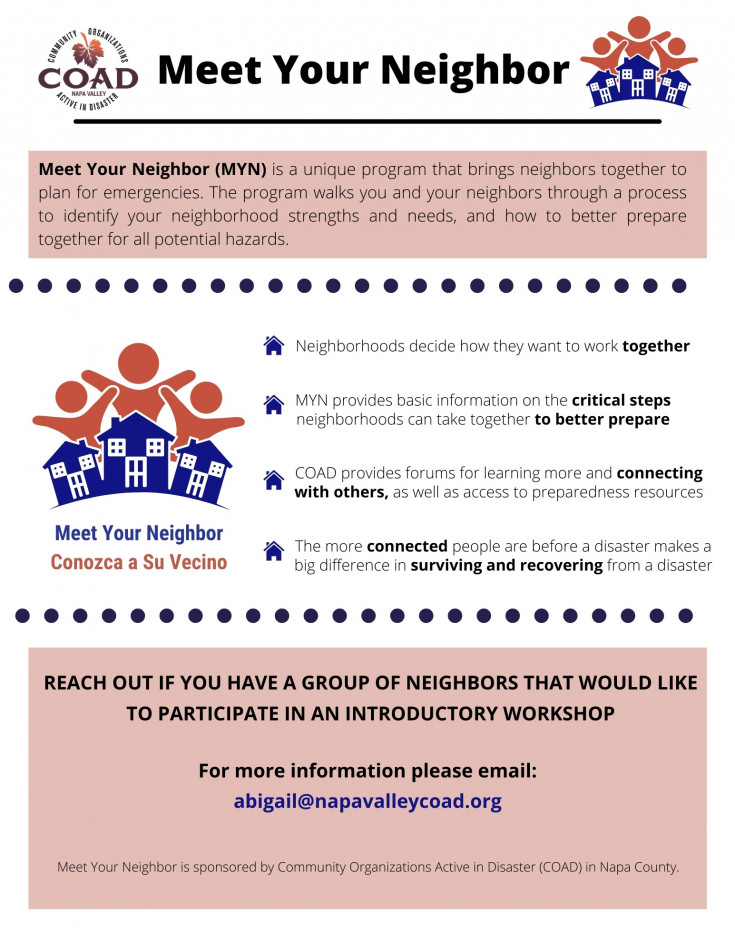
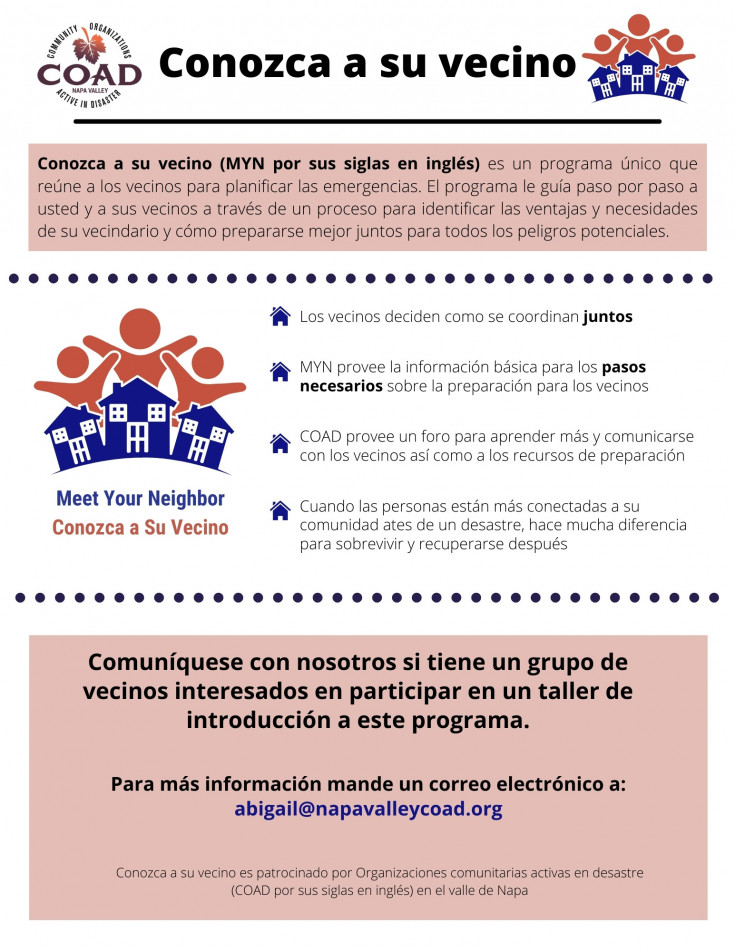
Napa Valley COAD - Meet Your Neighbor
The Meet Your Neighbor Program helps promote self-resilience through neighborly connections. Planning and pulling your resources together could help during any emergency. Many families relied on neighbors knocking on their doors during the most recent evacuations to know that it was time to evacuate, so forming these connections early on can help with staying informed and creating an evacuation plan.
Email Abigail Flores if you would like Napa Valley COAD to come to your location for an introductory workshop: abigail@napavalleycoad.org
RESOURCES FOR CHILDREN
It’s hard to know what to say when talking to children about emergencies. You don’t want to worry them, but it’s important for the whole family to know they can work together to be prepared. These tips will help you talk to children about emergencies, while calming their worries.
- Stay calm and reassure children that you are here to help them and keep them safe. Talk about your family’s emergency plan together so they will know what to do if an emergency happens.
- Explain that an emergency is when something happens that we don’t expect, and we have to act quickly to keep ourselves safe.
- Team up Let children know that you can work together to get ready for emergencies, just like you get ready for a car ride by wearing your seat belts, or by wearing helmets on a bike ride.
- Look for helpers Remind your child that there are so many helpers we can trust to keep us safe in an emergency: teachers, firefighters, emergency responders, doctors, and police officers. Even if a parent is not around, other special helpers will be there for them.
- Encourage questions Ask children if they have any questions, and answer simply and honestly. If you don’t know an answer to a question, say, “I don’t know. Let’s find out.”
For more resources related to our Here for Each Other and Let’s Get Ready initiatives, visit https://sesameworkshop.org/about-us/partners/pseg-foundation/
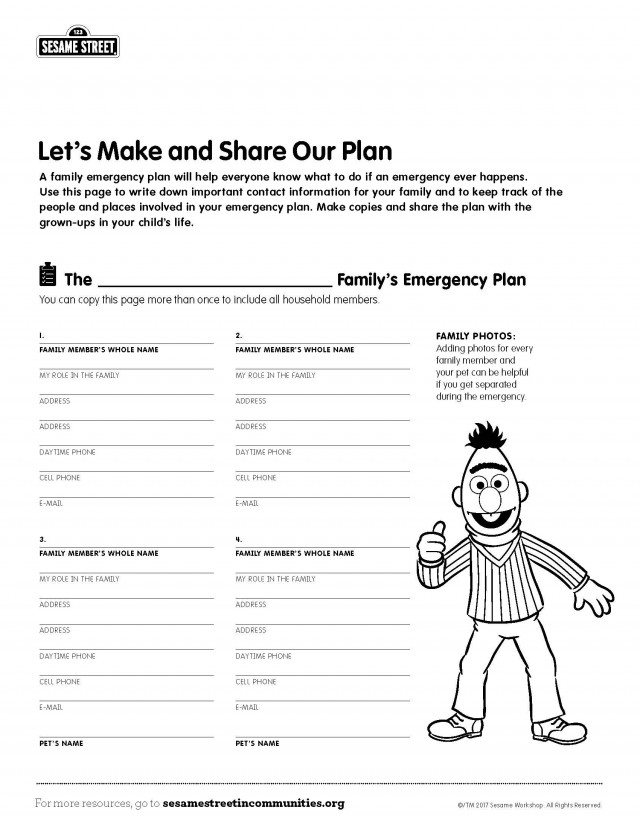
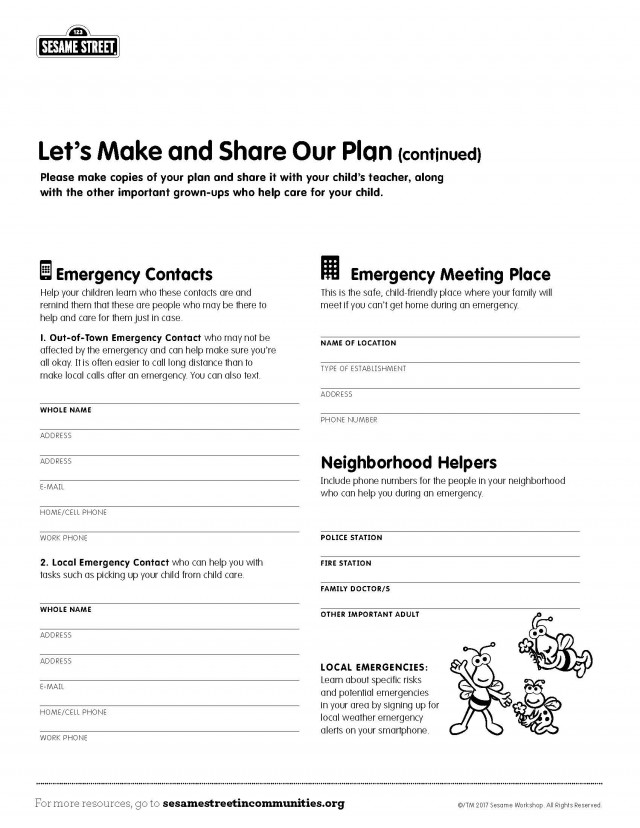
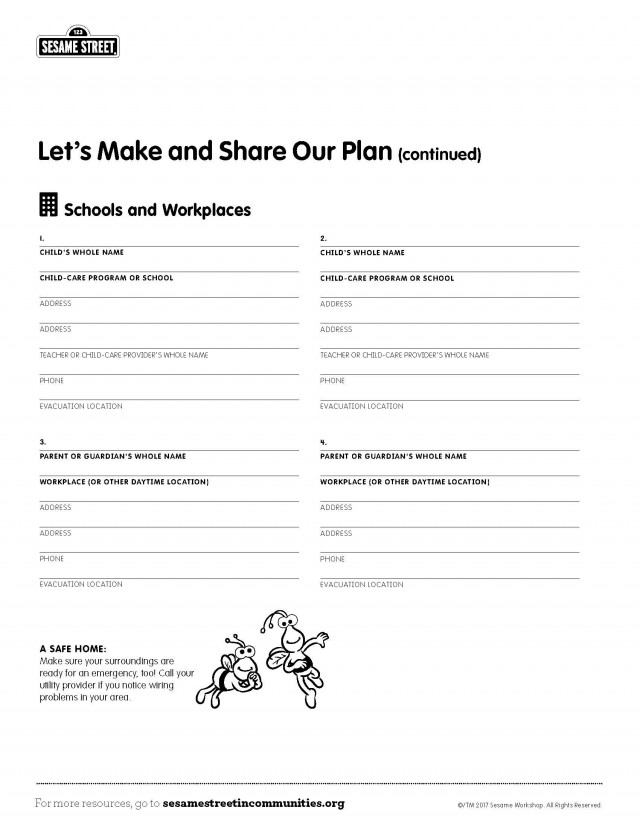
RESOURCES FOR CHILDCARE PROVIDERS
All in-home childcare providers need to think about emergency preparedness for the children under their care. These children are usually young children not yet of school-age and infants. Below are some links and resources for emergency planning for childcare providers in both English and Spanish. These resources also include special considerations for children with disabilities or other access and functional needs.
UCSF California Childcare Health Program Links:
Thank You!
