Friday, December 31, 2021
Happy last day of 2021!
We often celebrate the beginning of a new year, but this year perhaps the celebration should be reserved for the last day of the year. Looking forward there is still plenty of uncertainty concerning the workplace and its role in the corporation going forward.
In 2022 (yeah tomorrow), we'll be expanding our coverage of the working space, delivering more related stories that will keep you apprised of the latest trends in working space design, technology, and furnishings. We aim to deliver a complete snapshot of what's working and what isn't. With any luck, 2022 will turn out to be a great year for working spaces everywhere.
Thank you all for your incredible support of our efforts. Have a great New Year's Day. See you next week.
News

For the first time since the start of the pandemic, six of the 12 major U.S. markets analyzed in the report saw the amount of space sought by companies approach or exceed pre-pandemic levels. This implies that company leaders are not yet ready to trade their physical footprint for fully remote work.



“It’s rare that a draw can be considered a win, but that is the case with November office-leasing activity in these top 12 markets,” said Nicole LaRusso, CBRE Director of Research & Analysis and lead author of the firm’s monthly Pulse of US Office Demand report. “Uncertainty typically hampers leasing activity. But, with two of our indices showing only tiny losses and the third holding steady, it appears that companies remain focused on their long-term needs for office space.” CBRE’s monthly report tracks three leading indicators of office market activity in the top 12 US office markets: tenants-in-the-market (TIM); leasing activity (as expressed through finalized lease agreements); and the availability of sublease space.



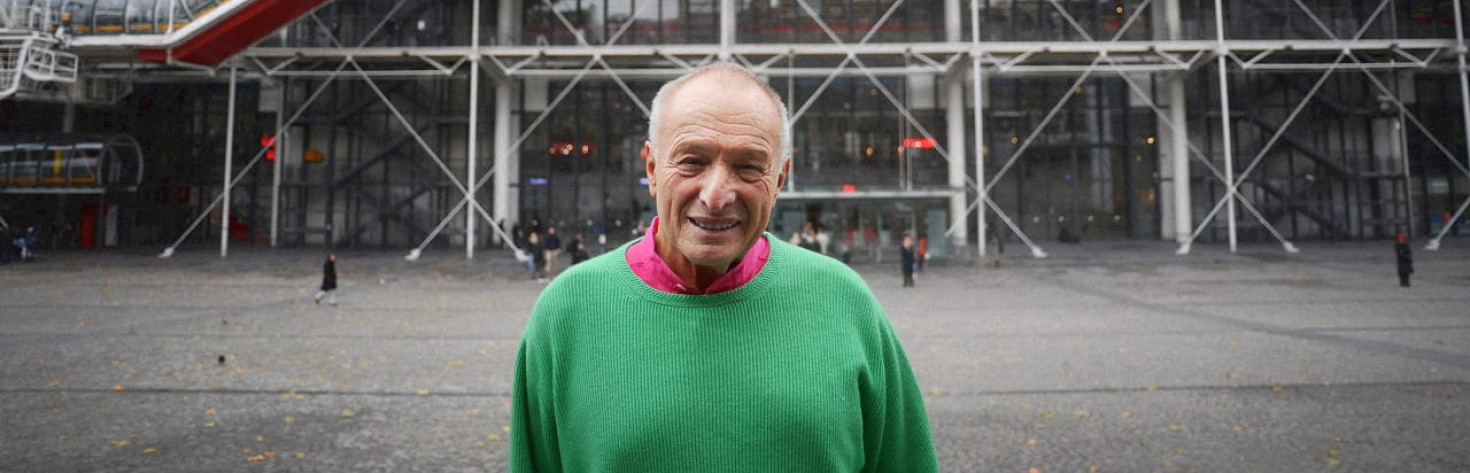

With growing pressure from investors, insurers, tenants, policymakers, and other stakeholders, sustainability and resilience features will become a hallmark of real estate portfolios. Just last month at COP26 in Glasgow, Gensler announced its global green materials initiative. With more attention now than ever before on the built environment’s role in decarbonization, this effort will assist our clients in understanding how low-carbon building materials and design choices can guide their business decisions and yield long-term results.
Flexible design and healthy density are key for easing return-to-work hesitation, as well as attracting and retaining talent.
There is a battle for talent taking place right now, as many employers are contending with the so-called “Great Resignation.” Other organizations are balancing the launch of their return-to-office plans with valid employee concerns over the lingering pandemic. To address both, many companies are reimagining office density and embracing smart and flexible workplace design, changing and improving the ways we engage with our workforce to drive creativity and innovation.
The most successful cities will become mixed-use ecosystems of interconnected neighborhoods.
With rapid technological advancements and new ways of daily connection driving how we live, work, and play, cities have become truly borderless. With new awareness of how our metro regions, urban cores, and neighborhoods work together to advance local economies, planners’ views have changed on the connections between climate, mobility, and work, along with access to housing, education, and retail. The result is a shift in how people relate to cities and their components.

BIFMA and ISO Furniture Standards Releases
BIFMA has completed its review and recommendations for the following furniture safety and performance standards in accordance with the established American National Standards Institute (ANSI) 5-year review process.
ANSI has approved the reaffirmation and revisions based on BIFMA subcommittee recommendations. ANSI/BIFMA X5.6-2016(R2021)
Panel Systems
The Panel Systems Subcommittee recommended a reaffirmation of the 2016 edition of ANSI/BIFMA X5.6. The ANSI Consensus Body agreed with the BIFMA Panel Systems Subcommittee and ANSI approved the reaffirmation of X5.6 on August 27th. ANSI/BIFMA X5.41-2021
Large Occupant Public and Lounge Seating
A correction was made for clause 14 Seating Durability. The weight bag drop height was corrected to 91 mm (3.6 in.) / 30 mm (1.2 in.). ANSI approved the correction on August 5th. ANSI/BIFMA M7.1-2011(R2021)
Standard Test Method for Determining VOC Emissions from Office Furniture Systems, Components, and Seating
The Emissions Standard Subcommittee recommended a reaffirmation of the 2016 edition of ANSI/BIFMA M7.1. The ANSI Consensus Body agreed with the Subcommittee and ANSI approved the reaffirmation of M7.1 on November 12th. ANSI/BIFMA X7.1-2011(R2021)
Standard for Formaldehyde & TVOC Emissions of Low-emitting Office Furniture and Seating
The Emissions Standard Subcommittee recommended a reaffirmation of the 2016 edition of ANSI/BIFMA X7.1. The ANSI Consensus Body agreed with the Subcommittee and ANSI approved the reaffirmation of X7.1 on November 12th. ISO 7170:2021
Furniture – Storage Units
Test methods for the determination of strength, durability and stability was approved in September. Copies of the new ANSI/BIFMA standards are available from BIFMA immediately. These and other standards may be ordered online.

The Workplace
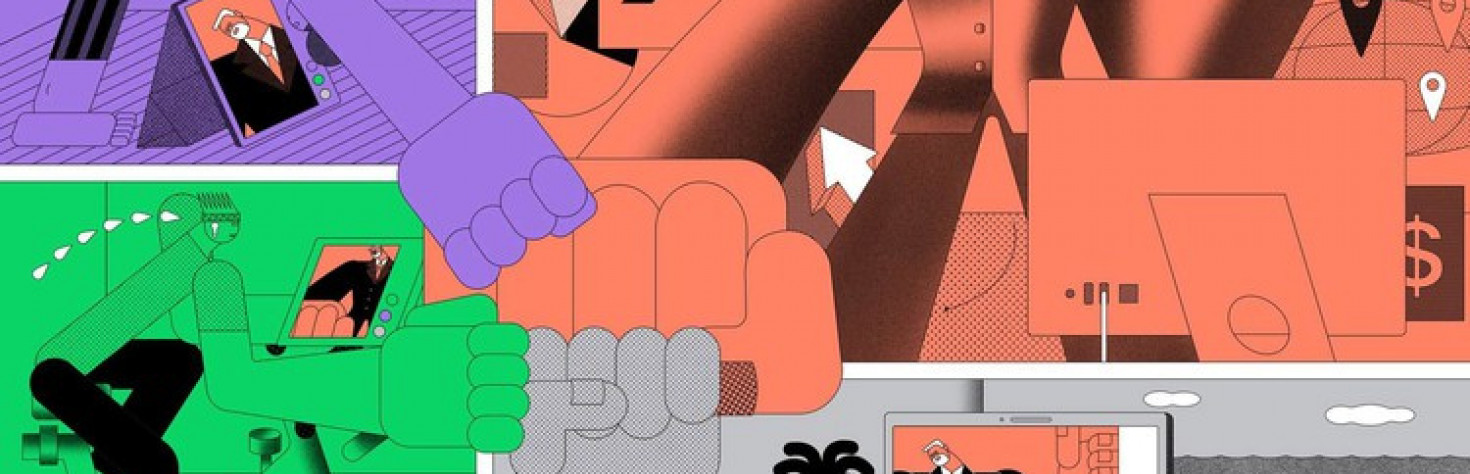
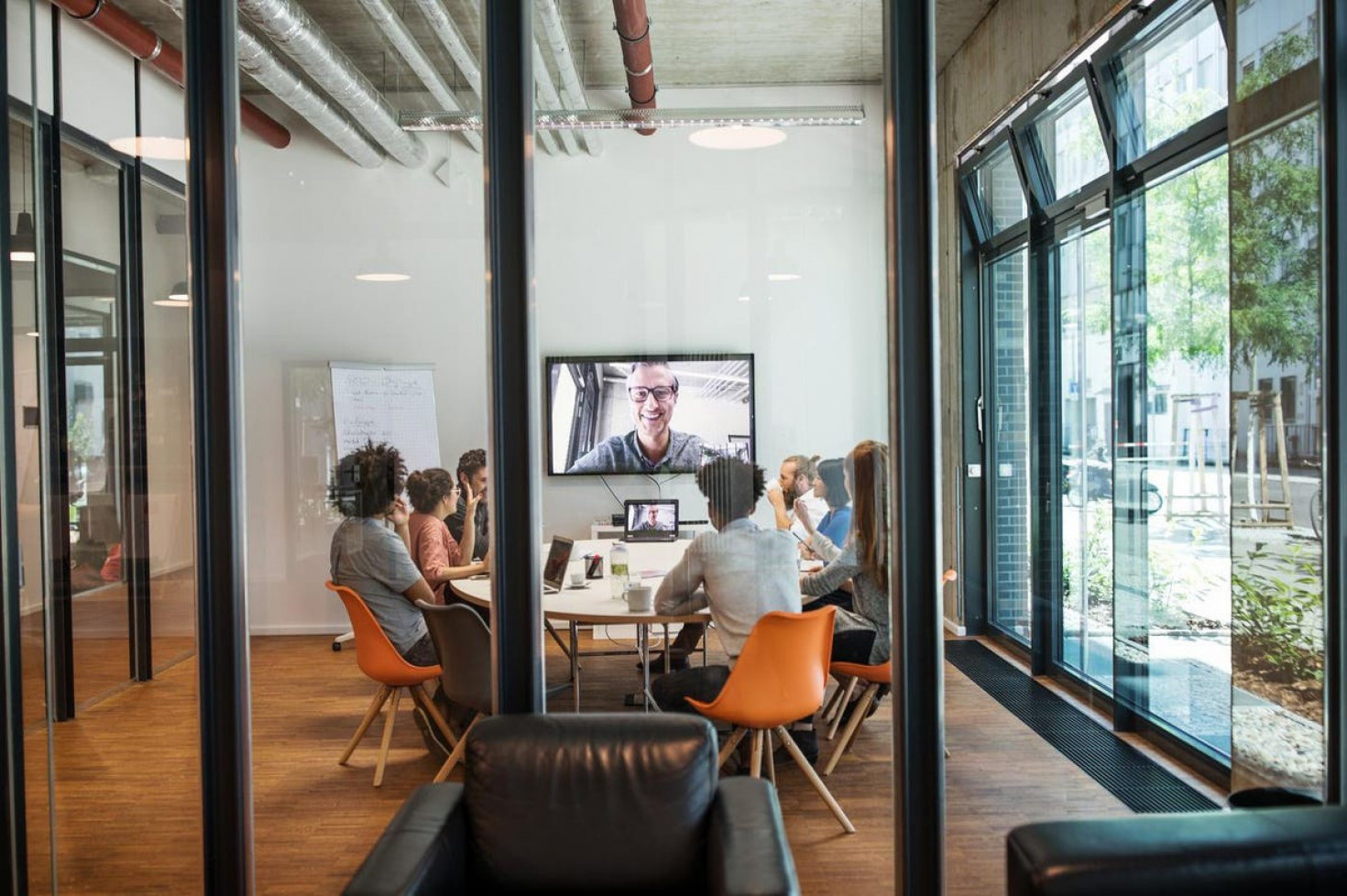
One thing is certain though: At a time when the job market is highly competitive, with 1.1 million vacancies in the U.K. alone, businesses must listen to the wants and needs of their employees or face losing out on top talent. Dubbed the "Great Resignation," there is a global trend with large numbers of employees resigning to find working environments that more closely match their preferred working styles and achieve the right work-life balance.
Work is no longer a place people go to but instead is something that people do, and increasingly do from anywhere. Businesses need to reimagine their offices as a place with a purpose where employees attend for a reason rather than out of habit, whether that be a team meeting, to collaborate and innovate or share ideas. The flexibility to enable these in-person interactions is important since they foster the sort of genuine idea-generation environments that aren’t always possible on video calls due to limitations such as hard stops from one meeting to the next.
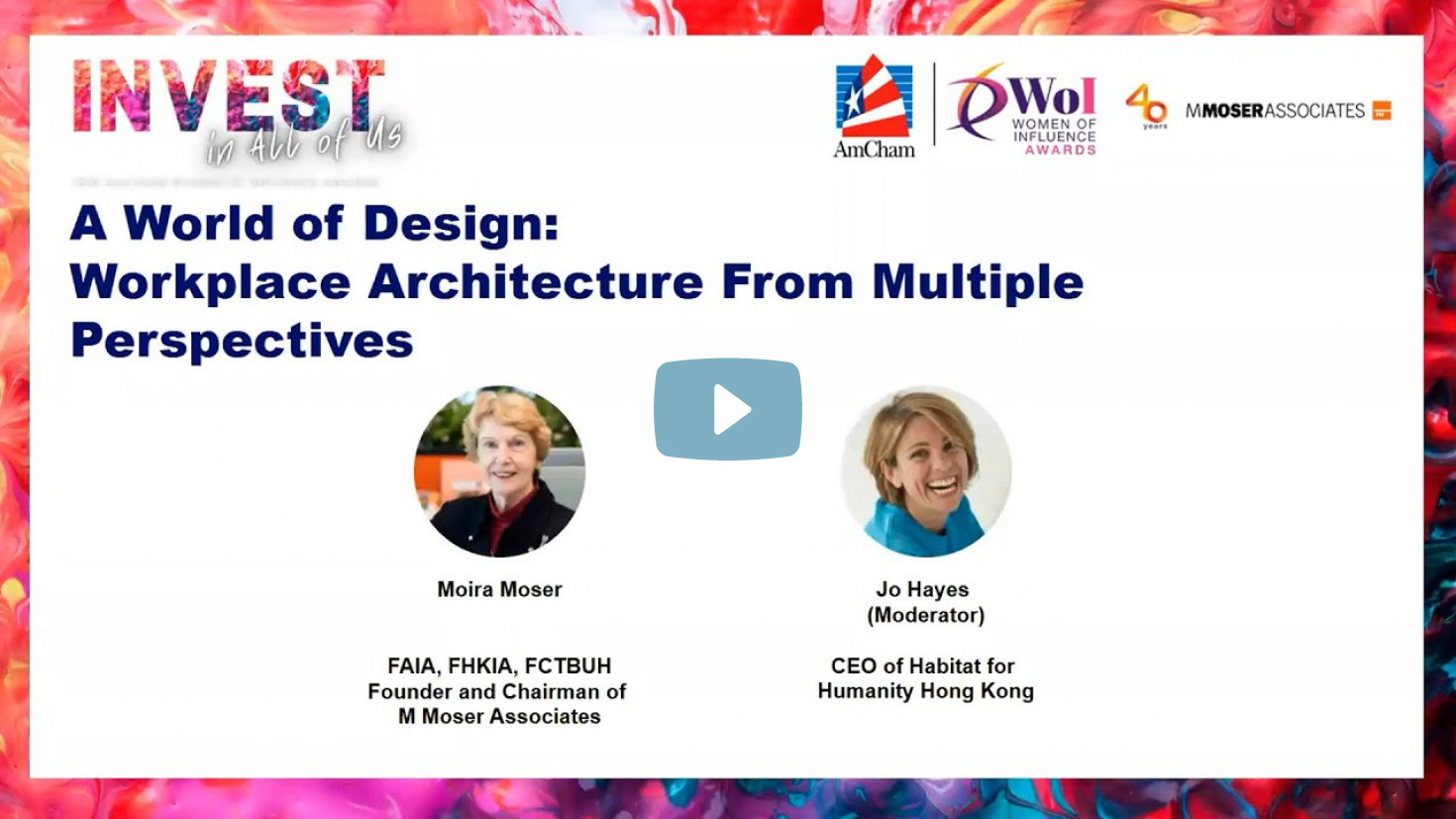
The conversation started with Moira’s childhood aspiration to be an architect and how she pushed past the barriers that came her way – eventually becoming a project architect, arriving in Hong Kong and starting M Moser Associates. Moira shared about the many women leaders at M Moser who have also taken initiative and expanded our reach, growing and leading global teams.
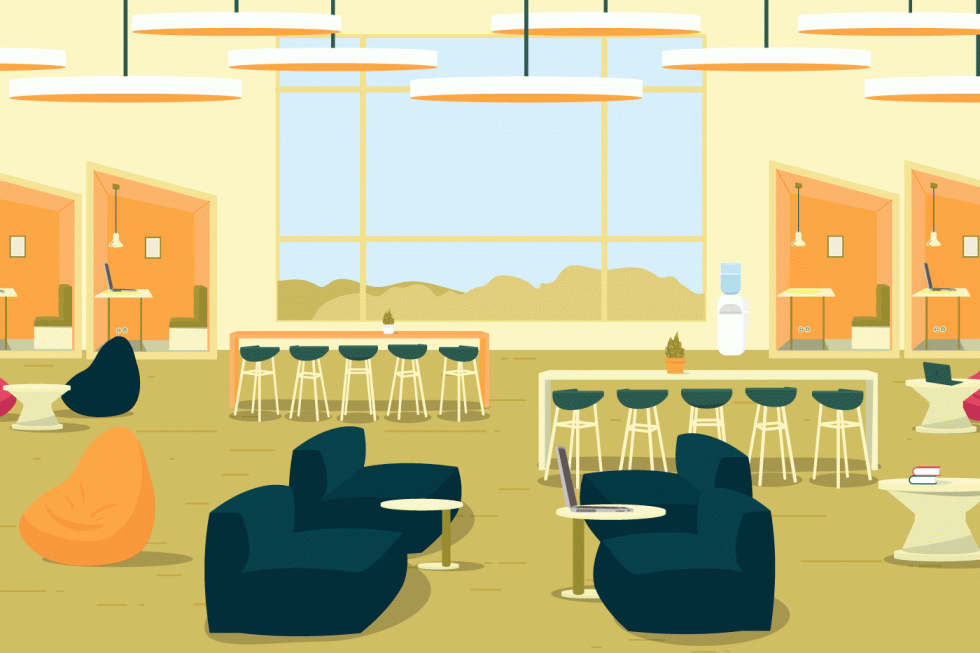
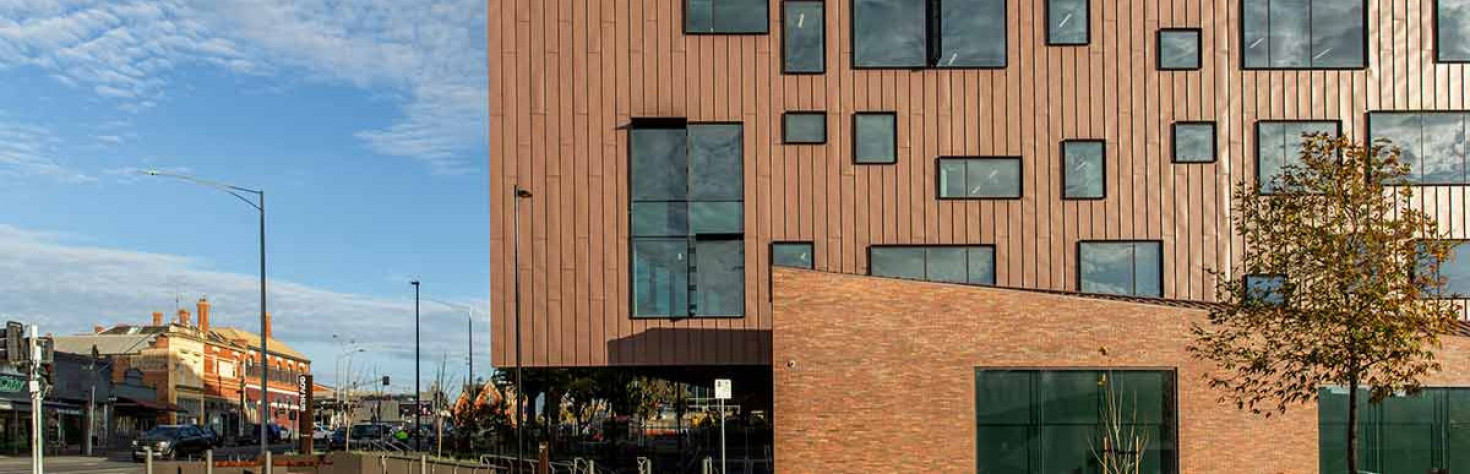
The government modeled scenarios based on up to 60 percent of employees working both remotely and in the office. Utah now has a roadmap toward saving as much as US$13.6 million annually as it shifts to its new hybrid workplace model.
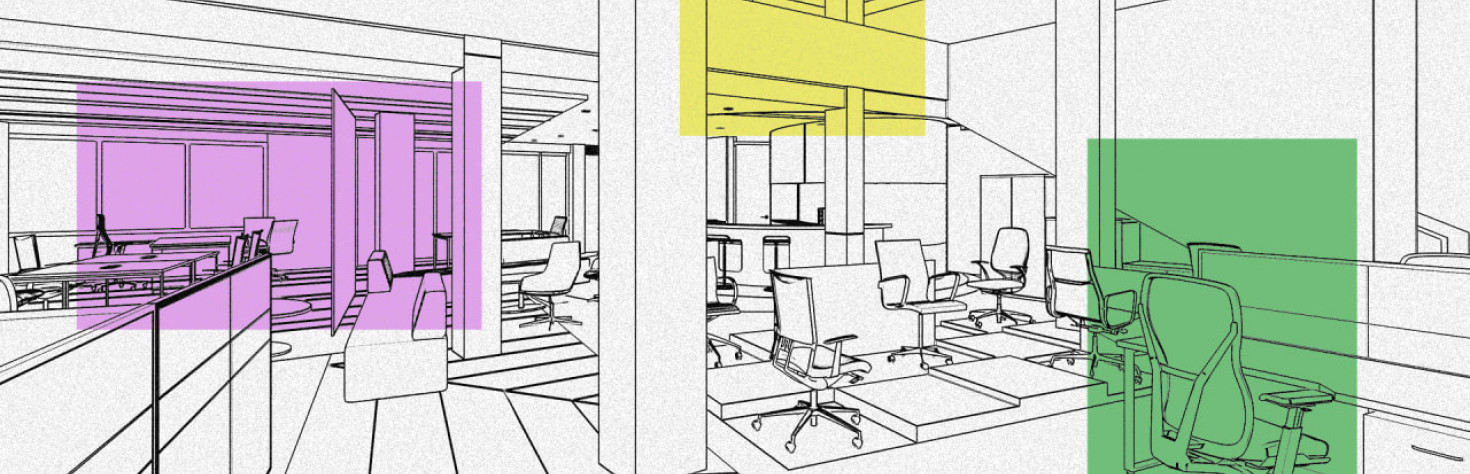
Research shows that nearly 70% of employees believe they are more focused and productive working from home. And more than 90% want to continue to do it going forward, at least part of the time.
Rather than mandating time in the office versus working remotely, give employees freedom and trust them to choose where and how they work based on the outcomes they need to achieve.
Tear down the walls
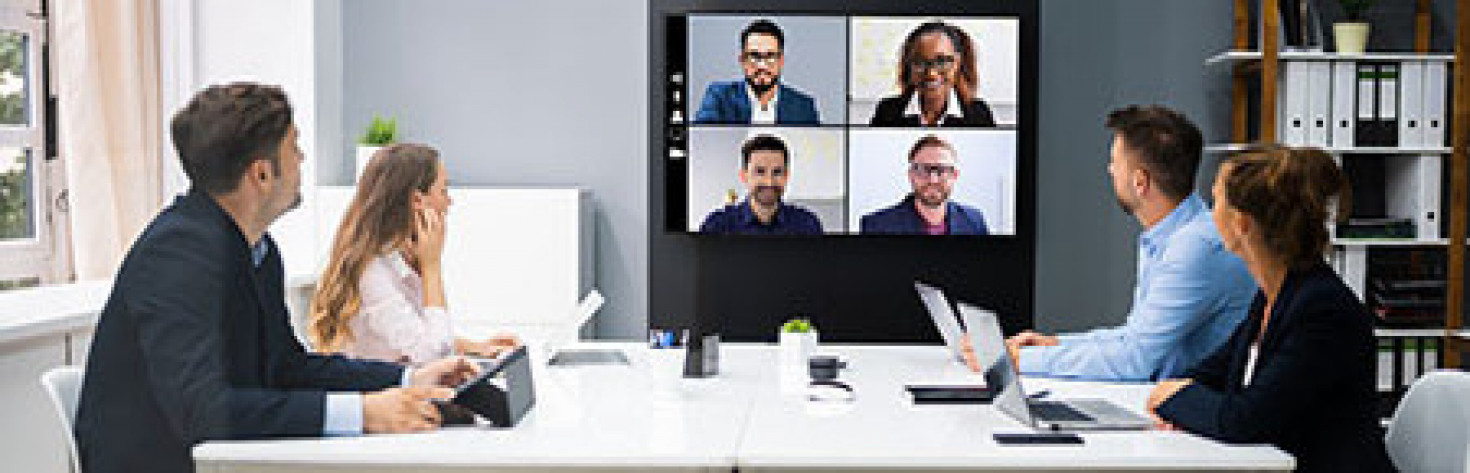
One of the most positive results of the pandemic’s forced remote work experiment is that it has leveled the playing field. In virtual meetings, everyone gets their own box on the screen and has an equal voice, which creates more inclusivity than in days past when the majority of employees were huddled around a conference table having sidebar conversations, eating lunch together, leaving remote workers feeling left out. Employees also have the same access to information and opportunities to contribute through their digital workspaces.
But as offices reopen, there is the potential to create a culture of haves and have nots and erode these gains. A recent survey showed that 38% of knowledge workers believe remote employees will be at a disadvantage for not working out of a central office location. To prevent this, focus on creating work-from-anywhere experiences that give employees the space and tools they need to succeed, wherever they happen to be.
In just the past year, employees have become increasingly clear about what they want: full flexibility.
Flexibility has played a supportive role in the workplace since the onset of the pandemic, but moving forward, this factor will become necessary for employee retention and overall operations.
Full flexibility expands beyond shorter work days or rearranged hours throughout the week. It means providing workers with total control over where they work and when they work.
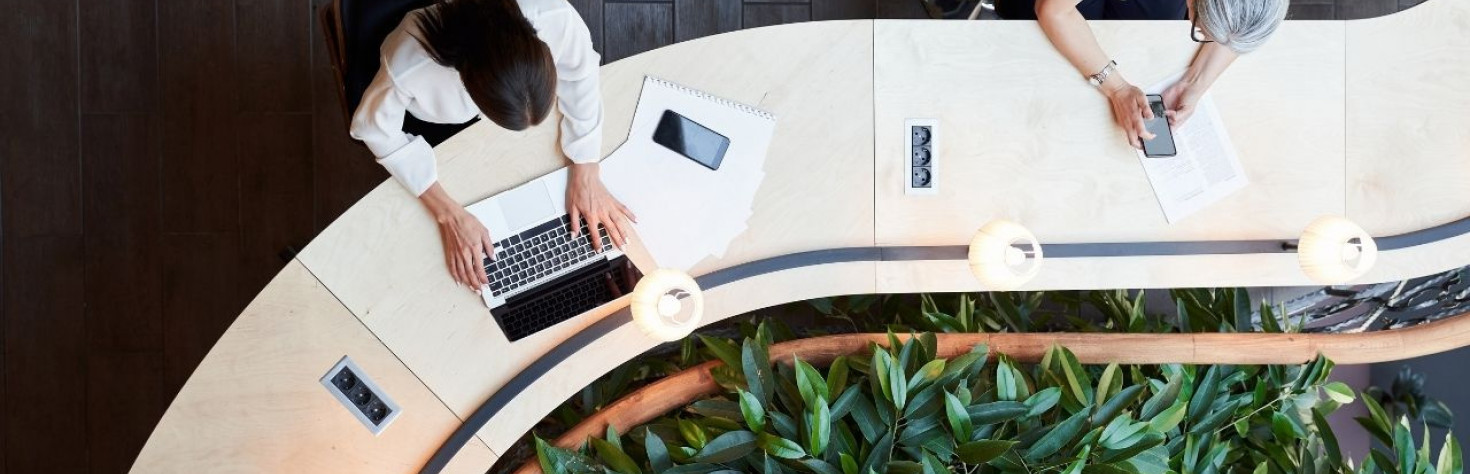
Different companies and industries have vastly different needs, but what we do know is that leadership teams are hesitant to invest a lot of capital on major renovations. A safer bet? Converting existing spaces into flexible or multi-purpose spaces that accommodate frequent or unexpected changes in behavior or policy. These spaces are adaptable with flexible furniture options and soft architecture that can be transformed in a matter of minutes.
Trends
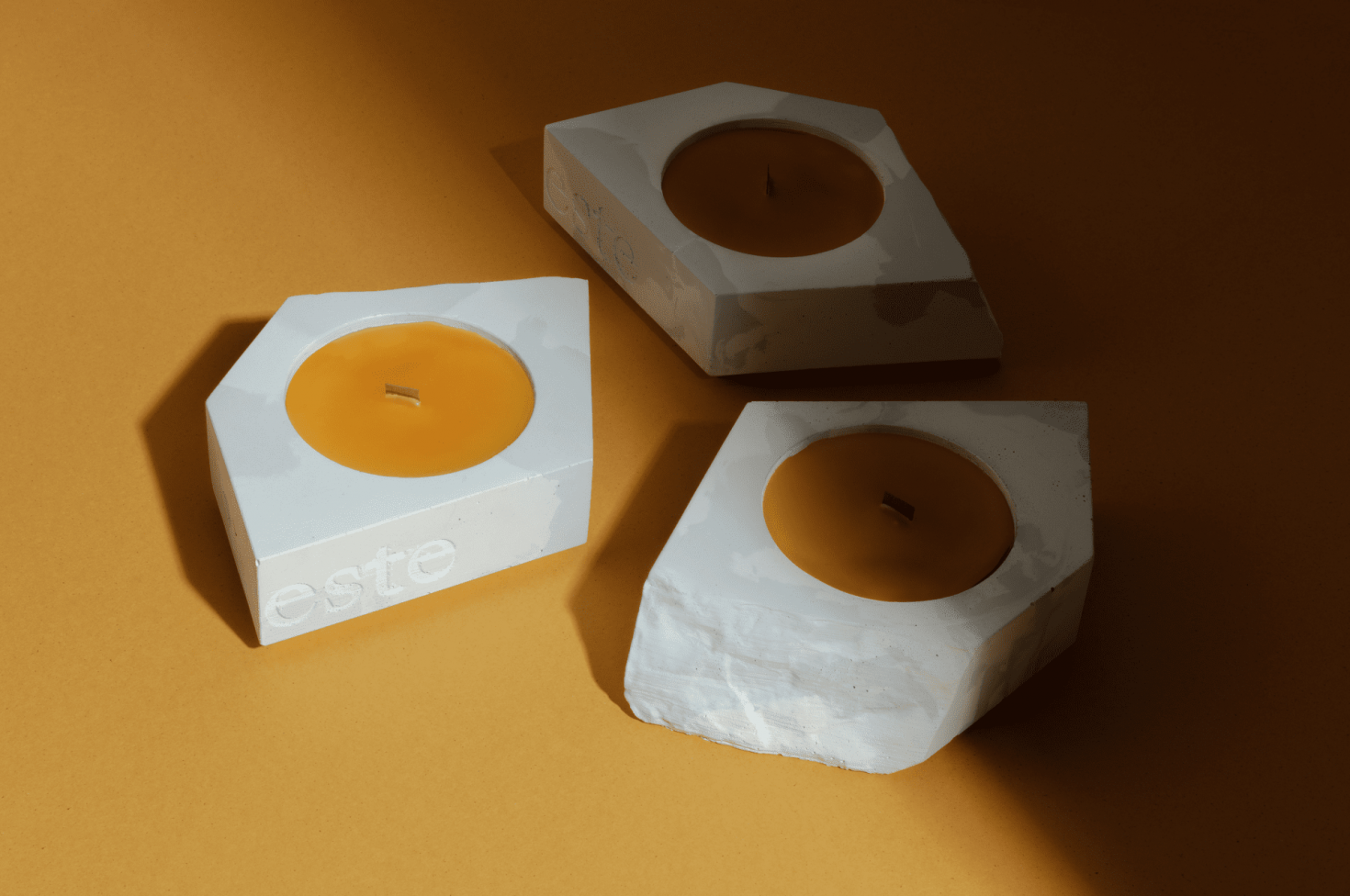
With the ever-changing nature of workspaces, both at home and those returning to the office, candles and scents play a central role in creating comforting environments which are conducive for productivity. Within this, there are a number of key trends which WGSN are seeing emerge.
Joyful expression
Candles continue to offer consumers an affordable and easy way to add a bold dash of uplifting colour and positivity to any space. This is key in creating workplaces in which we feel comfortable following the pandemic.

WFH - Work From Home

And although there are now very effective vaccines against COVID-19, many employers and employees plan to work from home permanently.
The New Normal is Working from Home
In a study conducted by Mercer in May 2021, up to 70 percent of employers plan to switch to a hybrid model, which includes office and homework, after the pandemic. Meanwhile, a Microsoft study found that 66 percent of employees also want the hybrid arrangement.
The pandemic proved that most work does not have to be done at the office. With a laptop and a secure internet connection, everyone can fulfill their professional roles without a problem.
In fact, for many working adults, being called back to the office full-time is a deal-breaker. Another survey conducted by FlexJobs around March and April 2021 revealed that respondents would “absolutely” leave their jobs if they could not work from home. A more recent survey revealed that the sentiments have not changed. Many people are planning to quit or have already quit because they must return to the office.
Moreover, workers are more likely to stick around and be loyal to their employers if they are given a chance to work from home part-time or full-time.
The home office is unlikely to go away anytime soon.
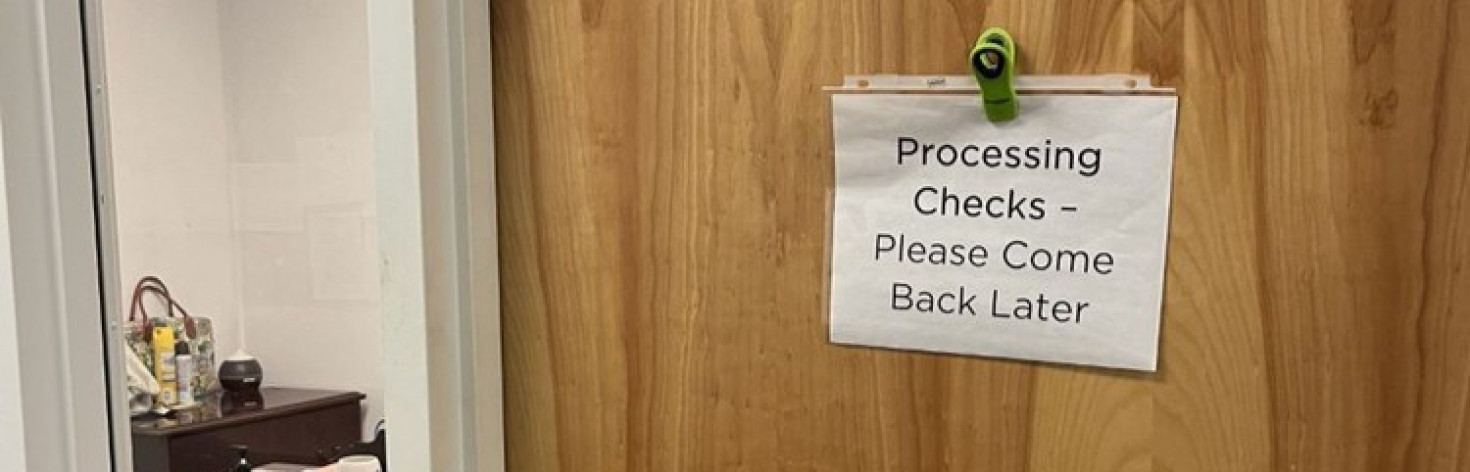
When Cara Dimitropolis started working from home nearly two years ago, she was constantly distracted by her chatty husband and the dog. These days, working from home is a welcome respite from the place she seems to have a hard time getting anything done: the office.
“Most people now want to sit and just chitchat with me for an hour,” said Ms. Dimitropolis, 30, who works in marketing for a real-estate company in East Longmeadow, Mass. “I’ll try and come in early and I won’t ever actually be alone. Somebody will come in and think I’m in here early just to talk and shoot the breeze for an extra hour.”
Remote Work
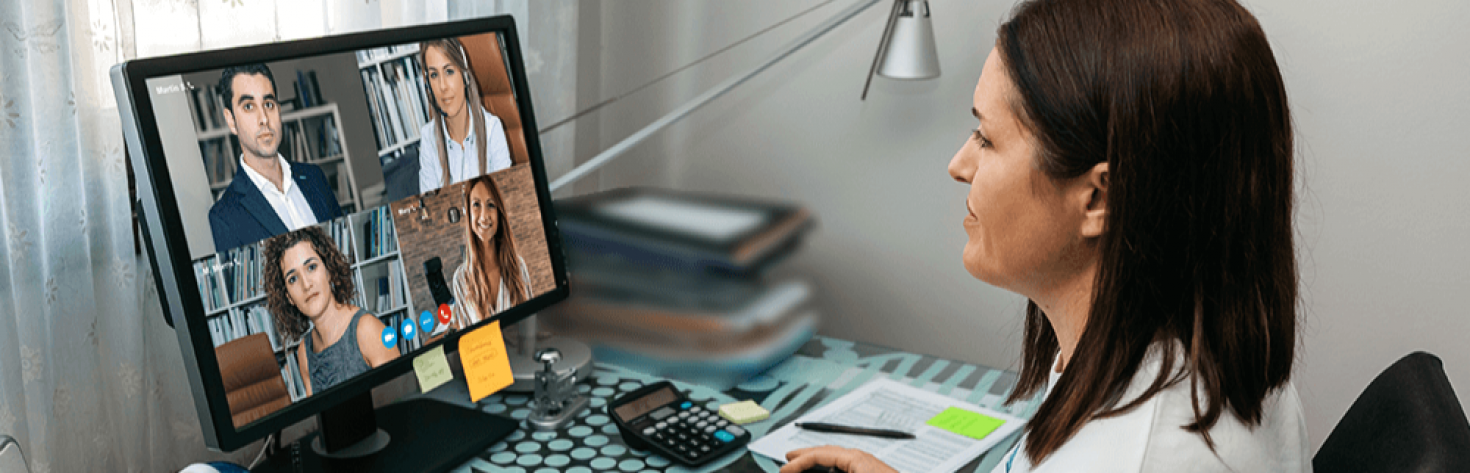
The fact is, when it comes to running a successful business, there are significant hindrances if you don’t work together in person. The current conversation among leaders is missing acknowledgment of those essential in-person elements, as well as discussion about the long-term, strategic implications of going remote.
Flex Office
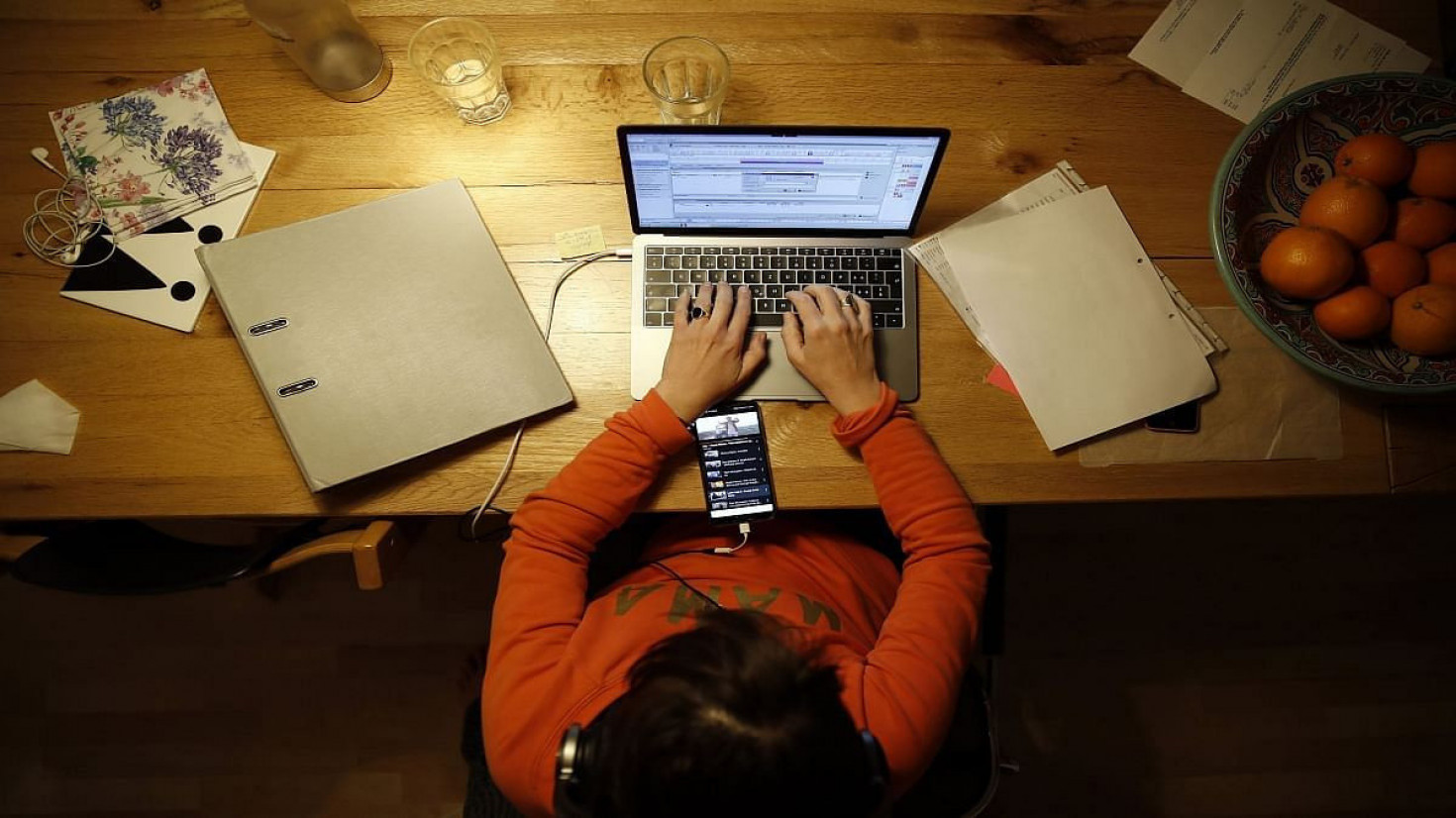
Hybrid working is an amorphous term. Depending on the organization, it may mean workers coming in most days, a couple of days per week or only meeting once a quarter. In some companies it will be a combination of all of those, tailored to individuals.
Hybrid working started long before the pandemic, with flexible working and teleworking gaining popularity first with the emergence of personal computers in the 1970s and then with the internet in the 1990s. However, at the beginning of 2020, still only 5% of work hours in America were spent at home. By spring 2020 this had risen to 60%. As of October 2021, that figure was still at 40%.
Similar trends have played out across the world. Millions of people who had never had the opportunity or inclination to work remotely were experiencing a different model, and many found they could work as effectively from home.
Offices seemed not as essential as we thought, and as companies like Twitter started to make announcements that staff could work from home forever, the reason for having them at all started to be called into question.
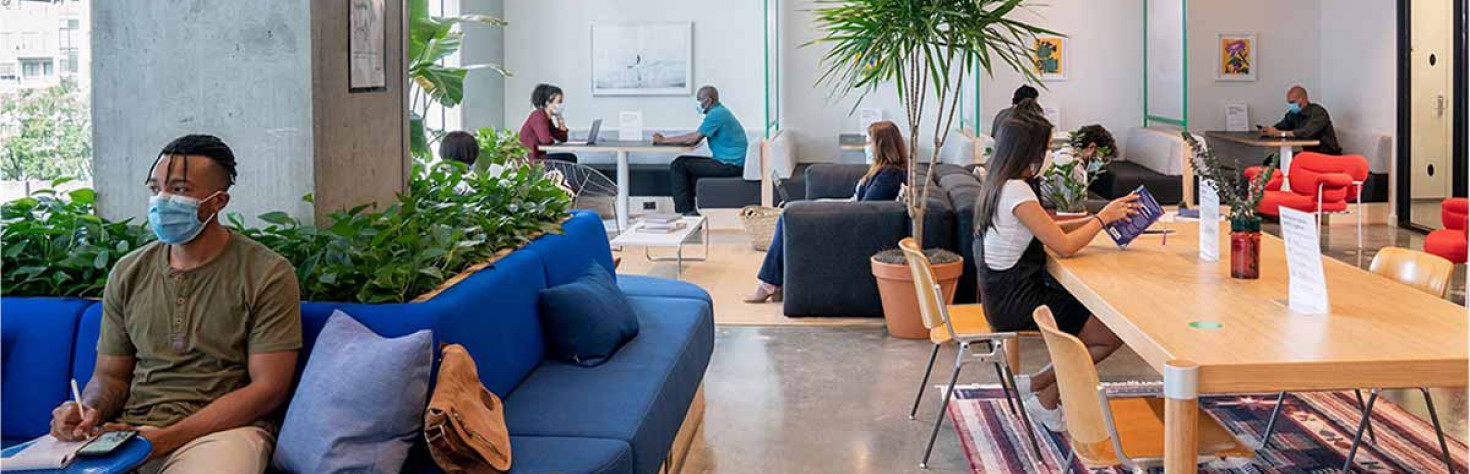
As the pandemic forces employers to make difficult decisions on the future of remote work, hybrid schedules and “work-near-home” programs, flexibility promises to be a critical element of long-term corporate real estate strategies.
Design
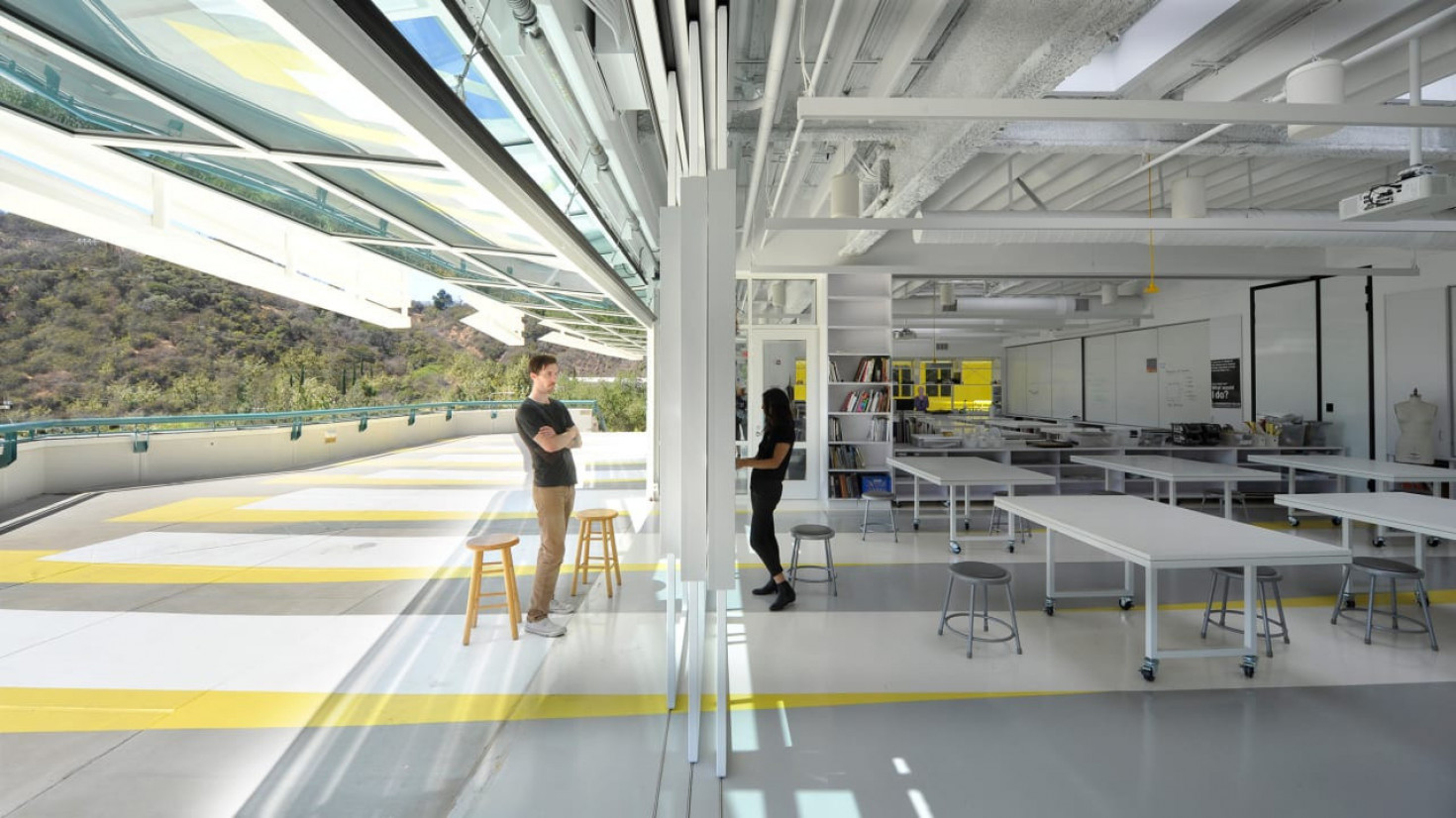
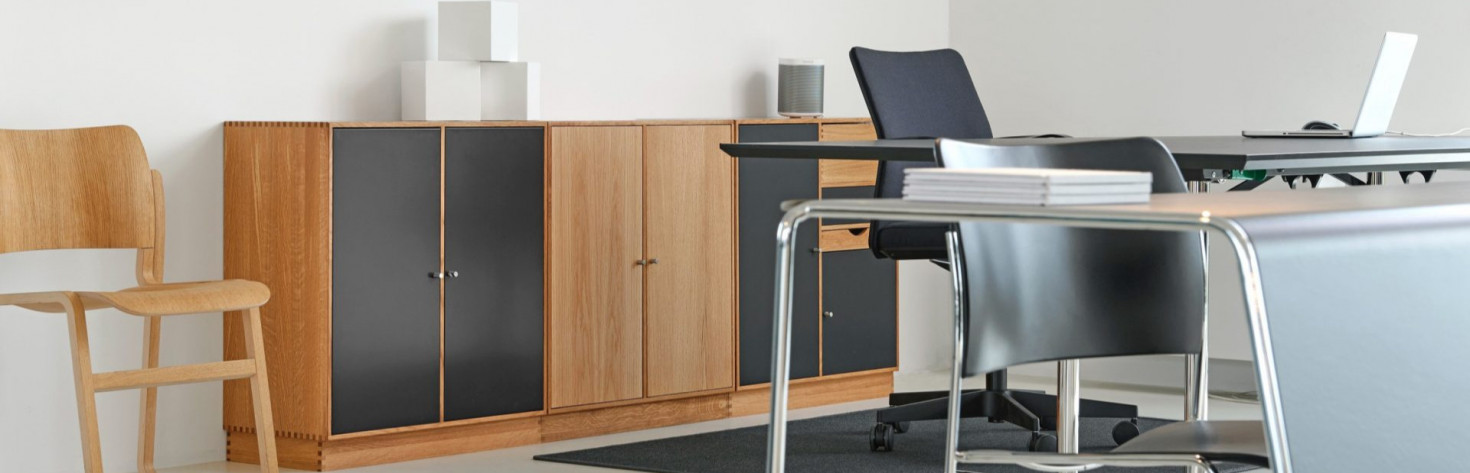
One of the great takeaways from our work-from-home experiences is our ability to take off the corporate mask and work in an environment more in tune with our unique personalities and personal choices.

Makers
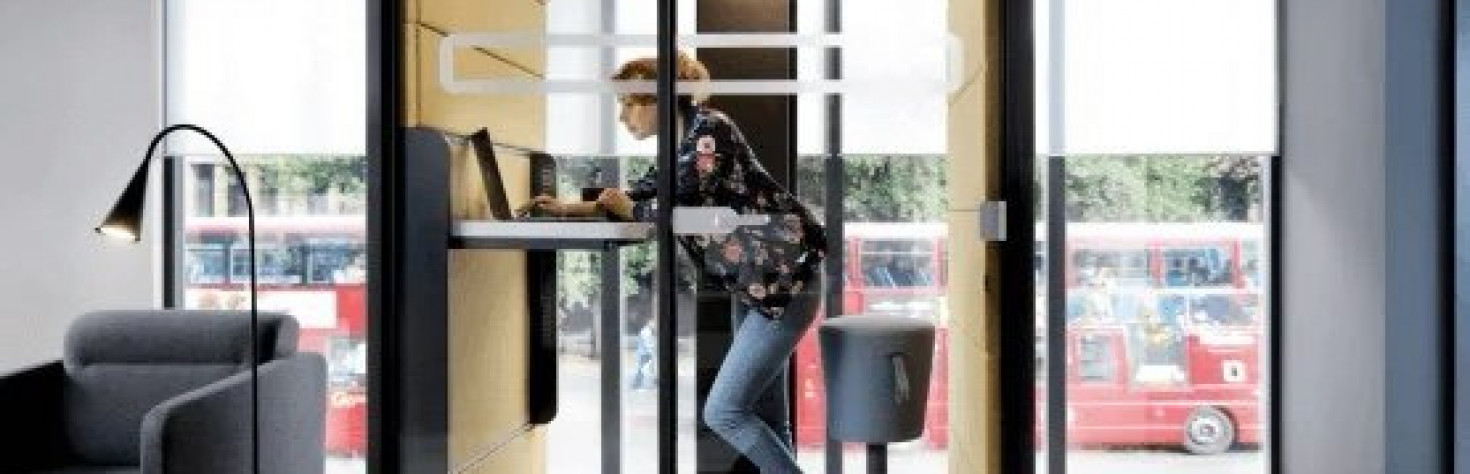
Mikomax, a family-owned manufacturer of acoustic pod solutions, has become a significant player in the acoustics market. Their signature brand, “Hushoffice,” consists of 10 product lines and is currently present in 50 countries worldwide.
“We are excited to partner with a company that shares the same values as Haworth and complements the Haworth collection portfolio in North America,” said Matthew Haworth, Chairman of Haworth.
The acquisition is expected to close in the second quarter of 2022, subject to the satisfaction of regulatory authorities.
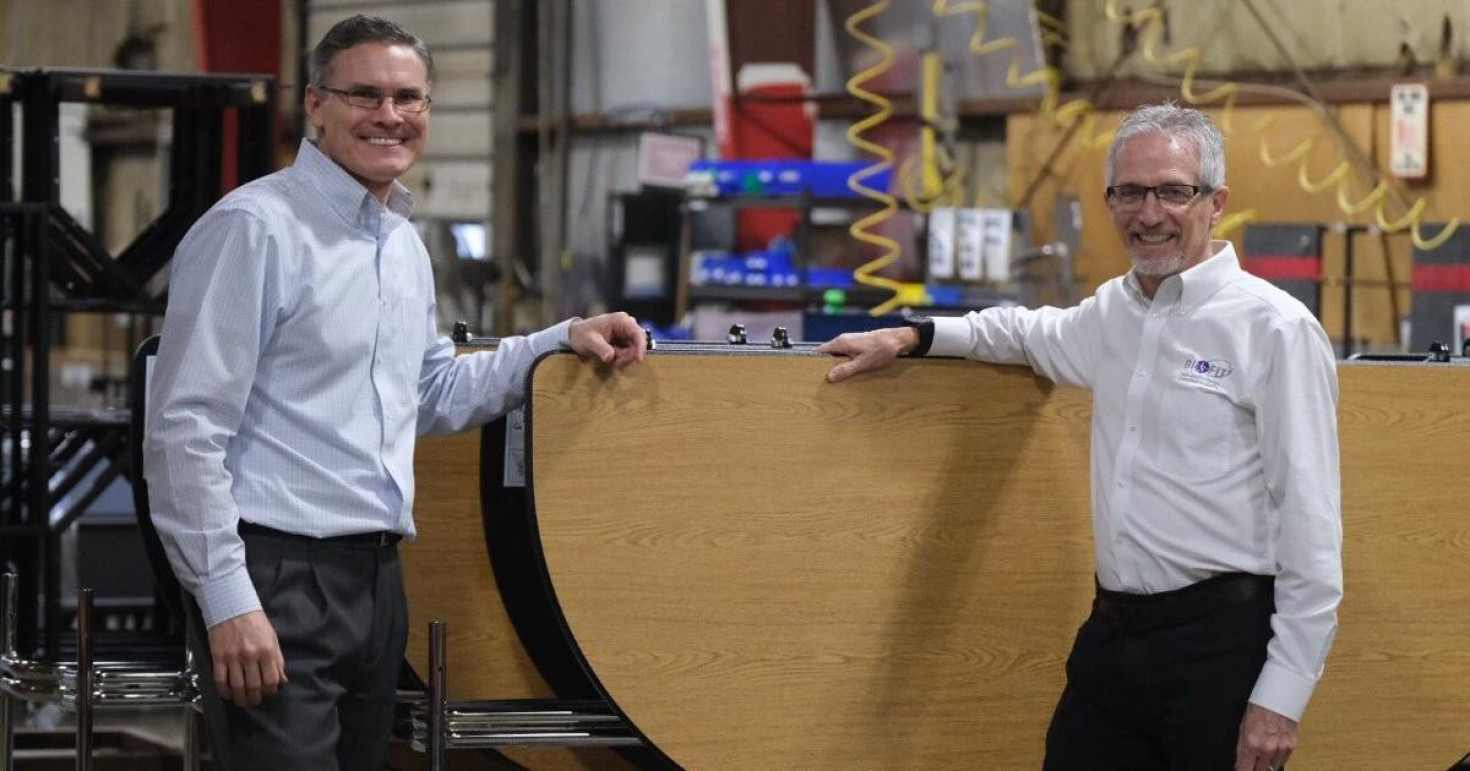
After 42 years at the chair and table manufacturer — the last 14 as president — Metzger is retiring. Connell, who has been controller and chief financial officer at BioFit, is taking the reins.
The move for Connell to be president has been planned for about three years.
“We really started hitting it hard, probably in March we really started coming up with a plan,” Connell said.
Dealers
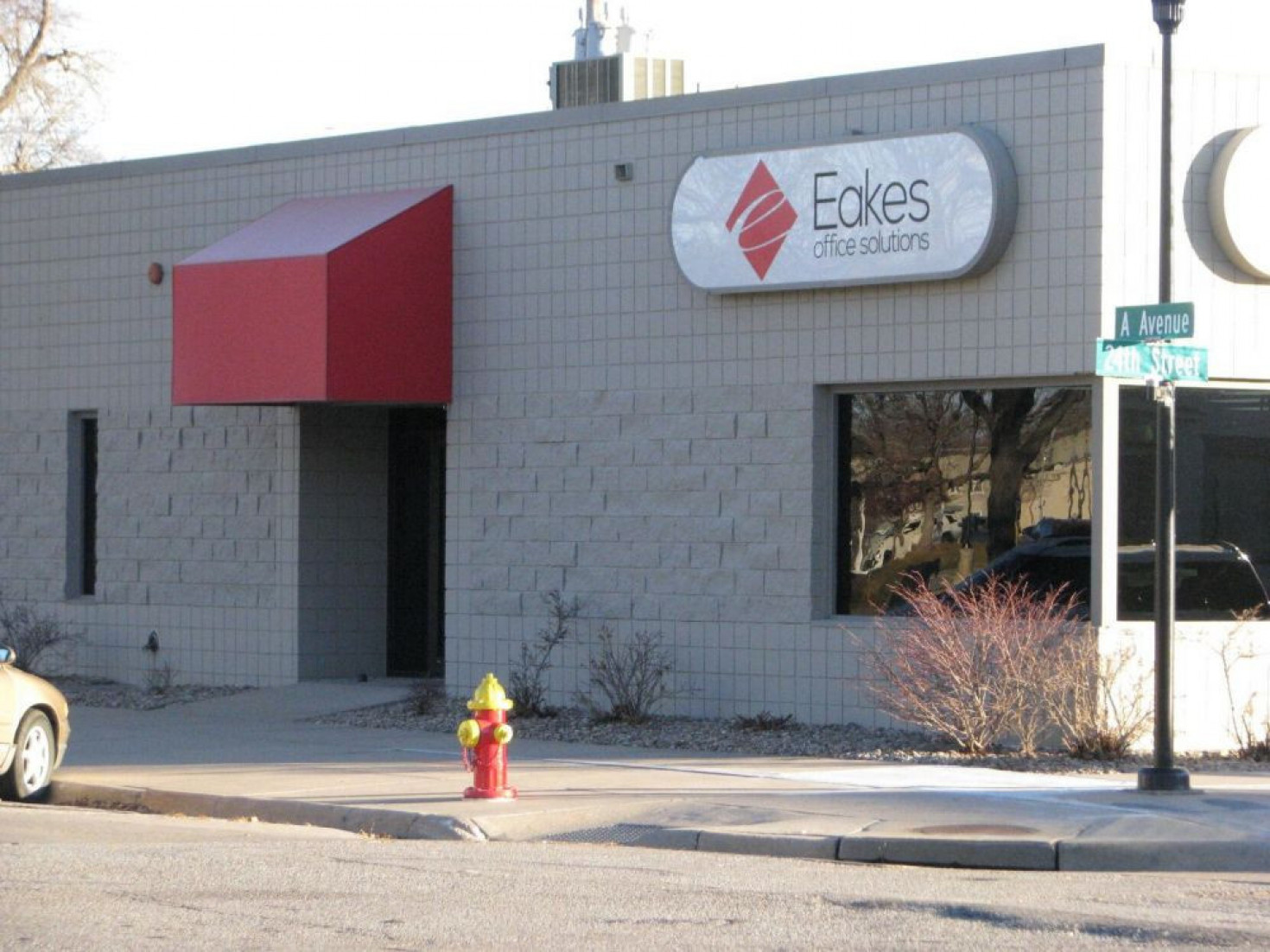
“I want to thank our customer across the state for their incredible support over the years. I’m confident in Eakes’ ability to take care of all of our loyal customers moving forward.” Russ Hoetfelker, owner of OfficeNet, Inc, said in a press release.
Although Hoetfelker will be retiring at the end of December, customers will continue to see some familiar faces from OfficeNet joining the Eakes team.
“Russ and his team at OfficeNet have provided a high level of customer service to many Nebraska communities for a long time. We take customer care seriously, and we look forward to continuing that tradition while expanding products and services in the area.” said Mark Miller, president and CEO of Eakes.
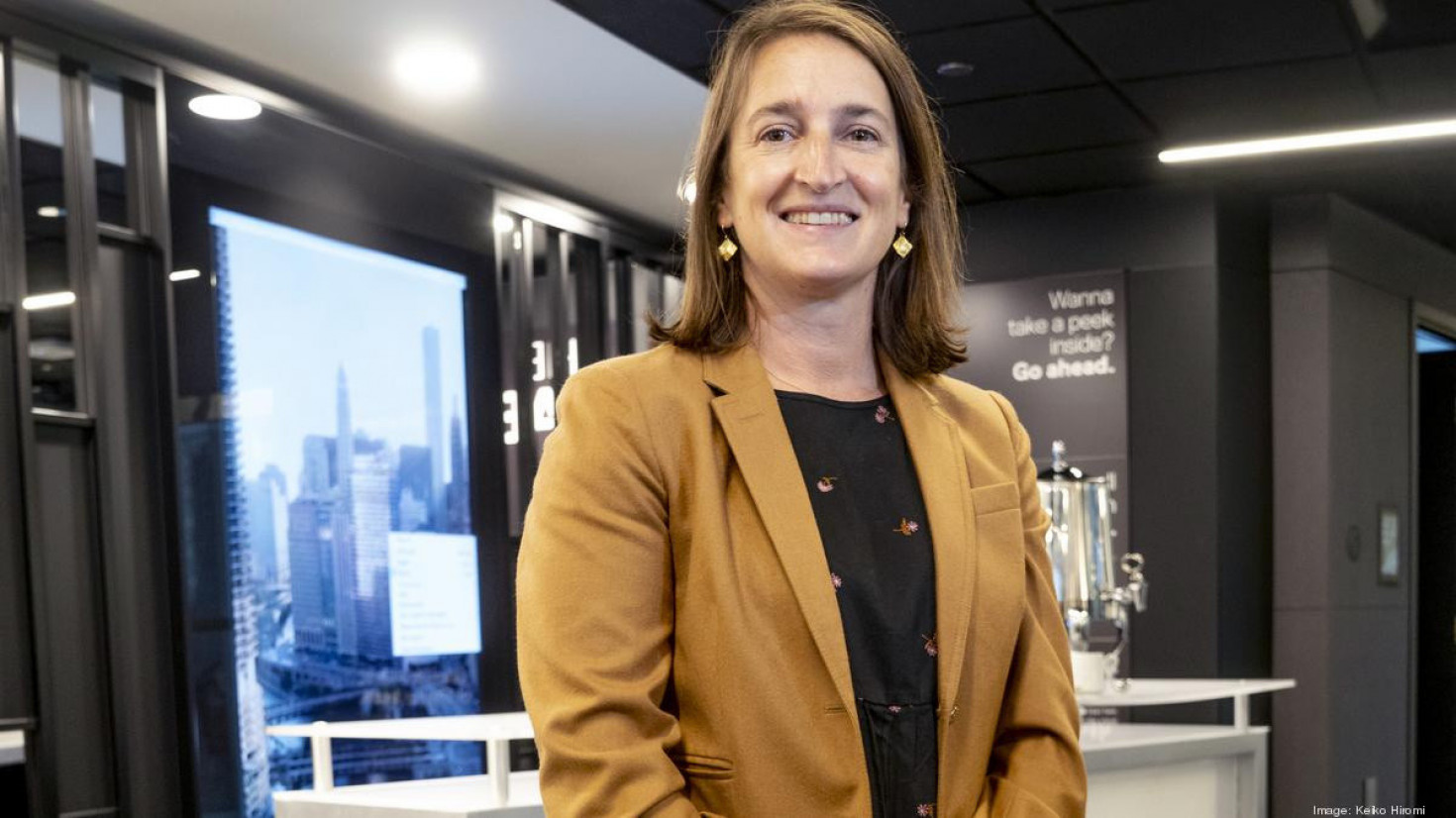
Continental is based in Columbus, Ohio. Workscape is buying the lease to its Lawrenceville studio, and all 16 local employees are being offered jobs.
Two years into the Covid-19 pandemic, many companies are rethinking their office spaces and considering work-from-home options, but business is still strong for Workscape.
Workscape is starting fresh in a new building with a new showroom for Herman Miller/Knoll/DIRTT, the brands it represents.
Workscape was founded in 1996 by Dave and Dawn Sauter, and sold to Workscape Holdings LLC in 2019.
Rothschild is the CEO of Workscape, a company based in Pittsburgh. She has also been involved with Walmart, Dick's Sporting Goods and Gap Inc.
Products
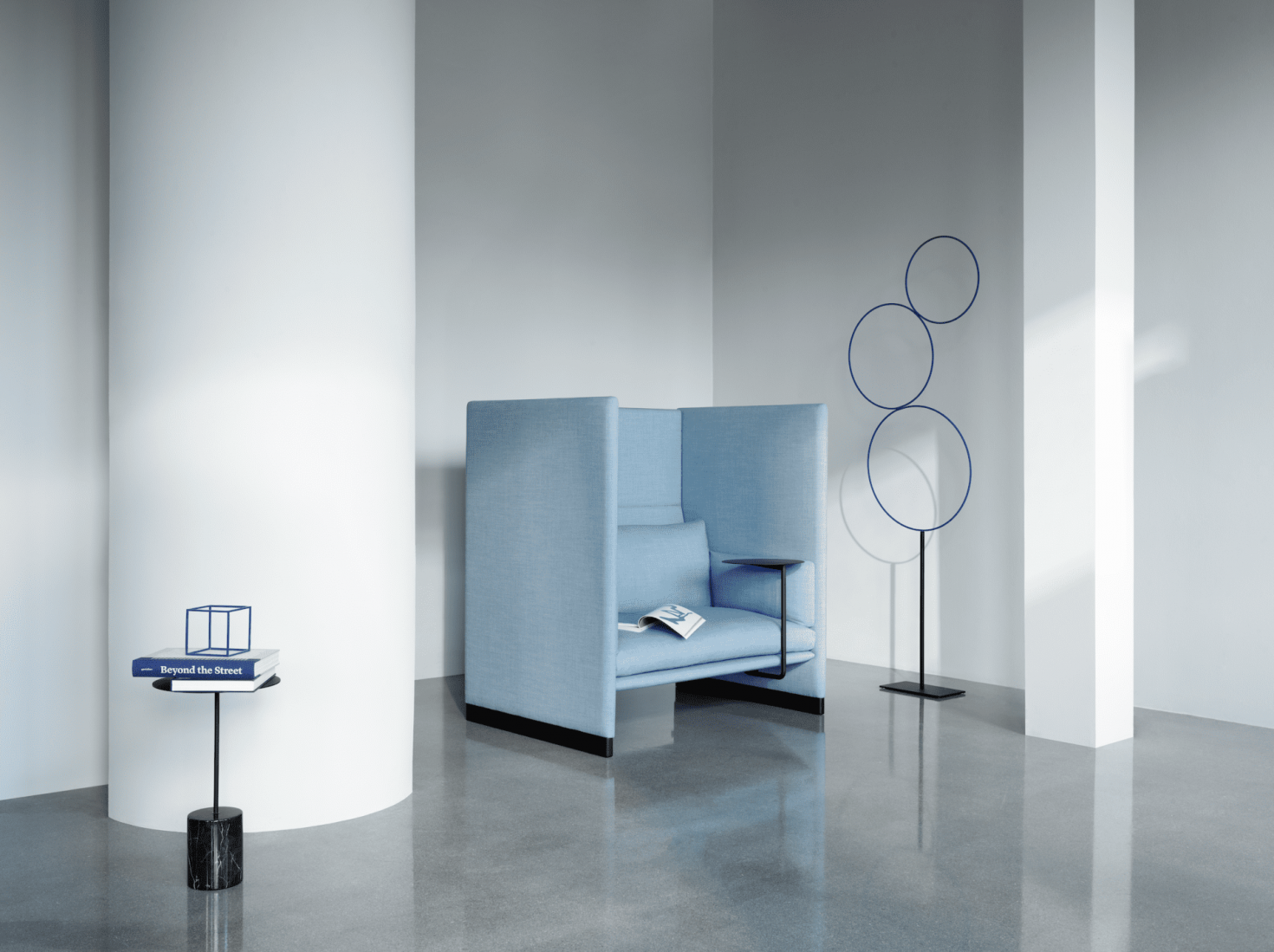
Adding an elegant detail to the exterior back of Case, which folds under the sofa, Herkner cleverly designed the piece to give it a sculptural dimension.
Projects
Events