The Monday Morning Quarterback
Monday, December 6, 2021


🏈 Cheat Sheet 🏈

Reinventing the past: Let’s Just Design Offices Like Libraries and Be Done With It

It seems that almost everyone, especially office furniture makers, is obsessed with thinking about what will be the next big thing in office layouts. In contrast, others will shrug, thinking that changing office layouts won't bear much weight to overall productivity. The latter most likely are not customers of the contract industry. And if you know any history of the workplace, you've probably seen this old argument/thinking before.


Nevertheless, an article on Propmodo.com last week suggests that even though office life is creeping back as employees get vaccinated and return to work in droves, the hybrid work model is unlikely to be abandoned anytime soon. This begs a new design vision for the workplace, "as offices, in general, are trying to lure their employees back by being attractive places to work." That said, they suggest that offices may want to take a page from libraries.


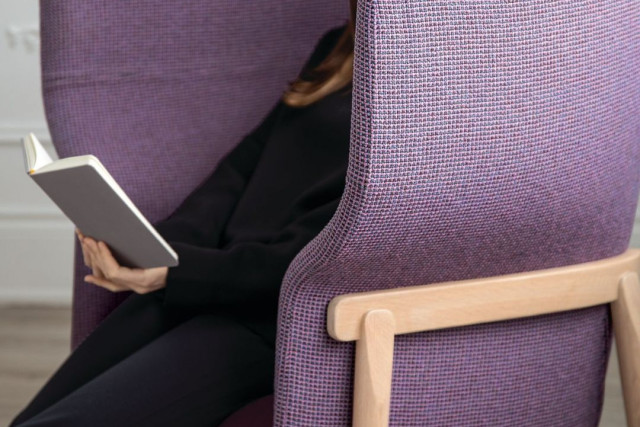
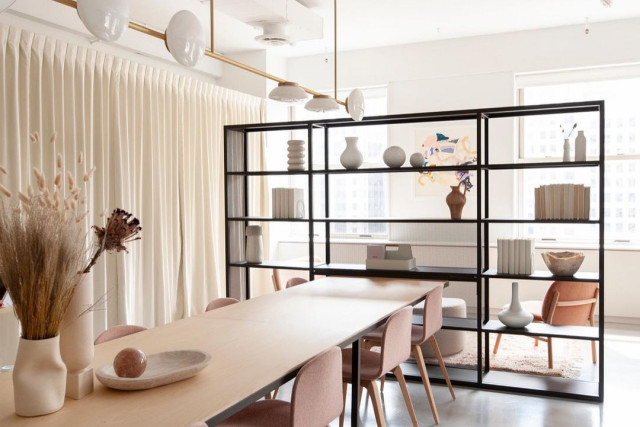
"Outside of bedecking the space with bookshelves, library buildings frequently feature peaceful and conducive study places and common areas for group study and collaboration. Libraries can also serve as community hubs, where people can attend programs and engage in lifelong learning. "If you think about the language of a library, what does that get you?" asks Elizabeth von Goeler, a principal interior designer at the architecture and design firm Sasaki. "It gets you protocols that everybody understands for quiet and focused work."

Suppose the primary goal of having an office is to increase worker productivity. In that case, it seems like designing an office with designated quiet and collaboration spaces would be an easy sell (it wasn't in the past). And many makers have suggested this for years, if not decades. After all, there's a natural process when it comes to collaboration: people need to concentrate, usually by themselves, to come up with ideas, then get together with a group to expand on those ideas to generate a shared point of view together. Then the group breaks apart again once the next steps have been decided. That process flows naturally in a library, but it's also precisely what is expected to happen in an office. The trouble is, we expected it way too early. Steelcase had this idea some 25+ years ago with their Commons and Personal Harbor furniture and then in 2008 with their WorkLife experience.


Read this paragraph from Cherie Johnson, who, 13 years ago, was part of The Steelcase Design Studio (2008). "We approached the design by keeping a central question in mind: How can we help people be more productive while supporting their wellbeing at the same time? We want people to feel at home when they're at work. We believe the environment can help people get more done by themselves and with their teams. And, at the same time, we want people to be able to make real social connections."


As I said, we've seen this before.


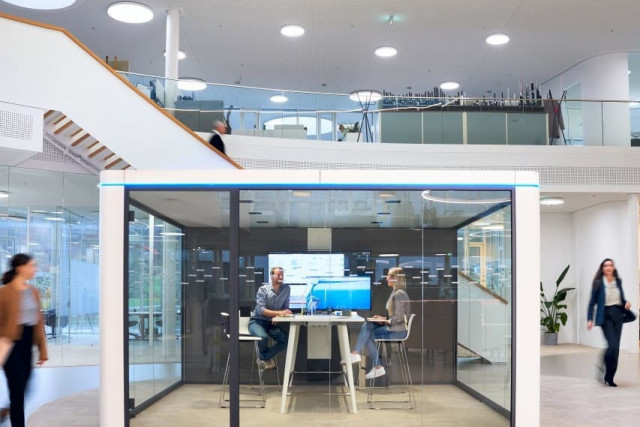
"So what if you're stuck in an open-office floor plan but want to incorporate library design by limiting all that commotion?" asks Propmodo.com. "Prefab booths seem to be another trend that's transforming workplace layouts. Office booths are modular rooms that can be put within an office's shared spaces to provide a basic amount of seclusion, allowing employees to exchange ideas and hold short briefings with coworkers and clients. This flexible space concept assumes that informal areas, rather than traditional meeting rooms around a table, provide a better environment for focus and creativity."


Office booths? To be fair, Herman Miller had prefab rooms as part of their Action Office program back in the 1970s. The Action Office rooms even had ventilation and lighting - so that idea has been around for 50 years. And of course, Steelcase's Harbors, a winner of the IDEA Gold Award in 1995, ridiculed at the time, performed the same function as all these "new" booths popping up in everyone's catalogs.


The pandemic may have posed a dramatic shift in workplace attitudes. So now, apparently, people want to come to work to get away from distractions elsewhere and collaborate effectively, just like you would say, at a library. Yeah. As I've said, we've known that for decades. Unfortunately, the industry has done a terrible job of explaining that in the past. Let's hope we can do a better job this time around. MW


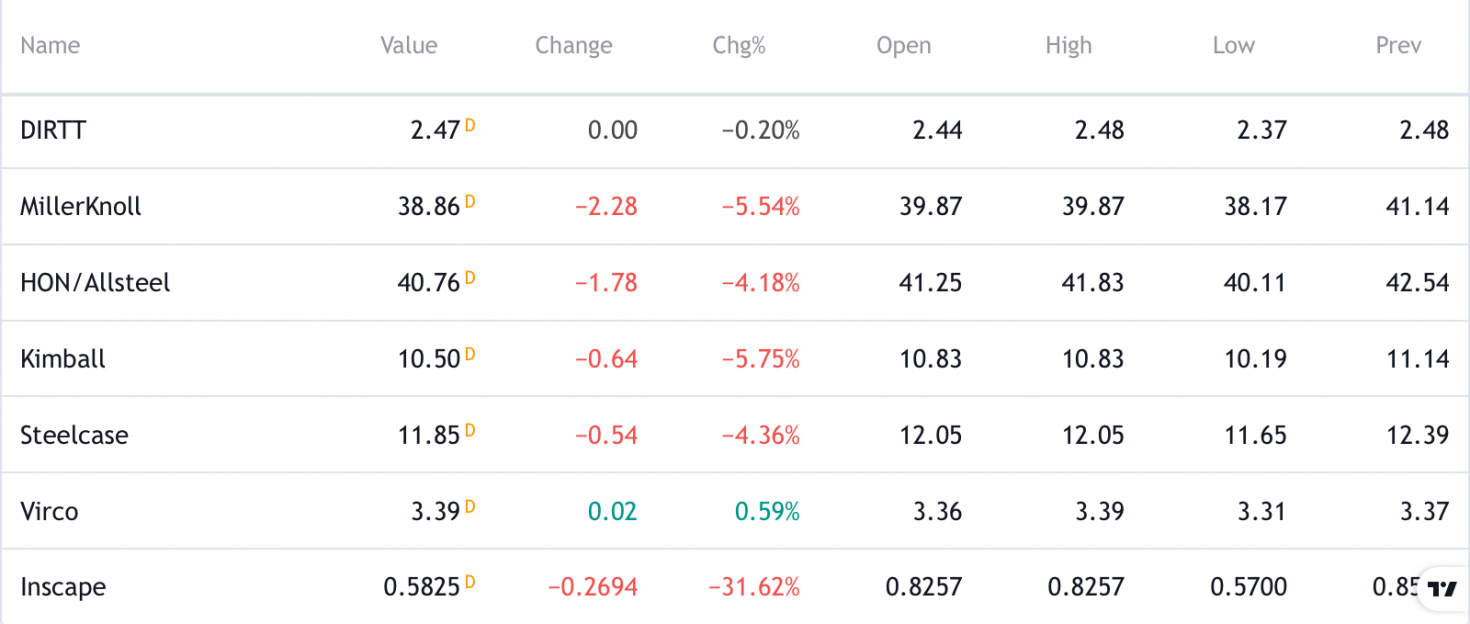
Industry Stocks at Friday's Close


Industry News
Steelcase Dealer Empire Office to Acquire DeKalb Office

Peter Gaslow, President and CEO of Empire Office, Inc., the largest Steelcase dealer in the country, announced Friday it has entered into an agreement to acquire DeKalb Office Environments, Inc., establishing its local presence in Atlanta and Birmingham.

The transaction will close on January 1, 2022, at which point, the DeKalb Office name will temporarily transition to DeKalb by Empire Office, along with an accompanying updated logo, website and brand identity.

With a proven 75-year history, Empire Office is a recognized leader achieving a long-standing ranking on the Crain’s New York Business’ list of the Largest Privately Held Companies in the New York area and being named as one of the ‘Best Places to Work’ by the Orlando Business Journal, among others. New York-headquartered Empire Office has grown its physical footprint significantly in recent years, first entering the Florida market in 2009 and expanding further in the state in three other subsequent acquisitions between 2012 and 2015. With the announcement of the DeKalb Office acquisition, Empire Office expands its reach within the Eastern half of the U.S., making it the largest firm of its kind in the country.

DeKalb Office has provided commercial interior solutions since 1952 and is a leader in the Healthcare and Education vertical markets. As the sole Steelcase dealership in Atlanta and Birmingham, the company has worked with approximately half of the Fortune500 companies headquartered in Atlanta. Throughout its history, DeKalb has been committed to supporting the local communities in which it operates since its inception.

“DeKalb has a great reputation in the Atlanta and Birmingham markets,” Gaslow stated. “We believe building on the DeKalb heritage while leveraging Empire’s experience and broad reach, will enable us to offer next-level services and unparalleled support for the companies located within these markets.”

Since 1984, DeKalb Office has been led by Owner and CEO John Rasper. Under Rasper’s direction, DeKalb has built a reputation for being a creative, knowledgeable, and collaborative partner, providing innovative workplace solutions to a remarkably diverse client base. Throughout his career, John served on the Board of three local Chambers and was the Chairman of the Greater North Fulton Chamber. With the announcement of this acquisition, Rasper is also announcing his official retirement from the contract furniture industry.

“After 48 years in the industry, and 37 leading DeKalb in particular, I want to thank all of my colleagues, staff and business associates with whom I’ve had the distinct pleasure of working with over the years,” Rasper said. “With Empire at the helm, I have no doubt there will be great things ahead for our clients and partners in the years to come.”

“As a company, we are thrilled to welcome the DeKalb team into the Empire Office family,” Gaslow said. “John has done an excellent job of steering DeKalb for many years, enabling it to become the successful and respected organization it is today. We wish him all the best as he enjoys a very well-deserved retirement.”

Currently located in Alpharetta, GA and Birmingham, AL, the physical locations of the DeKalb showrooms and warehouses will remain unchanged in the immediate future. Apart from John Rasper, most of the current local managers and staff will also be retained in the same or similar roles.

Herman Miller Awarded Platinum Rating in CSR by EcoVadis
Herman Miller, part of the MillerKnoll collective, was recently awarded a platinum medal in recognition of its commitment to sustainability and corporate social responsibility (CSR) by EcoVadis. This places the company among the top one percent of all companies assessed worldwide for the second year in a row.

EcoVadis is a France-based global CSR assessment agency providing the world’s most trusted business sustainability ratings.

The assessment comprehensively covers four key CSR themes practices: environment, labor and human rights, ethics, and sustainable procurement. Herman Miller once again scored high in the categories of environment and labor and human rights.

“At Herman Miller, we’ve always sought to do more than create beautiful products. We use design to solve problems, and now as part of the MillerKnoll collective, we have a shared purpose to design for the good of humankind,” said Gabe Wing, Director of Sustainability at MillerKnoll. “That purpose carries through our holistic CSR efforts – whether through the materials we use in our products or in how we treat our employees.”

Herman Miller also maintains ISO 14001 and ISO 45001 environmental health and safety management system certifications, which can be found here.

EcoVadis is an independent assessment organization that evaluates companies' sustainability performance. Their methodology is based on international sustainability standards including the Global Reporting Initiative (GRI), United Nations Global Compact (UNGC) and ISO 26000. Assessment results from EcoVadis are used by more than 65,000 companies.

The Heimtextil, International Trade Fair for Home and Contract Textiles in Frankfurt am Main and the traditional start of the trade fairs at the beginning of the year has been canceled in view of the worsening pandemic situation in Germany and the associated restrictions. Normally, the internationally relevant major fair starts directly after Christmas and New Year with exhibitors and visitors from over 135 countries. The rapid increase in the number of infections and the resulting multitude of developments and decisions have led to a significant deterioration in the general conditions and prerequisites for holding Heimtextil at this early date. According to a Messe Frankfurt press release, it is currently being examined whether and in what form a new event can be held in the summer of 2022 parallel to the Techtextil/Texprocess trade fair duo, which are currently scheduled for 21 to 24 June 2022.
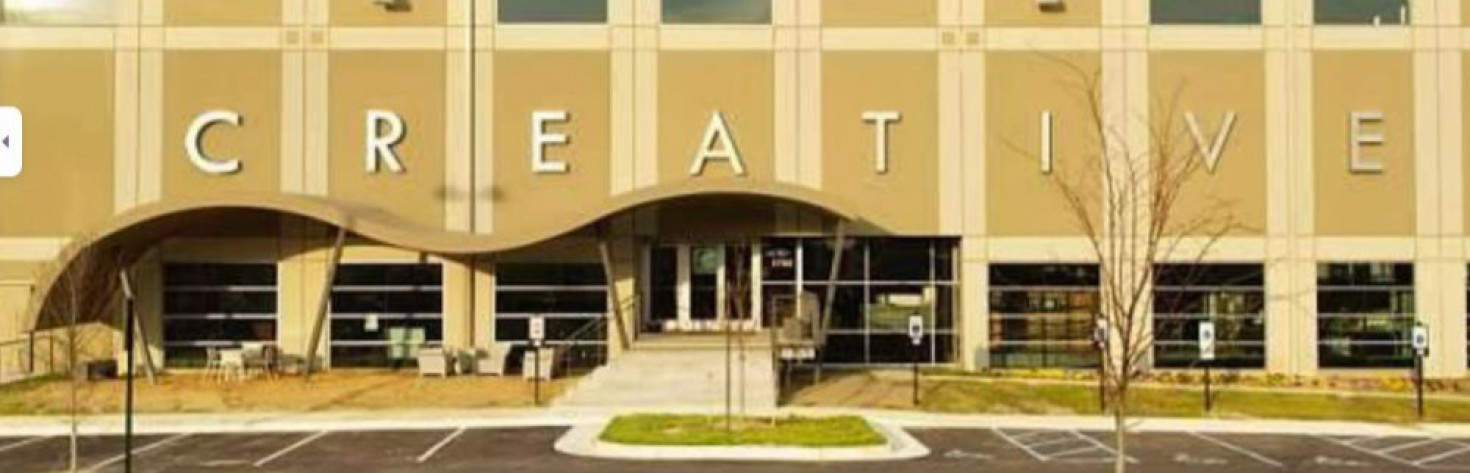
Creative, a 26-year-old Steelcase dealer based in Ashland,VA  last month finalized a change in ownership, with company founder Bob DeLille passing the reins to 14-year employee Debbie Lennick.

The change, which took effect Nov. 1, concludes a multiyear process that sets the stage for DeLille to bow out of the company he started in 1995 as Creative Office Environments.

Workspace News

New demand for office space is down 30% since peaking in August 2021.
 
In not so good news for the contract industry, new demand for office space fell for the second consecutive month in October to its lowest rate since the first quarter of 2021 suggesting that the initial post-vaccine surge of demand for office space has run its course. 

Down 30% nationally since peaking August 2021, all seven markets analyzed by the VTS Office Demand Index (VODI) saw declining demand for office space over the two-month period.

Even before the emergence of the Omicron variant, it was clear that the office recovery had started to falter in the face of the ongoing recovery. 

Occupancy fell by 2 million square feet as of November, compared to the third quarter in 2021, bringing the total loss in office occupancy to 133 million square feet, according to the National Association of Realtors. 

This was despite an increase in occupancy of six million square feet during the third quarter and a decline in work-at-homes from 35% of American laborers during the pandemic to 12% in October.

Seasonality-Defying Surge ‘Ran Out of Steam’

The VODI tracks unique new tenant tour requirements, both in-person and virtual, of office properties in core US markets, and is an early indicator of upcoming office leasing activity.

New demand for office space increased dramatically since bottoming out in June 2020, rising 444% by August 2021 before the prolonged, seasonality-defying surge ran out of steam. Since peaking in August, demand for office space fell 15 points in September and 11 in October. 

 
It is believed that the large ramp-up was due to pent-up demand—a surge of employers getting off the sidelines and into the market once sentiment brightened in light of the COVID-19 vaccine, VTS reported. The recent decline in new demand for office space suggests that the initial wave of pent-up demand has already materialized.
Cubicles are out. Bars, neighborhoods and sensors are in
 
It seems everybody and their brother has weighed in on what the future of the office will look like. If you recall, the office used to be a place people went because they had to. Now the Economist has weighed in as well, tell us reminding us that meetings happened in conference rooms and in person. Desks took up the bulk of the space. The kingdom of Dilbert and of David Brent is now under threat. The pandemic has exposed the office to competition from remote working, and brought up a host of questions about how it should be designed in the future.

Start with what the office is for. In the past it was a place for employees to get their work done, whatever form that took. Now other conceptions of its role jostle for attention. Some think of the office as the new offsite. Its purpose is to get people together in person so they can do the things that remote working makes harder: forging deeper relationships or collaborating in real time on specific projects. Others talk of the office as a destination, a place that has to make the idea of getting out of bed earlier, in order to mingle with people who may have covid-19, seem attractive.

In other words, a layout that is largely devoted to people working at serried desks alongside the same colleagues each day all feels very 2019. With fewer people coming in and more emphasis on collaboration, fewer desks will be assigned to individuals. Instead, there will be more shared areas, or "neighborhoods", where people in a team can work together flexibly. (More hot-desking will also necessitate storage space for personal possessions: lockers may soon be back in your life.)
 
To bridge gaps between teams, one tactic is to set aside more of the office to showcase the work of each department, so that people who never encounter each other on Zoom can see examples of what their colleagues do. Another option is to ply everyone with drink. Expect more space to be set aside for socializing and events. Bars in offices are apparently going to be a thing. Robin Klehr Avia of Gensler, an architecture firm, says she is seeing lots of requests for places, like large auditoriums, where a company’s clients can have “experiences”.

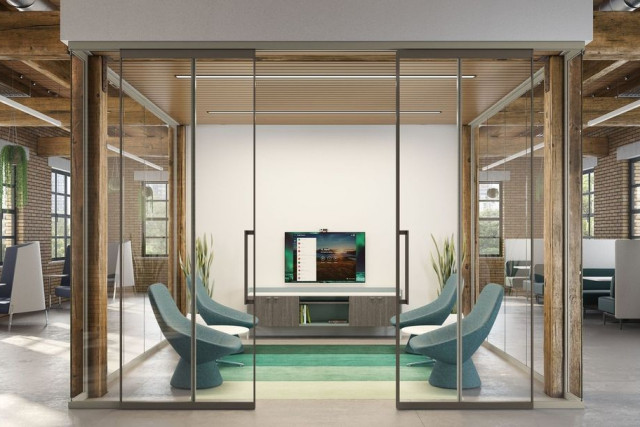
Designs for the post-covid office must also allow for hybrid work. Meetings have to work for virtual participants as well as for in-person contributors: cameras, screens and microphones will proliferate. Gensler's New York offices feature mini-meeting rooms that have a monitor and a half-table jutting out from the wall below it, with seating for four or five people arranged to face the screen, not each other.

Variety will be another theme. People may plan to work in groups in the morning, but need to concentrate on something in the afternoon. Ryan Anderson of Herman Miller, a furniture firm, likens the difference between the pre- and post-pandemic office to that between a hotel and a home. Hotels are largely given over to rooms for individuals. "Home is thought of as a place for a family over years, hosting lots of different activities."

All of which implies the need for flexibility. Laptop docking stations are simple additions, but other bits of office furniture are harder to overhaul. Desks themselves tend to be tethered to the floor through knotted bundles of cables and plugs. The office of the future may well feature desks with wheels, which ought to go well with all that extra alcohol. Meeting rooms are likely to be more flexible, too, with walls that lift and slide.

As people go back to the office, safety is a prerequisite and collaboration is a draw.
 
Office workers across a number of the world’s capitals say they will return, full or part time if their workplaces offer more leisure options, safety measures, indoor air quality tracking and technological advances such as touchless access control, a survey of thousands of white-collar staff found.

More than 3,200 respondents across three global regions — including major U.S. cities, London, Dublin, Sydney and Melbourne — were polled by digital tenant and workplace experience platform Equiem. The platform is used by big office owners like Nuveen in the U.S. and Blackstone in the UK. 

The survey found only a small proportion of workers are back in the office full time. A greater proportion are hybrid workers, but people working fully remotely still make up a big proportion of office staff, although the number is shrinking. 

Beyond this, the biggest insight for the contract furnishings industry is the data on what workers care about when they do come into the office.  

Remote Easing Off

Nearly half (49%) of office workers are working exclusively from remote locations, down from 91% in May 2020. Almost a third (30)% of occupiers are hybrid workers, dividing their time between their main HQ and remote offices, with the remaining 21% back to full time.
 
When asked to describe their ideal offices, occupiers rated relaxation zones (49%), fewer desks (34%), and more gym and workout areas (34%) highest among the desired features.

After Covid-19, people want the office to be a hub for community and connectivity. Almost three-quarters (73%) of occupiers said the main purpose of the office is to stay connected to colleagues; the second-highest-rated purpose (70%) was a ‘place for collaboration’.

The author of Generation We says Zs are not against traditional jobs. They just want companies to understand their priorities, then craft workplaces and roles that deliver on those expectations. It could be good news for office furniture makers, as Gen Z workers want to (mostly) be in the office.
 
There’s no doubt that the impact of the pandemic and the Great Resignation on our country is unprecedented. Nineteen million workers quit their jobs between March and July this year. Job openings surged to an all-time high of 10.1 million in June. 

While informative, these numbers are inherently flawed because they don’t differentiate between generations—which means that they aren’t telling us the whole story. Think about it: there’s a big difference between a 37-year-old Millennial who has been working for 15 years and a 22-year-old Z who is just entering the workforce. What each looks for in a job is wildly different, but the data doesn’t give us insight into their unique wants and needs.

To rectify this, we conducted a study of 500 Zs across the United States, ages 18–24. Our goal? To better understand what Zs really want and how companies can create work environments (as well as compensation and benefits packages) that will both attract and retain this talented, creative generation. As we reviewed our findings, one thing quickly became clear: What Zs expect from potential employers is much different from what the previous generation expected. If we want to attract and retain Zs, we need to acknowledge they aren’t Millennials.

Here are the first two bombshells we discovered in the results of our survey: remote work is being overrated. And salaries—yeah, that actually matters to Zs quite a bit. Sixty-one percent of Zs told us fair pay and benefits are most important to them.

Meanwhile, remote work—which has become the assumed preference for younger workers who entered the workforce during the COVID-19 pandemic—isn’t that big of a priority for Zs. In fact, in our study, only 34% of Zs rated remote work options in their top three most-important job benefits, and only 30% of Zs wanted a fully remote position.
This is a video interview with Sanjay Rishi, CEO of JLL Work Dynamics discussing the concepts and reasons behind his recent book The Workplace You Need Now.
The furniture capital of the state is ground zero for inflation, labor shortages, hot demand and limited supply. It’s debating how to cope.
Despite the popularity of remote work, author and speaker Mark Crowley has come to believe that doing it full-time is detrimental to human well-being, not to mention organizational success.
A new variant of the coronavirus could upend already scrambled return-to-office plans.
It is important that leaders start to understand the profound ways in which the metaverse is set to radically impact on the future of work.
JLL research showed 84% of premium office buildings are sustainability certified, and space in core central business districts has remained resilient.
Seven in 10 (70 percent) of UK HR managers now say flexible working could work for their business – claims a new TUC poll. Half (49 percent)
People want to go back to work and preserve the flexibility that they gained during the pandemic.
Companies large and small have struggled to decipher when would be the best time to bring workers back into the office.
Studies have shown that workers want remote work arrangements, and without it, are more than willing to quit their jobs.

This is alarming during the ongoing labor shortage, and it’s clear that businesses are past due updating their work arrangement policies. Without adjusting to the new needs of the workforce, leaders risk losing out on top talent.

Rather than going back to pre-pandemic normalcy, companies need to be prepared to adapt to the direction the workforce is going: working from anywhere.

A new study shows that previously retired workers are re-entering the labor force.

According to a Federal Reserve Board study, a full 1/3 of those who retire eventually reverse retirement and return to work on either a full or part-time basis.

It appears that many people who return to work after retirement just needed to get over some degree of burnout from the job. However, the Federal Reserve Board found that the motivation to work after retirement may depend on income levels:
  • People in the lowest income percentile usually return to work because of their need for more income.
  • People in the highest income percentile might not need the income, but it seems that they want to take advantage of their skills and the opportunity to make money.
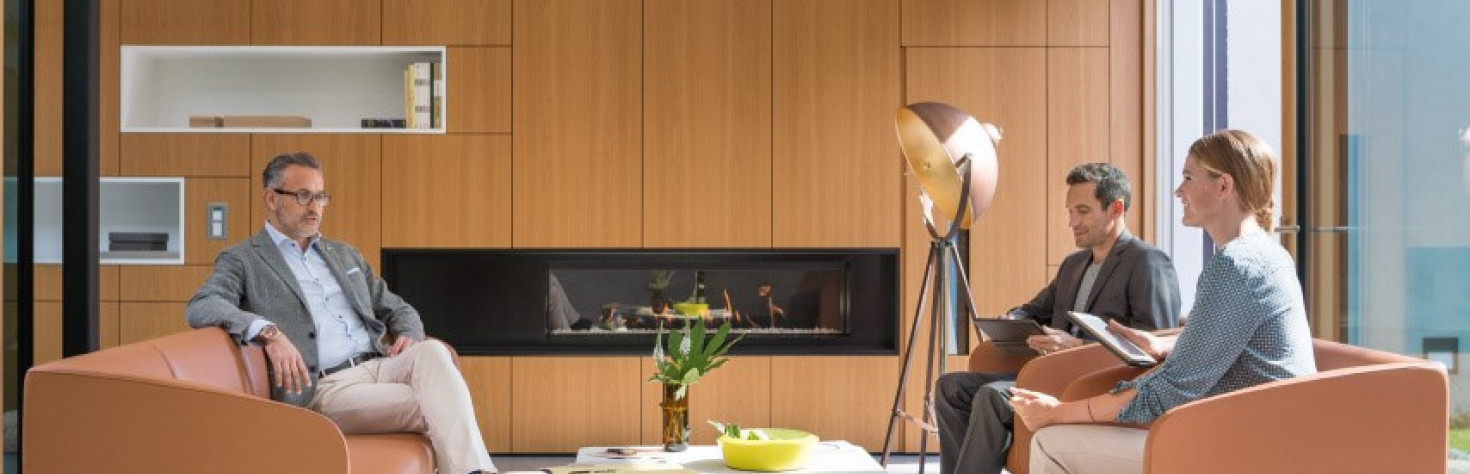

The reappearance of Boomers in a workplace with Millennials or Gen Zers can be challenging for leaders. Author Dr. Carrie Root says it can be difficult to bridge generational divides and create cohesive teams that value each other’s skillsets and strong suits.
The modern workplace is a complex myriad of air ventilation, open spaces, closed meeting rooms, working and social spaces. No sooner had Perspex screens and social distancing floor stickers arrived, was it evident we need to take a step back to gain perspexive (sorry). We learned that Covid19 spreads through miniscule water droplets carried in the air, often redistributed via air-conditioning systems. We learned that the disease finds it trickier to transmit in outdoor or well-ventilated spaces. As summer becomes autumn, it’s crucial we deploy as many weapons as possible in the fight against covid at work.
New research further proves that indoor air quality impacts employee performance.
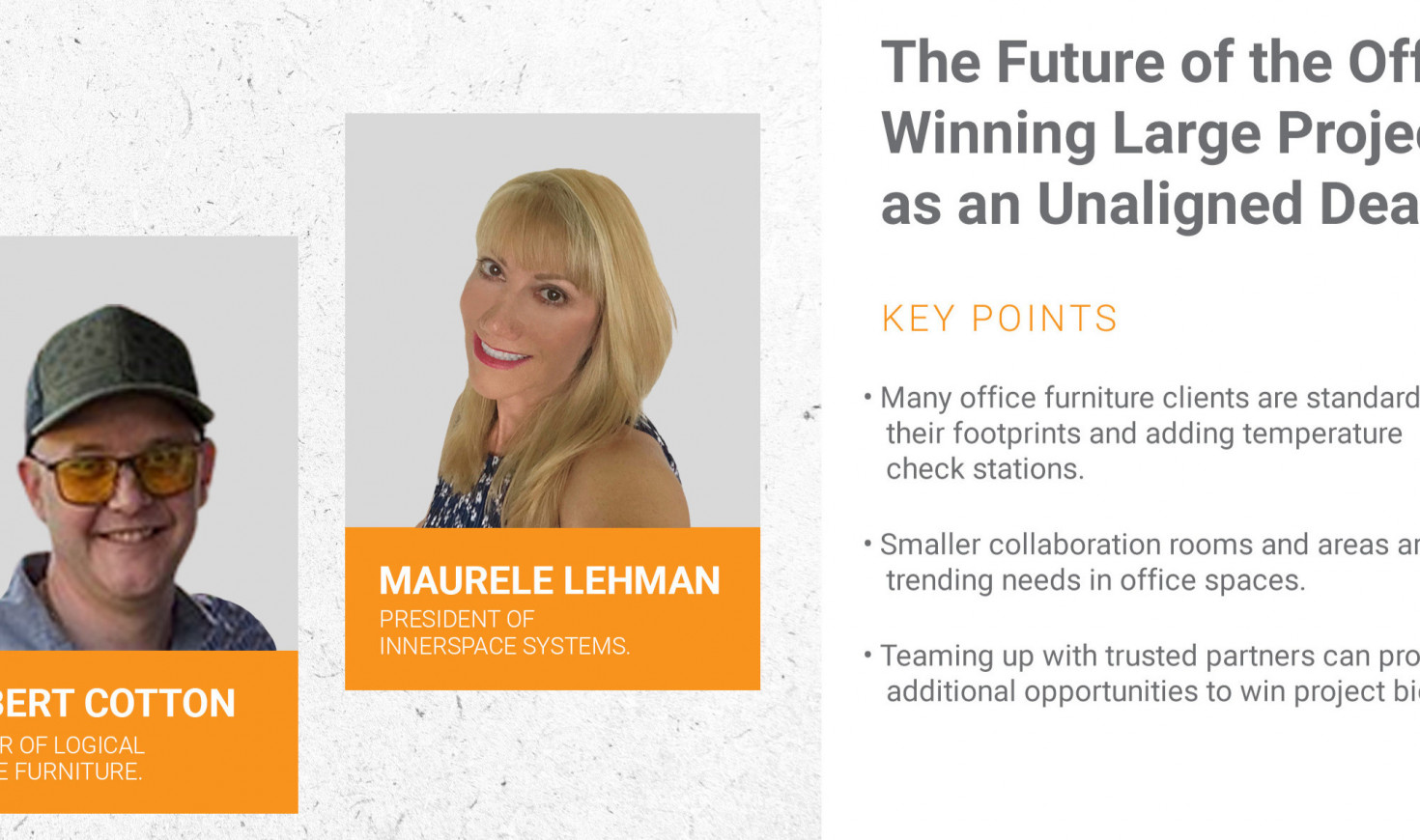
Do large project bids exclude those office furniture dealers not aligned with a national distributor? Not according to Robert Cotton and Maurele Lehma.
The purpose of place is evolving, and if amenities and perks mattered prior to COVID-19, they’ve become even more important today.
Erin Sevitz of iOFFICE shares 4 strategies to help make the right space planning decisions for your office.
We all know the importance of first impressions. It sets one’s initial perception of another person or place, typically involving a positive or negative evaluation as well as a sense of physical and psychological characteristics. When first arriving at a company’s office, this initial impression must result in a positive experience. While the physical space and aesthetic are very important to set the stage, the first interaction with the receptionist is vital. The receptionist’s role in a workplace is to make you feel welcome, regardless of whether you are an intern coming for a job interview or the CEO of a major prospective client.

Latest Products

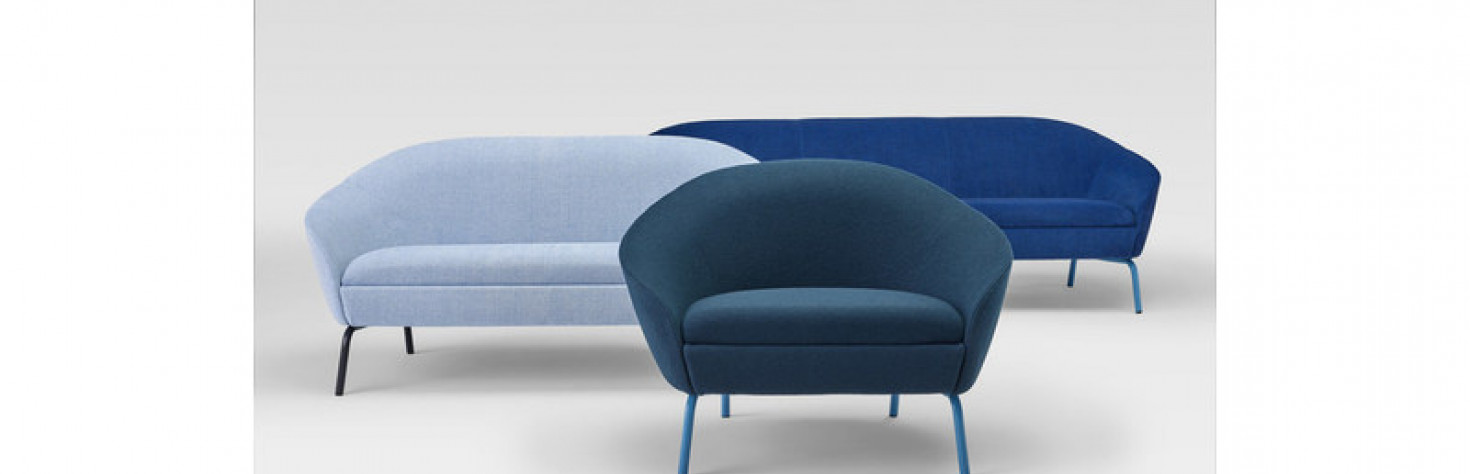
Designer Ric Frampton remembers the moment he realized waste was a design issue. No matter how beautiful or luxurious the item was, if he didn't start the design process thinking about the end life of the product, there were no guarantees where the product might end up. When naughtone approached him to work on a brand-new collection of sustainable seating solutions inspired by naughtone's popular Always collection, it was a perfect match. The result? The Ever Chair and Sofa collection.

"It doesn't matter if a chair lasts for 20 years, 40 years, 100 years—if the designer wasn't responsible and never considered what happens to the product when it no longer meets a need, it could spend eternity in a landfill," says Frampton. "Realizing the weight of that responsibility completely changed my outlook and design process."
 
According to the European Environment Bureau, 10 million metric tons of furniture is discarded in the European Union each year, with the majority being sent to either a landfill or incinerated. And while recycling rates have improved, remanufacturing accounts for less than 2% of the European Union manufacturing turnover, according to the European Remanufacturing Council.

Frampton's first step in reshaping his design process was to educate himself on recycling, sustainable design, and waste processes. He challenged himself to perceive the materials he was using as "being borrowed," a perspective he feels takes designers on a very different journey during the creation process. Too often furniture designs neglect to consider the deconstruction process, creating a product that is impossible for recycling plants to take apart," he says.

When he began the project with naughtone, Frampton started with the end in mind. The Ever Chair and Sofa collection is carefully constructed for maximum comfort and quality while also boasting a structure easily deconstructed during the recycling process—instead of requiring specific machines not all recycling facilities are equipped with, the sofa can be broken down and recycled by hand with common tools. Its unique structure is highly scalable, meaning it is easy to build and, perhaps even more importantly, easy to disassemble for proper end-of-life recycling. And customers won't need to worry about recycling it themselves — after a sofa reaches the end of its life, the sofa can simply be returned to naughtone via the company's take-back program. naughtone will then handle the rest, making sure each of the sofa's materials make it to the right place.

The Ever sofa marks the first upholstered product naughtone has intentionally designed for circularity and easily executable end-of-life recycling. "This is a pivotal moment for our brand," says Grace Todd, Brand Specialist at naughtone. "Sustainability is a key pillar of who we are at naughtone. We are always looking for ways we can improve what we are already doing—whether that's a new product, material, technique, or something in between. We consistently strive to raise expectations and ask ourselves what's next."

The sofa collection will feature three different options, including an armchair, a two-seat love seat, and a three-seat sofa in a variety of fabrics and finishes, all backed by naughtone's 10-year warranty. The collection was designed to harmonize with existing naughtone furniture, such as the Always portfolio, but the Ever collection's simple curves, purposeful angles, and vibrant color palette make it a versatile fit for a variety of spaces. The collection is available for purchase via naughtone dealers.
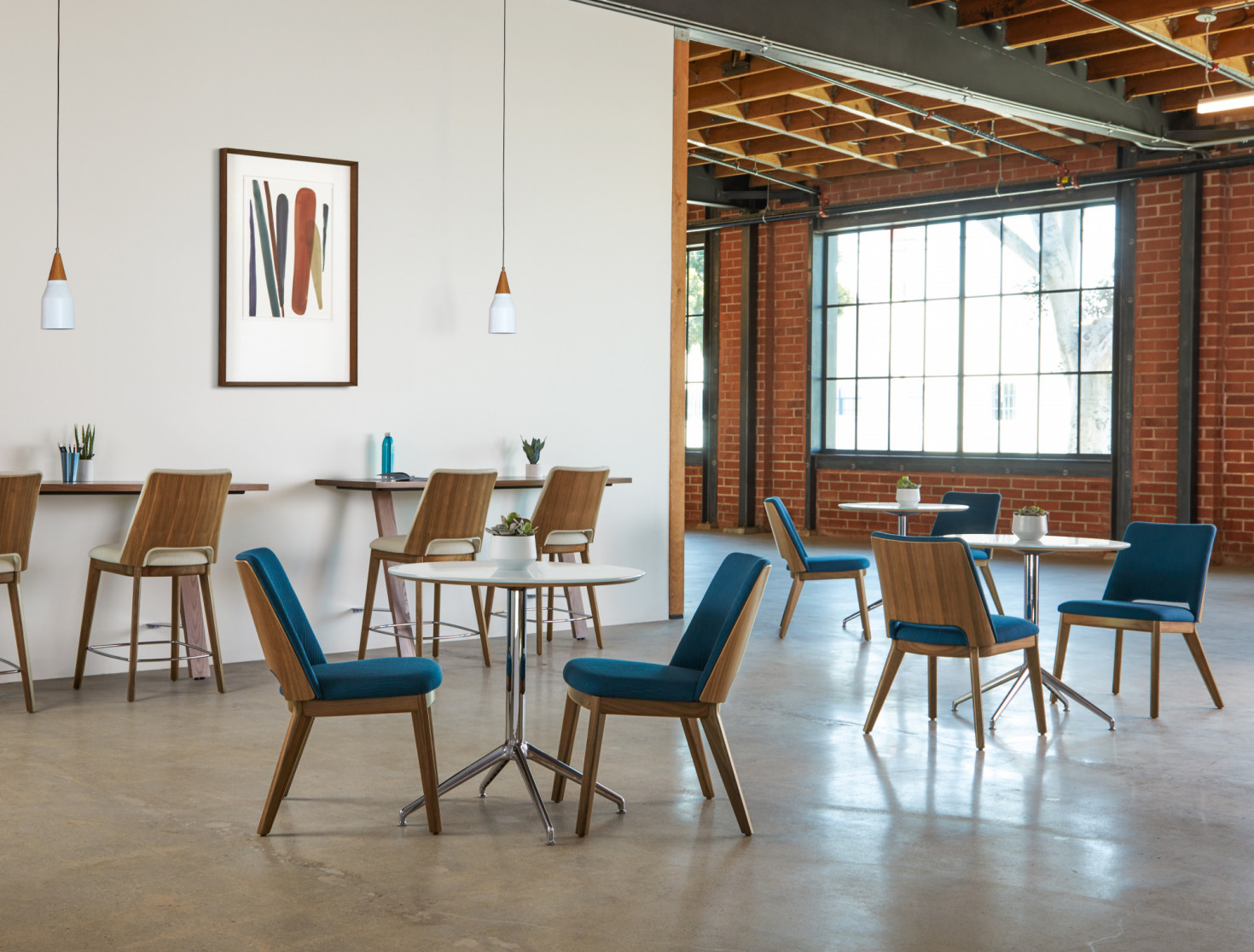
Arcadia's Theme Collection Bridges the Gap Between Comfort and Style

Theme, Arcadia’s newest collection of high-back stools and accompanying guest chairs, incorporates attention to detail that encapsulates both structure and form, taking a simple shape and elevating it to something truly special.

Focusing on clean, simple lines, the collection is characterized by warm wood elements and soft, gentle curves. The contoured back provides welcoming support and a sense of lightness to offset its substantive height, while the equally comfortable and generously-proportioned waterfall seat integrates seamlessly into the elegantly tapered legs.

In similarly well-thought-out fashion, a uniquely positioned cut-out between the seat and back further adds visual interest while offering practical functionality.

Designed by longtime Arcadia partners Chris & Jon Panichella, comfort was the primary driver behind the design, with the high back style being an integral part of the original concept. “With an ever-changing work landscape, more and more people are spending time in casual spaces with a more residential feel, whether that means settling-in to a lounge chair or choosing a high table with a stool,” says Chris. “Our goal was to bridge the gap between the comfort and style of a side chair and the shifting modality of a barstool, and from there Theme was born.”

Stools are offered in 27" and 30" seated heights and feature a chrome footring that adds a refined touch while providing leg support for extended conversations and longer-term stays. Guest chairs also offer the added benefit of built-in suspension support under the seat while sharing design details with stools that make them nearly indistinguishable save for their more diminutive stature. The entire collection is available fully upholstered or with a wood shell back, allowing the opportunity to select between an expansive assortment of Beech and Walnut finishes along with limitless fabric options to create inventive combinations. 
Learn more

Turf Design Releases Versatile Intersect Wall Tile
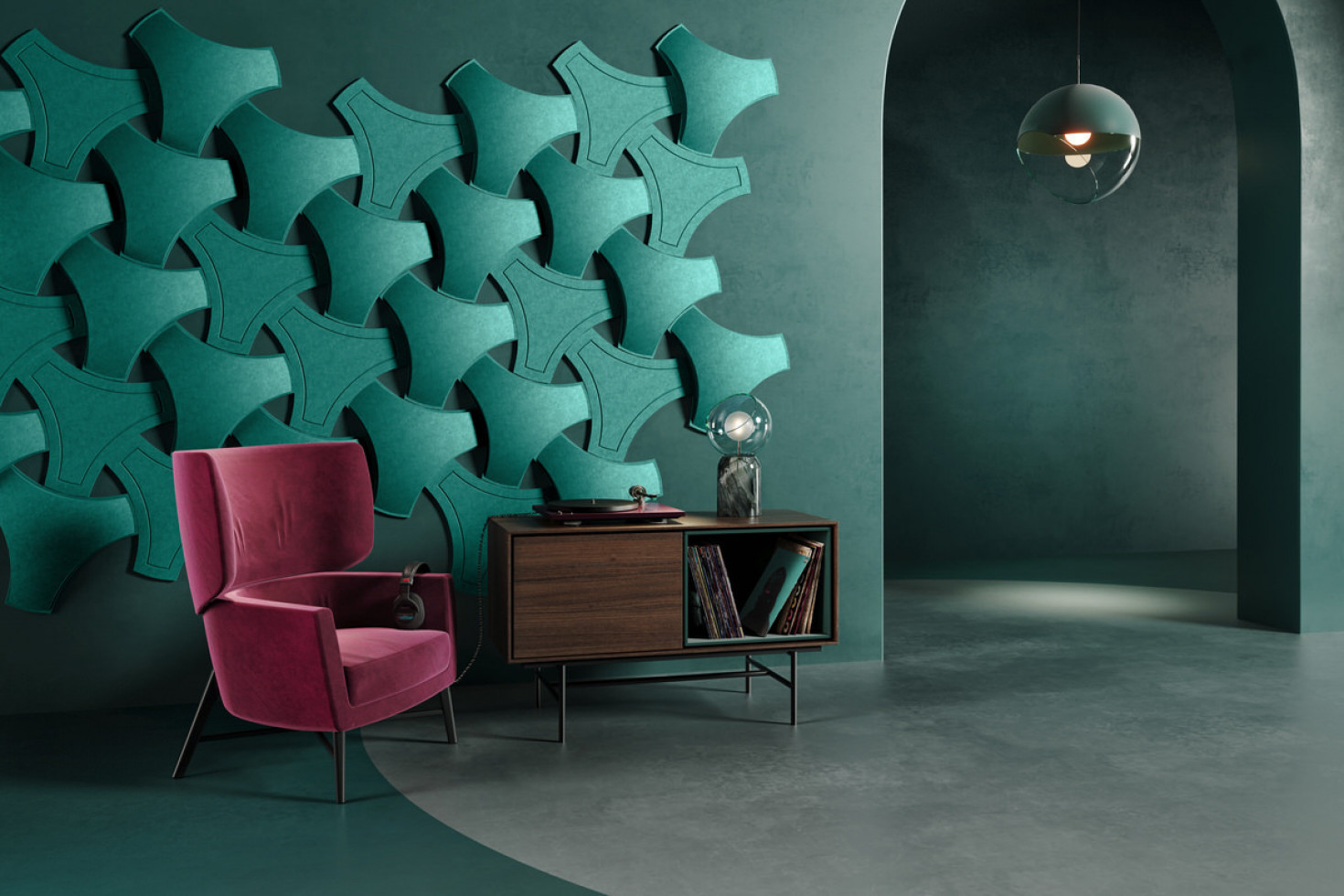
Turf Design, the innovative manufacturer of custom acoustic solutions, has released its newest addition to its high-performing wall tile series – the Intersect Tile. Intersect is an exploration of folding techniques that come together with soft, curving forms, adding depth and dimension to any interior environment. A cutting-edge addition to TURF's growing list of products, Intersect’s unique shape allows for endless arrangements, while its interior folds make for exceptional sound absorption. The versatility of the wall tile provides designers with the flexibility and creativity to add eye-catching acoustic solutions to any interior project.

“The Intersect tile is truly a one-of-a-kind acoustic solution,” says Rob Perri, President, Turf Design. “The newest addition to our Folded Tile series, Intersect’s construction creates additional, smaller chambers on the underside of the tile that absorb more sound. We’re proud to continue to show designers that acoustics can be both aesthetically impressive and high-performing with TURF.”

Intersect can be arranged in a variety of layouts. For example, the tiles can be layered for an intertwined, continuous cluster reminiscent of a woven wall, or they can be connected edge to edge like a geometric flower. The innumerable layouts showcase Intersect as a flexible building block that architects and designers can make their own.

The Intersect wall tile can be applied using a pressure-activated adhesive or construction adhesive and is made with a 9 mm PET felt board that is 60% pre-consumed recycled. The standard tile size measures 18.5”x16.25” with a 13” front radius and is 2” thick. Sizing option comes in one size and is available in all colors and wood texture finishings. Custom is a standard at TURF, and each product is made to order and the Intersect tiles versatility provides just that.
 

MARKETING | Social Media
The Best of the Week on Instagram
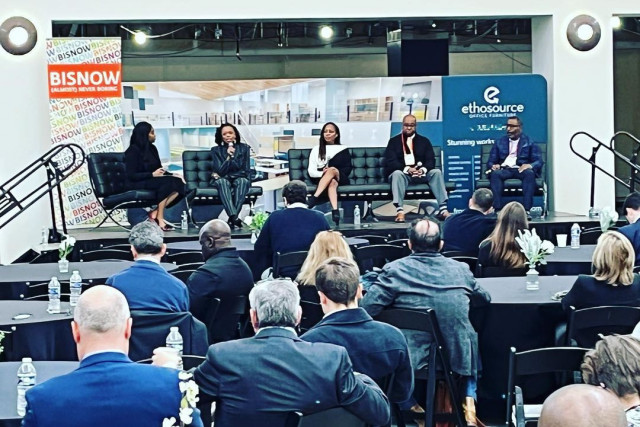
We had a fantastic turnout at Thursday’s Bisnow It’s (Almost) Always Sunny event in Philadelphia! The event touched on trends, opportunity, and forecasted growth of the commercial real estate market. We continue to be a proud sponsors of these events and are looking forward to the next one....
At Kimball International, part of our Diversity, Equity, Inclusion and Belonging (DEIB) effort is to reimagine how we connect, how we work, and how the systems we use support the needs of all people - including people living with visible and invisible altered abilities or disabilities. ​ Today,…
Meet the NEW se:cube max A fully-fledged room-in-room system, 4 x 4 metres in size. *LED display, see when it’s occupied *Space for 8 people *CO2 sensors *Ventilation *Excellent acoustic properties The cross-product world of colours and shapes is unique in the market. Create a new space in your...
It’s #NationalHandwashingAwarenessWeek. Help spread awareness, not germs. 😉 To learn more about the accessory products we have to help from sanitizer stations to notice holders, please click the link in bio. #brandingspacemovingpeople #signage #handwashing #wayfinding
In Danish, “havn” means harbor, suggesting that this lounge chair is a good place to “dock” during the day with a coffee or a book. So cozy! studiotk.com #Havn #StudioTK
Dry Shelving is a beautiful and functional system on its own, but did you know it can be connected to Dry Tables? Pairing these components together builds out multifunctional areas that solve for many of today’s needs. Here are some ideas on how to make Dry work for...
Stored and shipped flatpack, the Folk chair is comprised of wooden legs that screw into the aluminum frame elements, and the curved back is then trapped into place with an internal but invisible hook. Each component can be easily removed and replaced should a repair be needed....
Check out this beautiful meeting space! Tek Vue focuses on single-center glazing and thin-profile frames, while providing effortless integration with conventional construction. teknion.com #TekVue #ArchitecturalInteriors #TekVue
This stylish office is located in an off-campus house at @clevelandcc & is the home to the Cleveland Community College Foundation. The foundation is a not-for-profit corporation to ensure quality education and financial stability. Our Chameleon table desk & modular credenza + decor gives the...

Seen & Noted

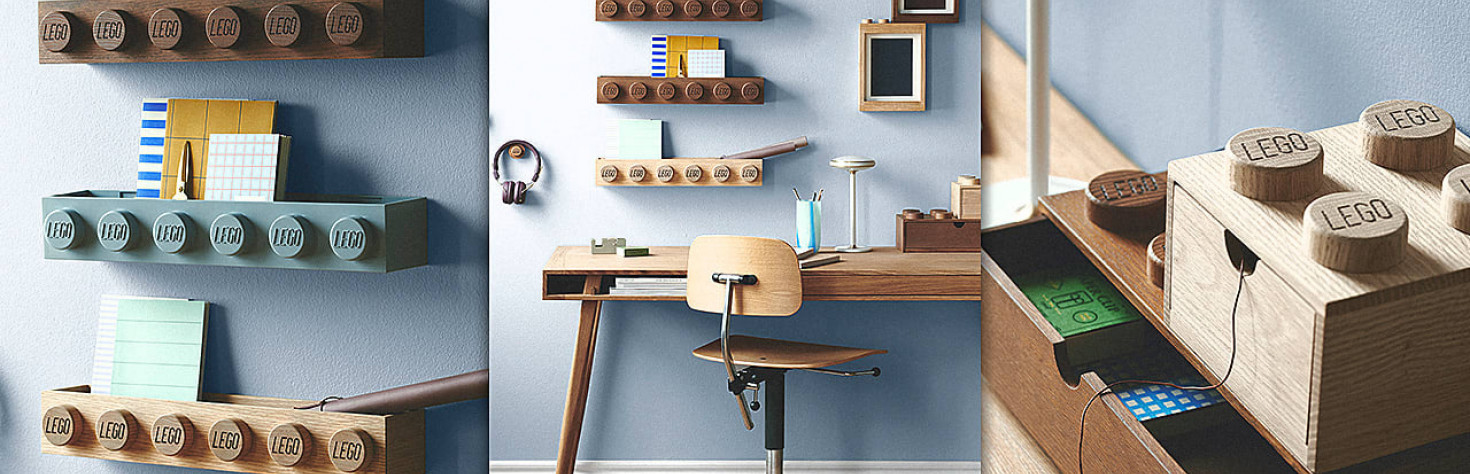
The new homeware collection includes stackable desk drawers and picture frames.
An office cube was turned into a fun Christmas gingerbread house by Monika Orrey in California. Check it out in this video.

Trends in Commercial Projects from Around the Globe
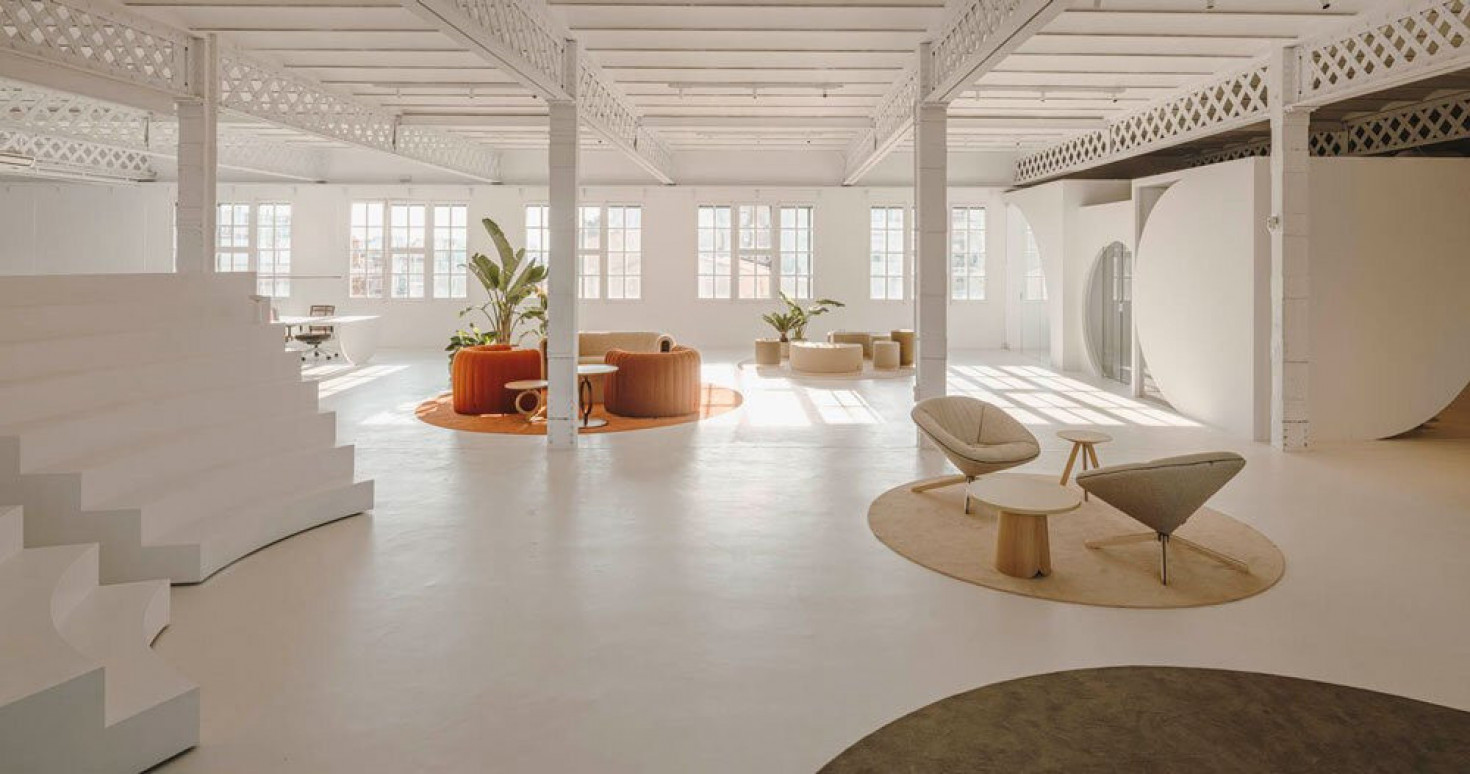
isern serra’s wide open workspace occupies an industrial renovation in gracia, barcelona and is divided by sculptural micro-enclosures.

Upcoming Industry Events

2022 BIFMA 360 Leadership Conference
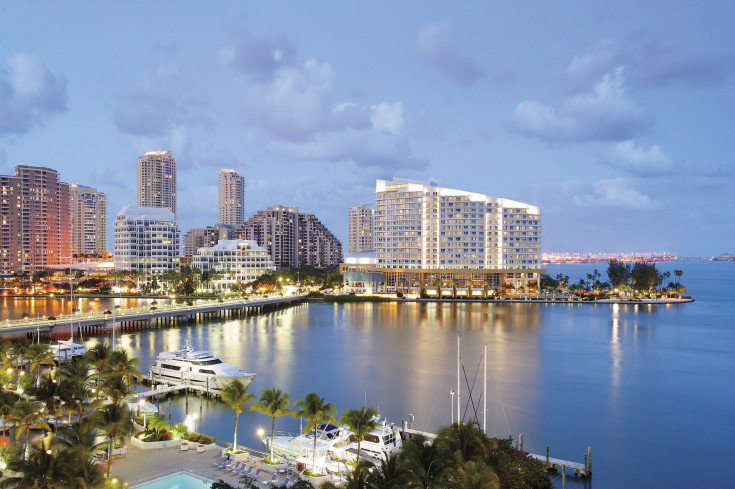
January 17 - 19, 2022 | Miami, FL

The BIFMA 360° Leadership Conference is an annual event for top executives in the commercial furniture industry. The 360° provides a wealth of ideas and inspiration through a compelling speaker program while also offering numerous networking opportunities.

Clerkenwell Design Week
May 24 - 26, 2022 | London

To celebrate this rich and diverse community, Clerkenwell Design Week showcases leading UK and international brands and companies in a series of showroom events, exhibitions, and special installations that take place across the area. With over 100 resident showrooms, an array of exhibitors, and local practices taking part, CDW has firmly established itself as the UK’s leading independent design festival and annually attracts the international design community to the area for three days of exciting events. 

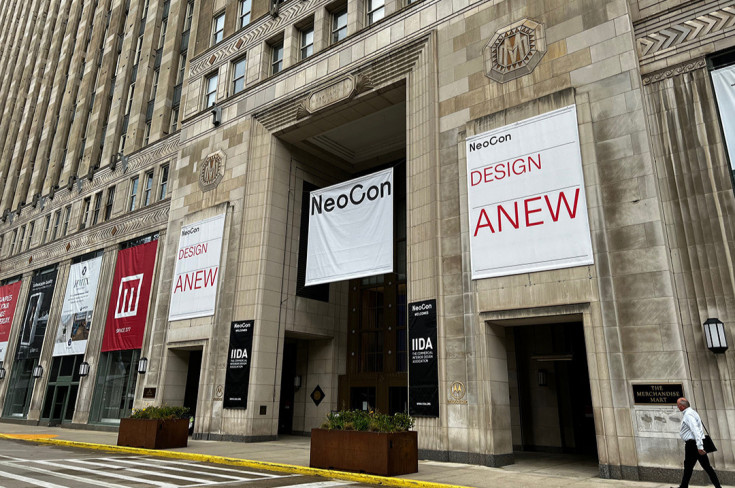
NeoCon 2022
June  13 - 15, 2022 | Chicago, IL

NeoCon returns to its regular dates for 2022. NeoCon is the world’s leading platform and most important event of the year for the commercial design industry.

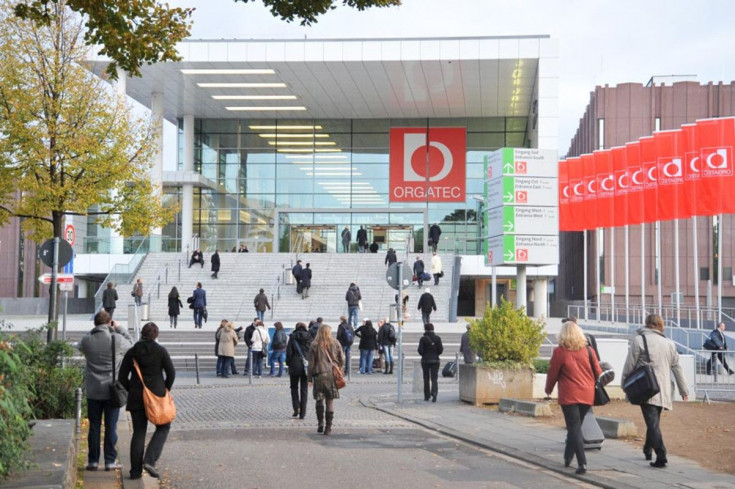
Orgatec 2022
October 25-29, 2022 | Cologne, Germany

Postponed to 2022, Orgatec is the International trade fair office and property equipment and facilitiWes. Held in Cologne, Germany.

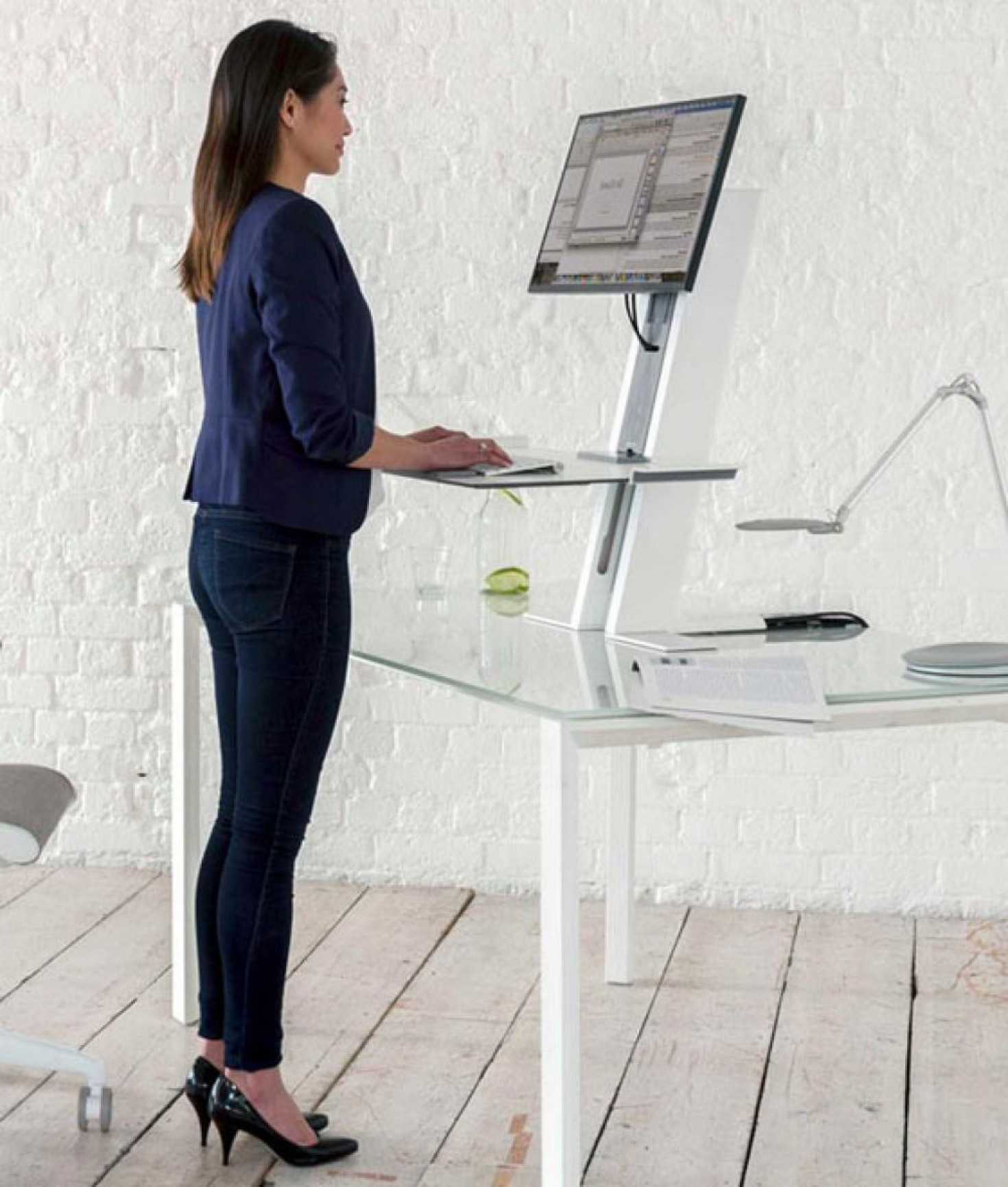
Check out Humanscale's ergonomic gift guide to help get the best office holiday gift or treat yourself to a new and improved home office.

Industry Briefing

Tangram Announces Jon Leach Has Joined As Director of Business Development In Dallas Fort-Worth Office
Tangram, a Steelcase dealer headquartered in Southern California, announced Jon Leach has joined Tangram’s new regional headquarters in Dallas, Texas as Director of Business Development.

Leach began working with Tangram in November 2021 as a business development expert, bringing more than 15 years of industry experience with him. He has spent over a decade developing strategic relationships, growing Dallas market share in various dealer markets, spearheading business trends through industry and product research, and curating projects and partnerships best-suited for the client.

“Jon Leach’s knowledge of the A&D community in the Dallas region coupled with his design education and long withstanding relationships in the industry make Jon a triple threat,” said Amber Jones, Vice President of Sales for Tangram. His breadth of market knowledge, strong business metrics and overall vision will serve invaluable for Tangram’s recent expansion in the area.”

Leach holds a degree in Interior Design from Texas Tech and now works alongside many former classmates who have found places in the same industry. In addition to attending school in Texas, Leach has held multiple positions with commercial interiors powerhouses like Knoll and National Office Furniture with a focus to grow business and align partnerships in Dallas. His new role with Tangram will allow him to work closely with dealers while applying his manufacturing and design expertise.

Ben Maxwell

Doug Bowen

AIS Makes Strategic Move to Realign Sales Territories
AIS announced the realignment of its sales team now comprised of two geographic regions – the eastern and western United States.

The sales team is now being led by two senior vice presidents of sales, Ben Maxwell in the east and Doug Bowen in the west.

"This sales realignment will further enhance our responsiveness to our dealer partners and position us for strong, continued growth even in the face of market uncertainty," said AIS president, Nick Haritos.

Having joined AIS in 2000, Ben Maxwell, senior vice president of sales for the eastern region, has long been an integral part of the company’s executive team. With a 21+ year tenure at AIS, Maxwell has worn many hats and logged many miles leading a large part of the sales team including leveraging strategic sales initiatives and helping to grow the company into the enterprise that it is today. Now focused on business located east of the Mississippi River, Ben will work closely with his counterpart, Bowen, to grow sales and empower dealers. In addition to leading key corporate goals and strategies, Maxwell also leads the GSA team. Maxwell earned his undergraduate degree from Northwestern University and an MBA from the Carol School of Management at Boston College.

New to AIS but a veteran of the industry, Doug Bowen, Senior Vice President of Sales – Western Region, now leads the sales team located west of the Mississippi River in the role of Senior Vice President of Sales. He will focus much of his time on building, developing, and retaining a high-performing sales team with a dealer-centric approach. Doug will also foster customer relationships and drive vertical market penetration as he leads market share growth for AIS. Prior to joining AIS, Doug was the south sales director for Global Furniture Group and the director of sales, southeast region for Haworth.


Allsteel Announces New Partnership with Fritz Hansen
Allsteel Inc. announced a new partnership with Danish design brand, Fritz Hansen, officially kicking off 4th Quarter 2021. Adding to its current list of strategic partnerships with Normann Copenhagen, Corral USA and Zilenzio, Allsteel continues to enhance its portfolio and offerings for the A&D and dealer communities, broadening the scope of solutions and choices available for a wide variety of project needs.

“Allsteel is proud to partner with Fritz Hansen, a brand known for its iconic designs,” explains Adam Ames, Vice President, Product & Marketing. “We are fortunate to add such classic pieces with a historical legacy to our portfolio and believe their understated luxury and expert craftsmanship will be a welcome addition for our current and future customers.”

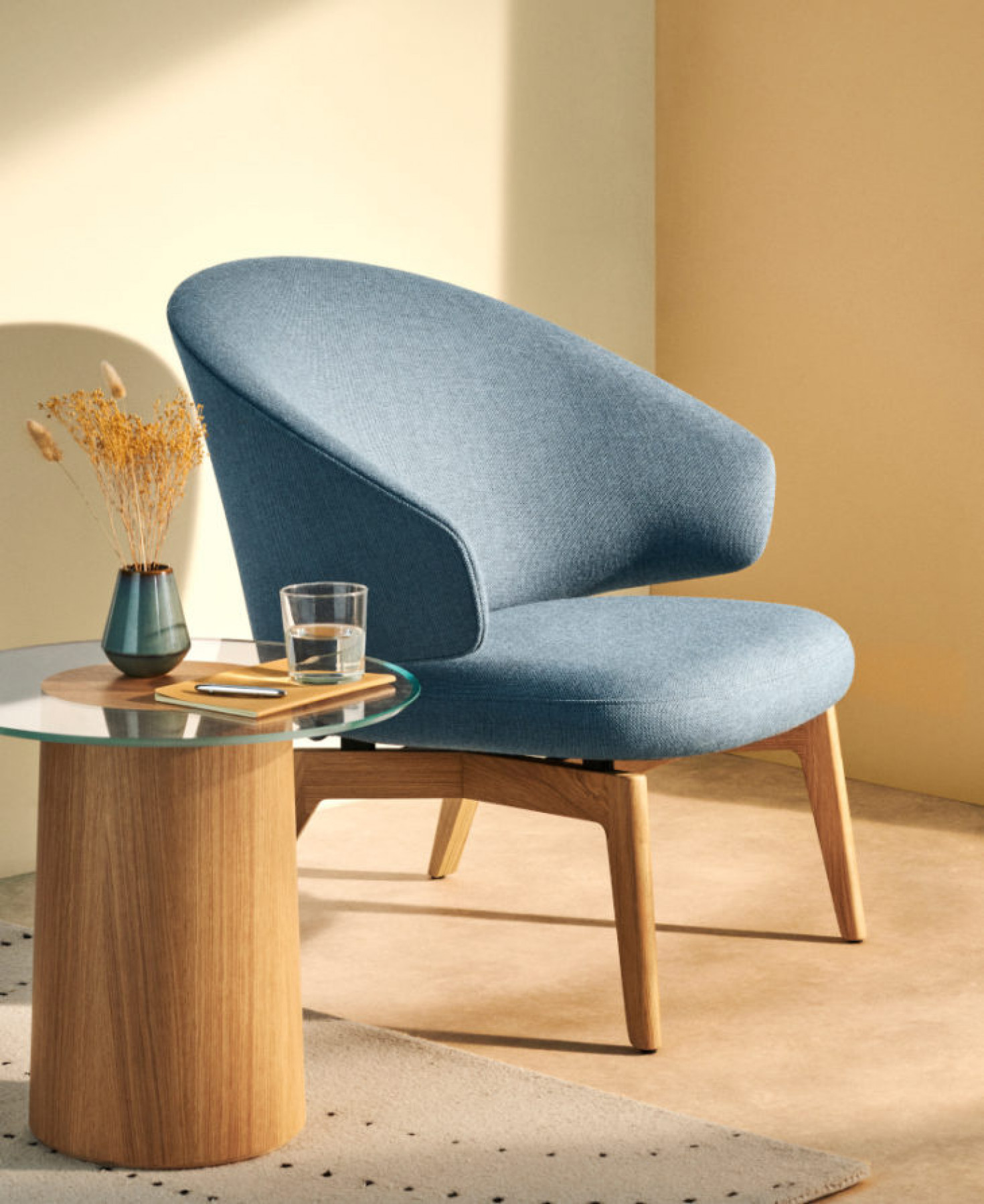
Initial product offerings will include (but not be limited to): Let™ Chair (shown above), Planner™ Table and Shelving,the iconic Egg™ and Swan™ Chairs, and a variety of Series 7™ chair options. These, along with other popular Fritz Hansen products will be on display in Allsteel showrooms beginning November 2021.

Herman Miller Appointed as a Named Supplier to NHS Supply Chain

Herman Miller, a member of design collective MillerKnoll, has been appointed as a named supplier of the UK's National Health Service (NHS) Supply Chain, a significant distinction coming after a rigorous evaluation phase.

“We could not be more thrilled at being selected to work with and outfit such an important group serving our families and communities,” says David Cunningham, Director, Sales, UK & Ireland at MillerKnoll. “Earning this distinction among dozens of applicants only solidifies our desire to share our expertise with organizations making such a positive difference in our country. Herman Miller, as a part of the MillerKnoll collective group of brands, strives to create meaningful, valuable products that enable people to do what they do best even better. What more exceptional group to offer that to than the NHS?”

While medical furniture makes up a significant portion of the furniture needed to outfit the NHS, solutions for cafeterias, waiting rooms, offices, and even outdoor respite areas which play a critical role in the day-to-day routines in each facility. NHS Trusts now have access to Herman Miller’s design teams to plan and design floorplates in addition to having access to a wide range of Herman Miller products for each of their unique facility’s needs.

The contract officially began on 1 October 2021 and will run until 30 September 2025.

Find the best Contract Furniture Industry jobs and hire the best talent.
Are you highly motivated and have an entrepreneurial spirit? ...
Icon Modern is searching for the ideal person to add to our full-time commercial sales...
The successful IT Help Desk Technician will be responsible for utilizing their skills in resolving...
This position would be part of a collaborative team that develops custom commercial furniture solutions...
Job Description: Project Designer, Account Manager on the Strategic Accounts Team is responsible for all...
The Account Manager on the Strategic Accounts Team is responsible for all project and daily...
The Project Manager acts as a single point of contact, with integrative responsibility for all...
The Business Development Manager generates leads, qualifies potential customers, and consult clients to purchase furniture...
The Project Designer provides design and consultative services to clients and internal sales staff. The...
Are you sick and tired of dirty snow? Negative wind chills for weeks on end? Are...
Summary/Job Description · Seeking a highly motivated, confident and persuasive individual with experience in building strong...
Job description -San Diego County Company Overview: Business Office Outfitters is a leading provider of...
Established contract furniture manufacturer looking for independent reps, or rep groups, with strong ties to...

created in Publicate