
From data-driven strategies to the rise of influencer engagement and brand partnerships, a lot's changed in 2022 when it comes to what makes an effective, measurable PR strategy. After 2020’s massive shake-up, followed by a still-unpredictable 2021 and a looming recession in 2022, PR pros across all industries have had to adapt, evolve, and pivot to satisfy upcoming PR trends and get their client brands in the spotlight. Here are just a few key influences the industry can expect.
To affinity and beyond
In 2022, consumer confidence dropped to its lowest level in nearly half a century. Going into 2023, smart brands will move away from short-termism and focus on building better long-term value and trust with their PR comms through affinity-driving campaigns that put consumers at their core.
We've already seeing brands like Iceland (with its interest-free loans scheme) Cadbury's (reviving its Secret Santa postal service this winter by giving away 120,000 chocolate bars) shift-focus towards brand-building campaigns towards the end of 2022, and can only expect it to continue.

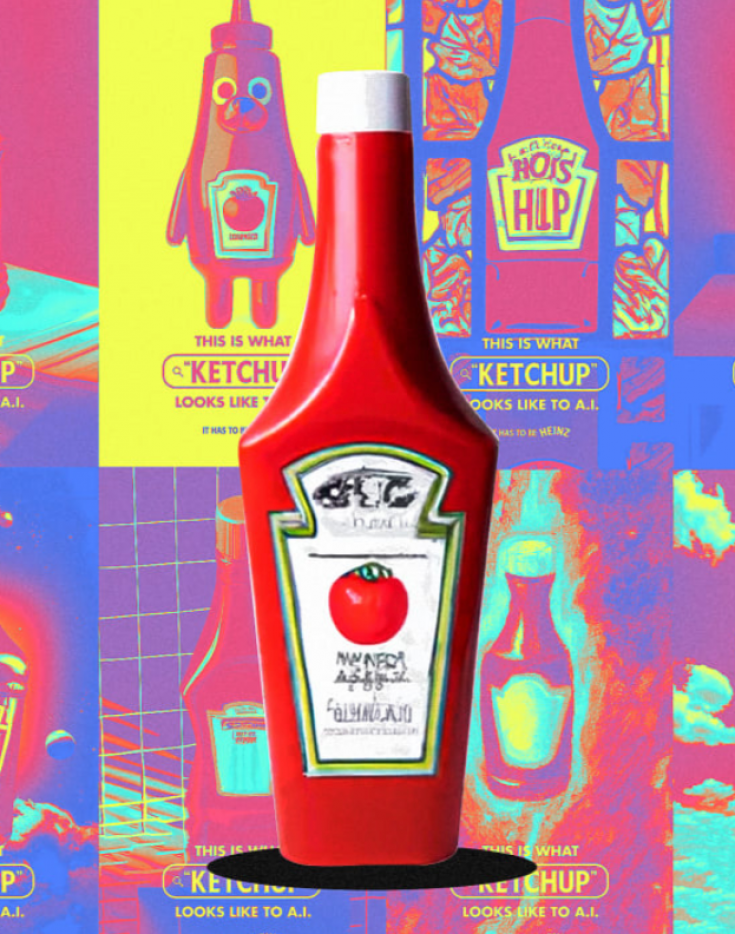
According to PR Moment, one of the biggest trends for 2023 will be harnessing the power of AI, particularly as a tool for creativity. We saw the start of this in 2022 with Heinz' AI campaign, which asked AI image generators to 'draw ketchup', with the results proving just how iconic its brand identity truly is. Proving that AI is not always a creative's enemy, in 2023 we're expecting more brands to harness the power of AI for PR.
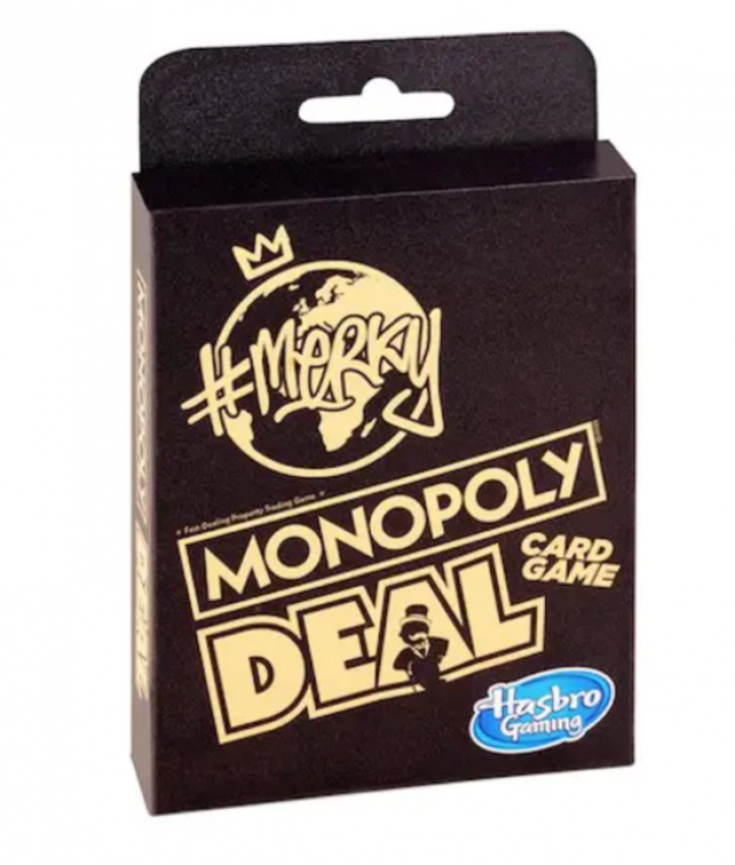

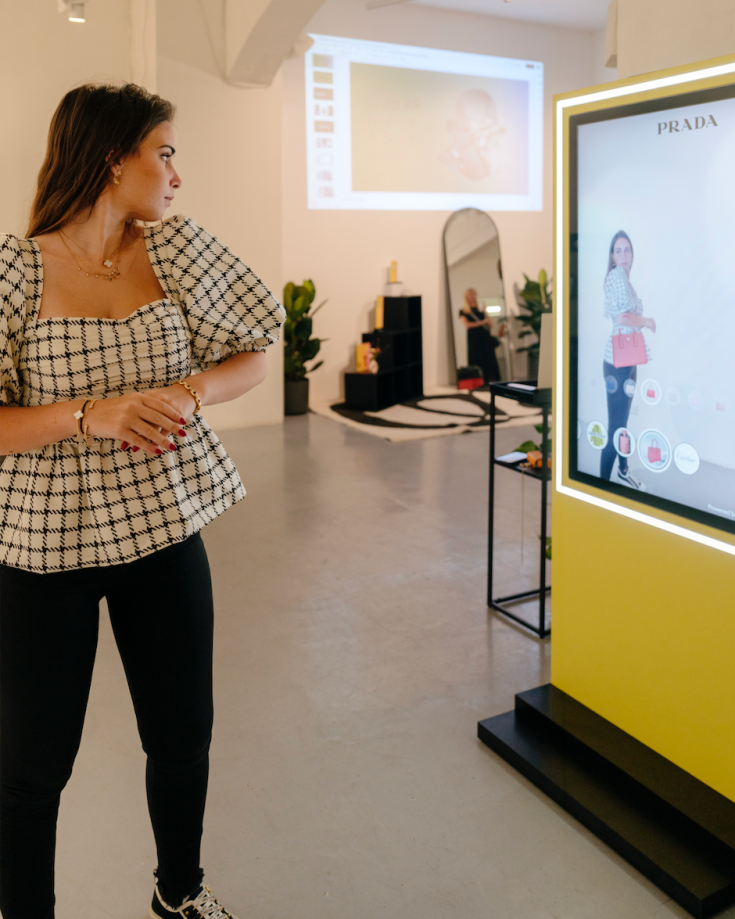
Events are back with a bang. They haven’t just recovered post-pandemic — they’ve emerged as a critical marketing channel to generate demand and build strong brands. We're over the covid spike when it comes to internet usage, with the daily average now almost on par with pre-pandemic figures. This largely stems from consumers having more free time to get out and socialise — and they're increasingly looking for brands to elevate their out-of-home experiences. According to Forrester research, 74% of marketers cite events as their most important demand generation tactic leading into 2023, because they allow brands to reach new audiences, build more personalised relationships with audiences and drive continuous engagement. Here's how brands can get ahead of the experiential trend in 2023.
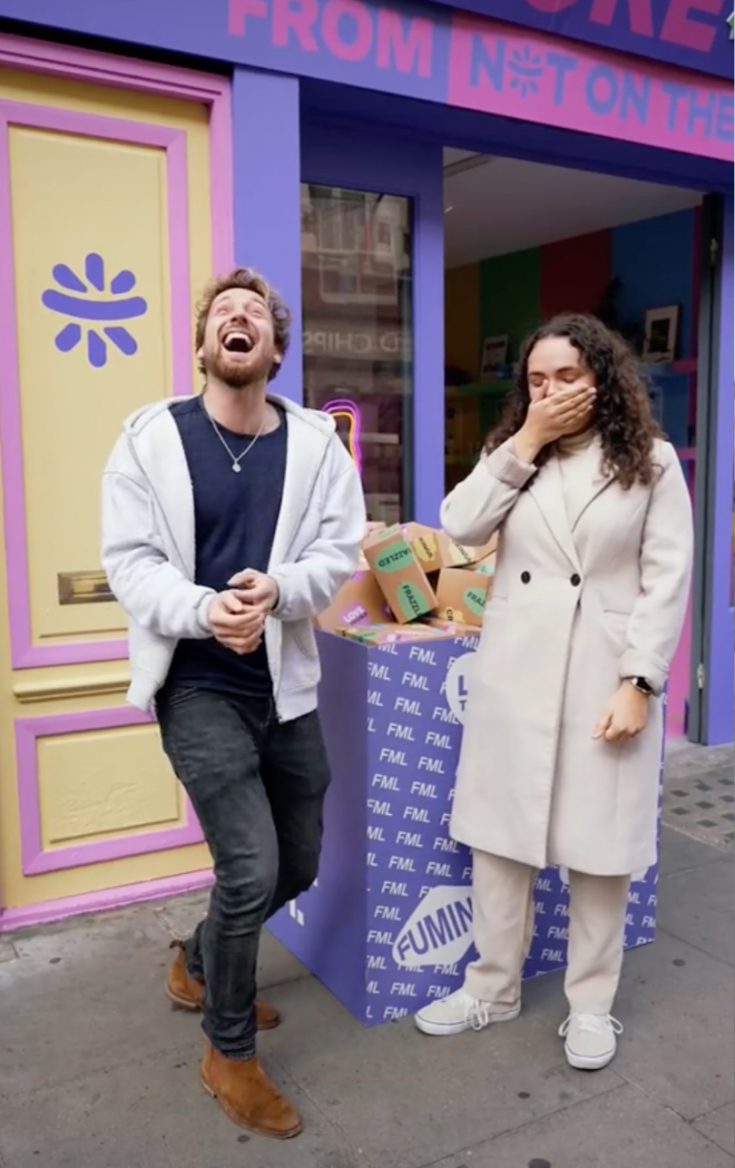

From Instagram’s alleged ‘identity crisis’, the aftermath of Twitter’s leadership change, new entrants such as BeReal, and the continued uncertainty around the metaverse, 2022 was a busy year for influencer marketers. But the sector is not slowing down, with 2023 touted to be the year of the influencer as 89% of marketers who currently engage with influencer marketing will increase or maintain their investment this year. Brands that have previously overlooked the power of influencer advocacy will be keen not to get left behind, with 17% planning to invest in it for the first time in 2023. And it's unsurprising when Gen Z, outside of China, use Instagram almost as often as they do Google, meaning that brands need to look beyond traditional digital channels like search or display for discovery.

We’ll continue to see interest shift from short to longer-term influencer partnerships in 2023, which we began to see in 2022 with the likes of Tasha Ghouri x Ebay. From a brand perspective, longer-term collaborations reinforce the element of loyalty and provide budget efficiencies, alongside the added benefit of consistent brand messaging through endorsing and evolving with a brand they genuinely know and trust.
For many brands this may involve working with influencers on a consultancy basis, advising organisations on marketing approaches as “audience experts", as seen in 2022 with Lucy Edwards and Pantene. Working with them in this way will help brands unlock new sources of revenue and insight that may be pivotal in shaping communications with more impact.
360° IGC
With social users demanding more ‘real’ people to showcase products, brands in 2023 will look for innovative ways to incorporate influencers across their marketing channels.
Spotlighting influencer-generated content (IGC) on websites will become more common, and we’ll start to see influencers pop up in email campaigns, blown up in-store or on billboards. By repurposing IGC across multiple channels and platforms, brands will not only be maximising their investment and amplifying the peer-to-peer effect that influencer marketing provides, but they’ll be giving their audience exactly what they want.
In a world saturated with influencer edits though, be sure to make your content authentic to both parties' tone of voice — check ASOS' latest collab with Lewis Capaldi for pointers.