Week 9: Stargazing
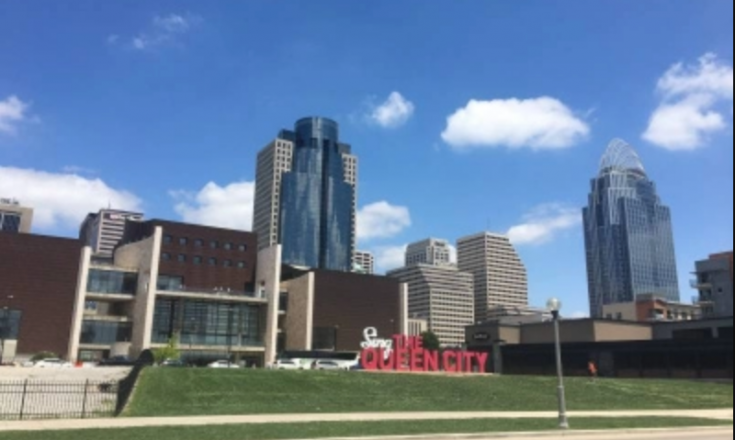
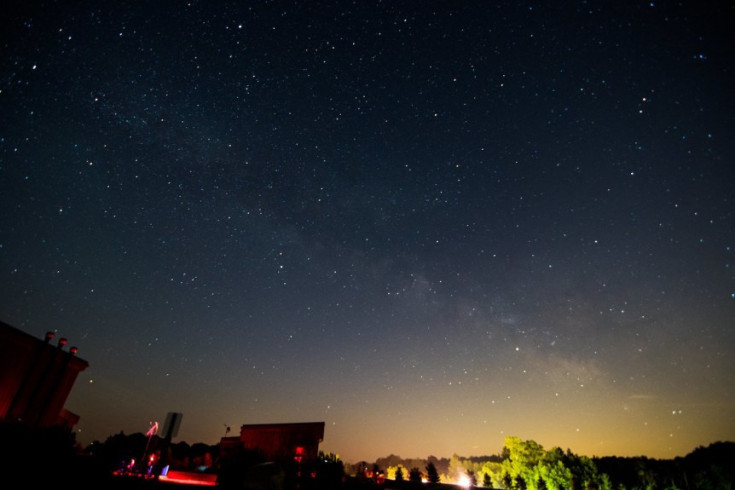
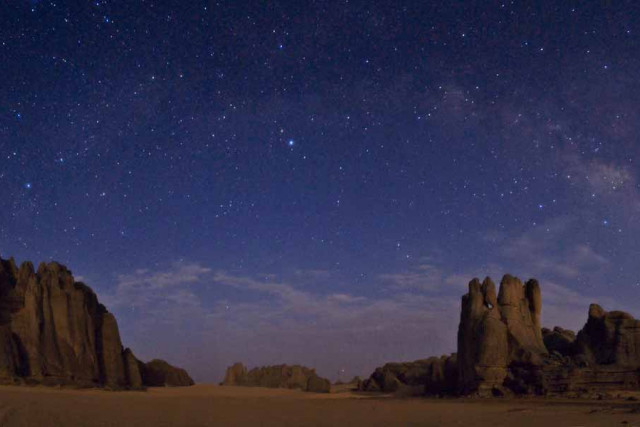
We all know that the light pollution produced by cities drowns out many of the stars in the night sky. While a quick glance up may lead you to believe that there isn't much you can see in the city, if you really take the time to stargaze, there are more celestial bodies visible than you may think.
In the city we can still see some of the brighter things (the Moon, the North Star, Orion's Belt) without the use of fancy equipment. If you have a pair of binoculars, you can check out the Moon's craters and you might even be able to catch a glance of Saturn's rings or the moons of Jupiter. If you're really interested in seeing more, having a telescope will really expand the possibilities. You can find more tips for urban stargazing in this article. I'd also recommend downloading a stargazing app for your smartphone if you want to try your hand at identifying the stars. Click here for a list of the top apps you can download, but make sure if you're using one that you turn on a red light filter on your phone so the screen's light doesn't mess with your night vision.
But you definitely don't need an app or even binoculars to enjoy the benefits of stargazing. I like to use stargazing as a time to disconnect from the day. It's a time to give my eyes a break from artificial lighting and computer screens. Looking up gives me a chance to be mindful and feel in awe of the vast universe. The stresses of the day fade away (at least for a little while) when I'm looking at stars that are millions of lightyears away. Plus, a silver lining to the days getting shorter is that there will be more time stargaze. Clear, winter nights are a the best times to see the stars.
Check out more tips for stargazing in the articles linked below. Stay safe out there and have fun!
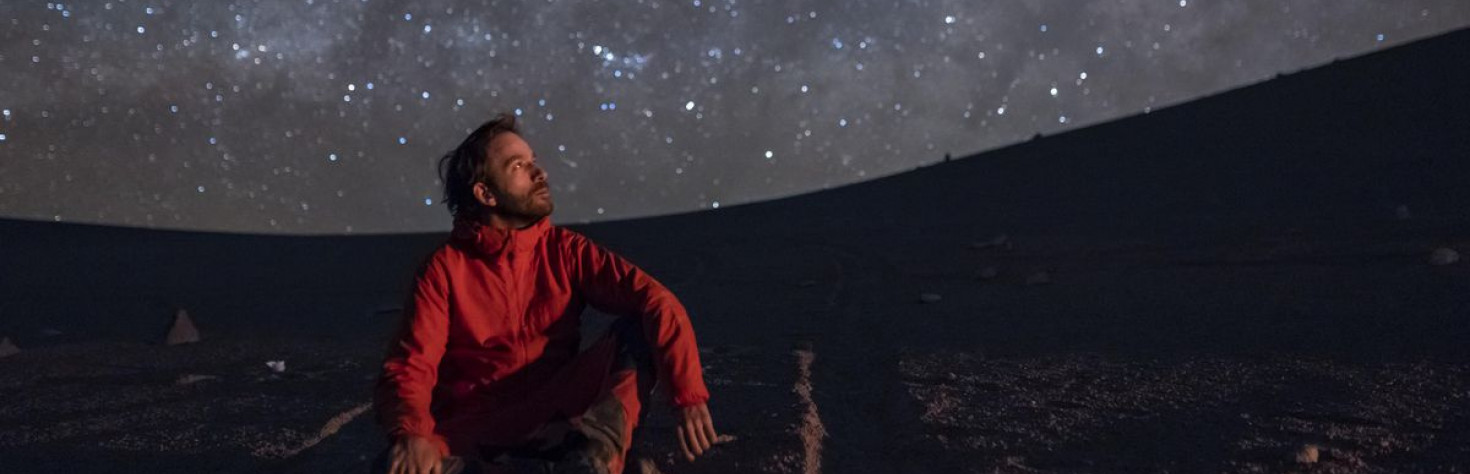
Stressed-out? Try ‘Zen astronomy’.
More stargazing resources...
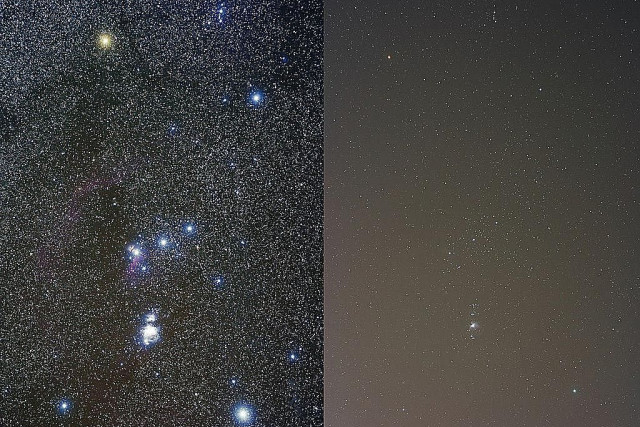
Here are a few tips for people who want to gaze safely at celestial sights from their city homes.
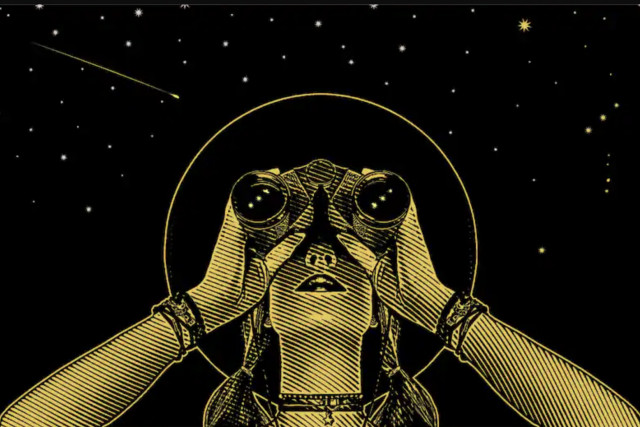
Even in cities, the night sky can offer the jolt of awe that oftentimes comes with touching down in faraway places.
Globe at Night is an international citizen-science campaign to raise public awareness of the impact of light pollution by inviting citizen-scientists to measure & submit their night sky brightness observations.
Remember, you can check out past email's here and you can always shoot me an email (mcurran@imagoearth.org) or post about your experience in the Nature Rx Challenge Facebook group. Have a great week, we'll be checking in soon!