The Working Space
Monday, November 27, 2023
Industry News
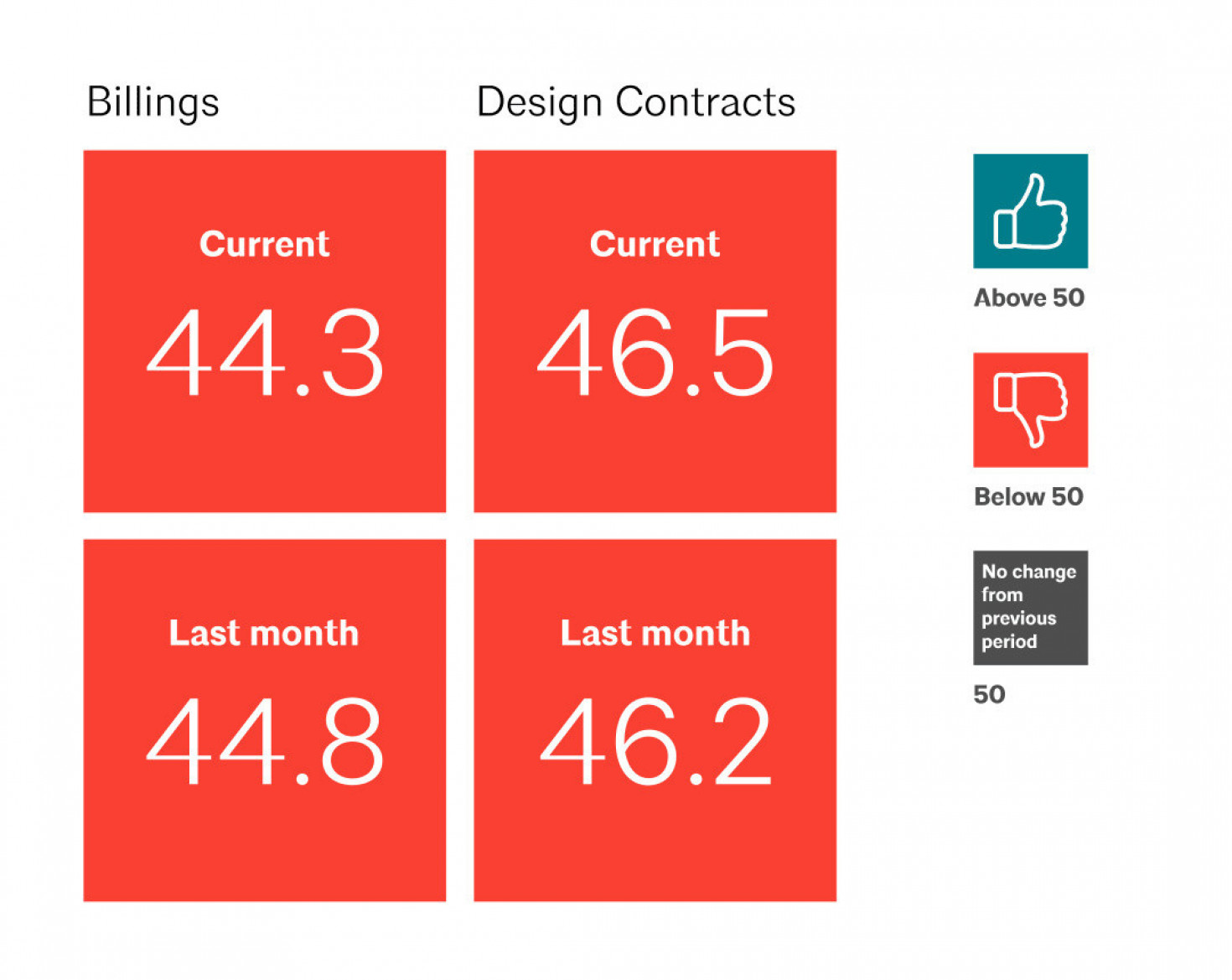
Business conditions at architecture firms continued to soften in October, with declining firm billings and a decrease in inquiries into new projects. The AIA/Deltek Architecture Billings Index (ABI) score declined to 44.3, indicating a challenging market. Firms located in the West and Northeast reported the softest conditions overall. The architecture services industry also experienced job losses in September. Responding firm leaders largely expect net revenue to be flat this year, with larger firms more likely to project an increase compared to small firms. However, the overall outlook for 2024 shows a projected decline in net revenue.
Firm leaders anticipate an increase in expenses, particularly in employee healthcare costs and technology. Despite the cautious outlook, firms are implementing strategies to cope with increasing expenses, such as deferring capital investment, outsourcing services, and cutting back on office space. Work-on-the-Boards participants note a slowdown in certain market sectors and a decrease in project leads and new projects. The industry is preparing for a potentially slower 2024, with awarded projects on hold and proposals awaiting decisions.

Features
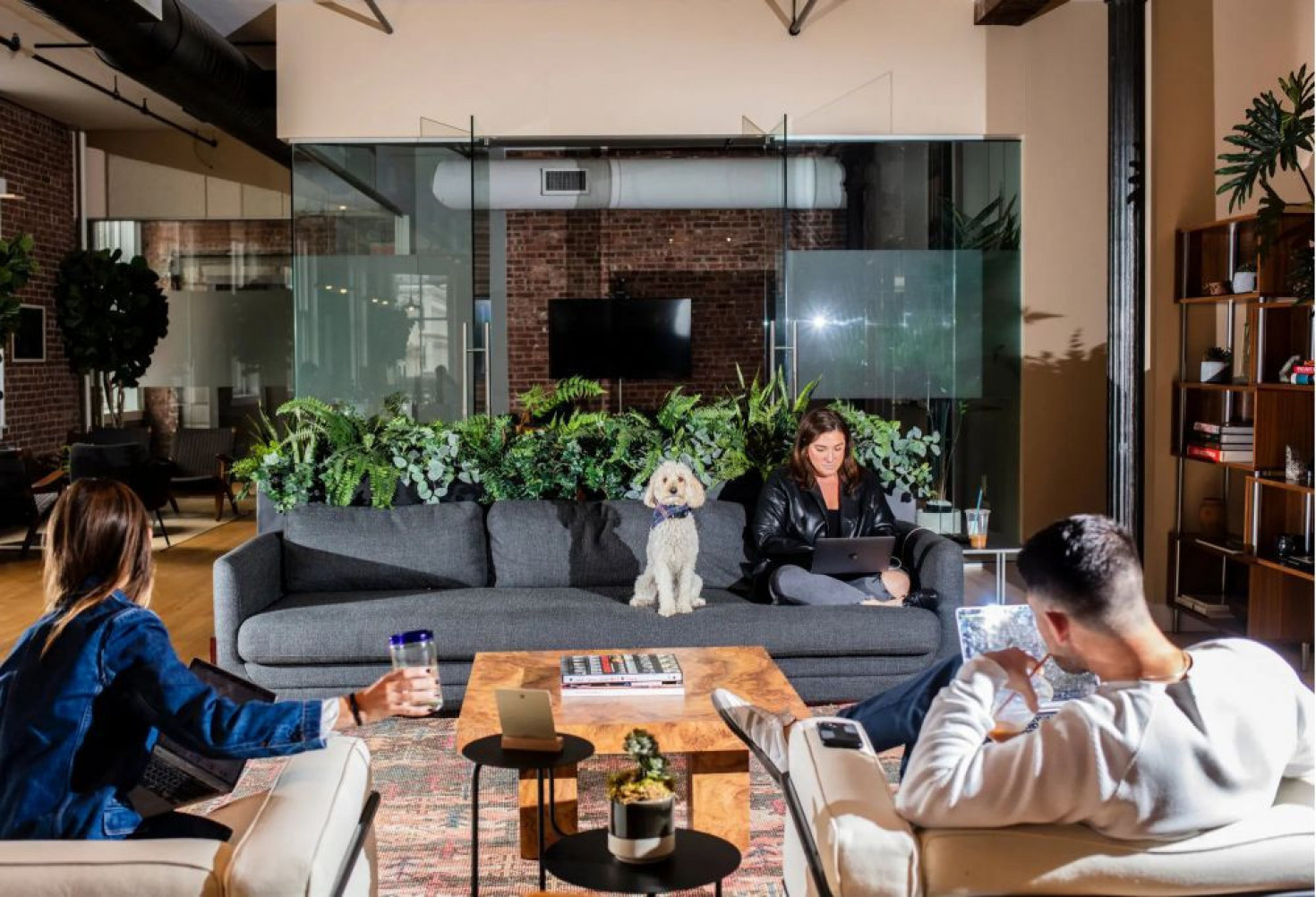
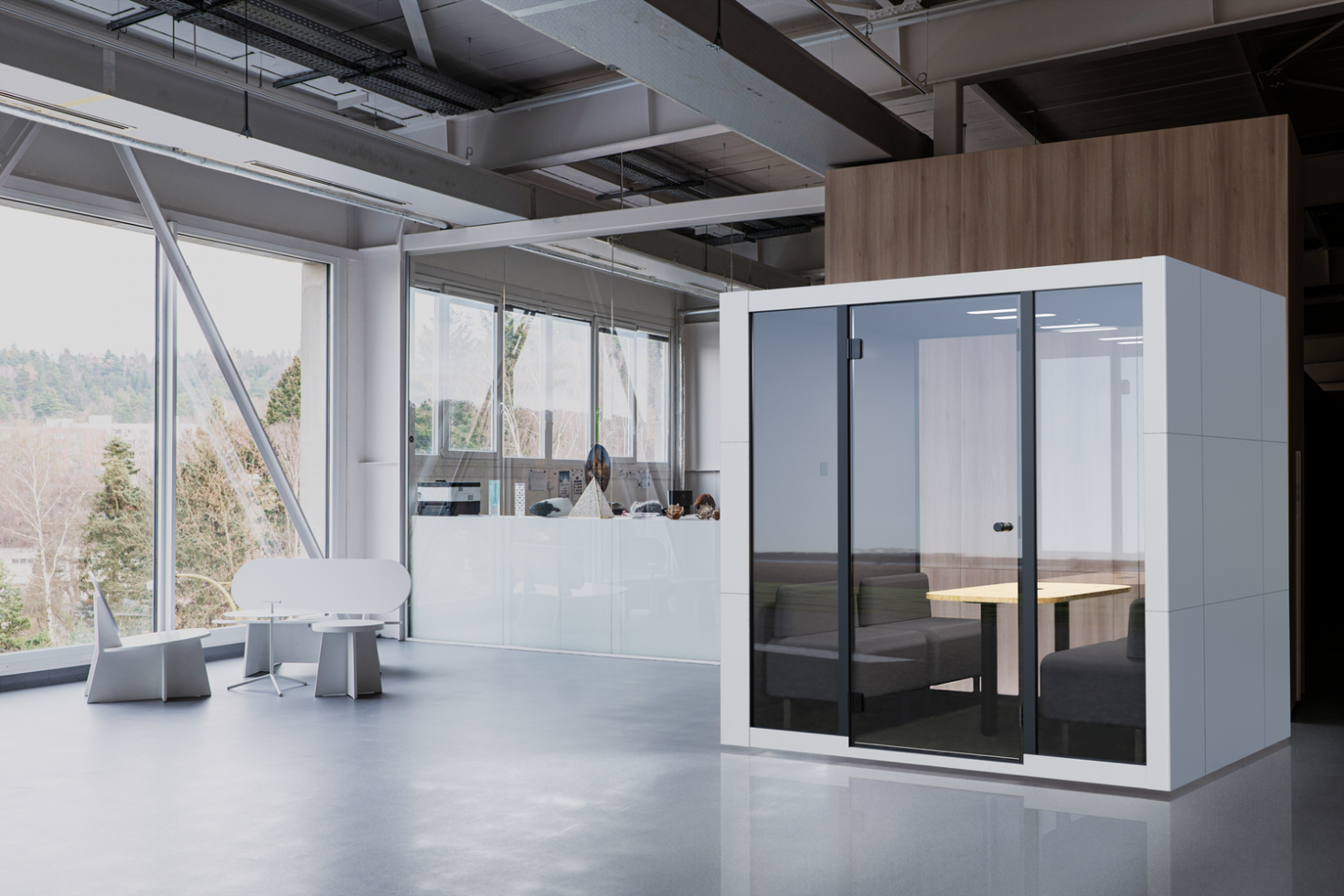
The design of office spaces has always evolved alongside changing attitudes towards work. From the cubicle farms of the past to the tech utopias of the early 2000s, office aesthetics have reflected societal values and the desire to create environments that foster productivity and employee satisfaction. While the Envy Office trend seeks to make the office an enticing destination, some workers still crave privacy and personalized workspaces. Ultimately, the ideal office is one that strikes a balance between appealing aesthetics and functionality, creating a conducive environment for getting work done.
Workspace News

Trends
Design
Coworking
Sustainability / Green
Other News
Latest Products
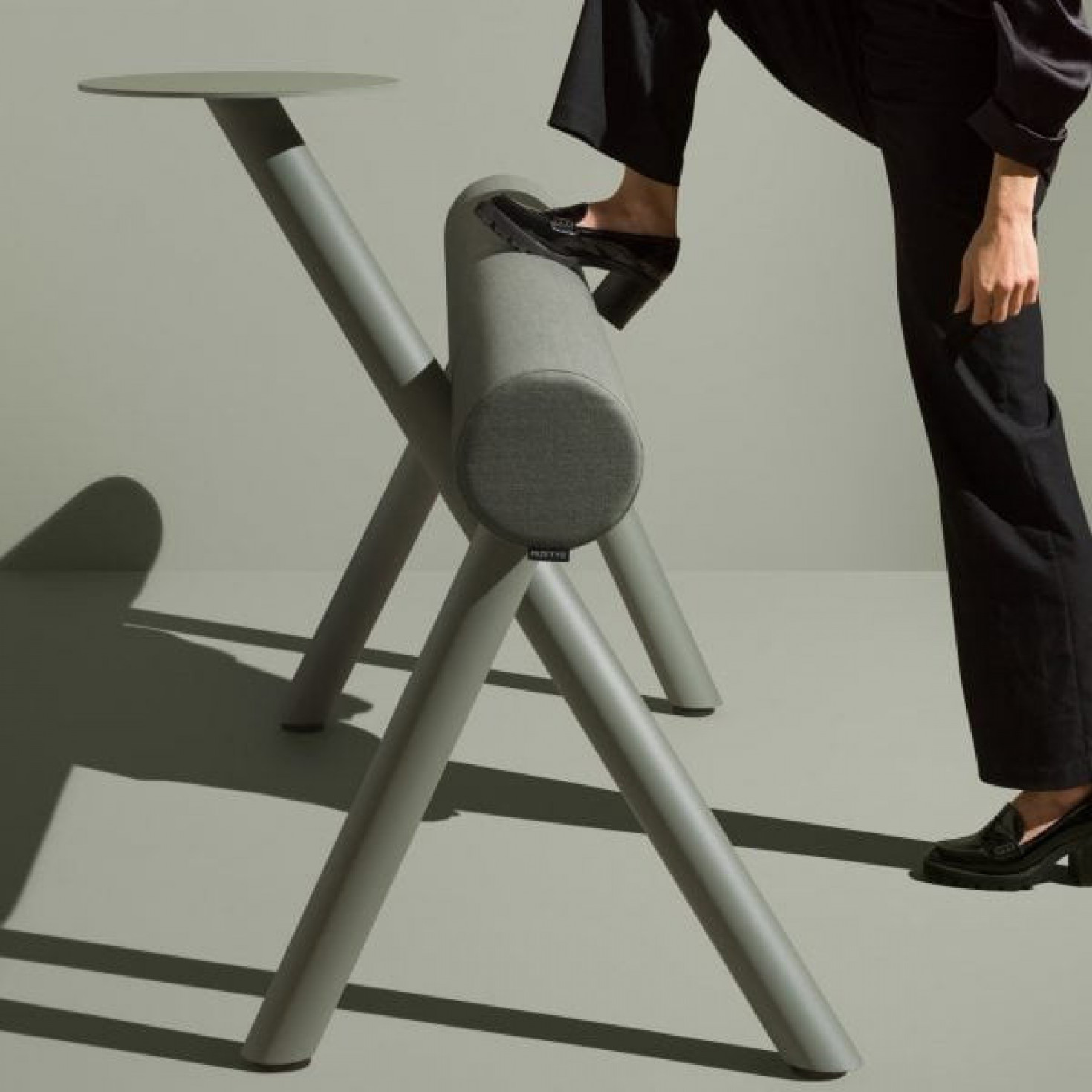

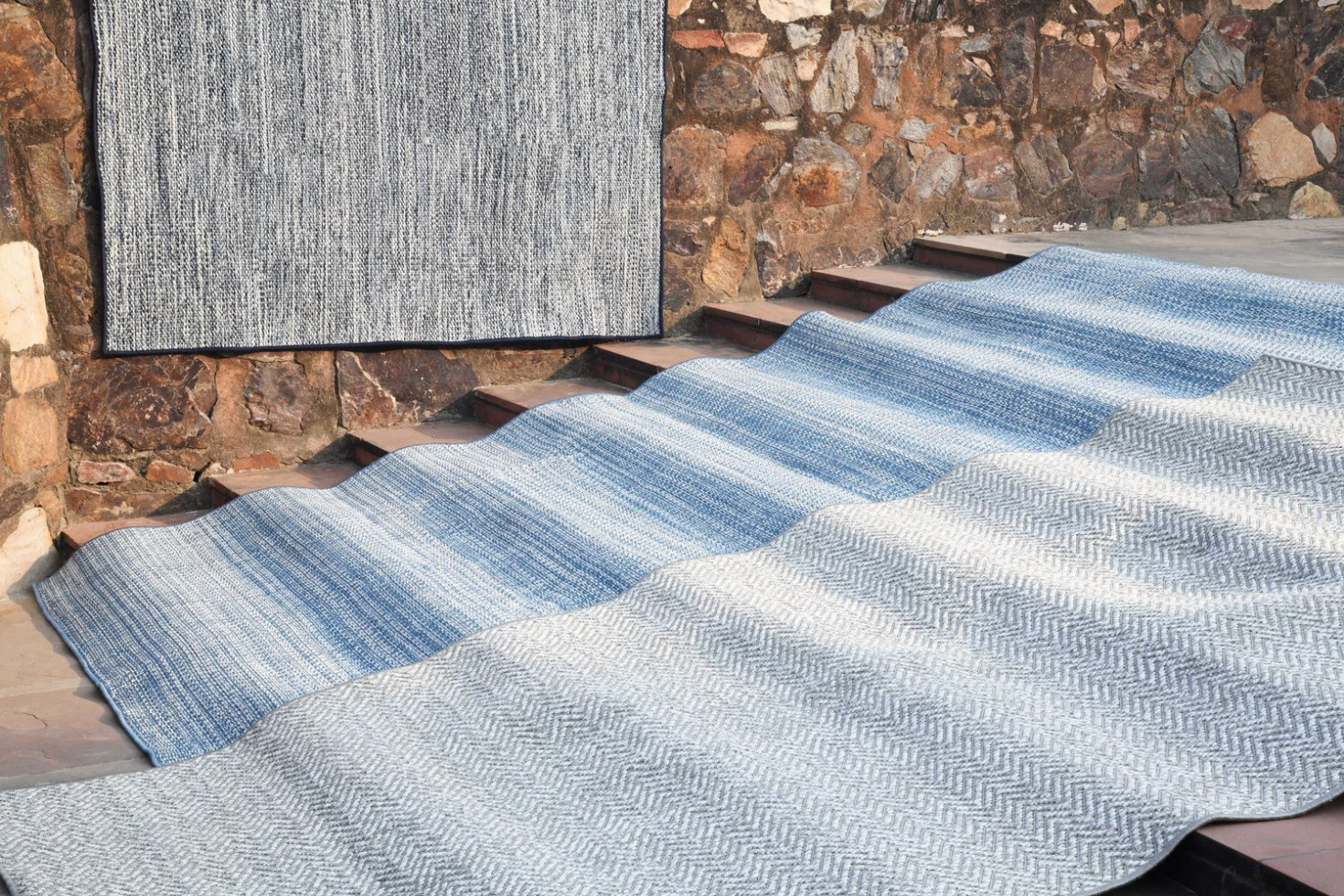
Trends in Commercial Projects from Around the Globe
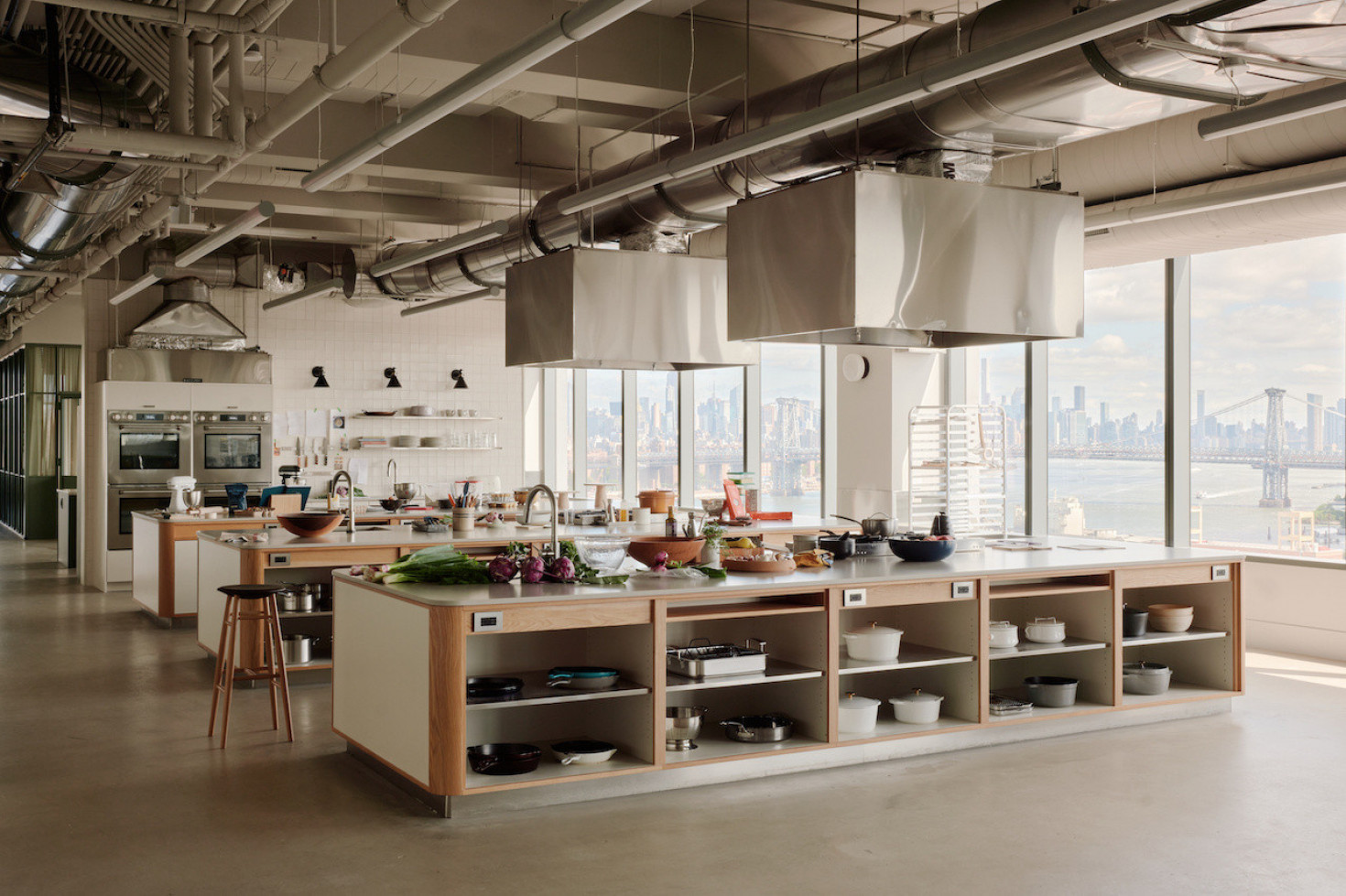
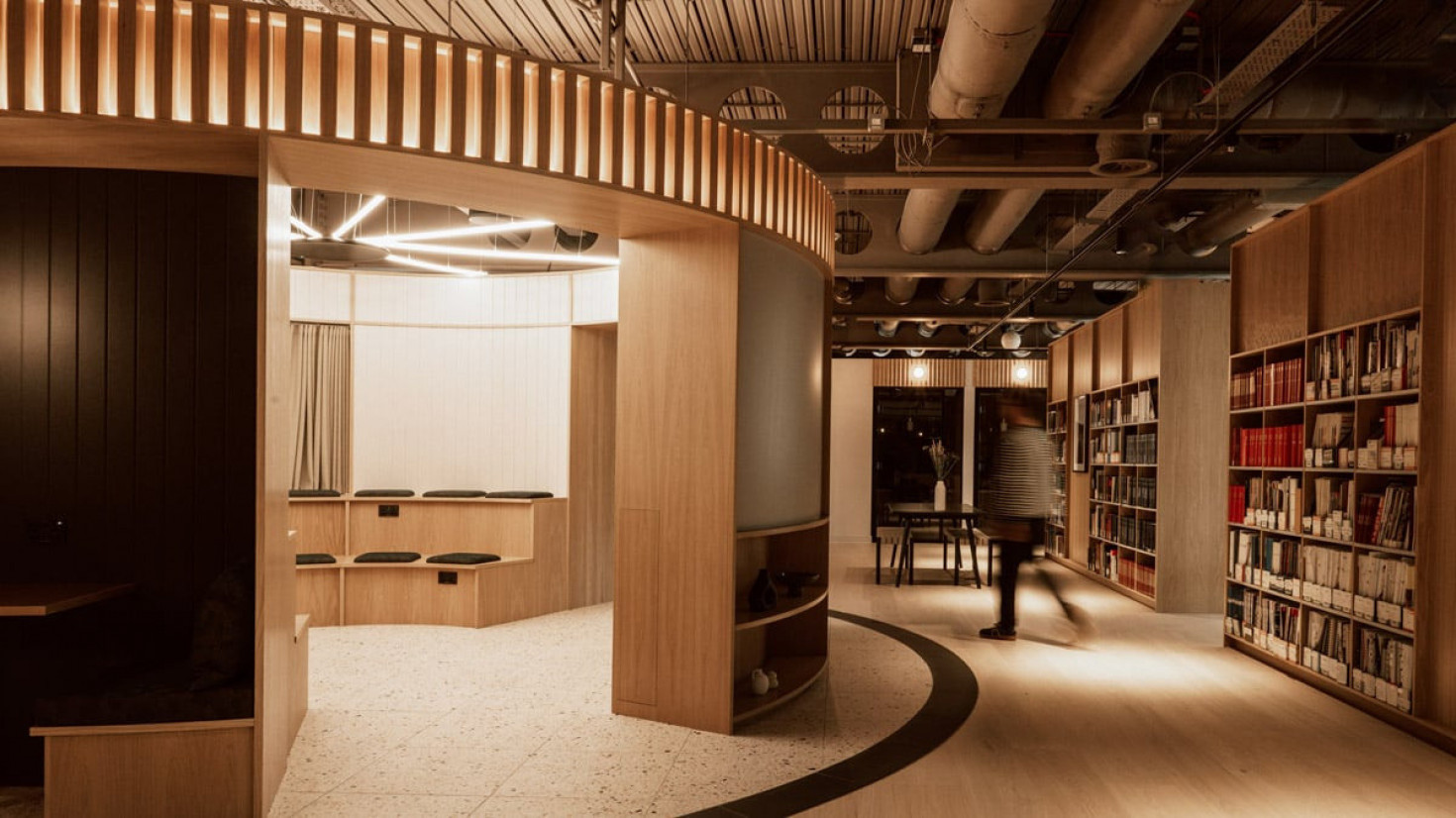
Upcoming Industry Events

Industry Briefing








As a Designer you will spend your time space planning of client offices in a variety of environments.