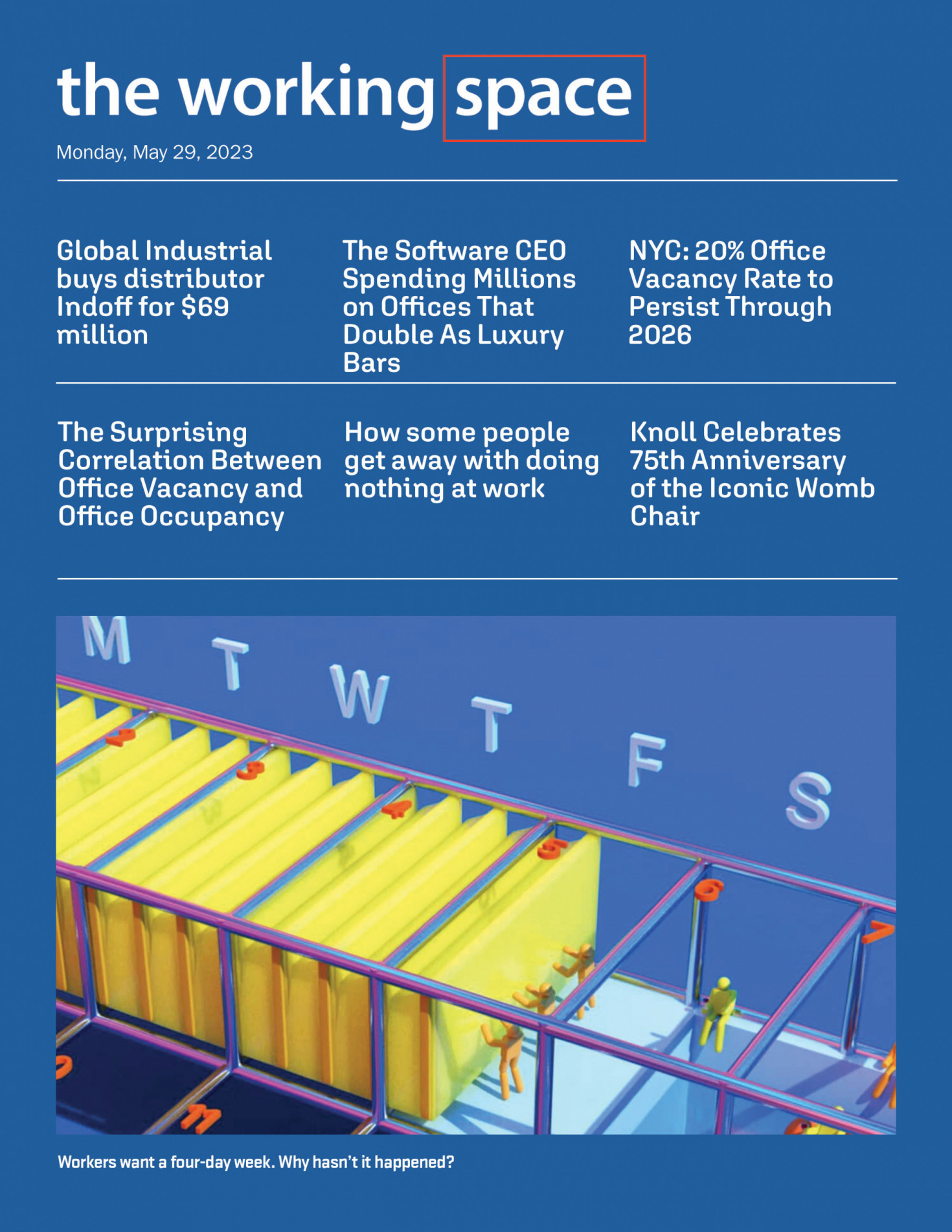
The Working Space
Monday, May 29, 2023
Industry News
Global Industrial Co., a major industrial and commercial products distributor with over $1 billion in revenue, has announced its acquisition of Indoff Inc., a national distributor of office furniture with a revenue of about $180 million in 2022. The acquisition was made with approximately $69.2 million in cash, and Indoff will continue to operate under its own brand and leadership team as a wholly-owned subsidiary of Port Washington, New York-based Global Industrial.
With the acquisition of Indoff, Global Industrial aims to expand its product and customer base, as well as to strengthen its market position and support the broader use of the company's B2B ecommerce platform. Indoff's network of over 360 sales partners will extend Global Industrial's one-to-one sales reach to new customers and markets, while Indoff's wide range of product lines--which include material handling systems, office furniture, and lighting systems--for customers such as Wells Fargo, Lockheed Martin, and Johnson Controls, will complement Global Industrial's multichannel sales strategy.
Global Industrial already sells over 1 million SKUs of maintenance, repair, and operations (MRO) products, including its own private label products and equipment branded by Caterpillar that companies use to operate their facilities. With the acquisition of Indoff, Global Industrial will expand its multichannel strategy that now does more than half of its sales transactions through ecommerce.
Jim Malkus, CEO of Indoff, expects Indoff to grow as a Global Industrial subsidiary. "As part of Global Industrial, we will be in a stronger position to drive the value we provide our customers and support the continued expansion of the business," he says. Indoff serves B2B and B2C industries such as distribution, healthcare, finance, education, legal, engineering, manufacturing, hospitality, and government.

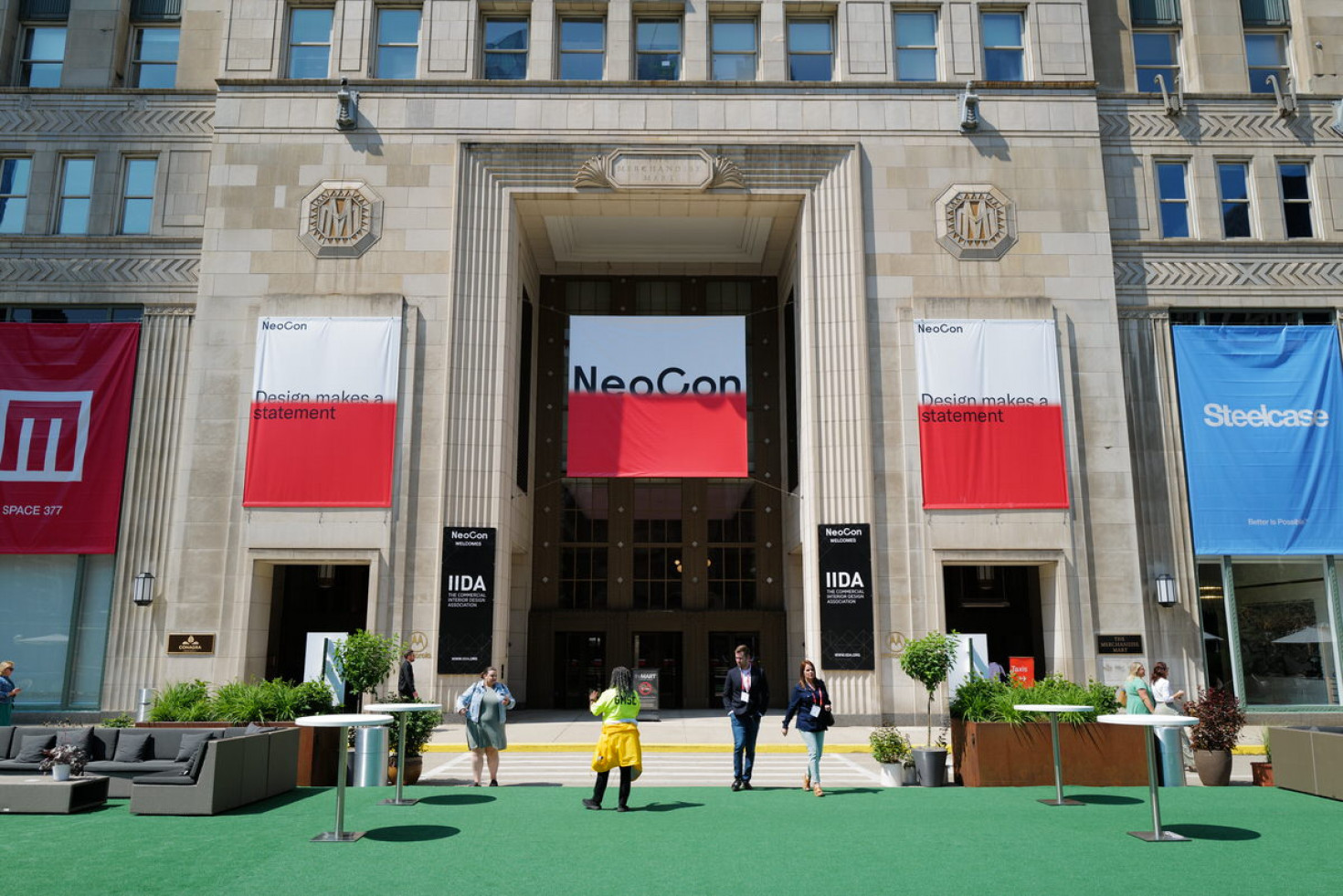
NeoCon and Fulton Market
Features


Workspace News

Design

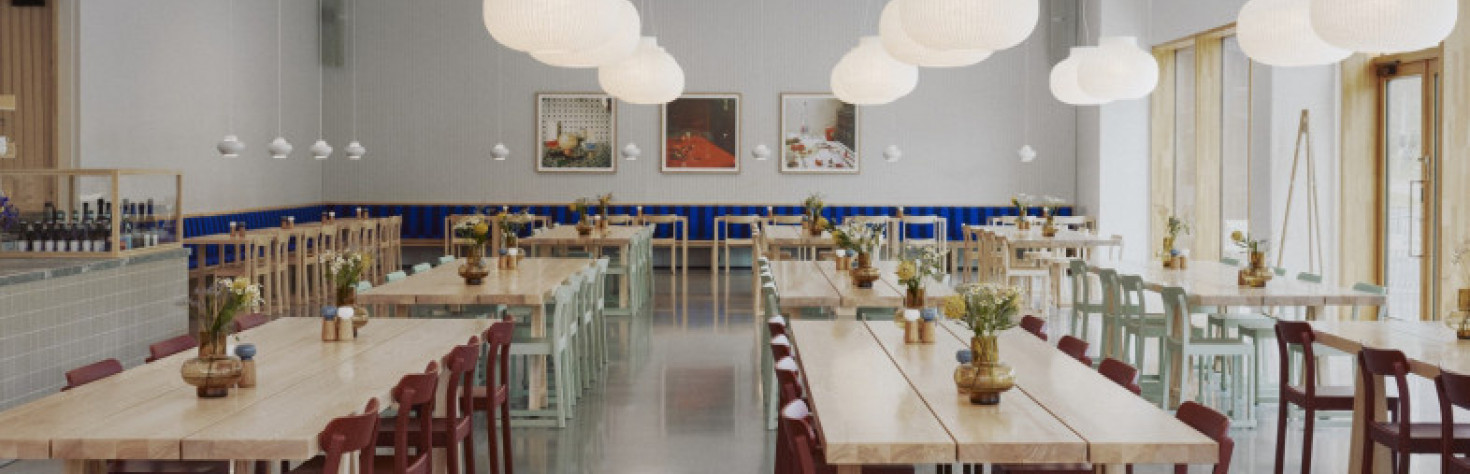
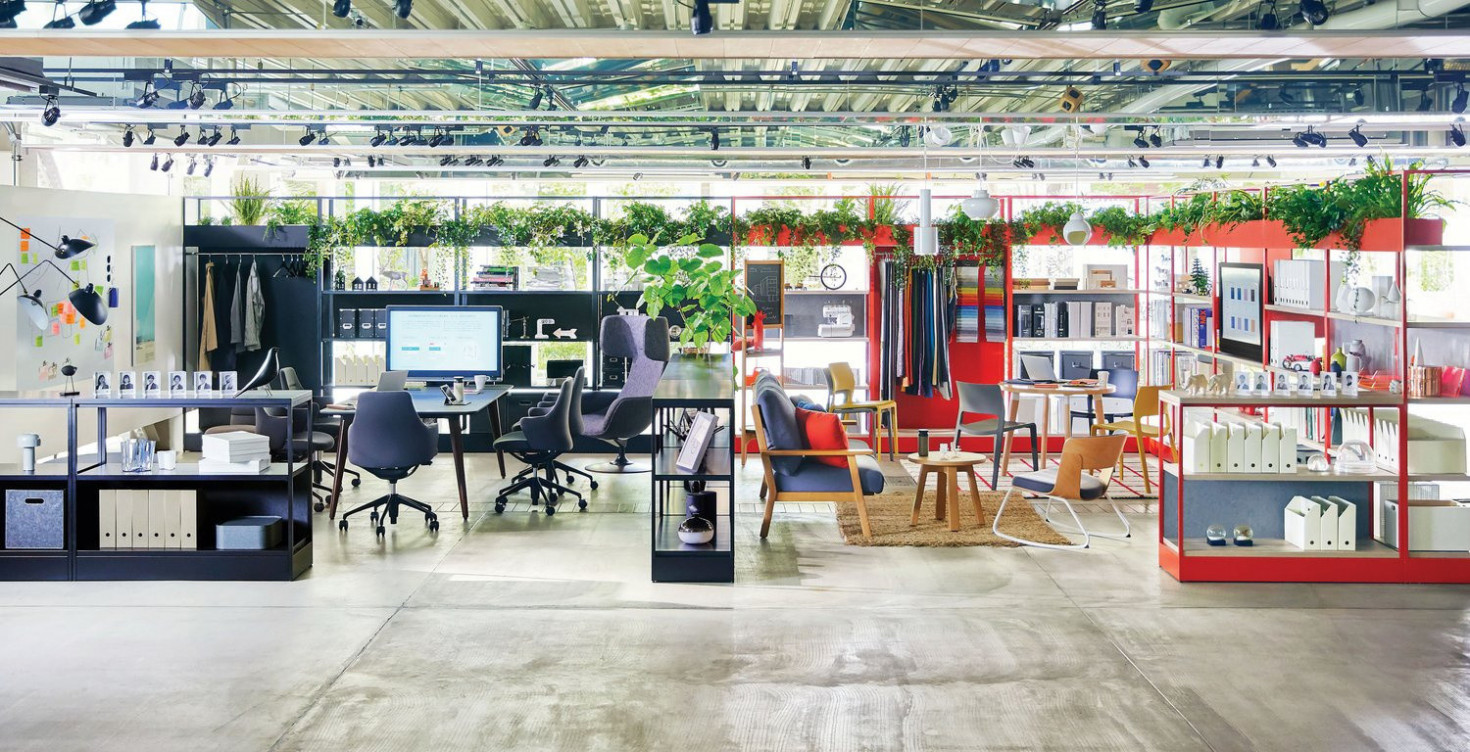
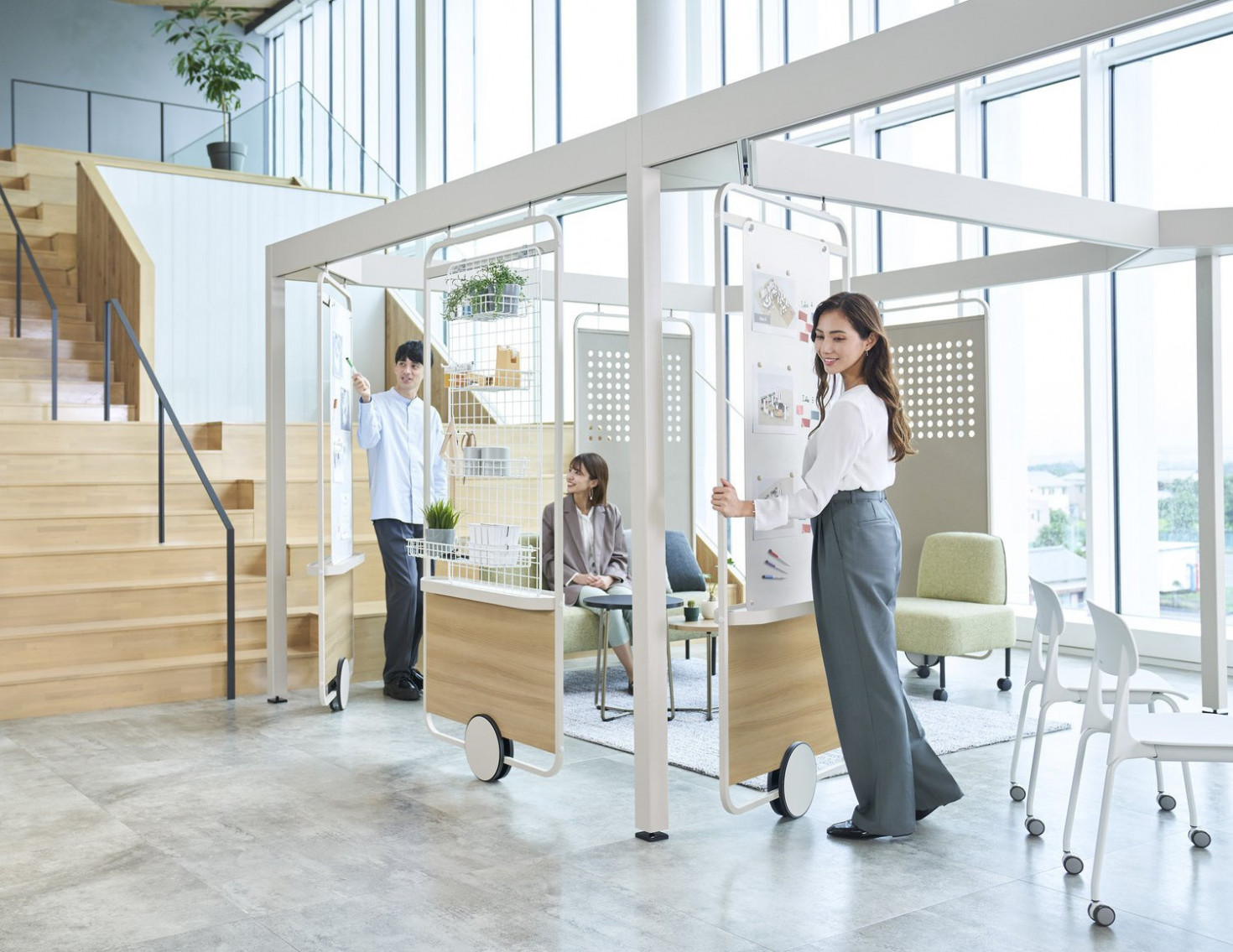
The pandemic has prompted companies to rethink their approach to the workplace, with many businesses offering a hybrid schedule that combines remote and on-site work. As a result, office design companies have become co-creators of the future of the workspace, reconfiguring office space to make the most of the time employees spend there. Mixed-use space is in, with companies thinking in terms of “neighborhoods” for individual, team, and interdepartmental work. Many companies are even moving away from assigned cubicles and offering hoteling, benching, and phone boothing instead.
As for office space, many companies are weighing whether to retain the same square footage or downsize. A recent study by JLL indicates that over 240 million square feet of leased office space in the country will expire in 2023. Fears of a possible recession are causing many to stall decisions on their commercial real estate. In this context, Utah-based startups like PowerBx and Stanza are offering hardware, software, and online marketplace solutions to optimize space utilization, facilitate employee collaboration, and monetize unused space.
It is not a one-size-fits-all situation, and companies are testing what works best for them. While some, like Tesla, demand full-time, in-office work, others like Kadince have opted to go fully remote. The pandemic's work-from-home experience sparked a conversation about how companies approach the workplace. In a low unemployment landscape with increased competition for workers, more companies are giving the people what they want, offering flexibility, and a good work-life balance.


Trends
Latest Products



Other News

Sustainability
Coworking
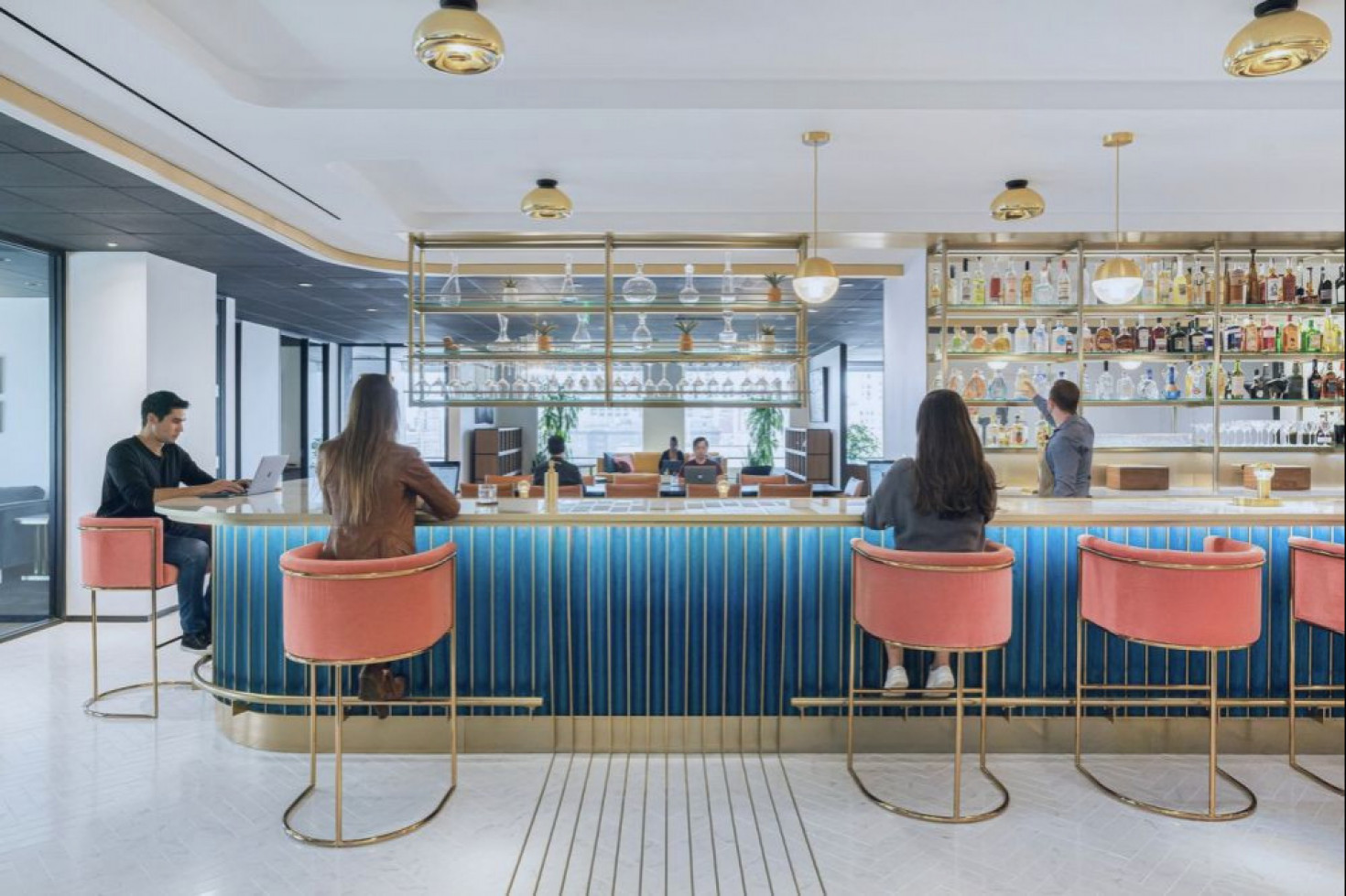
Trends in Commercial Projects from Around the Globe
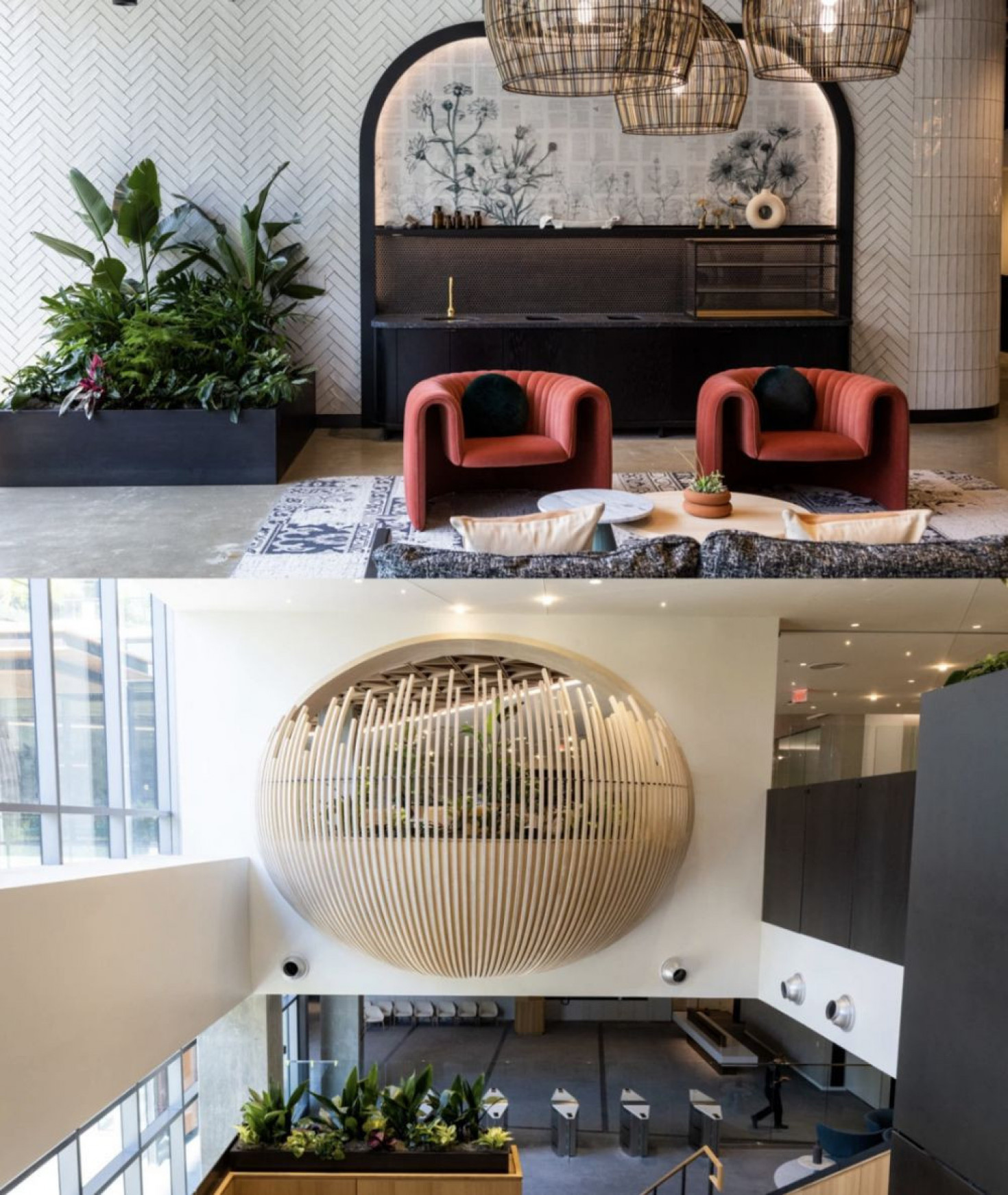
 propmodo.com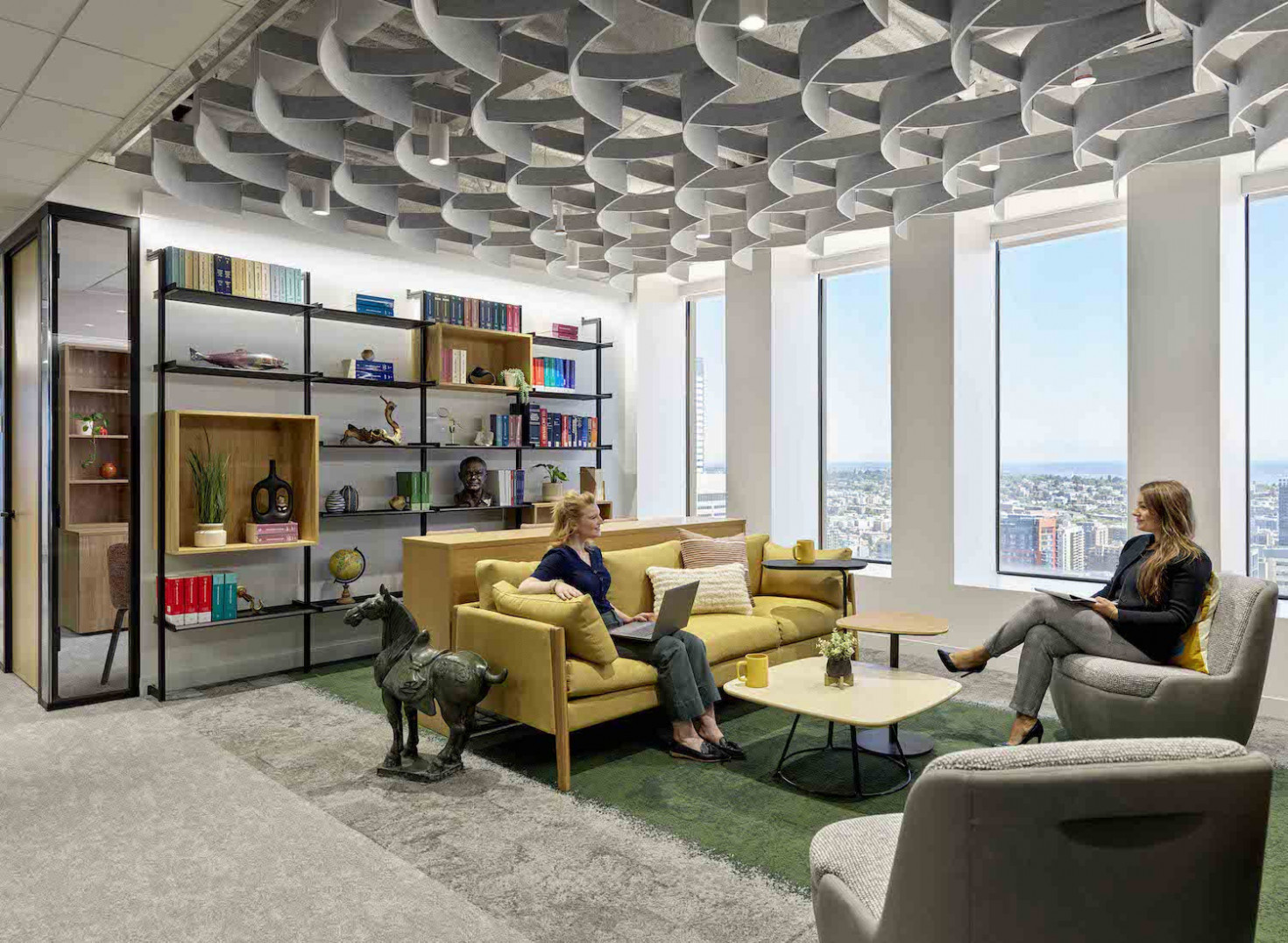
Upcoming Industry Events
Industry Briefing







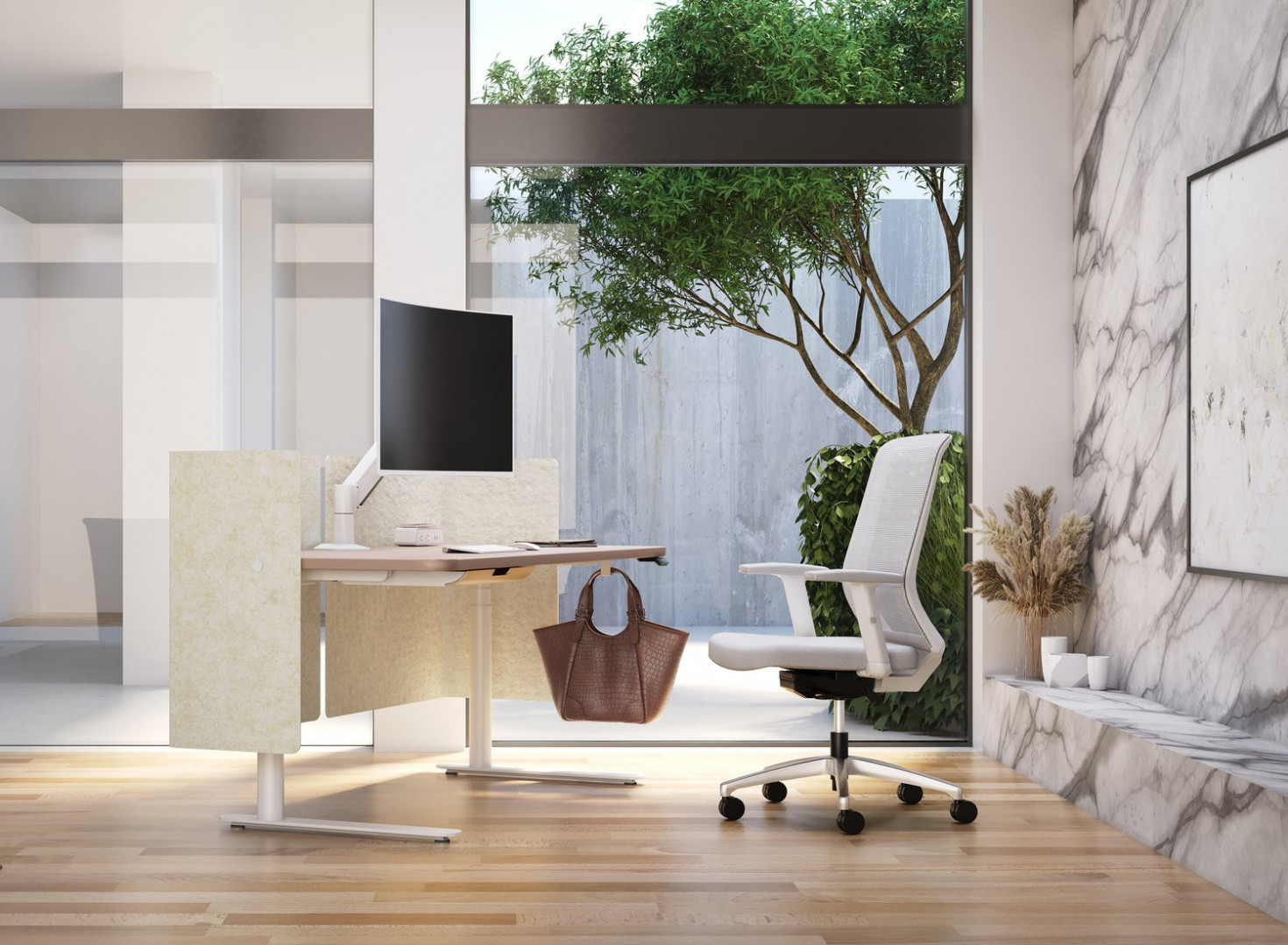
With 11 lines of product that can outfit virtually every application in the office: from simple to sophisticated workstations - including private offices with doors, Swiftspace cannot be equalled when providing flexible solutions to the ever-changing needs of the workplace.