






#BeADonor Month Resources




















Coming Up

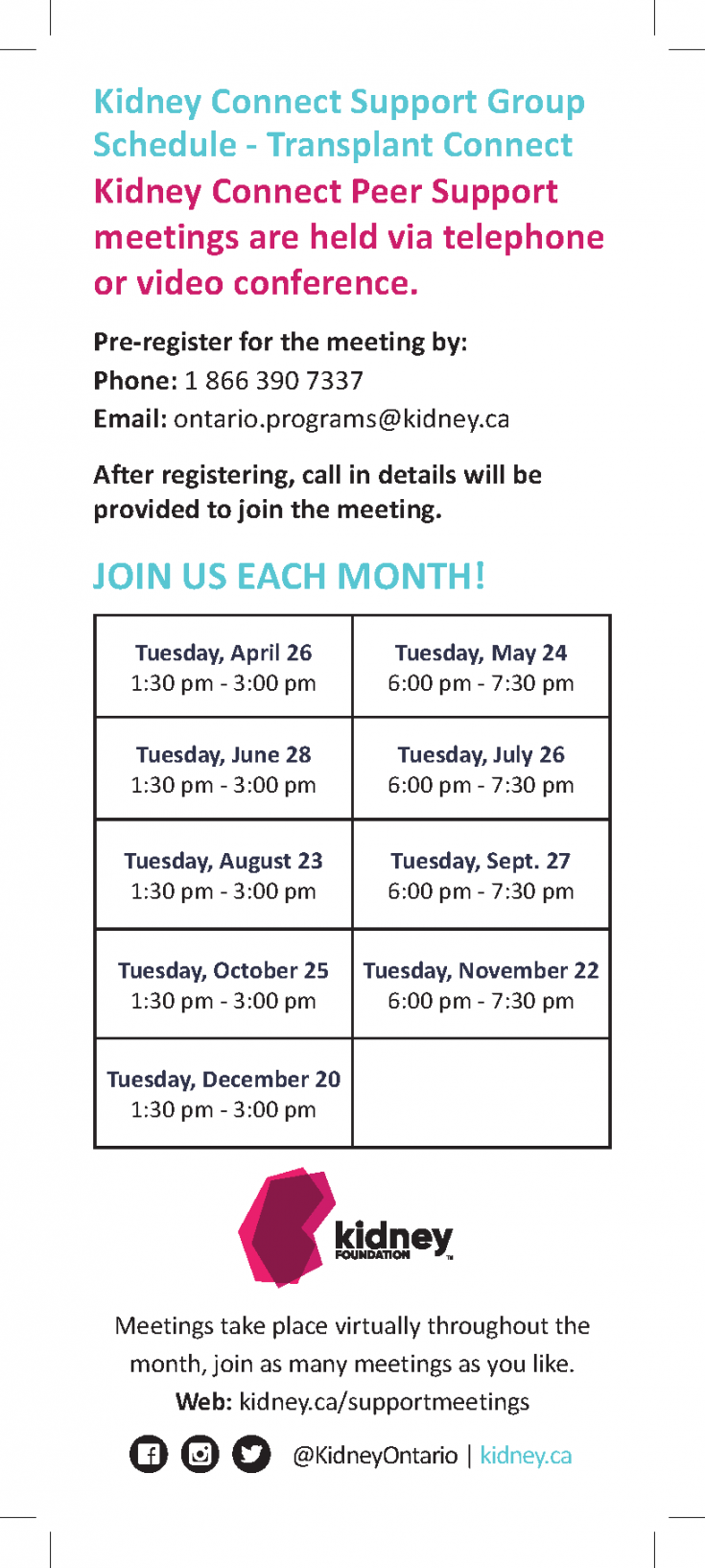
- 1st Tuesday of the Month: Information for Potential Living Kidney Donors
- 2nd Tuesday of the Month: Finding a Living Donor (registrants will be able to access additional resources including Having Your Donor Find You, a free self-paced video series)
- 3rd Tuesday of the Month: Financial Resources for Living Donors (PRELOD and other provincial reimbursement programs, employer support and more)
- 4thTuesday of the Month: Information for Potential Living Liver Donors
In Case You Missed It
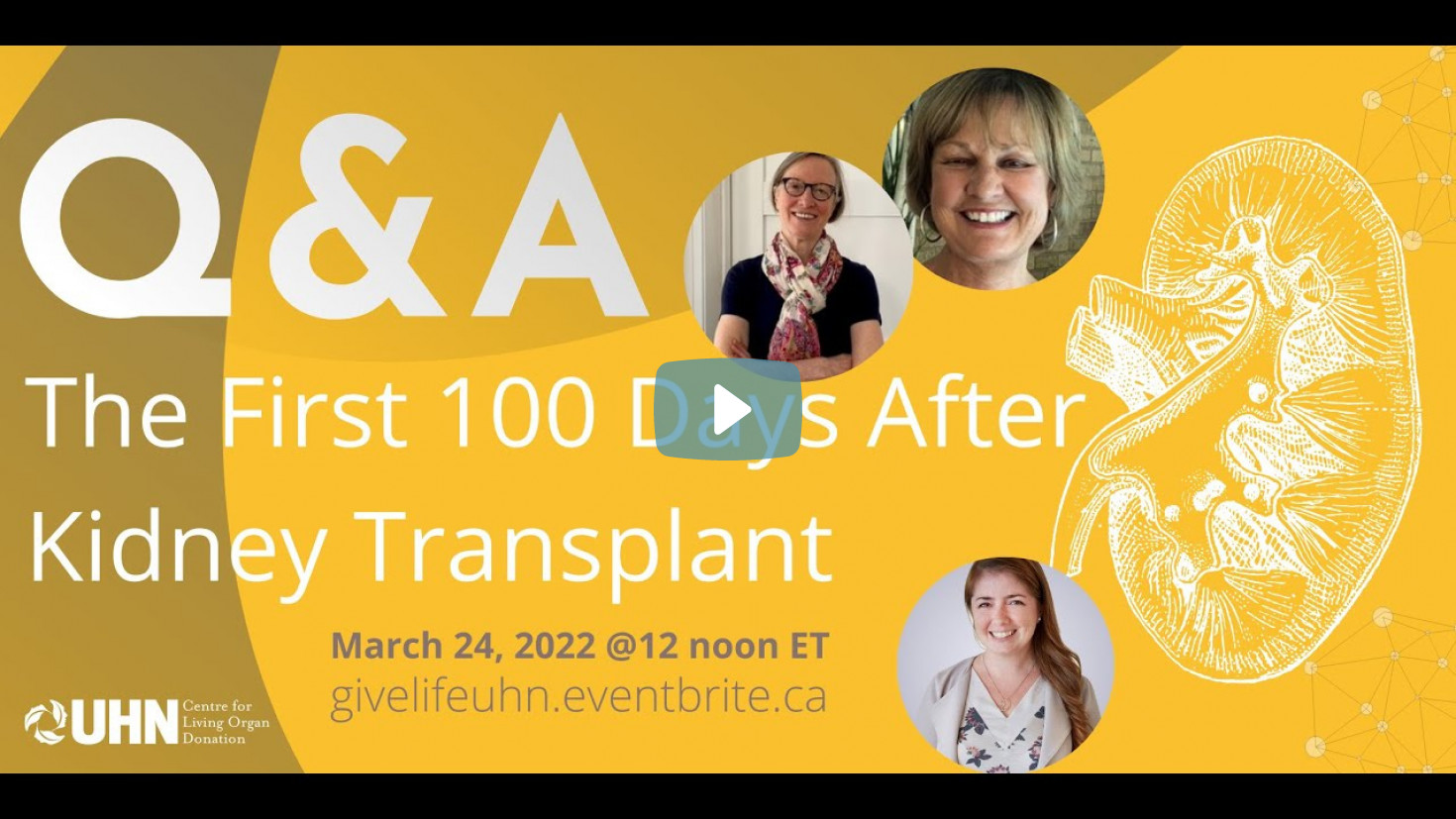
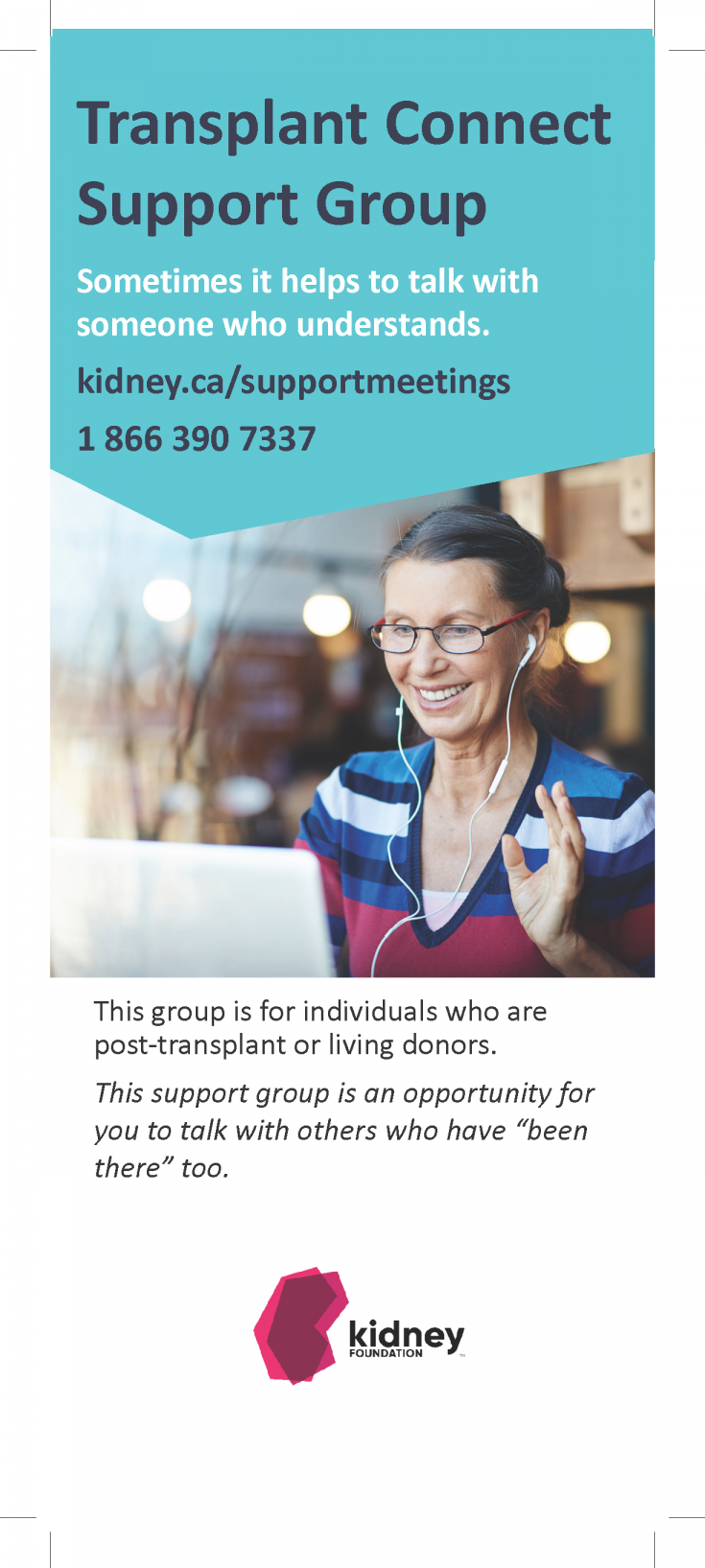
Nurse practitioner, Theresa McKnight and living kidney transplant recipient Sheena Branigan join the Centre for Living Organ Donation's new Education & Outreach Coordinator, Candice Coghan for a practical conversation on what to expect during the first 100 days post transplant.






RESEARCH CORNER
Below are links to selected articles on living organ donation and transplantation published within the last six months. If you have a suggestion email us.
Advancing a Paradigm Shift to Approaching Health Systems in the Field of Living-Donor Kidney Transplantation: An Opinion Piece. Proposes moving from focus on education of individual patients to comprehensive, multi-level interventions that can better address disparities in access to care.
Association Between Social Determinants of Health and Rates of Liver Transplantation in Individuals with Cirrhosis. Retrospective population-based cohort study of Ontario adults aged 18-70 years diagnosed with newly decompensated cirrhosis and/or hepatocellular carcinoma from 2000-2019 finds that those from the lowest income and most residentially unstable neighbourhods are 40% less likely to receive a transplant.
Does Machine Perfusion Improve Immediate and Short-term Outcomes by Enhancing Graft Function and Recipient Recovery After Liver Transplantation? A Systematic Review of the Literature, Meta-Analysis and Expert Panel Recommendations Both hypothermic (HMP) and normothermic (NMP) machine perfusion have significant benefits, including shorter length of stay and lower rate of major post-operative complications.
Elimination of Race in Estimates of Kidney Function to Provide Unbiased Clinical Management in Canada Race adjustment in how the CKD-EPI eGFR is calculated for Black patients may be leading to delays in timely referrals and access to newer therapies. Primary care providers should refer to a nephrologist patients whose GFR is less than 30 mL/min/1.73 m2. Referral to specialized multidisciplinary clinics for advanced kidney disease care is indicated for patients with high-risk CKD i.e., eGFR less than 15 mL/min/1.73 m2, or estimated 2-year risk of end-stage kidney disease (ESKD) equal to or greater than 10%. Referral for kidney transplant evaluation should occur when eGFR is less than 15 mL/min/1.73 m2 or estimated 2-year risk of ESKD equal to or greater than 25%. The authors recommend eliminating the race adjustment in eGFR calculation and improving screening of kidney disease in Black communities.
Feasibility of a Home-Based Exercise Program for Managing Posttransplant Metabolic Syndrome in Lung and Liver Transplant Recipients: Protocol for a Pilot Randomized Controlled Trial. Study will evaluate efficacy and feasibility of a home-based, aerobic and resistance training program delivered 3-5 times a week for 12 weeks to lung and liver patients 12 to 18 months after transplantation. Study will track recruitment rate, program adherence, attrition, safety, and participant satisfaction, as well as impact including insulin resistance, abdominal obesity, blood pressure, cholesterol and health-related quality of life.
Protocol for a Process Evaluation of the Quality Improvement Intervention to Enhance Access to Kidney Transplantation and Living Kidney Donation (EnAKT LKD) Cluster-Randomized Clinical Trial. Describes process evaluation to determine if the various components of EnAKT LKD were delivered, received, and enacted as designed and if the intervention addressed identified barriers. Data collection process will include interviews and surveys with dialysis nurses, nephrologists and members of the multi-care kidney clinic teams at 27 chronic kidney disease programs across Ontario.
Toronto General Hospital | Ajmera Transplant Centre
585 University Ave, 9 MaRS-9115, Toronto, ON M5G 2N2 Canada
livingorgandonation@uhn.ca | 416-340-5400
www.livingorgandonation.ca
