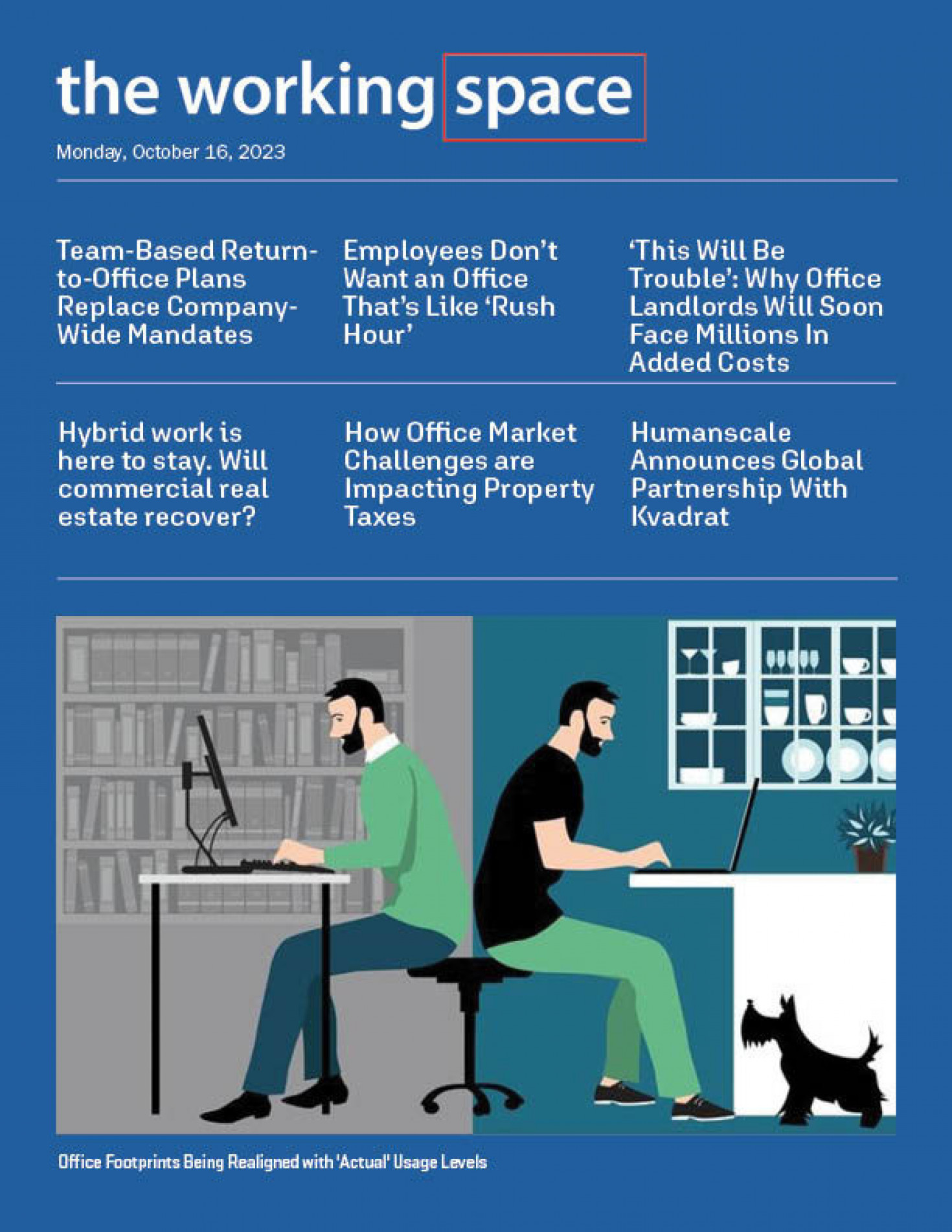
It’s Not Just Commercial Landlords Fretting Over New High in Vacancies / The Future of the Office Has Arrived: It's Hybrid / COE Distributing’s Culture of Innovation Spotlighted in ‘We Supply America’ Docuseries / MillerKnoll Insiders Added US$1.52m Of Stock To Their Holdings / Humanscale Announces Global Partnership With Kvadrat / Bankrupt Mitchell Gold + Bob Williams to Liquidate / Ikea furniture prices went up during COVID. Now they're going down / Hybrid work is here to stay. Will commercial real estate recover? / ‘This Will Be Trouble’: Why Office Landlords Will Soon Face Millions In Added Costs / DIRTT Selected for Major Energy Headquarter Projects in Houston / Tech's Answer to Age-Old Indoor Temperature Problems / What We Know About the Effects of Remote Work / Office Footprints Being Realigned with 'Actual' Usage Levels / and much more…


The Working Space
Monday, October 16. 2023


The Takeaway

It’s Not Just Commercial Landlords Fretting Over New High in Vacancie

Cities around the world were transformed into ghost towns as the devastating impact of the pandemic took hold. While many cities have managed to regain some of their former hustle and bustle, a closer look inside the office buildings reveals a different story.

The rise in office vacancy rates in major cities is becoming a cause for concern, as investments in commercial real estate continue to decline. However, the implications of this shift extend far beyond the realm of team-building exercises. The repercussions can be felt in cities' tax bases, commuter and retail spending, as well as the overall health of financial lenders.

Let's dive into some preliminary data from researcher CoStar, as reported by the Financial Times. In New York City, office vacancy rates have surged to 13% from the pre-pandemic rate of 8%. Similarly, Chicago has seen a rise from 12% to 16%, while San Francisco has reached a two-decade high at 20%. The situation isn't much better in the UK, with London and Manchester experiencing vacancy rates of 10% and 9.5%, respectively.

The impact of reduced office occupancy extends beyond the office buildings themselves. The New York Times reports that New York subway ridership is still hovering at around 70% of pre-pandemic capacity, which poses a significant challenge considering that fares contribute one-quarter of the transit system's budget. In San Francisco, downtown businesses can no longer rely on a surge of office workers at the end of the day, prompting the city to consider the creation of "entertainment zones" similar to those found in New Orleans and Austin, Texas. These zones would allow for drinking, art performances, and street vendors in specific public areas.

Furthermore, smaller regional banks are also facing a threat due to the current situation. As reported by The Wall Street Journal, the global commercial real estate market is valued at an astounding $20 trillion, with 80% of its debt held by regional banks. Each month, five to ten office towers are at risk of defaulting due to low occupancy, expiring leases, or maturing debt that would need to be refinanced at higher interest rates, according to Manus Clancy of data firm Trepp.

Some economists are drawing parallels to the 2008 financial crisis. Philip Pilkington shared his views in Newsweek, suggesting that rising interest rates and high vacancy rates could turn commercial real estate loans into "toxic waste" that would ultimately end up on the government's balance sheet.

The return to office is a topic of debate, with companies like Amazon and Meta now requiring employees to come to the office at least part of the week, while Goldman Sachs expects its staff to be present for the full five days. According to a report by Resume Builder in August, 90% of companies surveyed stated that they plan to return to the office to some degree by the end of 2024. Some organizations may even use office presence as a metric for employee performance evaluations, and approximately one-third of the 1,000 respondents revealed that they would consider terminating employees who fail to comply with the office policies. However, such measures may not necessarily help in filling up the vacant offices.

Industry News
Humanscale Announces Global Partnership With Kvadrat

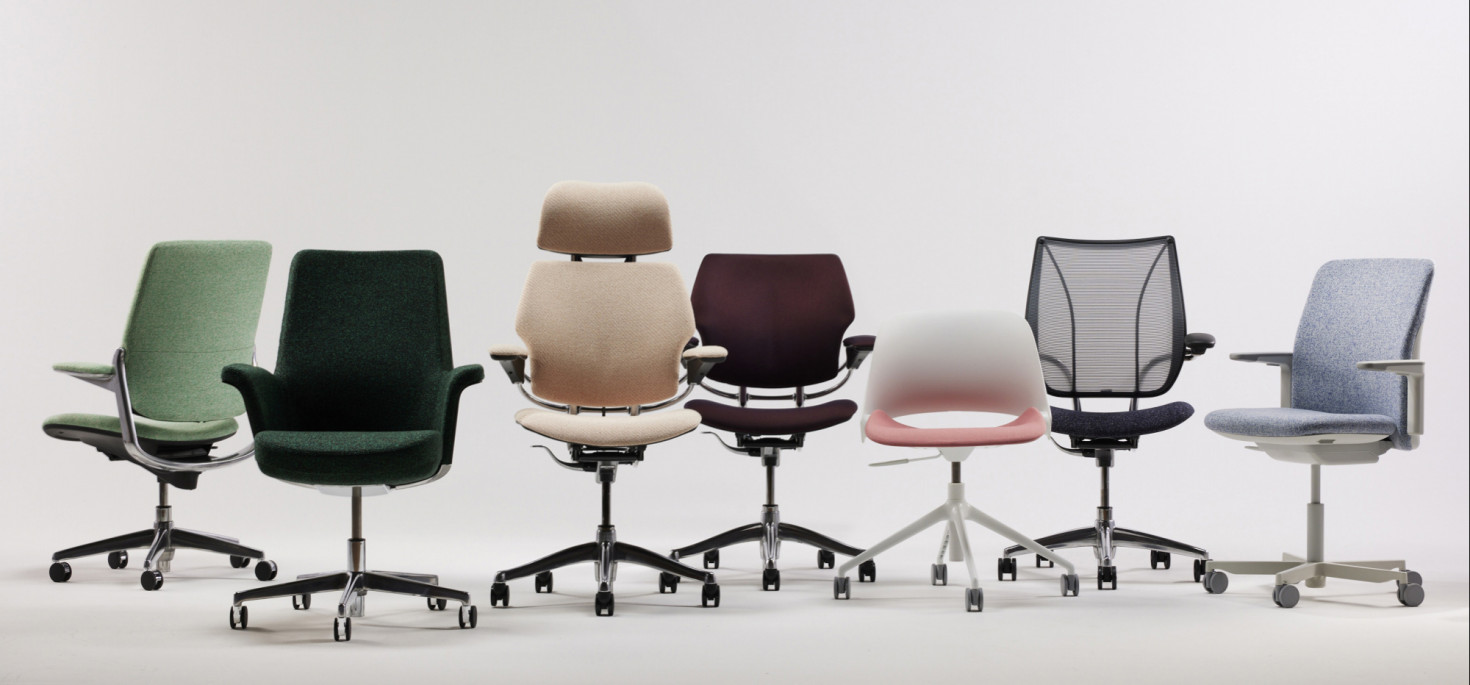
Humanscale has announced a global partnership with Kvadrat, a leader in design textiles manufacturing. The partnership aims to merge design innovation, longevity, and sustainability by offering an inaugural edit of Kvadrat textiles across Humanscale's seating solutions. This collaboration brings together Humanscale's sophisticated ergonomics with Kvadrat's expressive interplay of color and texture, creating a fusion of industrial design and ergonomic wellness. The two brands share a commitment to environmental stewardship and are working towards reducing their environmental footprint.

The partnership will debut with a reinterpretation of Humanscale's award-winning Freedom Chair, featuring a selection of Kvadrat textiles. The collaboration intends to ignite meaningful change on an industrial scale by prioritizing durable performance and timelessness. Both companies are dedicated to promoting well-being, connectivity, and a sustainable future for design. By adhering to Science-Based Targets for reducing greenhouse gas emissions, Humanscale and Kvadrat are striving to minimize their impact on global temperature rise and leave a positive environmental legacy.

Bankrupt Mitchell Gold + Bob Williams to Liquidate
Upscale furniture chain and one time Steelcase partner Mitchell Gold + Bob Williams will liquidate after a Delaware court approved the conversion of its Chapter 11 bankruptcy case to Chapter 7. The company faced financing problems and had to shut down, leaving customers without deliveries or refunds. PNC Bank, the primary secured lender, pushed for asset sales to satisfy its claims. Uncertainty remains regarding the resolution of customer claims and the possibility of co-founders buying back the intellectual property. The liquidation process will determine the disbursement of proceeds to secured creditors, with the future of the brand potentially continuing as an e-commerce business.

MillerKnoll Insiders Added US$1.52m Of Stock To Their Holdings
Insiders at MillerKnoll, Inc. have increased their holdings by $1.52m over the past year, indicating optimism about the company's prospects. While insider transactions are not the sole factor for long-term investing, it is worth noting that insiders have been buying shares. Notable investments were made by four insiders, totaling $420k, without any selling. Insider ownership stands at 1.0% of the company, indicating alignment between management and smaller shareholders.

COE Distributing’s Culture of Innovation Spotlighted in ‘We Supply America’ Docuseries

COE Distributing, one of the largest office furnishings distributors in the United States, was chosen to be featured in the documentary series "We Supply America." This series highlights progressive distribution companies and inspiring business leaders who are making a positive impact for their workforce and the community.

In season three of the series, COE is one of eight companies being showcased. The episode titled "COE Distributing: Fostering Growth, Inspiring Excellence" premiered on LinkedIn on October 12 and is now available for streaming.

Watch COE’s episode of “We Supply America” at https://wesupplyamerica.net/episode-6-coe-distributing/

Humanscale Celebrates 40-Year Anniversary

Humanscale, a prominent manufacturer of high-performance ergonomic solutions, is commemorating its 40th anniversary this year. Since its establishment in 1983, the company has consistently pushed the boundaries of innovation, setting benchmarks in sustainable manufacturing and design. One of their most noteworthy accomplishments is the introduction of 26 products that have achieved certification as climate, energy, and water positive - a monumental feat that remains unmatched in the industry. This accolade has been validated by The International Living Future Institute's rigorous LIVING PRODUCT CHALLENGE, underscoring the fact that Humanscale's operations have a positive impact on the planet across various environmental sectors.

DIRTT Selected for Major Energy Headquarter Projects in Houston
DIRTT and its construction partner AGILE INTERIORS have secured approximately $10M USD in construction projects to build new campuses for energy clients Bechtel and Apache in Houston. AGILE's ability to deliver class A office spaces using DIRTT's innovative interior solutions and streamlined construction methodology was a key factor in winning these projects. The projects include a 285,500 square-foot space for Bechtel and a headquarters relocation for Apache in 2024. DIRTT's adaptable system will be utilized to meet the specific needs of each client.
During the COVID-19 pandemic, Ikea raised its prices due to increased raw material costs. However, as supply costs become more accessible, the retailer is now lowering its prices. Despite selling a lower volume, Ikea's sales are up 6.6% for the year. The company aims to maintain sales by lowering prices, but executives are uncertain if cheaper goods will stimulate consumption. In addition to furniture, Ikea has diversified its business by offering services like room design and a mobile app for visualizing products in your own space. The company has also expanded its store locations and pledged to invest $2.2 billion in the United States to compete with other big-box retailers.
The future of the office is hybrid, with employees preferring some remote work flexibility. Most remote-capable employees are currently working in their preferred locations and leaders of large companies have confirmed that hybrid work is here to stay. Hybrid work arrangements align with employees' preferences and create a better employee experience, leading to higher engagement and lower turnover. Office attendance patterns among hybrid workers have remained steady, with employees typically coming into the office 2.6 days per week. Tuesdays, Wednesdays, and Thursdays are the most common days for hybrid workers to be on-site. Organizations should create a workplace value proposition, empower teams to collaboratively design hybrid work practices, retool performance management, train managers and their teams, and carefully consider real estate needs to support the hybrid work model.
The commercial real estate sector is facing challenges as work-from-home trends continue and hybrid work schedules become more prevalent. A recent study by McKinsey & Company suggests that commercial real estate values could drop by $800 billion by 2030. Office worker attendance is down by 30%, and office values in the United States may not recover their peaks until 2040. The sector is also dealing with higher mortgage interest rates and tightening credit. However, there are opportunities for adjustment and shorter-term leases as tenants adapt to the changing office market.
Office landlords are facing millions in added costs as interest rates remain high for longer than expected. Many owners will need to refinance loans at higher rates and face expirations on rate swap agreements. These added costs could be especially painful for office landlords who already face high vacancies and a challenging capital markets landscape. The cost of interest rate caps has increased significantly, and borrowers will need to pay higher rates or enter into new, more expensive swap contracts. With billions of dollars in loans and swap contracts set to expire, this could impact owners across commercial real estate. The higher interest rate environment is just one of many challenges faced by office landlords, and it may impact the probability of successful refinancing without significant equity infusion.
Office landlord stocks outperformed the market in the third quarter, showing resilience compared to other real estate sectors. While there are concerns about high interest rates and changing work habits, the decline in office-focused stocks was more modest than the broader market. The sale of a stake in a Manhattan office tower boosted confidence in the market, but short selling and a sell-off indicate mixed investor confidence. Office REITs face challenges from potential interest rate hikes and a debt repayment crunch.
The decline in office property values and the rise of hybrid work are impacting property taxes and government budgets. Factors such as inflation, rising interest rates, and the decrease in demand for office space contribute to the challenges faced by office building owners. To mitigate these challenges, owners can consider updating their properties, subleasing, converting to a different use, or requesting a reduction in property tax values.
Boston's office leasing activity saw a boost in the third quarter, but tenant downsizing continues to contribute to rising vacancy rates and declining rents. While there were notable deals with big-name tenants, the overall net demand was negative, causing total vacancy to reach nearly 20%. The market is still facing challenges, but the city has benefited from job growth and the attraction of new players. Sublease availability has increased, but it is expected to decrease as new tenants come in or lease terms expire. Looking ahead, there may be a supply constraint as construction costs rise and interest rates remain high.
Atlanta's office market is experiencing a record-breaking vacancy rate of 23.7%, surpassing the previous low of 23.6% in 2011. The slowdown in leasing activity, combined with the impact of hybrid work, has led to negative net absorption and a decrease in leasing activity. Uncertainty surrounding the return to the office has caused companies to delay leasing decisions, resulting in a higher availability of smaller spaces and an increase in sublease listings. Renewals are becoming more common as companies choose to stay in their current locations due to the expense of moving and high construction material prices.

Features

If you've worked in an office, you've probably wondered why it's so cold. The temperature in the workplace is a constant annoyance and a time-consuming issue for office managers. Maintaining a comfortable temperature is challenging due to varying preferences and the complexities of building temperature regulation. Buildings have heating and cooling systems, but they are not perfect and can consume excessive energy. Companies like Siemens offer HVAC infrastructure and solutions to help offices better meet occupants' temperature needs. AI technology, such as Enlighted's Temperature Control app, can predict and adjust temperatures based on individual preferences. However, conflicts and limitations still exist. Numa's personalized airflow vents provide a more granular level of temperature control, allowing for comfort and energy efficiency. Good building design, smart control systems, and regular recalibration are essential for meeting personal comfort requirements and reducing energy consumption. While technology can help, there is no one solution to completely eliminate temperature complaints in offices. Finding ways to deal with uncomfortable temperatures while saving energy remains a challenge.

Workspace News

The effects of remote work during the pandemic have been mixed. Brick-and-mortar businesses in urban downtowns suffered as people stopped commuting, while some businesses thrived in the suburbs. Working mothers benefited from the flexibility of remote work, but women faced penalties in terms of career advancement. Studies on productivity varied, with some showing declines and others showing gains. The new normal appears to be a hybrid work model, with offices at about half their pre-pandemic occupancy levels. Remote work may have long-lasting effects on housing affordability and crime rates. Overall, the success of remote work depends on factors such as managerial support and opportunities for in-person interactions.
The shift to hybrid work models has raised new questions about optimizing office space. Factors like occupancy rates, flexible spaces, and workplace etiquette need to be considered. Companies are incentivizing in-person attendance through vibrant workplace settings and lifestyle office properties. Data analysis is crucial for understanding space utilization and making future workspace decisions. The preference for hybrid work depends on project-specific needs, and companies are adapting to accommodate both remote and in-person work. Building owners are offering free rent and tenant improvement allowances to attract tenants. The focus is on creating an office environment that enhances the employee experience and fosters collaboration and culture-building.
According to a report from Marcus & Millichap, hybrid work is becoming the standard practice for many companies, leading to a reduction in office space as companies align their footprints with actual usage levels. This, along with the addition of new office space, is contributing to an increase in vacancy rates. Employers are recruiting for fewer fully remote roles, and entry-level positions are shifting towards being fully onsite. Experts predict that these trends, including stable utilization, slower employment growth, and adjustments to occupancy footprints, will continue in the foreseeable future.
Change management is crucial for successfully transitioning employees to a new and unfamiliar workplace. Companies are realizing that employees often resist change, even if it is ultimately beneficial. By implementing change management strategies, companies can guide employees through the transition, provide them with the necessary tools and guidance, and address any concerns or resistance. Factors such as demographics, geographical differences, and industry type should be considered when developing a change management strategy. Effective change management requires buy-in from top leadership and clear communication throughout the process. As businesses continue to adapt their office spaces, change management will play an increasingly important role in facilitating a smooth transition and promoting productivity.
A new report highlights the importance of hybrid working and flexibility in driving successful employee experience. While 90 percent of businesses see remote and hybrid working as positive for their bottom line, only 48 percent strongly agree that employees have access to the necessary technology. Top-performing companies that increased their IT spend reported improved business growth and increased employee satisfaction. The report emphasizes the need for organizations to provide employees with the technologies they need, regardless of location. Additionally, AI is seen as a key enabler of future customer and employee experience strategies.
The article discusses the trade-off of returning to the office and explores how top workplaces are using food programs and employee experience to encourage employees to embrace the return. It highlights the importance of food in bringing people together and creating connections, as well as the need for amenity-rich programs in the office to compensate for the commuting trade-off. The article also mentions the shift towards flexible spaces, an increase in private office requests, and the value of in-person collaboration and access to leadership in the hybrid work model.
A poll from workingmums.co.uk reveals that remote and hybrid workers, particularly working mums, feel excluded in the workplace. 43% of remote working mothers feel overlooked for promotion, while 29% don't feel fully included. Flexible working is highly valued, with 73% considering it a deal breaker in taking a new job. However, 84% of job seekers struggle to find a job that provides the flexibility they need. Lack of childcare and high costs are also barriers to employment for working mums. Employers should prioritize offering flexible working to attract and retain top talent.
As companies navigate the return-to-office (RTO) landscape, they are moving away from company-wide mandates and adopting team-based strategies. Stricter mandates from major employers have faced backlash, leading to a shift towards tailored approaches that consider factors like office size, location, and team preferences. Three major categories of RTO policies have emerged: structured company-wide policies, quarterly in-person work requirements, and departmental/team strategies. Companies are collecting feedback, experimenting with different plans, and prioritizing business outcomes. The challenge lies in finding the right balance between in-person and remote work that suits each team's needs while keeping employees engaged and productive.
A study conducted by emlyon business school reveals that almost half of employees are bored or exhausted, and many experience both. The research suggests that boredom and exhaustion persist over time and are influenced by job demands such as red-tape and role conflict. Merely intensifying work may not be an effective solution, but reducing complicated aspects of work can improve overall well-being. The study highlights the need for further research on the relationship between boredom and burnout.
A new report from Advanced Workplace Associates (AWA) suggests implementing a licensing system to ensure safe and high-performance conditions for employees in a hybrid working model. The report highlights the need for organizations to provide a safe physical and psychological working environment, adapt to changing home working conditions, develop new management skills, and provide ongoing training and guidance. A licensing system could help validate employees' adherence to safety and performance best practices, ensuring the sustainability of hybrid work in the long term.
Connection has developed a new system called Drift, designed to cater to the needs of neurodivergent workers and create a tranquil space in the office environment. Made from sustainable materials, Drift provides a calm distraction-free zone by buffering external noise and controlling reverberation. Connection emphasizes the importance of inclusive workplace solutions that accommodate and empower all individuals, recognizing the value of introverts and creating products that work for everyone.
Hot-desking, the practice of unassigned desks in the workplace, can save money but faces challenges. Territoriality is deeply rooted in human psychology, as people like having a space to call their own. Booking desks and requiring people to clear their spaces each night can mitigate some issues. Additionally, the pandemic has made employers reconsider the purpose of the office and the need for commuting. The office should be appealing and support collaboration and focused work. Hot-desking works best when there is ample space and flexibility, rather than a cut-price version with limited options.

Trends

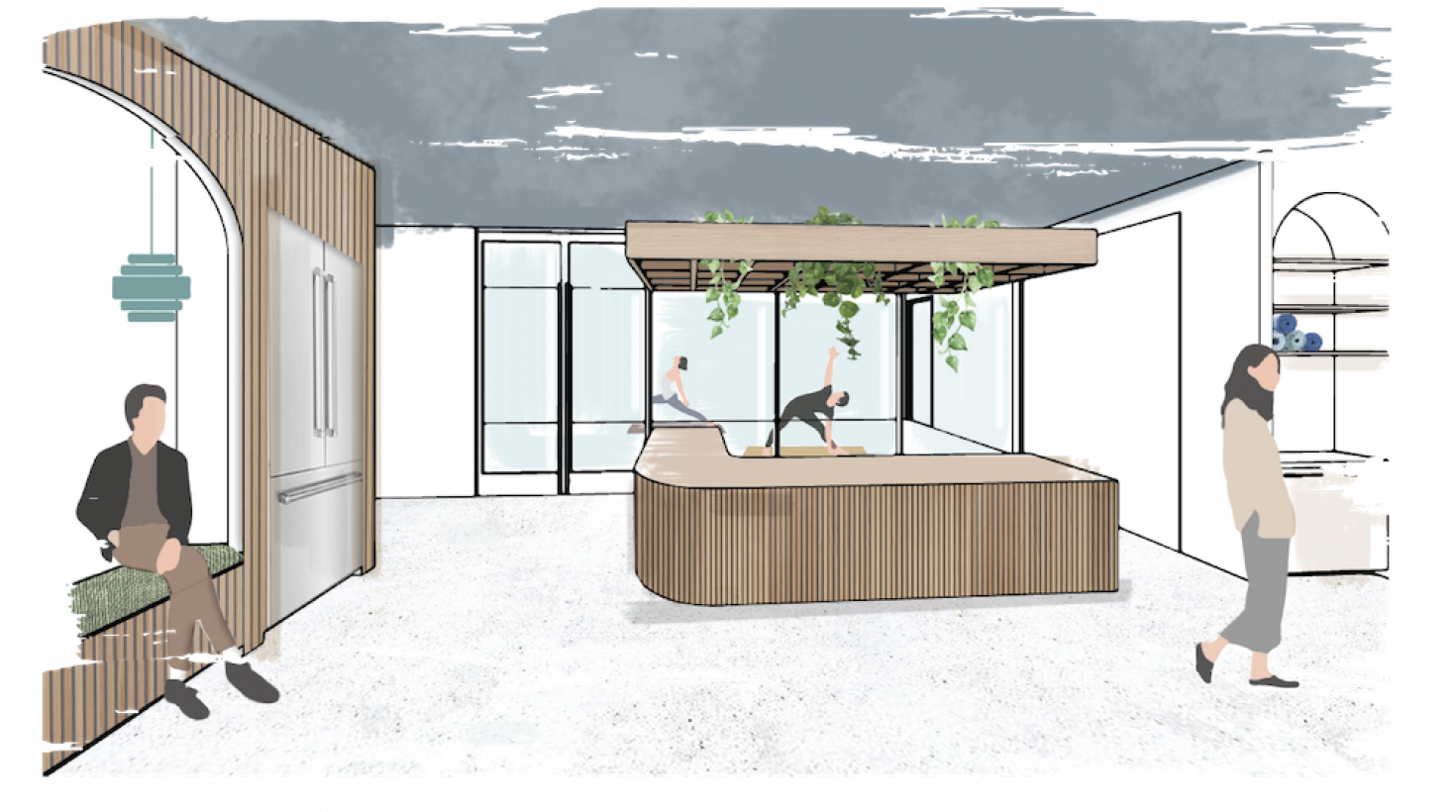
Designing wellness spaces in the workplace, such as lactation suites and multipurpose wellness facilities, can have a positive impact on employee wellbeing and retention. Work & Mother provides fully equipped lactation suites that have increased breastfeeding rates among working mothers. Creating tailored spaces that prioritize wellness and inclusivity can shape the future of work and reinforce company values. Designers have the opportunity to curate environments that foster a sense of belonging and support employees' mental and physical health.
The workplace continues to evolve, with the debate about returning to the office ongoing. Employers are mandating a return, but many employees prefer to work from home. Finding common ground is crucial, and embracing hybrid environments with customized solutions makes strategic and pragmatic sense. Real-time trends show a shift towards hybrid work arrangements, with the four-day workweek gaining traction. Office design plays a significant role in enhancing productivity and well-being, with personalized workstations and flexible spaces becoming more popular. The key is to create a welcoming office that reflects the individual choices of employees. Balancing virtual and in-person work is essential, and open-mindedness is necessary to find a common ground. Giving employees a reason to return and involving them in the design process is crucial. Corporate survival and thriving in the new normal require reassessment and reconfiguration of the workplace.
"Work resorts" are emerging as a new trend in office spaces, offering a more boutique hotel-like environment with outdoor gardens, co-working spaces, and art galleries. The concept aims to attract employees back to the office by creating spaces that people actually want to be in. By transforming offices into destinations with amenities like cafes and restaurants, employers hope to increase productivity and employee satisfaction. This shift reflects the evolving nature of office spaces from mere products to services that facilitate connections and create a sense of community.
Coworking spaces near top universities are gaining popularity among college students due to their proximity, affordability, and potential networking opportunities. A recent study found that 80% of the top 100 U.S. universities have at least one coworking space within two miles of their campus, with the median price being $124.00. This trend suggests a blending of academic and professional environments, providing students with real-life office experience and potential job opportunities. The rise of coworking centers near universities reflects a broader societal shift towards flexible work environments.

Design

The world of work is undergoing a transformation, with offices shifting from utility-led to purpose-driven spaces. Strategic design plays a crucial role in creating tailored, people-centric workspaces that meet the unique needs of users. Sustainability and wellness are also gaining importance, with companies investing in environment-friendly workplaces. However, the challenge lies in prioritizing strategic design planning over cost and aesthetics. Looking ahead, offices need to serve as community spaces that foster innovation and shared success in an era of remote and flexible work.
Despina Katsikakis discusses the need for offices to reflect the characteristics of the city, emphasizing the importance of work-life balance, reducing commute times, and creating flexible, collaborative spaces that provide a high level of service and experience for employees.

Coworking

Redefining Coworking, Dayhouse Coworking Blends Comfort and Eclectic Design
Dayhouse Coworking, founded by entrepreneur Jen Luby, offers a unique coworking experience that blends comfort, eclectic design, and a sense of community. With thoughtfully designed spaces, targeted events for working parents, and amenities like a lactation room and nap/yoga den, Dayhouse aims to foster a healthy work-life balance. Members support each other's endeavors, contributing to a thriving community. Dayhouse's expansion plans include creating a soft landing space for professionals to easily work and contribute to the local community. The Highland Park (IL) location stands out with its inviting decor, creative workspaces, and the addition of The Drawing Room, a multi-functional space designed by HEIMA. A second Dayhouse Coworking location will be announced soon. https://www.dayhousecoworking.com/

AI

Integrating AI into the workplace can create a more engaging and enriching experience. AI can promote human connection, improve workspace design, personalize work settings, and empower employees to focus on growth and mentoring. Having a humanistic approach is crucial for balancing automation and human interaction.

Other News

In the modern workplace, Gen Z slang and emojis have become a linguistic phenomenon that has left many older colleagues perplexed. This guide provides a comprehensive overview of Gen Z workplace lingo, including terms like "slay" (impressive), "delulu" (delusional), and "no cap" (honest). The use of slang can help create a more relaxed atmosphere and foster genuine communication among team members.

Latest Products

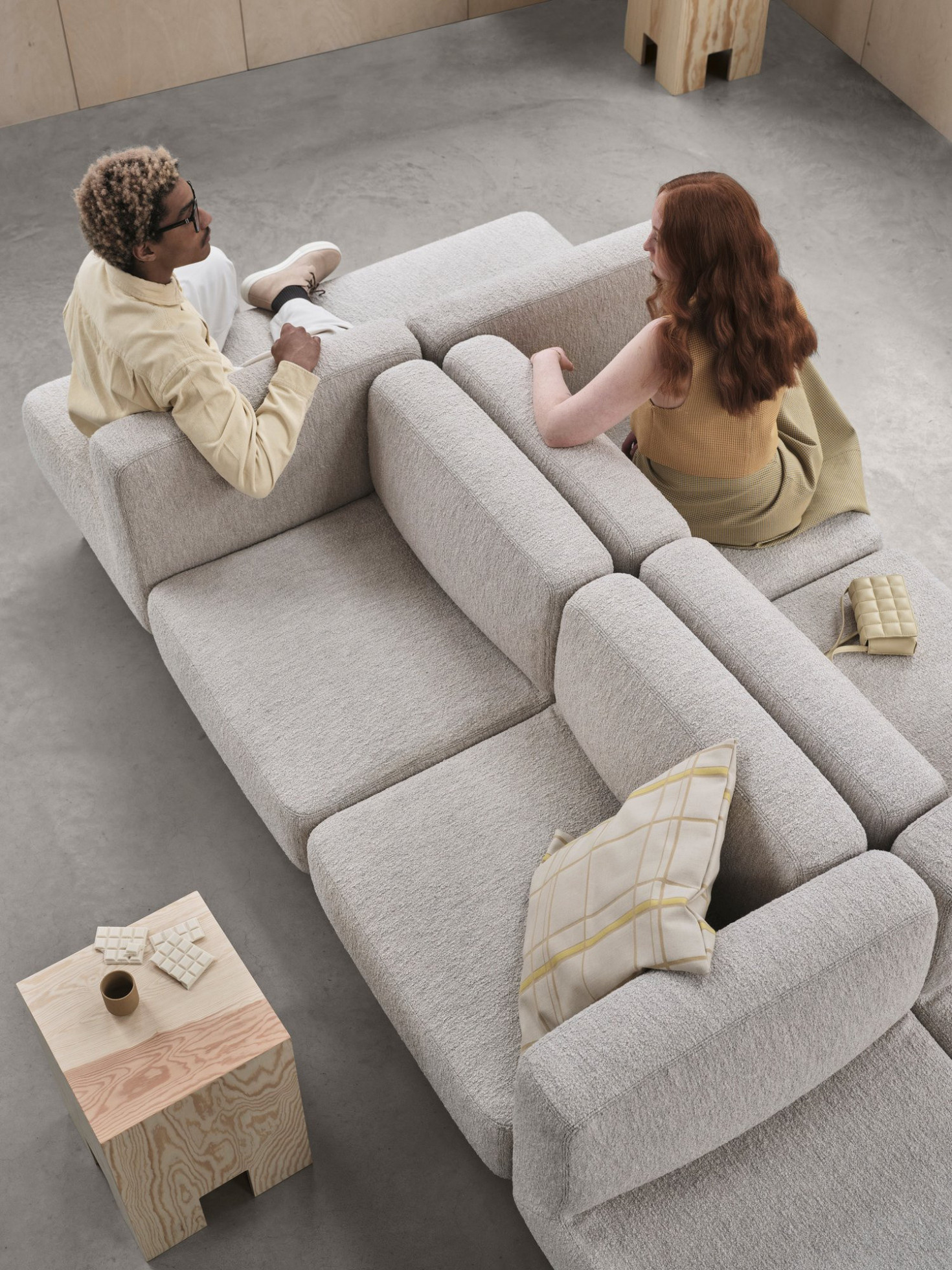
RUT, a modular sofa system by Scandinavian Spaces, brings flexibility and comfort to the North American market. Designed by Thomas Bernstrand and Stefan Borselius, RUT combines transparent beauty with ingenuity. Supported by a sturdy steel H-beam and solid wood blocks, RUT's square modules can be arranged in various configurations. The system offers long-lasting comfort with No-Sag springs and bio-based foam padding. It also includes options for solid wood table modules, side tables, armrest styles, and power outlets. RUT has received recognition with an NYCxDESIGN Award and a HiP Award from Interior Design magazine. Its timeless design offers endless possibilities. https://www.scandinavianspaces.com/

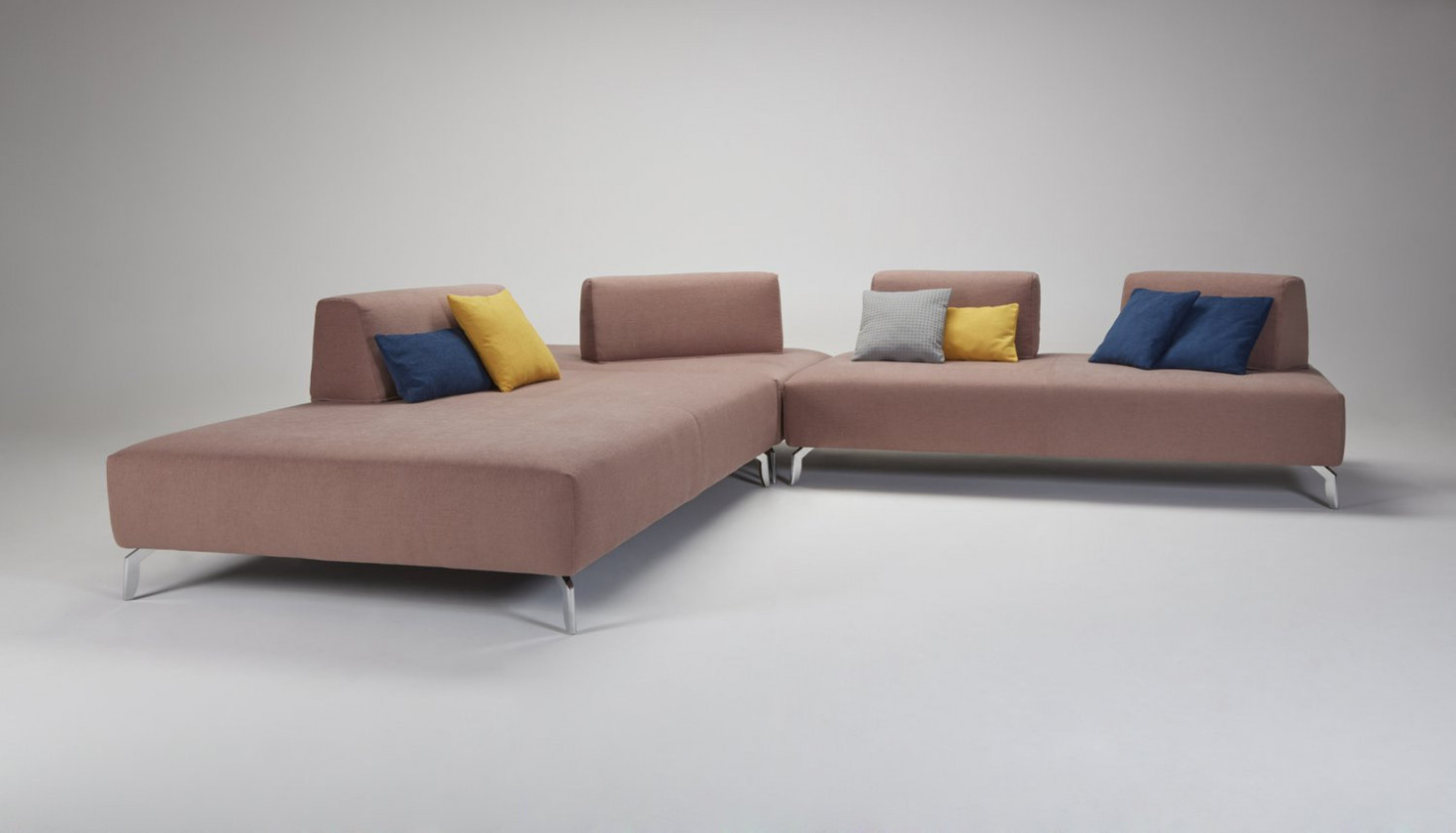
Designed by Daniel Rode and manufactured in Italy, Spazio provides creative, comfortable modular seating that adds a statement making piece to any space. The options to create unique spaces for collaborative work or simple lounging are nearly limitless with the modular construction and movable backrests.

Manufactured to exacting standards, the solid wood frame with multi-density, highly resilient foam seat is built to endure high traffic areas and heavy use. Legs are offered in a variety of options; polished chrome plate steel with or without a cut-out or U-shaped black or white powder coat.
Learn more

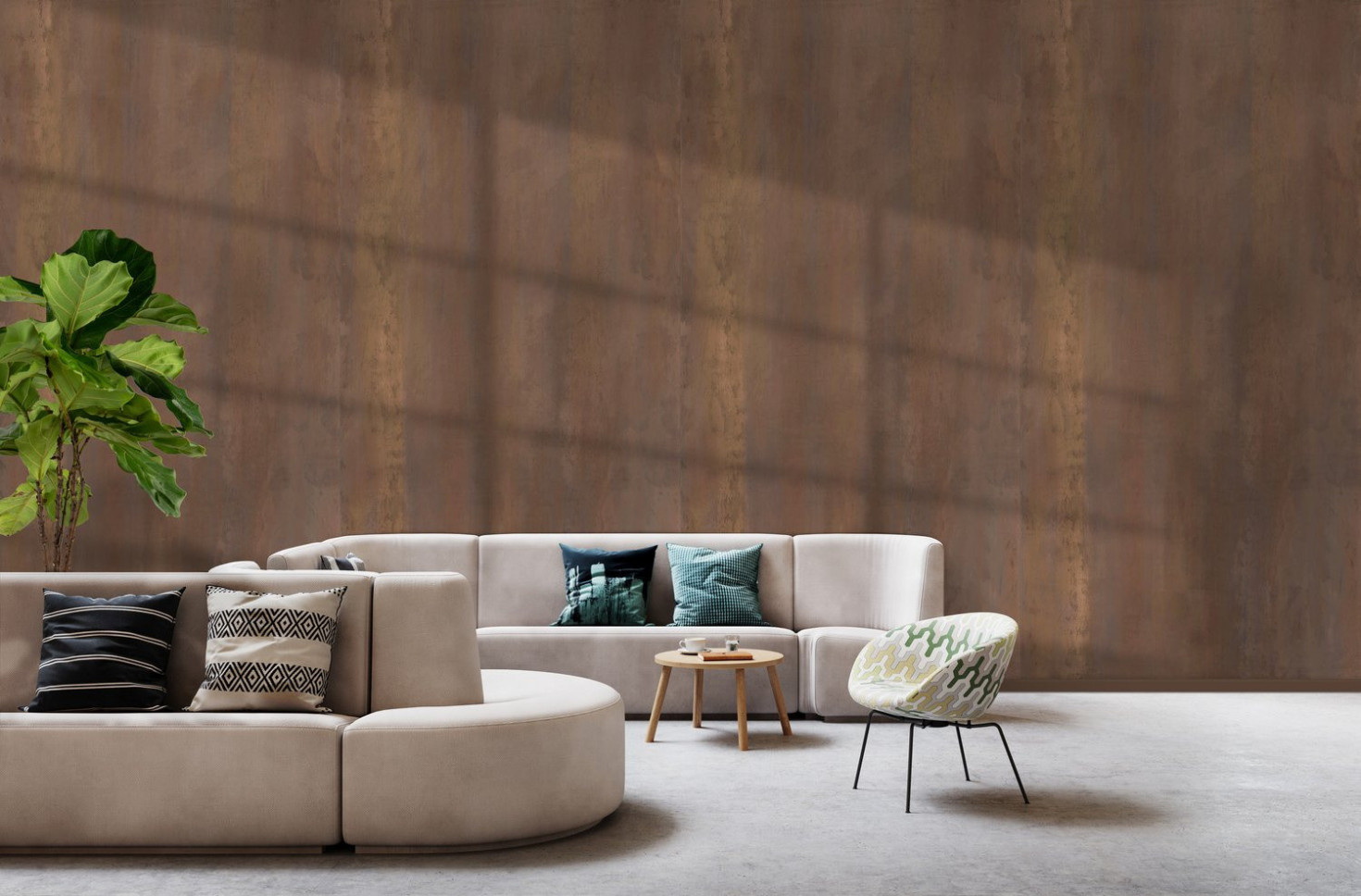
Móz Designs introduces six new colorways to their Patinas Collection, inspired by national parks. The colorways capture the beauty of nature and are available in hues of blue steel, vibrant corten, muted green, aged concrete, and rubbed bronze. The aluminum materials are sustainable and recyclable, and Móz offers customization options for various applications. The new colorways provide designers with a lightweight and easy-to-use metal material.

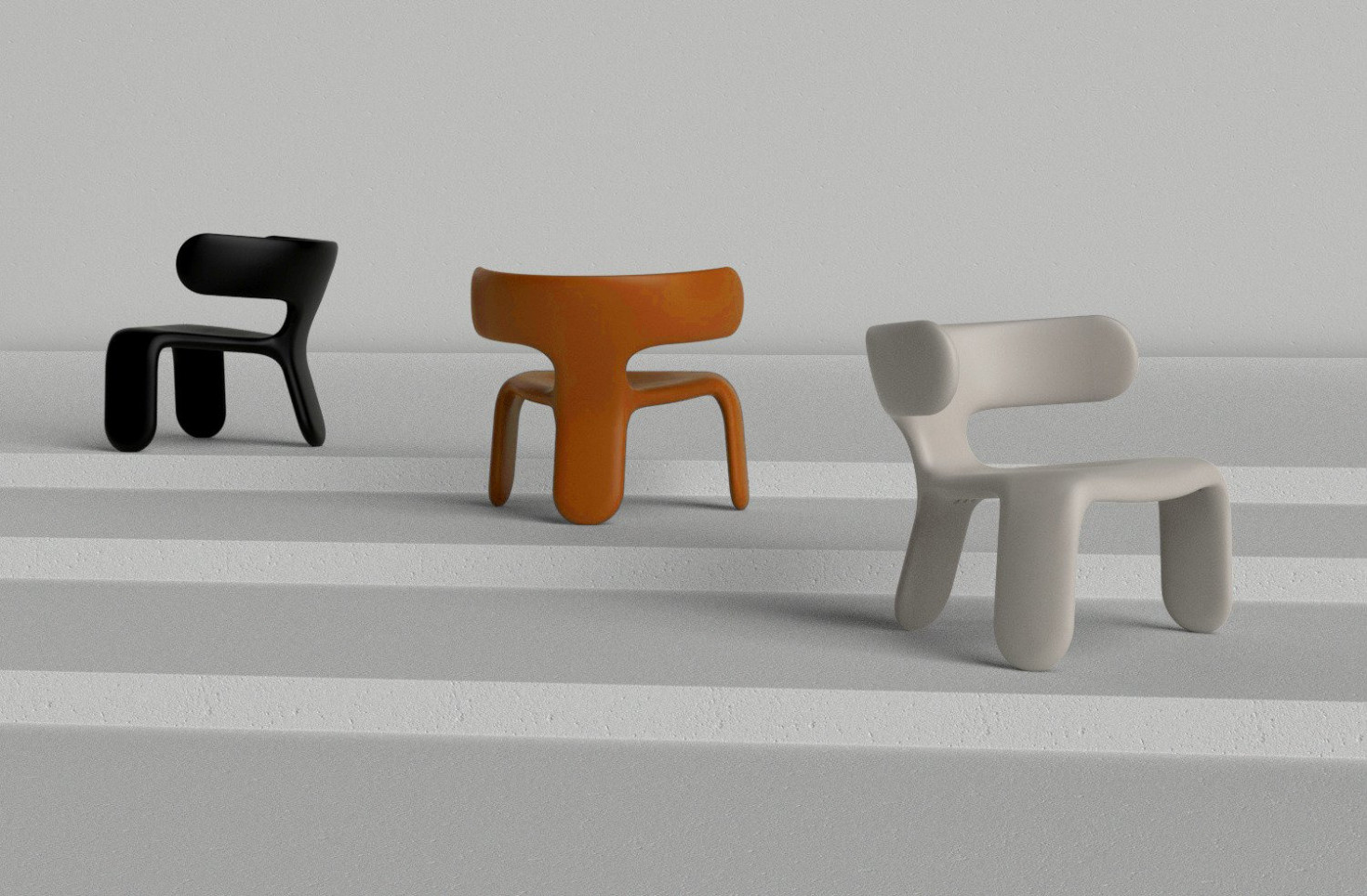
Limbo, an indoor/outdoor lounge chair designed by Cooper Hewitt Smithsonian Design Museum's National Design Award winner Hlynur Atlason, is available for order now, with a four week delivery time. This chair is a decidedly modern and highly versatile instant classic, which is at home no matter where you place it. In fact, the name of the chair is derived from the product’s identity crisis about whether it belongs inside or out. With a wide backrest and gently-angled seat, Limbo comfortably suits a range of users.

Available in six natural colorways: Black, Cantaloupe, Bone, Sand, Terra Cotta, and Grey. Limbo can be purchased on www.hellerfurniture.com.
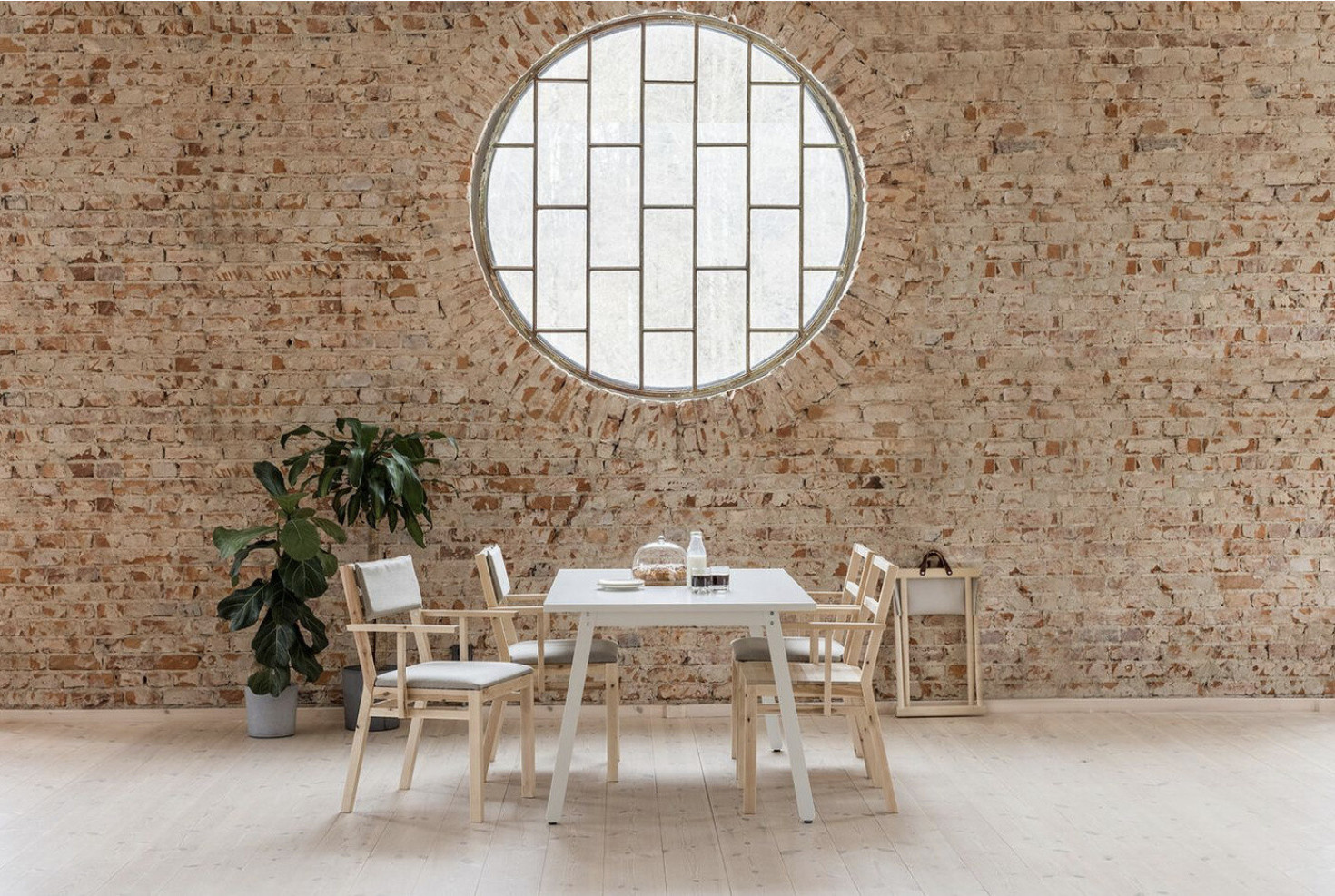
The "RARE" chair by NC Nordic Care, a brand of Kinnarps, is a sustainable wooden chair designed for care environments. It features a functional design with stable armrests and a lightweight structure. The chair is made from FSC-certified birch and showcases the natural characteristics of the wood. NC Nordic Care aims to create health-promoting care environments with "RARE" and offers a needs analysis service called "Next Care." Overall, the chair combines practicality, sustainability, and aesthetics.
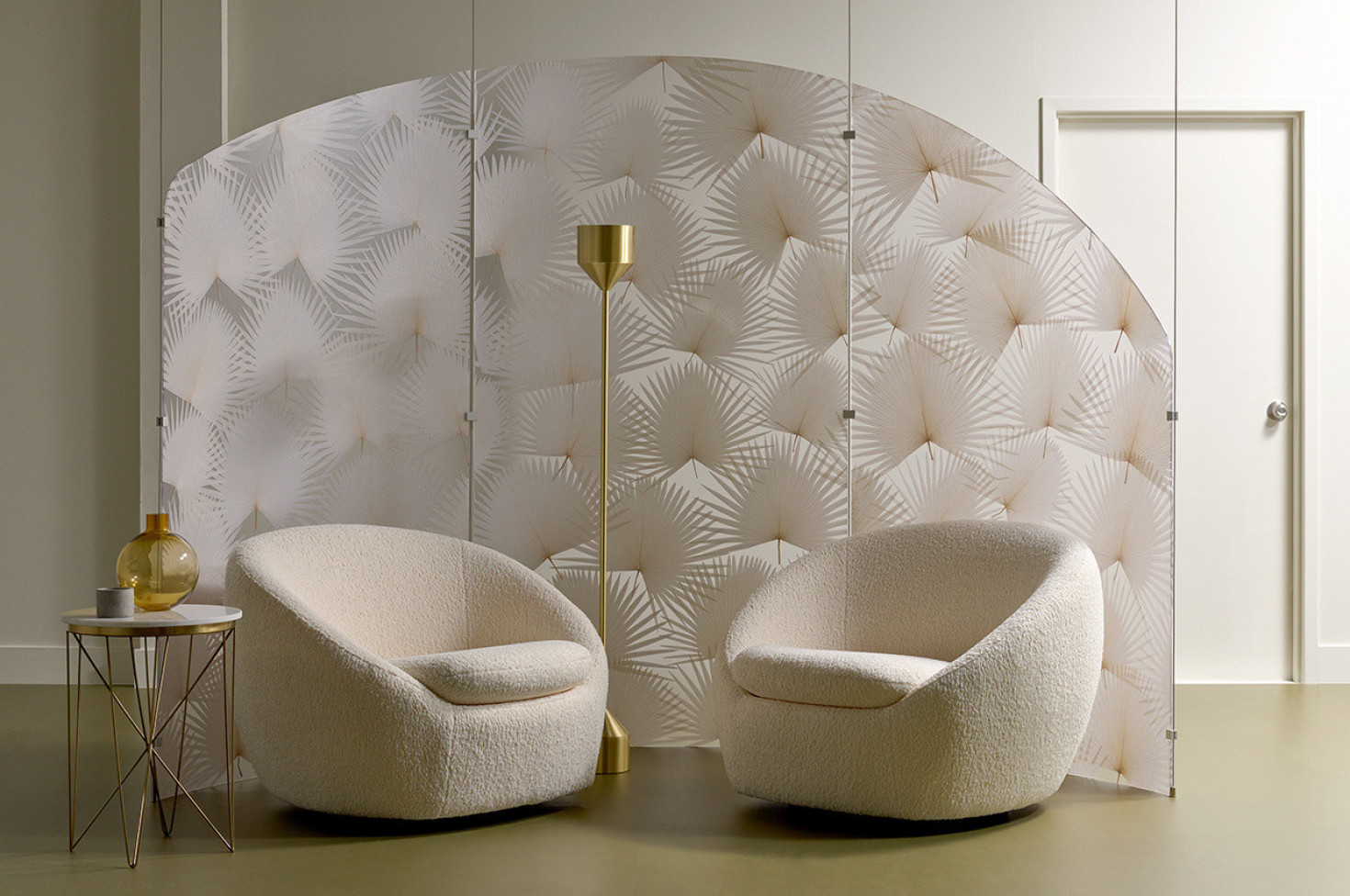
3form is launching the Ivory Flora Collection, a fresh take on biophilic design. The collection features a neutral, all-white palette of botanicals that offers a new perspective on organics in the built environment. With three scaled patterns, including Star Flower, Mountain Fern, and Anahaw Palm, the collection is versatile and suitable for various spaces. The patterns are created by pressing dried botanicals into the Varia material, resulting in a durable design material that interacts with natural light to create depth and texture. The Ivory Flora Collection is part of 3form's sustainability program and is available in different panel sizes and gauges.

Interface Launches a New Global Carpet Tile Collection
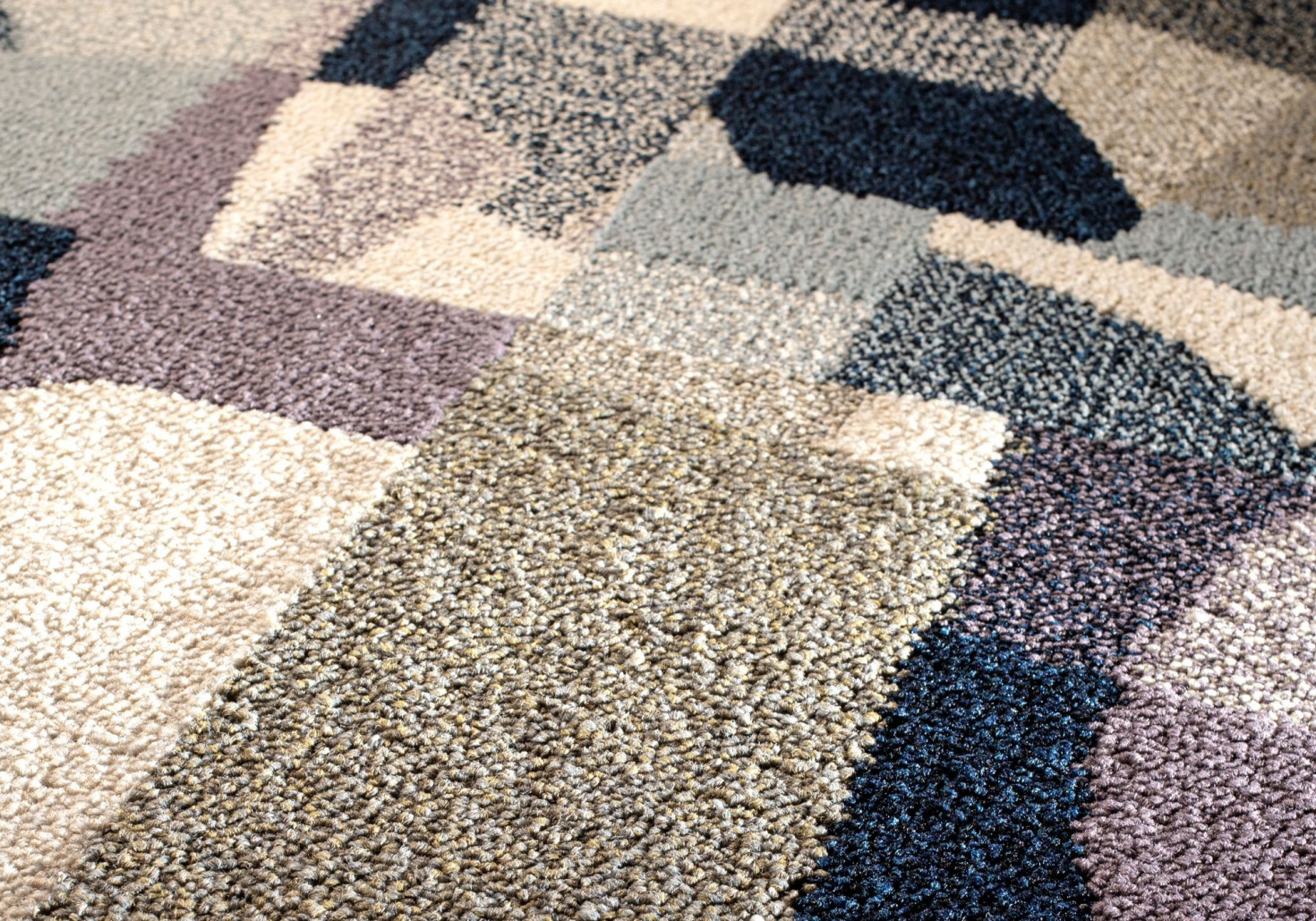
Interface, Inc. has launched its new carpet tile collection, Past Forward, globally. The collection combines historic design motifs with bold patterns and colors, offering a range of dynamic styles for commercial spaces. Made from recycled content nylon, the collection aligns with Interface's commitment to sustainability. The company's focus on new product development and low-carbon initiatives has contributed to its growth and market share gains.

Trends in Commercial Projects from Around the Globe
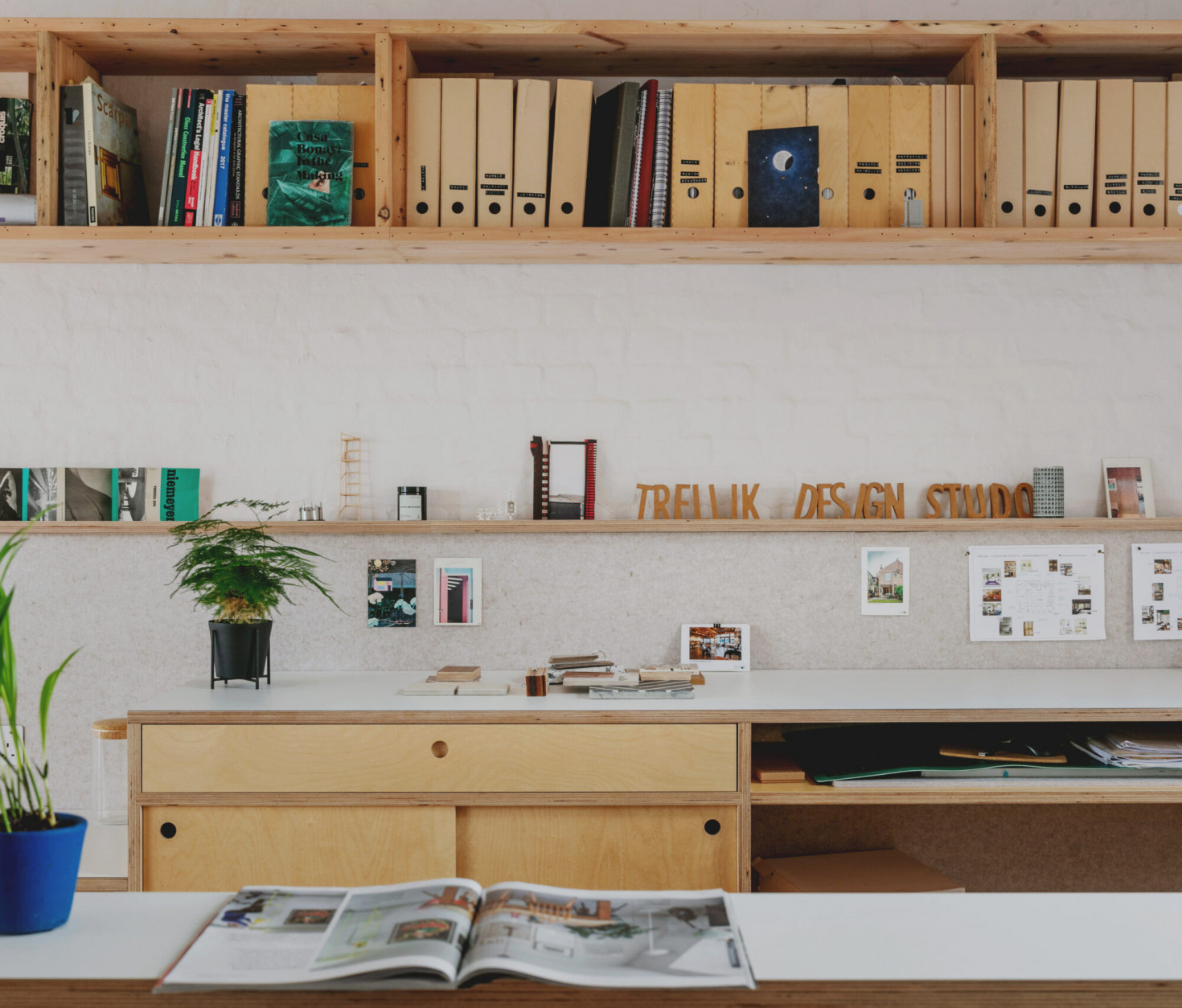
London-based architectural studio Trellik Design Studio has transformed a former photography office in East London into a co-working studio, maker's workshop, and café. The multi-purpose venue, called One And A Half, celebrates the building's original Victorian features while incorporating sustainable and recycled materials. The space offers meeting areas, studios, and desk space across three floors and a mezzanine level. With its diverse range of creative occupants, the hub provides an inclusive and collaborative space for the local community.
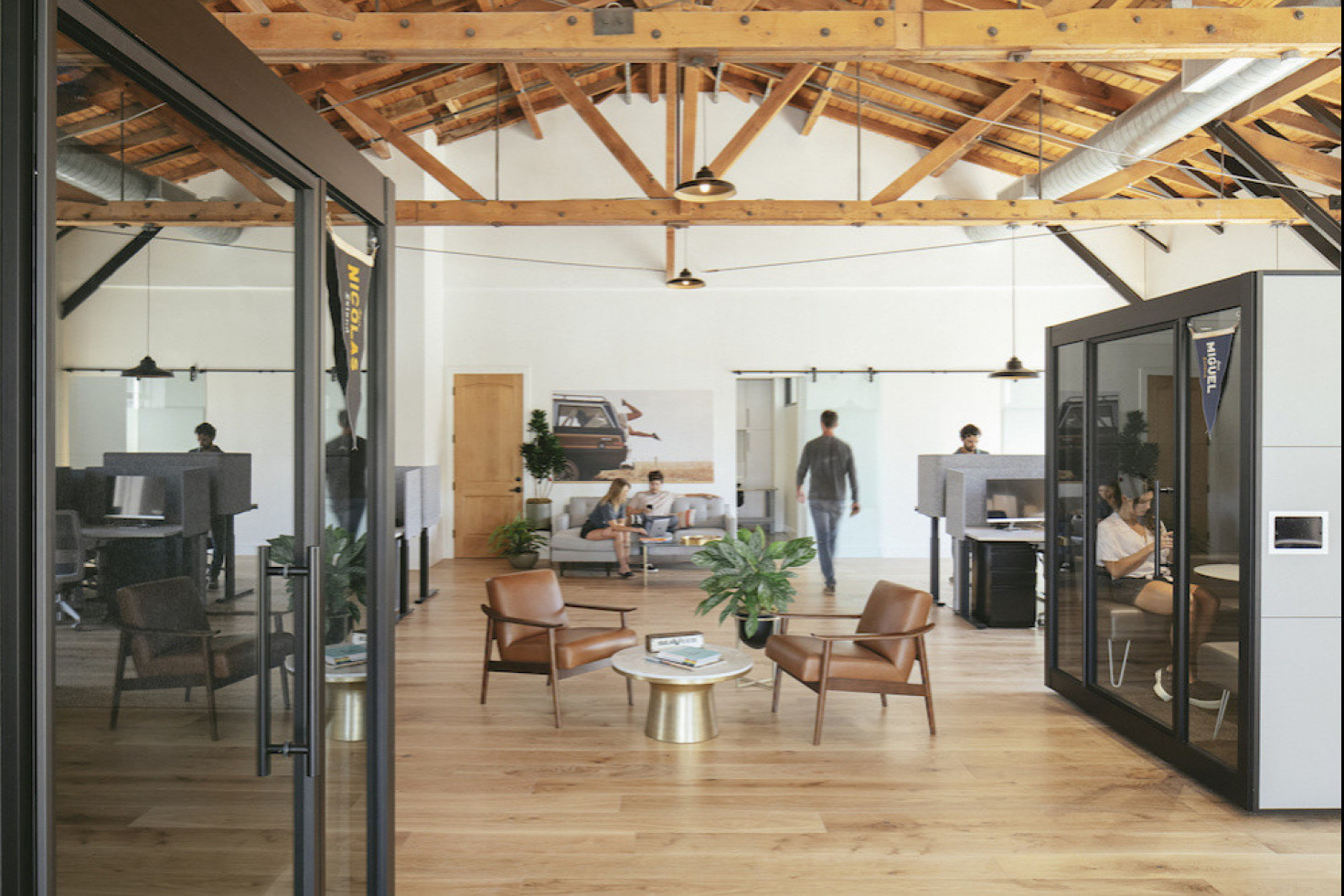
Anacapa Architecture renovated SeaVees' office building in Santa Barbara, creating a space that aligns with the brand's ethos. The design includes private offices, conference rooms, breakout spaces, and an open-plan lounge and kitchen. The project involved collaboration with the SeaVees team and addressing challenges related to the existing building's structure. The design also incorporated sustainability features and paid attention to the brand's iconic style.
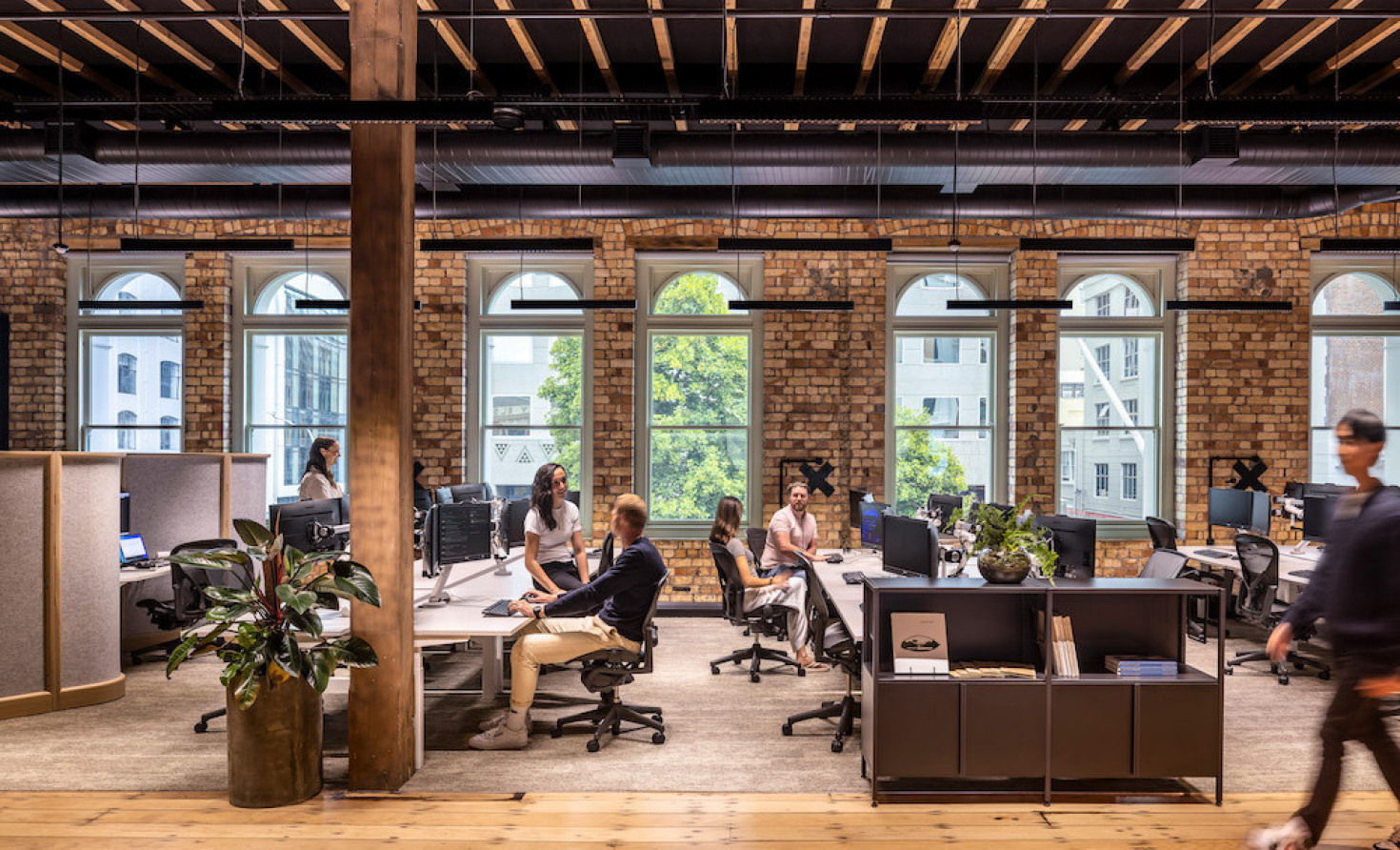
Arup partnered with Unispace to create a sustainable workplace in Auckland, New Zealand. The workplace, targeting the Living Building Challenge accreditation, showcases responsible corporate environments and integrates cultural heritage. The project planning involved workshops and engagement with local Maori iwi. The workplace has been successful, with high utilization rates, and plans to expand. The project achieved waste diversion, used non-toxic materials, supported local sourcing, and prioritized biophilic design. It also focused on carbon neutrality, timber certification, access to natural light, and the reuse of salvaged and recycled materials. The workplace is located near public transportation and aims to minimize environmental impact. The project is on track to receive Living Building Challenge certification.
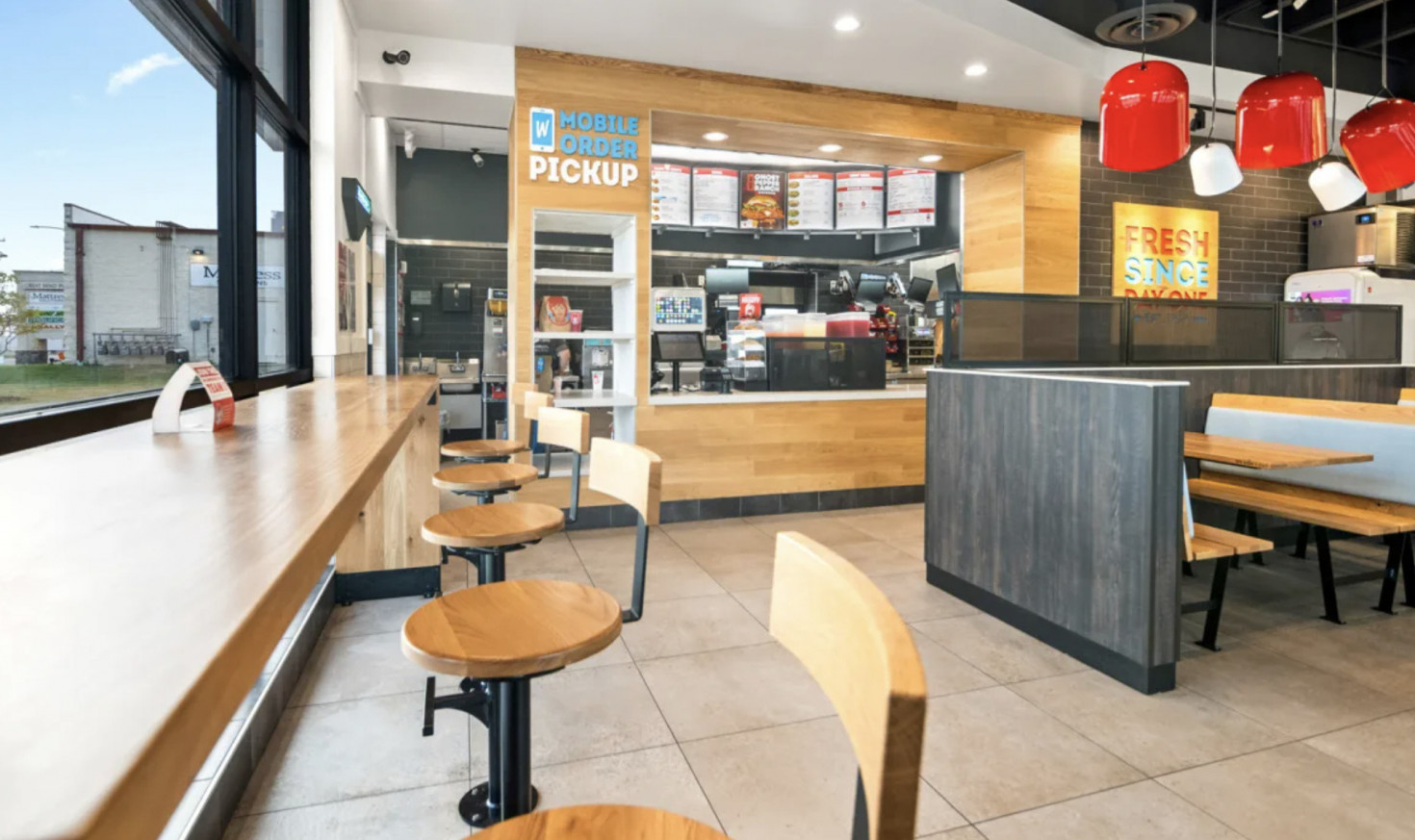
Wendy's is redesigning its restaurants to adapt to the digital age and the rise of online food delivery. The new design, called Global Next Gen, includes dedicated areas for online order pickups, optimized kitchens for high capacity output, and faster kiosks for ordering and payment. The company estimates that the upgraded design will allow restaurants to handle 400 times more digital orders. Other changes include a new pickup area for delivery drivers and a more efficient layout behind the counter. The new design will also make Wendy's restaurants more energy efficient and affordable for franchisees.

Upcoming Industry Events

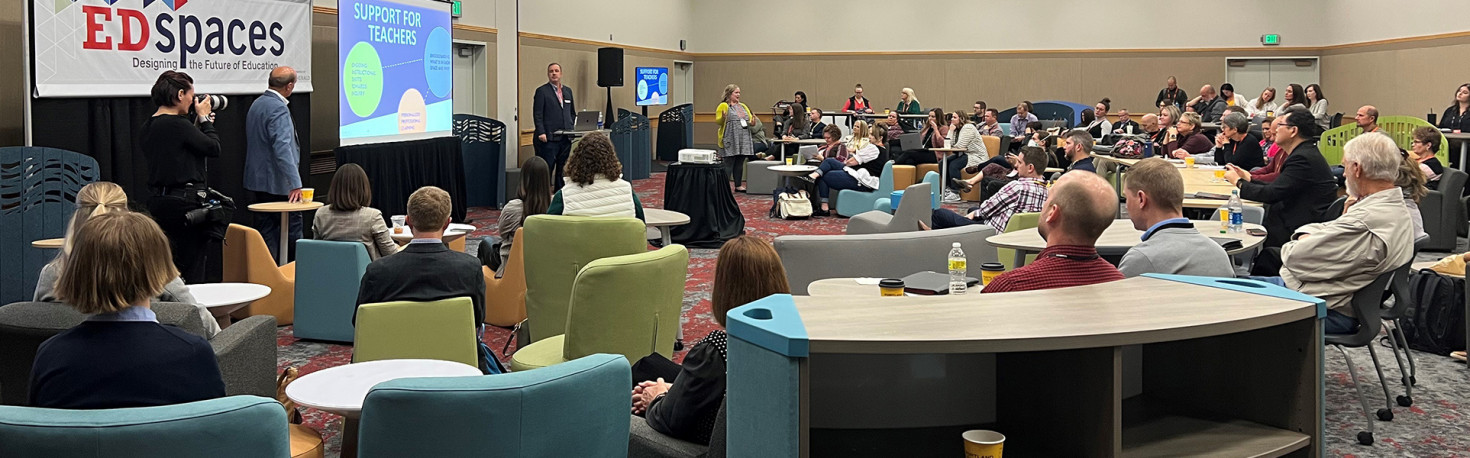
EDspaces 2023
November  7-9, 2023 | Charlotte, NC
 
There has never been a better time to move forward; to reset the places where teaching and learning happens, and to create inspiring spaces for better experiences and learning outcomes.If you play a part in the learning process, from educator/administrator, architect or interior designer, to distributor, integrator, or supplier, EDspaces is the can’t miss event driving the expectations for what the learning experience will be in the future.

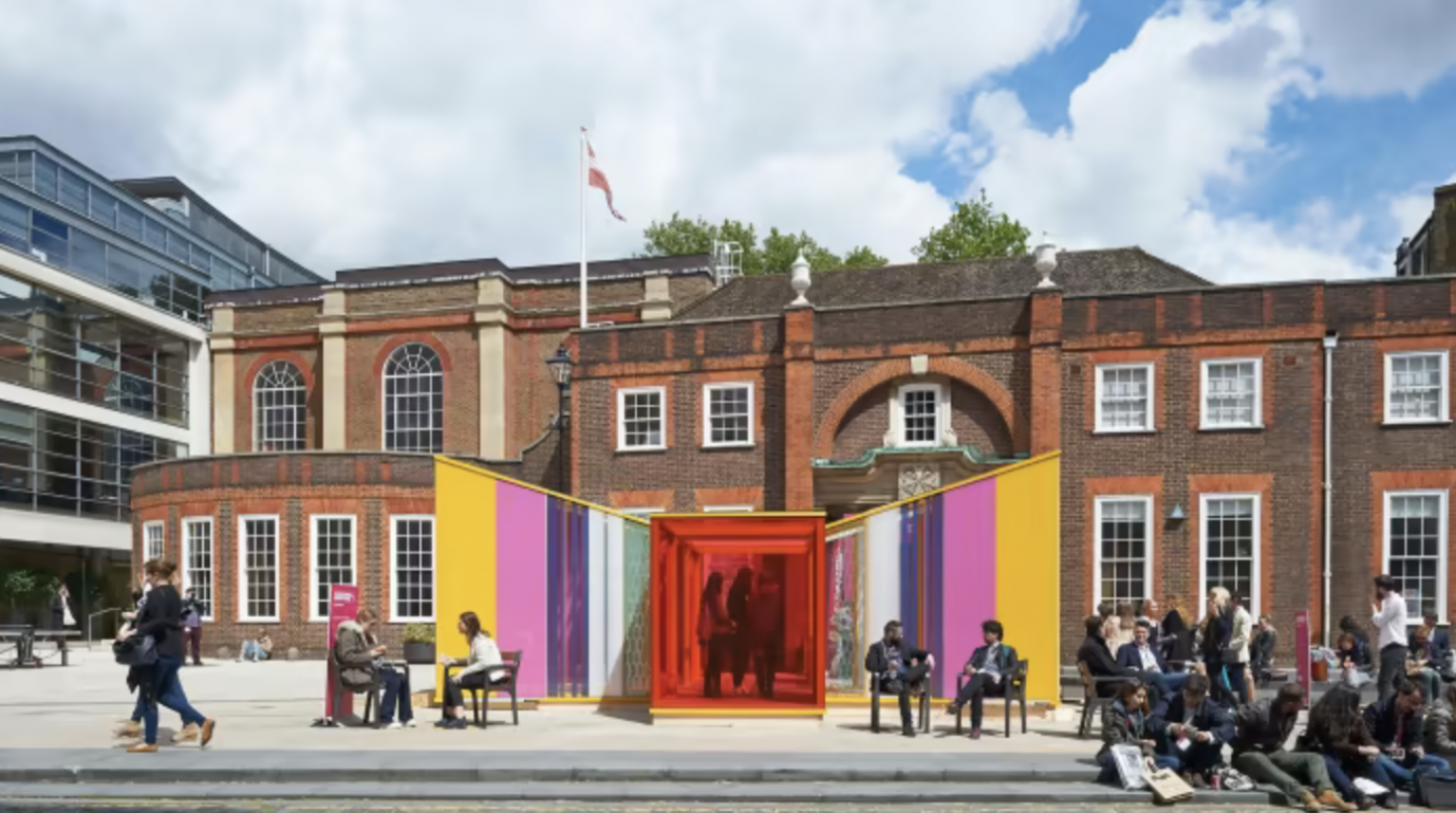
Clerkenwell Design Week 2024
May 21-23, 2024 | London

Clerkenwell is home to more creative businesses and architects per square mile than anywhere else on the planet, making it truly one of the most important design hubs in the world. To celebrate this rich and diverse community, Clerkenwell Design Week has created a showcase of leading UK and international brands and companies presented in a series of showroom events, exhibitions and special installations that take place across the area.

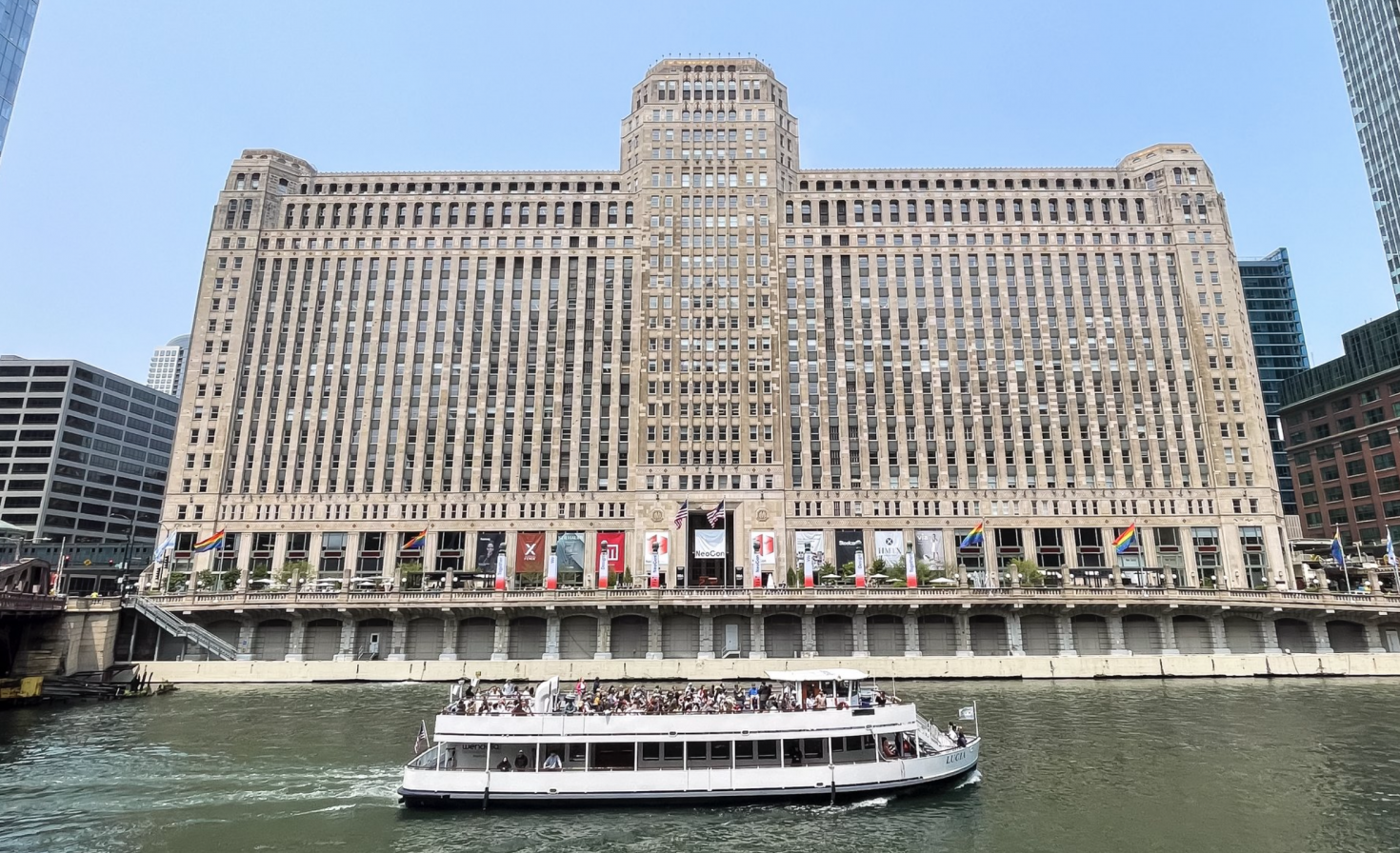
NeoCon 2024
June 10-12, 2024 | Chicago, IL
 
NeoCon has served as the world’s leading platform and most important event of the year for the commercial design industry since 1969. A launch pad for innovation—NeoCon offers ideas and introductions that shape the built environment today and into the future.  

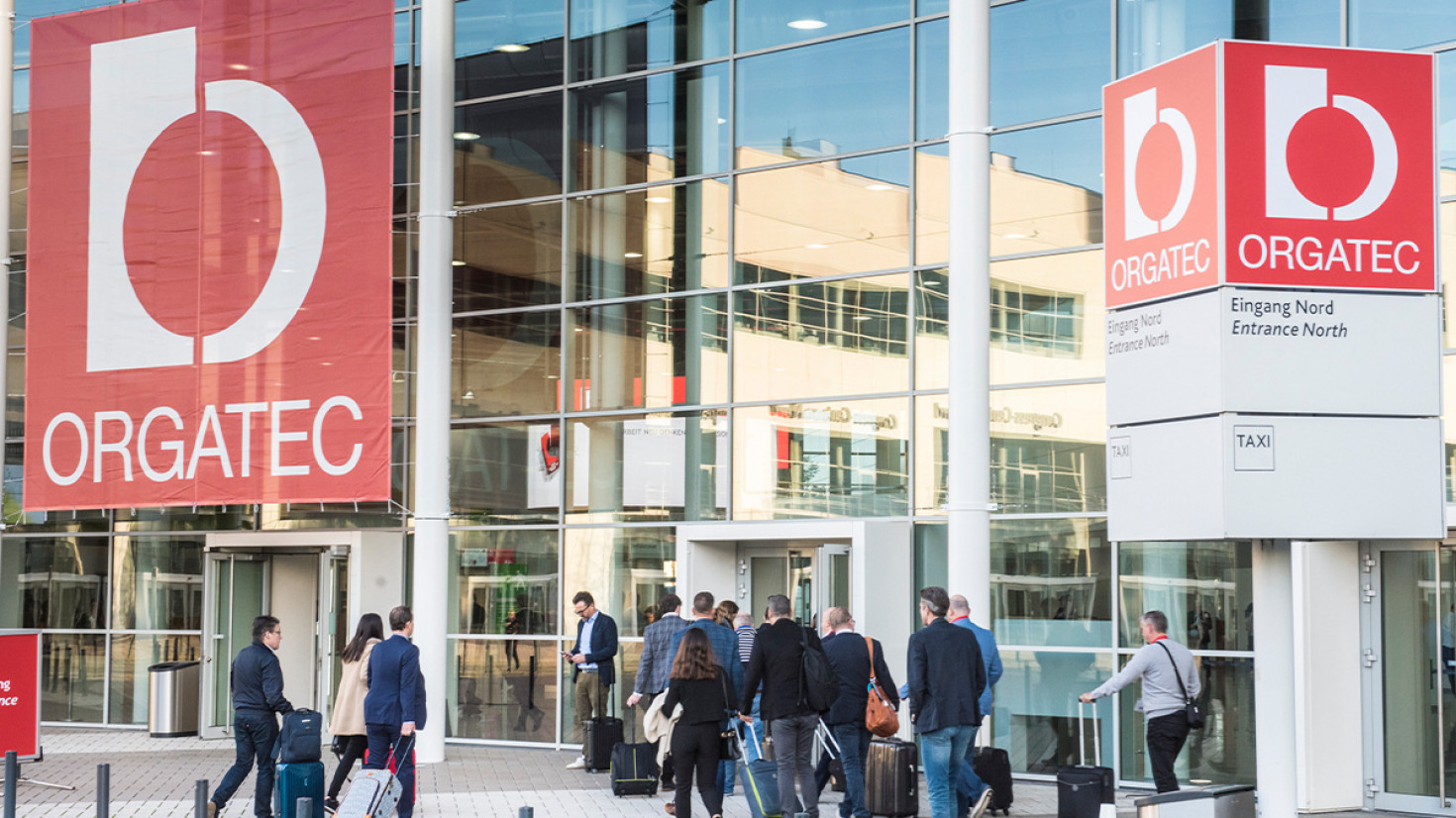
Orgatec 2024
October 22-26, 2024 | Cologne, Germany

Orgatec is the International trade fair for office and property equipment. Held in Cologne, Germany.

Industry Briefing


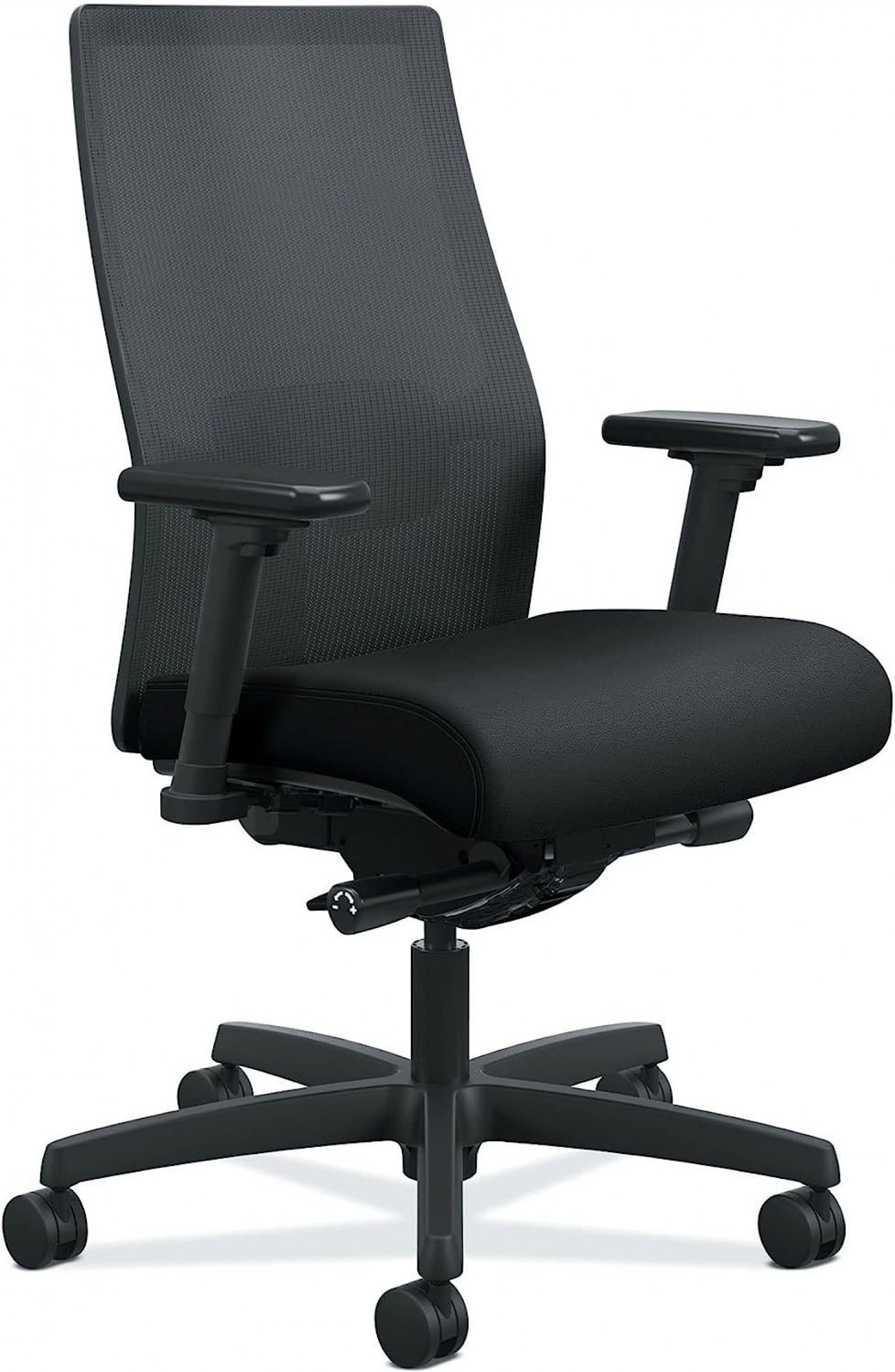
HON’s Ignition 2.0 is Awarded Best Office Chair
The HON Ignition 2.0 has been awarded as the Best Office Chair Overall by Forbes and as the Best Budget-Friendly Office Chair by New York Times Wirecutter. It is praised for its durability, adjustable features, breathable mesh back, and comfortable lumbar support, making it the top choice for office workers.

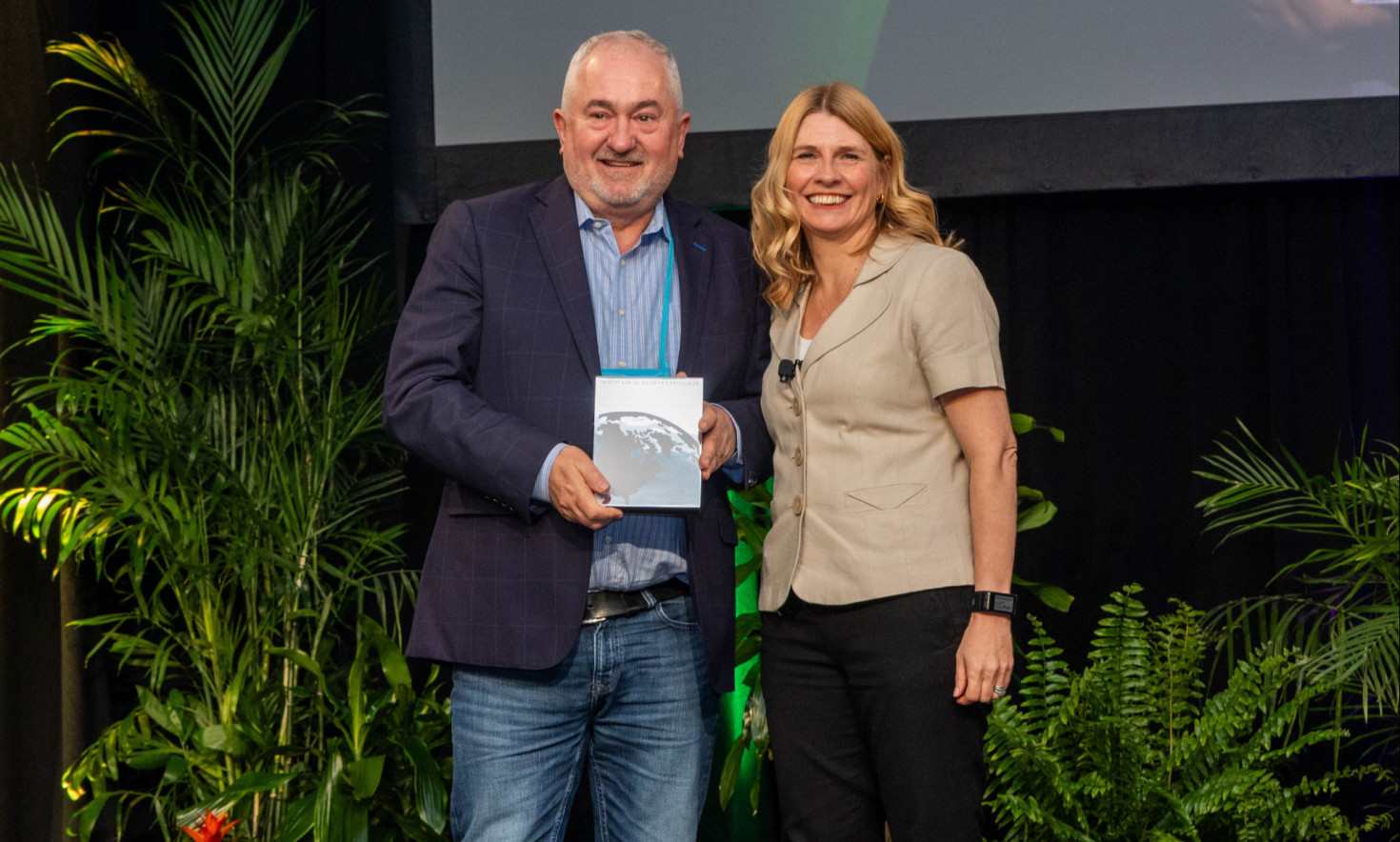
Nook takes home top award at the 13th annual North American Office Products Awards (NAOPA)
Nook, a multi-purpose mobile pod designed for work, learning, and play, received the Best Product Award in the Furniture and Design category at the 13th annual North American Office Products Awards. The Nook Air, which offers private and productive spaces without isolation, was recognized for its unique solution. Nook prioritizes user wellness, sustainability, and adaptability to evolving customer expectations.

IIDA NY Presents Third Annual Hazel Siegel Scholarship
The International Interior Design Association's New York Chapter (IIDA NY) is launching its third annual Hazel Siegel Student Scholarship to honor the legacy of Hazel Siegel, a renowned textile designer and chapter member. The scholarship provides financial support for student members to participate in scholarly activities and offers the opportunity to attend the SHIFT Conference in Dallas, TX. The scholarship is open to currently enrolled New York State Interior Design students, and applications are due by November 10th, 2023. For more information and to submit your student application, visit: https://forms.gle/Bt5nHt3uFEztJ2xx7

Find the best Contract Furniture Industry jobs and hire the best talent.


As an On-Site Client Design Specialist, you will play a key role in partnering directly with our clients in the field at their facilities to achieve seamless moves, adds, and reconfigurations of their existing workspaces.
OED, one of the industry’s leading Independent Manufacturer’s Rep organizations, is looking for a Representative to enhance our Georgia coverage. Position is based in our premier Midtown Atlanta showroom.
OCI Seating a leading mid-market contract furniture manufacturer is rapidly growing and is in need of experienced sales reps for several open territories across the US.
Rightsize Facility is excited to invite a charismatic and strategic sales leader to join our vibrant team.
MOD, a leader in power and lighting components for furniture in the workplace, hospitality, education furniture industry is seeking an energetic and motivated individual to join our team as a Territory Sales Representative.
Working with our education sales & design teams, we are currently seeking an interior designer to provide software & design expertise in presenting furniture solutions for today’s classrooms.

created in Publicate