Outdated offices are sabotaging 'return to office' policies / Landlord Concessions Fell In 2024, Another Sign Of Office Market Turnaround / Legal Leasing Volume Drops in Manhattan Despite Strong Demand / The State of the Office Market / Hotels Rode A Business Travel Wave — Now Comes The Undertow / Trump’s Tariffs Roller Coaster Causing 'Major Whiplash' For CRE / Manhattan Office Sees February Dip, But Long-Term Trends Remain Positive / Five Years Later: How the Pandemic Reshaped Work Forever / Is Belonging the New Currency for Workplace Design? / The Consultants Are Coming — Are Coworking Spaces Equipped To Handle The Federal Layoff Fallout? / Expert Reveals Why Hybrid Work Backlash Is Exploding And How To Fix It / 2025 Office Design Trends For A More Engaging Workplace / How Branded Healthcare Environments Can Build Trust and Community / and much more…
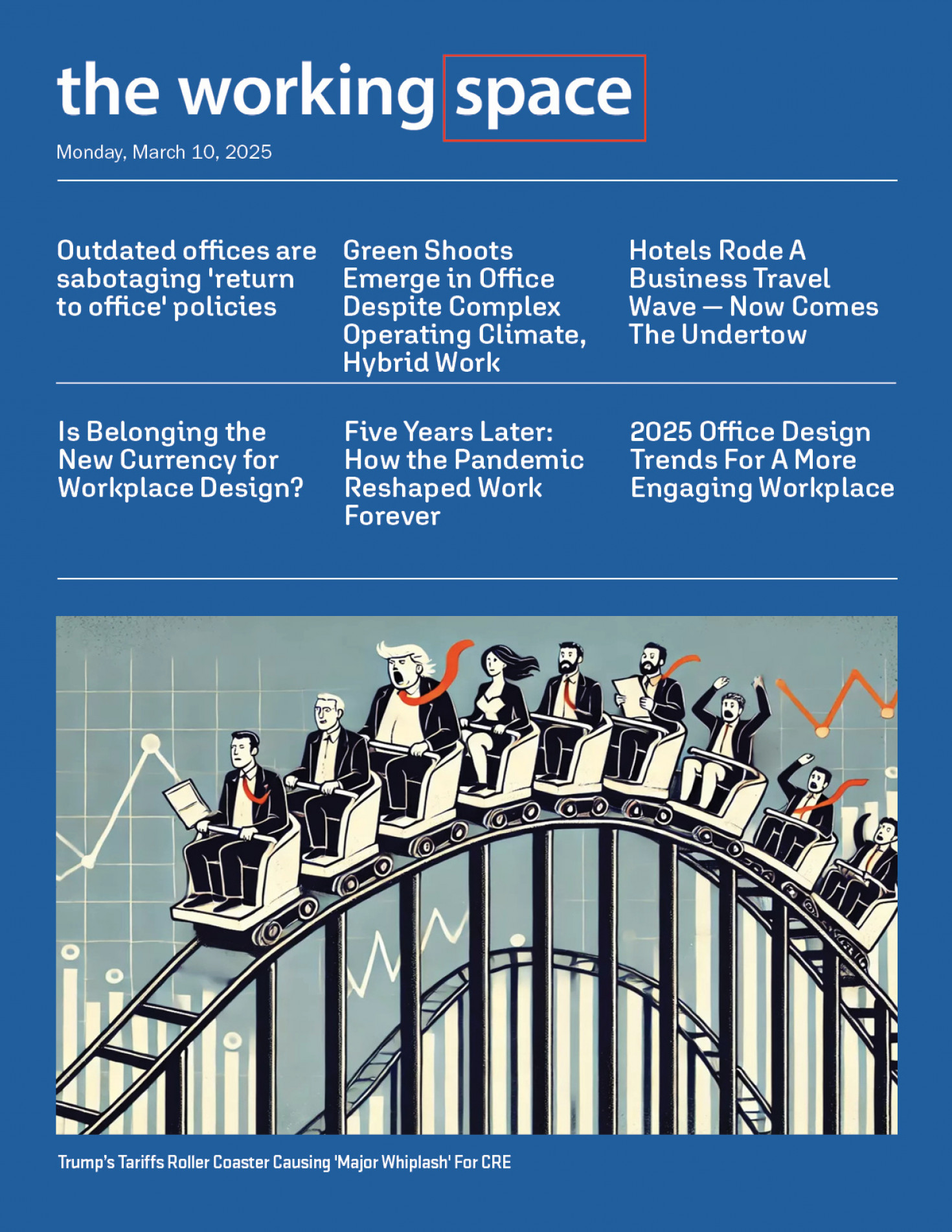
The ever-changing saga of Trump’s tariff policies continues to give commercial real estate professionals—and pretty much anyone involved in construction—a serious case of whiplash. In the span of just a few days, the administration went from announcing 25% tariffs on Canada and Mexico to hinting at a compromise, then granting a one-month exemption for automakers, only to end the week by suspending some tariffs entirely until April. If you’re trying to forecast costs for a development project, good luck. What’s true in the morning might be reversed by dinnertime.
For developers, contractors, and investors, this level of unpredictability is wreaking havoc on decision-making. Some are hitting pause on deals, waiting to see where the chips land, while others are rushing to get projects moving before the next policy shift. The uncertainty is already driving up prices—lumber futures are at their highest since 2022, and a survey from Origin Investments predicts potential cost spikes of up to 7.5% on construction materials if these tariffs actually stick. But that’s a big if, given the administration’s track record of imposing and rescinding tariffs at whiplash-inducing speeds.
Attorneys and real estate pros agree: the only certainty here is uncertainty. Some are implementing escalation clauses in contracts to protect against sudden cost hikes, while others are holding biweekly check-ins just to keep up with the madness. Contractors don’t want to get burned if material costs spike, and owners don’t want to be on the hook for unexpected price jumps. Meanwhile, some materials—like steel and softwood lumber—were already in limited supply before all of this tariff turbulence, making an already expensive industry even more volatile.
While many in real estate are at least trying to work through the chaos, contract furniture manufacturers are also feeling the effects. With fluctuating materials costs and an inability to plan ahead, they are struggling to forecast production and pricing. The constant tariff reversals are making it nearly impossible to set reliable budgets, leading to even more unpredictability in an industry that thrives on long-term planning.
And then there’s the international response. Canada wasted no time slapping its own 25% counter-tariffs on $30 billion worth of U.S. imports, with the possibility of escalating that to $155 billion. China, never one to back down from a trade fight, fired off a not-so-subtle threat, declaring it was ready for “war” if necessary.
So, where does this leave CRE, construction, and furniture manufacturers? No one really knows. The best strategy at this point seems to be: expect nothing, plan for everything, and keep your head on a swivel. Because with the way things are going, the only thing you can count on is that tomorrow’s policies might completely contradict today’s.
Beyond physical space, consultants will seek coworking communities that offer business support, networking, and mentorship opportunities. Spaces that proactively cater to this influx—by blending flexibility, privacy, and community—could reap significant benefits as the workforce landscape rapidly changes.


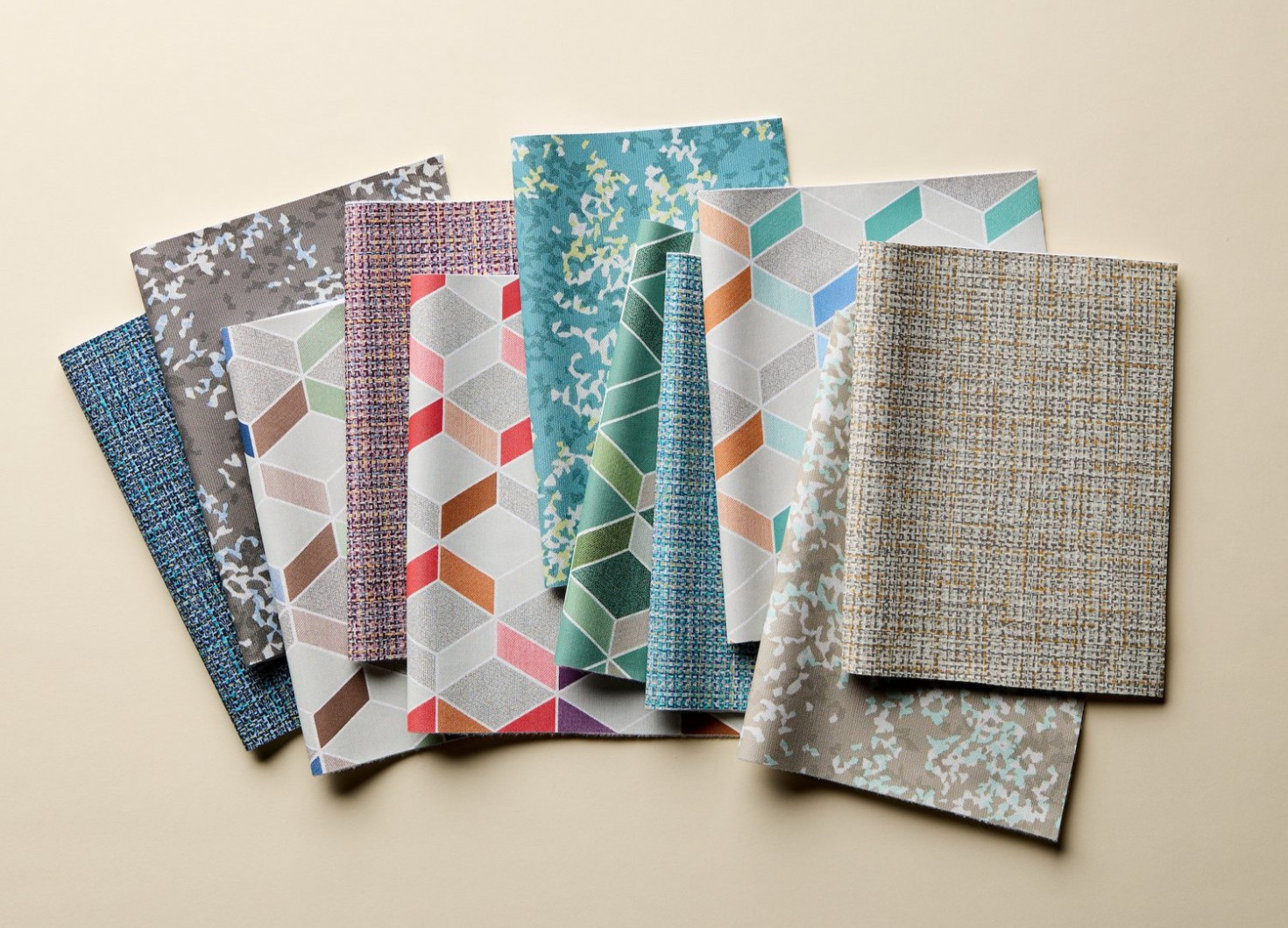
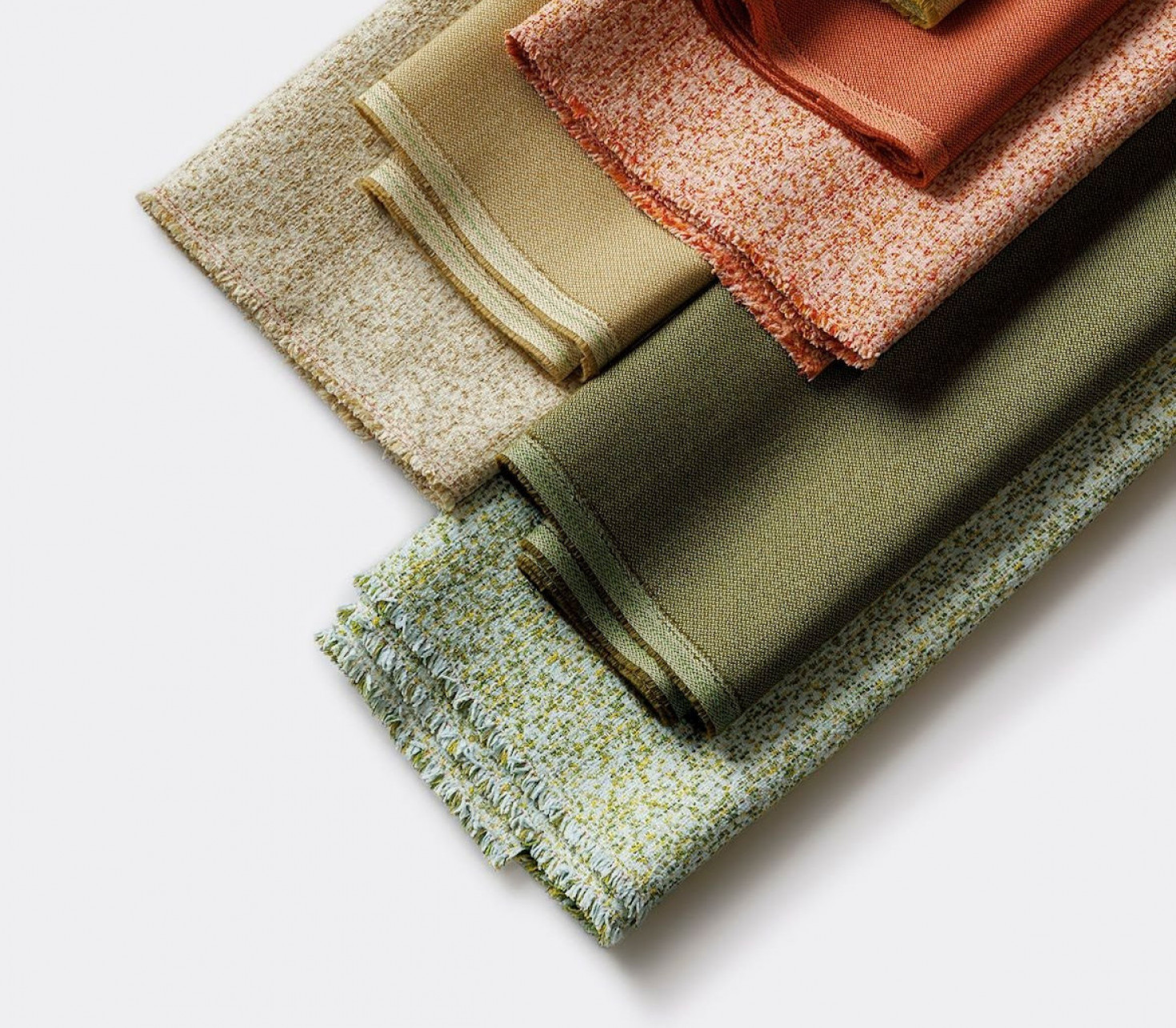
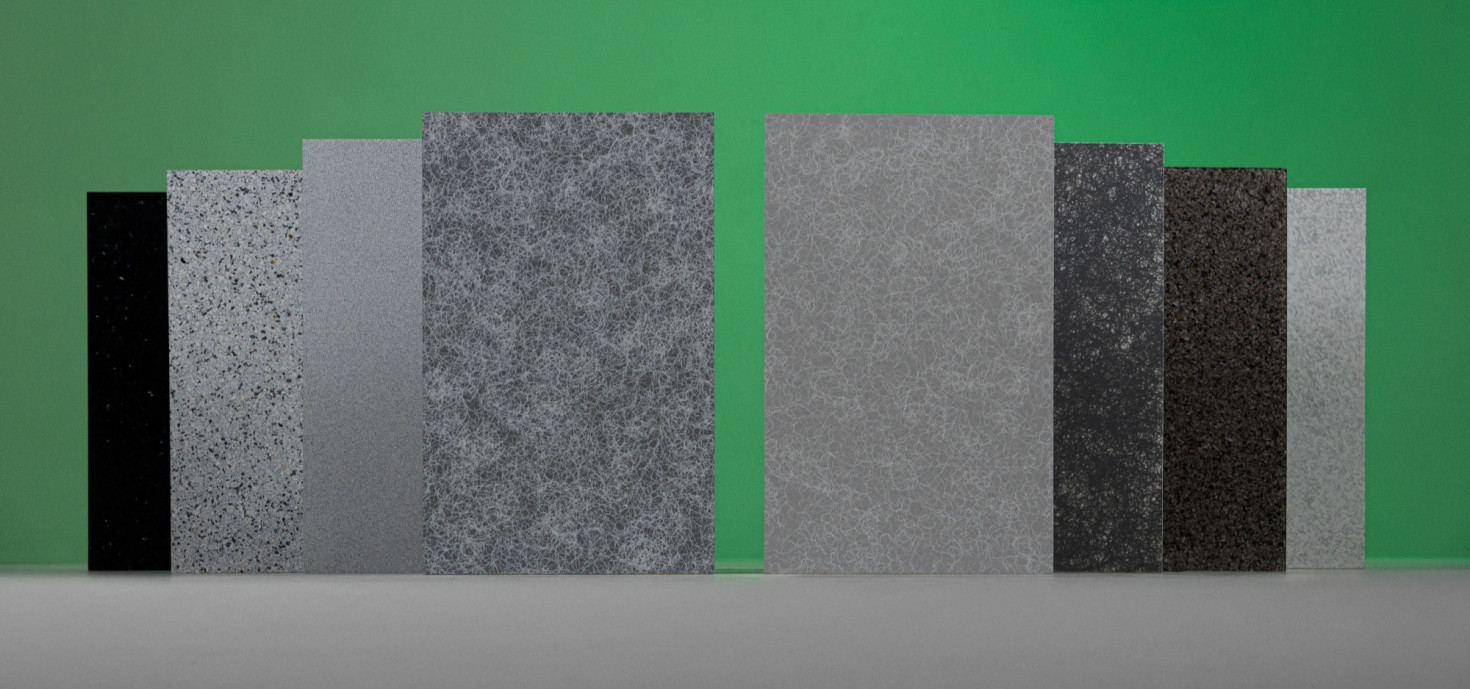
Luum Textiles introduces two new textiles, Simplicity and Unbounded, from the Evolutionary Forces Collection, inspired by natural evolution. Unbounded utilizes recycled marine plastic for a versatile, tactile surface, while Simplicity features a tonal effect with a soft touch, both promoting wellness and sustainability.

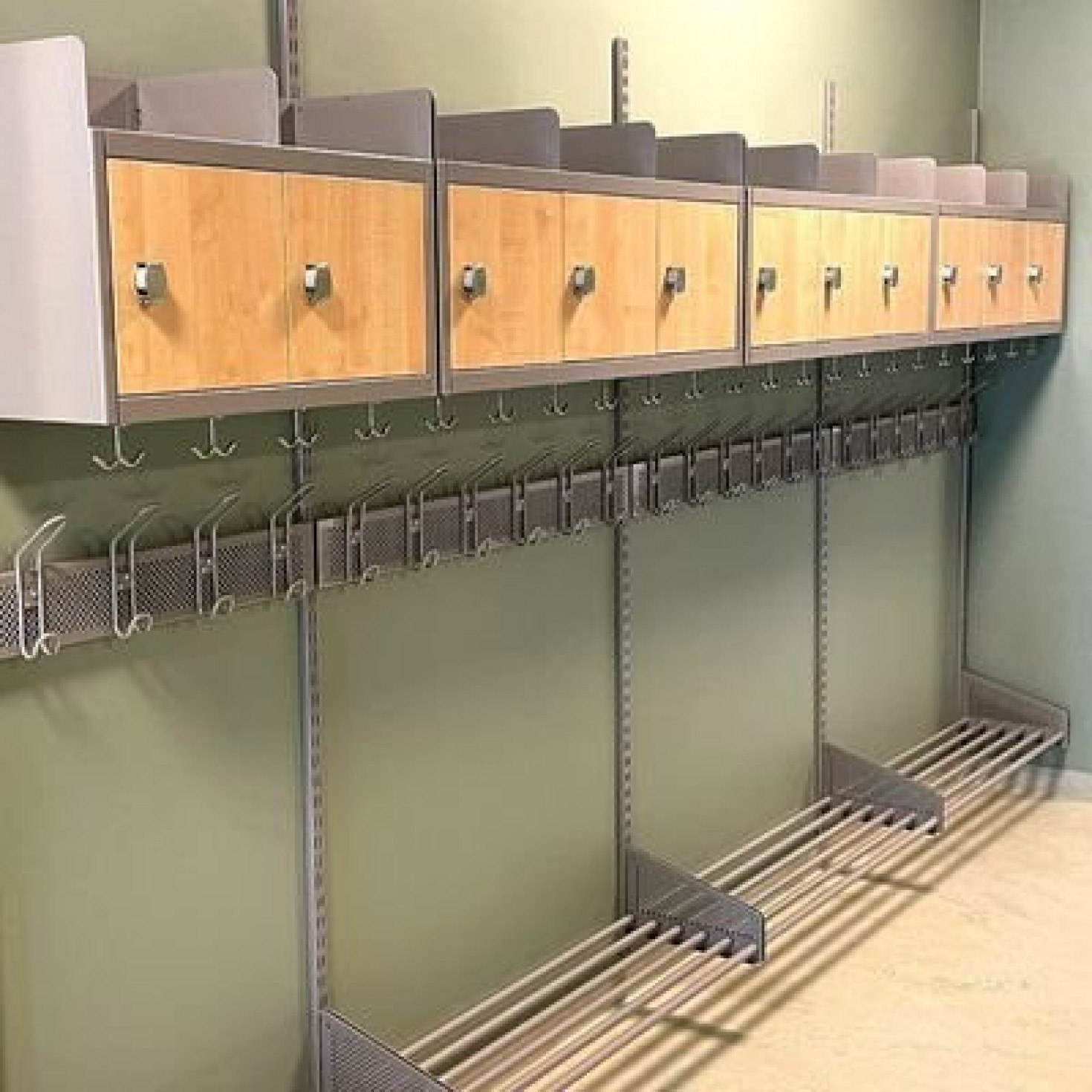
The article spotlights cloakroom furniture—yes, the stuff that holds your coat and shoes—which, oddly enough, is almost completely ignored by U.S. contract furniture manufacturers. Instead, a company from Sweden, Dalform, dominates the sector, producing robust, powder-coated storage cabinets designed for schools, hospitals, gyms, and other institutions. With Swedish-quality steel construction, long warranties, and a rainbow of available colors, Dalform practically owns this niche.
But here’s the question: Why exactly is Sweden hogging all the cloakroom business? Surely, American manufacturers could figure out how to craft some metal cabinets, slap on a durable finish, and provide the same low life-cycle costs. After all, cloakrooms aren’t rocket science—though Dalform makes it seem close.

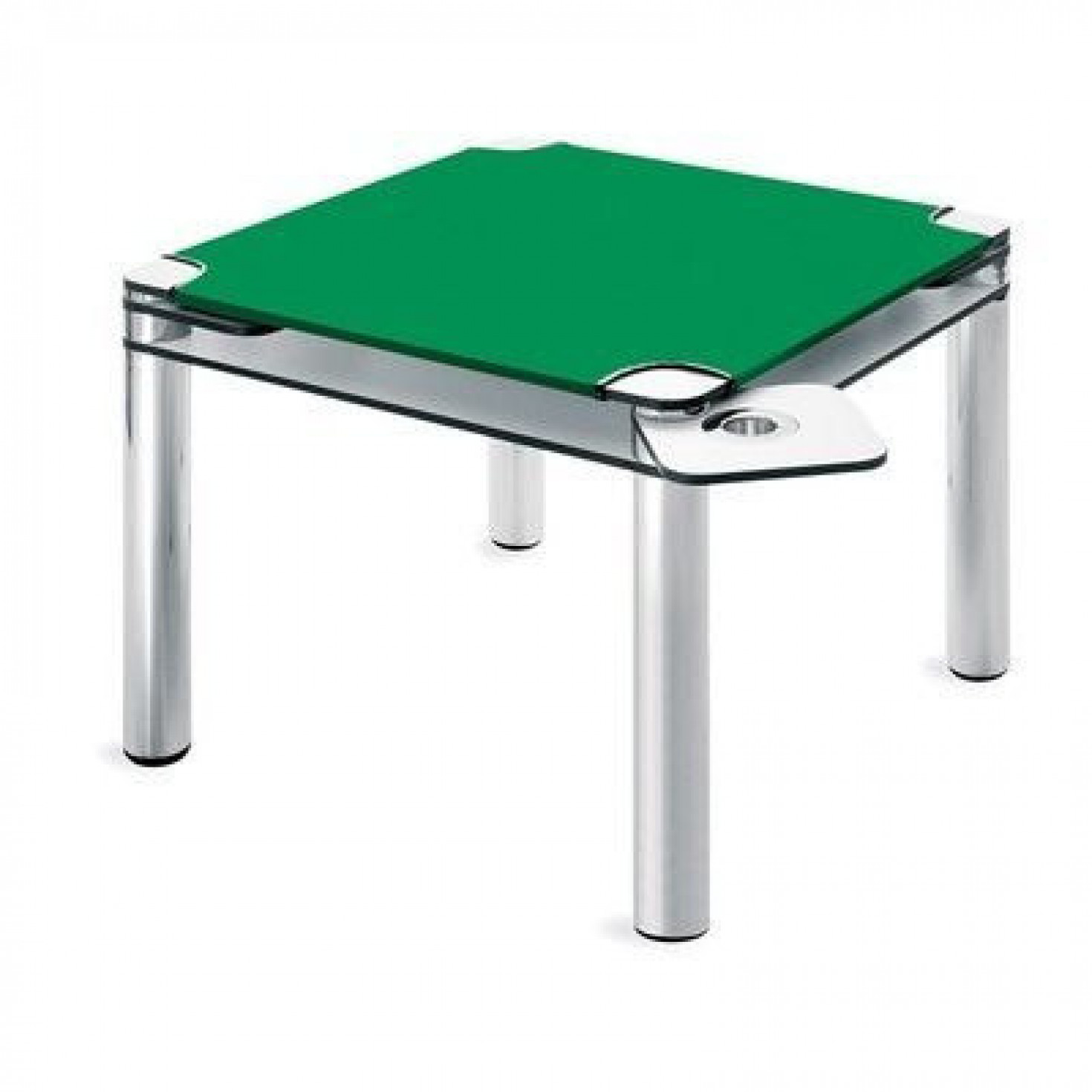
Long before modern gaming tables became trendy, Colombo’s table was already a sleek, functional marvel. Featuring four ingenious flip-out wings to conveniently hold your drinks, chips, or whatever vices accompany your game night, this table practically begs you to settle in for a long evening. Crafted with stainless steel legs, laminated surfaces, and even built-in, easy-to-clean ashtrays (remember those?), it’s both stylish and practical. Originally it came with a removable baize playing surface, though many vintage versions have since misplaced theirs—probably sacrificed in a particularly intense poker showdown.
Manufactured by Italy’s Zanotta and still available to order, Colombo’s Poker Table isn’t just retro furniture; it’s proof that good design endures. Frankly, this clever, sociable table would be as welcome today—perhaps even more so—as it was in the swinging ‘60s.

Clerkenwell Design Week (CDW) returns to London’s EC1 from 20–22 May 2025 for its 14th edition, marking its largest event yet with the addition of three new exhibition venues. These include the historic Charterhouse and Charterhouse Square featuring a new public artwork by Alex Chinneck, St Bartholomew the Great (London’s oldest parish church), and Studio Smithfield, a Grade II* listed building above Smithfield Market. Together, these new locations will create a vibrant southern district within the festival.