HBF Unveils Layered, Lively Refresh in their NYC showroom / Economic Pressures Continue To Shrink Offices / Clerkenwell Design Week review  / CBRE: Artificial Intelligence To Take Big Bite Out Of Demand For Office Space / Office design is changing. Here's how to prepare for the next phase  / Chicago to Offer $150 Million in Subsidies for Office Space Conversion / Citigroup Mandates Full-Time Office Return for 600 Employees Amid Regulatory Changes / Invesco Betting On Office Comeback By Seeing 'How Much We Can Extract' From REITs / How companies are addressing rising office fit-out costs / Future-Proofing Workspaces: Top Tactics To Align CRE Choices With Business Needs / Thinking Of Switching To A Hybrid Work Model? Read This First / More Law Firms Opt to Relocate Instead of Renewing / Virginia Tops 2024 List of Best States for Remote Work / Trends to Watch: How Media Workplace Priorities Have Evolved in 2024 / Environments that Support Cultural Optimism and Resilience / and much more…


The Working Space
Monday, June 3, 2024


Industry News

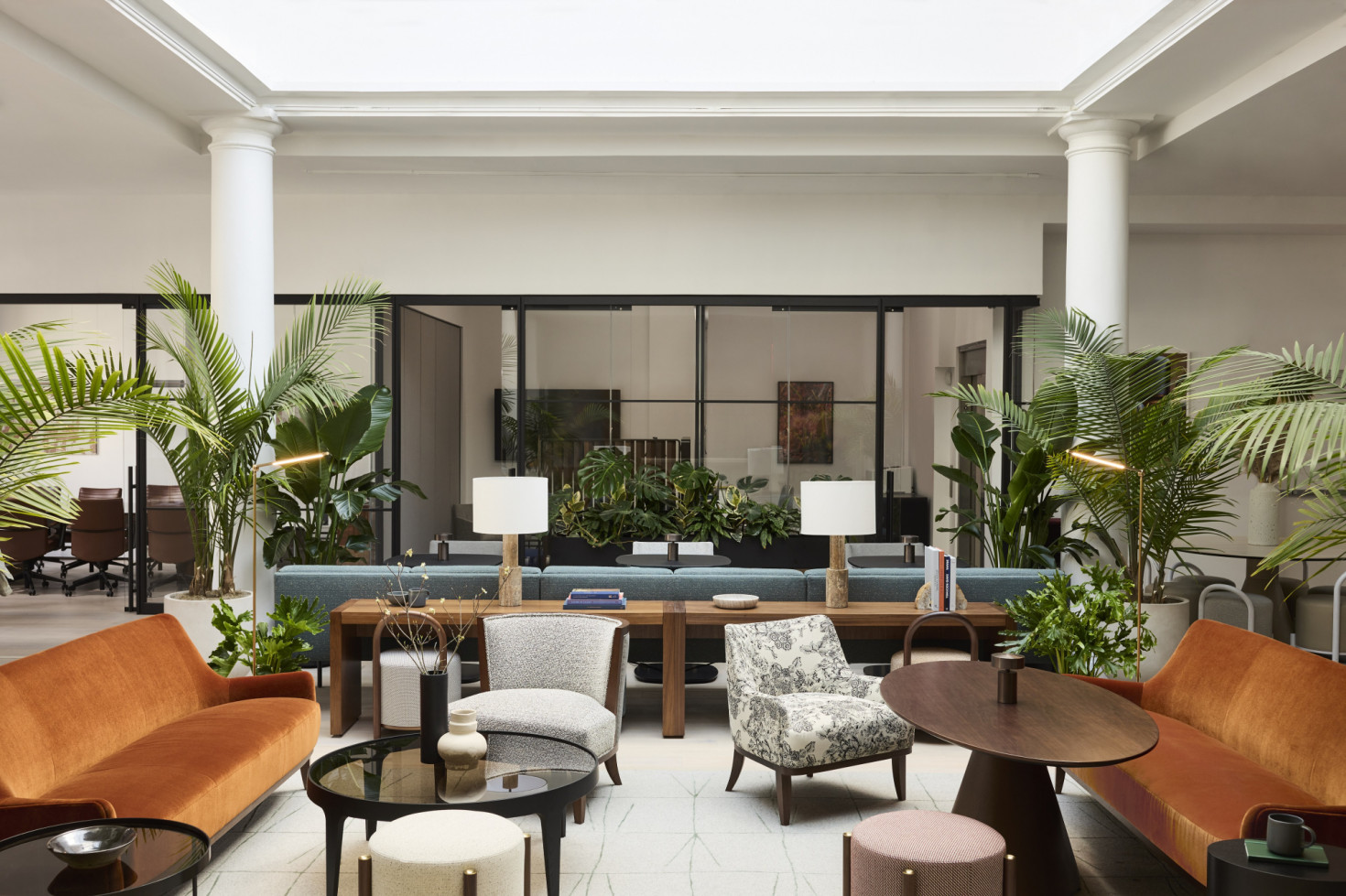
The future of office design is shifting towards creating spaces that support the varied needs of employees in a post-pandemic world. Traditional office layouts with rows of desks and generic conference rooms are falling short, as they don't support the need for interpersonal experiences or focused work. Instead, offices should borrow design principles from community spaces like educational campuses, libraries, and parks to create a variety of work settings. This approach, which has been tested for decades, can result in more desirable and lively spaces that facilitate connection, wellbeing, and change.
Economic pressures, remote work trends, and cost optimization are driving further reductions in office space usage in 2024. Data shows that 80% of businesses have already downsized their office space, with 75% planning further reductions. Companies are utilizing flexible work arrangements and data-driven insights to inform office size requirements. The shift towards remote and hybrid work models, along with investments in space-efficient solutions, is reshaping the traditional office landscape.

Introducing N9NE Furniture Group
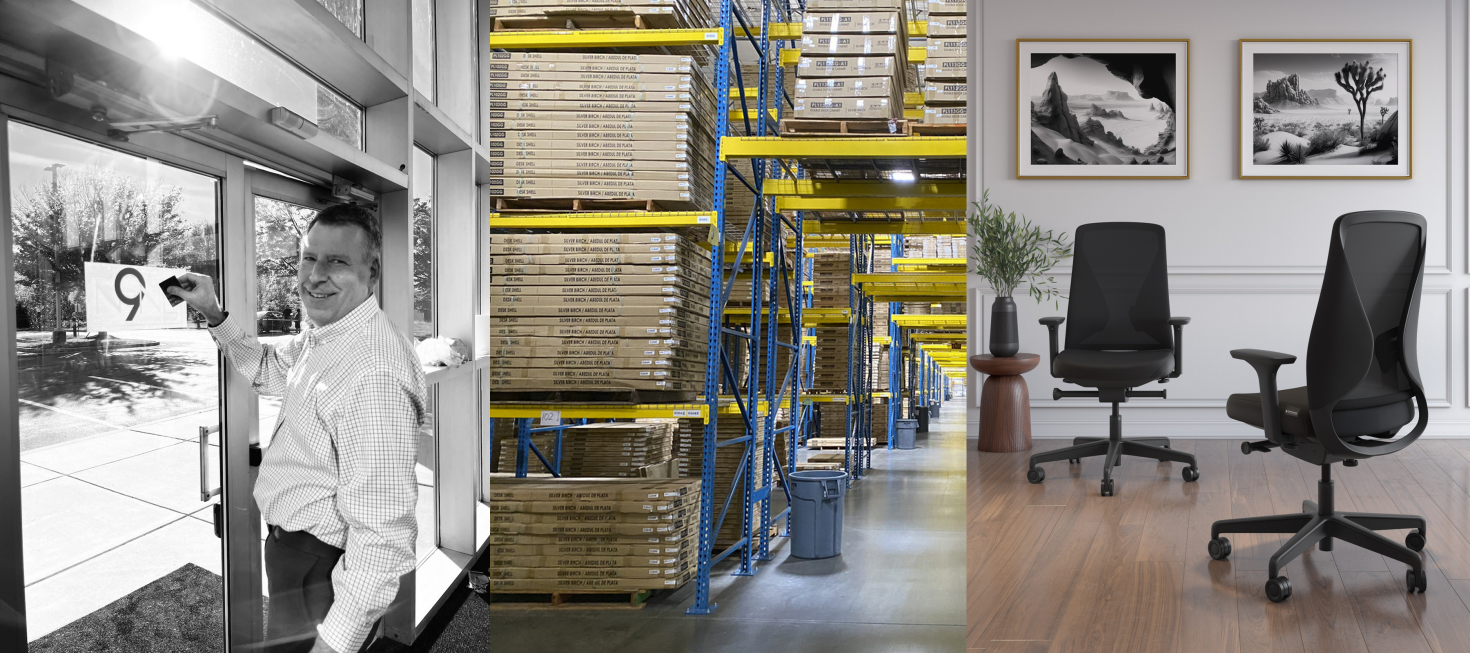
N9NE Furniture Group Revolutionizes Office Furniture Distribution with Nationwide Network

In an ambitious move poised to reshape the office furniture landscape, N9NE Furniture Group has officially launched, emerging from the strategic merger of four established industry leaders: HBC Furniture Distributors, Pacific Coast Furniture Group, Rocky Mountain Furniture Group, and Storlie Furniture Group. The new conglomerate, spearheaded by nine innovative owners, aims to create a unified national distribution network to enhance service across the US.

David Perez, co-owner of N9NE Furniture Group, shared the company's mission, stating, "Our vision with N9NE was to close the gap in our existing business model. By bringing more industry experts together and expanding our network, we now have the capability to more effectively meet our customers' needs."

N9NE’s strategic placement of distribution centers in major cities such as Seattle, Portland, Sacramento, Denver, Kansas City, Dallas, and Minneapolis—and the recent addition of a Baltimore warehouse—ensures a comprehensive reach, providing coast-to-coast coverage. This setup is designed not only to streamline operations but also to reduce shipping costs, lower environmental impact, and minimize product damage, as explained by co-owner Dave Baker.

The company's product line is expansive, featuring a diverse range of office furniture essentials from ergonomic chairs and versatile workstations to efficient storage solutions and stylish accessories, all tailored to current trends and ergonomic standards. Among the highlights is the launch of the Konfurb Sense, a 100% recyclable chair that underscores N9NE’s commitment to sustainability, further certified by environmental standards like BIFMA and GreenGuard.

Customers will have the opportunity to view the Konfurb Sense along with the rest of N9NE’s innovative product range at their booth (7-7030) at the upcoming NeoCon event.

N9NE Furniture Group stands ready to cater to businesses of various sizes and industries, offering personalized solutions to meet the unique requirements of each customer. "We are thrilled to introduce N9NE Furniture Group to the market," said Perez, inviting businesses to experience the thrill of equipping their offices with top-tier, sustainable products. "Buckle up and get ready to furnish your office to the nines, with N9NE!"

Artificial intelligence is predicted to replace 85 million jobs by 2025, which could have a significant impact on office demand. Sectors such as regulatory governmental roles and tech are expected to be heavily affected. Cities with a concentration of sectors, like government jobs in Washington, D.C., or tech jobs in Santa Clara, may experience another wave of office vacancies. Diversification and public-private partnerships are seen as potential strategies to counter the effect on office assets.

HBF Unveils Layered, Lively Refresh in their NYC showroom
HBF has unveiled a refreshed showroom in New York City, featuring new finishings, Juniper lighting collections, and the collaborative Firma Collection. The showroom also offers a sneak peek into HBF Textiles' upcoming collection and a user-friendly display area. Visitors can make appointments to explore the space and learn about the materials and designs.
Invesco, a $1.6T investment management giant, plans to invest in the office market by injecting capital into office properties, particularly in REITs. They aim to offer aggressive returns through double-digit annual interest rates, stronger covenants on high-yield debt, and step-up payments. Invesco sees improving metrics for the U.S. office market, with extended tenant leases and more employees returning to the workplace. They believe this will benefit REITs struggling to refinance their loans. Invesco's bet is based on the belief that the Federal Reserve has stopped interest rate hikes and inflation is under control.
Chicago plans to offer $150 million in subsidies to revitalize its downtown areas by converting vacant office spaces into hotels and apartments. The city aims to attract companies and residents back to the heart of Chicago, recognizing the hybrid future of work and providing a compelling reason for workers to return, even part-time. This initiative could set a precedent for other struggling downtown areas in the U.S. to address post-pandemic urban life challenges.
Citigroup has mandated that 600 U.S. employees return to the office full-time, reflecting regulatory changes and the tension between flexible work arrangements and industry oversight. The Financial Industry Regulatory Authority (FINRA) is reinstating pre-pandemic rules, requiring more monitoring of workplaces, prompting banks to bring employees back for compliance. This trend is seen among major financial institutions, with Barclays and HSBC also adjusting their work arrangements. As regulators reinstate rules, companies must balance employee preferences with legal and operational requirements, potentially leading to a shift back to office-centric models in heavily regulated sectors.

Features

Clerkenwell Design Week Review

Clerkenwell is a compact district, just north of central London, with a population of about 12,000 and a history of small workshops and commerce, focused on the watchmaking and watch repair trades. Over the past 30 or 40 years, the area’s emphasis has switched to architectural and design practices, and the office furniture and interiors’ showrooms which vie for their custom.

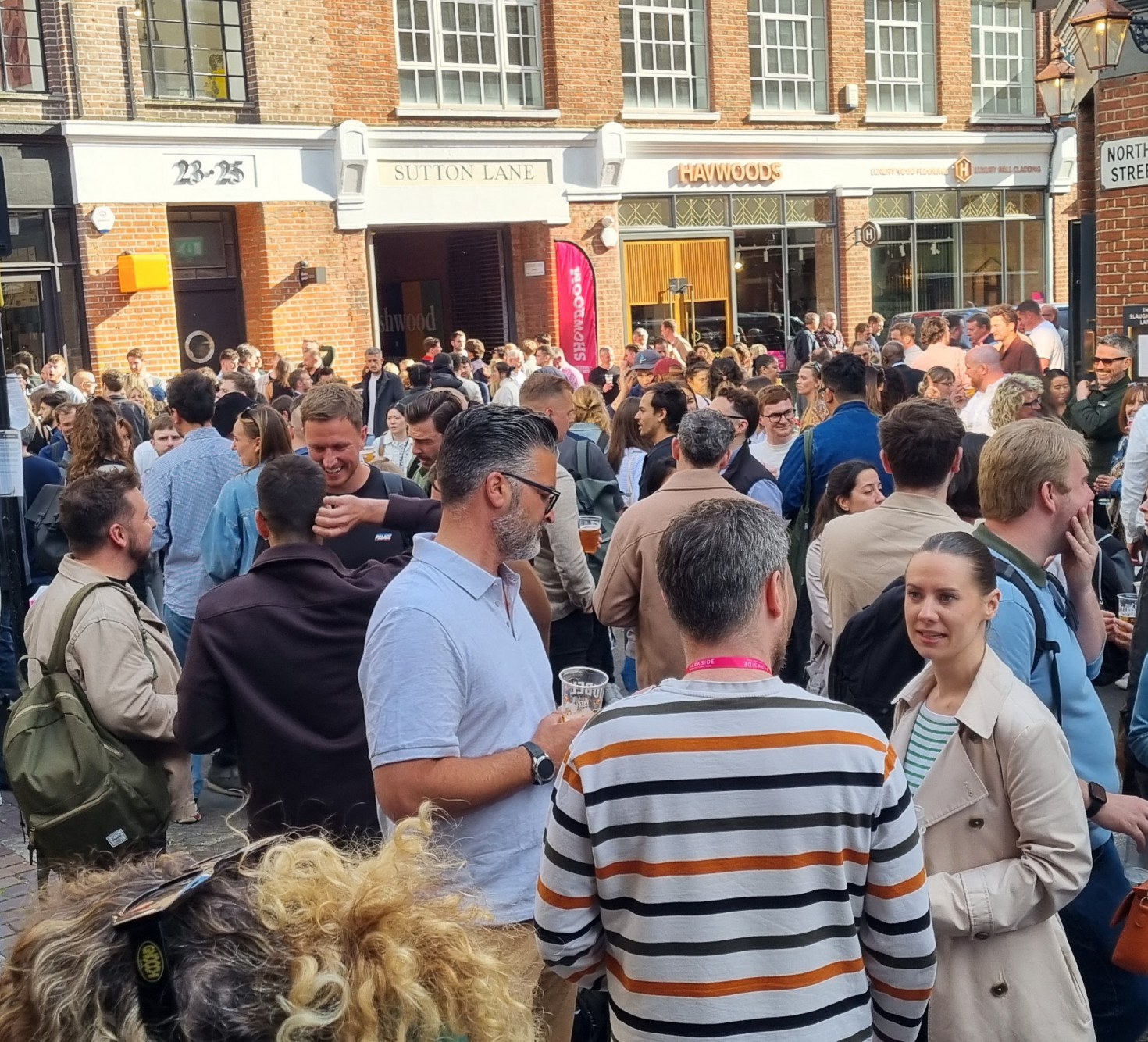
This year’s Clerkenwell Design Week 2024 was the 13th, and as always, the show was crowded, noisy, and fun, but with plenty of serious discussion, mixed in with eating, drinking, humour, and catching up with old friends. The weather didn’t behave as well as is usual for mid-May, with rather too much rain between some sunny spells, but the atmosphere was as good as ever, and many showrooms reported being very busy, with visitors staying longer than usual, probably so they could keep dry!

Visitors wandered streets filled with more than 160 manufacturers’ permanent showrooms, most showing new products and fresh ideas, along with 16 curated exhibition venues, “Design Destinations” ranging from large pavilions to commandeered local spaces such as the Old Sessions House, a courthouse dating from 1779. The Design Week’s offerings also included talks and panel discussions.

For the first time this year, there were several international pavilions, amongst them Italy, located in Design Fields. One company included was Natuzzi, which showed their Melody range, designed by Simone Bonanni. (

CDW is a show where the visitor needs to be discriminating. Twenty-six hours, over three days, is never going to be enough time to see everything, and advance planning is required if the time is to be well spent. Rest and relaxation after a day’s pounding of the pavements is provided every evening by many dozens of noisy, boozy, parties in the showrooms and other venues, some of which kept the neighbours awake until very late.

One of the factors of the show’s success is its structural flexibility. Rather than needing to fill an exhibition complex of finite shape and size, it can stretch, grow and contract with exhibitors’ demands, year by year.

The Trends

Those who have followed the changes in the office scene this century cannot fail to have observed how the commercial has morphed into the residential. It started with the idea of breakout areas, long before Covid, but the post-pandemic era with its WFH and hybrid working has accelerated the process, so that, if the manufacturers’ showrooms are truly representative, the difference between home and office furniture and furnishings is virtually indistinguishable. Although this fashion is very well established here, one wonders if the trend will ever spread from western countries to the more rigid, traditional societies of India, China, Japan, and other parts of southeast Asia.

The domestic influence on commercial furniture meant that there was a vastly increased presence of upholstery, often including soft cushions giving a more cozy, residential feel, as well as soft curves and rounded edges. Showrooms which would previously have featured rectilinear workstations, tables and storage units had frequently replaced, or relegated them to a less prominent role, in favour of sofas, tub chairs and upholstered enclosures.

The other principal influence being strongly promoted was sustainability. There were definitely fewer products made using plastics and polycarbonate materials, and the legs of tables, chairs and storage products were almost invariably manufactured from solid wood or metal tube.

Consistent with the domestic vibe, fabrics were often soft-touch, for example, bouclé, velvet, and suede, and I’m told (I’m colour blind!) that trendy colours included pinky greys, pale beiges and various shades of light blue.

John Sacks - With 50+ years’ experience owning and managing office furniture manufacturing companies in Europe. Now Managing Partner at JSA Consultancy Services, (www.jsacs.com) a business advisory practice with offices in central London which helps international office and contract furniture companies with their corporate strategy, marketing and product design and development. His areas of special skill are in cross border marketing; establishing strategic alliances and joint ventures; acquisitions and disposal of businesses and advising on international markets.

Companies are addressing rising office fit-out costs by investing in better workspaces and technology solutions. Construction, sustainable materials, and labor costs are contributing to the increase in fit-out expenses. Technology, such as seamless collaboration tools and immersive meeting experiences, is taking a significant portion of the budget. Adaptability and human-centered design are also important factors in maximizing return-on-investment and creating flexible and productive work environments.
The commercial real estate landscape is shifting towards shorter, more flexible leases post-COVID, with an emphasis on adaptability. Property owners are enhancing their offerings with amenities to meet changing demands. Decisions about space require strategic planning, considering factors like market fluctuations, hybrid work schedules, and balancing immediate needs with long-term goals. The trend towards smaller spaces and shorter leases is growing, with flexible workspaces often proving less expensive when considering total occupancy costs. Understanding business objectives is crucial when making real estate decisions, with flexible lease terms allowing for alignment with these objectives.

NeoCon

Framery at Neocon: Showcasing the New Framery Smart Pod family
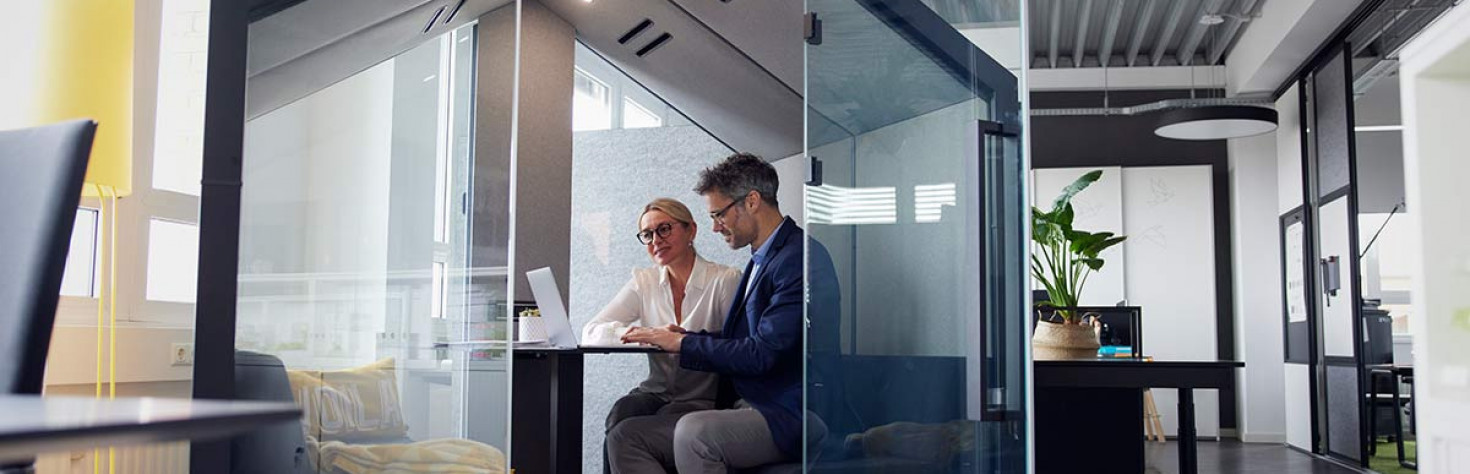
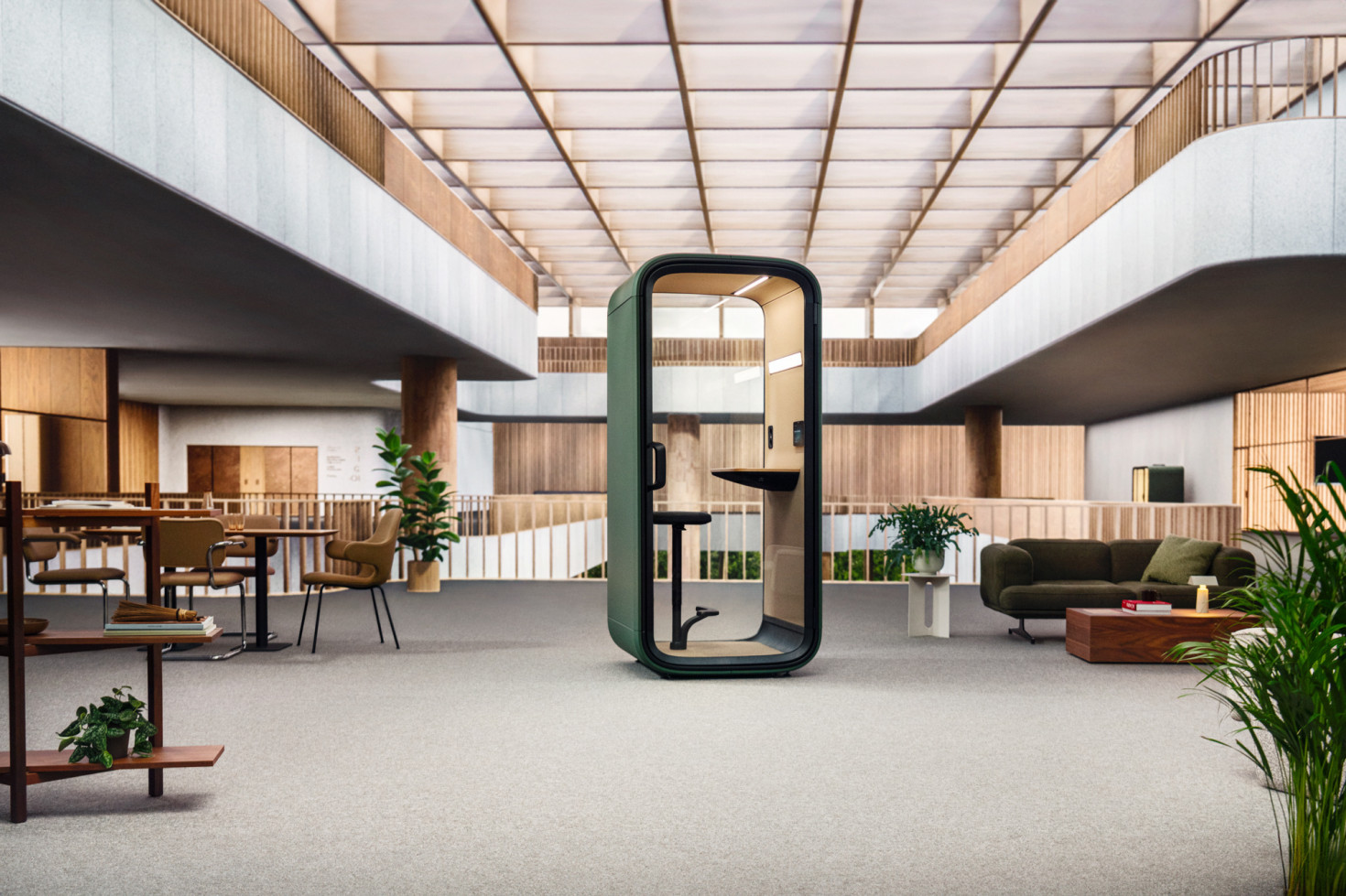
Framery is showcasing their new innovation-packed Smart Pod family at Neocon 2024. The Smart Pods have won platinum awards in workplace and office design and furniture categories. The brand new Framery Four Accessible smart pod is ADA compliant and provides unparalleled user benefits. The new Smart Pod range features a more modular and durable design, using less materials and being 23% lighter than earlier designs. They are also more environmentally friendly, with 30% less emissions during their lifecycle and being 100% recyclable. The Mart Space 3-124 

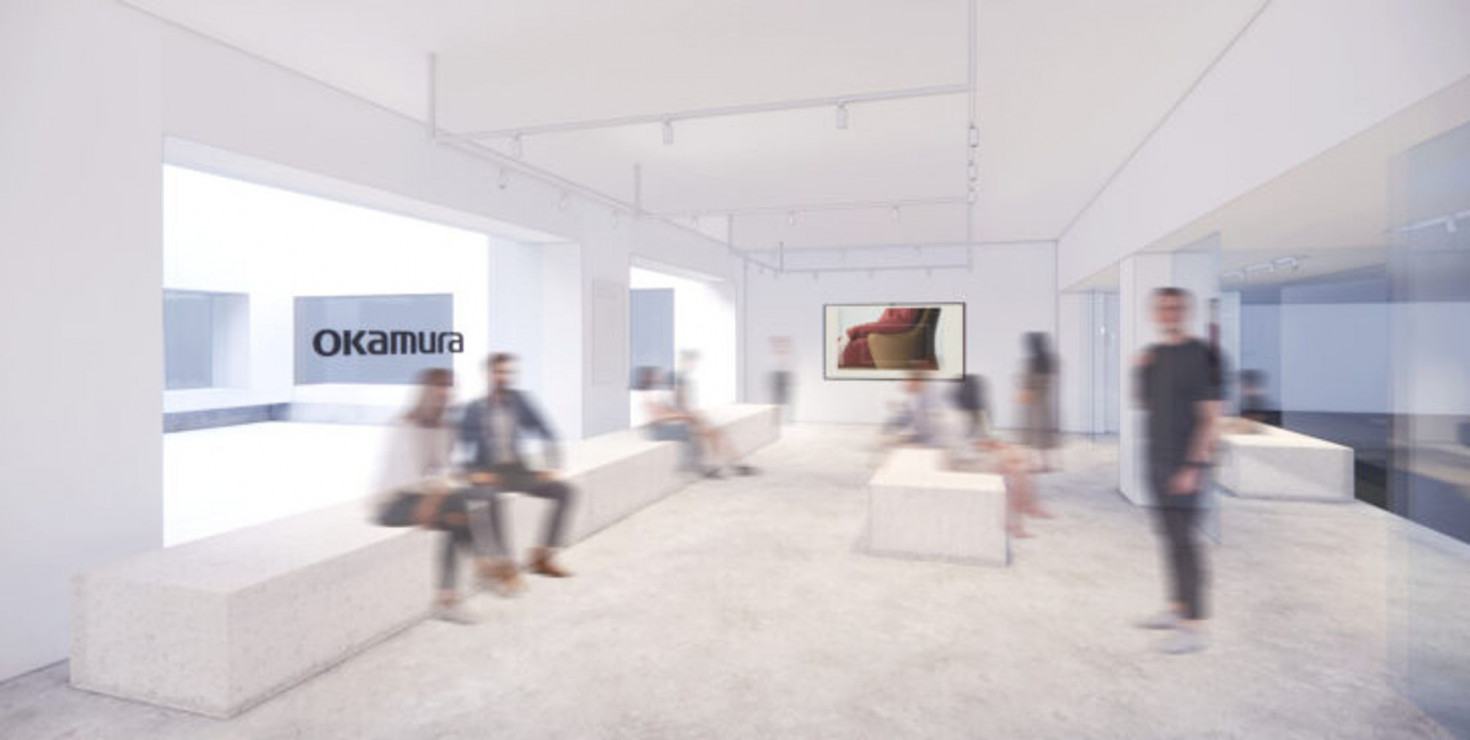
Okamura introduces a major showroom redesign for NeoCon 2024 with its new global brand concept; “To the last detail”.
Okamura introduces a major showroom redesign for NeoCon 2024 with its new global brand concept "To the last detail." The redesigned showroom features four themed areas showcasing Okamura's design philosophy, including workplace comfort, meticulous engineering, various workspaces, and hands-on experience with office chairs. The exhibition's creative direction is led by Nippon Design Center, reflecting Okamura's dedication to quality and innovation with a Japanese aesthetic. 

DesignDays

Design with Impact: MillerKnoll Collective of Brands Welcomes Design Professionals and Enthusiasts to Showrooms for Fulton Market Design Days
MillerKnoll will showcase its collective of brands during Fulton Market Design Days in Chicago, featuring product launches, exhibits, and dynamic programming. The event highlights sustainability work, test lab innovation, and debut products across lifestyle and office categories. Showrooms and retail spaces in Fulton Market will host engaging events and exhibits, addressing the future of work and home. Highlights include MillerKnoll's efforts in sustainability, the recreation of their Test Lab, and showcases from Herman Miller, Geiger, Maharam, Design Within Reach, Knoll, and Muuto.

Workplace News

When considering a switch to a hybrid work model, organizations should consider strategic goals, adapt to challenges, and redesign office spaces. Employees should focus on work-life balance, effective communication, time management, leveraging technology, and taking initiative. Clear policies, flexibility, technology investment, promoting engagement and culture, and focusing on output are strategies for employers to support a hybrid model. It is important for organizations to gather data, clarify objectives, evaluate work nature and infrastructure, and pilot the model before implementation. Adapting to a hybrid work environment requires addressing challenges unique to this blend of home and office work, and employers need to ensure the model doesn't create a divide between remote and on-site workers. Redesigning office spaces and finding the right blend of settings and policies are crucial for successful implementation.
Rigid return-to-office mandates have a detrimental impact on employee retention, productivity, and engagement, according to research. Employees with flexible work options are more likely to stay with their organization, report giving extra effort on the job, and have better relationships with their managers. Different sectors face unique challenges and opportunities with remote and flexible work. Despite the benefits, 70% of U.S. employees still face mandates dictating where they must work, which is linked to higher turnover risks and employee disengagement.
Employers are offering incentives to encourage staff to relocate for work, as more companies are requiring employees to return to the office. A survey from Atlas Van Lines found that 64% of companies had employees decline relocation in the past year, up from 57% in the previous year. Companies are now offering more relocation incentives, such as travel expense coverage, sign-on bonuses, and guaranteed employment contracts. Additionally, companies are providing more flexibility in office hours to sweeten the deal. However, employee preferences have shifted towards work-life balance and remote work options.
A recent study shows that U.K. businesses prioritize technology over cost when choosing flexible workspaces. The availability of technology is considered more important than price, with events and networking opportunities and the design and quality of the setup also ranking higher. However, there is a significant gap between expectations and reality, as only 10% of respondents rated their workspace's tech as "very good," and 50% reported frequent tech failures. Enhancing technological infrastructure could improve tenant retention rates, as businesses satisfied with their current technology are less likely to relocate. Over half of the decision-makers surveyed agree that they are willing to pay more for superior workspaces.
Financial regulators, including the Securities and Exchange Commission (SEC) and the Financial Industry Regulatory Authority (FINRA), are influencing major banks' decisions to bring workers back to the office. The expiration of Covid-related relief measures has led to a requirement for some employees to work full-time from office locations. The return to the office is driven by regulatory changes and concerns about off-channel communications and cybersecurity. Compliance costs and the need for greater workplace flexibility are key considerations for firms.
American workers are experiencing increased loneliness due to shifts in the workplace, including more digital connections and less personal interaction. Factors such as remote work, heavy meeting schedules, and lack of casual interactions contribute to this sense of isolation. Loneliness in the workplace has led to higher turnover rates and increased costs for companies. Employers are recognizing the importance of fostering connections among employees and implementing strategies to address this issue.
The push for return-to-office (RTO) policies is often driven by a desire for control and blame-shifting, rather than evidence-based strategies for productivity. Flexible work arrangements have been shown to increase efficiency and employee satisfaction, contradicting the benefits of RTO. Imposing RTO without employee consensus can lead to decreased job satisfaction and morale, without significant financial improvement. RTO mandates may reflect a desire for control and authority within the organization, particularly in cases where CEOs exhibit power-seeking behavior. RTO policies can negatively impact employee well-being and organizational value, with decreased job satisfaction and no significant financial benefits. HR professionals and organizational leaders should consider evidence-based, flexible work arrangements that align with employee well-being and organizational objectives.
Virginia is ranked as the top state for remote work in 2024, based on factors such as high-speed internet, low electricity costs, and the availability of remote job openings. Other states in the top 10 include Washington, Arizona, Delaware, and Maryland. These findings emphasize the importance of infrastructure and job opportunities in choosing a location for remote work.
Singapore's new flexi-time regulations require employers to consider flexible work requests, promoting a more sustainable and supportive work culture. The shift towards flexible work arrangements will accommodate a greying workforce, drive the need for higher performing workplaces, and build social capital in communities. These changes aim to attract and retain talent while creating a more inclusive work culture.
A survey conducted in Canada found that the majority of professionals believe their employers should trial "chronoworking," a flexible work arrangement that aligns working hours with natural circadian rhythms. The survey revealed that mental health, focus, and productivity would benefit from this flexibility. Companies that have adopted chronoworking report improved morale and a more diverse talent pool. With the increasing demand for flexible working arrangements in today's global workforce, the concept of chronoworking is gaining traction.
Law firms are increasingly choosing to relocate instead of renewing their leases, with amenities playing a critical role in their relocation decisions. The belief that a high-quality work environment can attract top talent and enhance a firm's prestige is driving this trend. Despite the negative absorption in the U.S. office market, demand for state-of-the-art amenities remains strong. Law firms are also seeking more flexible lease agreements and are planning to reduce their square footage while signing long-term leases. Landlords are raising rents but also increasing tenant improvement allowances.

Project Leads

Scale AI, a San Francisco-based artificial intelligence data-scaling company, has signed a deal to sublease three floors from Airbnb in Showplace Square, tripling its office space. The lease runs for 7.5 years and is the largest office lease completed in San Francisco this year. This deal is seen as a positive sign for the struggling office sector in San Francisco, which has a high vacancy rate. Large office lease deals by AI companies have been a bright spot in the market.

Trends

Gensler's research on media workplaces in 2024 reveals a renewed emphasis on individual work, with a balanced workstyle that includes spaces for teamwork and socializing. Media companies have shifted back to the office, with employees reporting a desire to be in the office more for increased productivity. The office needs to focus on providing spaces for focused work, team meetings, socializing, and sitting with the team. Media workplaces have the opportunity to enhance the employee experience and deliver a platform for great work. The media industry's workplace performance is close to the global average, presenting an opportunity to improve the mix of spaces and representation of brand, services, and technology.

Design
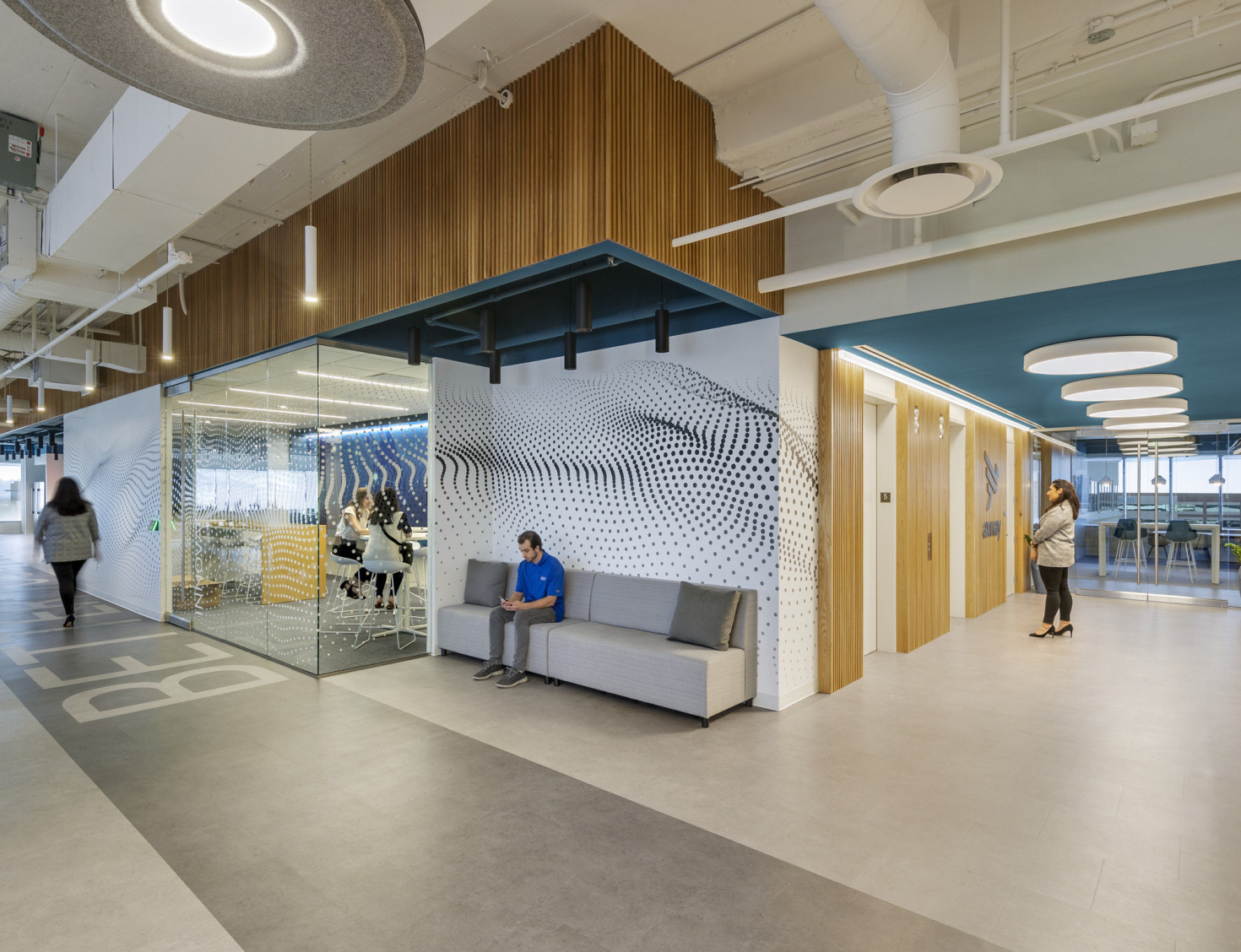
Creating a resilient workplace involves designing an ecosystem of spaces that can adapt to the evolving needs of employees. This includes providing a variety of work settings, spatial planning, wayfinding strategies, and considering the psychology of color. Resilient workplaces support employee well-being, engagement, and productivity, and are inclusive to all individuals, including those with neurodiverse needs.
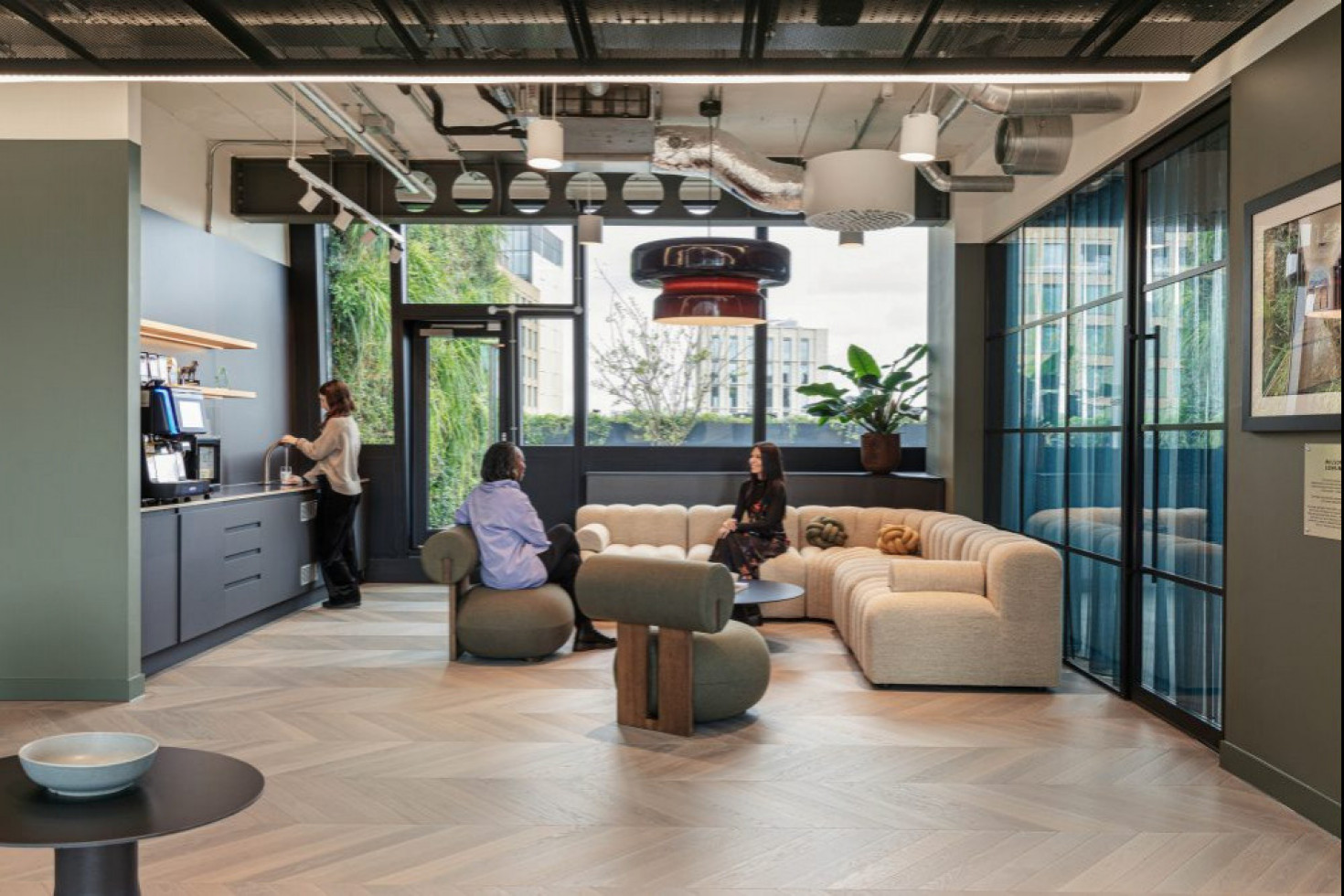
Designing workplaces for cultural optimism and resilience involves creating environments that foster future success and growth, and can effectively navigate setbacks. This requires designing for people, change, and evolving behaviors. User-friendly and inclusive designs, along with considerations for health and wellbeing, enhance the brand experience. Accommodating evolving business needs and organizational structures with increased flexibility and adaptability, and using data-driven insights for spatial changes, ensures the workspace remains effective. Accommodating evolving behaviors, especially in hybrid work models, and promoting a culture of health and wellness, are also crucial. Overall, resilient design should be dynamic and adaptable, keeping pace with technological and societal shifts and enabling organizations to thrive in the face of future challenges.
Standing desks have gained popularity in recent years due to their flexibility and promotion of a culture of health and well-being. Sitting for long periods of time has been associated with various health risks, while standing desks offer benefits such as increased movement, improved concentration, and burning more calories. They also contribute to creating dynamic and relaxed workspaces, allowing for collaboration and concentration. Using height-adjustable desks requires some adaptation and ergonomic considerations, but the benefits of improved physical health and productivity make them a valuable addition to modern workplaces.
AI has great potential in architecture and design, particularly in visualization and repetitive tasks. It can generate renderings, create layout iterations, improve communication, and assist with data analysis. However, the industry still needs time to fully explore and mature AI applications. Privacy, ethics, and transparency are important considerations, and AI should be viewed as a teammate rather than just a tool. The future will see significant changes as AI becomes integrated into the built environment.
Companies are incorporating a wider variety of spaces in their offices to cater to employee demands for quiet, focused workspaces. This shift marks a move away from the collaboration-first office layout towards an environment that accommodates individual work. Understanding employee work styles and behaviors through data-driven design is crucial for meeting their different needs. Maximizing space flexibility and modularity, experimenting with new layouts, and creating multi-functional spaces are key strategies for optimizing the workspace. Ultimately, the goal is to provide a holistic experience where the office adapts to employees' needs and improves their performance.

Green / Sustainability

ULTRAFABRICS AT 25 YEARS: The brand announces its Volar Bio line has doubled its sustainable content. Launching at the Sustainability Lab at NeoCon
Ultrafabrics celebrates its 25th anniversary at NeoCon 2024 and announces the doubling of sustainable content in its Volar Bio line. The brand will participate in the Metropolis Magazine Sustainability Lab, showcasing its latest sustainable design advancements. Ultrafabrics also reveals its collaboration with Japanese textile designer Kanako Kajihara, highlighting experimentation with unconventional materials. Additionally, Ultrafabrics and Pantone will present a Japanese paper marbling workshop at NeoCon. Visit Ultrafabrics at booth 7-8098 and the Metropolis Magazine Sustainability Lab on the 11th floor in suite 1120.
Seastex Ltd, founded by interior designer Sander Nevejans, utilizes mussel fibres to create environmentally friendly acoustic panels. The robust, lightweight, and flame-retardant byssus fibres have acoustic and insulating properties, making them ideal for architectural and interior projects. Seastex buys mussel remains, transforms them into a homogeneous product, and offers a take-back service for recycling at the end of their useful life.
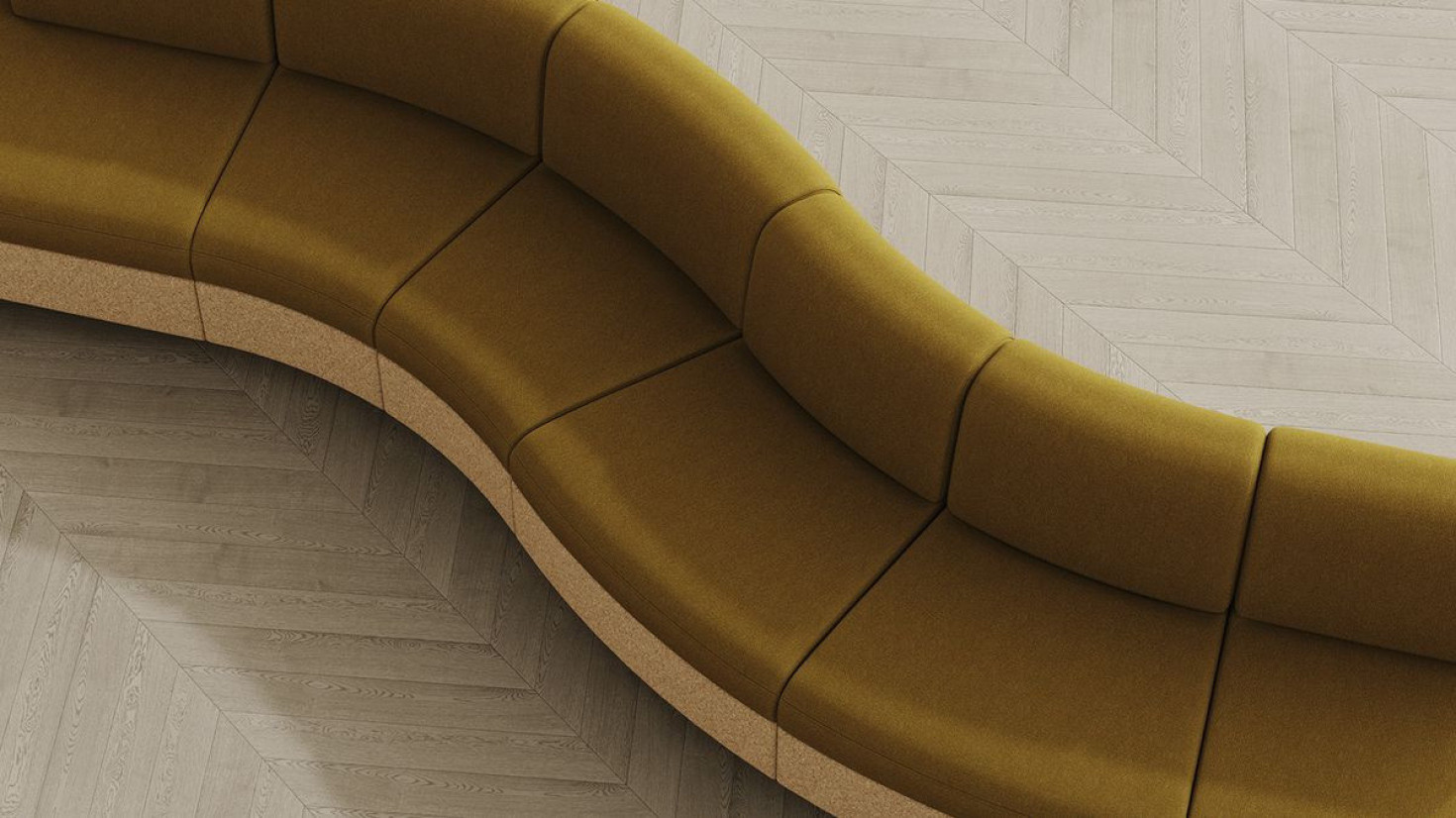
Isomi has introduced a new modular sofa system called 'Tejo', made from cork waste from wine stopper production. The use of natural materials like cork, natural latex, wool, and hemp contributes to sustainability and a circular economy. The reconfigurable design offers different seating landscapes, and additional elements like table units and planters can be incorporated. Isomi's innovative approach marks a new wave of future designs in sustainable furniture.

Workplace Wellness
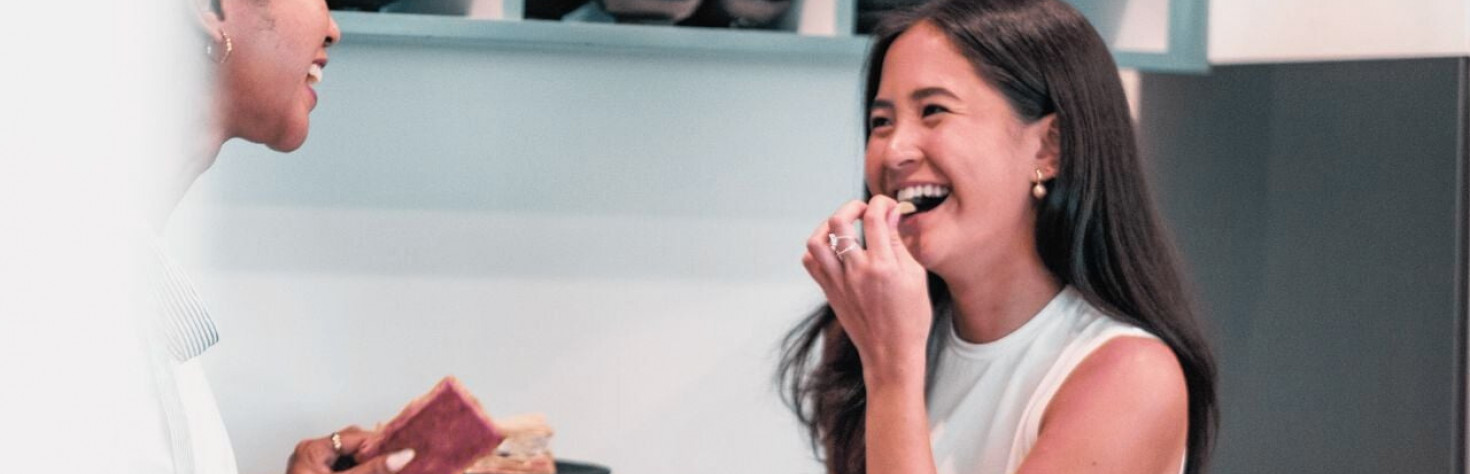
Maintaining healthy habits in the office is possible through regular movement, desk exercises, and active breaks. Prolonged sitting can lead to health issues, so it's important to stand and move every hour. Lunch breaks can be used for brisk walks, and desk exercises can keep muscles engaged. Eating well, staying hydrated, and choosing nutritious snacks are also essential. Companies should consider offering gym memberships to promote employee well-being and satisfaction.

Coworking
WeWork has received final approval to emerge from bankruptcy, with a restructuring plan that reduces its rent obligations and eliminates a significant portion of its pre-petition debt. The company is expected to officially emerge from Chapter 11 in mid-June and will operate as a privately owned, debt-free company. WeWork's new business plan projects a $101M profit in 2025 and an equity value of approximately $760M. The company has also reduced its global portfolio to 600 locations, down from its peak of 850 locations in 2019.

Adam Neumann loses his bid to reacquire WeWork as the company emerges from bankruptcy. WeWork worked with the court to restructure itself and received a considerably lower offer from creditors in exchange for canceling $4 billion in debt. Neumann argued that the plan would make WeWork cash-flow negative within a year and criticized the company's unrealistic and unlikely to succeed plan. This marks the end of Neumann's fraught relationship with WeWork, which rose to a valuation of $47 billion before imploding in 2019.
WeWork's new owner, Anant Yardi, plans to shift the company's focus from courting enterprise businesses to targeting small businesses. Yardi, who took a majority stake in WeWork through its bankruptcy process, aims to expand WeWork's marketing and use technology similar to the hotel industry. The company's balance sheet, now less constrained by leases, is in a good position for a turnaround.
Coworking spaces offer flexible, community-driven environments that enhance productivity, foster networking opportunities, and contribute to overall well-being. They provide diverse and dynamic environments with high-quality amenities, cost-effective shared resources, and psychological benefits. Coworking spaces also promote collaboration, flexibility, and scalability, while offering a professional atmosphere and supporting sustainability initiatives.
Los Angeles is the top U.S. city with the most suburban coworking spaces, with 303 locations. Other cities like Washington, D.C., Miami, Dallas-Fort Worth, and Phoenix are also seeing significant growth in suburban coworking spaces. The rise of these spaces is driven by professionals seeking flexible work environments outside of traditional city centers, and the trend is expected to continue as more people embrace remote work and seek affordable living spaces.

Technology

Workplace apps are transforming the way people experience work, offering a more sophisticated and accessible experience. These apps provide capabilities such as workspace exploration, navigation, finding colleagues, and accessing services to ensure a safe and productive work environment. The smart workplace market is predicted to grow, optimizing office environments and enhancing employee productivity. However, concerns about privacy and the need for user-centric design are important considerations. The integration of services and the use of AI in workplace apps offer opportunities for improved efficiency and user experience.

Latest Product News

Tayco Launches Kubo Lockers, a Versatile Solution for Modern Workspaces
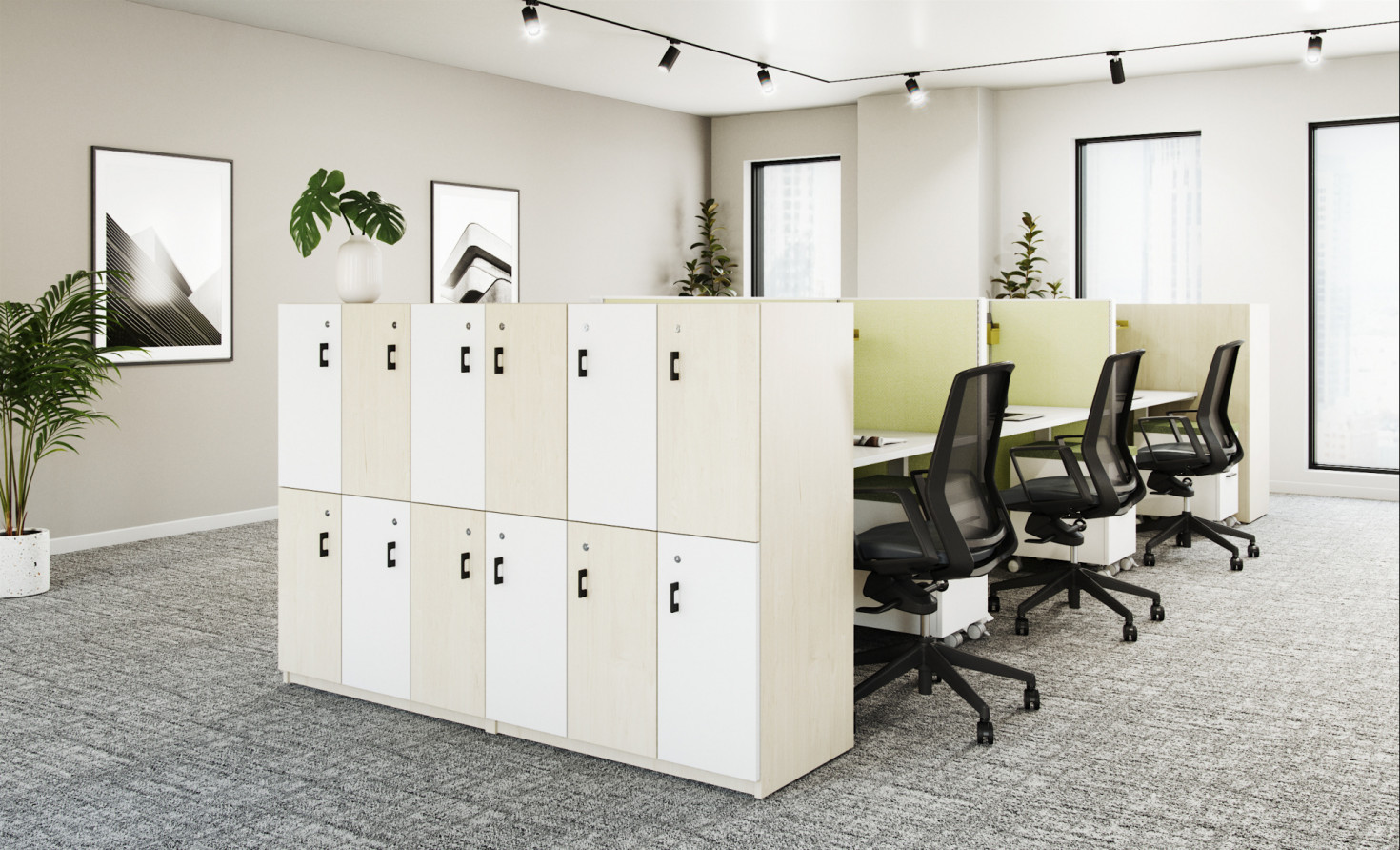
Tayco has announced the launch of Kubo Lockers. These lockers are a secure and customizable storage solution designed to adapt to changing needs of modern, shared, and collaborative workplaces. As workplaces become more flexible, customers seek versatile and efficient storage options that blend seamlessly with their office layouts, a demand that Kubo Lockers are designed to meet.

Kubo Lockers offer a variety of locking options, including RFID and digital locks, enabling users to customize security settings based on their needs. The lockers' design is also flexible, with options for single lockers or multiple row configurations, making it suitable for various office sizes and layouts. The launch of Kubo Lockers emphasizes Tayco's commitment to provide comprehensive solutions catering to the evolving needs of modern workplaces.

Snowsound Revolutionizes Workplace Acoustics with Cutting-Edge Acoustic Furniture Line
Snowsound has introduced a cutting-edge acoustic furniture line that revolutionizes workplace acoustics. The collection combines functionality, aesthetics, and advanced acoustic technology to create a productive and comfortable environment. With unparalleled sound-absorbing capabilities and versatile designs, Snowsound's furniture line addresses the diverse needs of different workspaces. The materials used are eco-friendly, promoting sustainability. By prioritizing acoustics, businesses can enhance employee well-being and foster a positive work culture. Snowsound's Acoustic Furniture Line sets a new standard for workplace acoustics and offers a transformative solution to the acoustic challenges faced by modern offices. See them at NeoCon, 11th Floor, #1197.

Momentum Textiles & Wallcovering Joins Forces With British-Nigerian Multi-Disciplinary Artist and Designer Yinka Ilori for First Commercial Textile and Wallcovering Collection
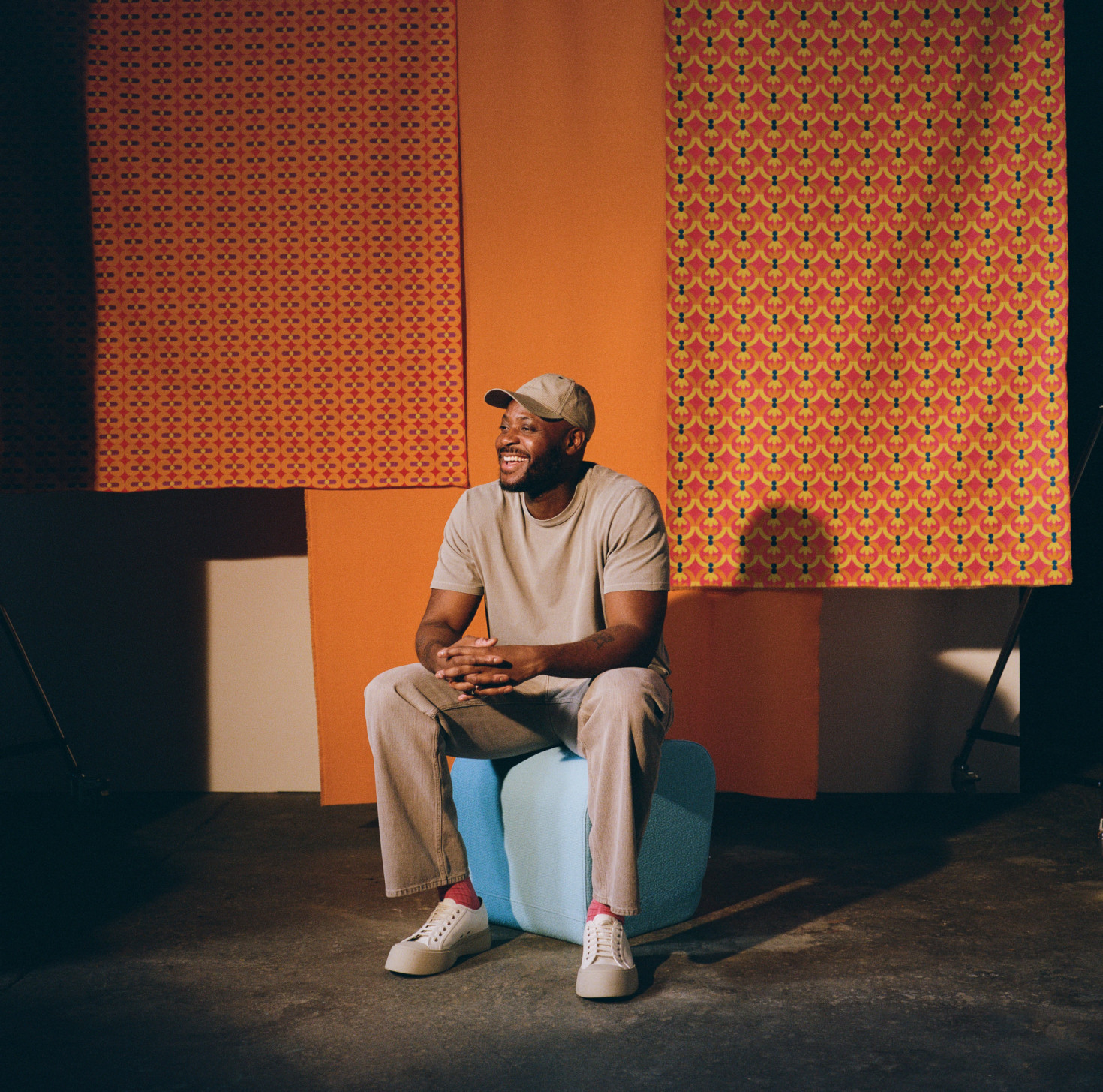
Momentum Textiles & Wallcovering announces a collaboration with British-Nigerian artist and designer Yinka Ilori for their first commercial textile and wallcovering collection. Ilori's distinctive design language, inspired by his dual heritage, brings a sense of joy and community to his work. The collection, named Yinka Ilori x Momentum, features patterns that embody self-empowerment, positivity, and storytelling. The collaboration aims to transform commercial spaces into playful, creative hubs that inspire and uplift. The collection will be unveiled at the NeoCon trade show, where Ilori will also deliver a keynote address. Yinka Ilori x Momentum in Momentum’s showroom at the NeoCon.
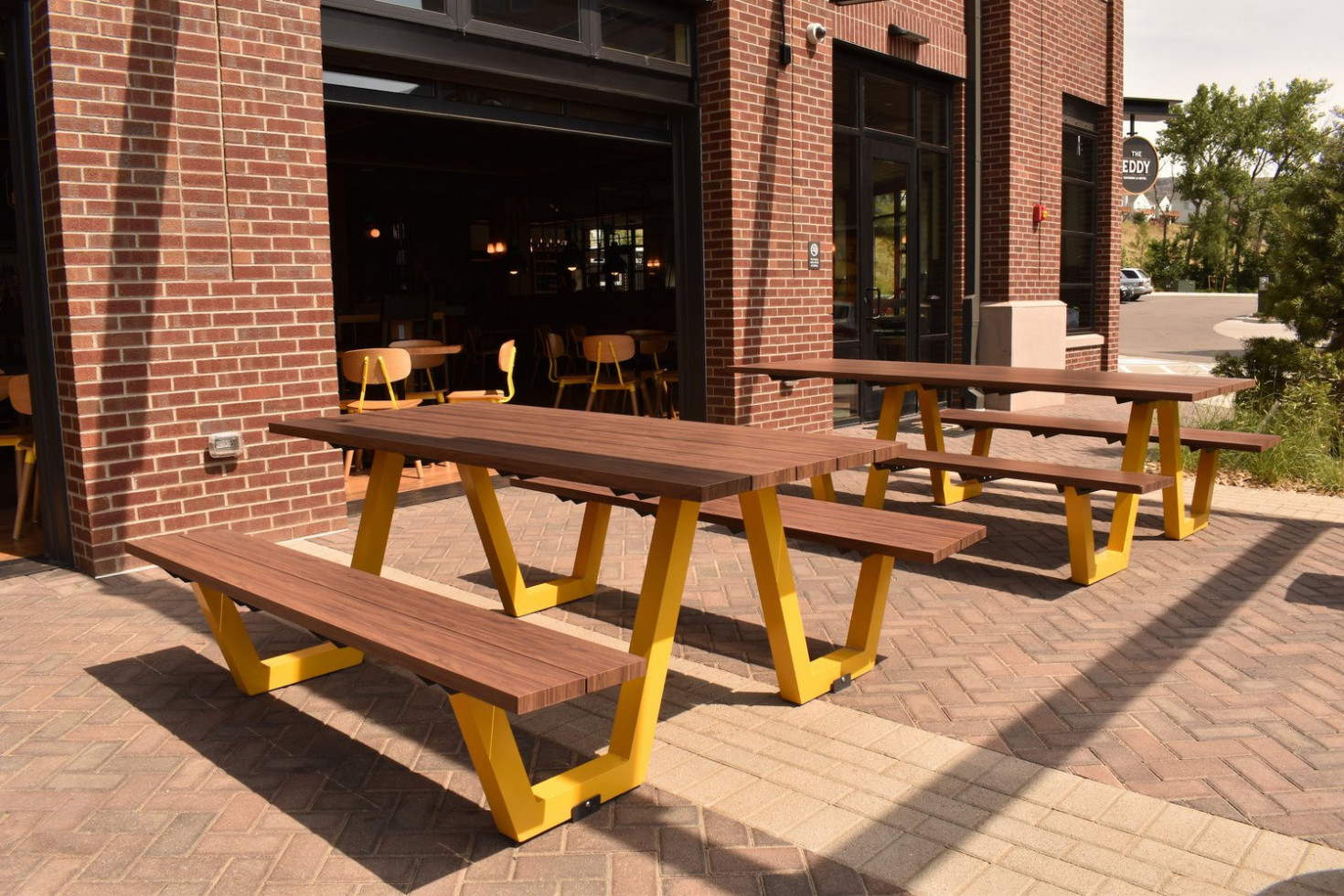
The Sid Outdoor Furniture Collection by emuamericas combines traditional wood aesthetics with modern aluminum strength, offering a diverse range of furniture including benches, tables, chairs, and more. The collection features various finishes and wood visuals, with options for both outdoor and indoor use. Each piece is designed for enhanced comfort and durability, making it suitable for commercial-grade applications.
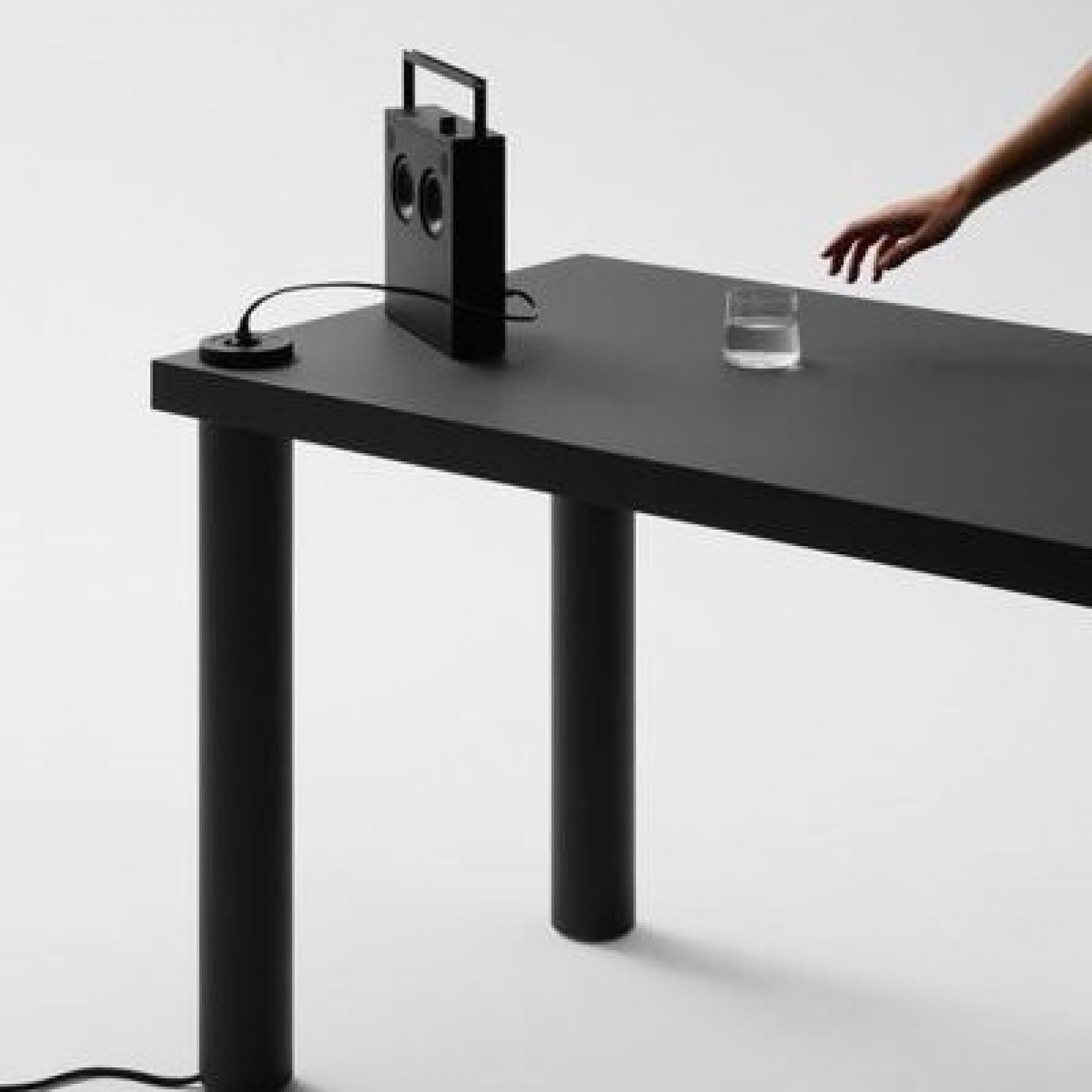
The Pipo table, designed by RelvãoKellermann, is a lightweight table made of innovative wood materials with hidden cable routing. It features a reduced design language, solid appearance, and large cross-sections, while remaining lightweight. The table can be delivered in individual parts and flat-packed, reducing transport costs. It is available in various dimensions and surfaces, making it versatile for different uses.

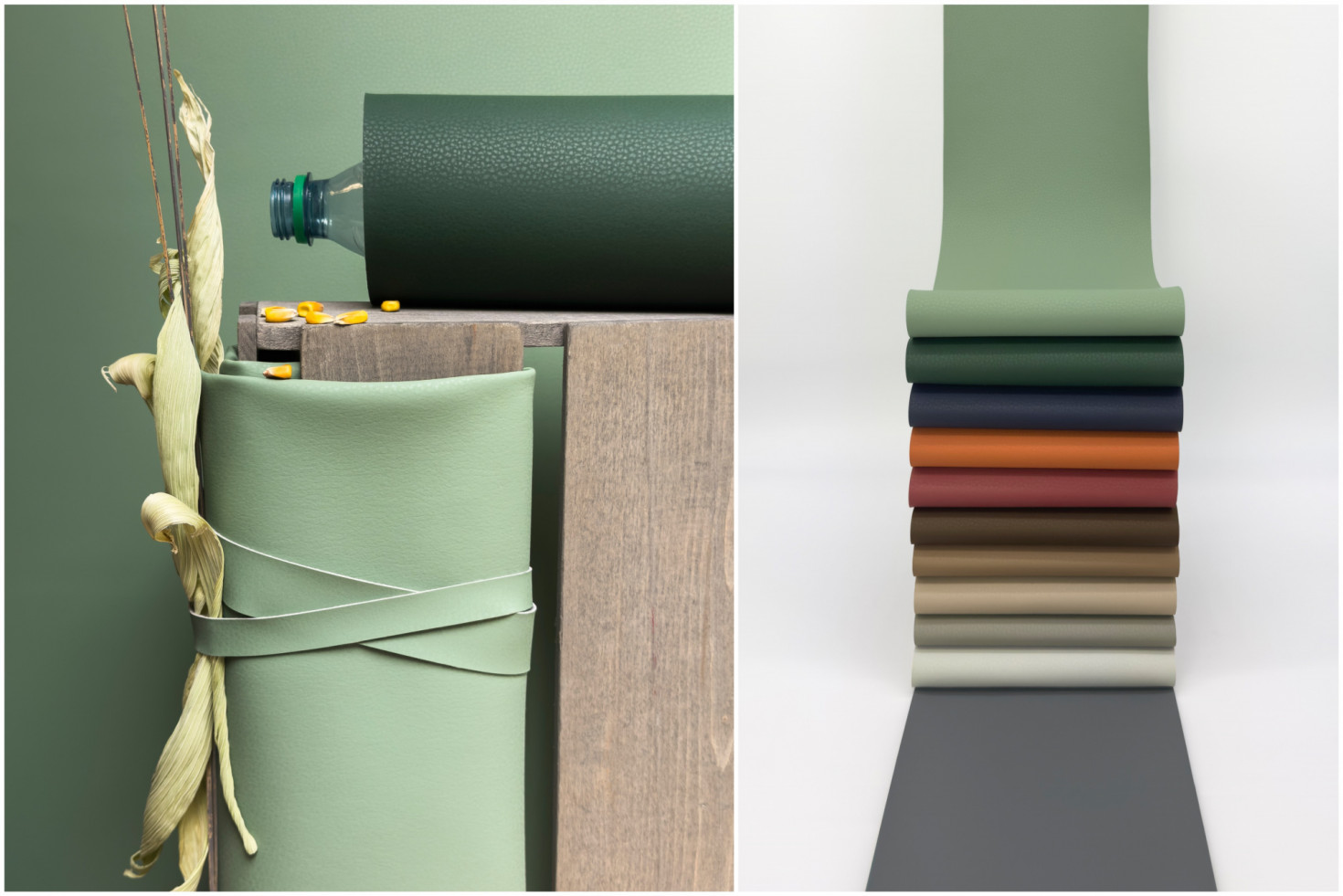
The Mitchell Group has launched NetZERO, the industry's first water-based coated fabric made without chemical solvents. NetZERO is a sustainable polymer textile platform that surpasses industry standards for coated textiles. It offers exceptional performance attributes and is designed for various upholstery applications. The debut pattern, Evergreen, features a triple-brushed texture and vibrant colors. NetZERO is environmentally friendly, manufactured through sustainable processes, and priced competitively. It does not require additional chemicals and is easy to clean. It is also free of flame retardants, antimicrobial additives, and other harmful substances, meeting various environmental standards.
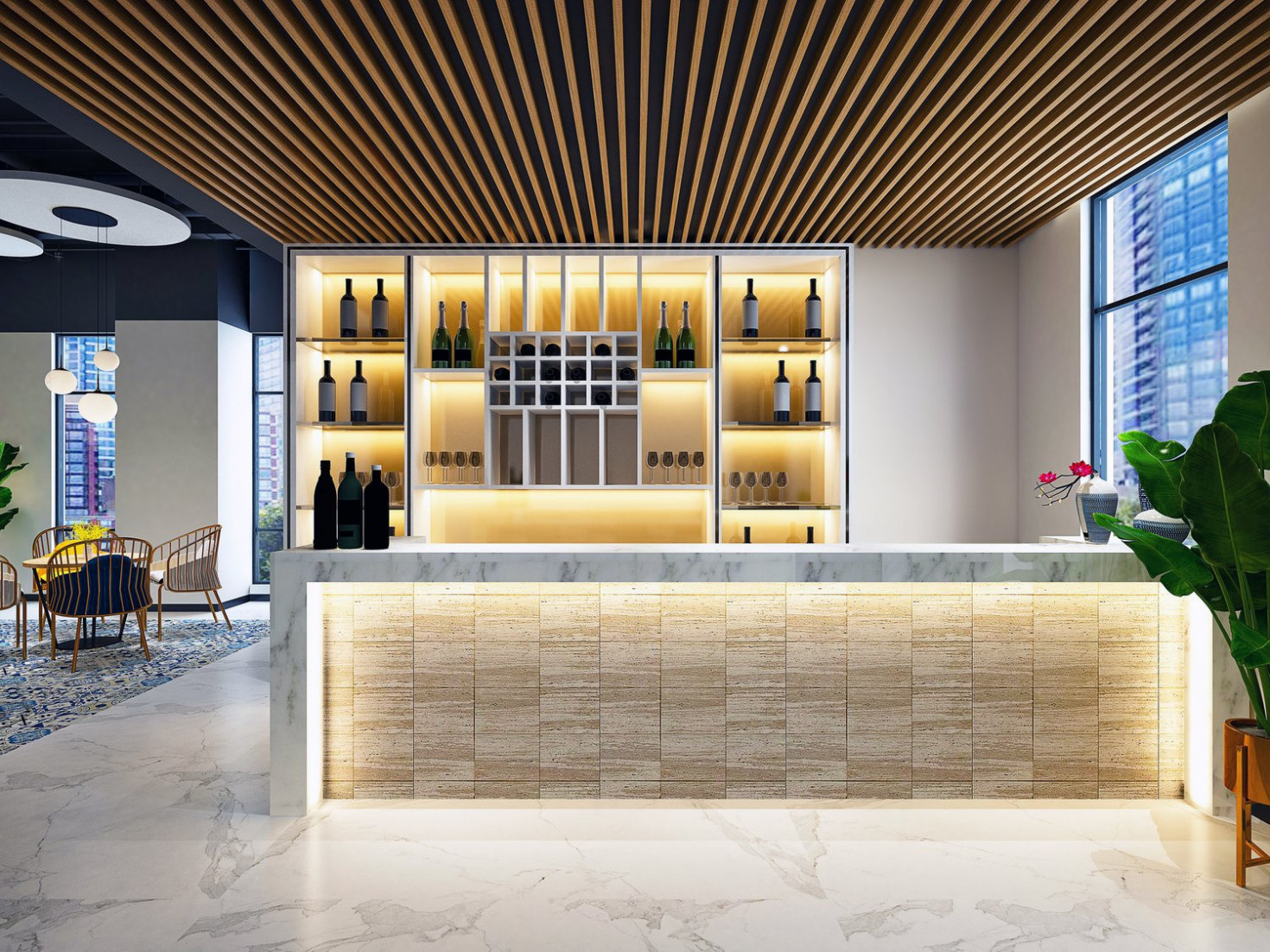
Introducing six stunning Wood Look Acoustic Colors that bring the warmth and elegance of wood indoors while reducing noise reverberation. These colors are available across various acoustic products, offering versatility to suit unique design needs. The Wood Grain Acoustic Products embody biophilic design, promoting well-being and aesthetic appeal. Customizable options allow for creative freedom in designing spaces. Contact Altispace to learn more about these products and elevate your interiors with the timeless elegance of wood.
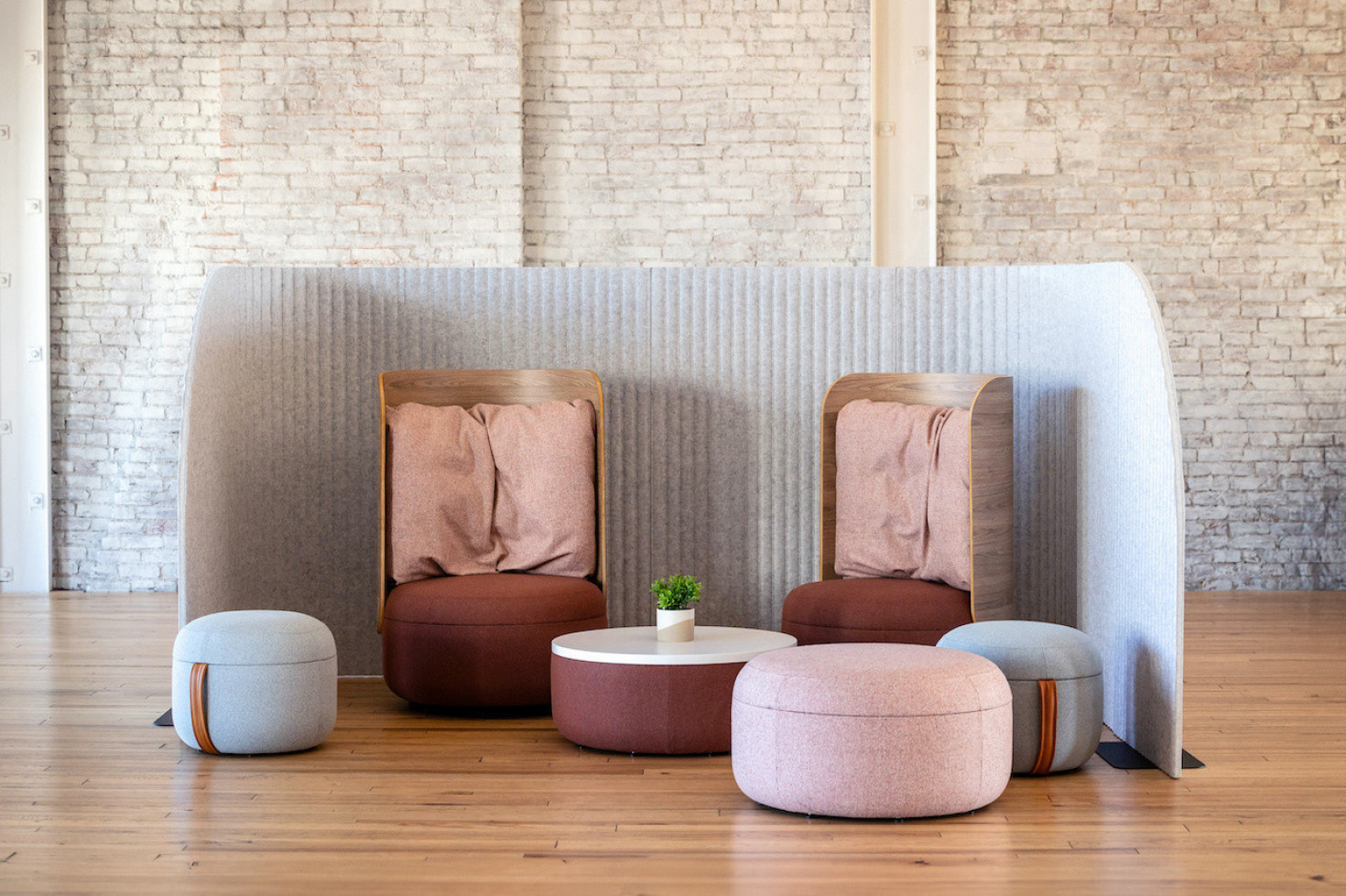
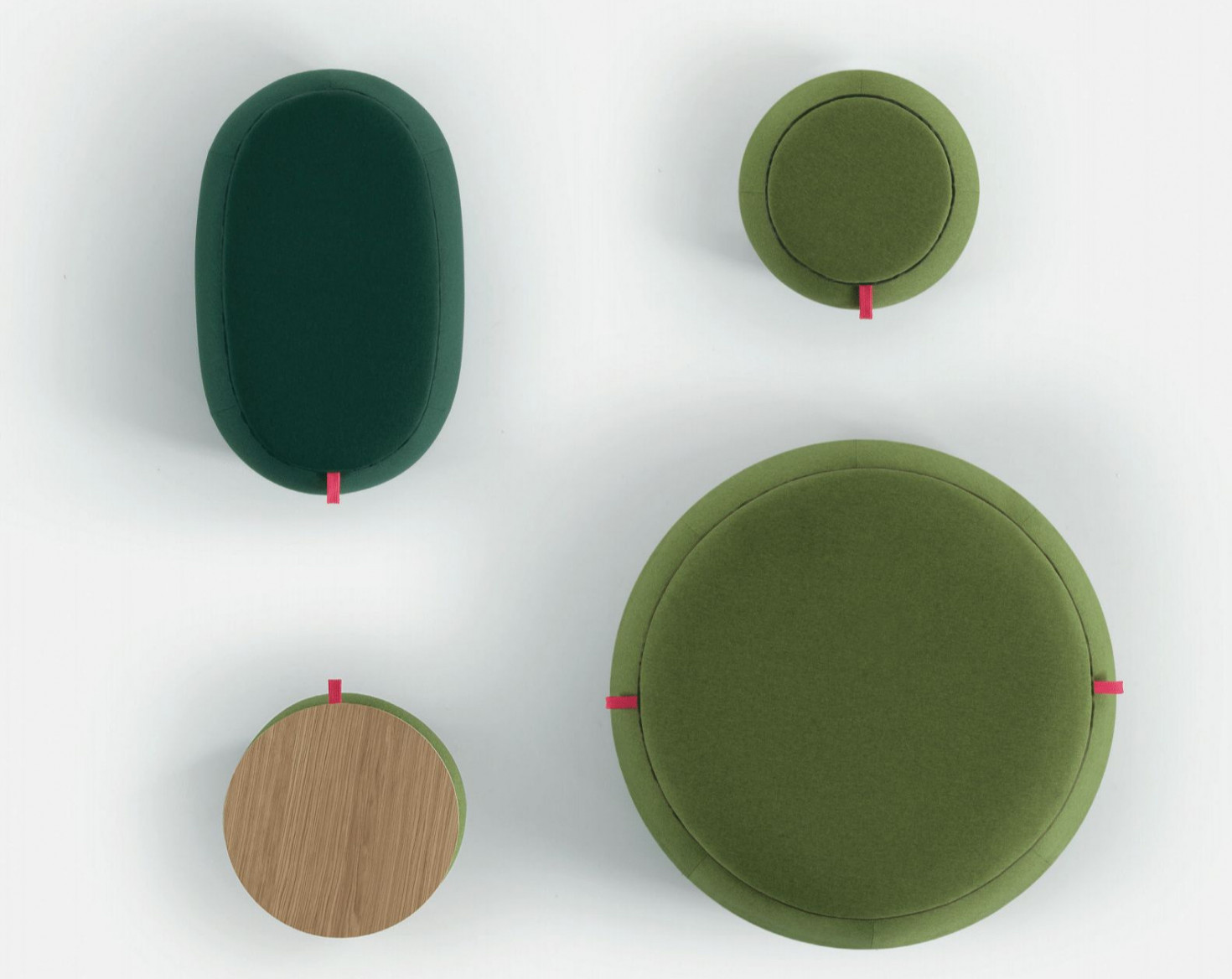
The Dotti Collection, designed by Union Design for KFI Studios, features upholstered lounge chairs, ottomans, poufs, and coffee tables with rounded, upholstered bases. The collection promises comfort in public spaces and offers versatility with various fabric, surface, leather, and laminate options. The lounge chairs, with curved plywood backs and plush pillows, elevate the experience of public seating. The Dotti collection delivers comfort, practicality, and a seamless fit for any space.

Trends in Commercial Projects from Around the Globe
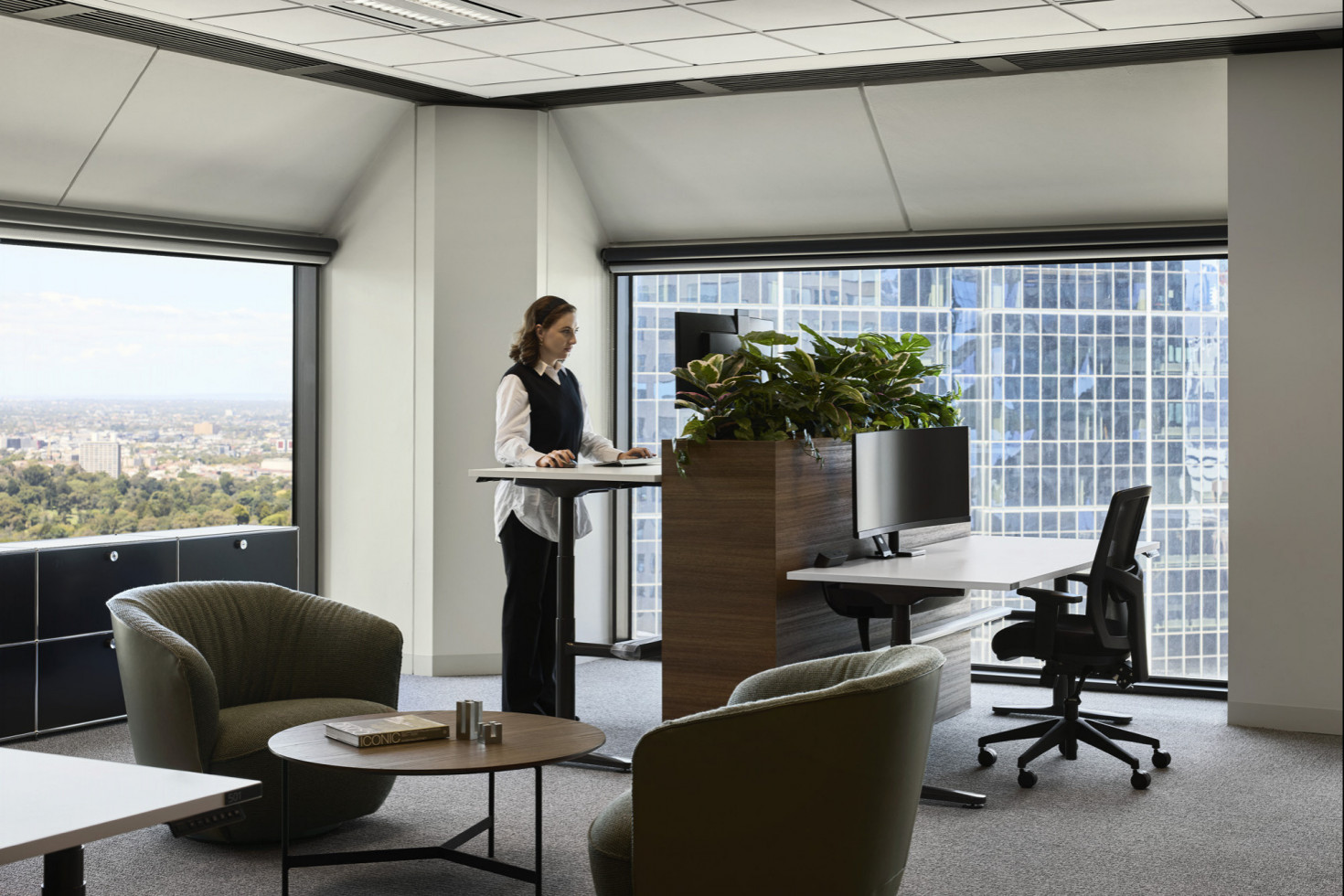
Carr creates a new head office for Salta Properties in Melbourne, Australia. The warm and inviting space reflects Salta's values and progressive mindset, with versatile spaces, frictionless technology, and sustainable practices. The office features end-of-trip facilities, high-quality service zones, and communal breakout areas. The design highlights craftsmanship and longevity, with carefully selected materials and furniture. The project involved collaboration with Salta's team and a strategic workplace briefing process. Contributors include Shape Australia for project management and Cundall for sustainable engineering consultancy.
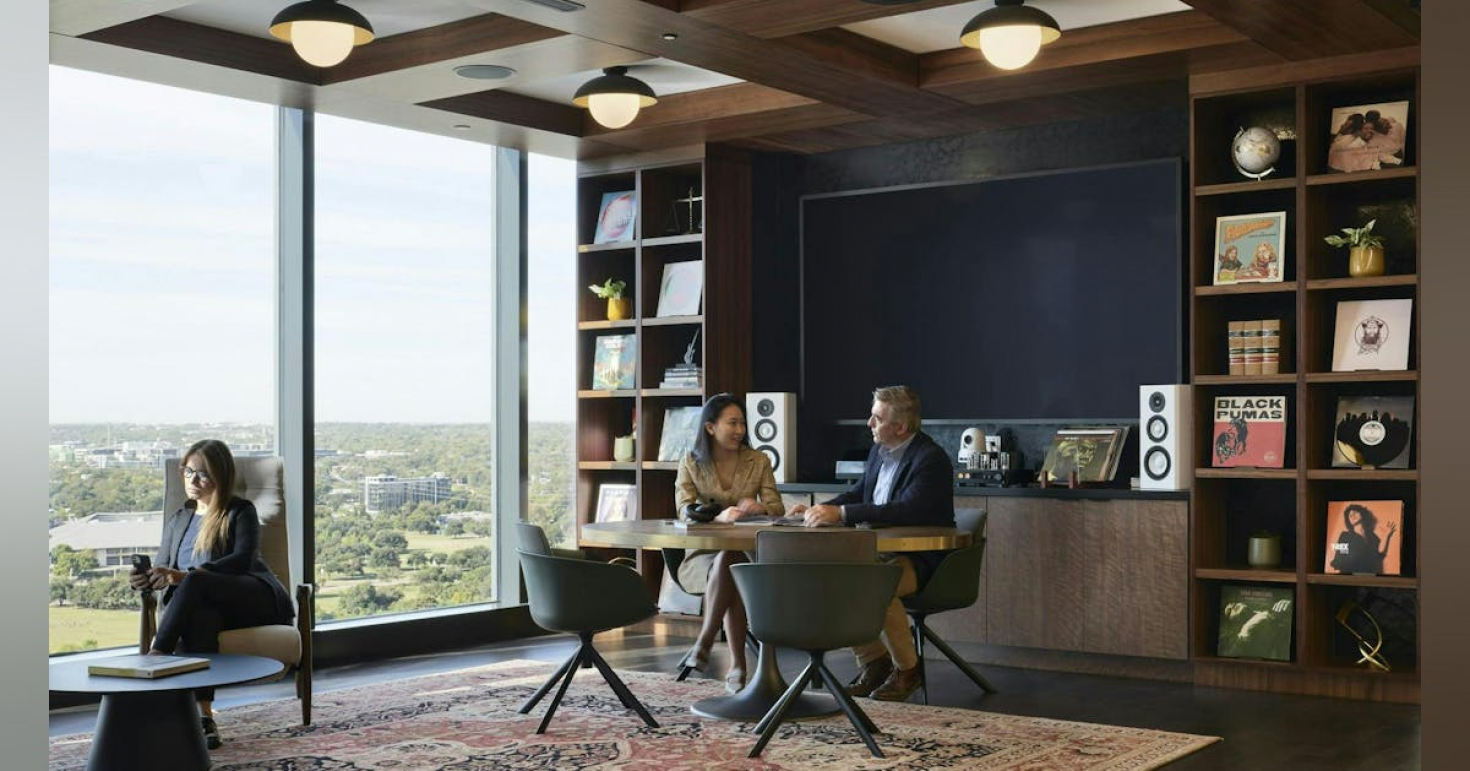
Perkins&Will has designed a law office in Austin, Texas, striking a balance between sophistication and hospitality. The design incorporates local elements and references to the firm's brand, with materials like wood, stone, and dark metals. The space features a book-lined hospitality area, a speakeasy-inspired breakfront, and a modern coffee bar break room. The design process involved collaboration with the client and the use of digital 3D visuals. User-focused and sustainable design principles were applied, including thermal comfort, optimized daylighting, and acoustics. The final result is an upscale and dynamic space that embraces regional materials, culture, and history.
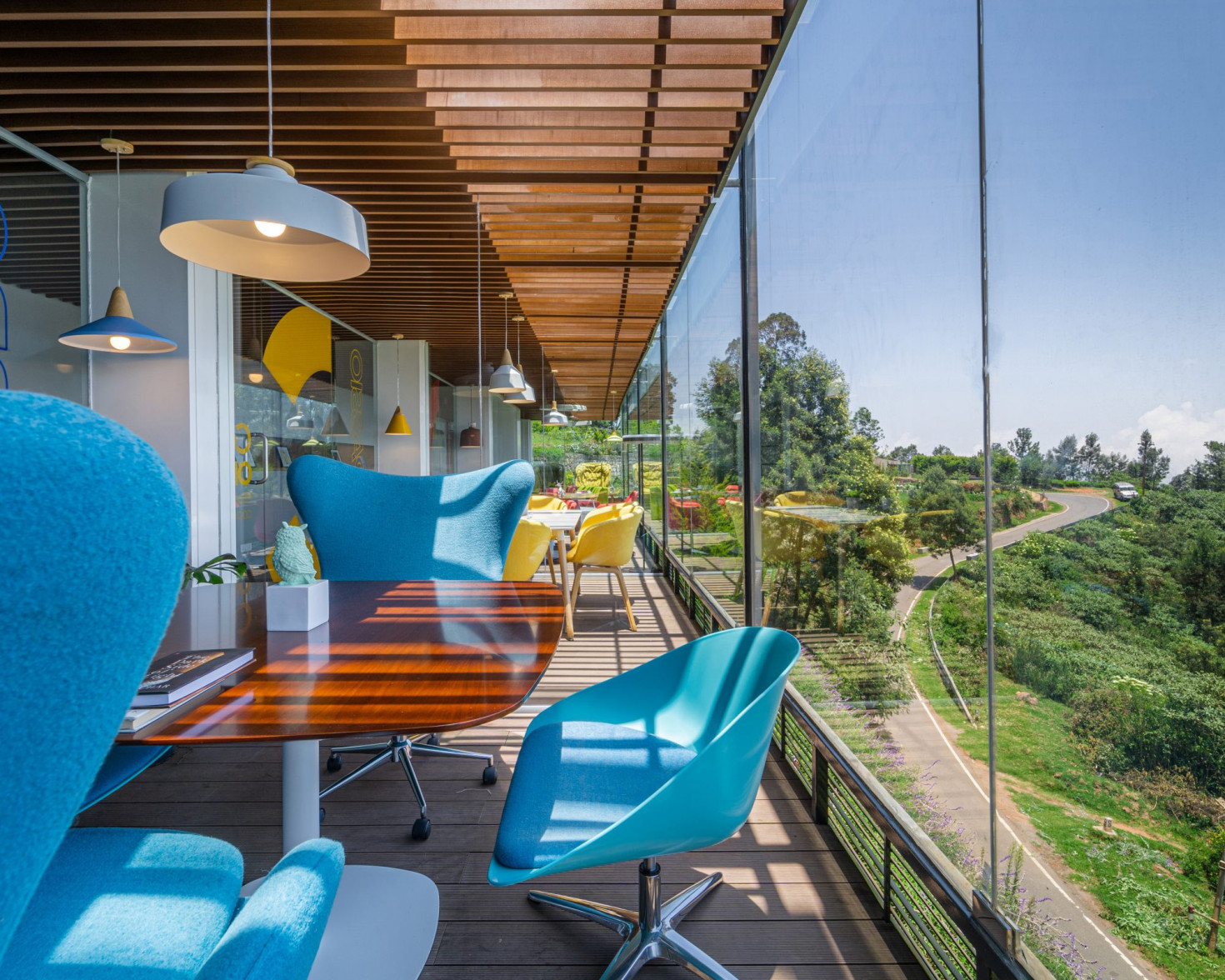
Studio Detail Architects designed a unique workspace in the mountains of Nilgiri, offering a panoramic view of the surrounding landscape. The space incorporates color psychology to enhance productivity and creativity. The project faced challenges due to the location and utilized local resources. The workspace is strategically planned with various areas for different activities, fostering collaboration and creativity. The design integrates with the user, creating an inspiring and empowering environment.
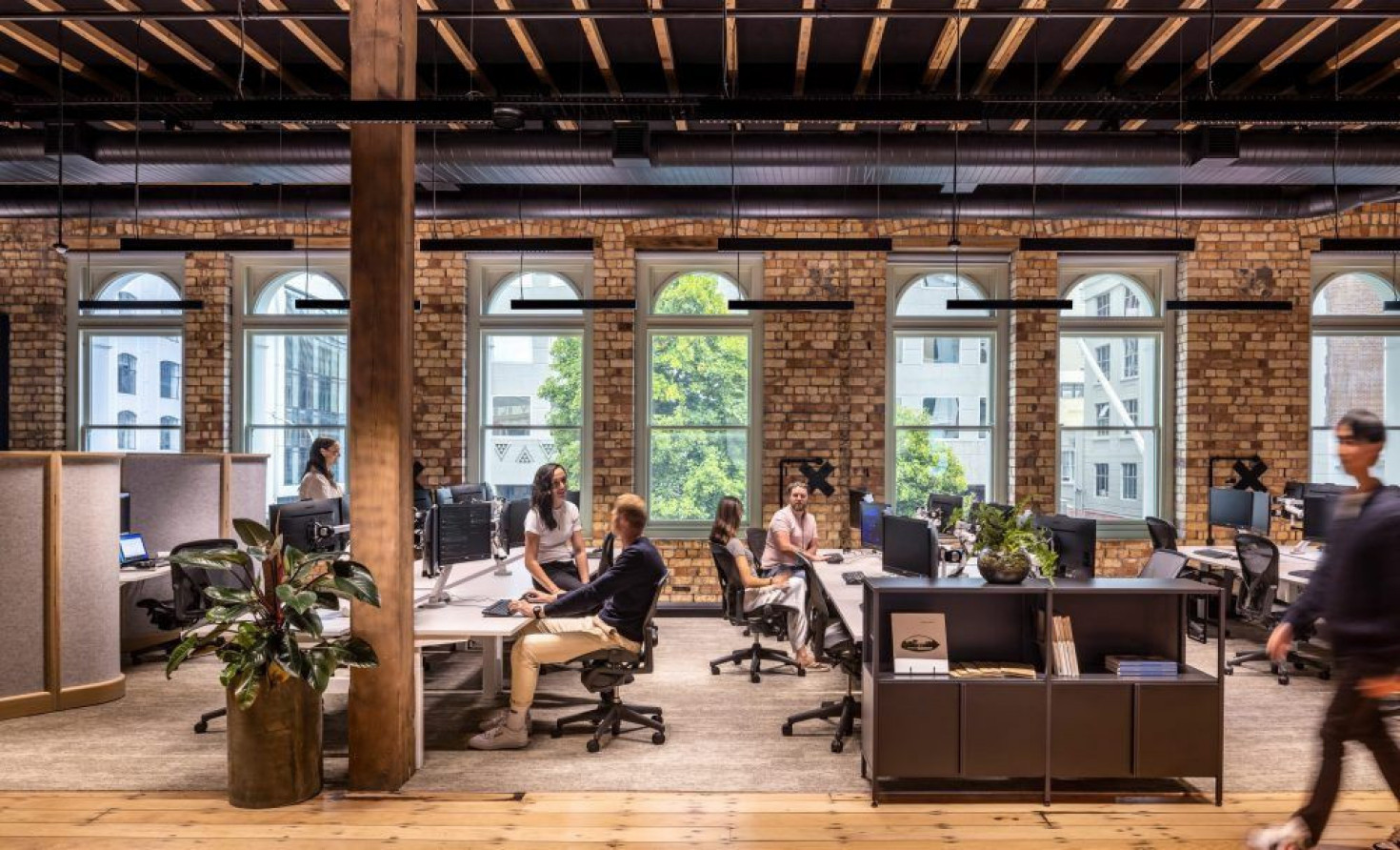
Unispace EMEA's Antonia Walmsley shares insights on optimizing space and employee engagement through their "Resilience Model". The post-COVID landscape has popularized the hybrid working model, but challenges such as inadequate office equipment and collaboration difficulties persist. Unispace's Resilience Model aims to bridge the gap between employer assumptions and employee expectations, enhancing overall satisfaction and engagement. By focusing on the experiential and cultural needs of the workplace, organizations can boost office attendance, productivity, and collaboration. The article emphasizes the importance of rethinking space use and creating workspaces that reflect the brand's values and culture. The case study with luxury group Kering highlights the success of a flexible approach that caters to individual, small group, and large group activities. Looking ahead, offices need to facilitate connections, be flexible, and empower employees to choose where and how they work.
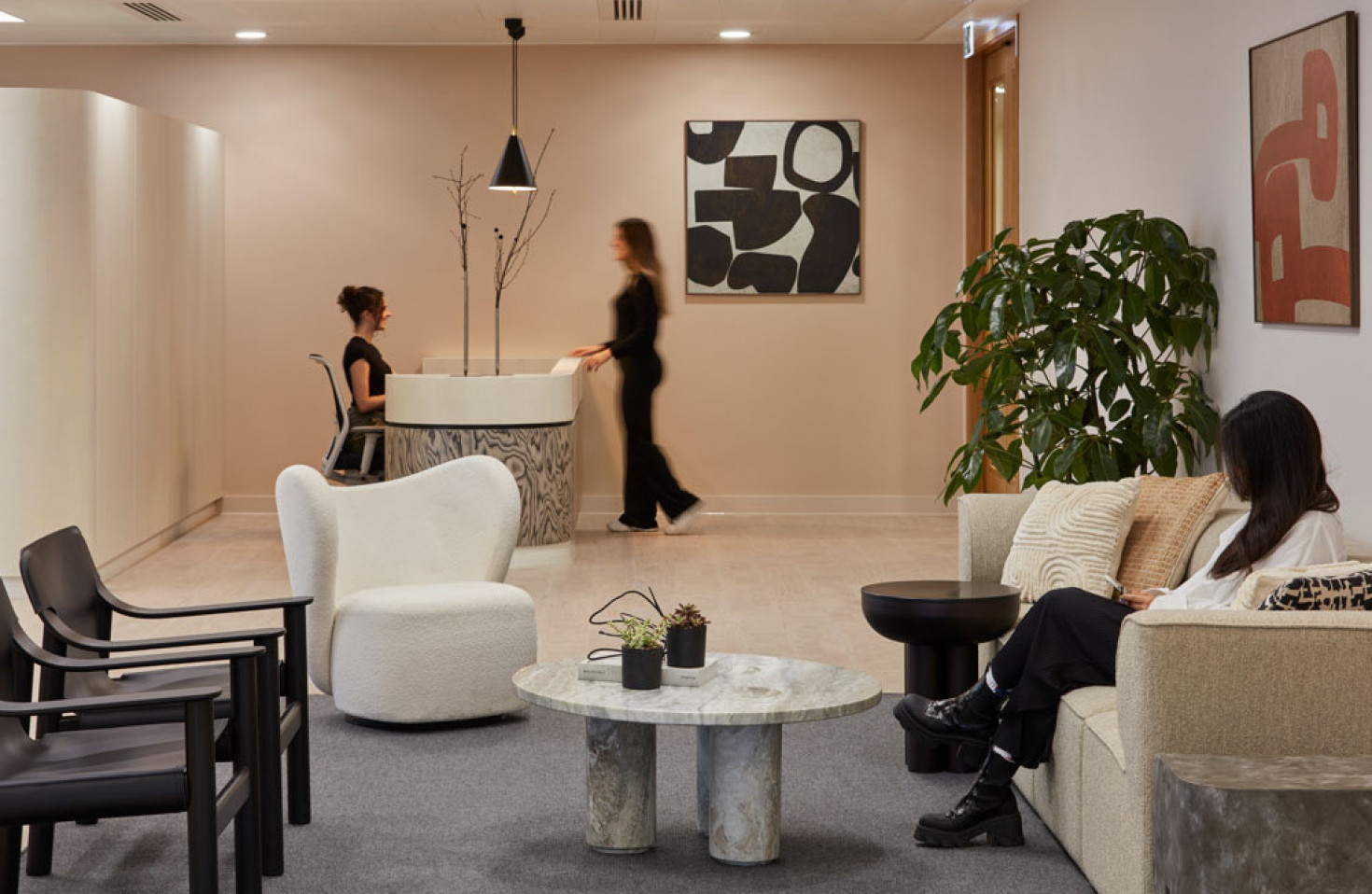
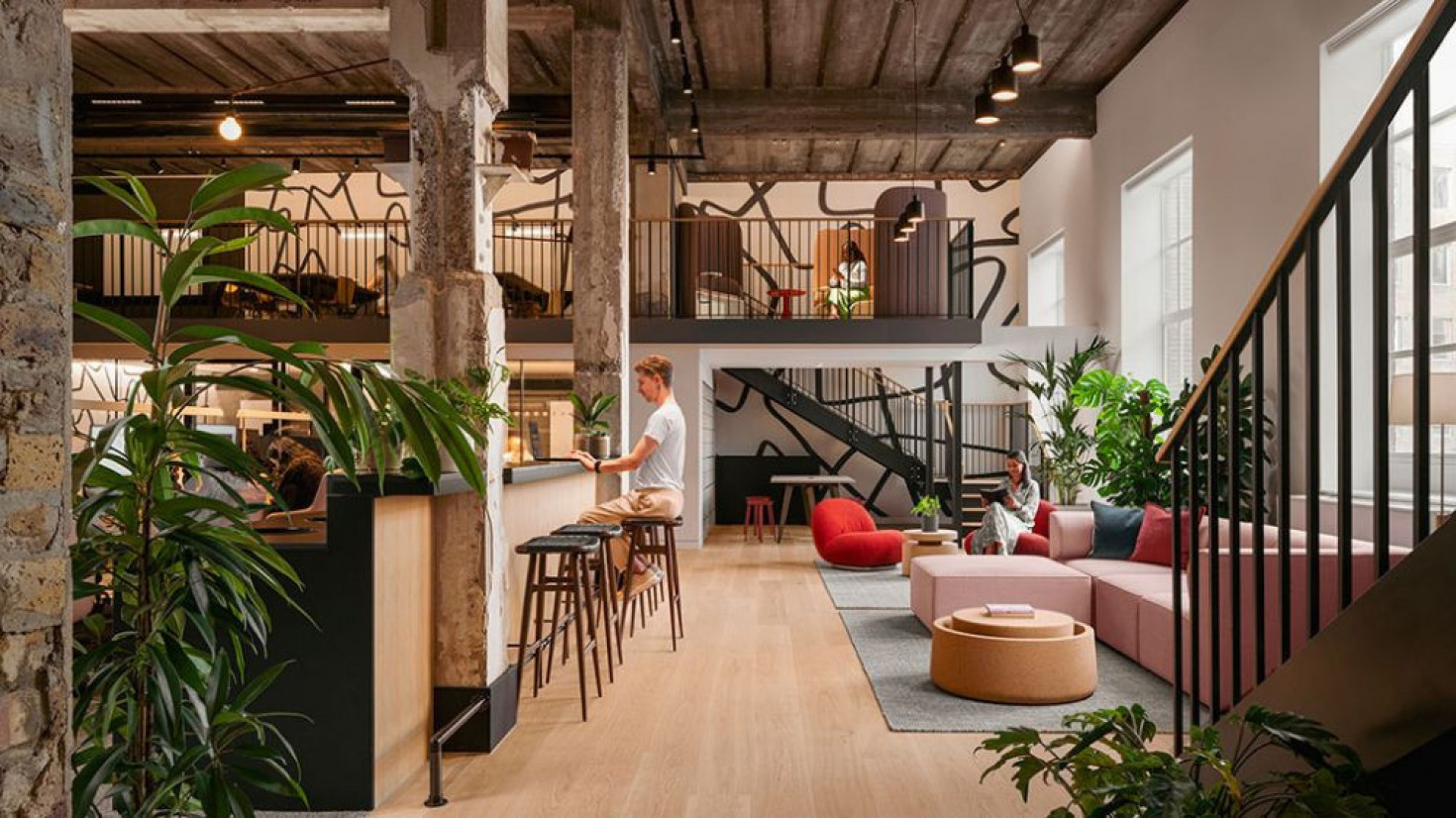
Basha-Franklin has transformed The Cabot in Canary Wharf into a social and multi-functional office hub, injecting a colourful and welcoming personality into the space. The refurbishment includes a cohesive blend of contemporary terrazzo floor, oak timber, and striking illuminated ceiling. The design focuses on high-quality furniture and materials, creating spaces for relaxation, work, and collaboration. The result is a diverse set of multi-functional and welcoming spaces, open to all.

Latest In Real Life WFH
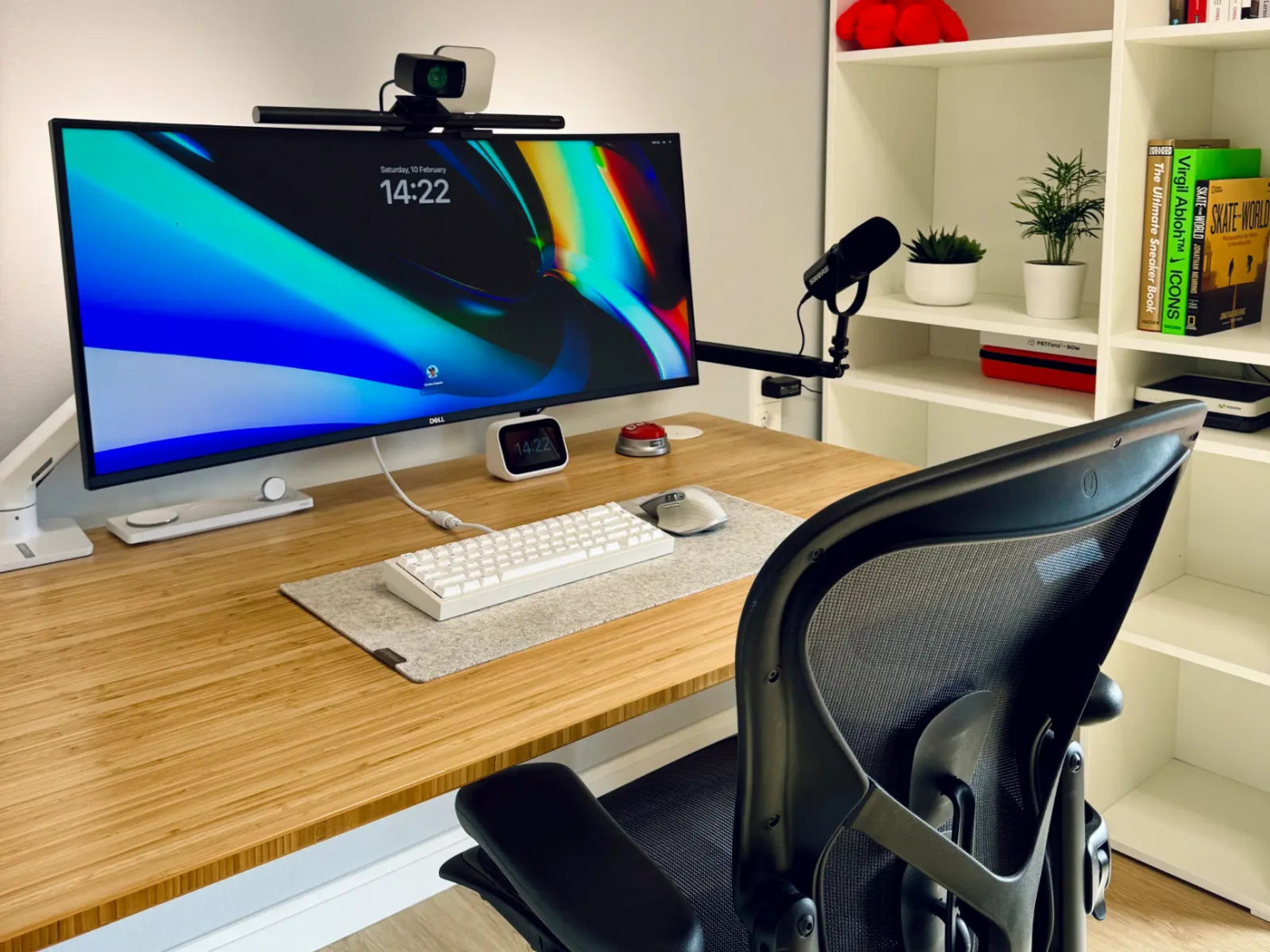
Carlos Cuesta is a Front-End Engineer based in Barcelona. He currently works as a Lead Web Developer at N26 and previously worked at Ulabox. Carlos shares his workspace items, including a Jarvis Bamboo Standing Desk, MacBook Pro, Herman Miller Aeron chair, and various other accessories. He also mentions the software he uses, such as Slack, VSCode, and Raycast. Carlos finds his MacBook Pro to be the most useful item in his workspace and sparks creativity through physical activities. His typical day includes a morning workout, following his calendar for deep work, meetings, and rest.

Upcoming Industry Events
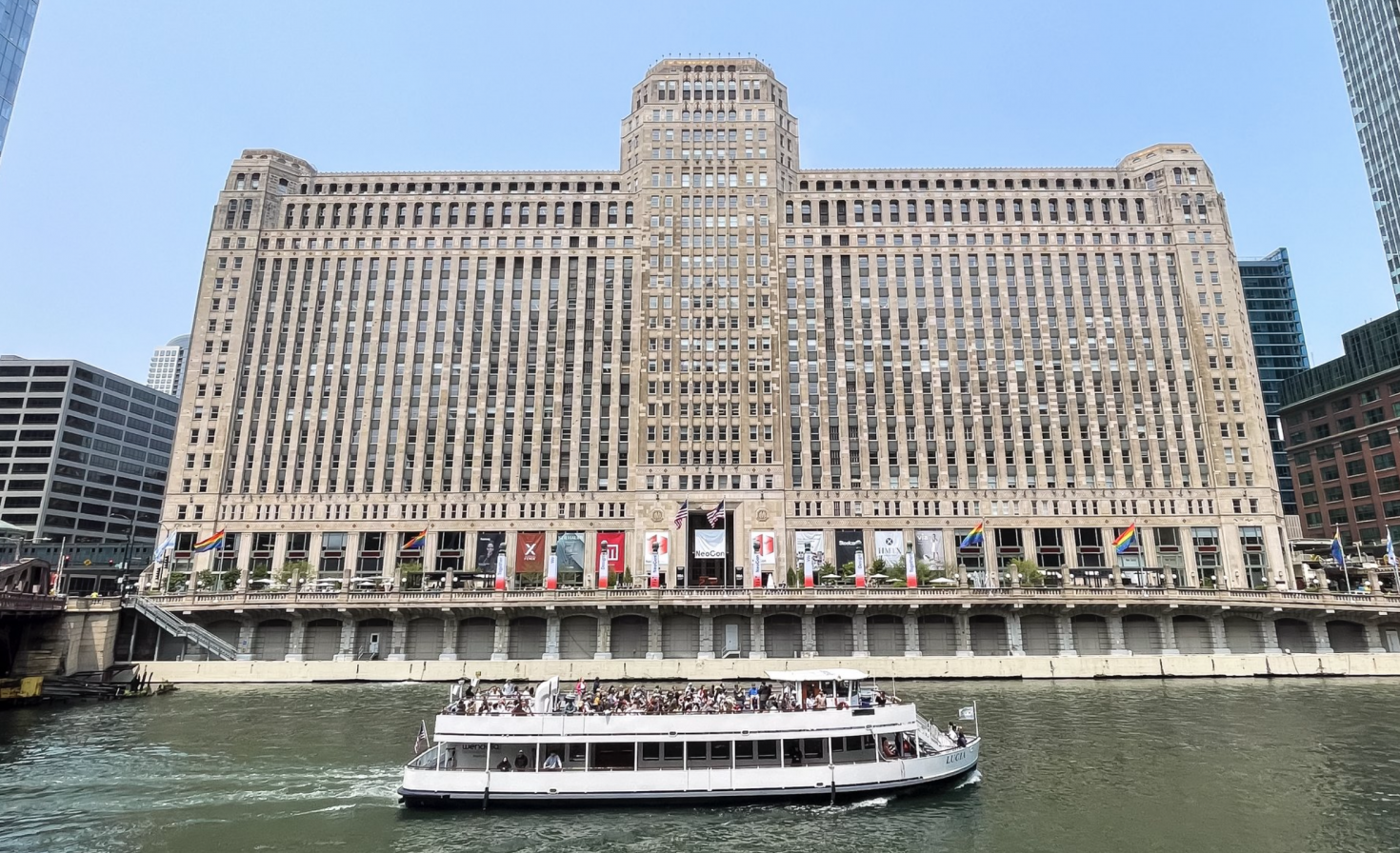
NeoCon 2024
June 10-12, 2024 | Chicago, IL
 
NeoCon has served as the world’s leading platform and most important event of the year for the commercial design industry since 1969. A launch pad for innovation—NeoCon offers ideas and introductions that shape the built environment today and into the future.  

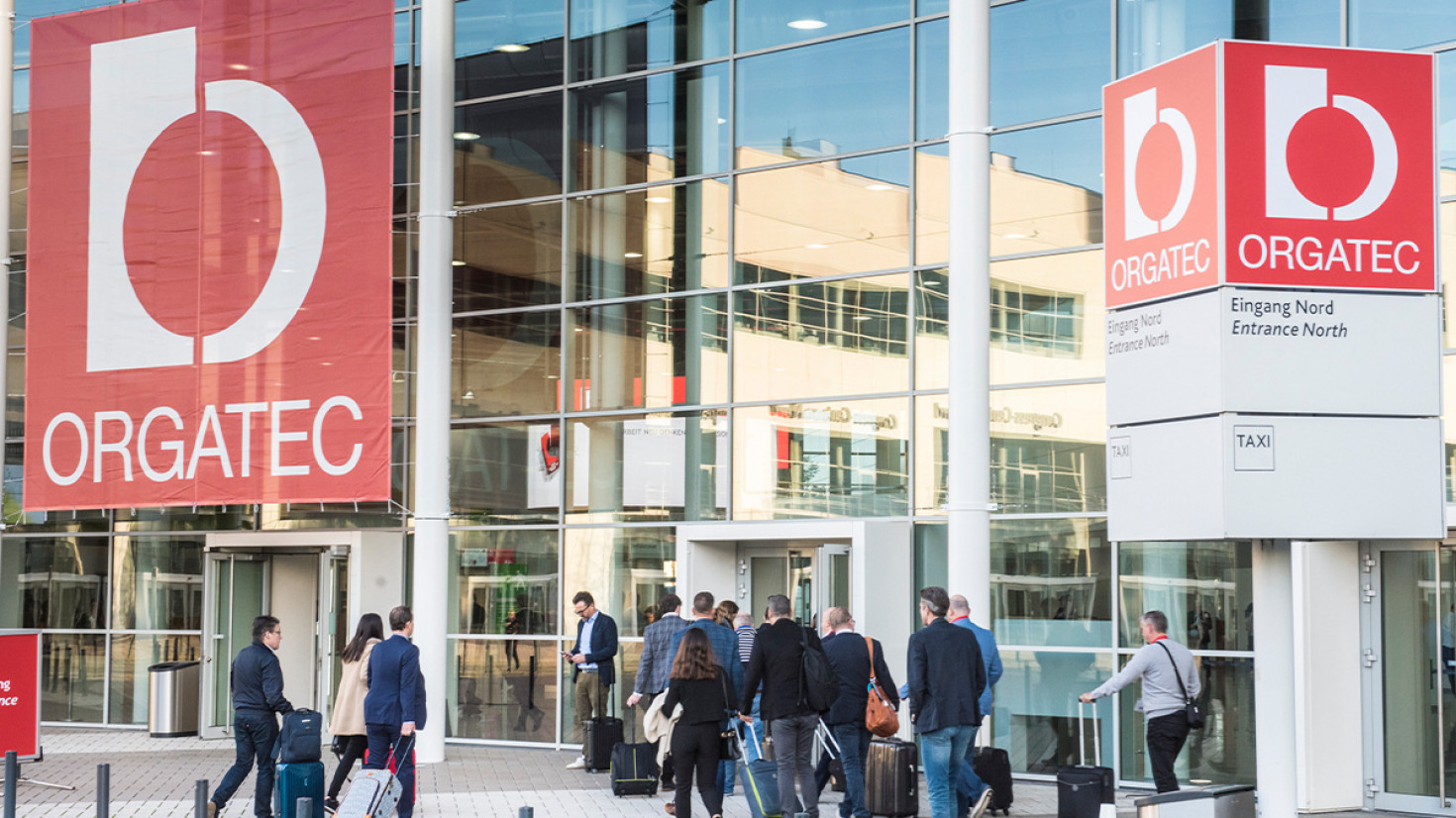
Orgatec 2024
October 22-26, 2024 | Cologne, Germany

Orgatec is the International trade fair for office and property equipment. Held in Cologne, Germany.

Dealers

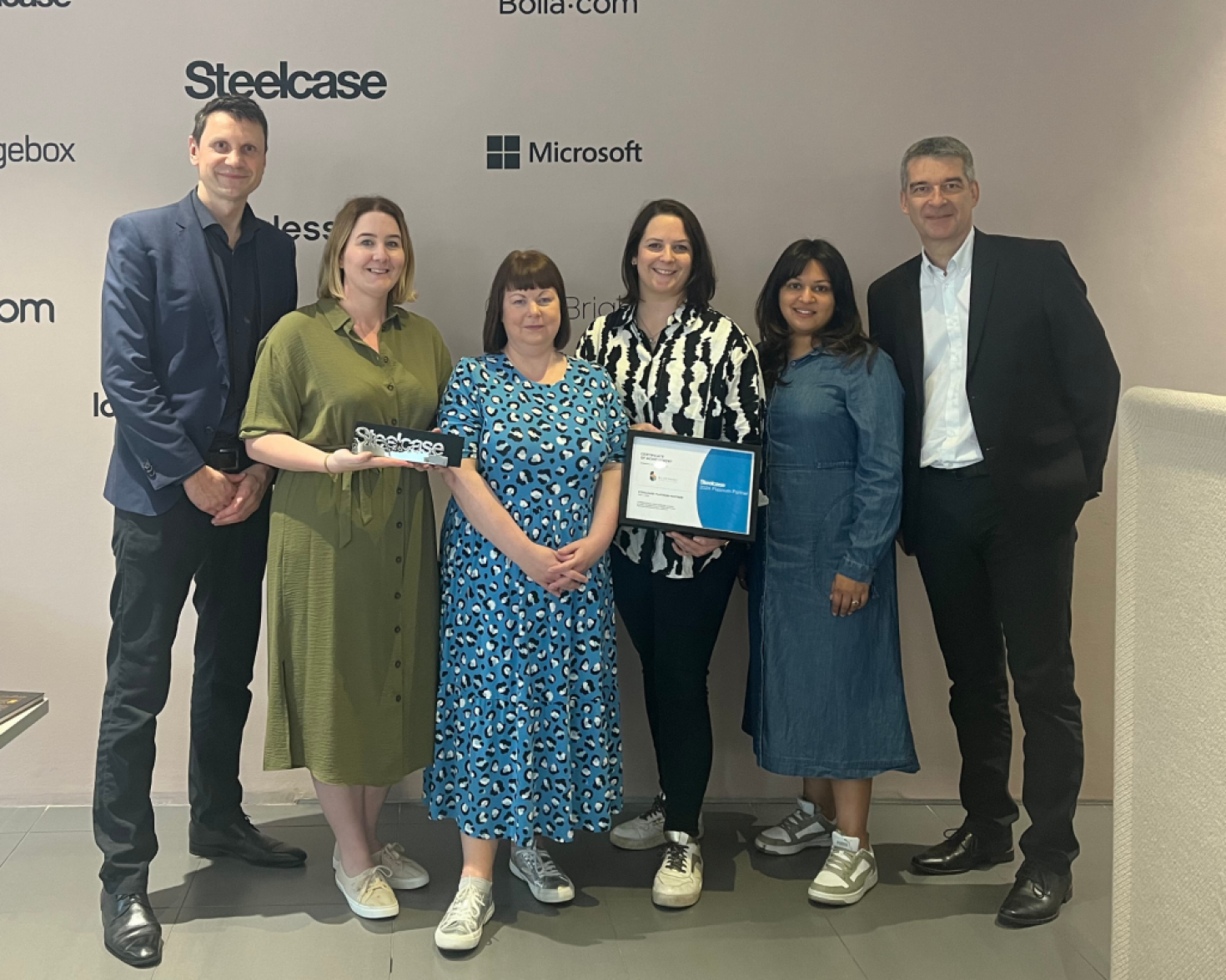
Blueprint Interiors achieves prestigious Steelcase Platinum Partner status for second consecutive year
Midlands-based workplace consultancy and office fit-out specialist, Blueprint Interiors, has achieved Steelcase Platinum Partner status for the second consecutive year. This recognition places them among an elite group of four Platinum Partners in the UK for 2024. The achievement is attributed to their commercial success, alignment with Steelcase's approach, exceptional customer service, and dedication to creating inspiring workspaces.
 

Industry Briefing

Landscape Forms Appoints Jessica Varner as Business Development Representative for Alberta & Saskatchewan, Canada
Landscape Forms has appointed Jessica Varner as the Business Development Representative for the Alberta and Saskatchewan regions in Canada. Varner brings 10 years of experience in the commercial interiors industry and is known for her problem-solving skills and building long-lasting relationships with clients. She is based in Calgary, Alberta and holds a degree in communications from the University of Calgary.

KFI Studios Names Director of Sales and Director of A&D Sales & Development
KFI Studios has named Kevin Street as Director of Sales and Katie Taylor as Director of A&D Sales & Development. Street will lead strategic growth initiatives, working with sales representatives and customers nationwide, while Taylor will focus on nurturing relationships and growing sales in the interior design and architect market. KFI Studios aims to continue its success in the contract furniture industry with their expertise.

Creative Office Resources Welcomes New SVP to New England Sales Team
Creative Office Resources (COR) has hired Meaghan Avellaneda as Senior Vice President, Sales - New England. Avellaneda brings nearly two decades of experience in sales and customer service and will lead the sales team in the region, focusing on sales growth, strategic planning, and customer service. COR is a forward-thinking furniture dealership committed to providing a positive customer journey and empowering people through productive environments.

AMQ Solutions Expands Sales Team with Addition of Two New Territory Managers
AMQ Solutions has expanded its sales team by hiring two new territory managers, Connie Ahee and Rachel Spirer. Ahee will oversee Michigan and Eastern Canada, while Spirer will be responsible for Pittsburgh, Cleveland, and Upstate New York. Both managers will focus on expanding sales in the small to mid-sized business market by supporting AMQ dealers and building relationships with local A&D and commercial real estate communities.
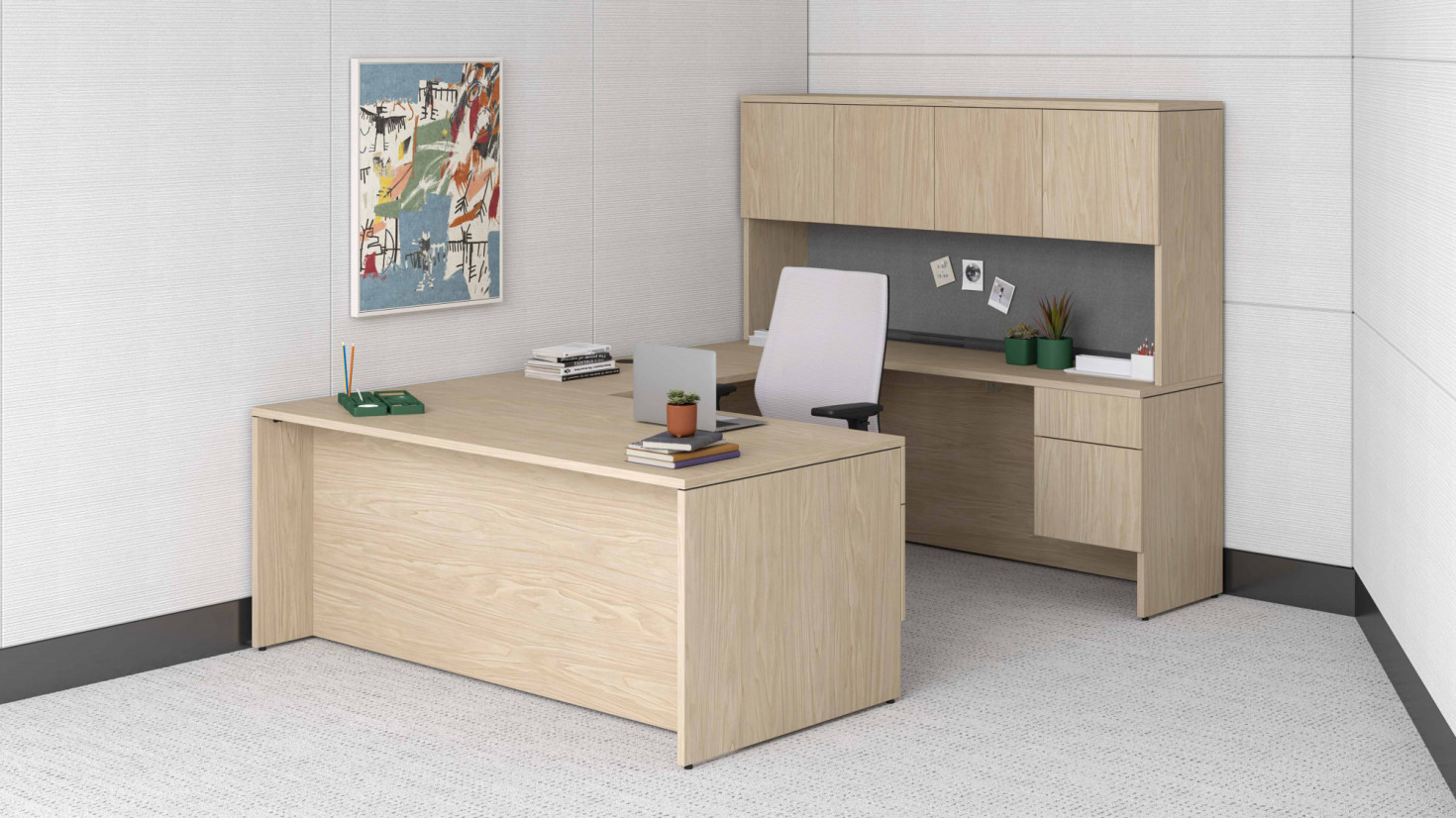
Groupe Lacasse's Concept 400E is now on CET!
Groupe Lacasse announces that its Concept 400E office furniture collection is now available on CET Designer, a space planning software. This addition allows specifiers and designers to easily customize office setups with diverse options and styles. For more information, visit www.groupelacasse.com.

The Good Plastic Company Expands Market Presence with Strategic Partnerships Across North America
The Good Plastic Company, a leading manufacturer of sustainable surface materials, expands its market presence in North America by appointing eleven independent representative groups across key metropolitan areas. With a focus on environmental sustainability, the company aims to drive sustainability at scale and offer design support to clients. The addition of these partnerships positions The Good Plastic Company for substantial impact in the North American market.

AIS Honored for Workforce Development and Productivity at Annual Manufacturing Excellence Event
AIS was honored for workforce development and productivity at an annual manufacturing excellence event. The company focuses on training, inclusion, and cultivating a diverse workforce. They have programs such as AIS University for career advancement, the Radiance program for neurodiverse individuals, apprenticeships and internships, and the Boost program for community engagement. AIS is committed to creating a strong and inclusive work environment.
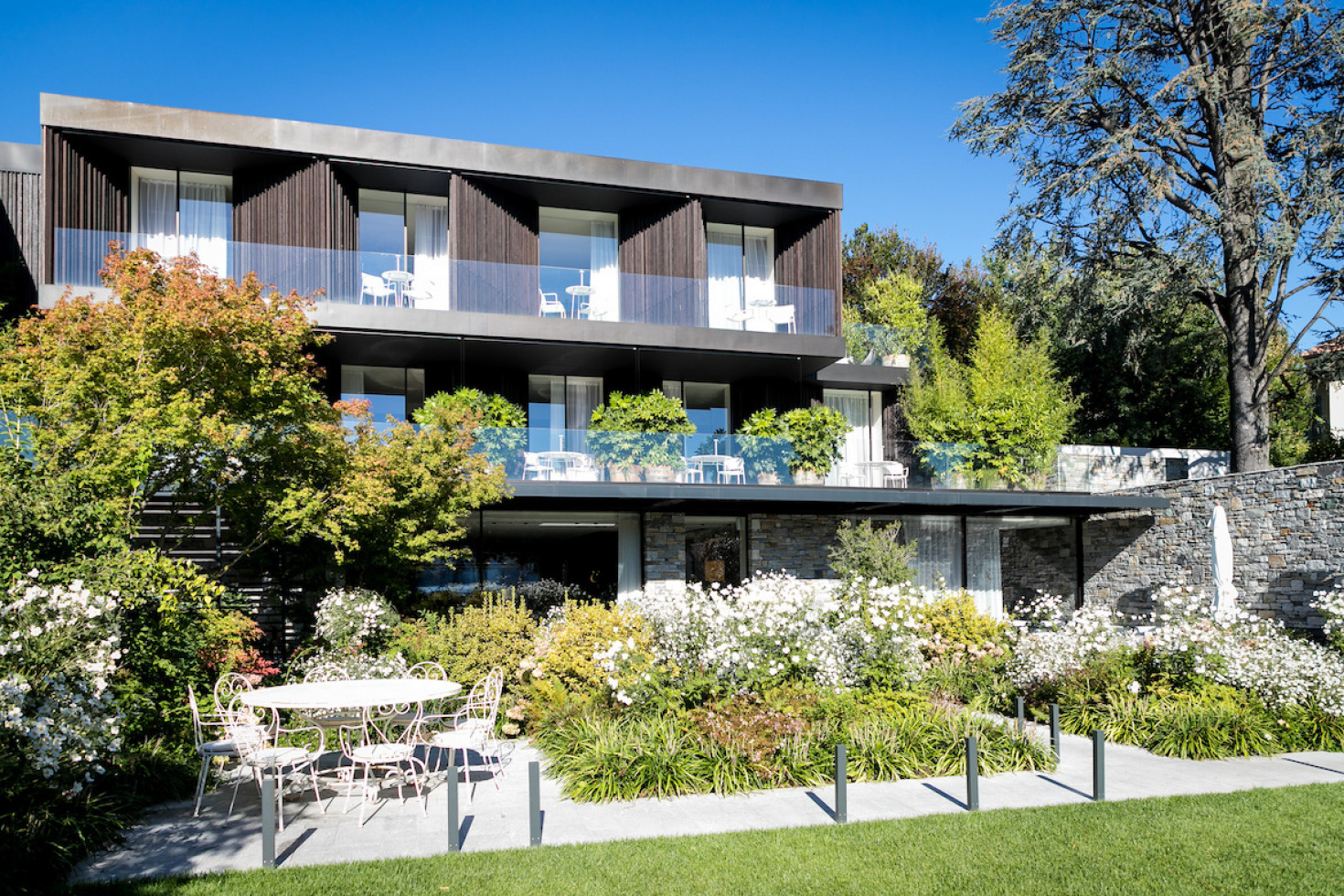

Fantini Design Awards Officially Opens for Submission
The Fantini Design Awards, presented by Fantini USA, is now open for submission. Architects, designers, and developers are invited to submit their eligible projects that showcase North American design inspired by water. Three winners will receive a trip to Casa Fantini/Lake Time resort in Italy. Projects must be completed between January 1, 2022, and August 9, 2024, located in the USA or Canada, and documented with high-resolution photography. Residential projects should have a minimum number of Fantini fixtures, while commercial projects should primarily use Fantini branded products. Submissions must be received by August 9th, 2024.

Find the best Contract Furniture Industry jobs and hire the best talent.

A regional manager preparing for NeoCon seeks advice on how to navigate the event and be visible to manufacturers, especially with the growth of Design Days. The response suggests being open about wanting to stay updated on competition, visiting competitor showrooms, exploring brand-adjacent products, and making a positive impression on both competitors and company leadership. The importance of networking and professionalism during the event is emphasized.


Logiflex, a well-established office furniture manufacturer is looking for a Regional Sales Director responsible for increasing sales in the Western USA Market.

Representatives must be highly energetic, aggressive and have past experience developing new business with office & contract dealers within their territory. Seeking experienced individuals and established groups within Upstate NY, NC & SC, MO, MN, and TX.

PC&A Business Environments is currently seeking a Business Development Manager in our Indianapolis, Indiana office to join our growing team and take over an existing book of business.

If you're coming to NEOCON 2024, we would love to talk to you and see if we are a good match.

A premier North American furniture manufacturer is looking for a corporate Regional Sales Manager, who can oversee their territory and support our sales representative achieving our goals.

Indoff is expanding and needs experienced outside sales professionals in your area. If you’re tired of missing out on money due to low commission rates or you’re sick of quotas, then Indoff is the perfect solution for you.

BOS, a 100% employee-owned, Haworth Best In Class dealer is seeking a Senior Project Designer for its Tampa, FL location.

Western Regional Manager - Ideal candidate will have experience in managing and working with reps, excellent presentation skills, and the ability to travel. Additionally, this candidate should reside in the Western Region.
The Designer provides design services and workspace solutions to dealership customers, including site/inventory verifications, programming, space planning, typical development, presentation materials, working/installation drawings, specifications and site-to-plan review.

The Project Manager (PM) is the point of contact for all aspects of assigned contract furniture projects, from inception of project to final close-out and invoicing.

We are in pursuit of an Architectural Products Account Manager (AM) that is not only competent, ambitious, andmeticulous but also authentic, creative, and resilient.

Vice President of Sales for a rapidly growing full service Steelcase dealership. Position will be responsible for leading sales teams in multiple markets in AL.

The Healthcare Account Manager will be responsible for representing Wieland products to the healthcare market in Iowa and Nebraska. 

created in Publicate