Friday, January 28, 2022


News

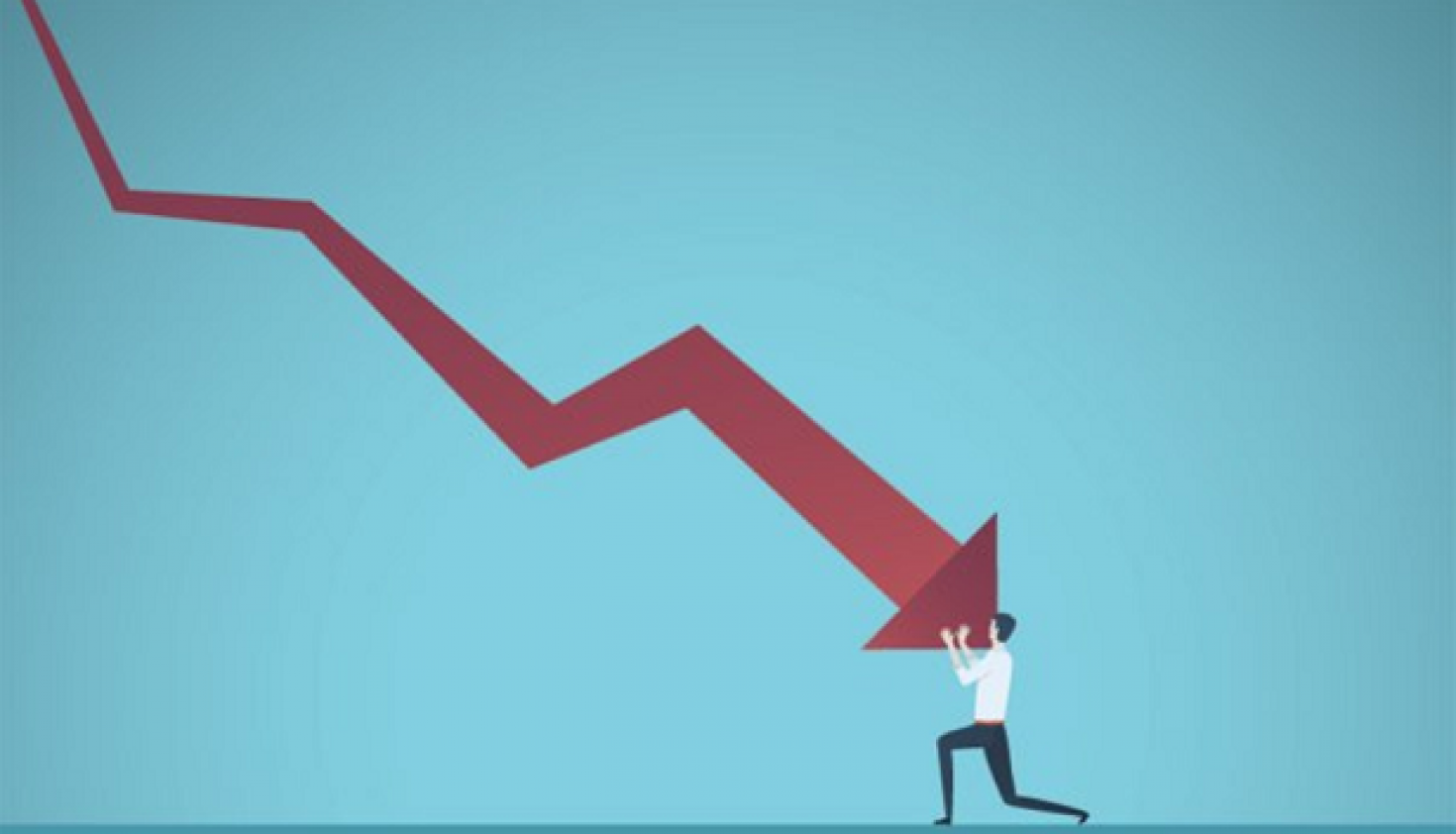
The Working Space found that the demand for office space and therefore (no doubt) the demand for office furniture continues to decline as well.
 
Real estate tech platform VTS reported that new employer demand for office space has been on a five-month drop and is now at 58% of normal, compared to the 87% level reached in August 2021.

Demand has fallen four out of the last five months, including a 5% drop in December. Demand had lifted 171.9% from January to August 2021. VTS does note that the increase may have been pent-up demand that finally ran out. Concerns about Covid-19 resurgence through variants then depressed additional activity.

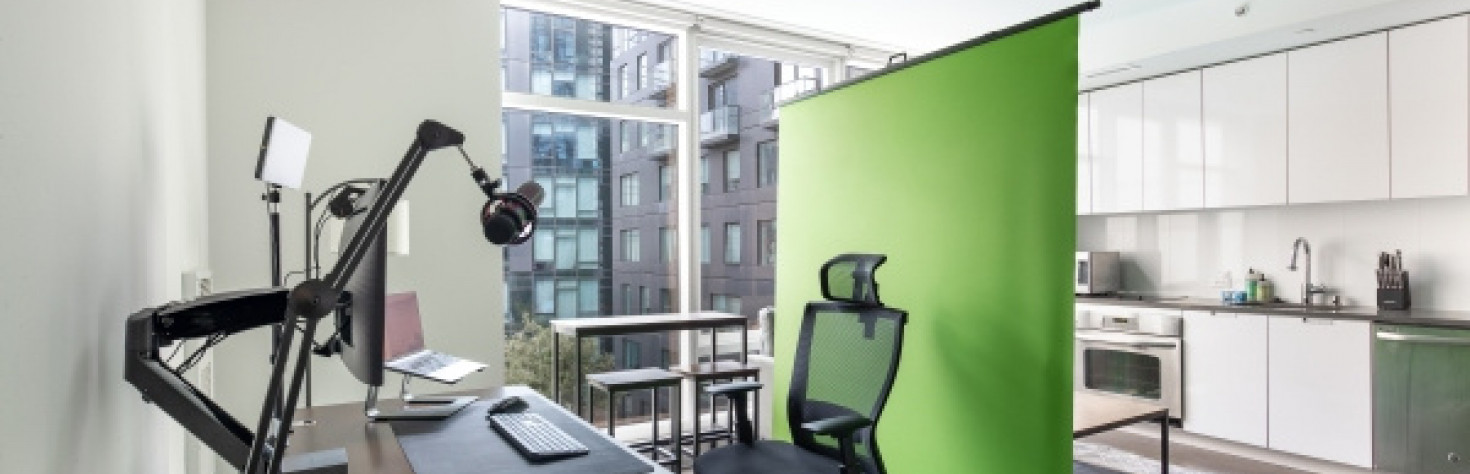
In this era of remote work, people want as much flexibility as possible to live where they want, when they want. It’s no surprise that we’ve seen a flurry of startups emerge to give people more options for long-term stays. Anyplace is one such startup. A self-described “digital nomad,” Satoru Steve Naito says he co-founded San Francisco-based Anyplace in 2017 because he wanted the product for himself.

True to its name, Anyplace began its life as a marketplace that gives people the option to book hotels or rentals for 30 days or more nearly anyplace they want to. That marketplace today is across over 60 countries in more than 450 cities. And now, the startup is moving into an operator role with its latest product, Anyplace Select, which is designed for remote workers and corporate travelers to be able to work from anywhere with furnished apartments that include a “fully equipped” home office.
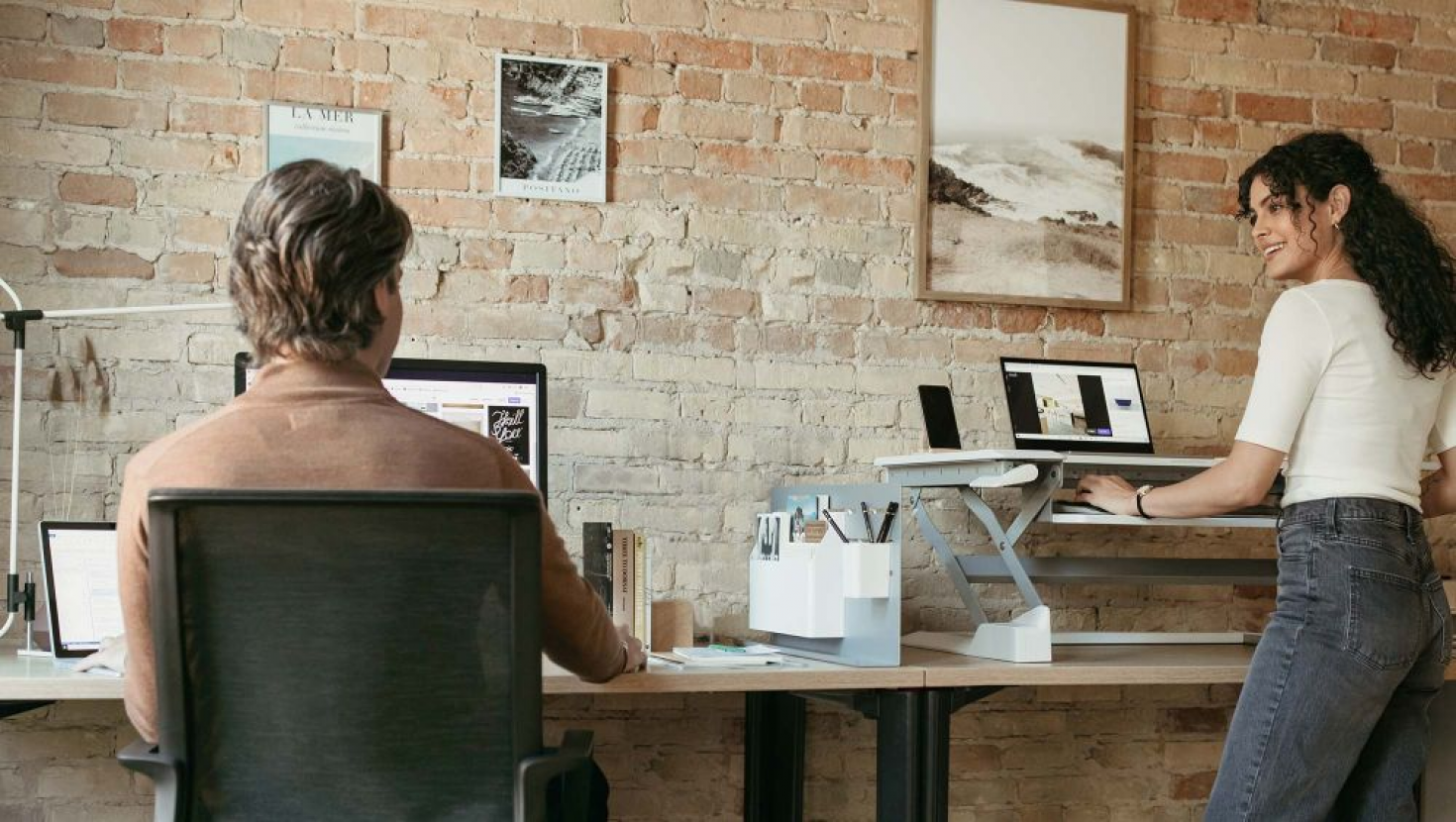
More and more employers have used the dramatic increase in remote work during the pandemic to justify increased electronic monitoring and surveillance of their employees.

According to unpublished research from Gartner reported by HR Brew, 60% of companies surveyed with at least 1,000 workers used these electronic tools to keep tabs on workers, compared to the 30% that implemented surveillance during pre-pandemic times.

Employers have turned to firms such as Teramind, ActivTrak, Hubstaff and Workpuls, which offer variations on a number of technologies that basically log worker keystrokes and capture random screenshots throughout the workday.

Employees, often unhappy with being tracked, are even more disturbed by the added layer of AI analysis these software programs utilize, meaning in effect they’re being judged by an algorithm.

This trend is expected to continue to grow, according to HR Brew, as remote work becomes more entrenched. Many workers, who aren’t always aware of the extent to which their company utilizes such tools, are unhappy with the potential for personal data to be captured.

The Workplace

Many kitchens in America have egg timers, small mechanical alarms that are made to look like the hard-boiled eggs they are probably being used to time. In Italy, where they are more likely to boil pasta than eggs, they are shaped like tomatoes. This small cultural idiosyncrasy is the reason behind the name for what has become one of the most popular time management techniques: the Pomodoro method. The inventor of the now well known work strategy is Italian Francesco Cirillo who used one of these ubiquitous Italian culinary tools to time his work break intervals.

The Pomodoro technique calls for 25 minutes of heads-down work followed by five minutes of break. After the third work interval then a 15 to 20-minute break is taken. There are many important psychological reasons why breaking work up like this helps keep you more productive. The predetermined stop times create a sense of urgency that spurs progress and the short breaks help the brain regain focus for the next stint. The process has become the genesis of numerous time management applications and even an entire genre of music playlists.

The twenty-five minutes of work and five minutes of break time was just an arbitrary number that suited Cirillo. Research on the topic has shown that a more ideal cadence might be something more like 52 minutes of work followed by seventeen minutes of break. This might be why Apple watches give “stand reminders” every 50 minutes. Other research has also shown that either physical activity or purposeful retaliation was more effective than “unstructured breaks.” Whatever the perfect break schedule or activity actually is, the takeaway from all of these studies is that taking a break is really important for us physically, mentally, and spiritually.
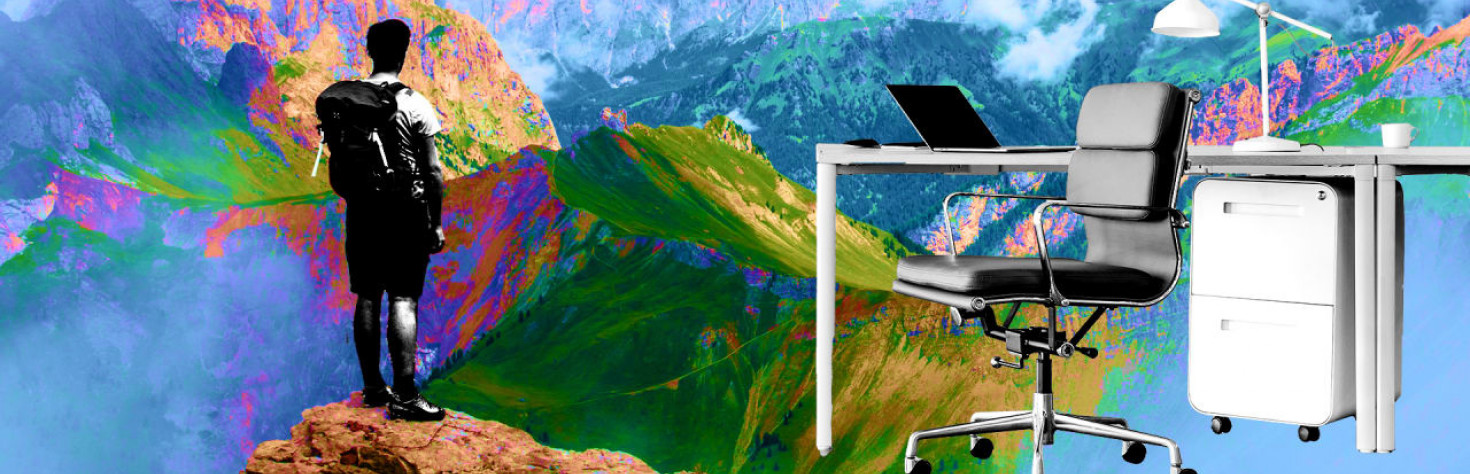
Mid-career sabbaticals have tripled over the past four years—and the gap year is losing its stigma.
An article highlighting several thought provoking points as we look to make the new year the best it can be for businesses, employees, and customers.
Office are places to be productive, right? Well, focusing on productive aspects of the office misses key elements of the human experience that make going to work worth it. This list isn’t a financial, operational, or organizational argument for the sanctity of the office. Work and the productivity tied to it are only part of what happens during a workday. Entering year three of the pandemic, the absence of the office has left us longing for little graces and perks that can only accrue in person. Here are some of the non-productivity related things that people miss about the office.
Jamie Feuerborn of TMA shares how data tracking can help designers cultivate sustainable, inclusive, and collaborative workplaces.
Flexibility is especially desired by workers of color, the survey found.
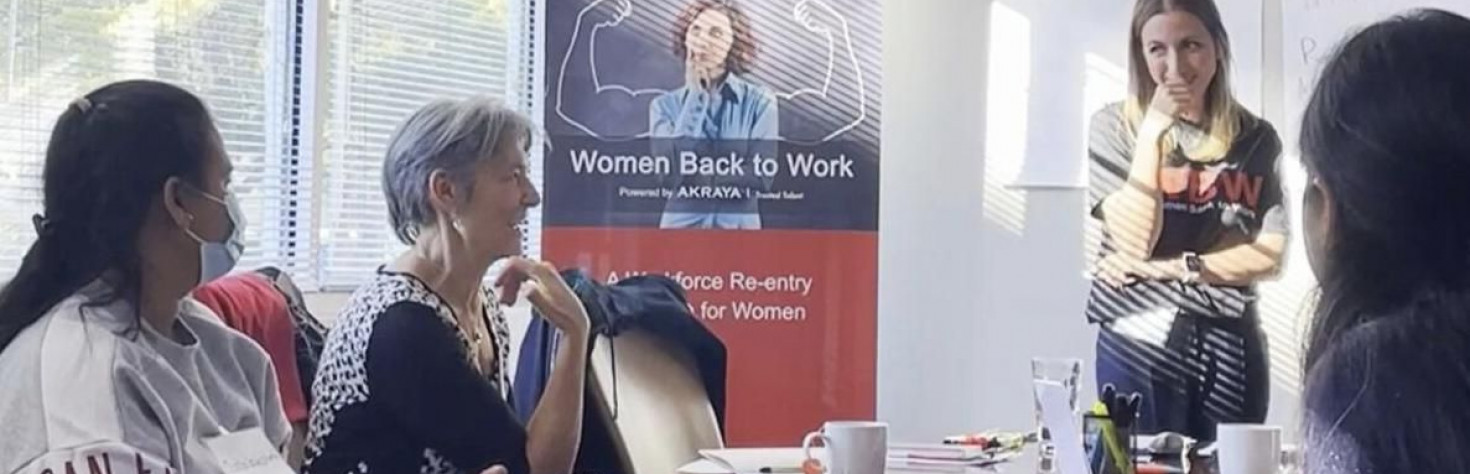
Company leaders hope that amenities aimed at working mothers will bring back millions of female-held jobs lost during the pandemic.
A new study from smart building platform Infogrid claims that nearly a third of working Brits (32 percent) want to return to their offices in January because they feel it would improve their mental health, which has been impacted due to the COVID-19 pandemic. The top reasons UK employees cite for wanting to return to the office include working in a positive social environment (35 percent), having a reason to leave the house (26 percent), not having to worry about being cold at home (25 percent), and the daily commute providing time to transition between home and work life (23 percent).
Companies are unprepared for the structural shift to flexible working and must do more to create responsible, personalised and experiential workplaces, a new report from JLL suggests. Intensive experimentation and piloting are needed to achieve flexible working models that will deliver a unique workplace experience for all. The JLL research claims that globally organisations are looking to continue flexibility for where and when people work with 82 percent expecting employees to work remotely into the future at least part of the time – spending on average two days every week away from the office. Yet 48 percent of organisations in Europe Middle East and Africa (EMEA) still have not developed a future of work programme to meet the rising demands and expectations of their staff for greater work flexibility, exceptional and sustainable workplaces and increased wellbeing.

With the global talent shortage showing no sign of slowing, companies slow to integrate flexible working models risk missing out on skilled workers. 88 percent of the workforce now want to choose their working hours in the future. Flexible and agile workplace structures that empower remote, hybrid and cross-border teams will help ensure companies compete and retain talent in today’s tight labour market.

Organisations will also have to calculate the right level of technology investment as we move to a hybrid model. The imperative will be to keep people connected, whether they are working in the office or at home, and to create that sense of connectivity.

The traditional idea of going to the office five days a week or working 9 to 5 may be dying. Some companies are making room for more creative and flexible approaches to getting workers to do their jobs.

Zoom, which many workplaces and workers relied on during the pandemic, is starting to allow its more than 6,000 workers to choose whether to work in the office, work remotely, or go hybrid, as in working a certain number of days per week or month at their choosing. Bolt, a San Francisco-based e-commerce start-up boldly introduced a permanent four-day workweek for its nearly 600 employees. Workplace communications platform Slack is reimagining its office primarily as a gathering place for meetings and projects. And tech giants Amazon and Salesforce are allowing their employees to decide as a team when and where they should work, based on the projects at hand.

These approaches come as companies rethink workplace policies amid the fast spread of the omicron variant and the “Great Resignation,” during which employers are finding it more difficult to retain talent. U.S. office occupancy dipped to about 28 percent during the third week of January, compared to 40 percent in November before the massive spread of the omicron variant, according to building security company Kastle Systems. Still, some employers see this as an opportunity to rethink the way employees have traditionally worked, opting for even more flexible and creative arrangements that are more likely to lure and retain workers.

“People were feeling like [the pandemic] was settling down, and then omicron reared its ugly head and threw companies backward,” said Anita Williams Woolley, associate professor at Carnegie Mellon University’s Tepper School of Business. “There’s a lot to be worked out for an organization.”

Trends

Nasim Köerting, head of design at TOG, shares how design helps differentiate her company from other flex space providers, what she likes about working with stubborn creatives, and why all entrepreneurs should be looking to other genres of space for their cues.
Forward-thinking landlords and office providers who embrace the new reality will have the competitive edge in today’s marketplace.
 
Landlords and office providers are re-evaluating their office propositions and the role they play in attracting and retaining tenants. Companies and their employees want to work collaboratively, but with the option of working across multiple locations securely and seamlessly. Technology is facilitating this change, and forward-thinking landlords and office providers who embrace this reality will have the competitive edge in today’s modern commercial real estate landscape.
With the rigid in-office model being replaced by hybrid work, flexibility and comfort have become the top priorities in the design of modern office spaces.
 
As we continue to navigate the ongoing pandemic, the future of offices and workspaces has been widely debated. However, some immediate effects are clear: the rigid, primarily in-office model has been quickly replaced by hybrid work, with adaptability and comfort becoming the top priorities. Therefore, even as long-term consequences might be unclear, businesses will certainly have to strive for the right balance between traditional and remote methods in order to promote efficiency and employee well-being. From a design and architecture perspective, demand will focus on flexible working environments that foster creativity, productivity, and comfort – as well as addressing the associated technological, economic, and sustainability challenges.
The workplace is changing at an unprecedented pace. Across the globe, we’ve seen a fundamental shift in how and where work happens. Amid these profound shifts, organizations, developers, and landlords want to know what they can do to optimize their real estate.

What will set them apart is the experience they design for tenants and employees. We know that workers around the world still place a great deal of value in the physical workplace for social interaction, mentorship, deep concentration, and collaborative work. We also know that to compete in a war for talent, companies must also support an ecosystem of workspaces — both in and out of the office — where talent can thrive.

This is an opportunity to rethink the physical workplace to offer a unique and fulfilling experience that can attract talent, whether that’s through new technologies or new types of spaces.

A growing number of developers, architects and interior designers are embracing sustainable alternatives in an effort to curb climate change.

Coworking

This is WeWork’s first acquisition since Sandeep Mathrani took over as CEO following the ousting of the company’s founder, Adam Neumann.

Remote Work

A new report claims that remote workers are growing more concerned about perceptions of an inequal and less productive meeting experience while apart from their colleagues, and many are going as far as to consider new opportunities at organisations where they believe they will be more included. The Barco ClickShare Hybrid Meeting Survey (includes promotion) claims that more than one-third (35 percent) of workers still have trouble fully engaging during hybrid meetings.

A significant source of this disconnect emanates from a perception of oversight, as 28 percent find it difficult to have their voices heard when joining hybrid meetings from an offsite location. Twice as many remote hybrid participants (56 percent) feel that meeting leaders cater too heavily to those in a physical meeting space when conducting the conversation.

Design
The workplace trends that accelerated during the pandemic aren’t going away. Companies should use this moment to improve office environments in a way that boosts employee engagement and well-being, thereby encouraging attendance, increasing...

As the Covid-19 crisis enters its second year and the Omicron variant surges, organizations around the world are contemplating how, when, and even if to have their knowledge workers resume regular in-office hours. And they do so at a time when the views and priorities of their employees have shifted. A recent McKinsey study showed that well-being, flexibility, and work-life balance are top of mind. A survey Microsoft conducted last year indicated that 41% of the global workforce would consider switching jobs in the next year, with 55% noting that work environment would play a role in their decisions.
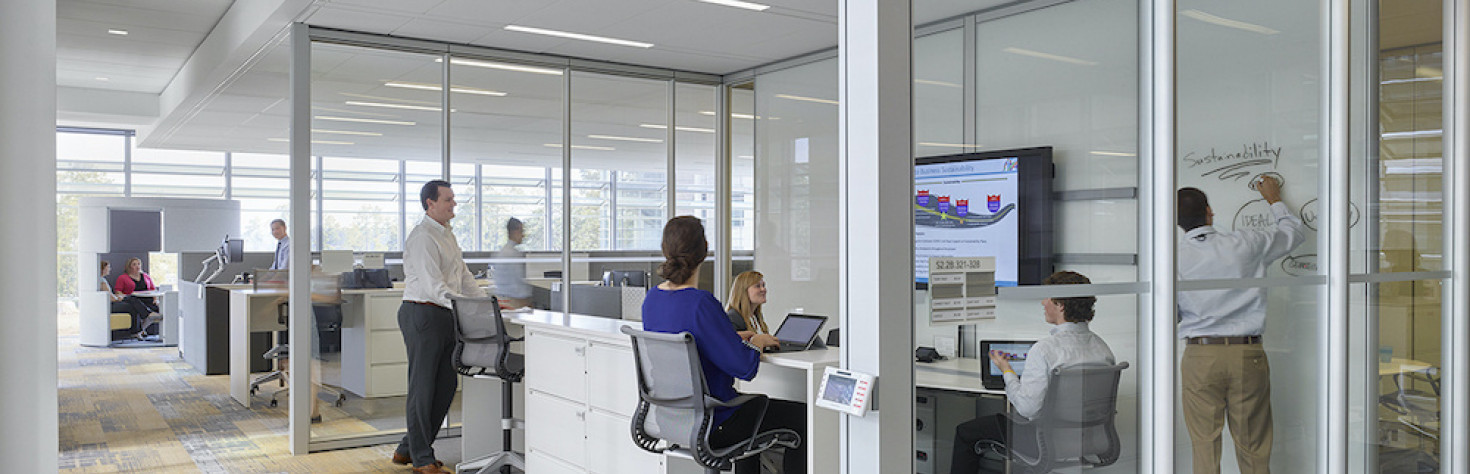
PDR’s Larry Lander shares an in-depth guide to creating designs and policies that positively impact employee physical and mental health.
Living moss walls, yoga rooms and on-site therapy are just some of the strategies used to convince workers their time is better spent in the office.
If there has been any silver lining to the COVID-19 pandemic, it was the instantaneous reset to work/life balance that it provided many of us.

The opportunity allowed workers, literally overnight, to re-evaluate what may have been a hectic juggling act of meetings, social engagements and family responsibilities and focus on their physical health and mental well-being. What started with an obsessive amount of hand washing and baking of banana bread has completely transformed the way that many approach both their personal and professional lives.

Fast forward a year-and-a-half, and although the typical “work week” may have extended, the health and wellness trends that were underway in commercial real estate prior to the pandemic have now been amplified.
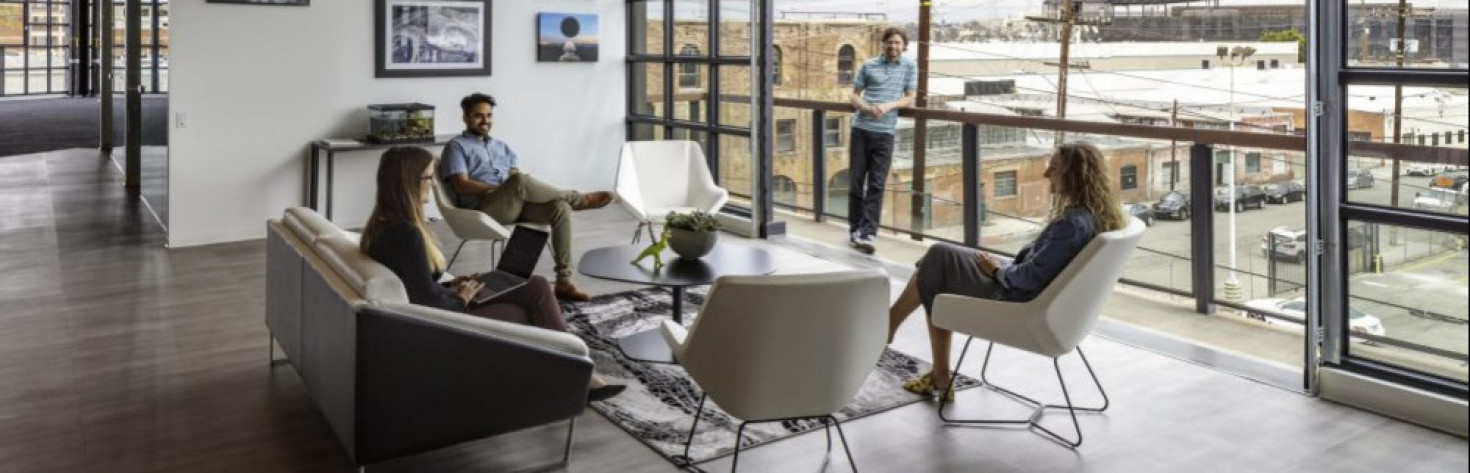
Cynthia Milota of Ware Malcomb explores how slow forward momentum in workplace planning will ease adoption of the next normal.
Many of us have been contemplating why people want to or would want to go to an office. In complete transparency, I’ve worked remotely for many years now, yet I am convinced there is no better office than what I had years ago back for a tech startup. The space was beyond cool, with gigantic windows that lit the open office area with bright natural light. There were a handful of small offices but, rather than separate them completely, the offices were partitioned with glass walls. A welcoming, centralized, and heavily-used kitchen stood next to a big, orange couch that matched the bright kitchen fixtures. Obviously, the people who designed the space spent a lot of time picking out inspiring colors and designed a comfortable space that made you want to stay awhile. It worked, and the energy that the space gave off was so palpable that no person who walked through the door didn’t comment on how great it was.

Hybrid Office

The discussion around hybrid working models has been such a hot one since COVID began that tracking what’s new and best can be challenging for even the most aware planners out there. First, it was the return to work and then, before that conversation ended, we started talking about flexible and hybrid working. What’s next, and why did we get into such a confusing state to begin with?

Remote-first, remote-never, hybrid, flexible, office hoteling, hub-and-spoke and beyond. We see so many different angles and approaches to the new way of working because the occupier firms leading the discussion have so many unique business scenarios. Everyone wants an easy-to-follow guide to the best way to set up their own offices, but something so cut and dry is a pipedream. It sounds elementary, but the type of working strategy that allows firms to reach max productivity for the dollar is a moving target based on the organization’s priorities, culture, and willingness to try new things.

Despite the many approaches currently in play, there are some ways to see the bigger picture of what strategies and approaches will likely rise to the top. Consider the recently released 2022 Commercial Real Estate Outlook from Deloitte, which found most real estate professionals view sustainable properties, dynamic and reconfigurable spaces, and flexible leases as the three biggest ways to add value for tenants. Each of those are very strong bets for themes that will define the future of working. Even sustainability, which seems at first glance to be a little tangential to workplace strategy, will probably suffuse through the workplace until they are as indistinguishable as commercial properties and tenant experience.
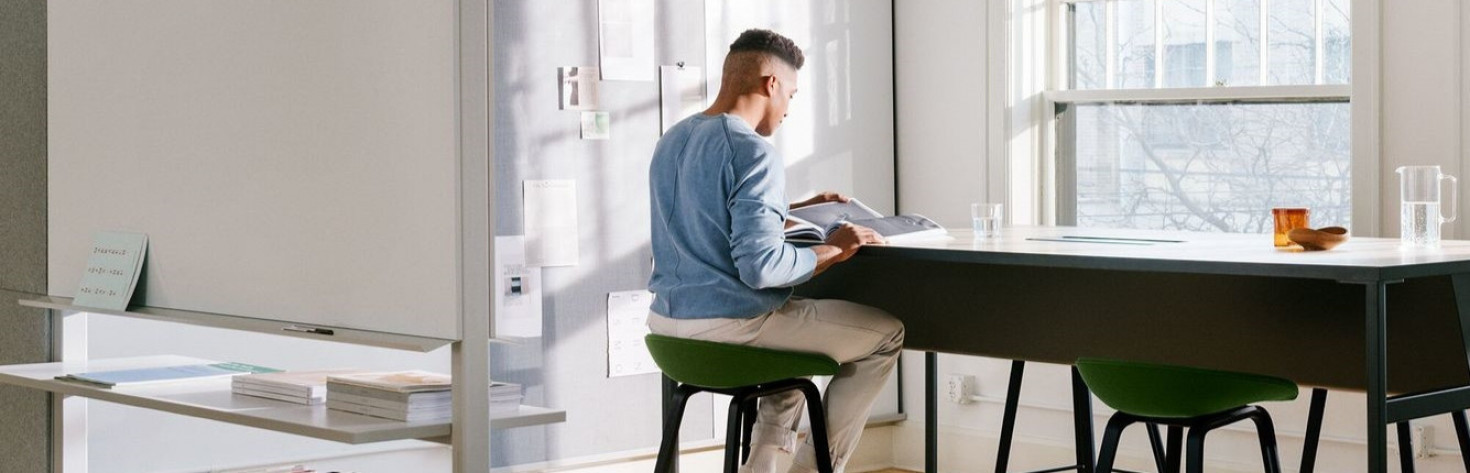
Future Forum, a consortium launched by Slack with founding partners Boston Consulting Group, MillerKnoll and MLT has released the latest findings from its Pulse study, which shows that hybrid working has become the dominant work model for knowledge workers around the world. The report claims that the percentage of people working in hybrid arrangements has increased to 58 percent (from 46 percent in May 2021), as the share of workers who say their teams work exclusively either from home or from the office has declined sharply.

Globally, more than two-thirds (68 percent) of those surveyed now say that their preferred work environment is hybrid—underscoring the urgent need for leaders to align on how they can embrace flexibility while ensuring an equitable experience for all members of their workforce.
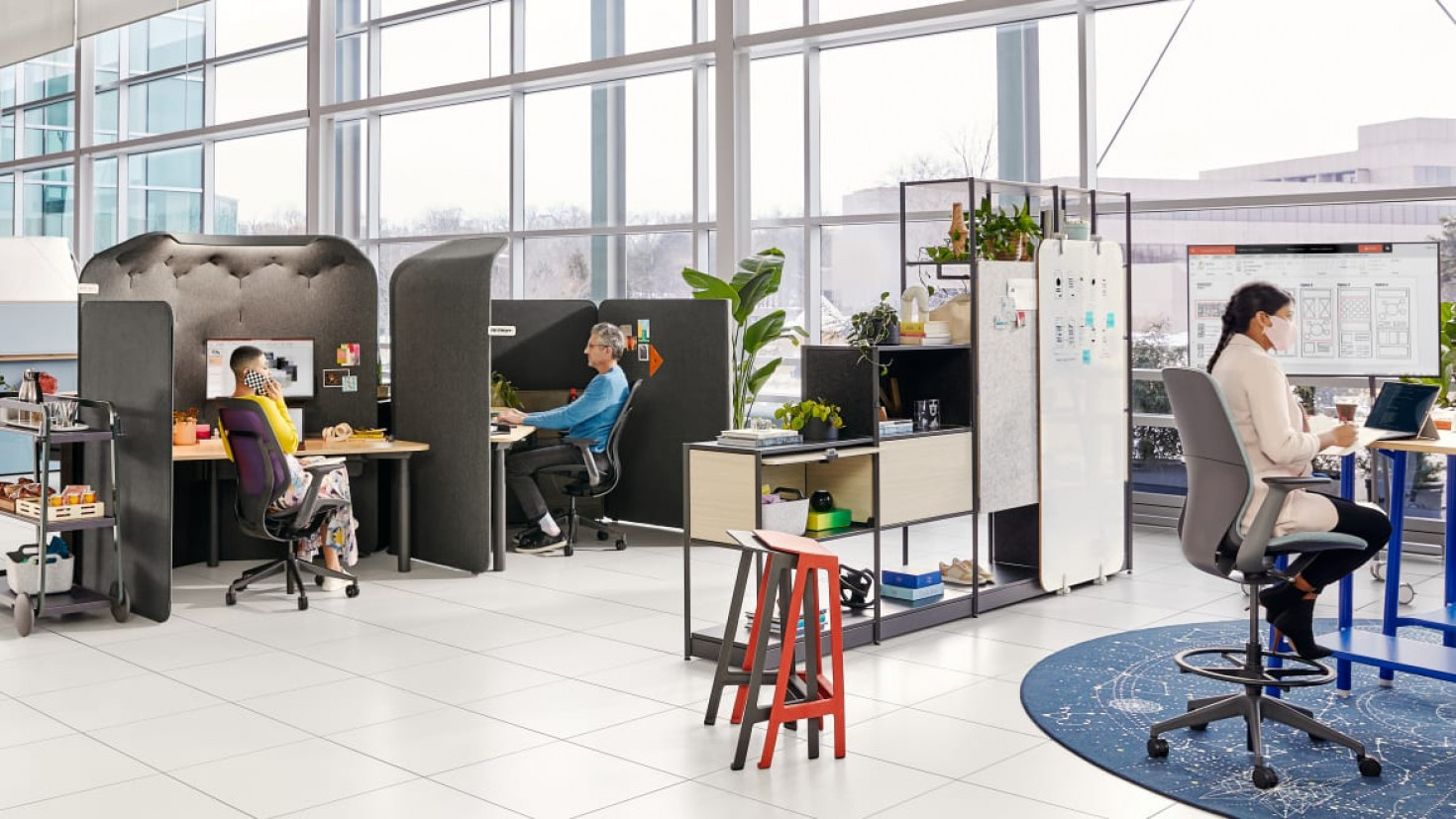
The Hybrid Privacy Crisis

Even before the pandemic, people complained the open plan office was noisy and distracting and it wasn’t uncommon to hear people say they were going home to work because they could not find a place to concentrate in the office. Fast forward to 2022, and the problem has only worsened.

The way people work has significantly changed as video meetings have become a norm and people working in the office have flooded to enclosed spaces so they can avoid disturbing others and have the acoustic and visual privacy to stay focused.

According to the most recent Steelcase survey of global workers, when asked what’s become more important in the office now (compared to pre-pandemic), four of the top five were related to privacy and places to do individual work:

64% – Spaces for hybrid collaboration62% – Single-person enclaves for hybrid meetings61% – Privacy58% – Workstations with full or partial enclosure57% – Reservable workspaces

With so much conversation about the office of the future becoming a destination for collaboration and social interactions, organizations may find this new research surprising. Yet the Steelcase research, conducted in 11 countries with 4,986 office workers, uncovered what employees really want – an office that helps them easily do both collaborative and individual work, where they feel a greater sense of belonging and control over their work experience.

In fact, most people want their own, dedicated desk so much they are willing to trade remote work days to get it. When asked which they would prefer, 55% would work from home two or less days per week if they had an assigned desk in the office, while only 45% prefer to work from home three or more days a week and not have an assigned desk. The desire for a dedicated workspace reflects people’s need to feel like they have a home in the office, where they feel like they belong and have the privacy they need to do their work.


Real Estate

Office occupancy is trending in the right direction again, but gains are slowing as demand for office space dips further from its pandemic-era peak in late summer.

Average office occupancy in the largest 10 U.S. metro markets ticked up to 30.1% for the week ending Jan. 19, a rise from 27.9% during the week before and 17.5% at the end of December, according to the latest Kastle Back to Work Barometer, which tracks swipes on the company's access controls at 2,600 office buildings nationwide.

Despite Google committing to more flexible workplace practices, the company isn’t ready to let go of its lavish offices that have become synonymous with the technology firm.

Just this month, Google revealed it would spend $1 billion on office space in central London, where it also expects to see its headcount to grow from 6,400 to 10,000.

According to Ronan Harris, managing director at Google UK, the new investment would actually help fuel the company’s hybrid and flexible work commitment.

However, the company’s office expansion has come under scrutiny, with some experts stating that this type of expansion is attempting to force a grand return to the office into existence. Plus, research has indicated that there is an increased appetite for remote working policies in the future.

The future of the office market rests in a single question: will employees return to the office. If you review the current leasing trends, the answer is unclear. Tech, life science and health care industries are driving office lease activity, and many are expanding their footprint. Other industries, however, are going in the opposite direction and downsizing.

Scott Nelson, CEO of occupier services at Colliers, spoke to GlobeSt.com exclusively about the trend. Nelson saw an increase in office demand at the end of 2021, but he said the activity came alongside some notable downsizing activity. “We saw demand more from high-growth industry sectors and small- to mid-sized businesses, but we also saw quite a few big office space users across many industries, including professional services, that are reducing space,” he told GlobeSt.com. “You are seeing both.”
“The pandemic has created additional complexities for commercial appraisers assigning value to office assets as uncertainty exists in the market,” says Lucas Rotter, founder and CEO, of Valcre.

Workplace Tech

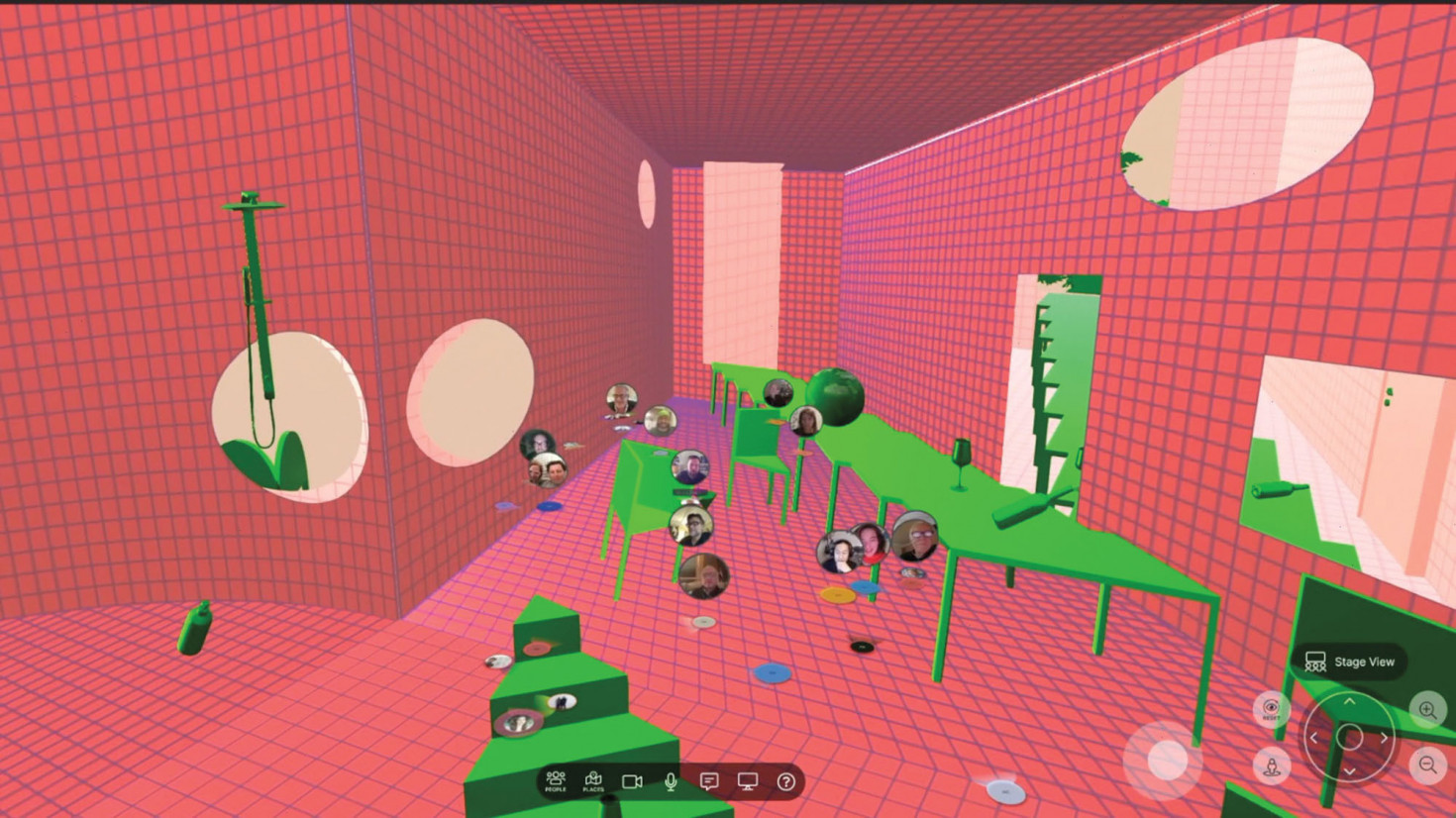
The metaverse will be designed, but who will design it? And what will it look like? Architects, designers, and artists have some ideas.
Tech titans say the metaverse will open up new dimensions of human connection and creativity, but the reality is much bleaker as platforms exploit and monetize more and more of users’ lives and data.
Lendis has announced an €80 million Series A funding round for its SaaS solution that helps companies to set up and manage their employees’ equipment and software in the hybrid working world.

Circularity Capital and Keen Venture Partners led the round, supported by coparion, HGDF and KPN Ventures. Existing investors HV Capital, DN Capital, and Picus Capital participate as well. The round is structured with €30 million in equity and €50 million in debt. This brings Lendis’ overall funding to date to well over €100 million.

Founded in 2018, the Berlin-based startup has seen accelerated growth since the beginning of the pandemic when the vast majority of office workers found themselves having to set up home offices. Now, as some semblance of normality has begun to return, most workers are yet to return to the office full-time in what can now only be described as a cultural shift in how we work.
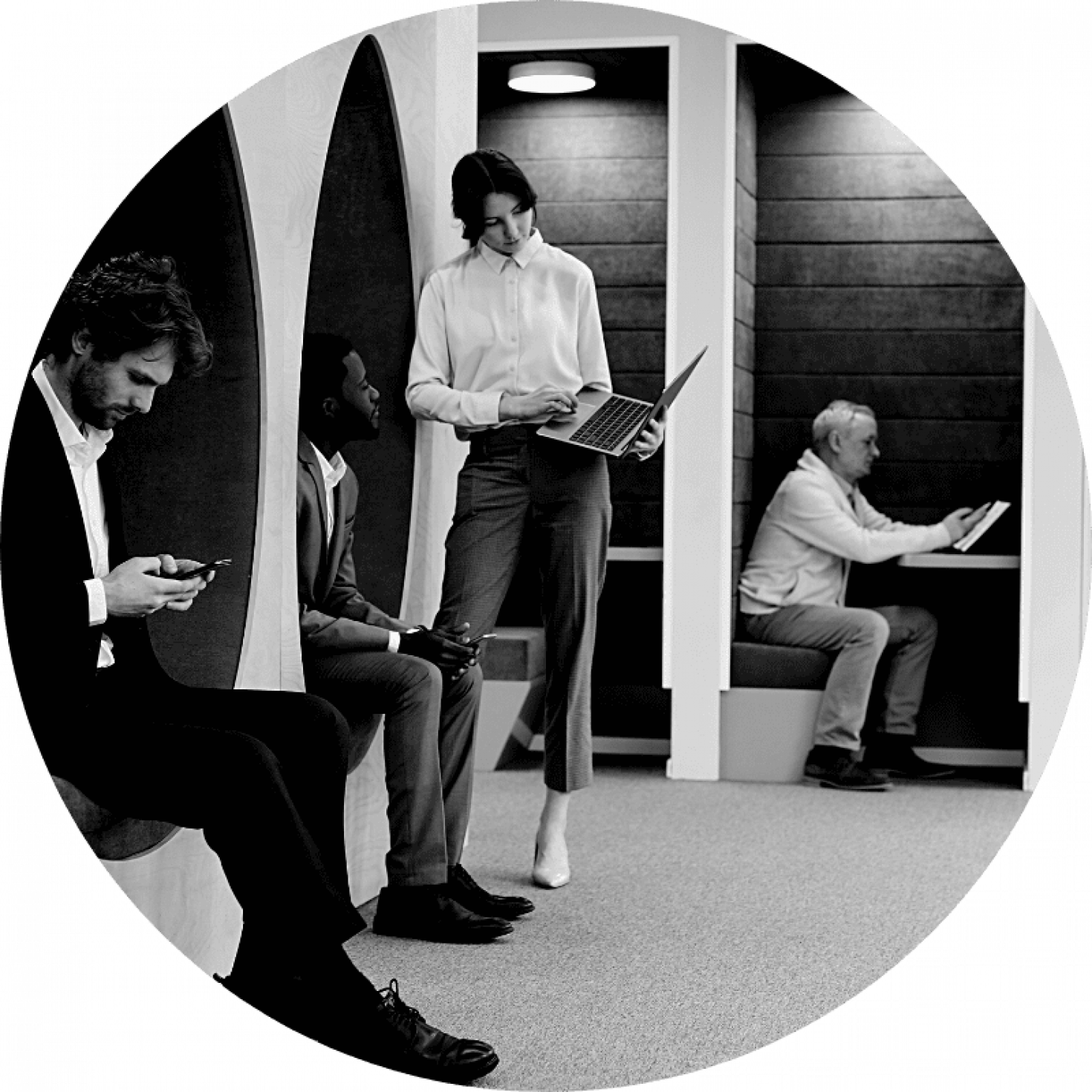
Savills UK Flexible Office report: Technology is pivotal in enabling space providers to meet the growing demand for flexible office space.

Makers

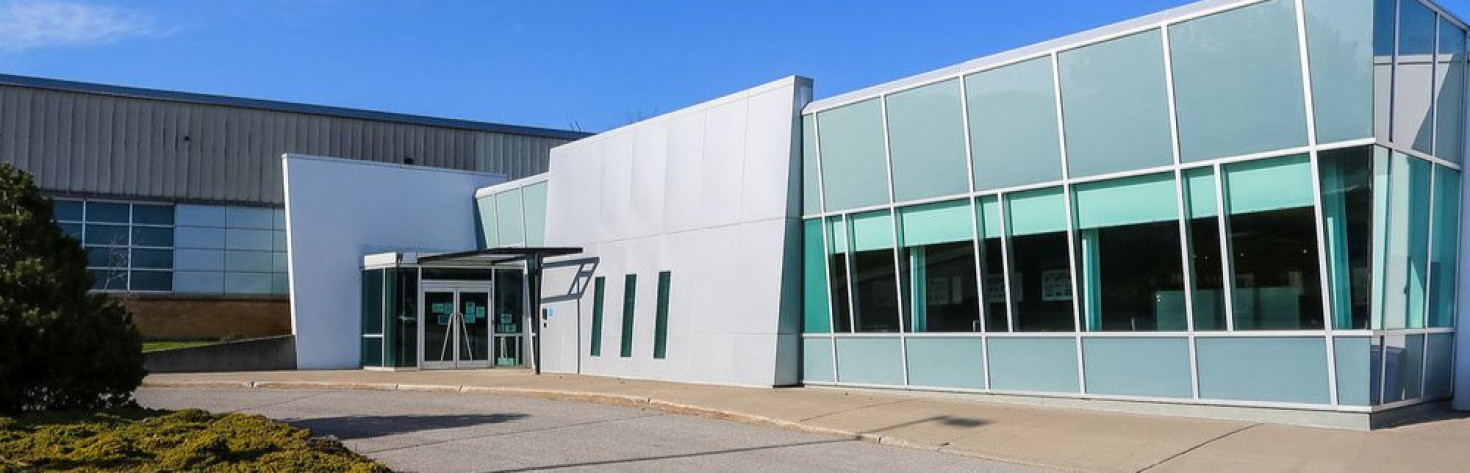
Inscape Corporation announced that the company has now closed and completed the agreement dated November 8, 2021 for the sale and leaseback of the Holland Landing Facility at 67 Toll Road, East Gwillimbury, Ontario to a third-party purchaser. The purchase price was $25.8 million (US).

On Closing, the parties entered into a lease whereby the company has leased back the Property from the Purchaser for a term of ten (10) years, with two (2) extension options of five (5) years each, substantially on terms and conditions agreed to by the parties.

“The completion of this transaction remains consistent with our strategic plan and is another material step in our efforts to improve operations and the financial profile of Inscape. Further details on our planned footprint reduction within Holland Landing and expected efficiencies to be derived will be detailed in subsequent press releases after completion of our full review currently in progress,” commented Eric Ehgoetz, CEO.
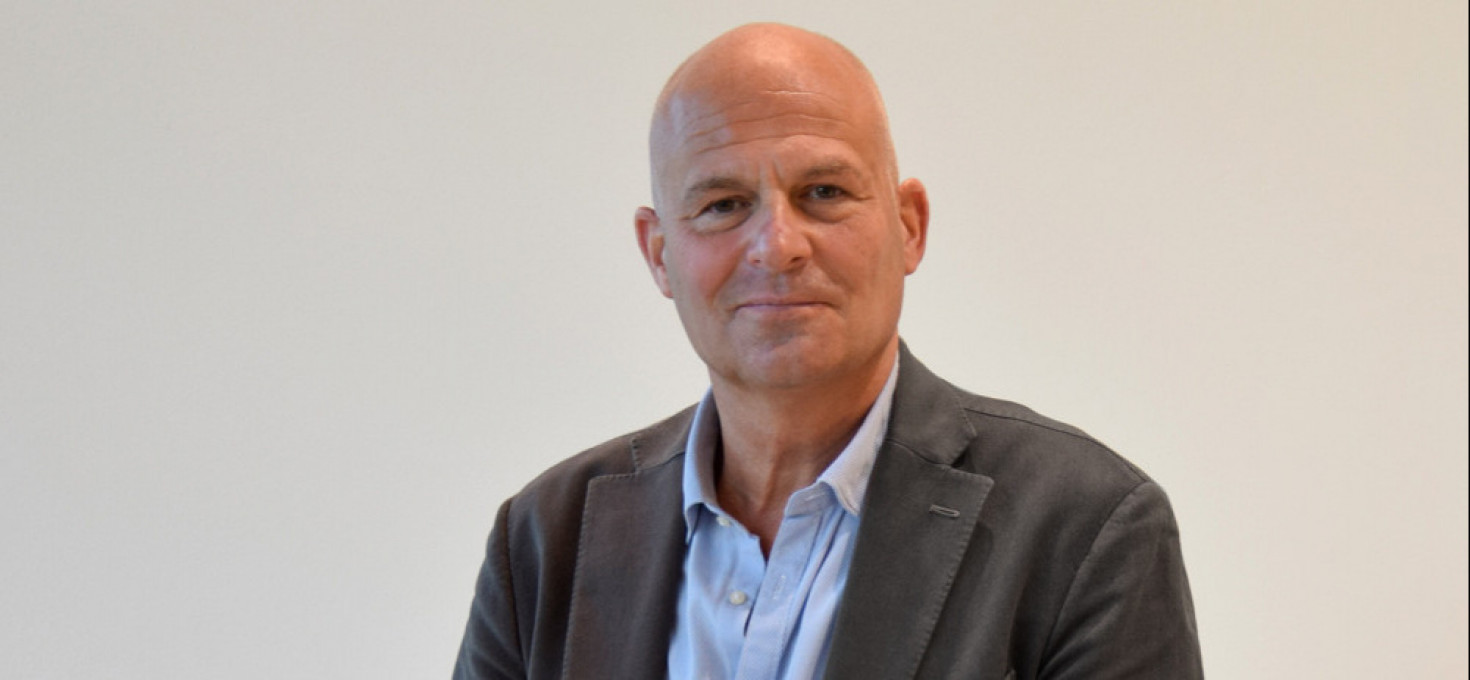
Roberto Monti is Arper’s new Chief Executive Officer

Roberto Monti has joined Arper’s Board of Directors and taken on the role of CEO.

In Arper, Roberto Monti will lead the definition and development of the company’s strategic growth plans.

The Swedish manager, a dynamic leader with a multicultural and international background, arrives in Arper after a consolidated experience in the world of furniture and retail, gained through a successful professional experience at IKEA.

With his arrival, Arper intends to further strengthen its competitiveness, by focusing on its international vision that puts people and the environment at the center of the company’s system. Monti says: “In Arper, we will work to build a medium and long-term international business strategy that will draw inspiration from the project “designing the world we live in”. 

Dealers

Creative Office Pavilion and Office Resources merge to form CreativeOfficeResources

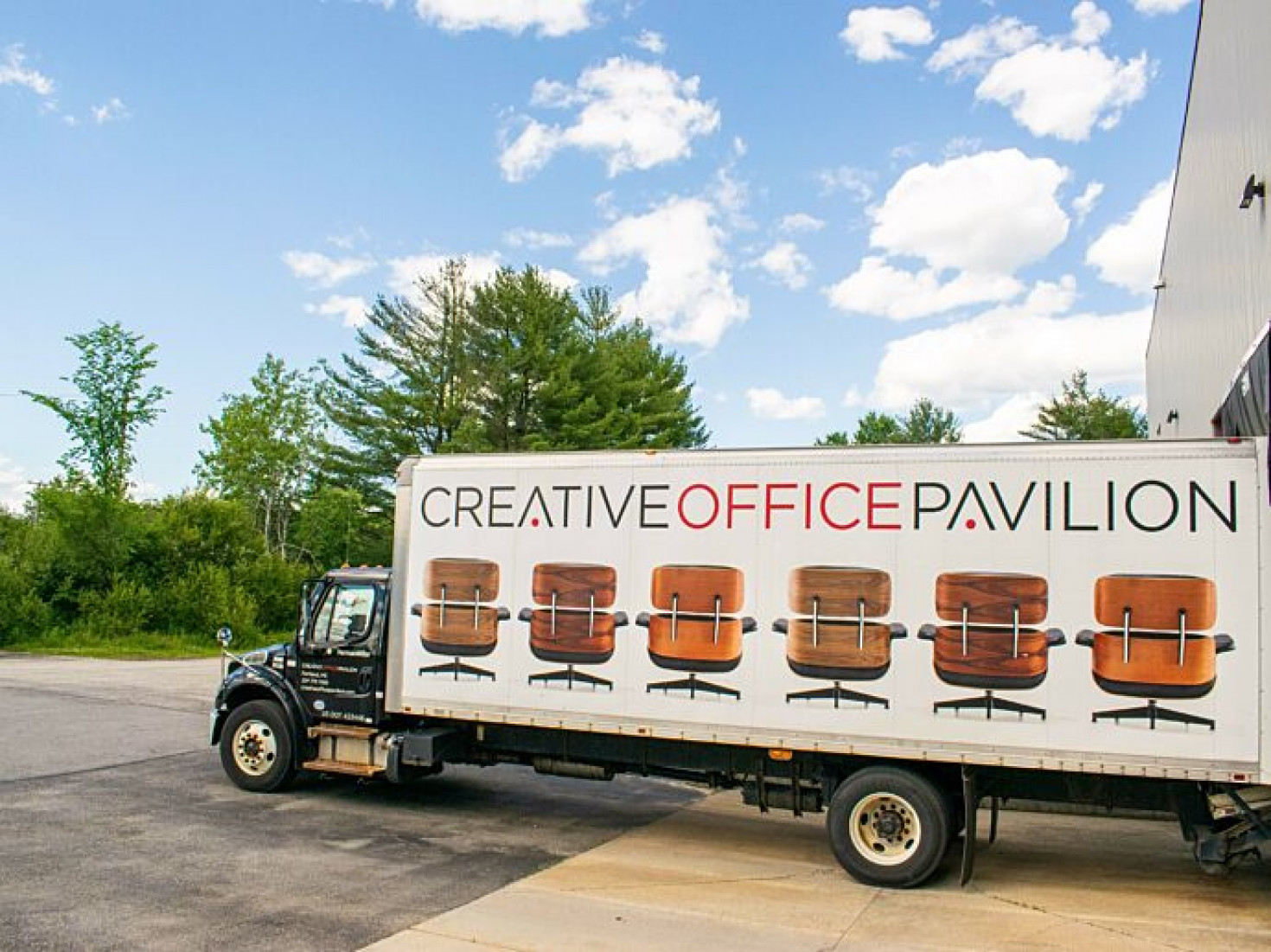
Creative Office Pavilion a large Herman Miller dealer based in Boston and New York City and Office Resources, a major Knoll dealer also based in Boston and New York City announced their merger, creating the largest Herman Miller and Knoll furniture dealer in the United States.

COP and OR have combined 60+ years of experience representing Herman Miller and Knoll and will now be operating as one company – Creative Office Resources (COR). The management teams of both companies will remain in place, including Denise Horn (CEO), Paul Fraser (COO) and Kevin Barbary (CMO).

“This merger provides us the opportunity to offer even more support and innovation to our clients,” said Horn. “While COR is now the largest MillerKnoll dealer in the country, that has never been the goal – we strive to be the best dealer by staying focused on providing customers with excellent products and services. COP and OR have always admired and respected each other and this combination allows us to be even better together.”

“With 25 successful years under our belt and having the experience to navigate the ever-changing industry landscape, it was clear to us that when Herman Miller and Knoll merged that COP and OR should do the same,” said Barbary. “COP and OR truly complement each other as we share core values, have exceptional focus on clients and strong manufacturer relationships,” said Fraser.

"We are thrilled that our long-standing partners, COP and OR, are bringing their dynamic, talented teams together to serve customers across the Northeast," said John Michael, President of the Americas, MillerKnoll. “This exciting merger creates an even stronger industry leader and we look forward to a bright future partnering with the new Creative Office Resources."

Creative Office Resources combined workforce exceeds 440 employees, has 12 locations, 2 warehouses with offices in 8 states (CT, MA, ME, NH, NJ, NY, RI and VT). 

Products

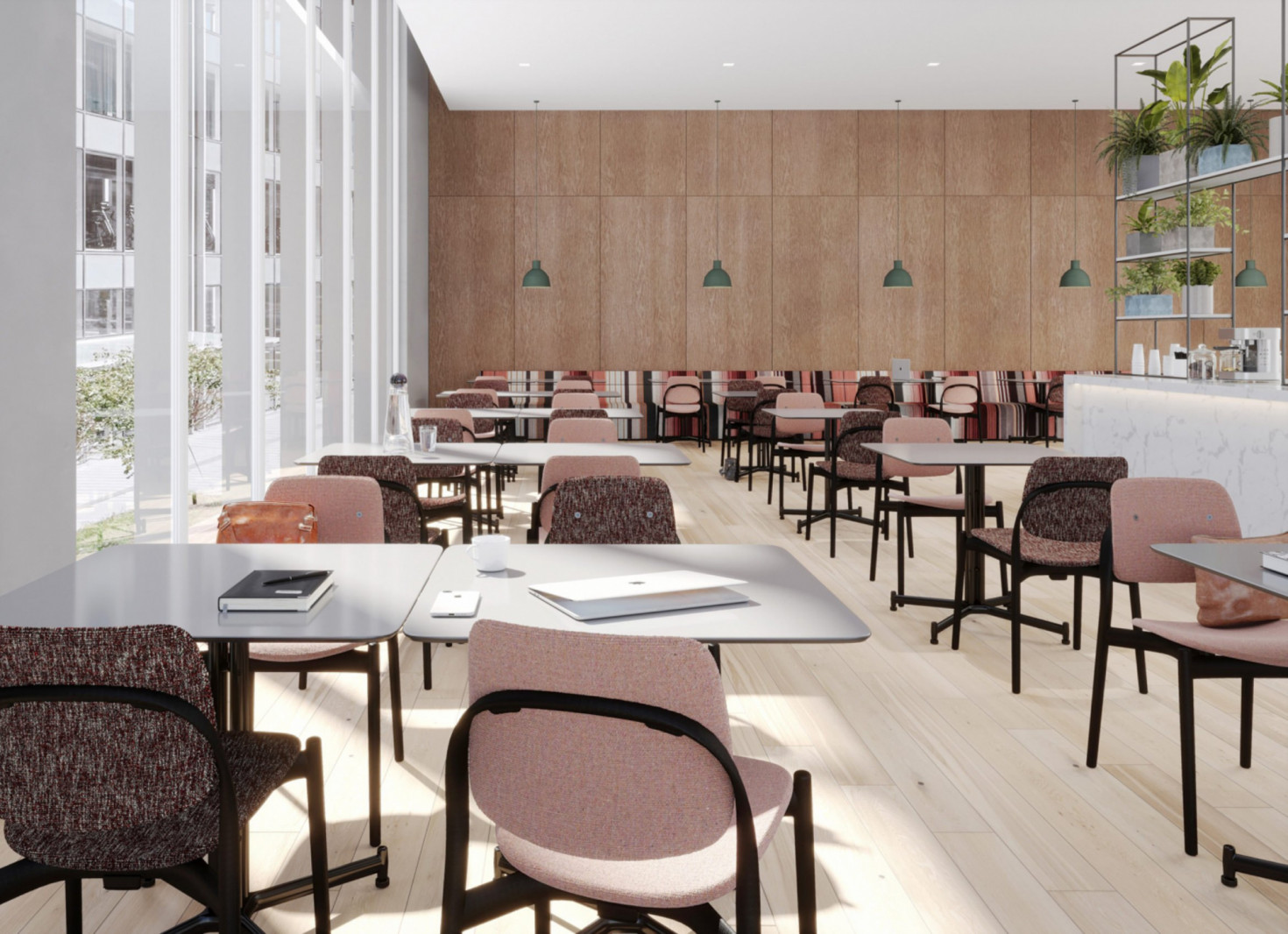
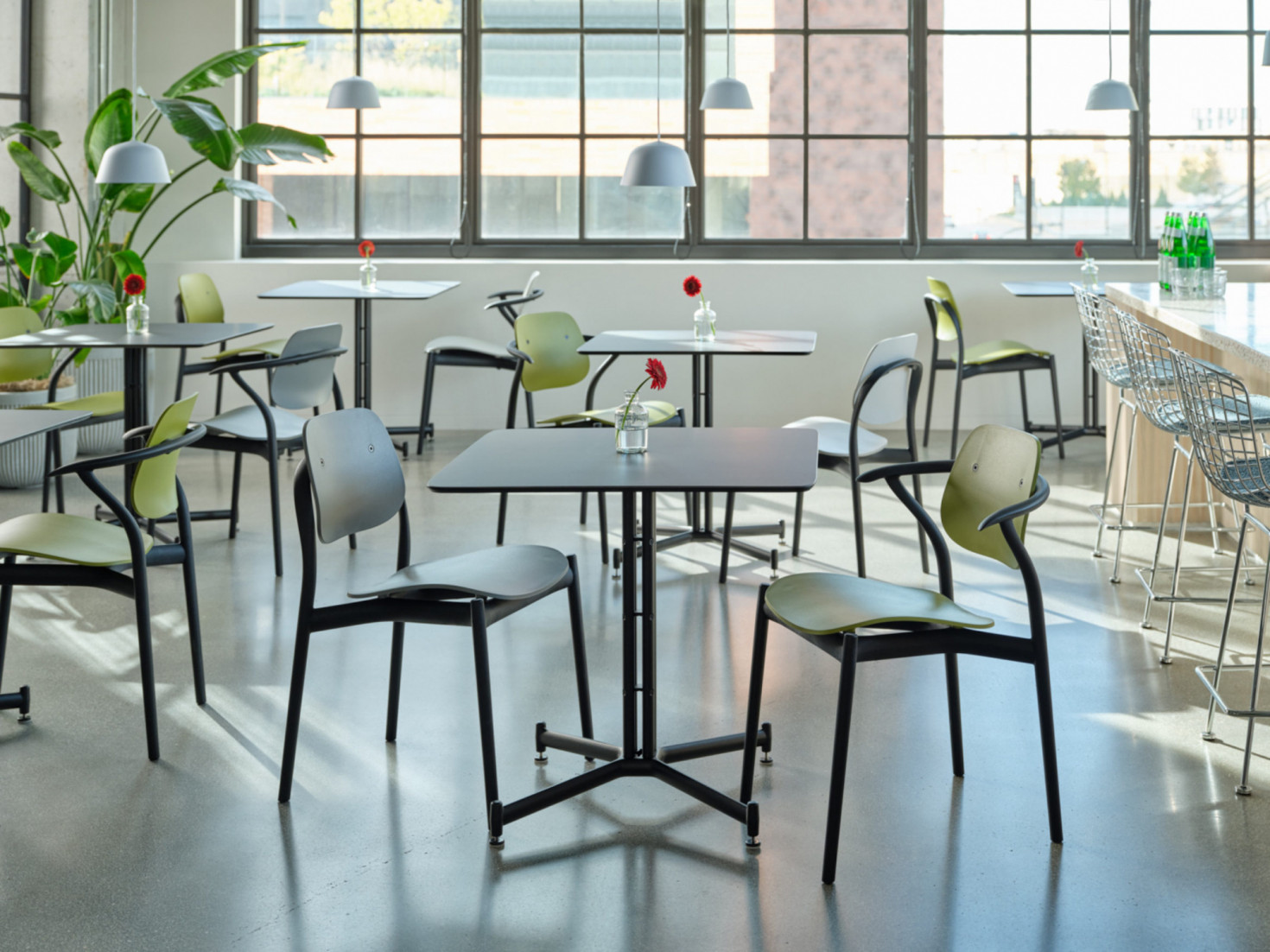
Knoll introduces the Iquo Cafe Collection

Designer Ini Archibong’s West African heritage energizes Knoll’s modern design legacy in this corresponding set of tables and chairs.

The collection—which provides a place to gather both indoors and out in hospitality spaces, offices, and on campus—is named after three generations of Archibong women who share the name Iquo, and it embraces the moniker’s feminine spirit in balancing elegant curvature with strength and durability.

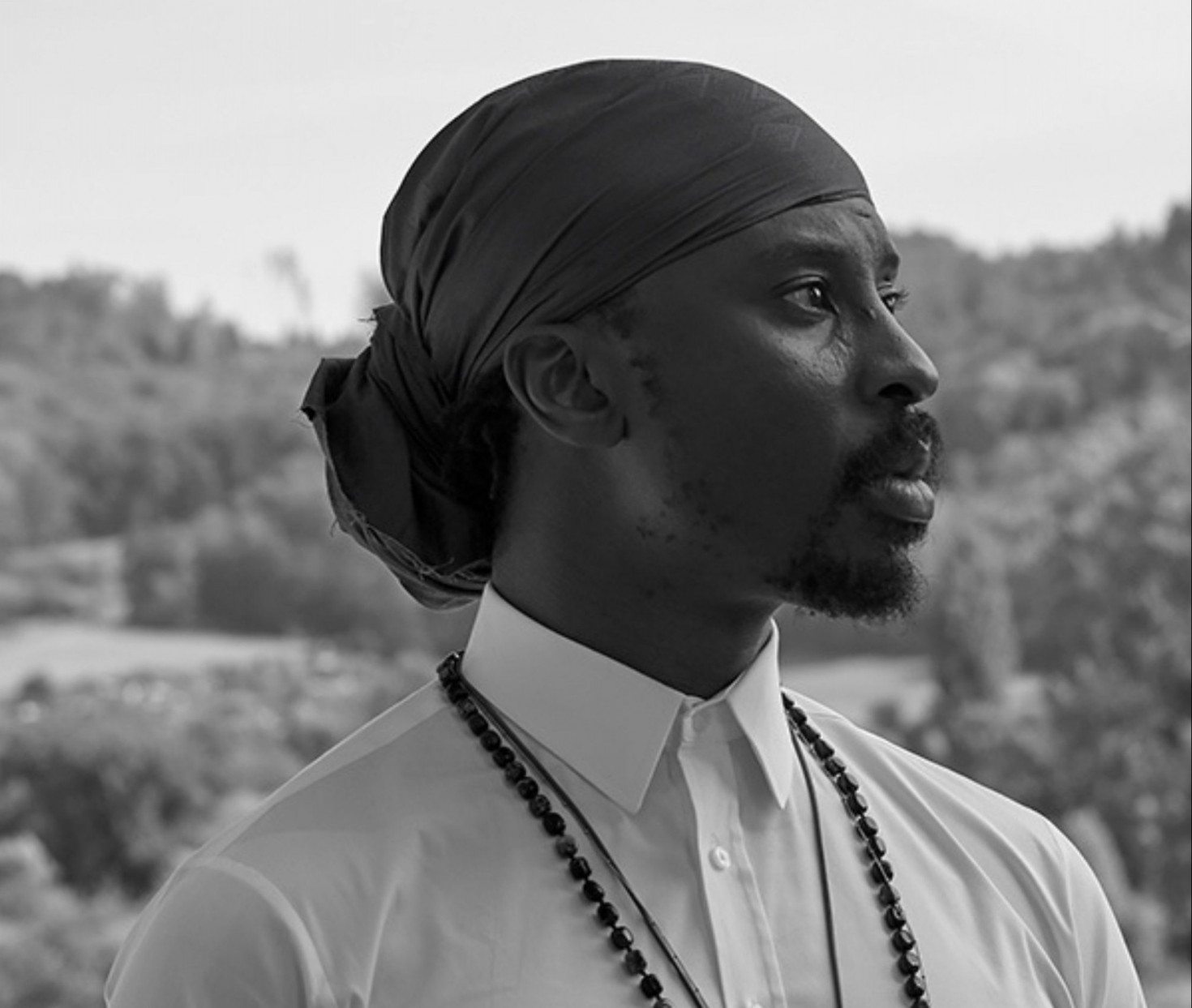
Archibong, the son of Nigerian immigrants, found equal parts inspiration in West African spirituality and midcentury American furniture, resulting in sculptural silhouettes that feel both airy and robust.

Iquo Chairs
The chair design in Ini Archibong’s Iquo Café Collection features a curved silhouette and one continuous frame that’s both light and resilient. They come with or without arms and can be stacked six-high on the floor. Available in five colors, the chairs feature a black, textured polypropylene frame, and the indoor chair can be upholstered with textiles and leathers.

Iquo Tables
Available with either a square or round top, the Iquo Café Collection tables come in white, grey, or black resin and laminate, as well as Vetro Bianco stone. They feature an elegant pedestal base, made of four vertical tubes, that provides wire management for power use and is intentionally flat where it meets the floor for comfortably resting your feet.

Ini Archibong is an industrial designer, creative director, artist, and musician. His work is characterized by a deep interest in master-craftsmanship and its intrinsic relationship to technology – both modern and ancient. Taking inspiration from the study of architecture, environmental and product design, as well as lifelong passions for mathematics, philosophy, and world religions, he seeks to apply his vision and methods across a wide range of disciplines.
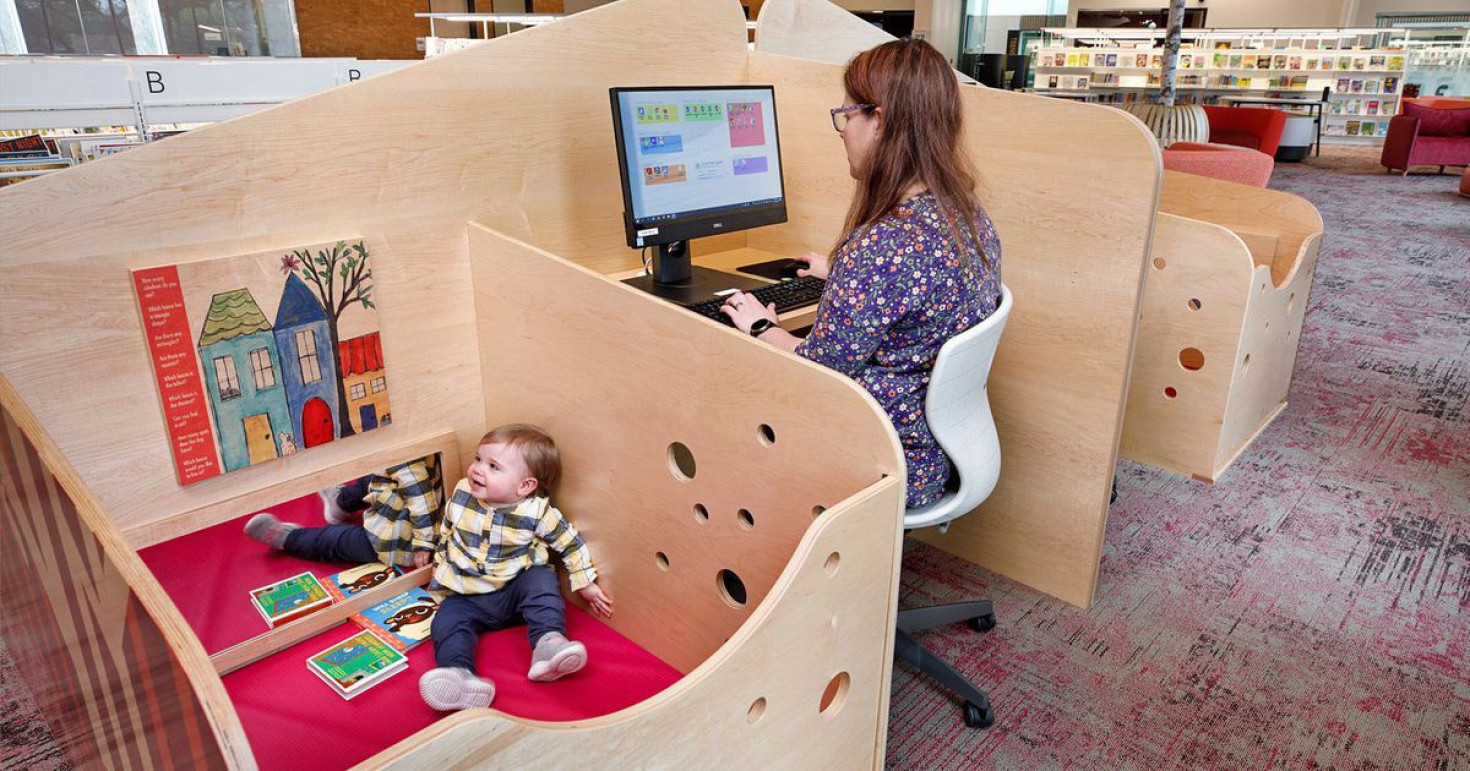
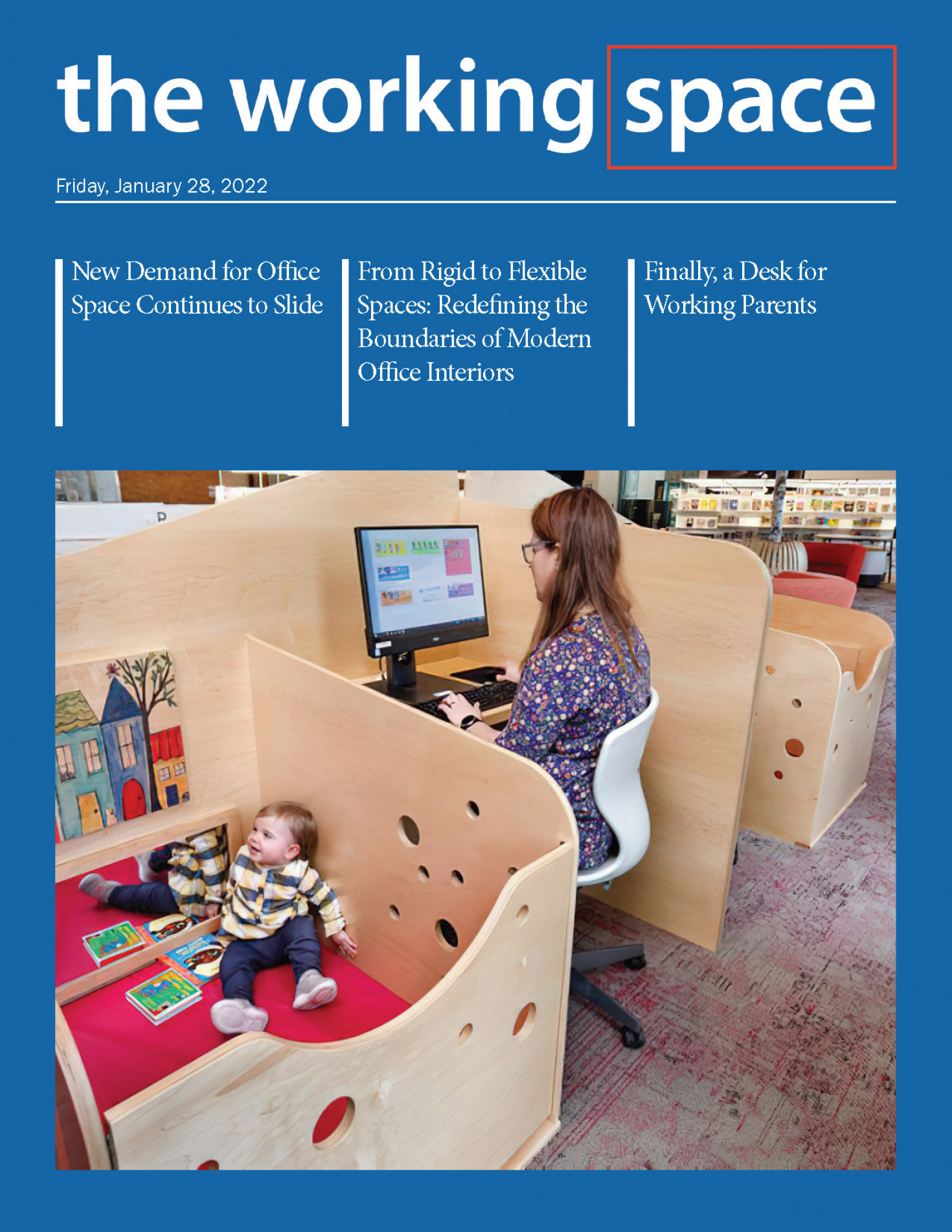
The Fairfield carrel was designed to help caregivers with young kids in tow better access their local library.

Global Introduces Venture

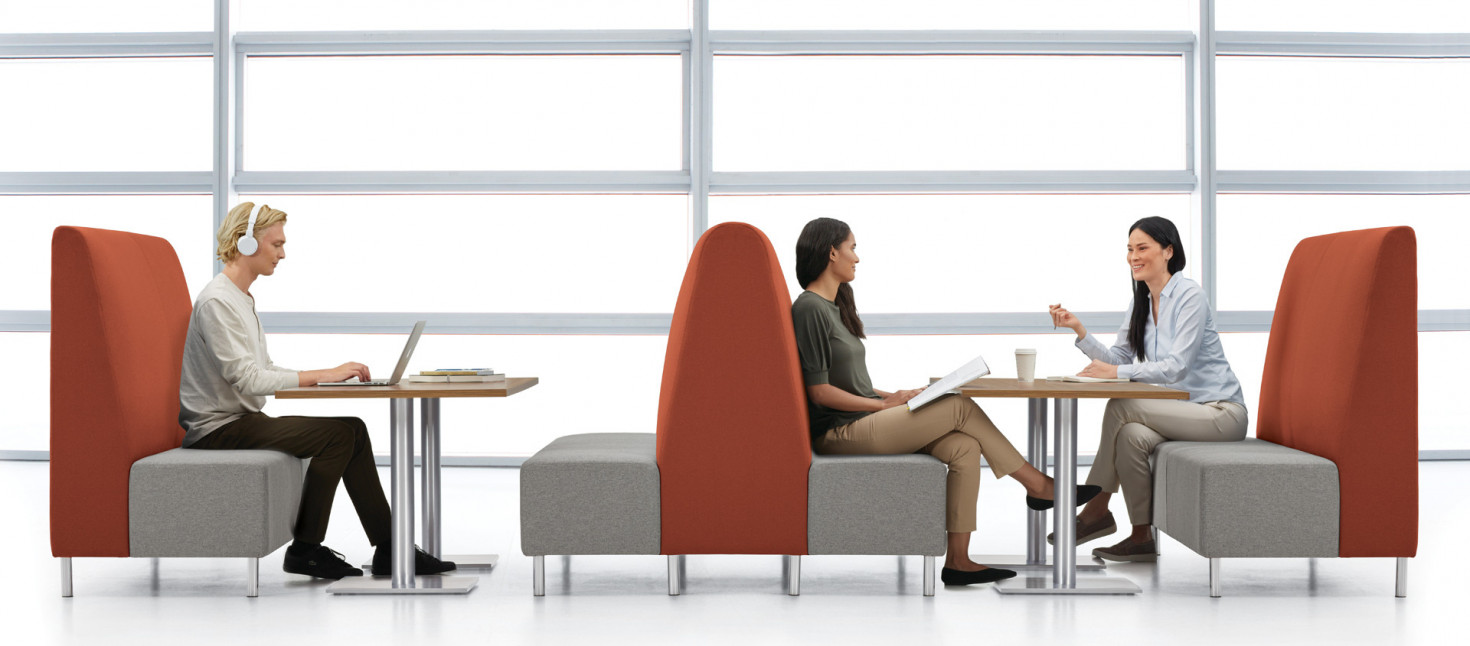
Whether you’re getting together for a quick chat, to catch up on a project or in need of some heads down time, Venture™ banquettes are up to the task. The series features double-sided and single-sided models in four seat widths for easy specification. Global’s banquette height Swap tables ensure the seat to table height is always correct.

Create the conditions for connections to happen. Venture banquettes can be an informal companion to a work or learning space or to divide spaces – providing a place for different groups to meet and individuals to step out of their routines.

RightAngle™ Products Announces New Product: Hooligan Teacher’s Desk w/Gas Lift Lectern

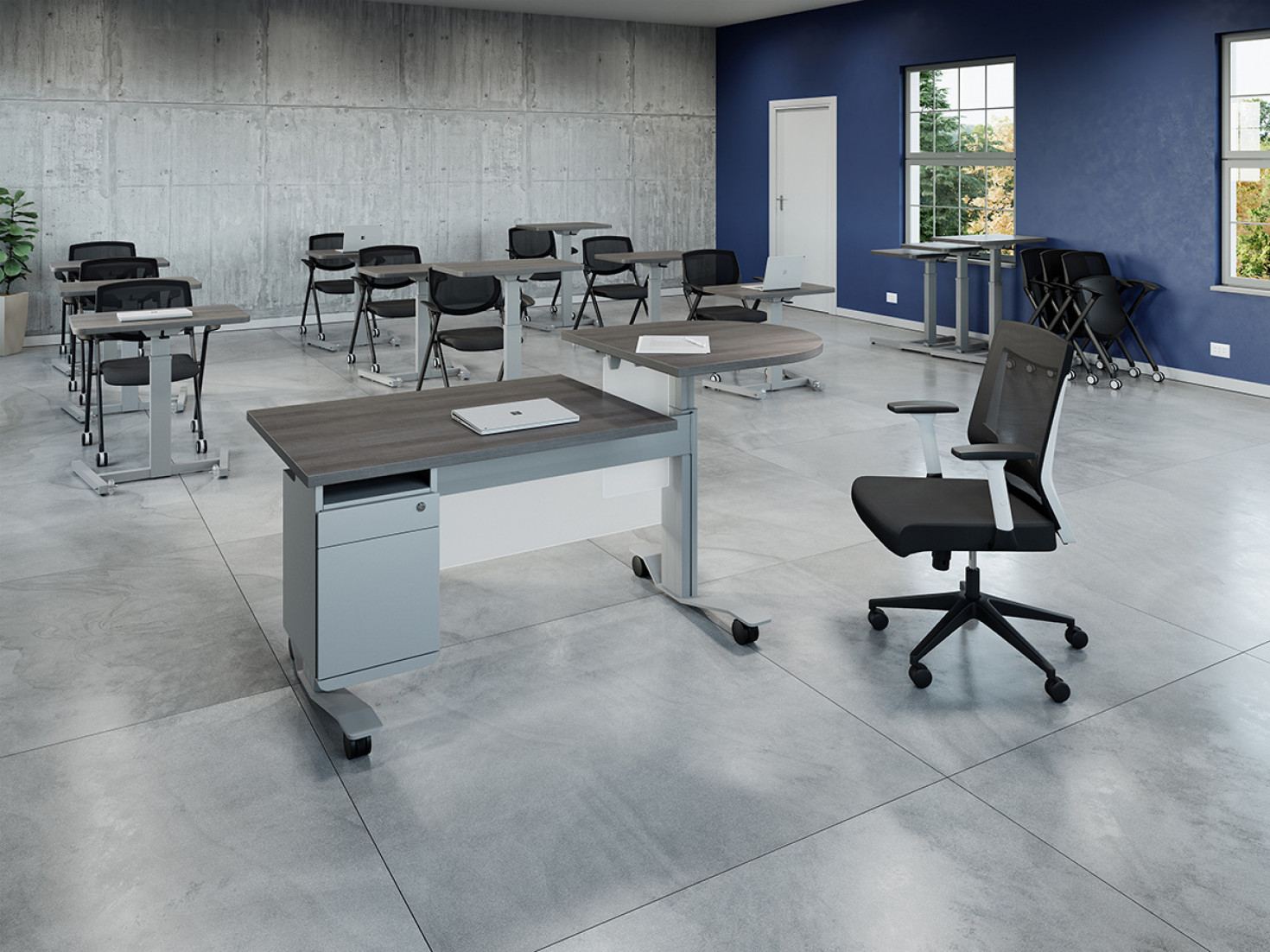
RightAngle Products recently announced a unique addition to their NewHeights™ product offerings. The Hooligan is a fully mobile, all-in-one desking solution that includes a fixed-height workspace and an integrated height adjustable podium. This new take on the traditional teacher’s desk provides easy mobility, maximized stability, simple operation, and encourages engagement & collaboration with others.


Projects

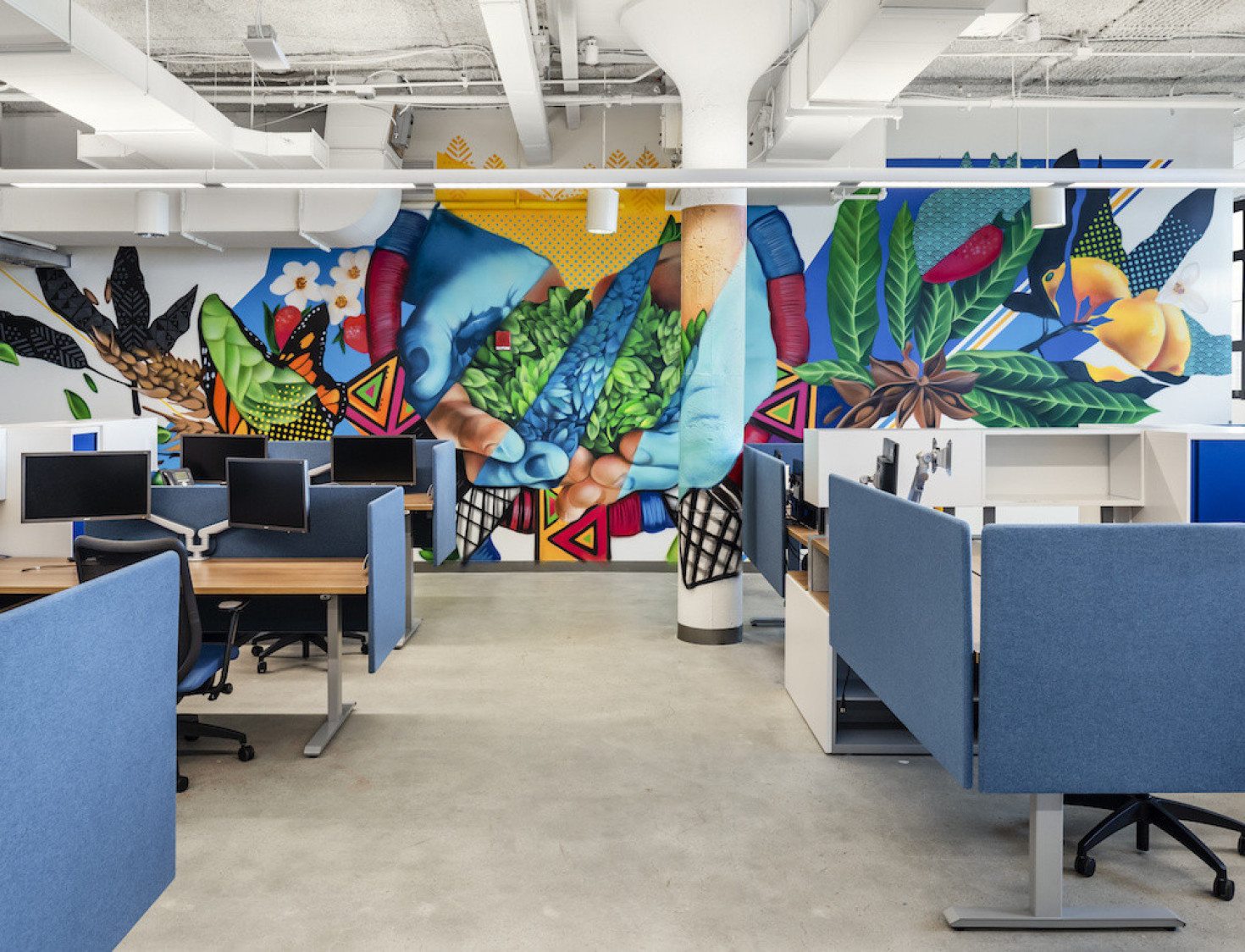
Bergmeyer creates a workspace for Boston Beer Company that truly complements the company and its people. Cheers to that!
Shanghai studio AIM Architecture has transformed the second floor of a business park into a store that resembles a 1970s office for cosmetics brand Harmay.

Noted

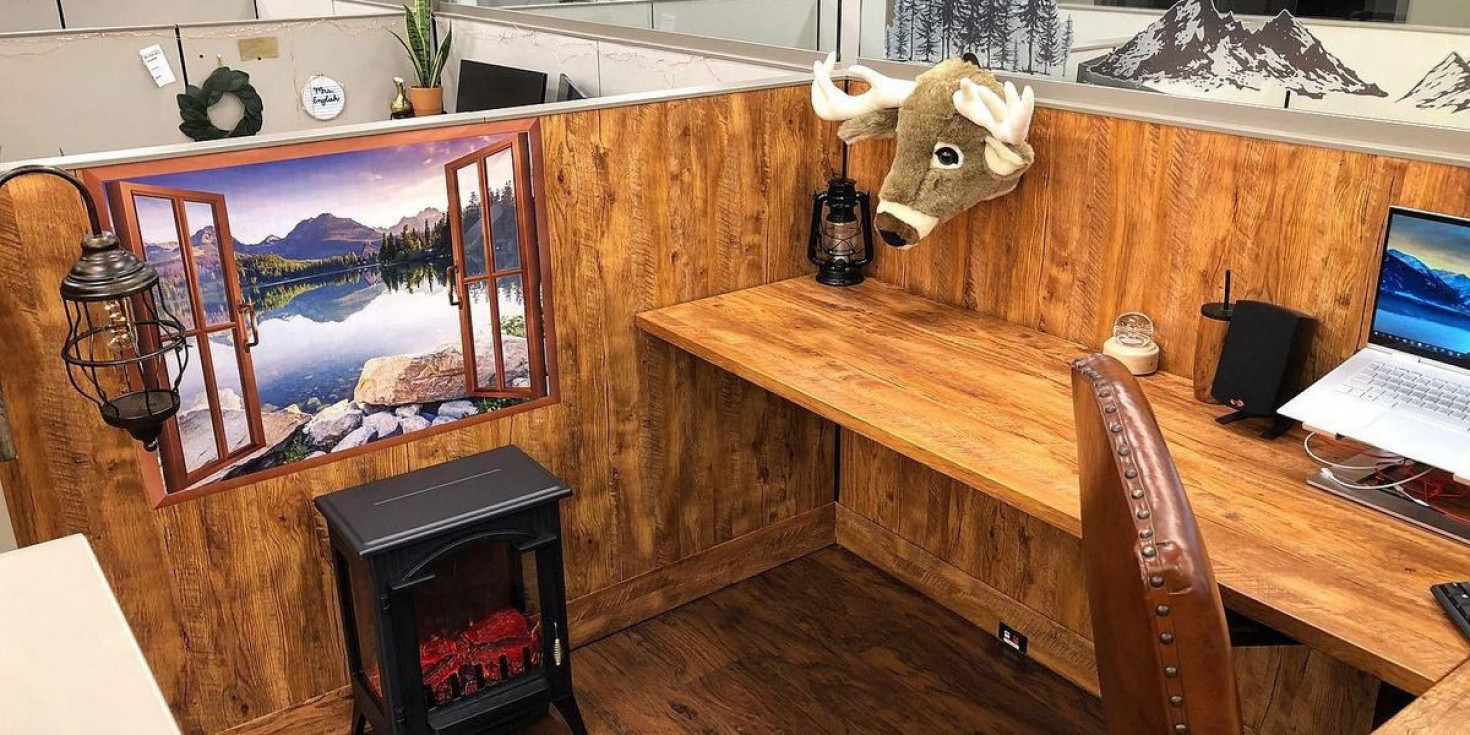
“Building forts” has long been a passion of Lucas Mundt’s. Now, his employer plans to give out $200 stipends for cubicle decor.
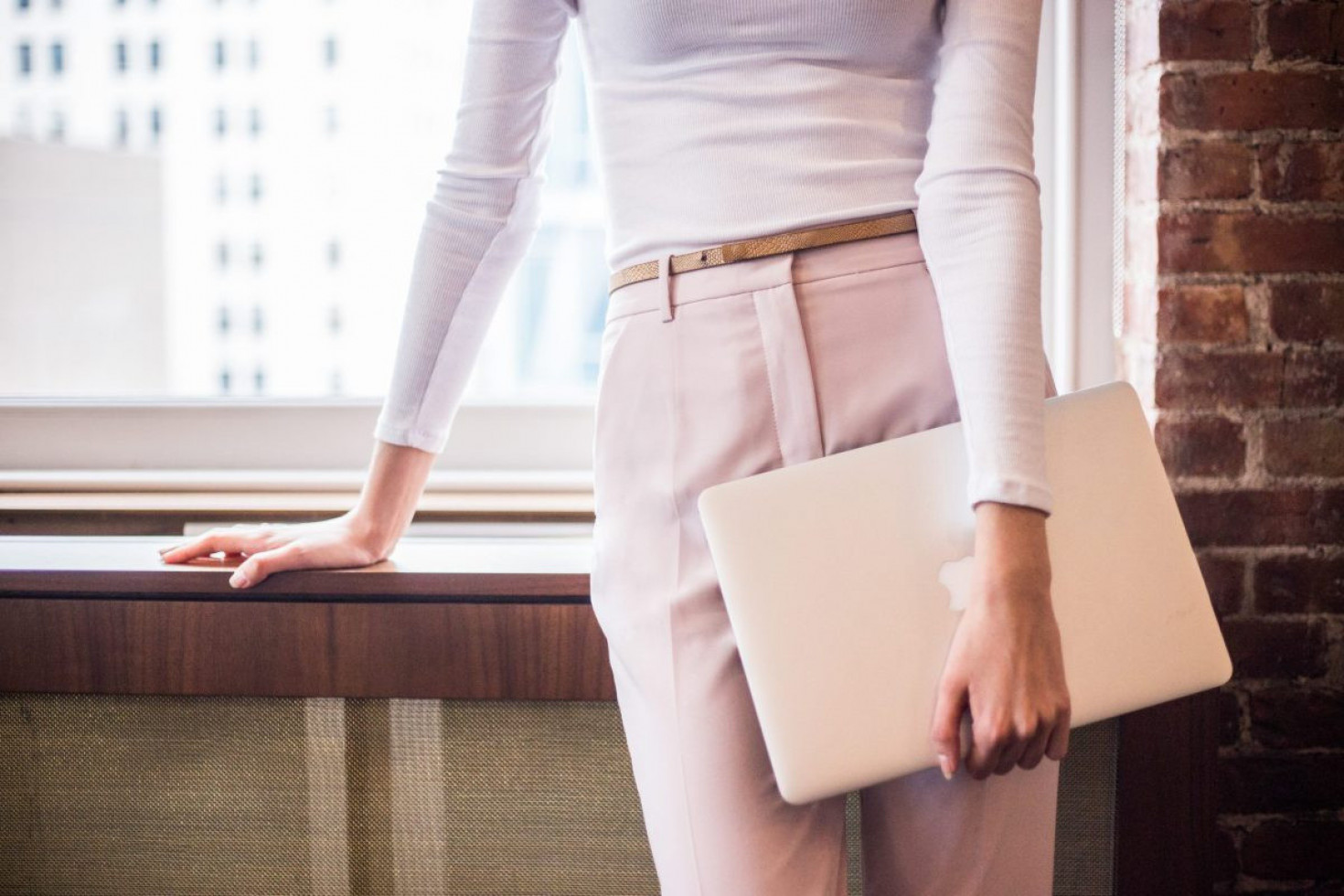
Like many innovative companies, Pivotte Studio—founded by Evelyn Frison and Yehua Yang—was created to solve a problem. “The simple answer,” Frison says of the impetus behind the brand, “is that I hate women’s pants. I hate jeans and they are also so eco-unfriendly. I hate dress trousers, and I can’t wear activewear or leggings to non-fitness activities.” So Frison and Yang embarked on a mission to make the type of pants they wanted, eschewing all the problems they came across—restrictive silhouettes and fabrics, a lack of decent pockets and more—and including the elements they loved about performance-wear and garments intended for men.


Find the best Contract Furniture Industry jobs and hire the best talent.
created in Publicate