Friday, March 18, 2022

News
Material Bank Acquires Product Data Technology Company Amber Engine
Material Bank announced the acquisition of Amber Engine, a software development company with a mission to democratize the product information management (PIM) space. This acquisition will expand the services that Material Bank provides to its almost 500 brand partners, alleviating some of the design industry’s biggest pain points: the lack of standardized data, disorganization due to high SKU counts, and the overall complexity of configuring materials and products.
Much in the way that Material Bank has modernized and simplified searching and sampling for materials, Amber Engine will simplify the process of data management and complex datasets across the design industry, empowering brands with better data.
Amber Engine’s new next-gen PIM software was designed to serve the needs of companies ranging from small and midsize to very large. The software is built around workflows that streamline the delivery of product data from every source, allowing brands to scale more efficiently by easily preparing, optimizing, and sharing product data from one centralized place. Companies will no longer have to endure painstaking manual data management to execute multichannel e-commerce, resulting in faster time to market with data that is more accurate and better positioned for sales.
Founded by Jennifer Gilbert, Amber Engine was a member of the Rock Family of Companies, along with dozens of other innovative companies like Rocket Mortgage, Rock Ventures, and StockX.
Much in the way that Material Bank has modernized and simplified searching and sampling for materials, Amber Engine will simplify the process of data management and complex datasets across the design industry, empowering brands with better data.
Amber Engine’s new next-gen PIM software was designed to serve the needs of companies ranging from small and midsize to very large. The software is built around workflows that streamline the delivery of product data from every source, allowing brands to scale more efficiently by easily preparing, optimizing, and sharing product data from one centralized place. Companies will no longer have to endure painstaking manual data management to execute multichannel e-commerce, resulting in faster time to market with data that is more accurate and better positioned for sales.
Founded by Jennifer Gilbert, Amber Engine was a member of the Rock Family of Companies, along with dozens of other innovative companies like Rocket Mortgage, Rock Ventures, and StockX.


State and local governments lease tens of millions of office space across the country, but that number is falling fast as the push for remote and hybrid work has made civil servants rethink their real estate.
From California to Georgia and Maine to Utah, the pandemic thrust government agencies into an entirely new way of working. Two years later, many have found that offering flexible working arrangements can solve two ever-present challenges they face: attracting and retaining their workers and maximizing taxpayer dollars.
From California to Georgia and Maine to Utah, the pandemic thrust government agencies into an entirely new way of working. Two years later, many have found that offering flexible working arrangements can solve two ever-present challenges they face: attracting and retaining their workers and maximizing taxpayer dollars.
The Workplace

TWO YEARS ago this month the era of remote working abruptly began. As the first wave of covid-19 cases prompted lockdowns in the West, white-collar workers had to get used to new ways of conducting themselves. Unmuting was not yet a reflex movement, Zoom fatigue not yet a common affliction.
Now another era is getting under way. Unless a new variant of the virus again intervenes, more and more workers will go to the office for at least a portion of their working week. Guidance to work from home was lifted in Britain in January. American Express expects to see people back in its offices in America from March 15th; employees of Citigroup, Google and Apple have been given return dates of March 21st, April 4th and April 11th, respectively.
Another period of adjustment is unfolding, and not just to the novel demands of hybrid work. People also have to get used to the physical reality of once again being surrounded by three-dimensional colleagues—people who gaze, chatter, slurp, wheeze, clatter, rustle and fidget.
Now another era is getting under way. Unless a new variant of the virus again intervenes, more and more workers will go to the office for at least a portion of their working week. Guidance to work from home was lifted in Britain in January. American Express expects to see people back in its offices in America from March 15th; employees of Citigroup, Google and Apple have been given return dates of March 21st, April 4th and April 11th, respectively.
Another period of adjustment is unfolding, and not just to the novel demands of hybrid work. People also have to get used to the physical reality of once again being surrounded by three-dimensional colleagues—people who gaze, chatter, slurp, wheeze, clatter, rustle and fidget.
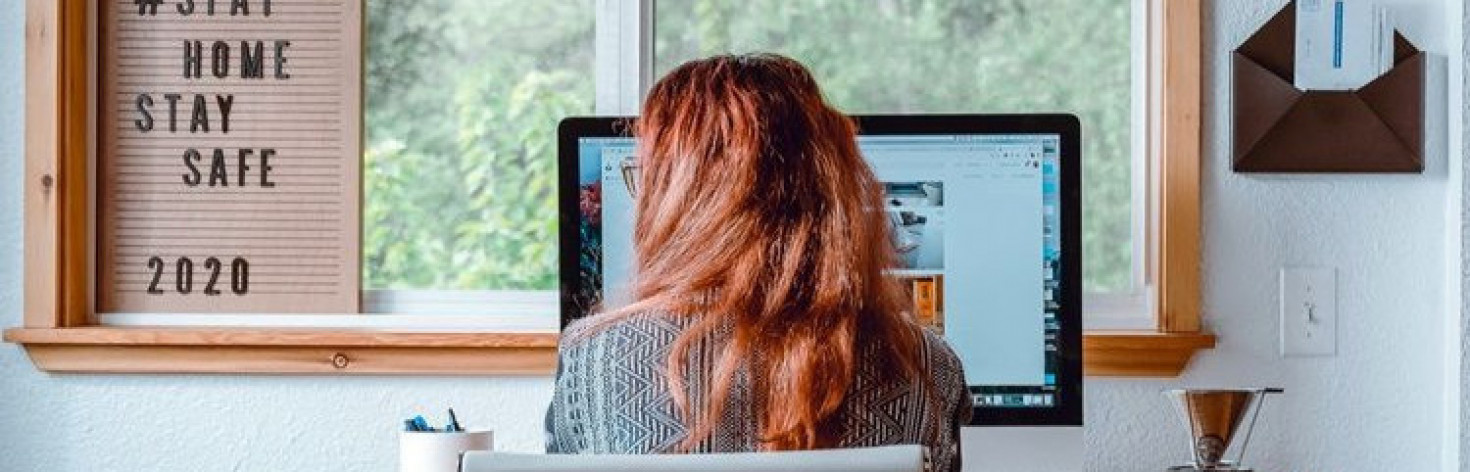
With cases of the omicron variant on a downswing and mask mandates lifting, companies that delayed bringing workers back to the office for two long years are starting to bite the bullet. And nowhere has been more successful in bringing employees back to their desks than the Lone Star State, where major cities in the Texas Triangle — Austin, Dallas and Houston — lead the nation in office returnees, lessons learned and a look into the crystal ball about how things might shake out for the rest of the country.
The short version: Things will likely level out at a 55%-65% return rate and only on some days, the need for office is a more appealing place than home are not hype, and friendly design and culture will be more than buzz words going forward.
The short version: Things will likely level out at a 55%-65% return rate and only on some days, the need for office is a more appealing place than home are not hype, and friendly design and culture will be more than buzz words going forward.

Companies that are ready to bring employees back to work may benefit from figuring out what amenities would help employees feel more comfortable in the office.
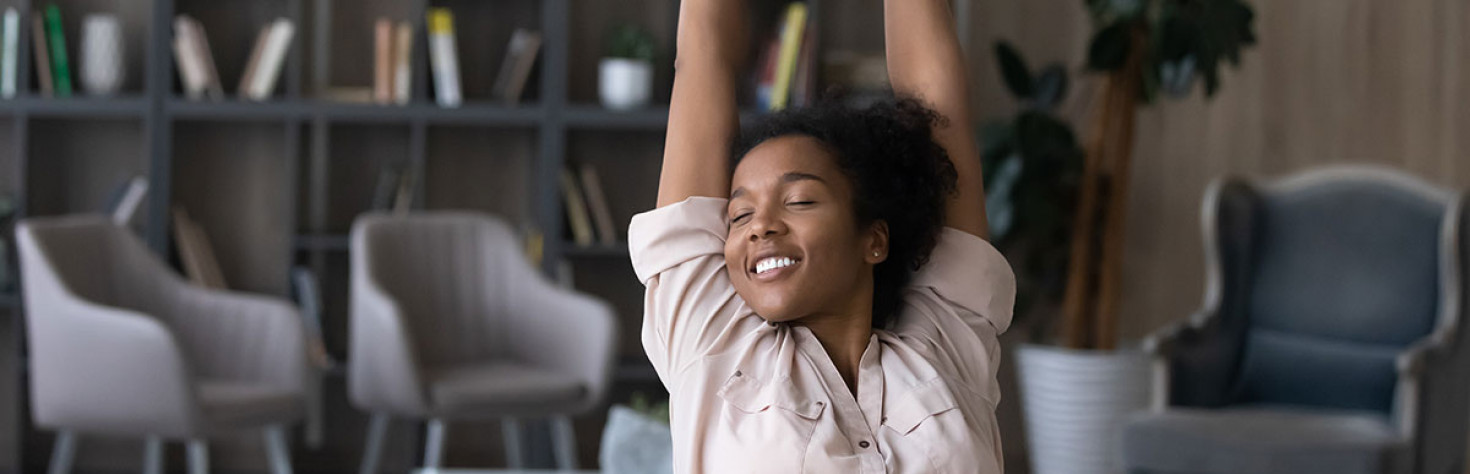
In our latest research, we analyze the unique working patterns of hybrid workers and identify opportunities for employers to support their employees in their aspirations for greater flexibility. We believe that accommodating individuals’ unique energy flows in the workplace and creating an office experience as comfortable as home will be key to employee and organizational resilience.

The office was never one size fits all. It was one size fits some, with the expectation that everybody else would squeeze in.
Trends

In the new era of work, the term “hybrid” is sometimes misrepresented to mean either HQ or the home office. This misappropriation misses the point (and the beauty) of the hybrid work movement. People want flexibility around not just how, but where they work. They want true workplace choice, in other words. And, increasingly, when it comes to choosing between work-from-home (WFH) and working from the office, the choice more workers are making – at least part of the time – is none of the above. For at least a few days of the week, they’re opting for a creative alternative that offers the best of both worlds, the benefits of a full-service office and proximity to home.
What, exactly, are these Goldilocks work environments? They’re called third places and, at a time when worker health and happiness has never mattered more, they might just have an essential role to play in your organization’s hybrid workplace strategy.
What, exactly, are these Goldilocks work environments? They’re called third places and, at a time when worker health and happiness has never mattered more, they might just have an essential role to play in your organization’s hybrid workplace strategy.

Microsoft is already incorporating the findings into its own workplace culture and remote policies.
Remote Work

The freedom to work remotely has prompted nearly 10% of Americans to make plans to move, according to a new survey from Upwork, creator of the popular freelance marketplace.
Based on responses from over 23,000 Americans, it argues the WFH phenomenon is starting to have a clear geographic impact on the country, pulling workers farther and farther away from urban cores. Upwork says 2.4% of American adults (which it estimates to be 4.9 million people) say they’ve already moved since 2020 as a result of remote work, but almost four times that number—9.3%, or almost 19 million—are planning to move. It notes people’s plans shouldn’t be given as much weight as what they’re presently doing, but this number still represents a 50% jump since Upwork’s last survey, in October 2020.
The most striking part of the data, however, is where people are moving. Upwork asked how far respondents were traveling when they moved. Many moves were local, but the surprising discovery was that 28% were to a new home that was more than four hours away, and another 13% were between two and four hours away—distances “outside the range of what many people would think is commutable.”
Based on responses from over 23,000 Americans, it argues the WFH phenomenon is starting to have a clear geographic impact on the country, pulling workers farther and farther away from urban cores. Upwork says 2.4% of American adults (which it estimates to be 4.9 million people) say they’ve already moved since 2020 as a result of remote work, but almost four times that number—9.3%, or almost 19 million—are planning to move. It notes people’s plans shouldn’t be given as much weight as what they’re presently doing, but this number still represents a 50% jump since Upwork’s last survey, in October 2020.
The most striking part of the data, however, is where people are moving. Upwork asked how far respondents were traveling when they moved. Many moves were local, but the surprising discovery was that 28% were to a new home that was more than four hours away, and another 13% were between two and four hours away—distances “outside the range of what many people would think is commutable.”

Remote work declined in popularity throughout 2021, but only marginally, a new study by Apartment List found. Last April, 51 percent of workers were working from home at least half the time, and by December, that share had fallen to 44 percent. And within this remote group, a shift from working only-at-home to working mostly-at home was observed.
Some 56 percent of remote workers were exclusively at-home in April, compared to 47 percent in December. Hybrid arrangements that include on-site work days have become more common, but broadly speaking, remote work continues to entrench itself in the national economy.
Some 56 percent of remote workers were exclusively at-home in April, compared to 47 percent in December. Hybrid arrangements that include on-site work days have become more common, but broadly speaking, remote work continues to entrench itself in the national economy.
Coworking
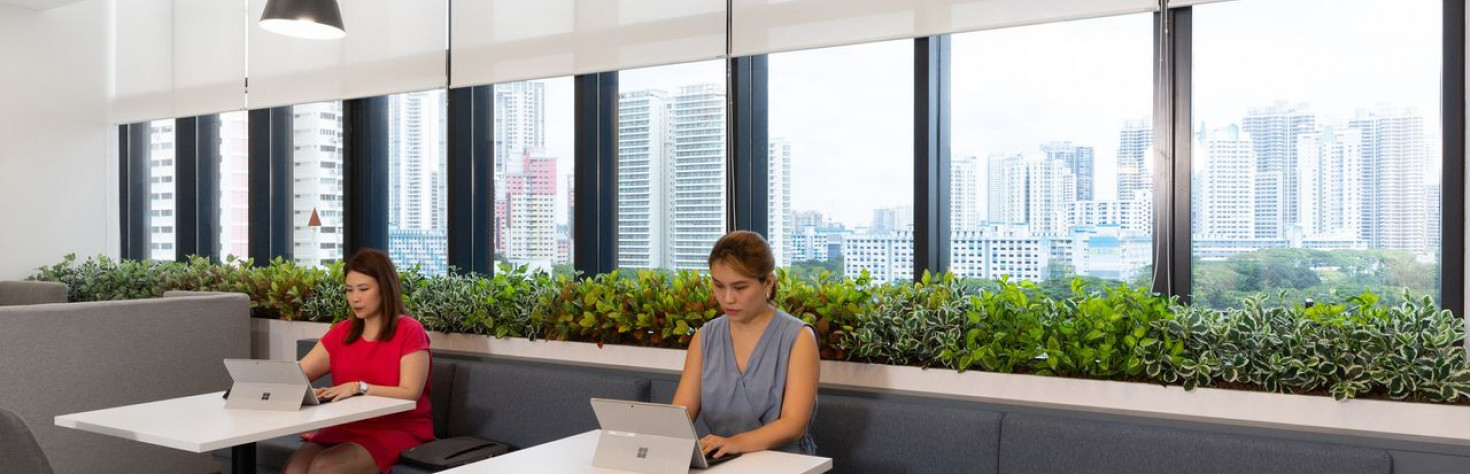
Entrepreneurs have long sought to create a big online listing site for office space similar to how Booking.com or Airbnb offer lodging options. Now the Covid-19 pandemic is breathing new life into these efforts.
Flexible-office operator IWG PLC. said last week that it is investing around $350 million into a venture with the Instant Group, which runs an online listing site for office space. The companies say the business will be the world’s largest online marketplace for flexible office space.
Flexible-office operator IWG PLC. said last week that it is investing around $350 million into a venture with the Instant Group, which runs an online listing site for office space. The companies say the business will be the world’s largest online marketplace for flexible office space.
WeWork's losses in 2021 exceeded those of 2020 by some $1.3B, but the losses reported in its second earnings statement since beginning to trade on the New York Stock Exchange in October were tempered by quarter-over-quarter revenue gains.
The coworking giant reported on Friday that it lost more than $4.4B in 2021, an increase from about $3.1B in 2020, though almost half of its losses ($2B) for 2021 were in the first quarter of the year.
The coworking giant reported on Friday that it lost more than $4.4B in 2021, an increase from about $3.1B in 2020, though almost half of its losses ($2B) for 2021 were in the first quarter of the year.
Design
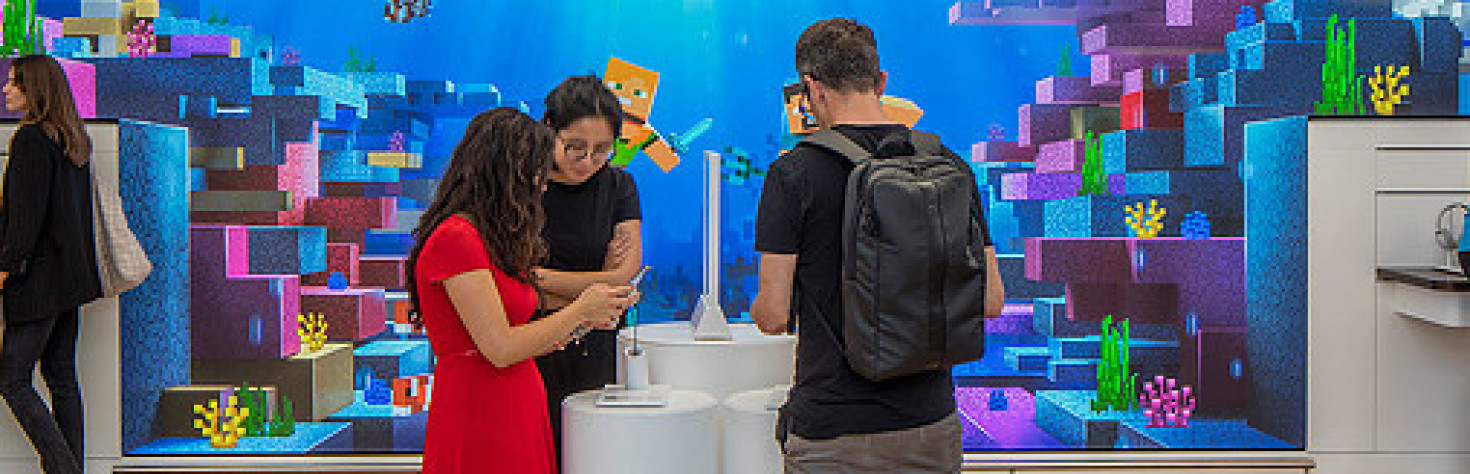
In an increasingly hybrid world, offices, retail stores, and other physical places need to bring people together and create community. Now, as the office is at a pivotal point in its evolution, here are four lessons that the office sector can take from retail in designing hybrid experiences.
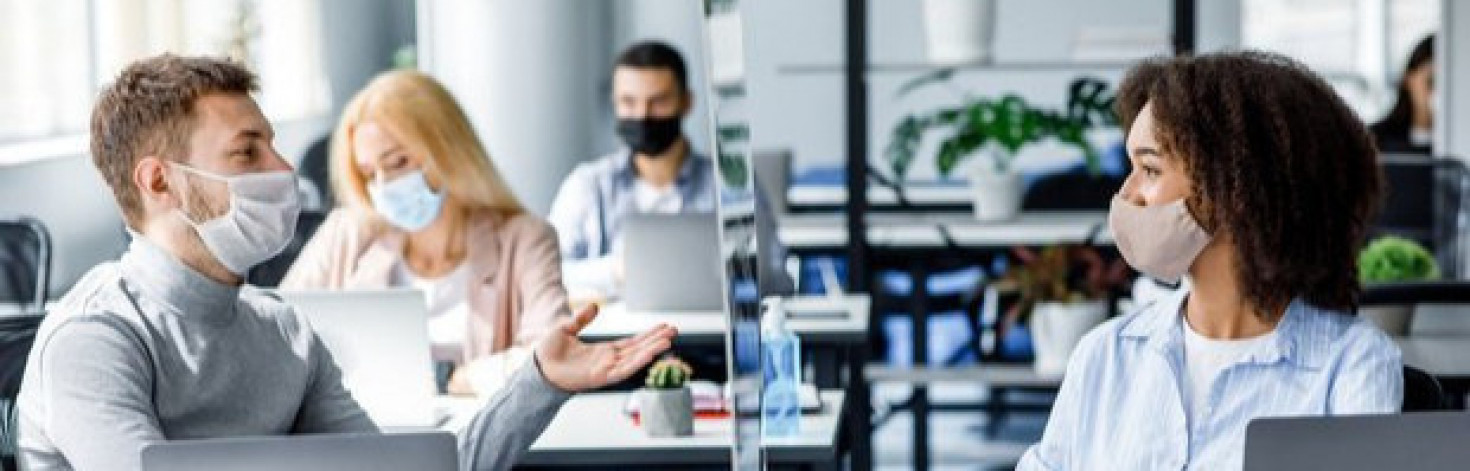
Corporate office tenants are likely to begin instituting renovations over the next few months as they gain a better sense of what employees expect out of a return to physical work—but they’ll likely do so in small ways designed to have a big impact.
“In a hybrid world, the reality is that most spaces opened before 2020 are simply not designed to support new work dynamics and to fully enable innovation, collaboration, and socialization,” said Michael Casolo, Chief Revenue Officer at global workplace strategy, design and construction firm Unispace. “That being said, the vast majority of companies are taking a ‘wait-and-see’ approach before instituting major design changes to their offices to reflect its new purpose.”
“In a hybrid world, the reality is that most spaces opened before 2020 are simply not designed to support new work dynamics and to fully enable innovation, collaboration, and socialization,” said Michael Casolo, Chief Revenue Officer at global workplace strategy, design and construction firm Unispace. “That being said, the vast majority of companies are taking a ‘wait-and-see’ approach before instituting major design changes to their offices to reflect its new purpose.”
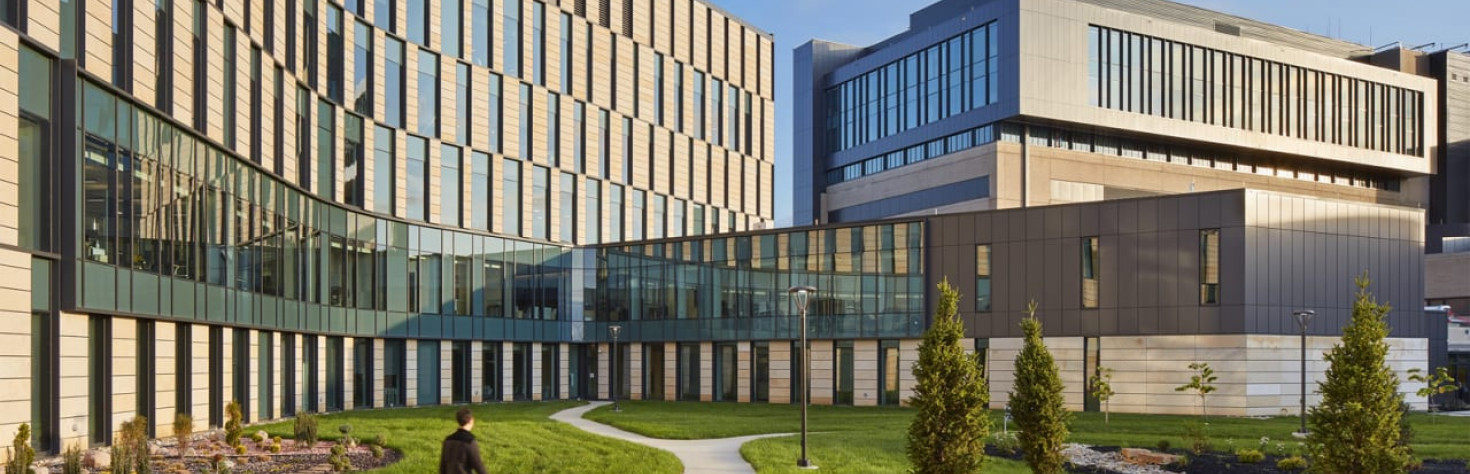
Among a certain subset of designers, there’s a growing feeling that the more natural a space is, the better. So-called biophilic design, or design that integrates nature and natural processes, is making its way into the world of architecture and urban development. In architecture, biophilia is seen as a way to make people happier and healthier by building nature into their daily lives, even when they’re in a city.
It’s a concept that’s particularly relevant in healthcare spaces like hospitals and clinics. Wellness and patient healing have been repeatedly shown to have close connections with the way spaces are designed, the amount of natural daylight they’re exposed to, even the views hospital rooms offer patients.
It’s a concept that’s particularly relevant in healthcare spaces like hospitals and clinics. Wellness and patient healing have been repeatedly shown to have close connections with the way spaces are designed, the amount of natural daylight they’re exposed to, even the views hospital rooms offer patients.
Metaverse
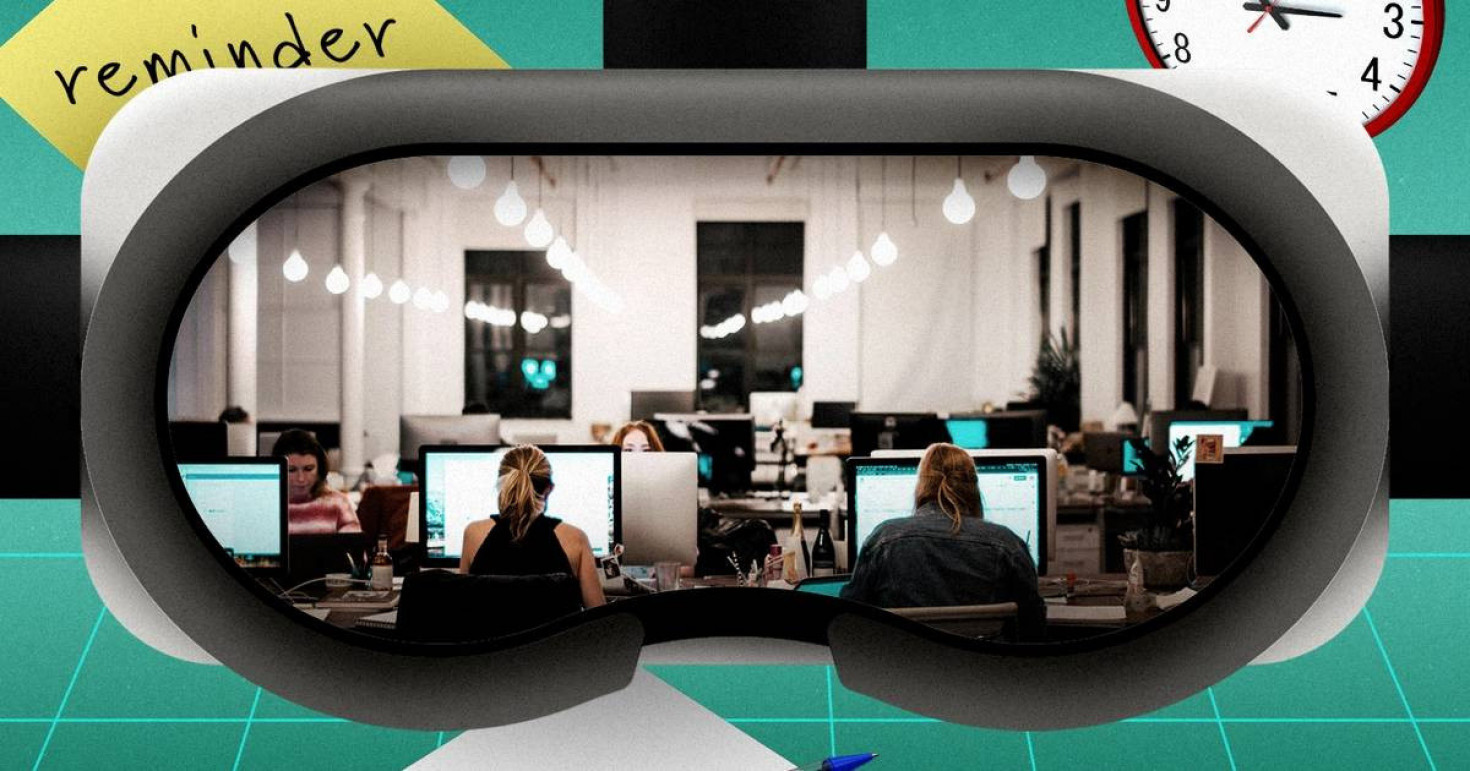
VR proponents are hopeful that the metaverse could reinvent remote work, but the new tech could be more intrusive than employees realize.
Real Estate

Besides making hybrid work schedules into the new reality for U.S. office properties, the coronavirus pandemic is helping spur the partial decentralization of the tech industry away from its traditional coastal cities, according to a new report by The Brookings Institution.
The shift doesn't represent a massive exodus from the current tech hubs, but the pandemic did mark a slowdown in their growth and result in a corresponding uptick in tech jobs in midsized and smaller places with high quality-of-life metrics where tech workers can easily relocate, according to the report.
The shift doesn't represent a massive exodus from the current tech hubs, but the pandemic did mark a slowdown in their growth and result in a corresponding uptick in tech jobs in midsized and smaller places with high quality-of-life metrics where tech workers can easily relocate, according to the report.
WFH

In a new survey, 9.3% of respondents — roughly the equivalent of 19 million Americans — said they are planning to move because they can work remotely. Since 2020, 2.4% had already moved because of remote work.
Makers
Kimball International Announces Executive Leadership Changes for Hospitality Business Unit
Last week, Kimball International announced that Kathy Sigler, current president of the company’s Hospitality Business Unit, will retire after a successful 32-year career with the company. Mark Johnson has been named Sigler’s successor and will take on the role of President, Hospitality.
Sigler led Kimball Hospitality for four years and has been instrumental in steering the business through the pandemic and setting the company up for success as the travel and hospitality industry begins to emerge from the downturn caused by COVID-19.
Johnson joined Kimball International in 2020 as a member of the company’s Executive Team. He is currently Chief Legal Officer and Corporate Secretary for Kimball International and will continue in this role in addition to his new responsibilities as President, Hospitality. Johnson is a proven executive leader who brings deep expertise in business planning and transformation to the role.
Sigler led Kimball Hospitality for four years and has been instrumental in steering the business through the pandemic and setting the company up for success as the travel and hospitality industry begins to emerge from the downturn caused by COVID-19.
Johnson joined Kimball International in 2020 as a member of the company’s Executive Team. He is currently Chief Legal Officer and Corporate Secretary for Kimball International and will continue in this role in addition to his new responsibilities as President, Hospitality. Johnson is a proven executive leader who brings deep expertise in business planning and transformation to the role.
DIRTT Announces Advancements Driving Partner Momentum
DIRTT Environmental Solutions Ltd. announced the commencement of partner initiatives supporting enhanced performance.
“Our partners are critical to our success, which is what makes these initiatives so important to DIRTT,” says Todd Lillibridge, Interim Chief Executive Officer. “Working alongside these industry leaders will further the momentum we have been building as we put DIRTT on the path to profitability.”
In consultation with DIRTT Partners, the company is launching a Partner Advisory Council to continue its strategic drive towards strengthening its partner network across North America and expanding into key markets.
“Our partners are critical to our success, which is what makes these initiatives so important to DIRTT,” says Todd Lillibridge, Interim Chief Executive Officer. “Working alongside these industry leaders will further the momentum we have been building as we put DIRTT on the path to profitability.”
In consultation with DIRTT Partners, the company is launching a Partner Advisory Council to continue its strategic drive towards strengthening its partner network across North America and expanding into key markets.
SONNEMAN – A Way of Light Appoints Andrew B. Cogan as CEO
SONNEMAN – A Way of Light, a manufacturer and designer of modern lighting, announced the appointment of Andrew B. Cogan as CEO.
Mr. Cogan has served as a Board Director of SONNEMAN since September 2021. As part of this transition, Sonny Park, SONNEMAN’s co-founder and CEO will become Executive Chairman and remain on the SONNEMAN board.
Prior to joining SONNEMAN, Mr. Cogan served more than 30 years as the Chairman & CEO of Knoll, Inc. In addition to taking on the CEO role at SONNEMAN, Mr. Cogan will also join Dunes Point Capital as a Senior Advisor.
Cogan currently serves as the Chairman of The Rug Company and a Director of the American Woodmark Corporation. He additionally serves on the External Advisory Board of the Master in Design Engineering Program at Harvard University.
Mr. Cogan has served as a Board Director of SONNEMAN since September 2021. As part of this transition, Sonny Park, SONNEMAN’s co-founder and CEO will become Executive Chairman and remain on the SONNEMAN board.
Prior to joining SONNEMAN, Mr. Cogan served more than 30 years as the Chairman & CEO of Knoll, Inc. In addition to taking on the CEO role at SONNEMAN, Mr. Cogan will also join Dunes Point Capital as a Senior Advisor.
Cogan currently serves as the Chairman of The Rug Company and a Director of the American Woodmark Corporation. He additionally serves on the External Advisory Board of the Master in Design Engineering Program at Harvard University.
Dealers
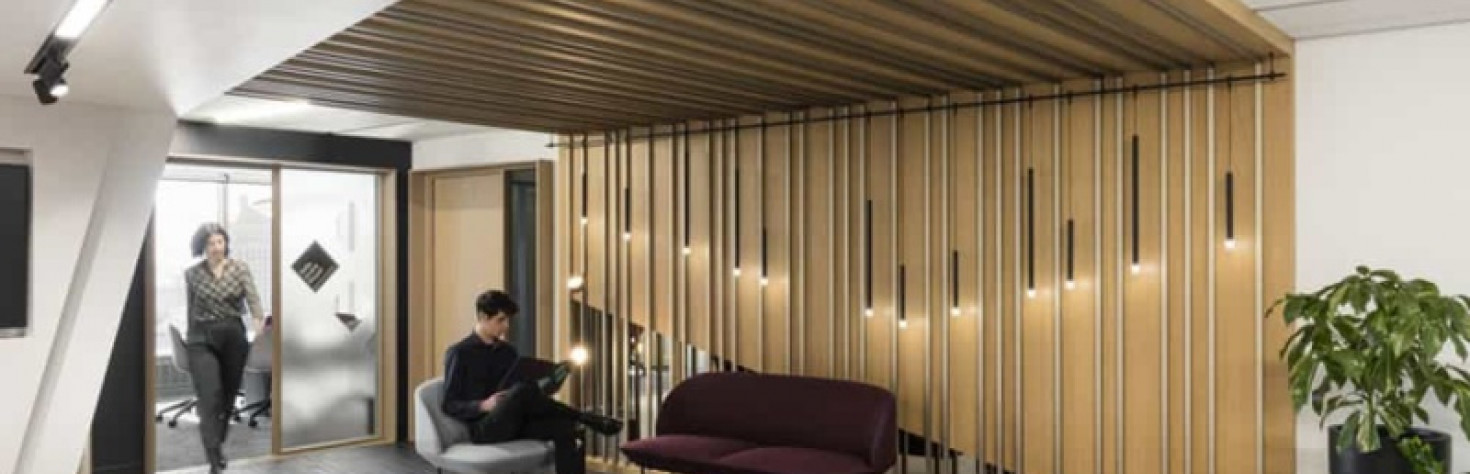
Two of Ottawa’s largest office furniture dealers have combined their operations in the wake of a major industry merger last year.
Burovision Ottawa announced recently it has acquired Ottawa Business Interiors in a deal that brings together the exclusive local distributors of two of Herman Miller and Knoll. Terms of the transaction, which closed last month, were not disclosed.
The companies said the deal was triggered by furniture maker Herman Miller’s US$1.8-billion acquisition last summer of another leading global manufacturer, Knoll.
Burovision Ottawa announced recently it has acquired Ottawa Business Interiors in a deal that brings together the exclusive local distributors of two of Herman Miller and Knoll. Terms of the transaction, which closed last month, were not disclosed.
The companies said the deal was triggered by furniture maker Herman Miller’s US$1.8-billion acquisition last summer of another leading global manufacturer, Knoll.
Products
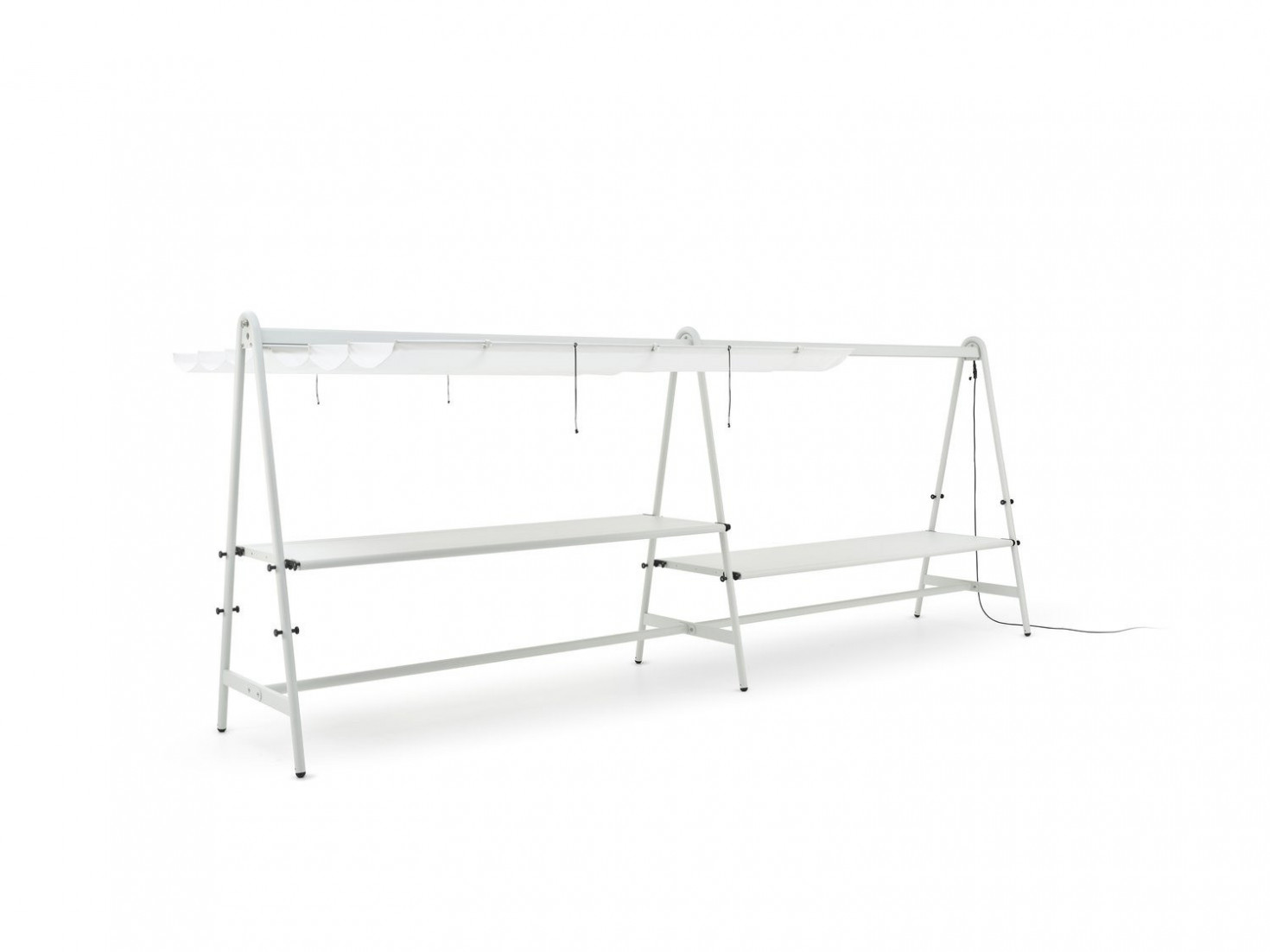
Furniture that is as flexible as your lifestyle, adjustable in height and adaptable to every occasion: meet AMAi, a true marvel of multifunctionality.
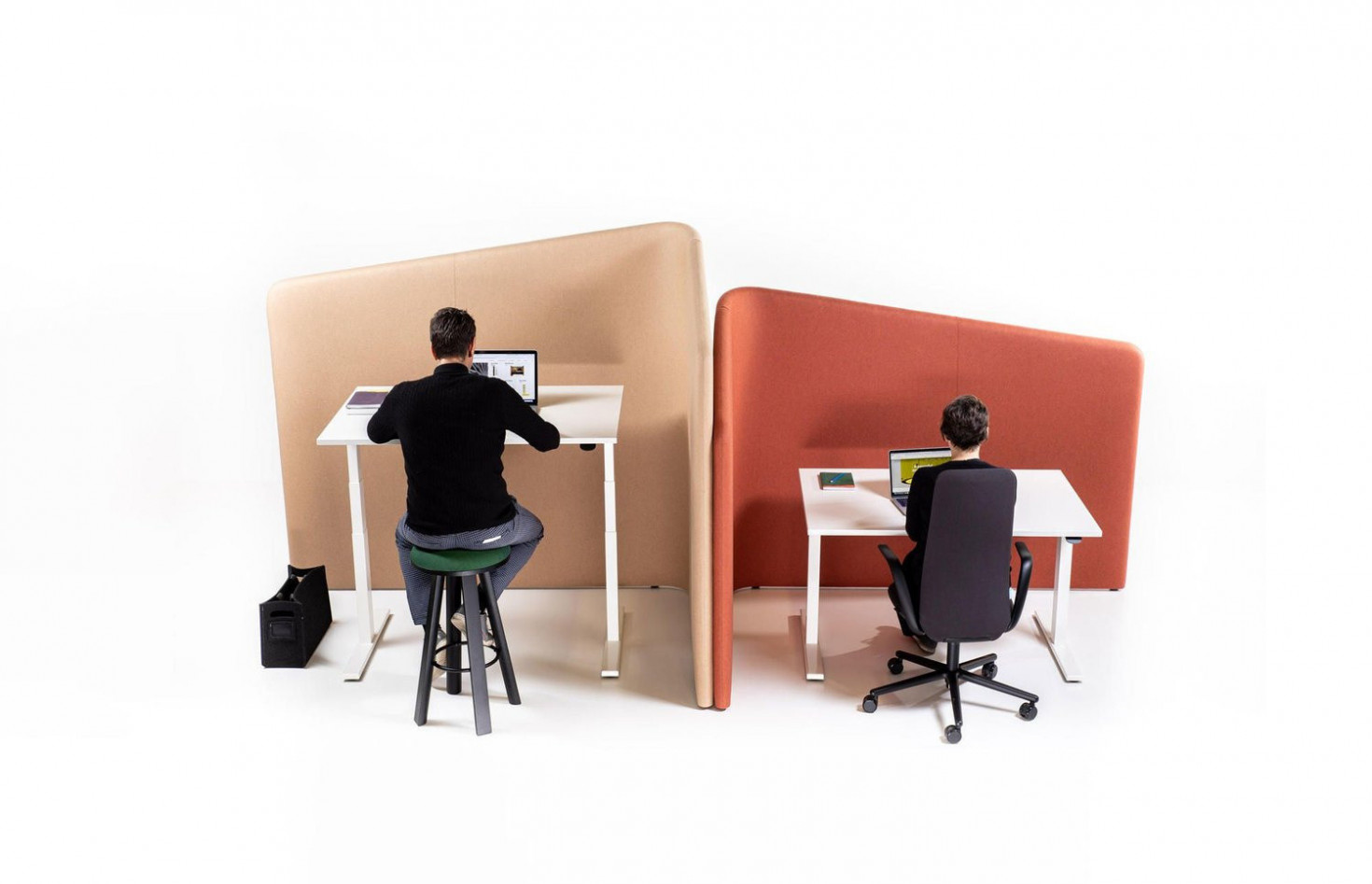
In order to provide safety and peace of mind for going back into the office, BuzziSpace offers acoustic dividers that are built to create zones within a workspace.

Code 130˚ is a limited-edition collection of creations hand-crafted by light artisans.
Projects
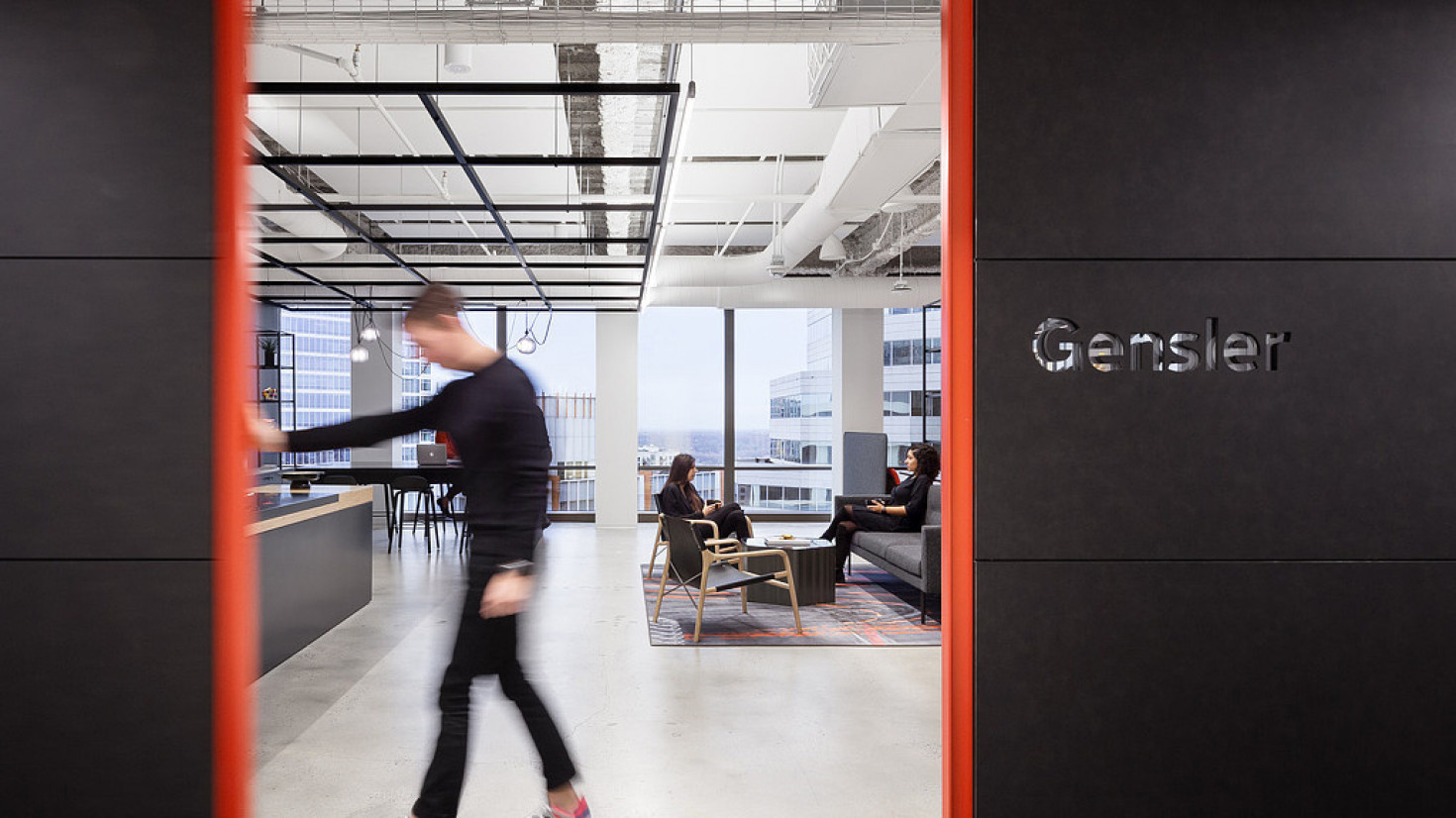
The new Gensler Charlotte office, located in the heart of city center, is a creative work environment built to serve as a living laboratory to test and explore new ideas, relationships, and products. A flexible approach to planning ensures the office design is built for longevity. In a post-pandemic world, the workplace can easily adapt to new cleaning protocols, social norms, and health and safety measures.
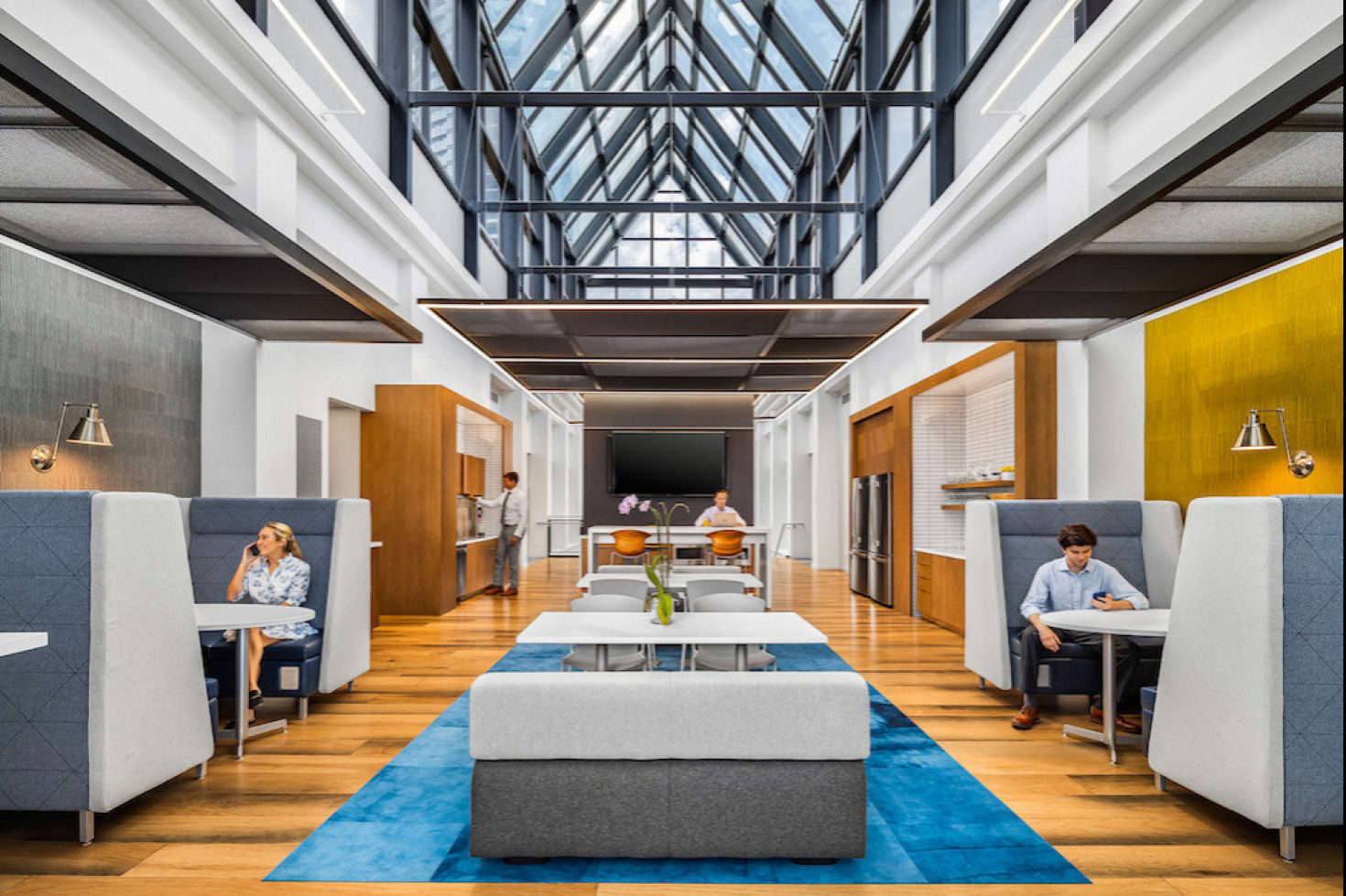
Take a tour of the new Cooper Carry-designed Transwestern offices that infuses hospitality into the workplace.
Events
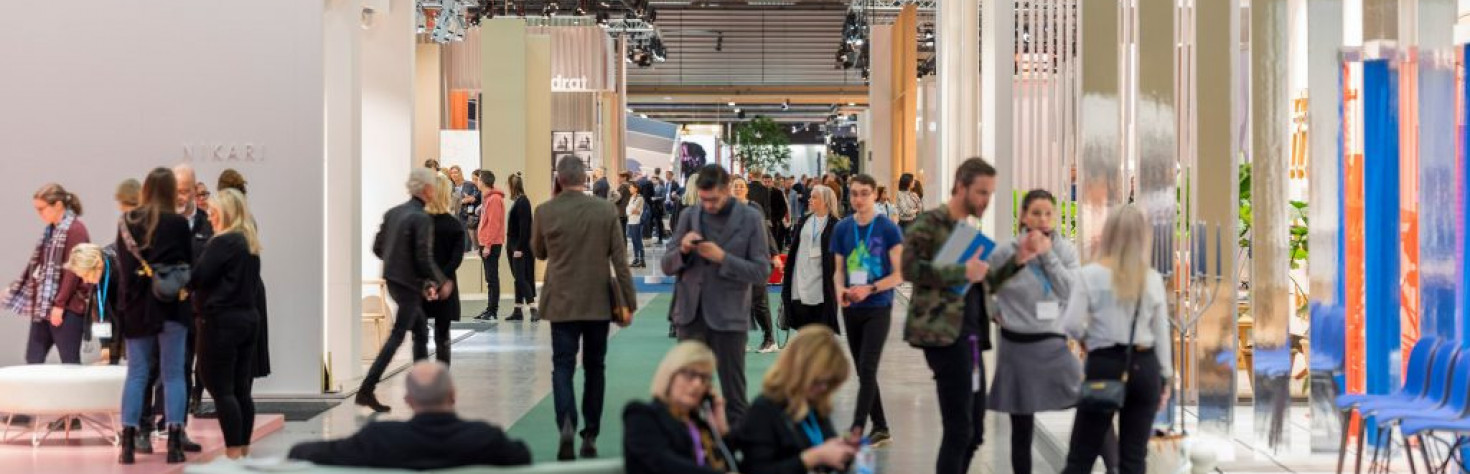
Stockholm Furniture & Light Fair has been postponed for the third time since the coronavirus pandemic began to “focus on a strong comeback” in 2023.
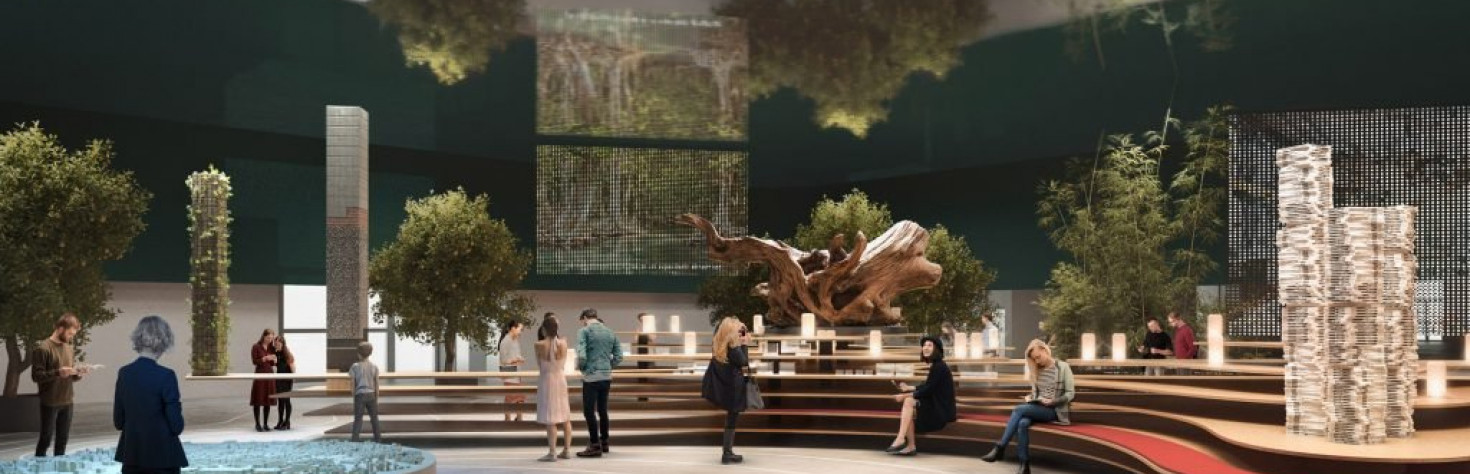
Furniture fair Salone del Mobile’s upcoming anniverary edition on 12-17 June will include a sustainability-themed installation by architect Mario Cucinella.
Noted

Jamie Miller joined B+H to help the architecture firm infuse its projects with designs from nature.


Find the best Contract Furniture Industry jobs and hire the best talent.