The Working Space
Monday, September 11. 2023
Industry News
Elements, a Denver-based integrated interiors partner focused on human-centered design and placemaking, merged with OfficeScapes and Floorz. Now, they are creating a new brand and business strategy centered on the client experience. Elements is the parent company with five studios under it: Slate (formerly OfficeScapes), Constructive (formerly Manufactured Construction), Floorz, 3D Identity, and PeopleLab. This rebranding came from market research that revealed clients' desire to work with one company without compromising each studio's expertise. The new brand architecture is built on the collective capabilities of Elements' employees.
“The name Constructive represents the next chapter for our studio and clients,” said Cody Roberdeau, President of Constructive. “We will continue to deliver solutions that advance and solve construction industry challenges in a more comprehensive way than ever before.” In addition to prefabricated construction products, Constructive offers window coverings, access flooring, timber structures, and acoustic solutions for the built environment.
The announcement also includes new names for two of Element's studios: OfficeScapes is now Slate and Manufactured Construction is now Constructive. The studios of Elements focus on creating memorable experiences for all clients and partners through thoughtful design, consulting, furnishings, and construction. For more information, visit www.elementsofplace.com.
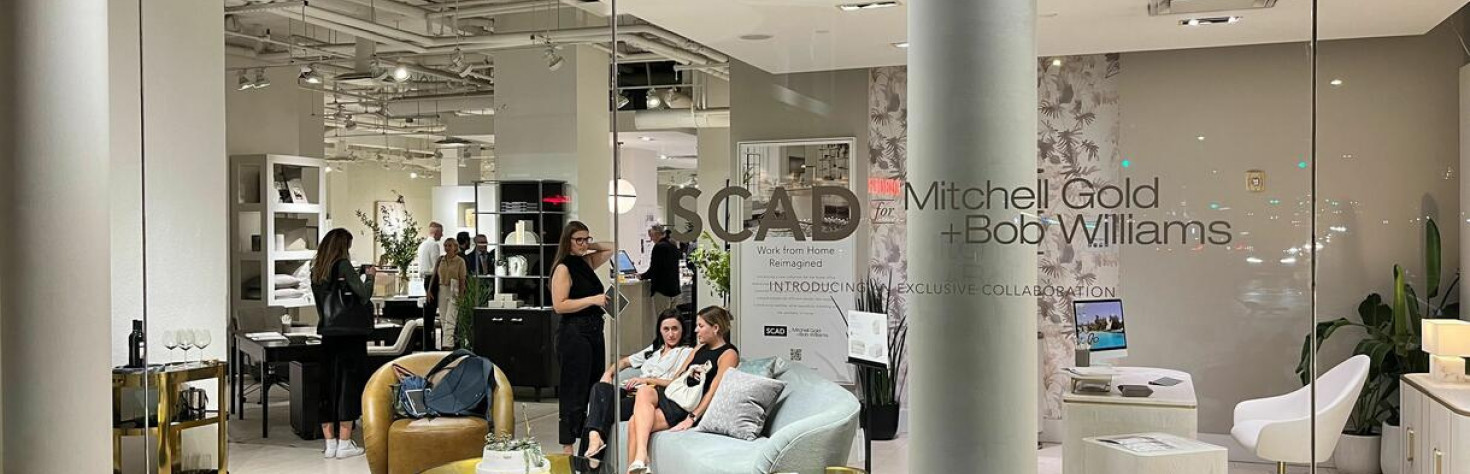
Steelcase said at the time that it would offer a collection of Mitchell Gold + Bob Williams products throughout the U.S. and Canada, with availability expected in November (2022).
“We were drawn to the Mitchell Gold + Bob Williams vision of creating comfortable and stylish home furnishings, which can now translate into inspiring, informal work environments,” said Allan Smith, VP, global marketing at Steelcase. “We are excited about the convenience this relationship brings to architects, designers and clients as they create the kinds of places where people can unleash their best thinking, collaborate more comfortably and work in a variety of informal postures.”
It is unknown at this time how the Steelcase relationship played into the failure of Mitchell Gold + Bob Williams, but it obviously didn't help.
Features
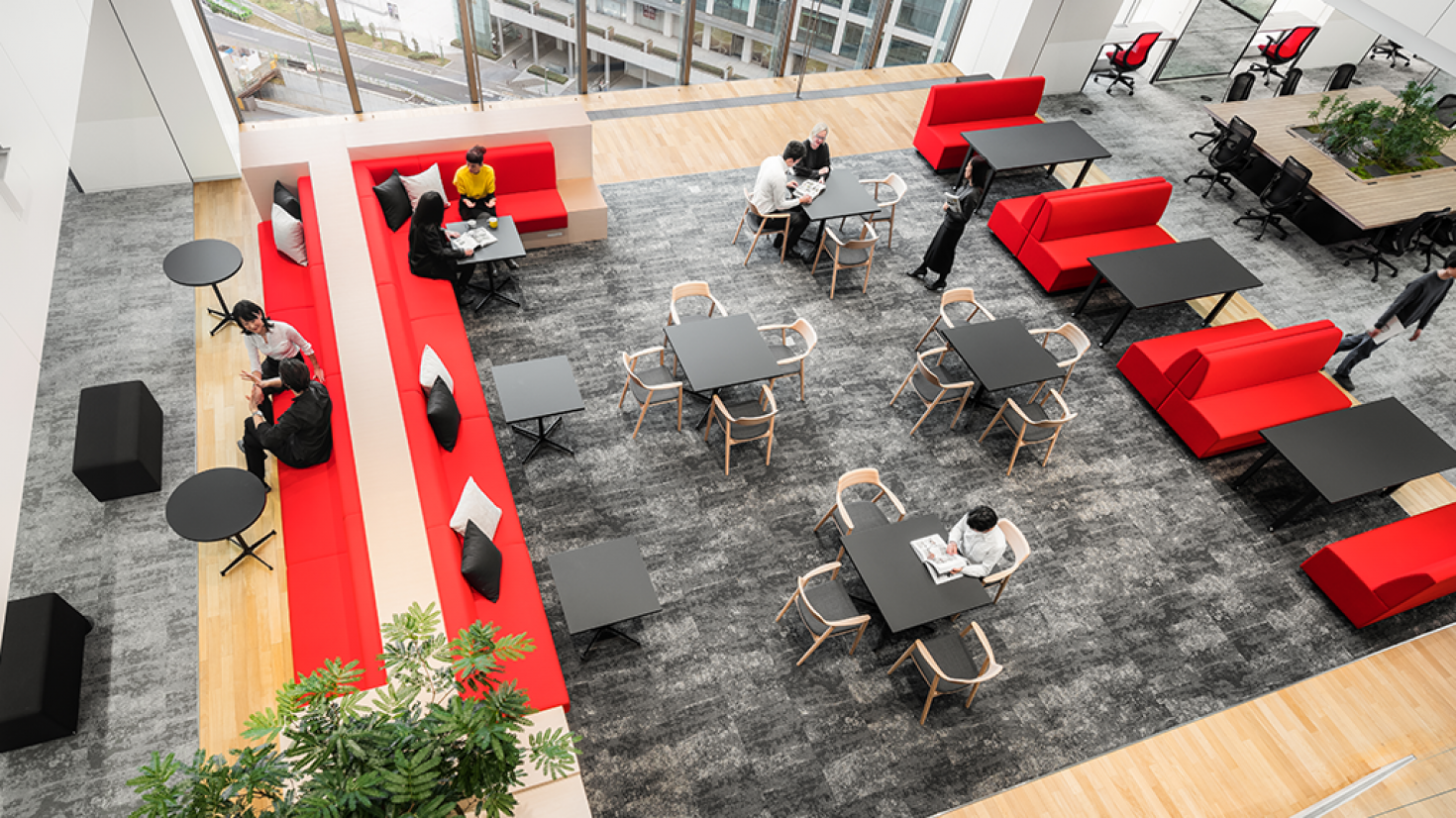
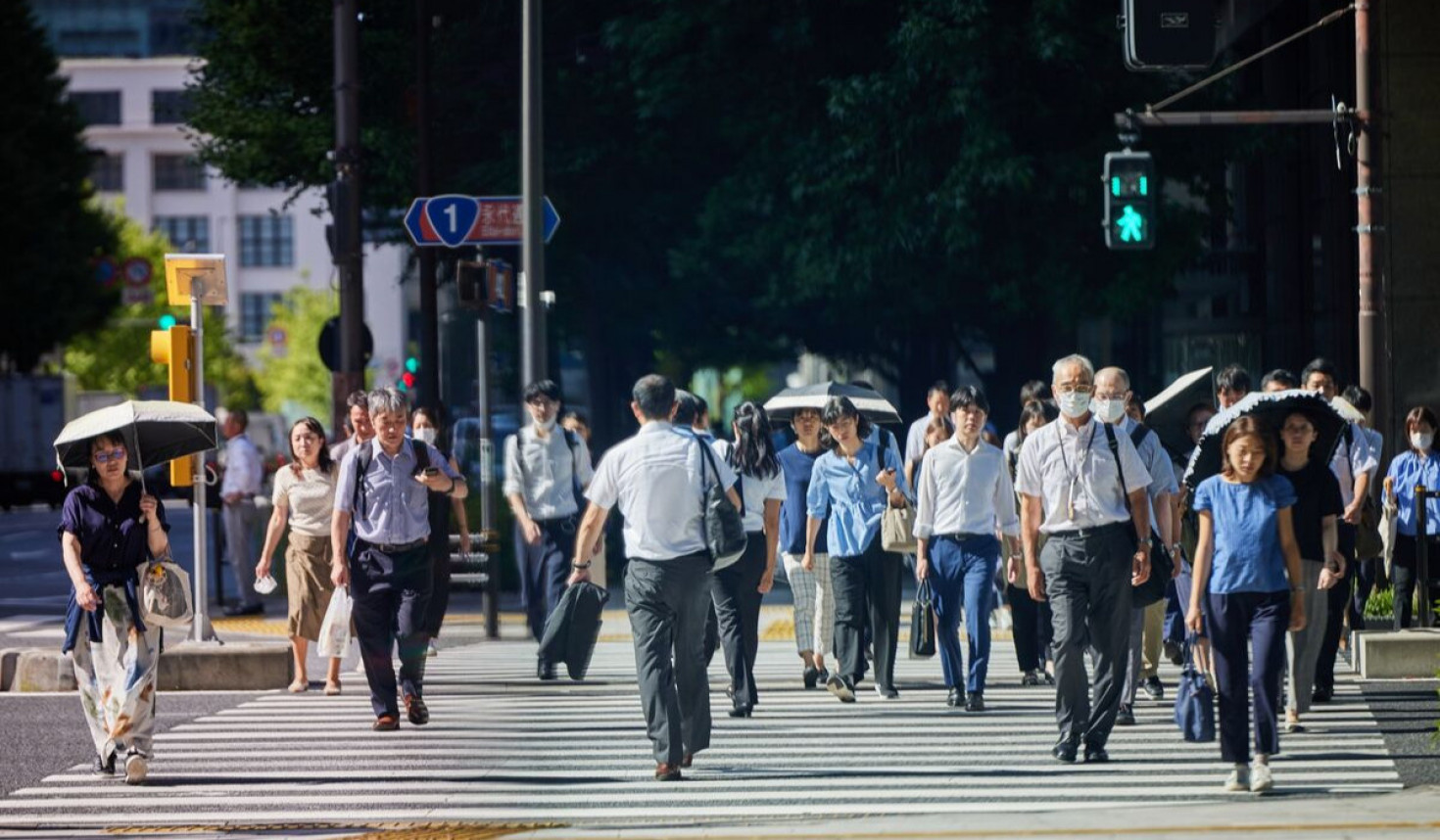
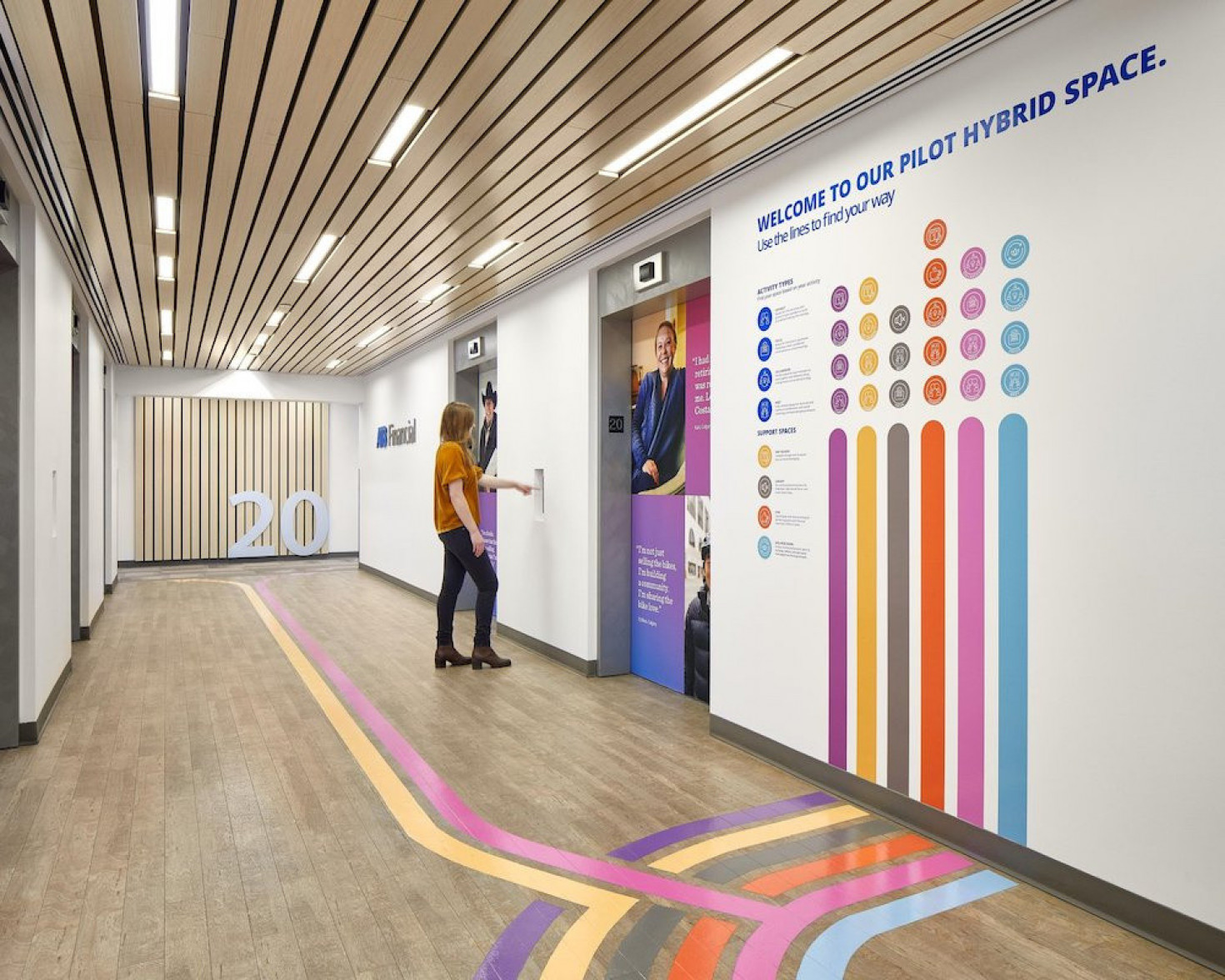
Tokyo is adopting hybrid work to support a diverse workforce and companies are creating modern workplaces that meet modern expectations for work-life balance. Japanese office workers are working from home around 30% of the time, and hybrid work is expected to remain a trend for both social and economic reasons. Companies are modernizing to address challenges such as labor shortages, an aging population, employee well-being, gender equality, and diversity in the workplace.
Hybrid work creates accessibility that supports a diverse workforce and traditional underrepresented groups have expressed stronger preferences for the flexibility that comes with hybrid work. The inclusive hybrid workplace creates trust and support for employees, increases productivity and retention, and empowers employees to do their best work.
Design trends for high-performing hybrid workplaces in Tokyo include collaboration, focus space, wellness, sense of belonging, and improved technology. Collaborative pilots and adaptation are critical for empowering change and engaging stakeholders and end-users in the final decision-making for workplace design.
Creating inclusive workplaces that support a variety of work styles and employee priorities like mobility, choice, privacy, and working with others virtually is critical for the future of hybrid work in Tokyo and beyond.
Workspace News
Coworking
Other News
Trends
Design
Latest Products
Trends in Commercial Projects from Around the Globe
Upcoming Industry Events
Industry Briefing