Friday, June 3, 2022


News
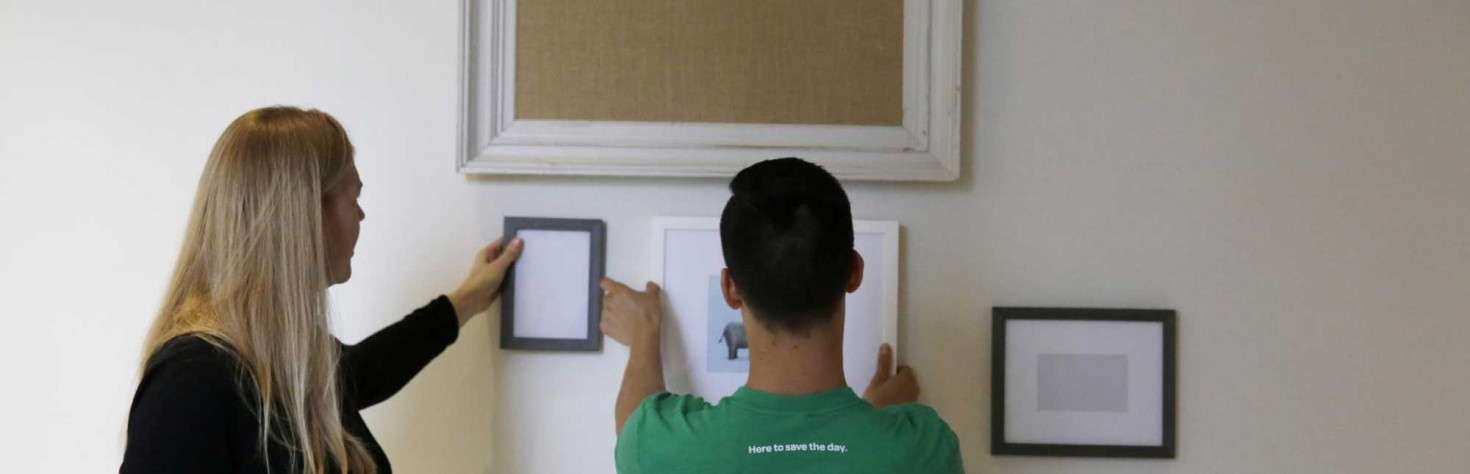
While many tech companies, including Square, Twitter and Slack have announced flexible, hybrid approaches to work, TaskRabbit, which already had a strong remote-first culture throughout the pandemic, is going all-in. The move affects more than 300 employees at the company, largely spread across cities like London; New York City; Austin, Texas; and the workers who filed into the TaskRabbit headquarters at 425 2nd St. in San Francisco.
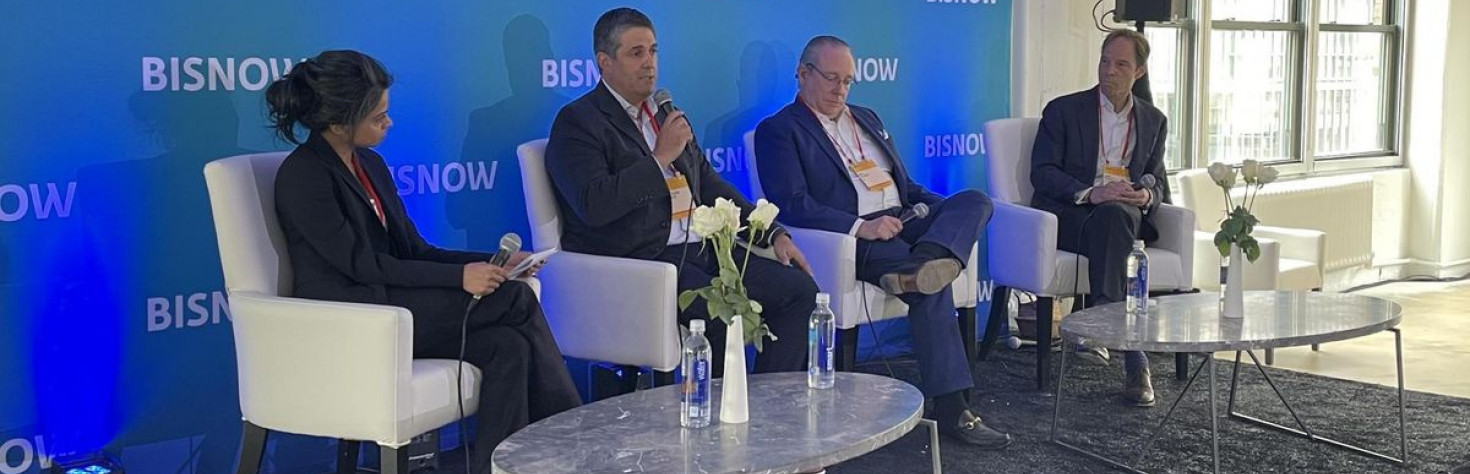
Landlords are performing costly upgrades, with hope rather than data guiding choices about what may encourage more people to come back to their desks. In the slow return to the office, landlords are in a fight for survival, and amenities have become their weapon of choice.
The Workplace

Clients sit beside editors, virtually, to offer feedback as the creative process is happening.
The Great Resignation will not be stopped
According to PwC’s Global Workforce Hopes and Fears survey 2022, workers are empowered, itching to leave their current jobs and desperate to talk about politics at work.
PwC surveyed 52,195 workers in 44 countries and territories and developed what it called the "resignation equation” to determine the biggest reasons workers are likely to look for another job. Compared to those who reported that they weren’t looking for another job, those who were ready to leave were:
- 14 percentage points less likely to find their job fulfilling
- 11 percentage points less likely to feel they can truly be their self at work
- 9 percentage points less likely to feel fairly rewarded financially
See the rest of the results
NeoCon & Surroundings
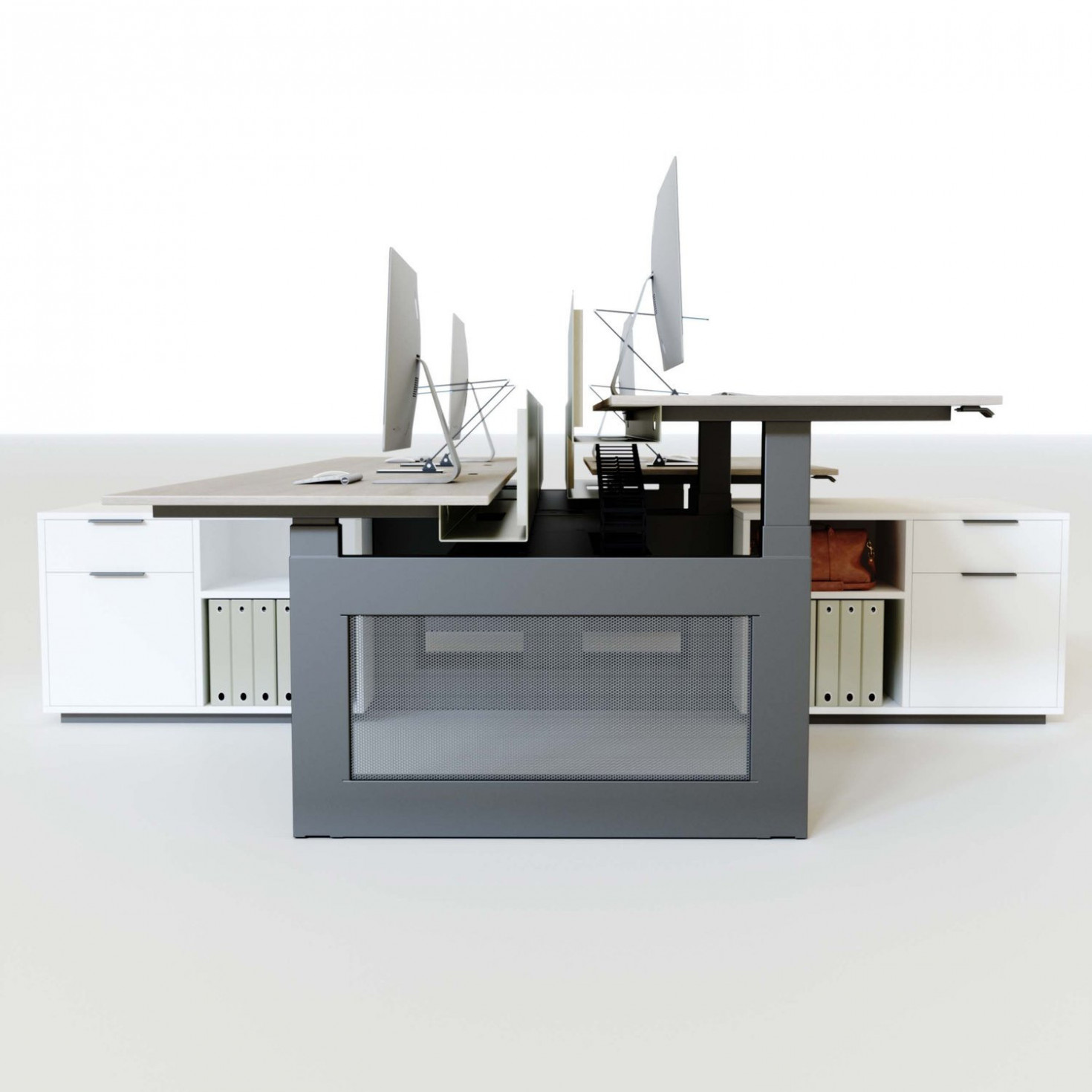
This year’s NeoCon will explore the new reality of the post-pandemic hybrid work environment.
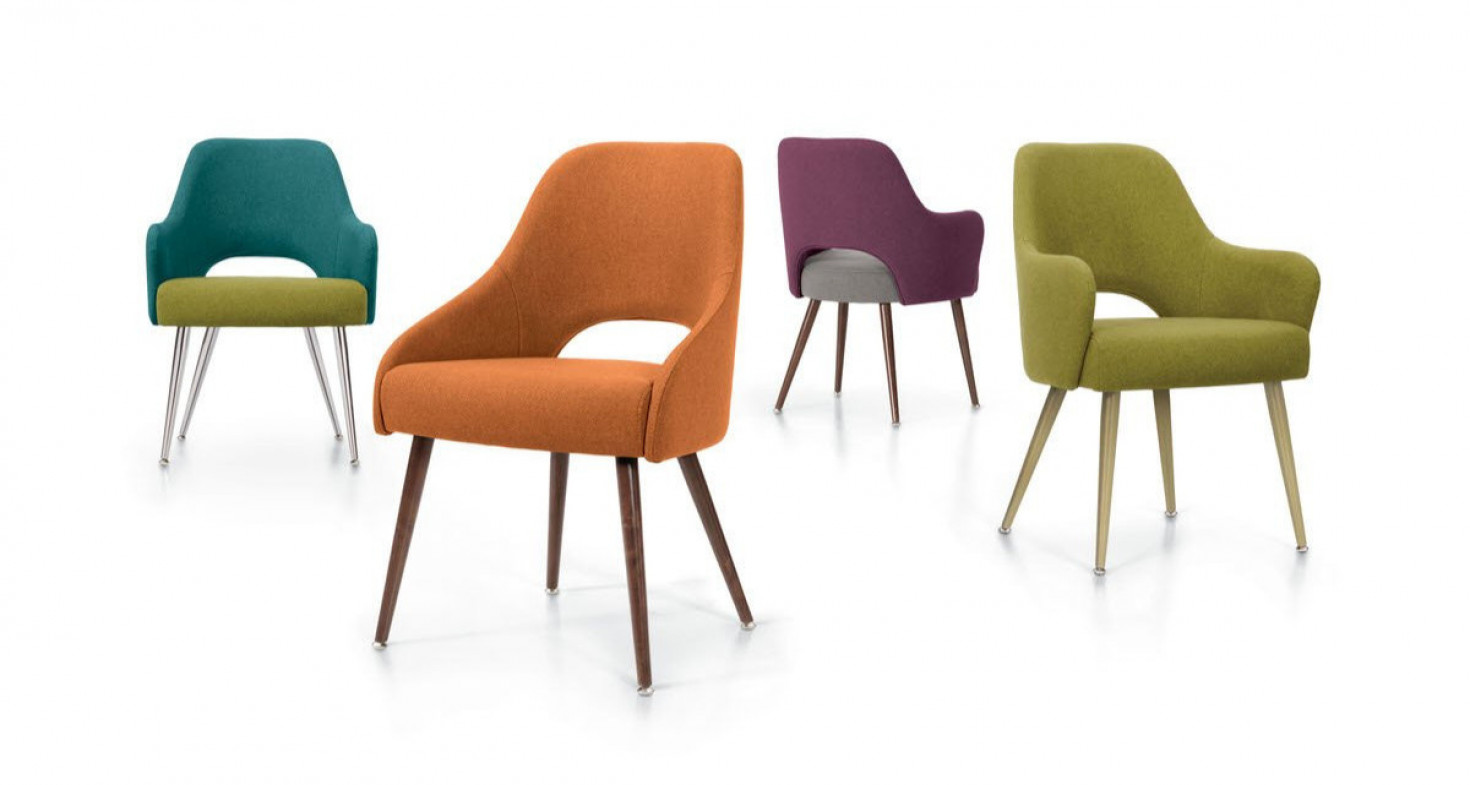
Erin can be specified with sealed seams, moisture barrier and a wide range of Global performance textiles to support healthcare applications and environments with enhanced housekeeping protocols.
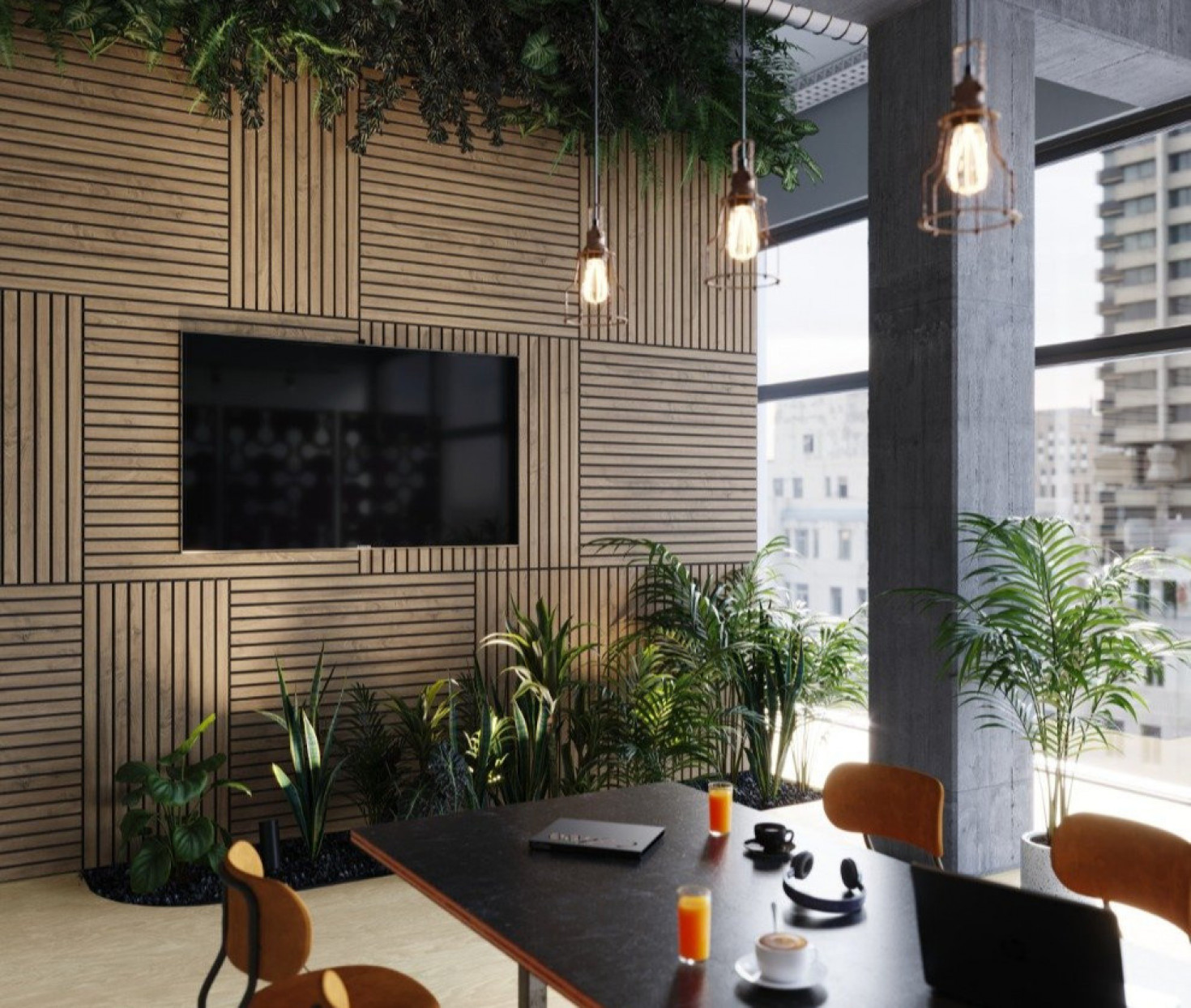
This year EzoBord debuts two work and design experience products that further extend its industry-leading acoustical performance to workplace environments. Pyramid supports team agility, and Balsa is a design-rich feature slatwall.
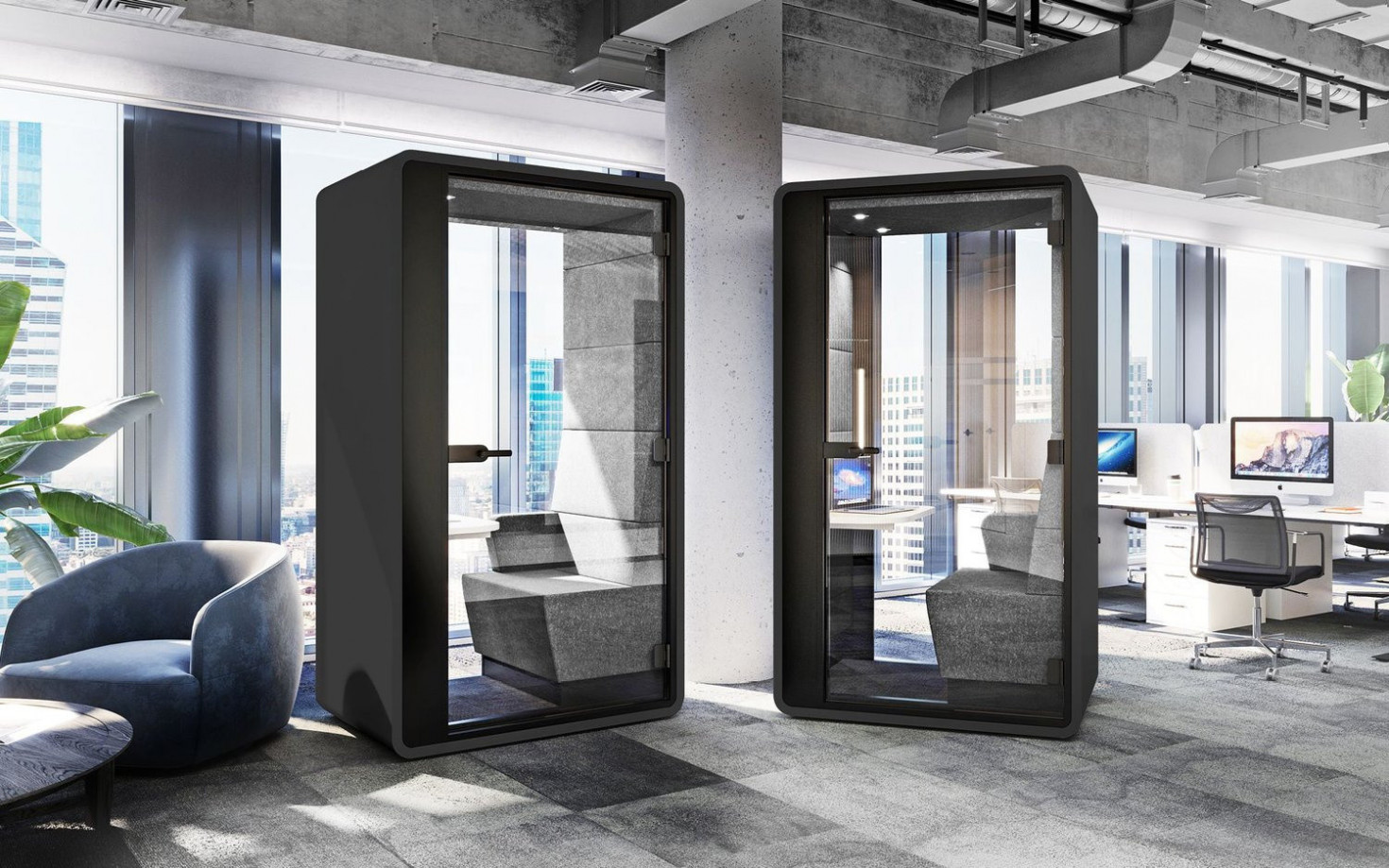
New HushHybrid for individual focused work and lengthy videoconferences or webinars.
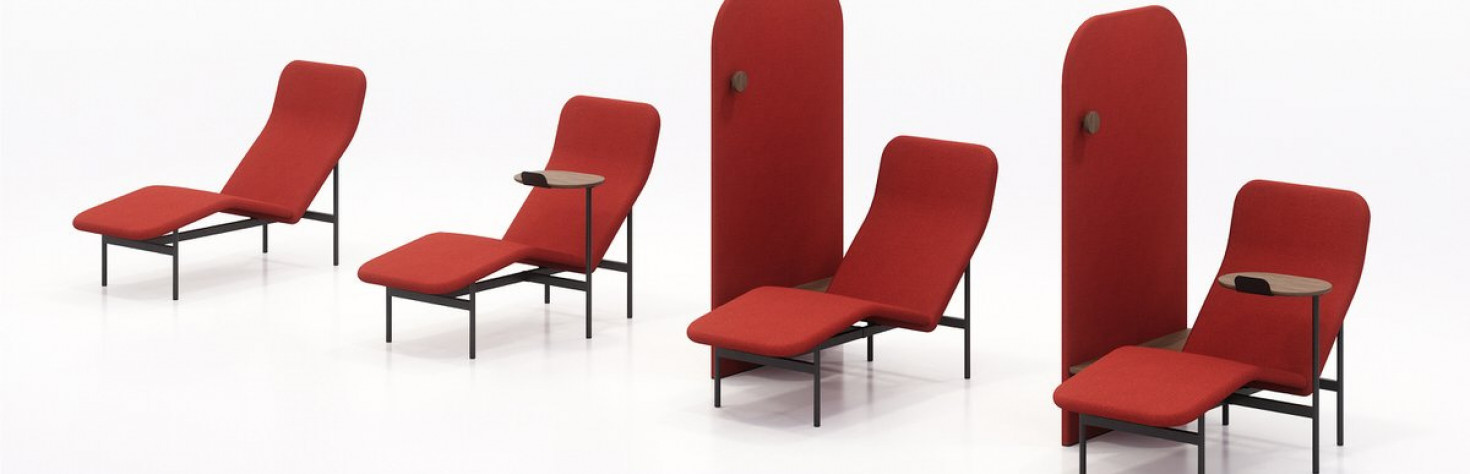
KFI Studios is presenting three new products at NeoCon, expanding their line of design-driven products. The new product offerings include a chaise lounge with accessories, an ergonomic and sustainable task chair, and a comprehensive outdoor furniture collection.
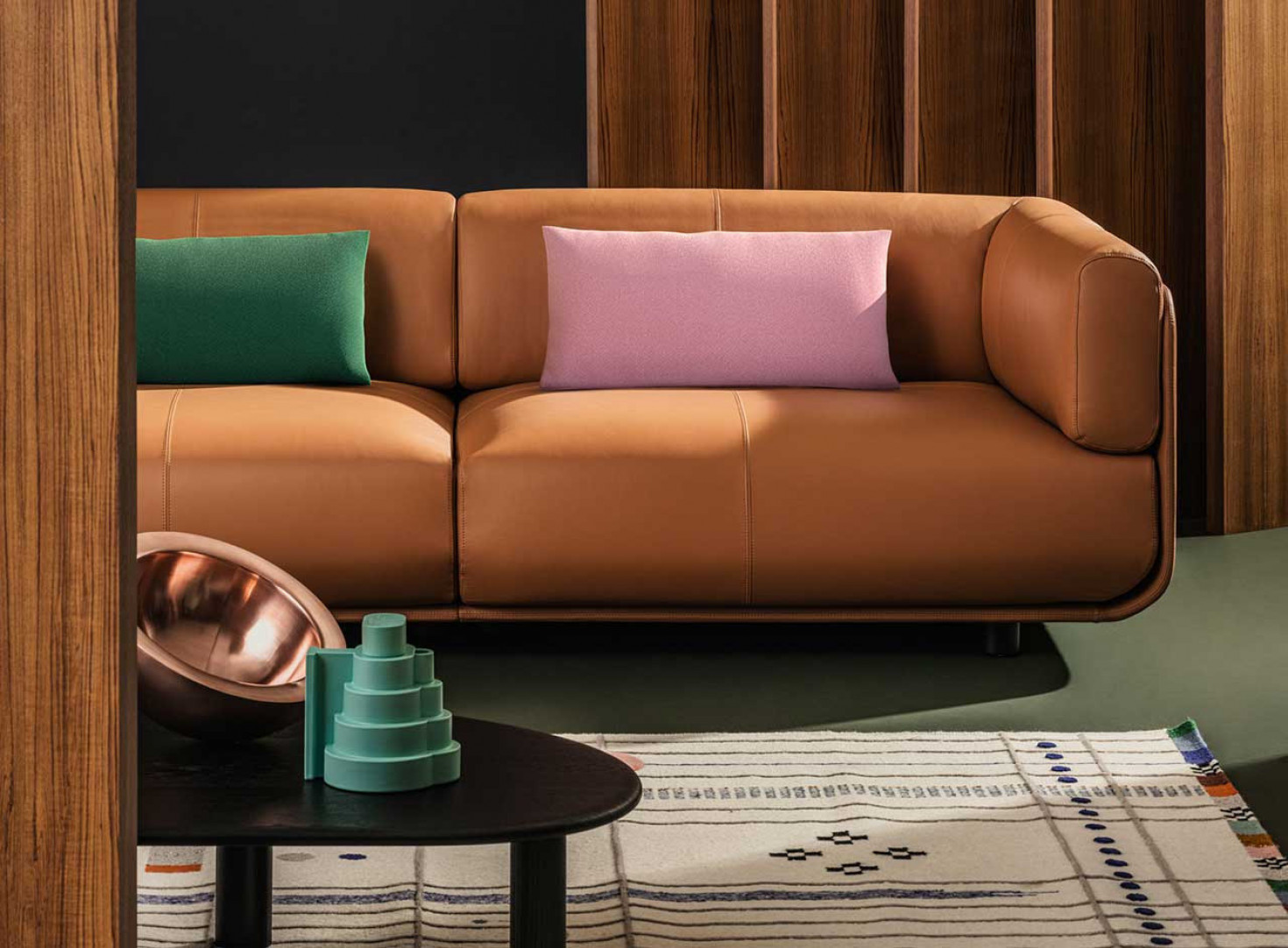
Italian furnishings company Arper is getting a head start on NeoCon 2022 by sharing their newest products: a sofa, table system, and chair.
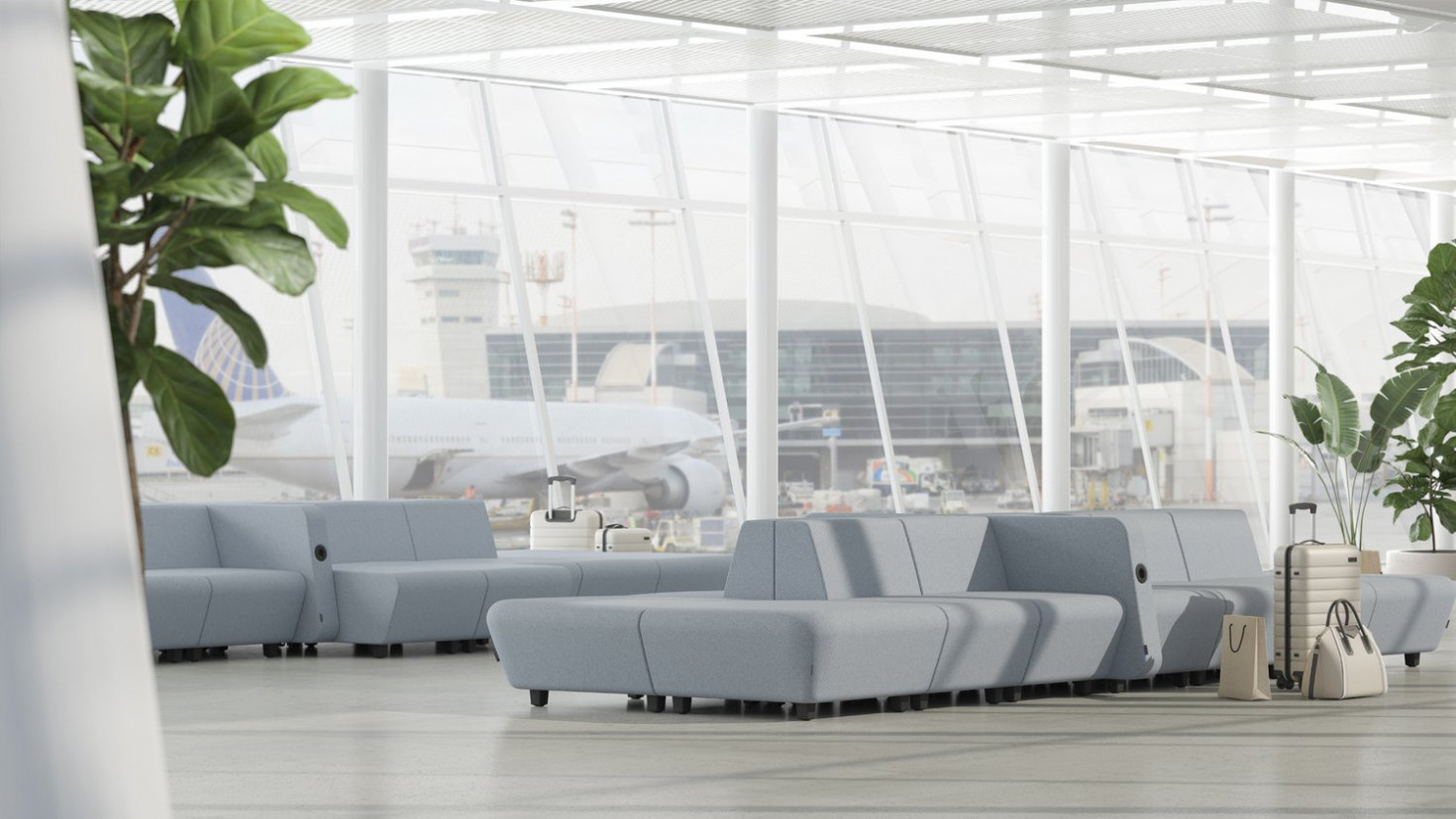
In its permanent showroom in theMART building, the Lithuania-based company presents its design motto “Nothing Unnecessary” through products developed with European designers.
Trends
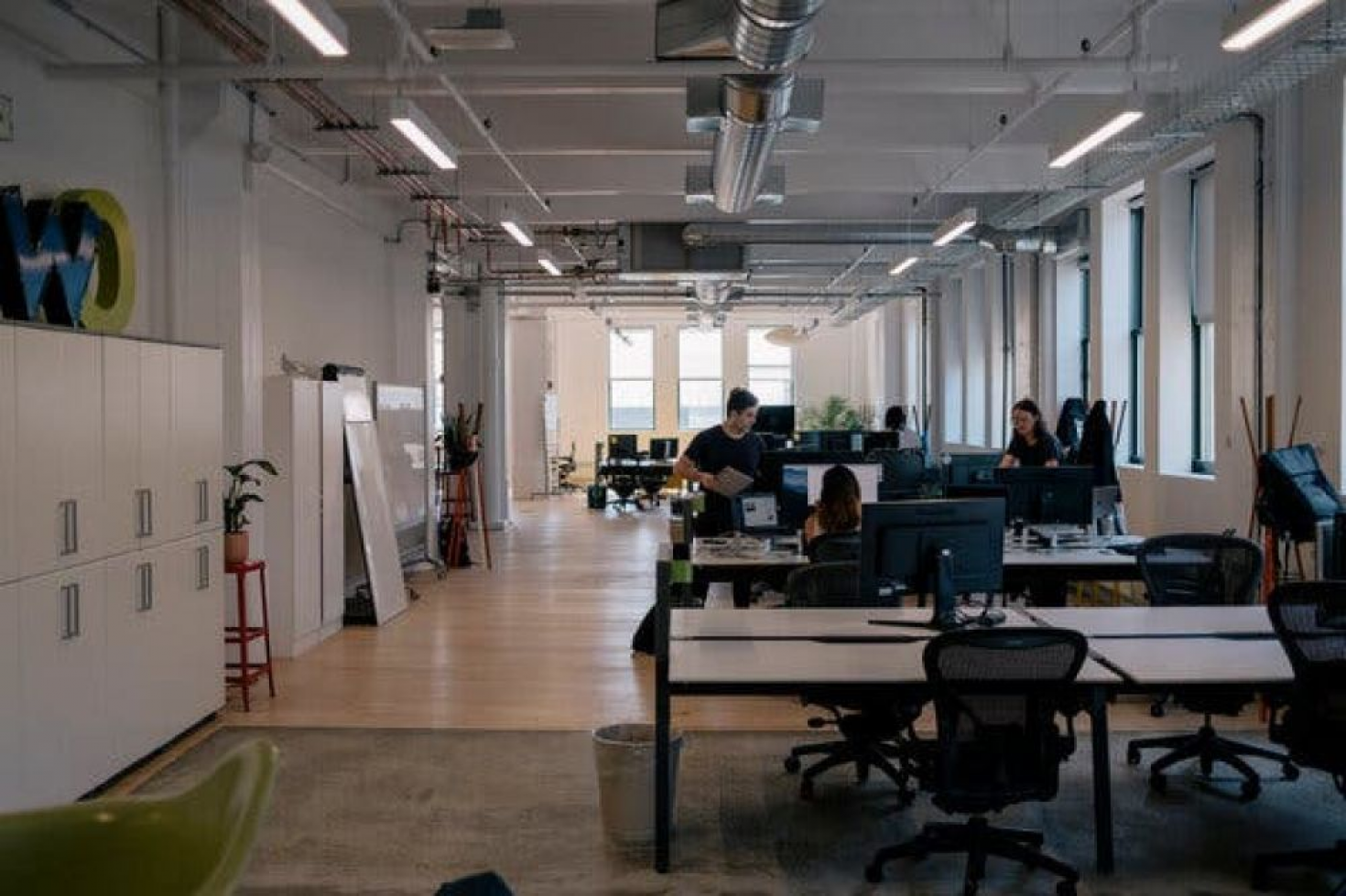
More than 26 months after the pandemic sparked a mass exodus from New York City office buildings, and after many firms announced and then shelved return-to-office plans, employees are finally starting to trickle back to their desks. But remote work has fundamentally reshaped the way people work and diminished the dominance of the corporate workplace.
Design
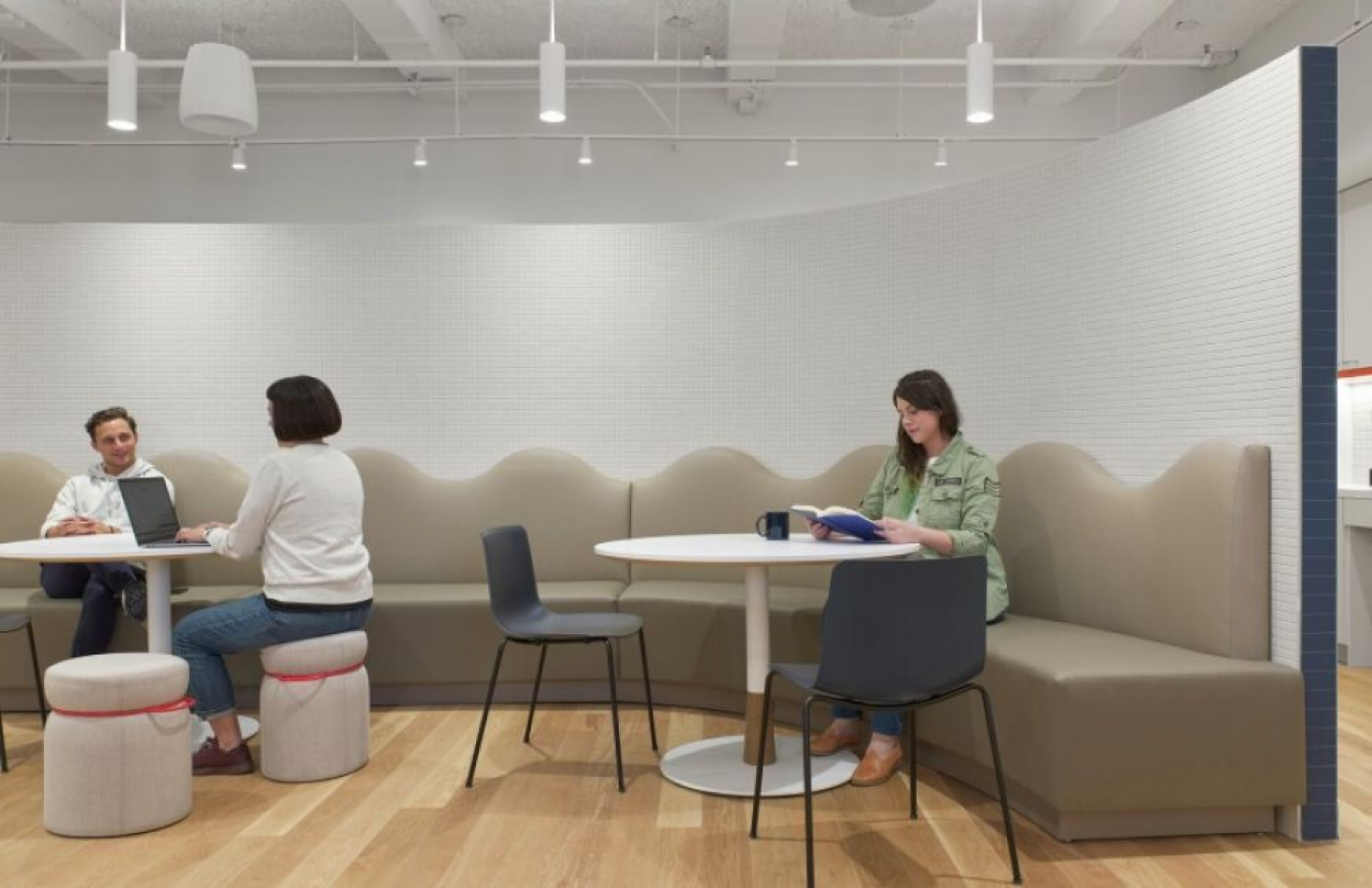
As co-founders of New York City-based design firm Float Studio, Nina Etnier and Brad Sherman, met in college and began working together eight years later to design headquarters for companies aging out of the coworking model. They found a niche, having designed and refreshed the headquarters of tech startup companies including Casper, Bonobos, Food52, and Bombas. They have since expanded into working in other sectors, such as healthcare and hospitality.
Coworking
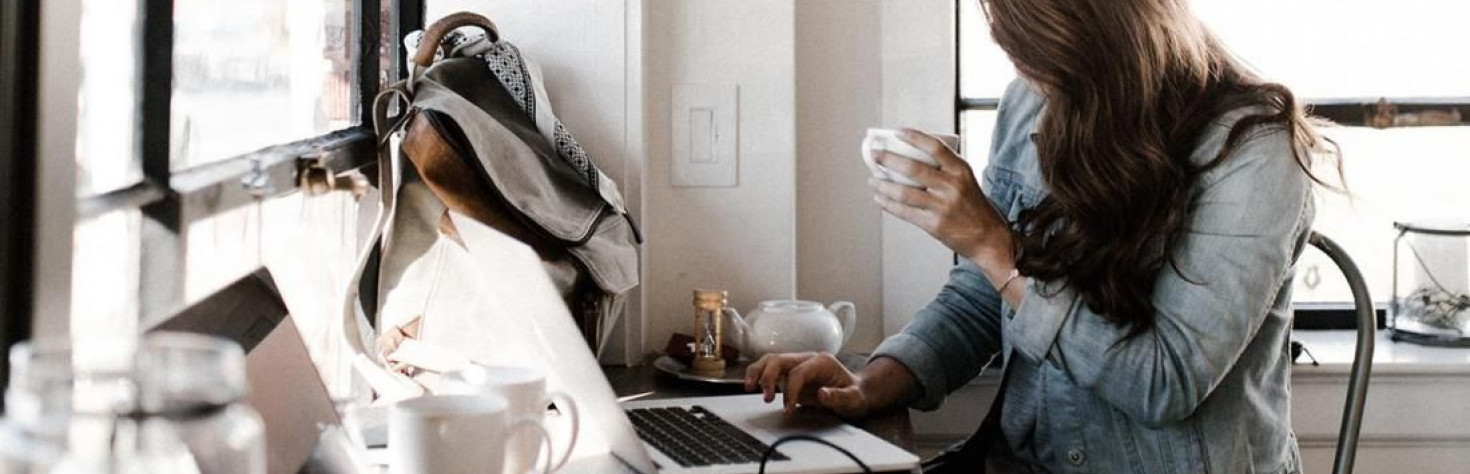
The future of coworking spaces looked uncertain during the pandemic, but the CEO of Regus and Spaces’ parent company says huge opportunities lie in the industry’s near future.
IWG, the world’s biggest flexible office space company, best known in the U.S. for Regus and Spaces coworking operations, is preparing to open between 500 and 700 new coworking spaces in the U.S. in the next 12 months, founder and CEO Mark Dixon told the Washington Business Journal in an interview.
IWG, the world’s biggest flexible office space company, best known in the U.S. for Regus and Spaces coworking operations, is preparing to open between 500 and 700 new coworking spaces in the U.S. in the next 12 months, founder and CEO Mark Dixon told the Washington Business Journal in an interview.
Remote Work
Hybrid Office
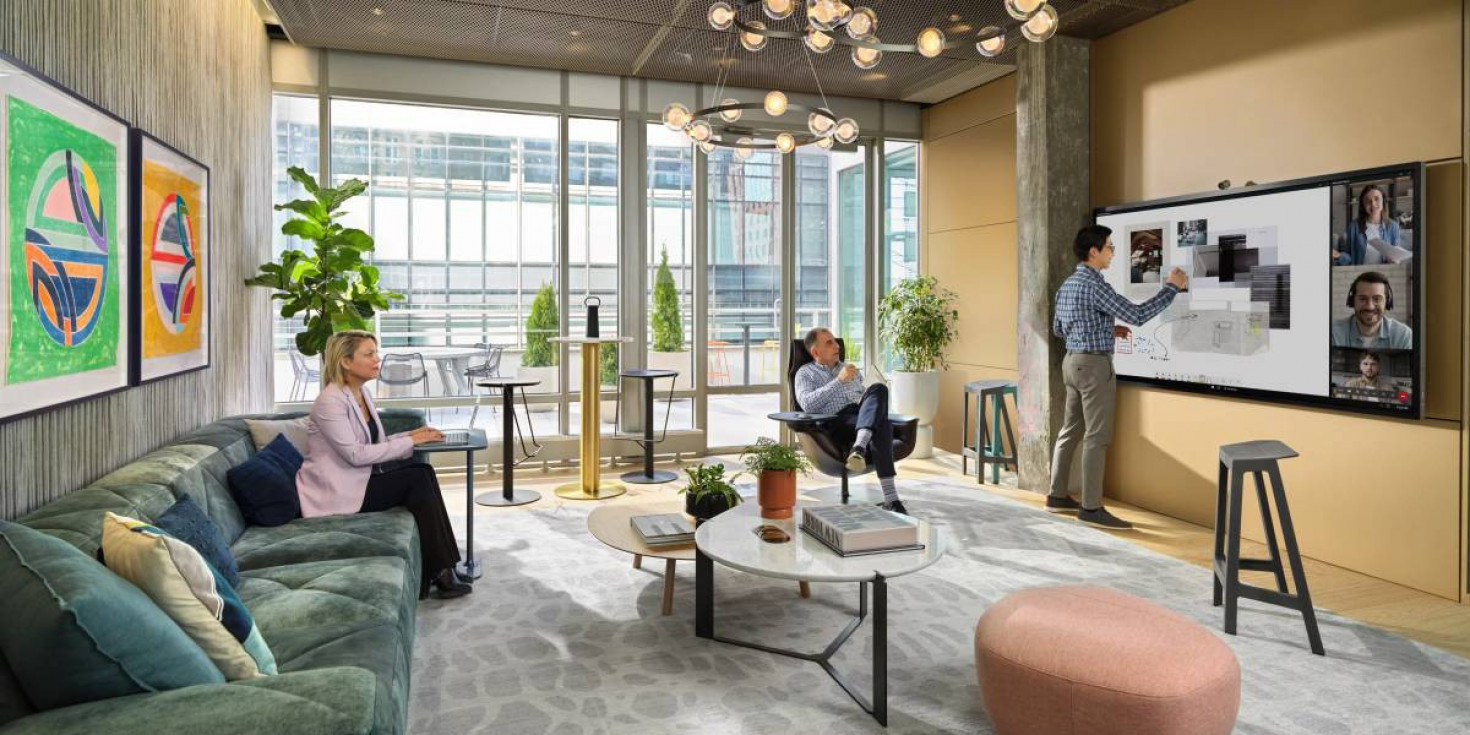
Rather than basing office design on the need to fit more people into less space, the workplace should draw inspiration from a new source — the vibrant communities in which we live.
Real Estate
With most corporate workers getting a taste of hybrid or fully remote working throughout the pandemic, 63% of employees now state they prefer a hybrid model vs. working from home or work exclusively.
Makers
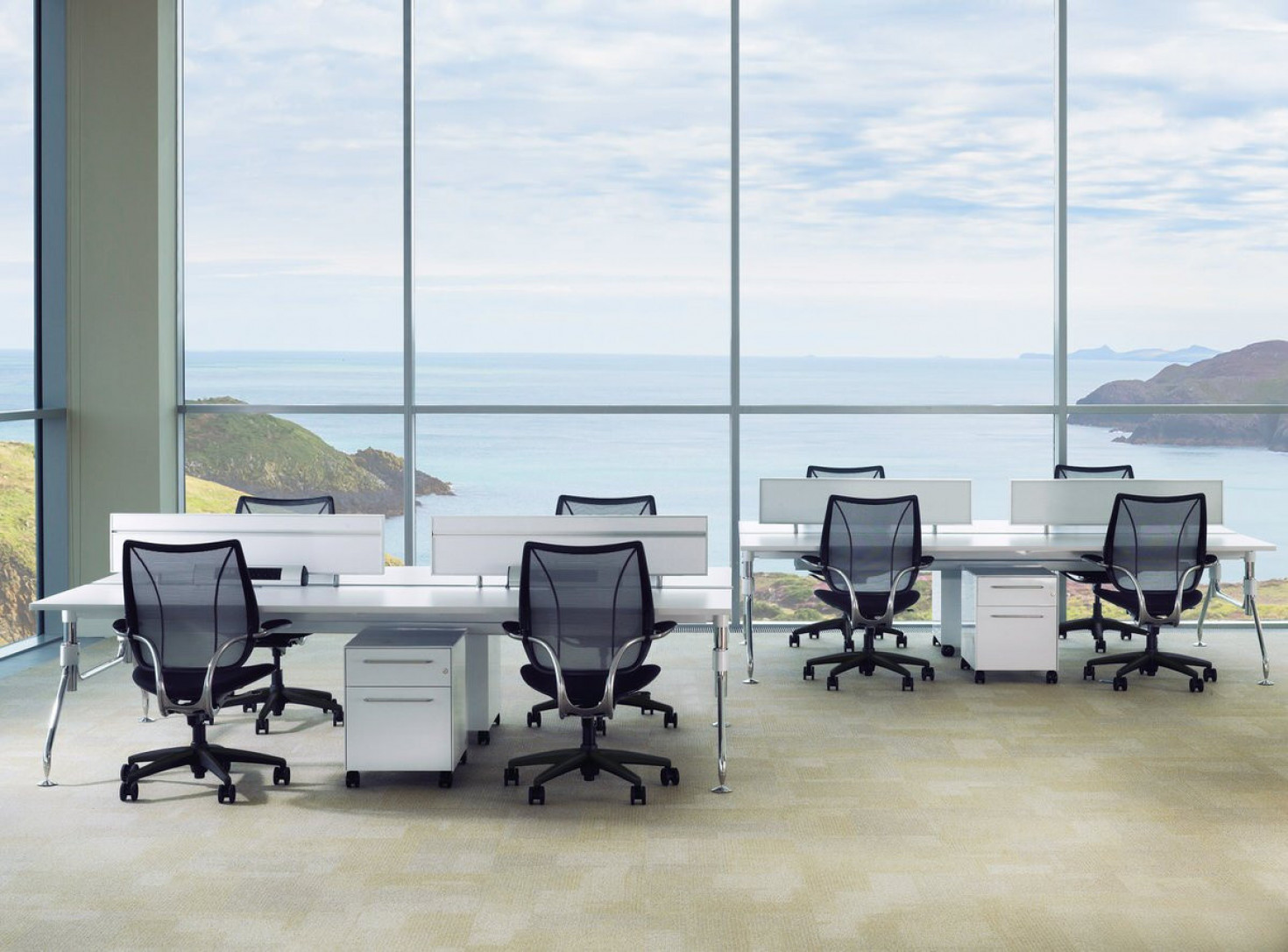
Humanscale was awarded TRUE® Gold and Silver certifications for all of their production facilities globally. Humanscale is the first furniture manufacturer to achieve TRUE certification.
Projects
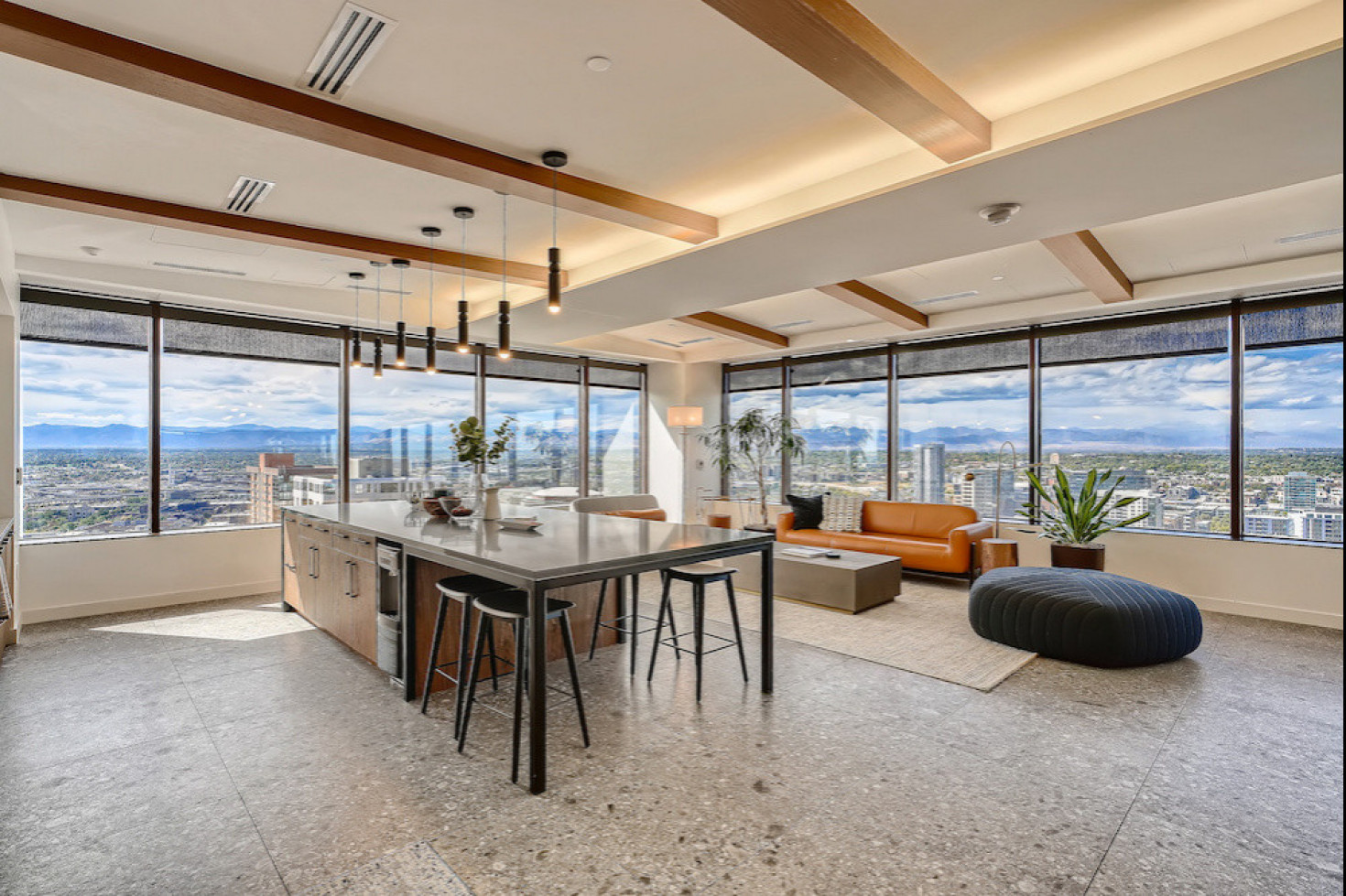
Mountaingate Capital Offices in Denver are located on the 25th floor gives a strong visual connection to both the mountains and the city.
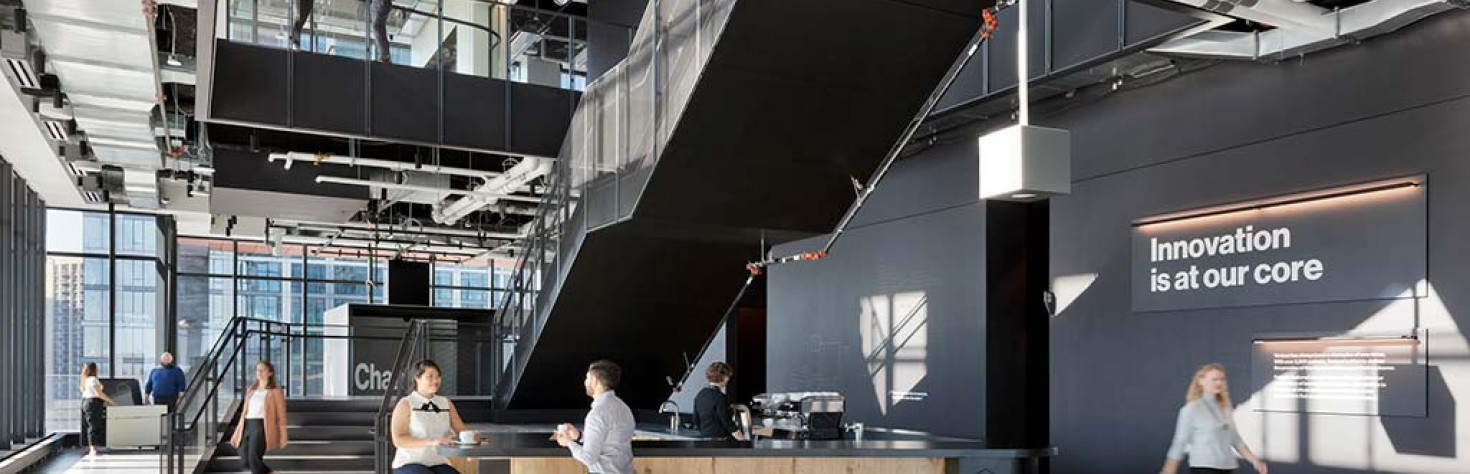
Committing to Boston and its flourishing technology community, Verizon is the anchor tenant in the southern tower of The Hub on Causeway, a mixed-use development located on the city’s waterfront, also designed by Gensler. Verizon's vertical campus is designed to be a tech-enabled workplace that offers a fully connected environment to support three ways of working. Primary or individual seating, choice-driven dynamic spaces, and technology-equipped collaboration areas allow employees to author their own days.
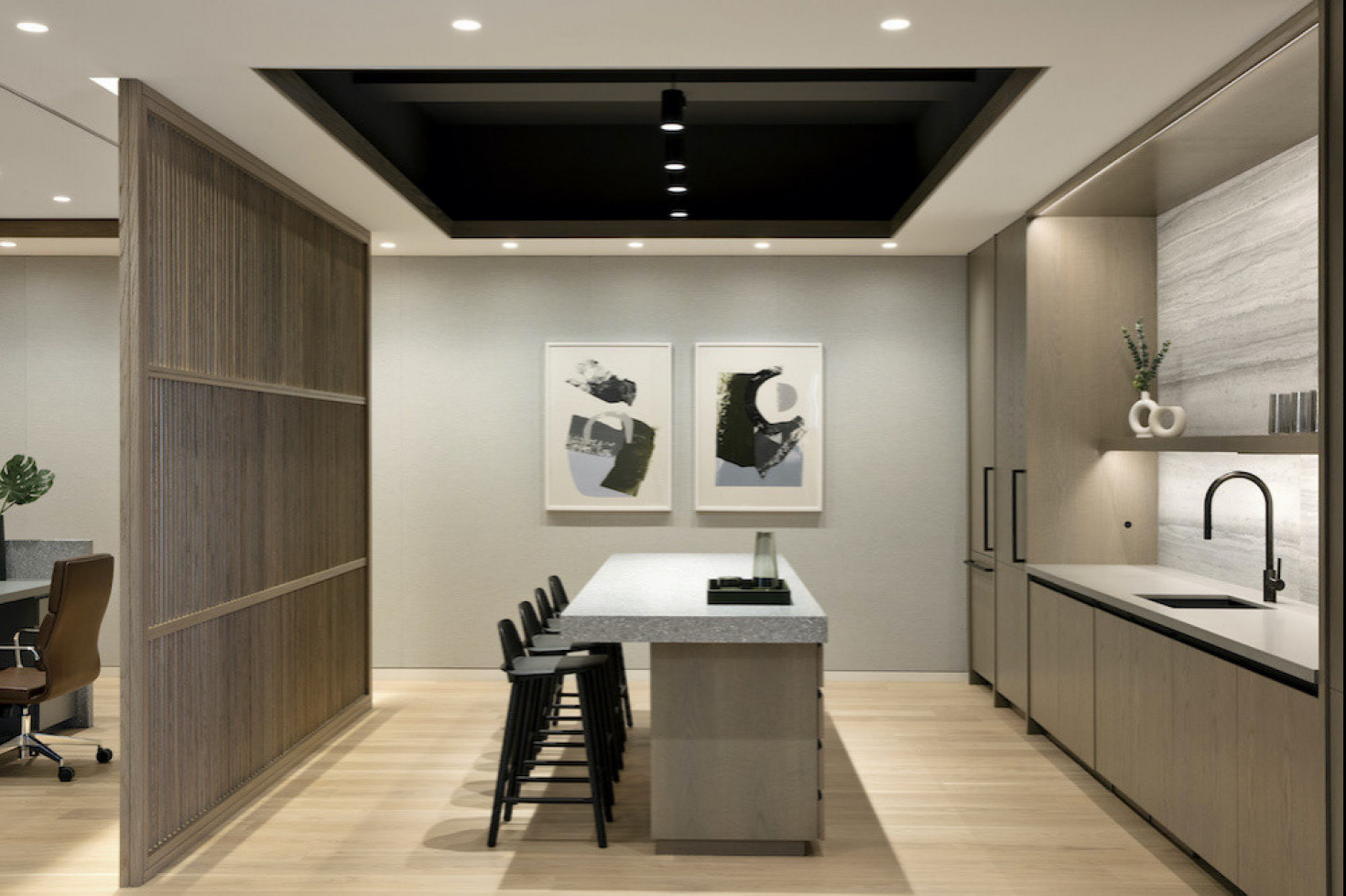
Fogarty Finger took advantage of the views on the 26th floor by opening the perimeter as soon as visitors turn the corner from the lobby.
The Last Word
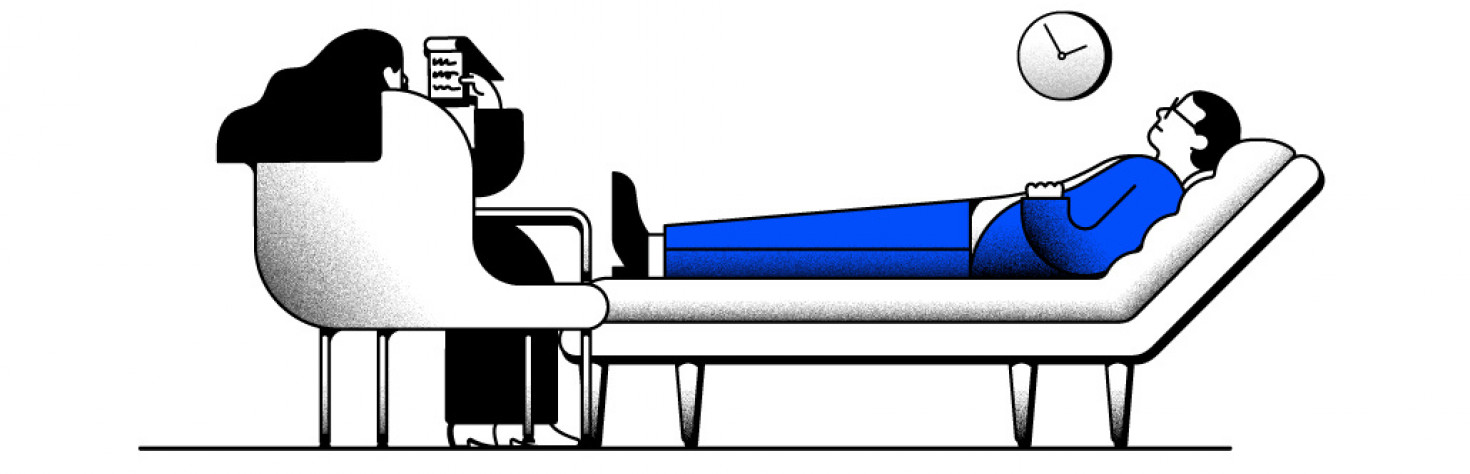
Mental health practitioners are reimagining what their workspaces look like - in order to encourage stress reduction.

Find the best Contract Furniture Industry jobs and hire the best talent.