The Working Space
Monday, October 23. 2023
Industry News

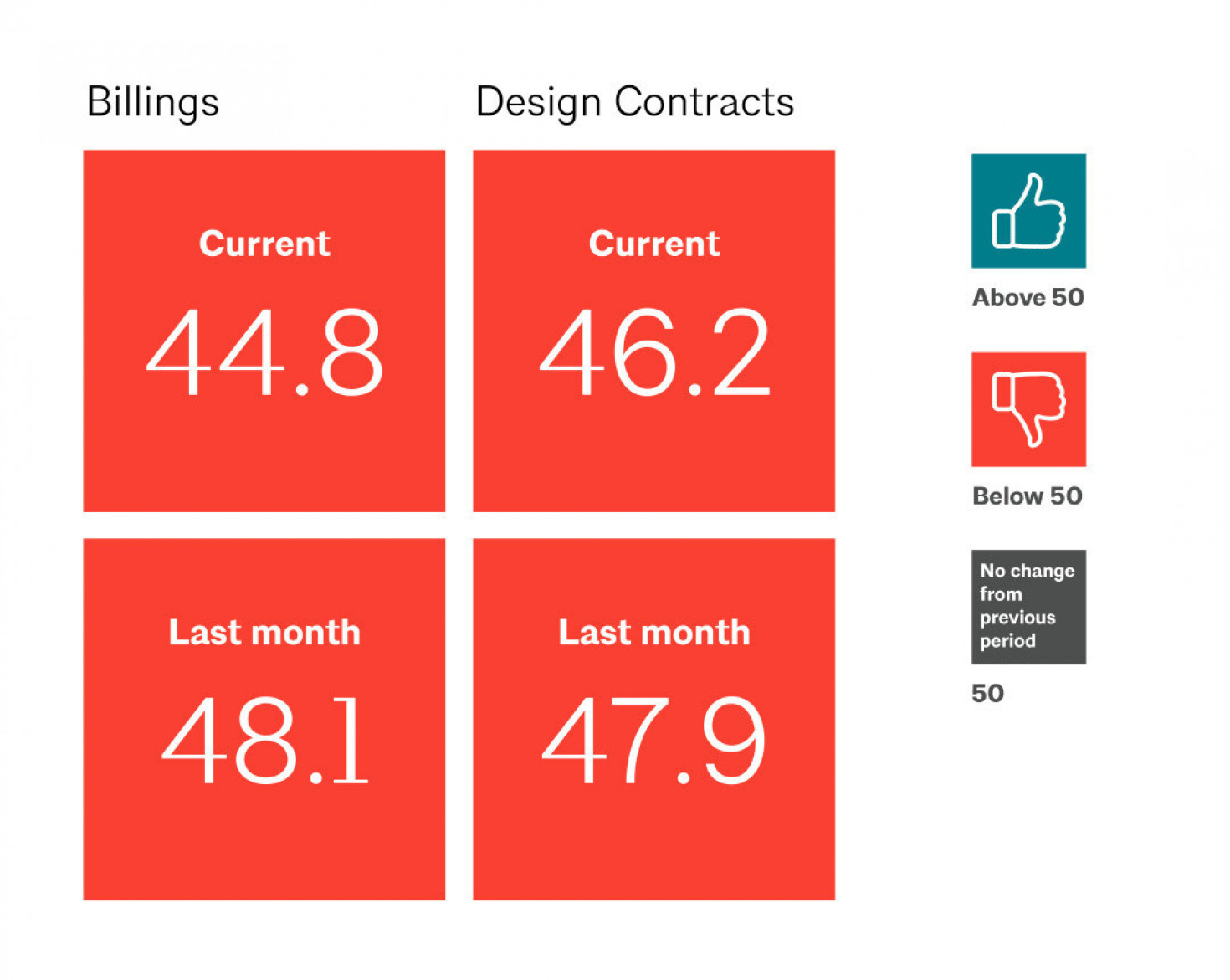
Business conditions at architecture firms deteriorated in September, with the AIA/Deltek Architecture Billings Index (ABI) score reaching its lowest level since December 2020. The decline in billings and hesitance among clients to commit to new projects indicate a potential slowdown in the commercial real estate market. Backlogs at architecture firms have also fallen to their lowest level in the third quarter. The slow return to office and a rise in interest rates have further impacted the industry. The West region has been particularly affected, and multifamily residential construction has seen a decline, potentially affecting future activity in the sector.
The Stump team pounded the pavement for 6 straight days over the semiannual High Point Market, where reportedly 50,000 people showed up to purchase (or at least look at!) furniture. Most attendees would dispute that number and suggest a decline in attendance. At least the weather was nice.
Most exhibitors will privately admit that revenues are down significantly over last year. Consumers continue to be moving away from durable goods and redirecting their dollars towards travel, hotels, and experiences ($2,000 Taylor Swift concert tickets, anyone)?! By the way, we will be in New York in 2 weeks for the BDNY hospitality show - that part of the furniture market is booming.
As is often the case, the higher-end of the market is performing better than the lower-priced/promotional world, and designer/trade-focused businesses are outperforming their peers that sell retail stores. Key Takeaways
Political Risk
Of course, the Middle East strife was top of mind. Many believe the turmoil in Israel could affect consumer confidence well into 2024. China was frequently mentioned as manufacturers continue to seek production elsewhere. Vietnam and India are the common names, and we heard about several fantastic new factories in Cambodia. Mexico was a clear focus for sourcing 1-2 years ago during the supply chain crisis, but dramatically lower ocean container rates has caused an abatement there, for now. And our own US political turmoil and election noise is not helping consumer confidence.
Showrooms
With the musical chairs of big movements in showroom positions, there are now many vacant spots for new entrants or legacy players looking to move showrooms to a more prominent position. Key spots include the now vacant Klaussner showroom on N. Hamilton, as well as the old Hooker (moved to Showplace) and Vaughan-Bassett (spearheading the new Furniture First building) spots on IHCF C-10. As well as Mahwah’s old spot in the Plaza building. And with Home Elegance going to the Zaki building on S. Main, what happens to their old location?
Bankruptcy
This downturn and economic turmoil have created tremendous business pressure and failures, and Stump is in the middle of most. We have pulled out our M&A toolbox for distressed sales and bankruptcy proceedings. MG+BW and Noble House have been extremely visible and challenged companies, and just this week Stump was retained to sell Z Gallerie as it entered Chapter 11. While selling big multiples of EBITDA is more fun, our firm has a long history of managing these distressed situations. Call us if you are interested in acquiring businesses in turnaround mode.
When will our industry get its mojo back? Early in the year, we thought Q4-2023 would be the rebound time; then shifted that expectation to Q1-2024; now we hear more skepticism, and most are looking to 2025 as the breakout year.
Quote of the Market: "Survive to 25’….then thrive."
Despite the lesser attendance and somewhat gloomy business outlook, we heard of many success stories and many of our clients continue to achieve growth and solid profitability. Our industry is still producing fantastic companies, and is blessed with some of the best people in the business world. We enjoyed our time with our clients and friends and look forward to better times ahead.
Based in Charlotte, NC Stump & Company is the leading investment bank providing mergers and acquisitions advisory services to companies in the global furnishings and home décor industry.
Features

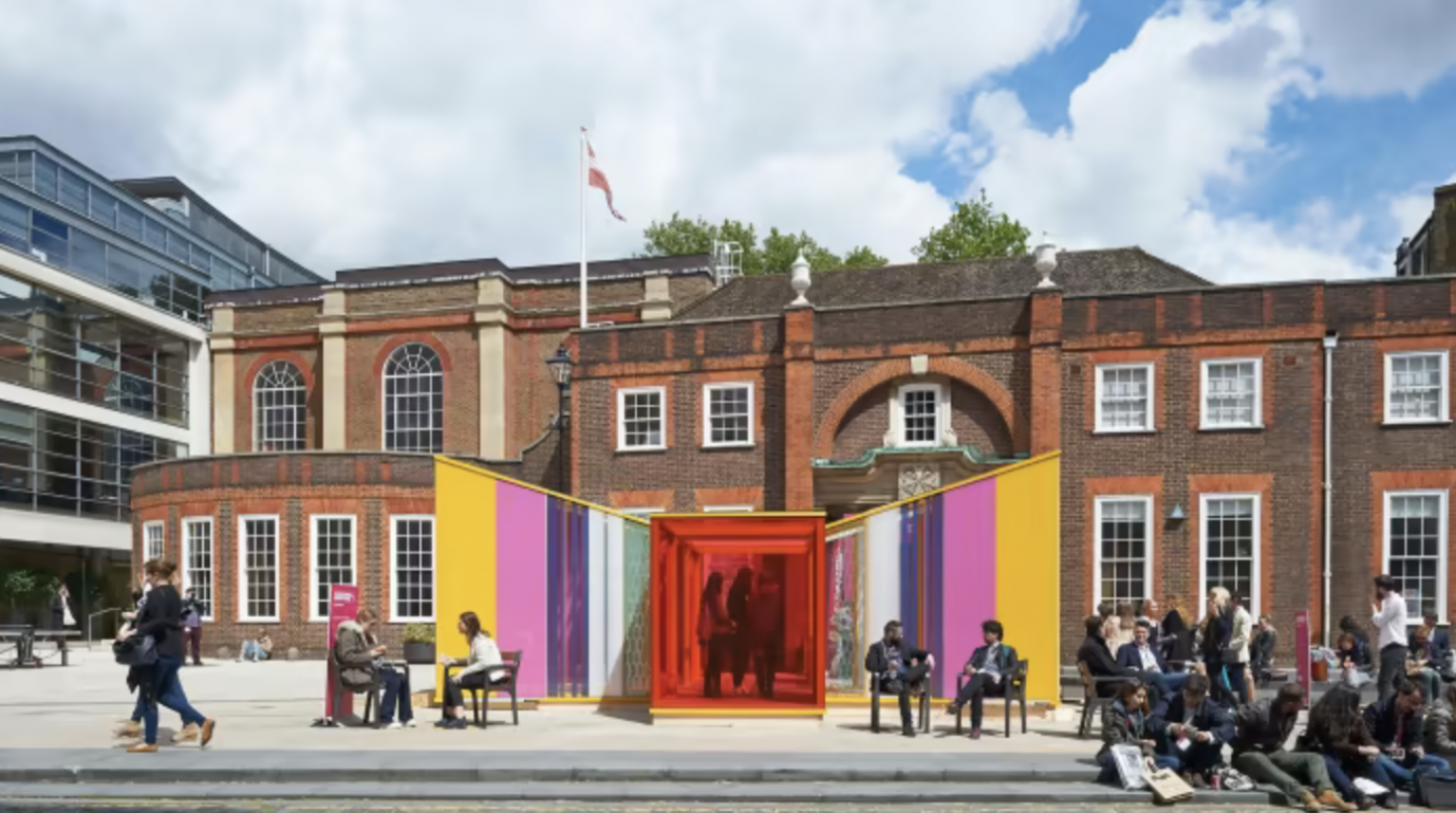
Place branding is a strategic approach to shaping people's perceptions about a city or town and driving its competitive identity. Beyond visual identity, a successful place brand is built on experiences and engagement. It communicates a unique story, celebrates the uniqueness of the place, and creates a sense of community and pride. Place branding is important because it connects with people on a personal level and influences their decision to return or not. The most successful place brands are attached to emotion, build ideas around people, and invite them to be part of the place's heritage and culture.
The future of place branding will be more dynamic and flexible, allowing visitors and residents to shape it and share their personal experiences. As cities and towns compete for global commerce, investment, and talent, place branding will evolve to invite people to shape it physically and emotionally. The rise of technology and the desire to work and play in different cities will bring constant changes in the types of experiences a city offers. Ultimately, place branding celebrates human traits and characteristics and tells the authentic story of a place, celebrating its location, culture, history, community, and future ambitions.
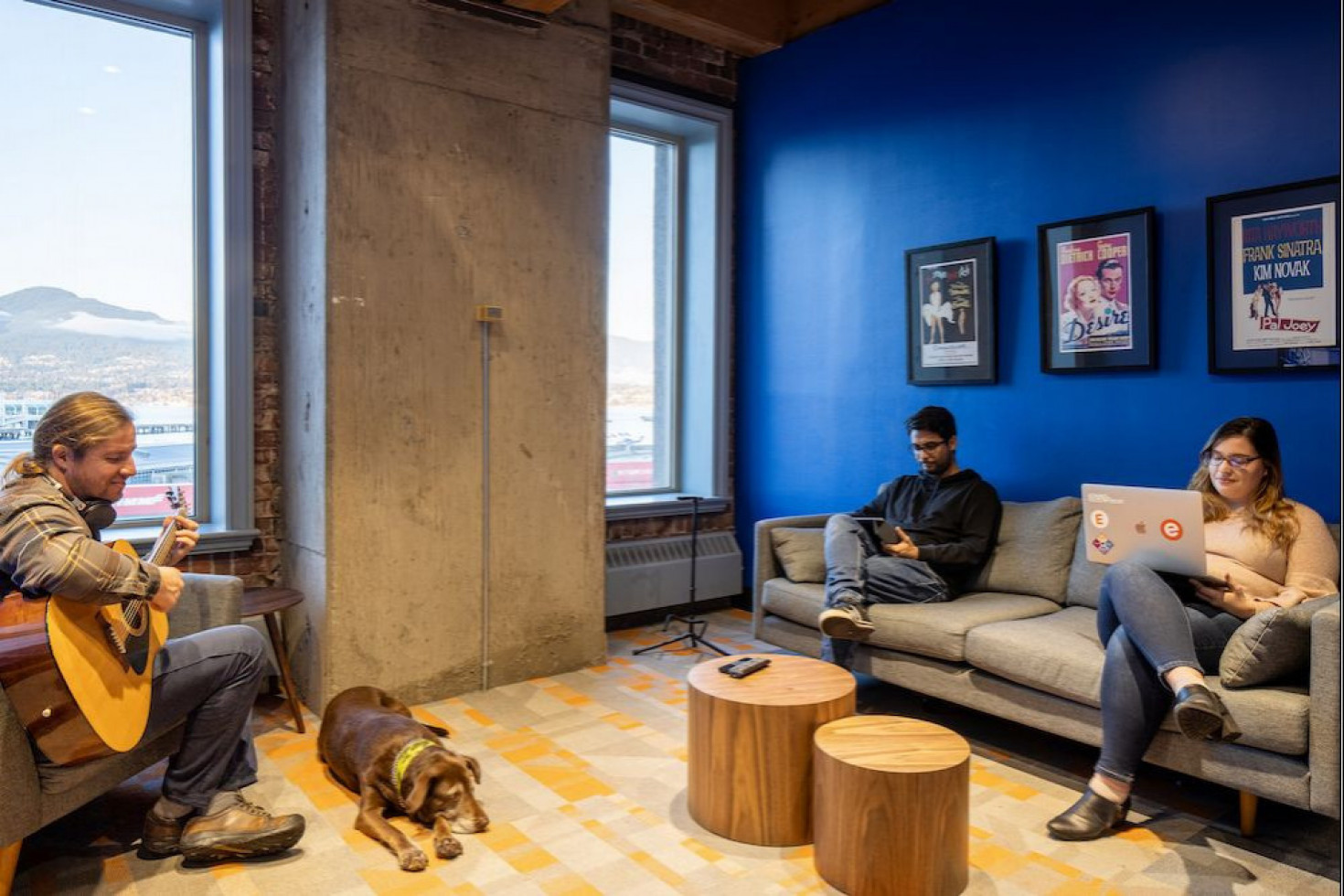
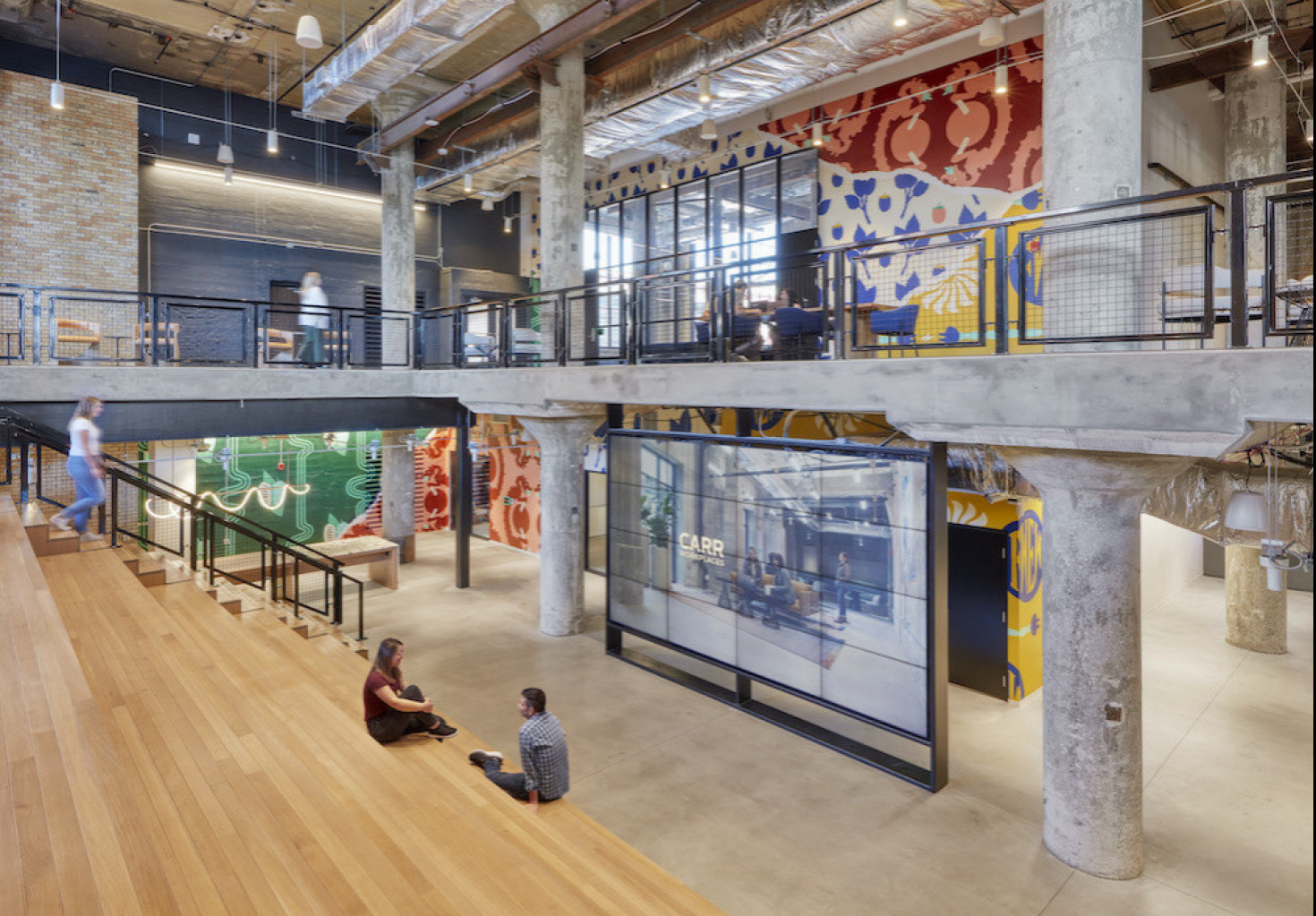
The workplace is experiencing a significant evolution, with the pandemic challenging the traditional understanding of work. To entice employees back to the office, companies must prioritize creating an attractive and satisfying workplace experience. The concept of the return-on-commute (ROC) highlights the value of physical workspaces and the correlation between a fulfilling workplace experience and employees' willingness to commute. Designing workspaces that prioritize comfort, flexibility, and location can enhance engagement, workplace culture, collaboration, and overall work experience. By providing amenities that rival the comforts of home, offering flexibility in workspace design, considering convenient office locations, and fostering a sense of purpose and community through meaningful events, organizations can make the commute a valuable and enriching part of the overall work experience.
In conclusion, the ROC emphasizes that the journey to and from the office should offer more than just a physical transition; it should provide a meaningful return on the investment of time, effort, and cost for employees. Companies are increasingly compelled to create offices that go beyond being mere workspaces but become destinations worth the commute. By focusing on factors such as comfort, flexibility, location, and community-building initiatives, organizations can elevate engagement, workplace culture, and collaboration, making the commute a valuable and enriching element of the overall work experience.
Workspace News
Trends
Design
Coworking
Podcasts
Green / Sustainability
Other News
Latest Products
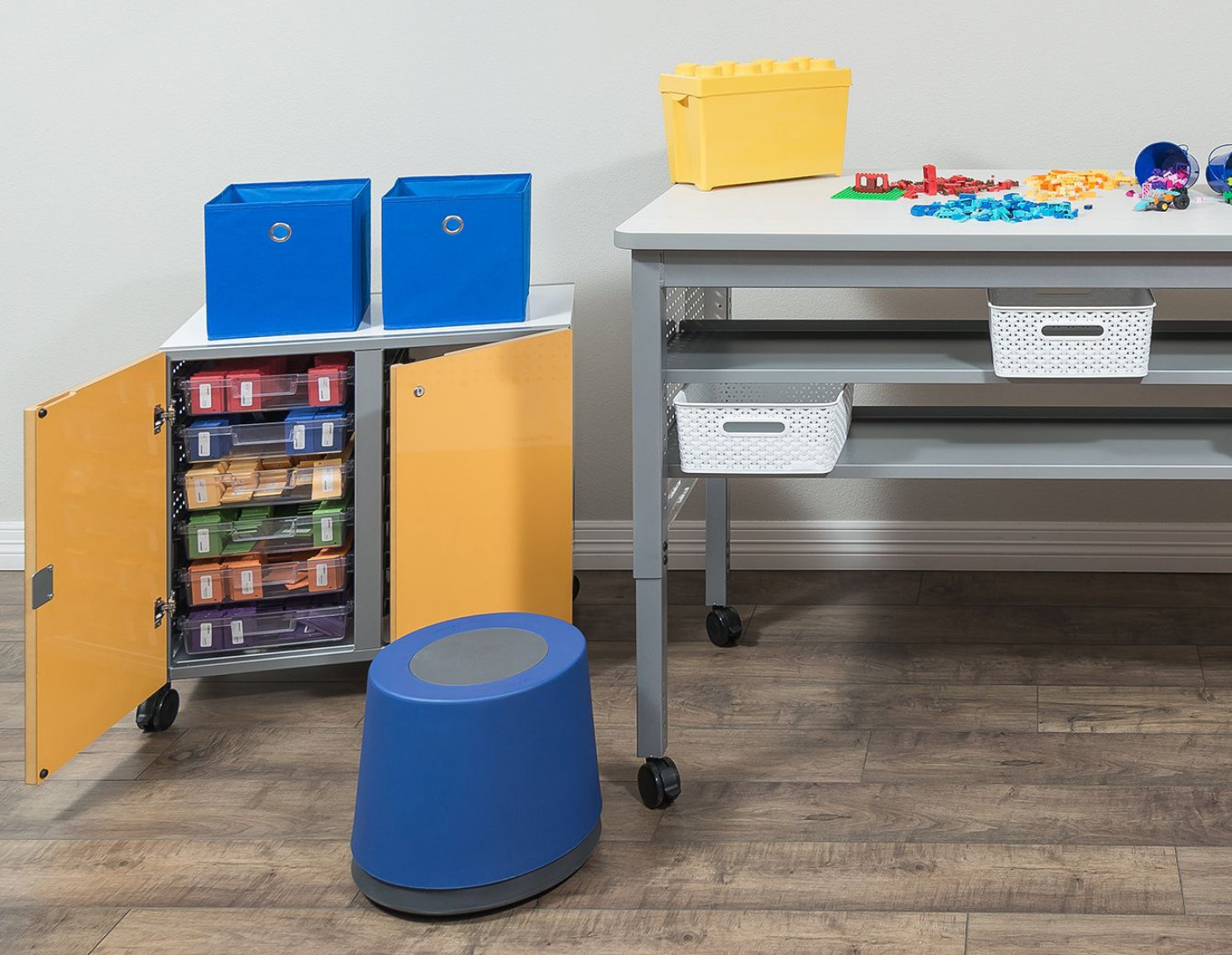
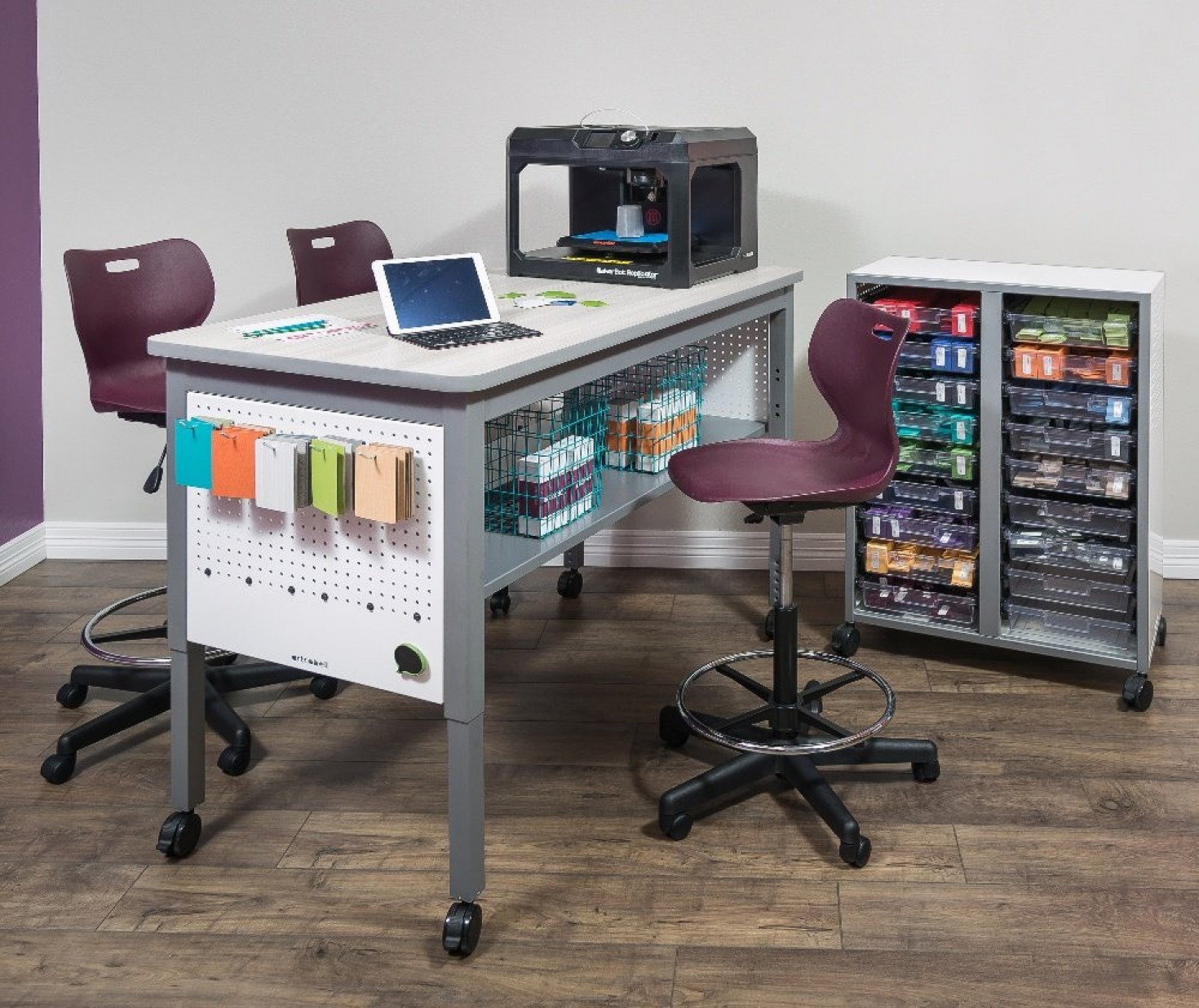
Artcobell offers heavy-duty mobile storage solutions that are designed to withstand the rigorous daily wear-and-tear of student use. Their Maker Space collection provides flexible and multifunctional storage options for educational spaces. The collection includes Maker Space Cubbies, which come in two-column and three-column configurations, offering six or nine individual spaces for storing backpacks, lunch boxes, and supplies. The cubbies can also be equipped with locking door kits and customizable features like writable surface doors and peg boards. Additionally, Maker Space Tray Cabinets have built-in rails that accept tote trays in three different heights and can be arranged in two-column or three-column setups. These cabinets allow for easy movement of tote trays to student desks during the day and secure storage in the cabinets after learning hours.
Artcobell understands the importance of maximizing space in educational facilities while ensuring durability and longevity of their products. With budget constraints in mind, they strive to provide trustworthy and multi-faceted furniture solutions. The Maker Space storage solutions have proven to stand the test of time and busy students, making them a reliable choice for educational settings. To explore the Maker Space collection and learn more about Artcobell's offerings, visit their website at artcobell.com.
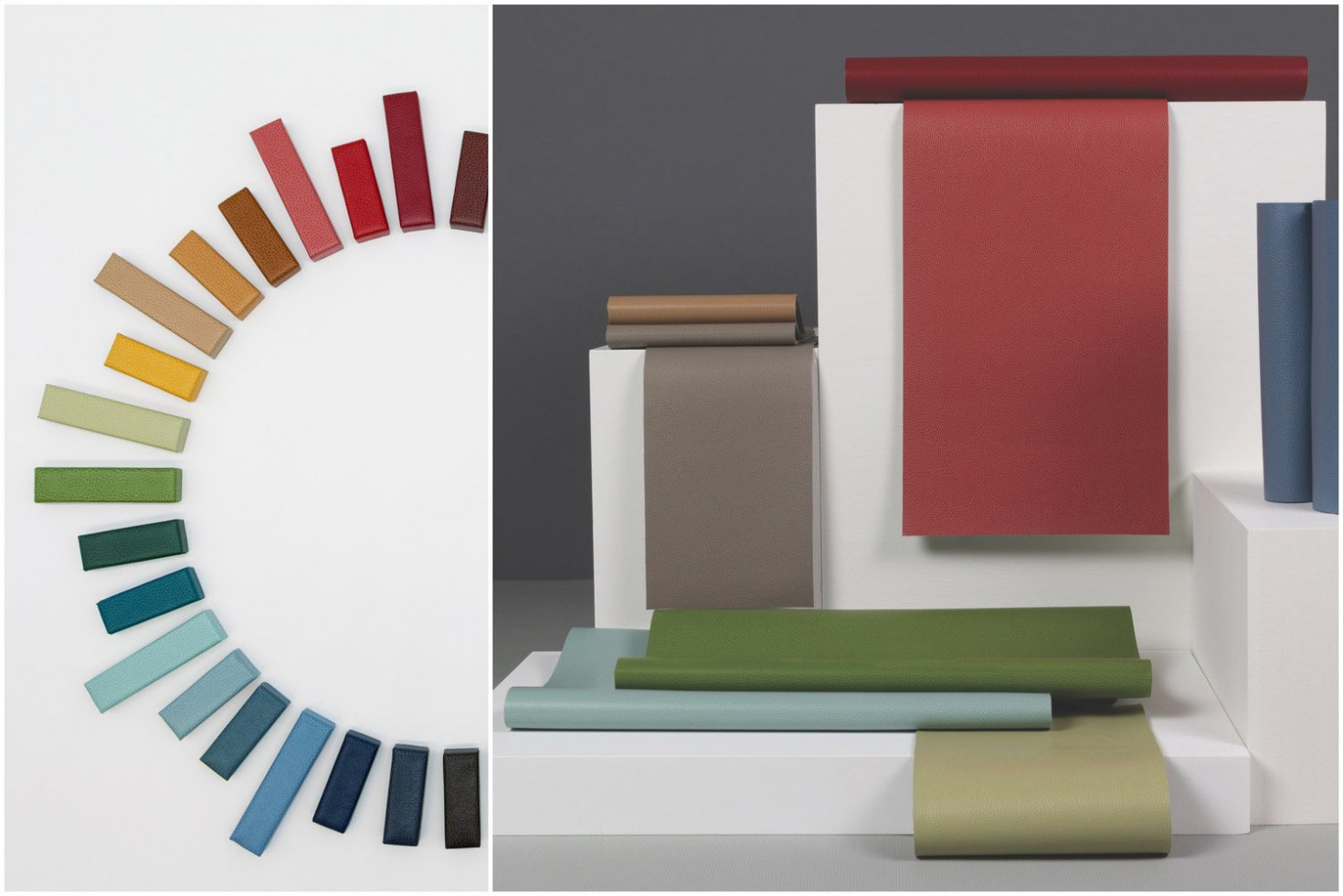
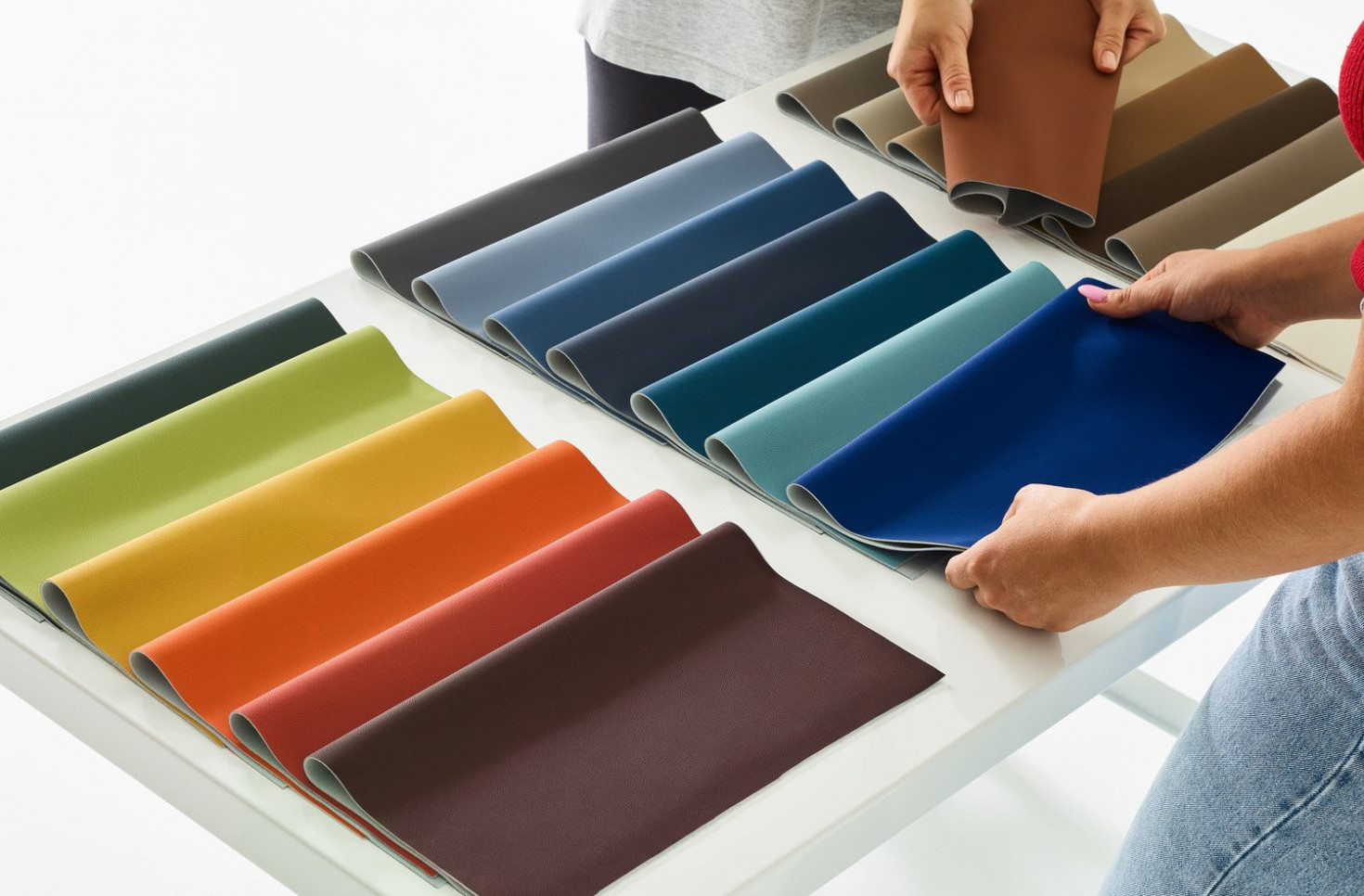
Ultrafabrics has upgraded its Promessa collection, introducing new colors, a backcloth made of eight recycled plastic bottles, and removing anti-microbial additives. The collection offers durable fabric solutions for commercial interiors, furniture, and healthcare applications. The new colors reflect biophilic design trends, and the collection now incorporates recycled materials. The removal of antimicrobial additives expands Promessa's suitability for projects where such technology is not permitted. The collection is also PFAS-free, low VOC, and has undergone rigorous testing for durability and ease of cleaning.
Nicole Meier, Director of Branding at Ultrafabrics, says: “Promessa embodies the Ultrafabrics offering perfectly: unrivalled haptics, performance, and beauty. In the same breath we never rest on our laurels and continue to innovate. We are proud to add new colors, a new recycled backcloth and, as a response to feedback in the healthcare market, we have removed anti-microbial additives. Whether it’s clinical settings and airports, to restaurants and higher education, Promessa always exceeds expectation.”
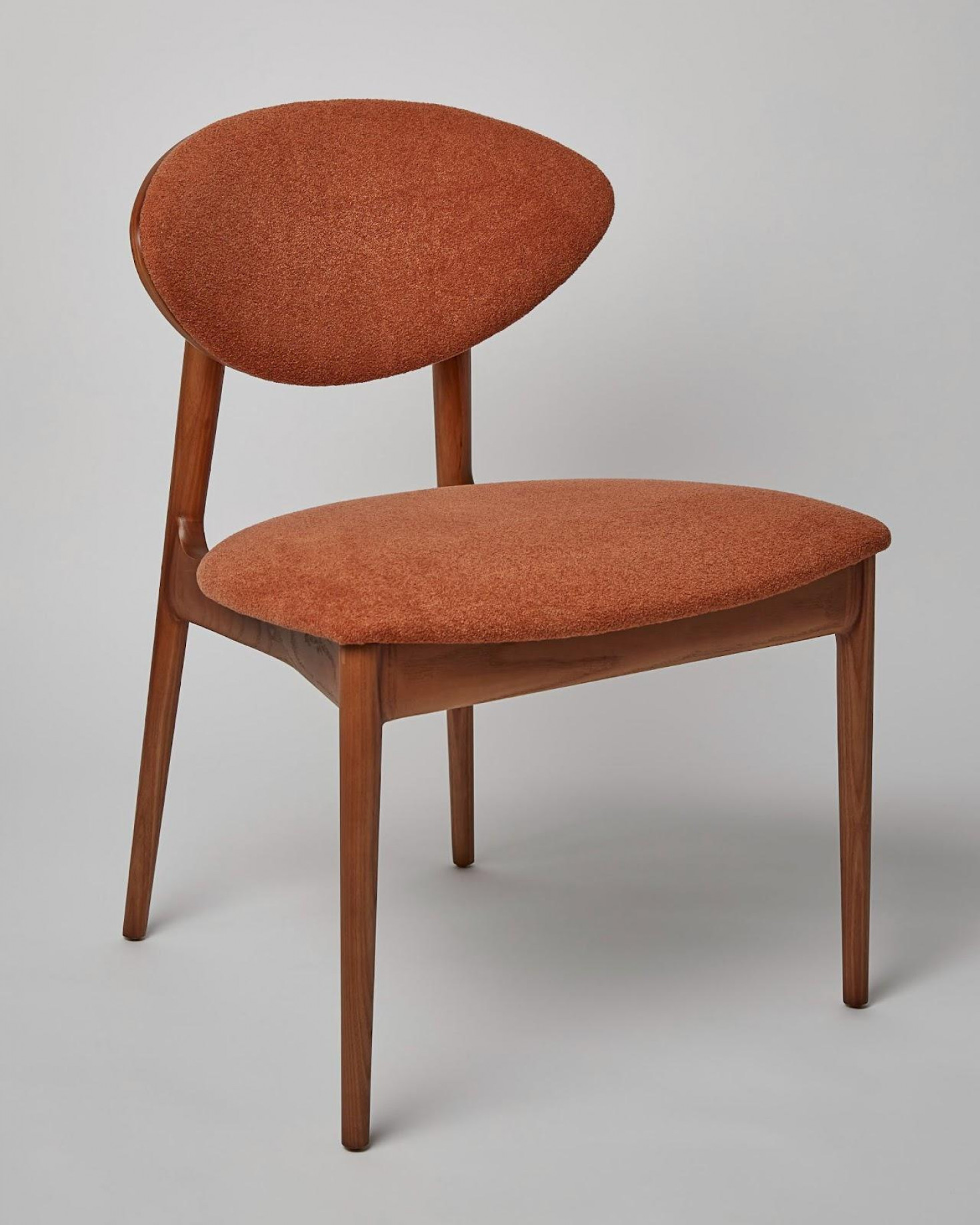
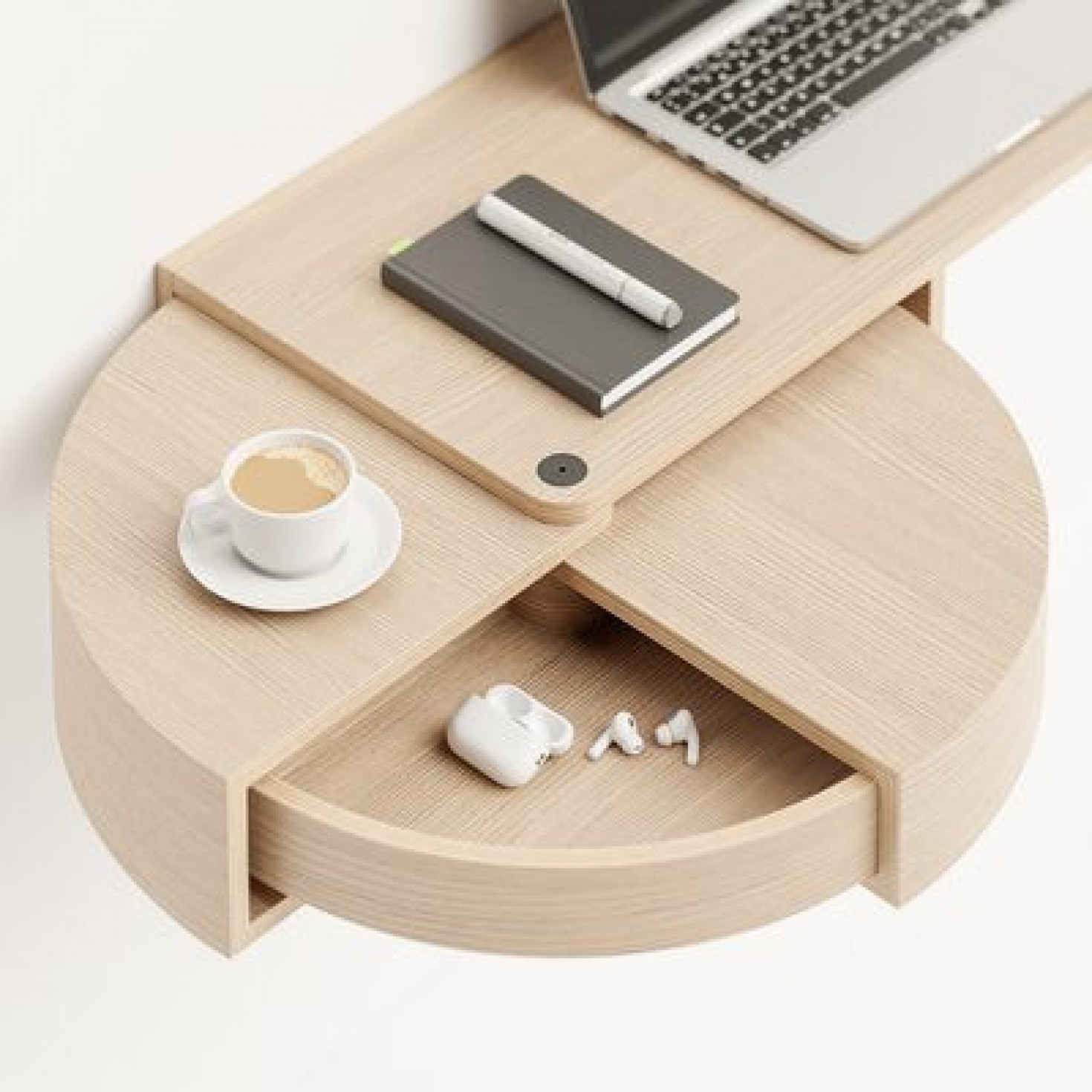
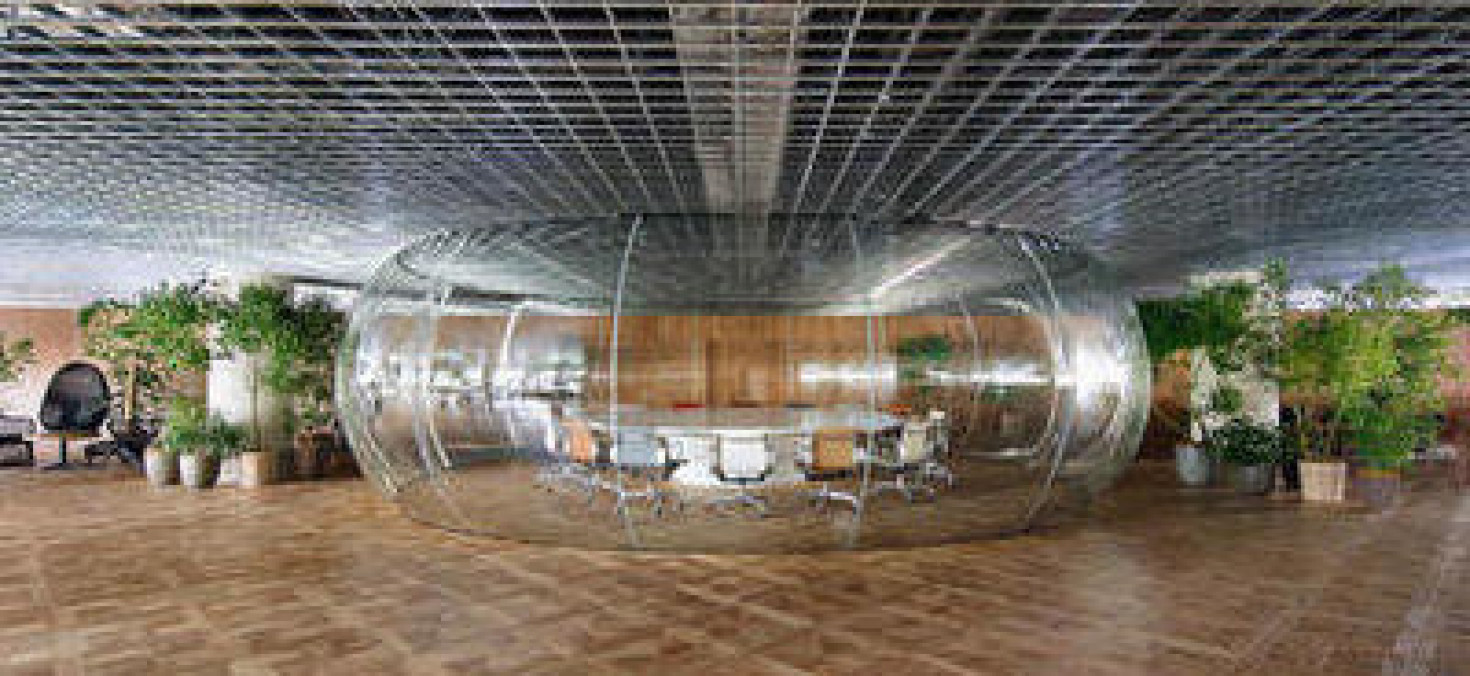
Trends in Commercial Projects from Around the Globe
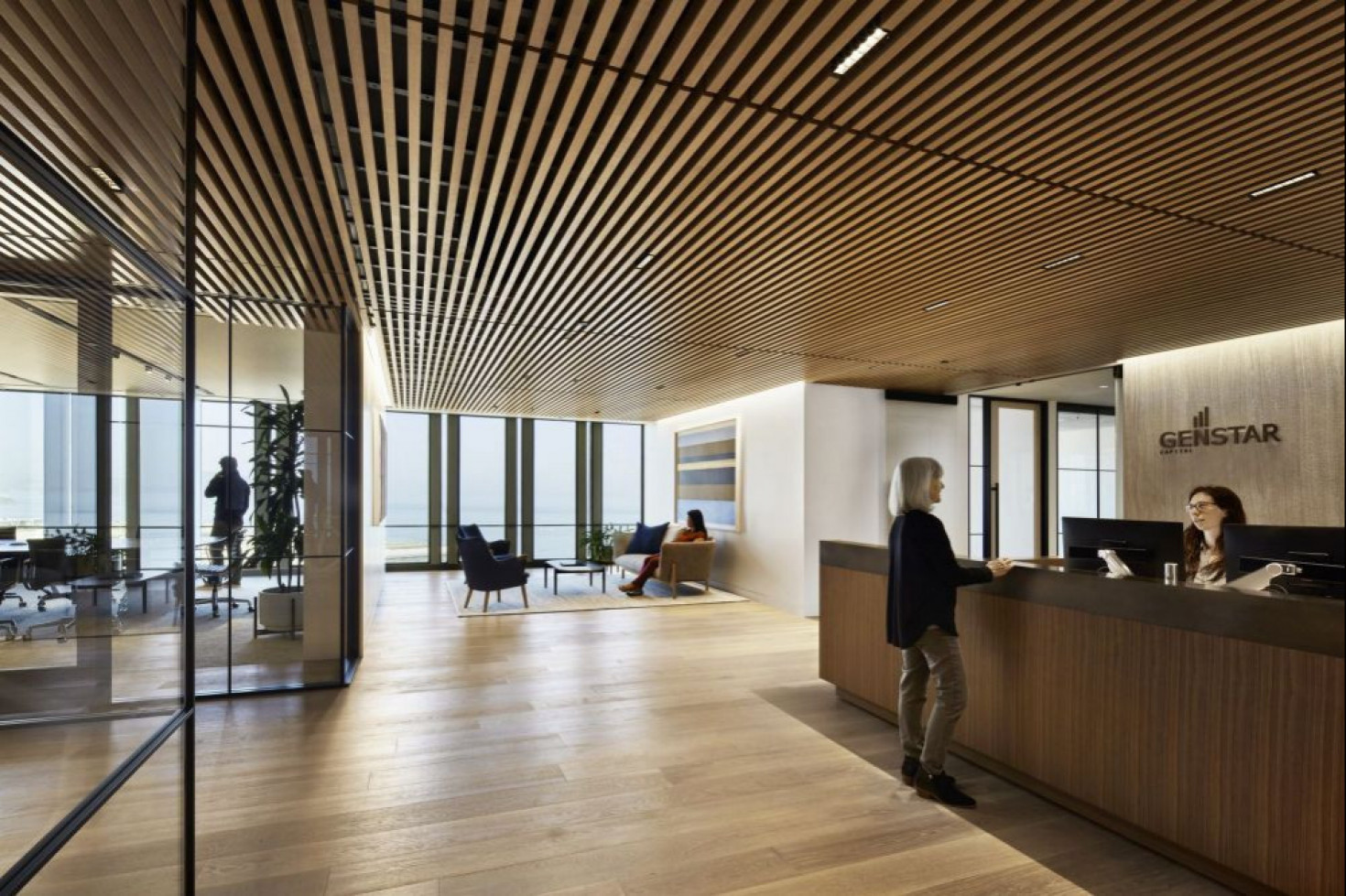
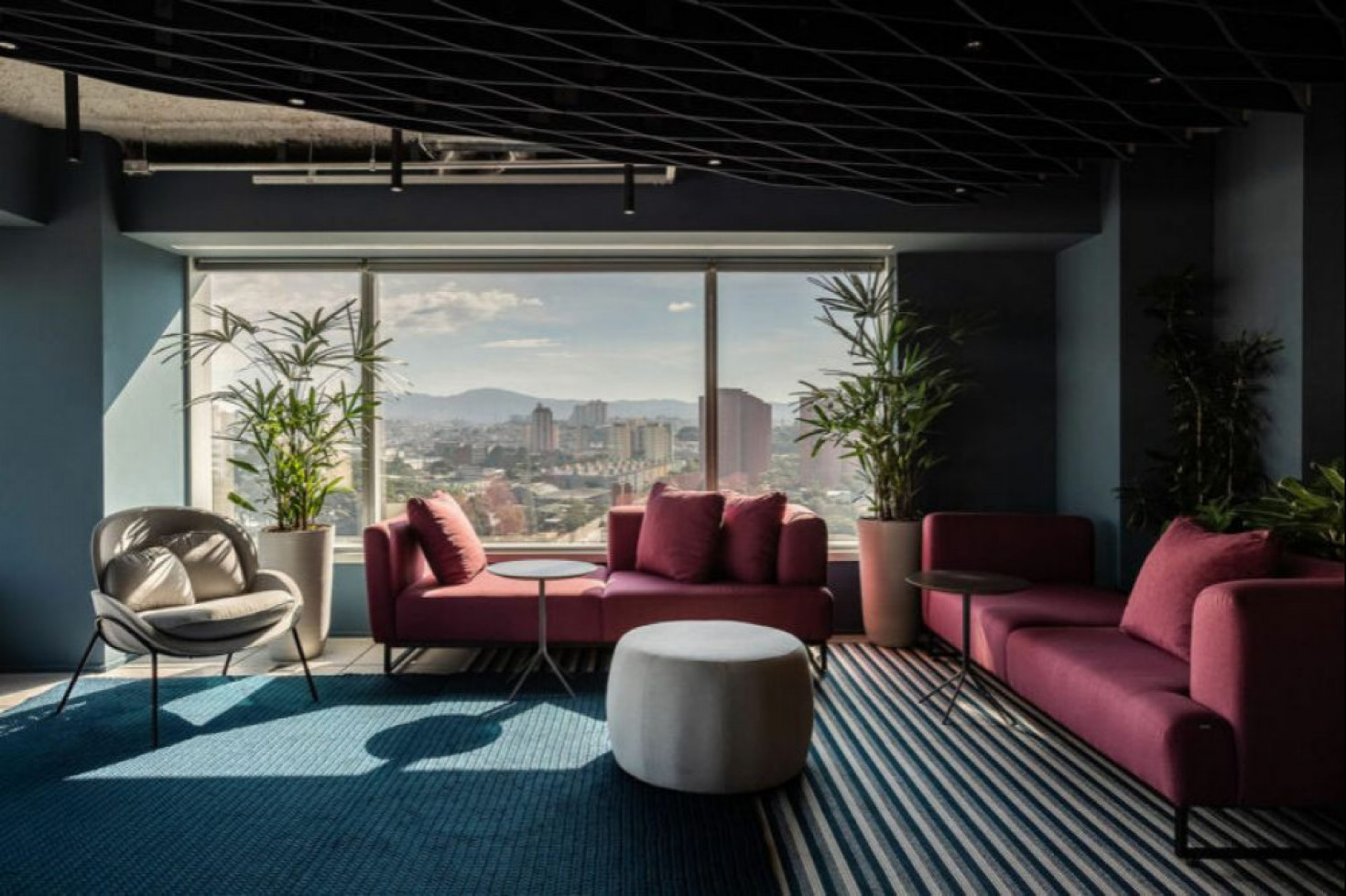
Upcoming Industry Events
Industry Briefing