The Working Space
Monday, December 30, 2024
Industry News
MillerKnoll reported positive second quarter fiscal 2025 results with consolidated net sales up 2.2% year-over-year to $970.4 million, despite ongoing macroeconomic pressures. The company saw growth in several areas, particularly in Americas Contract where sales increased 5.9%, while maintaining a strong gross margin of 38.8%. Through the first half of fiscal 2025, the company returned approximately $93.1 million to shareholders through dividends and share repurchases.
Looking ahead, the company expects improving demand trends across most markets, though the third quarter will face some seasonal softness in Americas and International Contracts businesses and impacts from Chinese New Year. For Q3 FY2025, MillerKnoll projects net sales between $903-943 million and adjusted earnings per share of $0.41-0.47. The company has also narrowed its full-year adjusted earnings guidance to $2.11-2.17 per share, reflecting continued growth expectations despite slower than anticipated macroeconomic improvements.
Steelcase Inc. reported third quarter fiscal 2025 results with revenue of $794.9 million, representing a 2% increase from the prior year, driven by 5% growth in the Americas while International declined by 6%. The company achieved net income of $19.1 million and adjusted earnings per share of $0.30. The Americas showed strong performance with 7% organic revenue growth and positive order trends, particularly from government, healthcare, and education customers.
Looking ahead, Steelcase expects fourth quarter fiscal 2025 revenue between $770 to $795 million, with earnings per share projected at $0.17 to $0.21 and adjusted earnings per share of $0.20 to $0.24. The company's total liquidity strengthened by $152.0 million compared to the prior year, reaching $576.6 million, and management noted that fiscal 2025 adjusted earnings per share are projected to exceed their target.

 allwork.space
 qz.com
Feature Stories

Executives increasingly enforce return-to-office mandates for their employees while maintaining remote lifestyles in luxurious locations, exposing a significant disparity in workplace expectations. Leaders like Marc Benioff and Brian Niccol require staff to be in the office several days a week but continue to work remotely from homes far from their companies’ headquarters. This contrast underscores a broader economic divide, where higher-income workers enjoy more remote work privileges than their lower-income counterparts. Research consistently shows that remote work enhances productivity, improves diversity in the workplace, and supports caregivers and individuals with disabilities, yet these benefits are often overlooked. Instead, return-to-office policies frequently align with financial pressures, suggesting their true purpose may be to reassure shareholders rather than improve operations.
Beyond the workplace, this divide extends to societal issues, such as housing crises in affluent towns where remote-working elites drive up costs while service workers endure long commutes. Evidence shows that remote executives underperform compared to those working on-site, raising further questions about the logic behind these mandates. Moreover, the reliance on private jets to bridge geographic gaps highlights environmental concerns and reinforces class distinctions. The push for a return to office life alienates many employees, particularly those juggling caregiving or accessibility needs, while perpetuating inequalities both in the workforce and broader society.

Workplace News
Trends
Design
Coworking
Green / Sustainability

Design is not just about aesthetics or functionality—it’s an essential driver of sustainable change and social impact. With 2024 on track to be the hottest year on record and global challenges mounting, the design community is uniquely positioned to lead transformative solutions that address climate change, inequality, and economic resilience. By embedding principles like circularity, eco transition, and glocalisation into every project, designers can reimagine products and systems to benefit people and the planet. For MMQB readers, this signals the urgency and opportunity for leveraging design as a tool to create a more equitable, sustainable future while setting new industry standards for innovation and responsibility.
Latest Product News
Industrial Design

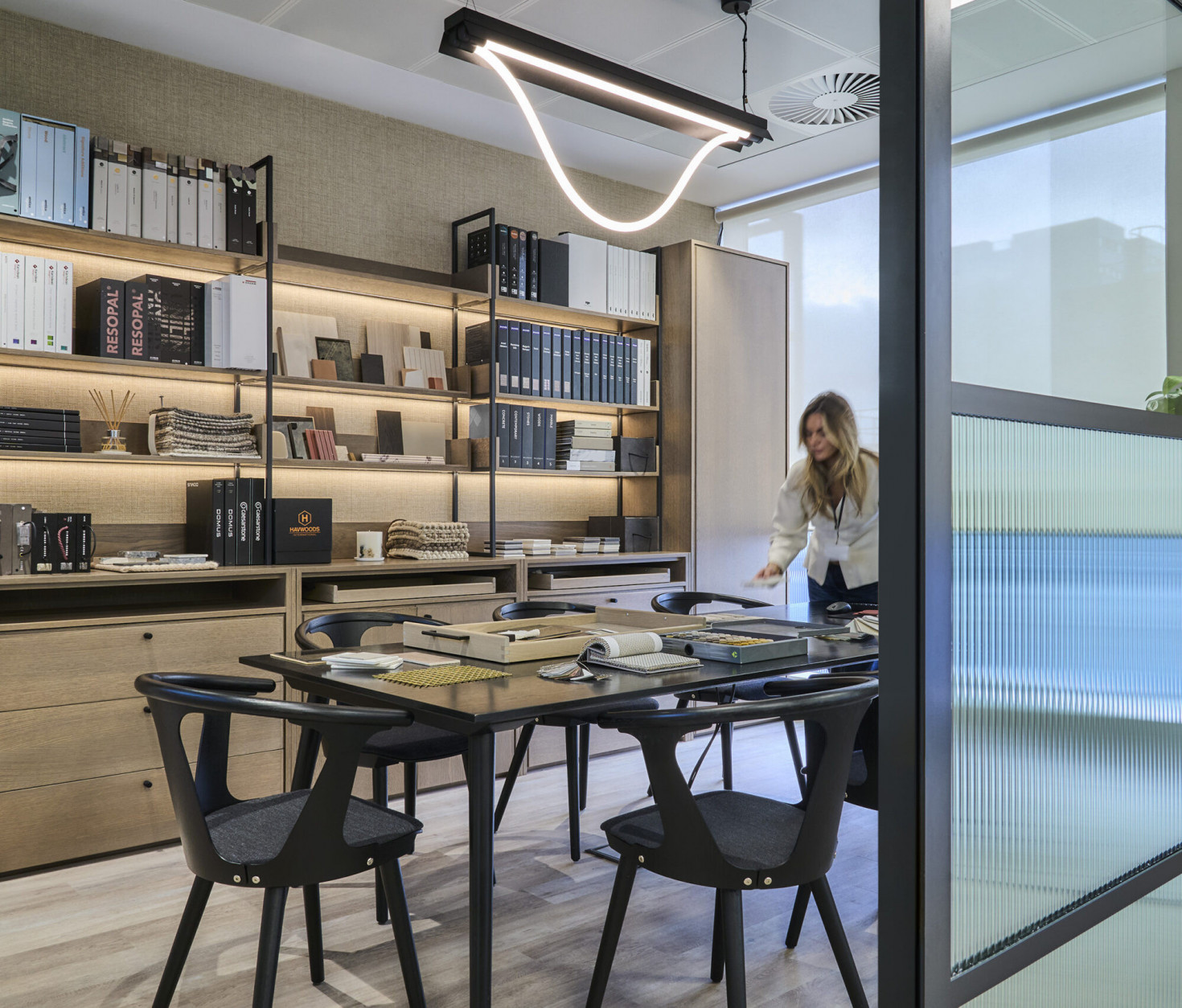
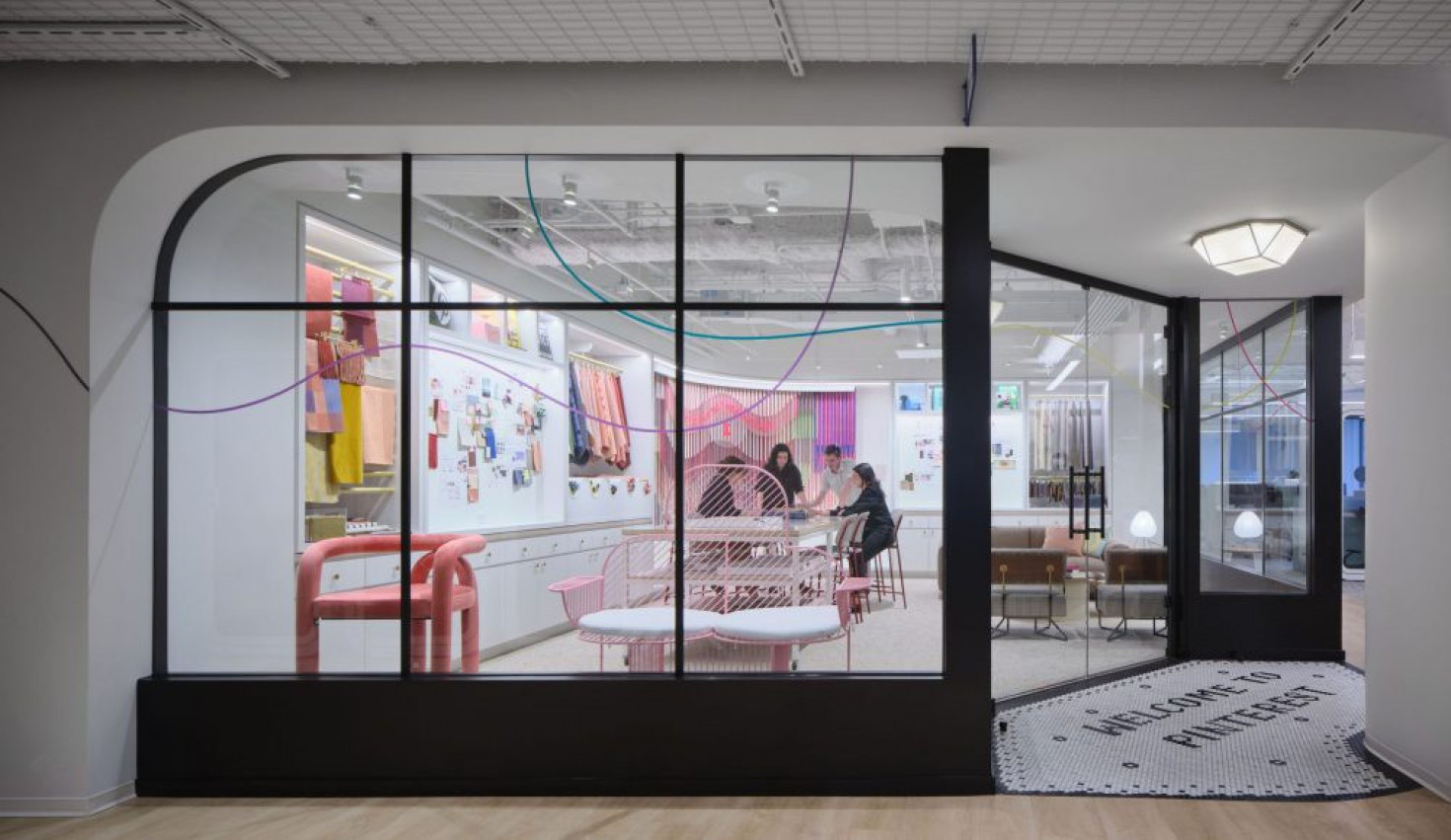
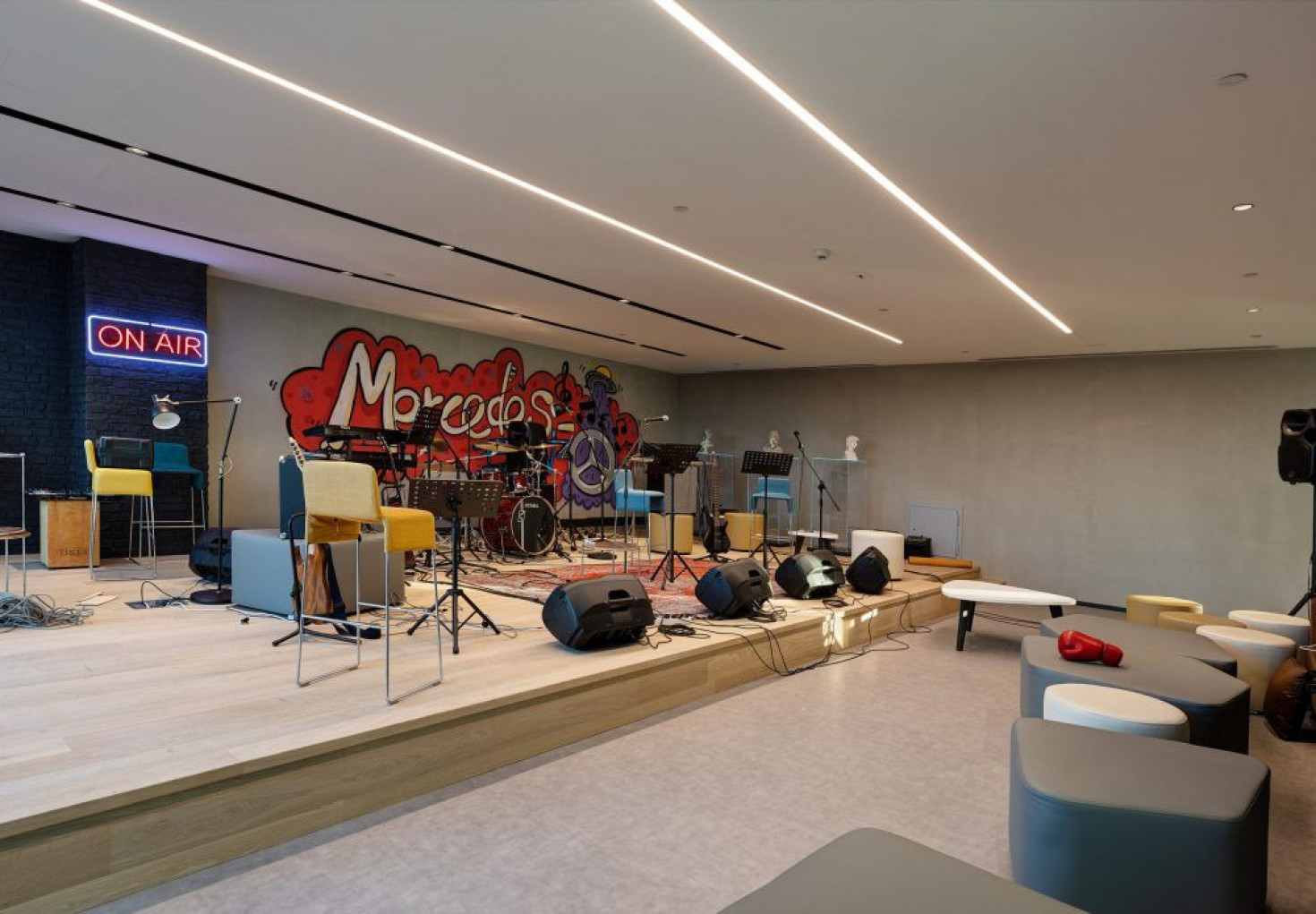
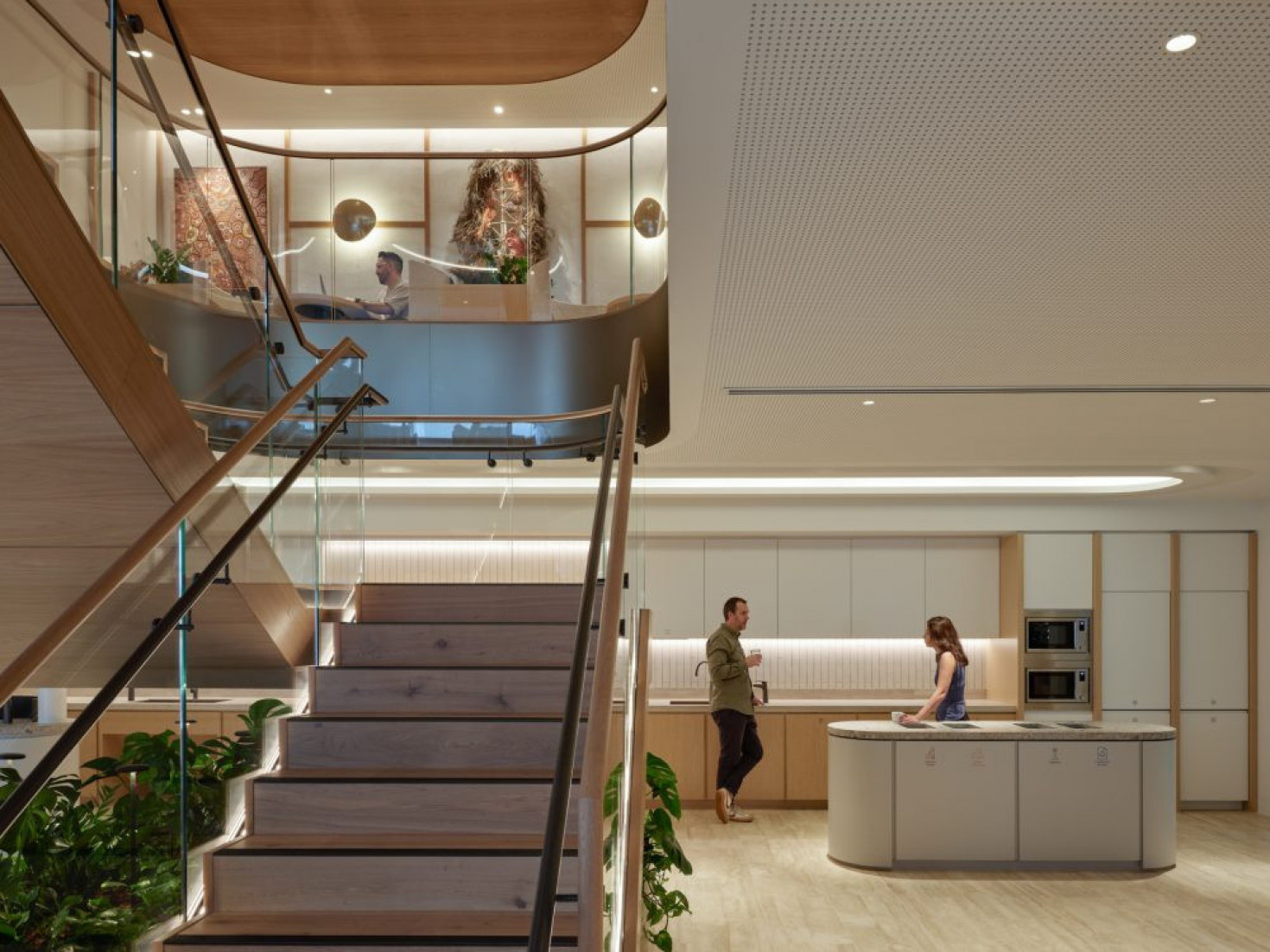
Trends in Commercial Projects from Around the Globe
Latest In Real Life WFH
Project Leads
Upcoming Industry Events
Industry Briefing













Partner with Fluidconcepts to Inspire Workspaces Across these Regions:
North Texas I Oklahoma I Arkansas I Missouri I Iowa I Nebraska I Kansas I Minnesota I Wisconsin
If you’re experienced in building relationships with designers and dealers and have a passion for innovative furniture, we’d love to hear from you. Email us at sales@fluidgroup.com.