

The Monday Morning Quarterback
Monday, May 8, 2023
🏈 Cheat Sheet 🏈
In recent years, investors have reacted with anxiety and excitement to strong jobs numbers, with better-than-expected payroll reports resulting in higher-than-expected inflation and more rate hikes. However, this pattern seems to be changing as investors have cheered the April jobs report, which came in far better than expected, with 253,000 jobs added versus an estimate for 185,000. The S&P 500 closed up 1.85% on the day, managing to wipe out much of the week's earlier losses, and the Nasdaq Composite rose 2.25%.
The shift in investor sentiment towards strong jobs numbers could have significant implications for the office furniture industry. As more people return to work and companies begin to hire, there may be a greater demand for flexible and ergonomic furniture that can adapt to changing circumstances and promote health and well-being. Companies that can respond to these trends and offer innovative solutions are likely to be well-positioned to take advantage of the changing market conditions.
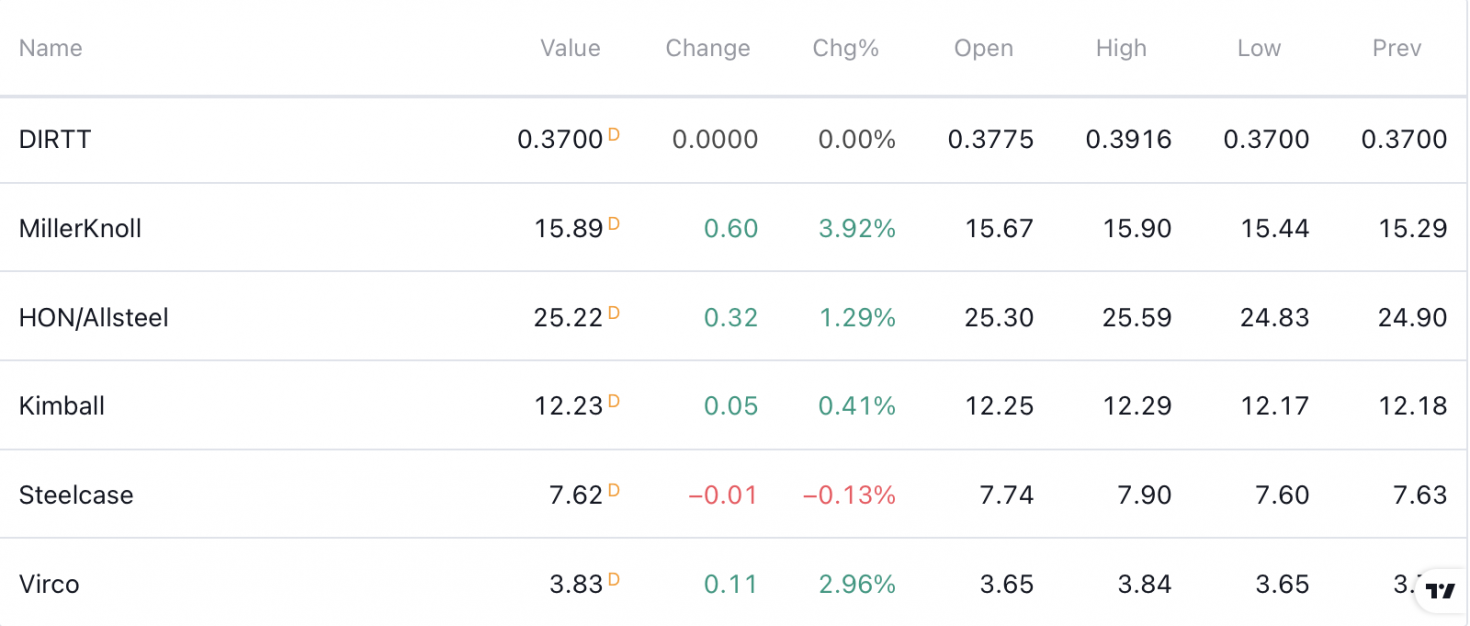
Industry Stocks at Friday's Close
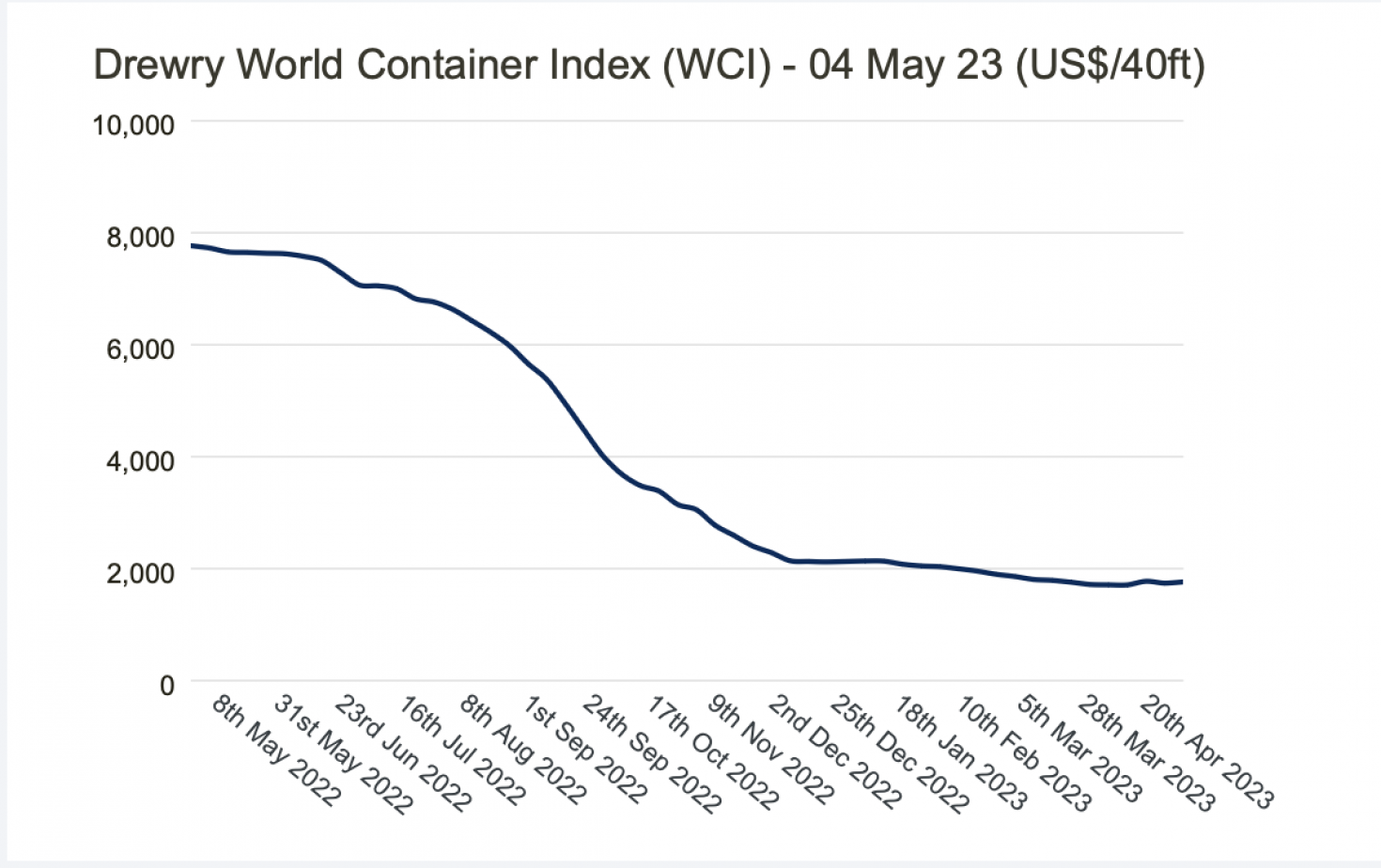
QB's Aeron Chair Index
Industry News


Kimball International, Inc. announced Q3 FY 2023 results:
Net sales: $166.1M Gross margin: 37.6% Net income: $5.7M; Adjusted net income: $11.2M Diluted EPS: $0.15; Adjusted diluted EPS: $0.30 Adjusted EBITDA: $15.4M, up $3.9M YoY Backlog: $134.5MCEO Kristie Juster commented that the market positioning continues to benefit from their key competitive advantages, namely the strategic composition and orientation of their product portfolio and their strong presence in key growth geographies.
In Q3 FY 2023, consolidated net sales were $166.1 million, compared to $180.9 million in the year ago quarter. Gross margin expanded 710 basis points year-over-year to 37.6%, due to continued price benefits, moderating inflation and cost-out programs. Adjusted EBITDA increased year-over-year by 34% to $15.4 million.
Capital expenditures in the third quarter of fiscal year 2023 were $5.5 million. Kimball International returned $4.2 million to shareholders in the form of dividends and share repurchases in the third quarter of fiscal year 2023.
“We are confident that combining with HNI represents the ideal fit for our family of brands and will provide our employees and stakeholders with the enhanced opportunities afforded by a larger, more diversified industry leader.” Ms. Juster concluded.
Kimball International, Inc. will not host an earnings conference call for its Q3 2023 results, due to the pending acquisition by HNI Corporation.

Features
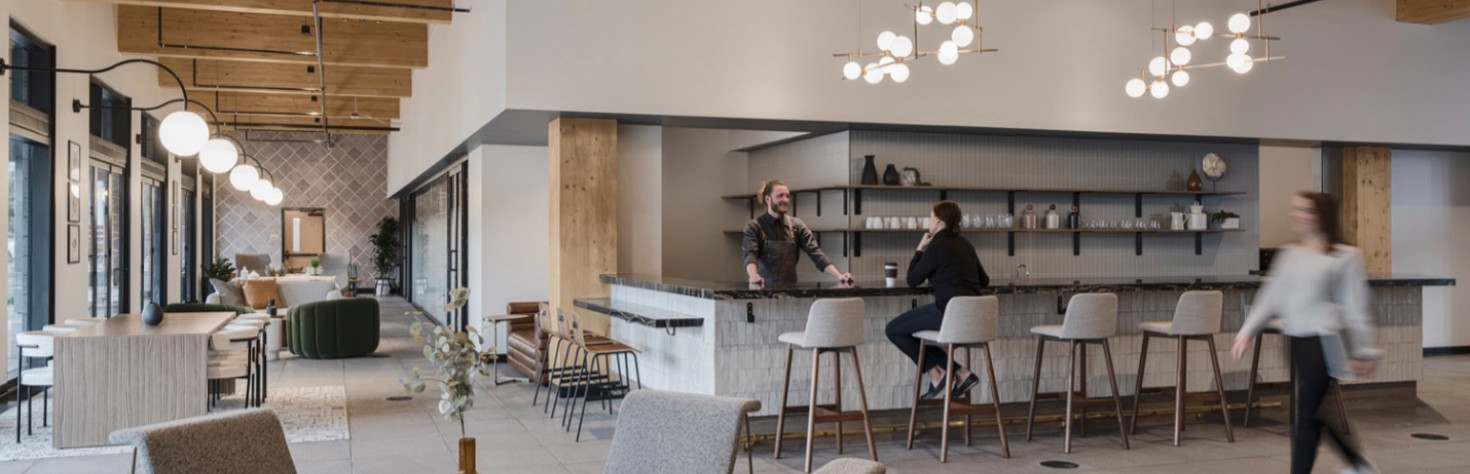
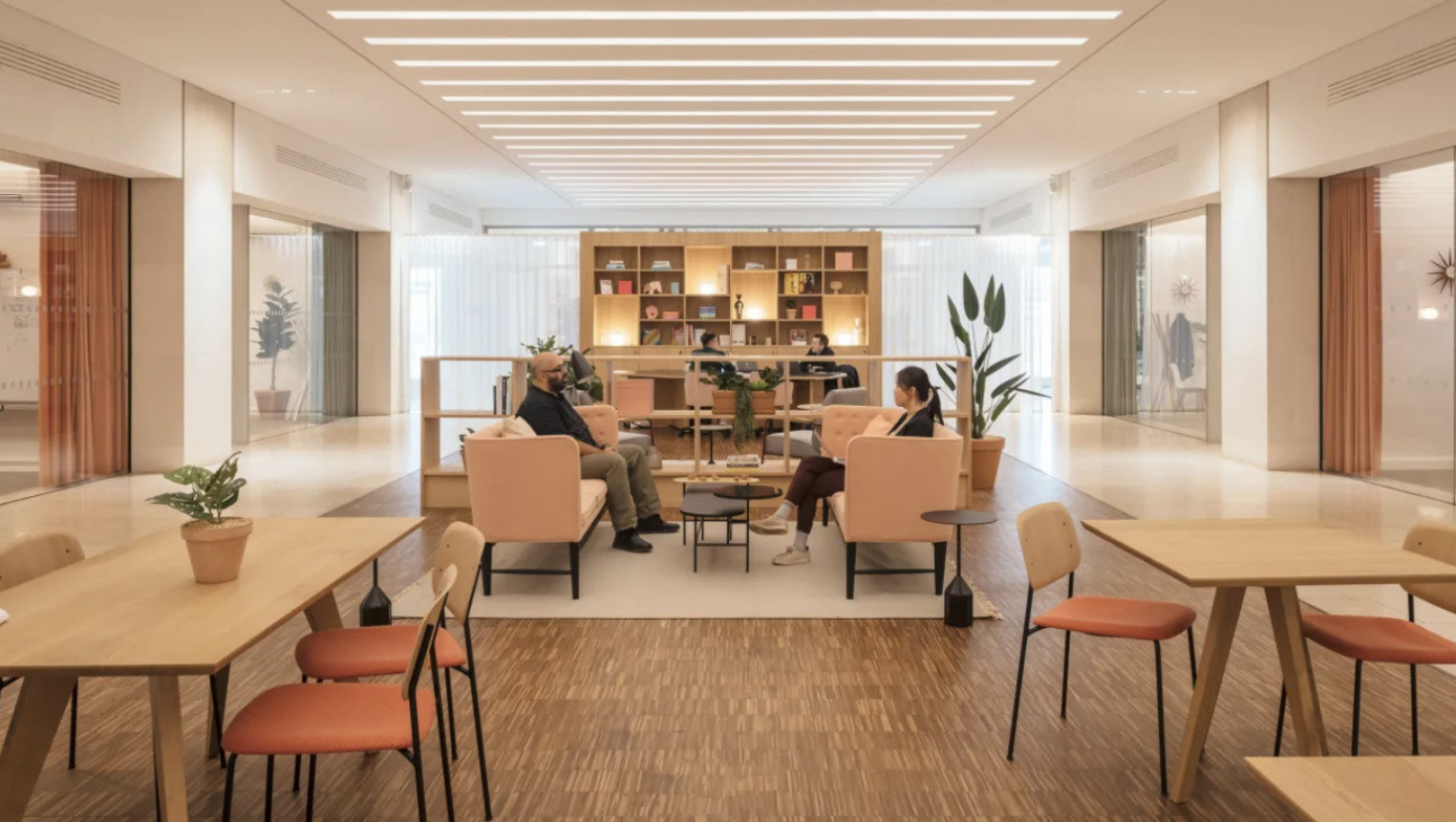
The built environment has changed since COVID started. Touchless entrances, hybrid work options, and consolidated offices are at the top of client wish lists. But we must also adapt the built environment to the changes in people over the last 3.5 years. That includes all the alternate workspaces people use.
The workplace has changed, and so has the worker. Studies show that many of us, especially those just entering the workforce, have become more introverted. When designing spaces to support new ways of working, it’s crucial that we take those changes into account.
People need the right tools and technology to get the job done, and the ability to interact and collaborate with colleagues. Designing spaces that draw people in, that give them what they want and need from a workspace, makes people the amenity that unites workplace and company culture.
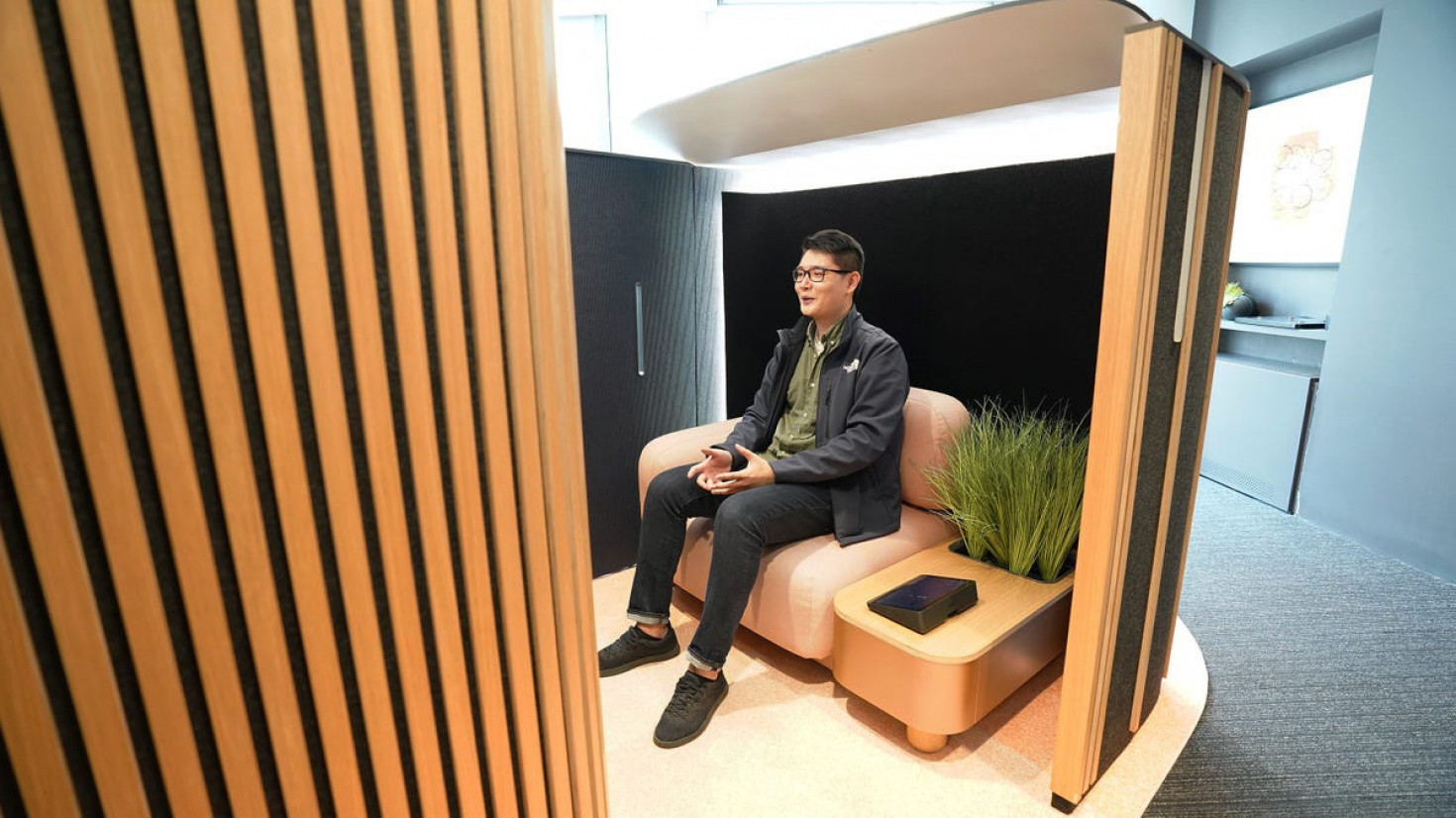
Workplace design was focused on open-plan, collaborative spaces before 2020. Now, we’re seeing a big uptick in the variety of spaces we’re designing, including an increased number of private offices. People want more places for heads-down, private work.
Organizations need to be more intentional about creating connections and encouraging social interaction in alternate workspaces. One idea is having a person to foster that sense of community.
Daylighting, space, and color are crucial in designing a healthy workplace. Bringing additional volume and height into social spaces helps uplift people and encourages kinder and more productive interactions.
A well-designed workplace will allow all different types of people to feel comfortable and productive. The role of the architect is to provide a variety for all work styles that allows people to find a space where they feel comfortable.
Through simple yet effective strategies such as attention to light, volume, and color, we can help establish a healthier, happier, and stronger workforce.
Workspace News

Design

Trends


Latest Products
Other News

 worklife.news
Technology
Coworking

Vintage Advertising from the Archives
 s3-eu-west-1.amazonaw...
Trends in Commercial Projects from Around the Globe
Upcoming Industry Events
Seen on 1stDibs
Industry Briefing
The HON Company has recognized seven industry-leading dealer partners in their annual HON Team Up awards ceremony for providing HON product solutions with a commitment to serve communities and make spaces work. The awards program was hosted in Dublin, Ireland, and celebrates shared success and exceptional commitment to the HON brand.
HON recognized the efforts Dealer partners put forth to achieve these awards, and congratulate the following winners:
- 2022 HON Category Leader Award: Congratulations to W.B. MASON
- 2022 HON New Product Champion Award: Congratulations to LONE STAR FURNISHINGS
- 2022 HON Education Excellence Award: Congratulations to FREEDOM INTERIORS
- 2022 HON Sales and Marketing Excellence Award: Congratulations to STOREY KENWORTHY
- 2022 HON Standing Ovation Award: Congratulations to M80 SYSTEMS
- 2022 HON Superior Sales Award: Congratulations to HENRICKSEN & COMPANY
- 2022 HON President’s Award: Congratulations to HITOUCH BUSINESS SERVICES
The Solomon Coyle 2023-Q1 Market Outlook Report is available. Distributors have improved bookings and expect continued growth. All regions show positive pipeline growth, but billings are slowing.
The managing principal notes that distributors are agile and adapt to challenging environments by innovating in segments of opportunity. Meanwhile, a consultant is keeping an eye on billings and backlog, hoping for improvement in supply chains and construction delays to increase billings and reduce backlogs.
Key findings of the report include:
Dealer bookings have recovered from 2022-Q4's contraction.- Dealers expect growth in bookings in Q2 and Q3 of 2023.
- All geographic regions show positive pipeline growth.
- Pipeline activity is strongest in healthcare, education, and government.
- Billings are slightly down due to softer than anticipated bookings and construction delays.

MMQB Help Wanted Ads










Colecraft Commercial Furnishings has been creating and building one-of-a-kind commercial furniture and architectural casework solutions since 2003.
We enable our industry clients to develop and distribute outstanding product in terms of innovation, quality and sustainability.