
The Monday Morning Quarterback
Monday, May 20, 2024

🏈 Cheat Sheet 🏈
Global Workplace Trends 2024: Embracing Hybrid Models and Redefining Office Norms
When the world’s largest architecture firm, Gensler, surveys 16,000 office-based workers in 15 countries about workplace performance, it’s smart to pay close attention to their findings. Gensler’s Global Workplace Survey 2024, recently published, contains fascinating insights into the current state of the modern office. This report doesn't just measure the effectiveness of the office; it also gauges what kinds of workspaces workers prefer now that many offices are not mandatory. This is valuable information for any contract furniture maker. Gensler researchers created an experience index to express how workers feel about their spaces.
The international scope of the report highlights stark differences in office sentiment around the globe. Countries like Japan and France gave low effectiveness and experience scores for the office, while India, Saudi Arabia, and China had much higher scores. Interestingly, the countries that gave the office low scores reported spending the most time working alone. The report also ranks individuals by how “engaged” they are with the office, scoring them on factors like energy and happiness at work. The most engaged employees spend less time working alone, replacing individual work with activities like learning and socializing.
Gensler also examined team strength, finding that people from strong teams were more likely to sit near their colleagues, with 81% of the strongest teams compared to 50% of the weakest. Strong teams were also more aware of what their teammates were working on. Additionally, certain building qualities correlated with workplace performance. High-quality buildings had more amenities like cafeterias, outdoor workspaces, and phone rooms compared to lower-quality offices. Since its inception in 2005 with only 200 respondents, Gensler’s workplace survey has grown in both size and importance. As companies try to understand their need for offices, insights from such a comprehensive survey are invaluable.
Meanwhile, updated figures published by Flex Index make it clear that hybrid work models dominate how U.S. companies are moving forward, with full-time/in-office work taking a back seat. According to The Flex Index report for Q2 2024, 37% of U.S. companies have adopted a structured hybrid model, a notable increase from 20% in the previous year. This outpaces the 31% of companies requiring full-time in-office work and the 32% that are fully flexible. The data showcases diverse approaches to flexible work environments based on company size, industry, and location.
The updated figures reveal that these models typically require employees to spend an average of 2.59 days per week in the office, though this varies by company. Structured hybrid models grew to 53% of companies with 5-25k employees and 67% of companies with 25k+ employees. Fully flexible work opportunities are more common among small businesses, defined as those with fewer than 500 employees, with 73% allowing complete work location flexibility. The report highlights the most and least flexible industries and notes geographical differences, with the Western and Northeastern states of the U.S. leading in offering workplace flexibility. Massachusetts, for example, stands out with 91% of its companies offering flexible work arrangements.
As businesses worldwide adjust to evolving work cultures, the 2024 Global MARCO New Consumer Report, in collaboration with Cint, reveals a strong preference for hybrid work models globally. The study, surveying over 7,000 consumers across 11 countries, shows that 43.54% prefer hybrid work environments, followed by 39.34% who prefer full-time in-person work and 17.12% for full-time remote work. Despite this preference, a significant 64% of respondents would still accept positions at companies that do not offer hybrid working options.
The report also uncovered that 70.22% of respondents feel that their current work culture or labor laws allow them to achieve a good work-life balance. French workers, in particular, show a strong demand for flexible working conditions, with 50% stating they would refuse roles without the option for hybrid work. In contrast, 77% of British employees feel their current work culture and labor laws already provide a satisfactory work-life balance. Countries like South Africa, France, and Mexico report high levels of employee satisfaction with work-life balance, while only 56% of Portuguese respondents feel supported in this regard. Portugal leads in preference for hybrid work, with 53% of respondents favoring it.
More U.S.-based CEOs, once resistant to hybrid work, now accept that this model is here to stay. A study by KPMG found that just 34% of CEOs expect a full return to the office in the next three years. The persistence of hybrid models presents an opportunity for organizations to rethink traditional office norms and adopt more inclusive and flexible working conditions. The data shows that work-life preferences partly depend on the global region, but leaders who implement hybrid work can drive broader organizational changes, including investments in technology and infrastructure to support remote and hybrid teams.
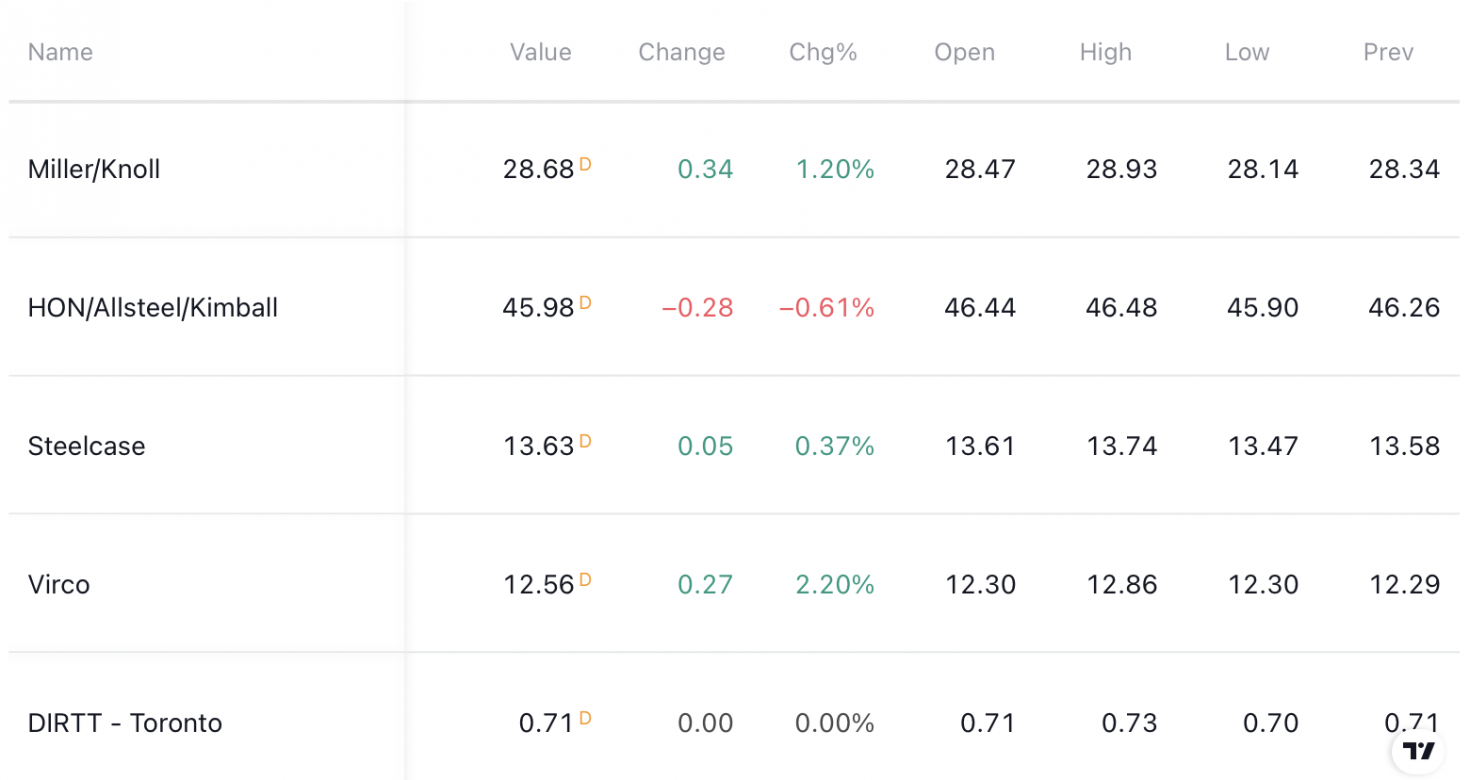
Industry Stocks at Friday's Close
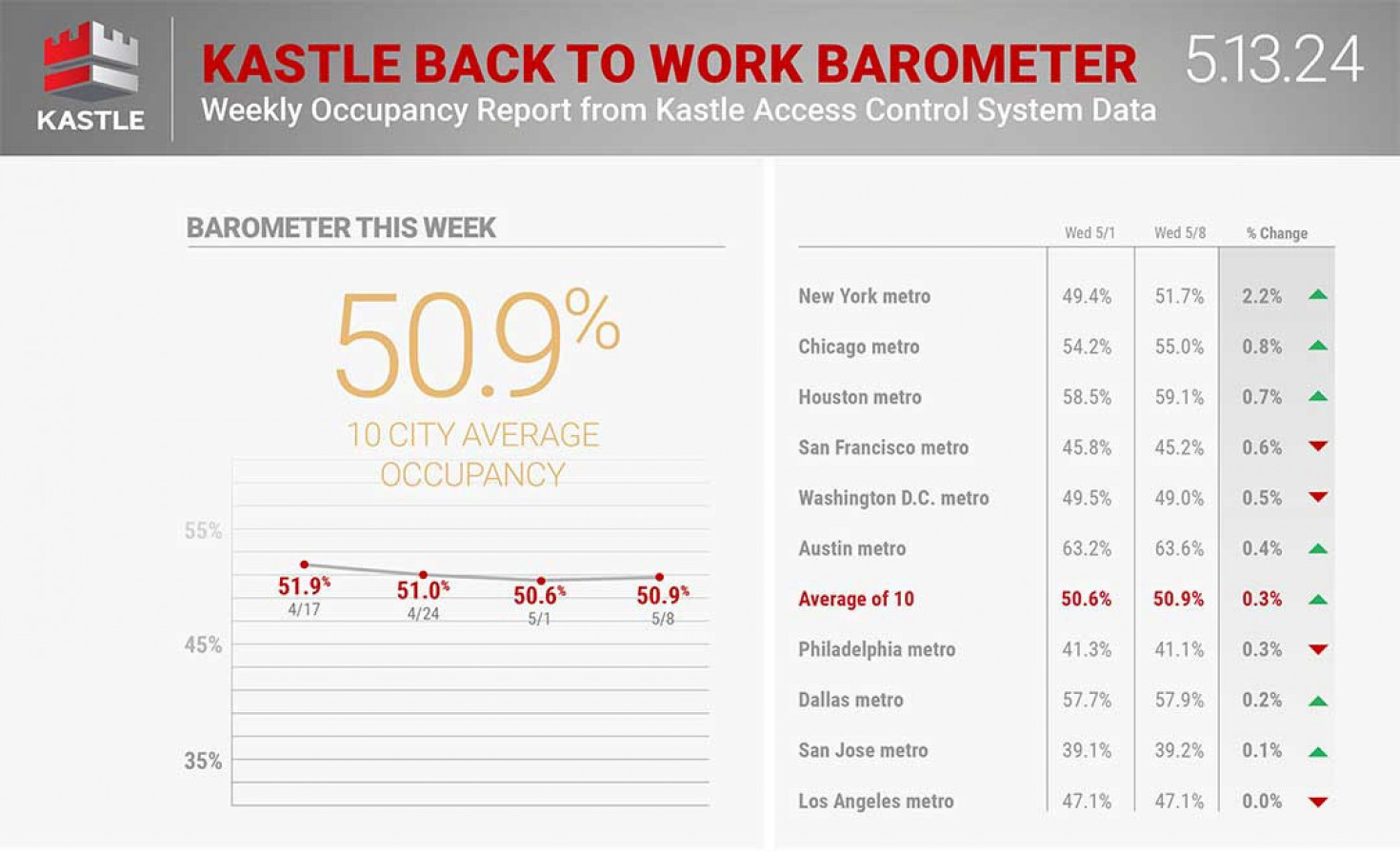
Kastle Back to Work Barometer
QB's Aeron Chair Index
Industry News


Features
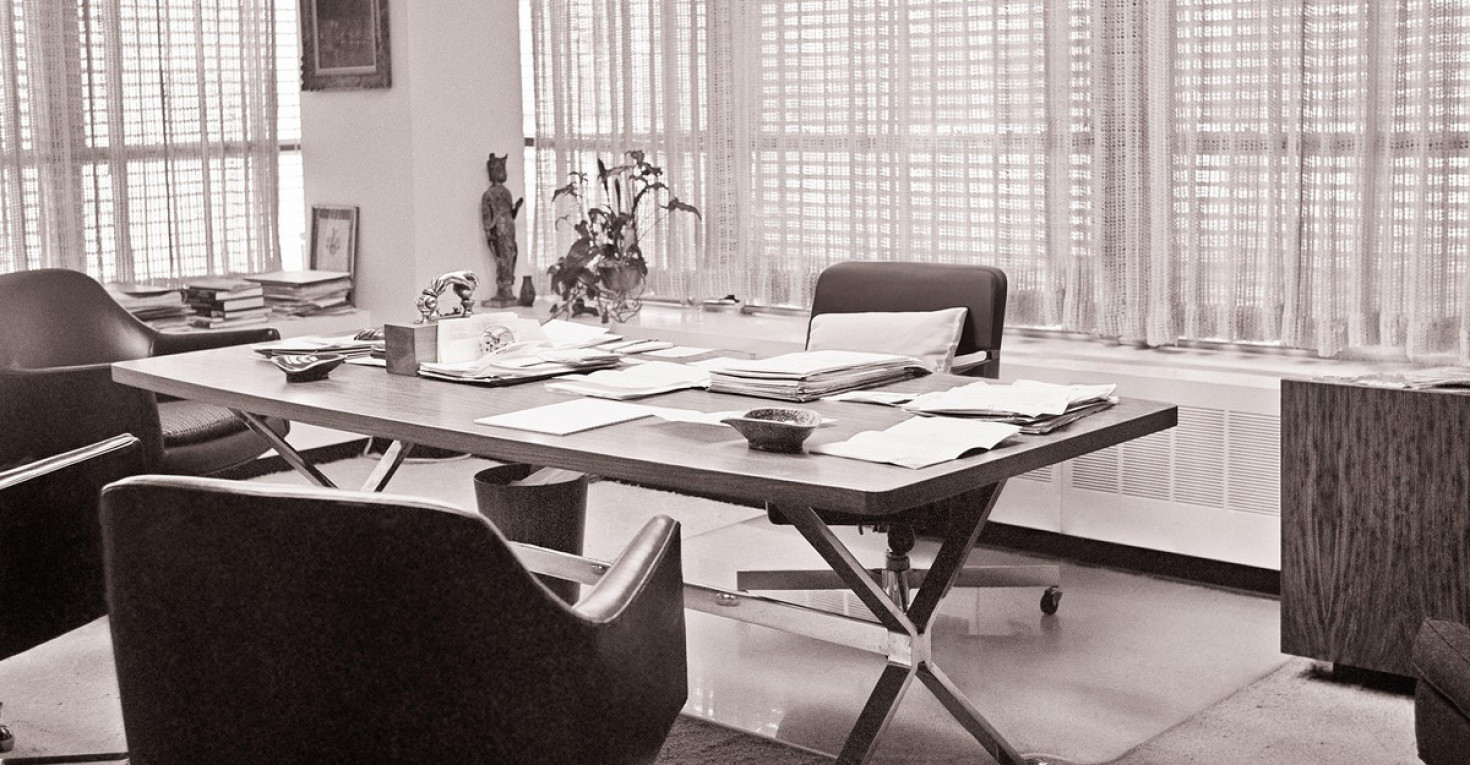
The relationship between office design and power dynamics has always been fluid. Historically, the layout of offices has evolved, from executives being highly visible in the center of the floor to moving into private, less visible corners by the mid-20th century. Recent trends, such as the open-plan offices introduced by companies like Google in 2005, emphasize collaboration but also reflect ongoing changes due to the COVID-19 pandemic. With smaller office leases and more communal areas, modern offices are designed to maximize space and flexibility. However, even without corner offices, executives find ways to assert their status, whether through physical or digital means, ensuring that hierarchical structures persist in the workplace. From claiming conference rooms to having more monitors or flexible work practices, executives maintain their influence, shaping how collaboration unfolds and reaffirming their authority within the office environment.


Workplace News


DesignDays
Dealers


Trends

Design


 res.cloudinary.com

Green / Sustainability

Coworking

Latest Product News


Nonsense or Payola Reviews in Print

Podcasts
Industry Marketing Watch
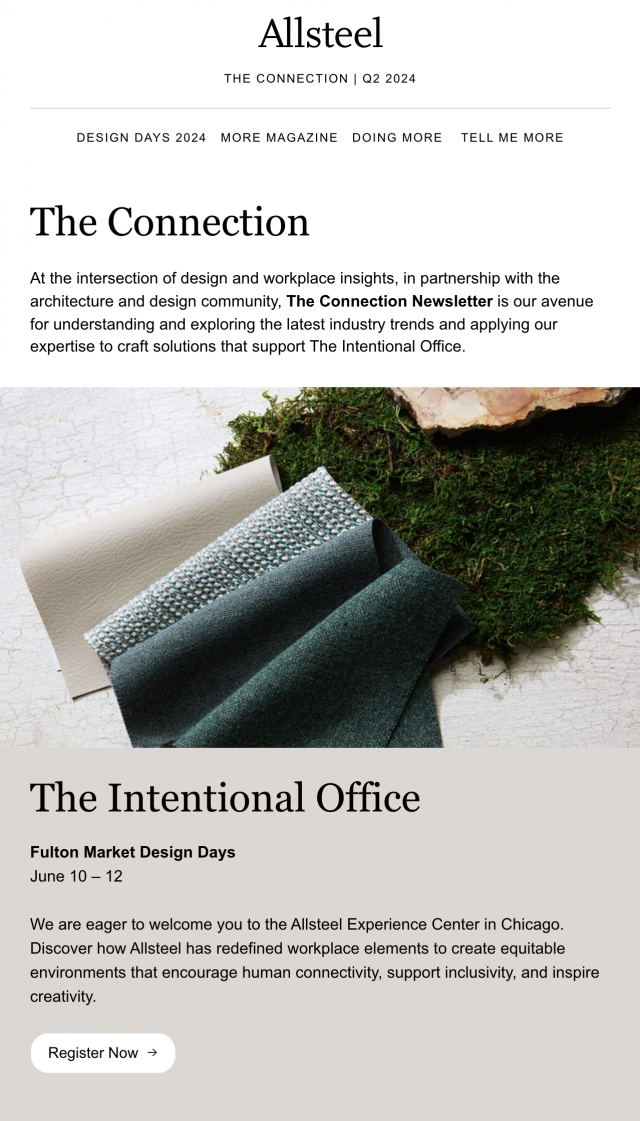
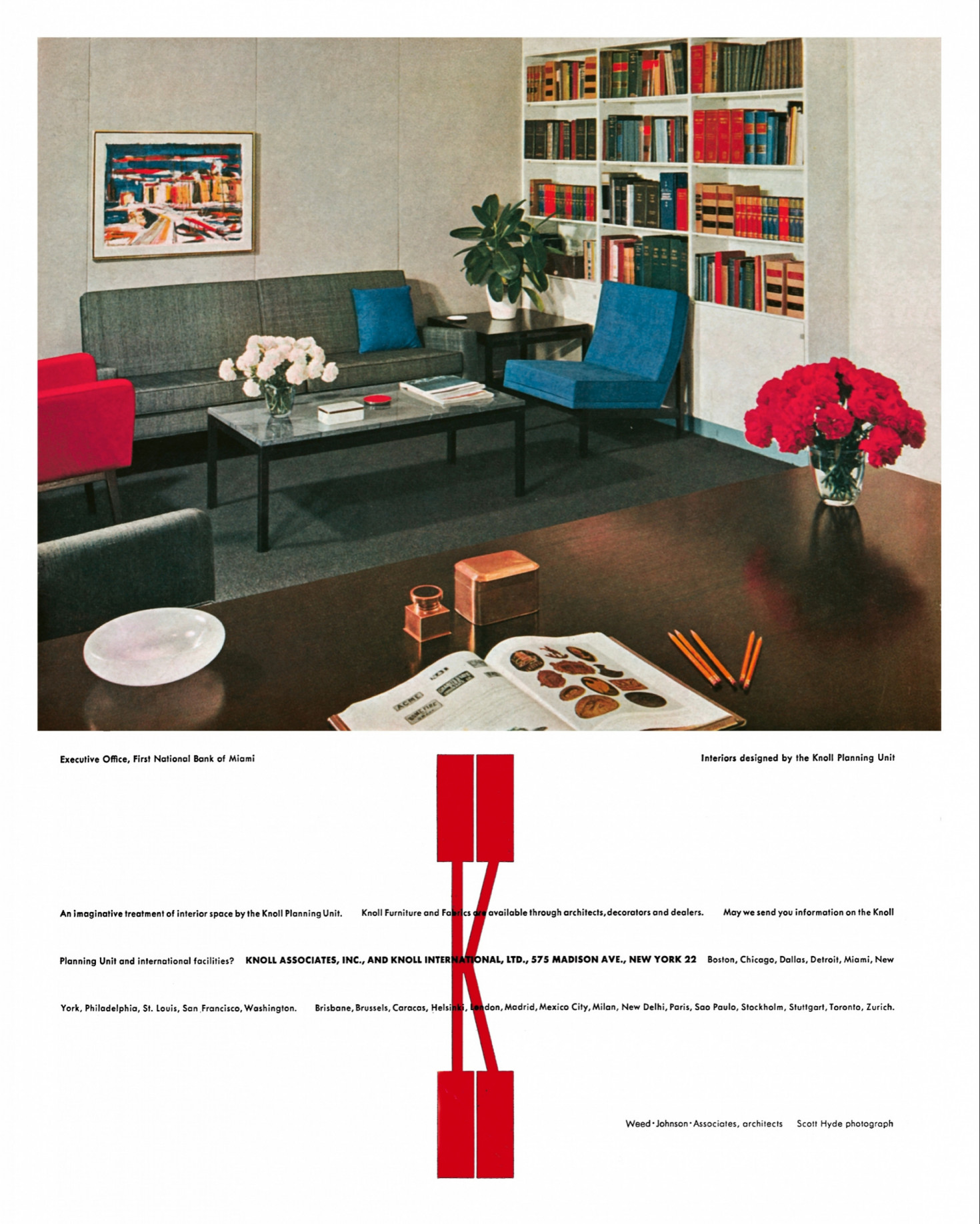
Vintage Advertising from the Archives
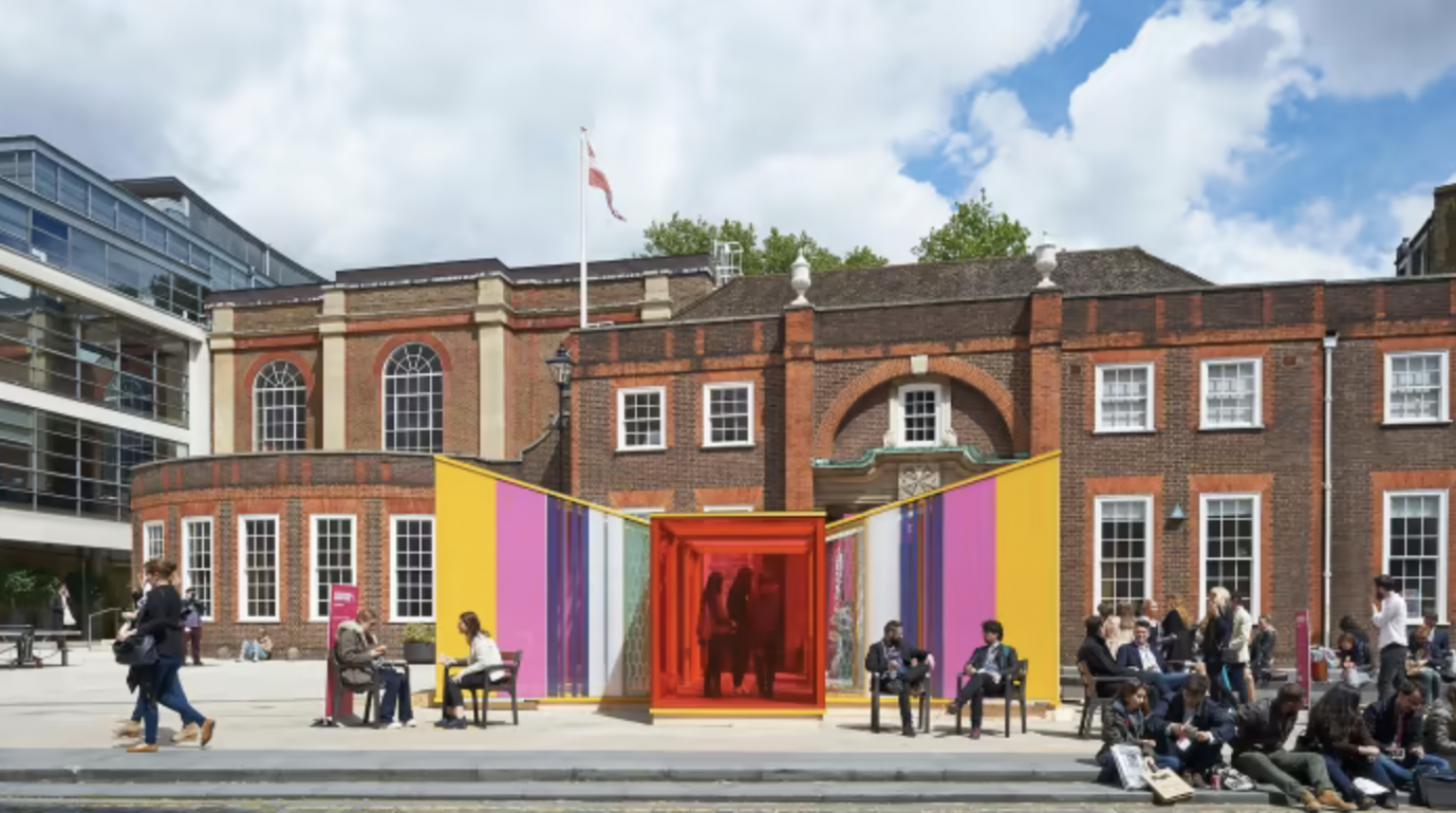
Trends in Commercial Projects from Around the Globe


Latest In Real Life WFH

Upcoming Industry Events
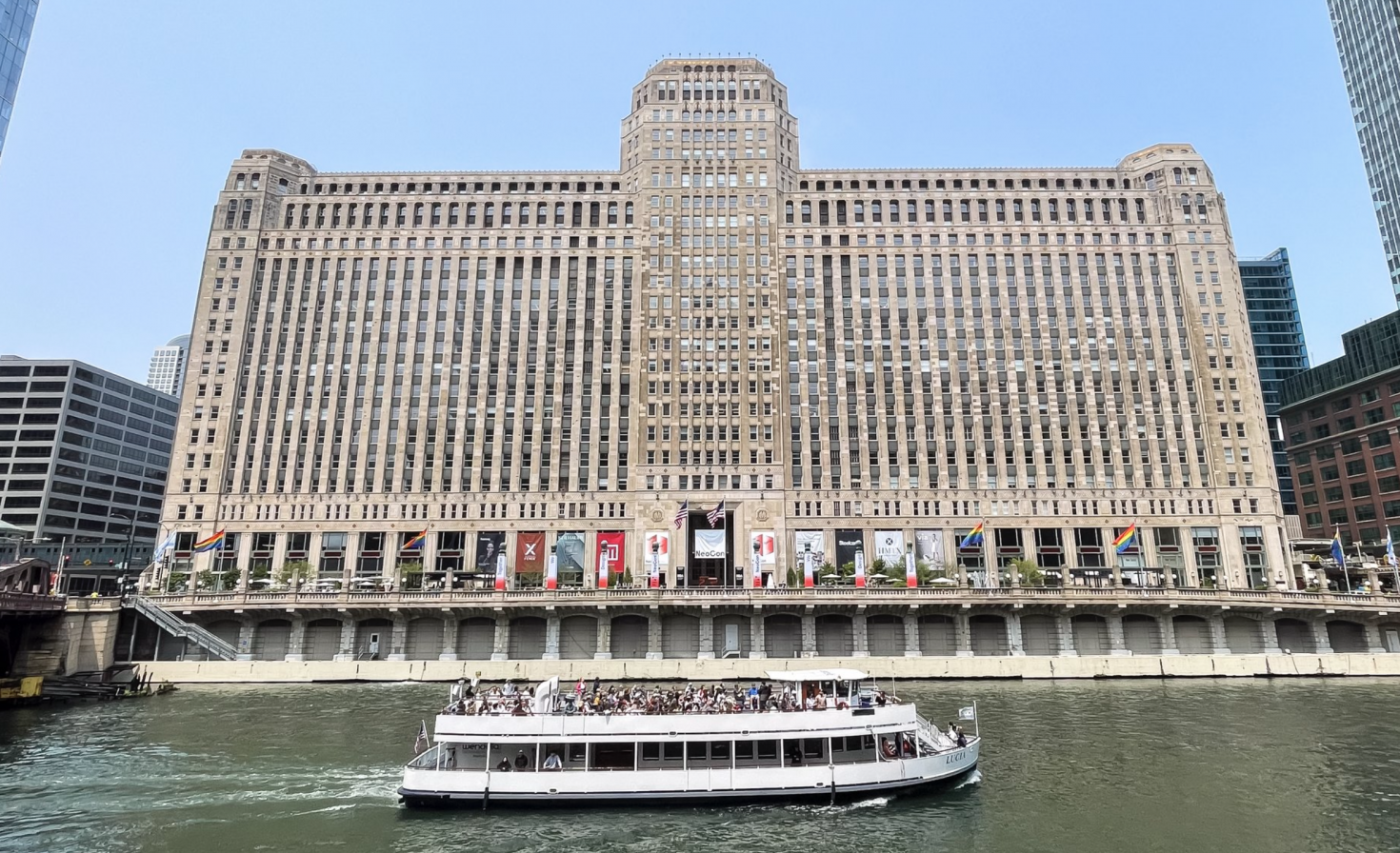

As seen on Chairish
Industry Briefing


MMQB Help Wanted Ads







Works in team environment consisting of a Salesperson, Project Coordinator, Designer and Project Manager.


Vice President of Sales for a rapidly growing full service Steelcase dealership. Position will be responsible for leading sales teams in multiple markets in AL.




A family-owned company that has developed into a market-leading manufacturer of high-quality components for the office chair, lounge furniture and automotive industry since 1969. Bock supports their customers as a holistic specialist partner and manufacture both standardized and individual solutions made of polyurethane, various plastics and aluminum according to your requirements.
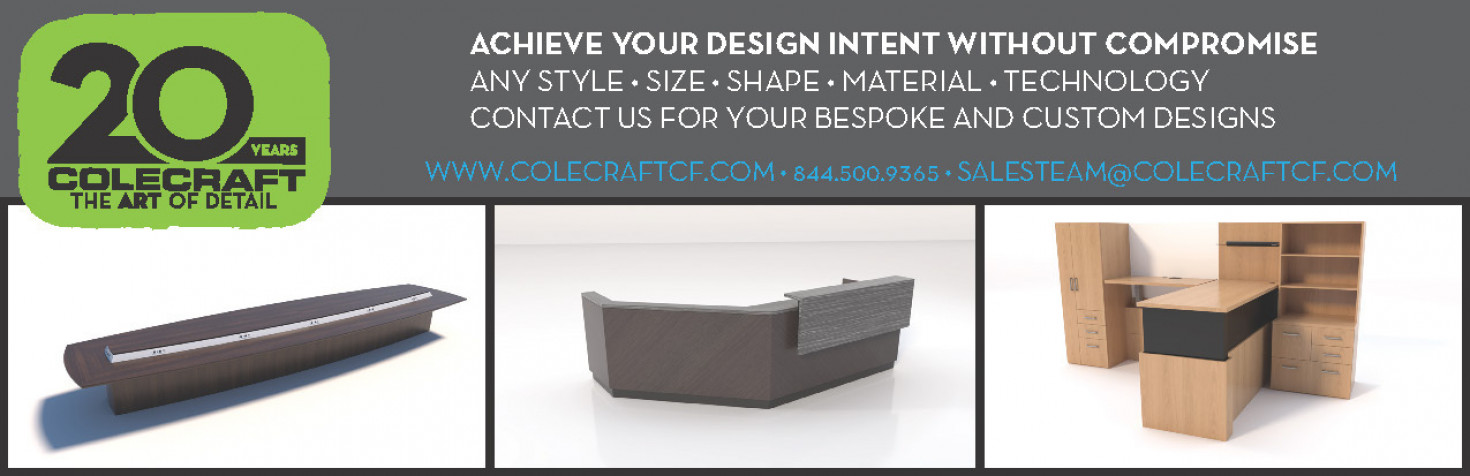
Colecraft Commercial Furnishings has been creating and building one-of-a-kind commercial furniture and architectural casework solutions since 2003.
We enable our industry clients to develop and distribute outstanding product in terms of innovation, quality and sustainability.