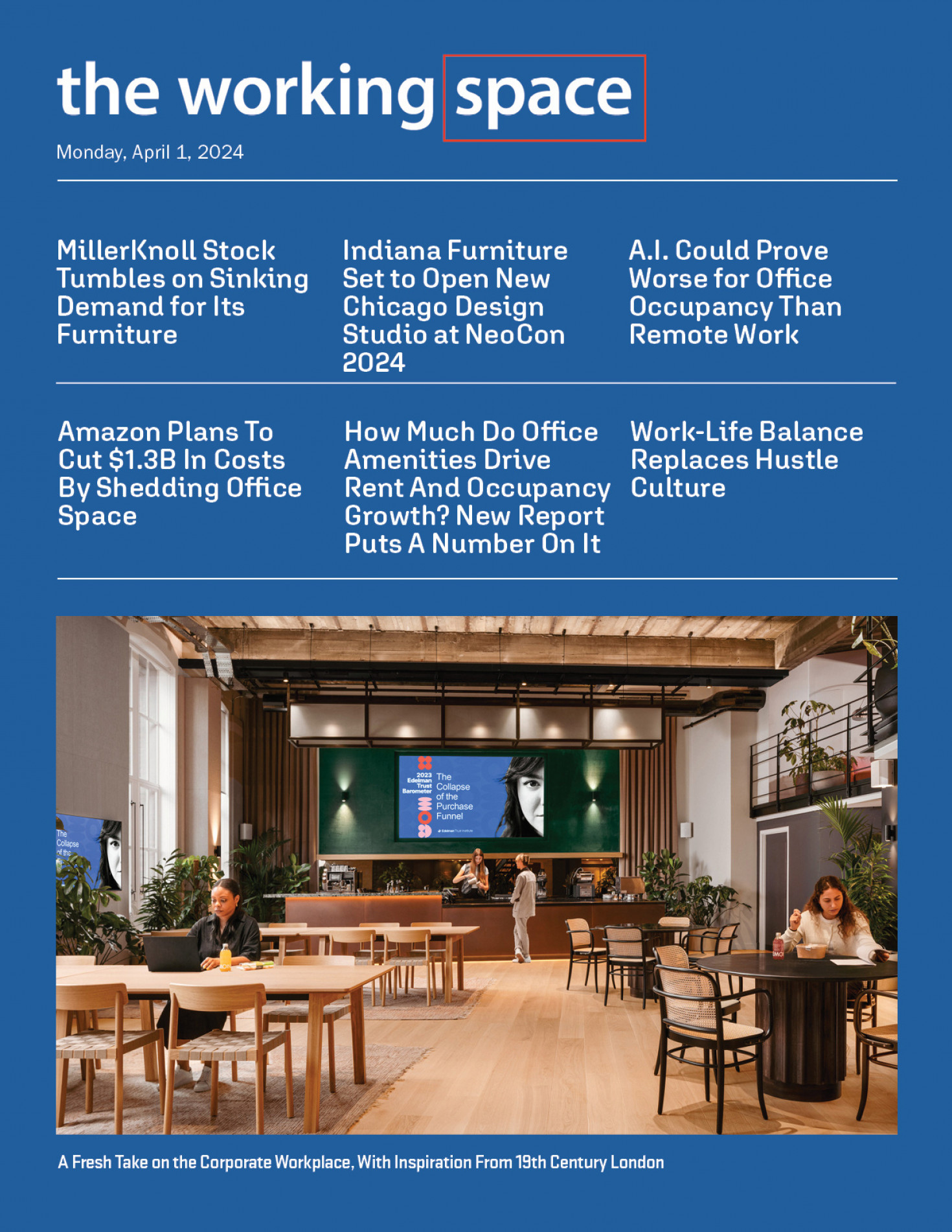
MillerKnoll Stock Tumbles on Sinking Demand for Its Furniture / A.I. Could Prove Worse for Office Occupancy Than Remote Work / Indiana Furniture Set to Open New Chicago Design Studio at NeoCon 2024 / Amazon Plans To Cut $1.3B In Costs By Shedding Office Space / Office Vacancy Rate Still Going Up in San Francisco / Legal Office Leases Up 50% From Recent Lows / Bisley secures Tesla and Amazon deals / Coworking spaces for spies feature next-level security — and kombucha on tap / Work-Life Balance Replaces Hustle Culture / Feeling Unproductive? Your Office Lighting Might Be to Blame / When Hybrid Work Just Becomes Work / and much more…
The Working Space
Monday, April 1, 2024
The Latest…
In the dynamic world of furniture and office spaces, we're seeing some pretty interesting shifts and shakes that mirror our ever-evolving work habits and economic landscapes. Let's dive into the latest stories that have caught my eye.
Starting with the ripple in the pond, MillerKnoll's recent tumble in the stock market underscores a broader trend—a sag in demand for their furniture. It seems like a cocktail of rising borrowing costs, geopolitical shenanigans, and a less-than-bubbly U.S. housing market has folks tightening their purse strings. Despite MillerKnoll's best efforts to jazz up its offerings and expand its brand footprint, the shadow of a lukewarm economic outlook looms large. Sales and orders are down across the board, with the Americas and Global Retail segments feeling the pinch. Yet, hope springs eternal as their International Contract and Specialty segment saw a little uptick in orders, thanks to a stronger performance in markets like Europe and parts of Asia.
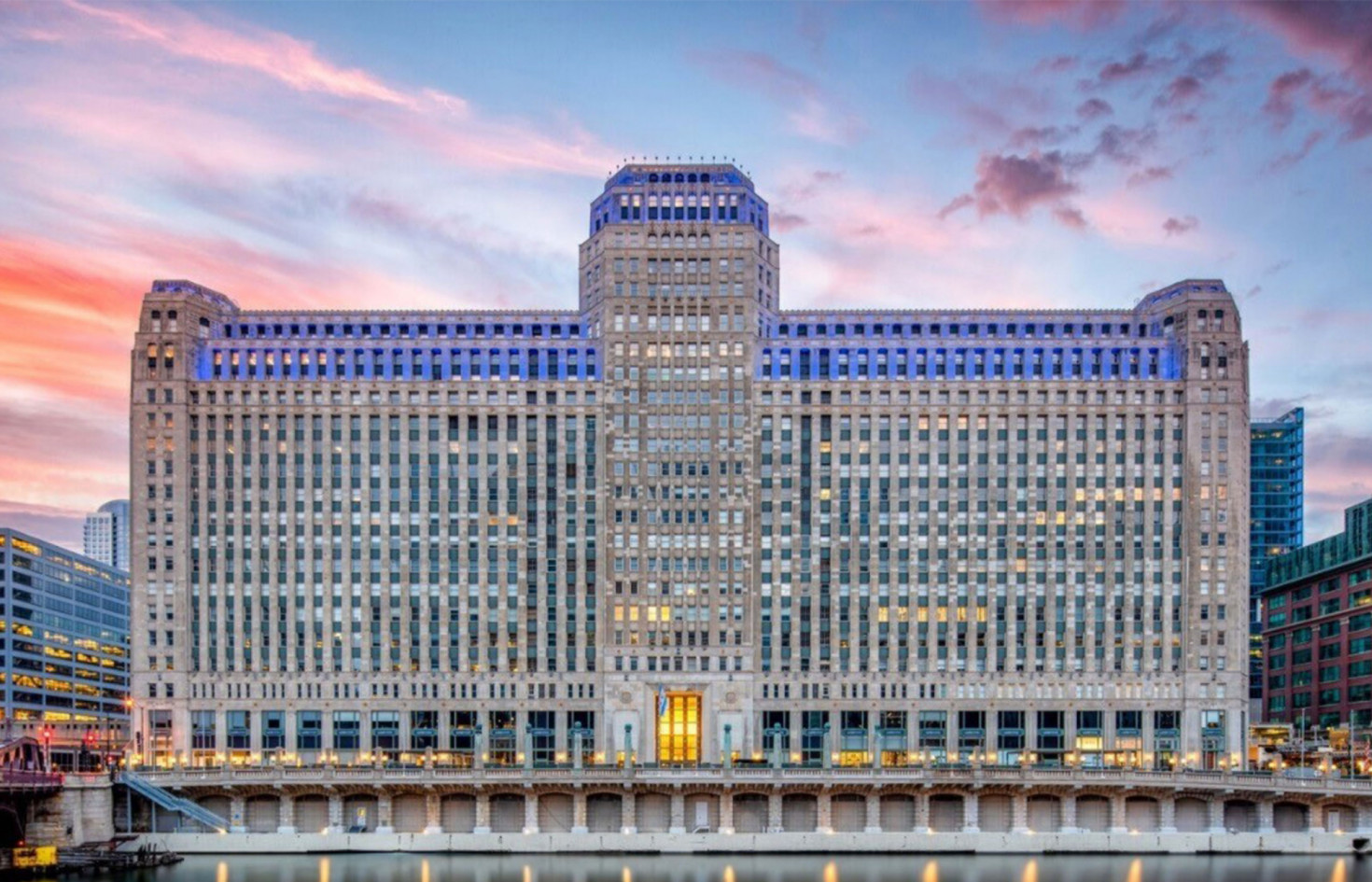
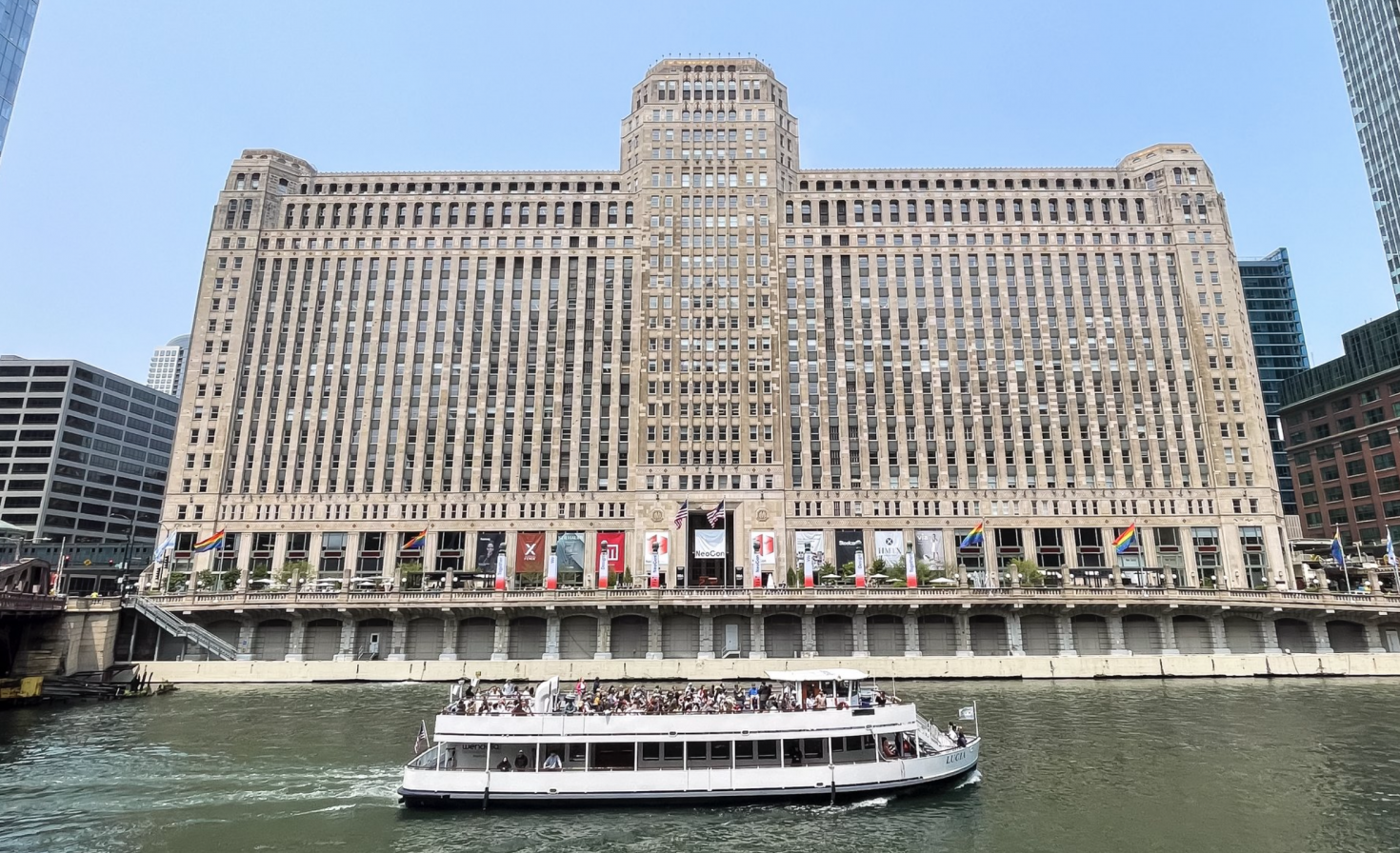
On a brighter note, Indiana Furniture is betting big on its future with a new Design Studio set to open at THE MART in Chicago during NeoCon 2024. They're all about showcasing their blend of established and freshly minted products in a space that breathes design flexibility and practicality. And speaking of moves, Bisley's landed some juicy deals with Tesla and Amazon, proving that UK design and manufacturing prowess still has global appeal.
In the corporate shuffle, DIRTT Environmental Solutions is playing its hand with a strategic repurchase of its debentures, signaling a tidy bit of financial maneuvering. Meanwhile, Amazon is looking to shed some office space weight to the tune of $1.3 billion in savings over the next few years. It's a sign of the times, with the corporate giant adjusting its sails to the winds of change.
And change is certainly afoot in the office real estate scene. Despite a surplus of space, landlords are playing hardball on rents, hoping to ride out the storm without dipping values. But with AI and remote work reshaping the professional landscape, and a hesitancy around converting old offices to residential spaces, the market's future is as clear as mud.
Law firms, however, are bucking some trends by beefing up their office spaces, signaling a 50% spike in leasing activity from the doldrums of the pandemic years. San Francisco, on the other hand, is wrestling with a climbing office vacancy rate, even as new requirements for space show some signs of life.
The real estate buzzword now? Amenities. The right mix can apparently command a tidy rent premium, especially if you've got a fancy roof terrace or a LEED certification plaque on the wall. And as London's office market thaws from its pandemic freeze, flexibility and resilience are top of mind for big players like Morgan Stanley.
But perhaps the most telling sign of our times is the changing ethos in tech workplaces. The glamor of Silicon Valley's "tech palaces" is fading, with a growing emphasis on empathy, mental health, and the elusive work-life balance over the grind culture of yesteryears.
Whether it's through new design studios, strategic corporate reshuffles, or a reevaluation of what makes an office space desirable, the narrative is clear: the workplace and its accouterments are in flux, mirroring our broader societal shifts towards flexibility, sustainability, and a nuanced balance between work and life. The only constant in this saga? Change itself.
Starting with the ripple in the pond, MillerKnoll's recent tumble in the stock market underscores a broader trend—a sag in demand for their furniture. It seems like a cocktail of rising borrowing costs, geopolitical shenanigans, and a less-than-bubbly U.S. housing market has folks tightening their purse strings. Despite MillerKnoll's best efforts to jazz up its offerings and expand its brand footprint, the shadow of a lukewarm economic outlook looms large. Sales and orders are down across the board, with the Americas and Global Retail segments feeling the pinch. Yet, hope springs eternal as their International Contract and Specialty segment saw a little uptick in orders, thanks to a stronger performance in markets like Europe and parts of Asia.
On a brighter note, Indiana Furniture is betting big on its future with a new Design Studio set to open at THE MART in Chicago during NeoCon 2024. They're all about showcasing their blend of established and freshly minted products in a space that breathes design flexibility and practicality. And speaking of moves, Bisley's landed some juicy deals with Tesla and Amazon, proving that UK design and manufacturing prowess still has global appeal.
In the corporate shuffle, DIRTT Environmental Solutions is playing its hand with a strategic repurchase of its debentures, signaling a tidy bit of financial maneuvering. Meanwhile, Amazon is looking to shed some office space weight to the tune of $1.3 billion in savings over the next few years. It's a sign of the times, with the corporate giant adjusting its sails to the winds of change.
And change is certainly afoot in the office real estate scene. Despite a surplus of space, landlords are playing hardball on rents, hoping to ride out the storm without dipping values. But with AI and remote work reshaping the professional landscape, and a hesitancy around converting old offices to residential spaces, the market's future is as clear as mud.
Law firms, however, are bucking some trends by beefing up their office spaces, signaling a 50% spike in leasing activity from the doldrums of the pandemic years. San Francisco, on the other hand, is wrestling with a climbing office vacancy rate, even as new requirements for space show some signs of life.
The real estate buzzword now? Amenities. The right mix can apparently command a tidy rent premium, especially if you've got a fancy roof terrace or a LEED certification plaque on the wall. And as London's office market thaws from its pandemic freeze, flexibility and resilience are top of mind for big players like Morgan Stanley.
But perhaps the most telling sign of our times is the changing ethos in tech workplaces. The glamor of Silicon Valley's "tech palaces" is fading, with a growing emphasis on empathy, mental health, and the elusive work-life balance over the grind culture of yesteryears.
Whether it's through new design studios, strategic corporate reshuffles, or a reevaluation of what makes an office space desirable, the narrative is clear: the workplace and its accouterments are in flux, mirroring our broader societal shifts towards flexibility, sustainability, and a nuanced balance between work and life. The only constant in this saga? Change itself.
Industry News
MillerKnoll stock tumbles as demand for its furniture falls short of expectations. The company attributes the drop in sales to rising borrowing costs, geopolitical issues, and a sluggish U.S. housing market. MillerKnoll warns of continued negative impact on its business due to the overall tepid macro-economic backdrop.
Consolidated net sales for the third quarter were $872.3 million, reflecting a decrease of 11.4% on a reported basis and a decrease of 10.1% organically compared to the same period last year. Orders in the quarter of $830.3 million were 6.2% lower on a reported basis and 4.7% lower organically compared to the prior year.
In Q3 2024, MillerKnoll's Americas Contract segment reported net sales of $441.1 million and new orders of $420.1 million, both down 9.0% year-over-year. Economic conditions and inflationary pressures have affected demand, but indicators suggest potential improvement. The segment's adjusted operating margin was 8.1%, a decrease of 70 basis points year-over-year, mainly due to lower sales, partially offset by favorable price/cost dynamics and synergy benefits.
MillerKnoll's International Contract and Specialty segment reported a decrease in net sales to $217.3 million in the third quarter, a 10.4% drop year-over-year. However, new orders increased by 8.3% year-over-year to $227.6 million. Demand patterns fluctuated but saw growth in December and February, particularly in mainland Europe, South Korea, India, China, Australia, and the Middle East. Over 40% of the international network now offers the MillerKnoll product portfolio, with more transitions planned.
In Q3 2024, MillerKnoll, Inc.'s Global Retail segment reported net sales of $213.9 million, a 17.0% decline from the same quarter last year, and new orders totaling $182.6 million, a 14.6% decrease. This is mainly due to soft housing-related demand. Despite macro-economic challenges, the company is focusing on enhancing in-store experiences, expanding product assortment, and boosting brand awareness to mitigate the impact of external economic factors.
 insidermedia.com
 bisnow.com
Features
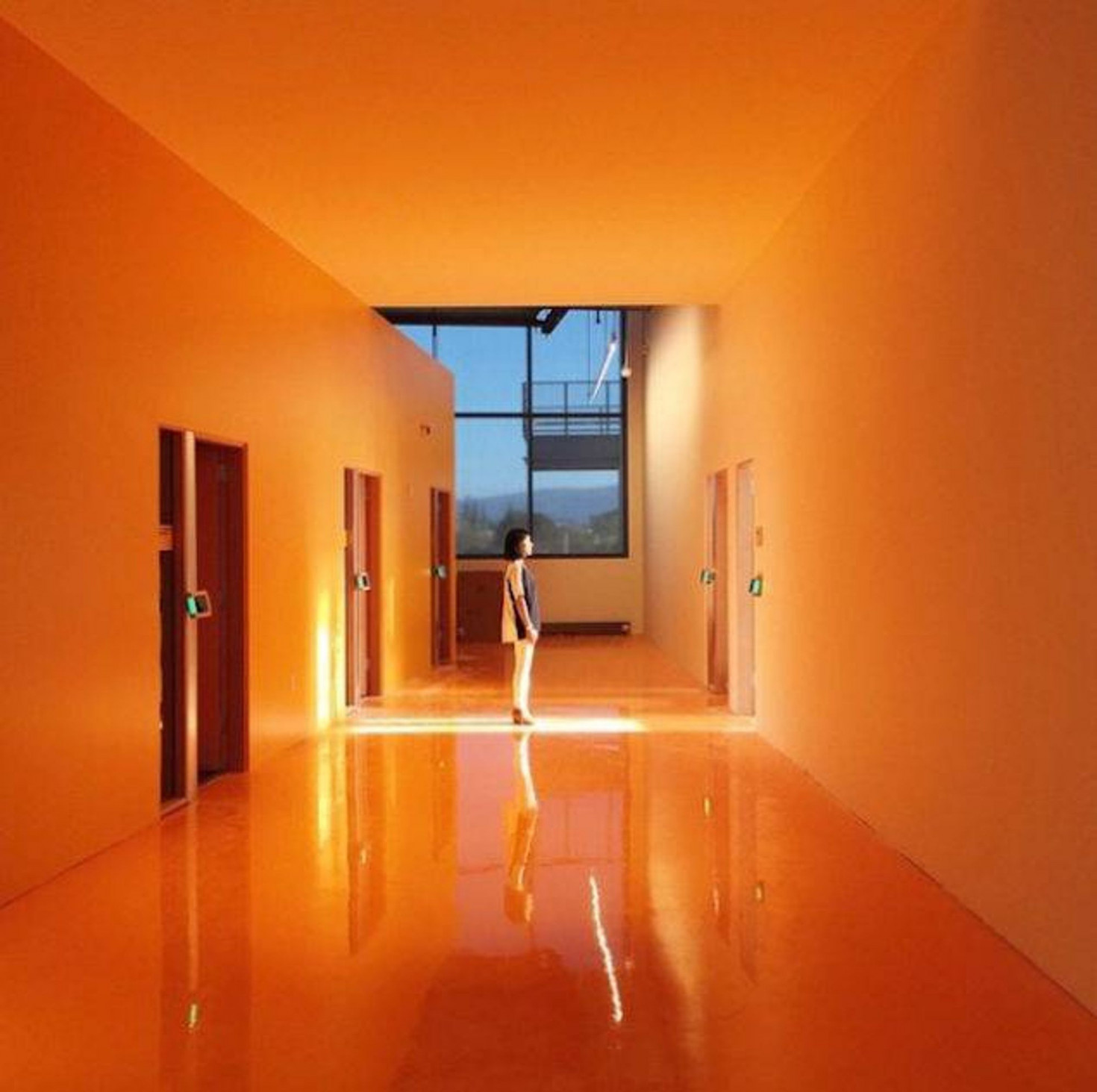
The once-idealized tech palaces and work-till-you-drop ethos of tech giants are losing their appeal. The shift is evident in the downfall of tech entrepreneur Sam Bankman Fried, who was convicted of fraud, and the decline of the 'girl boss' in favor of 'lazy girl jobs' advocating for work-life balance. Tech companies, like Facebook's parent company Meta, are reconsidering their real estate commitments due to employees' lack of interest in returning to the office. The new generation prioritizes empathy, mental health, and flexible work arrangements over traditional office culture.
Workspace News

Workplace wellness benefits, including sleep apps and coaching sessions, may not be as effective as they are touted to be. Studies have shown that employees who participate in these programs are no better off than those who opt out. The billion-dollar corporate wellness market is growing, but there seems to be a discrepancy between performative wellness initiatives and benefits that actually benefit employees, such as remote work and work-life balance. Systemic changes are needed to address work stress and poor working conditions. However, charity or volunteer work has shown to have a positive impact on employee well-being. While some wellness programs are failures, others can make the workplace better.
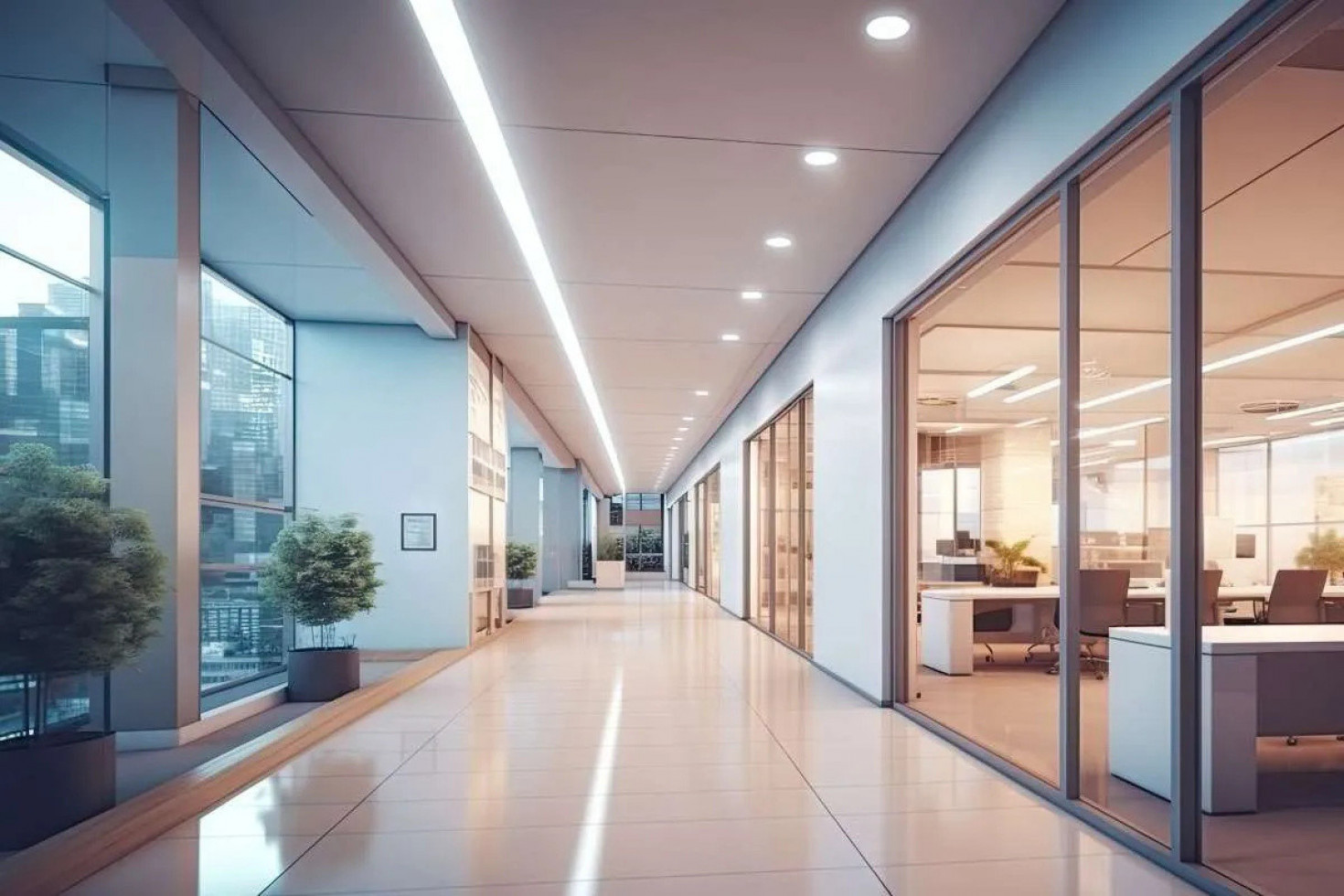
Circadian lighting, which mimics natural daylight cycles, has been shown to significantly impact workplace wellbeing and productivity. A study involving CBRE Netherlands found that employees reported increases in energy levels, happiness, and health, and believed their work performance improved under circadian lighting. However, the lighting requires customization for each unique setting and must synchronize with local sunrise and sunset patterns. Future advancements may include AI systems that analyze the relationship between lighting conditions and employee productivity, and adjust lighting for maximum benefit.
Trends
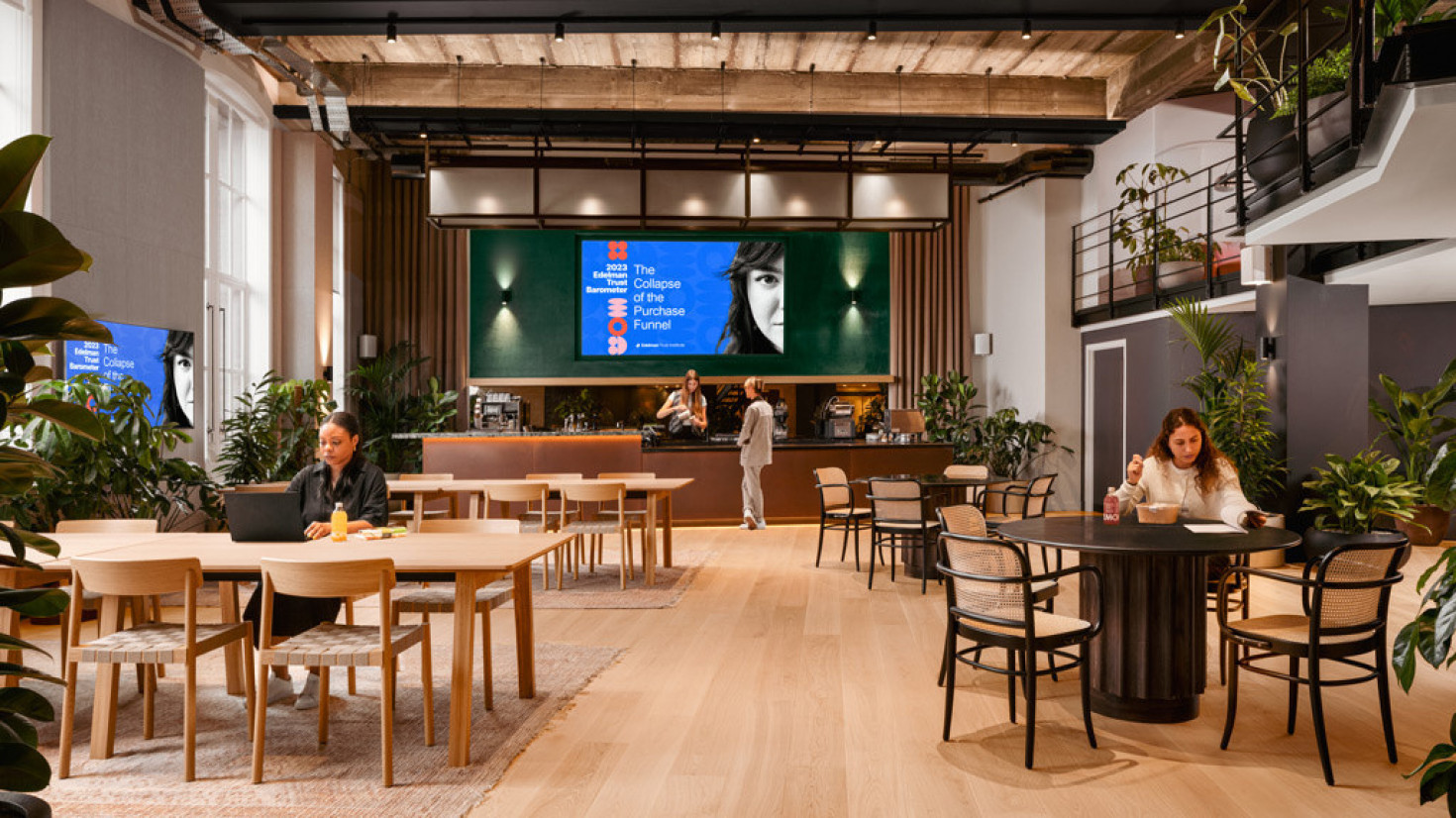
Design firm Gensler challenges traditional office real estate norms by creating dynamic and collaborative work environments through adaptive reuse of existing buildings. They emphasize the importance of selecting the right building to inspire creativity and purpose, and highlight the benefits of fluid and responsive floor plans. Gensler also advocates for breaking free from the standard model of office space and embracing a volume-based approach that caters to the unique requirements of each business. The future of office buildings lies in their ability to shape transformative workplace experiences and redefine the traditional corporate workspace model.
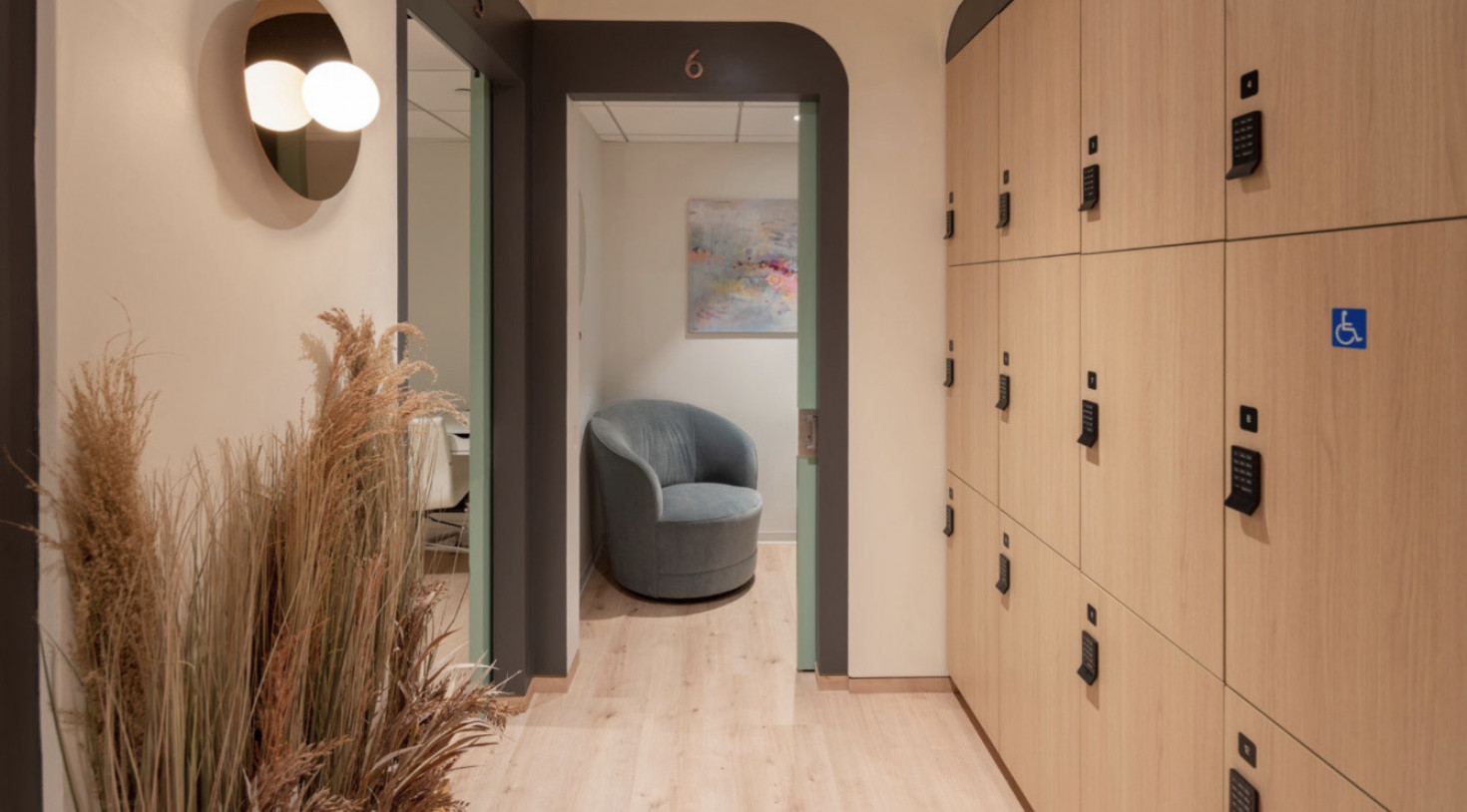
A startup called Work & Mother is aiming to make pumping-at-work experiences better for working moms by creating private, spa-like "pumping suites" as a standard amenity in office buildings. These suites provide comfortable and shielded spaces for breastfeeding, equipped with fridges for milk storage, private rooms, cleaning stations, lockers, and even vending machines with breastfeeding-related products. Work & Mother has found that women who have access to these suites have a higher success rate at breastfeeding, and the company plans to expand nationally and partner with developers to add these suites to existing buildings.
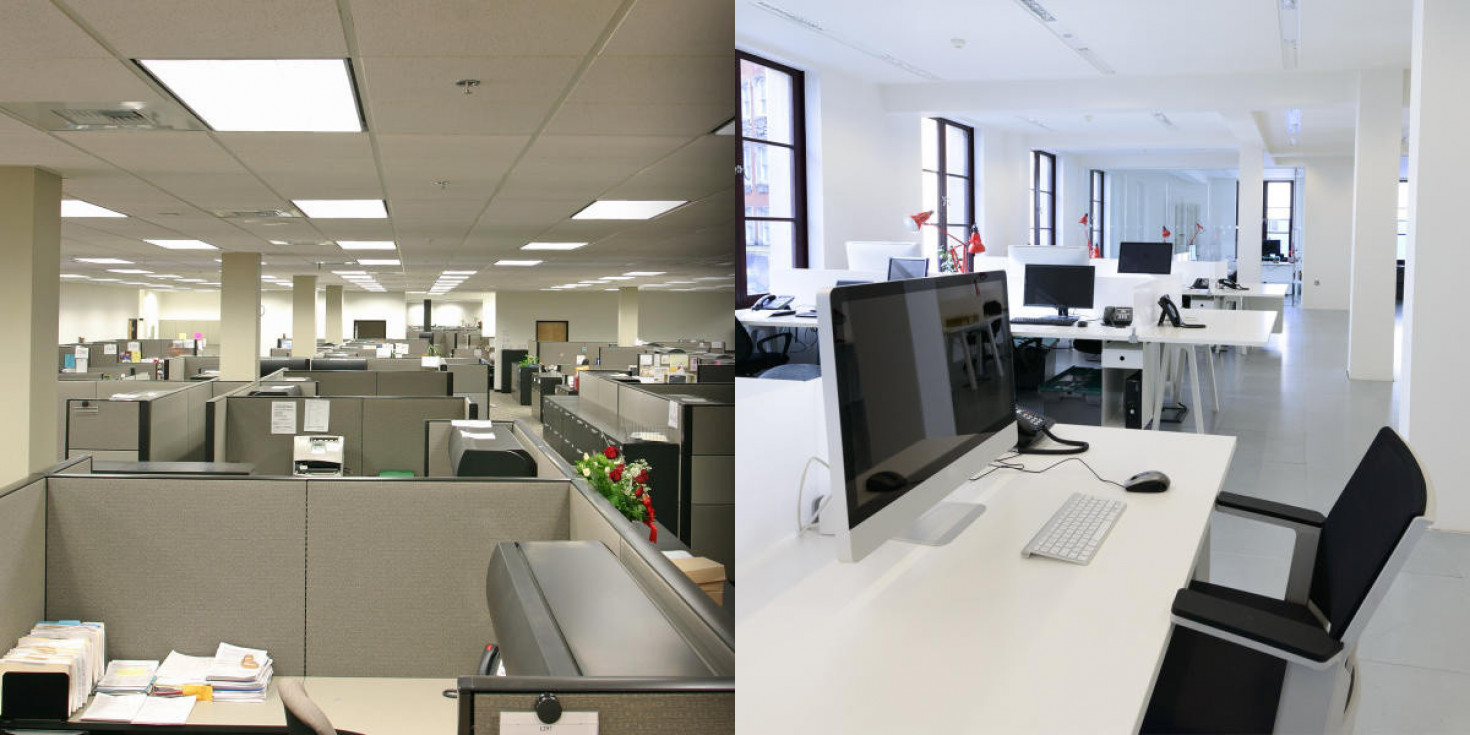
The future of workspaces may not be solely open offices, as studies have shown that they may not promote collaboration as intended. Instead, a hybrid model with a mix of cubicles and collaborative spaces is emerging. This hybrid approach allows for both private work and collaborative interactions. Additionally, the future of offices may also involve considering the electrical layout of the building and incorporating technology advancements for a more flexible and independent workspace.
Design
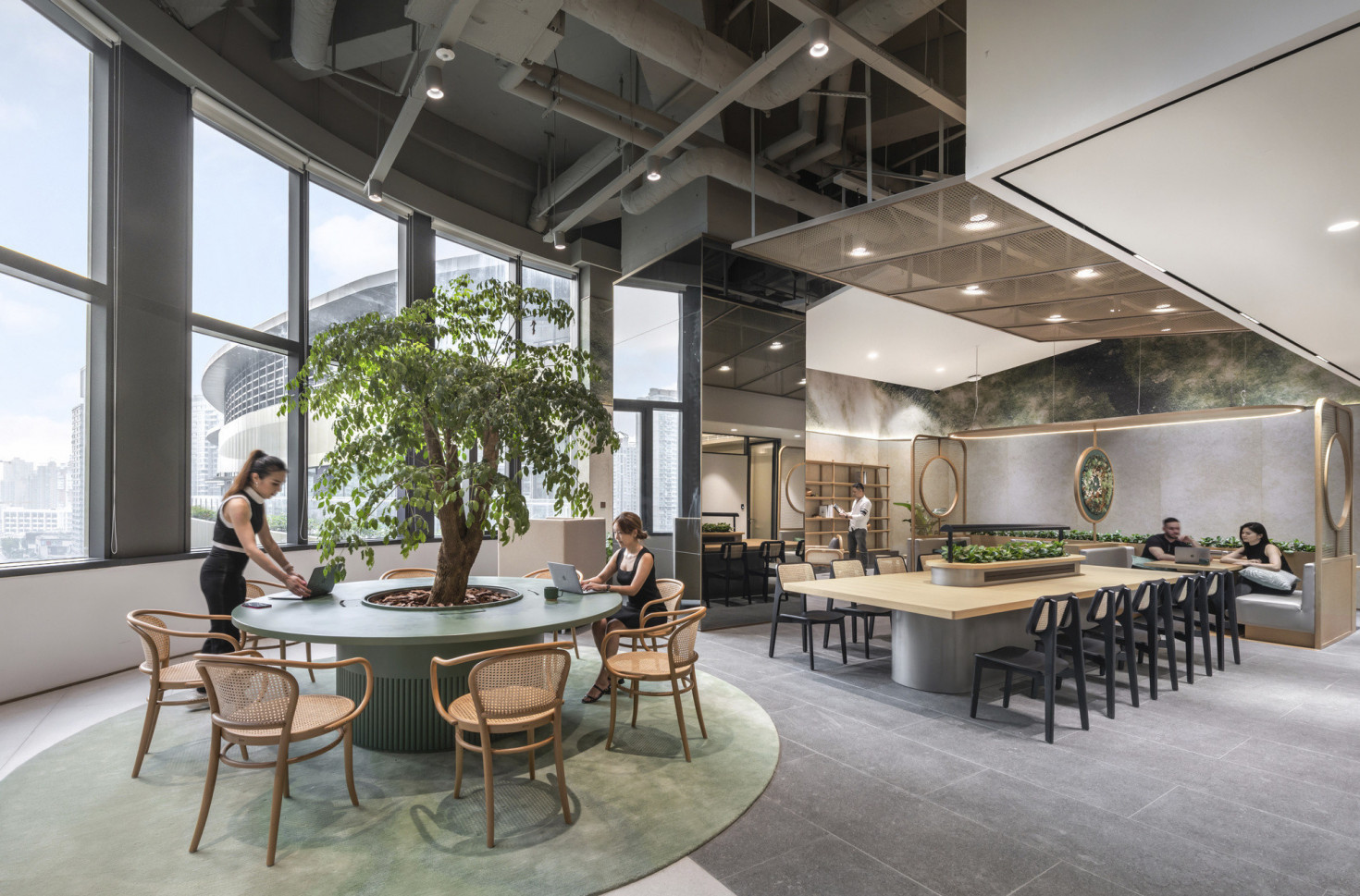
In the dynamic modern workplace, friction arises when evolving needs aren't met, impacting productivity and job satisfaction. M Moser advocates for iterative changes, data-driven design, and behavioral nudges to create a fluid, frictionless work environment. The adaptive workplace methodology emphasizes flexibility, responsiveness, and the holistic adaptation of space, technology, and policy to meet the ever-changing needs of organizations. By integrating modular structures, adaptive reuse of furniture, and utilizing workplace sensors and data analytics, organizations can unlock workplace potential and optimize efficiency and employee satisfaction. Additionally, shaping desired behaviors through nudge theory and taking a holistic approach to adaptive design can create a truly frictionless work experience that benefits both employees and organizations.
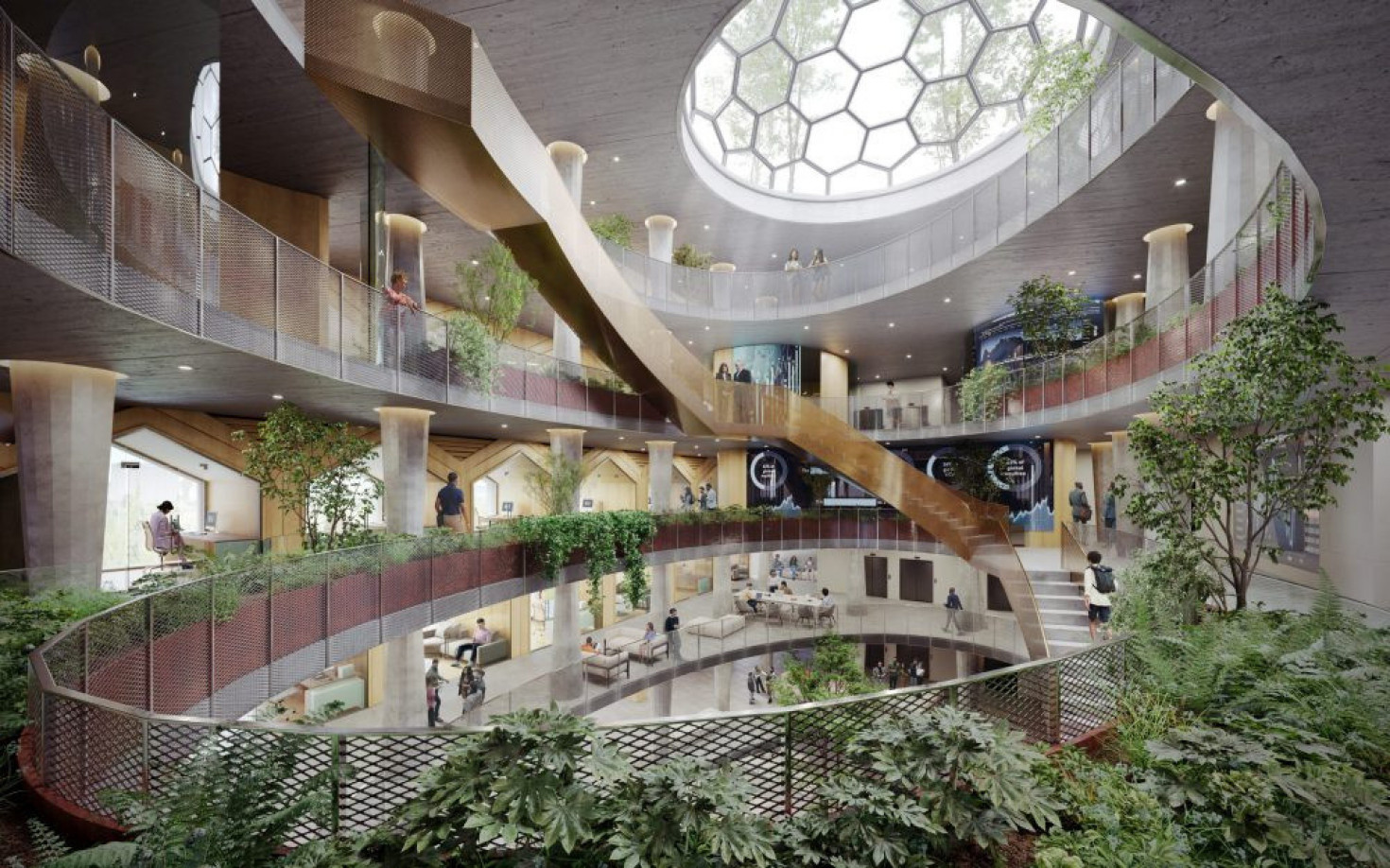
"The Hive" concept reimagines workplaces for a frictionless future by creating a building template that prioritizes shared spaces over private offices. The concept includes a central atrium, hexagonal pod-like private office spaces, and lower levels that accommodate community facilities. This innovative design aims to reduce friction in the modern workplace and blur the boundaries between work, play, and daily needs, fostering a sense of community and flexibility for the contemporary workforce.
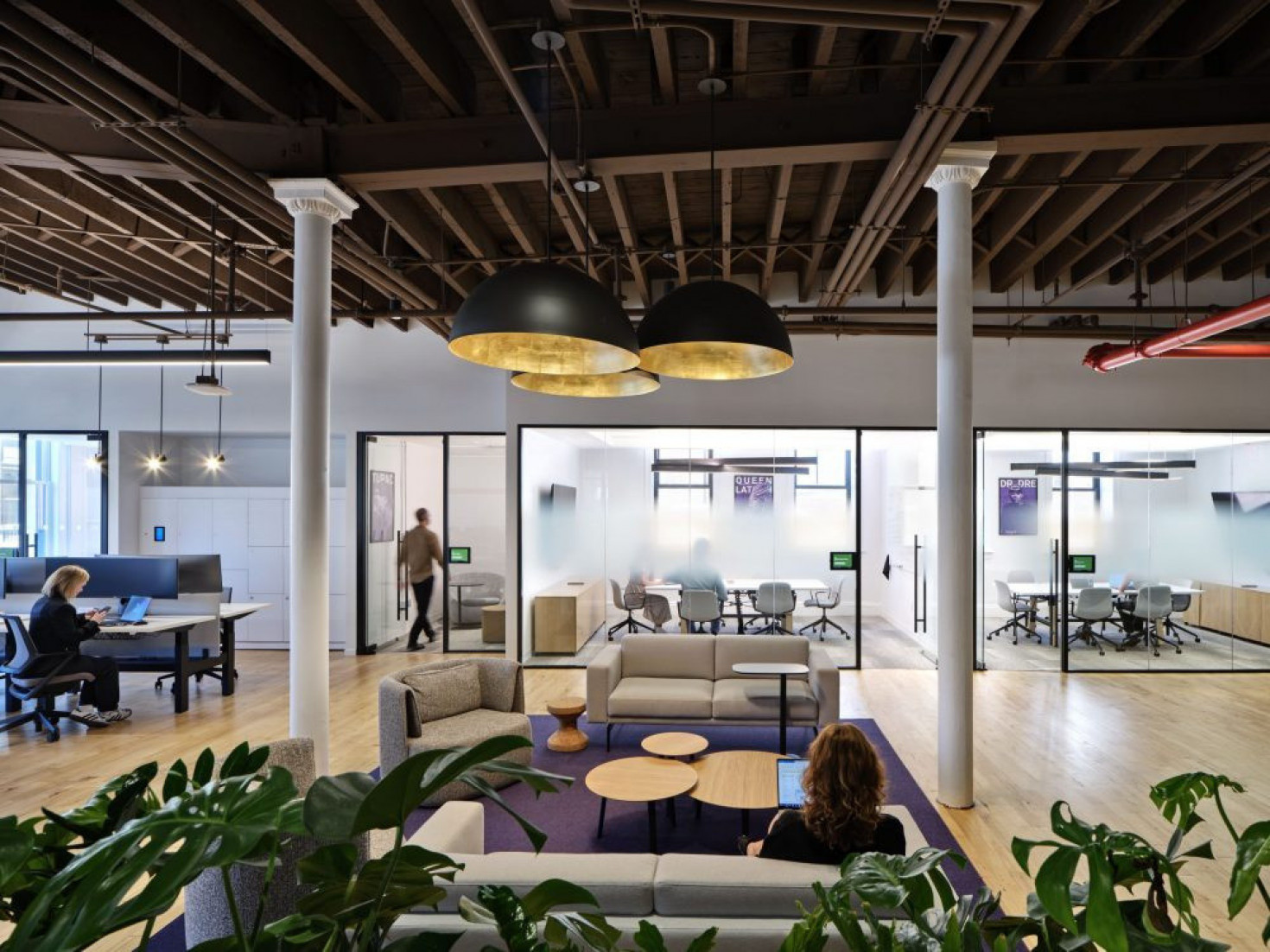
The traditional office model is no longer fulfilling for many employees, who now expect a frictionless, comfortable, and stylish workspace that mirrors the experience of remote work. To meet these expectations, workplaces should incorporate integrated technology, craft suitable hybrid solutions, and optimize space. Integrated technology includes strong internet connections, seamless video and audio enablement, room reservation apps, and digital collaboration tools. Hybrid solutions involve flexible return-to-office policies and creating a responsive workspace that caters to all employees. Optimizing space requires creating intentional, visionary spaces that enhance experience and productivity, with brand experiences starting at the parking lot and adaptive zones replacing traditional neighborhoods.
Coworking
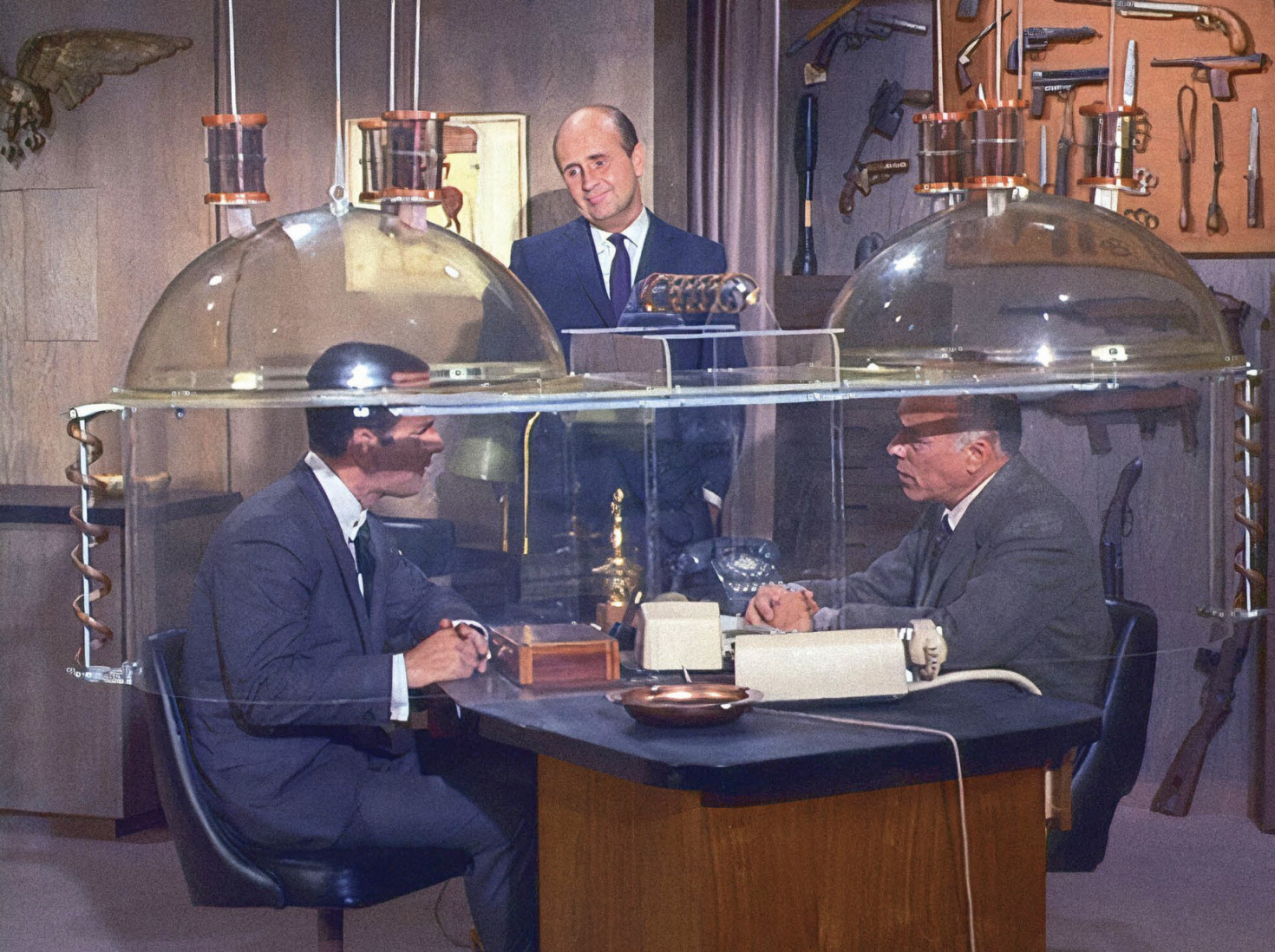
Secure coworking spaces for spies are emerging in major cities like Washington, D.C. These facilities offer amenities similar to traditional coworking spaces but with enhanced security measures such as anti-eavesdropping filters and restricted access for individuals with government security clearance. These spaces provide an alternative to government-run Sensitive Compartmented Information Facilities (SCIFs) and cater to the growing demand for remote work and heightened global tensions. The cost to access these spaces varies, and some companies are even offering mobile SCIFs that can be customized and shipped to different locations. This niche market presents an opportunity for small businesses to become government contractors and is seen as a solution to a national security issue.

Adam Neumann, co-founder and former CEO of WeWork, has submitted a bid of over $500M to buy the company out of bankruptcy. This follows a letter from Neumann's lawyers in February expressing interest in a bid with Third Point hedge fund. WeWork has stated that it regularly receives interest from third parties and remains focused on emerging from Chapter 11 in the second quarter as a financially strong and profitable company.
Green / Sustainability
Kimball International Announces Sustainability Journey Advancements
Kimball International announced advancements in their sustainability journey, including new Healthier Products Summary, Product Restricted Substance List (RSL), updated Product Certification Summary, Extended Producer Responsibility partnership, and ecoChecker database. They are committed to meeting environmental and social standards, offering products that eliminate harmful substances, and practicing sustainable business. Kimball International aims to make a positive impact and build a more sustainable future. View Kimball International’s most recent ESG Report
Technology
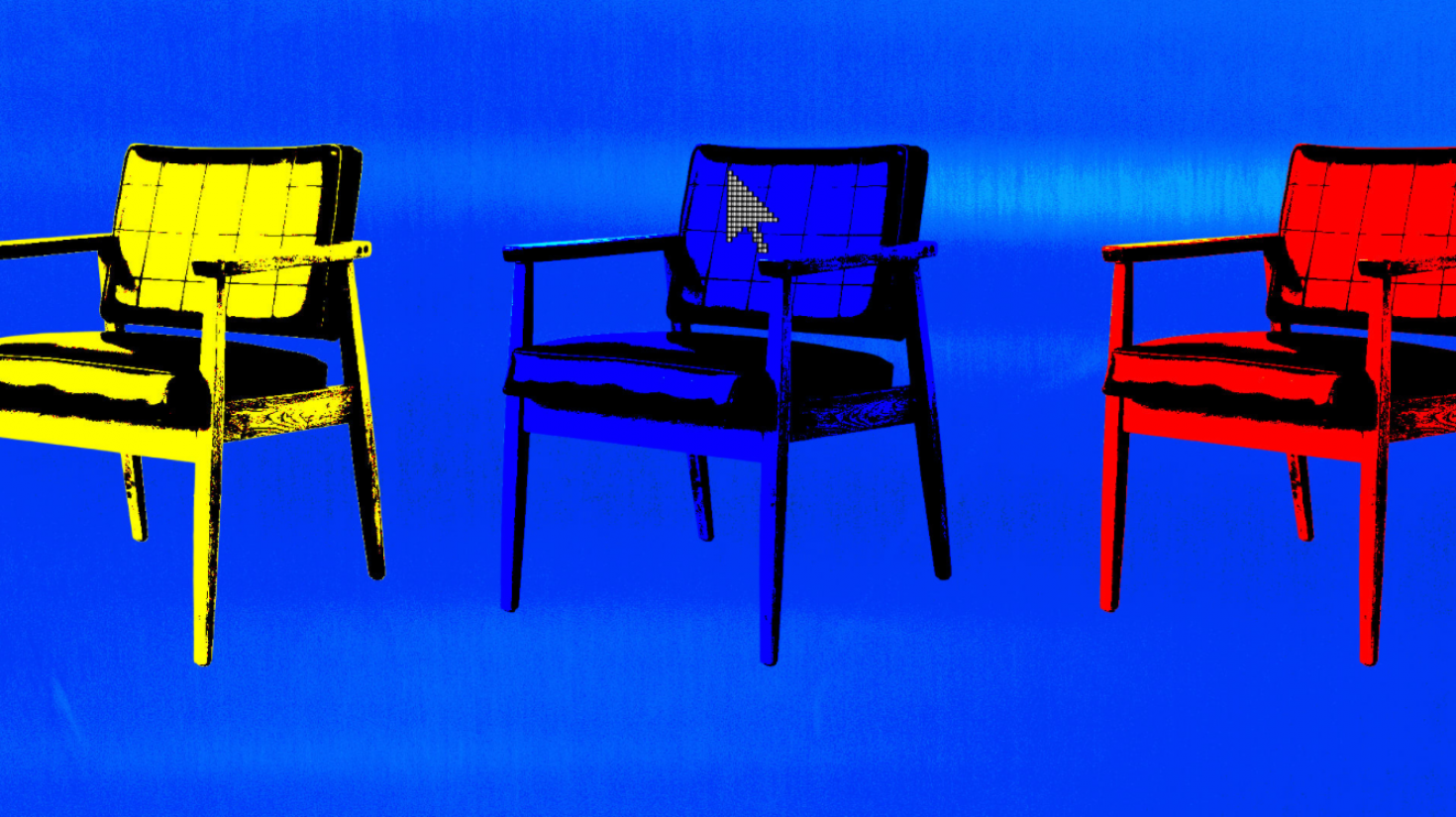
Dupe is a new app that helps online shoppers find visually similar replicas of expensive furniture items at more affordable prices. The app, cofounded by Ramin Bozorgzadeh and Bobby Ghoshal, scours the internet for knockoff furniture options and provides users with a range of choices. While the app experienced some glitches during its launch, it has garnered attention and support from Big Tech voices. Dupe aims to give consumers more options and help brands gain visibility in the shopping journey.
Latest Product News
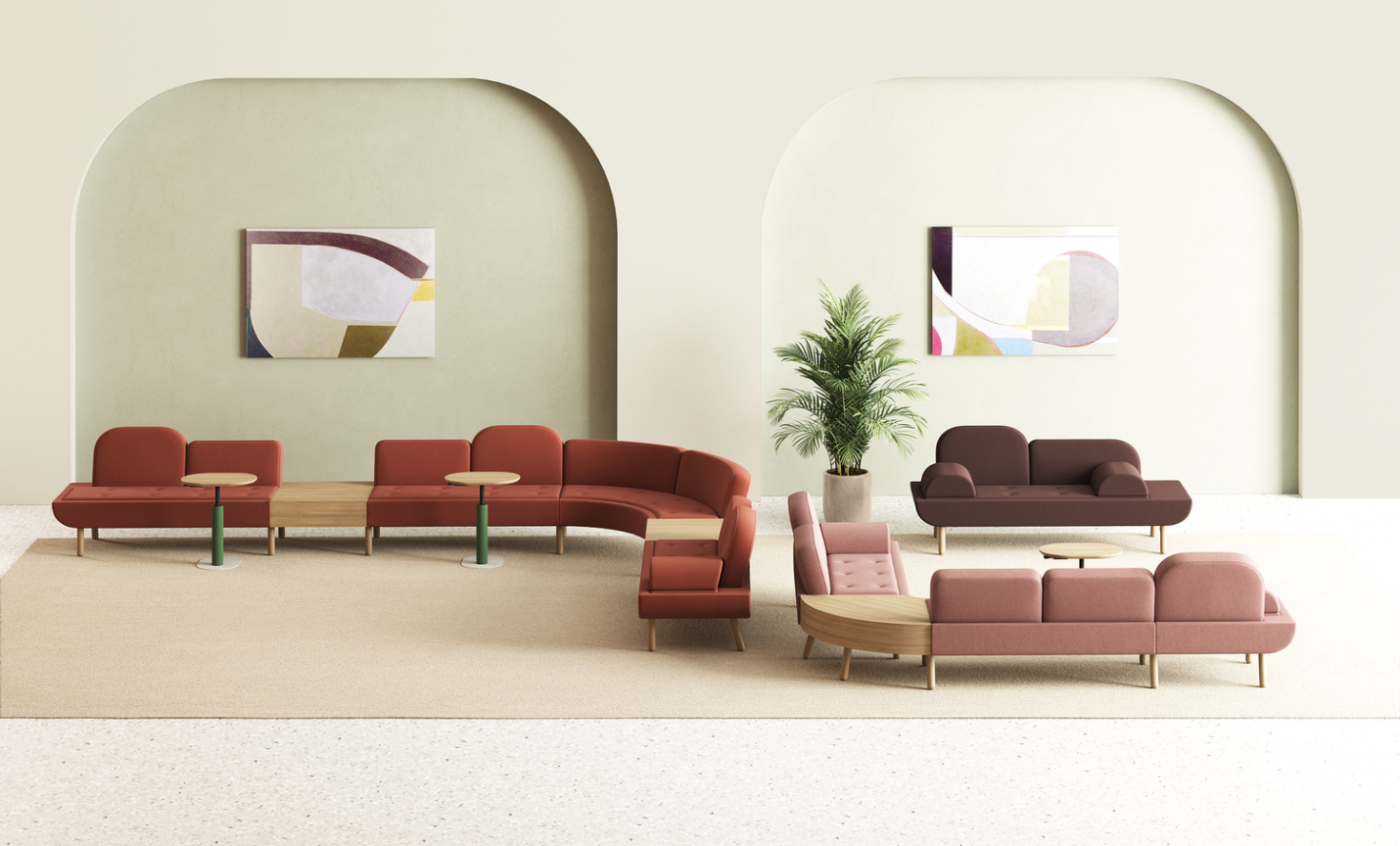
Hightower collaborates with designer Anne Boysen to release the Toward seating collection, featuring two standalone sofa variations and a modular offering with 17 unique modules and three tables. The collection aligns with Hightower's core values of intentional design, quality craftsmanship, and sustainability. The collaboration aims to create furniture that lasts and can be used in various commercial settings, including corporate lobbies and hospitality environments. Toward is designed for comfort and flexibility, with optional movable armrests and power add-ons. Hightower has earned Red List Free and Indoor Advantage Gold certifications for Toward, showcasing its commitment to sustainability.
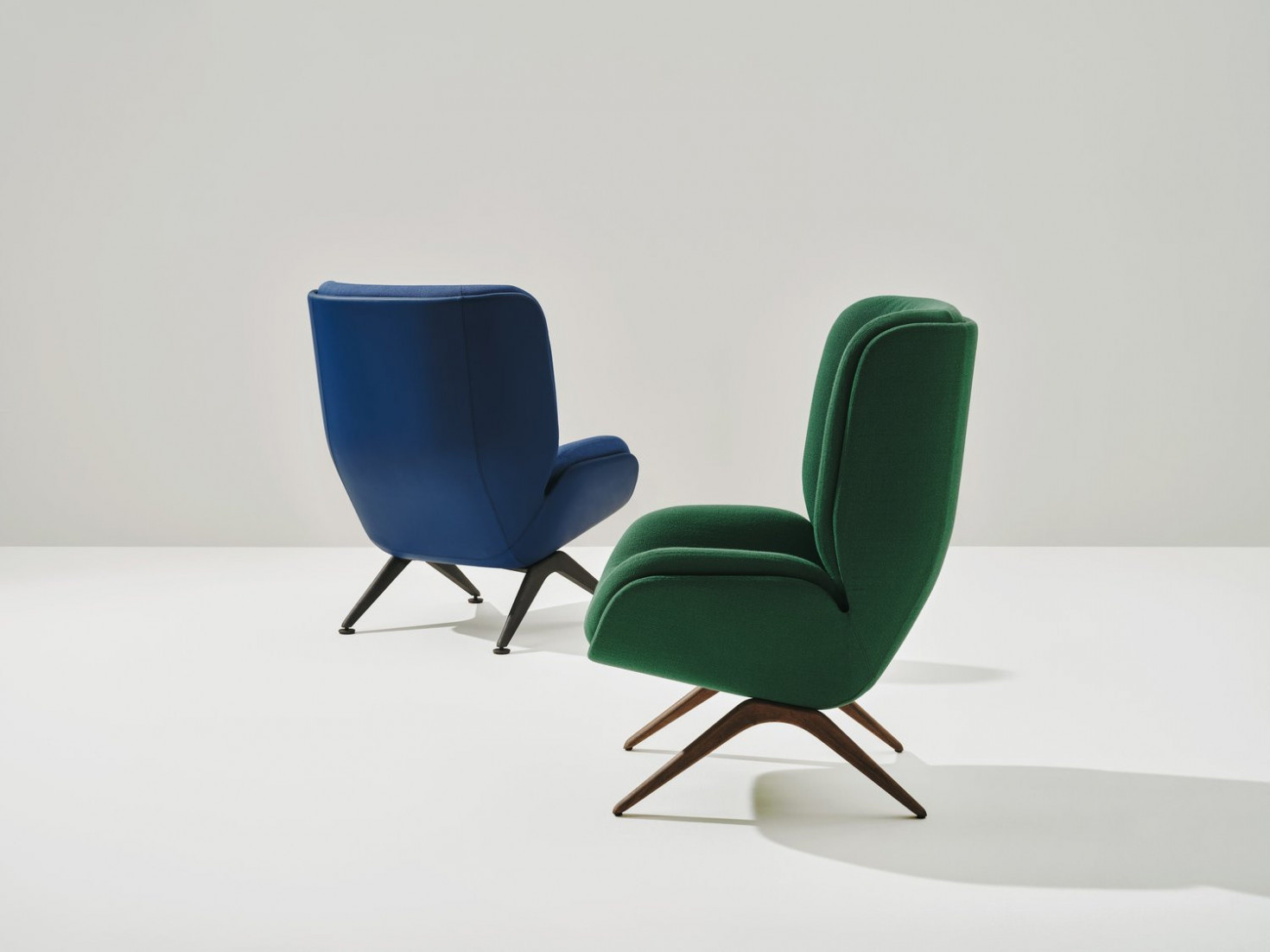
Arper introduces the Lepal Armchair, a collaboration with Doshi Levien. The chair combines comfort and aesthetics with its sculptural profile, plush cushioned seat, and high curved back. It is designed with sustainability in mind, featuring disassemblable components and FSC-certification.
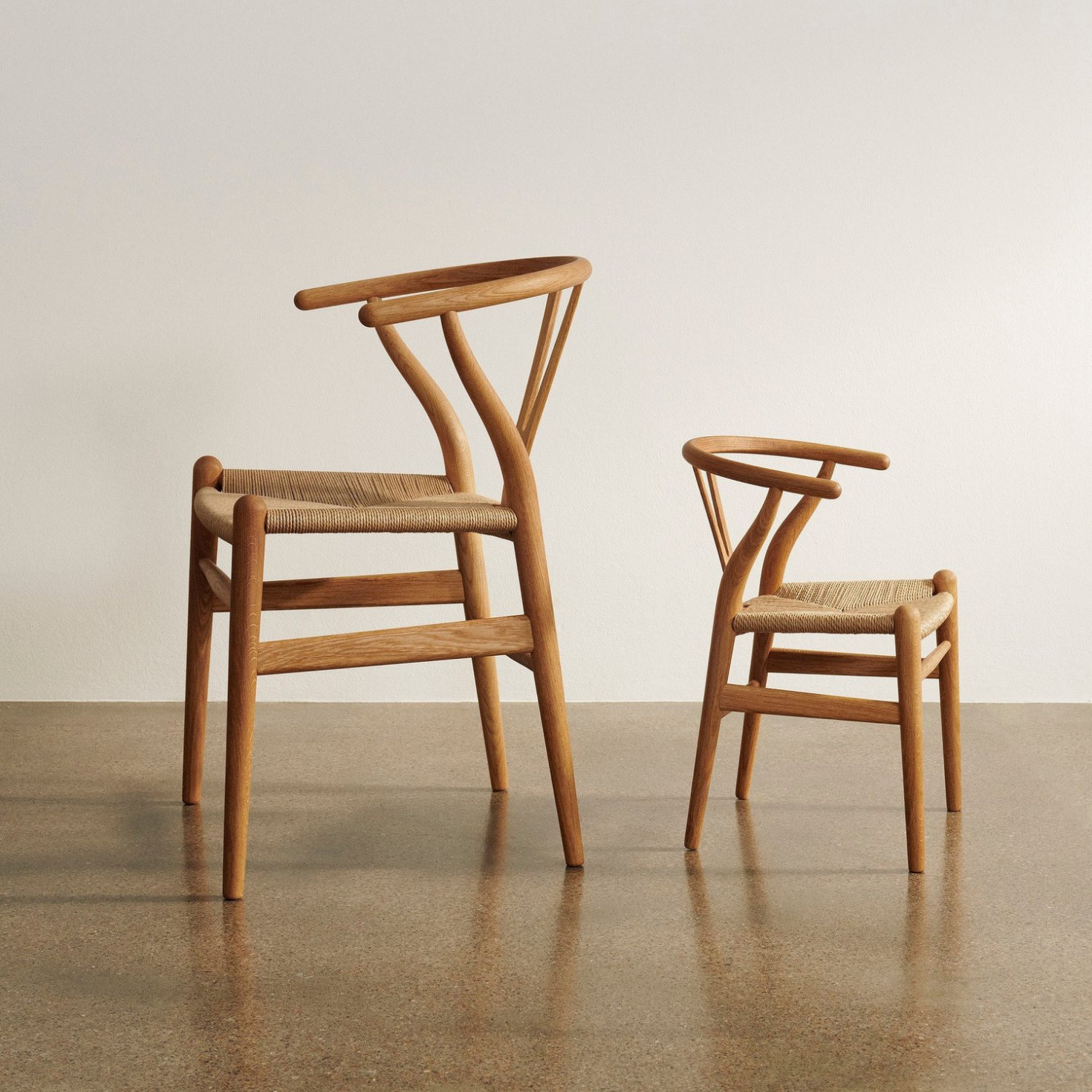
Danish furniture manufacturer Carl Hansen celebrates designer Hans Wegner's 110th birthday by unveiling the Children's Wishbone Chair, a tribute to Wegner's iconic design. The Children's version is crafted with meticulous attention to detail, highlighting Carl Hansen's commitment to quality and tradition. The launch also emphasizes the brand's dedication to sustainability and the circular economy through repair and reuse services, reducing waste and environmental impact.
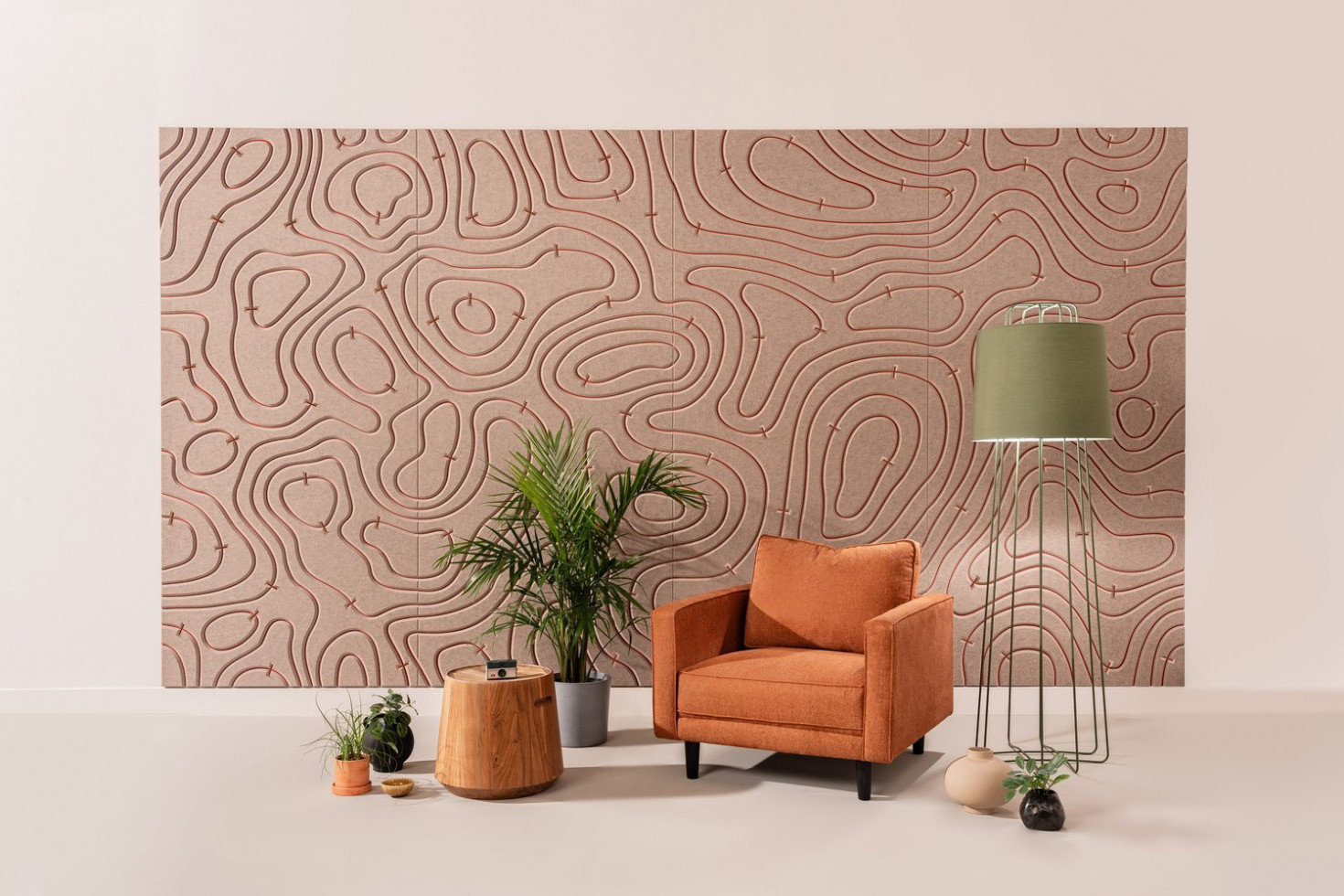
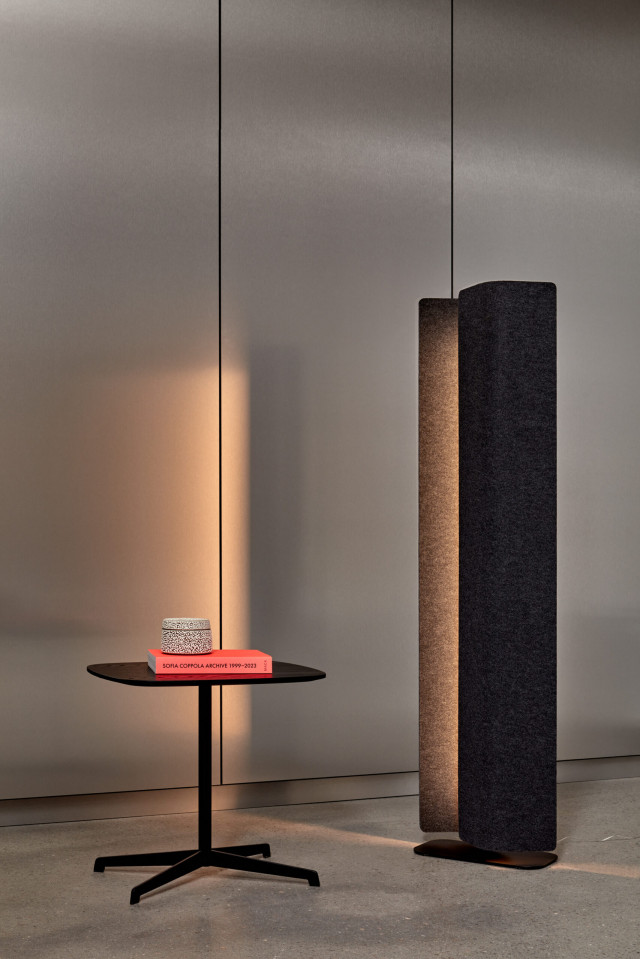
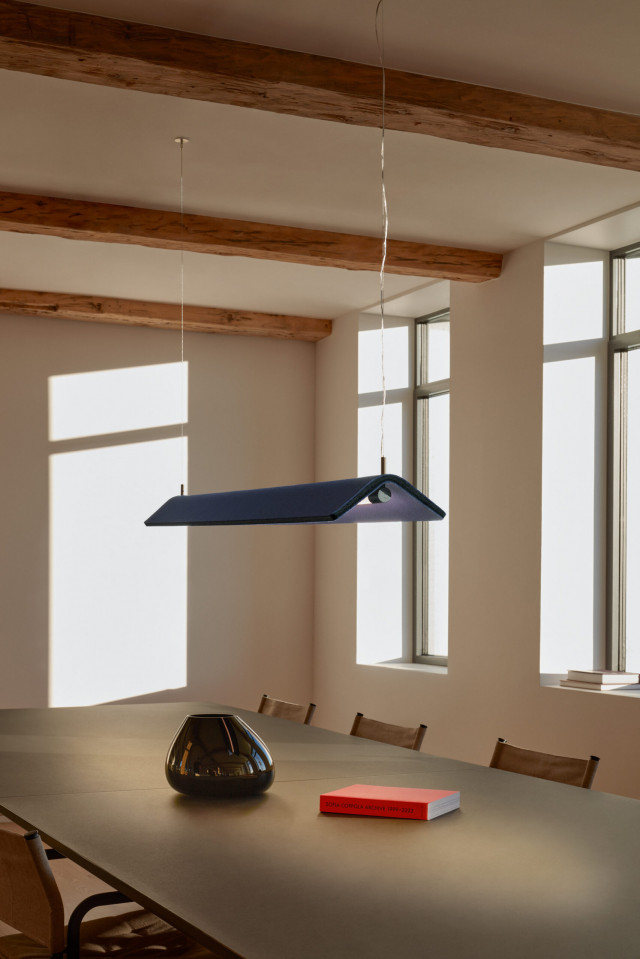
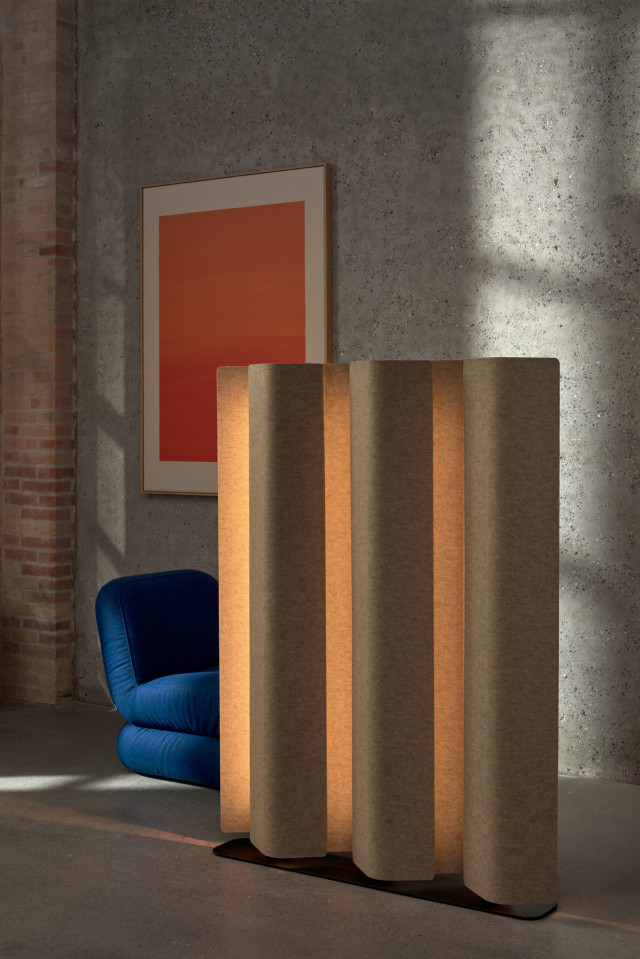
Leading office products manufacturer 3form Elements has launched Hush Stack, an innovative addition to their acoustic offerings. Hush Stack combines dimensional design with high-performance acoustics, featuring two layers of Sola Felt with distinctive designs and colors. Designers can choose from 10 pattern options and 22 colors, allowing for personalized office spaces. 3form Elements has also added 10 new patterns to their Hush Clad Collection. Hush Clad is an easy-to-install panel with high acoustic value.
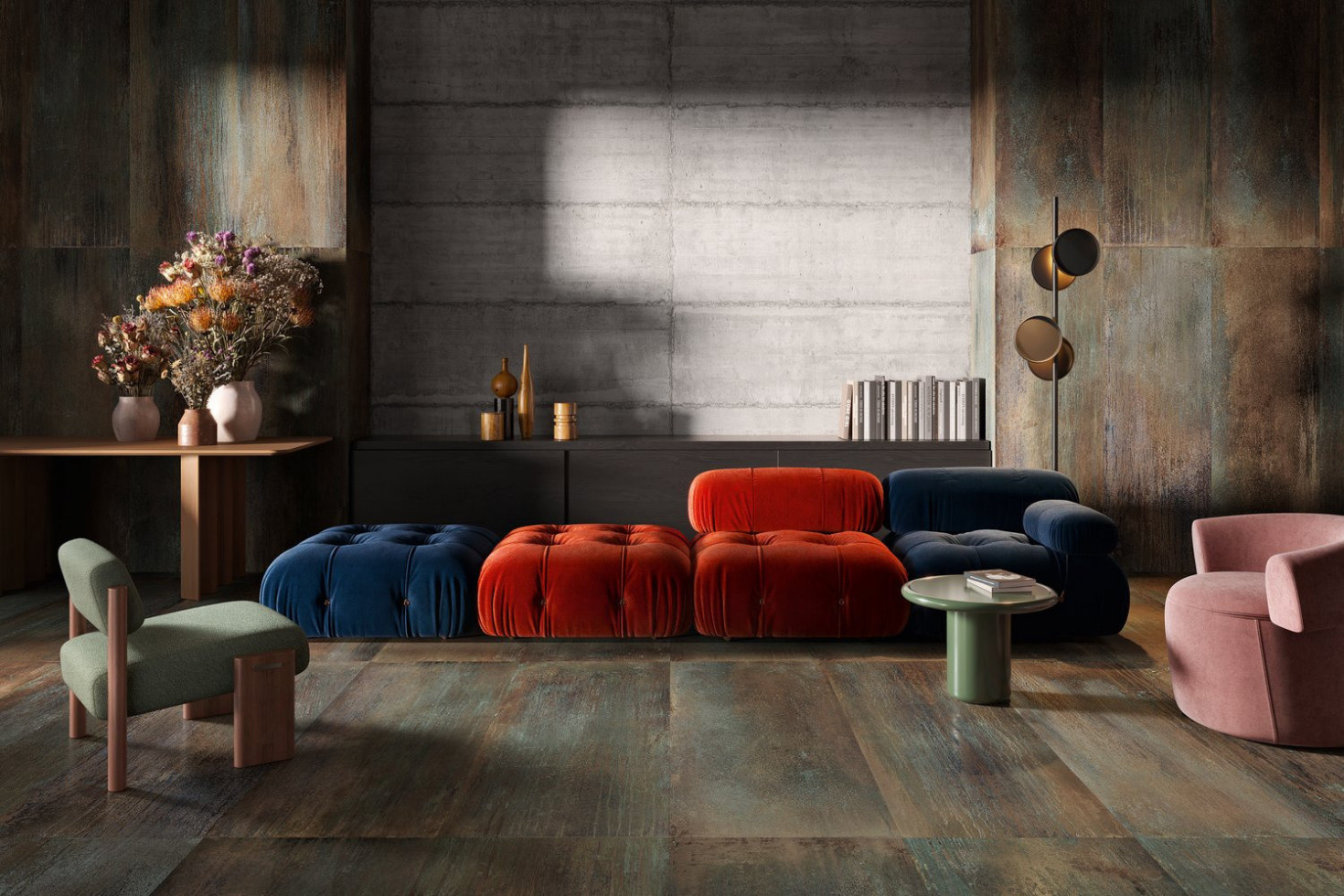
Nemo Tile + Stone has introduced the Dylan collection, a line of porcelain tiles inspired by metal. The collection offers six color options, including two rose decor patterns, and various sizes and finishes. The tiles are suitable for commercial, residential, hospitality, and outdoor spaces.
Trends in Commercial Projects from Around the Globe
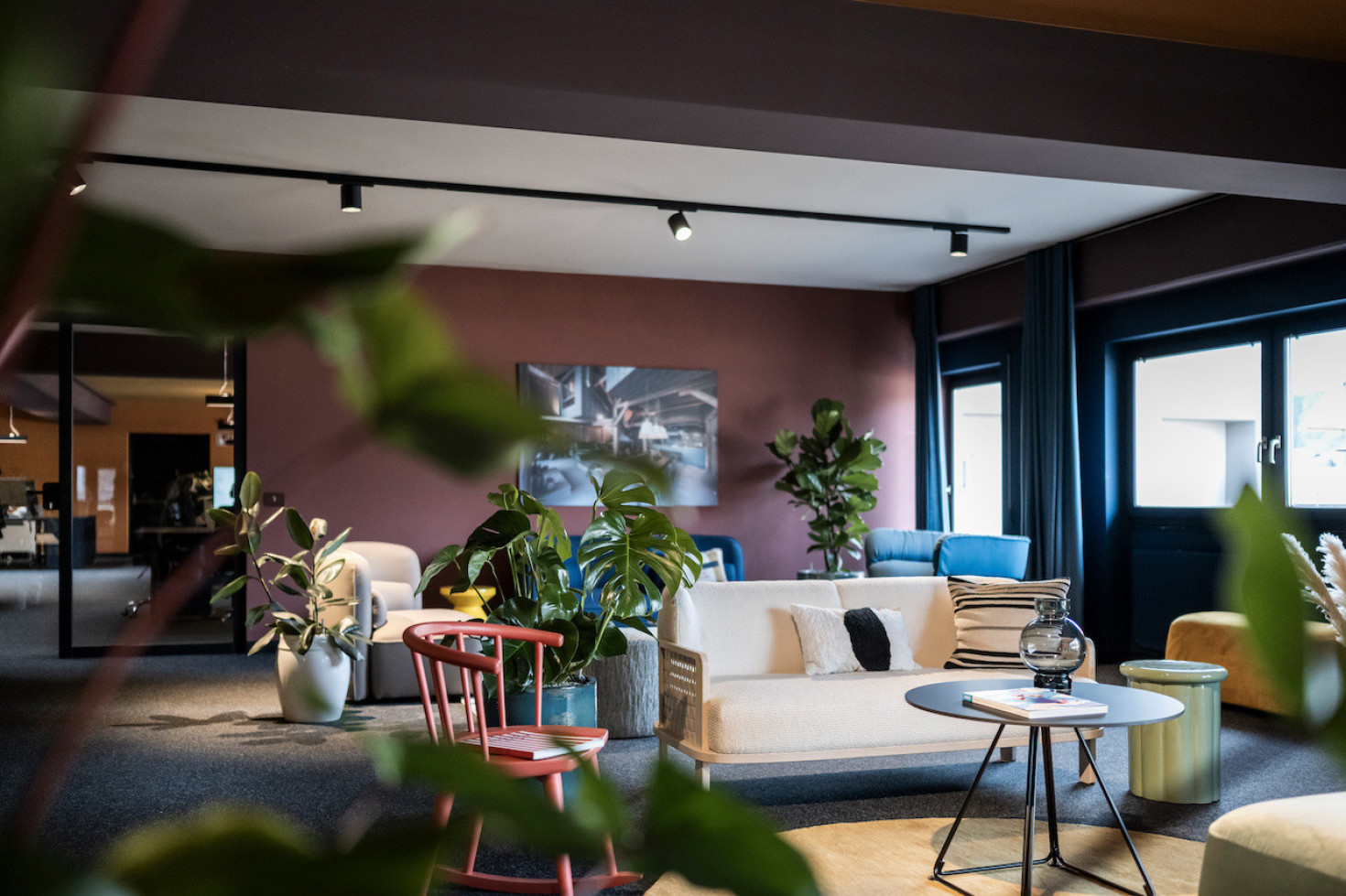
Architecture and interior design studio NOA has transformed the lobby of its headquarters in Bolzano, Italy into a multifunctional space that serves as a workplace, exhibition area, and social hub. The design reflects the evolving role of the office and emphasizes the importance of physical spaces for employee well-being and collaboration. The lobby features expansive seating, an exhibition-style showcase, a fully equipped bar, and products from various design brands. The outdoor terrace provides an additional space for relaxation. The office is designed to be adaptable and constantly changing to meet different needs.
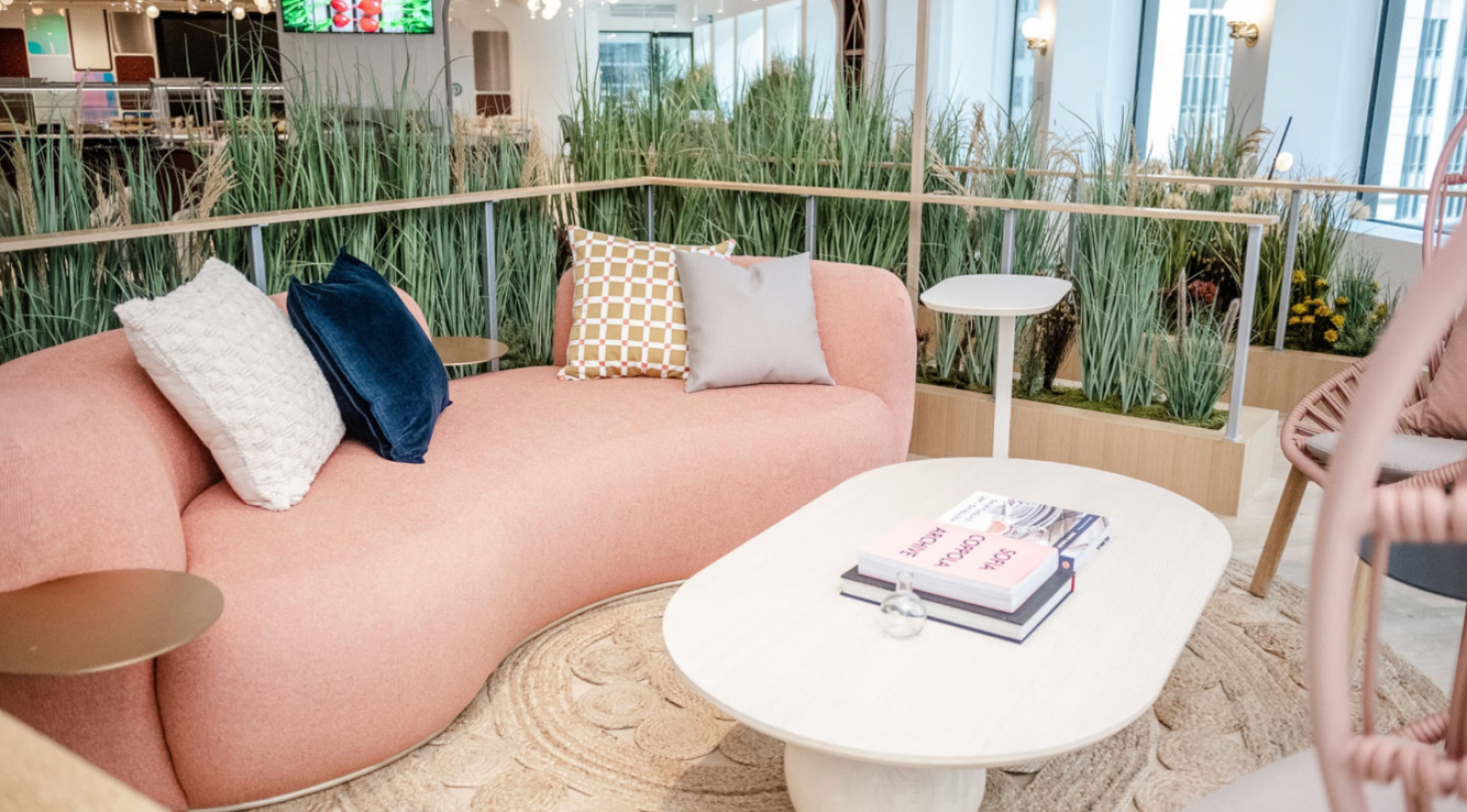
Pinterest's new office in Chicago brings the aesthetic of Pinterest boards to life, with themed environments, photo-ready backdrops, and flexible workspaces. The office design is influenced by Pinterest's hybrid work policy, PinFlex, which allows for flexibility and mobility. The office incorporates local elements of Chicago and features a digital Pinterest board on a prominent wall. The design process starts with a Pinterest board to inspire the final designs.
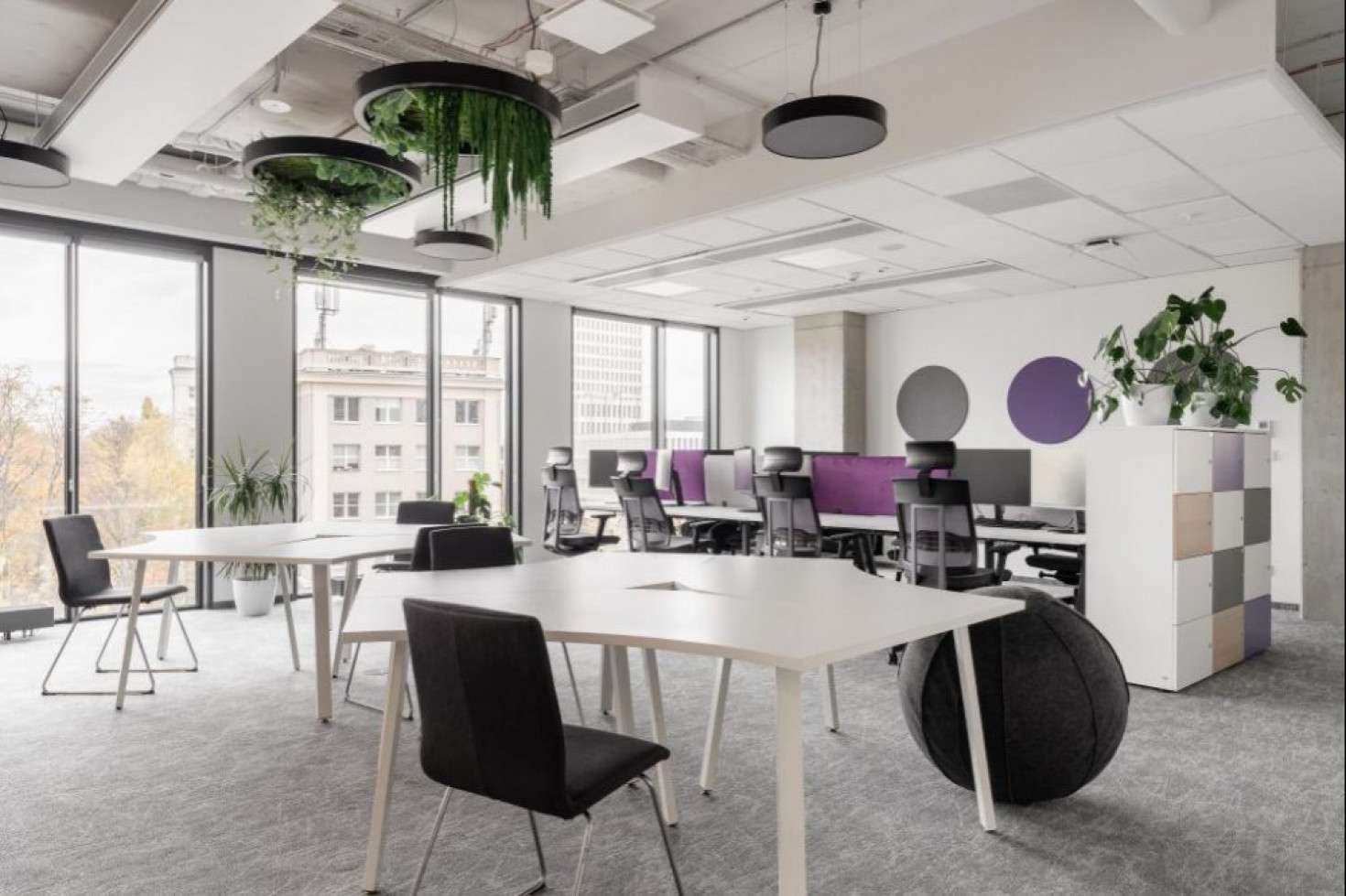
BIT CREATIVE collaborated with Lingaro Group to design their Warsaw office, creating individual and team spaces. The office reflects Lingaro's mission and international scope, with unique conference rooms inspired by different cities. The architects faced challenges in space division and incorporated notable ceiling designs. The project involved input from Lingaro's c-suite and employees, resulting in a cozy and home-like atmosphere. The office features various products, including furniture, flooring, lighting, and custom-made elements. The overall project was dynamic, and the design team successfully created a surprising and cohesive interior.
Upcoming Industry Events
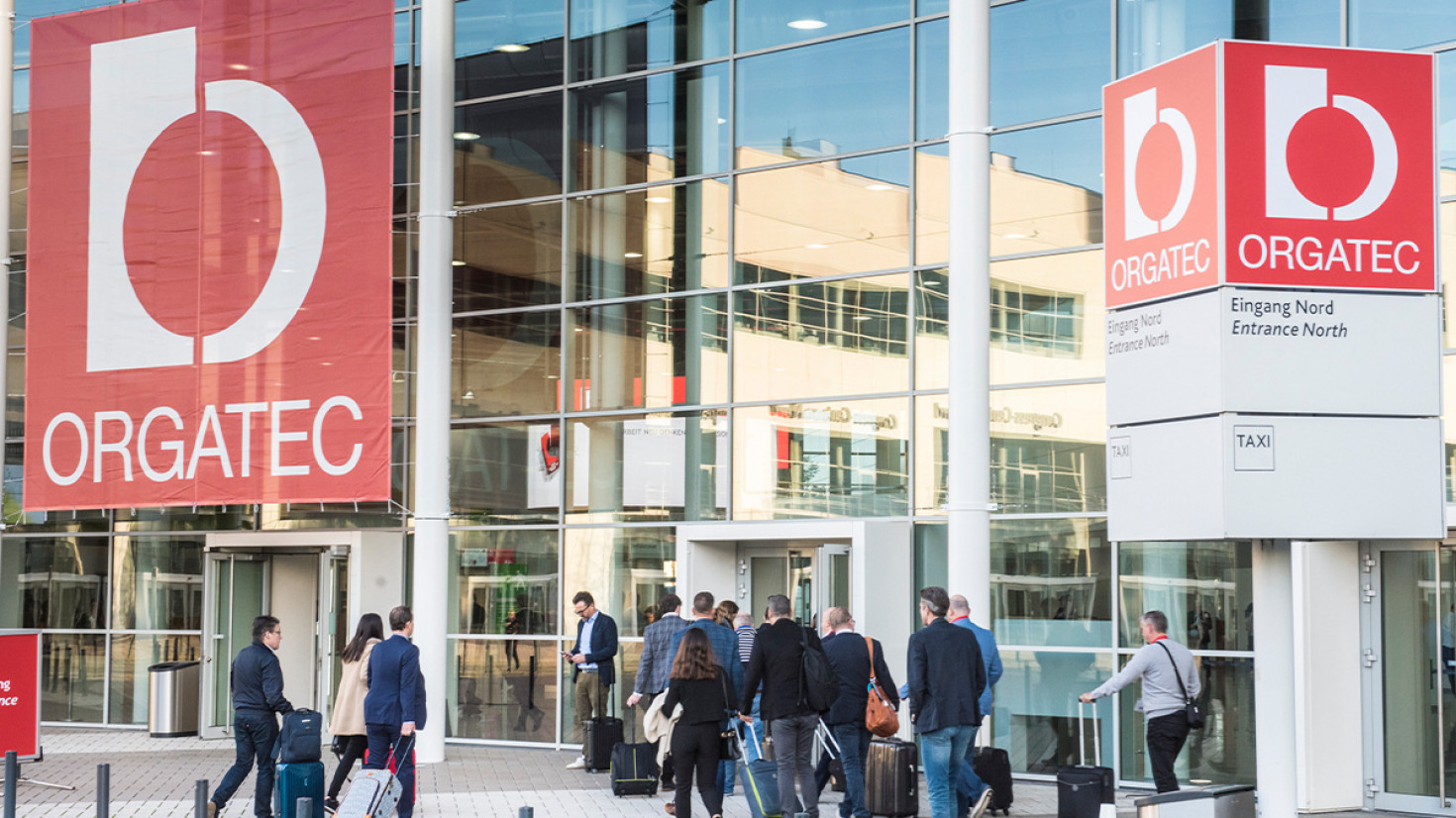
WSA Details 2024 Workplace Solutions Summit
The Workplace Solutions Association (WSA) is hosting the 2024 Workplace Solutions Summit on April 10-11 in Washington D.C. The event provides an opportunity for thought leaders to meet with elected officials and discuss how policies impact the industry. The summit aims to advocate for small businesses and shape the future of the industry. The event is sponsored by Office Partners Inc., Essendant, Independent Suppliers Group (ISG), and S.P. Richards Co. WSA, formerly known as the Independent Office Products and Furniture Dealers Association (IOPFDA), has been advocating for small businesses for over 20 years. ISSA, the world's leading trade association for the cleaning industry, is also involved in the event.
Industry Briefing




Allseating Launches CET Commercial Interiors Extension
Allseating has launched its Configura Extension Technology (CET) catalogue, providing customers with an advanced tool for space planning and configuration. The CET Commercial Interiors extension offers features such as 2D and 3D planning, floor plan creation, CAD import/export, photorealistic renderings, and pricing tools. The software ensures accurate designs, pricing, and order data. Users can download the extension from Configura's Marketplace and explore its capabilities on Allseating's website.
IIDA Announces Recipient of Inaugural IIDA Icon Award
Lauren Rottet, Founding Principal and President of Rottet Studio, has been named the recipient of the inaugural IIDA ICON Award for her significant contributions to the field of interior design. As an acclaimed architect, interior designer, furniture designer, and art curator, Rottet has made a lasting impact on the industry. The award will be presented during the IIDA Annual Meeting on June 9, 2024.
Fellowes Awarded Agreement with Sourcewell
Fellowes has been awarded a cooperative purchasing contract in the Furniture Solutions with Related Accessories and Services category at Sourcewell. The contract, effective from November 30, 2023, to December 4, 2027, allows Fellowes to offer a complete range of wall systems and workspace products. Fellowes is a global leader in workplace solutions and operates from 25 locations worldwide. Sourcewell is a government organization offering cooperative purchasing programs to government, education, and nonprofit entities.

Find the best Contract Furniture Industry jobs and hire the best talent.





As a Business Development Representative at our growing company, you will work with a team of professionals dedicated to manufacturing quality commercial office furniture to dealers, architects and more. This position will cover the Ohio / Indiana / Pittsburgh / Kentucky regions.

We are seeking a motivated and experienced commercial furniture and interiors Sales Manager to lead our sales team and drive business growth.

A Project Designer's role includes, but is not limited to, design programming, concept development, space planning, furniture and material selections, creating supporting documents, pricing, and drawings via commercial furniture software, such as AutoCAD, Project Matrix and CET Designer.
Dynamic and fun Arlington, VA-based office furniture dealership, Washington Workplace, seeks a qualified sales superstar to add to its growing staff. Make some money!!!!

We are seeking a dynamic and results-driven Sales Representative to join our team on a remote basis. The Sales Representative will be responsible for managing representative relations, developing new sales leads, and exploring contract office furniture projects.

This position identifies prospective customers, generates leads, and lands new business opportunities; oversees all aspects of an account’s business; responsible for all project and daily work order activities and full customer satisfaction for all accounts.

The Account Manager is responsible for all project and daily work order activities, much of sales and marketing, and full customer satisfaction for large and/or multiple healthcare accounts. This person oversees all aspects of an account’s business and will leverage the team (design, project management, account coordination, installation) that supports that account.

The Account Manager is responsible for all project and daily work order activities, much of sales and marketing, and full customer satisfaction for large and/or multiple accounts. This role oversees all aspects of an account’s business and will leverage the team (design, project management, account coordination, installation) that supports that account.

The primary responsibility of a Designer is to provide technical design support for furniture budgets, space plans, product solutions, specification, and pricing for projects generated by Sales/AS.

The Designer provides design services and workspace solutions to dealership customers, including site/inventory verifications, programming, space planning, typical development, presentation materials, working/installation drawings, specifications and site-to-plan review.

The Project Manager (PM) is the point of contact for all aspects of assigned contract furniture projects, from inception of project to final close-out and invoicing.

The Territory Sales Rep will be responsible for the specification and sales of The Senator Groups products, including both its Allermuir and Senator brands, in the New York/Northern New Jersey MSA.

The position will streamline the sales and design process on commercial furniture projects to provide thebestresults for A&D and other new business development partners.

The Senator Group has an immediate career opportunity for a Territory Sales Rep in the Baltimore/Washington DC area.