Friday, July 22, 2022

News

Reseat is helping everyone from furniture dealers, designers, facility managers and end users to sustainably manage furniture inventory.
The Workplace
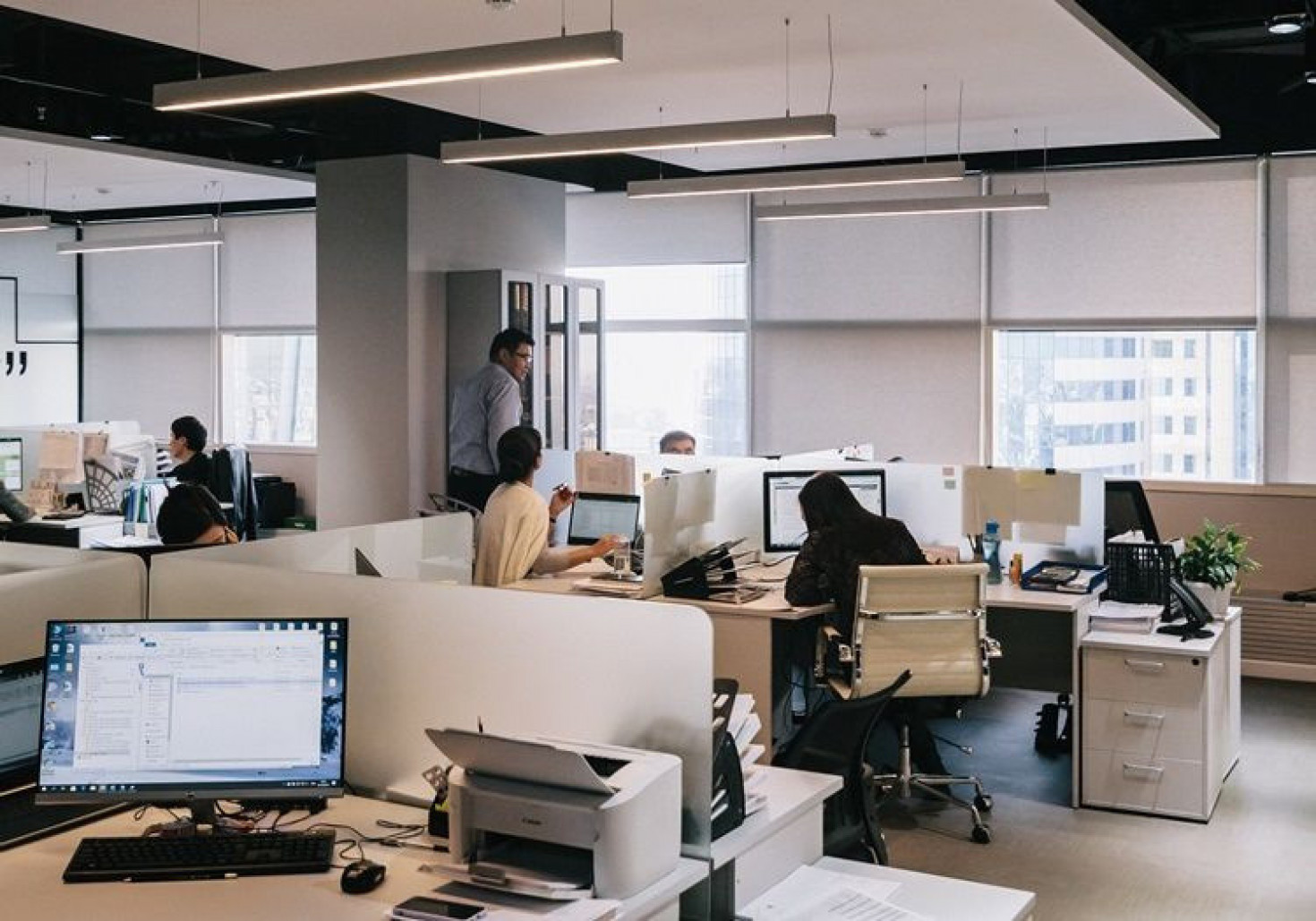
Low return-to-office figures persist as the summer wears on, with offices seeing roughly the same level of traffic in July, after workers returned from the Independence Day weekend, as they did in June.
Office occupancy in 10 major U.S. markets after the holiday weekend edged back up to 44.1%, according to the latest Kastle Back-to-Work Barometer.
The corporate workspace landscape is changing out of necessity so firms can survive in a new present and future of work.

More and more, workplace inclusivity is considered to be one of the most crucial priorities for a thriving and productive workplace. Inclusivity is beginning to become more of a priority for workers when choosing a company to work for, and companies may want to listen.
Hybrid Working

To crack what the future of workspaces should be, more companies are experimenting with a design concept that first took off in Europe: activity-based working layouts.
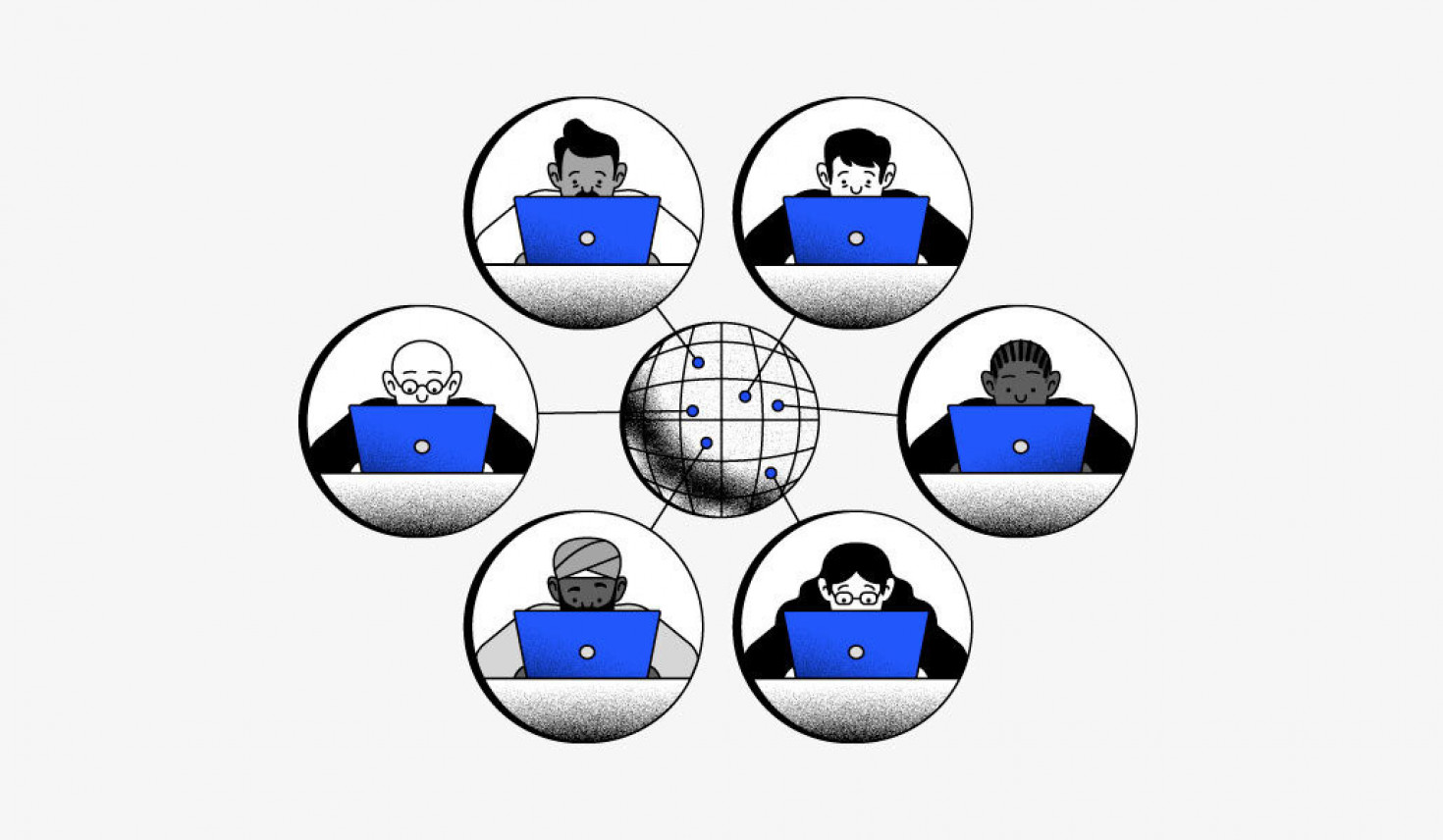
Design literacy isn’t just for the graphic designers anymore. This CMO says all employees should have a basic understanding of the skills.
Dealers
A team of industry experts is filling a void in training and education programs to equip smaller furniture dealers for success in today’s challenging economic environment.
Design
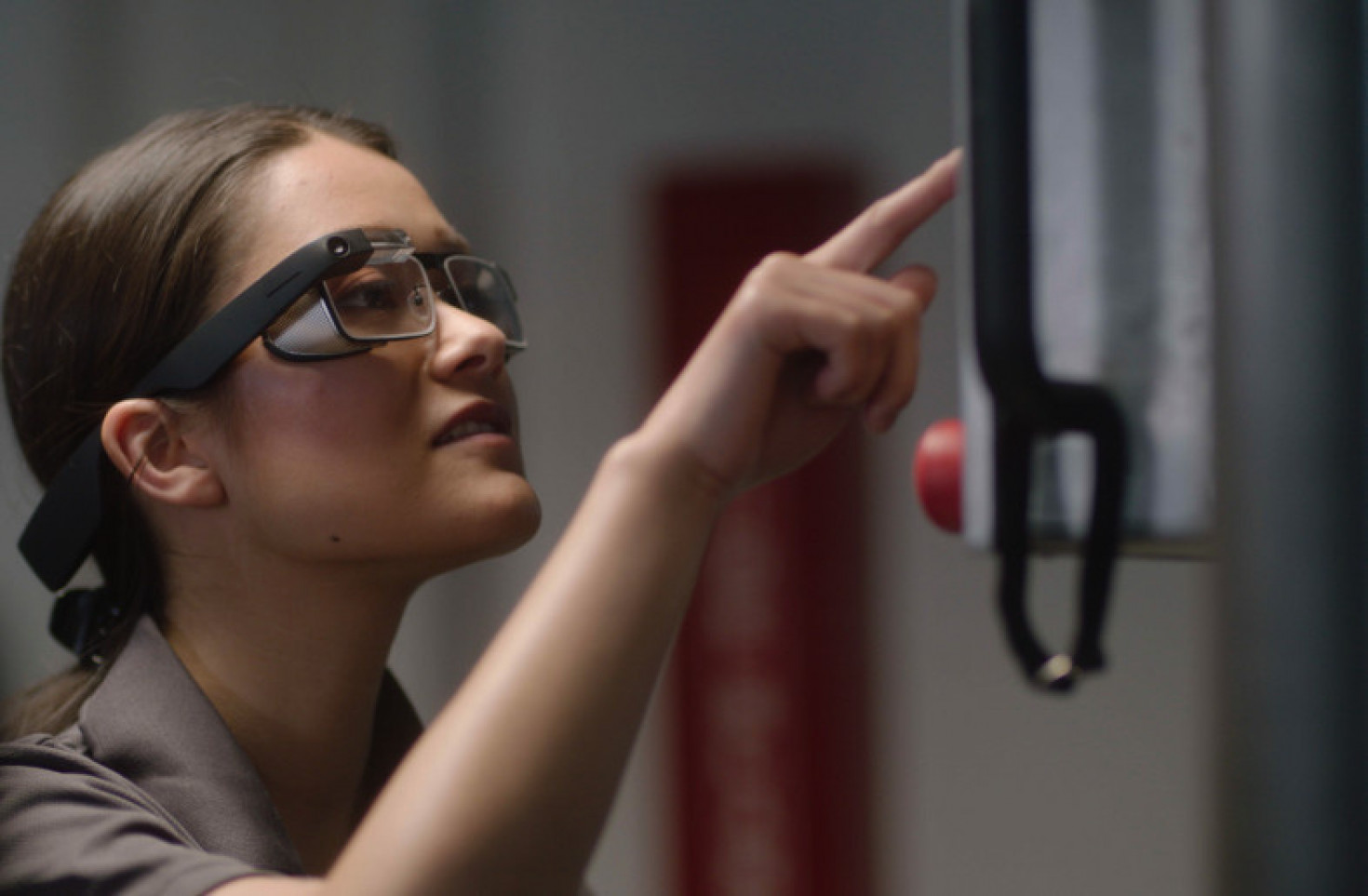
Business wearables are a booming branch of tech with the potential to influence workspaces from factories to the trading floor.
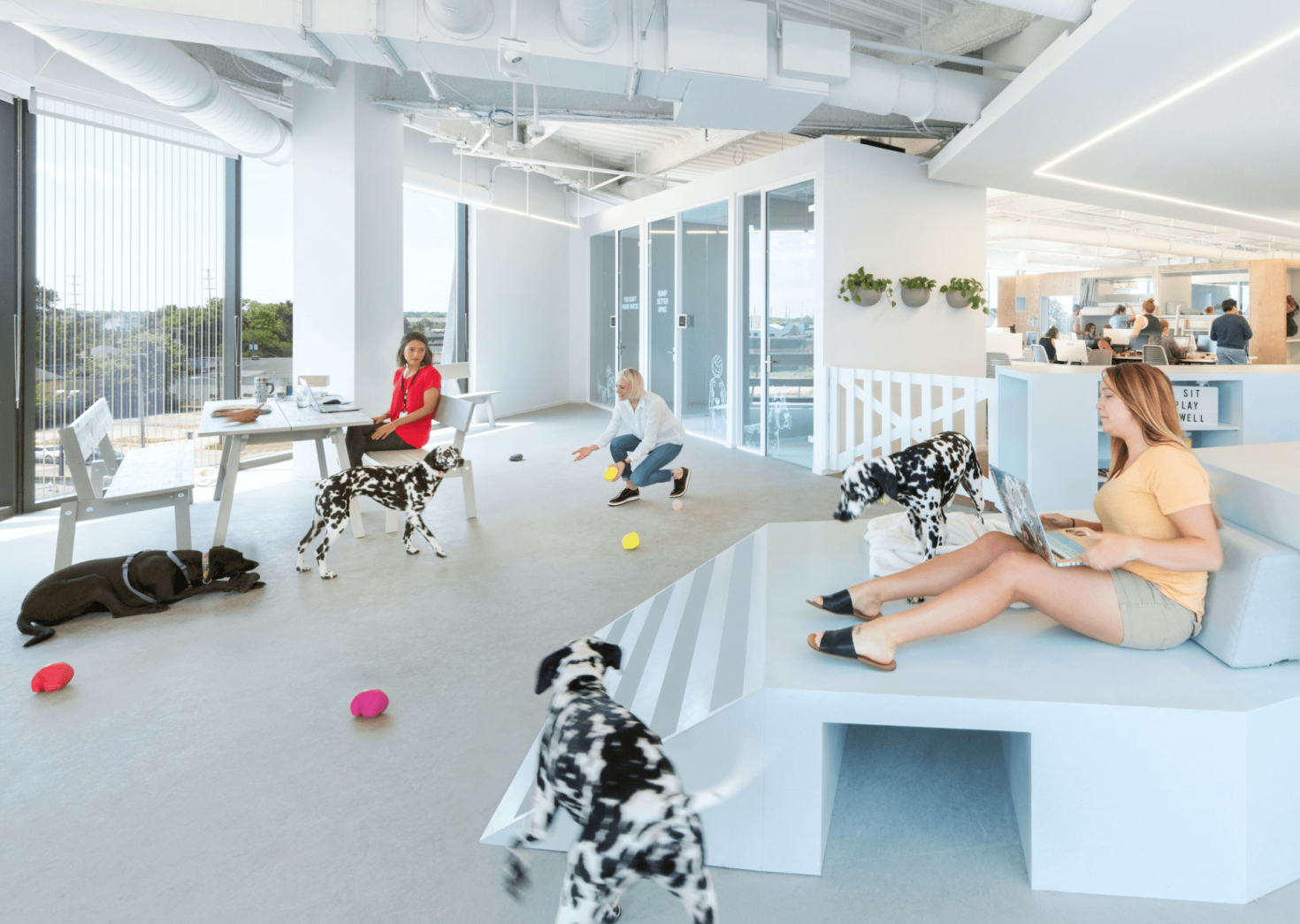
As workers head back to the office, Britni Stone, Interior Designer/Senior Associate at NBBJ, looks at how workplaces can better accommodate our four-legged friends.
One the most significant social outcomes of the Covid-19 pandemic is a rise in dog ownership. Many benefit from having pets keep them company while working from home, but what happens when more employees start returning to the office?
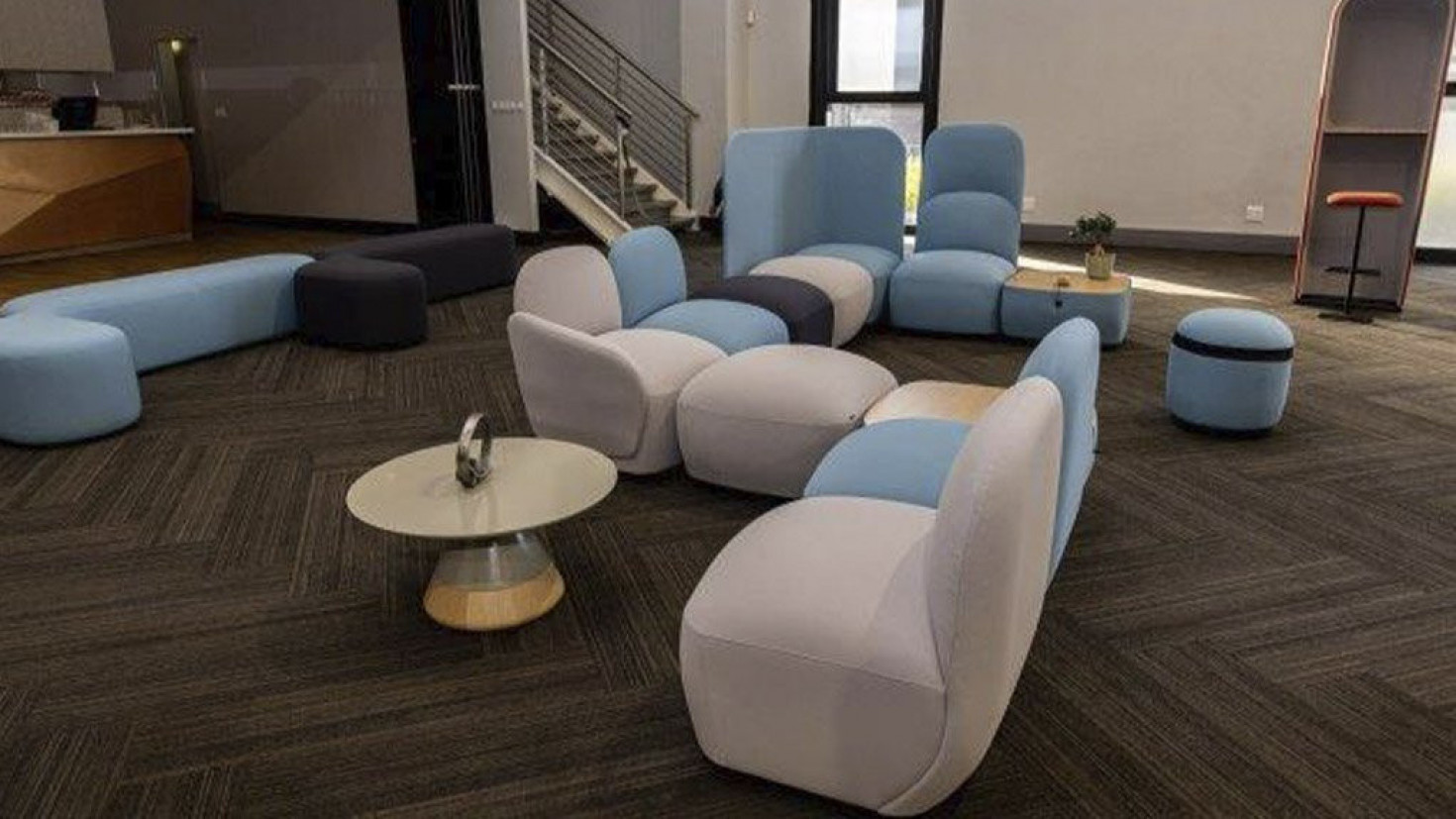
A hybrid office provides an ideal balance of collaboration and focus work. While in the office, teams have the facility and choice of different spaces for collaboration, while at home they also get to concentrate on projects. Businesses need to consider all of the design considerations and create a hybrid environment that effectively meets employees’ needs, while allowing them to get the most value out of their time spent there. “The future of work is here, and it is hybrid,” comments Conrad Burger, MD of X -Furniture.
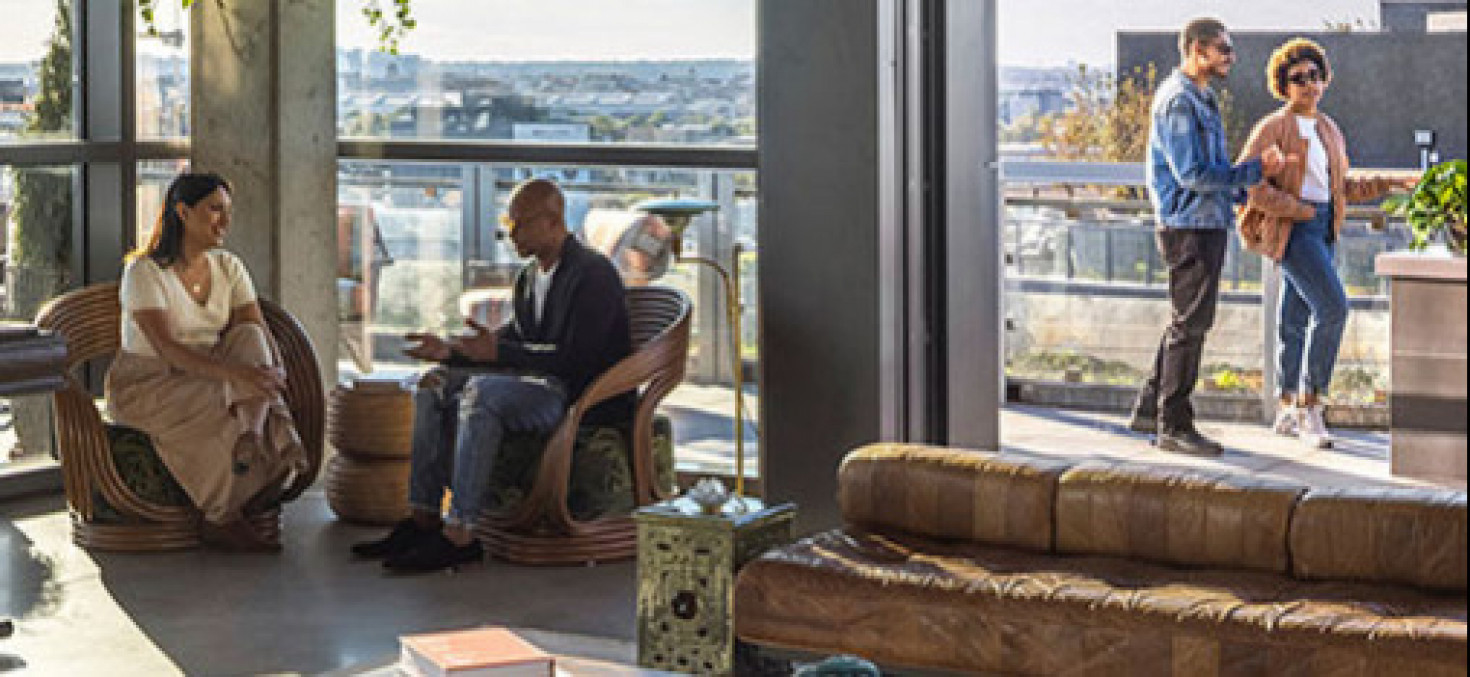
Imagine a future where, rather than coming into work and fumbling with space and technology, a building already knows you’re arriving because of a software update from the previous night. We need to demand more from our workplaces and buildings. Our buildings need to serve our communities better. They need to be designed to serve and support people who are using these spaces and doing the work. It is time to demand more from the workplace experience — more from technology, more of the impact we make on resilience, more for our whole selves, more for our health, and more of our investment in humanity.
Real Estate

Some of the world’s largest tech companies are holding off on office expansion in New York City.
Recently, Meta chose to walk away from taking up 300,000 more square feet on Broadway in a building where it currently occupies. Simultaneously, the company is holding off on expanding its Hudson Yards presence as it decides what the best use for the space will be.
 globest.com
Trends
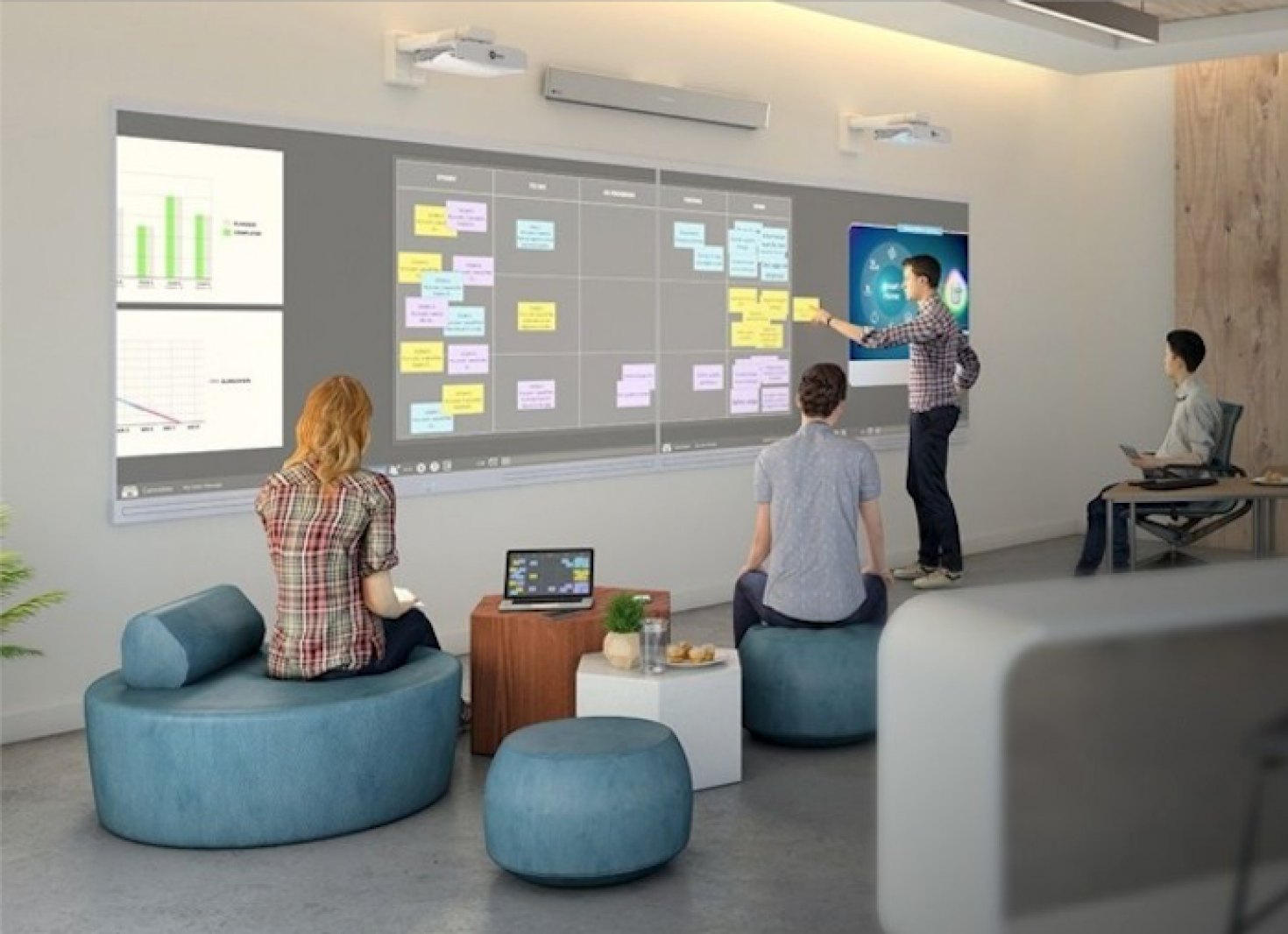
Dustin A. Jackson, Ph.D. and BHDP’s Samantha Delabar explore ways to rebuild the lost connectedness as workers return to the office.
Coworking
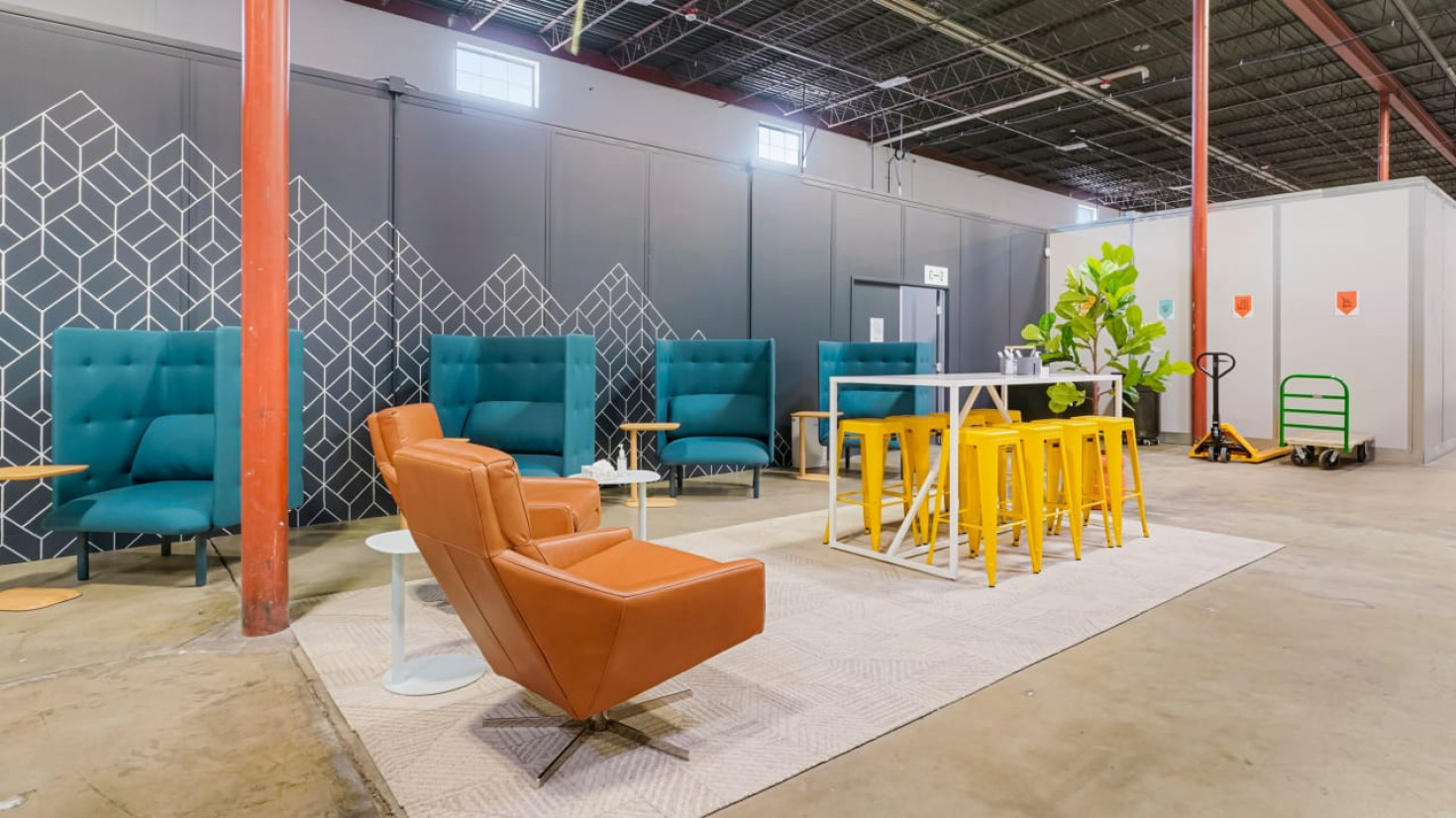
Saltbox subdivides warehouses and offers WeWork-style amenities, which makes logistics far easier for smaller e-commerce companies.
Makers
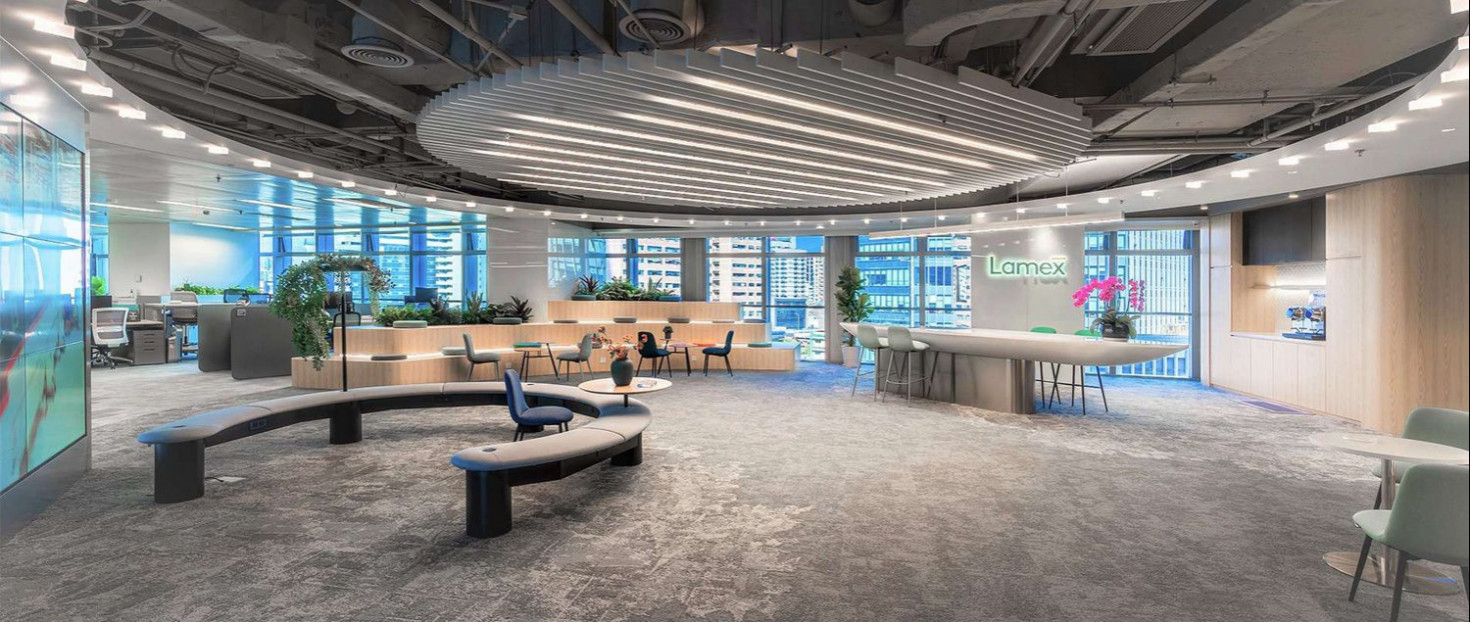
HNI Corporation today announced it has completed the sale of its China and Hong Kong–based Lamex office furniture business. The business was acquired by Kokuyo Co., Ltd. for 75 million US dollars, subject to standard post-closing adjustments.
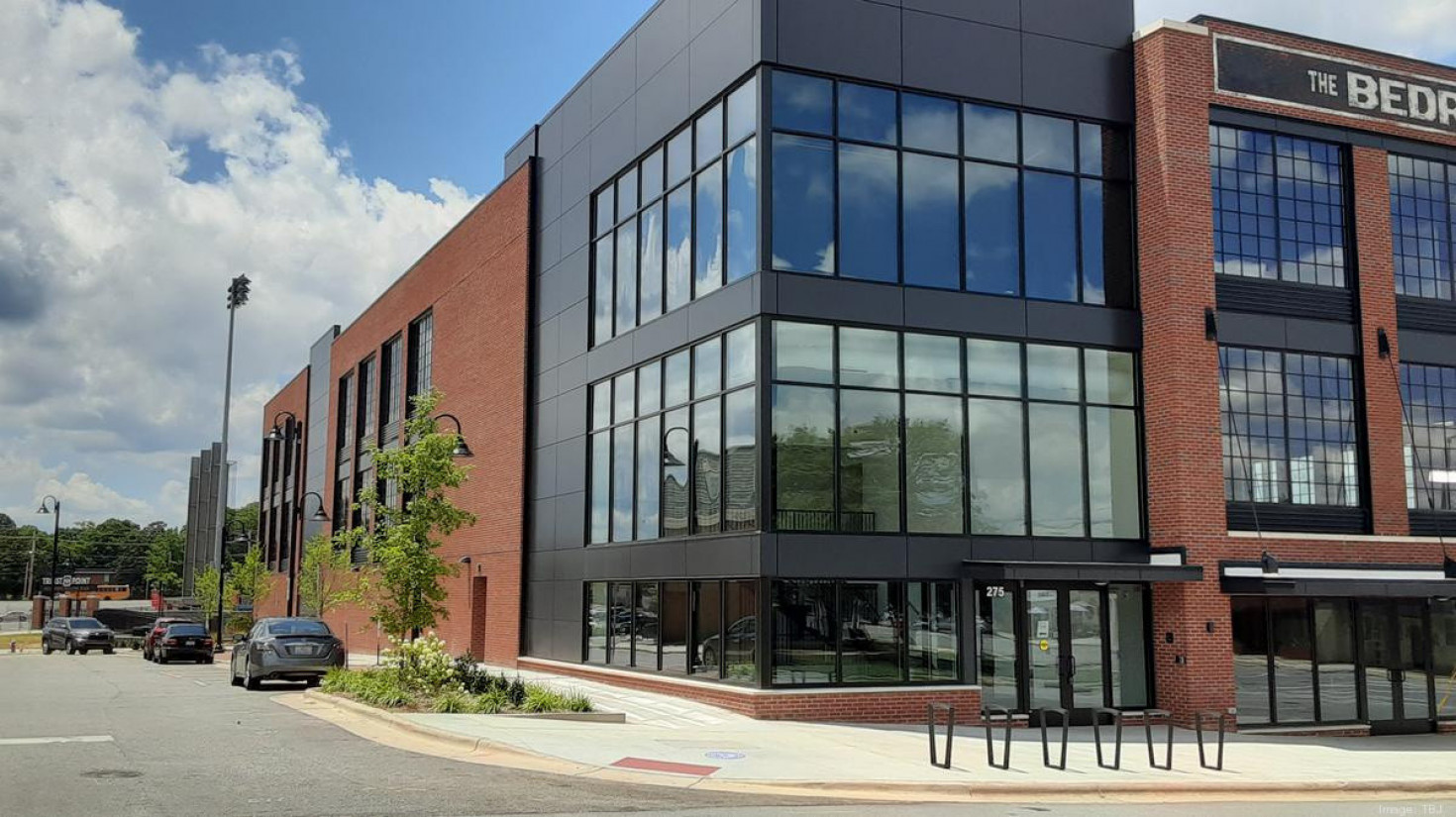
Belgian furniture company Ethnicraft gets OK for expansion incentives that involve 68 jobs while Caldwell Banker Advantage would use the money from the city to relocate to the downtown area.
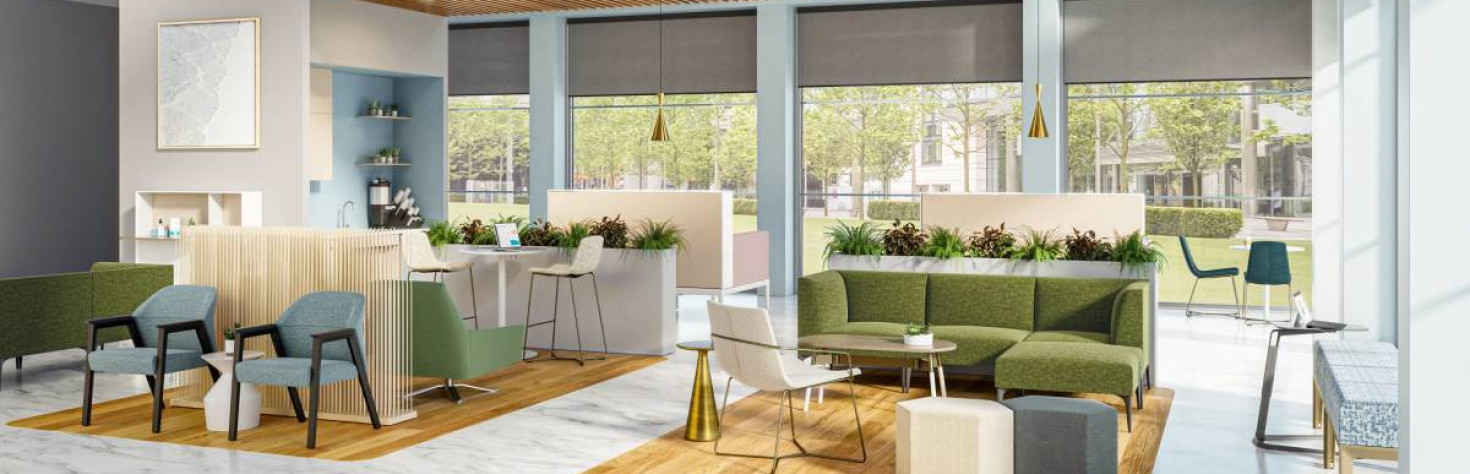
Addressing emerging needs in healthcare, Steelcase Health has launched solutions through an expanded collaboration with global design company West Elm and new partnership with experienced provider of durable, safe and welcoming furniture for behavioral health spaces, ModuForm.

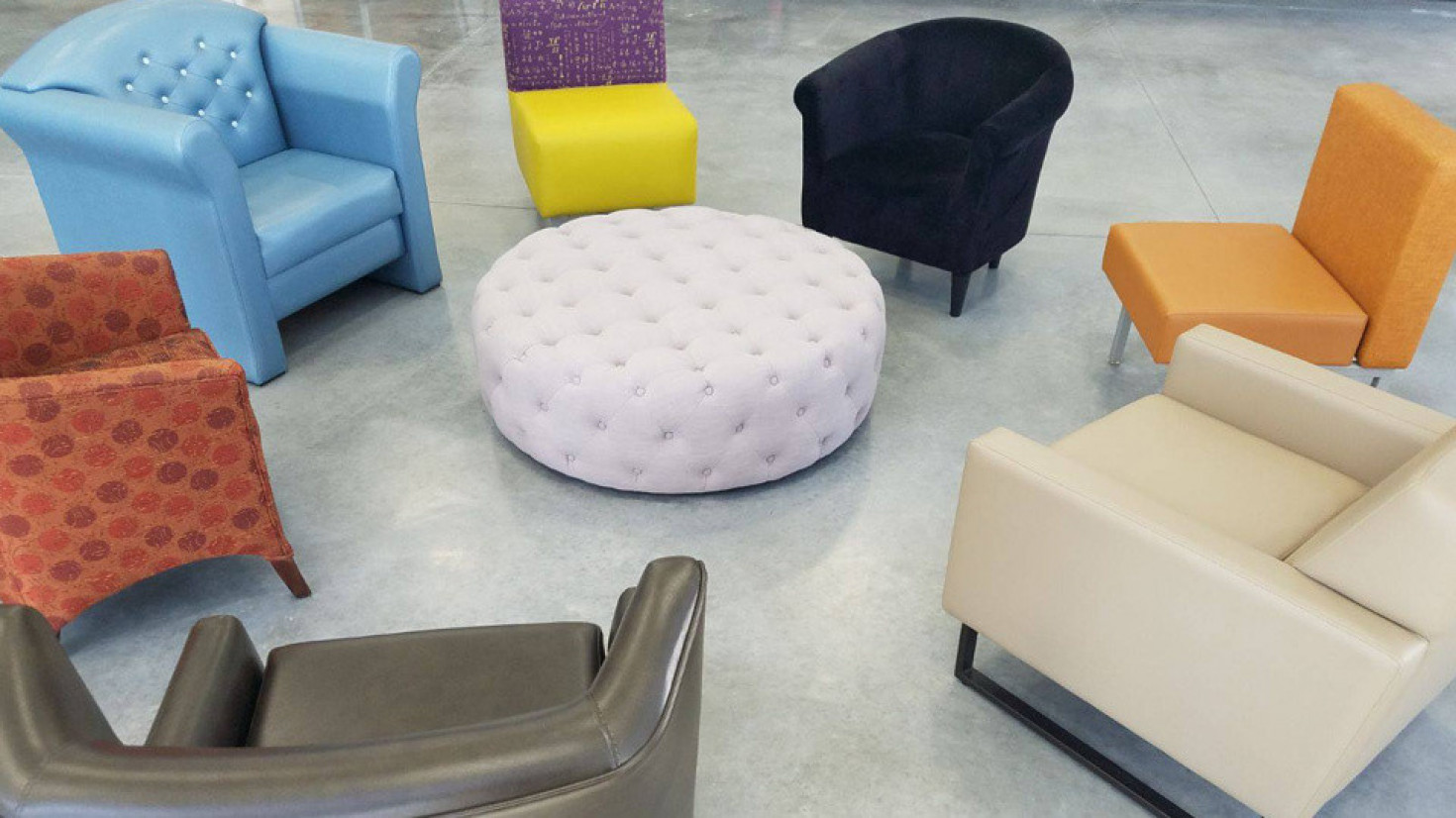
Whitestown-based Facility Concepts Inc. has acquired Surface Technologies Inc., also known as SurfaceTech, a Kansas City-based manufacturer of conference and board room tables and meeting space furniture. Financial terms of the deal were not disclosed.
Products
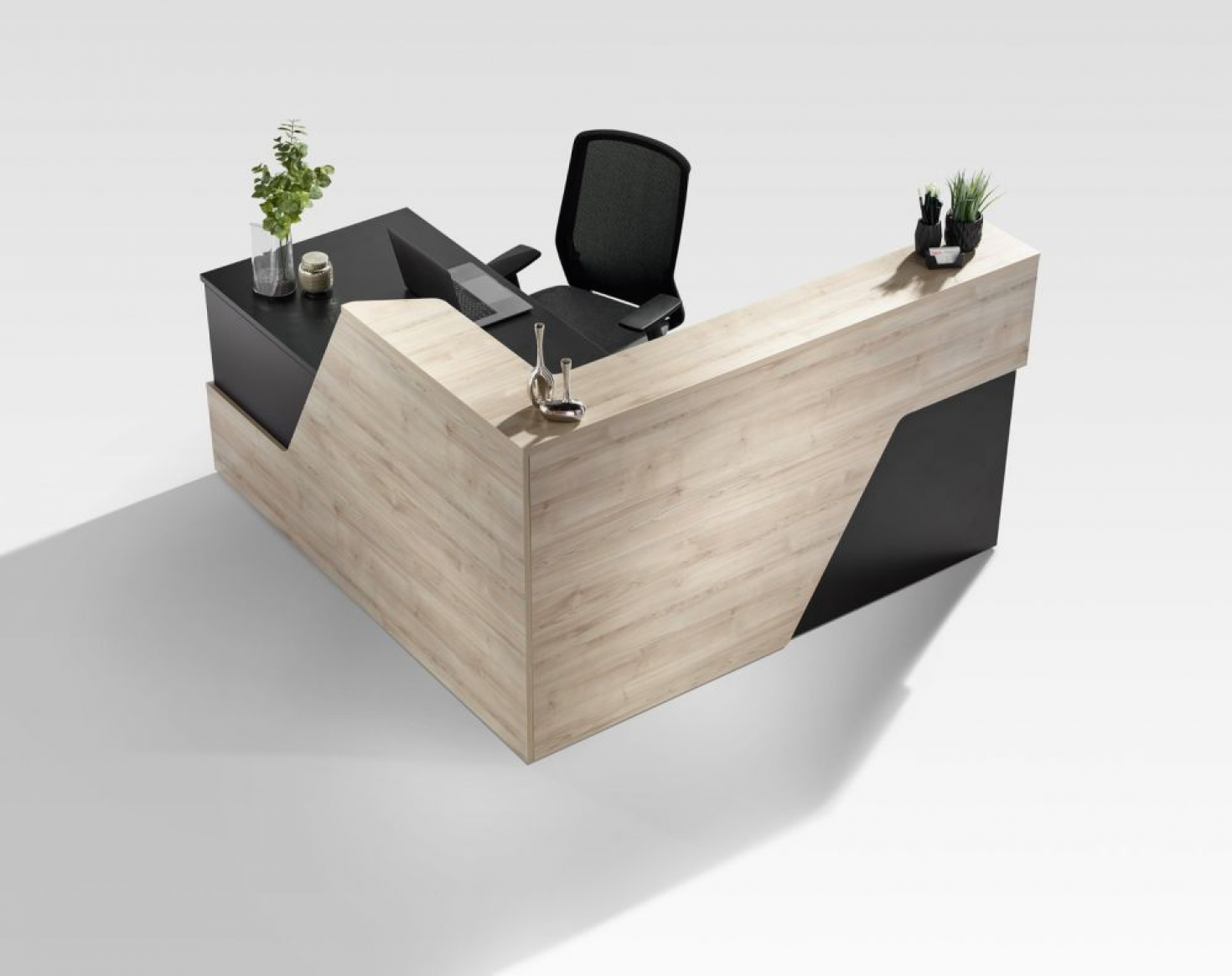
Canadian commercial furniture manufacturer, Tayco unveiled their latest Reception Collection at their head office in Toronto. Available through Dealer Partners across North America as of July 20, the new product line boasts three distinct styles that are sure to elevate the first impression of any passerby.
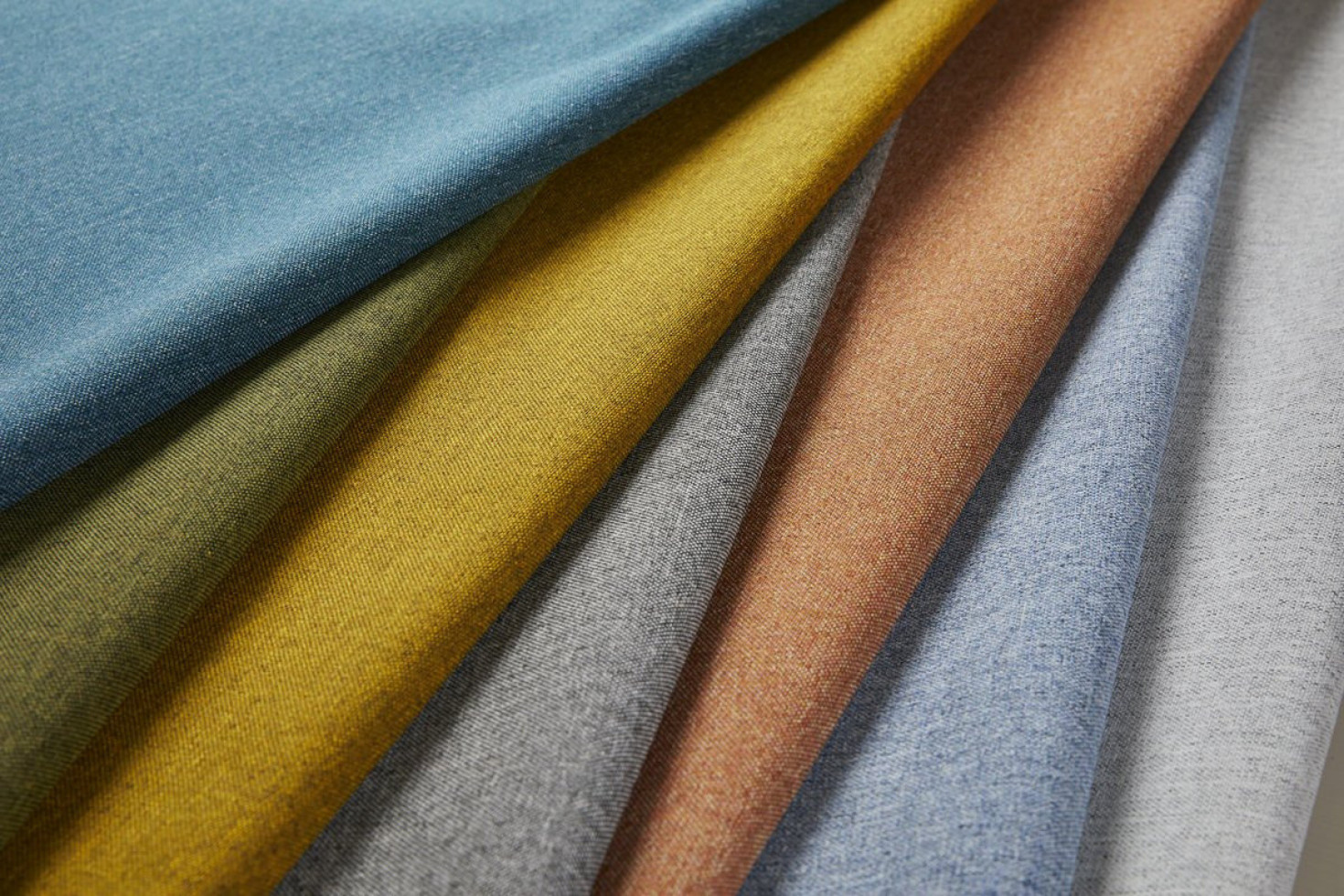
Building upon the signature softness, performance capabilities, and industry-leading sustainable properties of its inaugural launch, Supreen’s new menswear-inspired patterns offer a fresh yet decidedly classic upholstery option for commercial spaces from healthcare to hospitality alike.
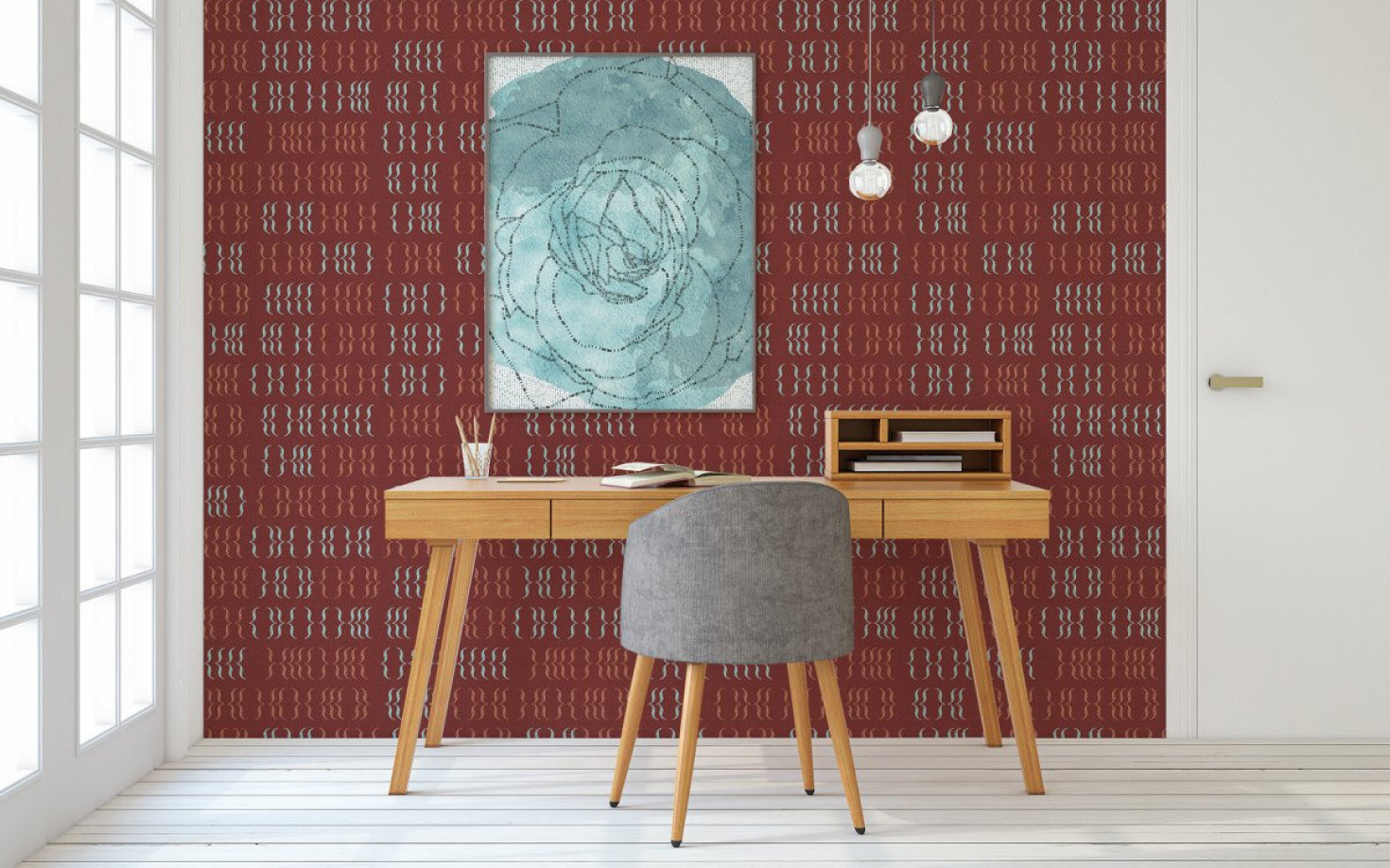
All the patterns in Moveable Type reference typography and the history of printing.
Projects
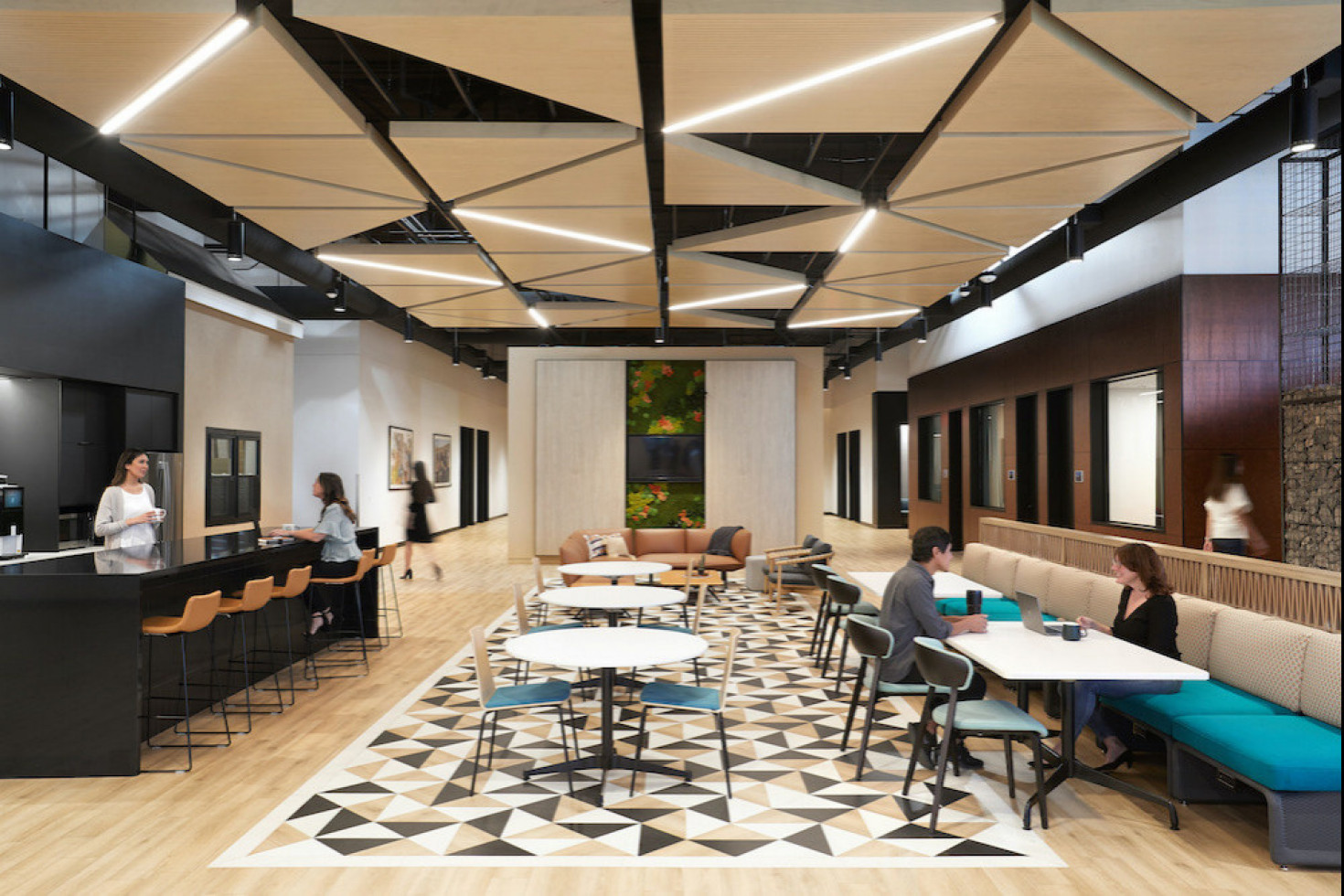
Power Home Remodeling’s updated space by CRTKL reflects the goal of creating an engaging, collaborative environment.
Last Word
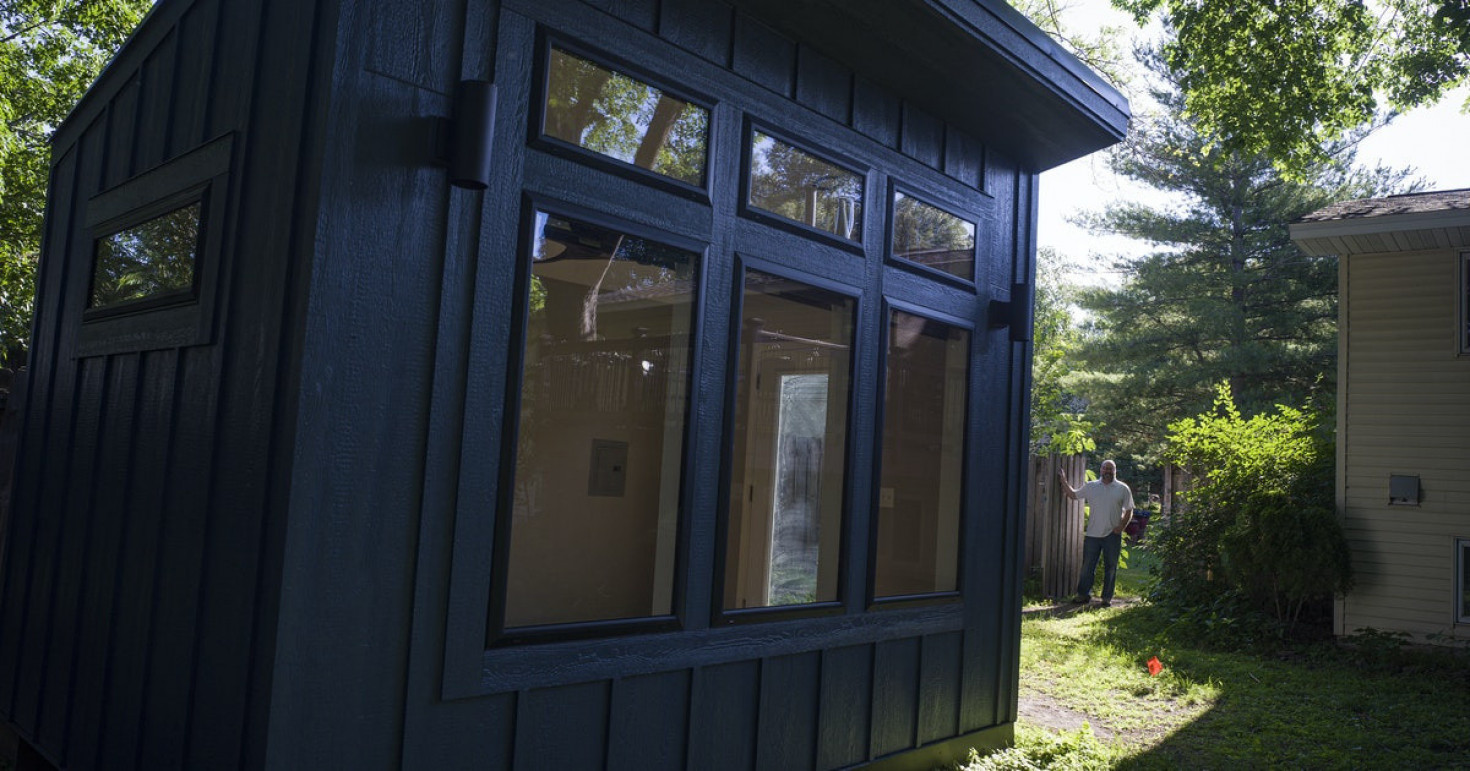
Accessory structures may feature a TV, kitchenette, water cooler and fold-out couch.


Find the best Contract Furniture Industry jobs and hire the best talent.