Friday, April 8, 2022
News
The Workplace
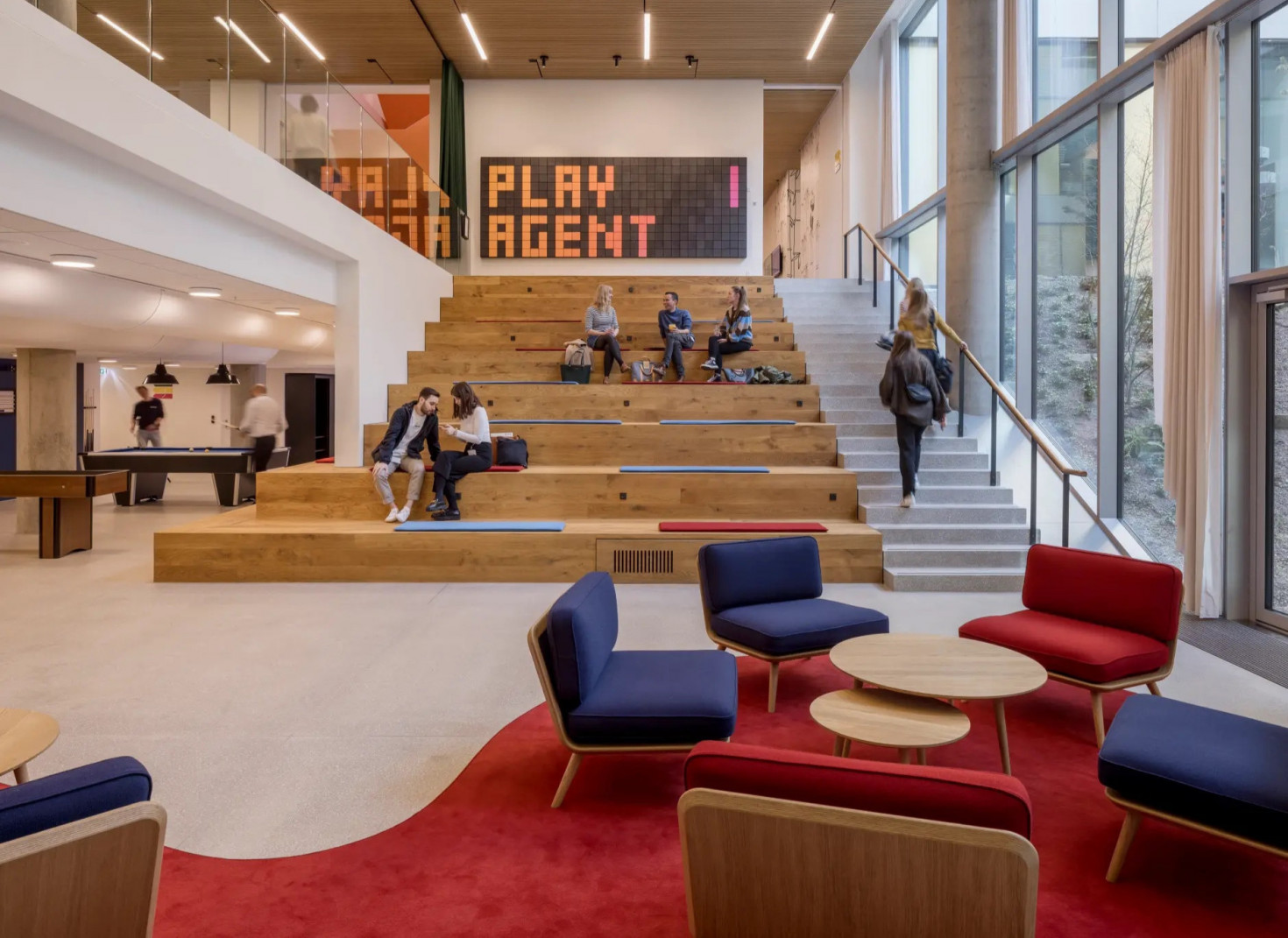
John Sadlon of Perkins&Will explores how the post-pandemic workplace is greatly influenced by business sector and evolving employee needs.
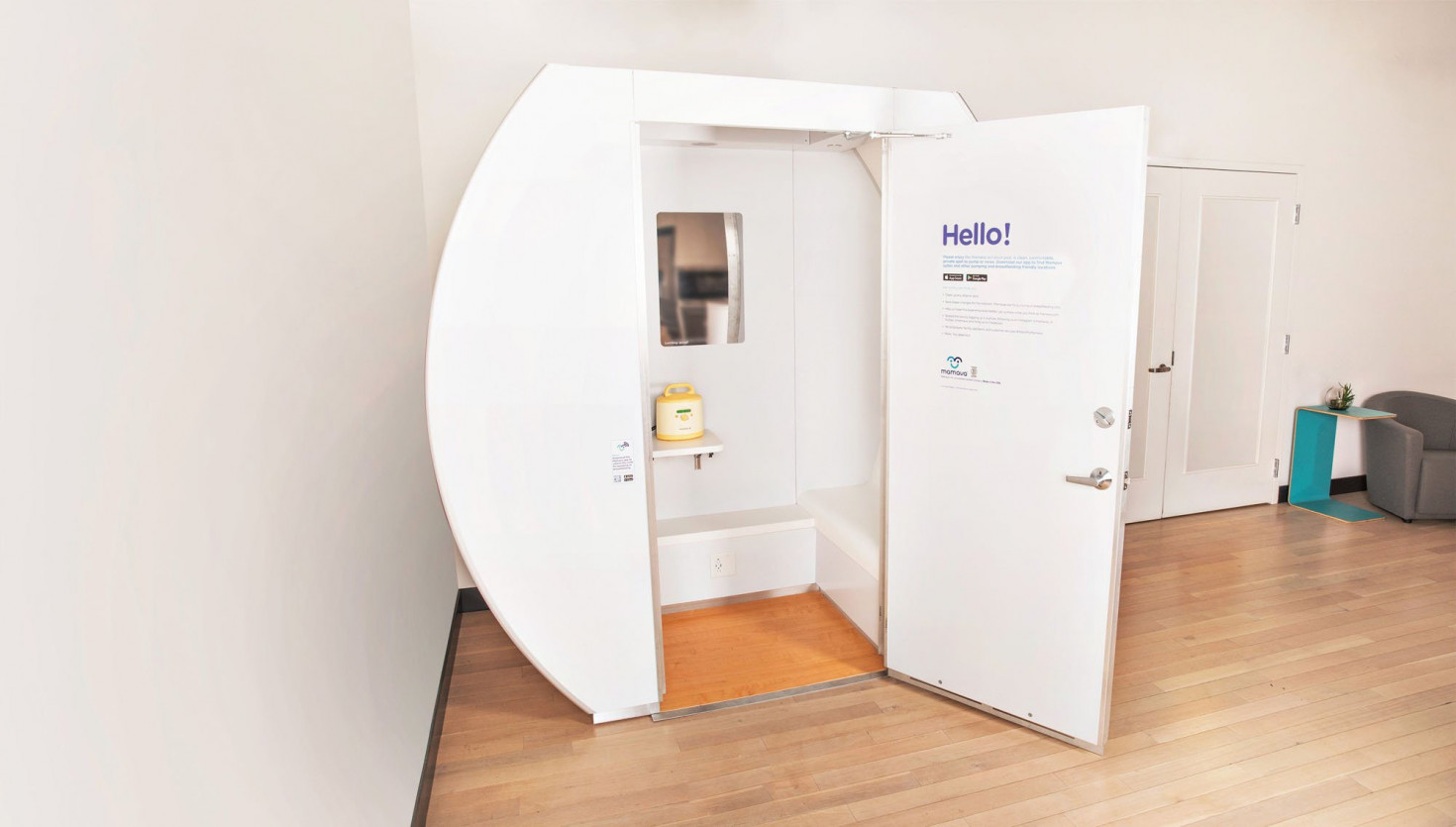
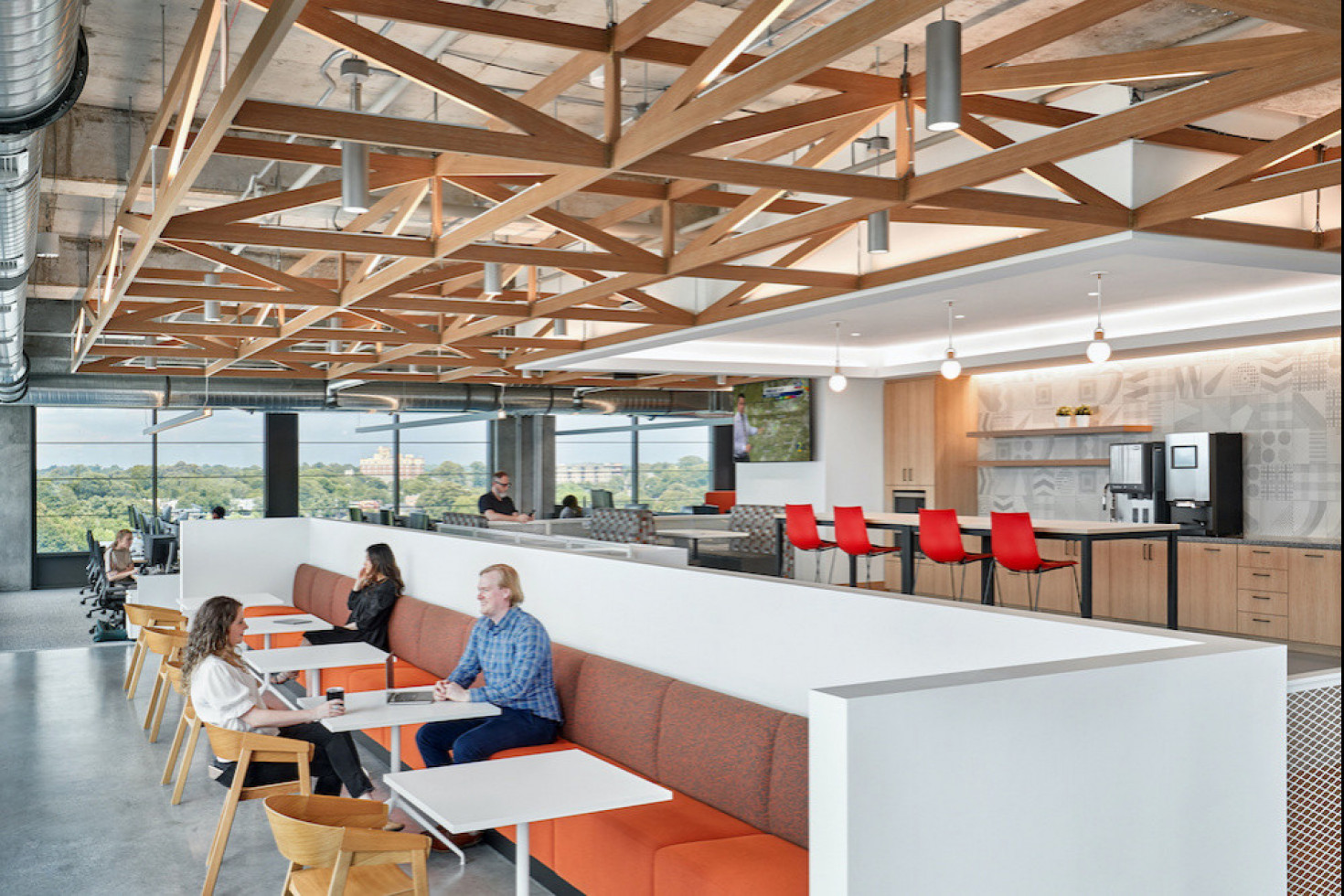
Think Lab’s Amanda Schneider argues that in the war for talent, advocating for working parents is sound business strategy.

The opportunity to work from home or enjoy flexible working has the potential to improve workforce inclusion and add £40 billion to GDP.
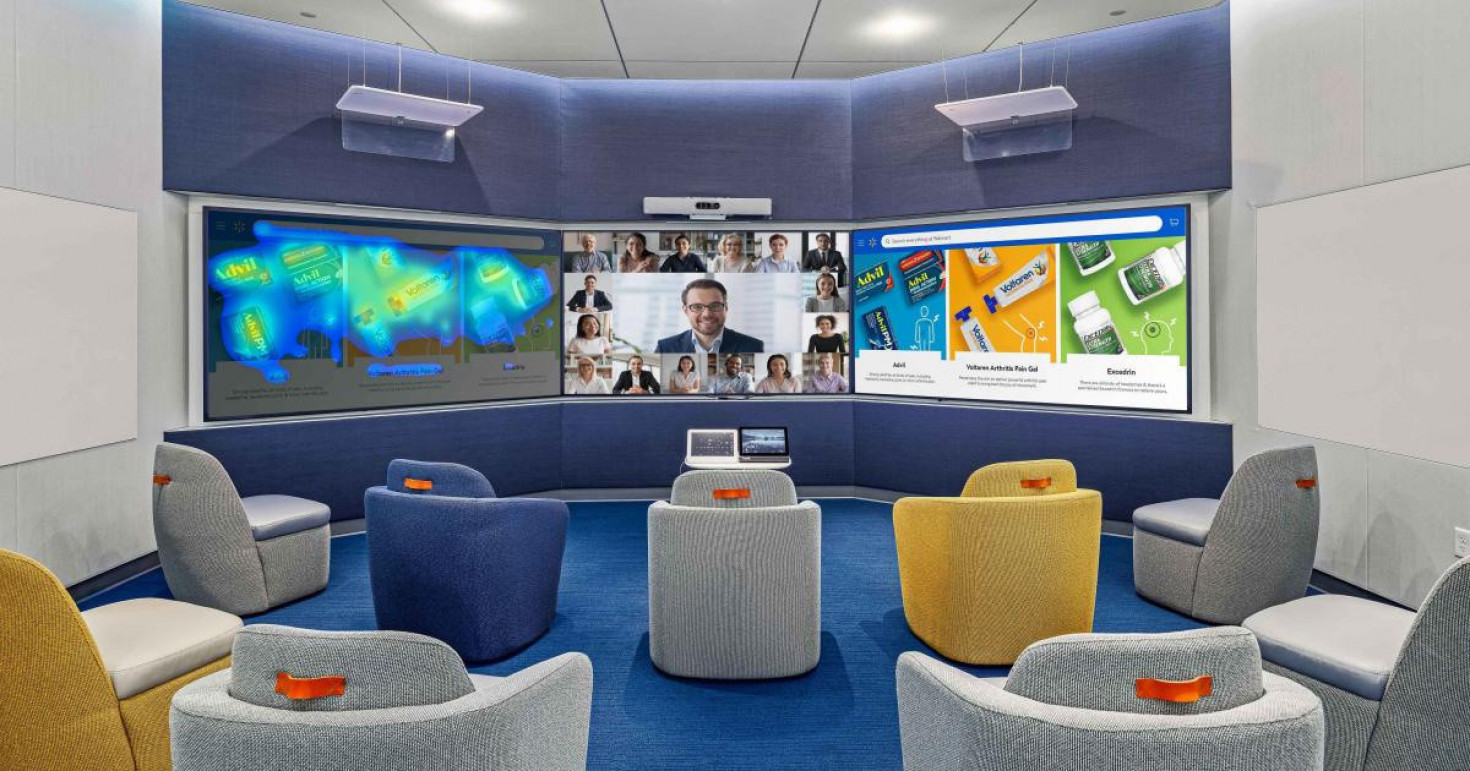
Architects are rethinking the standard template for conference rooms. For GSK’s new office, the Philadelphia-based firm FCA reconfigured a boardroom to look more like a movie theater.
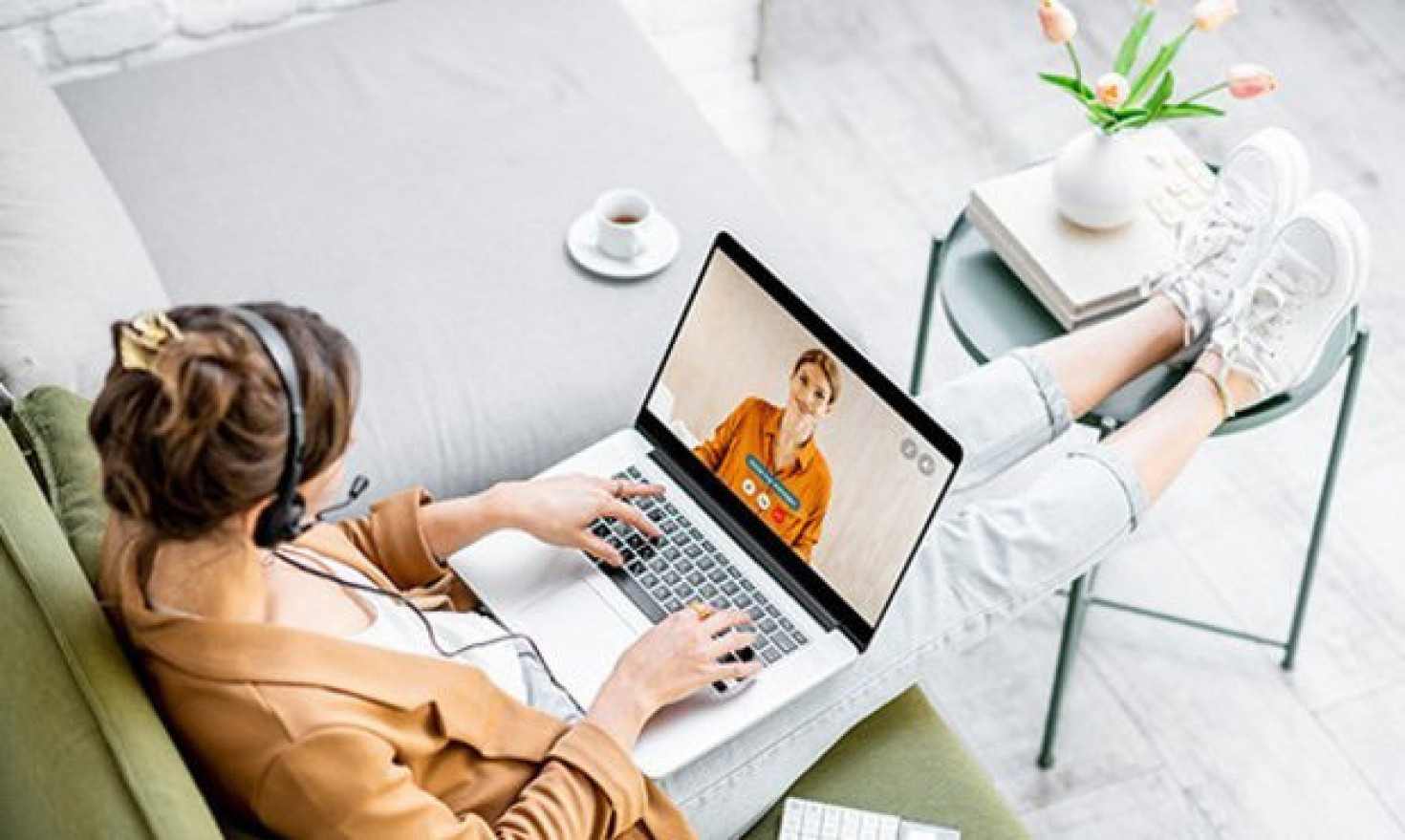
As Americans made the move from offices to makeshift, home-based workstations during the pandemic, the possibility of a rise in soft-tissue injuries from working too long at kitchen counters or coffee tables became a new risk for workers’ comp pros to contemplate.
Did working from the couch and kitchen counter result in a spike in claims? According to Komodo Health, Inc., a software company that specializes in analyzing health care data, the answer is no. The company reported that claims have remained lower than a pre-pandemic baseline for most of the period it analyzed.
Did working from the couch and kitchen counter result in a spike in claims? According to Komodo Health, Inc., a software company that specializes in analyzing health care data, the answer is no. The company reported that claims have remained lower than a pre-pandemic baseline for most of the period it analyzed.
Design
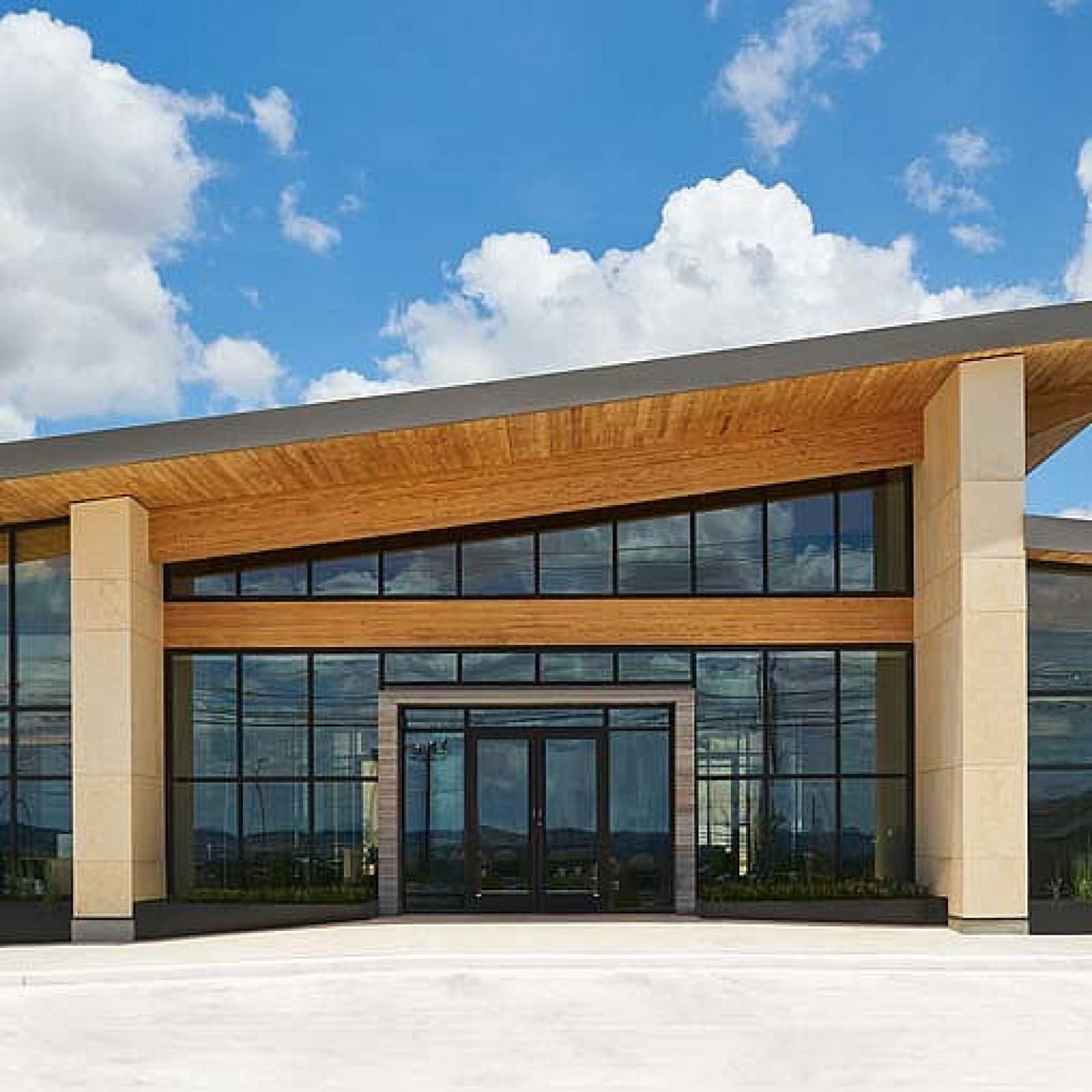
In the post-pandemic world, as we re-envision the way that buildings, developments, and even cities promote health, we must also reimagine how the built environment supports the long-term resilience of our communities, livelihoods, and resources.
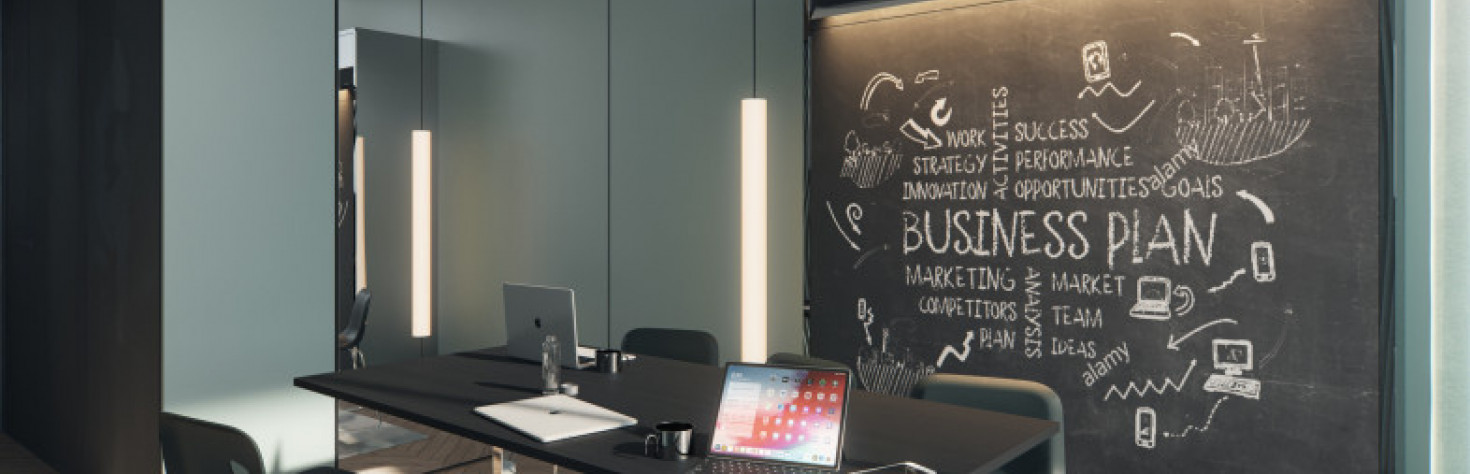
Designed for digital nomads, Baranowitz + Kronenberg’s Co-Hito concept sees underused urban hotel space repurposed with multifunctional live, work and play facilities. We spoke to the studio’s founders, Alon Baranowitz and Irene Kronenberg, to find out what the future of hybrid hospitality...

When in-demand IT professionals can pick and choose who they for, the right working conditions are more important than ever before.
Trends

From cafes and restaurants to fitness centers and event spaces, amenities are playing a central role in office leasing. As we emerge from the pandemic and office users cement new workplace strategies, amenities have become a way to lure employees back to the office as well as justify trimmed down office floorplans.
“Some of the newer buildings have incredible amenity spaces. There is going to be big competition among landlords to compete in the marketplace. These amenity spaces are going to be the thing that people are going to look for,” Rob Gilman, co-head of the real estate group at Anchin, tells GlobeSt.com.
“Some of the newer buildings have incredible amenity spaces. There is going to be big competition among landlords to compete in the marketplace. These amenity spaces are going to be the thing that people are going to look for,” Rob Gilman, co-head of the real estate group at Anchin, tells GlobeSt.com.
Hybrid Working
WFH
Metaverse
If anything matches the big dreams connected to the metaverse, it’s the number of misconceptions about it. For one, as far as the future of work is concerned, reimagining the business meeting is not the point of the metaverse, despite all you’ve read about that.
Real Estate

Offices are still necessary, but who will use them and why? An analysis from Paul Fiorilla, Yardi Matrix research director.
Coworking
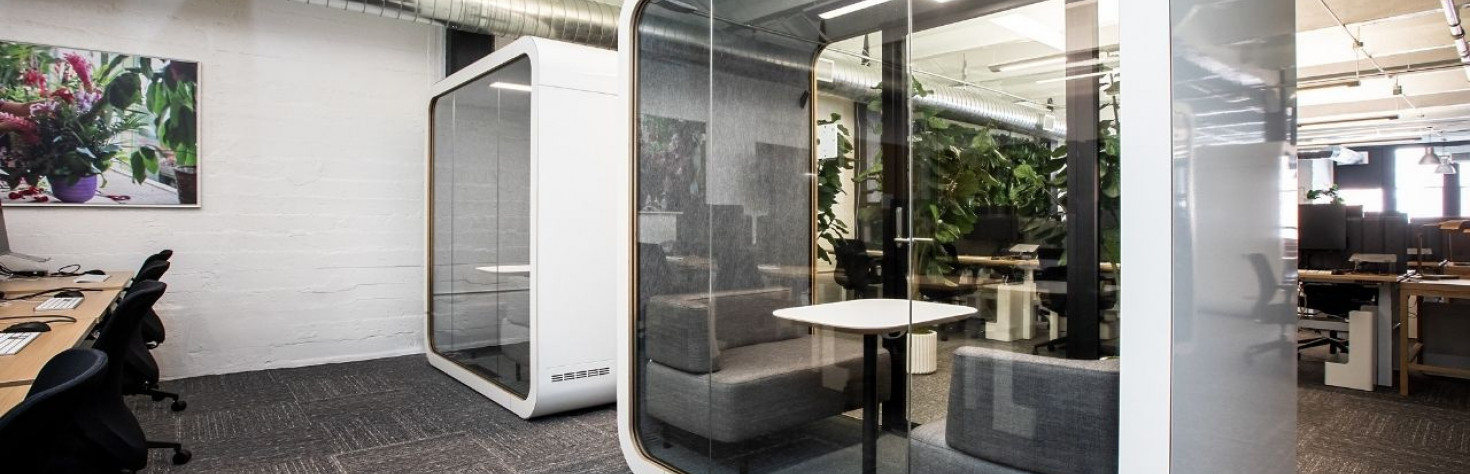
The facilities team at HootSuite decided to rip out 500 desks in its Vancouver headquarters and replace them with a combination of sit-stand workstations, meeting pods, bikes and treadmill desks.
Makers
HAT Collective Expands with the Launch of HAT Collective Healthcare
HAT Collective, a maker of workplace solutions that allow people to work their way, is expanding with the launch of HAT Collective Healthcare. The new division offers a robust product portfolio specifically designed to support the technology needs of healthcare providers and improve the point of care (POC) experience for both the caregiver and the patient. (POC is commonly regarded as the point of interaction where caregiving and information exchange occurs between a patient and a caregiver.)
HAT Collective Healthcare will follow the same successful business approach as HAT Collective, which launched to the commercial office market in 2021. The division will work directly with contract furniture dealers to help them grow their business in the fast-growing healthcare market through quality ergonomic products at affordable prices and with exceptional customer service.
HAT Collective Healthcare enters the market with decades of foundational expertise through its sister companies that have designed and delivered innovative and industry-first OEM products for global healthcare leaders. The new division has invested significant resources to create a business with first-class products, people and operational efficiency. In fact, HAT Collective Healthcare is staffed with an array of executives who come with a deep understanding of the healthcare industry and how POC-focused products can serve caregivers and meet technology and IT requirements.
The lineup includes: wall mounts, mobile carts, workstations and articulating monitor arms. Areas where HAT Collective Healthcare products can be utilized include patient rooms, exam rooms, operating rooms, patient registration areas, diagnostic testing areas, or other places where caregivers interact with patients.
HAT Collective Healthcare will follow the same successful business approach as HAT Collective, which launched to the commercial office market in 2021. The division will work directly with contract furniture dealers to help them grow their business in the fast-growing healthcare market through quality ergonomic products at affordable prices and with exceptional customer service.
HAT Collective Healthcare enters the market with decades of foundational expertise through its sister companies that have designed and delivered innovative and industry-first OEM products for global healthcare leaders. The new division has invested significant resources to create a business with first-class products, people and operational efficiency. In fact, HAT Collective Healthcare is staffed with an array of executives who come with a deep understanding of the healthcare industry and how POC-focused products can serve caregivers and meet technology and IT requirements.
The lineup includes: wall mounts, mobile carts, workstations and articulating monitor arms. Areas where HAT Collective Healthcare products can be utilized include patient rooms, exam rooms, operating rooms, patient registration areas, diagnostic testing areas, or other places where caregivers interact with patients.

Allsteel to Depart TheMART in 2023
Allsteel announced the creation of a new destination experience-based showroom in Chicago’s Fulton Market at 345 N. Morgan. Debuting in the first quarter of 2023, Allsteel will be relocating from their current space in the Merchandise Mart and moving into a new 24,000 sq. ft. showroom in the heart of Chicago - one of the largest growing markets for Allsteel and the HNI family of brands.
“This is a great opportunity to create a future-forward branded environment, focusing on designing an active floorspace and creating amenities that support a truly memorable client experience,” explains Adam Ames, Vice President of Customer Engagement. “With this move, we will transition from a display space to an interactive destination focused on community and inspiring creativity. We look forward to welcoming influencers in the design community, CRE industry, our customers, and our local Chicago ‘neighbors’ when the space is ready.”
“This is a great opportunity to create a future-forward branded environment, focusing on designing an active floorspace and creating amenities that support a truly memorable client experience,” explains Adam Ames, Vice President of Customer Engagement. “With this move, we will transition from a display space to an interactive destination focused on community and inspiring creativity. We look forward to welcoming influencers in the design community, CRE industry, our customers, and our local Chicago ‘neighbors’ when the space is ready.”
Products
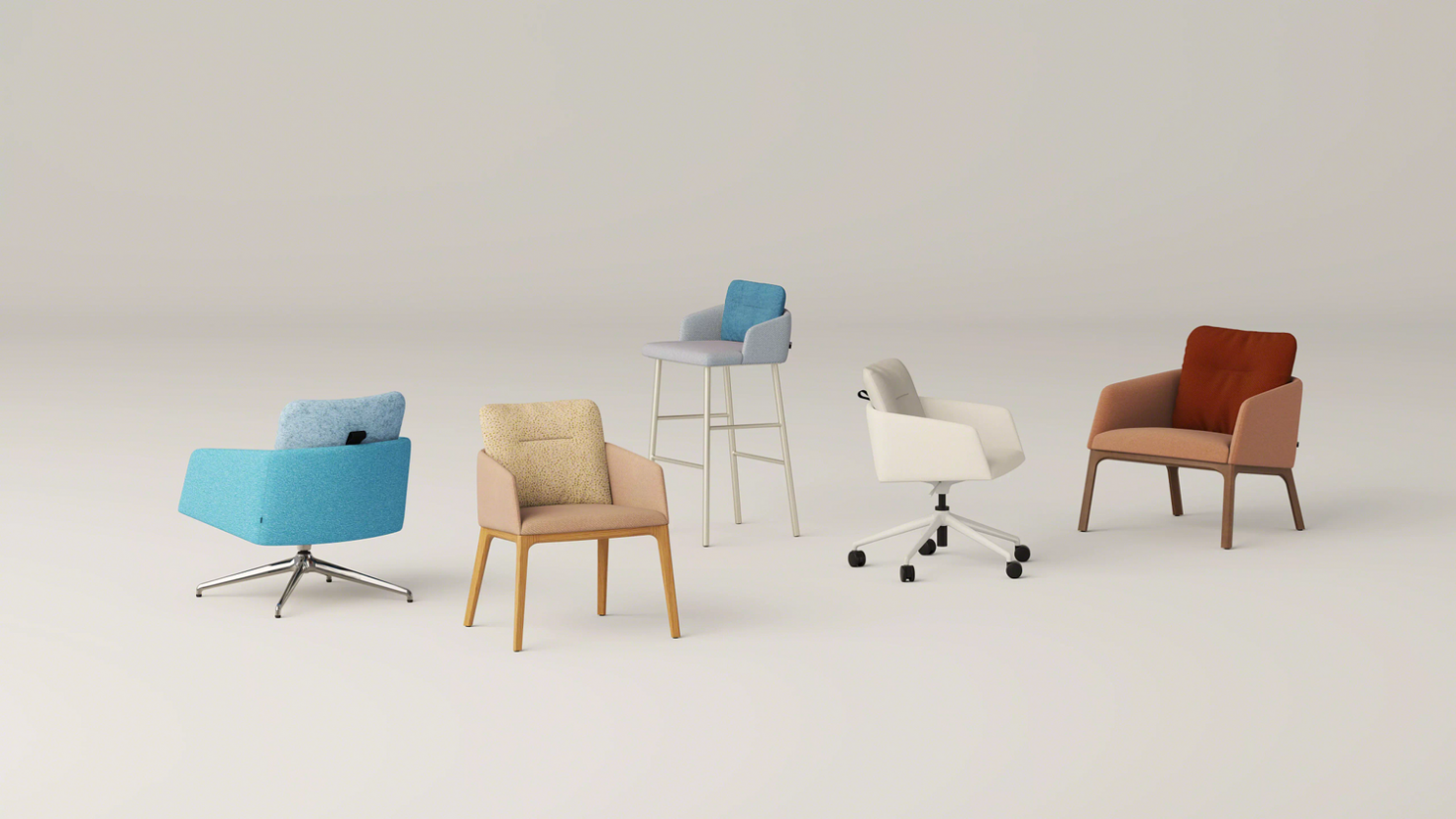
Coalesse Expands Marien152: Inspired by Home, Designed for the Workday New Lounge and Stool options enhance the innovative seating collection, created in collaboration with Arik Levy.
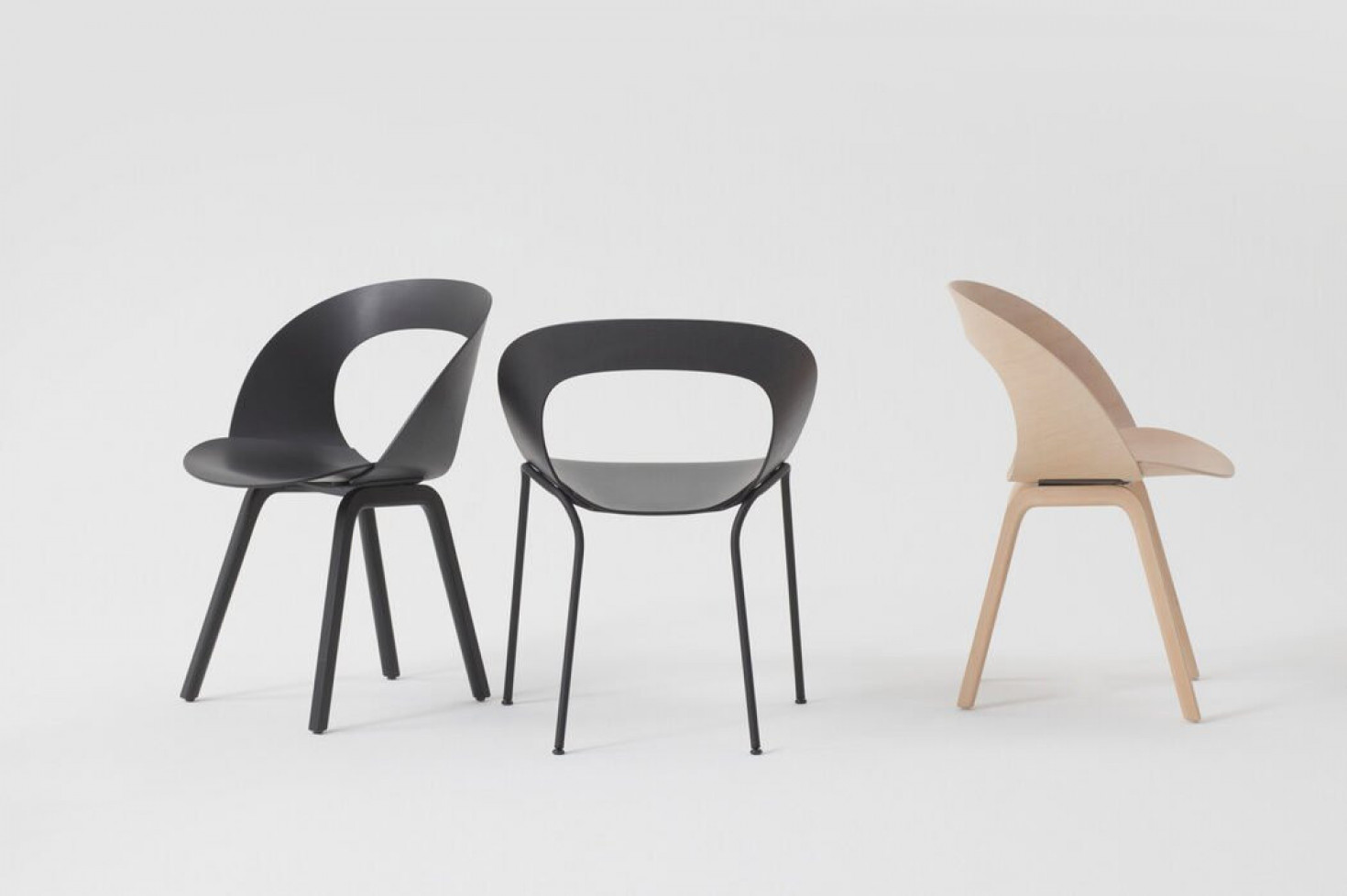
Elegant and sustainable: With “mudra”, Brunner and Diez Office have reinterpreted the typology of the molded wood chair and created a functional piece of furniture that convinces with a variety of uses and a clear design language.
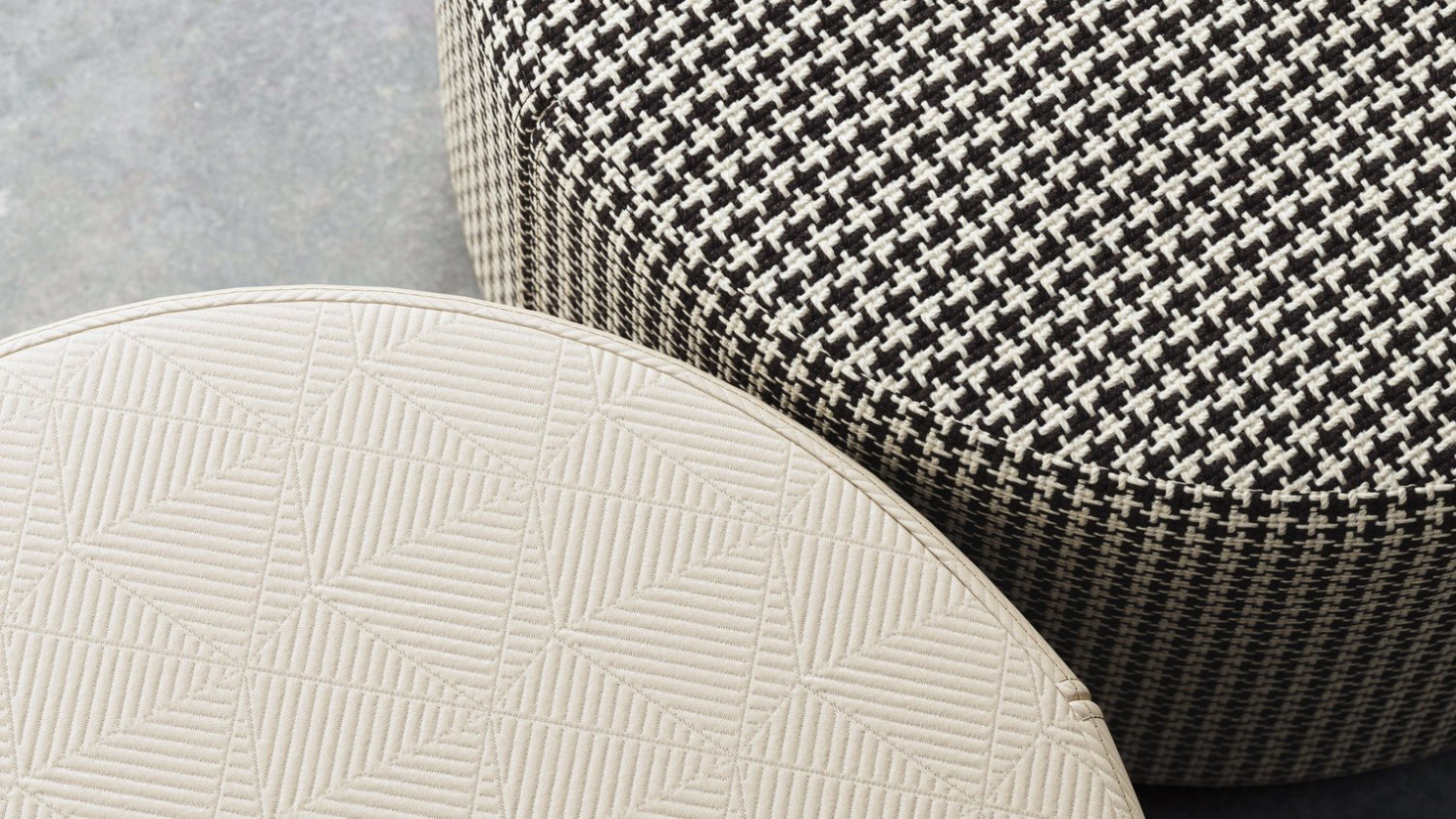
Just in time for spring, Designtex is launching their new tactile twosome: Picnic and Hillside.
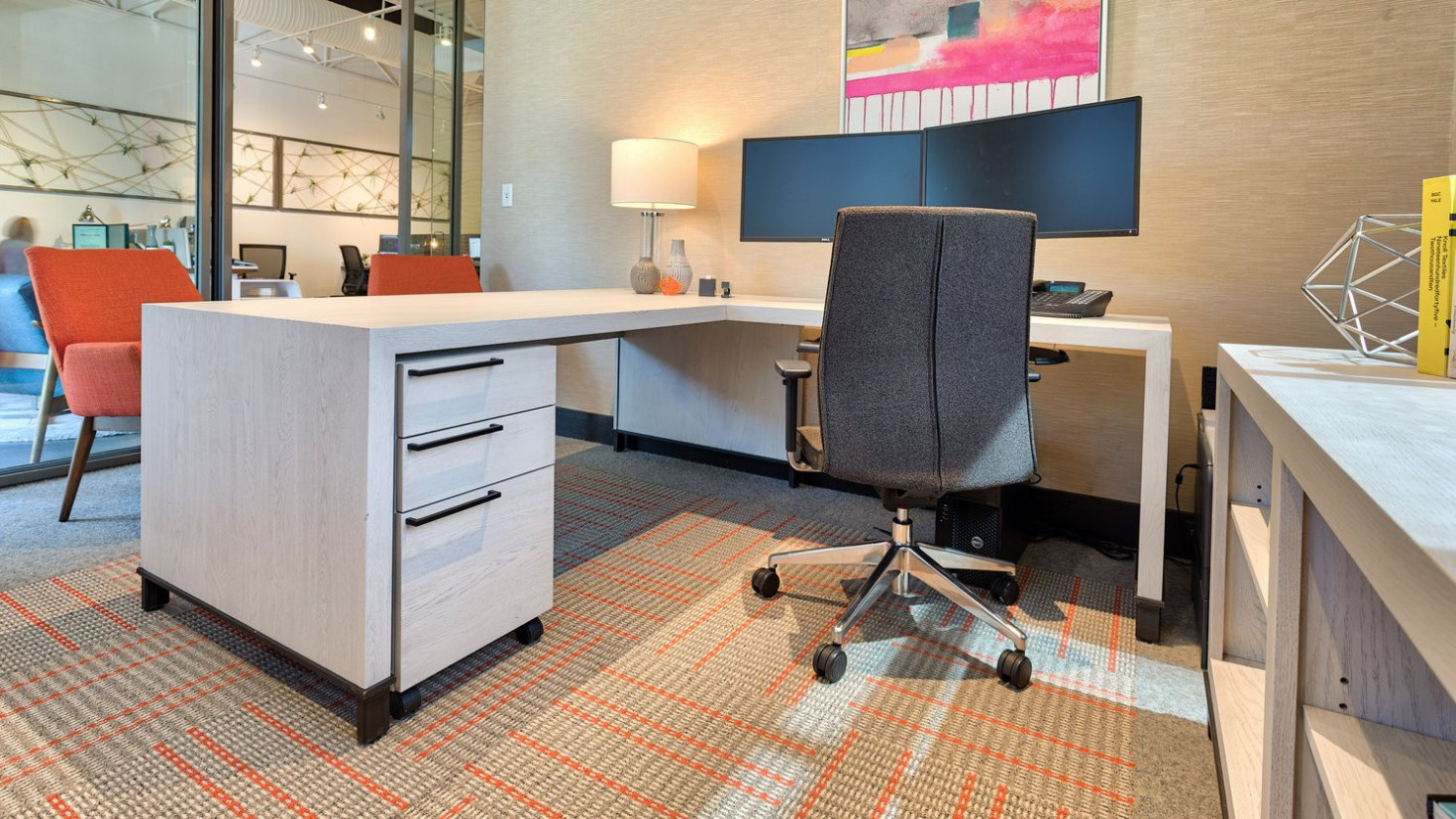
Named after the Mantra Inspired Furniture code’s author, solid strength of character embodies this collection of casegoods from its dovetail joint details to its steel leg frame foundation.
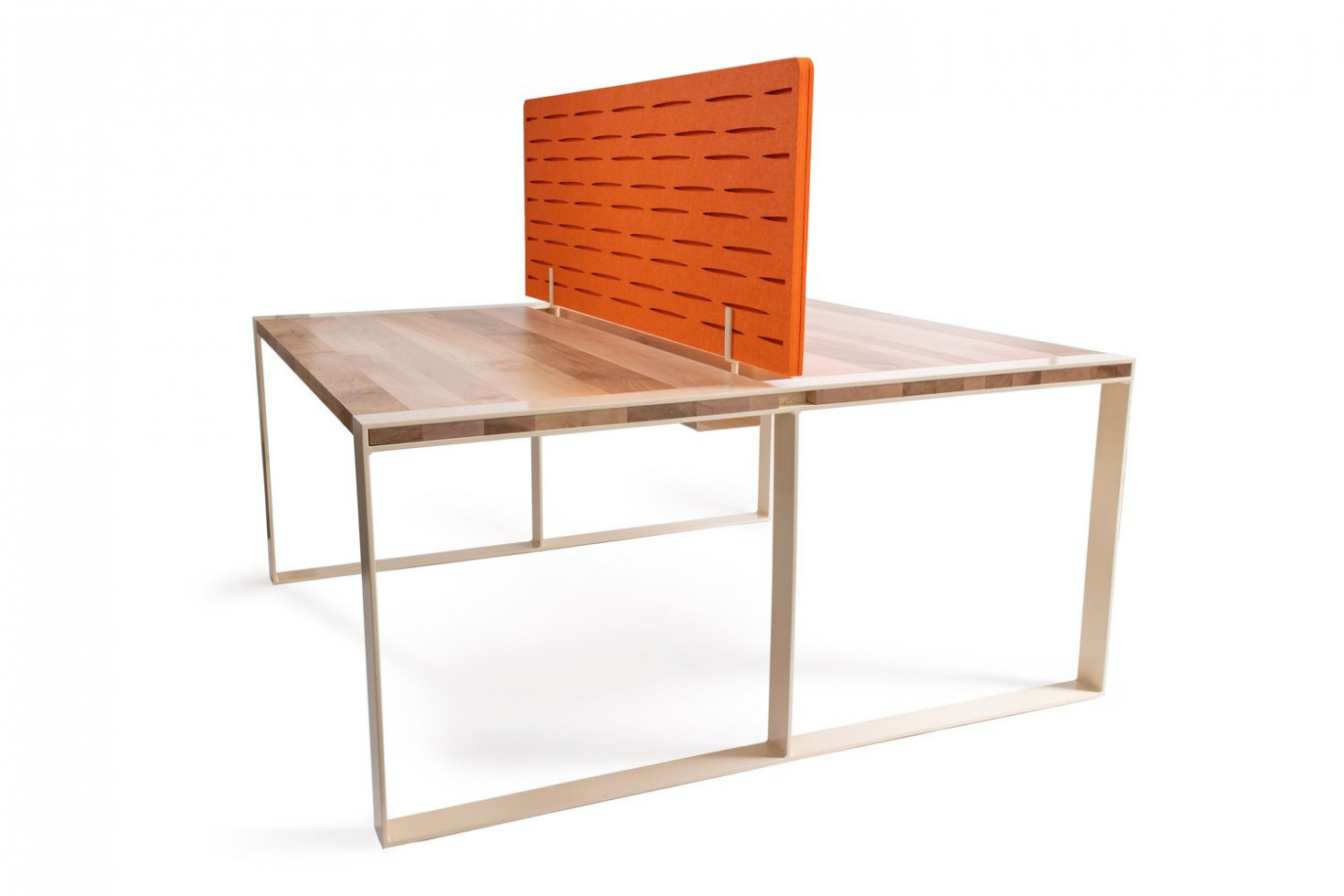
The Lowe Loop Benching System joins the Lowe Loop Collection, crafted entirely of sustainable solid wood and steel.
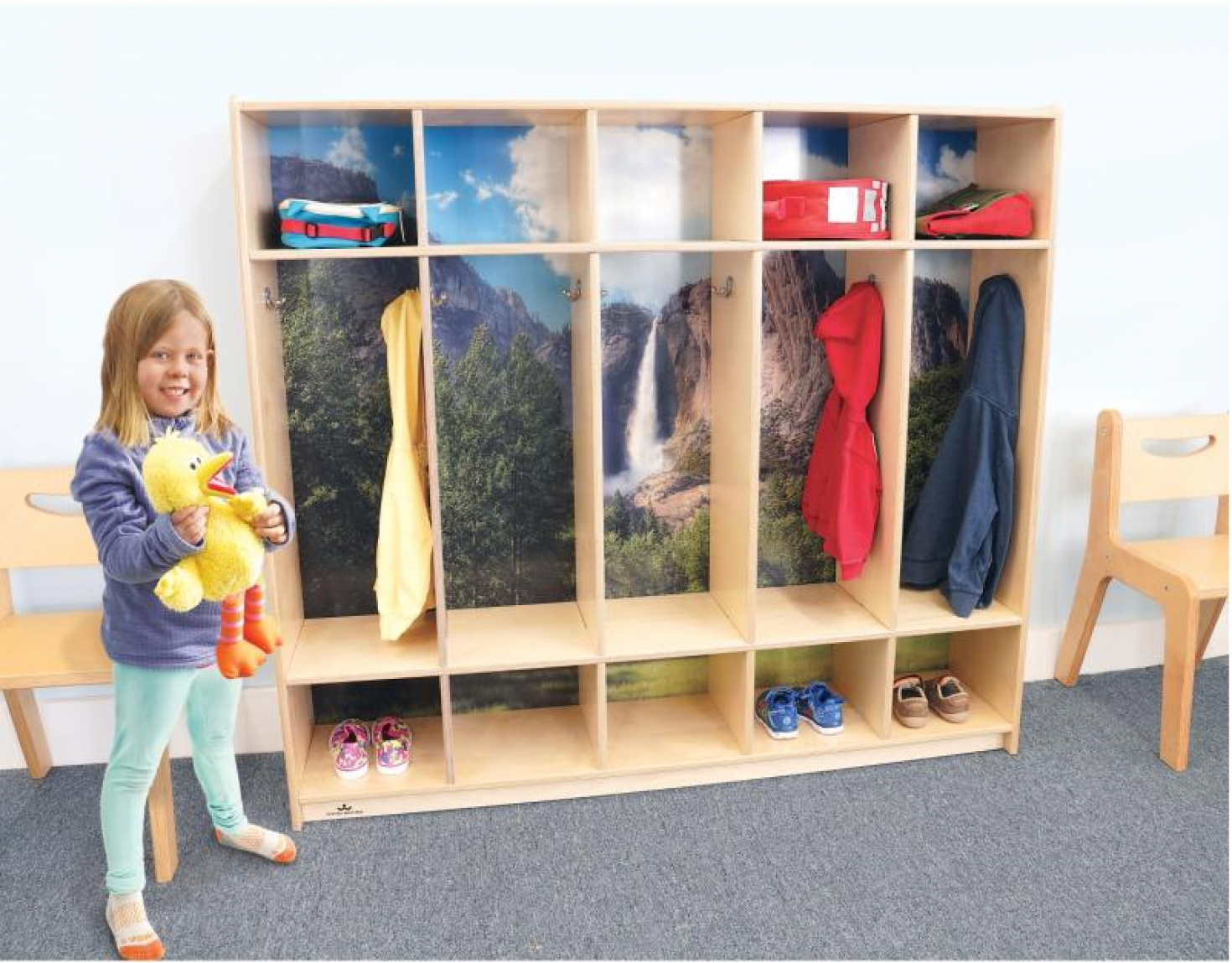
The striking mountain scene transforms a standard coat locker into a centerpiece in an Early Learning environment and coordinates with the brand’s exclusive biophilia-inspired Nature View Collection.
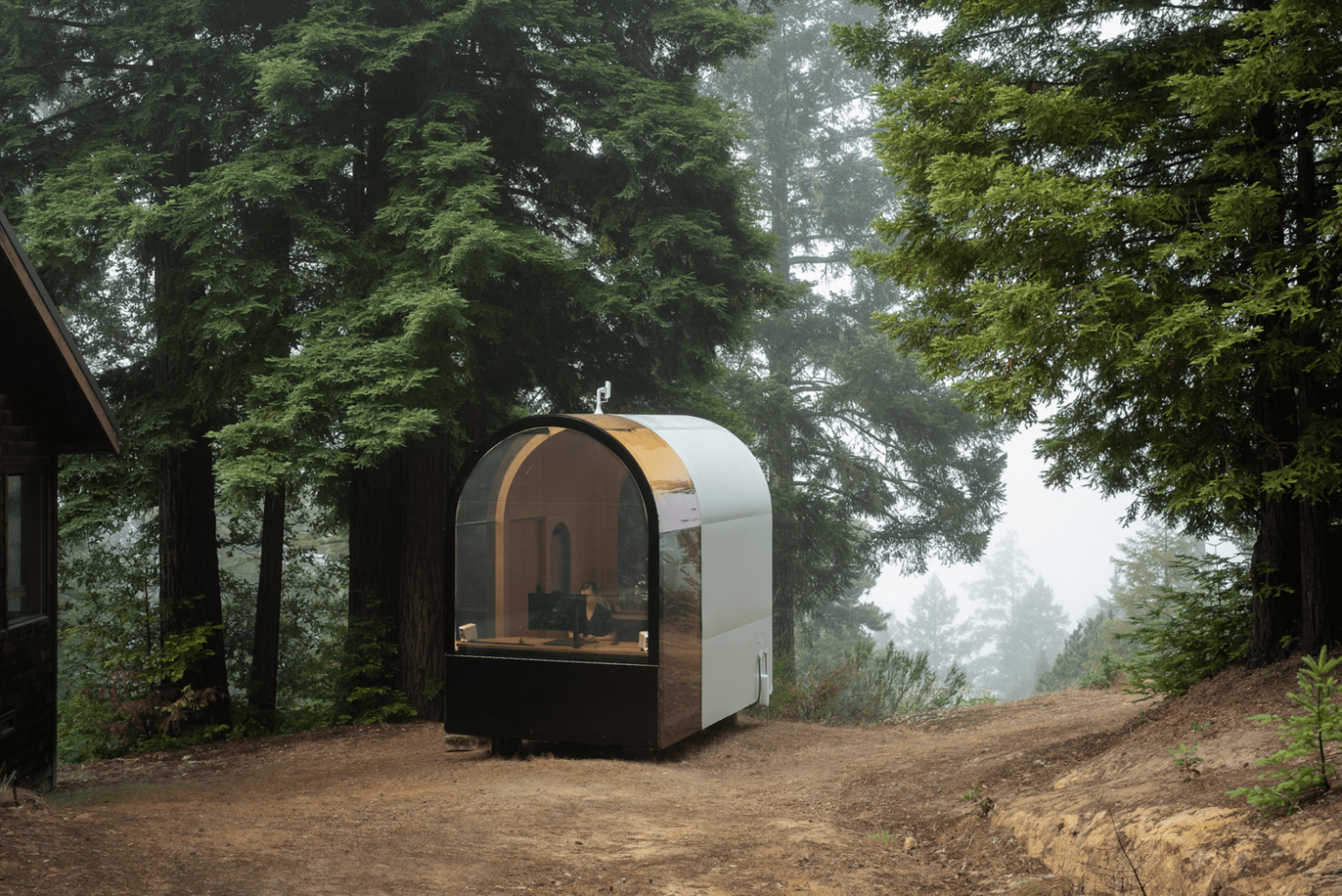
Designed for privacy and concentration, Denizen’s work booths help create a secluded and private work environment.
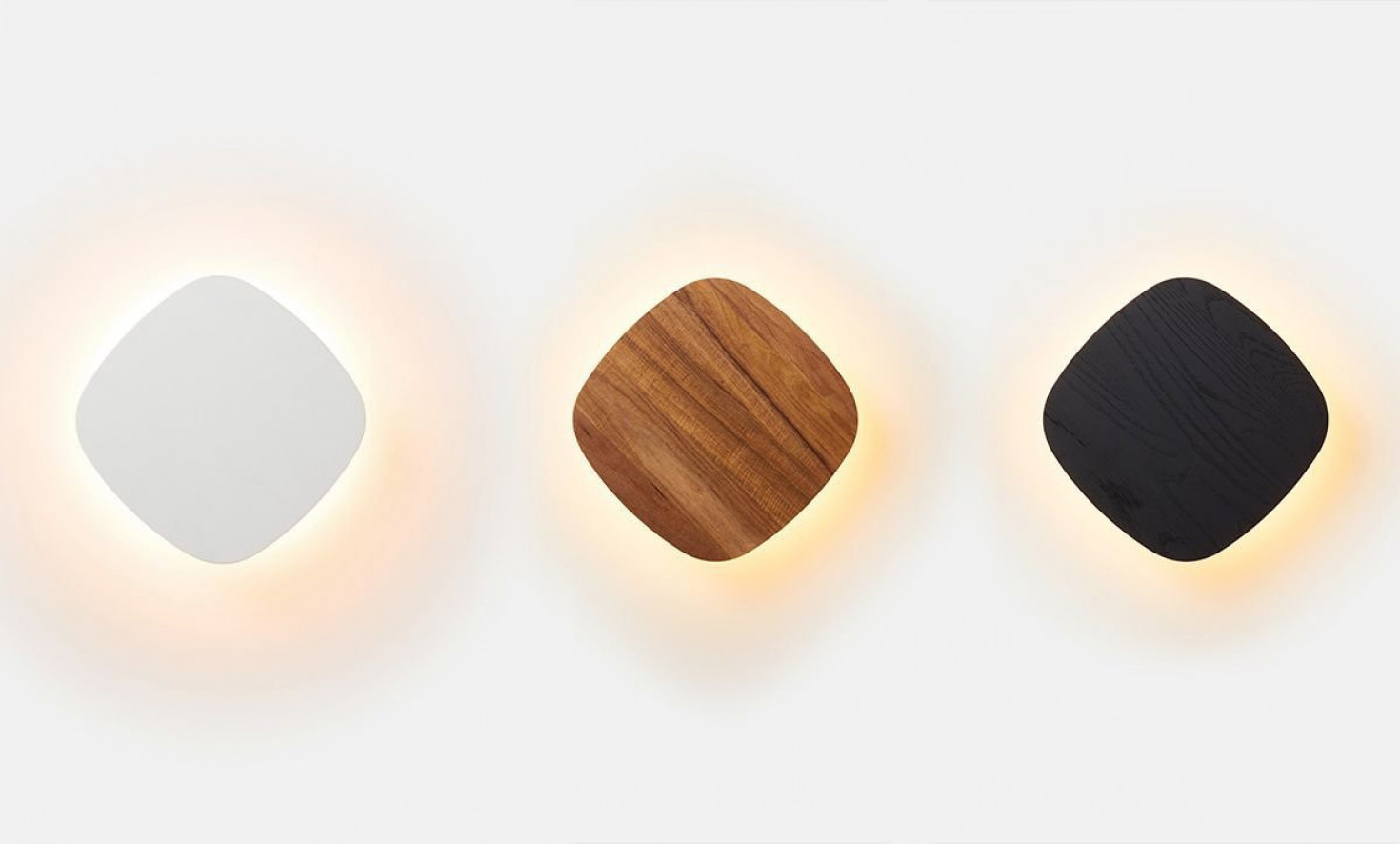
As an upgrade to RBW’s best-selling sconce, the new Radient creates a diffuse halo of light, pairing minimalist design with the texture and warmth of solid, sustainably harvested wood.
Projects
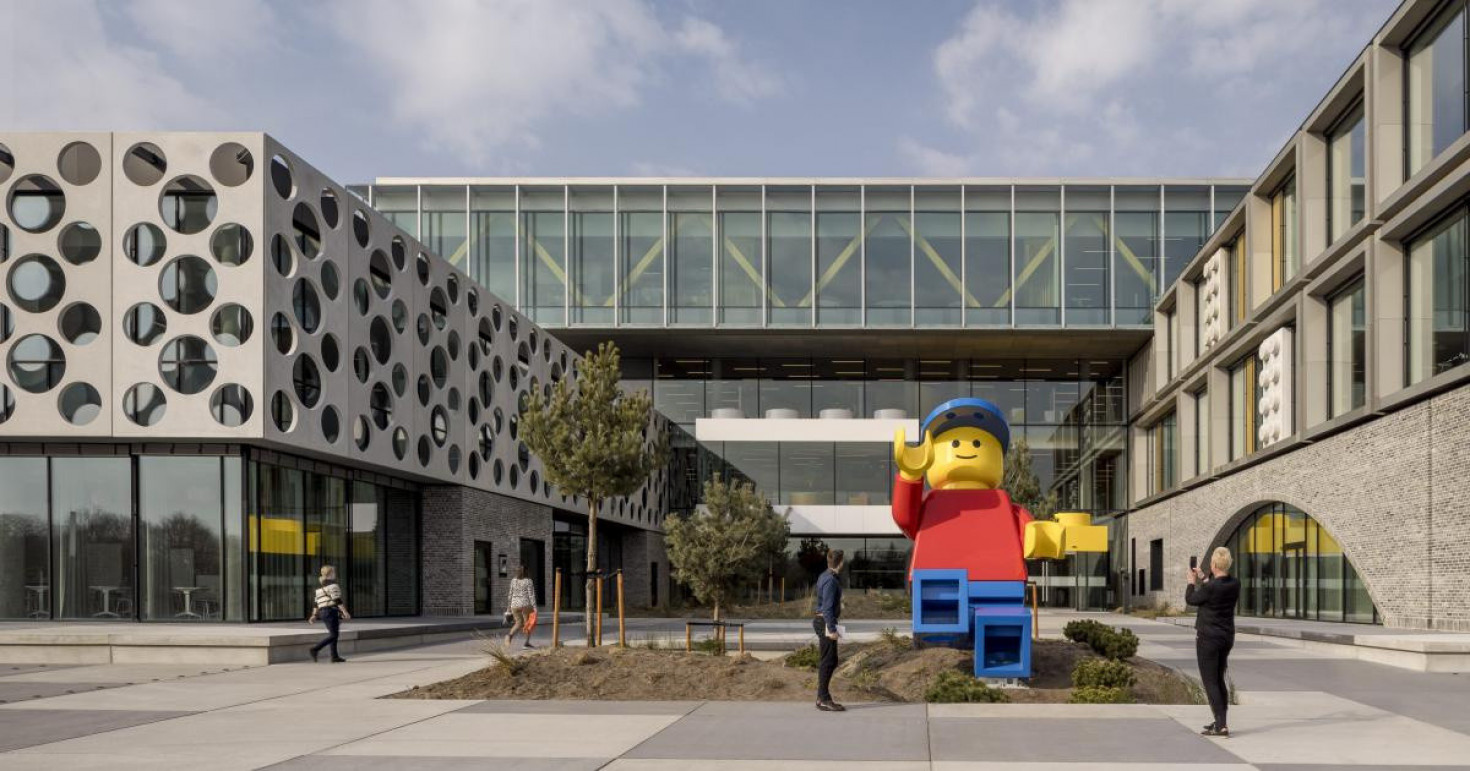
LEGO’s social and recreational facilities are also open to families of employees.
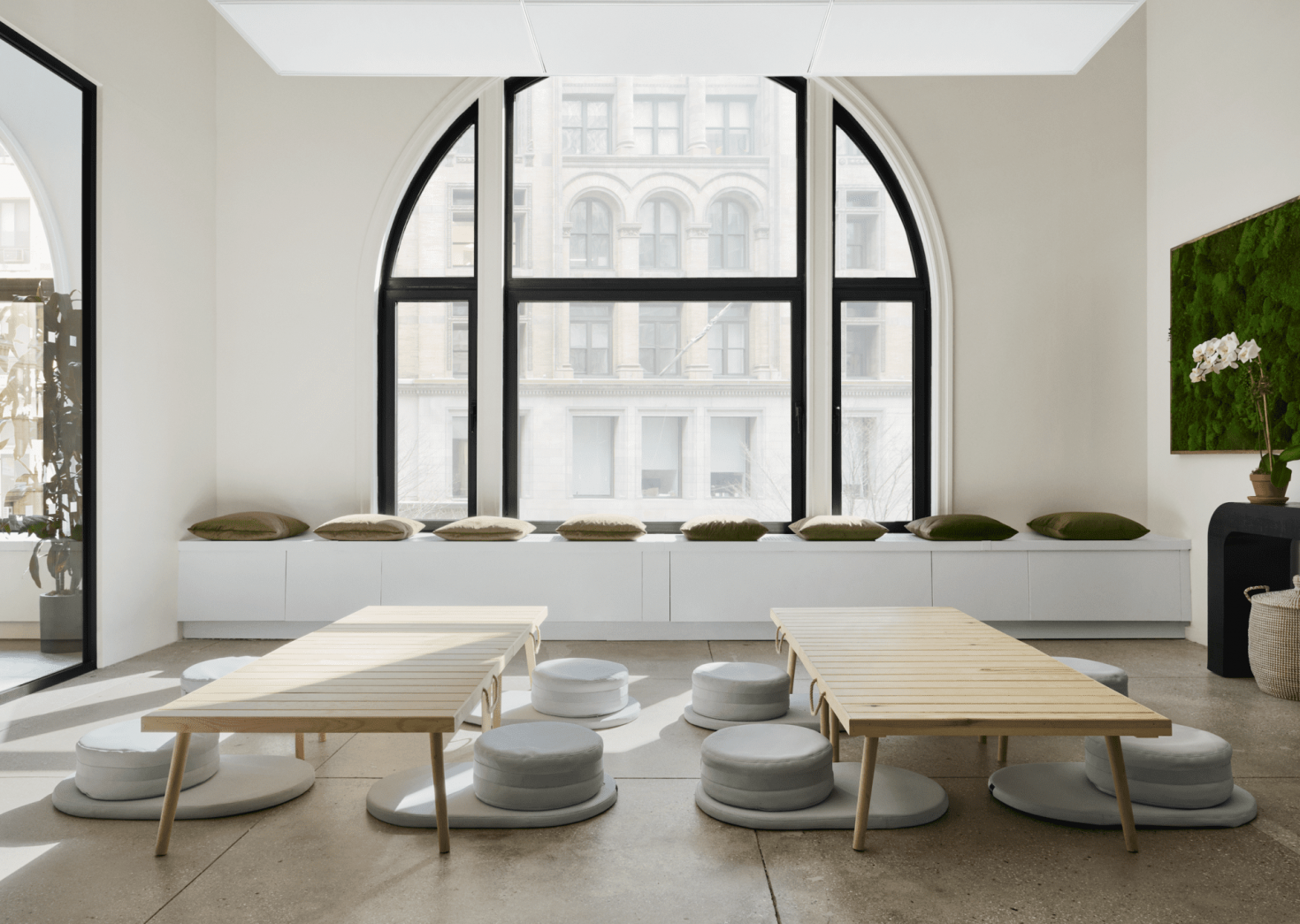
Fintech company nate unveils its new headquarters in New York that’s designed to foster self-care and innovation. Set in the heart of New York City at 300 Park Avenue South, artificial intelligence shopping app nate’s new 13,000 square foot office has recently received a modern update, reflective of the company’s principles and grounded in open communication and personal growth.
Events
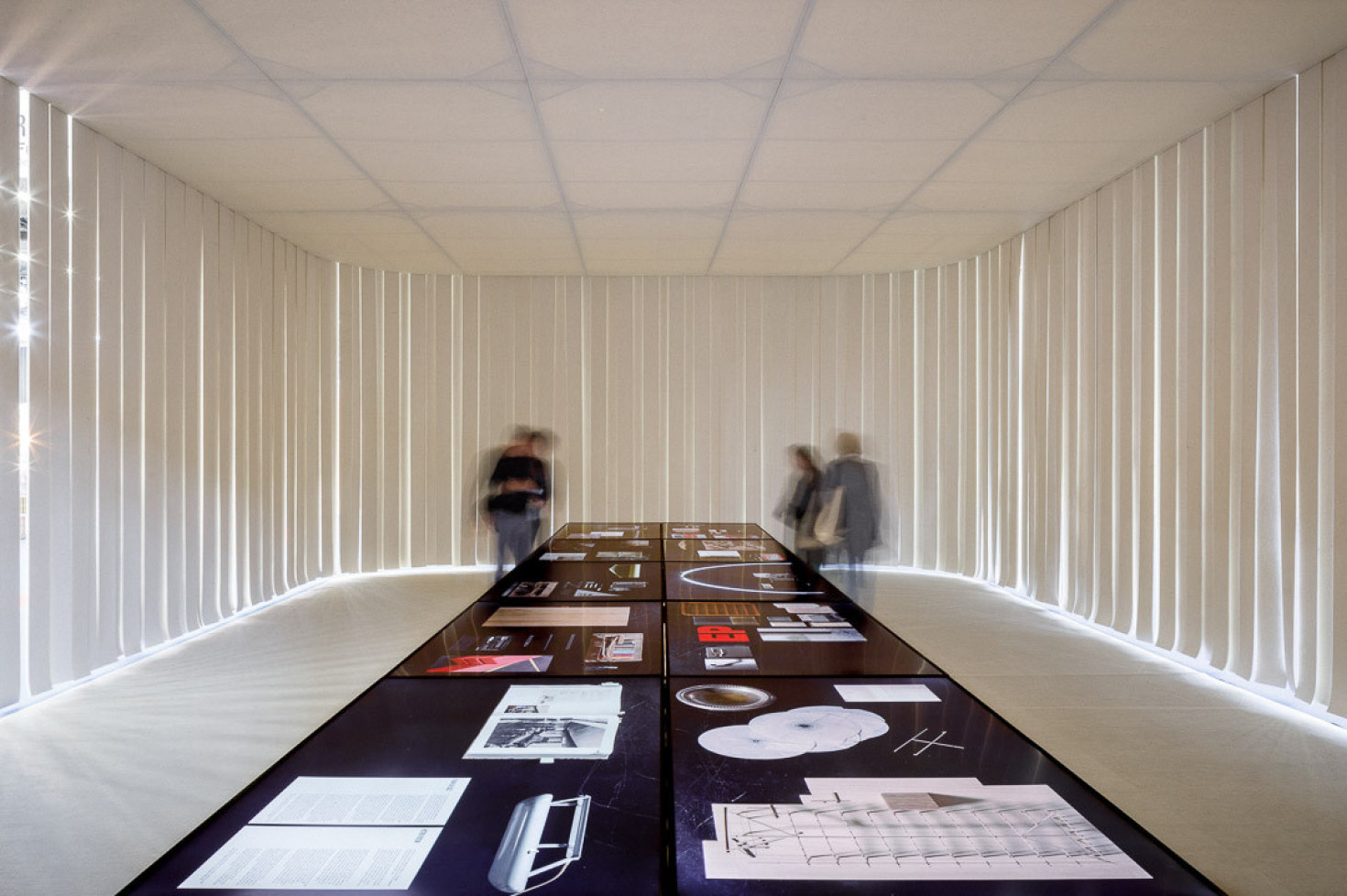
Welcoming back a record number of international exhibitors and visitors, Maison&Objet 2022 championed luxury, craft, and technology. Here are the highlights.
Noted

WeWork has picked tech provider ARHT Media to set up live holographic booths in some of its locations.
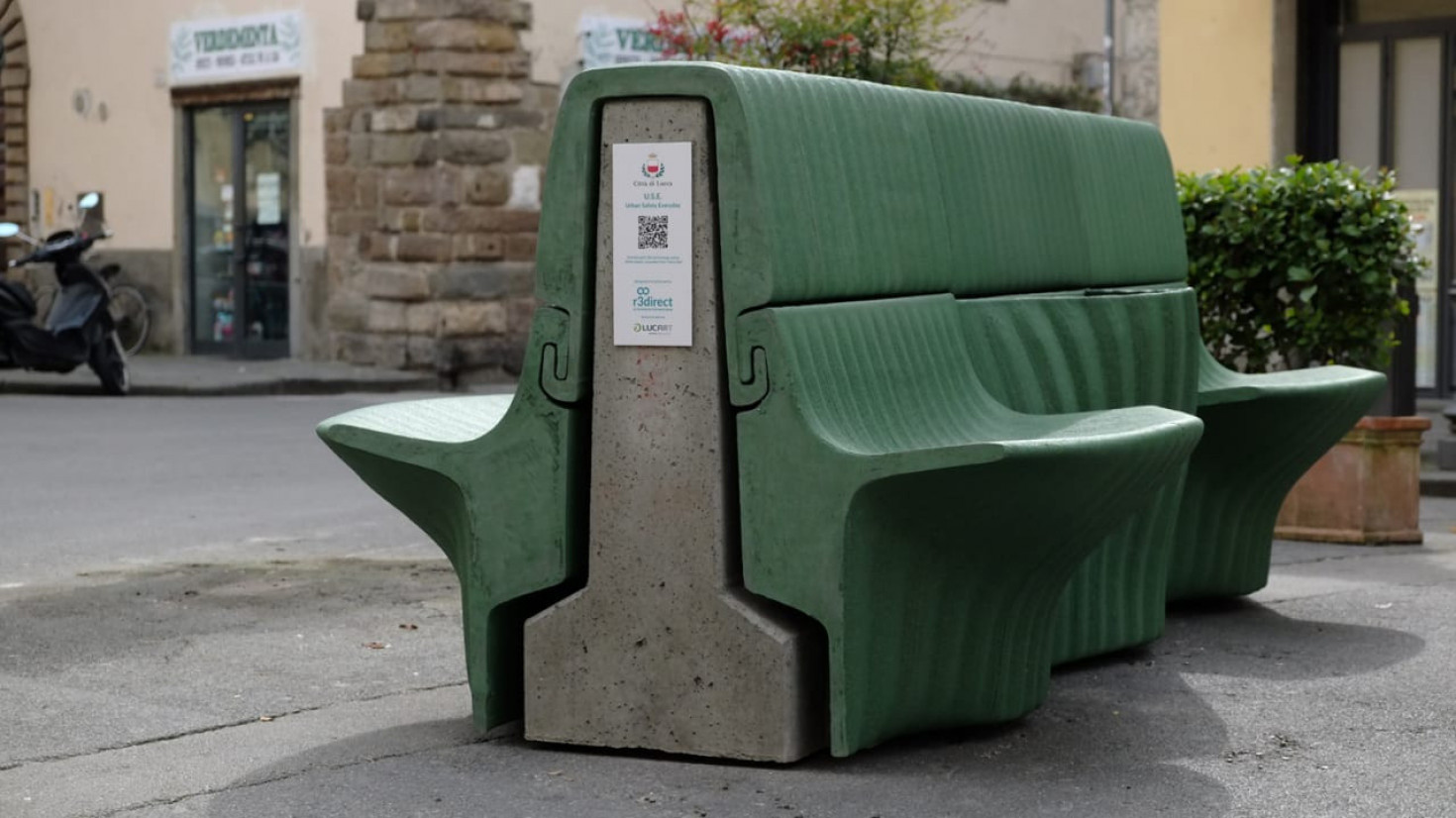
Their official name is “Jersey Barrier,” and you’ve seen ’em thousands of times. These concrete walls were designed (in New Jersey!) in the 1950s to keep cars in their lane. Since, they’ve only grown more popular within cities, especially as a blockade to prevent car bombs and other terrorist threats.
The problem is that Jersey barriers are ugly and uninviting—but apparently, that’s nothing the right slipcover can’t fix.
Designed by the Italian 3D-printing studio R3Direct, Urban Safety Everyday is a bench that you can slide right on top of a Jersey barrier, transforming it into public seating. The furnishing even features a flower planter to entice you to stay a while.
Designed by the Italian 3D-printing studio R3Direct, Urban Safety Everyday is a bench that you can slide right on top of a Jersey barrier, transforming it into public seating. The furnishing even features a flower planter to entice you to stay a while.

Find the best Contract Furniture Industry jobs and hire the best talent.