Friday, October 14 2022


Keeping the Office Collaboration Alive in Metaverse Environments

Who is really going back to the office?

Instead Of Trying To Compete With The Home Office – Work With It

News

On the opening day of CREtech in NYC on Wednesday, Kastle Systems Chairman Mark Ein expressed confidence that average US office occupancy levels will reach 60%.

Kastle’s 10-city occupancy average, based on its survey of entry card swipes, stalled at 43% in March—a level it hovered around for the next six months—and then registered a modest bump to around 47% in the weeks since Labor Day.

.
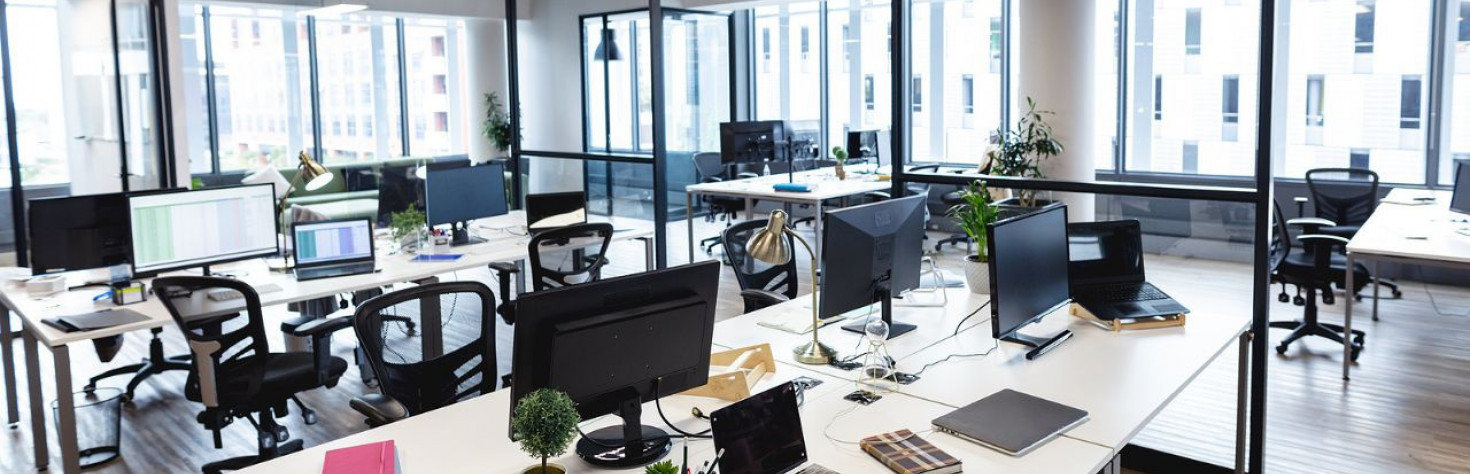
Fortune 500 companies may be taking action on their ‘back to office’ requirements. But new data shows that huge chunks of office space are sitting empty – and costing millions.

A new study by Density, which analyzed thousands of workplaces used by Fortune 500 companies across 13 cities, found that a significant chunk of office space is sitting unused and empty for much of the workday.

A new poll claims that growing economic uncertainty has forced employees to reprioritise what they want from their employers. People are increasingly interested in basics such as job security, a safe and comfortable workplace, salary and benefits, and a better workplace culture.
Recent analysis of more than 2,000 spaces shows that offices are sitting empty for more than a third of working hours.
A new report from JLL claims that utilization rates of US offices are returning to something closer to those of the pre-pandemic world, although hybrid working remains a far more widespread working practice than before. In addition, the focus of the market is shifting away from major city centers towards smaller, regional towns and cities. The US Office Outlook Report [registration] also suggests that higher quality office space is essential as lower grade offices are more likely to remain abandoned.
The nation's office building owners put their hopes on a significant return to the office in the fall, but so far those hopes have not translated into reality. Kastle Systems' Back to Work Barometer, which measures card and badge scan data across 10 U.S. markets, recorded an average office occupancy at 47.4% in the week leading up to Oct. 10, a rate essentially unchanged in the last four weeks.
Many NYC office tenants are downsizing or getting rid of their offices entirely as more employees work from home long-term.

The Workplace

After more than two and a half years of living with Covid, many companies are still grappling with their future.

Back to the office? Stay at home? Bit of both?

One company that’s working to shed some light on the situation is Kastle Systems. The company’s weekly office occupancy barometer is based on physical key swipes, showing exactly how many people enter a building on any given day.

Meeting after meeting - it's something no one likes. But, the tide hasn't completely changed quite yet on the packed calendars we all are familiar with. 
 
A recent report from meeting transcription and collaboration tool Otter.ai, in partnership with organizational psychologist Dr. Steven Rogelberg, found that professionals spend over one-third of their working hours in meetings. Yet, nearly 80% of employees report that their managers have not talked about declining meetings. Experts are saying it’s been long overdue for companies to rethink what percentage of the work day is dedicated to meetings. With a better balance, it could leave employees feeling less strain and lead to increased productivity, experts told WorkLife.
Smart technology for flexible work As hybrid working evolves, cleaning is now upping its game by adopting smart technology and the Internet of Things (IoT). "It's no longer logical or economical to maintain fixed cleaning regimes, given the way occupancy is fluctuating," Whyte says.
Gensler's Kelly Moore shares strategies that will engage, excite and empower employees as they return to the workplace. Over two years ago the office workplace was turned off in one, single motion, much like a light switch. The return, however, is not as easy as flipping that switch back on in one, single motion. Rather, we should view the return to the office as a series of dimmer switches or dials based on the ability to understand expectations, learn from our teams, and ultimately revive the workplace experience. The expectation of the workplace experience has shifted. Below are strategies that are working to engage, excite and empower employees as they return to the workplace.
Working somewhere other than the office has become the norm for over half of corporate employees, but JLL’s Workforce Preferences Barometer found that Non-Managers and Baby Boomers have a weaker appetite than Gen Y and Z for hybrid work.

In fact, 37% of people over 50 years old are likely to be found in the office five days a week, as opposed to just 20% of under 35s.

When it comes to remote work, Gen X seems to have mixed emotions. It's a challenge employers are faced with as they try to reshape what the future of work looks like for a range of job candidates - and what that marketability looks like for those applicants.
 
Consider this: in study after study, the majority of Gen Xers, born between 1965 and 1981, say they won’t look for another job if their employer required them to return to fully on-site work. It’s not the same for younger generations.
Meta, the parent company of Facebook and Instagram, plans to decrease its office space as many of its employees are continuing to work from home.

Meta has given its employees the flexibility to determine how they work, and has offered most employees the option to do their jobs remotely full-time or to select a mix of in-office and home work.

Hybrid work - and the cost-cutting benefits of reduced office real estate - is now being embraced by CFOs as they look to slash costs to offset an economic slowdown.

Real Estate

The future of the downtown office building is not bleak as some have imagined it would be after the COVID-19 pandemic; however, it does require rethinking and reimagination on the part of property owners, developers, and public sector leaders.

Perhaps even, the term “downtown business district” has become an anachronism, said panelists this week at NAIOP’s CRE.Converge conference taking place in Chicago with 1,600 attendees.

Atlanta's decadelong office market heyday is in the rearview mirror now that economic headwinds have turned against the commercial real estate industry. The good times for Atlanta's office market may be ending.
 
Jitters over the fate of the global economy, pressure from rising interest rates and the evolution of hybrid workplace strategies have started to impact corporate leasing activity in Metro Atlanta, with vacancy rising and absorption of office space slowing, according to CBRE third-quarter data provided to business.

Sustainability

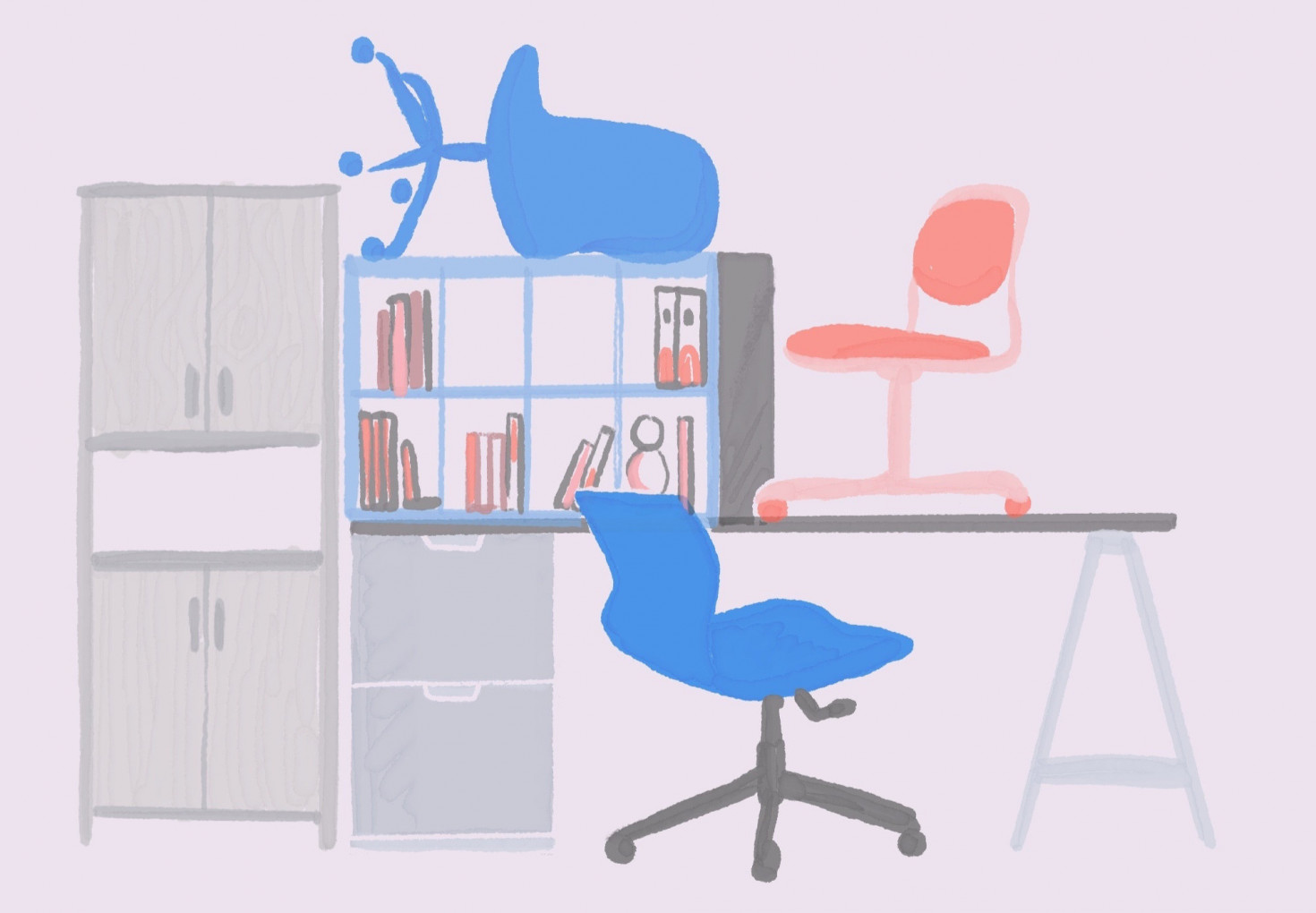
If a company is downsizing or even getting rid of its office entirely because it has fewer people in the office at any one time, it raises an increasingly urgent question: where does all that furniture go?

Landfill apparently. In fact, 17 billion pounds of office assets end up in landfills each year, according to the U.S. Environmental Protection Agency. Granted, there are a lot of moving (stressful) parts involved in renovating, relocating or closing. That has meant that to date, how to dispose of the furniture hasn’t exactly been front of mind for employers. That’s a mindset that needs to change, fast, experts have stressed.

Workplace Tech
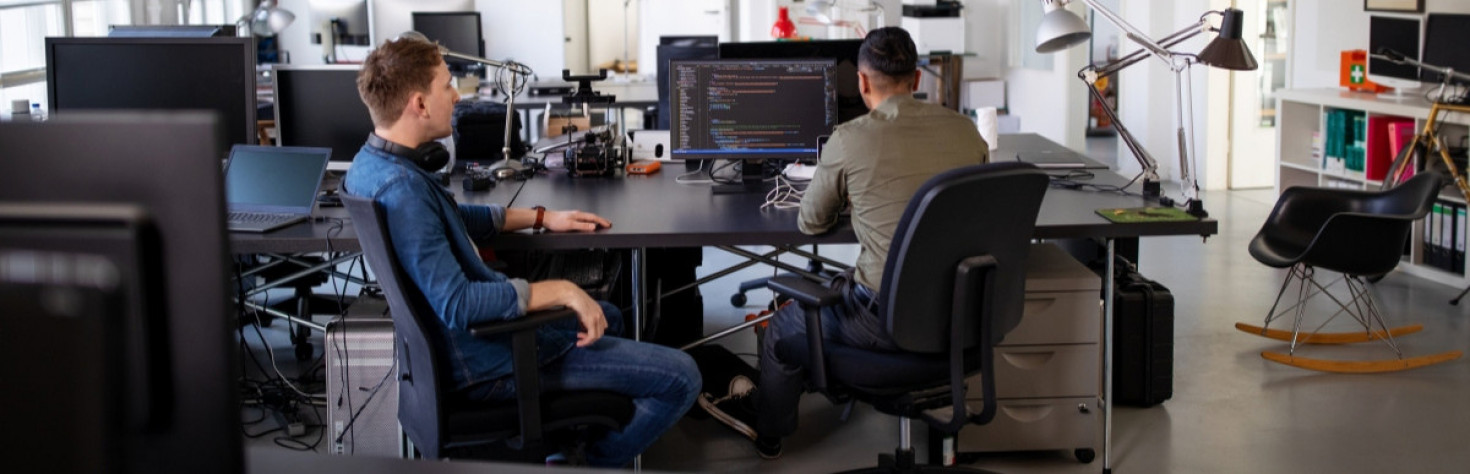
Microsoft's new platform, Places, aims to give employees and managers a way to better understand how the office is being used and might improve.

Coworking

Condeco, a provider of workspace scheduling software, is merging with workplace and asset management firm iOffice + SpaceIQ to create a new business called Eptura.

Investment firm Thoma Bravo has announced the merger, and claims that the “strategic combination creates a global worktech leader that provides software solutions to power the modern workplace,” according to Workplace Insight.

Design
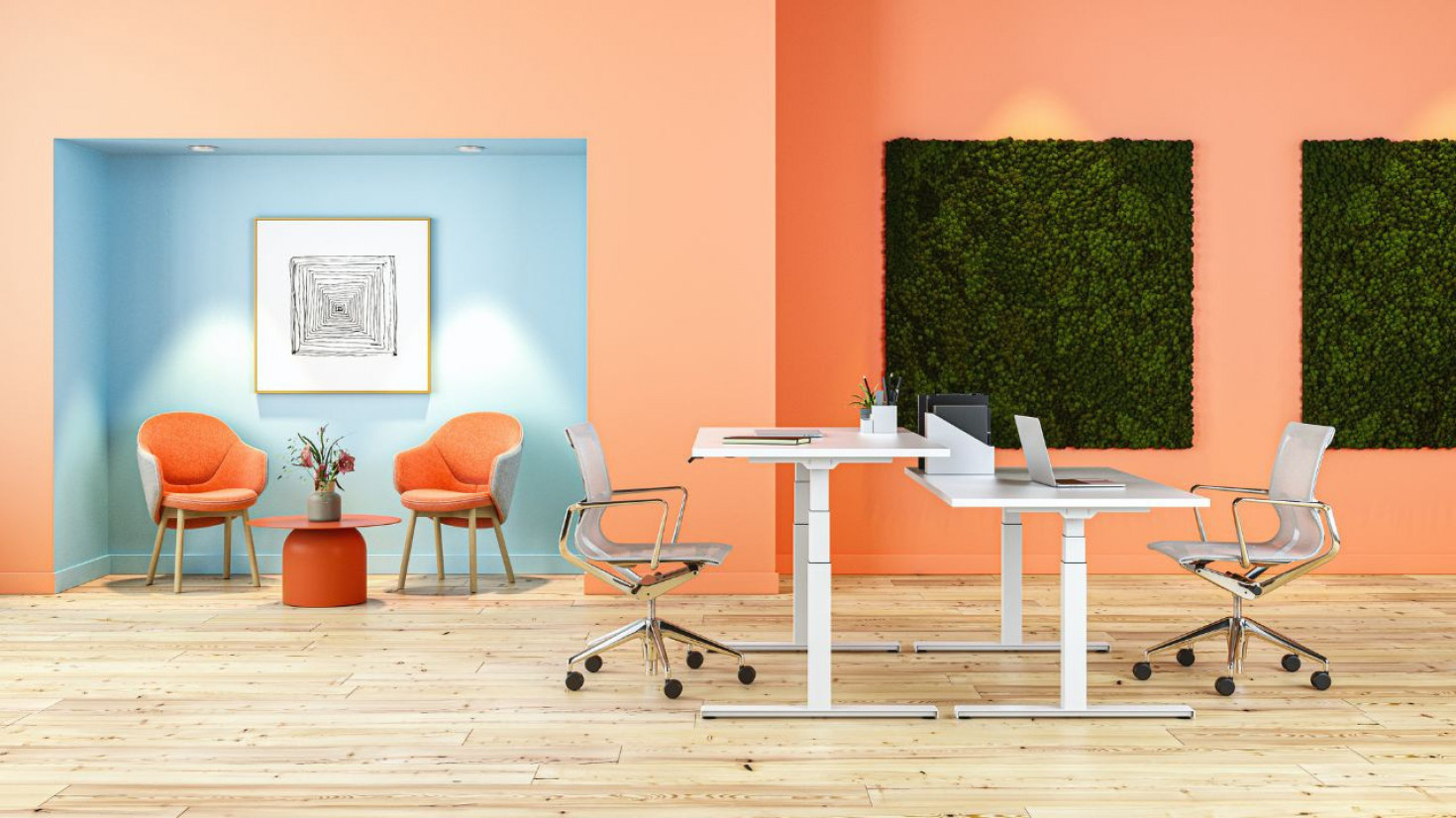
Employees' relationship with the physical workplace is starting to look more like students' relationship with a campus.
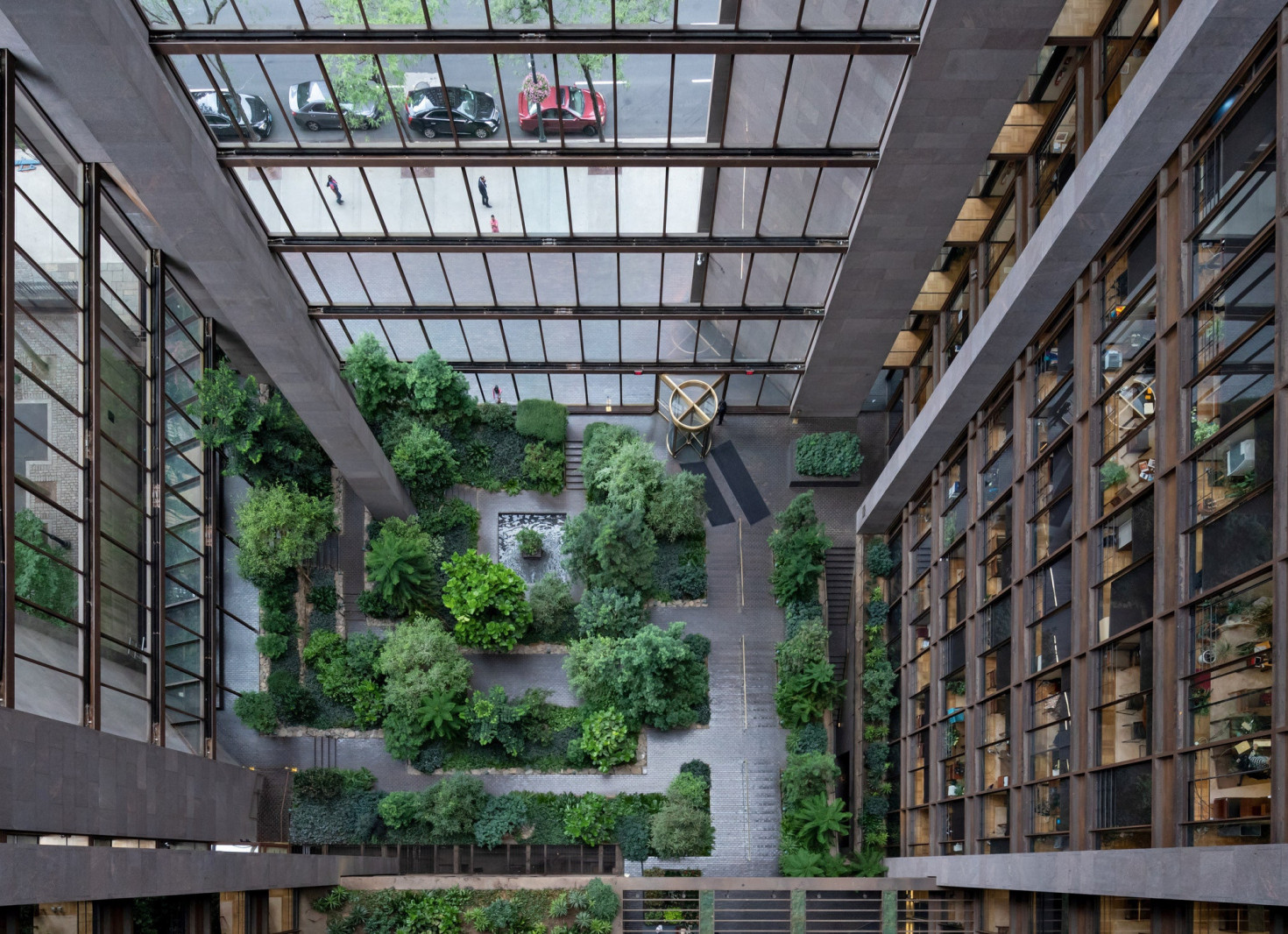
From Marcel Breuer’s brutalist IBM campus to I.M. Pei’s metabolism-inspired laboratory, dive into some of the world’s most fascinating offices.
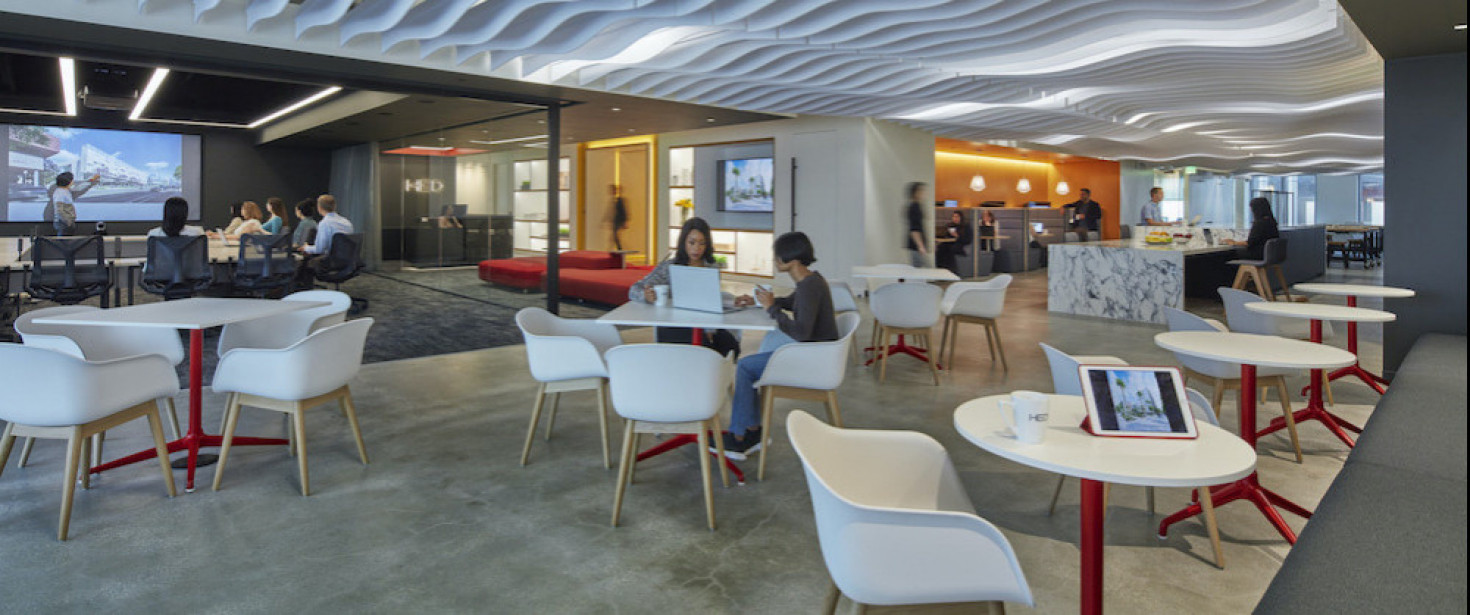
WAfter sitting empty for two years, offices are finally getting foot traffic again, which means they’re getting renovations to match. As architects redesign the office for the ways we now use them—for both in-person and hybrid meetings—they’re tossing out the old templates and finally being given room and resources to explore the fundamental question: What makes for a happy and productive work environment?

Technology has transformed the contours of our workspaces. The authors of a new book spanning 50 years of design history explain how.

Is an office a jail, a playpen, a living room or a “container for occupational distraction”?

WFH

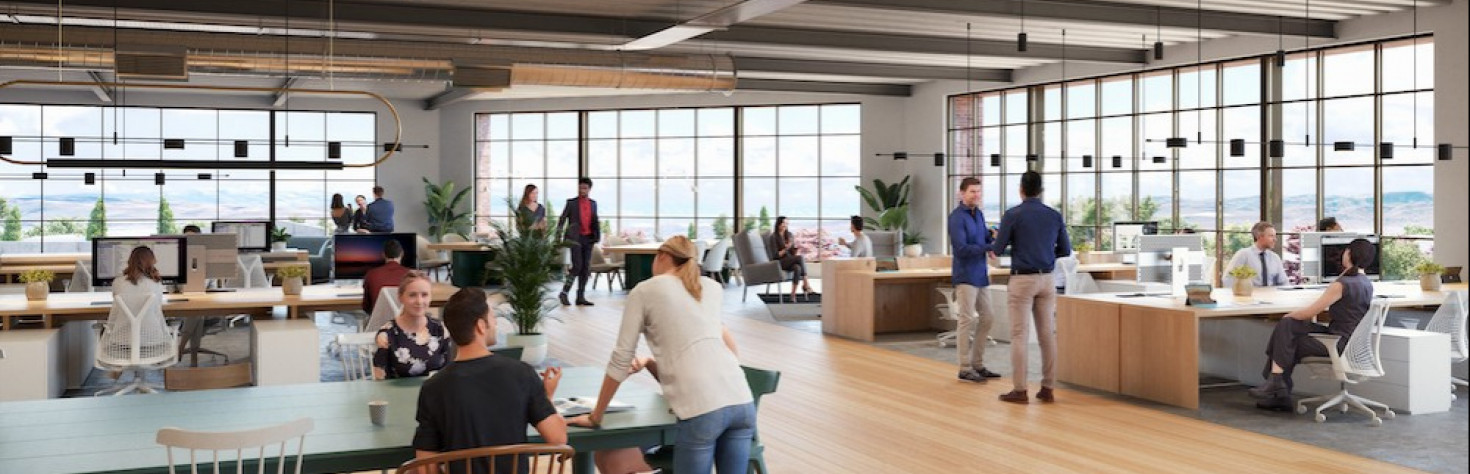
Don’t try to compete with the home office. Workplaces that emphasize choice and autonomy will find themselves ahead as we return to work.
The mass shift to remote work during the pandemic allowed people with professional and management jobs to do them effectively from mountaintop aeries, beachfront cottages and exotic foreign locales. Mainly, though, it seems to have enabled residents of big-city neighborhoods and close-in suburbs to avoid going to offices that were in some cases within walking distance of their homes.

Hybrid Working

The office sector of CRE has some big challenges. How many people will ultimately return to work in a company’s facilities? How much work will happen at home or at satellite locations? How will companies coordinate it all?

According to a new study from JLL based on surveys of more than 1,000 decision makers around the globe, companies will need to find answers. “55% of office-based employees globally have already adopted a hybrid working pattern, while 77% of CRE leaders in our recent Future of Work survey say flexibility is key to attracting and retaining staff,” the company wrote. “The shift to hybrid will demand a much greater reliance on technology. Organizations that empower their workforce and support flexibility with the right tools will reap the greatest long-term benefits.”

The restrictions brought about by COVID-19 altered where we work and thus also how, when and through which channels we do work related activities. These changes radically altered the way previously office-based workers thought about ‘work’ as an activity. This new era of hybrid working had a significant impact on traditional models of workplace provisioning.
Recent statistics underline the extent to which hybrid working is now a permanent fixture of US business life. A recent report suggests that 74 percent of US companies are using or plan to implement a permanent hybrid working model, whilst 44 percent of US employees prefer a hybrid work model, compared to 51 percent of employers. 55 percent of employees want to work remotely at least three days a week and 59 percent of employees are more likely to choose an employer that offers remote work opportunities over one that doesn’t.

Trends

This is the full transcript for episode 1 of Quartz’s Work Reconsidered podcast, Office design: Working towards joy.
Brendan Farrell and Ruba Younan of AO reflect on the new changes and trends they are seeing in post-pandemic office design. The pandemic has taught us many things and has undeniably reshaped how we behave and interact. It made some people enjoy the solitude that comes from being distant while others grew to dread it.

Products

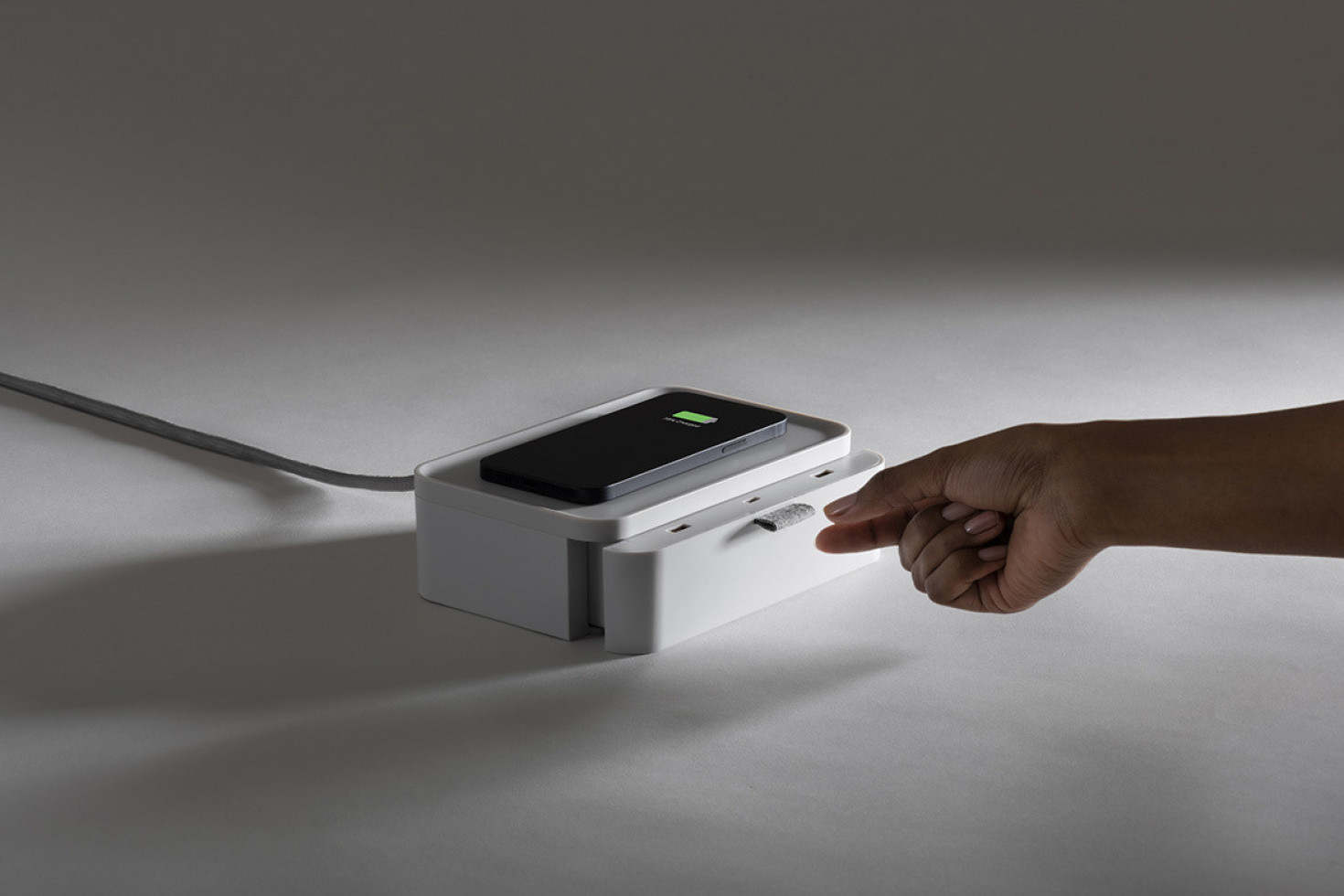
Everyone needs a time and place to recharge. And when it comes to our mobile devices, that need becomes literal when their batteries deplete after a day's duty of staying connected.
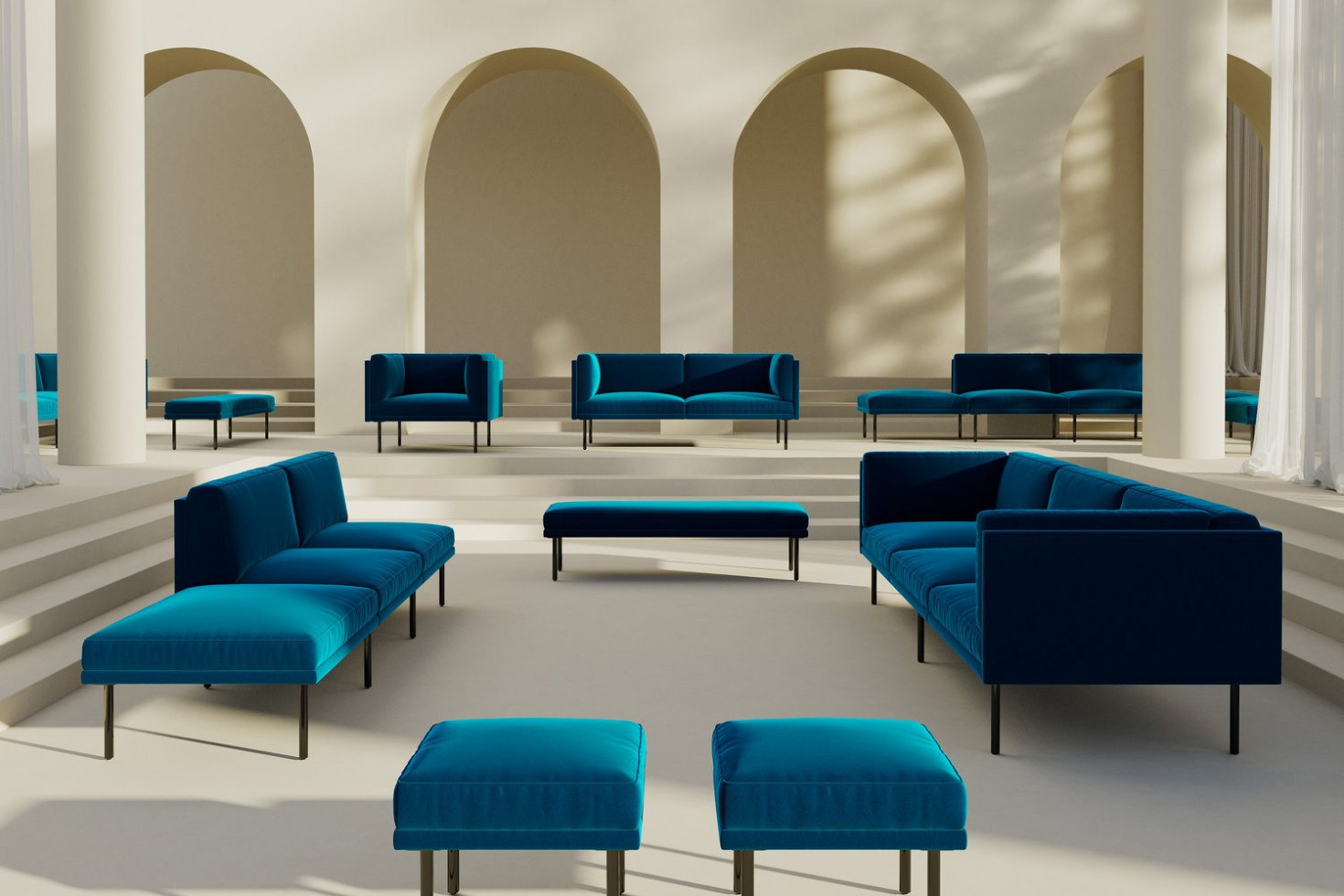
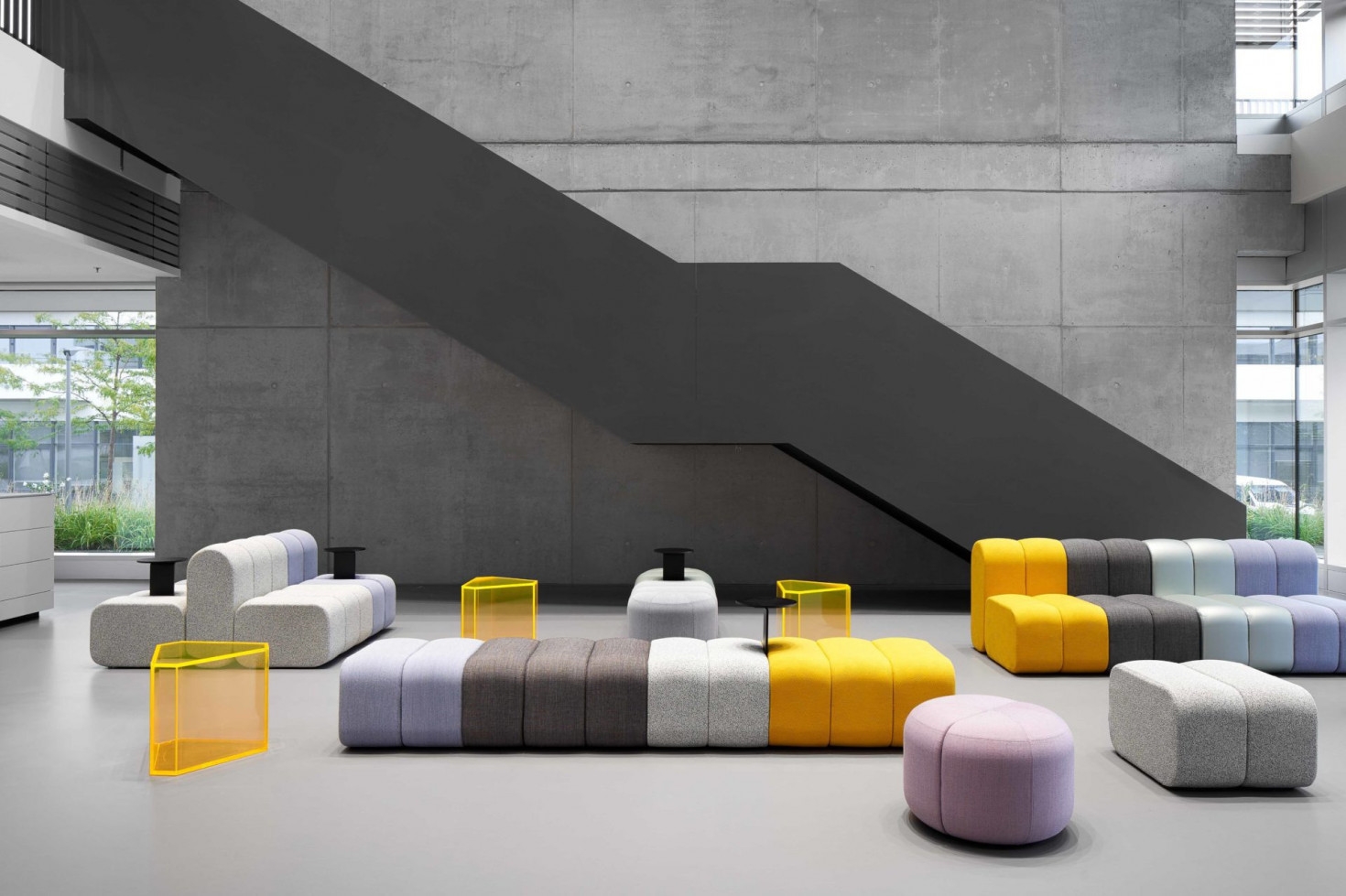
Designed by Architect Henrik Schulz, the new Mod Highback joins the best-selling lounge collection alongside Mod Work offering new height options.
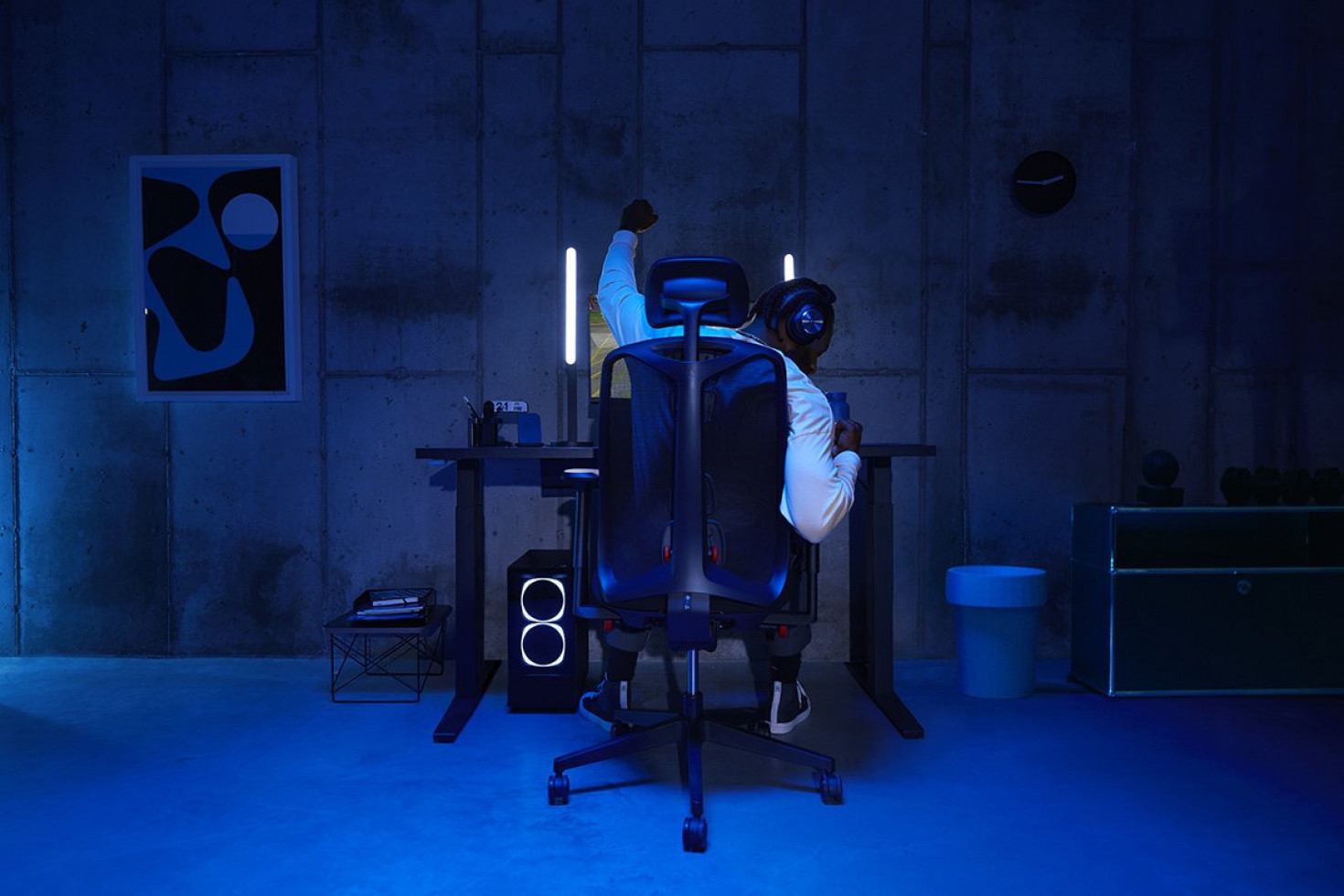
Herman Miller, in partnership with Logitech G, unveiled its newest performance gaming chair, Vantum, centered on versatility, adaptability and purposefully built for gamers from the ground up.

Projects

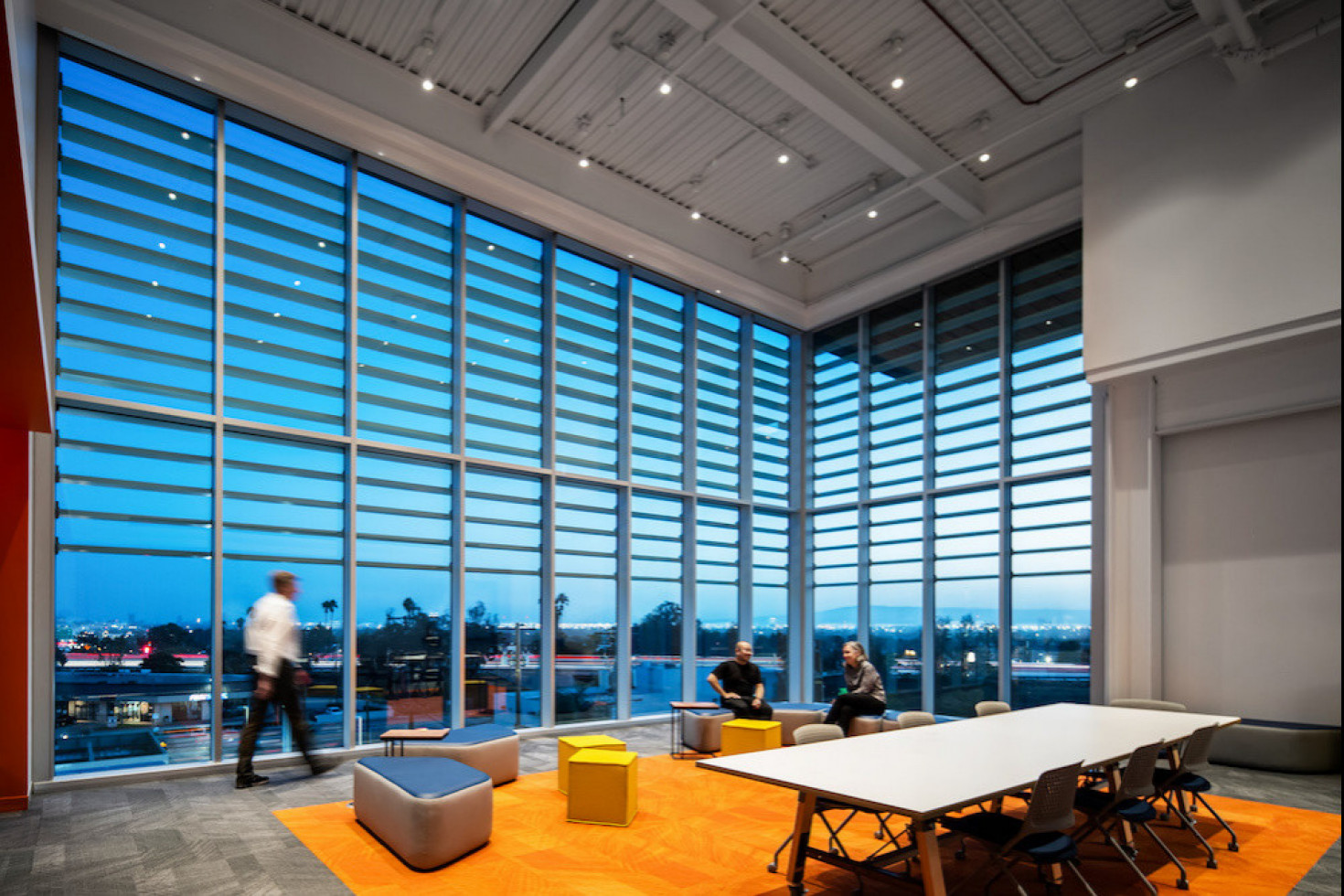
The new Laserfiche HQ by Studio One Eleven was inspired by architect Edward Killingsworth and will accommodate the company’s growth.
Studio Alexander Fehre has reimagined the Bosch Engineering headquarters in Abstatt, Germany as an inspiring and playful space where ambition and imagination can become a reality.

Metaverse

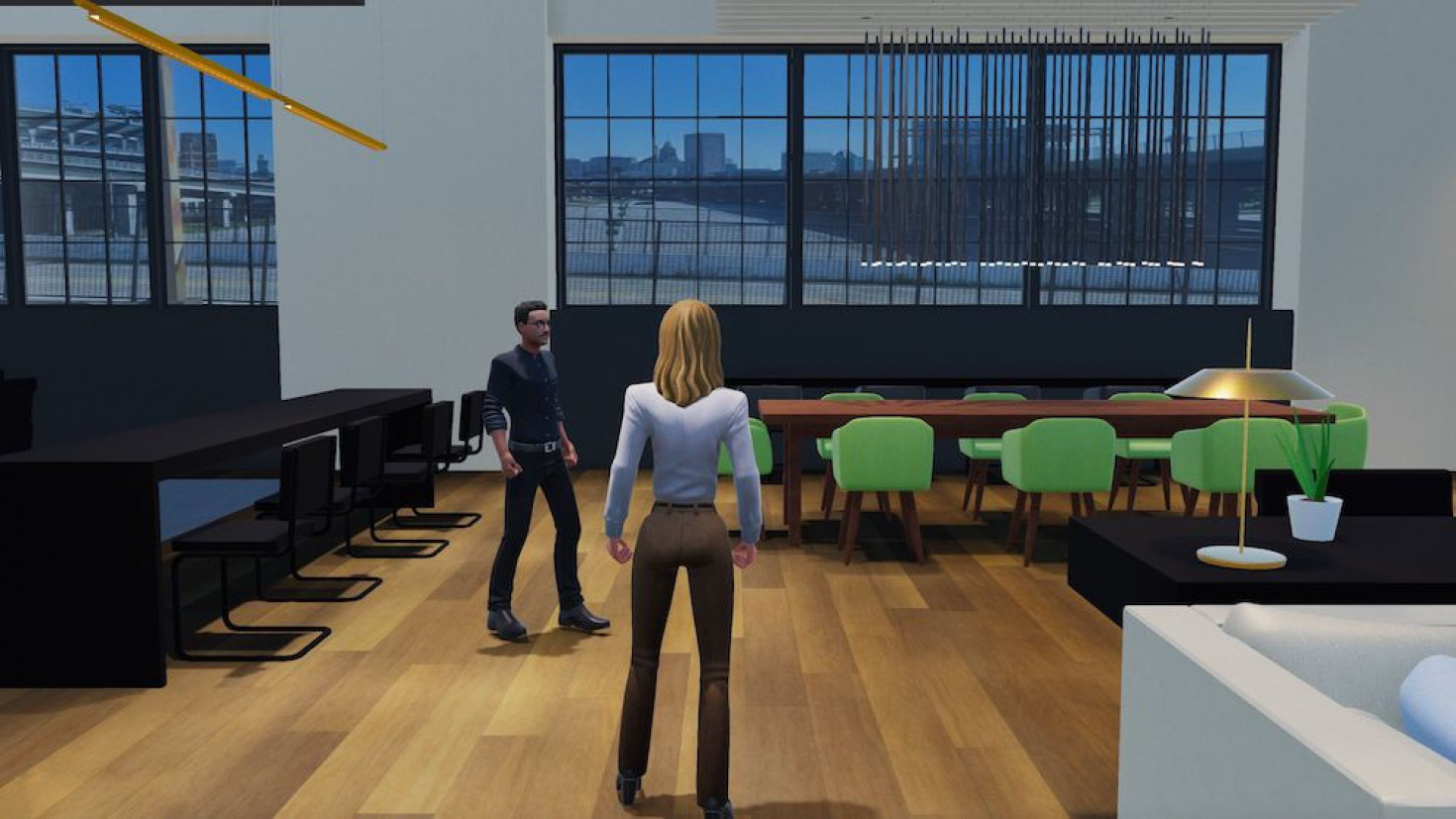
Erin McDannald of Environments explores how metaverse environments will prove to be a versatile solution in hybrid workplaces. As the workforce approaches a third year of hybrid work, some businesses find that collaboration and mentorship still suffer. If the office is good for one thing, it’s having easy access to co-workers to discuss ideas or work through challenges. The ROI on collaboration was previously hard to calculate, but it’s estimated that during the pandemic, companies lost an average of ten percent of revenue when their teamwork and collaborative encounters came to a halt.

Events

Webinar: Designing Massive Action Webinar with Bruce Mau & Humanscale
Designer, author, educator and artist, Bruce Mau, will be discussing the various ways architects and designers can take cues from nature and accelerate the practice of life, from urban environments to architecture to interior spaces to objects. The 45-minute presentation will aim to show the opportunity we have to create the maximum positive impact and an abundant future for all. Bruce will also be taking 15-minutes to answer all your burning questions in real time.

Last Word(s)

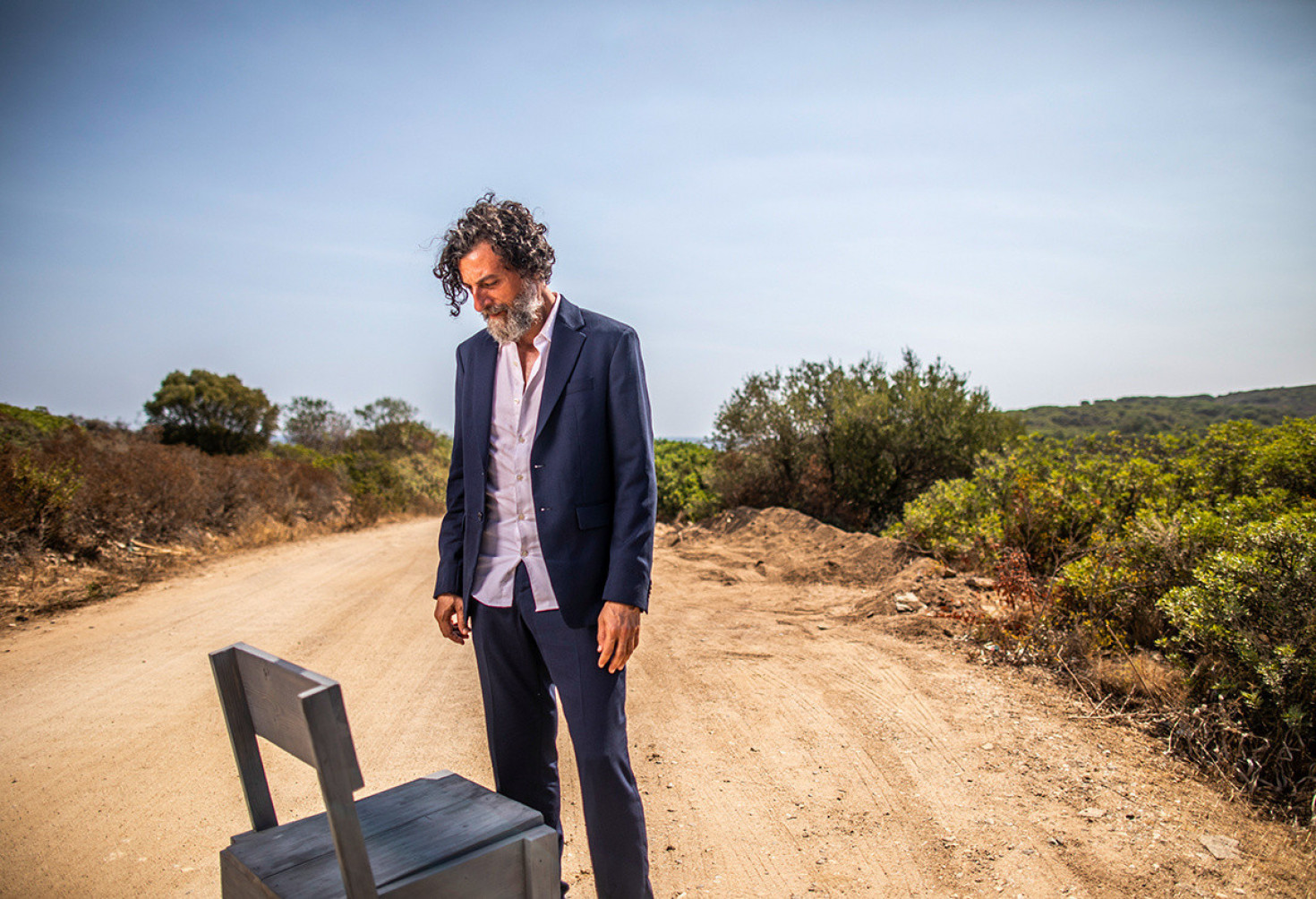
"There is a moment in everyone's life when adulthood becomes solid. It so happens that self-awareness, as the sum of limitations, talents, vulnerabilities and certainties, fully manifests itself legitimizing our role in the world", explains Gianluca Vassallo.
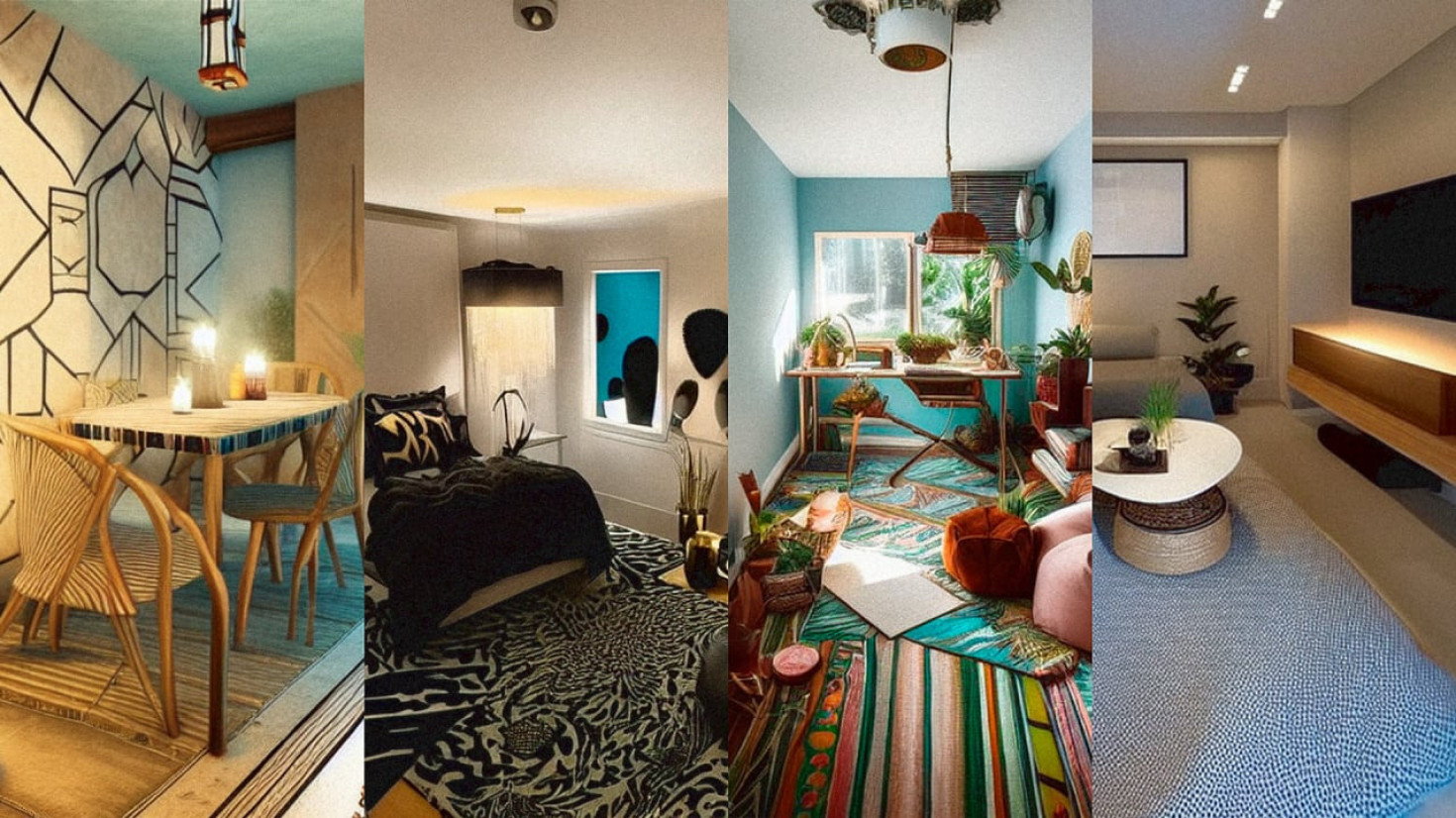
Interior AI was created by an entrepreneur who goes by just levelsio. He’s also behind another AI platform that lets you “design” a brand-new house with the click of a button.
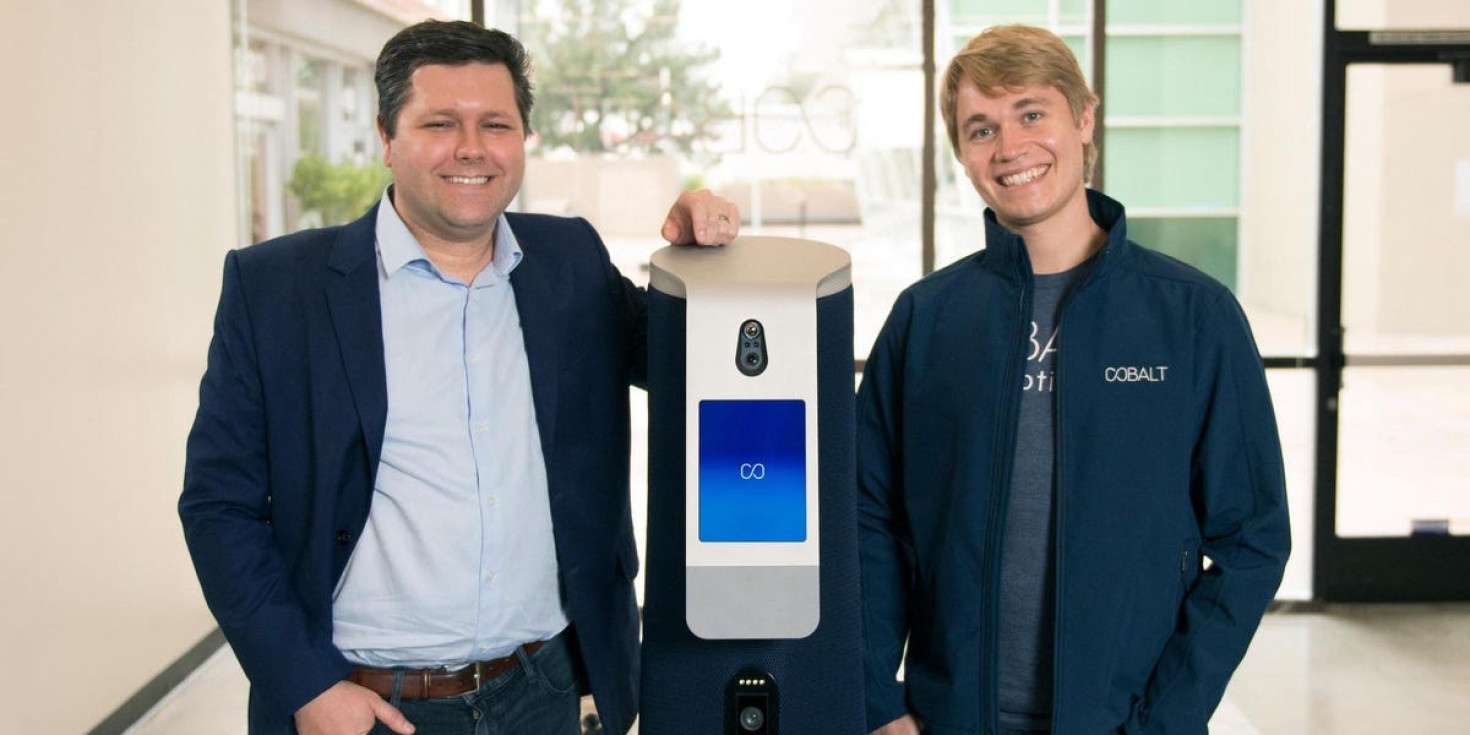
Cobalt’s robots help security teams patrol offices and report anomalies. The robots are used for everything from badge checks to evacuation control.
The quantum internet will make a significant mark in the future of work. Its applications for security alone could be transformative.

Find the best Contract Furniture Industry jobs and hire the best talent.
created in Publicate