AUGUST 2024
PATHWAYS TO CAREERS
IN PATHOLOGY
The journey to Pathology can take many different paths. Pathology Pathways programs provide opportunities for individuals to be immersed in a variety of Pathology-focused environments.
Pathology Pathways offered at UCLA include: Post-Sophomore or Post-Junior Fellowship during medical school, completing an accredited Allied Health Training Program, clinical rotations for Clinical Laboratory Scientist/Pathologists' Assistants/Microtechs programs, or other educational opportunities.
This month, I highlight stories of individuals who followed a Pathology Pathway that led them to their current position in department and what inspired them on their journey.
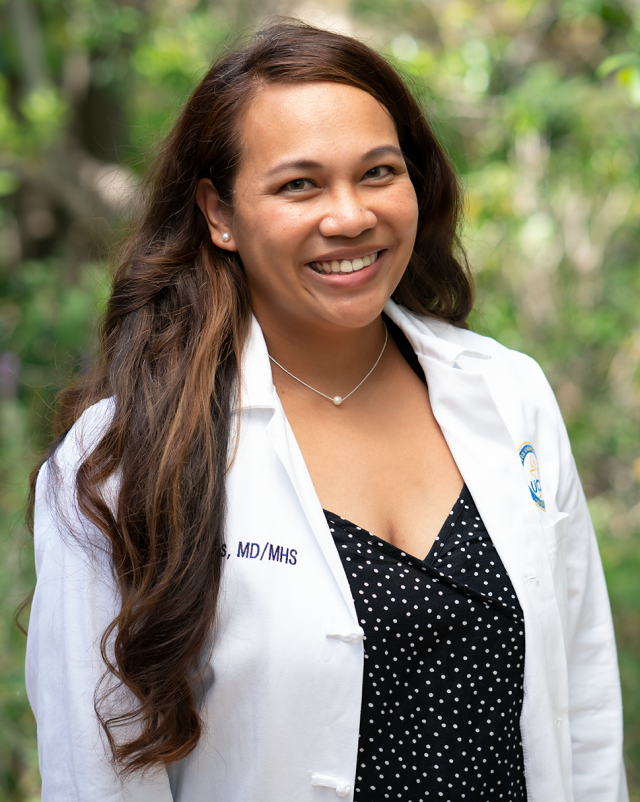
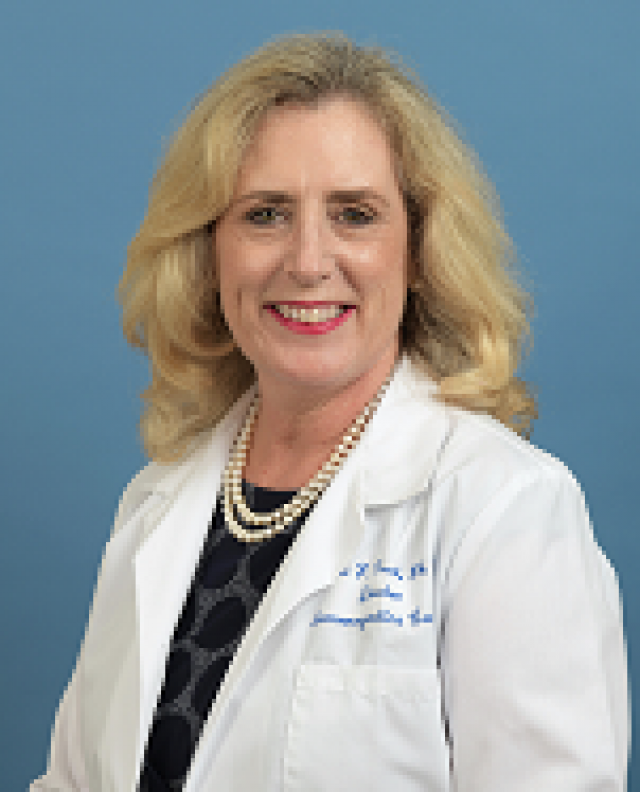
My journey to the field of Pathology was tremendously influenced by the post-sophomore fellowship (PSF) program at UCLA. I initially pursued a career in medicine with the desire to become an OBGYN or family medicine physician, but my trajectory changed through the yearlong PSF. There, I gained invaluable experience in various pathology subspecialties, including transfusion medicine, surgical pathology (including GYN pathology), and cytopathology. I also learned about the incredible opportunities in pathology to engage in meaningful research and community outreach events.
Choosing UCLA for my residency was a natural choice due to its comprehensive training program, as well as outstanding faculty. As a resident, I discovered my passion for cytopathology, which allows pathologists to work with diverse cytologic specimens and make rapid, detailed diagnoses from fine needle aspirations. The mentorship and collaborative environment at UCLA have been instrumental in my growth, especially during the challenges of a global pandemic and raising three small children. To those considering pathology, I encourage you to approach the journey with an open mind and a passion for learning. For those not yet considering pathology, I highly recommend pursuing a PSF program to explore a field that offers a unique blend of clinical and laboratory work that is both intellectually stimulating and impactful on patient care.
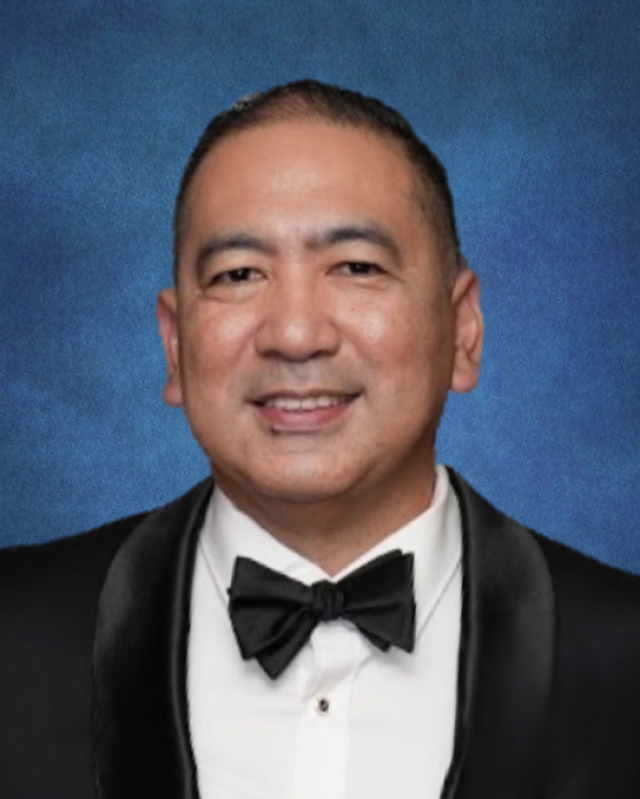
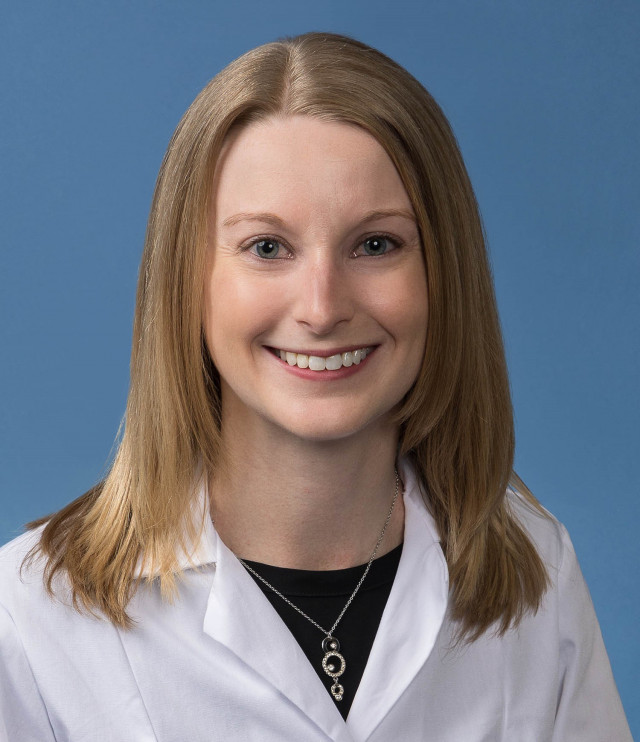
I began my career journey at UCLA in 2010 as the inaugural Transfusion Medicine (TM) Clinical Immunohematologist Scientist apprentice, one of the allied health educational programs offered by the Department of Pathology & Laboratory Medicine. During my apprenticeship, I gained comprehensive experience across all facets of TM, including rotations through the Blood & Platelet Center (BPC), Component Processing Laboratory (CPL), Hemapheresis unit, and Transfusion Services (TS). The rotation also included collaborating closely with Quality Assurance and Medical teams which further enriched my understanding and later paved way to a successful career track within UCLA.
Following completion of the program, I successfully passed the examination administered by the American Society for Clinical Pathology (ASCP) and deemed eligible for limited licensure as a Clinical Immunohematologist Scientist by the State of California. I then transitioned to performing patient testing within TS/Blood Bank. Drawing on my prior experience in quality and manufacturing, I was appointed TM Compliance Officer in 2013 and subsequently advanced to Senior CLS Supervisor in CPL by 2015. In 2020, I assumed the role of Director of the BPC, and in 2022, I transitioned to Manager of Regulatory Affairs within the Department of Pathology & Laboratory Medicine.
My journey into blood banking was propelled by my extensive background in ensuring standards and precision in processes. This foundation is particularly suited to the meticulous nature of blood banking, where accuracy and adherence to protocols are paramount. My previous work experience provides a robust framework to contribute effectively to this essential field, leveraging my skills in quality control and manufacturing processes to uphold the delivery of high-quality blood products to patients in need.
Pursuing a career in Pathology and Laboratory Medicine is highly commendable. In this profession, your role is essential in diagnosing and treating patients, directly influencing healthcare outcomes. The field continually evolves with new technologies and discoveries, guaranteeing ongoing challenges and opportunities for learning. With increasing demand for skilled professionals, there is stability and abundant career opportunities. Working closely with clinicians, researchers, and healthcare providers fosters a strong sense of teamwork and shared purpose. Above all, the personal fulfillment and satisfaction of knowing that your work directly improves the lives of others is unmatched.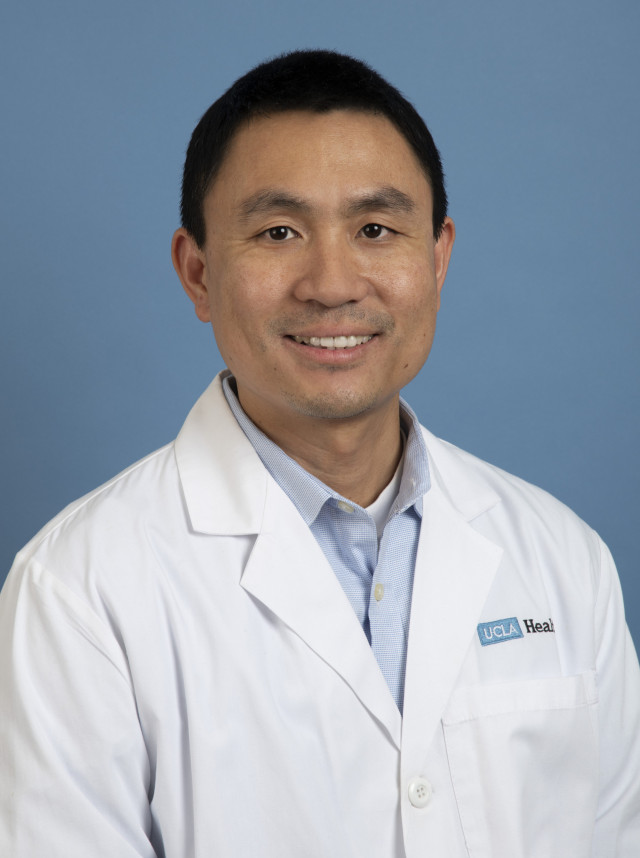
Shaun Yang, PhD, D(ABMM), MLS(ASCP)
- PhD
- Quality Improvement Project Lead
- Clinical Laboratory Scientist, UCLA
- Internship, Microbiology, UCLA
- Senior Specialist and Supervisor of the Molecular Microbiology Laboratory, CHLA
- Clinical Microbiology Postdoctoral Fellow, UCLA
- Assistant Professor of Pathology, University of New Mexico + Director of Molecular Microbiology Laboratory
- Associate Professor, Pathology & Laboratory Medicine, UCLA + Director, Molecular Microbiology and Pathogen Genomics (MMPG) Laboratory + Associate Medical Director, Clinical Microbiology Laboratory
After 7 years of PhD and postdoctoral training in molecular biology and prostate cancer research, I thought I would retire from a career finding cures for cancer. Yet deep inside me, a voice urged me to find a job that can directly help patients. At the age of 28, I gave the future a second thought. I had to choose between being an illustrious cancer research scientist for Novartis in Boston or a modest clinical laboratory technologist (CLT) and quality improvement project lead for Genzyme Genetics (later acquired by Labcorp) in Los Angeles. I chose the latter. My first humble position turned out to be a perfect opportunity to utilize my problem-solving skills and creativity. With lots of passion and energy, I implemented changes and spruced up quality and efficiency. Directly seeing the positive impact of my work and innovation became my ultimate source of motivation. Getting into the business of clinical laboratories reset my starting point, prompting me to go back to school to enroll into a clinical laboratory scientist training program, which took 2 arduous years. Still a full-time worker, I changed to night shift so I could take classes at Cal State Dominguez Hills during the day and completed a one-year internship at the UCLA Ronald Reagan Medical Center. A 4-month rotation at the clinical microbiology laboratory in Brentwood changed my destiny. All the people there moved mountains trying to teach me everything they knew. “Clinical microbiologists are so cool!” I thought to myself 15 years ago. I enjoyed learning microbiology so much I felt like I unearthed my second life. Never in my wildest dreams could I imagine becoming the associate director of this very lab that warmly welcomed me as a humble CLS trainee a decade earlier.
After I obtained my CLS license, I was already 31. Opportunities overwhelmed me, but I wanted to go back to molecular diagnostics as I had more than a decade of education and training in molecular biology on my hands! Again, destiny chose me: I was hired as a senior specialist and supervisor of the molecular microbiology laboratory at the Children’s Hospital Los Angeles (CHLA). 14 years ago, molecular testing began replacing culture and antigen-based tests, and I caught this historic wave. I developed, validated, and implemented more than 20 tests in just two years. I transformed the landscape of clinical microbiology testing at CHLA and drastically improved testing capacity, turn-around-time, and cost effectiveness. I also set up a next-generation sequencing (NGS) core lab dedicated to researching the human microbiome. These accomplishments prompted me to seek further training in clinical microbiology at the post-doctoral level. Five years after my CLS internship at UCLA, I was fortunate to come back to UCLA as a clinical microbiology postdoctoral fellow for another two years of training in this prestigious program. Everyone in Brentwood cheered when I returned, as if I was one of their family. I was fortunate to receive the state-of-the-art training from some of the best clinical microbiologists in the world. I then went to the University of New Mexico as an assistant professor of pathology and the director of molecular microbiology laboratory at the TriCore Reference Laboratory for 2 years before being hired back by UCLA as a faculty member in the Department of Pathology and Laboratory Medicine.
My career path is an adventure driven by my desire to help patients, and my motivation to convert my skills, knowledge and creativity into positive impact. Pathology is the perfect profession to combine my strong scientific training with such desire to help people directly. It wasn’t an easy journey, and I was fortunate to have the full support from my family (my wife had to endure me changing jobs and relocating every few years and without seeing me most of the time during my training). Along the way, UCLA and the Department of Pathology and Laboratory Medicine provided me with life-changing education opportunities and world-class training, for which I am forever grateful.
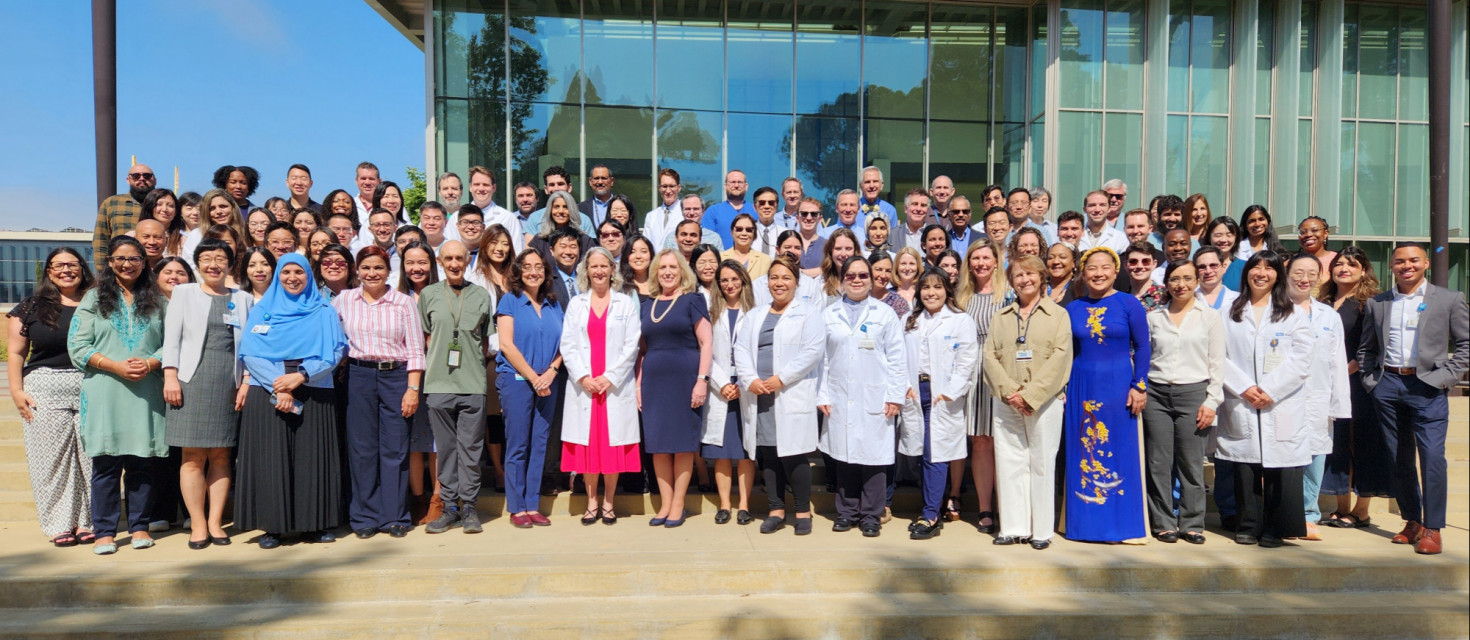
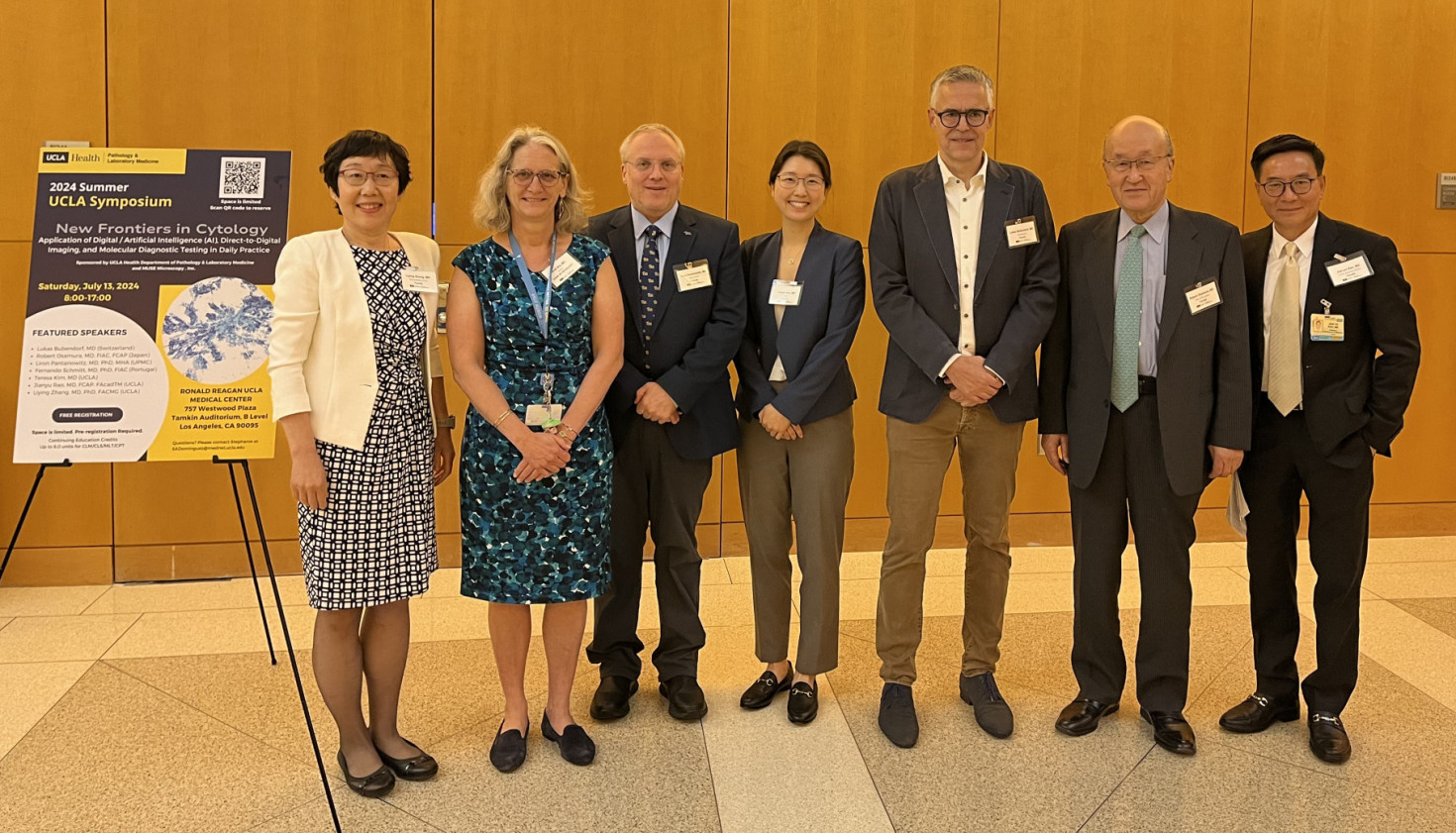
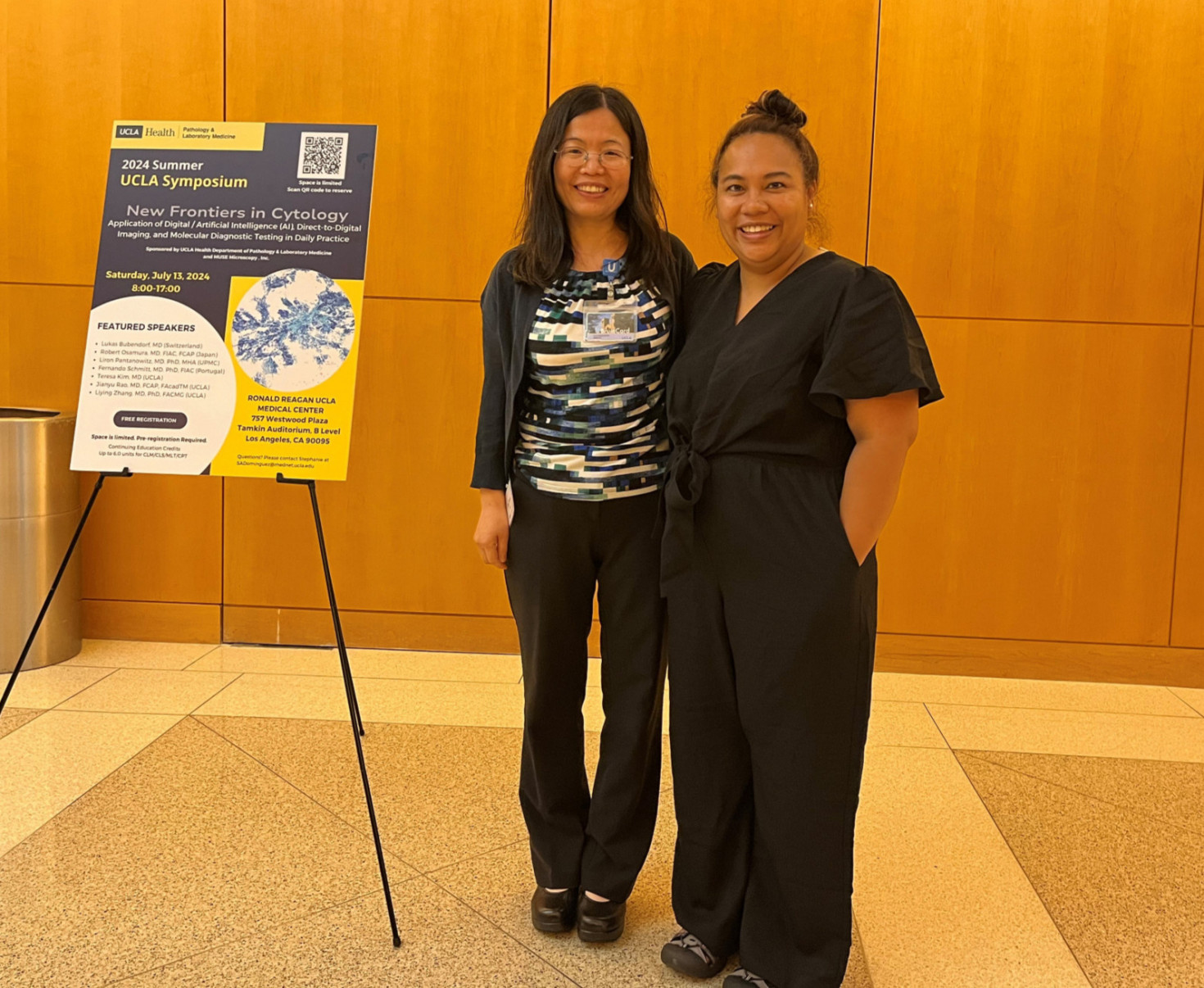
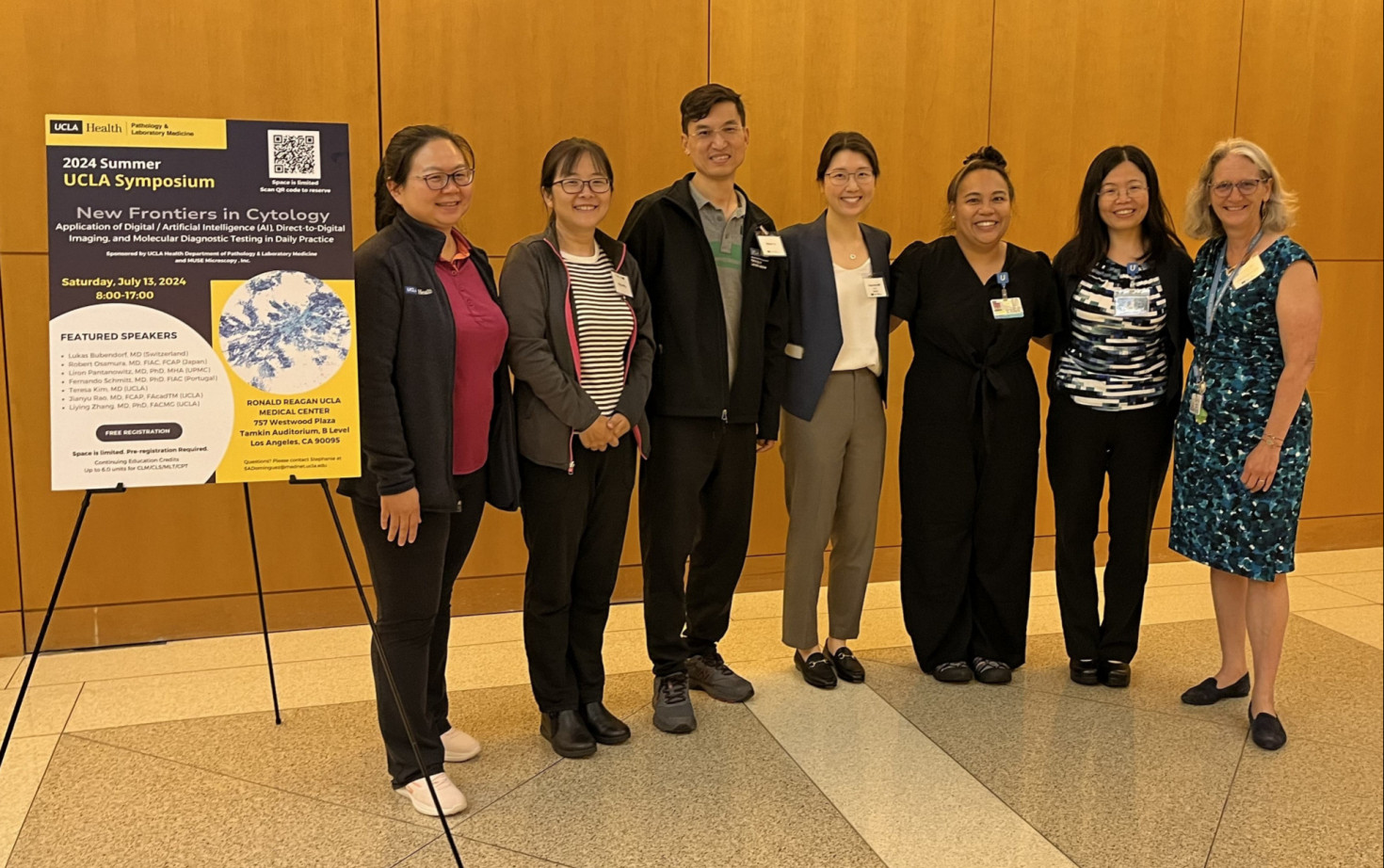
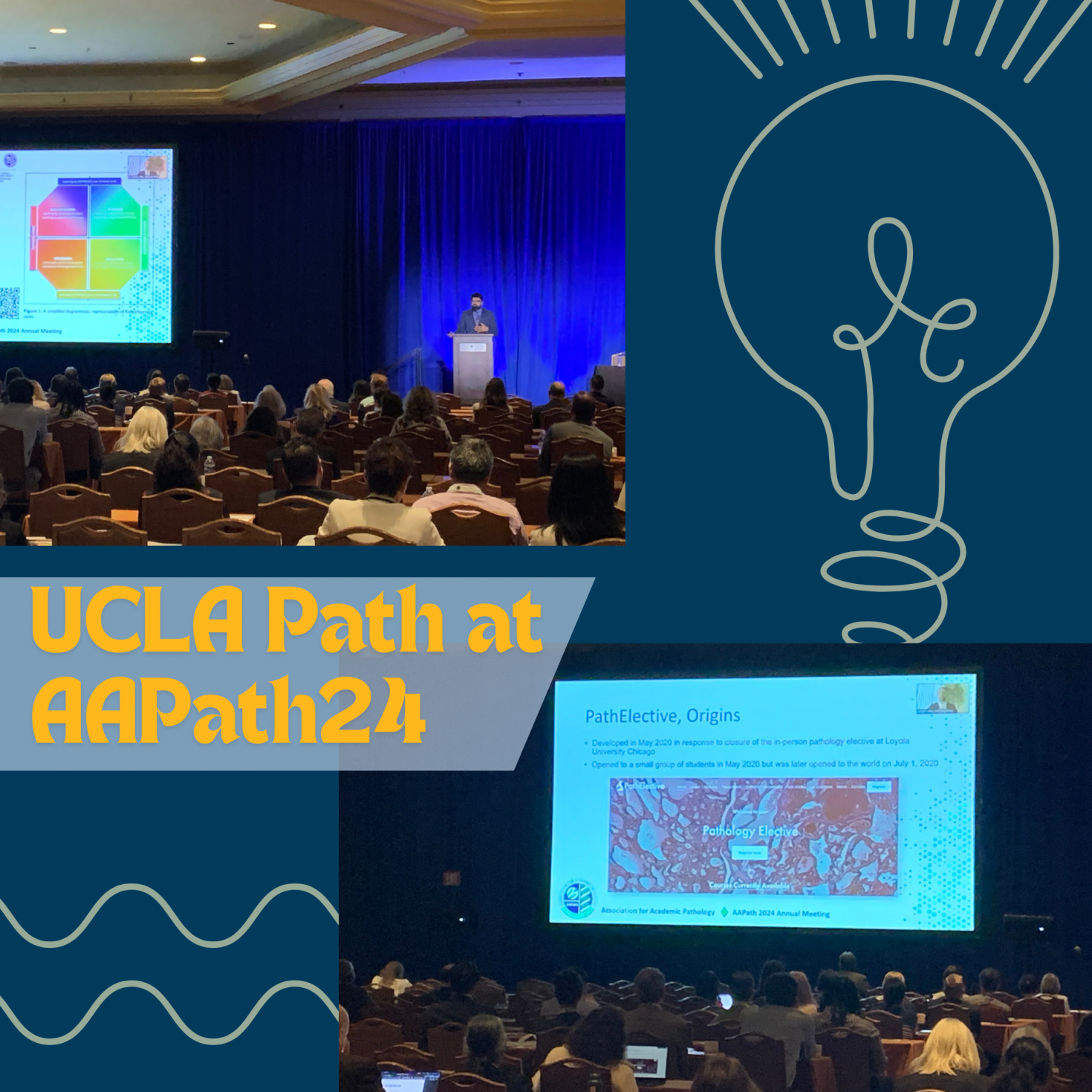
The 2024 Summer UCLA Symposium: New Frontiers in Cytology: Application of Digital/Artificial Intelligence (AI), Direct-To-Digital Imaging, and Molecular Diagnostic Testing in Daily Practice took place in the UCLA Health Ronald Reagan Medical Center’s Tamkin Auditorium on Saturday, July 13. The full day Symposium was well attended, garnering over 100 registrants.
The program included an international roster of highly regarded experts in cutting-edge applications of digital computational and molecular testing for Cytology.
Speakers included:
- Fernando Schmitt, MD, PhD, FIAC (Portugal), President of the International Academy of Cytology (IAC)
- Lukas Bubendorf, MD (Switzerland), Director of Cytopathology at the University of Basal
- Robert Osamura, MD (Japan), President of the International Academy of Pathology (IAP) 2022-22, President of the International Academy of Cytology (2016-19)
- Liron Pantanowitz, MD, Chair, Department of Pathology at University of Pittsburgh (UPMC), Editor-in-Chief of the Journal of Pathology Informatics and president of the American Society of Cytopathology
- From UCLA Pathology: Liying Zhang, MD, PhD, FACMG, Teresa Kim, MD, and Jianyu Rao, MD
Thank you to our esteemed speakers from the Department and our colleagues from around the world for sharing their expertise and insights! A special thank you to Dr. Jianyu Rao, Mary Levin, and Po Chu Fung your efforts in making a successful event!
Bruin Scholar and New Faculty Member – Dr. Kene Ojukwu
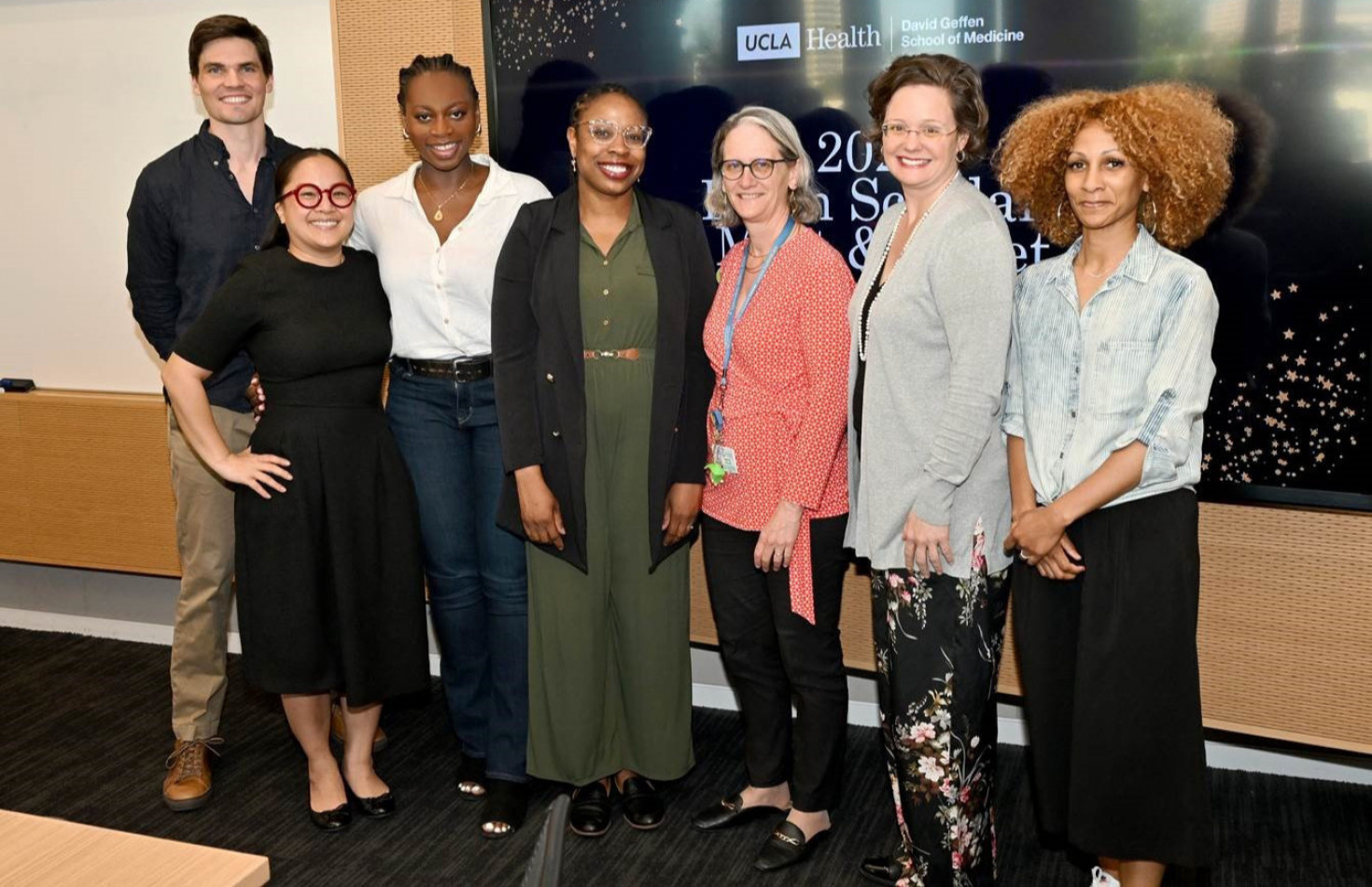
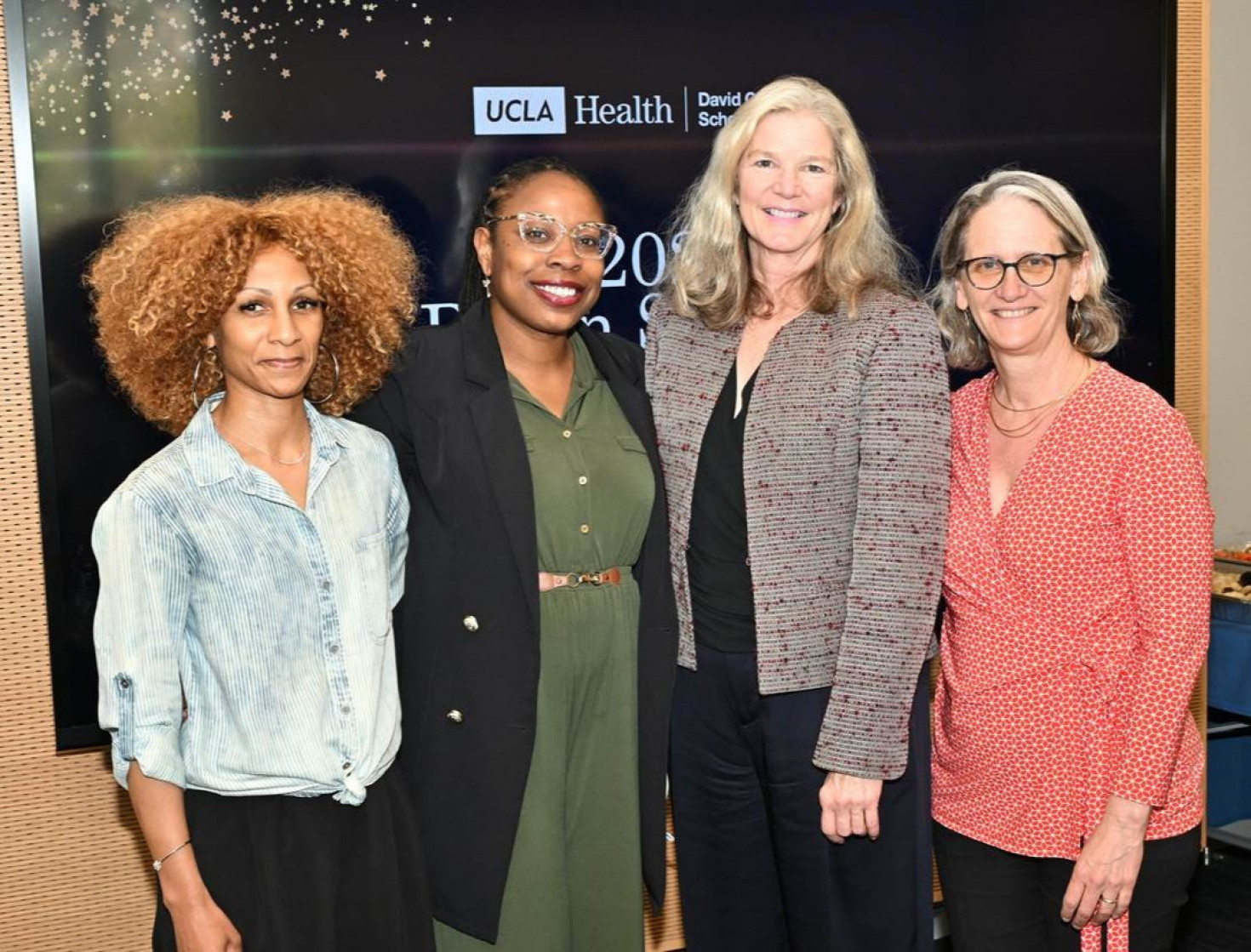
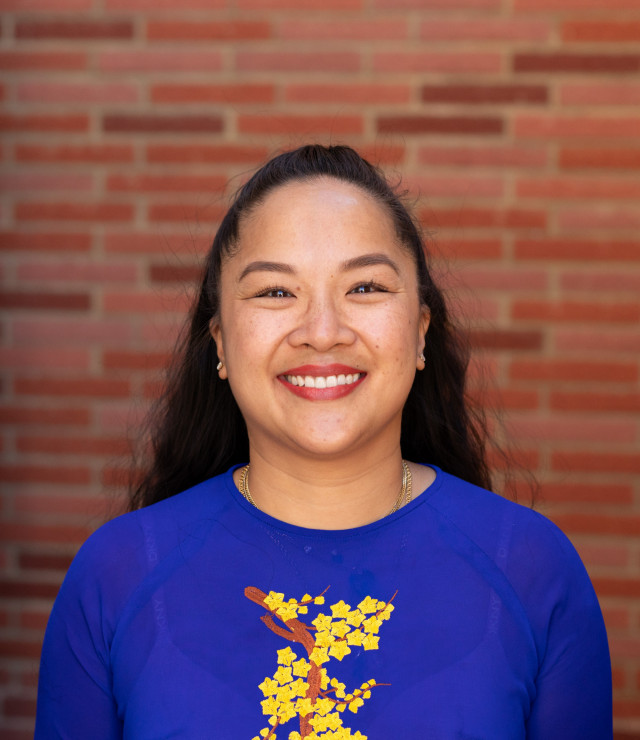
Congratulations to Dr. Kene Ojukwu on being honored as a Bruin Scholar! The DGSOM program focuses on those interested in pursuing an academic career position and share commitment to JEDI and underserved populations. We look forward to Dr. Ojukwu joining us as faculty and continuing a deep commitment to excellent health care, justice, and equity in service to patients and underserved communities!
The below photos were taken at the Bruin Scholar "Meet and Greet" event on April 29, 2024. Thank you to Dr. Ojukwu and all her mentors in UCLA Pathology and the National Clinician Scholars Program!
Dr. Hanlin Wang to Become Our New Vice Chair for Academic Affairs
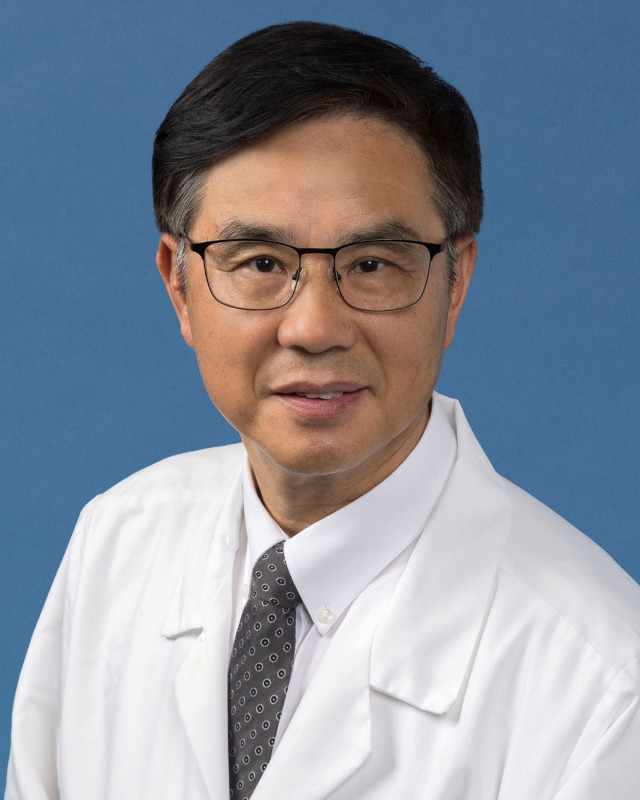
I am pleased to announce Dr. Hanlin Wang has been appointed as Vice Chair, Academic Affairs as of July 1, 2024. Drs. Wang and Ken Dorshkind will both serve as Vice Chairs for Academic Affairs for the 2025 academic year. During this time, Dr. Dorshkind will transition Dr. Wang into his new role. Dr. Ken Dorshkind officially “retired” June 30, but remains on recall with us through the 2027 academic year. Dr. Dorshkind will continue his research and administrative work at UCLA for the foreseeable future, although he plans to step down as our Vice Chair for Academic Affairs as of June 30, 2025.
As many of you are aware, Dr. Wang has extensive experience in Academic Affairs, serving as a member of ClinCAP as well as serving several years on our Department Academic Promotions Committee (APC). We are grateful for his past service to UCLA, UCLA Health and the Department, and we are delighted that he will bring his deep knowledge of UC academic processes and policies to his new role as Vice Chair.
Please join me in welcoming Dr. Wang to his new role, and in thanking Dr. Dorshkind for all his contributions at VC for Academic Affairs and for transitioning Dr. Wang into this role.
Grants and Publications
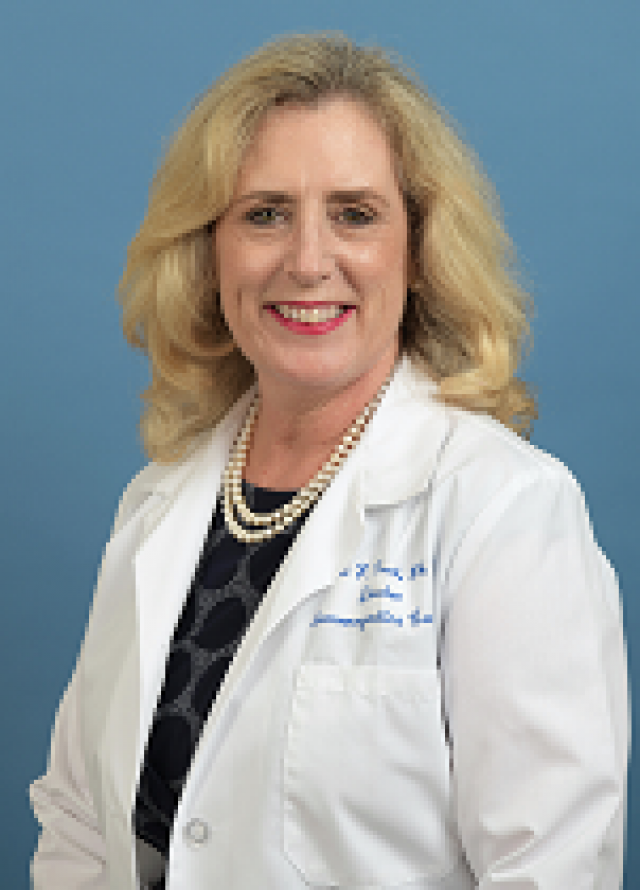
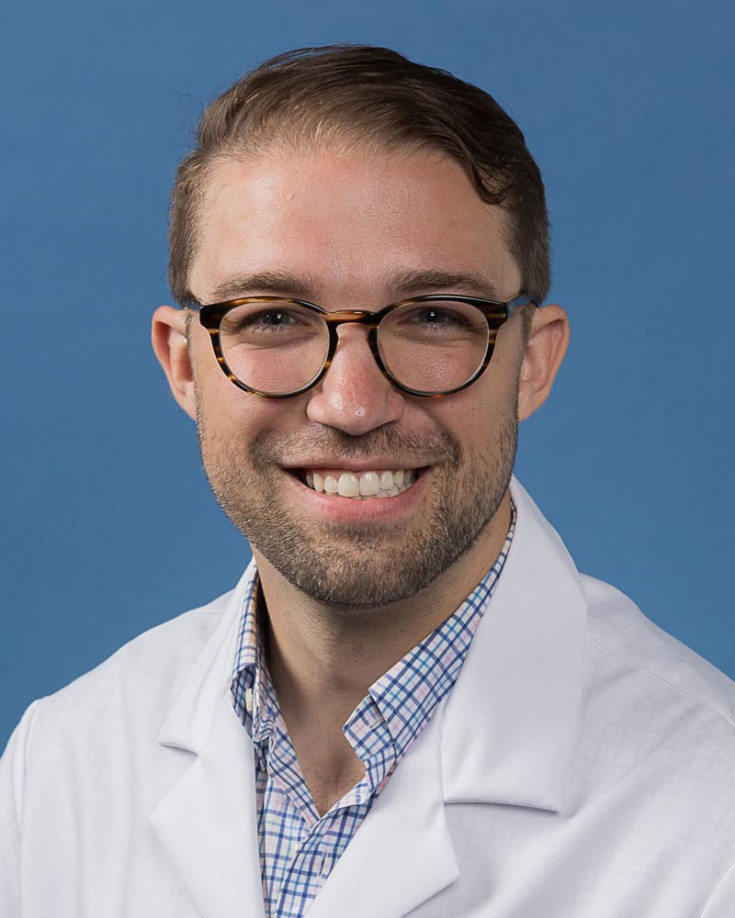
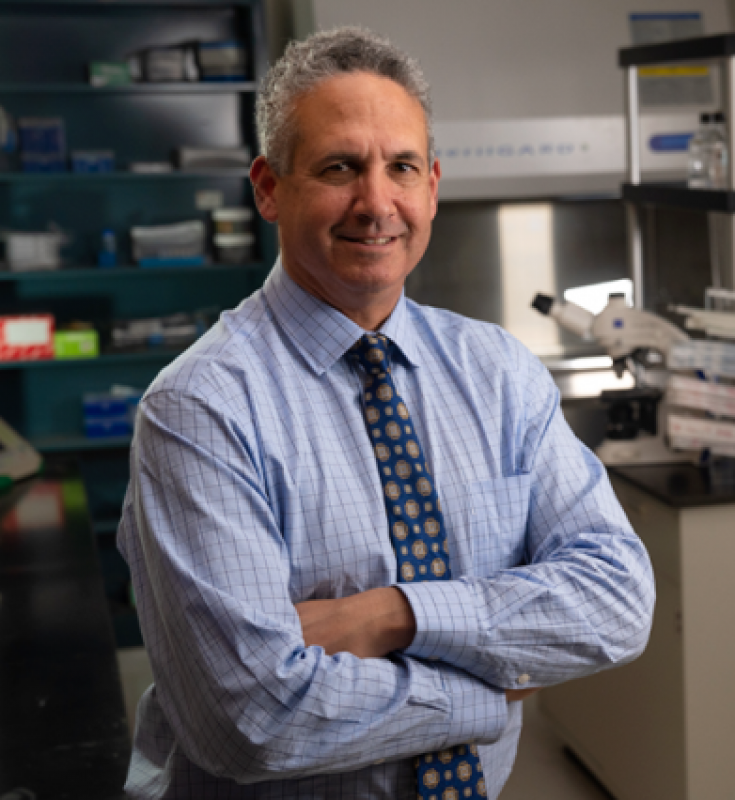
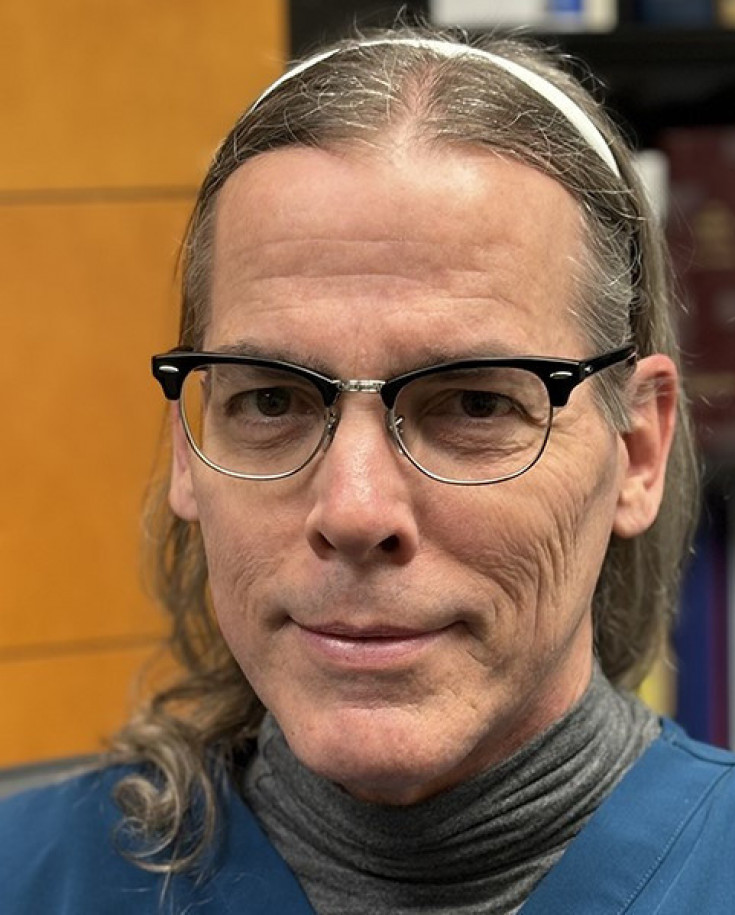
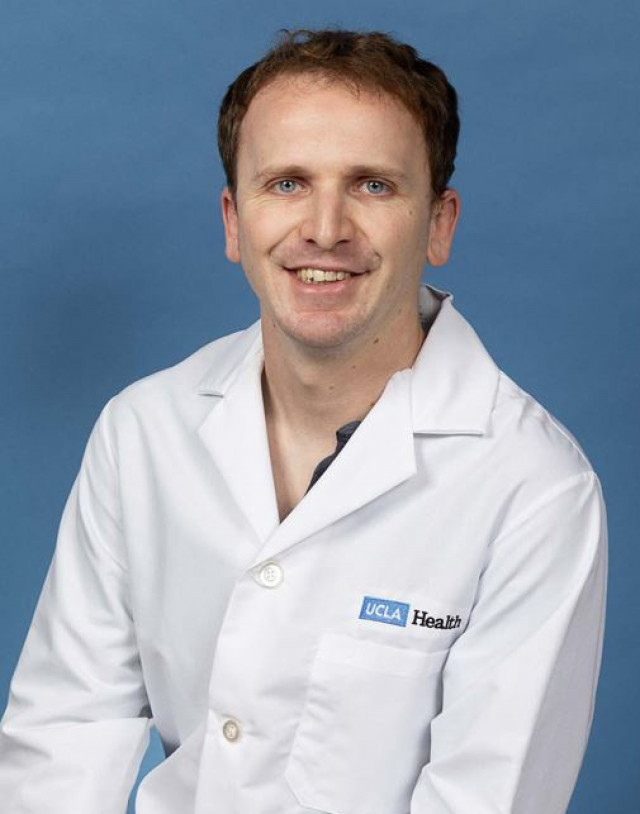
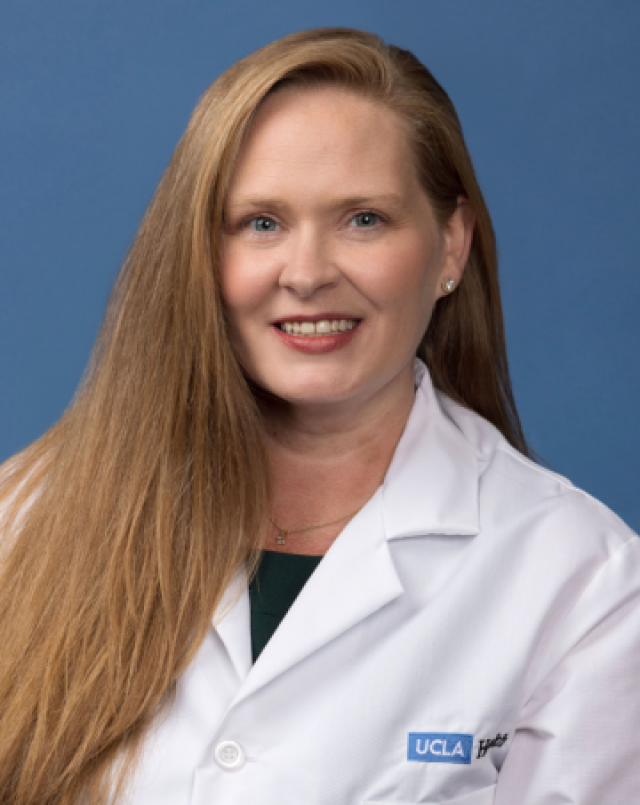
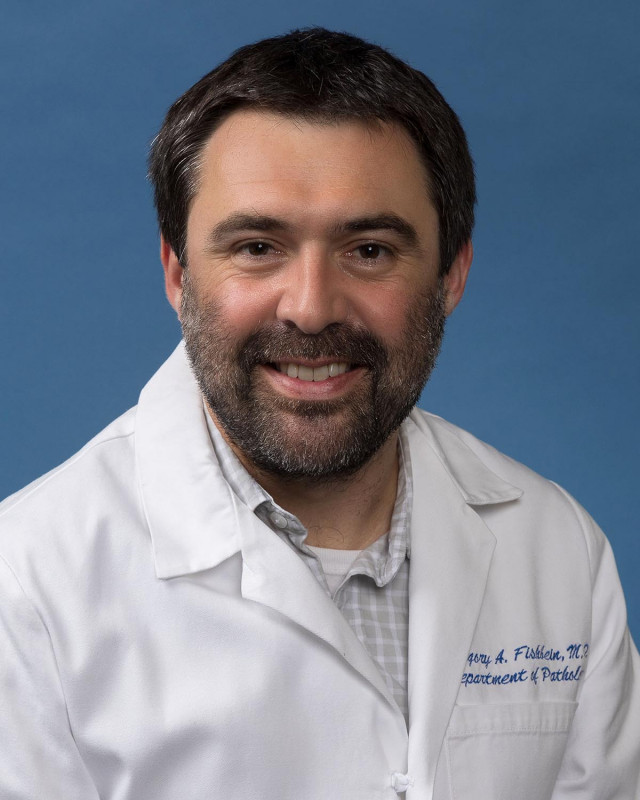
Their paper brings together a panel of esteemed experts from the anti-doping community to address this pressing issue. Through a comprehensive analysis, they explore the historical roots of doping, the current state of anti-doping efforts, and the challenges faced by athletes, sports organizations, and regulatory bodies in combatting doping effectively.
Key questions addressed in the manuscript include the reasons behind athletes' continued use of performance-enhancing drugs despite awareness of the risks, the efficacy of existing anti-doping tests, challenges in detecting evolving doping methods, and strategies for promoting fair play in sports.
Their work was also featured on the Clinical Chemistry Podcast with a companion Q&A interview.
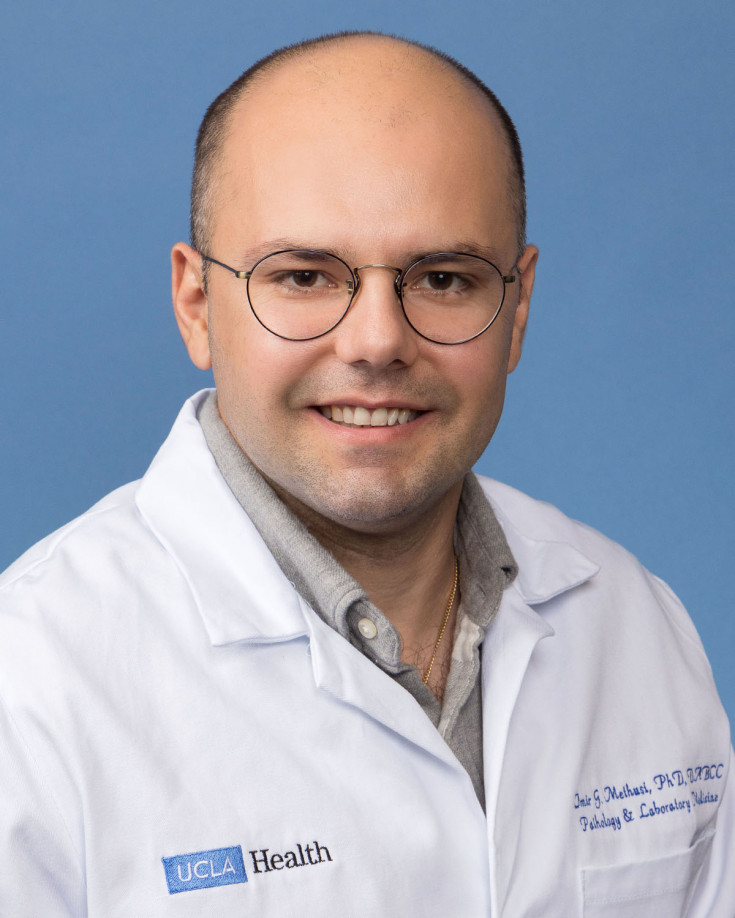
Promotion
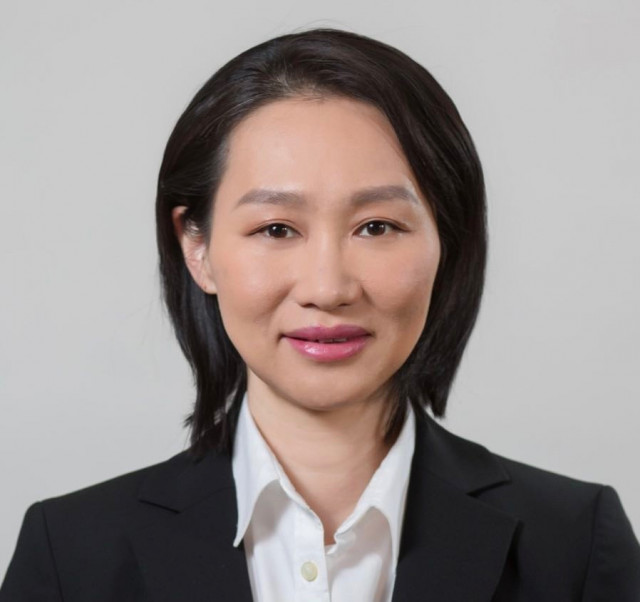
Please join us in congratulating Dr. Helen Jin for her promotion to Manager and Technical Director of Molecular Diagnostics Laboratories, effective July 1, 2024. Helen joined the Department of Anatomic Pathology in 2021 as the Manager of Molecular Diagnostics Laboratories. She has participated in launching the two new solid tumor tests (Pan-Cancer Solid Tumor Panel and Solid Tumor Fusion Panel), led the BRAF and IDH1/IDH2 Idylla test validations, as well as optimized multiple testing protocols in use. Prior to joining UCLA, Helen worked at PacGenomics as the Director of Clinical Operations and Research. Helen received her B.S. in Microbiology from Fudan University and her Ph.D. in Molecular Biology from University of California, San Diego. Helen holds high complexity laboratory director (HCLD) and clinical laboratory scientist (CGMBS) licenses in the molecular biology specialty. We look forward to working with Helen in this new role and supporting her in her technical responsibilities.
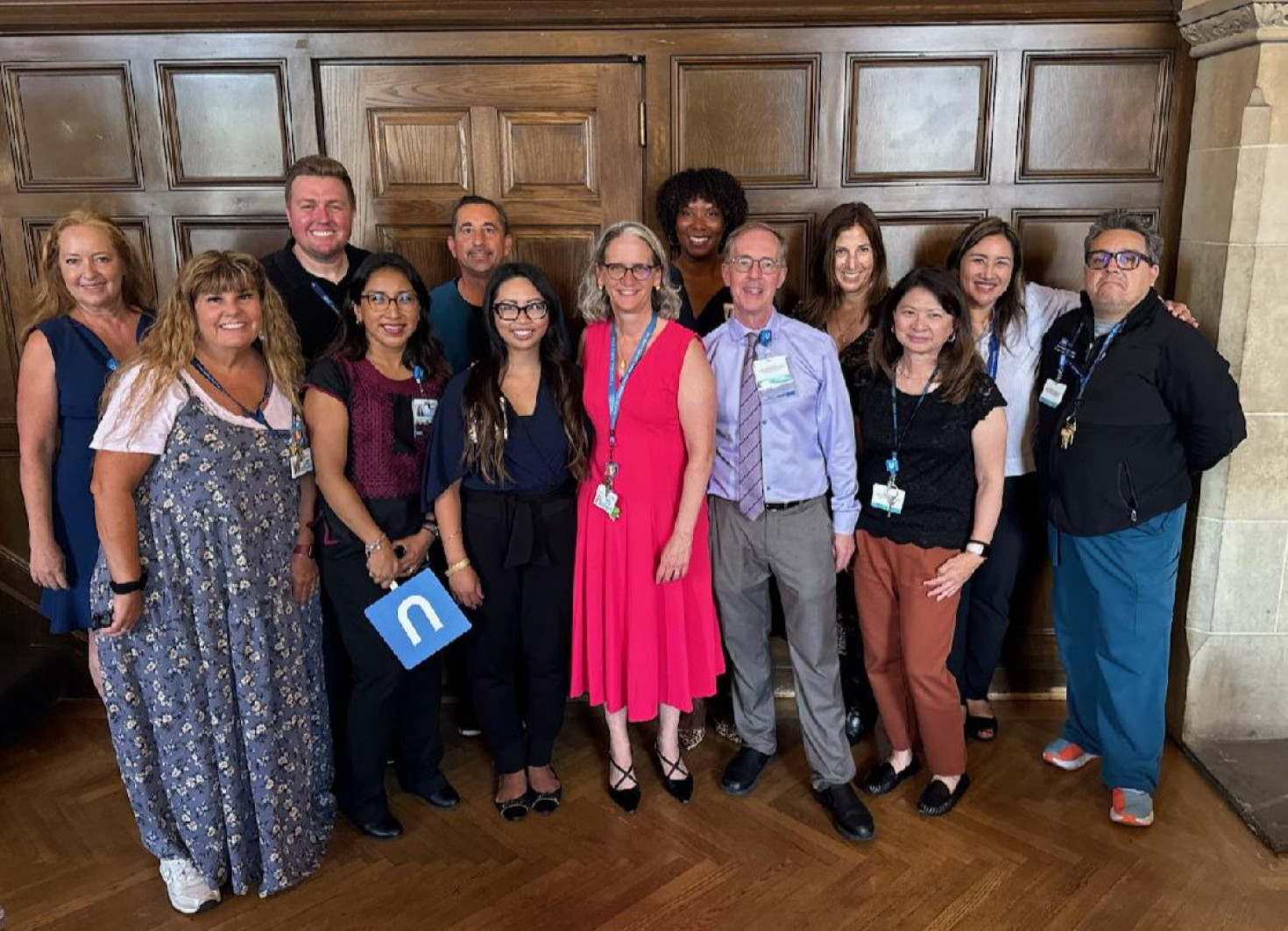
L to R front row: Chris Sikorski, Andrea Ortiz, Jillian Hince, Dr. Sarah Dry, Tom King, & Marivic Visico
The event was featured on KTLA news, featuring Luka Simunac, a 15-year-old patient, who had nearly sixty transfusions of blood and platelets to save his life.
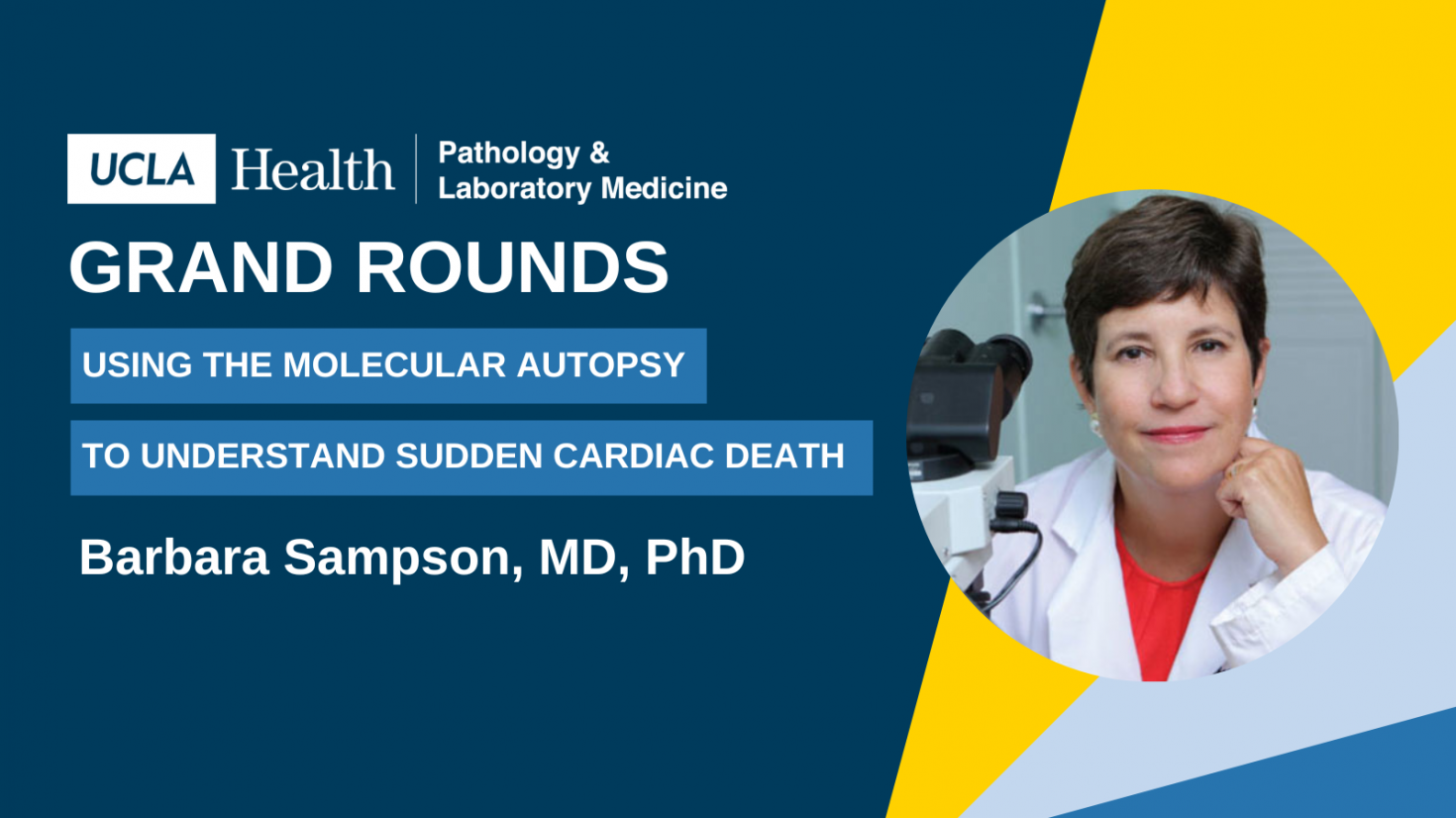
Clinical Seminar Series - Topic: Lab Stewardship
Andrew Auerbach, MD
University of California San Francisco
Research Seminar Series
Stephanie Eisenbarth, MD, FCAP
Northwestern Feinberg School of Medicine


