The Working Space
Monday, December 16 & 23, 2024
Industry News
Virco Mfg. Corporation, a manufacturer of educational furniture and equipment, reported mixed financial results for its third quarter and first nine months of 2024. While quarterly revenue showed a slight decline to $82.6 million from $84.3 million year-over-year, the nine-month revenue grew 5% to $237.8 million. The company's third-quarter gross profit decreased 4% to $36.7 million, though the nine-month gross profit increased 7.3% to $107.2 million, with an improved gross margin of 45.1%.
Operating performance faced some challenges as SG&A expenses increased 8.8% in the third quarter, primarily due to higher freight and installation costs, leading to a decline in quarterly operating income to $11.1 million. However, the company's financial position strengthened significantly, as evidenced by its shift from paying interest expenses to earning interest income in the third quarter, reflecting its debt-free status and reduced reliance on seasonal credit lines.
Feature Stories
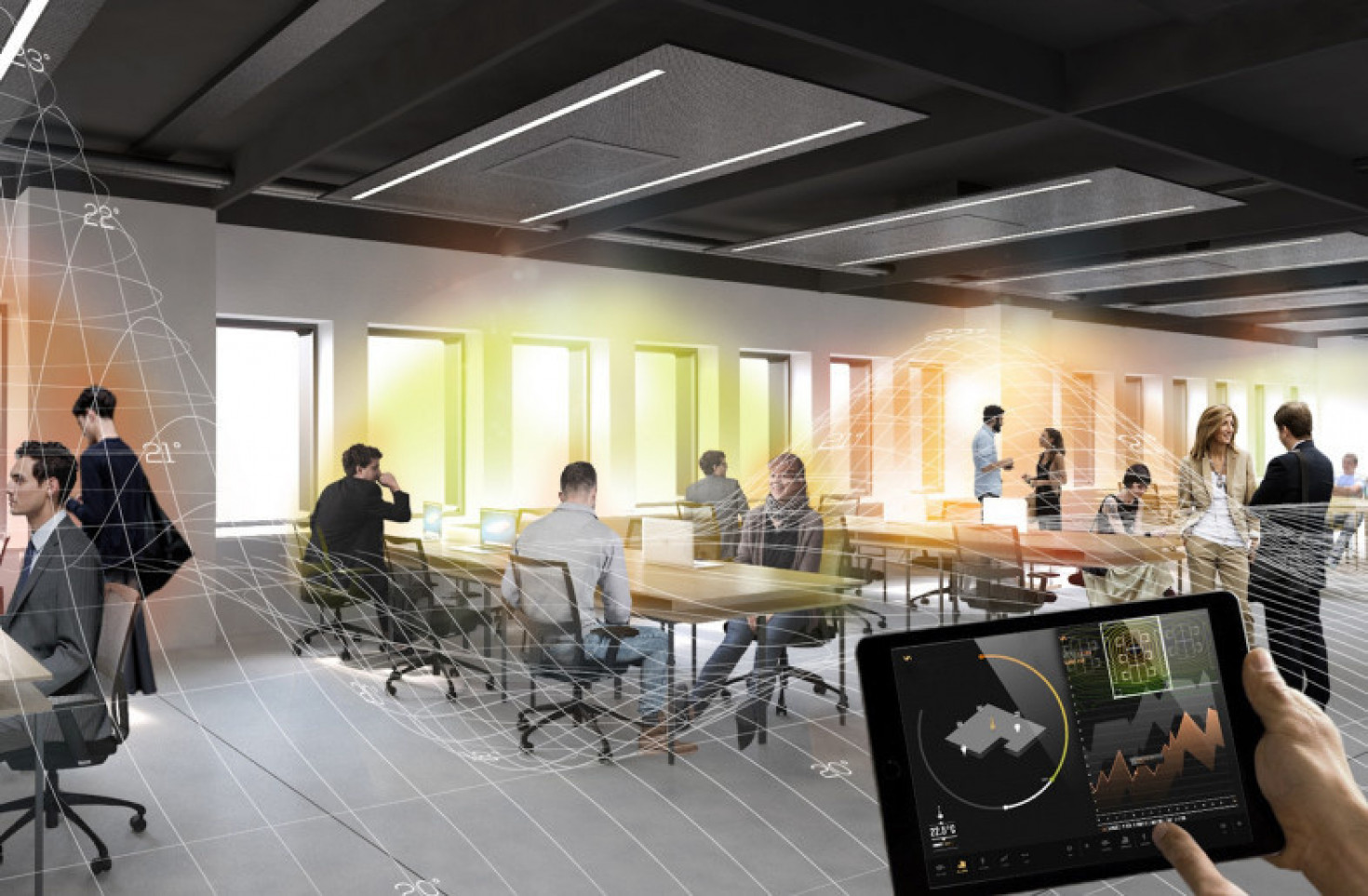
The implementation of these smart environments relies on two key components: IoT sensors that monitor building efficiency and human behavior, and the "Internet of Self" - personal data that users can choose to share. While showing promise in areas like workplace comfort, deep focus, and team collaboration (as demonstrated by successful implementations at facilities like the Agnelli Foundation and Deloitte's The Edge building), these systems also raise important ethical considerations regarding data privacy and potential misuse, requiring careful oversight from multiple stakeholders to ensure they truly support human flourishing rather than becoming tools for exploitation.

When Eric Schmidt joined Google in 2001, despite the company having raised $25 million, he shared an office with four engineers instead of having a luxurious space. Later, he was given a small 8x12 office where he used a door as his desk - a memento he still keeps today as a reminder of the company's humble beginnings.
This exemplifies Schmidt's belief that great founders should be frugal in their early days. Google's cofounders Larry Page and Sergey Brin embodied this principle initially, focusing their resources on essential areas like product development and hiring talent rather than fancy furniture or extravagant perks. While Google has since become one of the world's largest purchasers of high-end office furniture, Schmidt emphasizes that founders who prioritize appearances with beautiful offices and expensive furniture too early are missing the point. Even when the cofounders had raised millions in their early days, they maintained their frugal mindset - there was even an instance where Schmidt had to lend his car to one of them because theirs broke down.
Today, Google's success has allowed it to invest heavily in workplace amenities, but Schmidt's door-desk remains a powerful reminder of the importance of prioritizing growth over appearances in a company's early stages.
Workplace News

The impact on employees has been significant, with many facing difficult choices between their jobs and preferred work arrangements. While outright firings for RTO non-compliance are relatively rare, industry experts predict a "bloodbath" in 2025 as neither employers nor employees back down from their positions. There is some hope for high earners, though, as remote work opportunities for positions paying $250,000 or more have increased from 8.8% to 10.4% in recent quarters.
Trends

Their selections include Adam Nathaniel Furman's warm Russet brown, Atoms' trio of Grand Canyon-inspired colors (navy, brown, and mauve), Nicola Harding's dusty mauve, Cassandra Cannon's timeless dusty blue, and Ruxandra Duru's pairing of a muted red with a greenish white. Each designer's choice reflects their personal experiences and emotional connections to color rather than following industry trends.
Design
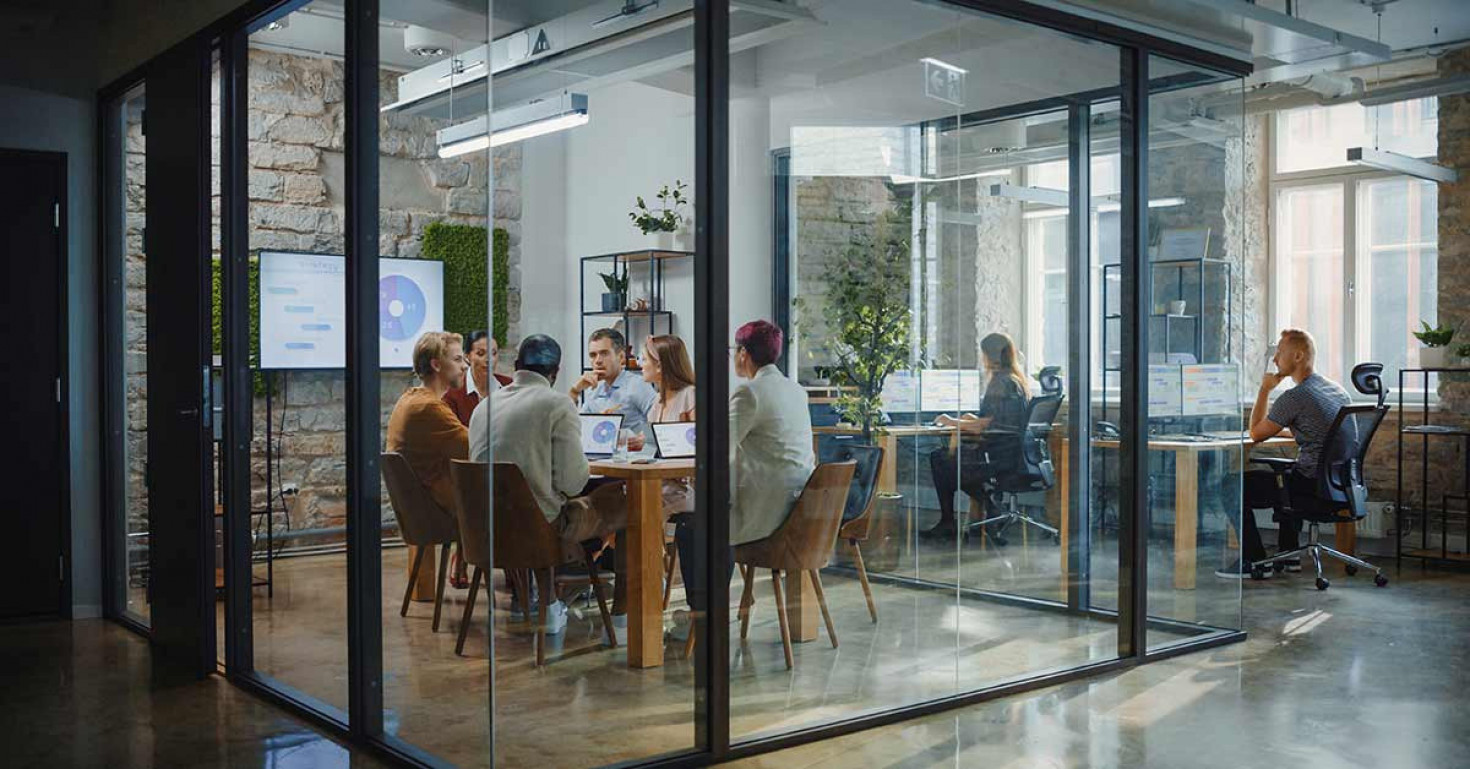
According to JLL's Future of Work 2024 survey, workplace design has become a crucial element in corporate strategy, focusing on recruiting and maximizing staff potential. The survey, which gathered insights from over 2,300 corporate real estate and business leaders, identifies key trends including creating high-performance environments, integrating social purpose, and meeting sustainability requirements. The research shows that workplace design significantly impacts employee performance and wellbeing, with many organizations planning increased investment in design and sustainability by 2030.
The future workplace landscape is evolving to meet multiple demands: 86% of organizations report being effective at supporting hybrid work, while nearly 90% anticipate AI changing their workforce operations in the next five years. Social aspects have become the primary reason for office attendance, with collaboration, social interaction, and culture being top priorities. Additionally, sustainability is gaining prominence, with 72% of organizations willing to pay premium rates for spaces with leading green credentials, and 68% planning increased sustainability spending in the next five years.
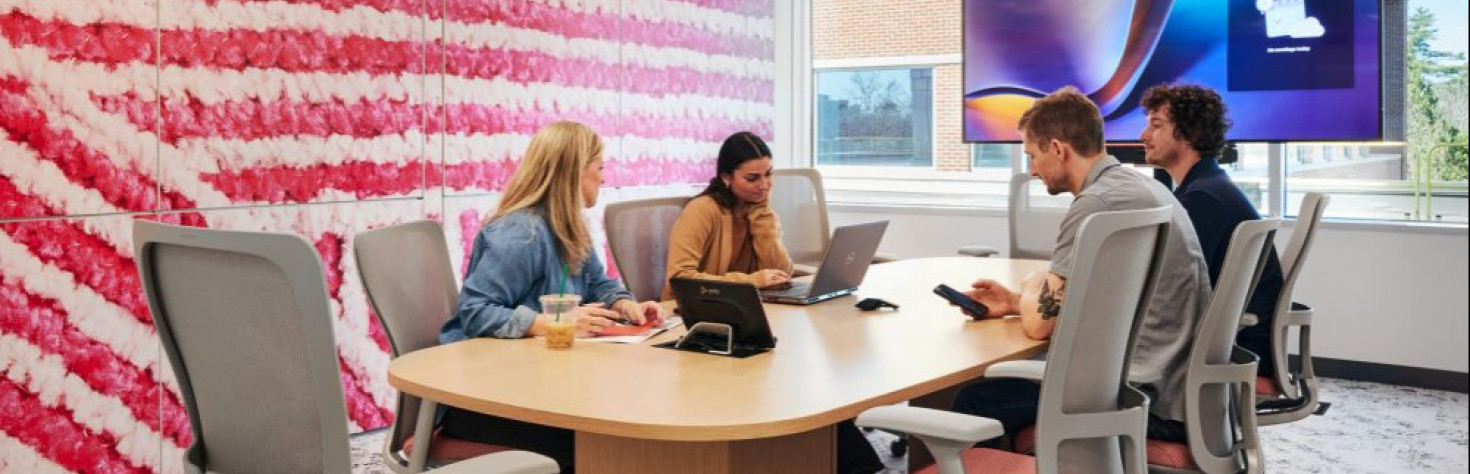
The implementation of a purpose-driven workplace relies heavily on data collection and analysis through multiple tools. This includes gathering information through human psychology studies, conducting interviews and focus groups, observing how people use spaces both digitally and physically, and analyzing utilization data. This comprehensive data collection helps create customized workplace solutions that enhance employee satisfaction, optimize real estate utilization, and improve operational efficiency.

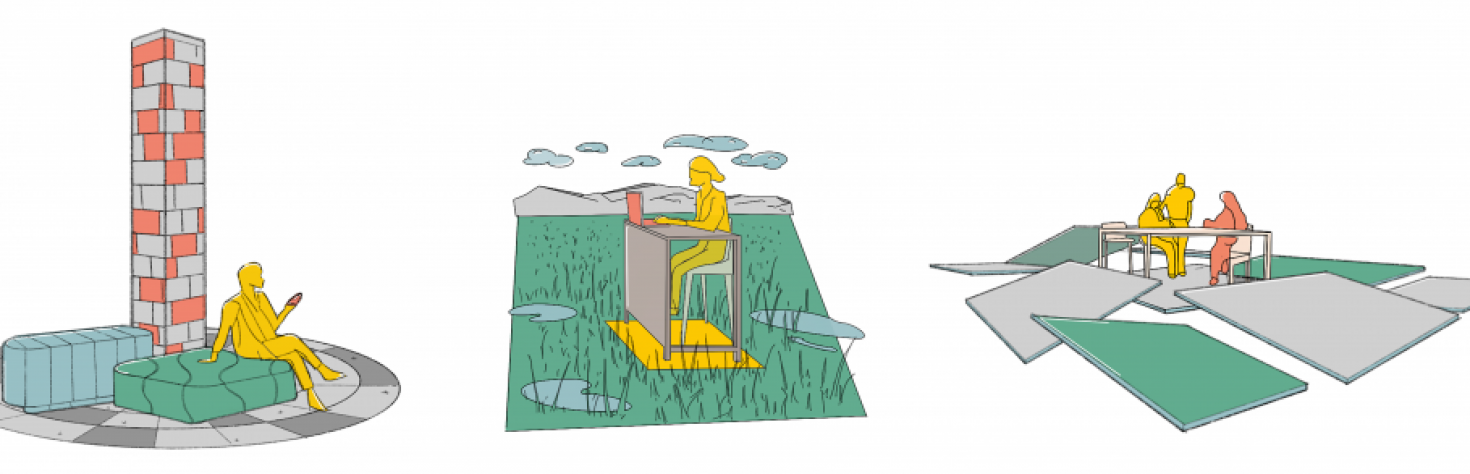
The piece emphasizes a shift toward viewing workers as informed consumers, advocating for amenities that go beyond aesthetics to create meaningful experiences. This includes leveraging shared building and neighborhood amenities, embracing a more flexible approach to workspace utilization, and creating environments that encourage discovery and innovation. The goal is to transform the workplace from a mundane requirement into an engaging destination that workers choose to visit.
Green / Sustainability
MillerKnoll recently announced that all North American products will be free of added PFAS (“forever chemicals”) by May 2025, touting this as an industry-first commitment to sustainability and healthier materials. PFAS, long used for stain and water resistance, have raised significant health and environmental concerns due to their persistence in the environment. While MillerKnoll’s initiative is commendable, it’s important to note that Humanscale eliminated PFAS from their entire product line back in 2020, making them the true trailblazer in this space. MillerKnoll’s move, though beneficial, comes years after the standard was set by their competitor.
MillerKnoll’s announcement last week highlights their broader efforts toward sustainable practices, citing recognition from the Chemical Footprint Project (CFP) and achievements such as eliminating flame retardants and VOCs from their products. However, Humanscale’s early adoption of PFAS-free practices and their consistent leadership in chemical safety and sustainability place them far ahead in the race. Humanscale not only addressed this issue before it gained widespread regulatory and consumer attention but also collaborated with sustainability initiatives like the Living Product Challenge to redefine best practices in the industry.
While MillerKnoll’s move signals growing momentum for safer materials and chemical transparency across the industry, it’s worth giving proper credit where it’s due. Humanscale’s foresight and action in eliminating PFAS four years earlier reflect true leadership in sustainability, setting the bar for others to follow. MillerKnoll’s announcement, rather than breaking new ground, underscores the importance of catching up to the standards already established by their competitor.
Podcasts
Allsteel has launched the second season of its Tell Me More podcast with a three-part miniseries on trauma-informed design, hosted by Dr. Lauren Gant, Senior Workplace Advisory Manager at Allsteel. The series dives into the significance of trauma-informed design in workplace environments, exploring how thoughtful design can address trauma responses, promote well-being, and create more inclusive spaces.
The first episode, Exploring Trauma Informed Design: Why it Matters, challenges misconceptions and highlights the importance of recognizing diverse trauma responses. The second episode, Design Considerations, focuses on how workplace environments can profoundly impact human experiences and well-being. The final installment, Addressing the Challenges, discusses how the evolving conversation around trauma can shape flexible, people-centered workplace design practices.
With expert insights and engaging discussions, this podcast series emphasizes how innovative design solutions can enhance productivity, collaboration, and employee well-being. Episodes are available monthly on Apple Podcasts and Spotify, featuring conversations with industry leaders.
AI

Latest Product News


Industrial Design
Trends in Commercial Projects from Around the Globe
Latest In Real Life WFH
Project Leads

Upcoming Industry Events

Industry Briefing


Configura is launching a comprehensive materials database with key partners like Mayer Fabrics, Momentum Textiles, and Maharam. This new database, set to launch in 2025, addresses the industry's need for accessible and accurate material options, streamlining workflows and enabling designers to visualize and select materials more efficiently. CEO Stefan Persson emphasizes that this initiative responds directly to user feedback about the challenges of accessing high-quality materials within a unified system.
The platform's continuous integration of fabric manufacturers represents a significant advancement in material selection processes. Through an interactive and visually immersive design environment, CET allows users to view materials in 3D and configure products with precision. As the launch approaches, the database will expand to include additional manufacturers and material options, offering designers a broader selection of textiles, laminates, and finishes. This development marks a crucial milestone in Configura's commitment to enhancing the design process for its user community.








Partner with Fluidconcepts to Inspire Workspaces Across these Regions:
North Texas I Oklahoma I Arkansas I Missouri I Iowa I Nebraska I Kansas I Minnesota I Wisconsin
If you’re experienced in building relationships with designers and dealers and have a passion for innovative furniture, we’d love to hear from you. Email us at sales@fluidgroup.com.