Poltrona Frau Unveils Flagship Store on Madison Ave in NYC including Haworth’s Lifestyle Design Group / GR furniture company acquired by manufacturer Rapid Line / BOMA 2024: 5 Key Changes Reshaping Office Building Measurements / Maybe 20% Vacancies Will Bring a New Normal to Office / With Federal Office Buildings 'Mostly Empty,' Pressure Grows To Cut Space Faster / What a new dupe-hunting site says about the industry’s relationship with knockoffs / Office Market Still Moving In Wrong Direction For Manhattan Landlords / Construction Spending Drops Unexpectedly In February As Public Projects Slow / A Fresh Take on the Corporate Workplace, With Inspiration From 19th Century London / A Well-Designed Workplace Is a Competitive Advantage / Annoying coworkers, toxic bosses, filthy workplaces: Why more employees are avoiding the office / Billionaire Steve Cohen Sees Four Day Work Week Coming / and much more…
The Working Space
Monday, April 8, 2024
The Week in Review
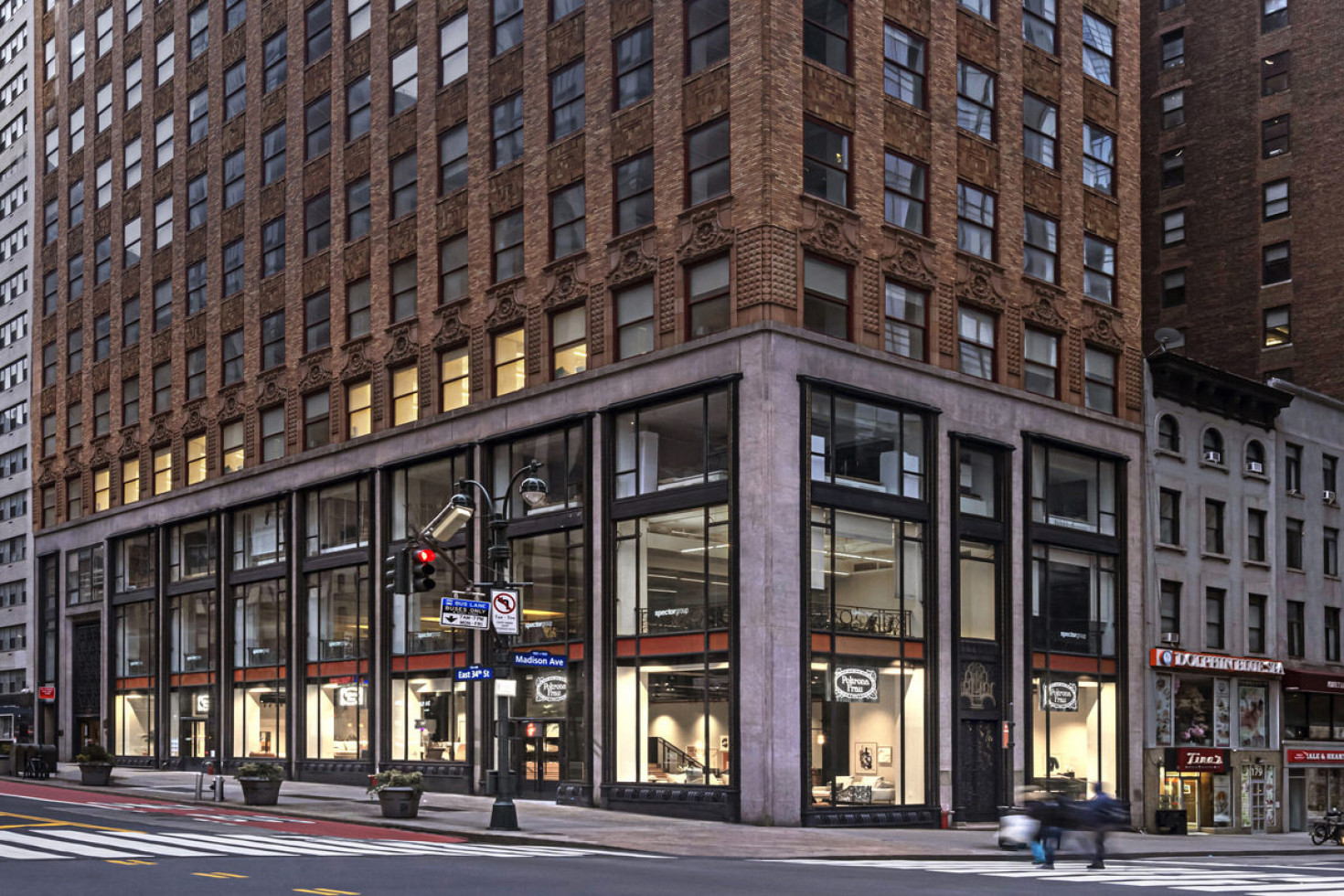
In the evolving landscape of the furniture and design industry, recent developments have underscored the industry's dynamic nature and its ongoing adaptation to contemporary challenges and consumer expectations. Poltrona Frau's grand opening of its flagship store on Madison Avenue in New York City marks a significant step towards creating experiential retail spaces that blend elegance, modularity, and material innovation. This new flagship, designed by AMDL CIRCLE, not only showcases esteemed brands within Haworth's Lifestyle Design Group, including Ceccotti Collezioni and Cappellini but also introduces a dedicated space for Officine Gullo's luxurious metal kitchens. This expansion reflects a broader trend in the furniture industry towards creating immersive experiences that cater to both residential and commercial spaces.
The acquisition of Studio Wise by Rapid Line signifies another strategic movement within the industry, highlighting how mergers and acquisitions can propel growth and diversification. This partnership aims to leverage Rapid Line's manufacturing capabilities to enhance Studio Wise's reach and product development, illustrating the potential for collaboration between design creativity and manufacturing strength.
The debate over furniture "dupes" has been reignited by the launch of Dupe.com and a notable lawsuit against Kim Kardashian, signaling a nuanced conversation about the ethics of imitation in design. This conversation mirrors broader societal shifts in attitudes toward authenticity, copyright, and consumer access to design.
In the realm of office design and real estate, the introduction of BOMA 2024's new office measurement standards reflects an evolving understanding of space utilization, particularly in response to shifting work patterns influenced by the pandemic. The standards aim to provide more accurate and comprehensive measurements, accommodating modern workplace needs such as outdoor amenities and specialized equipment spaces.
The increase in office vacancies, with predictions of a 20% peak in 2025, alongside the notable underuse of federal office spaces, suggests a pivotal moment for the office real estate sector. These trends highlight the urgent need for innovation in office design and utilization, with a push towards creating spaces that attract tenants through amenities and experiences reminiscent of a resort, as envisioned by Presidio Bay Ventures for San Francisco's office market.
The design world is also witnessing a cross-sectoral blend of lifestyle elements into spaces ranging from workplaces to healthcare facilities, emphasizing human-centered designs that cater to well-being and environmental sustainability. HOK's lifestyle designers advocate for incorporating hospitality, residential, and entertainment elements to create spaces that foster positive interactions and support mental health.
As the industry continues to navigate challenges such as the need for office space redesign to support hybrid work models and the growing demand for eco-friendly workspaces, the focus remains on creating environments that are not only functional and aesthetically pleasing but also sustainable and conducive to well-being.
The acquisition of Studio Wise by Rapid Line signifies another strategic movement within the industry, highlighting how mergers and acquisitions can propel growth and diversification. This partnership aims to leverage Rapid Line's manufacturing capabilities to enhance Studio Wise's reach and product development, illustrating the potential for collaboration between design creativity and manufacturing strength.
The debate over furniture "dupes" has been reignited by the launch of Dupe.com and a notable lawsuit against Kim Kardashian, signaling a nuanced conversation about the ethics of imitation in design. This conversation mirrors broader societal shifts in attitudes toward authenticity, copyright, and consumer access to design.
In the realm of office design and real estate, the introduction of BOMA 2024's new office measurement standards reflects an evolving understanding of space utilization, particularly in response to shifting work patterns influenced by the pandemic. The standards aim to provide more accurate and comprehensive measurements, accommodating modern workplace needs such as outdoor amenities and specialized equipment spaces.
The increase in office vacancies, with predictions of a 20% peak in 2025, alongside the notable underuse of federal office spaces, suggests a pivotal moment for the office real estate sector. These trends highlight the urgent need for innovation in office design and utilization, with a push towards creating spaces that attract tenants through amenities and experiences reminiscent of a resort, as envisioned by Presidio Bay Ventures for San Francisco's office market.
The design world is also witnessing a cross-sectoral blend of lifestyle elements into spaces ranging from workplaces to healthcare facilities, emphasizing human-centered designs that cater to well-being and environmental sustainability. HOK's lifestyle designers advocate for incorporating hospitality, residential, and entertainment elements to create spaces that foster positive interactions and support mental health.
As the industry continues to navigate challenges such as the need for office space redesign to support hybrid work models and the growing demand for eco-friendly workspaces, the focus remains on creating environments that are not only functional and aesthetically pleasing but also sustainable and conducive to well-being.
Industry News
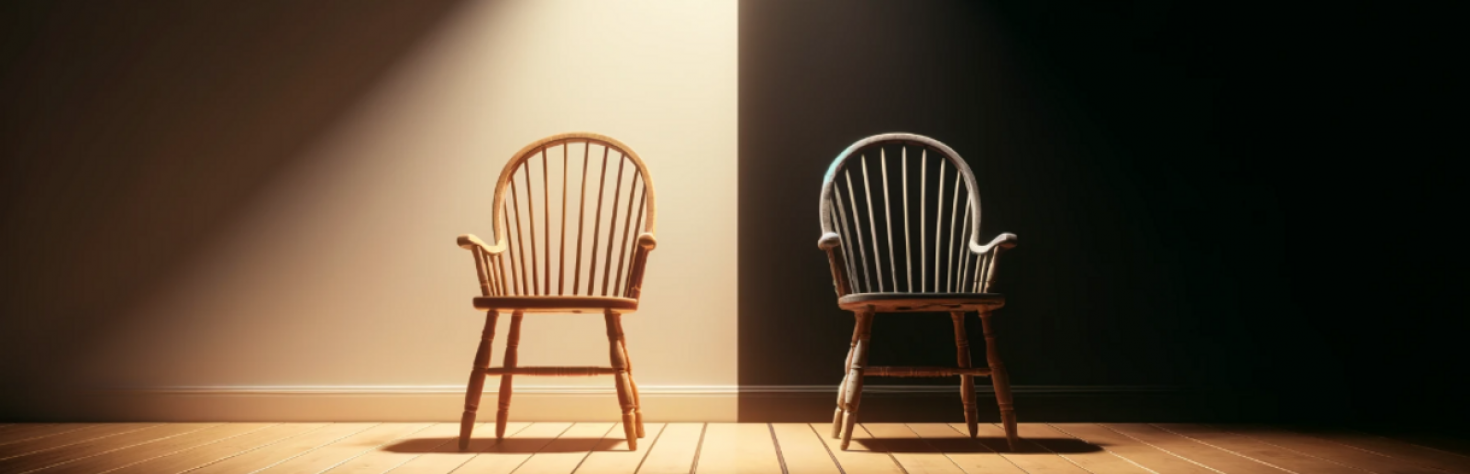
The launch of Dupe.com, a furniture e-commerce startup, and the lawsuit against Kim Kardashian for allegedly knocking off tables and chairs by artist Donald Judd highlight the ongoing conversation about the ethics of getting a look for less. While there is debate about the impact of dupes, the phenomenon has gained popularity in mainstream culture, with searches for "dupe" increasing since 2019. Dupe.com allows users to search for look-alike furniture at various price points, tapping into the psychology of dupe hunting. However, the site also demonstrates the slipperiness of the term "dupe" itself, with results ranging from cheap copies of iconic pieces to comparisons of similar products. The launch of Dupe.com and the Kardashian incident show that while the stigma around knockoffs has diminished, there are still cultural taboos around authenticity.
Features
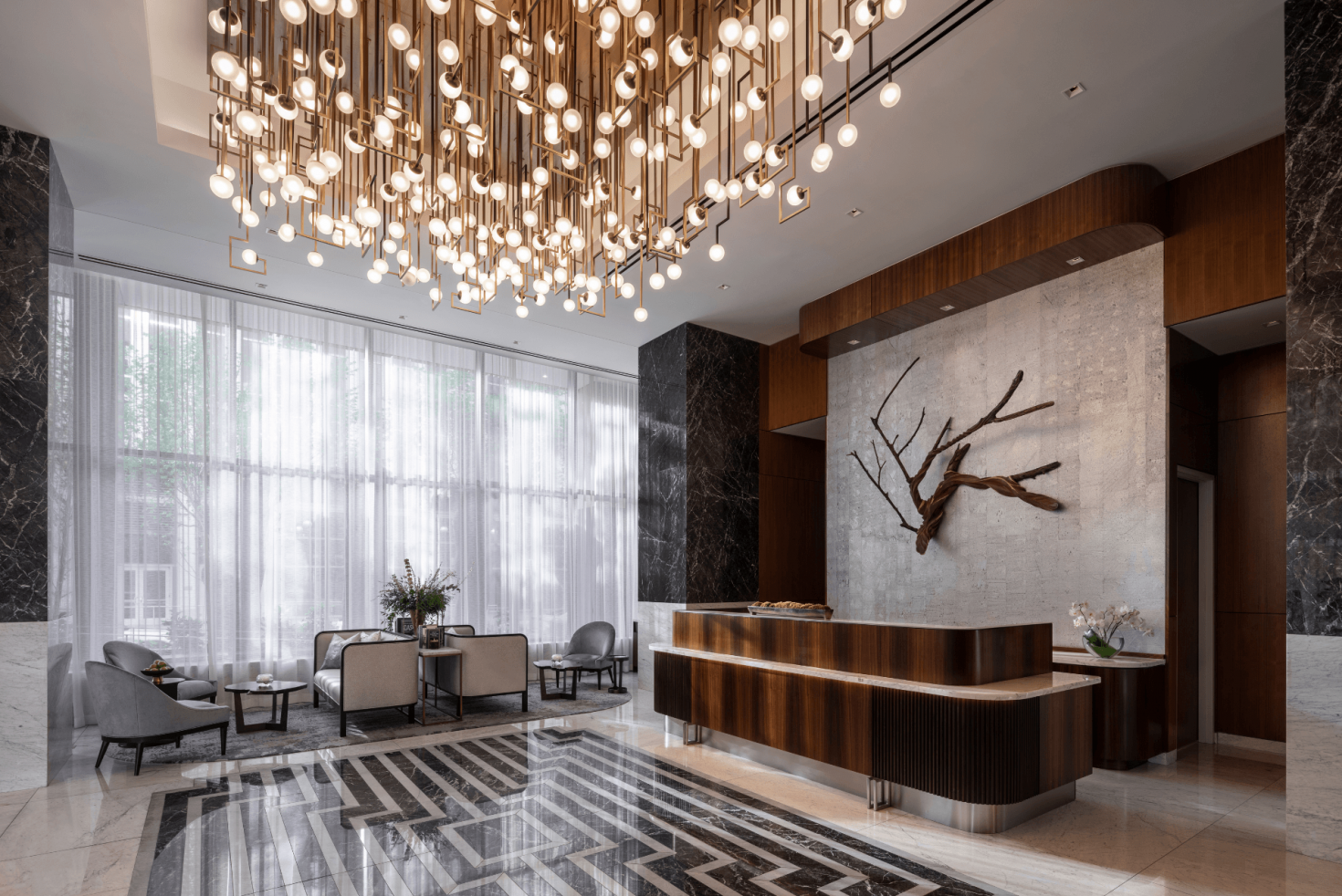
HOK's Lifestyle designers transcend traditional boundaries to create exceptional experiences across sectors. They infuse lifestyle elements from various sectors, such as hospitality, residential, workplace, sports, and entertainment, to create human-centered environments. The designers prioritize user journeys, narrative-driven spaces, and the power of design to improve interactions with environments. Lifestyle design is also embraced in unexpected sectors like sports and entertainment venues, healthcare, and building repositioning. The team employs a process that maps user journeys and customizes solutions based on project needs. In high-stress healthcare environments, lifestyle design principles support staff and patient well-being through dedicated staff areas and the transformation of overlooked spaces. The designers prioritize natural light, biophilia, and wellness principles to improve well-being. Preferences for lifestyle design are influenced by regional and cultural influences rather than generational differences. The team focuses on neurodiversity and inclusivity in their designs. Attention to detail and creating a positive human experience are balanced through a focus on personal interactions and establishing a clear design concept.

More employees are choosing to work from home due to unbearable behavior from coworkers, such as gossip, flirting, and swearing. Oversharing and taking credit for others' work are also common complaints. Toxic bosses and filthy workstations are additional reasons why employees are avoiding the office. Employers are urged to create moments of connection and prioritize finding solutions for toxic workplaces.
Workspace News
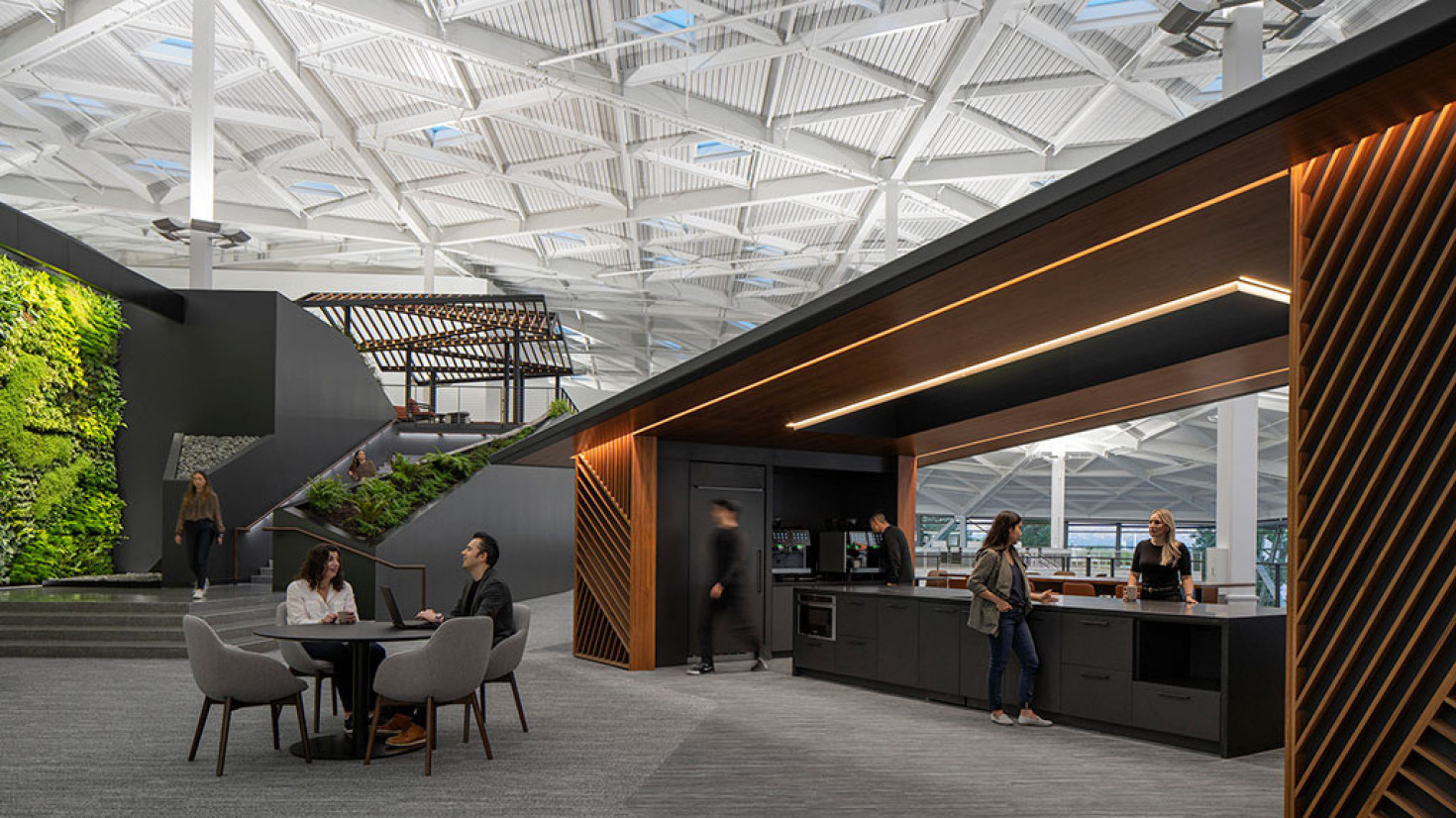
Workplace design can provide a competitive advantage for companies by creating a motivating and supportive environment for employees. A well-designed workplace attracts talent, aligns with values, and prioritizes sustainability and the human experience. Buildings that prioritize design resilience and sustainability are more attractive to the younger generation and are considered valuable and desirable in the market.
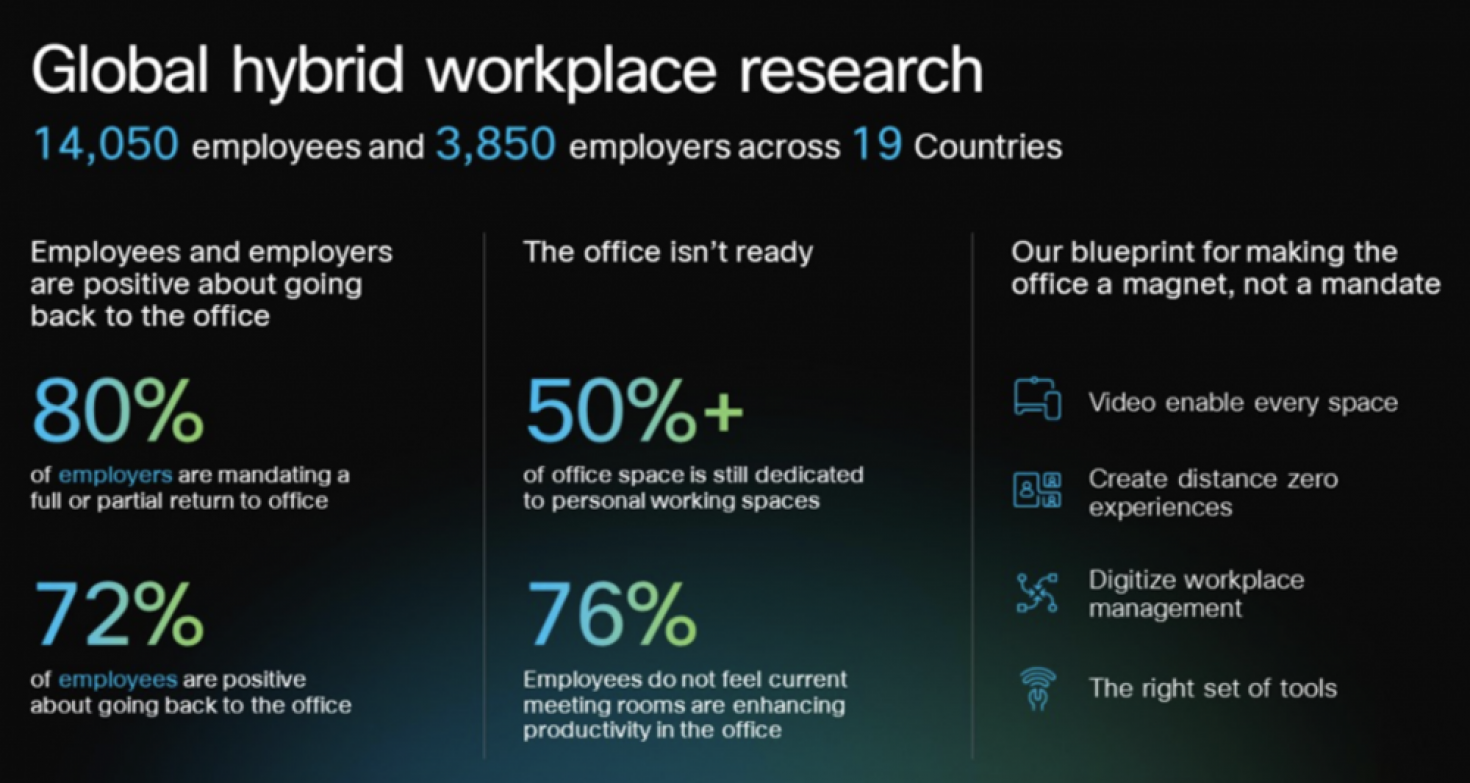
According to Webex's global hybrid work study, offices are not ready to support hybrid workers. The study reveals the need for office redesign, AI integration, and employee upskilling to improve collaboration and productivity in hybrid work environments.
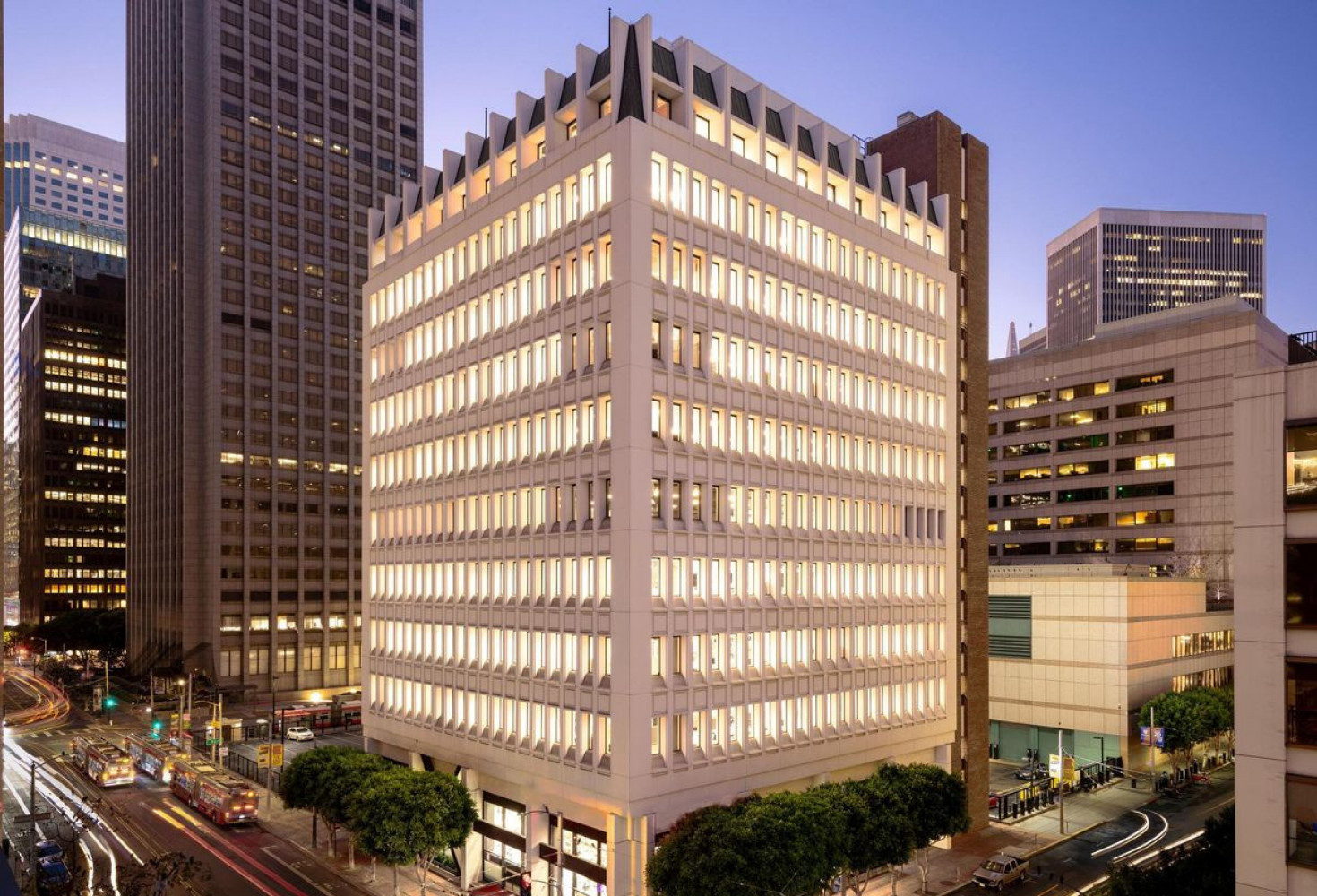
Presidio Bay Ventures plans to redevelop an office building in downtown San Francisco into an "office resort" to attract office tenants. The proposed project includes amenities such as a spa, fitness center, coworking lounges, and a rooftop bar and restaurant. The aim is to create a bridge between the home and traditional office setting and provide quality experiences for tenants. Despite the high office vacancy rate in San Francisco, the CEO of Presidio Bay Ventures remains optimistic about the city's recovery and cites factors such as venture capital investment and population recovery as reasons for attraction to the Bay Area.
Trends
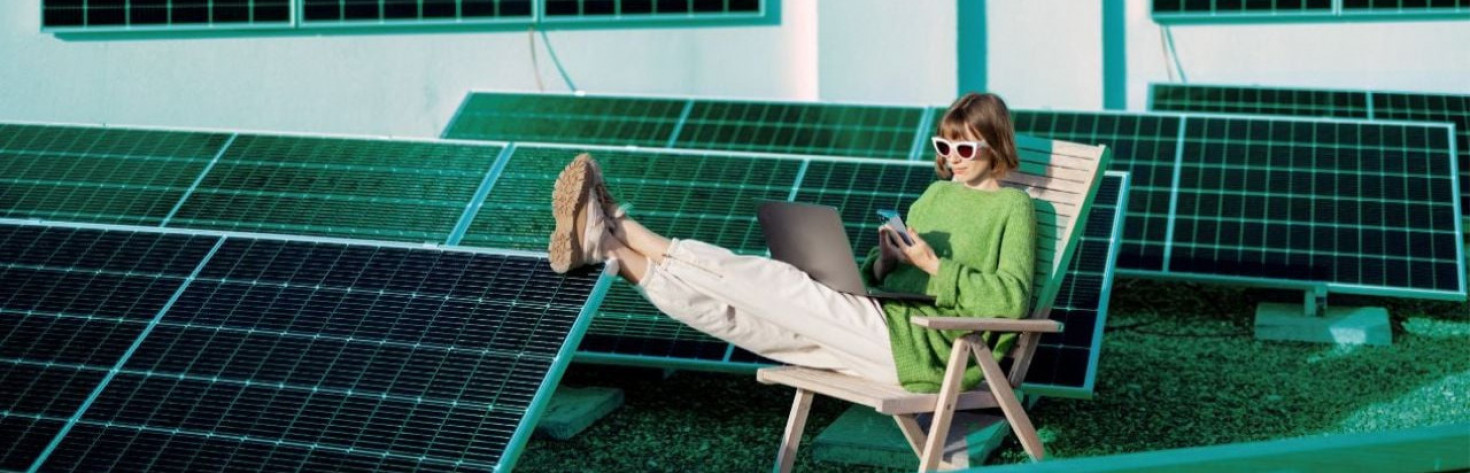
The integration of sustainability into flexible workspaces is crucial for businesses aiming to drive demand and enhance the overall workspace experience. By showcasing positive sustainability practices, workspace operators can differentiate themselves from the competition and attract new occupiers. Sustainable flexible workspaces offer multiple benefits such as cost savings, enhanced employee well-being, and a positive contribution to the community. Embracing eco-friendly design and practices aligns workspaces with environmental concerns and improves the workspace experience. Adopting green practices also creates economic and social benefits, including cost savings, improved productivity, and a better quality of life. The demand for sustainable workspaces is rising, driven by a workforce that values environmental responsibility. Embracing sustainability is not only a response to environmental concerns but also a strategic imperative for long-term success and a commitment to future generations.
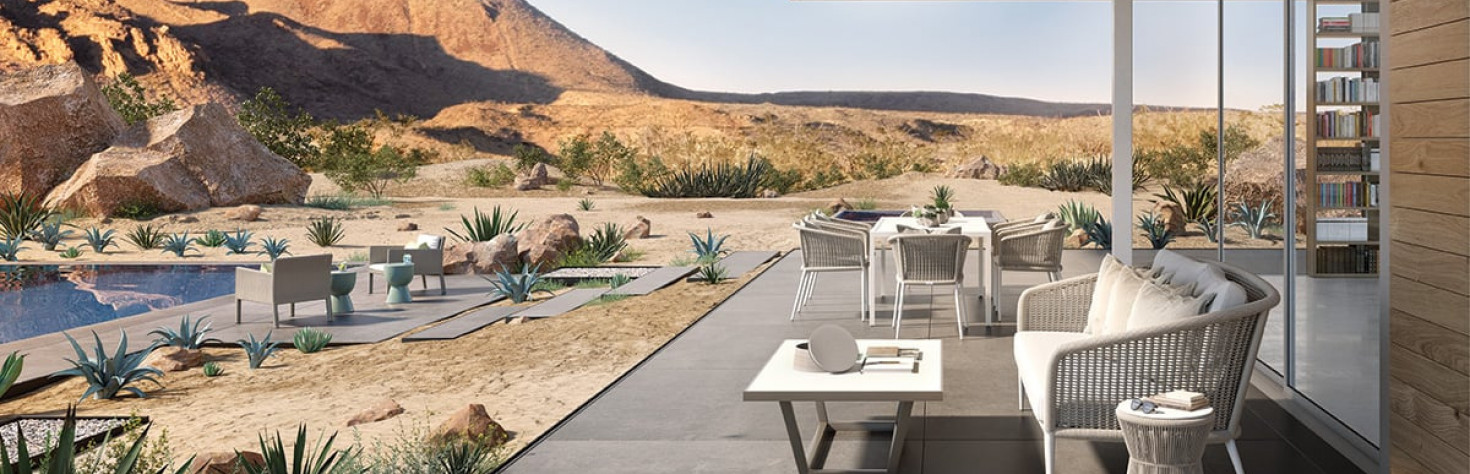
Spending time outdoors has numerous health benefits and can enhance collaboration and creativity. Creating outdoor workspaces that draw people outside can improve the overall workplace experience.
Design
To differentiate themselves from generic coworking spaces, operators should tailor their offerings and brand themselves around the specific needs of their target demographic. Creating an exclusive community and environment that resonates with the target group is key to attracting and retaining dedicated clientele. By shifting the perspective from running a coworking space to running a space designed specifically for a particular group, operators can create a strong, focused brand that stands out in the market.
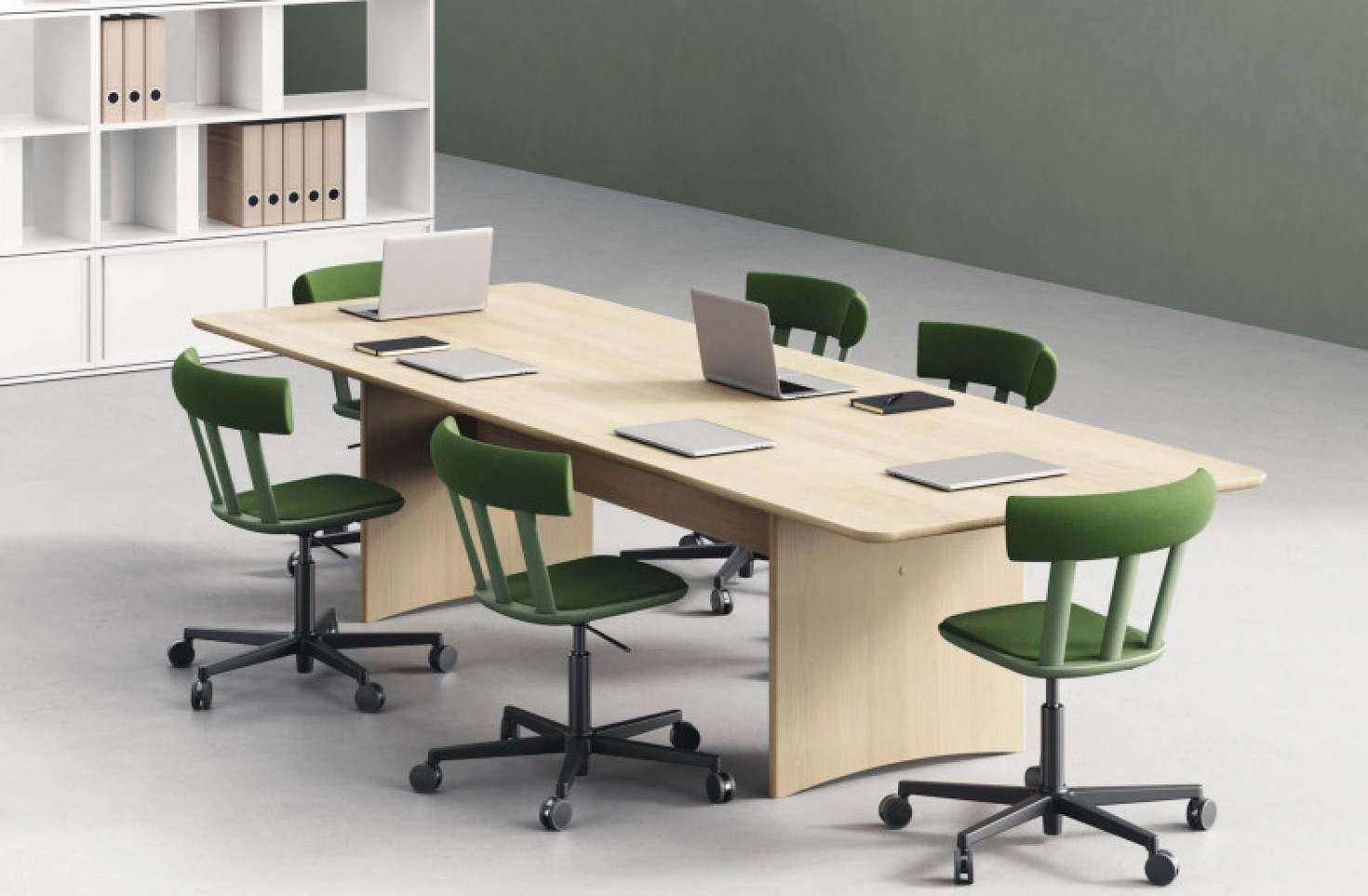
Highlighted are seven new-gen office chair designs that are rethinking workspace furniture. The chairs incorporate domestic cues, offer modularity, promote wellbeing, and provide customization options. Brands like Stolab, Wilkhahn, Gubi, Herman Miller, Mara, Viccarbe, and Brunner are featured in this curated collection.
Coworking
WeWork has made progress in determining the future of 90% of its global locations and aims to emerge from Chapter 11 bankruptcy in the U.S. and Canada by the end of May. The company has reached agreements with landlords to amend 150 leases, will maintain leases at another 150 locations, and plans to shutter approximately 150 locations. These actions will save WeWork over $8B in rent commitments and eliminate $3B in secured debt obligations. WeWork expects to emerge as a leader in the industry with little to no debt and continue operating in over 20 countries.
Green / Sustainability
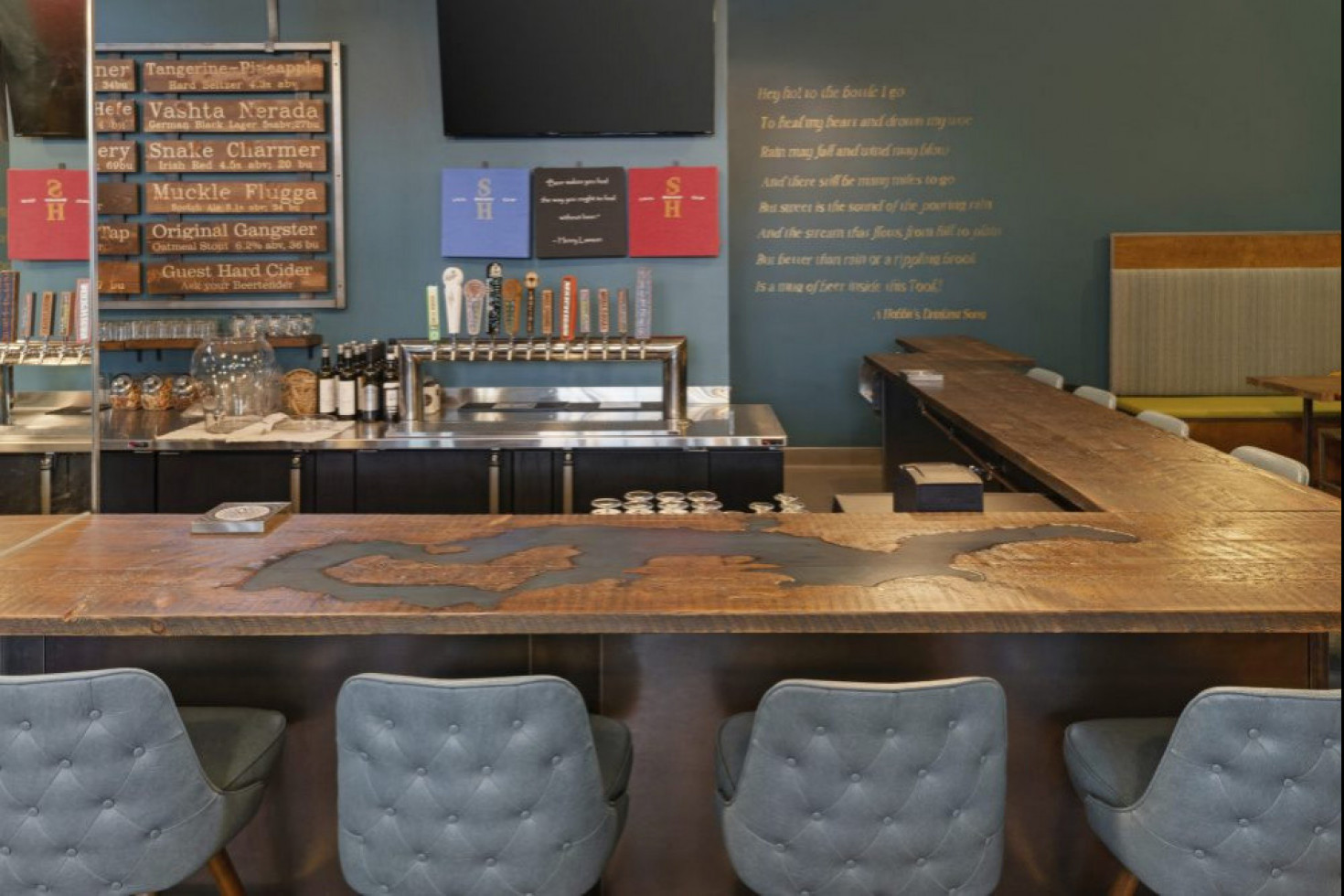
Ware Malcomb's Director of Sustainability, Erica Godun, discusses the concept of circularity in sustainable workplace design. Emphasizing the importance of repurposing, reclaiming, and reimagining materials, the article explores strategies for reducing embodied carbon and implementing circular economy principles in commercial architecture and design. The article highlights the benefits of deconstructing instead of demolishing, reusing materials on-site, and purposeful material and product specification. The ultimate goal is to create environmentally responsible spaces that leave a positive legacy for future generations.
Latest Product News
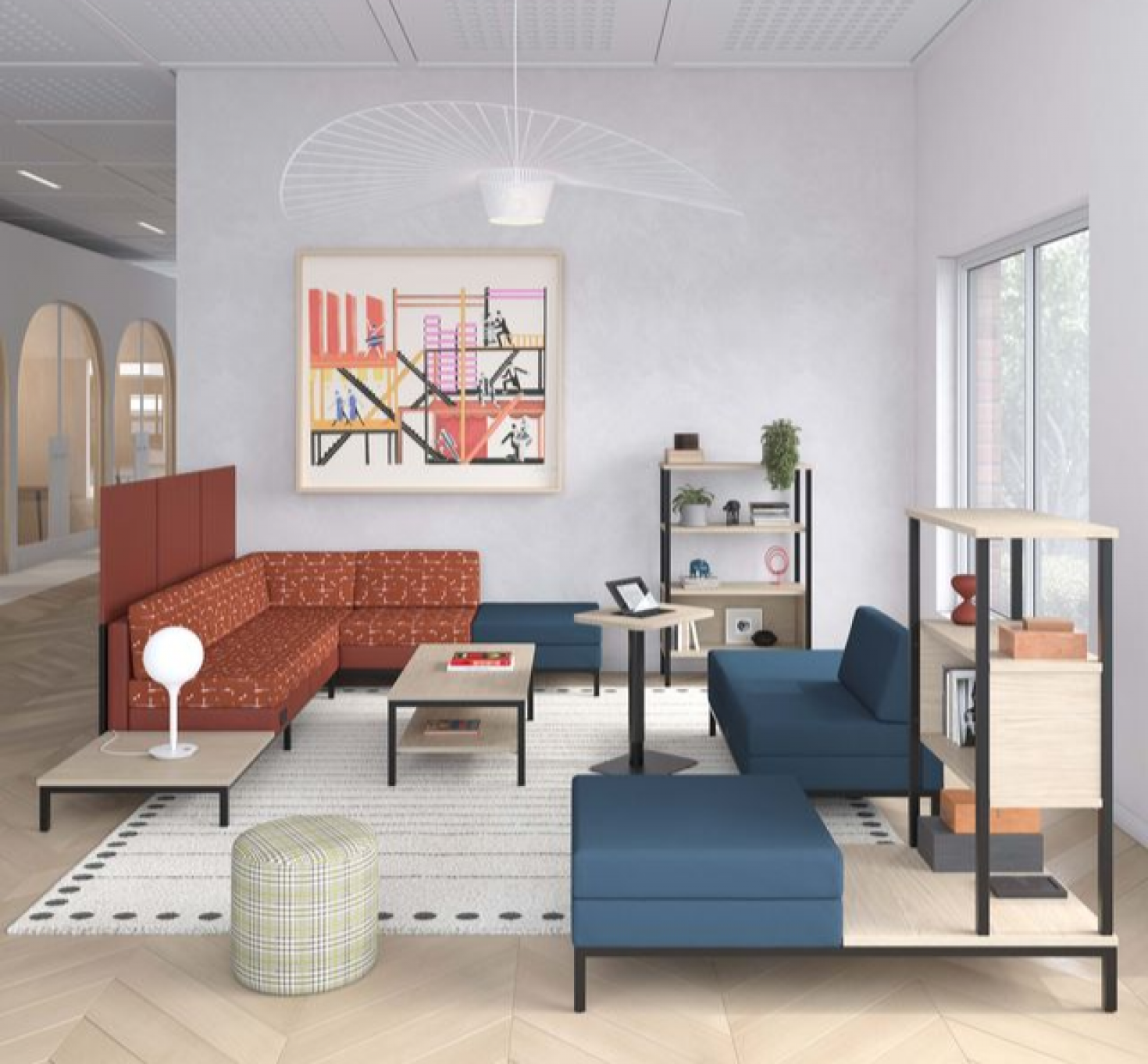
Groupe Lacasse has introduced new additions to their Cube 300 collection, offering exceptional quality and timeless design. With the flexibility to add armchairs, bookcases, and storage modules onto metal bases, Cube 300 allows for dynamic setups in various spaces, from lounge areas to collaborative environments.
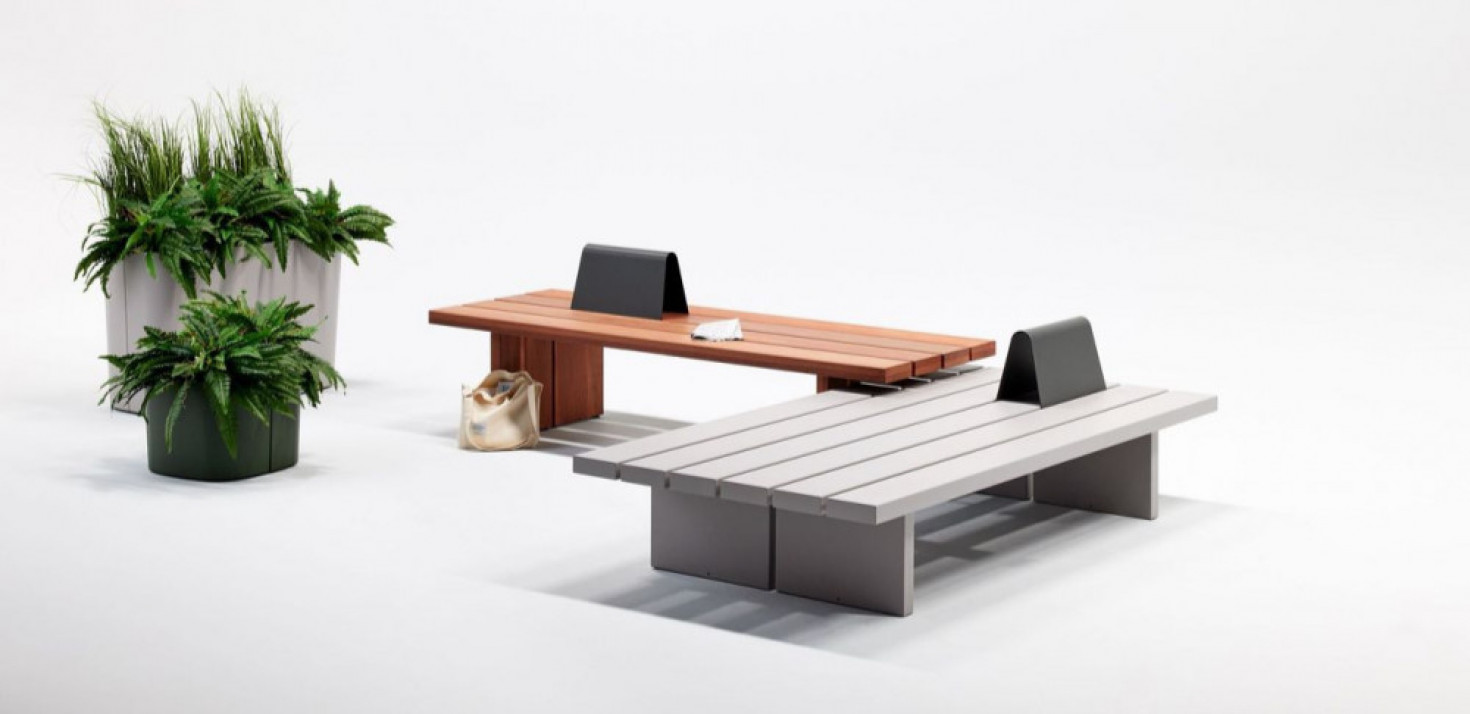
Landscape Forms and Industrial Facility have introduced Plains & Pods, a system of seating, surfaces, and planters designed to inspire flexible and multi-functional space design. Plains offers customizable settings of layered seating and surfaces, while Pods are seating and planters designed to be grouped together in multi-layered clusters. Together, Plains & Pods create depth, multi-functionality, and aesthetic richness in landscape design.
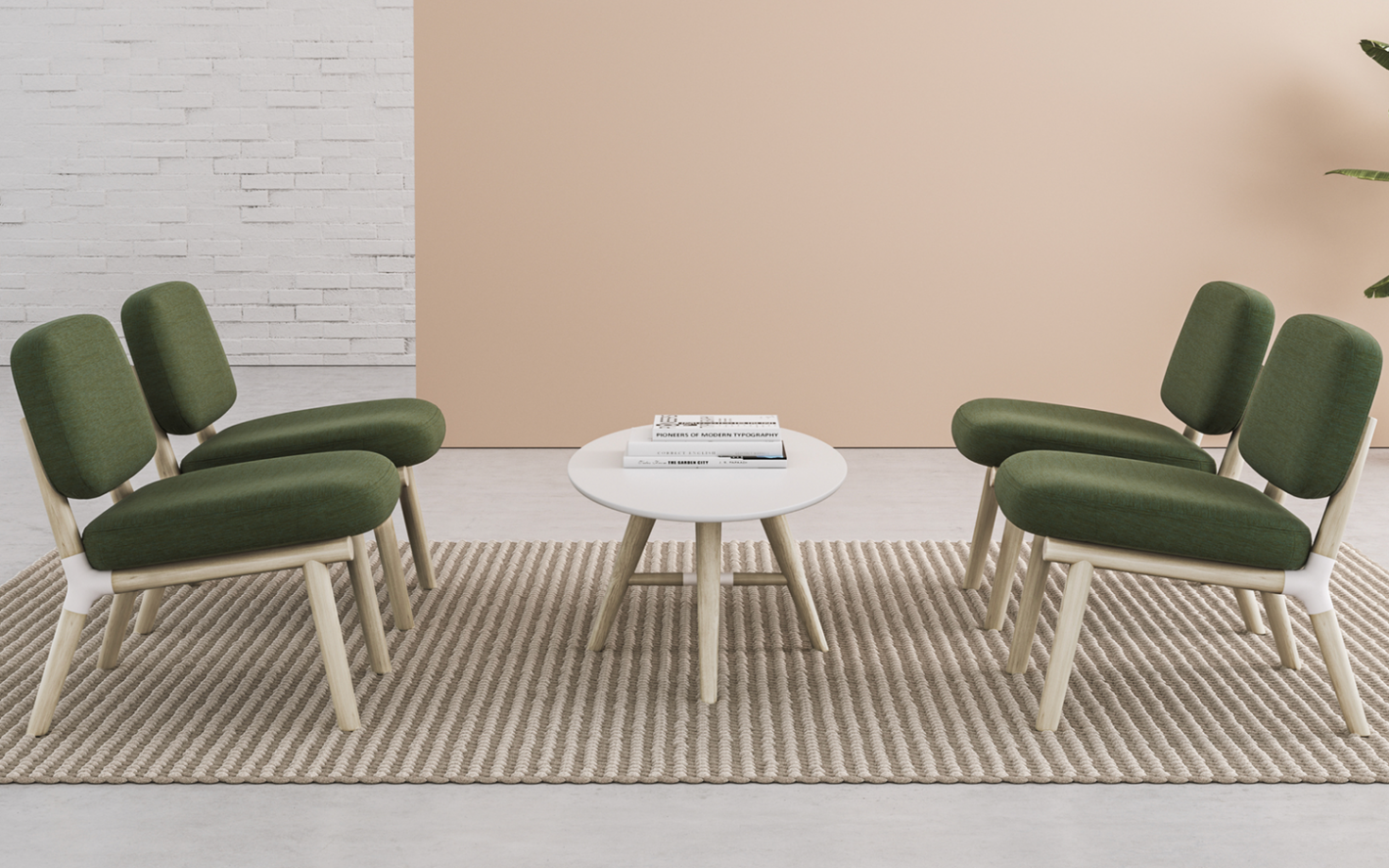
Encore has unveiled the Sunny collection, a versatile range of seating and tables inspired by the lighthearted spirit of California. Designed by Rainlight studio, the collection features a tapered wood frame with die-cast aluminum connectors, promoting flexibility and easy rearrangement. The design draws inspiration from surf culture and emphasizes nature, community, and simplicity. The collection offers customization options for finishes and materials, allowing for a variety of aesthetic choices. Sunny is suitable for various settings, including libraries, lobbies, and collaborative areas.
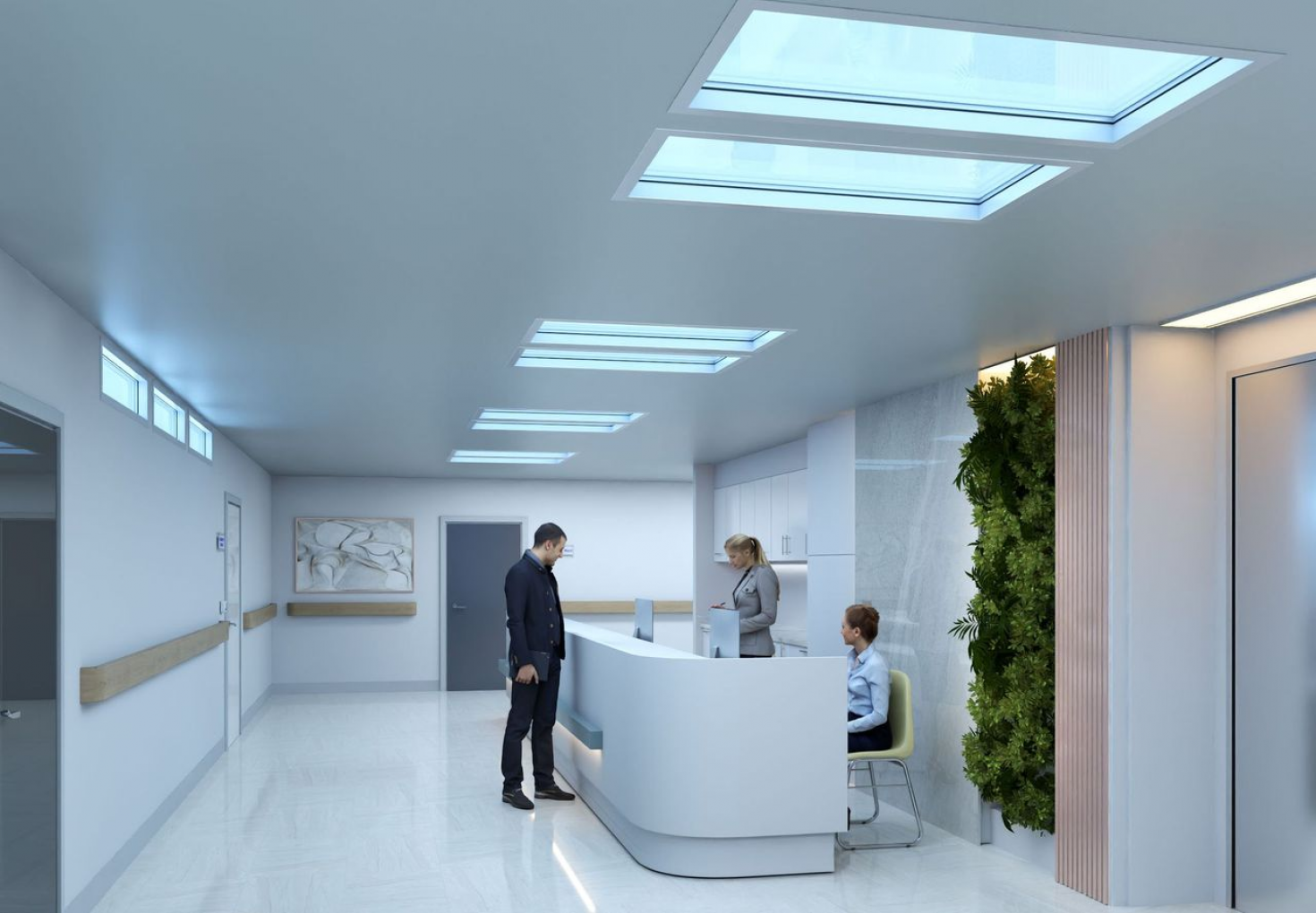
Innerscene has launched Circadian Sky, an innovative artificial skylight and window solution that brings the beauty of natural skies into indoor spaces. With features like a wide CCT range, high color accuracy, and a versatile installation, Circadian Sky enhances aesthetics while promoting well-being. It also contributes to WELL Building Standards and offers a visual connection to nature and sunlight in various environments.
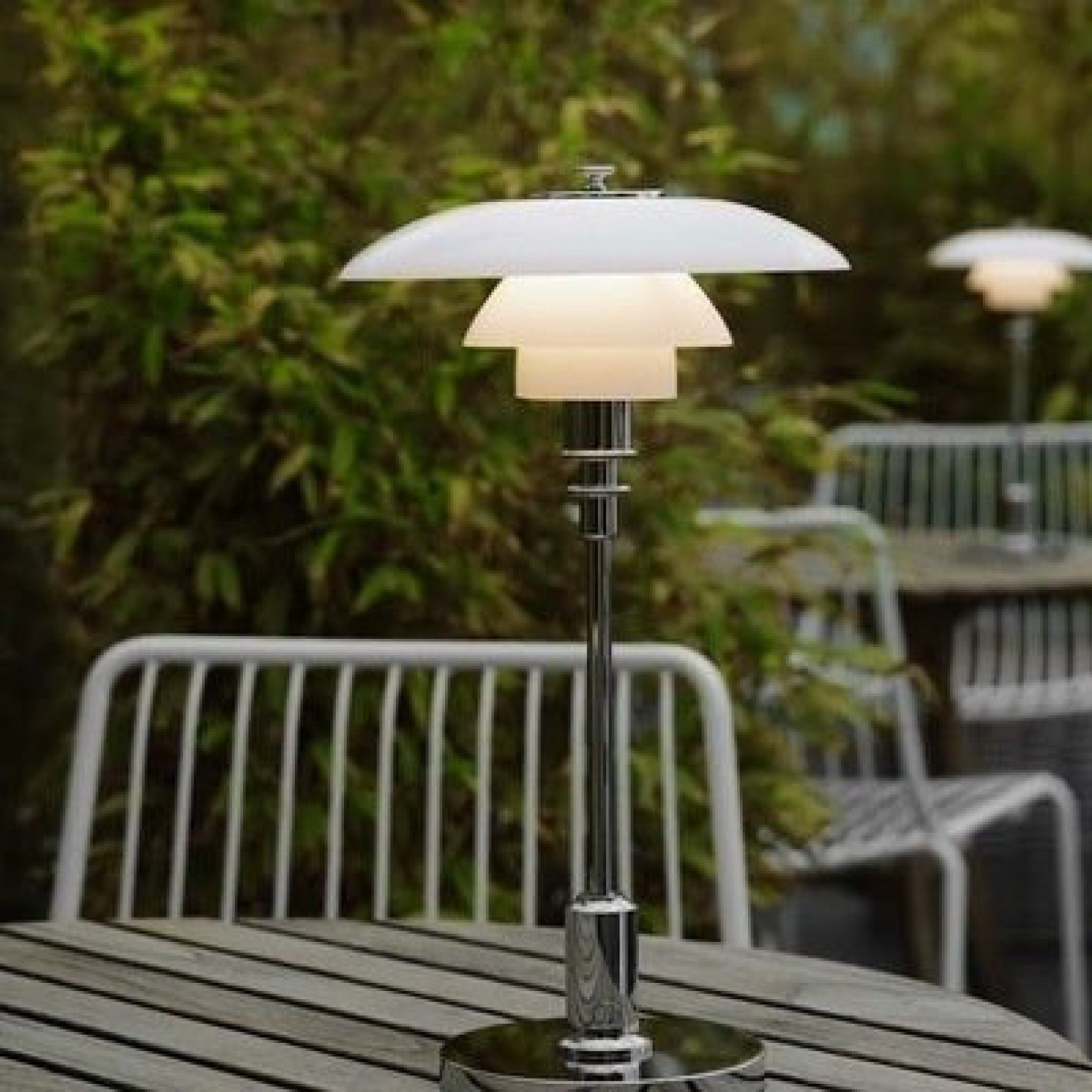
Danish designer Poul Henningson's PH 2/1 table lamp, part of a series incorporating his specific arrangement of shades, has been upgraded to be wireless with a rechargeable battery powering LEDs. The lamp features mouth-blown opal glass shades, brass or chrome finishes, a stepless dimmer, and a battery runtime of up to 5.5 hours at 100% brightness. The lamp is priced at $1,043.
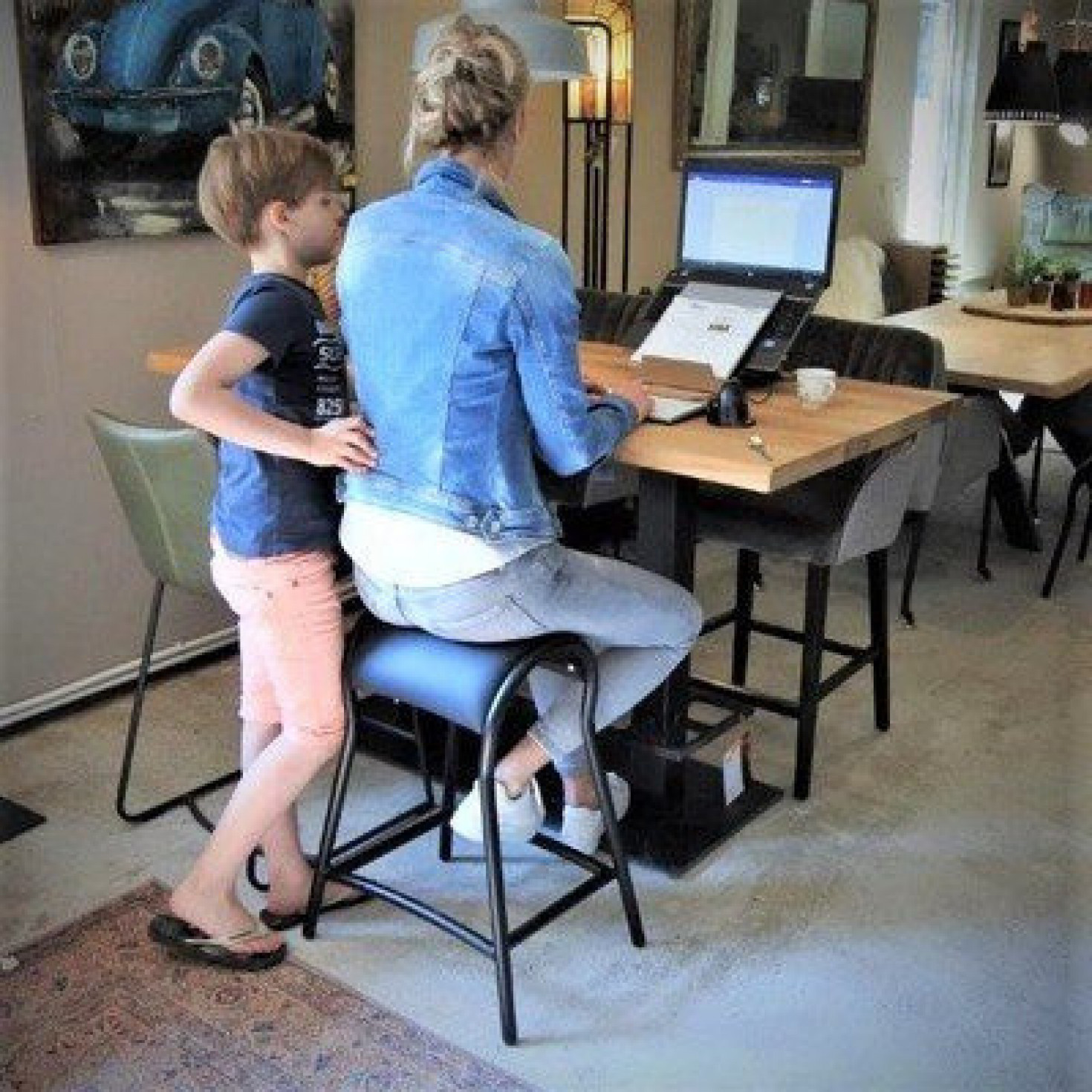
The Zami Ergo stool, designed by Ruud-Jan Kokke in collaboration with orthopedic surgeon Piet van Loon, offers an ergonomically correct sitting posture to improve posture and prevent back pain. The company, Zami Ergo, offers a range of stools in wood and metal, including models with and without backs.
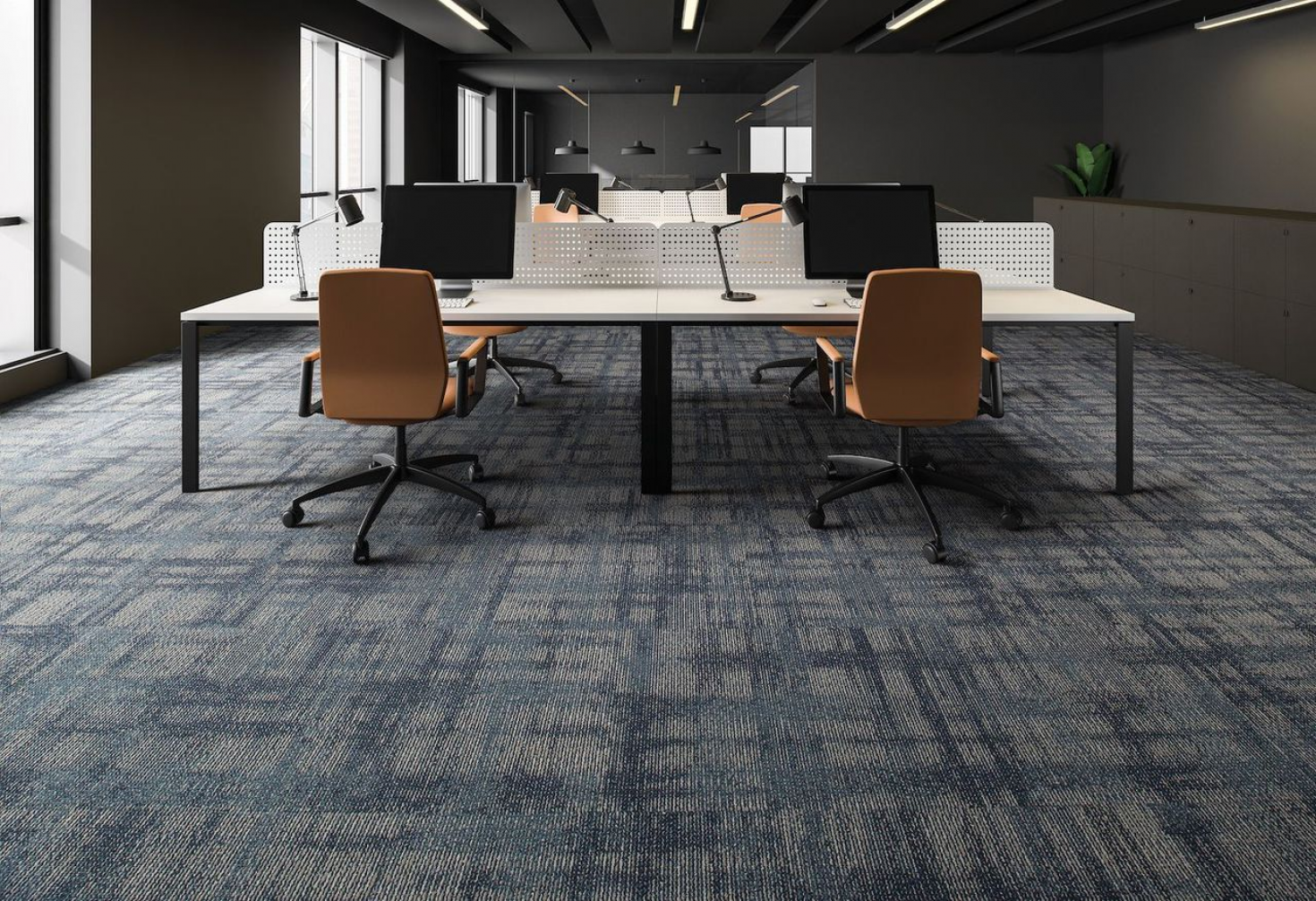
J+J Flooring has introduced the Artistic Elements carpet tile collection, inspired by the foundational building blocks of art. The collection includes two patterns, Balance and Rhythm, available in eight colorways. The tiles offer design flexibility and can be used individually or together as a complete flooring system. Manufactured using J+J Flooring's Encore® SD Ultima® nylon fiber, the collection is designed for various commercial applications and comes with lifetime performance warranties.
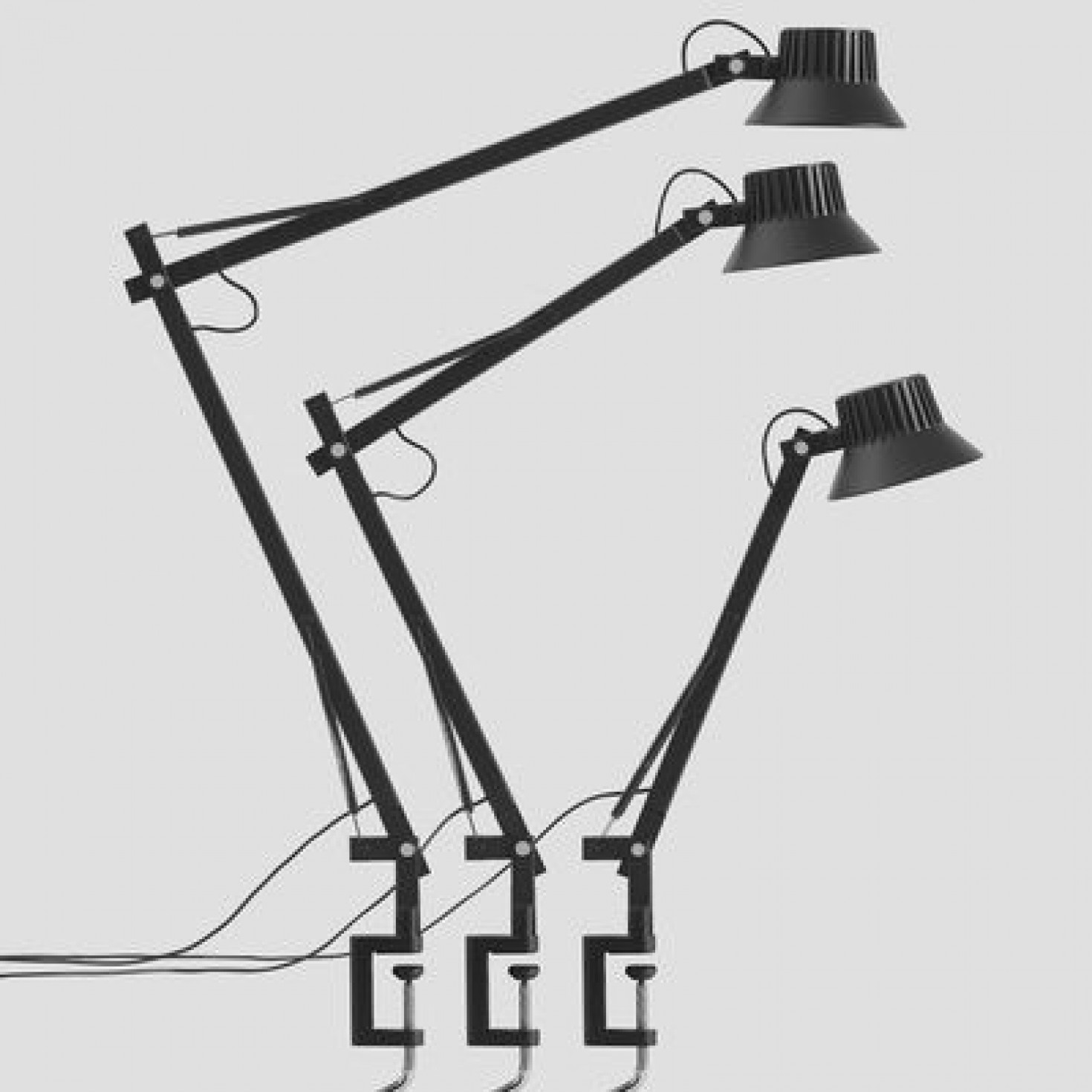
Industrial designer Thomas Bentzen has updated the classic architect's lamp with his Dedicate Lamp, focusing on achieving smooth movement and a pleasant grip. The lamp comes in multiple sizes and mounting options, is made of powder-coated aluminum, and features dimmable LEDs. It is set to go into production by furniture manufacturer Muuto.
Trends in Commercial Projects from Around the Globe
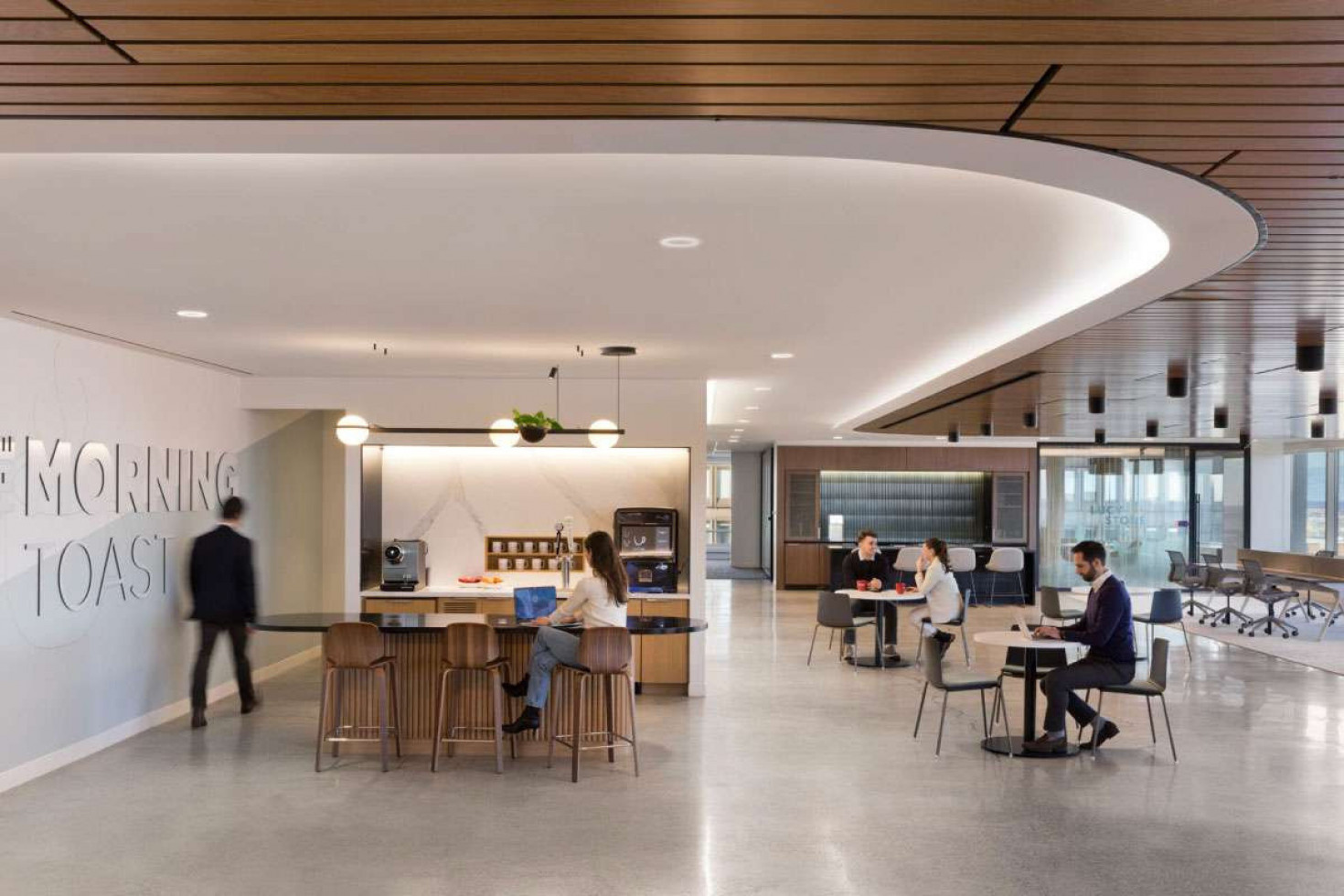
Cushman & Wakefield's newest office in Boston embraces inclusive design features that were explicitly requested by its staff. The design process was democratic, with feedback from all employees, and includes spaces for neurodiversity challenges, access to city views for all, and a more prominent breakroom. The office is smaller but designed to feel larger and incorporates solutions that address the diversity of its staff, reflecting the trend of inclusive designs becoming the norm in post-pandemic workplaces.
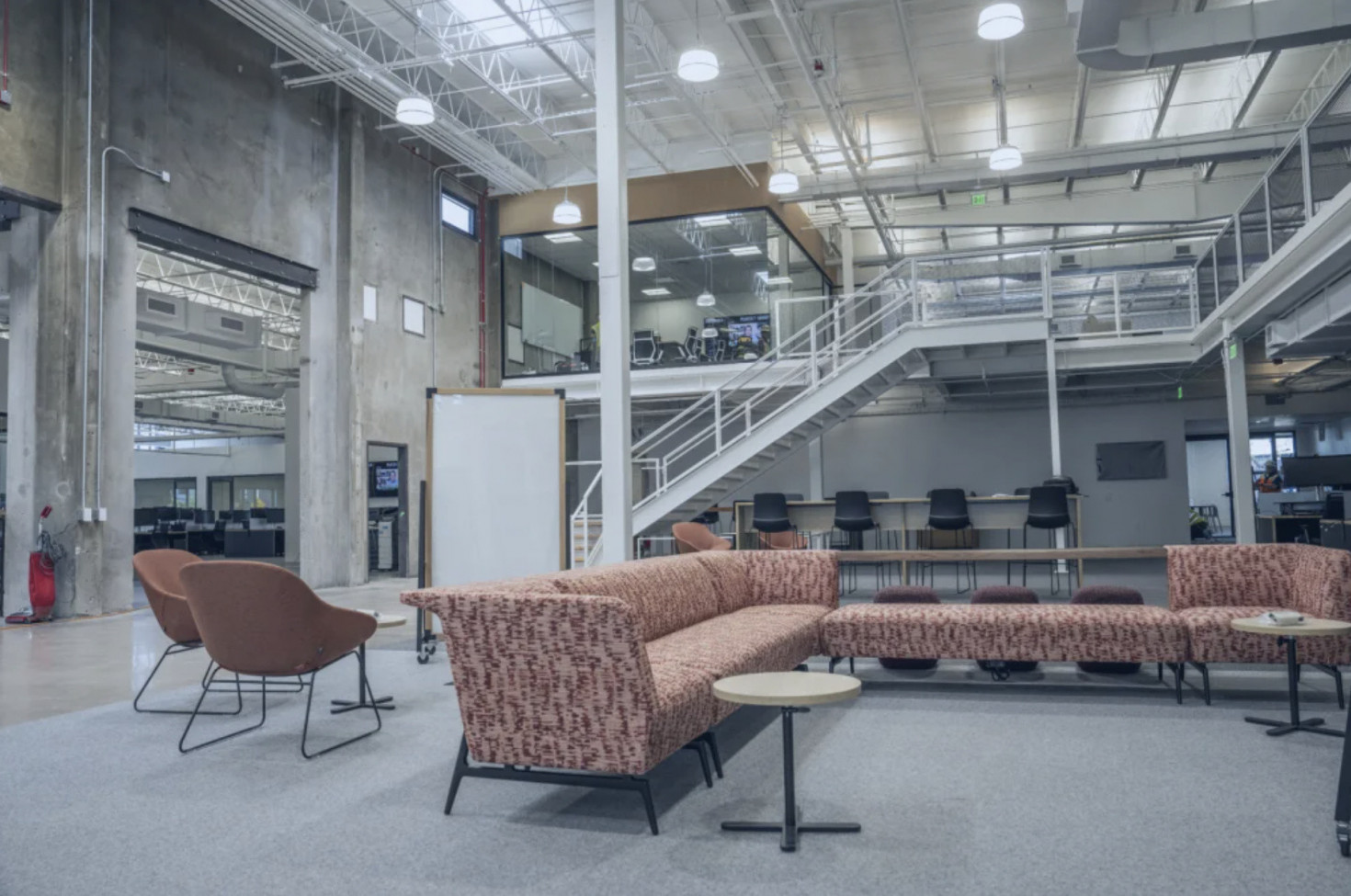
The Phoenix Suns and Mercury have built a new $100 million headquarters in Phoenix's Warehouse District, designed to provide a well-funded tech company atmosphere for their employees. The 76,000-square-foot campus features various amenities such as sports courts, a weight room, pantries, coffee machines, and a kitchen. The open-concept plan aims to foster a strong team culture, and the move of business operations from the arena allows for fan experiences to be added. The new headquarters also includes public spaces for community events and a team store.
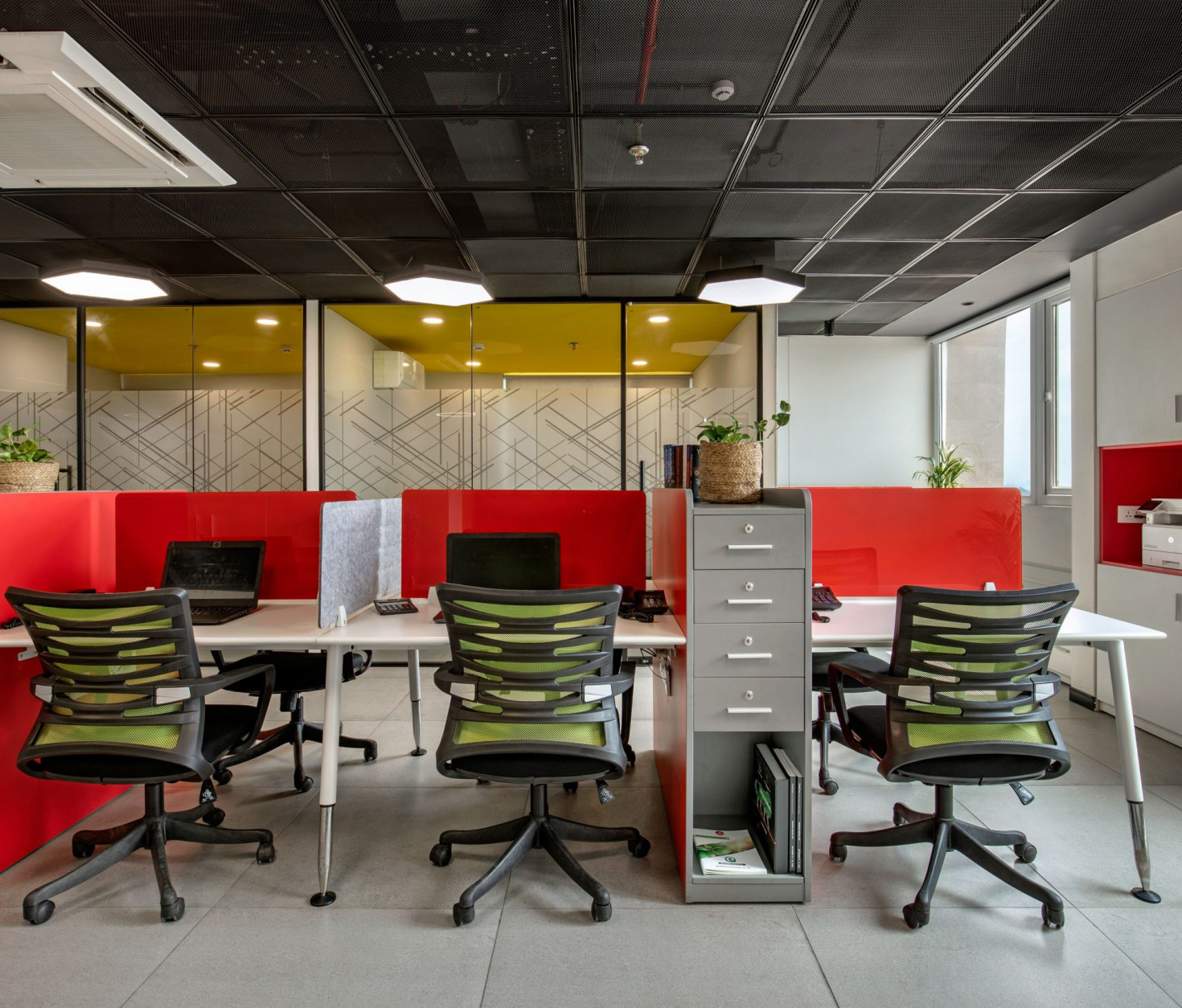
Resaiki designed a bright and inspiring office for Krishi Rasayan in New Delhi, incorporating color theory and Vastu principles. The 4,000 sq ft office features the signature colors of Krishi Rasayan strategically placed against dark grays and earthy tones. Special attention was given to address noise challenges, and health and wellness initiatives were integrated into the space. The project resulted in a positive experience for the clients.
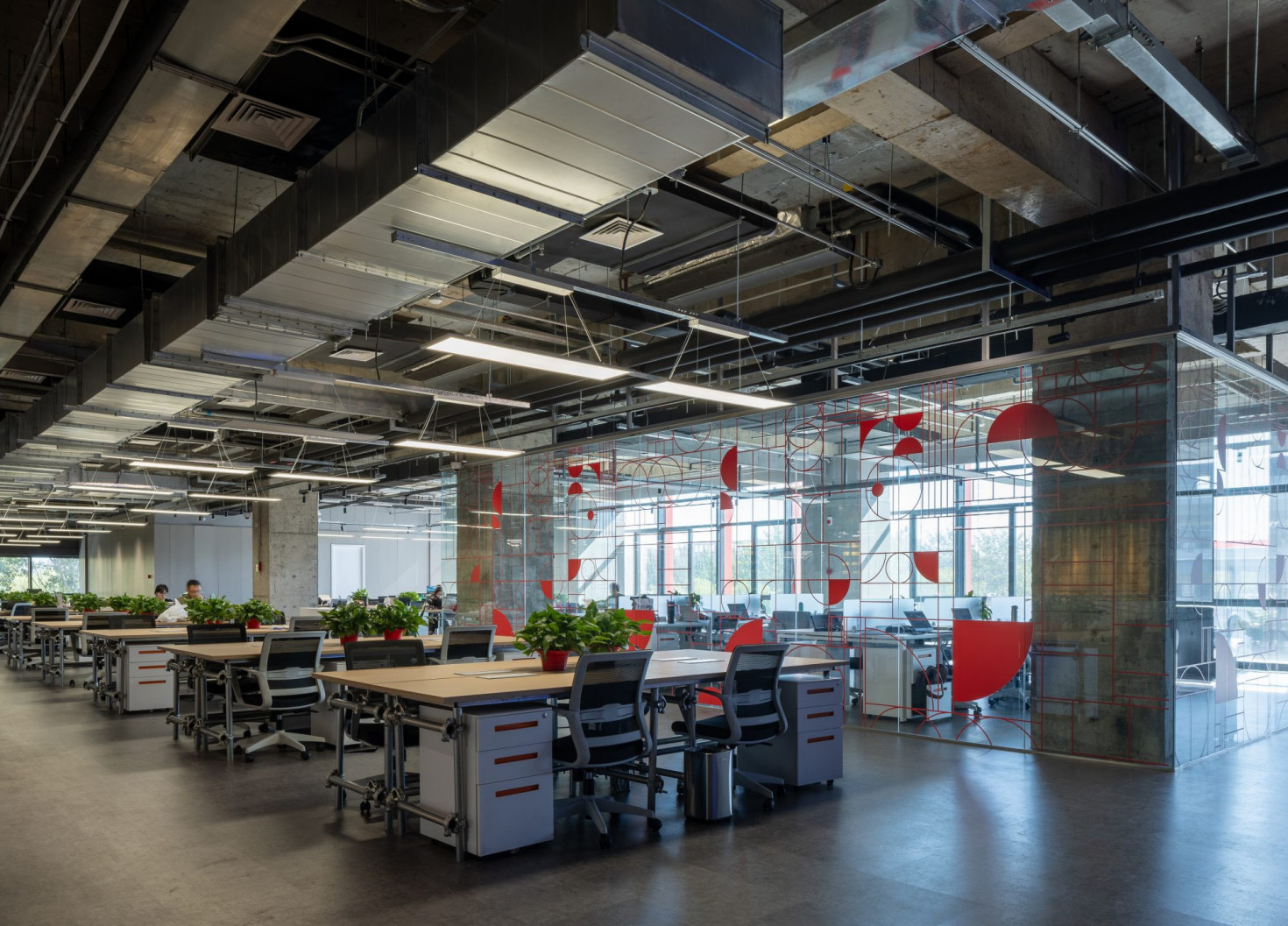
The Tongrentang Health Live Broadcast Base in Beijing, designed by WUUX Architecture Design Studio, integrates health industry concepts, services, demands, and technology. The avant-garde design incorporates Oriental Futurism, breaking traditional norms and emphasizing comprehensive space utilization. The space promotes a healthy lifestyle and aligns with Tongrentang's brand culture. Technology products include 5G, metaverse experience, digital technology, and augmented reality.
Latest In Real Life WFH
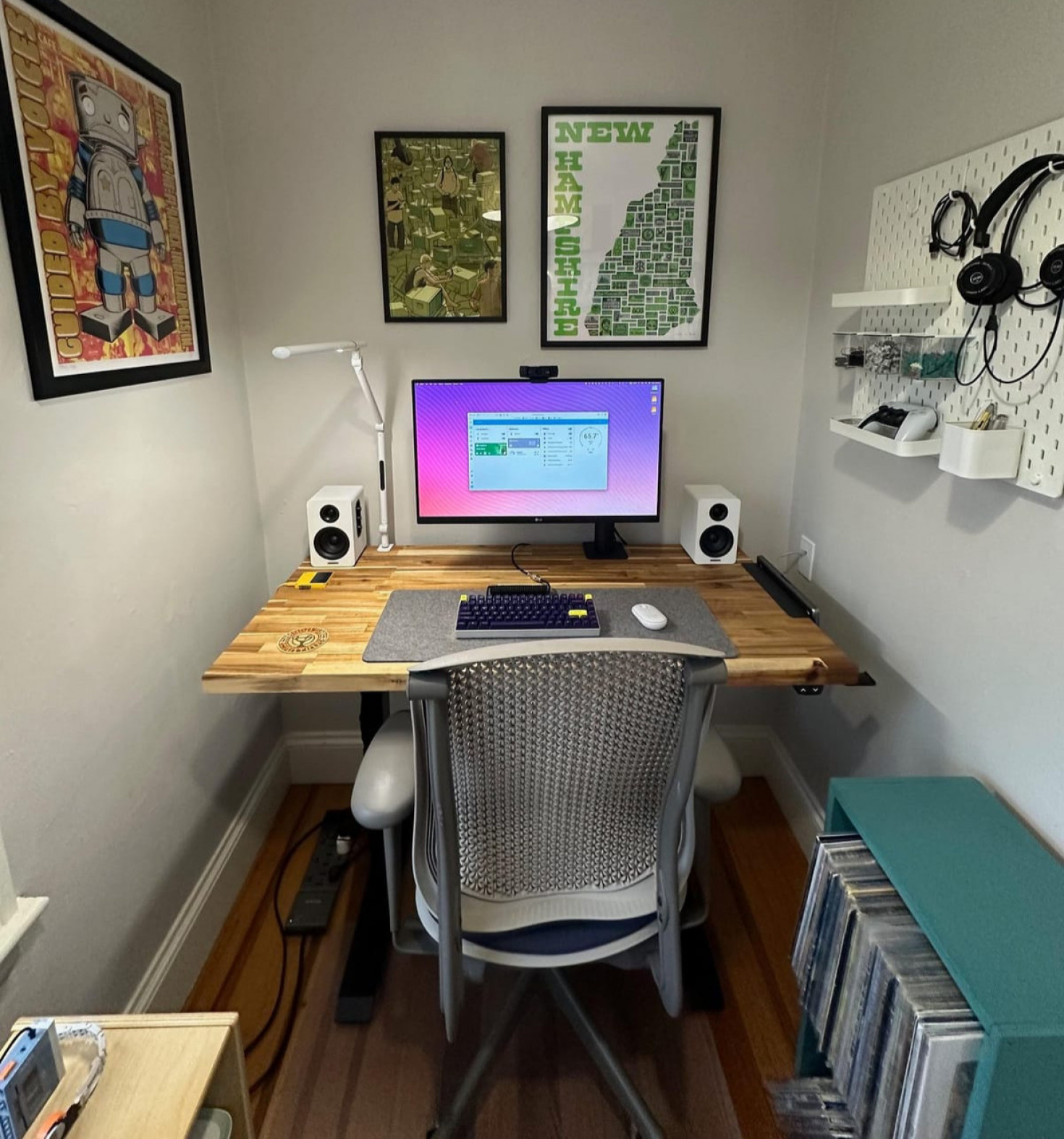
Peter Beardsley, an eCommerce Technical Architect, shares his small home office setup in Portsmouth, New Hampshire. The workspace, located in a closet with a window, features a compact desk, a selection of books, and a display of vinyl records. Peter uses a standing desk, multiple computers, and various tools like CleanShot X and tmux for productivity.
Upcoming Industry Events
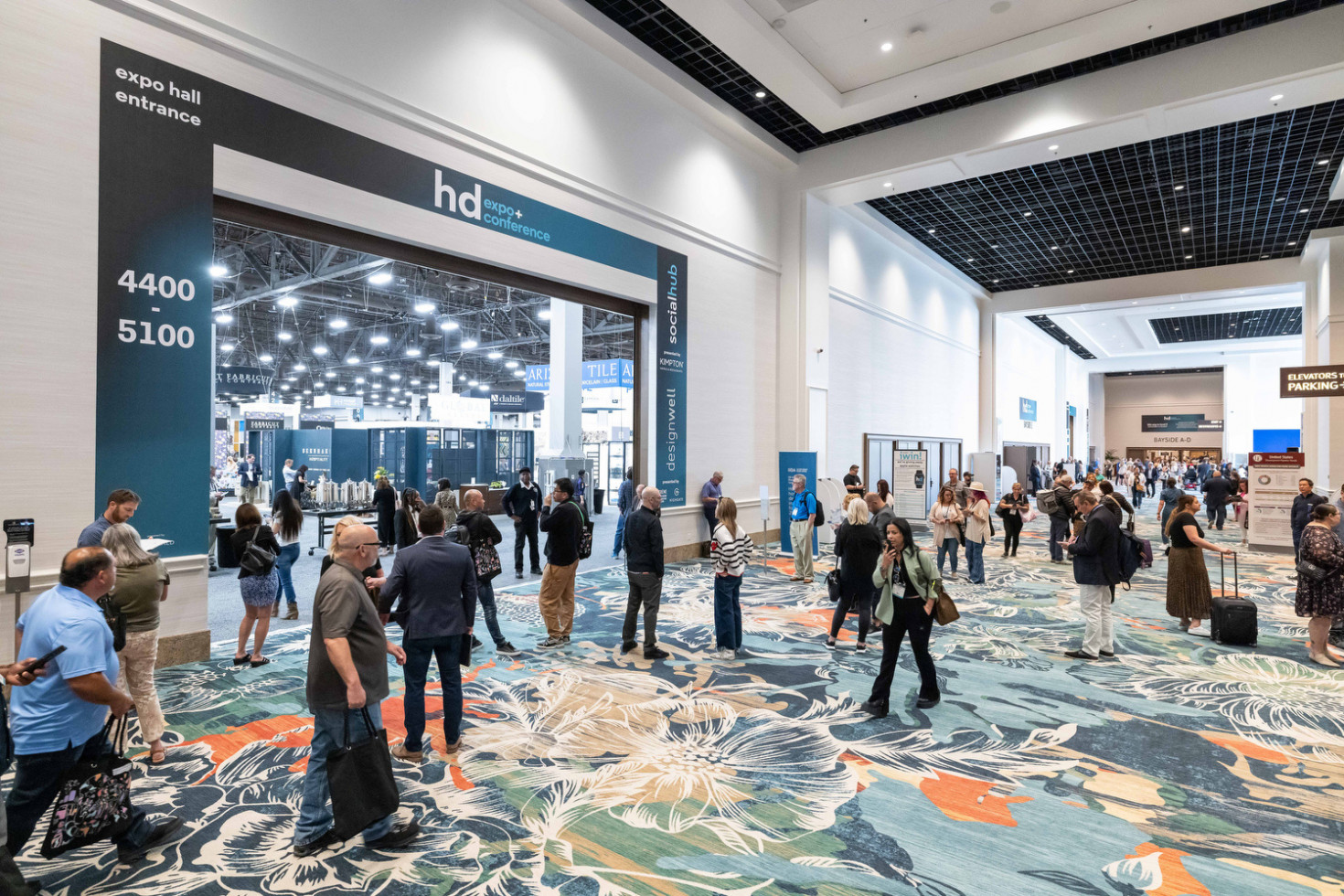
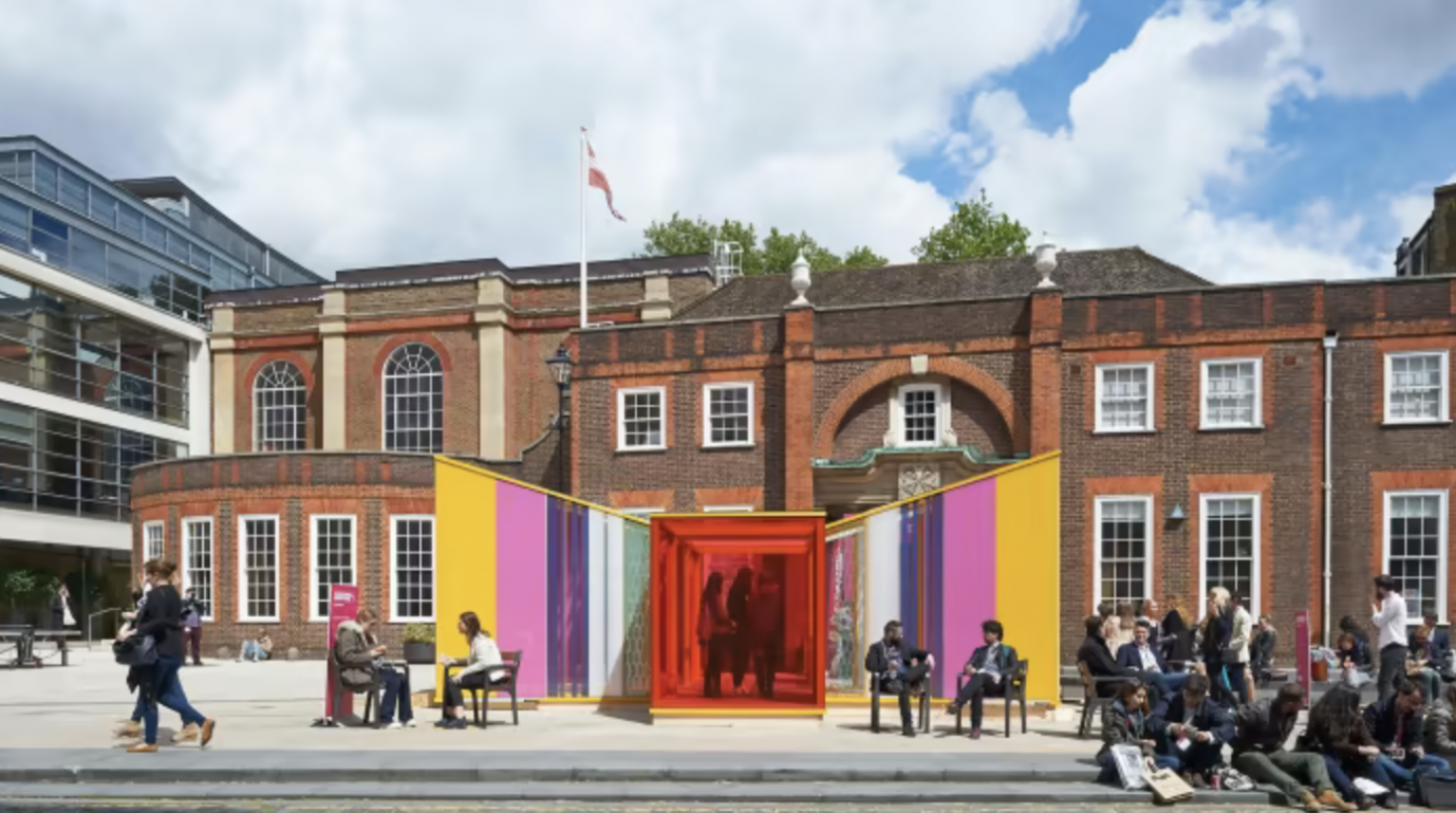
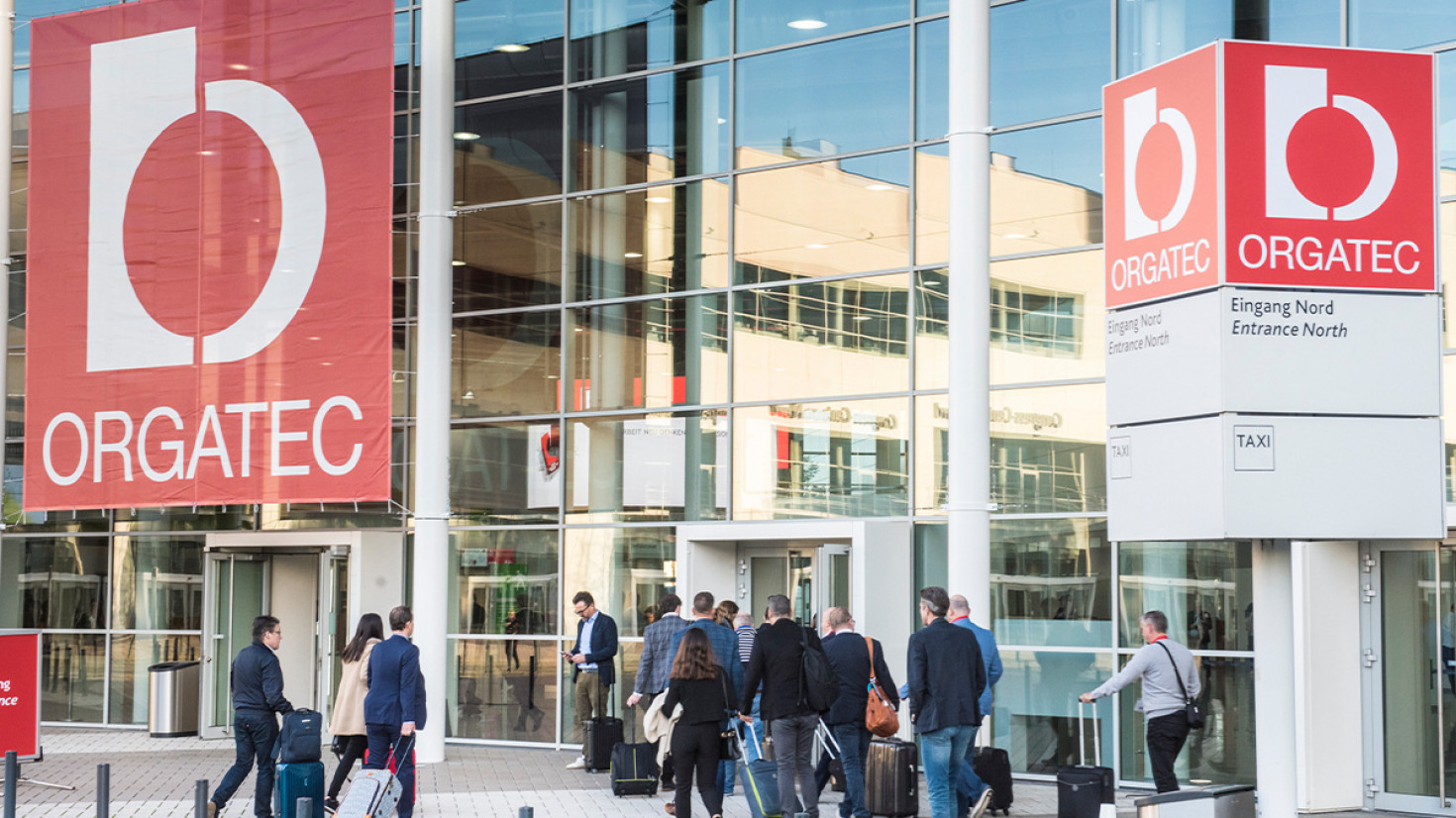
Techtextil and Texprocess: 23 to 26 April 2024 in Frankfurt
From April 23-26, 2024, the Techtextil and Texprocess trade fairs in Frankfurt will showcase innovations in the textile industry, including textile production, advanced materials, and processing. Over 1,600 international exhibitors from around 50 countries will present their latest technologies and products. The trade fairs will feature talks, discussions, and interactive events, as well as innovation awards. A new focus on "Nature Performance" will highlight natural and recyclable materials with functional properties. The Econogy program will guide visitors to exhibitors with sustainable offerings.
Industry Briefing

IIDA NY Leaders Breakfast
The IIDA NY Leaders Breakfast® will feature Cassi Chandler and celebrate design excellence and recent achievements for the chapter, providing a networking opportunity for participants from across the New York Chapter, including students and young professionals. Pier Sixty, Chelsea Piers on Thursday, May 9 from 7:30 a.m. to 10:00 a.m.
Humanscale Highlights New Opportunities to Optimize Ergonomics in Hybrid Workspaces with its Latest Whitepaper
Humanscale has released a whitepaper titled "Hybrid Hurdles: The Complex Reality of Post-Pandemic Office Ergonomics," authored by Dr. Alan Hedge. The paper highlights the shift in workspace dynamics post-pandemic and the ergonomic challenges faced by a workforce no longer tied to a single location. It emphasizes the need for ergonomic solutions that cater to various work environments and introduces the concept of "everywhere ergonomics." The whitepaper serves as a call to action for businesses to adapt and support the workforce in diverse work settings.
EDmarket Seeking New Class of NexGen Rising Stars
EDmarket is seeking nominations for the 2024 NexGen Rising Stars Awards, which recognize outstanding young professionals in the education field. Winners receive mentoring, press recognition, professional development, and will be celebrated at the annual EDspaces conference. The deadline to apply is June 30, 2024.

Find the best Contract Furniture Industry jobs and hire the best talent.






We’re seeking a knowledgeable in-house Project Coordinator, experienced in systems office furniture. In this role, you will handle full coordination of our in-house office furniture projects from the point of sale until each project is completed and beyond.

Indoff is expanding and is in need of experienced outside sales professionals in your area. If you’re tired of missing out on money due to low commission rates or you’re sick of quotas, then Indoff is the perfect solution for you.

As a Business Development Representative at our growing company, you will work with a team of professionals dedicated to manufacturing quality commercial office furniture to dealers, architects and more. This position will cover the Ohio / Indiana / Pittsburgh / Kentucky regions.

We are seeking a motivated and experienced commercial furniture and interiors Sales Manager to lead our sales team and drive business growth.

A Project Designer's role includes, but is not limited to, design programming, concept development, space planning, furniture and material selections, creating supporting documents, pricing, and drawings via commercial furniture software, such as AutoCAD, Project Matrix and CET Designer.

Dynamic and fun Arlington, VA-based office furniture dealership, Washington Workplace, seeks a qualified sales superstar to add to its growing staff. Make some money!!!!

We are seeking a dynamic and results-driven Sales Representative to join our team on a remote basis. The Sales Representative will be responsible for managing representative relations, developing new sales leads, and exploring contract office furniture projects.

This position identifies prospective customers, generates leads, and lands new business opportunities; oversees all aspects of an account’s business; responsible for all project and daily work order activities and full customer satisfaction for all accounts.

The Account Manager is responsible for all project and daily work order activities, much of sales and marketing, and full customer satisfaction for large and/or multiple healthcare accounts. This person oversees all aspects of an account’s business and will leverage the team (design, project management, account coordination, installation) that supports that account.

The Account Manager is responsible for all project and daily work order activities, much of sales and marketing, and full customer satisfaction for large and/or multiple accounts. This role oversees all aspects of an account’s business and will leverage the team (design, project management, account coordination, installation) that supports that account.
The primary responsibility of a Designer is to provide technical design support for furniture budgets, space plans, product solutions, specification, and pricing for projects generated by Sales/AS.

The Designer provides design services and workspace solutions to dealership customers, including site/inventory verifications, programming, space planning, typical development, presentation materials, working/installation drawings, specifications and site-to-plan review.

The Project Manager (PM) is the point of contact for all aspects of assigned contract furniture projects, from inception of project to final close-out and invoicing.

The Territory Sales Rep will be responsible for the specification and sales of The Senator Groups products, including both its Allermuir and Senator brands, in the New York/Northern New Jersey MSA.