Makers go all in on gaming
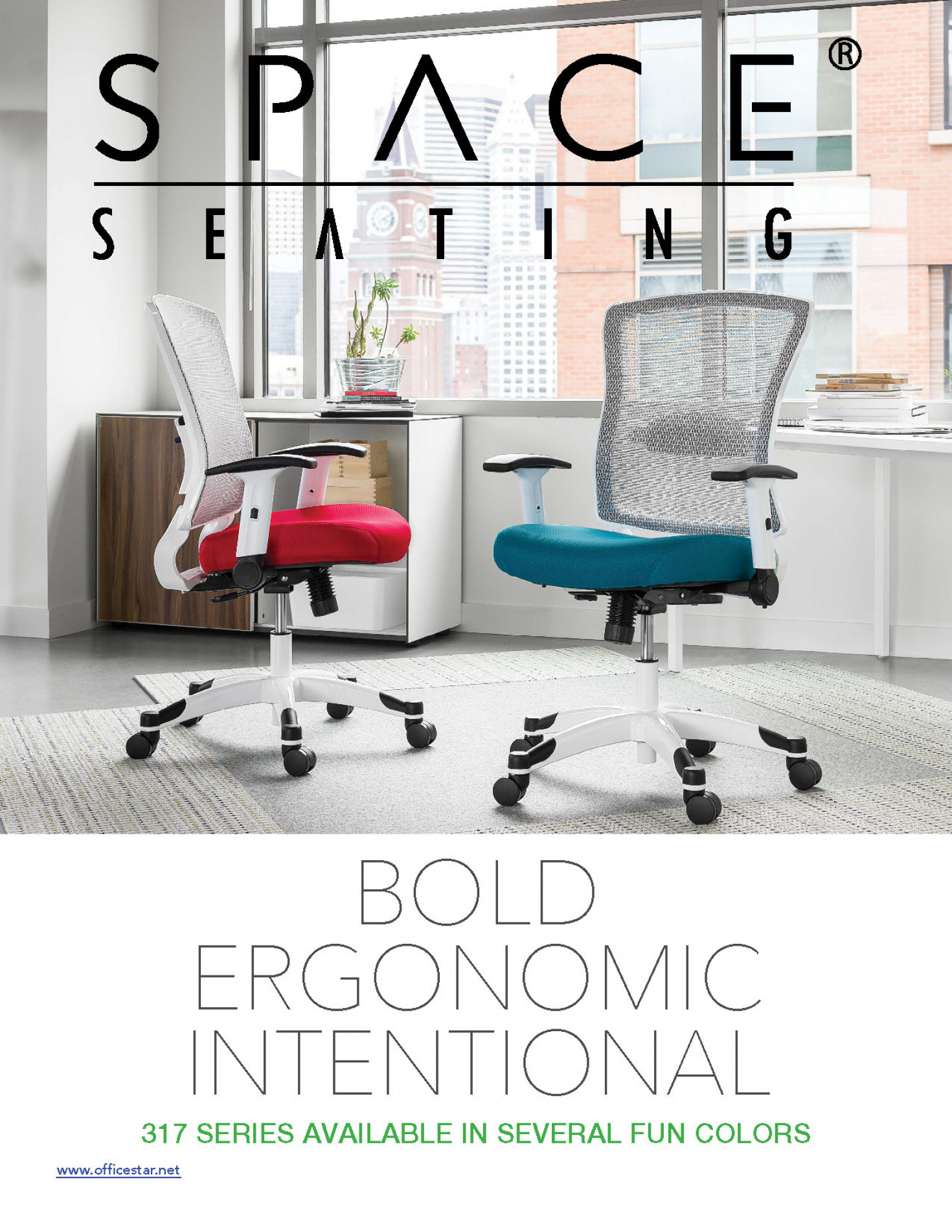
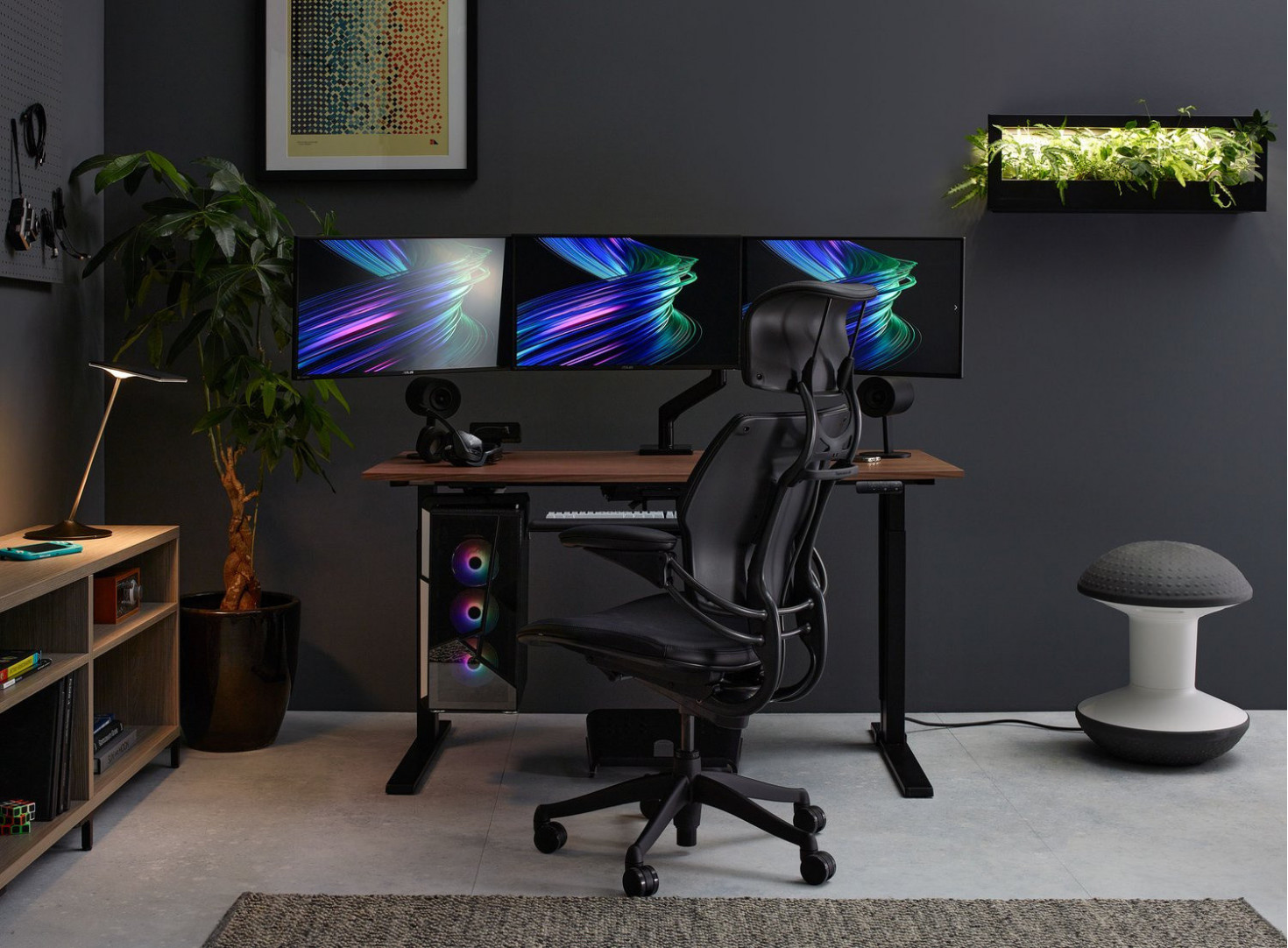
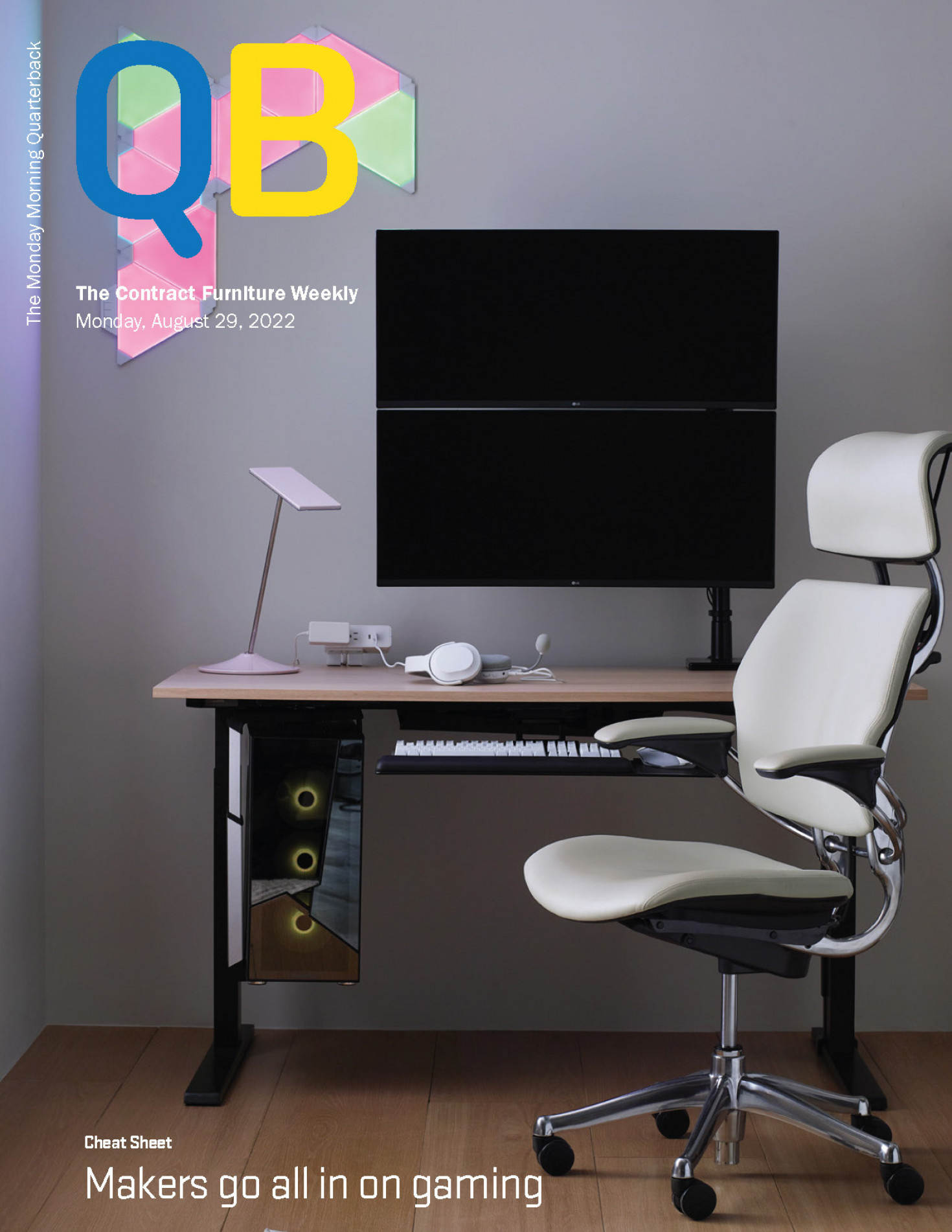
Preseason football is mercifully almost over. But another - better game is on! Last week Humanscale officially rolled out its gaming collection of chairs, sit-to-stand desks, monitor arms, lighting, and accessories. Whew.
This is a significant addition to the Humanscale offering. While it is about "gaming," it is also about beating the other players in the marketplace at their own game—specifically MillerKnoll.
It's been two years since Herman Miller lit up the space for contract manufacturers. Many, if not all, were skeptical that it was a category worth going after. Even I suggested that Miller was wasting its time with "gamers." But, as gaming continues to grow (and grow), the market for all sorts of support equipment continues to grow alongside it.
As for Humanscale, this is yet another battle against the Zeeland, MI-based evil empire. The two companies have been battling it out in numerous categories for years. At one time, Herman Miller dealers were free to sell Humanscale's ergonomic seating and accessories line. Then Miller clamped down and forced their dealers to drop the company (for obvious rea$on$). Then when Humanscale took a commanding position in the monitor arm and keyboard support arena, Miller, which had almost no position, struck back by buying CBS and their line of similar products. With Miller's purchase of DWR, the company kicked out almost all competitors, including Humanscale, from its retail operation. Before Miller's ownership, DWR sold Humanscale's Diffrient designed seating and its well-regarded Float tables. No more.
So now comes Humanscale, famous gamers and a few brands in hand, to strike back at its sworn enemy. Sounds like the pitch for a video game, right? It's mortal combat. Time will tell, of course, but Humanscale has plenty of juice to fight "the fight" against the reign of House Targaryen. Whoops, I mean MillerKnoll.
Some industry skeptics will ask how any of these chairs are (actually) gaming chairs since most have had only very mild modifications to them, if any. That's a good point. But if you want to see how the Humanscale chairs perform in a gaming situation, forget gamers and just watch HBO's Industry series.
Industry follows a group of hungry, young graduates competing for a limited number of permanent positions at Pierpoint & Co., a (fake) leading bank in London, while being thrown head-first into the exciting world of international finance. Front and center, providing the foundation (literally) for their stock trading (and drama), are Humanscale's chairs. Likewise, Showtime's long running Billions.
This epic, enduring battle will continue in other categories as well. Lighting, conference seating, you name it, it's all on the table. Just remember rule number one: never bring a knife to a sword fight. You need great products to battle these two. If you're a manufacturer looking for the ultimate battle, feel free to jump right in. Good luck.
Meanwhile, Jamie Dimon is quietly clamping down on remote work at JPMorgan. His success at putting asses in seats at their new - to be built - HQ in NYC could drastically change the design of the new workplace (for better or worse), and greatly enrich office furniture makers who win contracts. Does Jamie watch Billions or Industry? Just wondering.
According to an article in the NYPost, JPMorgan's chief executive has been quietly telling senior managers he expects the bank's rank and file to be in their seats at the office five days a week — a more stringent standard than the bank's official line of three days a week.
"The worry is if people aren't in their seats five days a week, those seats could be moved from our team," a source close to the situation told The Post. "If someone's not there, it makes it a pretty easy decision to fire them first."
JPMorgan Chase is in the middle of building its new multibillion-dollar global headquarters at 270 Park Ave. The new building — which will take up an entire city block, stretch 70 stories high, and house as many as 15,000 workers (and even more chairs) — is expected to cost around $3 billion. Dimon doesn't plan on it being empty when it opens in 2025. MW
Fly me to the moon. Think the office furniture industry is huge? No way. Dallas Kasaboski, consultant at Northern Sky Research says contracts for lunar missions through NASA’s Commercial Lunar Payload Services (CLPS) program will have more than doubled from 125 to more than 250 over the next decade. The firm expects business on and servicing the moon to become a $105 billion industry by 2032.
Bottom line: No way we can grow the contract furniture industry to $105 billion by 2032, unless we start delivering millions of chairs and desks to space - and beyond. Likelihood of achieving that? One out of 10 billion.

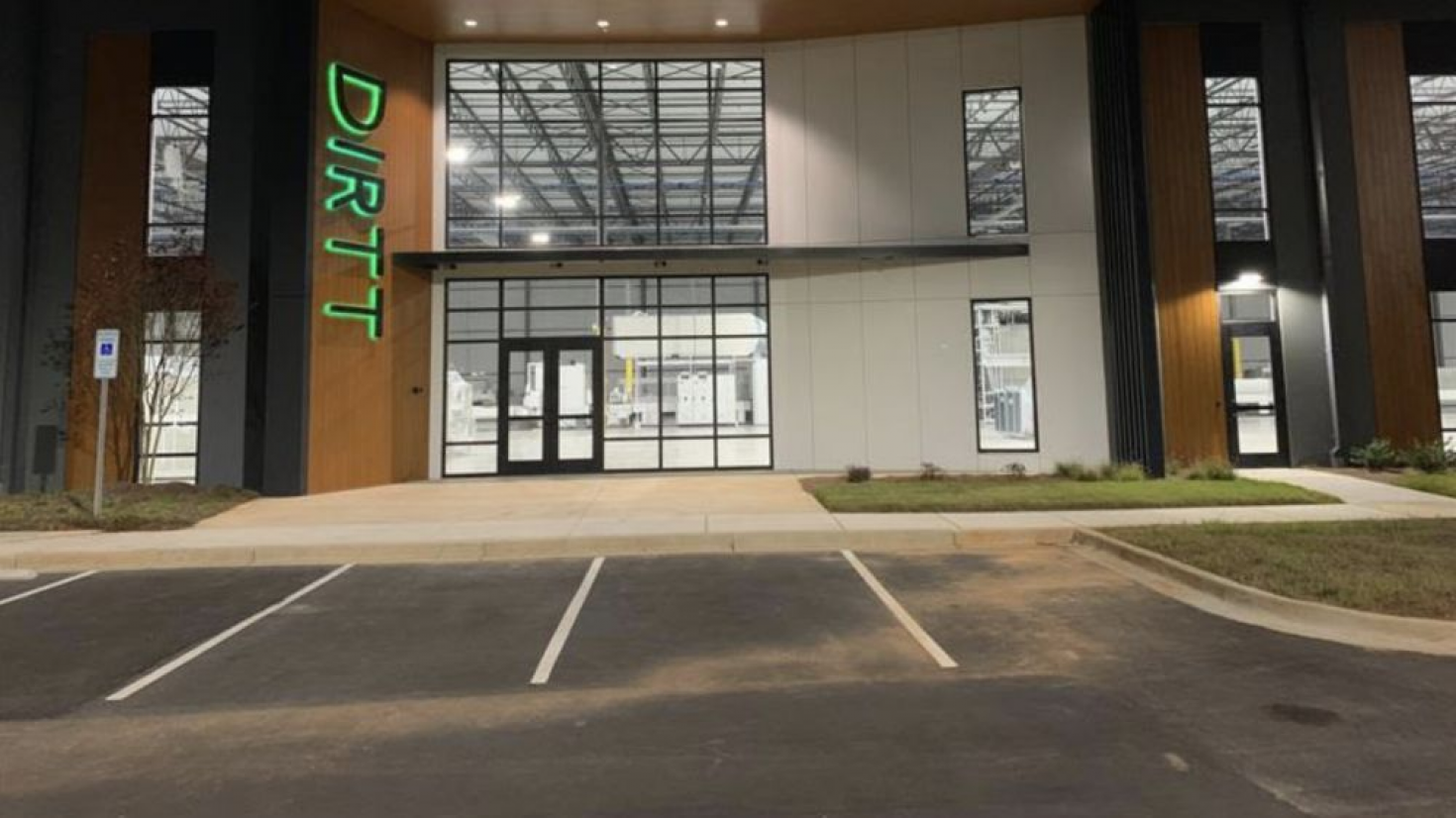
Watch a video of the short life of DIRTT's Rock Hill, SC facility
The closure comes after an approximate $18.5 million investment in the Rock Hill plant announced in June of 2021. The custom-built 130,000 square foot building was reported to be expandable to 260,000 square feet to support future growth, which obviously is not currently happening.
DIRTT will continue to assess its capacity requirements and will evaluate options to resume operations at the Rock Hill facility as volume demand continues to expand.
Mr. Urban also notes, “I’d like to thank the Rock Hill team for their commitment to building exceptional spaces for our clients across the United States and Canada. We’ll be supporting our Rock Hill staff with their transitions.”
The company did not report on how many employees would be terminated in the closure.
The company most recently reported a quarterly loss of $19.3 million on revenue of $44.7 million. Shares of DIRTT closed Friday at $0.66, down 4.36% on the day, and down from it's 52-week high of $3.82.

Just one problem: not all large tenants are buying it. As the *Wall Street Journal* reported, there are big companies taking additional looks at office usage because they’re concerned about an economic downturn and whether they need to spend at their current rate for space they might not need.

Recessions usually mean more power for employers as workers worry about their jobs, which could create leverage for getting people back to the office instead of serving as a salary governor as in downturns past. But in a post-Covid world, nothing is that simple.
North American public pension funds manage more than $6T, allocating almost 9% of that amount to real estate. Office has long been the preferred real estate asset class for these funds, but its share of investment has rapidly dwindled — office holdings now account for 23% of private real estate funds' holdings, down 11% from three years ago, according to National Council of Real Estate Investment Fiduciaries data reported by The Wall Street Journal.


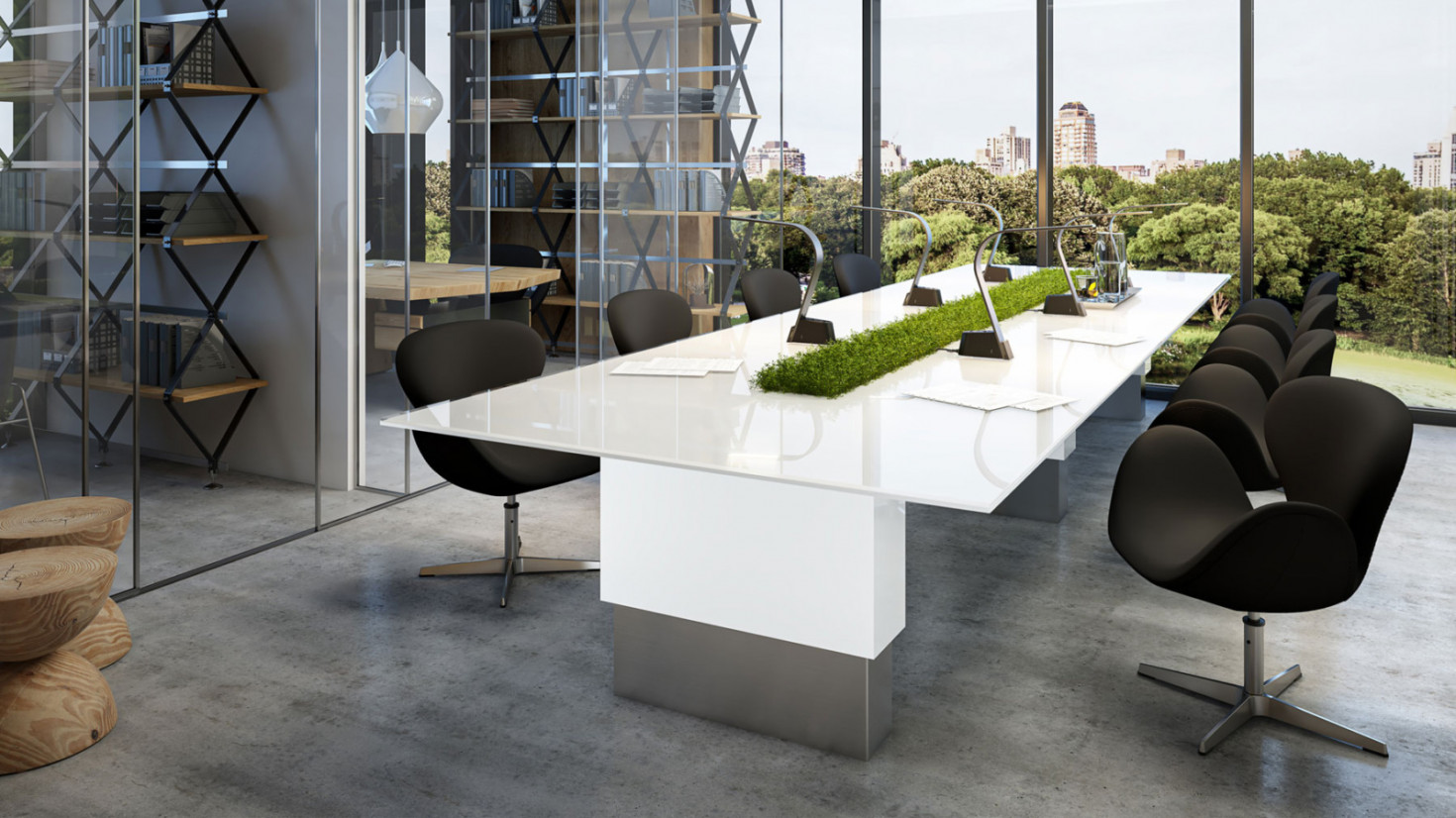
The BIOPHILIC OFFICE by COLECRAFT COMMERCIAL FURNISHINGS
Most office employees work 70-90 percent of daylight time inside a building. Studies have demonstrated that a nature-based design that provides interaction with the natural environment is a very effective way to improve mood, efficiency and overall job satisfaction.
Biophilic office and furniture design is a philosophy that uses natural materials and plants in the design of the office environment. Biophilic design research has indicated that humans have an innate connection with the natural world and that exposure to the natural world is therefore important for human well-being. Biophilic design is increasingly being used to boost well-being by creating a connection with nature through the use of elements like daylight, plants, water, and exposed wood. These elements have been attributed to positive outcomes in humans—from reducing stress to boosting productivity. A Biophilic office environment also encourages employees who have been working from home to return to the office.
At Colecraft we work with your design team to develop the office furniture that meets your total design intent including adding elements of Biophilic design into the furniture. Use of natural materials such as wood and greenery with lighting tastefully introduced into the design, help to personalize the design as unique and meet your goal of achieving a Biophilic environment. From Reception Desk through conference rooms and office desking our finely crafted furniture makes an uncompromising statement about your values and that of your company.
Colecraft Commercial Furnishings has been creating and building distinctive conferencing solutions at its manufacturing headquarters in Jamestown New York since 2003. Colecraft develops initial design concepts and customizes each build to meet a client’s specific “Design intent”. Every piece of furniture, made by the artisans at Colecraft is customized in style, size, color, finish and technology integration.
Merging state-of-the-art design, engineering, and CNC technology with highly skilled artisans and traditional craftsmanship, Colecraft provides furniture for many of the nation’s leading businesses, institutions and universities. The company’s tag line is “The Art of Detail” and the products delivered are masterpieces in terms of quality, form, function and “Detail”.
Colecraft’s product design focus is centered functionally on Executive Office Furniture including Reception Areas, Conference Room Furniture, Deking as well as Custom Library, Courtroom, Institutional and Educational Furniture. Resimercial, Biophilic and Executive WFH designs are also part Colecraft’s design acumen. Colecraft’s market segments includes business, education, healthcare , hospitality and luxury automotive showrooms. The company specializes in producing lot quantities of one to one-hundred.
Colecraft sells and distributes its furniture through A grade commercial contract dealer partners throughout the United States. For more information about Colecraft Commercial Furnishings visit www.colecraftcf.com.
The Federal Reserve Bank of New York says that while there may be more people back in headquarters, remote work isn’t going away. But then, neither has the amount of workspace used, at least in New York.
Leases like KPMG's 15-year commitment in Manhattan West — the search for which kicked off in 2018, the company said — are a sign more large corporations are finally making decisions about how they want their offices to look long-term, and what it means for the size of their spaces, industry.
The coronavirus pandemic set in motion a shift to remote and hybrid work that is quietly reshaping American economics and demographics.
While the fine women and men at U.S. statistical agencies are still grappling with how to measure this astonishing transformation, a host of academics and other experts have rushed to fill the data gap.
They’ve found that remote work has ebbed significantly since the height of pandemic shutdowns in 2020, when almost two-thirds of work was done remotely. But it has since stabilized at an extraordinarily high level: Around a third of work was done remotely in the United States in 2021 and 2022, according to economists José María Barrero (Autonomous Technological Institute of Mexico), Nicholas Bloom (Stanford University) and Steven Davis (University of Chicago).

“A particularly challenging pain point is the discrepancy between how employees say they work in the office and what building and utilization data shows,” says Tony Josipovic, JLL Global Product Management executive director in a new post. “Getting a true benchmark is already challenging and it’s a must have – think of it as a table-stakes.”
Best standing desk overall: Fully Jarvis Standing Desk, $569 from Fully
The Fully Jarvis Standing Desk provides the right amount of customizations for style, height, and accessories to create an ideal desk for many people.
Memorable Quote: A wobbly desk can be very distracting, and stability is often a problem when standing desks are adjusted to the limits of their height.
QB Review of the Review: 2 out of 5 "They limited the group to only products they can make a commission on. Another reality they ignore is that all height/adjustable mechanisms are made by one of three companies, so how different can they really be?"
Author Bio: The review was written by Simon Hill, "a freelance technology journalist with more than a decade of experience covering everything from smartphones and gaming to smart home gadgets and emerging technologies."