Friday, February 18, 2022

“There’s been a shift in power towards employees, while their mindsets have changed. People want more flexibility and time for family priorities,” says Lee Daniels, Head of Workforce EMEA and Workplace UK at JLL.
“If businesses give back a day of the workweek to employees, this can add significant value for current and future talent and help to revitalise the post-pandemic workplace.”
According to JLL’s Regenerative Workplace research, 60 percent of employees now expect employers to support work-life balance and 71 percent want help managing their workloads. Companies that fail to live up to changing expectations risk losing out; record numbers of people in the U.S. and UK continue to resign from their roles, many in order to take positions that better align with their values.
For now, the four-day workweek is more of an idea than a reality in most companies – but many are watching closely to see how pilot schemes go.
“Businesses want to see whether their productivity can increase, because reports from those already doing the four-day week do indicate this,” says Daniels.
News

Americans are dining again in restaurants, attending sporting events, and flying throughout the country. But most are still steering clear of their office building, a sign that more than health concerns are keeping workers away.
Millions of office employees who fled business districts in December after the Omicron variant surged continue to work at home, despite the plummeting rate of Covid-19 infections and hospitalizations. Remote work remains the more popular option even as a number of states have announced plans to roll back mask requirements at indoor venues, businesses, and schools as the spread of the Omicron variant fades.





In-person office worker occupancy sat at 33% of pre-pandemic levels in the first week of February, according to card swipe data from 10 major U.S. cities served by building security firm Kastle Systems. Though a marked improvement from most of January, it is far behind the rates at which Americans have resumed air travel, restaurant dining and attendance at professional sporting events, The Wall Street Journal reports.

“Fewer remaining branches means that the impression and experience consumers have with each individual branch is more important. Rather than a branch on every corner, consumers may now have easy access to only a single branch,” researchers from JLL write in a new report on the sector. “This raises the stakes for the impression that each branch leaves and for how it represents the bank’s brand overall, and it increases the number of consumer and business use cases a single branch needs to address.”

One of the most conspicuous Covid winners — videoconferencing group Zoom — has now fallen to parity with one of the pandemic’s most conspicuous sufferers, hotel group Hilton.
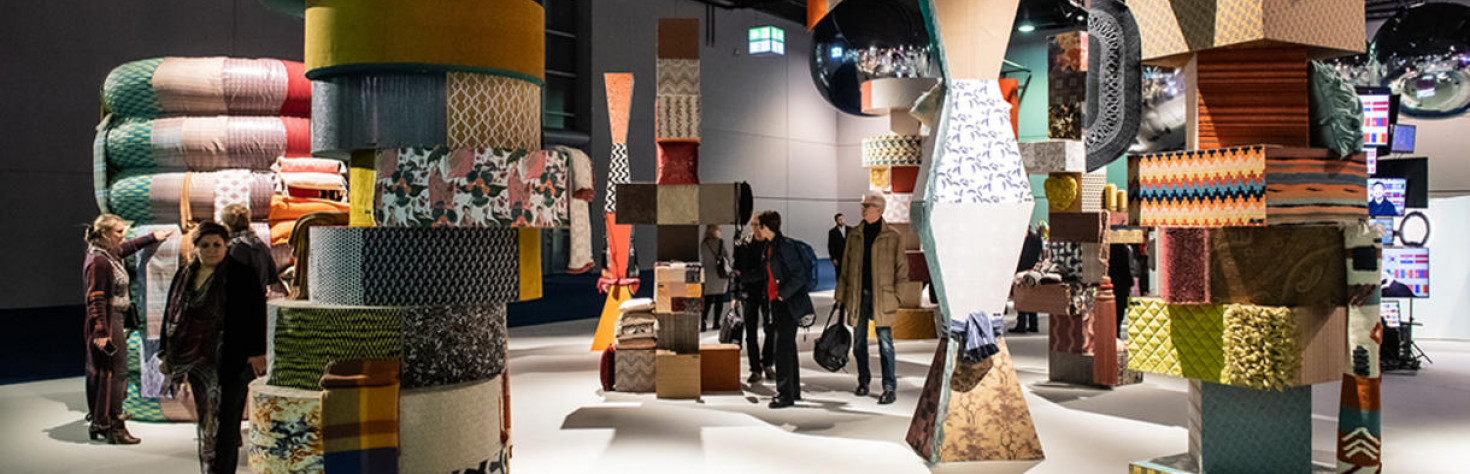
But never before have so many shows—in so many cities, and in so many sectors of the industry—been the subject of massive upheaval as they have during the past two pandemic years. Major events around the globe were canceled, postponed, merged, downsized and otherwise turned upside down in ways we’ve never seen before. As we start to come out of what everyone hopes is the last terrible wave of COVID, some industry benchmark events are returning to some semblance of what they used to be. But for many others, the changes are dramatic, and the shows’ schedulings remain in suspense pending industry acceptance of new formats, timing and configurations.
This stress is happening to both domestic shows in the U.S. as well as overseas events in Europe and elsewhere. For many shows, such as Maison&Objet in France, Heimtextil in Germany and Salone del Mobile in Italy, cancellations and postponements have created havoc, even as all of these events insist that they will return to their previous schedules and formats in 2023. Perennial events stateside, such as High Point Market, the gift shows in Atlanta, Dallas, Las Vegas and New York, and the housewares show in Chicago, are all starting to get back to some semblance of normalcy this year, but for the entire show and market sector of home, it's a brave new world.
The Workplace

Nurturing a diverse and inclusive workforce is also easier when people are face-to-face rather than remote working, with 71 percent of U.K. workers admitting that it’s easier to make personal connections with other generations when in the office. The same number state that they’re more able to make friendships with people of different backgrounds and beliefs when working in an office environment.

Perks are still important. In fact, in a poll of nearly 600 full-time employees in the U.S. by the Boston-based hybrid workforce platform Robin, 85% of respondents said they are as important or more important now than they were before the pandemic struck. Millennials in particular say they are among the top things they look for when taking a job — even though what they expect from their bosses has changed.
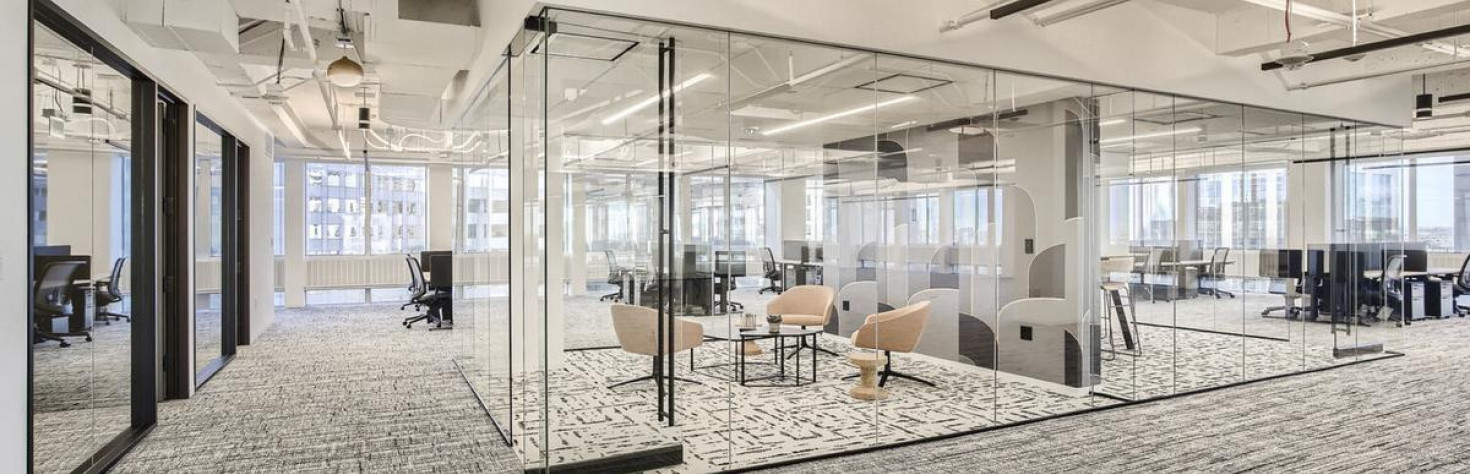

An MIT-supported survey project reveals a twist on this now-familiar scenario: Many workers with location flexibility are not necessarily working from home. Instead, they are taking their work to a “third place,” including cafés, libraries, and co-working spaces. About one-third of nonoffice work hours are spent in such places, the data show, even if those locations put people in closer proximity to others than working at home might.


Today’s urban areas face a challenge of a different sort. With the mass return to office work still uncertain, the pandemic has sharpened debate about what the future holds for their commercial hubs. Key business districts like Manhattan, the City of London, Tokyo’s Marunouchi and La Défense in Paris have borne the brunt of the office exodus. Before lockdowns the 21 largest business districts in the world housed 4.5m workers and around a fifth of the headquarters of Fortune Global 500 companies, according to EY and the Urban Land Institute. When covid-19 emptied offices around the world, most professional work shifted to home offices or kitchen tables. As the pandemic stretches into a third year, the fate of business districts remains unclear. Can they continue to attract investment and talent or will new work patterns jeopardize their commercial dominance?

Remote Work

Many of us understand population density as the average amount of people within a given square mile. It’s an easy concept to comprehend, and even easier to calculate. Take the total population of a municipality and divide that number by the total land area, and boom, you got the magic number. But this oversimplified approach paints a woefully inaccurate picture.
Design


Metaverse

What sounds like zany science fiction is, in fact, already happening. Fashion-forward social media influencers are snapping up ready-to-wear virtual pants and tops (price range: $30 to $700) to augment their on-screen avatars. As more companies follow Microsoft and Meta into the metaverse, fashion designers like Gala Marija Vrbanic are getting in on the enormous possibilities for self-expression.
“Digital fashion is not an alternative but an evolutionary step,” Vrbanic said at the TEDWomen conference in November. “We are currently at the beginning of this new era—an era where digital garments could become an added layer to our reality, where you will be able to instantly choose to whom you want to present yourself wearing multiple different outfits at the same time using the most advanced technology, like AR or VR. Not only does it allow for self-expression in totally different contexts, but digital fashion can be zero-waste and inclusive, available to users, regardless of their gender, size or race.”

Real Estate


Makers


Ultrafabrics and TENCEL announce brand partnership, setting an industry benchmark in sustainability and transparency
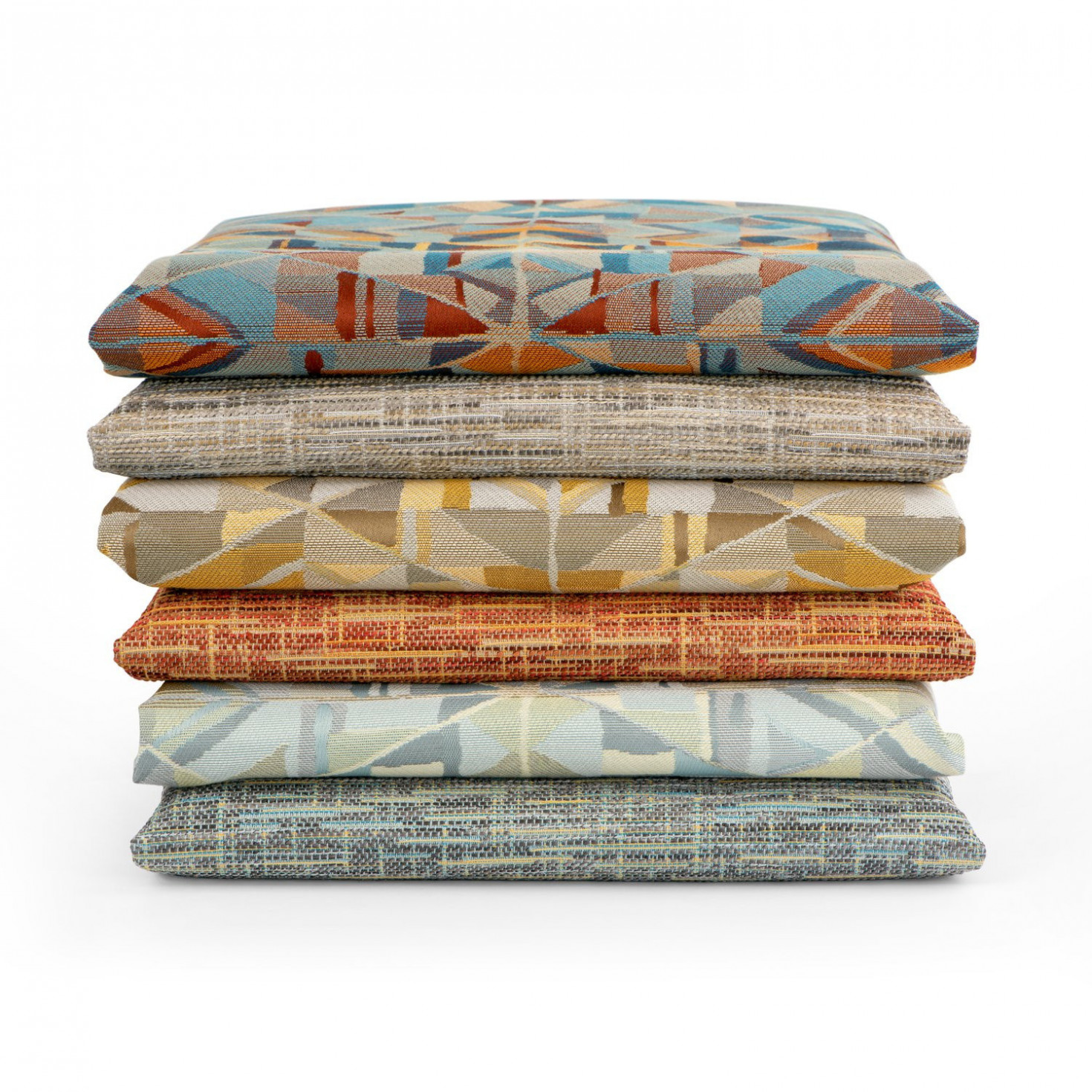
Ultrafabrics, the global leader in animal-free performance fabric, announcd its partnership with Lenzing AG, an industry leader in the production of sustainable wood-based fibers. The partnership will see Ultrafabrics as the first and only polyurethane material to incorporate LENZING AG’s TENCEL™ Modal fibers as a backcloth in its collections with 100% reinforced rayon.
Ultrafabrics is on a mission towards sustainability in all aspects of its business. By 2030, it aims to have 100% of its entire product portfolio across 11 markets made of 50% rapidly renewable and/or recycled materials. It’s a bold target that will support the brand's larger goal of creating materials for the future through a more circular design process.
Ultrafabrics chooses to work with TENCEL™ branded fibers to help us reach our ambitious sustainability goals. TENCEL™ Modal fibers are mainly manufactured from beech wood, sourced from FSC (Forest Stewardship Council) and/ or PEFC (Programme for the Endorsement of Forest Certification) certified sustainable forests in Austria and neighboring countries. Numerous Lenzing innovations have been integrated in the production of TENCEL™ Modal fibers, to make the process environmentally responsible. Lenzing strives to safeguard resources for future generations by the use of renewable energy and by the recovery of process chemicals. This partnership supports our use of renewable resources.
Jennifer Hendren, Senior Director of Product Development with Ultrafabrics, says of the partnership, “We are pleased to be aligned with the TENCEL™ brand and the Lenzing AG family, a bold company with equally ambitious sustainability goals. They share our focus on bringing our sustainability journey to the forefront, without sacrificing quality or product integrity. We partner with big thinkers and take pride in bringing trust in both our brands to our global audience.”
Lenzing AG’s Head of Global Business Development for Home, Ebru Bayramoglu, adds: “We are very happy to see our fibers on different textile products. Ultrafabrics developed a selection of products by using our TENCEL™ fibers as a very good alternative to industry-standard solutions. The journey to sustainability is a long marathon, not a sprint, and evolutionary change should always begin with actionable steps toward the goal of reducing a brand’s environmental impact.”
Transparency is key
Ultrafabrics continues to invest in transparent partnerships, processes and ingredients to ensure its customers can continue to build trust in the brand. The partnership with Lenzing AG and TENCEL™ fibers is one built on more than quality and performance. As a company, Lenzing AG furthers its ethical credibility with its transparency, which aligns with where Ultrafabrics is going with all its partners.
WFH
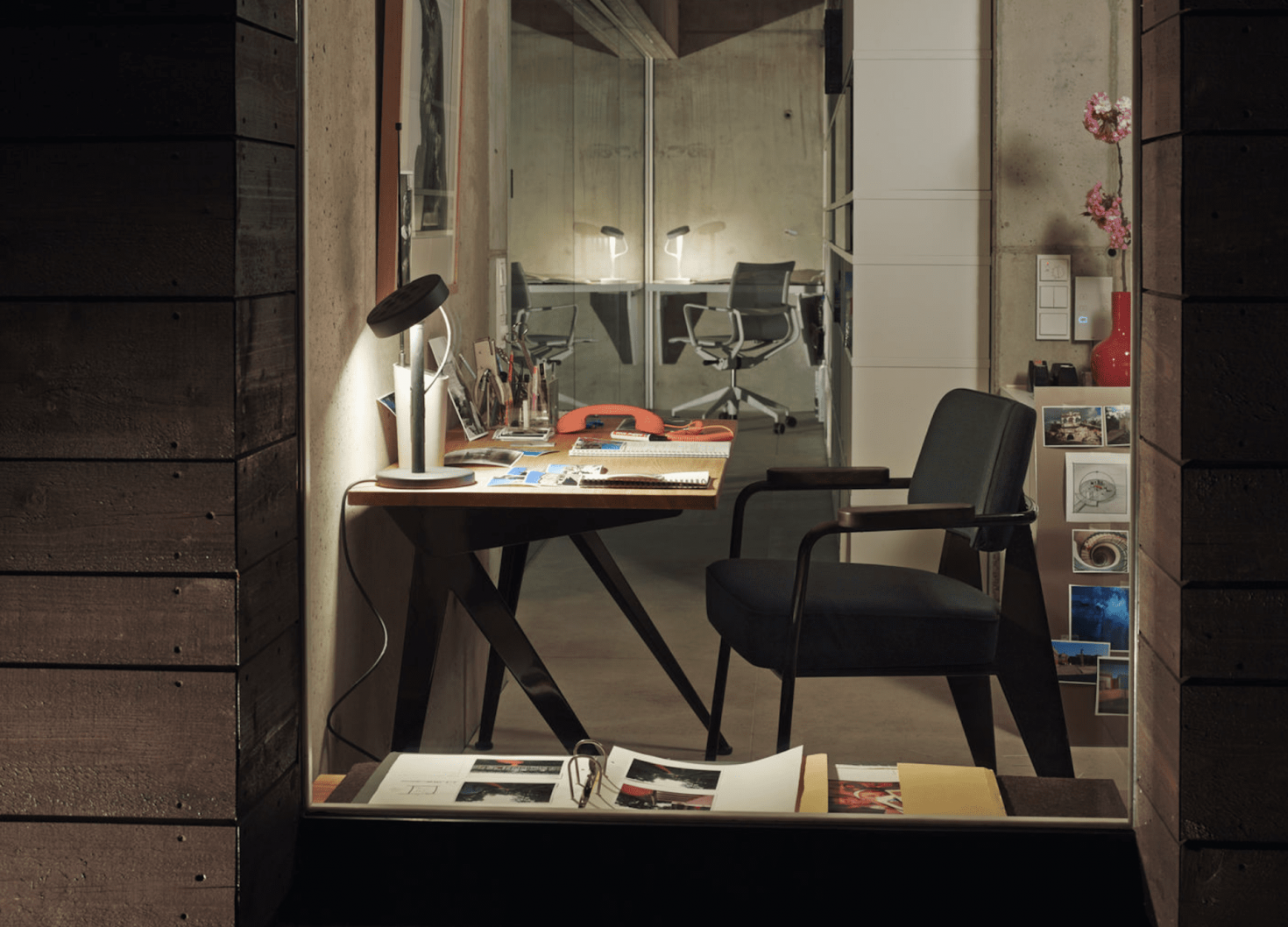
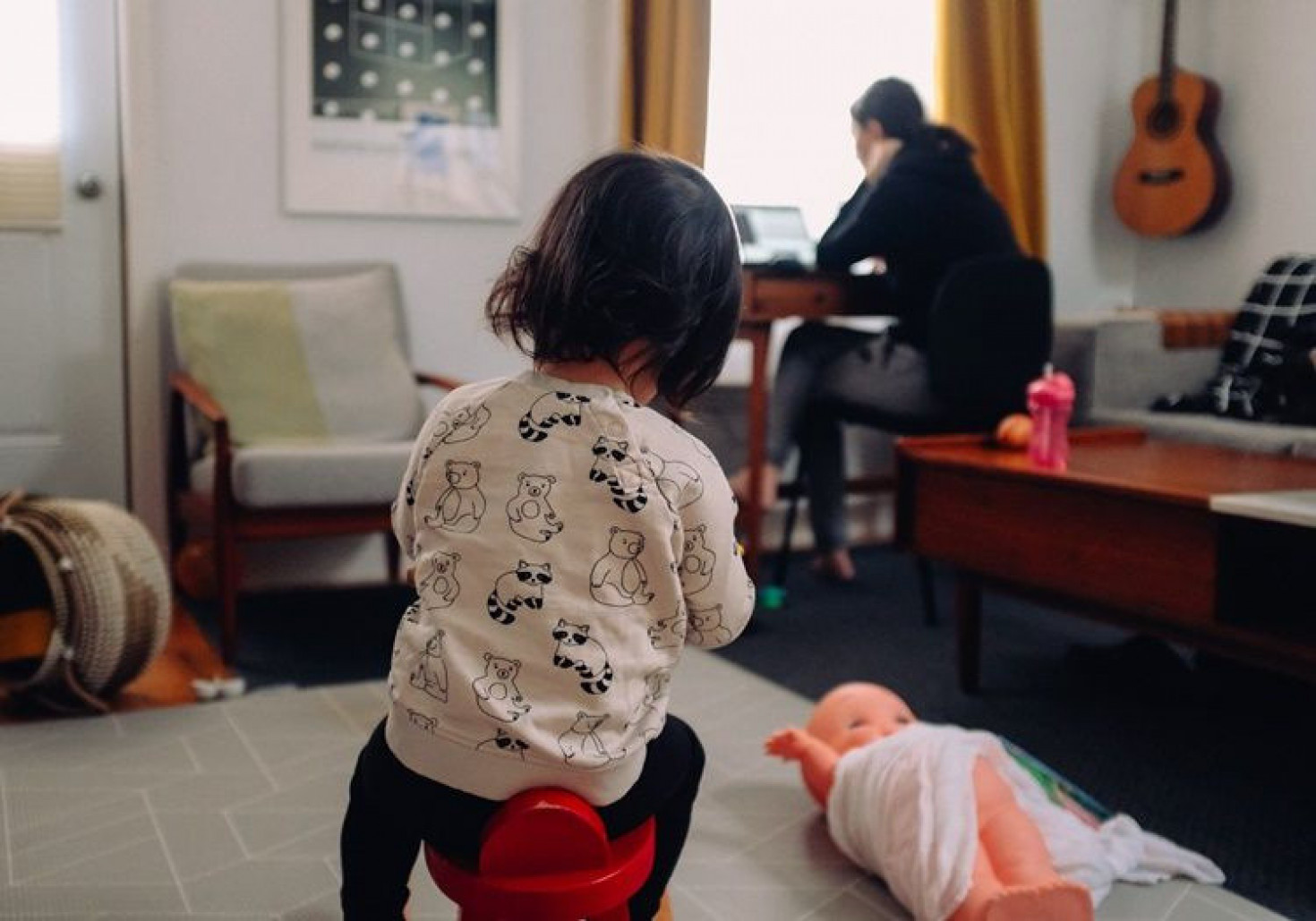
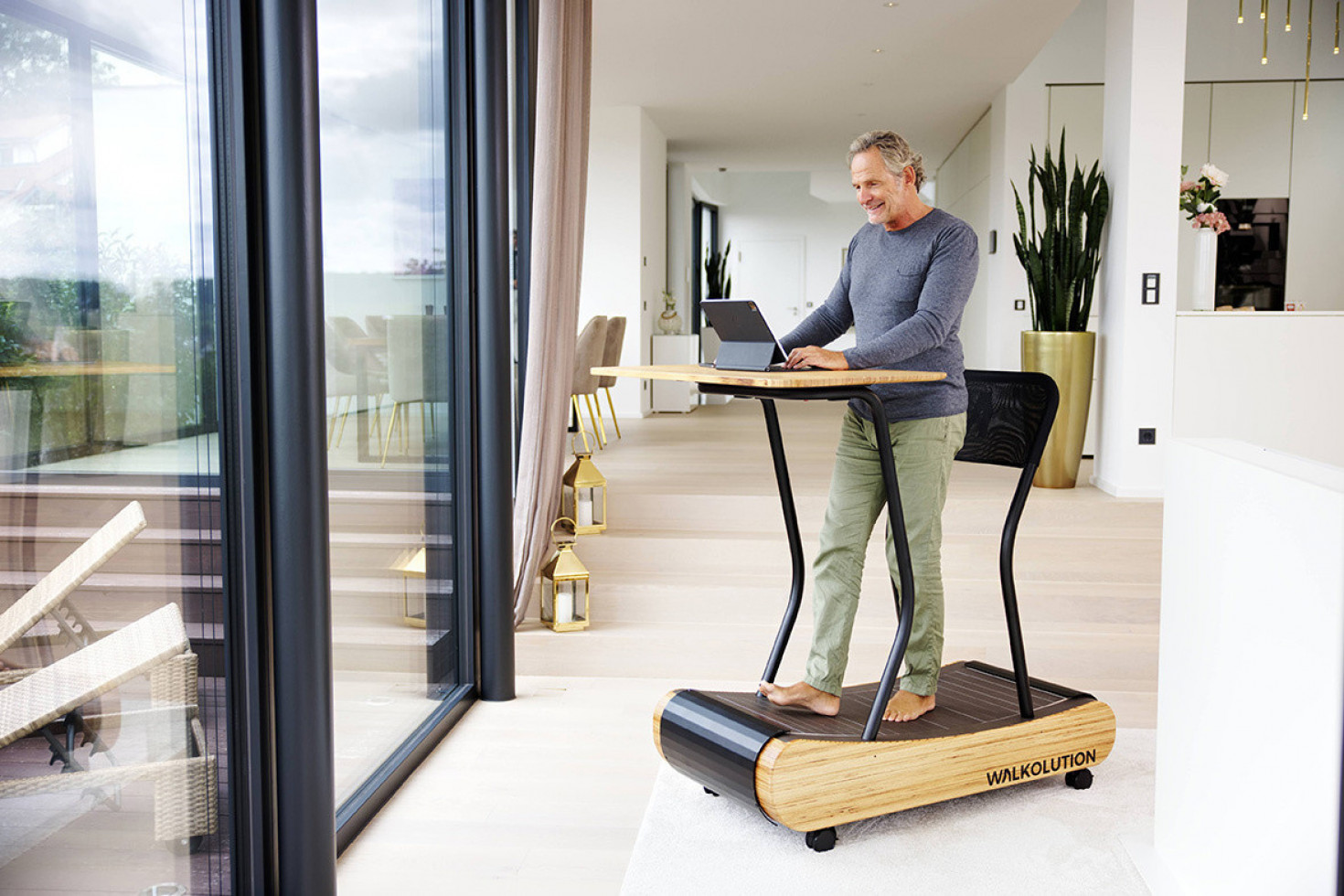
One of the first needs we had to respond to during the lockdown was how to successfully integrate an office into our homes. Working and learning from home brings with it a cognitive challenge: finding focus in chaos. Rooms and daily routines have to be rethought to maximize productivity.
Is my workspace soundproof for online meetings? Does my chair enable ergonomic sitting for hours on end? Can I vary my working position during the day with a height-adjustable table or by relocating to different settings within the home? Below are five tips on how to rethink your workspace.
Products



Projects

Noted