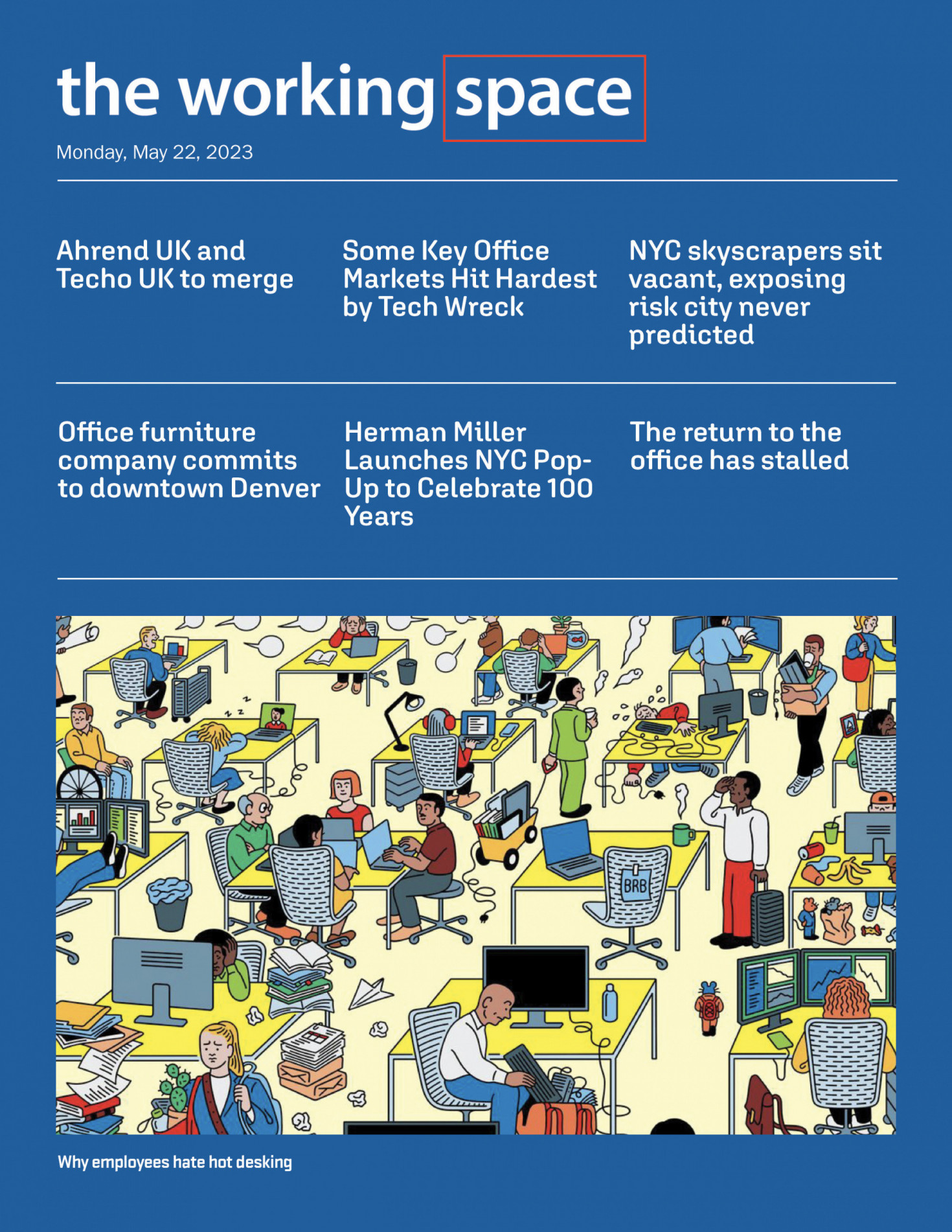
Ahrend UK and Techo UK to merge / Current exec at Office Interiors of Virginia makes bid to buy company out of bankruptcy / Herman Miller Launches NYC Pop-Up to Celebrate 100 Years / Office furniture company commits to downtown Denver / Some Key Office Markets Hit Hardest by Tech Wreck / NYC skyscrapers sit vacant, exposing risk city never predicted / Demand for Creative Office Space Buoys Industrial-To-Office Conversions / The return to the office has stalled / Zombie Office Buildings Set to Invade Many Gateway Cities / A lot of offices are still empty — and it’s becoming a major risk for the economy / Why Employees Hate Hot-Desking / ExxonMobil is ending its executive office "god pod" / and much more…
The Working Space
Monday, May 22, 2023
Industry News
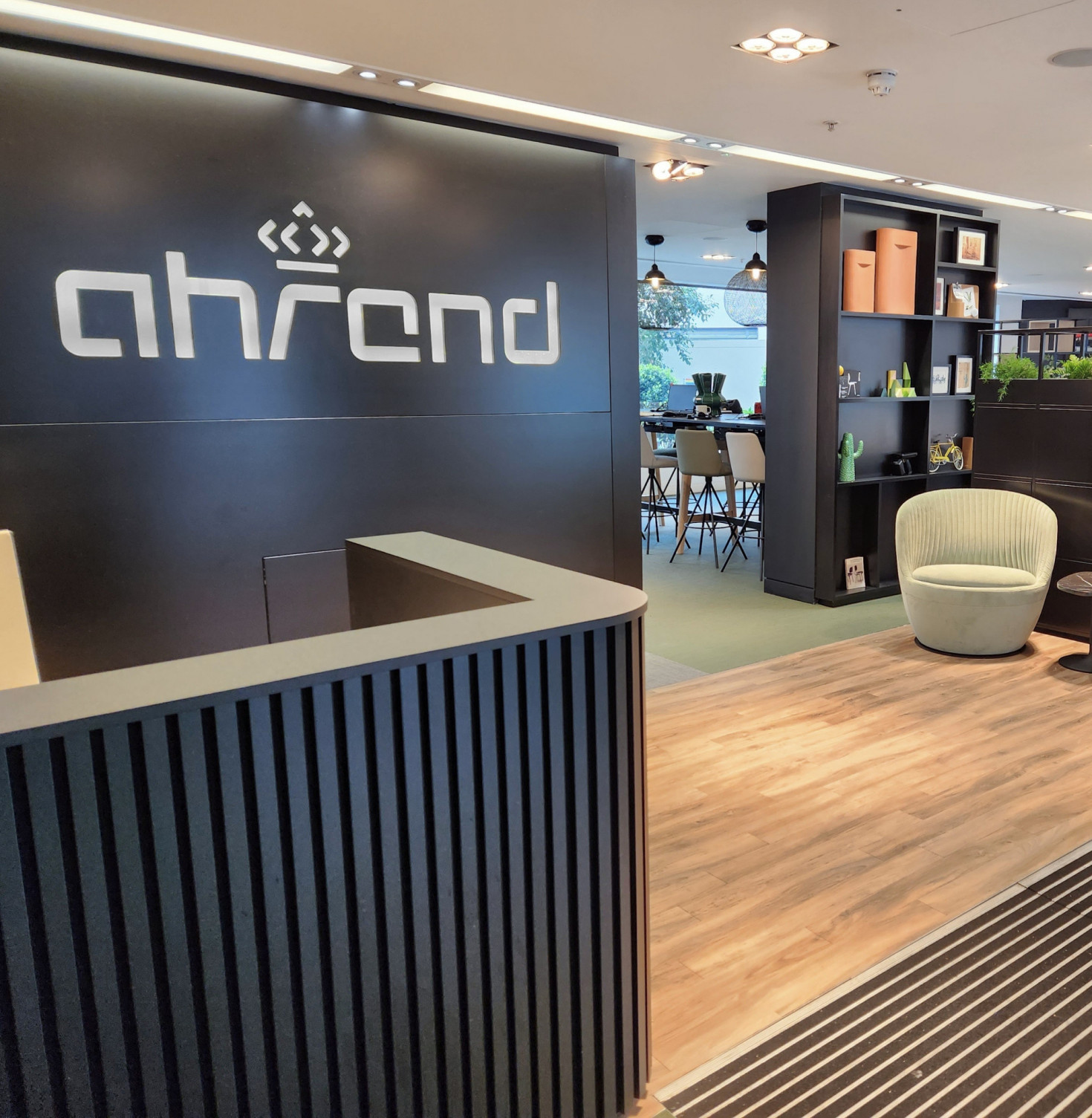
Ahrend UK and Techo UK are merging on July 1st and will operate under the global name Royal Ahrend. The joint showroom will open during Clerkenwell Design Week in London from May 23rd to 25th, 2023. The Techo name will continue to exist as a distinctive product brand under the Royal Ahrend brand portfolio. The newly formed organization will have strong leadership and dedicated focus on both direct and dealer customer segments. At the event, Ahrend and Techo will showcase informative workshops on new trends, innovative designs, and pioneering techniques, including Sustainability and Digital Transformation. Jelle van der Kolk, Commercial Director Western Europe, is delighted with the collaboration and the strengthening of the team and services. Andy Barnard, Managing Director of the new Ahrend UK company, is excited to lead the newly formed team and provide innovative and sustainable solutions for the workplace.
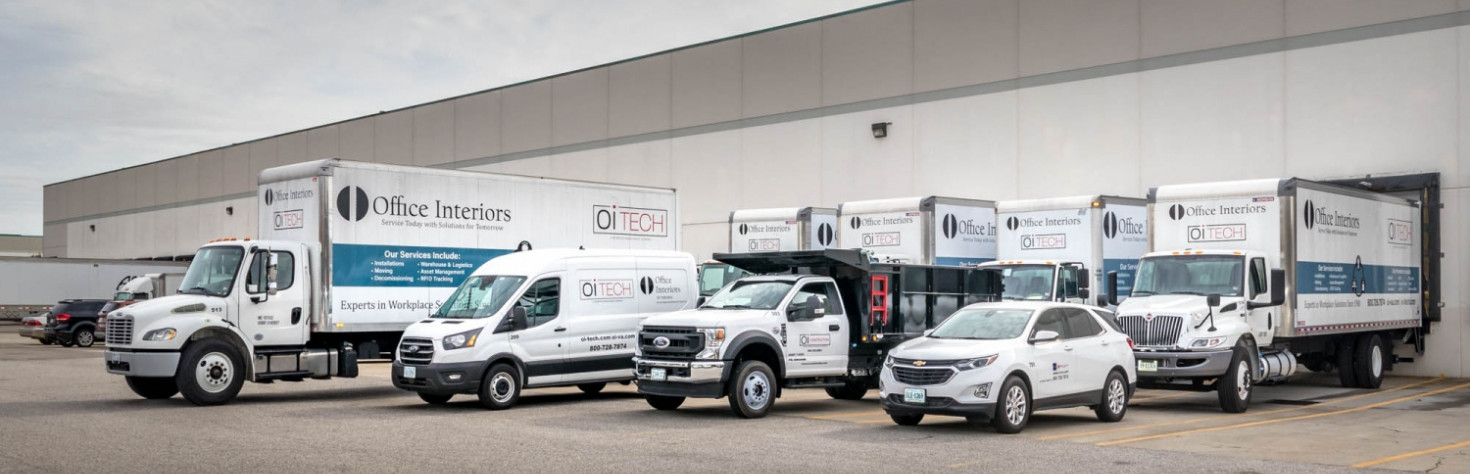
William Ray Miller, COO of the bankrupt Office Interiors of Virginia (OIVA), is bidding to buy the company for $1.37 million. The bid includes taking on $1.25 million in debt and $150,000 in cash. Miller is not the owner of OIVA, but is personally obligated on some of the company's debts. If approved, Miller's bid would be the "stalking horse bid", which would set a minimum price that could be increased by other bidders at an auction to be held on June 14. OIVA sought bankruptcy protection on April 16, citing pandemic-related financial struggles. The company has reported assets of $1.8 million and $3.84 million in liabilities. OIVA was founded in Ashland in 1988 and offers office furniture, office space design and construction, office moving and other services. It has around 35 employees and reported revenue of $4.57 million in 2021, $7.8 million in 2022 and $845,000 through the first quarter of 2023. OIVA's current owner, Othniel Glenwood Jordan, who is also its CEO, owns 100% of the company.
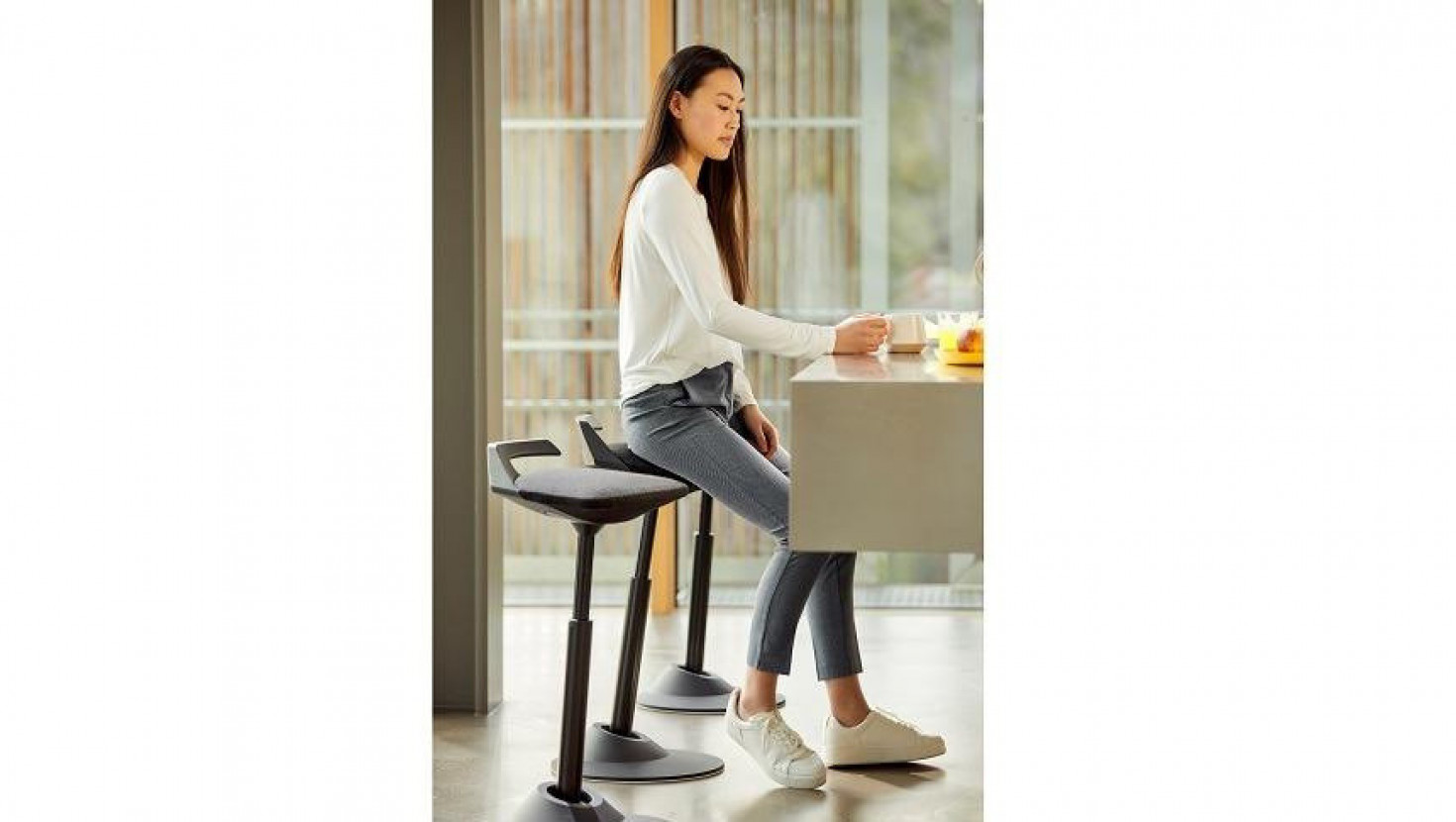
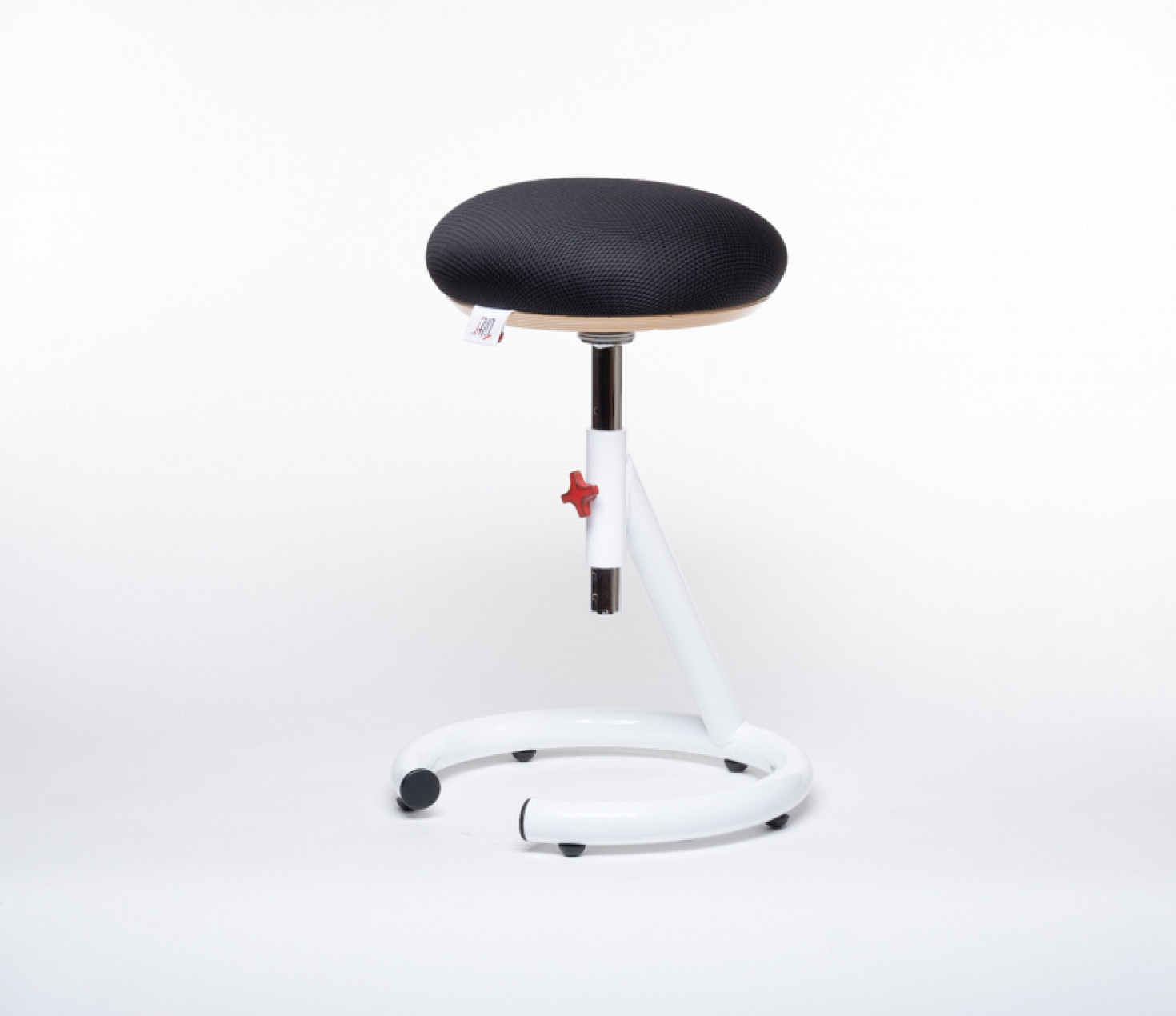
Ergonomic seating manufacturer Aeris launched a new website aimed at the U.S. workplace market, including in-office and remote home offices. Their products promote movement and an active, healthy lifestyle. Aeris sees significant potential in the U.S. market and aims to help people live healthier lives with their products. Over 25 years ago, Aeris created the successful three-dimensional office stool, the Aeris Swopper, which has been shown in numerous studies to have positive effects on fitness, health, and performance.
NeoCon and Fulton Market

Features
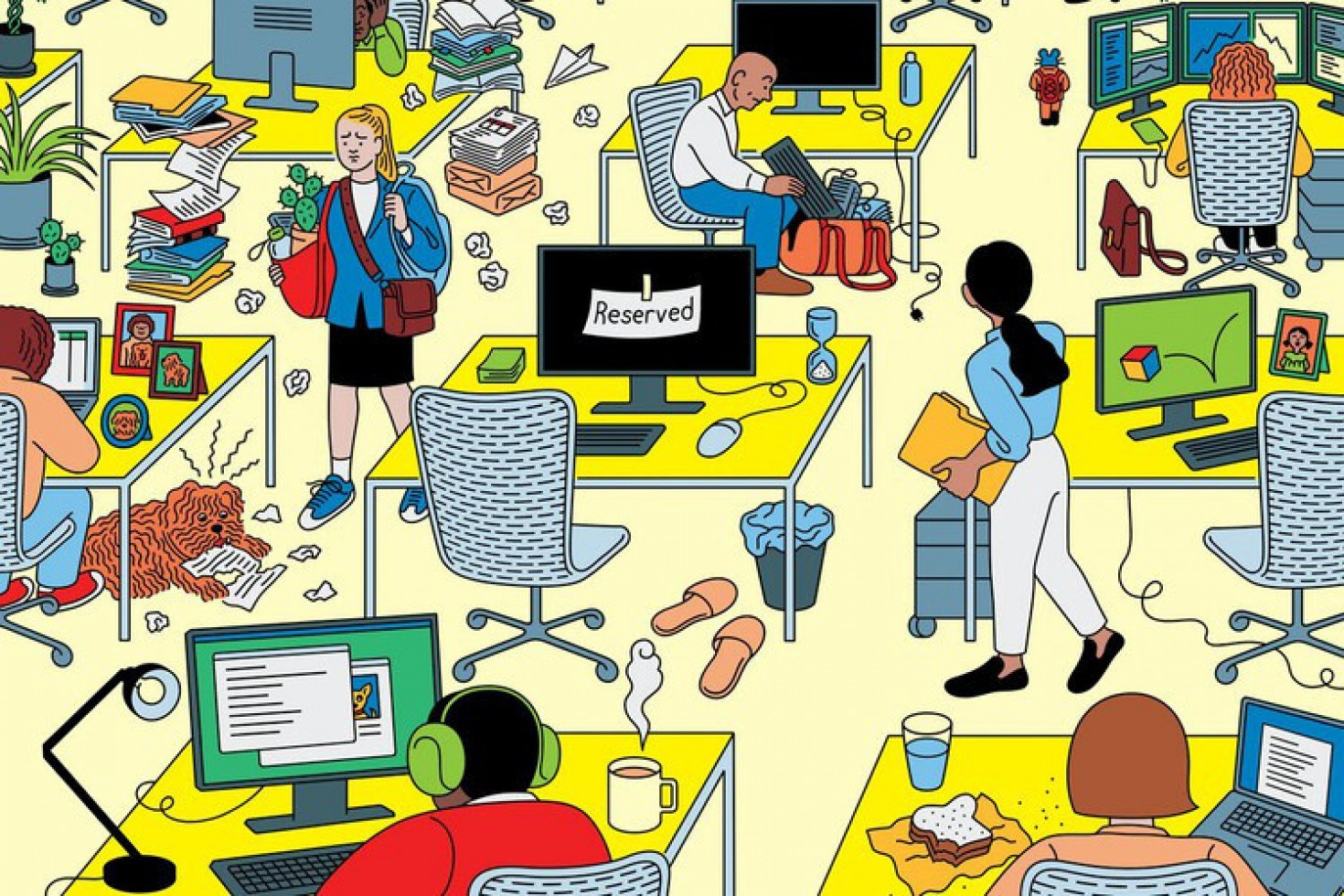
Hot-desking has some issues to work out. While it seems like a cost-saving measure, many employees dislike the inconvenience of having to hunt for a workspace every day, the lack of personalization, difficulties in finding suitable stations, and feeling disconnected from colleagues. Unfortunately, many companies have implemented hot-desking without much thought. Some of the problems are logistical, such as difficulty in finding the right workspace, while others are more personal, such as the inability to control social interactions and find quiet spaces for concentration. These problems can create stress, damage communication, and hurt recruitment and retention. However, research suggests that hot-desking doesn't have to be a disaster. Companies can adapt the basic model of hot-desking in ways that employees find attractive, such as offering a mix of spaces with different ambiences, providing lockers for storage, creating office rules, and involving employees in creating offices that fit their needs. Managers also play a critical role in making hot-desking work by being positive promoters of this new way of working and embracing and engaging with the space.
Workspace News
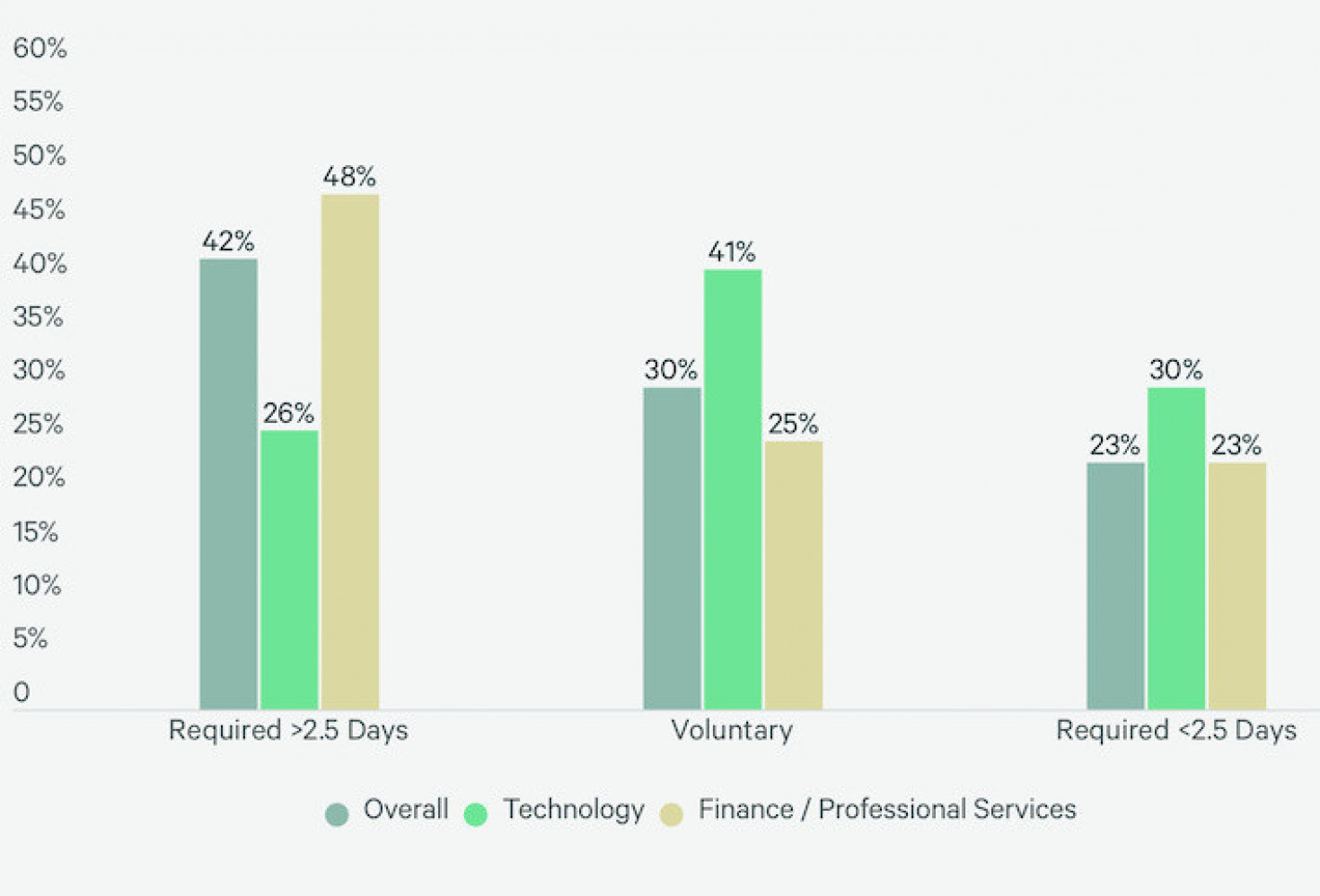
According to CBRE's Spring 2023 U.S. Office Occupiers Sentiment Survey, 65% of companies now require employees to return to the office at least some of the time, up from 31% last year. Financial services lead with 71% of companies requiring in-office work, while tech companies lag behind at 56%. Office sentiment remains divided, with 45% of respondents wanting mostly in-person work and 22% wanting a mostly remote work schedule. Larger companies still report low office utilization, with over half expecting to decrease their office footprints as leases expire.
Design
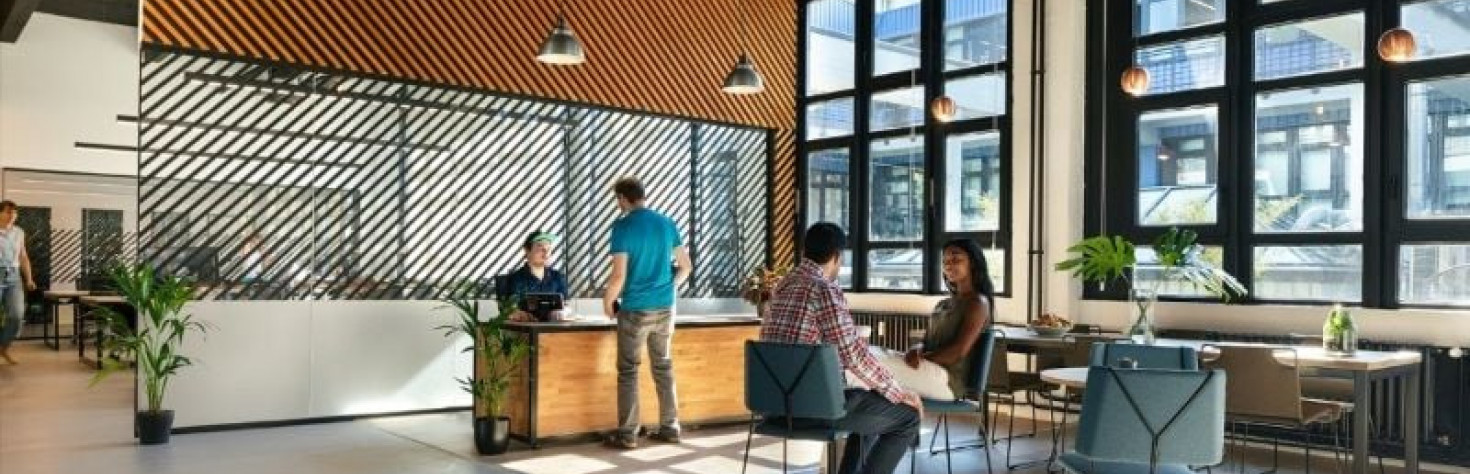
The rise of co-working spaces and hybrid working has led to a trend called the 'hotelification' of the office, where businesses are renting out limited desks to employees who only come in a few days a week. To compete with co-working spaces and attract employees back to the office, businesses are reimagining their workspaces to include additional health, wellbeing, and recreational activities such as yoga classes, on-site gyms, and childcare options. Employers can work with experienced workplace suppliers to design floor plans, source inclusive furniture, and assist with new office installations.
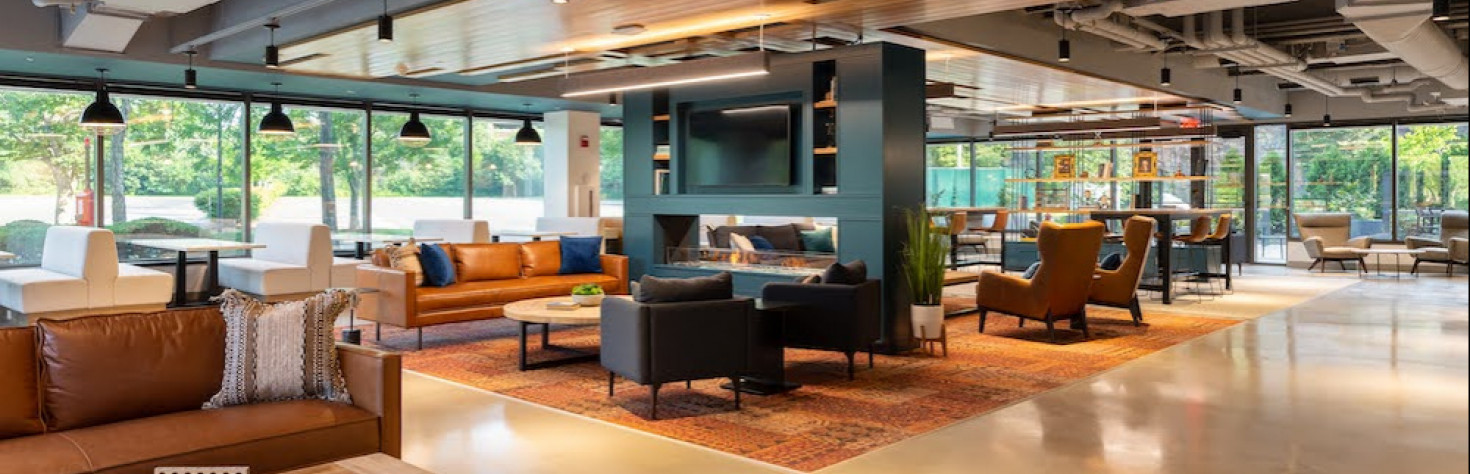
Office design can leverage narrative design and storytelling to create an emotional connection between people and place. Narrative design follows a structure similar to storytelling, with plot, point of view, setting, characters, and conflict. By incorporating these elements, designers can create cohesive, well-thought-out spaces that are rooted in the form of a story and can be timeless. This approach can also create a more immersive branding experience within the property and enable the creation of emotional connections for employees, making them feel invited and productive. By creating story-driven spaces, office owners and designers remain relevant and competitive into the future.
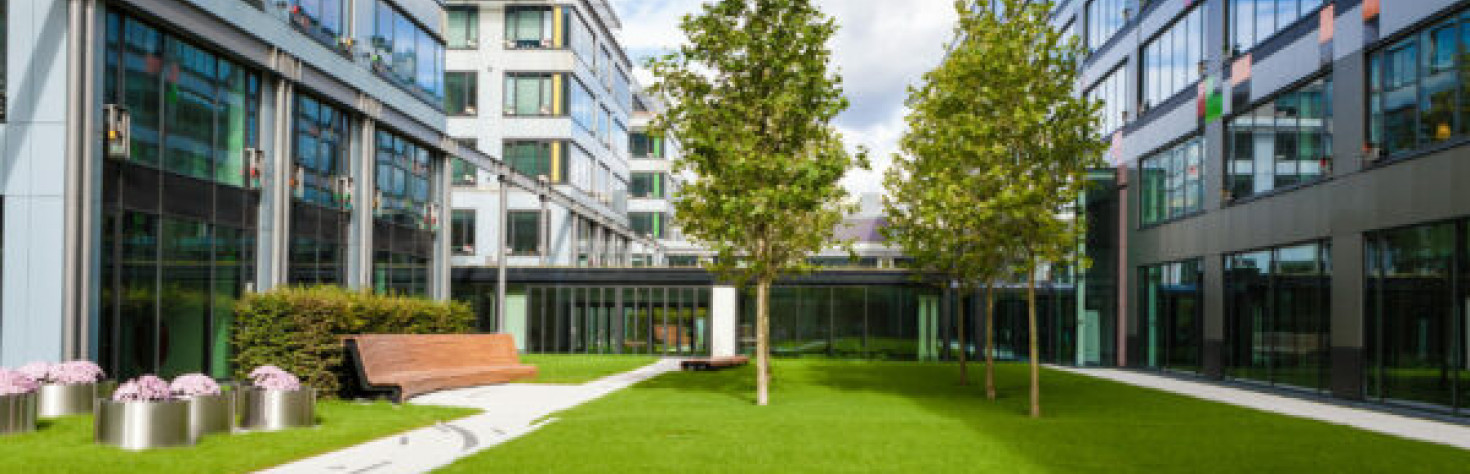
Creating an outdoor workspace can boost employee morale and productivity, but it requires careful planning and maintenance. Tips include keeping an open mind to different configurations, planning for weather and environmental factors, choosing weather-resistant AV technology, selecting high-NIT displays for brightness, and having a designated storage system for loose components.
Trends
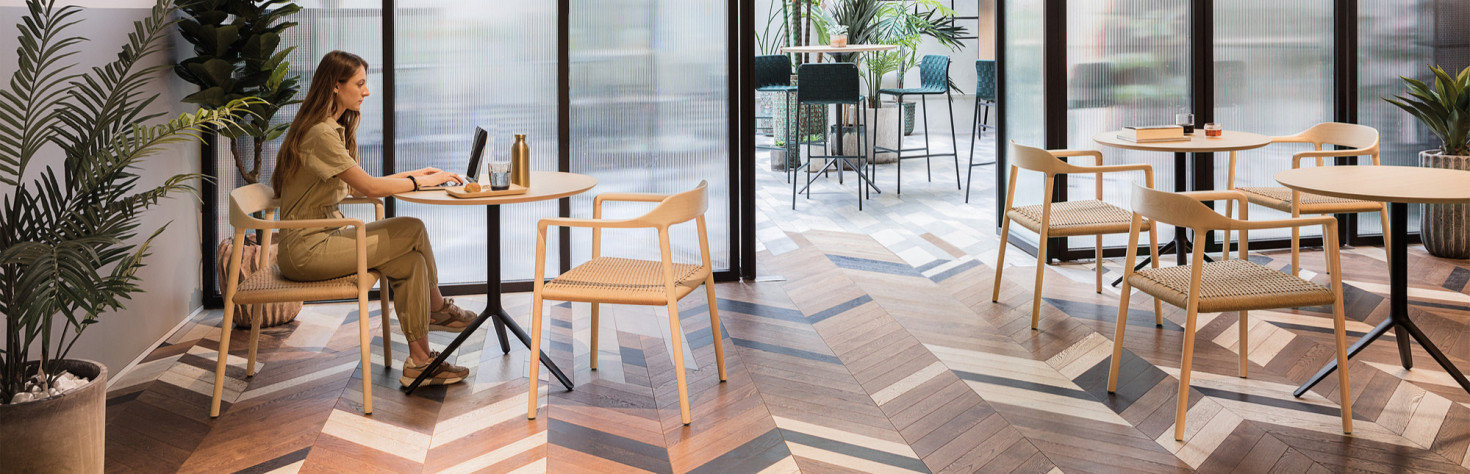
As hybrid, flexible work arrangements become the norm, workspaces need to prioritize sustainability, health, and comfort to remain relevant. Incorporating green spaces, promoting collaboration, providing comfortable furnishings, and reusing and recycling office elements are all important. Versatile spaces, productive isolation, and a home-like atmosphere are also desirable. The future of work will be more horizontal, transparent, and health-focused, with technology playing a key role. Creating sustainable, healthy, and enjoyable workspaces is vital to the success of companies and the well-being of employees.
Latest Products
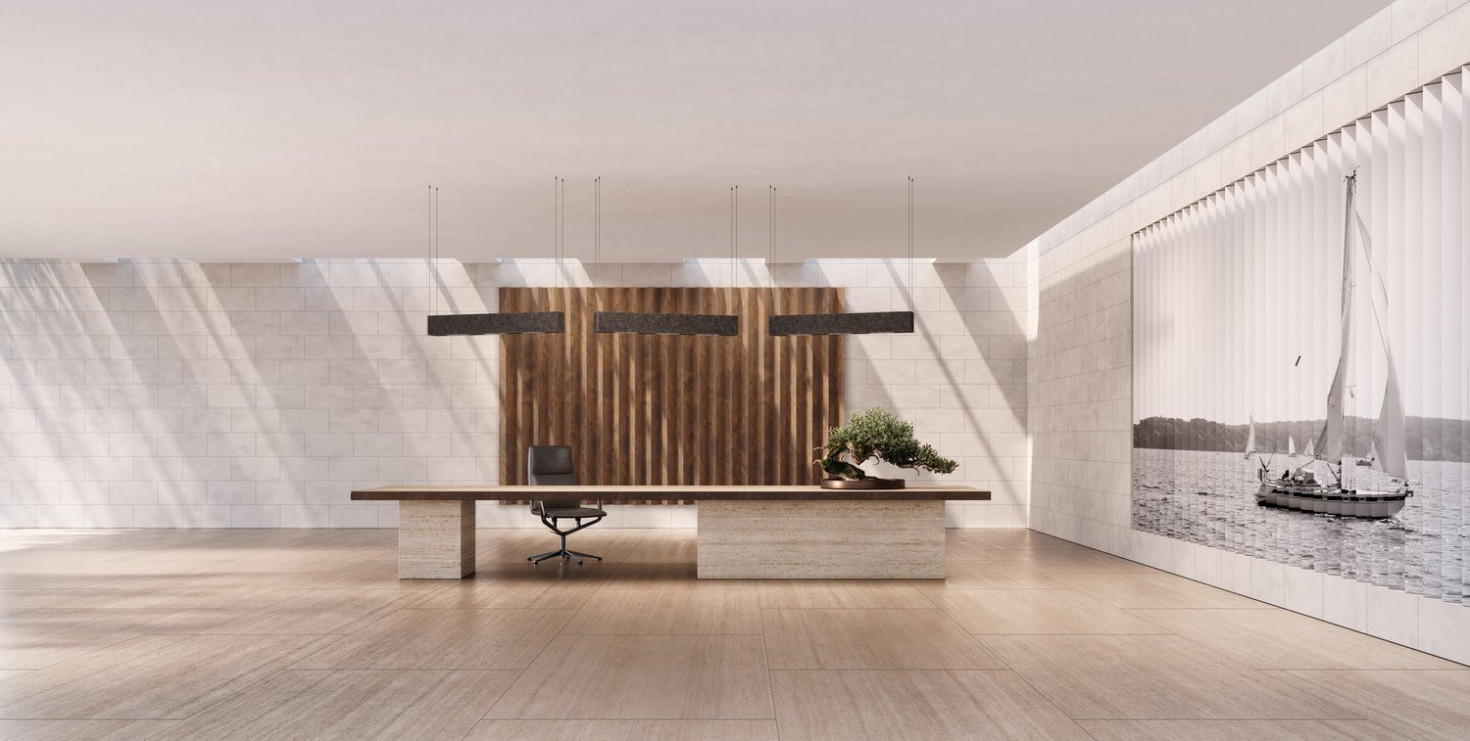
Unika Vaev has launched the Pinnacle Modular Acoustic System, a customizable wall cladding system that combines texture, color, graphics, and LED lighting to transform interior environments. The system offers exceptional acoustic performance with an NRC rating of 0.95 and allows customers to choose from a selection of Wilsonart® patterns or provide their own. Developed in collaboration with Gensler, the system offers versatility in customization and enhances the acoustic performance of any space, providing a quieter and more comfortable environment.
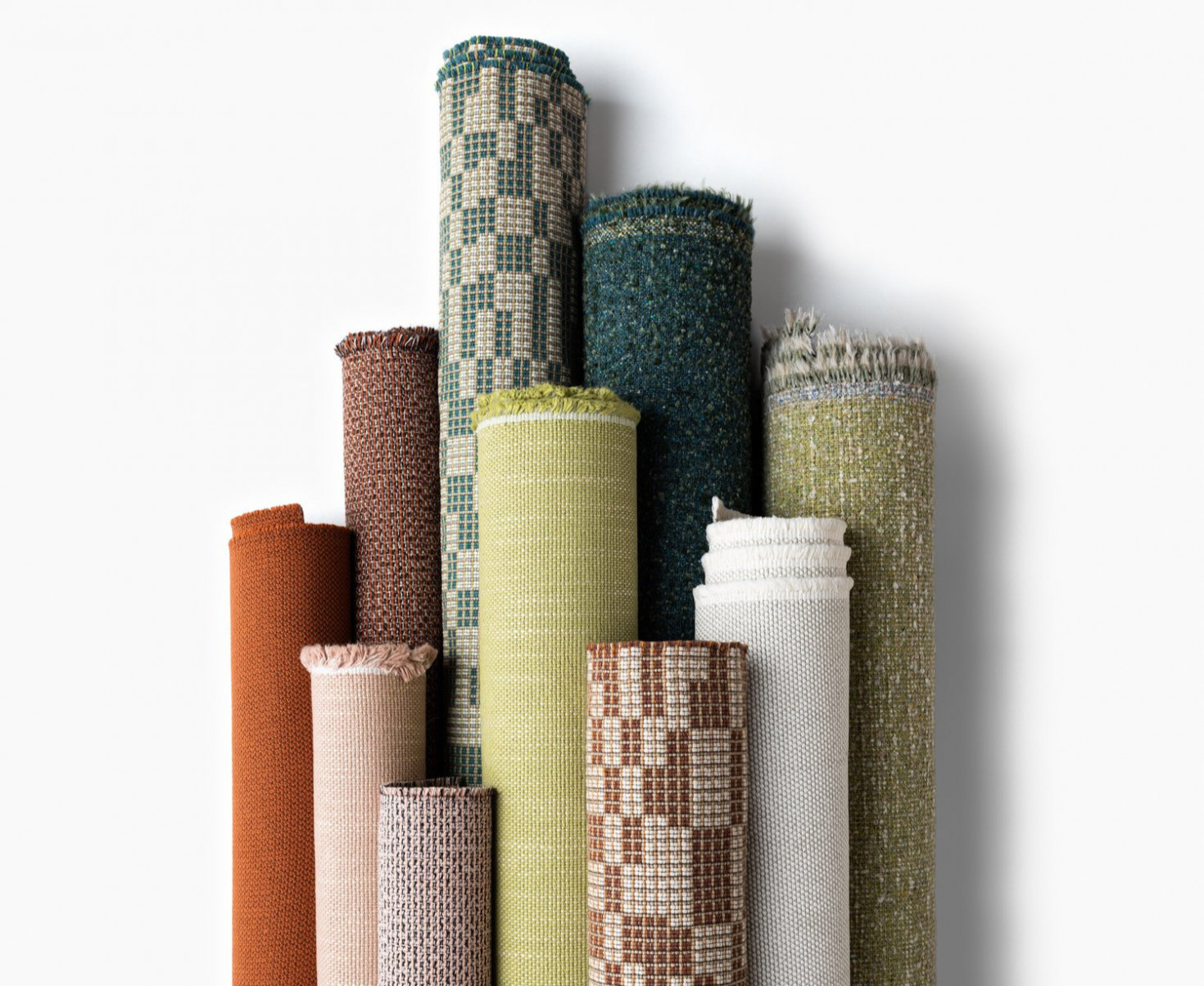
Luum has launched their Super Natural collection, featuring five sustainable and environmentally-conscious textiles by Suzanne Tick. The collection emphasizes natural, renewable, domestic, recycled, biodegradable, and circular fiber systems. The textiles include Rubric, Contrast Slub, Everyday Boucle, Barberpole Basket, and Biotope, each with unique characteristics such as renewable and recycled content, heavy metal-free, and REACH Regulation compliant. The collection is designed for contract and hospitality spaces and weaves patterns and textures into comfortable, classic, and technical textiles.
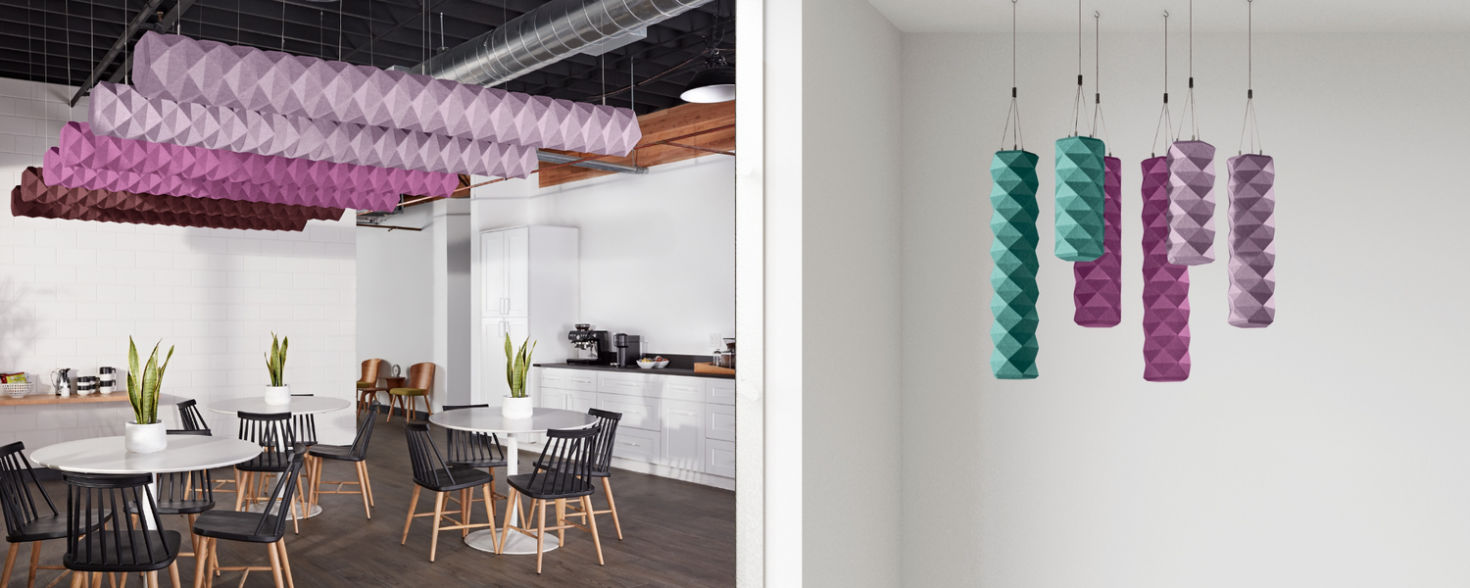
Kirei has launched the Tessellate Baffle and Tessellate Pendant, two cylindrical acoustic baffles composed of triangular planes that can be hung horizontally or vertically. The patent-pending designs diffuse and dampen sound waves for superior acoustic control while making a statement in any space. The products can also be custom printed with Kirei Ink, and designers can utilize Carnegie's Design Services for support. The products are handcrafted from Class A Fire Rated 12mm PET felt panels made from 60% post-consumer recycled PET and have numerous environmental certifications.
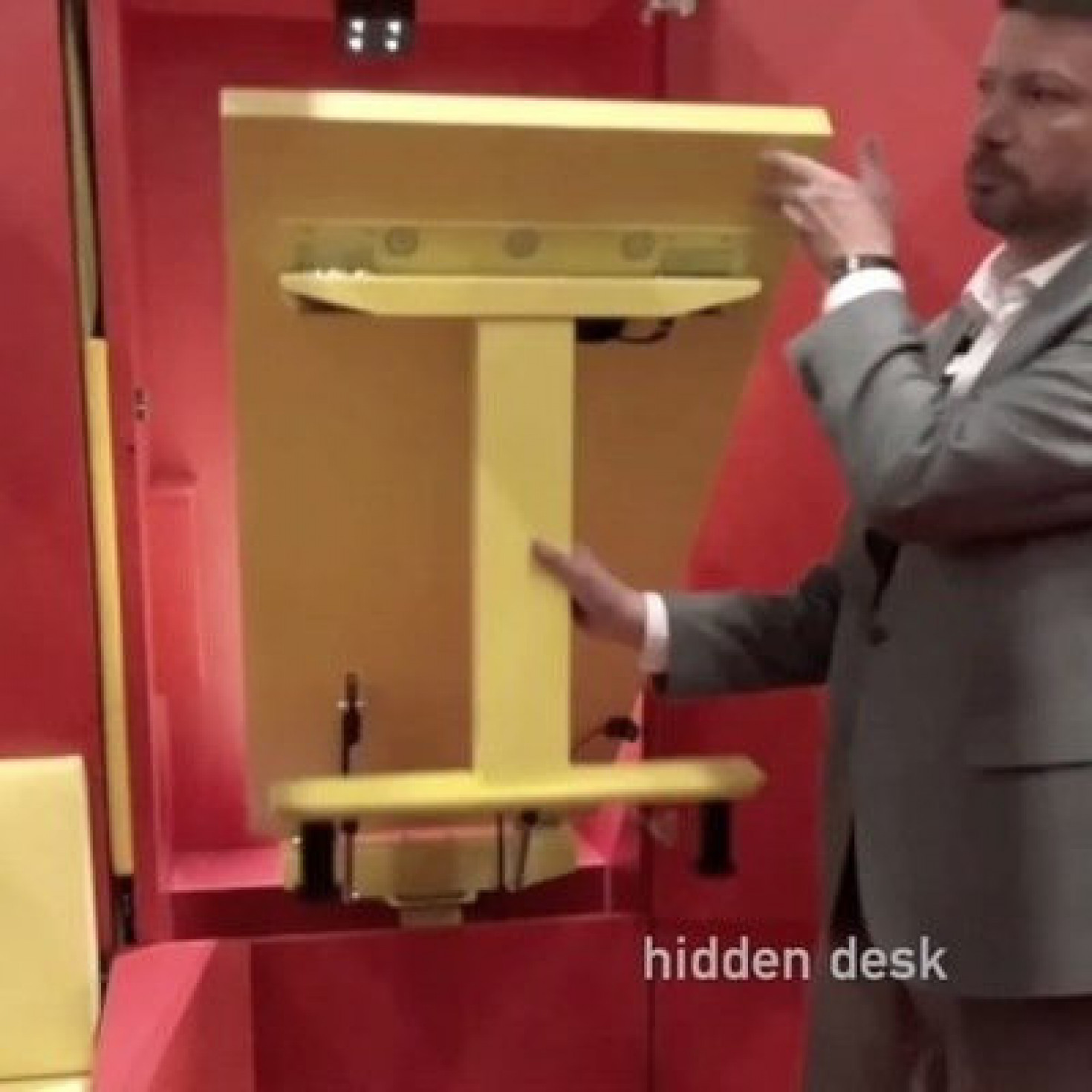
Architect Michael Hilgers designed a Sleep/Work/Meet hotel room concept for Häfele that includes hidden furniture to transform a small space into an ergonomic office setup within seconds. The concept includes a height-adjustable desk that folds out of a wall cabinet and a sitting-height desk that flips out of a sideboard and can double in size to become a meeting table.
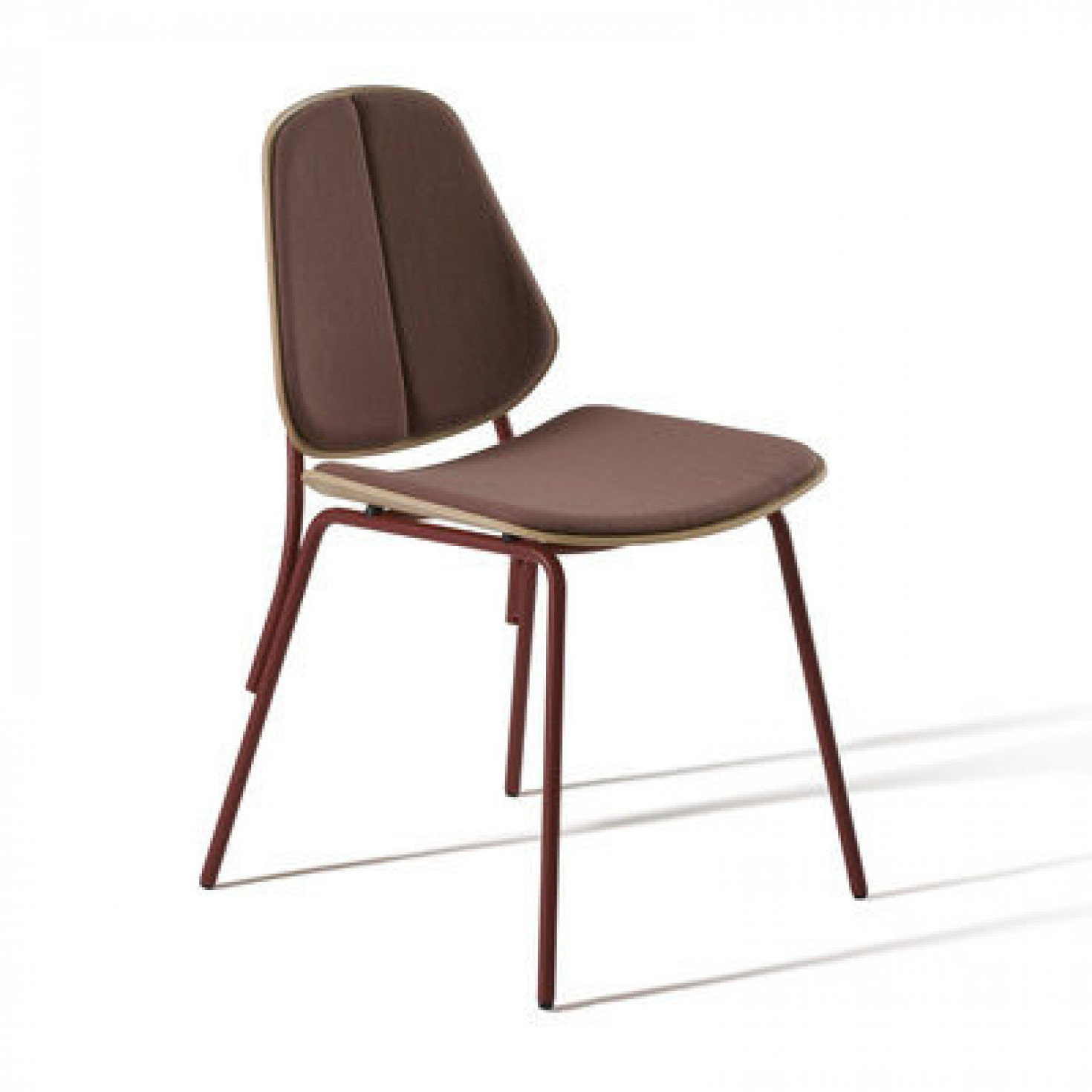
The Col Chair, designed by Francesc Rifé, is a reinterpretation of European school chairs from the '80s and '90s. Made from steel tubes and bent plywood, the chairs have a simple elegance but also recall institutional furniture with their abrupt back support termination where it meets the legs.
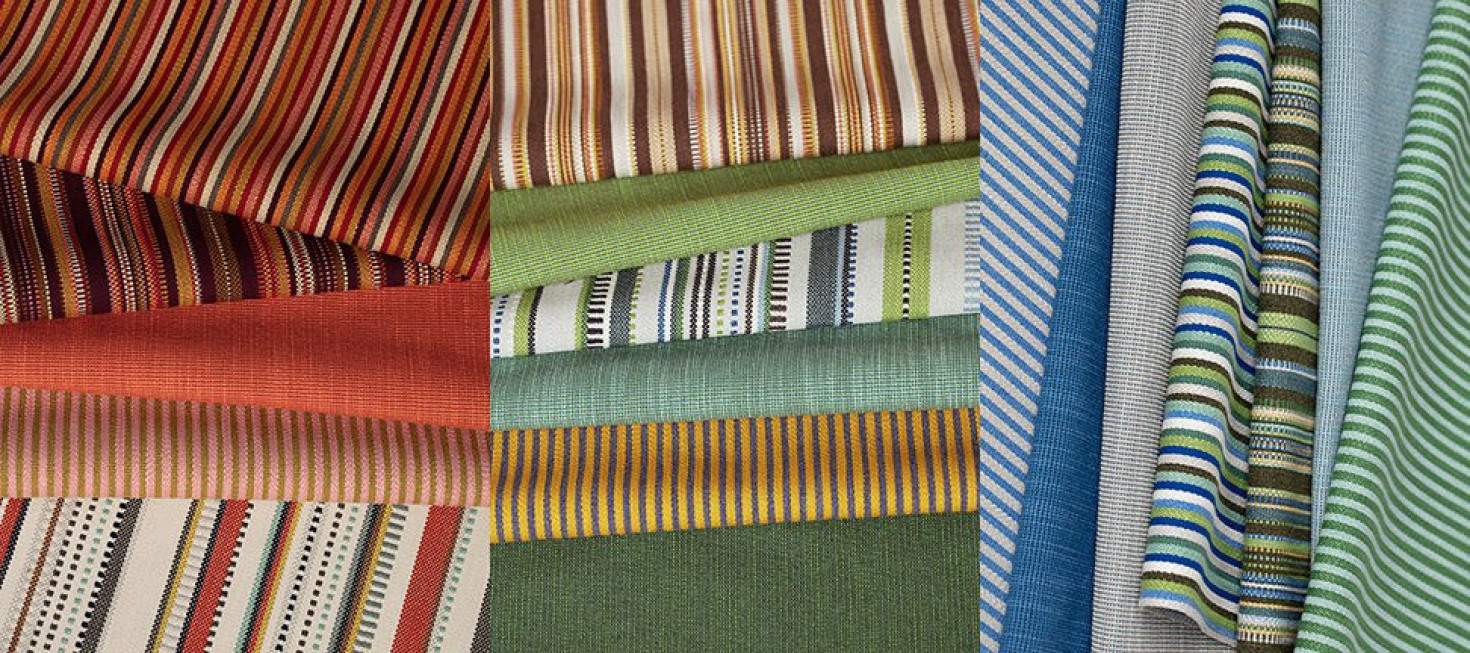
Maharam introduces three new textiles in collaboration with British fashion designer Paul Smith: Metered Stripe, Concord Stripe, and Ribbed Weave. Metered Stripe features needlepoint-like stripes in nine colorways, while Concord Stripe reimagines vertical stripes in ten duo- and multitone colorways. Ribbed Weave is a nuanced solid with atmospheric striation achieved through precise tonal mixing. All three textiles are suitable for indoor and outdoor use.
Other News
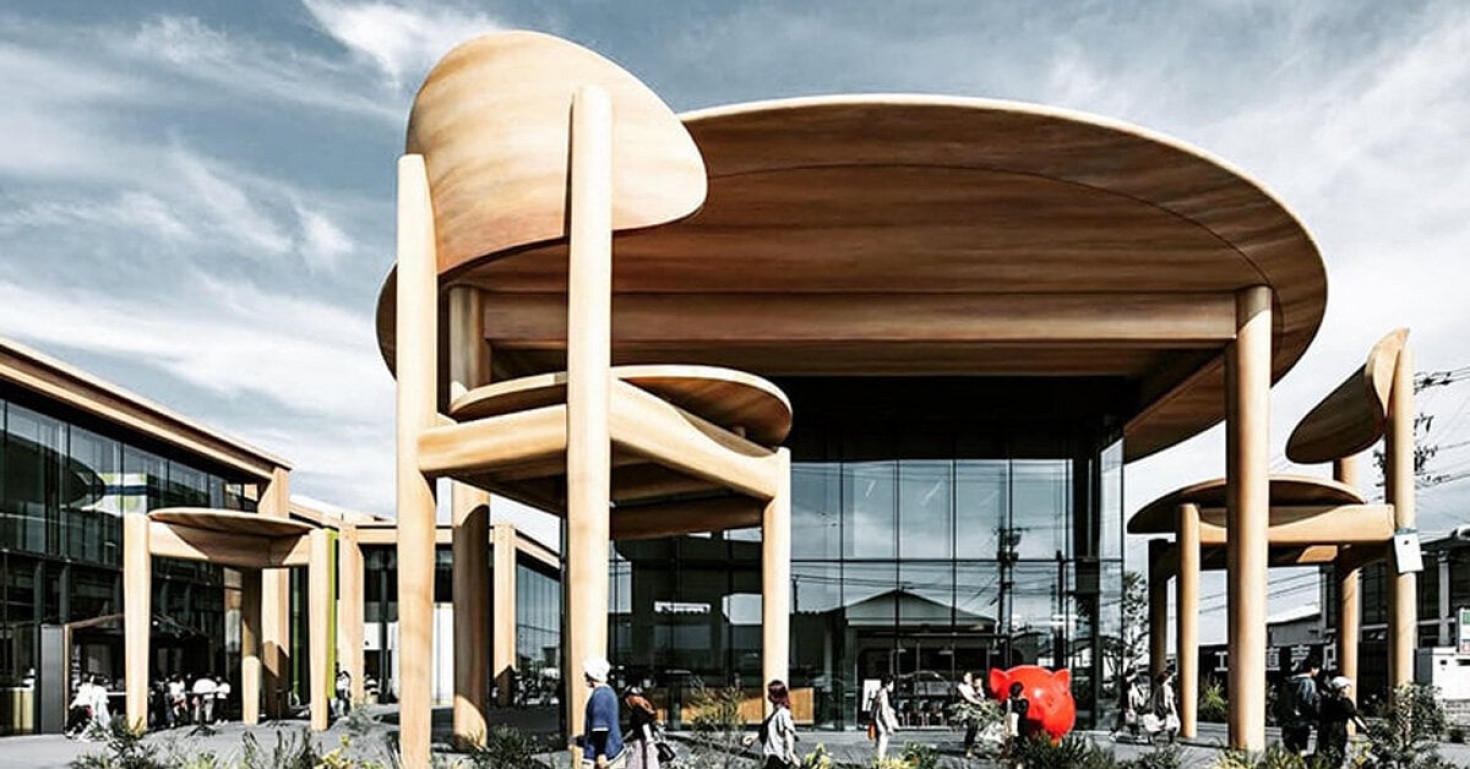
Tokyo-based firm Nikken Sekkei has designed a mixed-use facility in Hamamatsu City, Japan, for sweet company Shunkado. The building, called Sweets Bank, features a set of giant wooden chairs and table, expanded by 13 times their actual size, and glass boxes that house offices, shops, a restaurant and a cafe. The design aims to create a large living room in the city where people can gather, and to enhance the image of both the town and the brand.
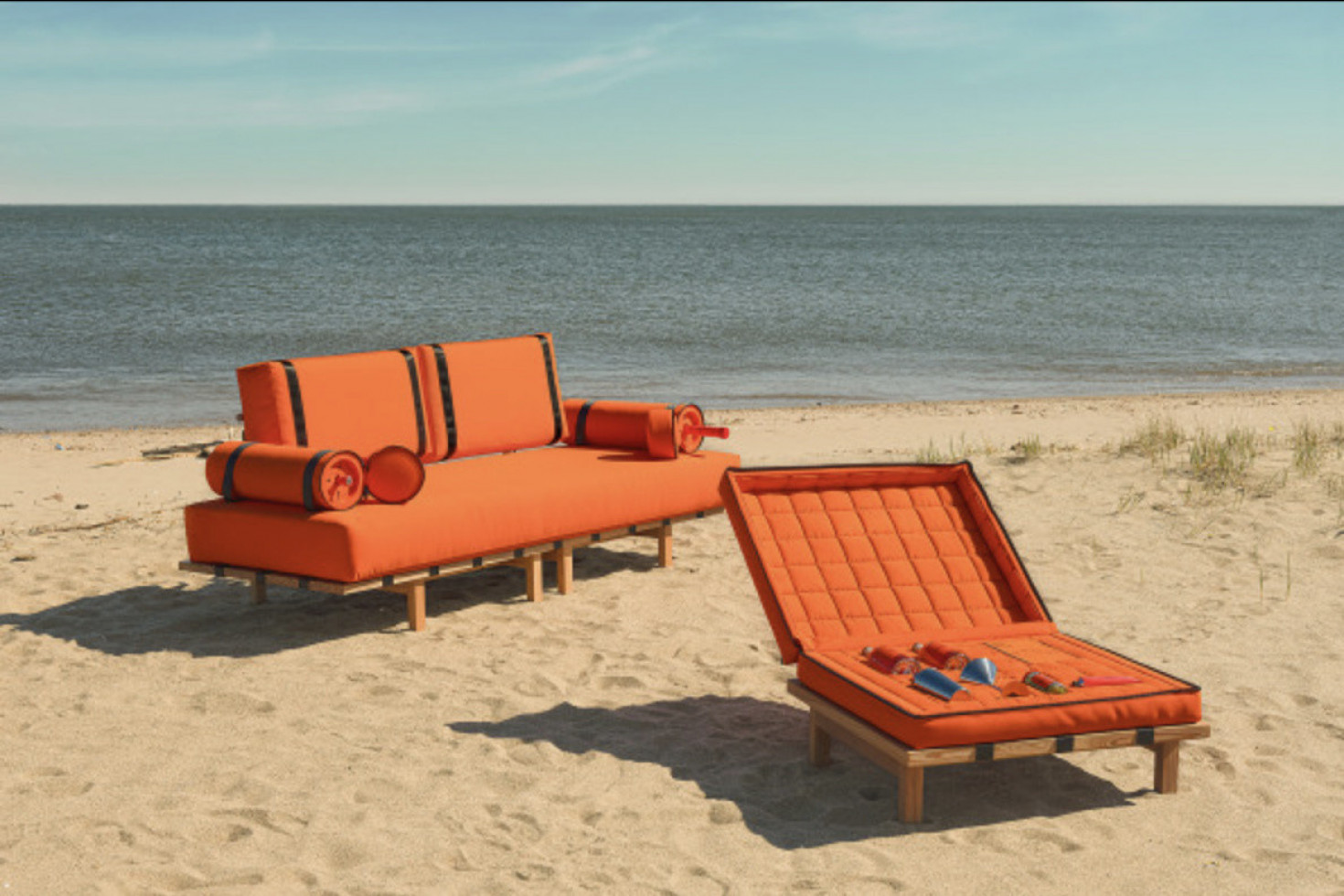
Ad agency Mother has designed a floating sofa called Bliss that doubles as a life raft, complete with a paddle, rocket flare, and emergency strobe. The sofa, which costs $100,000, is on show at the Tuleste Factory in Manhattan. Mother is selling Bliss as a one-off art piece, with 20% of the profits going to UNHCR, but the agency is not excluding the possibility of commercializing the sofa as a "donation mechanism" where a portion of the sales would go to UNHCR.
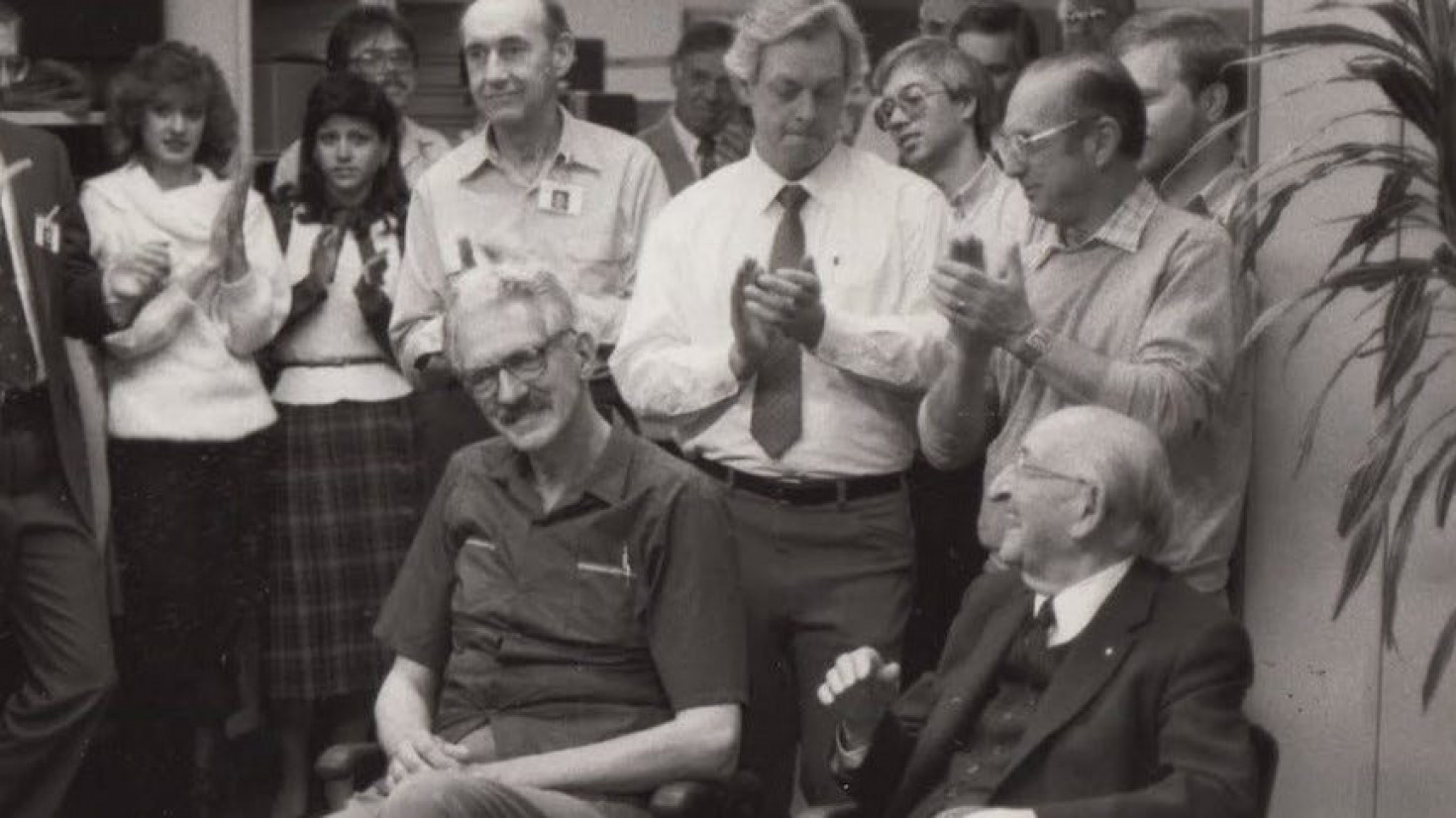
Blast from the past: DJ DePree was a servant leader who turned Herman Miller Furniture into an industry leader by practicing participative management and embracing the strengths of others. He introduced the Scanlon Plan, which rewarded employees for using their complementary gifts for the good of the whole, and welcomed people from all faith perspectives. His style of participative management guided by a moral foundation became what today we call “servant leadership.”
Sustainability
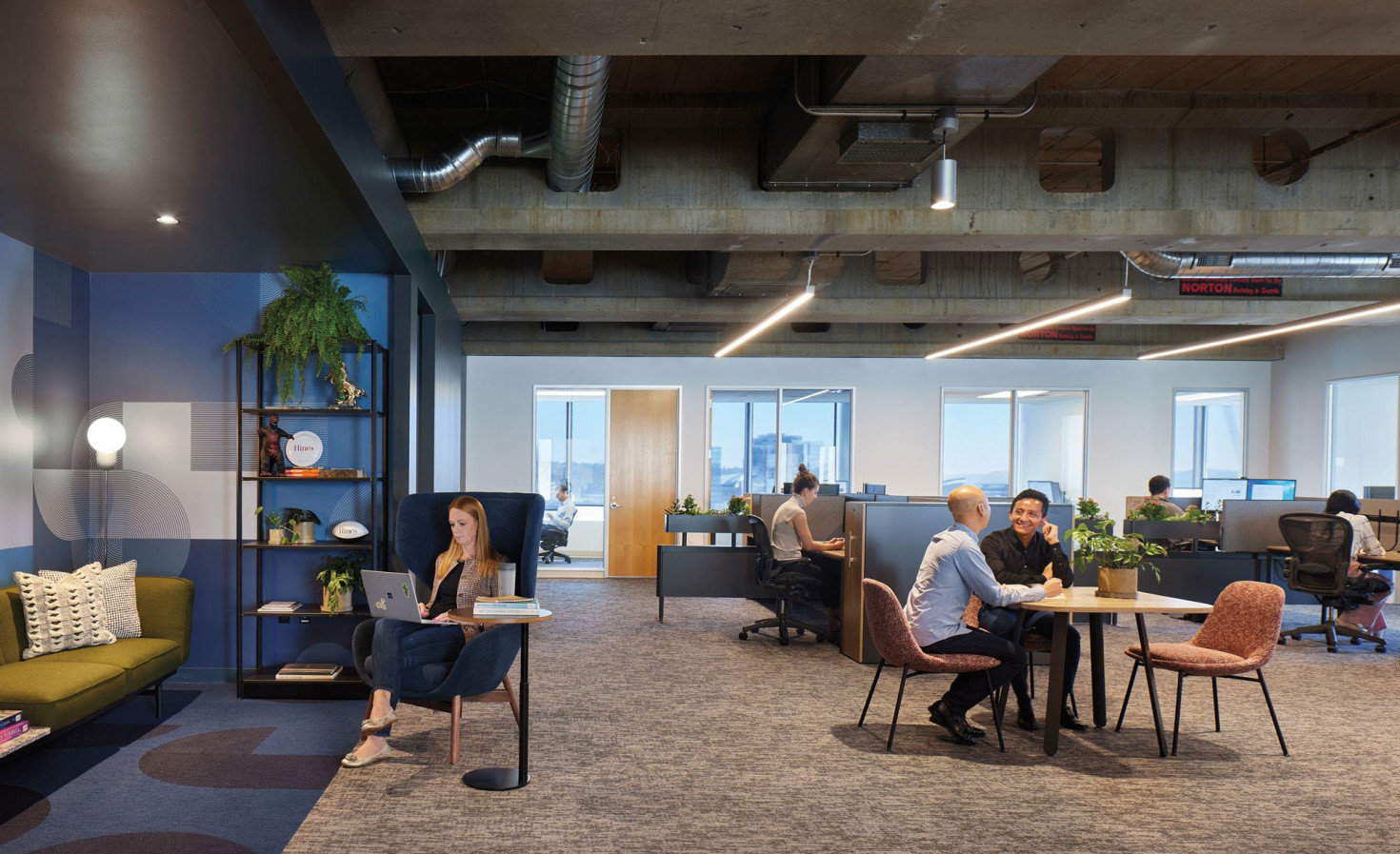
Hines and LMN Architects transformed a former coworking space into Hines's new Seattle headquarters with a focus on reducing embodied carbon. The architects tracked the impact of every existing or new material down to the square foot in a spreadsheet, leading them to creative solutions such as reusing the existing carpet and repurposing discarded wood. The resulting design reduced embodied carbon by an estimated 65% versus a standard remodel of an empty shell.
STUDIOS Architecture Signs AIA Architecture & Design Materials Pledge
STUDIOS Architecture has signed the American Institute of Architects' (AIA) Architecture & Design Materials Pledge, committing to more meaningful product specification decisions and practices across its portfolio. The pledge strengthens the firm's approach to minimizing its impact through affirmations pertaining to human health, social health & equity, ecosystem health, climate health, and a circular economy. STUDIOS' adoption of the pledge builds on its long-time positioning with the AIA's broader sustainability frameworks, including the 2030 Commitment, and reinforces its commitment to championing whole-community health through environmentally conscious design.
Coworking
WeWork CEO Mathrani Steps Down
WeWork CEO Sandeep Mathrani is stepping down and will be replaced by David Tolley on an interim basis. Mathrani helped the company survive the pandemic, but WeWork continues to lose money heavily, burning over $1 billion in 2022 and $343 million in Q1 2022. WeWork's stock fell 7.5% to 35 cents.
Trends in Commercial Projects from Around the Globe
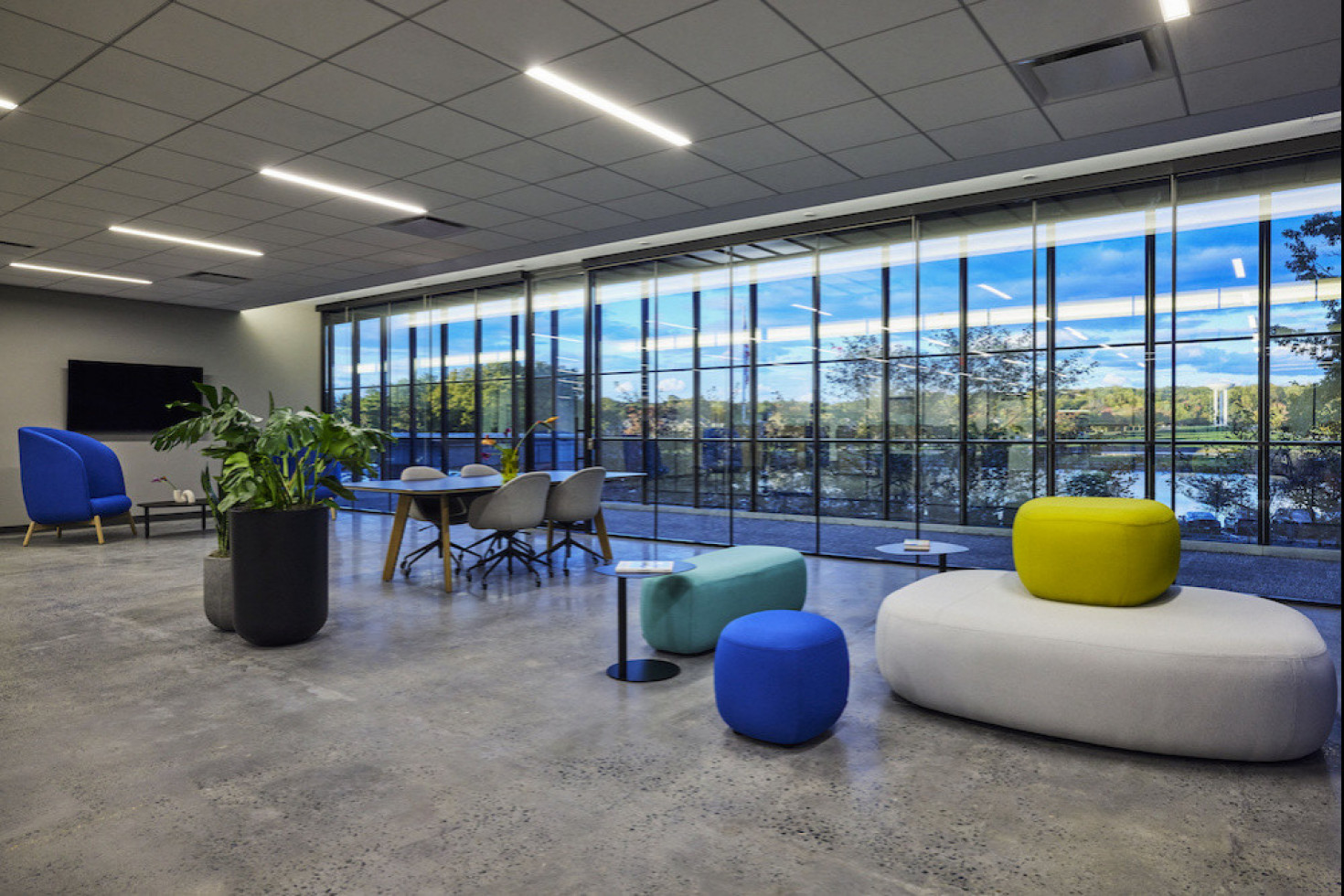
Software firm CentralReach recently opened a 25,000 square foot meeting hub in New Jersey's Bell Works campus designed by npz studio+. The space features biophilic touches, bold colors, and human-centric spaces to create an inspiring and productive work environment. The design philosophy connects to CentralReach's brand and values, with furniture and materials carefully selected for their acoustical properties and sustainability. The space aims to transition the employee base from remote to hybrid structure, with gathering spaces designed to encourage conversation and productivity.
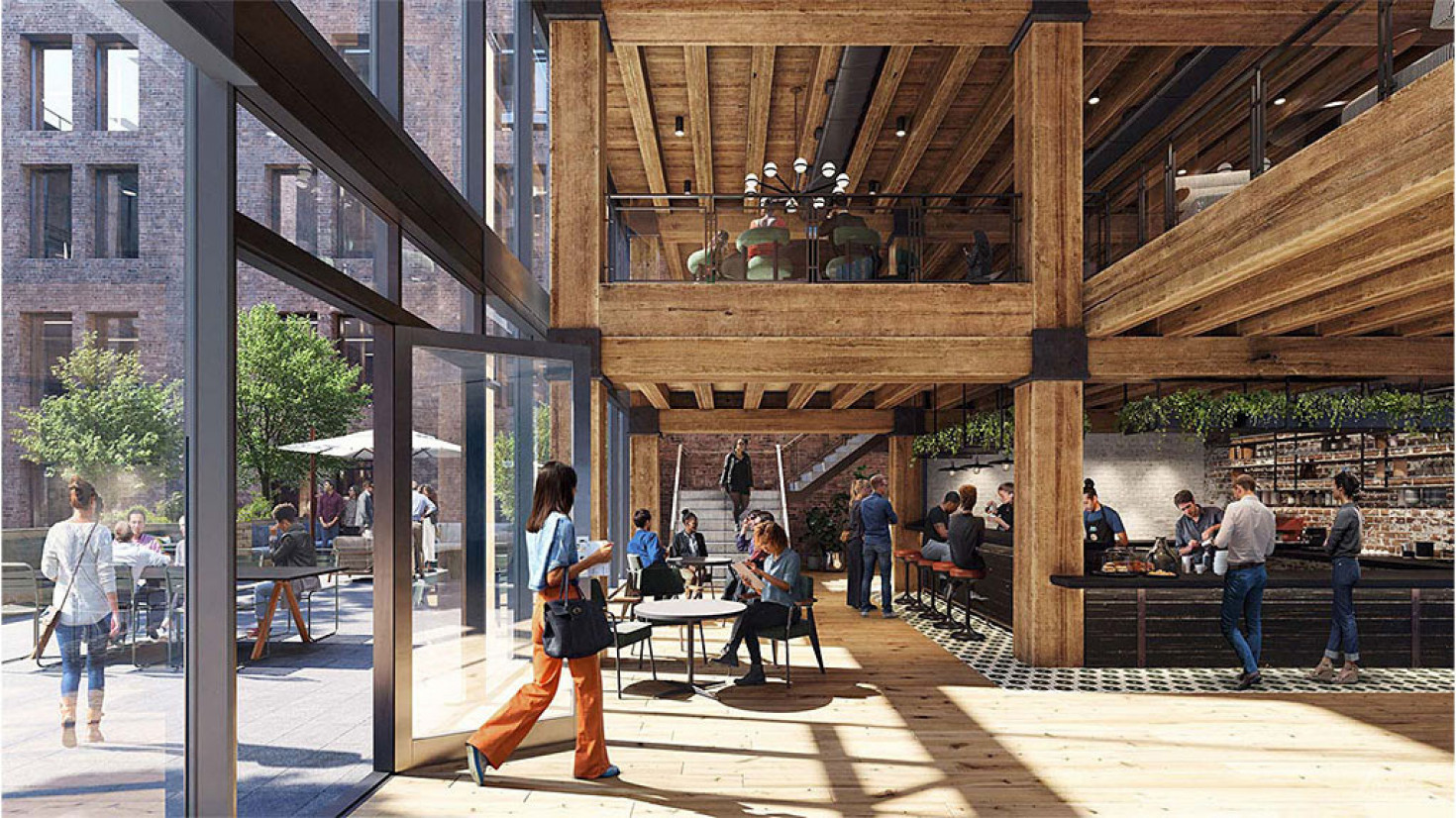
Terminal Warehouse, a historic freight depot built in 1891, is being transformed into a 1.2 million-square-foot "Engine of Enterprise" for growth-oriented companies. Gensler developed a real estate and positioning strategy based on tenant needs and evaluated the existing architectural features to identify the best use for each area. They also aligned the building's unique industrial attributes with tenant preferences to create a compelling narrative and diverse experiences for those who work there.
Upcoming Industry Events
Industry Briefing
Emily Clingman, 52, Editor-in-Chief of The Business of Furniture
The Editor-in-Chief of The Business of Furniture (BOF), Emily Catherine Clingman, passed away on May 3rd as the result of a car accident. At the age of 52 and from Billings, Montana, Emily had built an impressive career as a writer in various fields, including the contract furniture industry. She was also known for her work as a mentor to young writers, her advocacy for women entering the business world, and her role model status to young women and girls. A celebration of life in her honor will be organized by her children, and donations can be made to local women's shelters.
UK-based by Bailey changes name to parent company Insidesource and launches showroom refresh
Workspace design and furniture provider by Bailey is changing its name to Insidesource to unify its brand identity globally and streamline operations. The name change reflects the merger between by Bailey and Insidesource in 2018 to create the first global furniture dealer. The company's London-based design team unveiled a new showroom concept during Clerkenwell Design Week, showcasing furniture collections from some of the world's best manufacturers.
The YE2022 Compensation Survey is Currently Underway
The Solomon Coyle YE2022 Compensation and Practices Survey is currently underway and covers dealer compensation, benefits, HR policies and practices. Participation is by invitation only, and the survey results will remain confidential. An orientation webinar is being offered on May 23rd, and access to the final report is complimentary for all dealers that submit a valid survey. Report webinars will be announced in July. Access to the final report is complimentary for all dealers that submit a valid YE2022 survey. Dealers that do not submit a valid survey will have the option to purchase the report at a cost of $2,400.
HON Announces Henricksen as 2022 Superior Sales Award Winner
Henricksen, a full-service contract furniture dealership, has won the Superior Sales Award at the 38th annual HON Team Up ceremony. HON recognized Henricksen's commitment to serving communities and creating work and learning environments with HON product solutions. Henricksen continues to grow as an industry-leading contract furniture dealership with 13 offices, 340 full-time employees, and annual sales topping $350 million.

Find the best Contract Furniture Industry jobs and hire the best talent.





We are a highly respected and leading European office furniture manufacturer with a rich legacy of providing innovative and high-quality solutions to our clients. With a strong presence in the European market, we are now expanding our operations to the United States. As part of this exciting growth journey, we are seeking Independent Sales Representatives to join our team and help establish our brand and products in the US market.

The Regional Sales Manager will be responsible for the sales and sales growth of The Senator Groups products in the region of the country outlined. The Regional Sales Manager works to ensure profitable growth in sales, revenue through planning, execution, and management of the independent sales organization they lead.
Build and maintain client relationships. Track and record metrics throughout sale process. Meet and exceed financial goals.

Indoff is expanding and in need of experienced outside sales professionals in your area. If you’re tired of missing out on money due to low commission rates or you’re sick of quotas, then Indoff is the perfect solution for you.

BiSemA Corporation and BiSemA USA LLC seek ambitious independent sales executives from Chicago. Self-managing, highly motivated, has extensive experience in the office furniture industry and can work remotely.