OCTOBER 2023
DIVISION UPDATES
ANATOMIC PATHOLOGY
STANFORD WAREHOUSE PROJECT
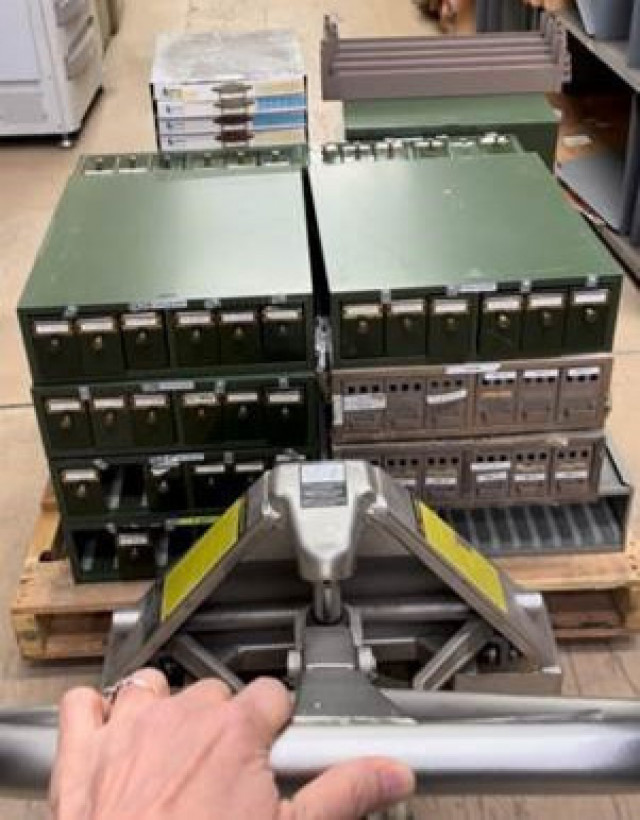
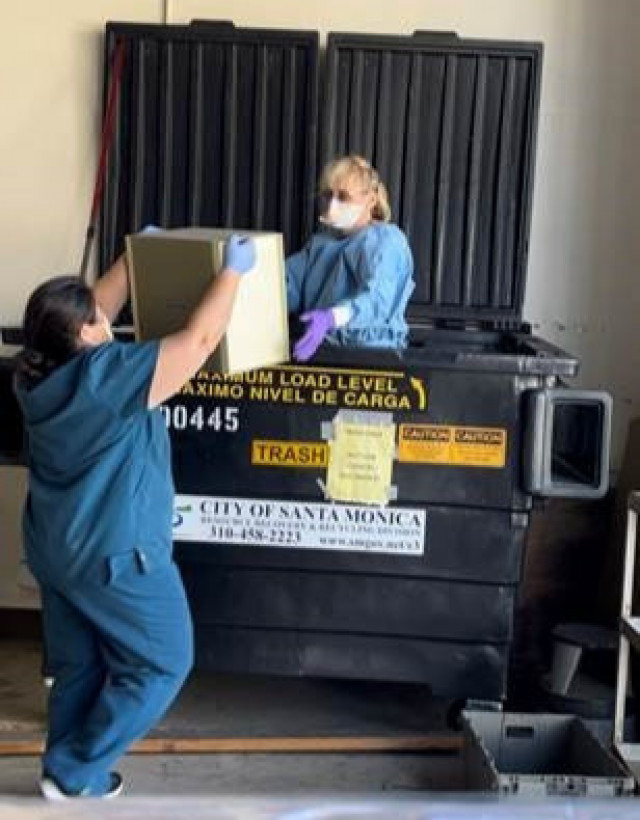
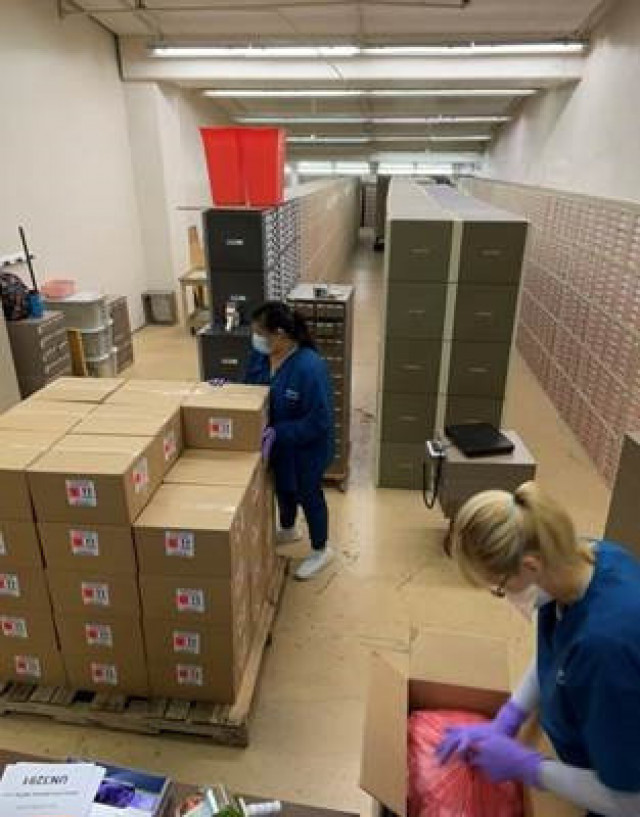
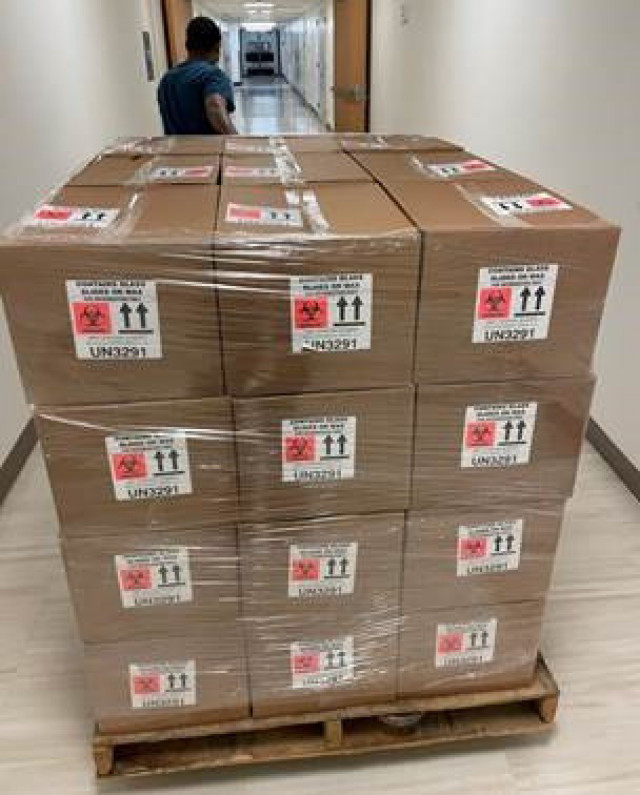
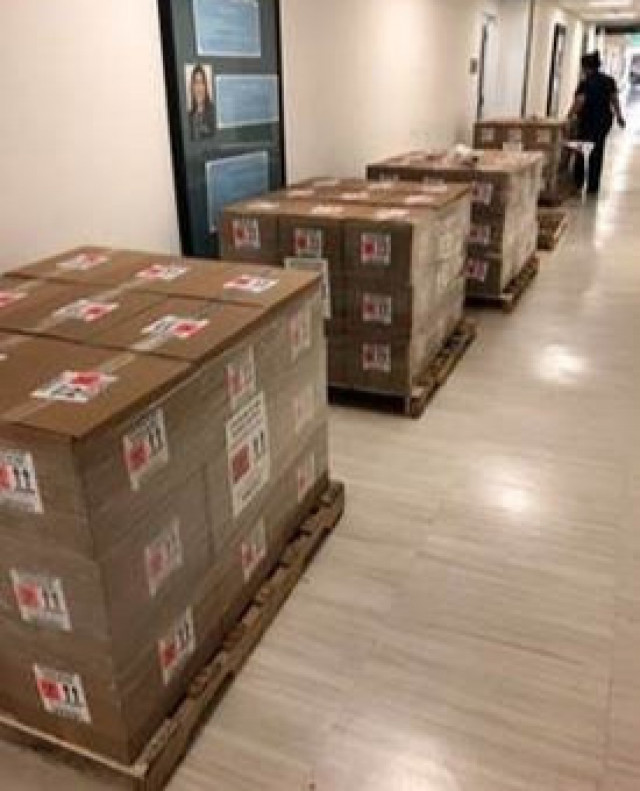
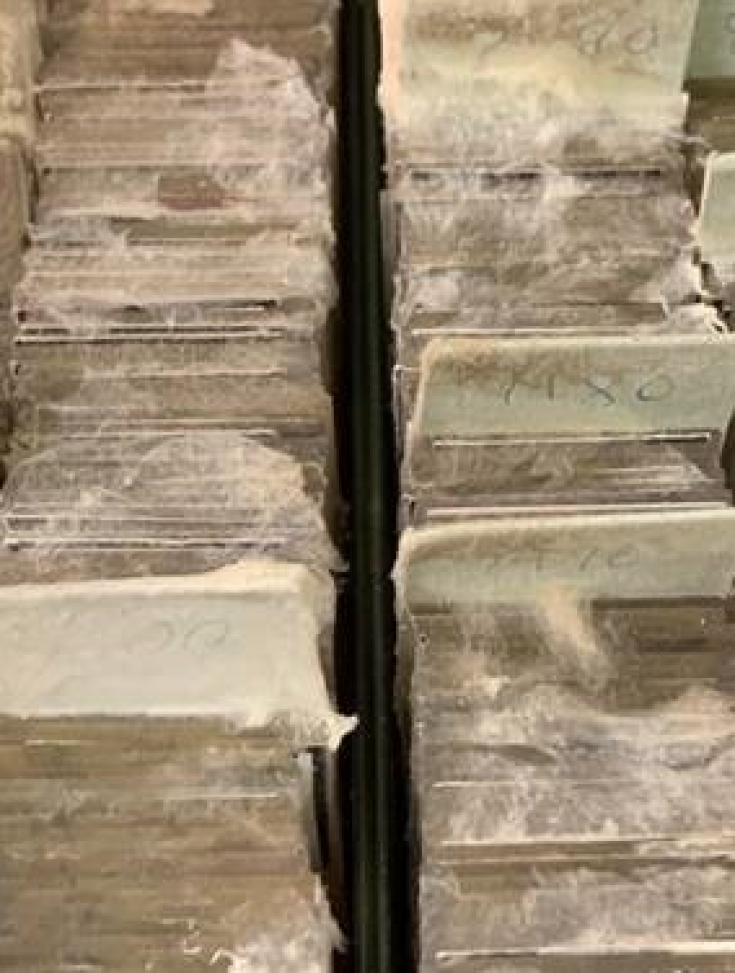
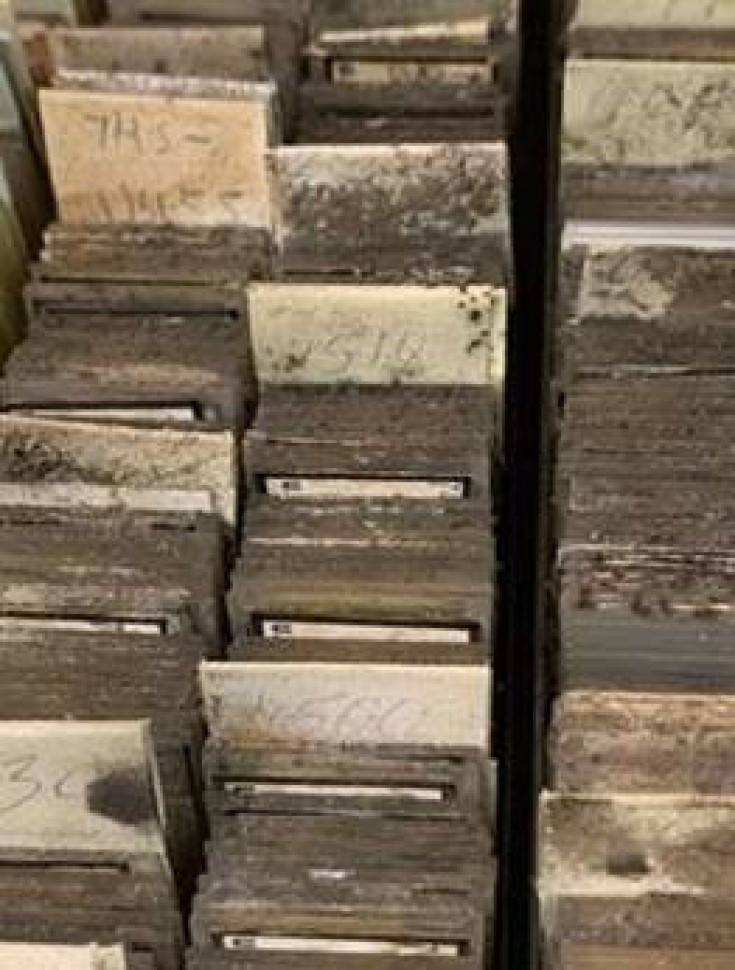
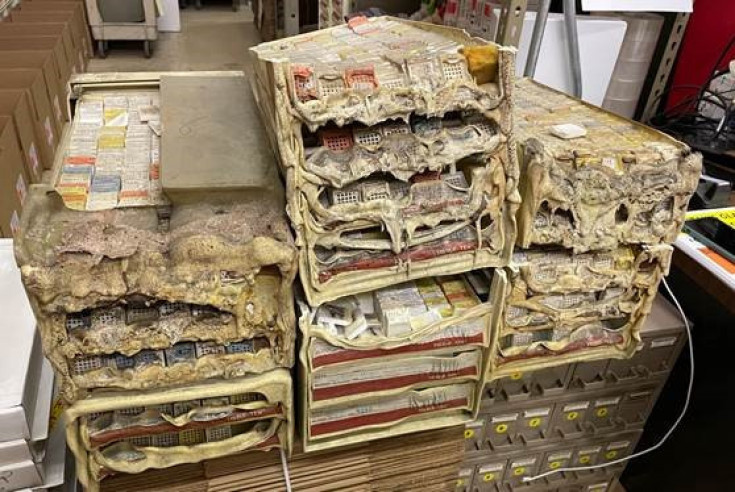
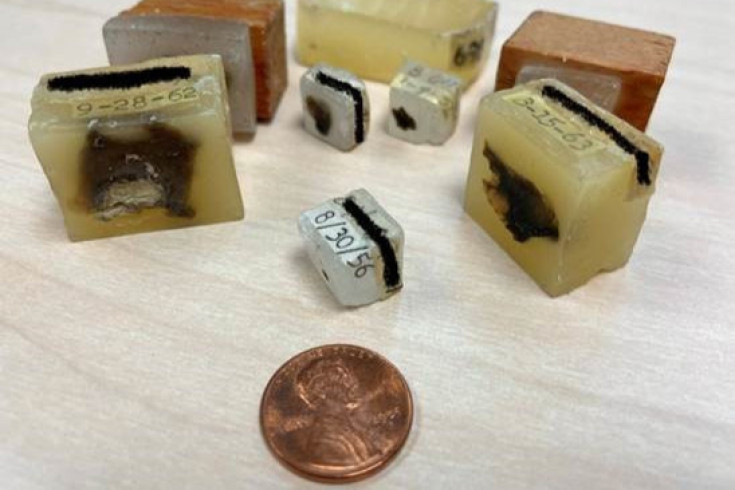
Earlier this year, the Surgical Pathology Reporting Office (SPRO) completed a major effort to evaluate the materials the Department has been storing offsite, to ensure we are storing essential materials under proper conditions. In addition to old paper files that were long past the date that we were required to keep them, SPRO unexpectedly encountered several surprises. This included blocks irreparably damaged in the distant past by fire, water and mold (see photos below) and many broken slides, which led to further work with the Translational Pathology Core Laboratory (TPCL) to evaluate slide and block research requests. As a result of these efforts, we decided to dispose of our oldest slides and blocks. Overcoming complications from the pandemic and supply chain delays, the SPRO team and collaborators were able to complete the project in just over two years.
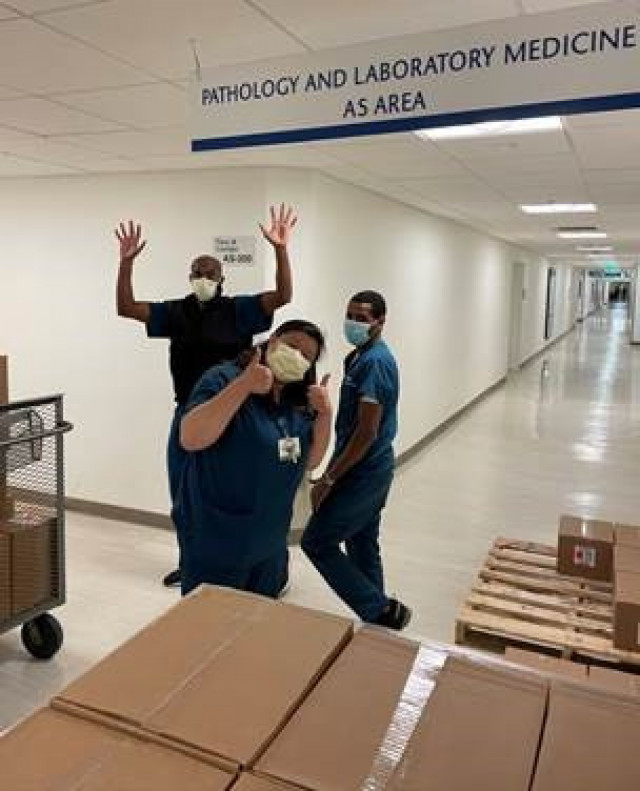
The SPRO team packaged 5,882 boxes onto 194 pallets for disposal, including 76.5 tons of old blocks and slides. They were able to recycle many of the old slide cabinets and have been using the recycled cabinets in Santa Monica and Westwood for the past year. They estimate there will be enough recycled cabinets to accommodate our storage for the next five years.
Total Department savings over the next five years from this project are just under $500,000. This includes savings from reduced storage costs and use of recycled cabinets obviating the need to purchase new cabinets.
As is true of many projects, there were many people who contributed to this success. In addition to the SPRO team, Joseph Bautista (TPCL), Rick Huang (TPCL), Dr. Clara Magyar (TPCL), SMH Pathology Staff, the Pathology Facilities team, the Lab Business Office team, Abran Herrera (and the UCLA Stanford Warehouse Team), CHS A Level Loading Dock Team, Dobbie Walton from UCLA EHS and several non-UCLA teams (the CPM Warehouse Team, the Stericycle Team, Modular Data Services and Santa Monica Waste Management) were essential to the success of this project.
Thank you Kelly Bartlone (Manager, Surgical Pathology Reporting Office, Transcription and Referral Lab Sendouts) and SPRO to championing this project and thank you to all who contributed for your hard work and dedication to this effort!
ELECTRON MICROSCOPY LAB
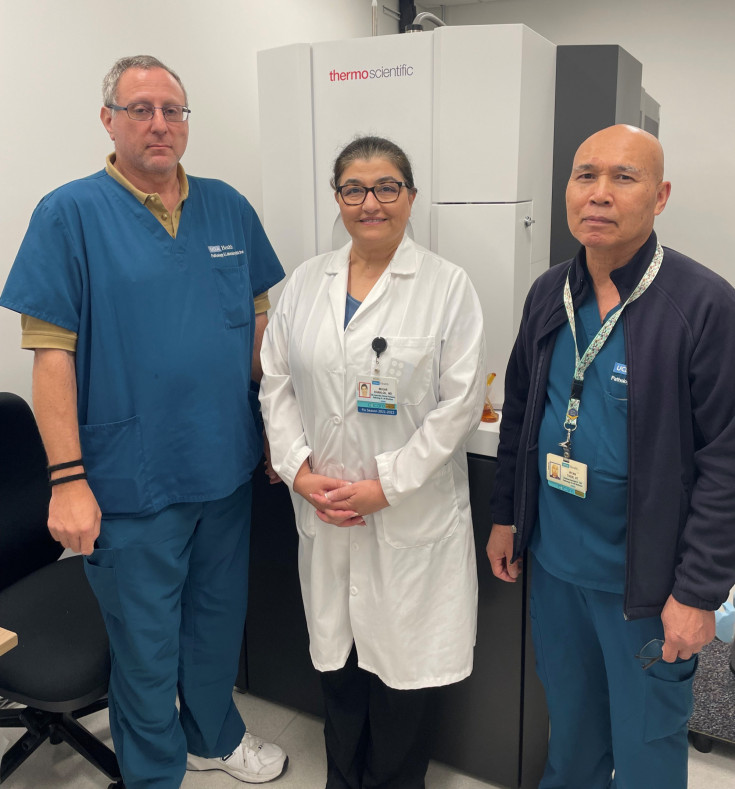
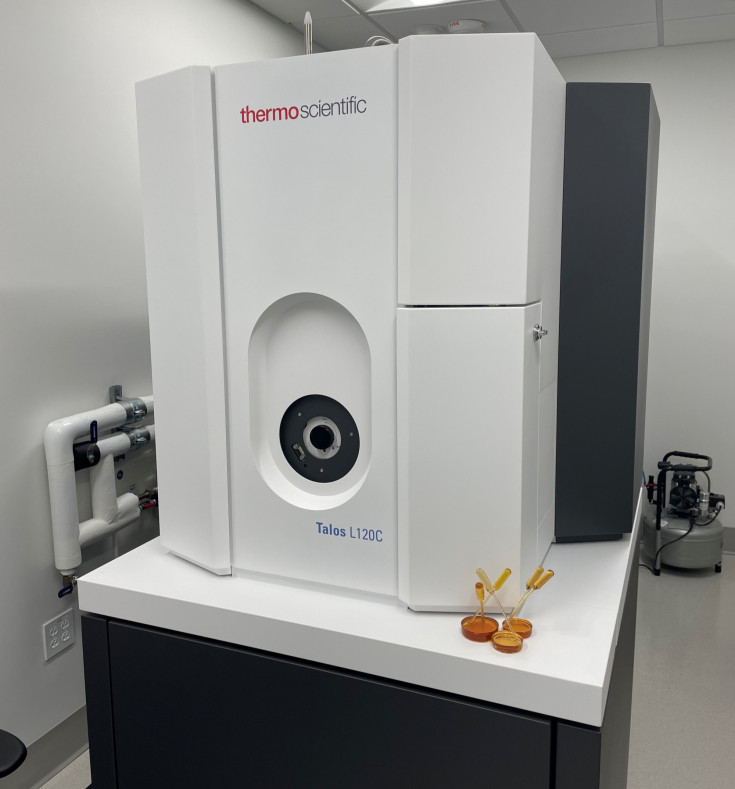
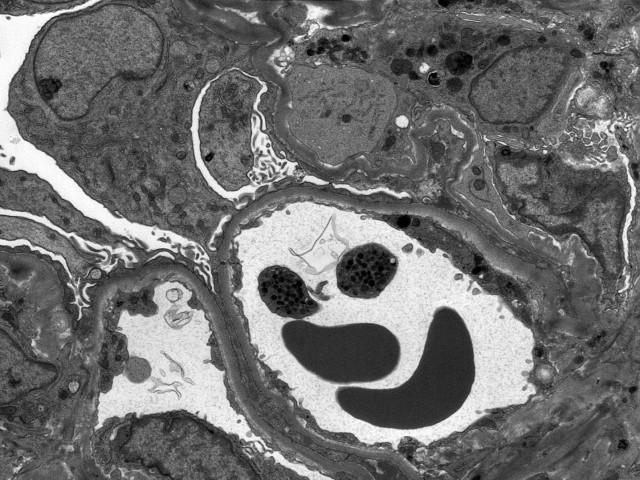
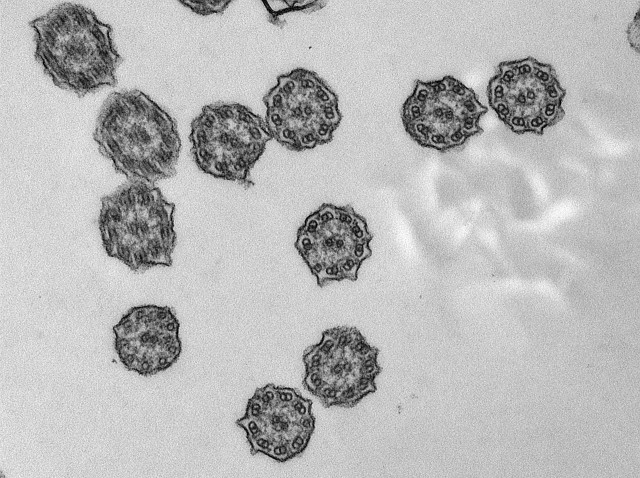
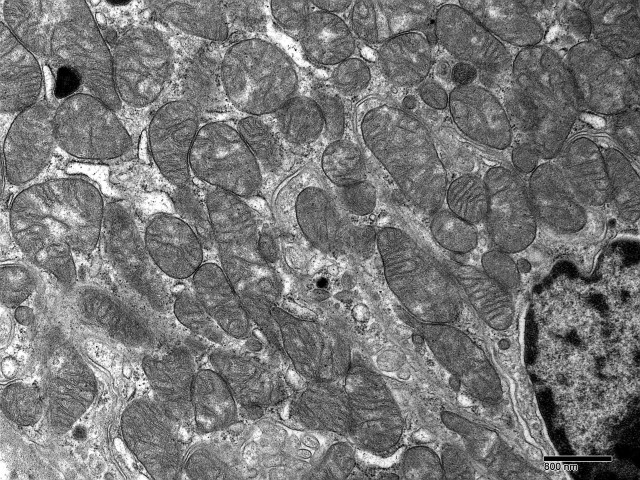
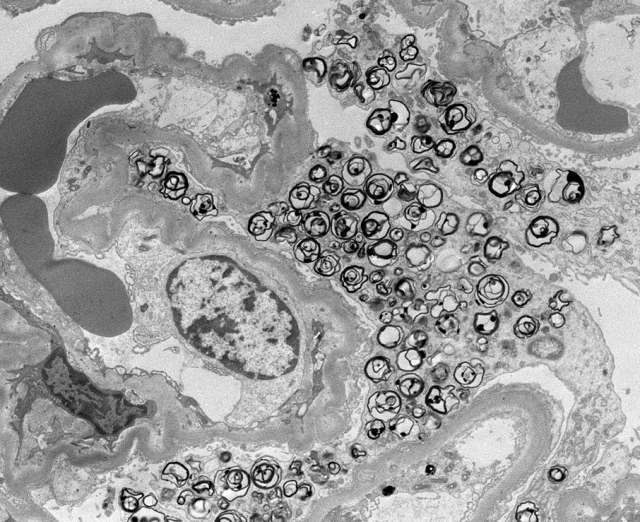
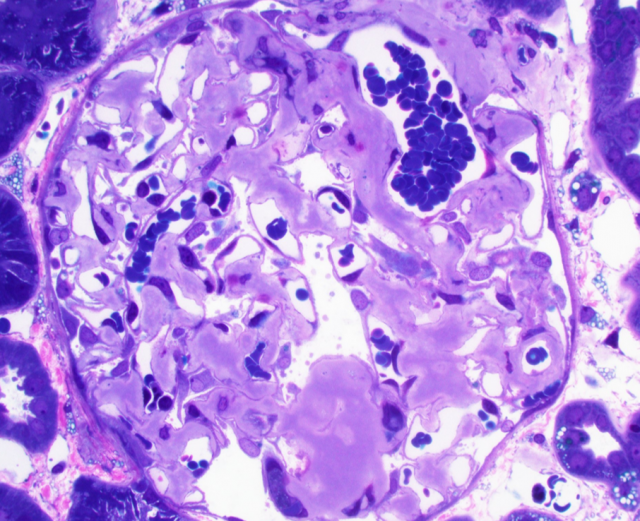
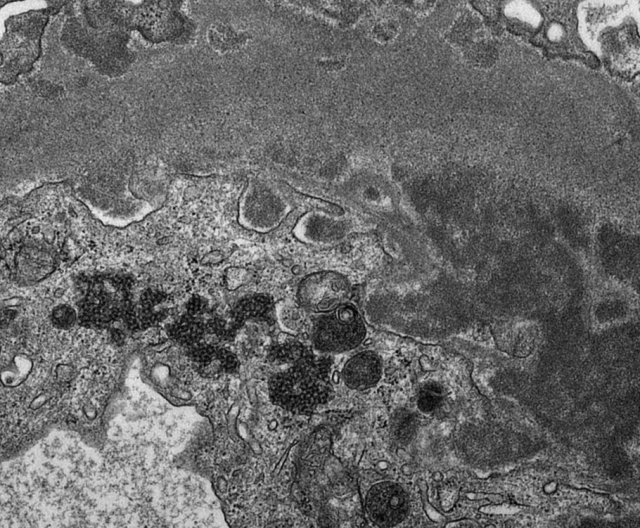
The UCLA Electron Microscopy (EM) lab recently underwent some upgrades and is equipped with two state of the art modern electron microscopes. It serves both the clinical and the academic research community at UCLA and several pathology groups in the region. The team’s activity covers all areas of Surgical Pathology with special expertise in Renal Pathology, Neuropathology, and Cardiac Pathology. Pictured from left to right: Eric Rosen, Dr. Negar Khanlou, and Ryan Thor.
LABORATORY MEDICINE
CLINICAL CHEMISTRY
- On April 5, the Clinical Chemistry Team has switched to a high sensitivity troponin test for the UCLA health system by working closely with cardiologists, Emergency Department physicians, and hospital leadership. The implementation went seamlessly and successfully. After the implementation, they have identified particular needs and worked with Emergency Department and IT to build additional test codes to address:
- Three high-sensitivity troponin test panels for Emergency Department patients, in-patients, and patients post cardiac interventional procedure, respectively.
- Total Laboratory Automation (TLA): Santa Monica and BURL labs have active TLA. The changes required for the TLA installation at Ronald Reagan Hospital have been more complex, and the lab looks forward to beginning the installation of a new TLA line in the 2024 calendar year.
- The team has validated 34 blood gas analyzers for ICUs and other units throughout Ronald Reagan Hospital.
- New Inclusive Screening Process expands Blood Donor Eligibility at the UCLA Blood & Platelet Center – Implemented the updated FDA blood donation eligibility guidelines which allow for a more inclusive blood donation process that assesses all potential donors equally while maintaining a safe blood supply. This change eliminates the FDA’s previous policy that deferred men who have sex with men from giving blood. For more information: https://www.uclahealth.org/programs/gotblood/about-us/individual-donor-assessment
- UCLA’s New Sickle Cell Disease Center of Excellence – Implemented workflows and CareConnect tools to ensure that patients with a diagnosis of Sickle Cell Disease receive RBC genotyping prior to transfusion and phenotype-matched RBC units for transfusion. For more information: https://www.uclahealth.org/medical-services/sickle-cell-disease-care
- COVID-19 Convalescent Plasma – Ensuring a sufficient inventory of CCP (COVID-19 Convalescent Plasma) for the treatment of COVID-19 in patients with immunosuppressive disease or receiving immunosuppressive treatment in either the outpatient or inpatient setting. UCLA continues to provide CCP to 2-4 patients each week. If you have recently recovered from COVID-19, please consider donating CCP at the Blood & Platelet Center. For more information on donation: https://www.uclahealth.org/programs/gotblood
- Immune-Mediated Platelet Refractoriness – Implemented platelet crossmatch testing for our patients who have immune mediated platelet refractoriness. This in-house testing ability allows our blood bank to identify these patients more expeditiously and provide compatible platelet products within a shorter TAT when compared to HLA antibody testing and provision of HLA matched platelet products from a community blood center.
- Massive Transfusion Protocol (MTP) – Leading a quality initiative to update MTP nomenclature, and to develop consistent and reliable electronic methods for documenting blood product administration during a multi-unit transfusion event (i.e. Piloting a new Epic application for documentation of massive transfusion in the trauma setting in the fall of 2024).
RESEARCH UPDATE
The Division of Transfusion Medicine is participating in the CHIPS (CHIlled Platelet Study) study, a phase III, multicenter, randomized, double-blinded, adaptive, non-inferiority, storage duration ranging international trial in adult and pediatric patients undergoing cardiac surgery that will compare the transfusion of cold-stored platelets (stored 1-6°C) at multiple storage durations to standard room temperature platelets (stored 20-24°C). The goal of the trial is to determine whether cold-stored platelets are non-inferior (or superior) in terms of hemostatic efficacy relative to standard room temperature platelets, and, if so, to determine the maximum duration of cold storage that maintains non-inferiority to room temperature platelets. The hypothesis is that cold-stored platelets have increased hemostatic efficacy, improved safety, and are logistically superior due to their extended shelf life. Currently, this study is approaching its 2nd interim analysis, with 361 patients transfused as well as another 740 participants enrolled. UCLA is one of the top 5 centers participating in the trial with respect to number of patients engaged, with 38 patients transfused and an additional 53 enrolled.
HIGHLIGHTED PUBLICATIONS
IMMUNOGENETICS
UIC COLLABORATION WITH UCLA RENAL AND HEMATOPOIETIC STEM CELL TRANSPLANT (HPSC) TEAMS LEADS TO FIRST SUCCESSFUL “RETROACTIVE” TOLERANCE INDUCTION IN A KIDNEY TRANSPLANT RECIPIENT
The UCLA Immunogenetics Center (UIC) is excited to collaborate with Dr. Veale and the UCLA renal and hematopoietic stem cell transplant (HPSC) teams to successfully induce durable mixed chimerism and immune tolerance with delayed stem cell infusion after kidney transplant. The persistence of mixed donor-recipient immune cells (chimerism) after combined kidney and HSPC transplantation allows the withdrawal of all immunosuppressive therapy. Patients are able to enjoy uninterrupted normal functioning of the kidney graft while living free from the numerous life-long drugs typically required, helping them avoid adverse effects such as infections and cancer. UCLA and others have demonstrated a high success rate of withdrawal of immunosuppression amongst HLA-identical patients receiving simultaneous kidney and HPSC transplant.
This latest achievement is the first “retroactive” tolerance case in the world, and a tremendous breakthrough in medicine. UCLA has now performed the first ever HPSC infusion in a patient with a pre-existing kidney transplant, and at just 3 months after tolerance induction mixed chimerism was demonstrated! This new clinical treatment will greatly expand the pool of transplant candidates, removing prohibitive costs as a barrier toward participation and increasing access to underserved and diverse populations in an inclusive and equitable fashion. Retroactive tolerance is more practical than simultaneous tolerance because the recipient has already recovered from kidney transplant surgery. Timing for participation in retroactive tolerance can now be based on donor-recipient convenience, uncoupling the transplant and HPSC infusion. Logistically, retroactive tolerance lessens the burden on the patient and the hospital system, as treatments and follow up are all scheduled on an outpatient basis. Retroactive tolerance is also an important stepping stone for other solid organ transplants beyond the kidney, as heart, lung, and liver patients often recover in intensive care units and are not physically able to be transferred for image-guided radiation as part of their tolerance conditioning regimen until they are fully recovered and ambulatory.
UIC is fortunate to be part of this journey, serving as the testing laboratory to evaluate the percentage of mixed chimerism for patients receiving tolerance therapy. The laboratory’s role is to test the patient’s chimerism over time to determine if tolerance has been achieved. The Immunogenetics Team, including client services, clinical laboratory scientists, supervisors and laboratory directors, plays an essential function in performing, reviewing, interpreting, and reporting the test results.
HISTOCOMPATIBILITY SCIENTIST TRAINING PROGRAM
UIC is also pleased to announce that they have reinstituted their Histocompatibility Scientist training program. This is a 12 month program that offers individuals the chance to train in the HLA laboratory to gain the hands-on skills and knowledge required to obtain the California Histocompatibility License. The first candidate was selected and initiated her training in June 2023! If any individuals would like information regarding this program or how to apply when the next recruitment phase begins, they may email the lab manager, Krystal Kendall, at kkendall@mednet.ucla.edu

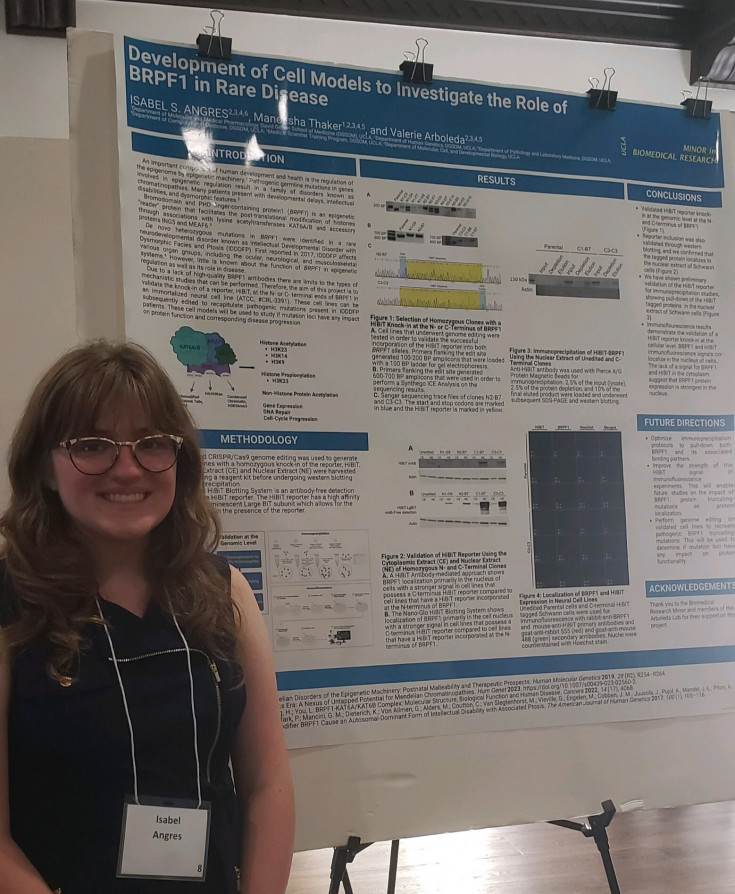
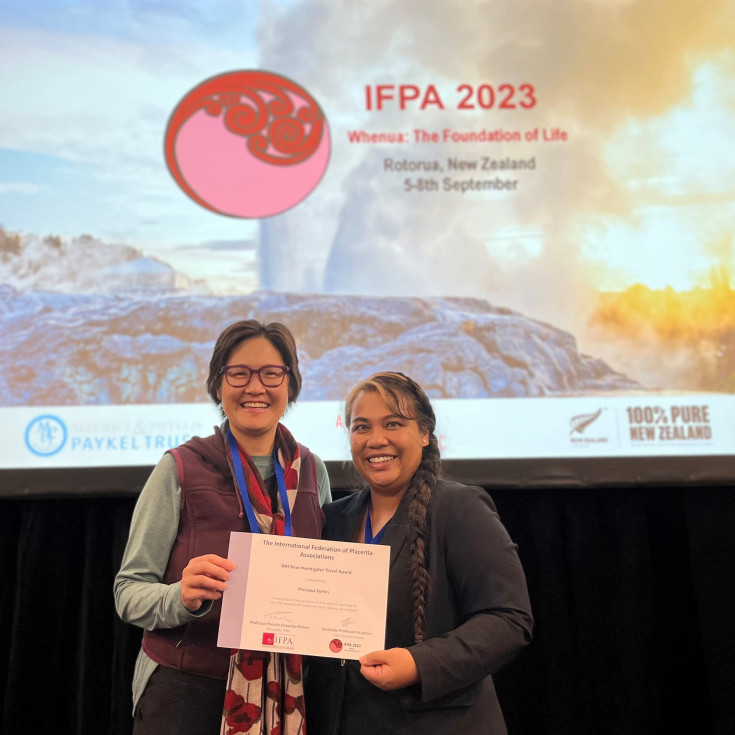
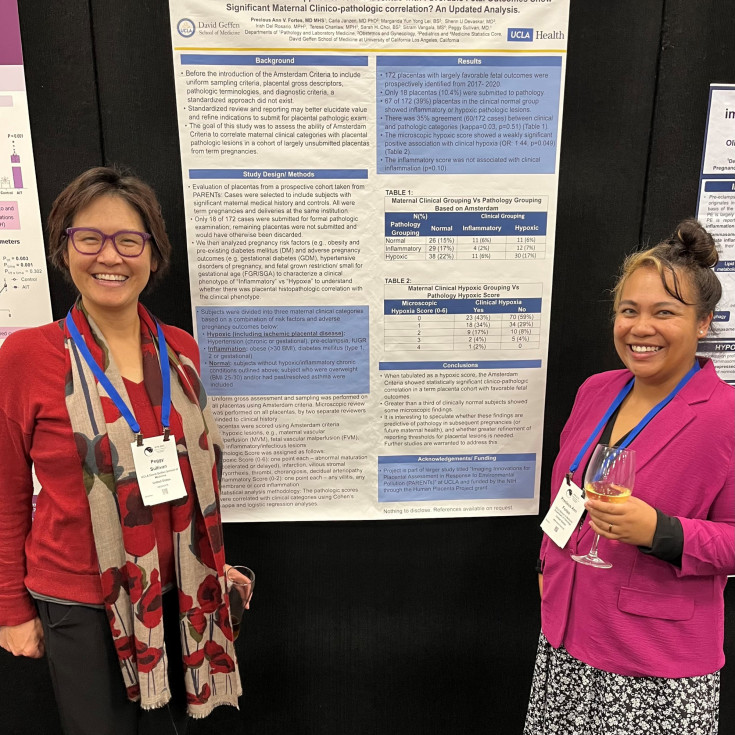
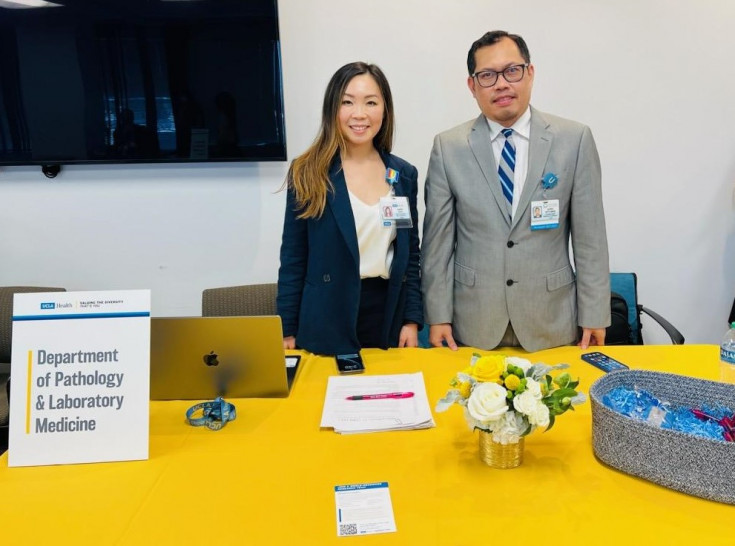
Thank you to everyone who came out to the UCLA Health Research Professionals Job Fair! Attendees' participation, energy, & enthusiasm made this event a tremendous success! A special thank you to Karen Zeng, Talent Acquisition and Djoko Setiyawan, Clinical Finance Manager, for representing the department at the event!
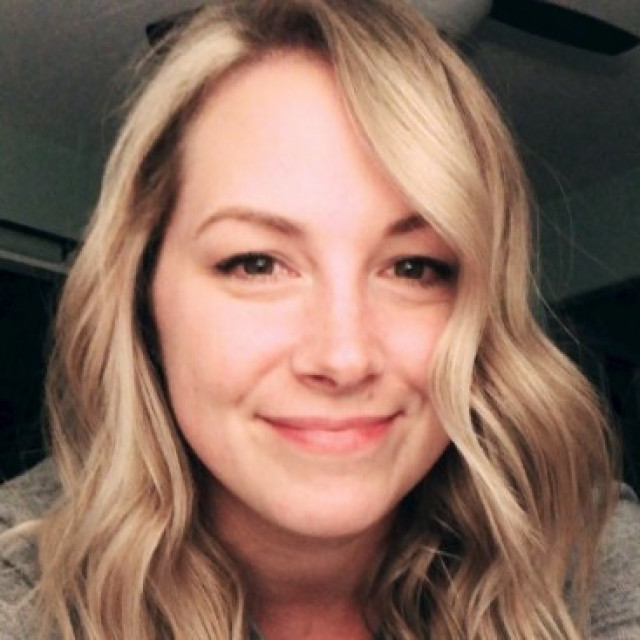
Congratulations to Jill Thomson on being promoted to Histology Manager effective 9/18/23. Jill has a BS in Biology and an MS in Biomedical & Veterinary Science.
She began her histology experience as an undergraduate researcher and following grad school (2009) she started at UCLA as a histotechnologist; it was a joint role between the clinical Histology Laboratory and Dr. Jiaoti Huang’s lab researching prostate cancer biomarkers. Jill was instrumental in developing the Histology Lab’s Whole Mount Prostate technique and she has also advised other institutions looking to implement whole mount prostate histology. In 2016, Jill transferred to TPCL as the Senior Histotechnologist and implemented new TMA construction and special stain services. Jill was promoted to IHC supervisor in 2017 and has helped to improve turnaround time and expand the test menu.
We look forward to working with Jill in her new role and wish her luck in her continued career at UCLA Health.
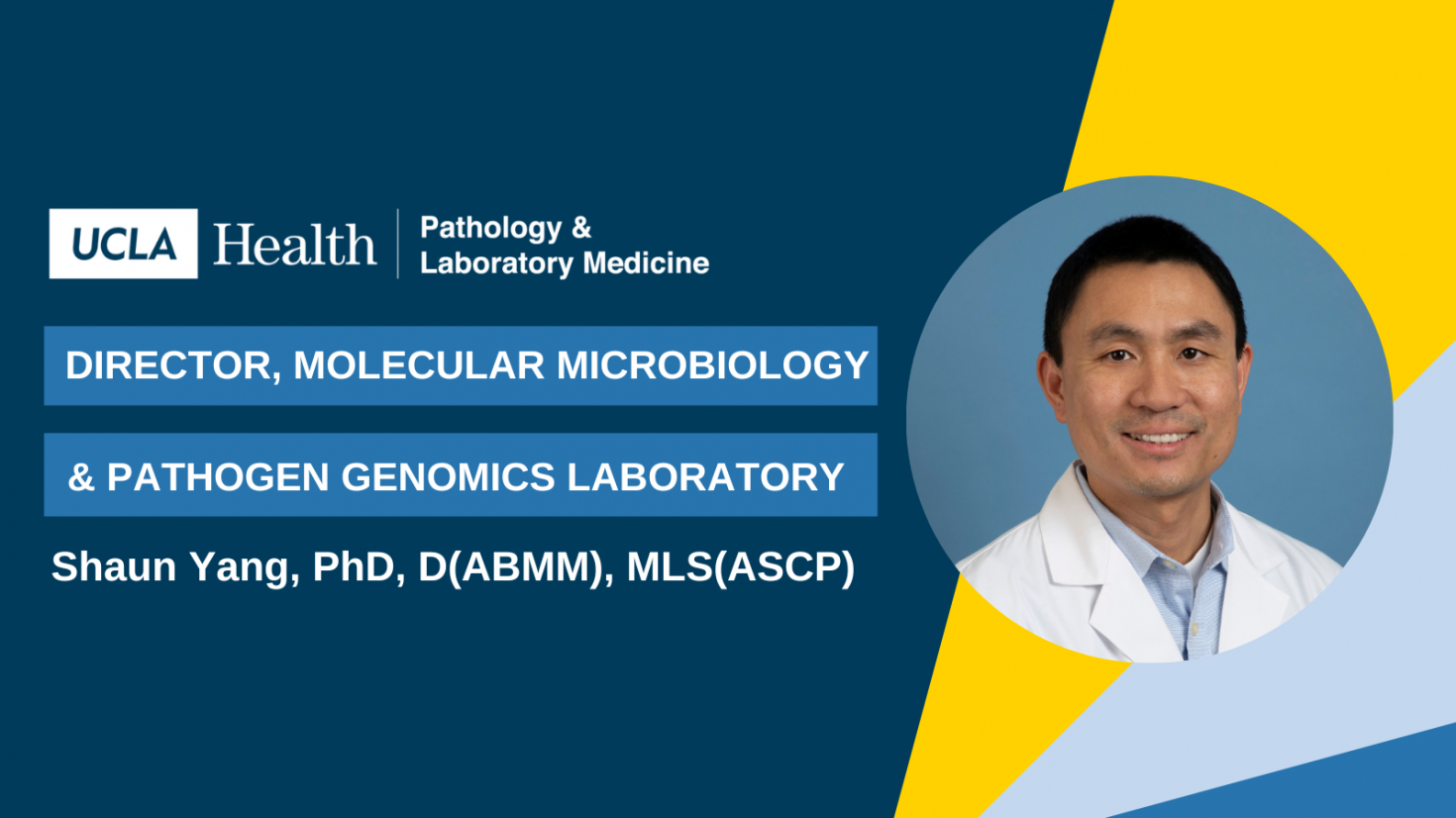
We are delighted to announce the appointment of Dr. Shaun Yang as the Director of the new Molecular Microbiology and Pathogen Genomics Laboratory.
The Molecular Microbiology and Pathogen Genomics (MMPG) Laboratory within the section of clinical microbiology, provides cutting-edge molecular diagnostics for pathogen detection, quantification, and anti-microbial resistance (AMR) prediction. The MMPG Laboratory integrates the most advanced next-generation sequencing (NGS) technologies with pathogen-focused bioinformatics for microbial whole-genome sequencing (WGS) and metagenomics testing, solving the unmet clinical needs in diagnosing and treating challenging infectious diseases cases. The MMPG Laboratory also performs real-time institution-level microbial genomic surveillance for outbreak investigation, emerging pathogen characterization, and AMR monitoring, providing timely and highly actionable information to guide infection prevention and treatment optimization.
Dr. Yang has been at the leading edge of molecular diagnostic development at UCLA Health since being hired in 2018. He played a critical role in the development and implementation of COVID-19 PCR testing at UCLA and has been pioneering the launch of Next Generation Sequencing based microbiology diagnostics for patient care. In his new role as Director, Dr. Yang will lead the MMPG laboratory in vision and strategy for the advancement of molecular microbiology diagnostic testing.
Please join us in welcoming Dr. Yang to his new role!