FEBRUARY 2025
ALLIED HEALTH TRAINING
PROGRAMS +
OAL & UIC UPDATES
Allied Health Training Programs
The Department of Pathology & Laboratory Medicine offers and/or participates in multiple Allied Health training programs. Depending on the specific program, we offer both independent training at UCLA, or act as a rotation site for practical clinical experiences for students enrolled in degree programs elsewhere. Staff are essential members of our successful health care team, and we are proud to help train the next generation of Lab Scientists, Phlebotomists, Cytologists and Pathologist Assistants! Our allied health students work closely with our staff, residents, fellows and faculty during their time at UCLA Pathology. For more information, please visit our dedicated website.
We also offer experiences for local high school students and recent high school graduates who participate in the Turner UCLA Allied Health Internship. This Internship exposes students to allied health careers throughout the hospital.
Clinical Cytogeneticist Scientist Program
The California Cytogenetics Training Program at UCLA continues to excel as a premier platform for advancing the field of clinical cytogenetics. Designed to cultivate the next generation of California Licensed Clinical Cytogenetics Specialists (CCS), the 52 week program combines didactic training with a rigorous hands-on laboratory experience, ensuring graduates are well-prepared to contribute to cutting-edge diagnostics and research.
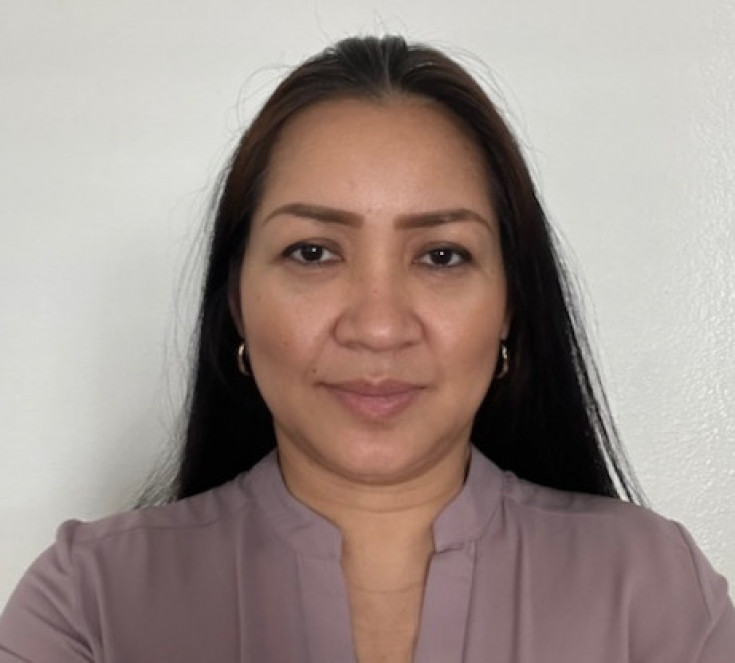
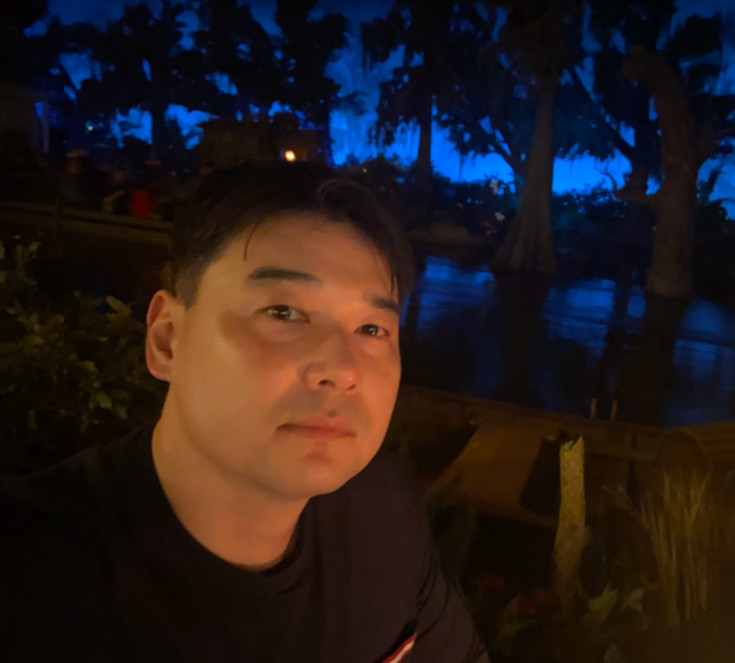
This year, we are proud to have two enthusiastic trainees (left to right), Karamat and Jake, enrolled in the program. Both bring exceptional dedication and energy to their training and are on track to graduate in June 2025. Their progress underscores the program’s commitment to fostering excellence and innovation.
- Comprehensive curriculum covering karyotyping, FISH analysis, and molecular cytogenetics
- Collaborative opportunities with renowned faculty and interdisciplinary teams at UCLA
- A robust focus on mentorship and career development to prepare trainees for leadership roles in the field
The program remains committed to addressing the growing demand for skilled cytogenetics professionals by continuing to expand training opportunities and enhance its curriculum.
Clinical Genetic Molecular Biologist Scientist (CGMBS) Program
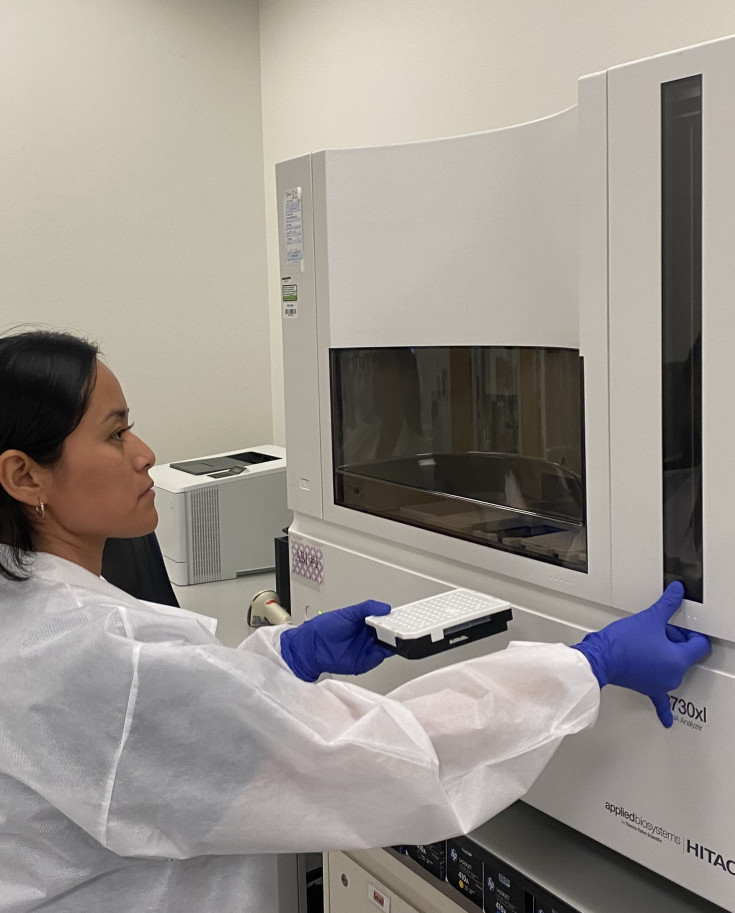
The molecular Diagnostics Laboratories (MDL) Clinical Genetics Molecular Biologist Scientist (CGMBS) program is a 1-year training program approved by the California Department of Public Health (CDPH) for licensed molecular laboratory scientists. Since 2013, MDL has trained numerous CGMBSs for hospital clinical laboratories, commercial reference laboratories, and research and development for biotech companies. The training program includes up-to-date educational lectures as well as extensive hands-on experiences in the following molecular diagnostics assays and technologies:
- Nucleic Acid Isolation and Quantification
- Polymerase Chain Reaction (PCR) and Gel Electrophoresis
- Real Time PCR
- Sanger Sequencing
- Fragment Analysis
- Next Generation Sequencing (NGS) Library Preparation and Sequencing Chromosomal Microarray Analysis (CMA)
- Single Gene Mutation Analysis
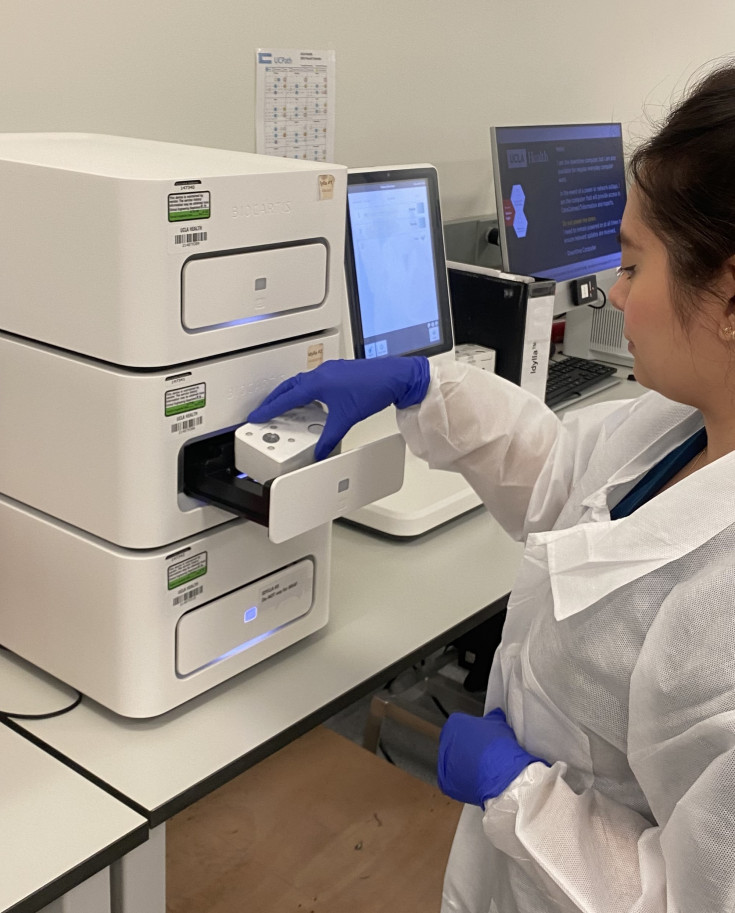
The primary goal of this one year program is to train qualified individuals for eligibility and licensure as Clinical Immunohematology Scientists by the State of California. Qualified individuals who successfully complete this program will be prepared for written examination in this limited license specialty as administered by the American Society for Clinical Pathology and eligible for limited licensure as a Clinical Scientist by the State of California.
The program will include both laboratory and didactic training in high complexity testing including ABO/Rh testing, unexpected antibody detection, compatibility testing, antibody identification and routine problem solving, as well as blood donor selection, blood collection and processing, blood component preparation for storage and administration, and the quality control of blood bank equipment and reagents.
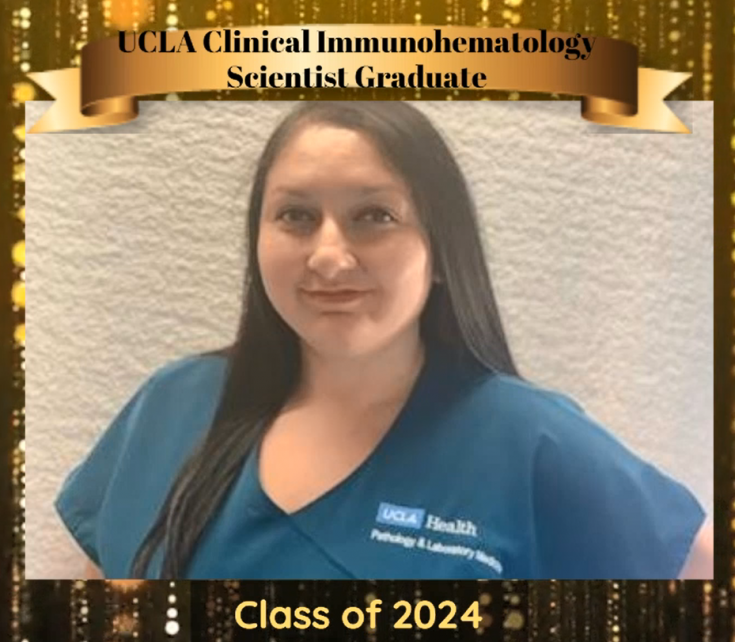
Training UpdateCongratulations to Veronica on her incredible achievement! On August 30th, 2024 , Veronica graduated from the prestigious Clinical Immunohematology (Blood Banking) Scientist Program and obtained her Clinical Immunohematology Scientist License – a testament to her hard work and dedication. We are thrilled to celebrate her next milestone: joining the blood bank team in a dayshift Clinical Laboratory Scientist weekend position.
Veronica's journey is marked by her unwavering commitment to excellence, her outstanding work ethic, and her meticulous attention to detail. These qualities, coupled with her deep dedication to patient care, set her apart as a true professional in the field of immunohematology. Her contributions will undoubtedly make a significant impact on the lives of many, as she brings both compassion and precision to her role.
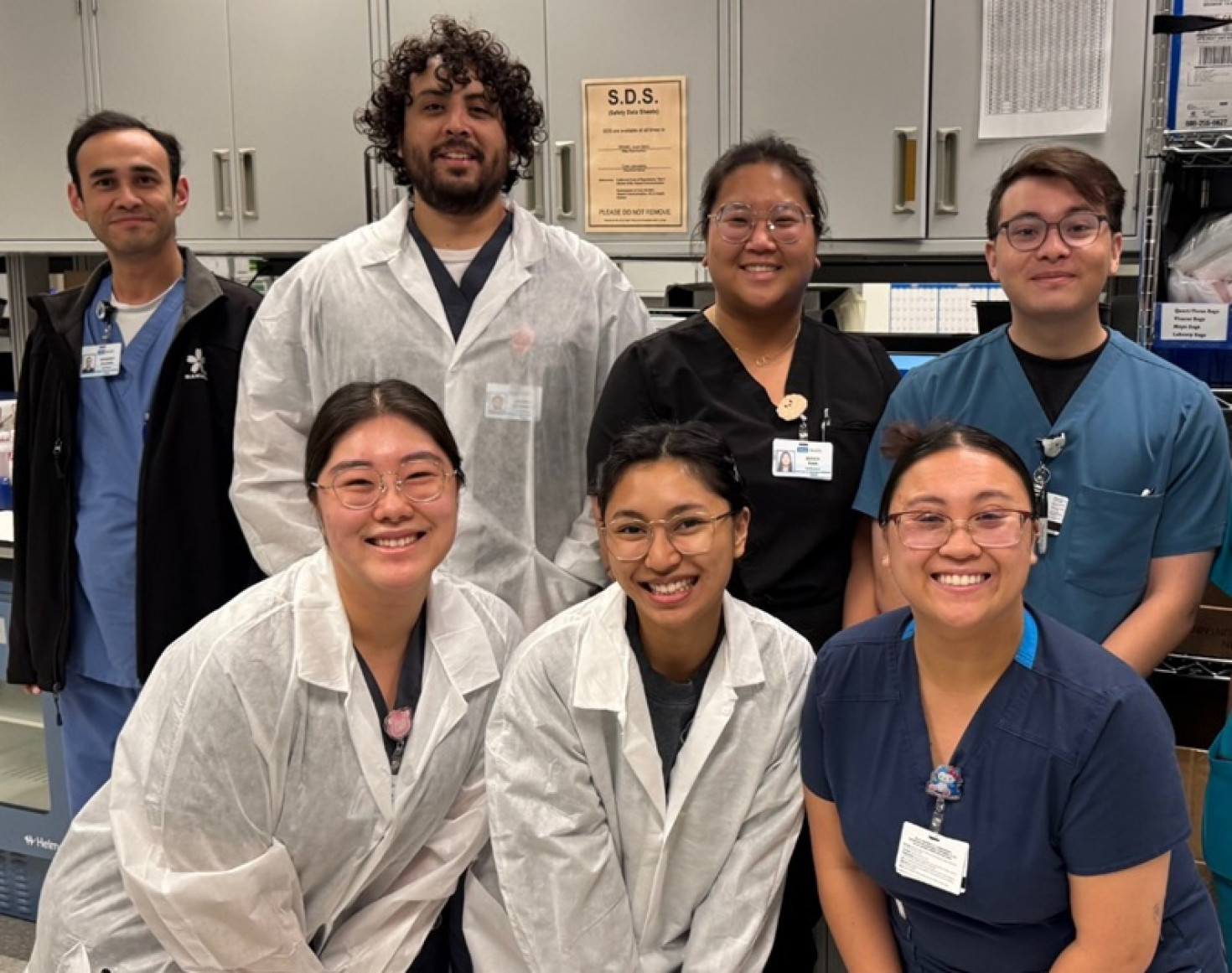
UCLA Pathology is proud to partner with Cal State Dominguez Hills (CSDH) to offer clinical training for students in their post-baccalaureate Clinical Lab Scientist (CLS) training program. Each year, we accept 8 students who spend 1 year in our labs; their experience in our labs is supplemented by didactic lectures from CSDH and self-study materials. As the Class of 2025 progresses through the program, the 8 students continue to deepen their understanding of the complex theoretical concepts that form the foundation of clinical laboratory science. Their clinical rotations across various laboratory departments reveal a growing ability to grasp intricate material and apply it practically. These students are not only meeting expectations but actively engaging with the material to enhance their comprehension. They consistently demonstrate strong retention of knowledge and an aptitude for applying it in real-world scenarios.
In addition to their academic and practical training, the students also make time to connect with their trainers and colleagues, gaining invaluable insights into the real-world work environment. This experience gives them the opportunity to witness the dynamics of the profession, enhancing their education and reinforcing their preparedness for the future.
With graduation set for June 26, 2025, the CLS Class of 2025 will soon be ready to embark on their professional careers, equipped with the knowledge and skills needed to succeed in the field.
The Limited License Training Programs at UCLA Health offer aspiring Clinical Microbiologist Scientists a comprehensive path to licensure in California. Under the jurisdiction of the Clinical Laboratories, these programs are part of the Allied Health Training Programs, providing a well-rounded education led by experienced faculty.
Approved by the California Department of Health Services, the program combines hands-on laboratory experience with in-depth didactic lectures, all designed to prepare trainees for the written examination required for licensure by the American Society for Clinical Pathology (ASCP) and the State of California.
Trainees rotate through various key microbiology departments, including Bacteriology, Mycobacteriology, Mycology, Parasitology, Virology, and more, over the course of 52 weeks. Throughout, they gain crucial skills in laboratory testing, troubleshooting, and interpreting results. Regular evaluations and exams ensure that students meet a high standard of competency.
As Clinical Laboratory Technologist Apprentices, trainees benefit from full employment status with UCLA Health, including comprehensive benefits. With a focus on merit-based selection and equal opportunity, the program offers an excellent foundation for those seeking a career in clinical microbiology.
Pathologists’ Assistants Program
A pathologists’ assistant is a highly trained, certified allied health professional who is qualified by academic and practical training to provide various services in anatomic pathology under the direction and supervision of a licensed, board-certified, or board-eligible anatomic pathologist. Pathologists’ assistants work in hospitals, pathology labs, forensic labs, and morgues.
Pathologists’ Assistants perform accurate and timely processing of a variety of laboratory specimens, comprehensive macroscopic examinations, evaluating all surgical pathological specimens, and Research and training pathology residents, pathologists’ assistant students, and other pathology lab personnel.
Pathologists’ Assistants also perform postmortem examinations including prosection, assisting the pathologist with rendering the provisional anatomic diagnosis, composing the clinical history, recording the macroscopic anatomic findings, and submitting tissue sections for microscopic examination.
Pathologists’ Assistants play a critical role in the delivery of healthcare services in both surgical and autopsy pathology. They are key partners in assisting the Pathologist to arrive at a pathologic diagnosis, but it is the sole responsibility of the Pathologist to render a diagnosis.
Our staff provides clinical training to second year Pathologists’ Assistant students who have completed their didactic training at a National Accrediting Agency for Clinical Laboratory Sciences (NAACLS) program by exposing them to a variety of laboratory specimens, ranging from simple biopsies to complex resections. During their clinical training, the Pathologists’ Assistant students learn how to evaluate and process all surgical pathological specimens, perform intraoperative specimen analyses (frozen sections), biorepository banking, and autopsies.
Individuals interested in becoming a pathologists’ assistant should take advantage of math and science courses in high school, to prepare for college courses in these subjects. Higher education requirements for a pathologists’ assistant include:
- Bachelor’s degree in one of the life sciences, i.e. biology, chemistry
- Pathologists’ assistant program (a two-year program that results in a master’s degree)
-
The UCLA Olympic Analytical Laboratory (OAL) is one of the world’s largest World Anti-Doping Agency (WADA) accredited sports drug-testing facilities. As one of the leading institutions in the field of athletic antidoping, OAL is one of two laboratories in the U.S. accredited by WADA. The laboratory analyzes an estimated 40,000 urine specimens per year for traces of banned substances intended to give athletes an unfair edge in competition. The lab performs drug testing for national and international sports organizations, including the National Collegiate Athletics Association (NCAA), National Football League (NFL), Major League Baseball (MLB), the United States Anti-Doping Agency (USADA) and has provided testing services for major sporting events such as the 1994 World Soccer Cup and three Olympic Games.
UCLA OAL has been a leader in research activities directed toward enhancing methods to detect doping in sports. UCLA OAL has contributed to the findings of techniques and substances that currently influence the fight against doping in sports:
- In 1990, UCLA OAL and others conducted research that resulted in the development of a gas chromatography-combustion-isotope ratio mass spectrometry (IRMS) method to detect exogenous testosterone administration. Adaptations of this technique are currently utilized to detect a variety of steroids in urine specimens.
- In 2000, the laboratory identified trace-contamination of an over-the-counter supplement with an anabolic steroid and demonstrated the amount present could result in positive urine test results.
- In 2002, the laboratory identified norbolethone, a steroid that had never been marketed, in an athlete’s urine.
- In 2004, the laboratory published its findings regarding the isolation of tetrahydrogestrinone (THG), a steroid previously unknown in literature.
- In 2009, the laboratory became one of the first among WADA-laboratories to transition to high-throughput testing utilizing 96-well plate format demonstrating that such an approach remained both robust and highly-sensitive.
- In 2018, the laboratory published findings on low-dose ethanol administration effect on the urinary testosterone to epitestosterone ratio by GC-MS/MS as well as urine reference intervals for human chorionic gonadotrophin utilizing a LC-MS/MS based approach.
- In 2019, the laboratory published its findings on the urinary concentration of the AMPK-activator AICAR in an athlete population as well as the utility of isotopically labeled boldenone as a quality control marker for efficiency of chemical derivative formation.
- In 2021, the laboratory published methodology allowing assessment of urinary cobalt by LC-MS/MS technology available in house to all WADA-accredited laboratories where previously such analysis required ICP-MS.
- In 2022, the laboratory presented posters at the 40th Cologne Workshop on Doping Analysis regarding the potential ramifications of metal-sensitive analytes in doping control as well as the detection of testosterone and androstenedione in serum by LC-HRMS.
- In 2023, the laboratory published its findings concerning first time detection of the unapproved selective androgen receptor modulator YK-11 in an athlete’s urine and joined in publishing results concerning the detection of capromorelin after oral or dermal administration.
- In 2024, the laboratory contributed to a published study on the long-term excretion of Roxadustat in urine and shared in presentation of several posters at the 42nd Cologne Workshop on Doping Analysis on topics including athlete exposure to pet medications, carbon isotope ration testing of AICAR-derived ribose and steroid formate derivatives.
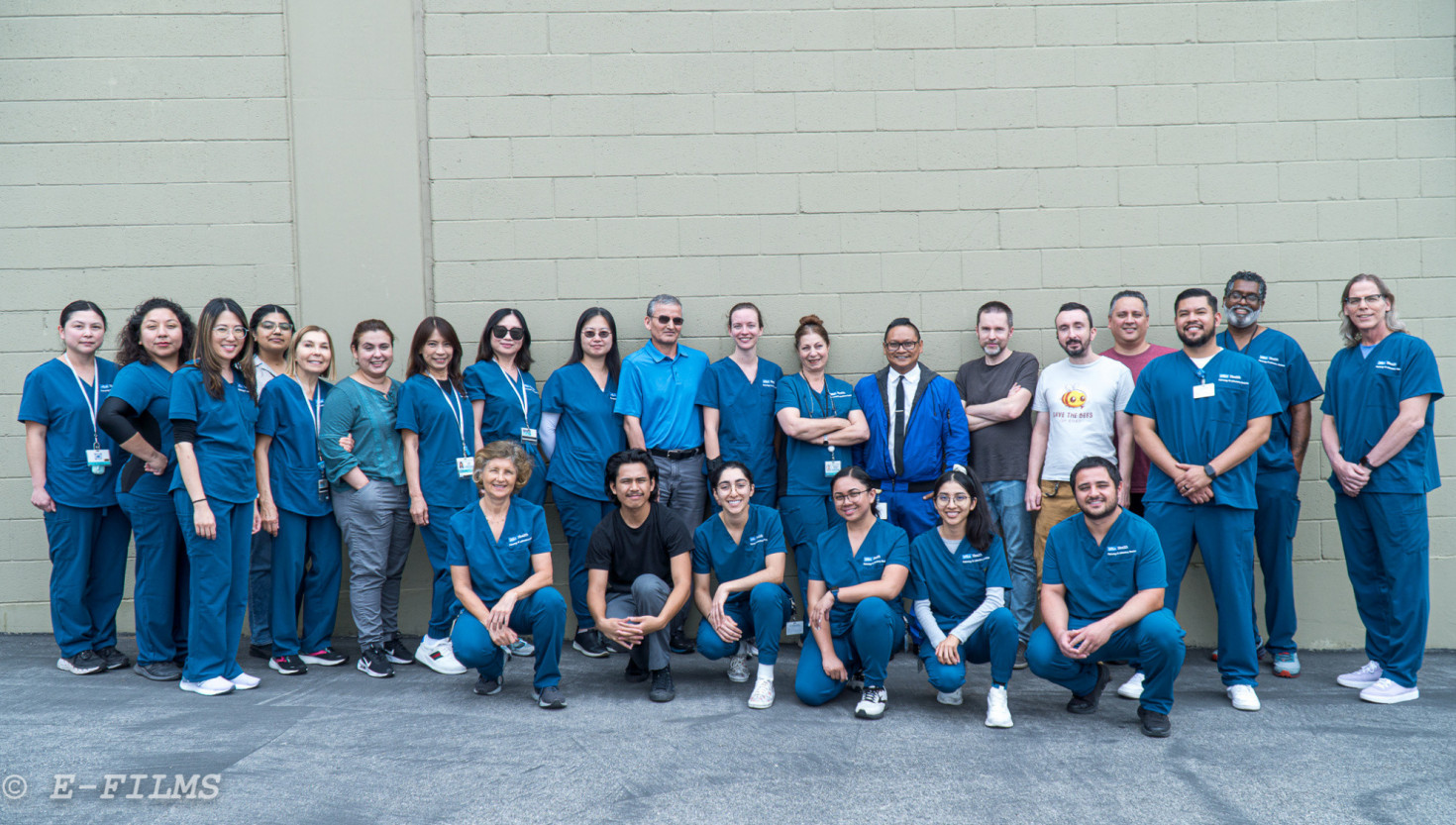
Clinical
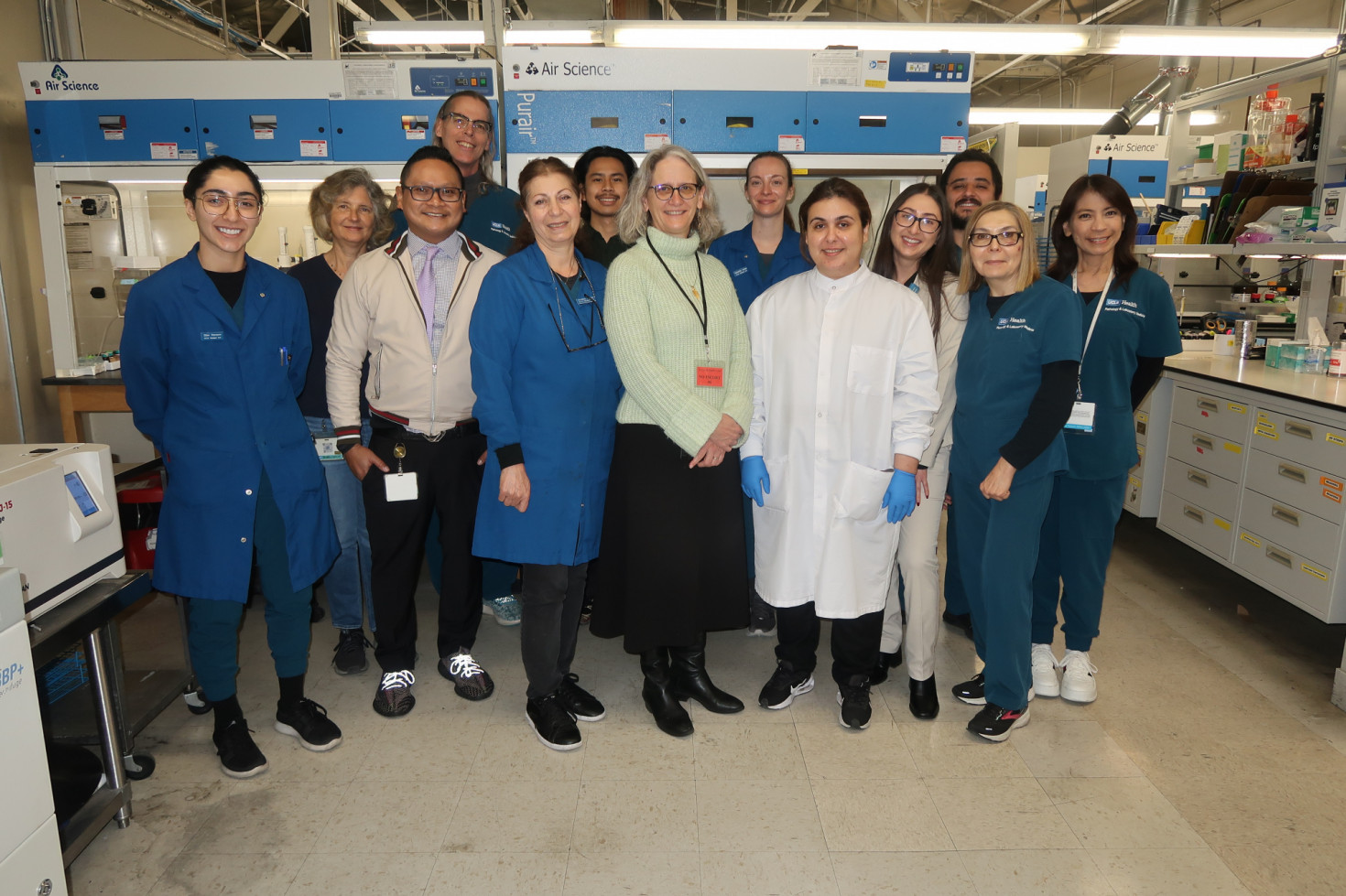
- The laboratory has promoted CLS Aide to take over the evening CLS Supervisor position!
- The CLS trainee program was also re-instituted and the first candidate in the program, Min, has successfully passed her examination to obtain her license.
- A new Faculty member, Dr. Olga Timofeeva, has joined the team. She brings a wealth of knowledge in the Immunogenetics and Histocompatibility field.
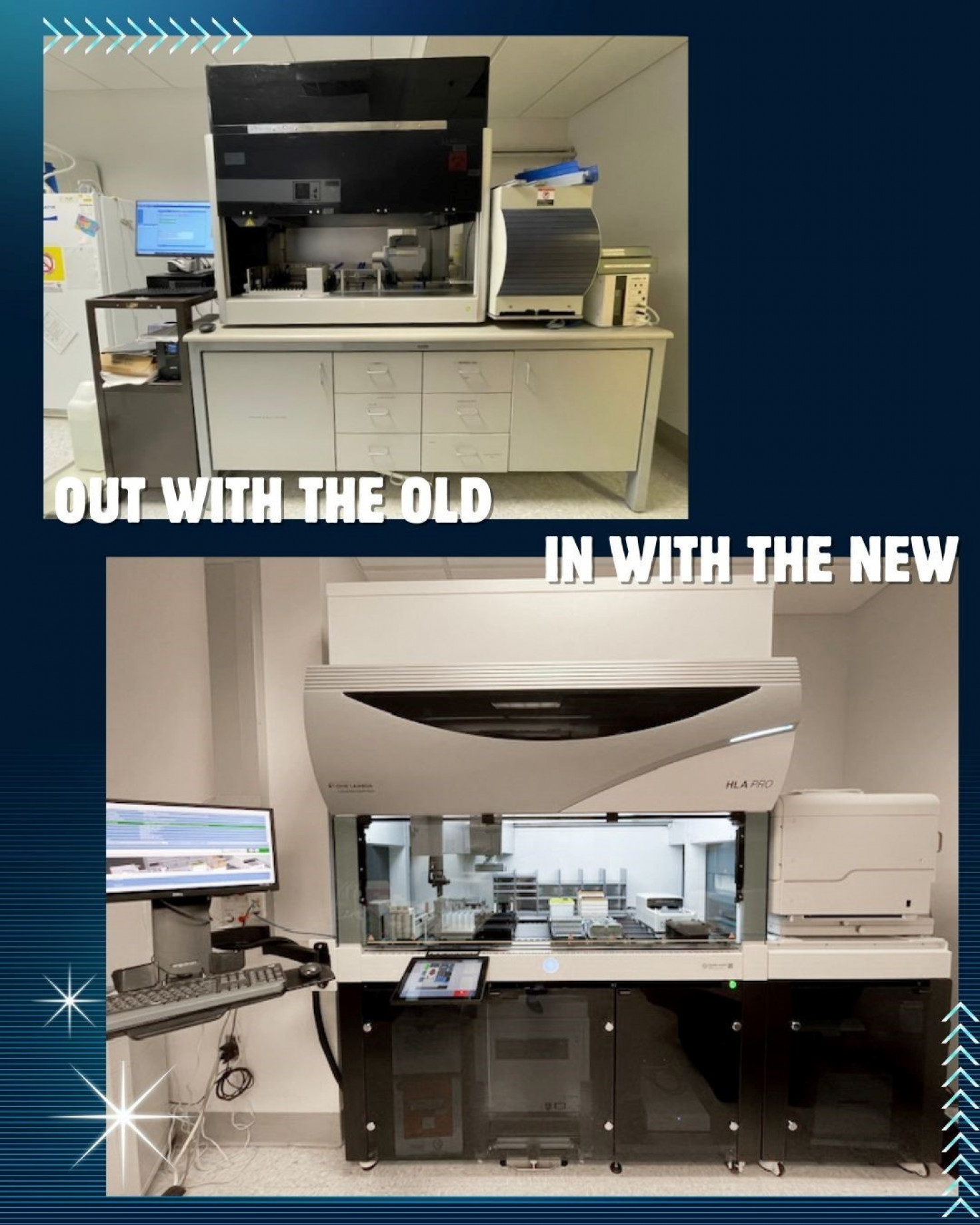
- Two new instruments are currently being validated. One is the HLA Pro, provided by One Lambda (Thermo Fisher) and will be used to perform our Single Antigen Antibody testing and the other is the Janus from Revvity which will be used to implement automated aliquoting.
Below: The old LabXpress vs the new HLA Pro for Single Antigen testing
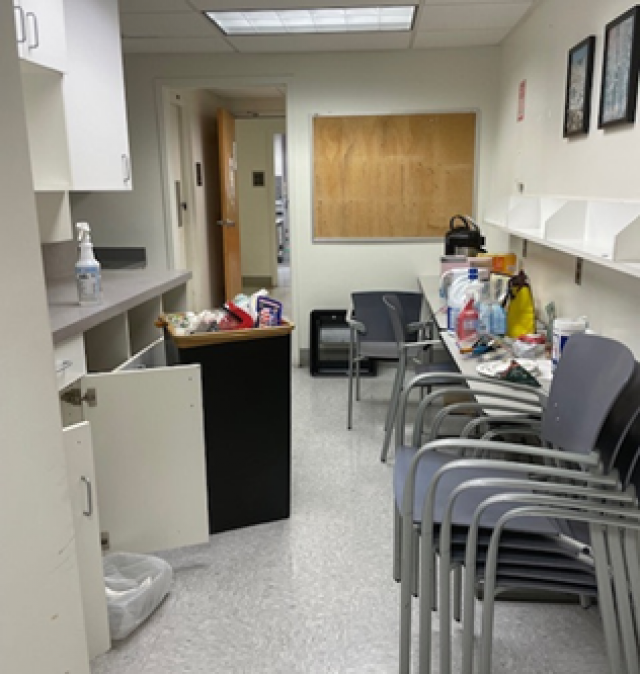
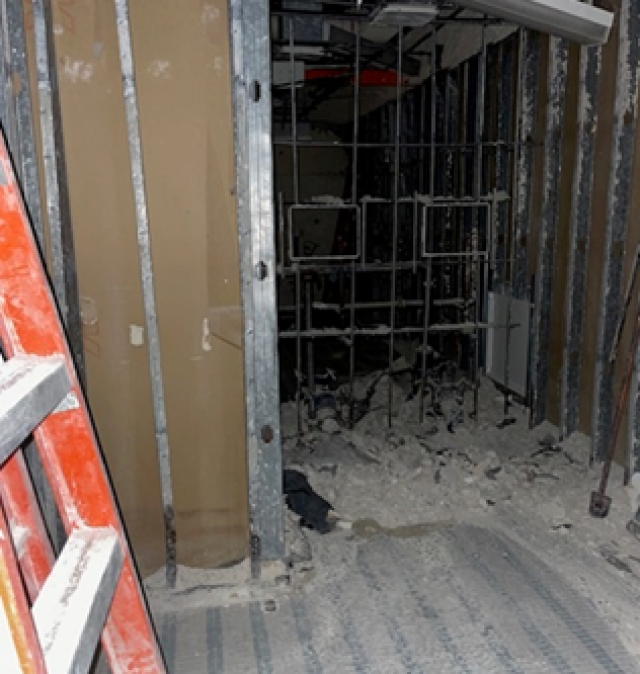
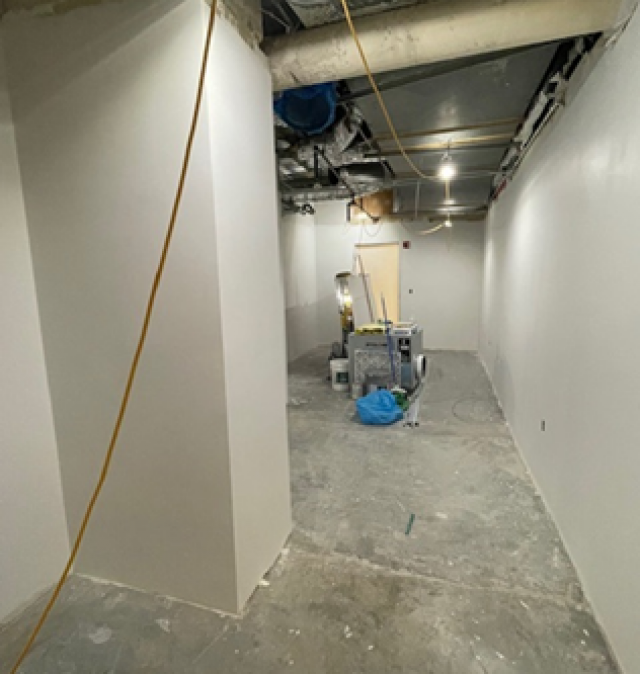
- The laboratory has been planning a construction project for the breakroom and restrooms for the past two years and the work is finally underway!
- A large initiative has been underway to reorganize the lab spaces and to make them more ergonomic. The lab benches have been gradually replaced with height adjustable desks and a 5S system is going to be used to create more organization and efficiency in the workspaces.
Below (left to right): Before, during, and current state
- The UCLA Cell Exchange program just celebrated its 50th year this year.
- The Cell Exchange and DNA Exchange programs are in the process of being added as CAP-approved programs for providing Proficiency Testing services to HLA labs both domestically and internationally.
Quality
- An Information Systems Analyst, Tyler, was hired at the end of 2023 and has driven home numerous IT projects with the help from Director Dr. Michelle Hickey. One of these major initiatives was to upgrade our Lab Information System and to enhance functionality to improve clinical workflows.
- IT projects have also been underway to add test orders to CareConnect that were previously performed outside of this platform and billed manually.
New Partnership
In October 2023, UIC on boarded Sharp Transplant Center in San Diego, UIC’s third-largest partner. This resulted in an 11% increase in the number of waitlist candidates they manage. Significant achievements included the establishment of two additional clinical pathways (kidney and heart), and ongoing collaboration and education. The collaborative efforts between the UIC and Sharp were recognized with a Center of Recognized Excellence Award from the Sharp Healthcare System. The award was in recognition of the collaborative efforts between Sharp and UCLA, detailing the significant progress made, particularly for our patients with CPRA ≥90%. The outcome was a 20% increase in transplantation for this group compared to the previous year. Other significant efforts were recognized, including the development of a laboratory data conversion process, the establishment of clinical pathways, and ongoing collaboration and education.
Operational Changes
The Organ Procurement Organization changed its model to support organ allocation to patients based on a Virtual Crossmatch vs a Physical Crossmatch. This new workflow resulted in a roughly 50% increase in Virtual Crossmatches for the laboratory. This new model reduces the turnaround time for test results, making it more efficient for reducing cold ischemia time to improve organ allocation.
Publications, Abstracts, & Grants
Publications
- Meghan H Pearl, Lucia Chen, Jonathan E Zuckerman, Patricia L Weng, Eileen T Chambers, Qiuheng Zhang, Elaine F Reed. Non-HLA Antibodies to G Protein-coupled Receptors in Pediatric Kidney Transplant Recipients: Short- and Long-term Clinical Outcomes. Transplantation 2024. PMID: 37527494.
- Qiuheng Zhang, Arlene F Locke, Andrea Carolina Alvarez, Maria Cabarong, Lek Ching Liv, Belen Alfaro, David Gjertson, Elaine F. Reed. Advancing Precision in Histocompatibility and Immunogenetics: A Comprehensive Review of the UCLA Exchange Program. Frontiers in Genetics. January 2024. PMID: 38362203.
- Yuxin Yin, NweNwe Soe, Wen Xiao, Elaine F. Reed, Qiuheng Zhang. HLA-DPB1 Genotype Variants Predict DP Molecule Cell Surface Expression and DP DSA Binding Capacity. Frontiers in Immunology. Front. Immunol. 2024. DOI: 10.3389/fimmu. PMID: 1328533.
Chapter
- Timofeeva, O.A. and Rosen-Bronson, S. (2024). Human Leukocyte Antigen Antibodies. In Manual of Molecular and Clinical Laboratory Immunology (eds J.L. Schmitz, B. Detrick, and M.R.G. O'Gorman). https://doi.org/10.1002/9781683674023.ch113.
Manuscript
- Mary Carmelle Philogene, Olga A. Timofeeva, Idoia Gimferrer, Reut Hod-Dvorai. Assessment of Inter-Laboratory Variability for Flow Cytometric Crossmatch Testing: Lessons Learned from Proficiency Surveys. Human Immunology, Volume 86, Issue 1, 2025, 111176, ISSN 0198-8859. https://doi.org/10.1016/j.humimm.2024.111176.
Events
- Dr. Elaine Reed chaired, and Drs. Rebecca Sosa and Carrie Butler presented, at the Women in Transplantation session during the American Society of Histocompatibility & Immunogenetics (ASHI) annual meeting. Their talk, titled "Beyond the X and Y: A Collaborative Integration of Sex Differences in Transplant Research," explored proposed solutions to address the challenges faced by a group of highly sensitized Asian women currently disadvantaged under the existing kidney allocation system.
- Drs. Reed, Butler, Hickey, and Sosa contributed a published book chapter on non-HLA antibodies in the Manual of Molecular and Clinical Laboratory Immunology, 9th Edition.
Service
Dr. Olga Timofeeva has recently taken on the role of Senior Co-Chair for the American Society of Histocompatibility and Immunogenetics Quality Assurance and Standards Committee for the 2024–2025 term.
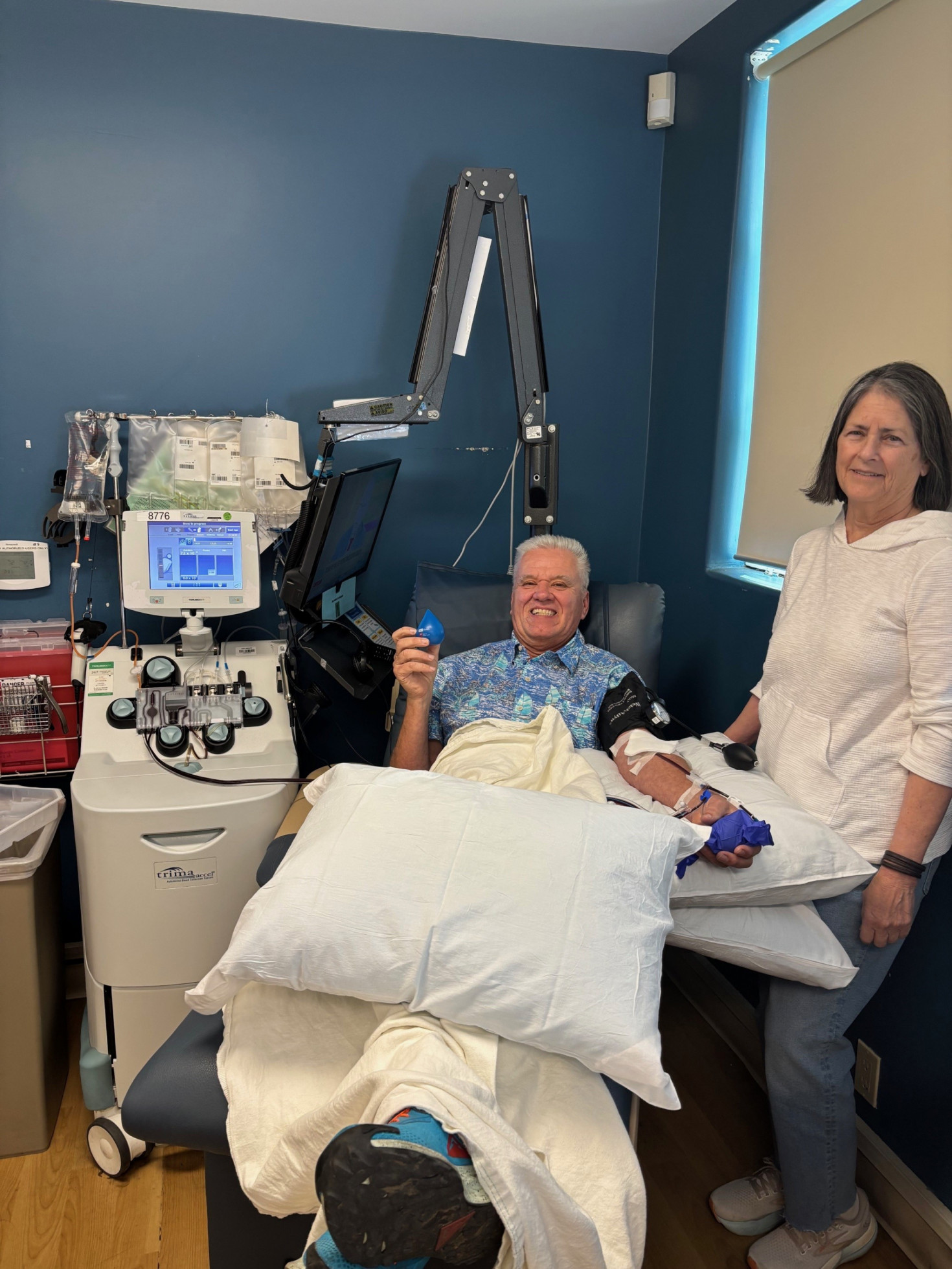
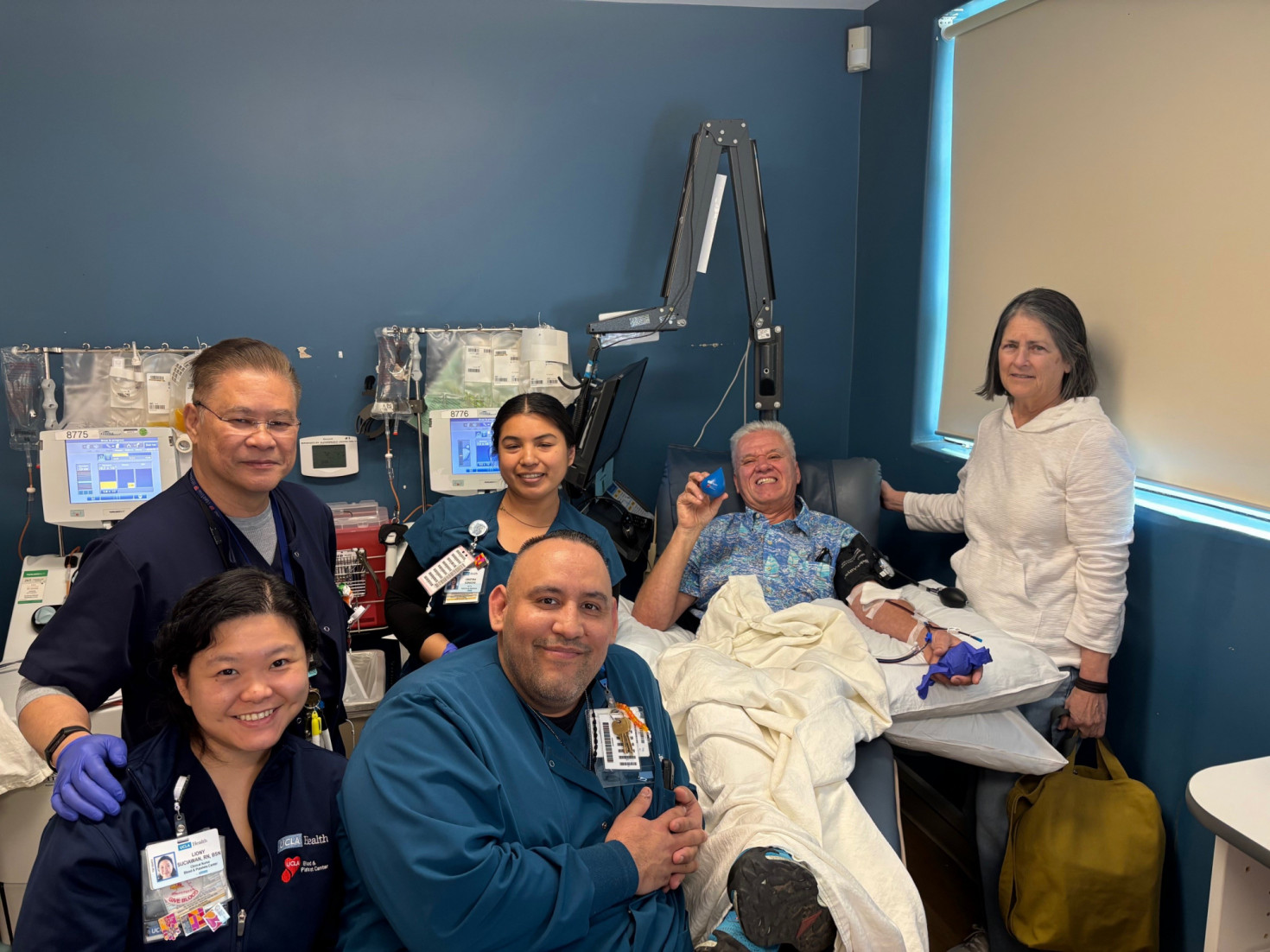
We would like to recognize John for his continued generosity and commitment to helping our UCLA patients – John, you are our hero! We send our best wishes to him and his family for recovery from the fires. We are grateful we could provide them with a small survival pack to help them on their journey.
Ánimo Leadership Charter High School’s Annual Career Day
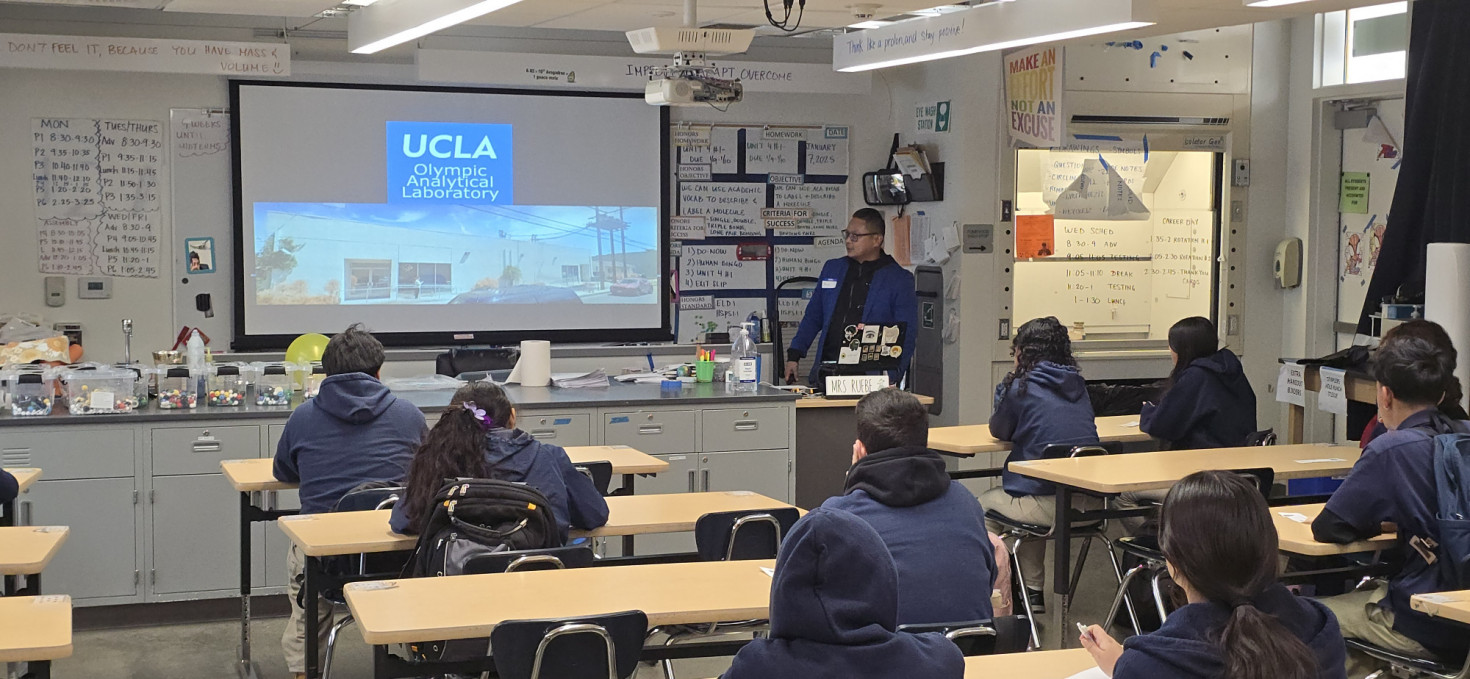
Ron, UCLA Olympic Lab Processing Supervisor, had the opportunity to engage with students at Ánimo Leadership Charter High School’s Annual Career Day on January 8, 2024.
Ánimo Leadership Charter High School, located in the Lennox community, serves grades 9-12 and is renowned for its dedication to fostering college, leadership, and life readiness among its students. With a 99.2% minority enrollment and 93% of students facing economic disadvantages, Ánimo Leadership has become a beacon of opportunity. Ranked among the top high schools in the nation and recognized as one of California's top charter schools, it offers a rigorous and supportive environment that empowers students to pursue their dreams.
By volunteering at events like these, we can provide students with valuable insight into various careers, helping them realize the vast opportunities available. Thank you, Ron, for inspiring the next generation of leaders!
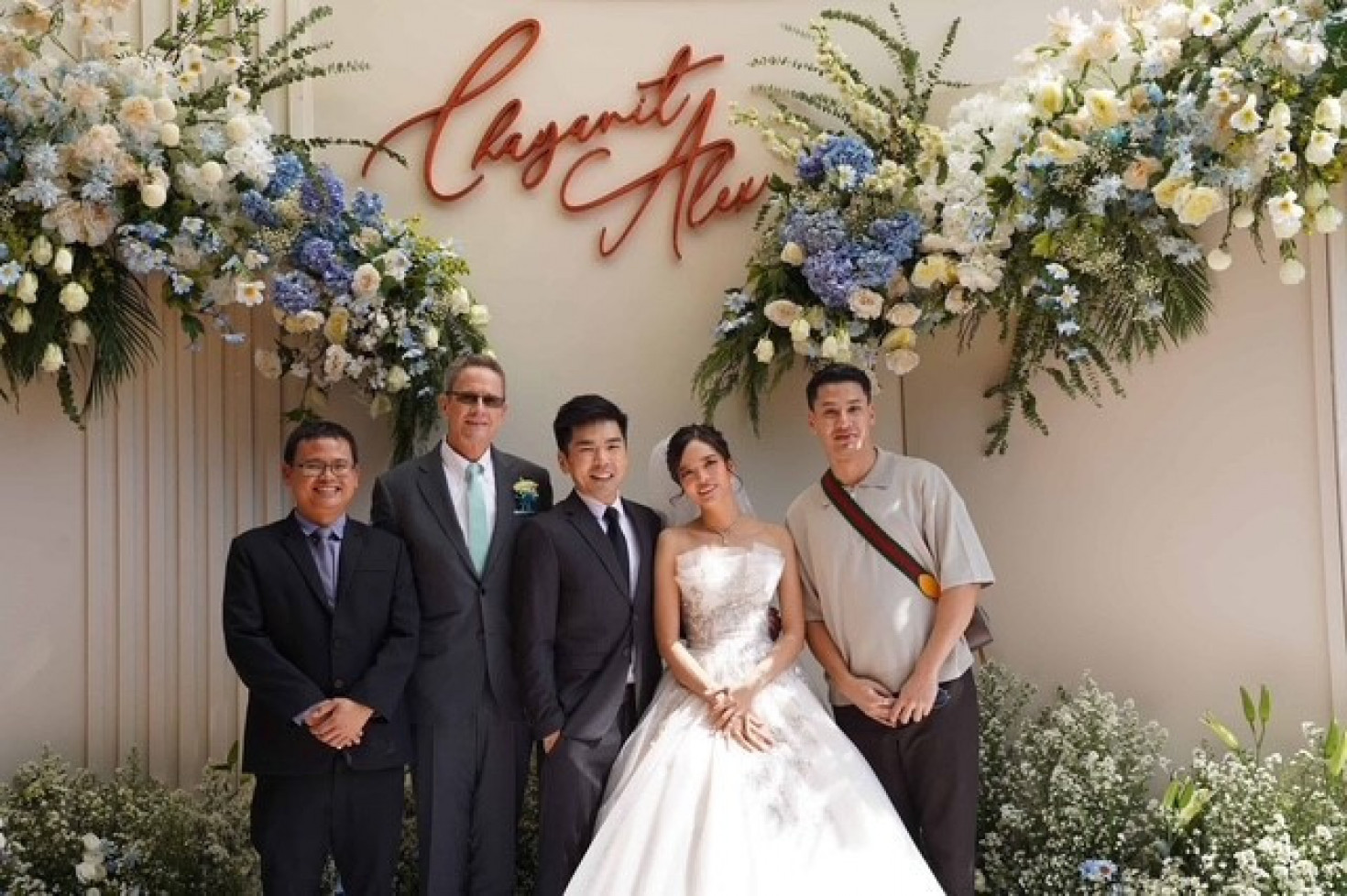
Alex and Katie enjoyed an elegant, traditional celebration that was live streamed for those unable to attend in person. As the officiants of the ceremony, Dr. Nelson and his wife Patty Nelson, negotiated the entrance of the groom's entourage to the bride's family.

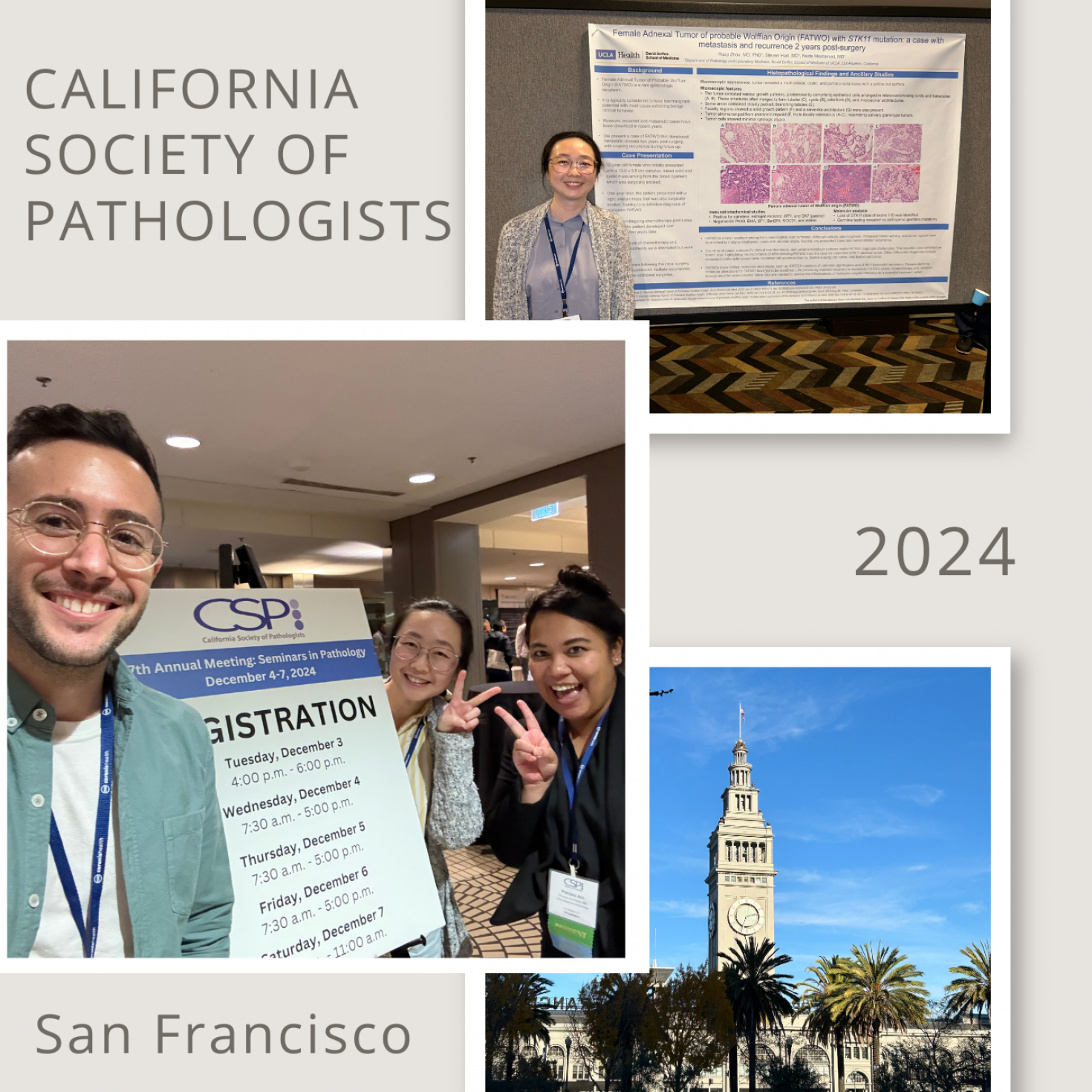
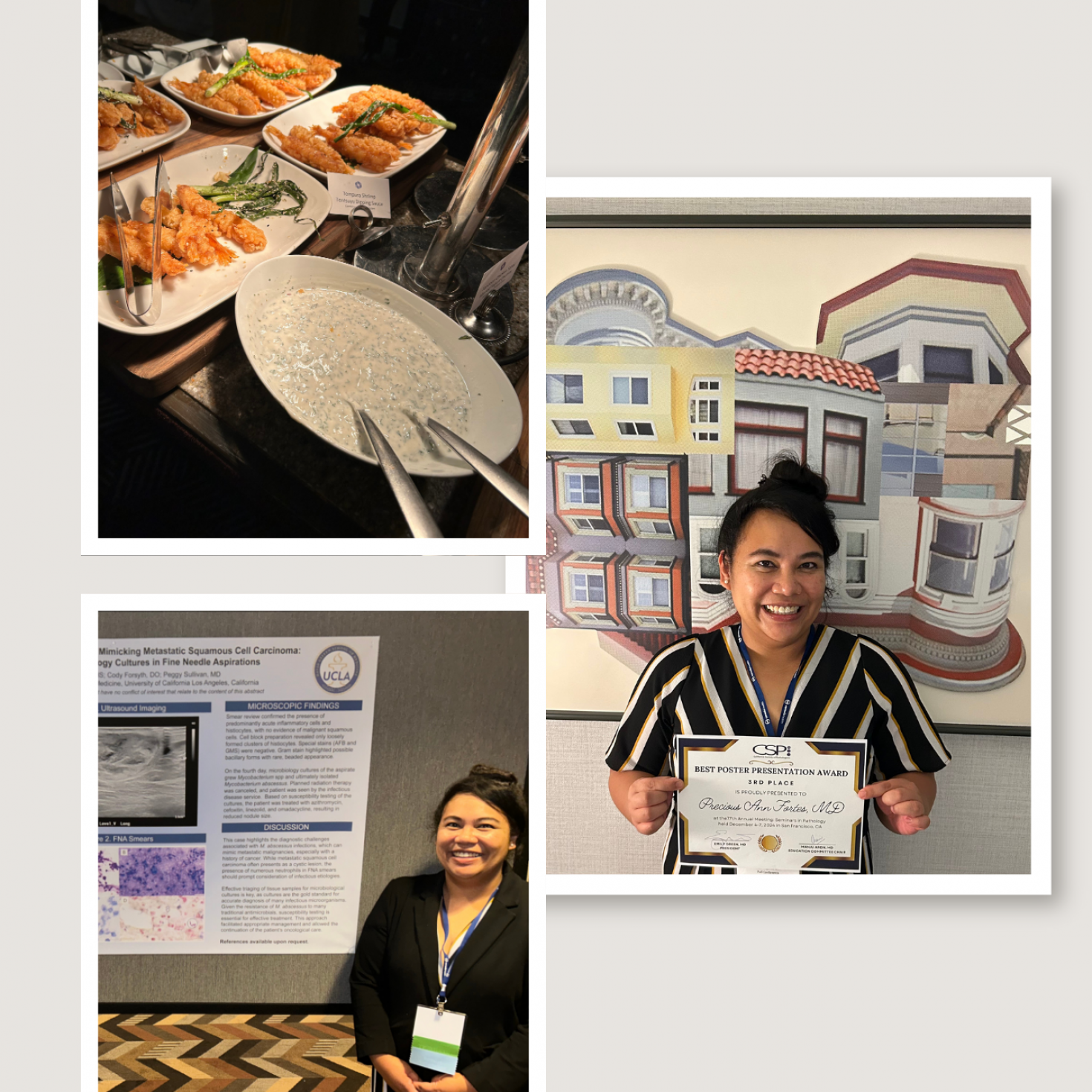
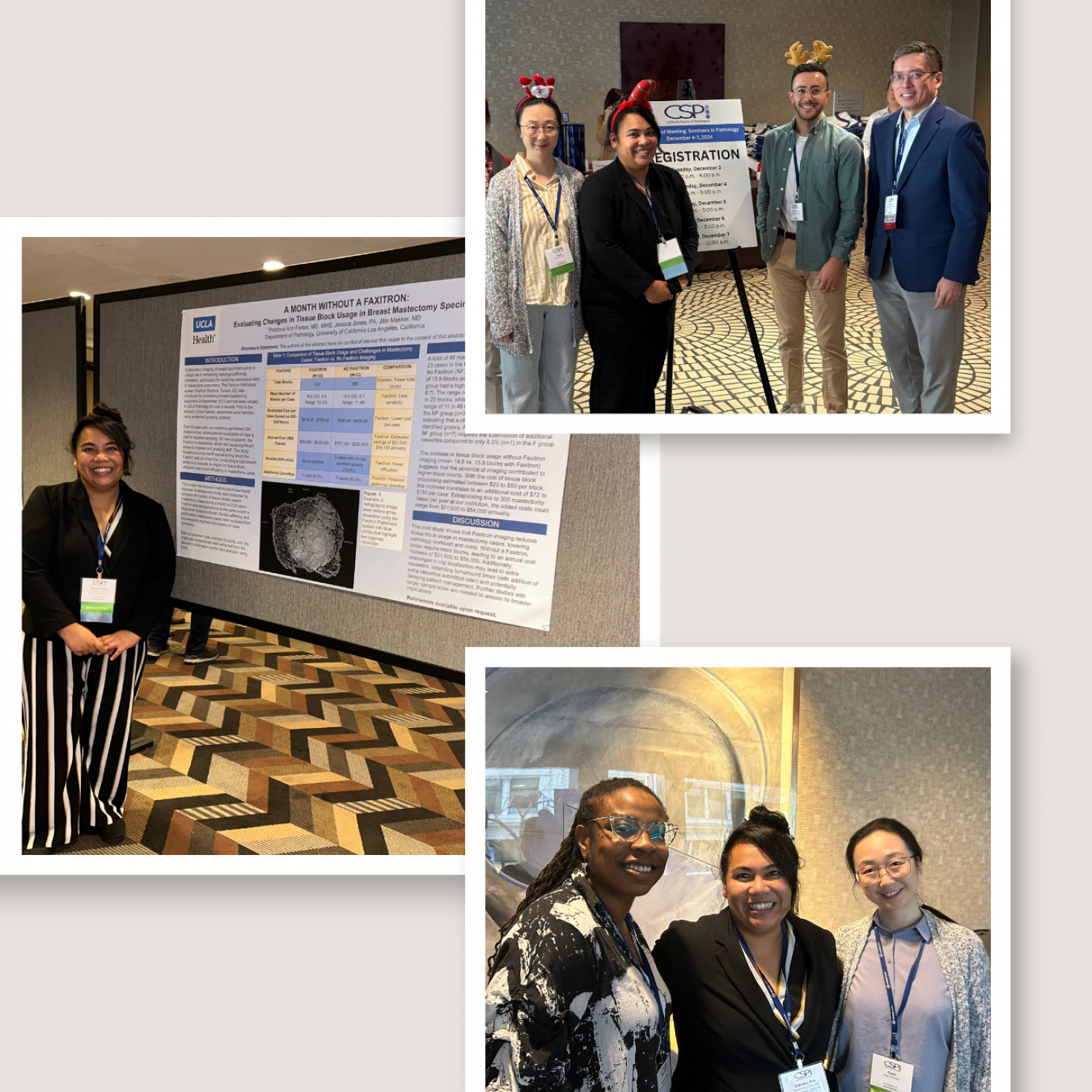
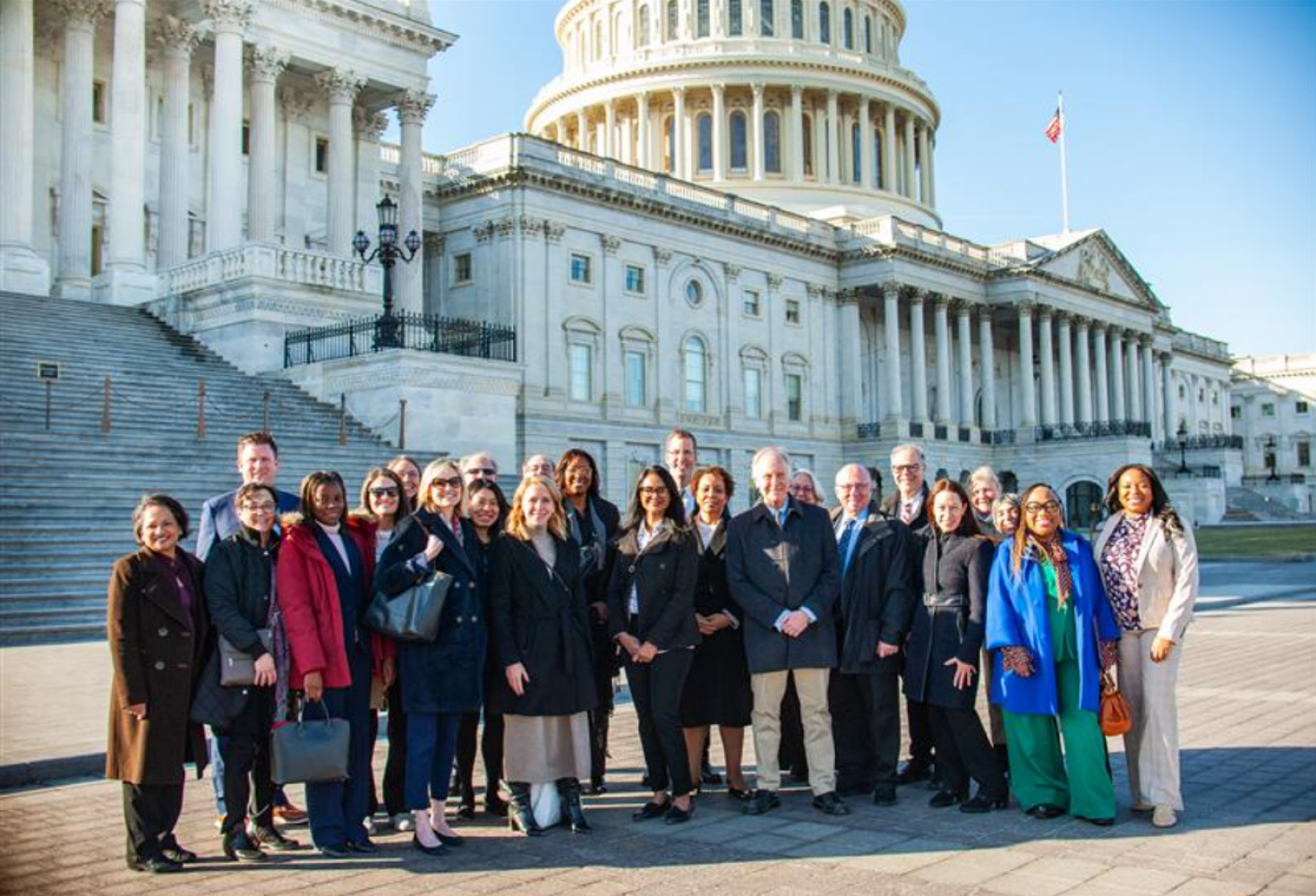
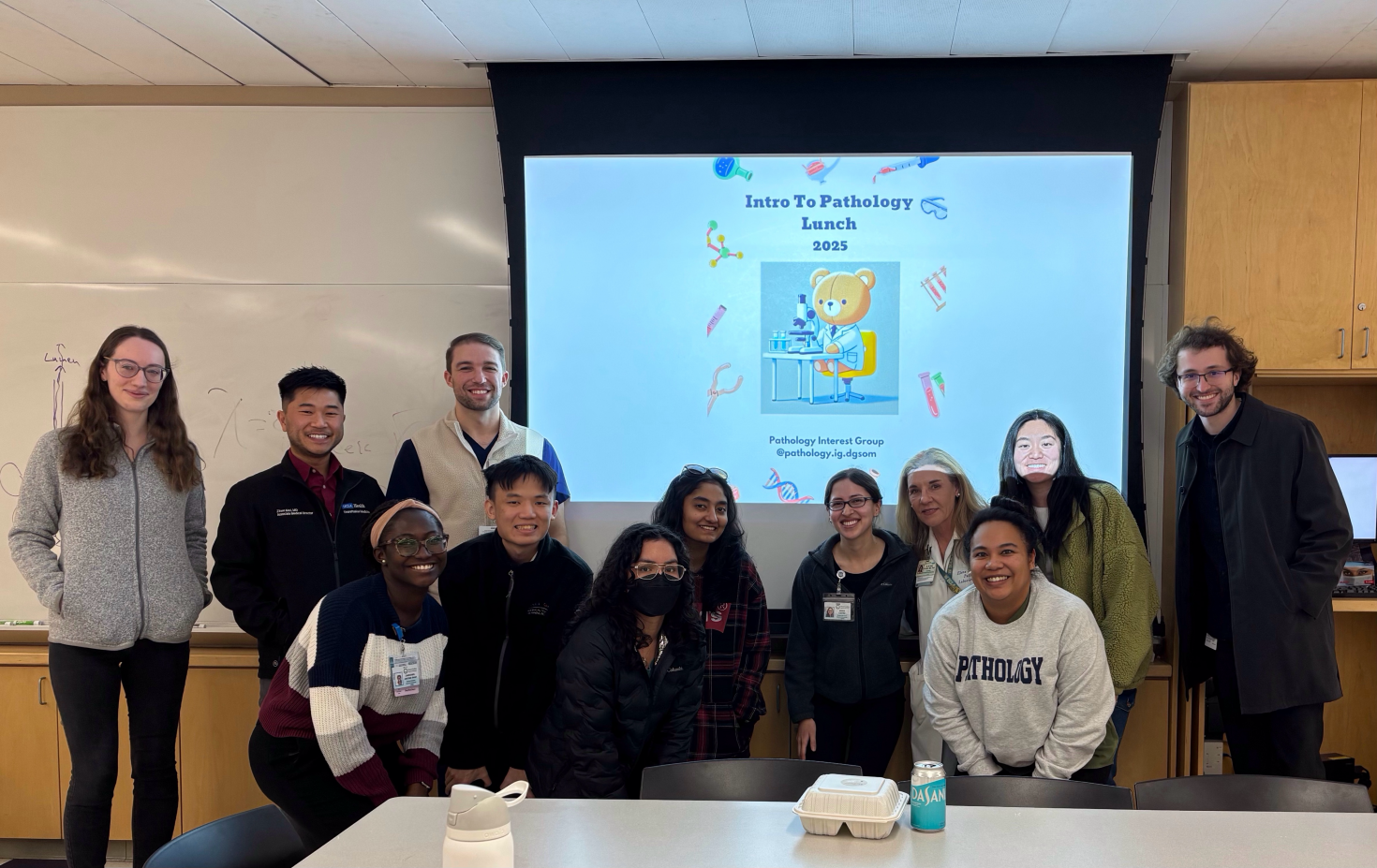
The Introduction to Pathology lunch panel was hosted on January 28, 2025. The annual event is organized by the DGSOM Pathology Interest Group (Coordinators Diana, MS1, and Rony, MS2, Coordinators, and Faculty Advisor, Dr. Elena Stark).The purpose for this event is to expand awareness and interest among students about the field of Pathology:
- Gain exposure to what a career in pathology entails
- Encourage students to consider pathology as a career
- Make connections with faculty and residents
- Increase awareness and interest in the field
- Provide a structured forum to gain insights into the specialty
The event also informs the students of shadowing opportunities and give them information about the sophomore-junior fellowship.
Thank you to our department collaborators for participating in the event: Dr. Precious Fortes (Cytopathology Fellow), Dr. Cullen Lilley (PGY-2), Dr. Zhen Mei (Faculty), and Dr. Elena Stark (Pathology Interest Group Faculty Advisor).
Grants, Publications, & National Recognition
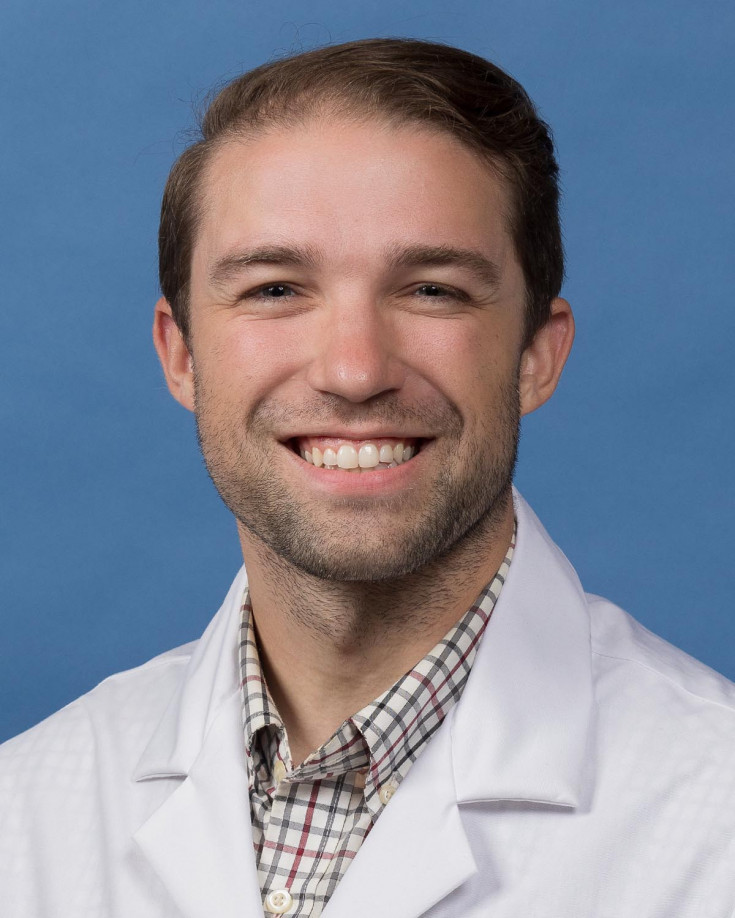
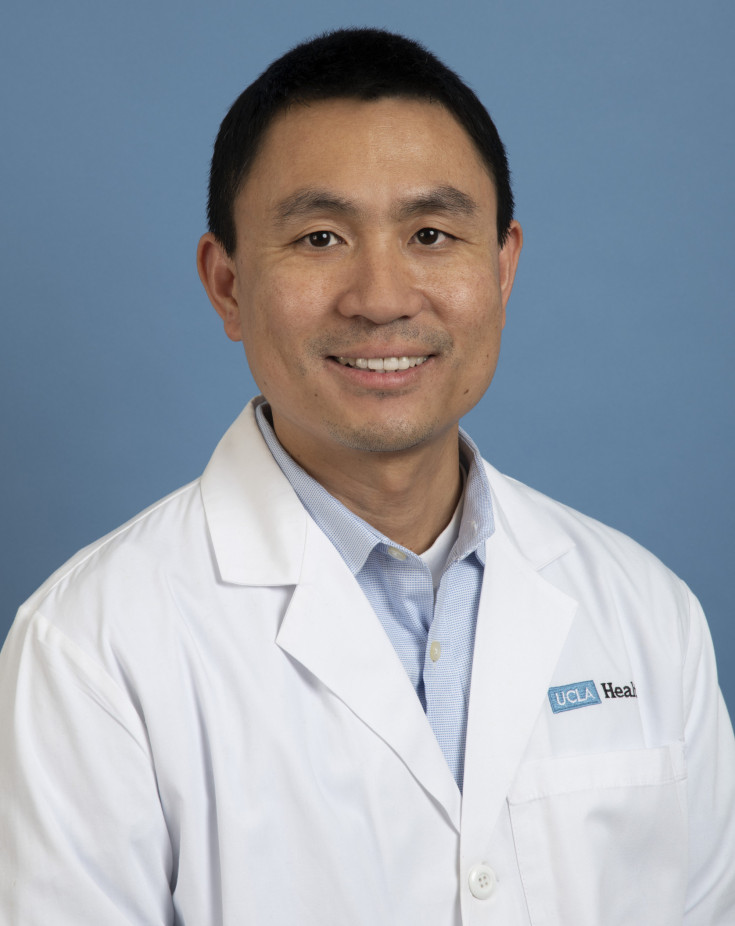
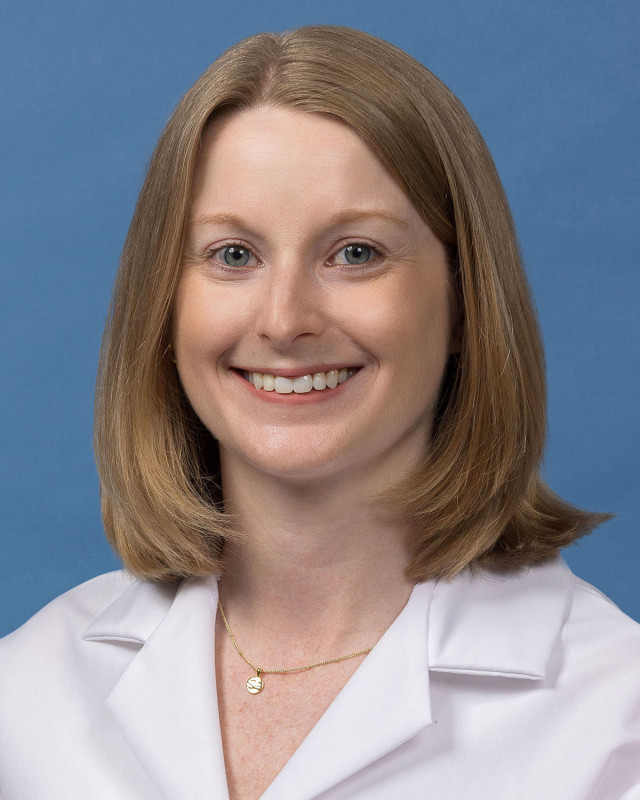
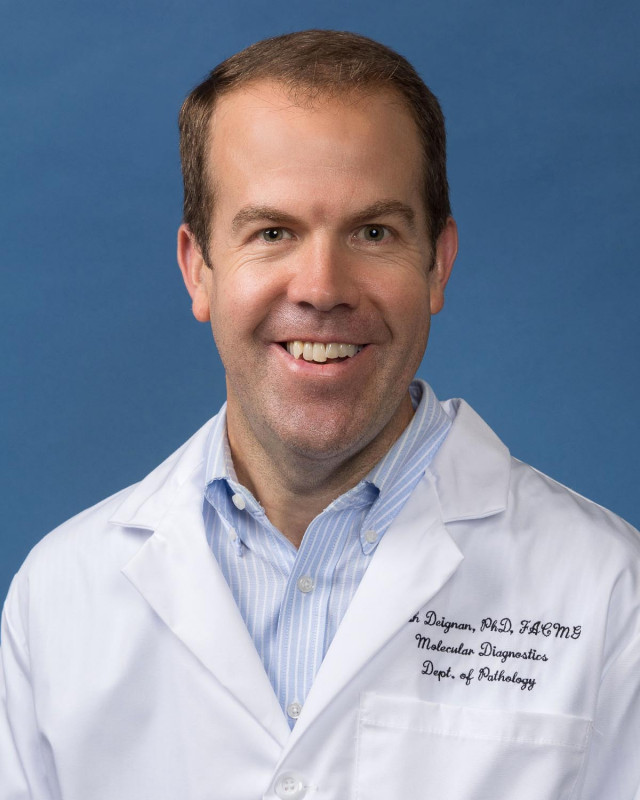
Congratulations to several members of the Laboratory Stewardship Task Force for their publications in The Journal of Applied Laboratory Medicine’s January 2025 Special Issue on Diagnostic Stewardship:
Chambliss AB, Deignan JL, Isip C, Trinh M, Werre W, Ziman A. Establishing Referral Laboratory Testing Governance and Addressing "Miscellaneous" Test Orders across an Academic Health System. J Appl Lab Med. 2025 Jan 3;10(1):4-12. doi: 10.1093/jalm/jfae121. PMID: 39749453.
Read More: https://academic.oup.com/jalm/article/10/1/4/7931444
Hilborne LH, Chambliss AB. Diagnostic Stewardship-Our Past, Our Current Status, and Future Promise. J Appl Lab Med. 2025 Jan 3;10(1):200-204. doi: 10.1093/jalm/jfae106. PMID: 39749438.
Read More: https://academic.oup.com/jalm/article/10/1/200/7931424
Ibrahim KA, Astion ML. Financial Analytics for Laboratory Stewardship: Using Data and Informatics to Increase Financial Returns for Labs and Decrease Financial Harm to Patients. J Appl Lab Med. 2025 Jan 3;10(1):148-161. doi: 10.1093/jalm/jfae135. PMID: 39749448.
Read More: https://academic.oup.com/jalm/article/10/1/148/7931439
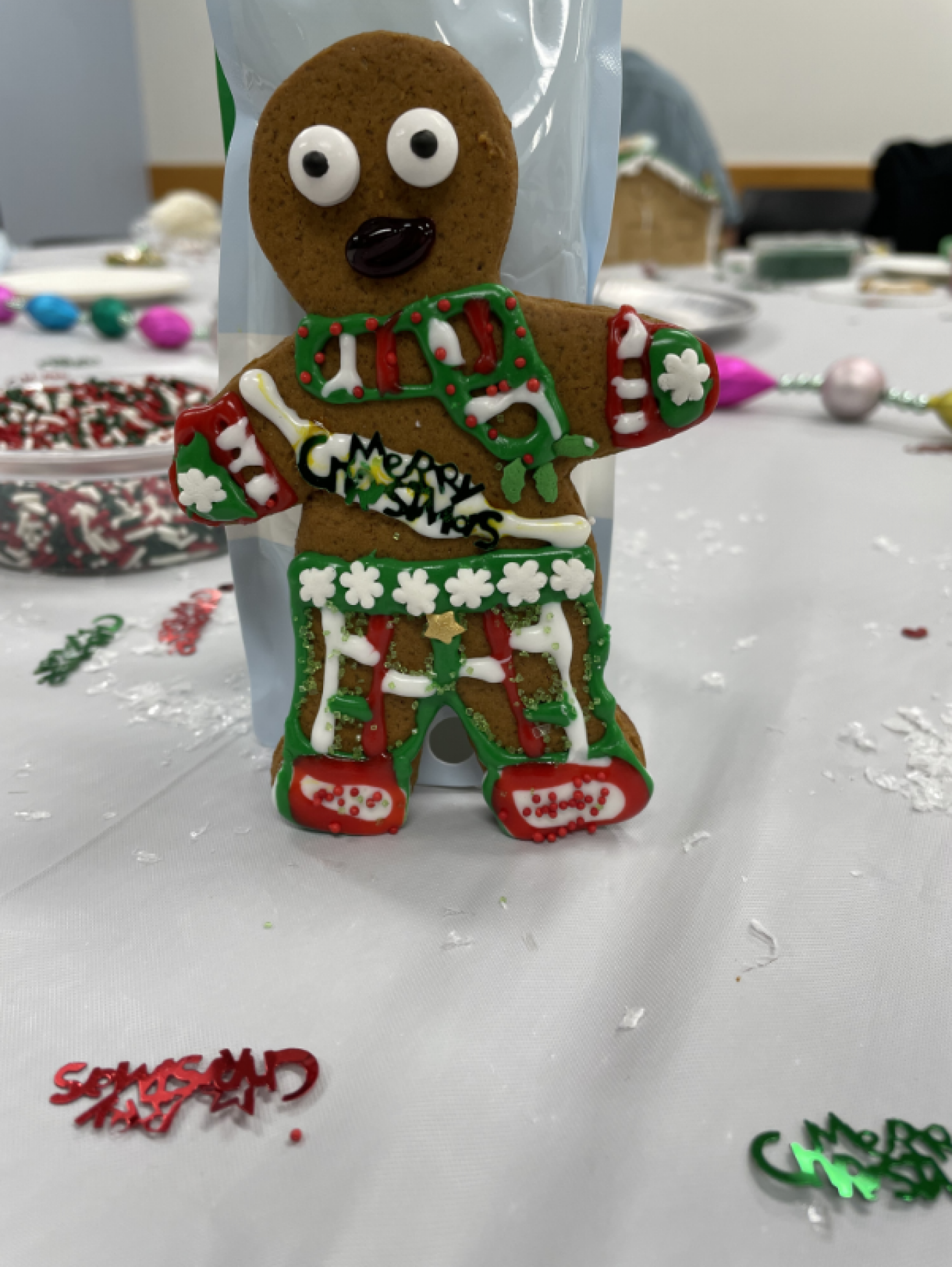
The below photo captures a gingerbread design by PGY-2, Dr. Ruoji Zhou.
Clinical Seminar Series - Topic: Renal
Astrid Weins, MD, PhD
Brigham and Women's Hospital
Clinical Seminar Series - Topic: Breast
Anna Biernacka, MD, PhD
Assistant Professor of Pathology
The University of Chicago Medicine
"Modern 'Path' to Axillary Staging in Breast Cancer"
Clinical Seminar Series - Topic: Immunogenetics and Histocompatibility
Adriana Zeevi, PhD (D) ABHI
Professor of Pathology and Surgery
Director of Histocompatibility Laboratory
University of Pittsburgh Medical Center
Daljit S. & Elaine Sarkaria Lectureship & Quality Day


