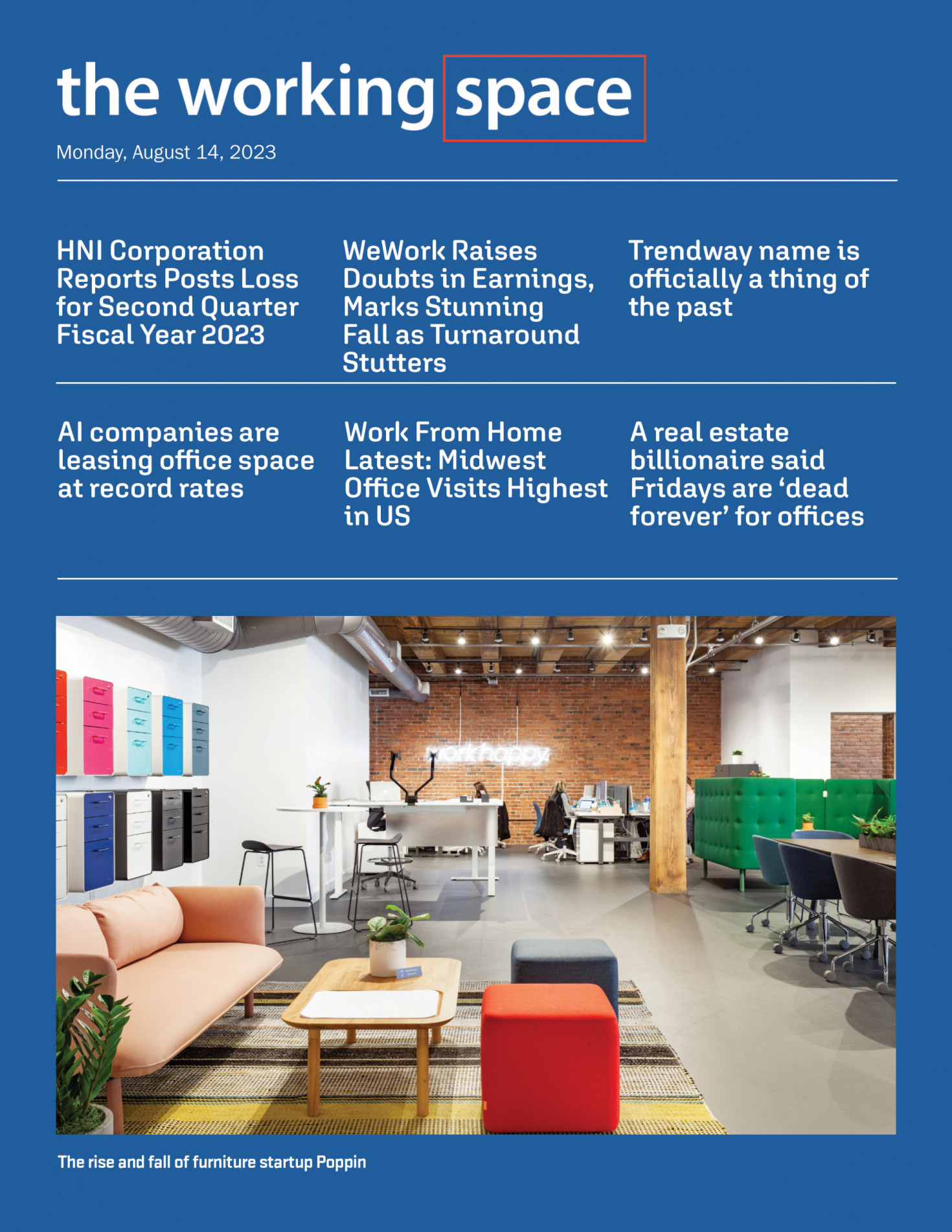
The rise and fall of furniture startup Poppin / HNI Corporation Reports Earnings for Second Quarter Fiscal Year 2023 / HNI to divest its Poppin business unit / Trendway name is officially a thing of the past / AMQ Solutions showroom at Steelcase HQ caters to small businesses / Kittinger Furniture sees ongoing demand for custom pieces / WeWork Collapse Looms Over NYC Office Market / Amazon emails employees who don't come to the office / A real estate billionaire said Fridays are ‘dead forever’ for offices / Google is using old buildings to create new offices / Why Biophilic Design Is Crucial in the Workplace and Beyond / WeWork, Zoom News Doesn’t Mean the Flexible Work Trend Is in Trouble / Cyclical Office Trends Will Ultimately Outweigh Remote Work Movement / Attracting Generation Z With Workplace Strategy


The Working Space
Monday, August 14, 2023


Industry News
HNI Corporation Reports Earnings for Second Quarter Fiscal Year 2023
HNI Corporation reported a net loss of $12.8 million for Q2 FY 2023, with GAAP earnings per diluted share declining to ($0.30) due to acquisition expenses related to Kimball International. Non-GAAP net income per diluted share was $0.55, up from $0.52 in the prior year, despite a 15% organic decline in net sales. Workplace Furnishings saw significant profit improvement, with non-GAAP operating margin expanding 550 basis points to 8.5%. HNI intends to divest Poppin, which is expected to increase annual operating profit by $20 million while reducing annual revenue by $56 million. Residential Building Products enacted new cost reduction actions to support profitability in the third quarter of 2023.
Trendway Corp., an office furniture, movable walls, and office systems company, acquired by Fellowes Brands in 2019, has officially transitioned to Fellowes. The company's president, Mark Rhoades, now leads contract furniture under Fellowes, and both the Trendway and ESI brands will transition to Fellowes this year.
HNI plans to sell its Poppin business unit, which it acquired in the Kimball International acquisition. The divestiture will be completed in Q3 2023. Exiting Poppin is expected to increase annual operating profit by $20 million while reducing annual revenue by $56 million. HNI confirms the previously announced annual run-rate synergies of $25 million, not including eliminating Poppin’s $20 million annual loss. Additionally, HNI sees strong potential for additional synergies and will provide updates as the integration process progresses. Poppin is classified as "held for sale" on HNI's financial statements.
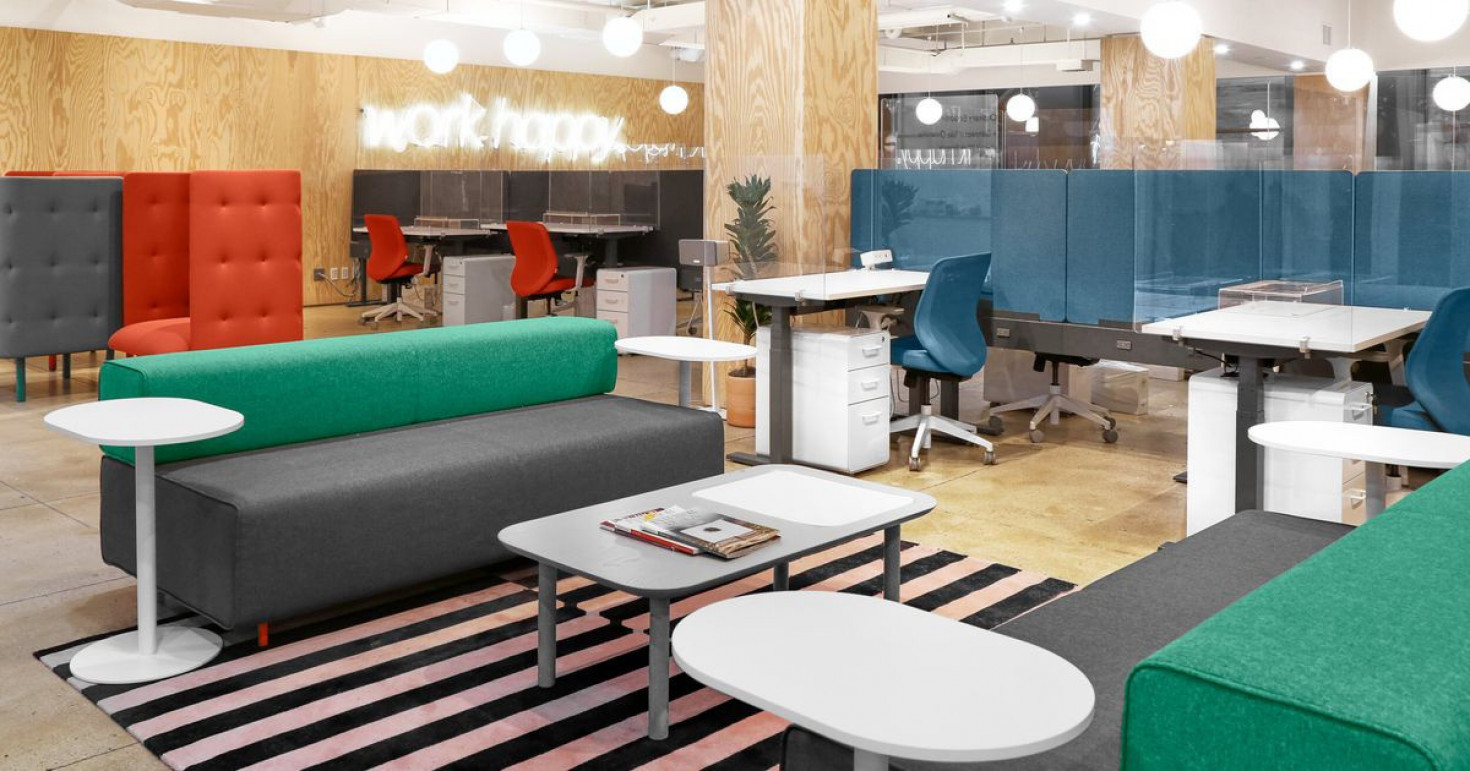
Poppin, a New York-based furniture startup that sold modern office furniture, has been sold to an undisclosed buyer for a fraction of its 2015 valuation of $110 million. The company had been running an annual $20 million loss on about $56 million in annual revenue. All 71 employees at Poppin’s New York City office and showroom will be let go. Poppin was acquired by Indiana furniture firm Kimball International for $175 million in November 2020, but Kimball wrote down about $70 million of the investment in fiscal years 2022 and 2023. HNI Corporation bought Kimball for about $504 million in cash and stock in June 2023 and appears to have immediately looked to shed Poppin.

Omni Workspace’s installation and moving companies combine operational strength under a single brand, Emerald Blue Work/Space Services
Omni Workspace of Minneapolis, MN has announced a new identity for its A&M Business Interior Services, Atmosphere Services, and Emerald City Moving & Storage subsidiaries. They will now operate as Emerald Blue Work/Space Services in Washington, Minnesota, Wisconsin, Illinois, and Arizona. This change allows the businesses to serve their clients on a national level and execute their vision of being the national leader in commercial moving, furniture installation and FF&E. The new identity will leverage the company's recruiting practices, technology, and operational excellence to grow their business in new regions. The rebrand will affect warehouses totaling 700,000 in rackable square footage in five states, and the company's work order management and move management platforms will also be available to clients globally.
DIRTT has expanded its DIRTT Construction Partner network with Pivot Interiors in Northern California and Action Office in Saskatchewan, Canada. These additions will allow DIRTT to continue growth and client support in these regions. DIRTT partners work with clients and their construction team, ensuring effective management and execution of the DIRTT scope on every project from pre-construction through installation and beyond.
Steelcase subsidiary AMQ Solutions has opened a 10,000 sq ft showroom at the furniture maker's Grand Rapids HQ, showcasing office furnishings for small to midsize businesses. AMQ specialises in furnishings for modern and flexible work environments, such as height-adjustable tables and attachable privacy screens. The company aims to provide quality and longevity for office designs for leaders at small and midsize businesses who don’t have the same budget or capacity as larger companies. The company also offers shorter lead times, with products sent for delivery in as little as 10 days.
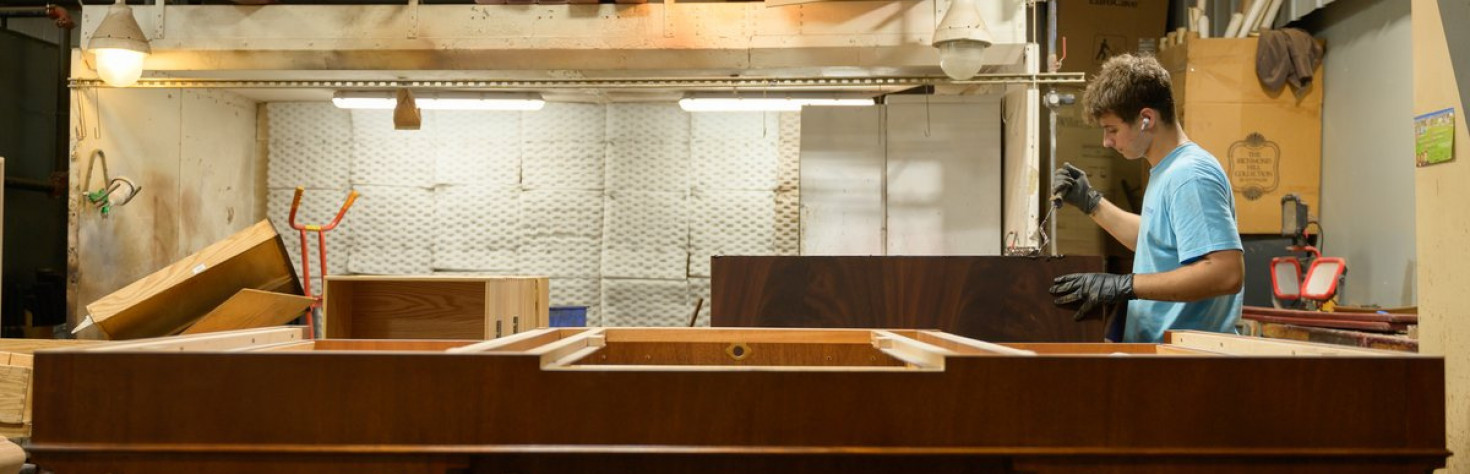
Kittinger Furniture Co. has been providing high-end custom furniture for over 150 years, including for business executives and heads of state. During the pandemic, demand for boardroom tables decreased, but the company still sees strong demand for corporate and home offices. The company emphasizes local manufacturing and customization to meet individual customer needs, with the ability to manufacture products based on customer requirements. Kittinger Furniture also designs functional pieces, including sit-stand desks, to accommodate modern technology.

The Bialkowskis bought the company in 1996 and moved it to a new factory in North Buffalo in 2014, where a team of 15 makes all furniture to order. While the company has customers all over the country, Kittinger Furniture also does a good amount of business in Western New York, partly because customers can save thousands of dollars by eliminating shipping costs.

Loctek Ergonomic is seeking permits for a $5.52 million expansion to its North Jacksonville, FL warehouse, which will create a 350,640-square-foot center. The warehouse serves as an e-commerce fulfillment center for Loctek Ergonomic, which produces work furniture focused on wellness and productivity. The expansion will be handled by ARCO Design/Build and will add 116,640 square feet to the existing 234,000-square-foot warehouse.
New research shows that workers in the US Midwest are returning to offices more often than the rest of the country, with a 60% weekly peak occupancy rate in the first half of the year. This is compared to just 24% in the Northeast. The data suggests that the Midwest either has more stringent return-to-office policies or easier commutes that allow for higher office attendance throughout the week. The report also found that the traditional 9-to-5 office day is much less common nowadays, with many workers shortening their time spent in the office to attend to caregiving duties.
The UK government is scaling back plans for regional office hubs by 25% due to more civil service workers choosing to work from home. The government has let out surplus floorspace to other departments and the GPA has acknowledged that the offices built so far are larger than needed due to the shift to hybrid working. MPs have criticised the Cabinet Office for a lack of information on the programme and accused the government of withholding key measurements for success. Despite apparent progress towards targets, evidence indicates there has been a net decrease in civil service jobs created outside of London since 2010.
AI companies are leasing office space at a record rate, with JLL estimating that by the end of 2023, they will occupy 17.2 million square feet of office space across the US. This is equivalent to more than half of the amount of office space leased or subleased between July 2022 and June 2023. AI companies are opting for newer and flashier buildings and are putting down physical office roots in places already known for their tech talent, such as the San Francisco Bay Area. While the concentration of these companies and jobs can have downsides, such as imbalanced economic development and brain drain in other places, the industry could begin to spread beyond these early hubs as other cities increase their investment in AI training, research and development, and related infrastructure.
WeWork's financial struggles have raised questions about the future of co-working in a post-pandemic world, but IWG, another company in the industry, has reported strong half-year results, citing the growth of hybrid work as a driving force. A Pew Research study found that 41% of workers with jobs that could be done remotely were on a hybrid schedule, up from 35% in 2022. While some executives have expressed concerns about the impact of hybrid work on corporate culture and innovation, others argue that it is necessary for employee well-being and retention.
Amazon sent an email to employees reminding them of the new policy requiring them to come into the office at least three days a week, but some employees who had been coming in as requested received the email. The email highlights the challenges Amazon has faced in getting employees back to the office, with stricter measures being implemented after CEO Andy Jassy initially said there was no plan to require people to come back. The productivity gap between remote and in-person work has created tension, with employees staging walkouts and signing petitions. Other companies, including Google and Tesla, have also faced employee complaints about return-to-office policies.

Features

According to Nick Bloom, a Stanford economics professor and head of WFH Research, Steven Roth's prediction that Fridays are "dead forever" for in-office work has turned out to be correct. Bloom's research shows that in-office work on Fridays has been decreasing in popularity in favor of working from home. However, Bloom notes that coordinated hybrid work, where firms coordinate the days employees come into the office, is becoming more popular. In-person socializing and collaboration are still the main appeal of office work, meaning that coordinating in-office days among teams is the best way to achieve the ideal working arrangement. Recent reports show that bosses are mandating a return to the office for some workers, and an estimated 58% of workers can work remotely some days of the week, with Fridays being a popular day for working from home.

Tech giants like Google, Apple, Facebook, and Amazon have all built iconic modern architecture headquarters. However, Google is now investing in adapting old, significant, and interesting structures for its offices around the world. Most of these buildings are adjacent to existing Google offices, and they add on to the company's existing real estate. Google's head of global workplace programs, Michiel Bakker, has said that these projects offer all kinds of benefits to the community and the company. Adaptive reuse will continue to be a way Google pursues its real estate strategy, with a combination of goals including sustainability, community, and business needs.

Google is focusing on buildings that have external amenities, lively surroundings, and accessible transit. The company is committed to sustainability and community engagement. Bakker emphasizes that these repurposing projects satisfy a combination of goals for the company, including ESG values and marketing, and making older buildings more energy efficient plays into Google’s sustainability goals. Ultimately, though, the projects are based on the company’s business needs, and it is an ongoing iteration of Google's longer-term real estate strategy in relation to its growth and earnings.

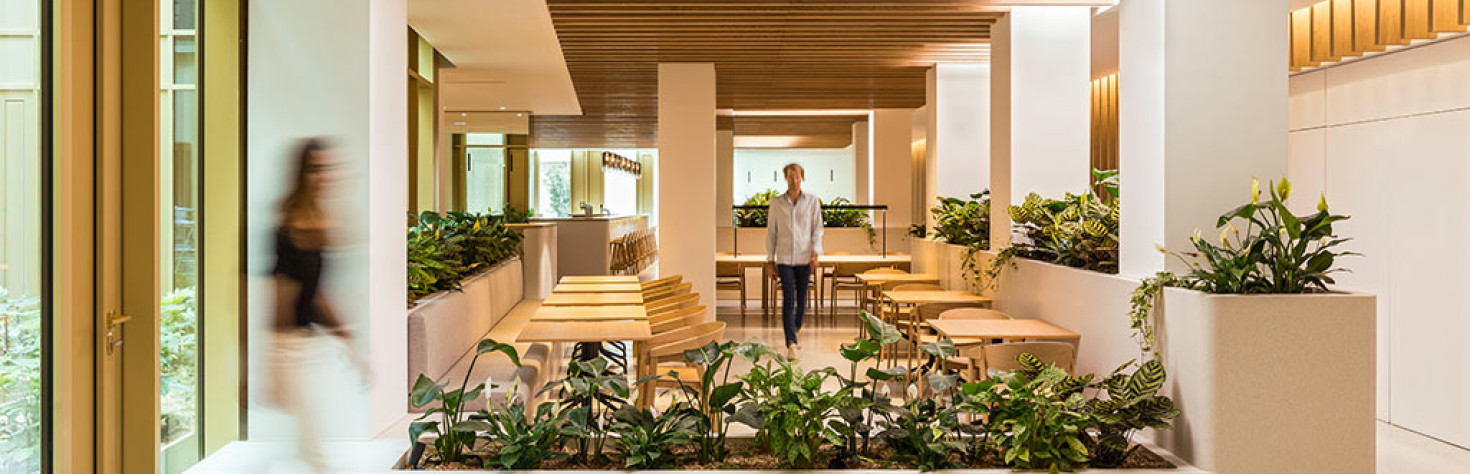
Biophilic design connects people to nature within built environments and communities. It observes user perception and processing of the experience, nurturing a love of place. Studies show that biophilic design can improve productivity by 6% and creativity by up to 15%, while vegetated spaces can improve an individual’s self-esteem and mood. Biophilic design can be organised into three categories: nature in the space, natural analogues, and nature of the space.

Bringing biophilic design into the built environment is critical, considering that we now spend 90% of our time indoors. Biophilic design can be used to connect people through bringing them together in moments of wonder, and soften the boundaries between spaces to create a sense of permeable ‘neighbourhoods’. Biophilia is a key component of sustainable design and should be treated equally to thermal well-being, acoustics, and air quality.

Workspace News

Agencies studying Gen Z and Gen Alpha have found nuances and distinctions in how they consume media, game, and interact with brands. Razorfish's Gen Alpha study found that Gen Alpha, the children of millennials and the older end of Gen Z, are entirely digital-only and have a greater brand maturity rate than previous generations. They value sustainability, inclusion, and mental health, and are discerning of brands that don't reflect authentic human experiences and voices. Brands will need influencers to communicate effectively with consumers in a more relatable way, and future brand relationships will be formed through people rather than a particular brand's representation.
Flexible work is still thriving despite the uncertain future of WeWork Inc. and the recent call from Zoom Video Communications Inc. for employees to return to the office. Regus, LiquidSpace, and other companies have been successful in providing flexible office spaces. Scoop Technologies Inc. reported that the share of companies offering location flexibility increased from 51% in January to 61% in July. Hybrid working is becoming more popular among large corporations worldwide. IWG Plc, for instance, saw a 14% increase in revenue and a doubling of operating profit in the first six months of 2023, and is receiving inquiries from more than 10,000 building owners about starting coworking arrangements. The trend is expected to continue to grow as more than a third of leased US office space is due to expire by 2025. The business community has realized that there are both economic and cultural benefits to detaching from long-term office leases and giving employees some choice on where and when they work. In fact, WFH Research found that the most common arrangement among employees who can work from home is hybrid. Despite the decline in remote work over the past year, the share of work done remotely in the US is still significant and expected to increase in the future.
Landlords are offering longer periods of free rent and higher tenant improvement allowances (TIAs) to fill office space due to higher competition for office tenants caused by remote and hybrid work trends. Major markets like New York City are seeing an average of 24% of total rent as concessions, including free rent and TIAs, for office tenants signing leases of at least 20,000 square feet and at least seven years at Class A buildings. TIAs and rent concessions are on the rise in major markets around the country, and higher TIAs and rent concessions are expected to continue for the foreseeable future, especially as office occupancy has been slow to improve over the last several months.
President Biden is setting a deadline for federal workers to return to the office, citing the benefits of in-person work such as easier communication, better mentorship, and a heightened sense of mission. The federal government owns or leases one-third of D.C.'s office space, so the General Services Administration needs to figure out which buildings should be put up for sale or repurposed. While the new normal for office workers can be a hybrid setup, Mr. Biden should set a threshold of at least three or four days a week to signal that the country is truly back on its feet.
As industrial action affects travel and commuting in the UK, workers are seeking alternative workspaces, including coffee shops, pubs, and even parks. London has emerged as the remote working capital of the UK, with 62% of workers logging on outside of the home or office in the past year. However, remote work comes with challenges, including privacy concerns, background noise, and unreliable internet.
Zoom has ended its policy of no internal meetings on Wednesdays, citing it as a barrier to collaboration. CEO Eric Yuan announced the change in a memo to employees, also introducing a new policy on office attendance. The move goes against the trend of companies reducing unproductive meetings, and against the preferences of Zoom employees who had previously said they wanted less time in meetings. Research has shown that reducing meetings can lead to increased productivity, but Yuan argued that eliminating a full day of meetings hurts collaboration.
CBRE predicts that cyclical office trends will outweigh the remote work movement in the near future, citing improved office vacancy rates and a slowdown in office construction. However, the fate of the office market ultimately depends on how offices are used in the coming years, with many occupiers contracting their portfolios due to the changing nature of work. CBRE's spring 2023 occupier sentiment survey showed that more than 75% of respondents in Europe and the US reported average utilization below 60%.
To attract Generation Z, workplace strategy should prioritize flexibility, wellness, and personal growth. Workplace design should consider seamless technology, adaptable furniture, welcoming collaboration areas, environmentally conscious design, inclusive and diverse spaces, opportunities for growth, and humanized branding and company culture. By focusing on the needs and preferences of individuals and groups, these environments foster a sense of belonging, reduce stress, and improve overall work-life balance, leading to higher employee engagement and retention.
With the shift to hybrid work post-pandemic, organizations globally are facing a pressing challenge: the imbalanced utilization of office space. To address this, organizations can bring synchronicity into the workplace by recognizing and nurturing the serendipitous moments, chance encounters, and meaningful coincidences that can occur when individuals collaborate and interact in both physical and virtual spaces. By fostering synchronicity, organizations can create an environment where employees feel connected, inspired, and engaged, thereby enhancing productivity and fostering a sense of collective purpose. Additionally, purposeful workspaces that facilitate serendipitous interactions, accommodating individual preferences, and redefining non-peak days can also enhance employee engagement and productivity.
According to the latest Workplace Index from Eptura, the key driver for employees wanting to go into the office is the need for socialisation and collaboration. The report is based on proprietary data and a survey of 6,700 employees across five countries. The report also highlights the need for a cross-functional approach to facilities management and the potential for flexible work patterns to reduce carbon emissions.
A study by economists at MIT and UCLA found that workers randomly assigned to work from home full-time are 18% less productive than those in the office, with two-thirds of the drop in productivity evident from the first day of work. The remaining difference showed up over time as in-office workers learned more quickly than their fully remote counterparts. The study also found that remote workers who preferred to work from home were even less productive than those who would rather have been in the office. However, the study doesn't have all the answers for managers trying to navigate the messy middle of hybrid work, which remains the dominant model in the US.
The shift to remote work during the pandemic allowed wealthy residents to move to smaller cities and towns, causing huge spikes and dips in populations. Small cities have been laying the groundwork to entice big-city refugees, producing amenities that middle- and high-income workers expect from an urban neighborhood at a fraction of the price. However, this has turned cities across the US into replicas of each other, with many places starting to look exactly the same. The pressure to fit in and stand out has led to predictably unique cultural offerings, suffocating the distinctive identity that begat a region's success in the first place.
Increasingly, office tenants are seeking access to production space inside their office buildings to create professional content for marketing and branding purposes. This trend extends beyond media and tech industries, with non-tech Fortune 500 companies like Prudential and Captive Resources investing in their own broadcast facilities. The options for office-based broadcast studios are diverse, with existing conference rooms or underutilized breakout rooms being retrofitted to be utilized as a studio without expanding the footprint. As the world's appetite for content continues to grow, businesses in every industry and of every size will see a growing need for access to production space.

Other News

Twitter is auctioning off 584 lots of items featuring the Twitter bird logo, including office assets, musical equipment, and artwork, as part of the recent rebranding as "X" and massive headcount reduction since Elon Musk bought the platform in October. The auction reflects Musk's attempt to make the platform his own, with items like a welded Twitter bird in a bird cage and a 5-foot-wide painting of the infamous Ellen DeGeneres selfie taken at the 2014 Oscars. The auction will accept bids online for two days starting on September 12.
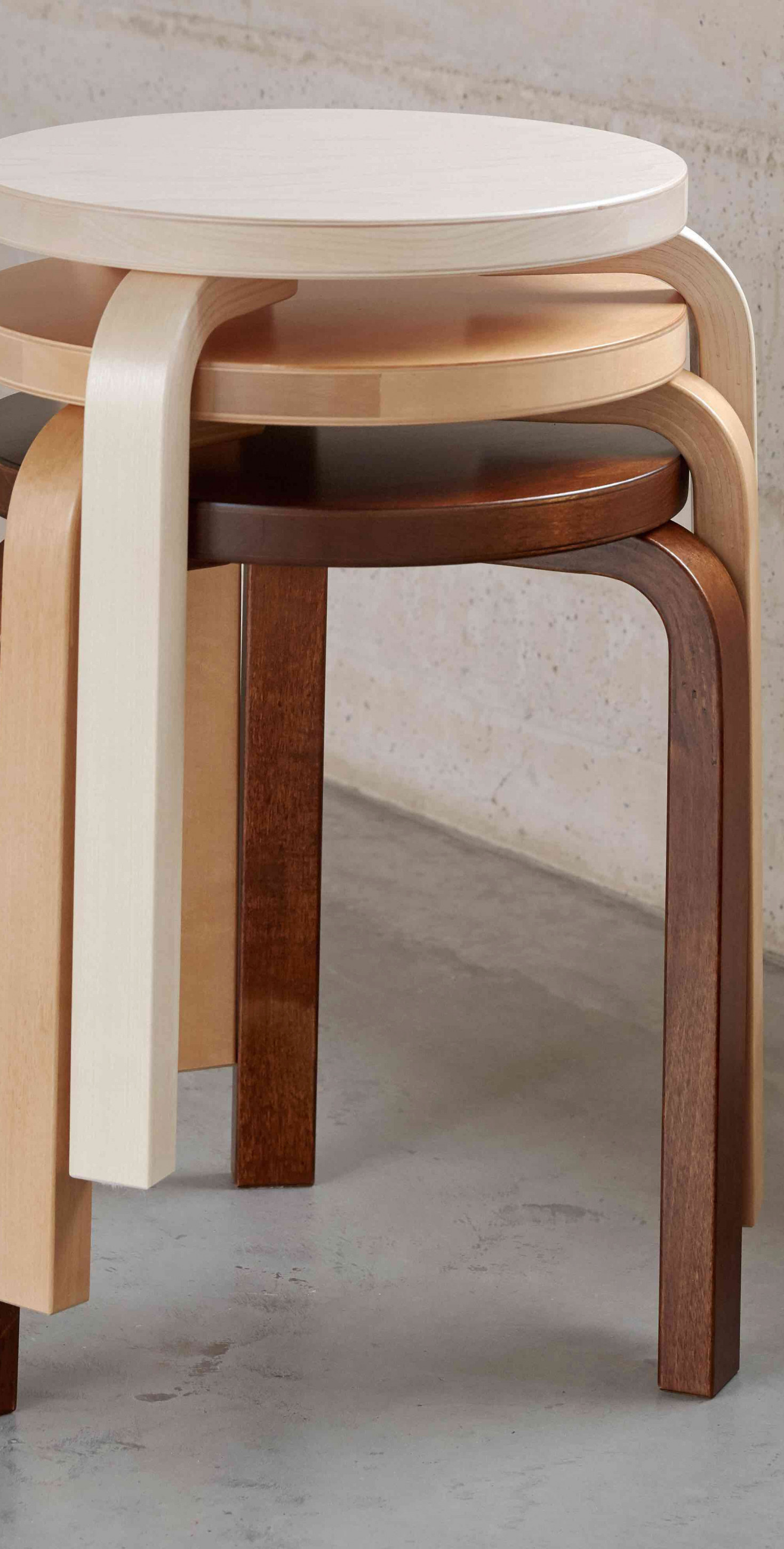
The Stool 60, designed by Alvar Aalto and produced by Artek in Finland, has been in demand for 90 years. Aalto used a revolutionary 90-degree angled L-Leg to attach three legs directly to a circular seat via three screws, creating the Stool 60. This design has remained virtually unchanged, which has helped it become a classic. The biggest challenge was during World War II when the scarcity of glue forced production to migrate to Hedemora, Sweden. While small modifications have been made to the Stool 60, it remains true to Aalto's vision. It can be used as a seat, table, display stand, or sculpture.
Klaussner Furniture Industries Inc. has suddenly closed all operations and laid off all employees nationwide, citing unexpected business circumstances and the refusal of its lending source to continue funding. The Asheboro-based company, which manufactured 65-75% of its home furnishings domestically, had 826 employees in Randolph County and 58 in Montgomery County. Klaussner is the second major U.S. furniture manufacturer to close without warning in the past nine months.

Coworking

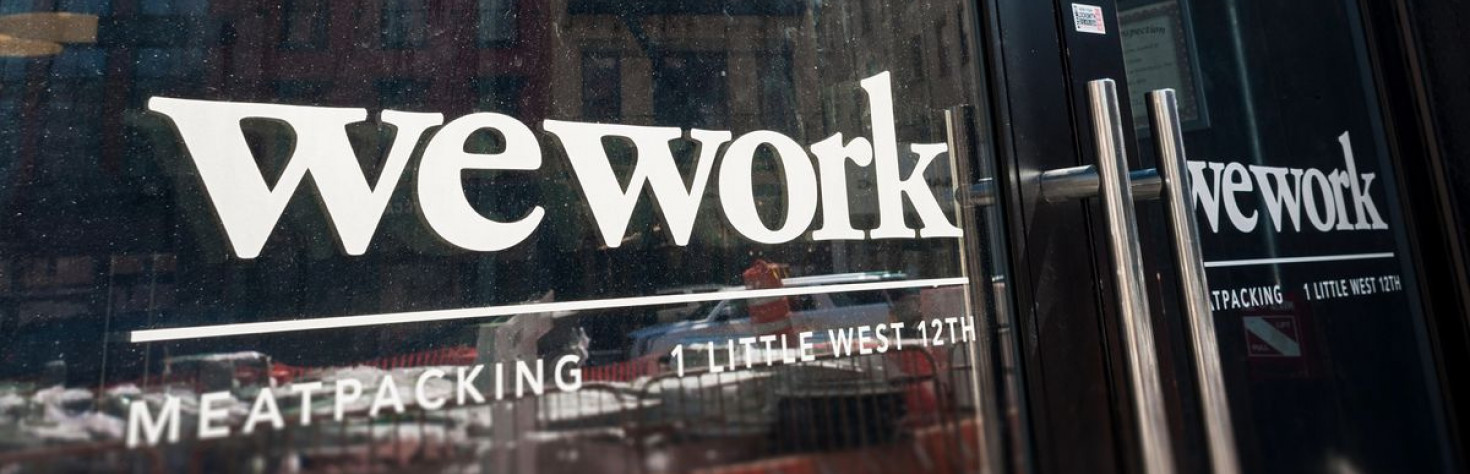
WeWork's financial troubles, including lawsuits from landlords and CEO Sandeep Mathrani's departure, have raised doubts about the company's future. WeWork is struggling with pre-pandemic leases, a slow return to the office, and competition from other co-working spaces. Despite progress in cutting costs, the company still had a net loss of $397 million in Q2 2023. If WeWork goes bankrupt, it could have a negative impact on the already struggling New York City office market.
WeWork's potential collapse is a threat to commercial property markets, particularly in New York City, where it occupies over 6.8 million square feet of real estate. Landlords and lenders could be hit hard, with empty offices flooding the market if WeWork fails. Lender exposure to WeWork is extensive, with roughly $7.5 billion of commercial mortgage-backed securities potentially exposed to the company. Competitors like IWG Plc could take over WeWork's built-out centers, but in the short term, lease negotiations or terminations could still pressure landlords for buildings where WeWork is a tenant.
WeWork announced a net loss of $397 million for Q2 2021 and stated that "substantial doubt exists about the company's ability to continue as a going concern." WeWork's demand for co-working spaces has declined due to excess supply in commercial real estate, increasing competition in flexible space, and macroeconomic volatility. The company's ability to continue operating is contingent upon successful execution of management's plan to improve liquidity and profitability over the next 12 months, which includes cutting costs, increasing revenue, controlling expenses, and seeking additional capital.
Ingka Group, the parent company of Ikea, is partnering with Industrious to launch a coworking business in the US. The first franchise, Hej!Workshop, will occupy 46K SF at a vacant San Francisco mall and is scheduled to open early next year. CBRE acquired a 35% stake in Industrious in 2021 and a survey by the company found that 60% of office occupiers plan to use coworking space for 10% of their office needs within the next two years. The national inventory of coworking space totals 5,612 locations encompassing more than 113M SF, with flex office space expanding beyond urban cores into suburbs.

Trends

The Club Workplace is a neighborhood workplace designed to reduce friction between live and work by removing the need for a commute. It combines work-oriented spaces with the convenience of a reduced commute, and is part of a three-part ecosystem that includes Hub offices and remote locations. The Club is intentionally designed to support focused work, sustainable practices, invigorate the community, and balance. It is a critical piece for crafting a frictionless employee experience and gives new definition to "quality" by investing in quality-of-life experiences rooted in balance, convenience, and community connection.
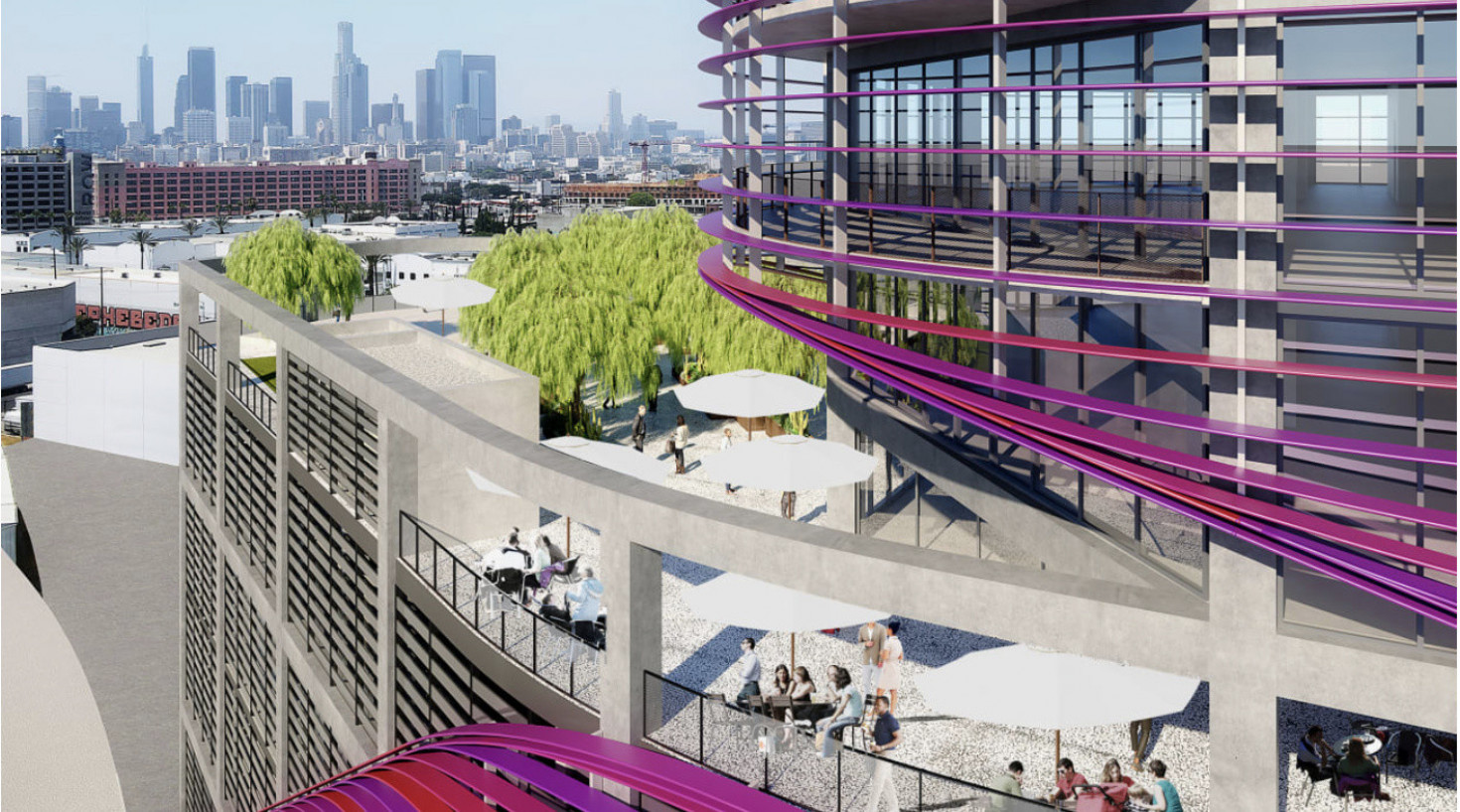
A new office tower in the Los Angeles Arts District is designed to be more sustainable and take advantage of the city's sunny weather. The tower will have significantly more outdoor space for corporate tenants, including passively cooled outdoor workspaces, courtyards, and exterior spaces with vegetation and shade structures. The space will offer varying degrees of outdoor seating options during a workday, and the design aims to cut operation costs and emissions by an estimated 20% annually. The design is capitalizing on a shift in the commercial real estate market towards increasing outdoor space and decreasing a building's carbon footprint. The project expands on many of the era's office design trends, especially the push towards more health- and wellness-focused features and elevated workspaces that'll tempt employees to leave the home office. The project aims to attract workers more accustomed to a hybrid work schedule, top-tier tenants willing to pay premium rents, and cut carbon.
As Gen Z becomes a substantial part of the workforce, workplaces and designers are adapting in five ways: the office as a social and mentorship hub, transparency, inclusivity, moving at the speed of technology, and the power of instant gratification. These changes are not only influenced by Gen Z but also by world events, shifting markets, and up to five generations co-existing in the office at the same time.

Design

Colliers' 2023 Global Occupier Outlook report shows that 66% of business decision-makers are considering redesigning their workspace offerings to better serve hybrid workers' needs. The report suggests that creating a workspace to accommodate workers on various schedules doesn't start with furniture placement or tearing down walls, but with establishing the right management structure. Companies are repurposing existing spaces to meet employers' evolving demands, and it allows for the simultaneous opportunity to align their space with corporate sustainability goals as well. The effectiveness of a hybrid team is only as good as its strategy, and a proper scheme has to take into consideration a number of factors, including the various roles involved in each area of the business and how work gets done in those areas.

Architecture and real estate firms are using AI to inform office design and create dozens of design concepts for clients to pick from within minutes, saving days of work. AI is also being used as a test bed to trial new concepts such as employee-led design. AI can understand people’s needs in buildings better than before, and can create typologies of different kinds of workers according to what type of work they’re doing, how they’ll use the space for their work, the overall company culture, and so on.

AI can identify how spaces are being used and provide suggestions on how to alter the design of existing building layouts. However, the human oversight element remains critical. Some designers are fearful that AI could take over the work, so they prioritize software options that complement design teams rather than replicate their efforts. AI is most helpful in the first phase of design: concepts. One AI vendor that stuck out is laiout, which generates options in mere seconds and is well-versed in the constraints that designers have to be mindful of like density, emergency exits, and desks per floor.

The younger generations of workers are creating change by pushing the boundary of design with the latest technology. They are looking for new ways to tackle existing problems, and the use of technology is one of the ways. AI will leverage the massive amounts of data generated by the built environment, using both in-house data and external. Architecture firms are also using visualization tools that create a lot of efficiencies in the design project process. It will be interesting to see where the industry goes in the next 10 years.

AI

AI can revolutionize remote and hybrid work by improving communication, productivity, and security. It can automate mundane tasks, match skillsets for optimal team formation, and provide personalized learning paths. However, organizations must proactively manage the associated risks and ensure legal liability is properly addressed. The future of work is here, and AI is the driving force behind this transformation.

Latest Products

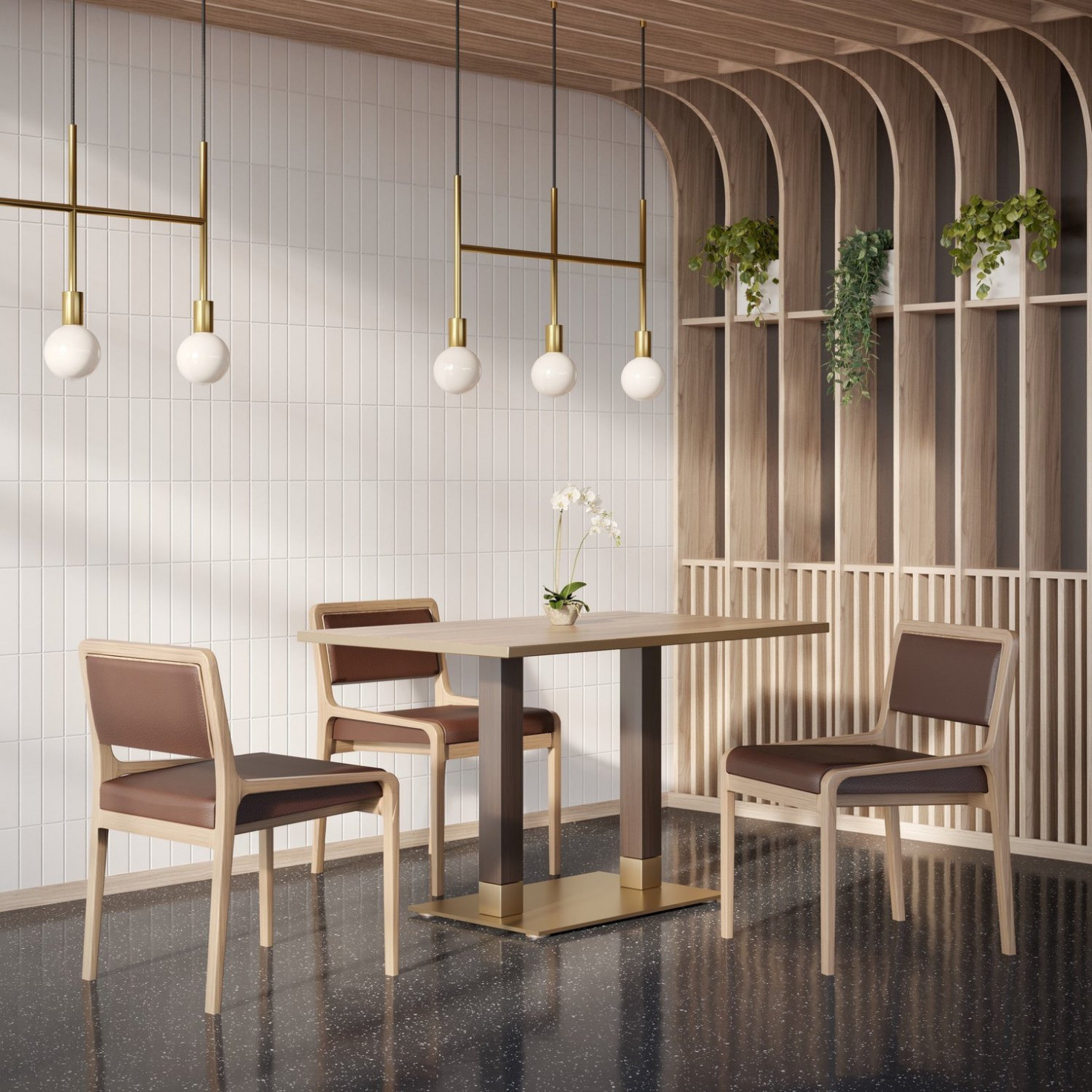
Aceray, with its long history of providing seating for the contract market, has launched a full line of tables with customizable bases and tops. From clean modern lines to romantic curves, the options for bases and tops are endless. Most are available in dining, counter, and bar heights. A variety of powder coat and wood finishes adds another dimension of customization. Always manufactured to the highest standards, these tables are built to withstand the heaviest of commercial use, while maintaining a welcoming residential aesthetic.
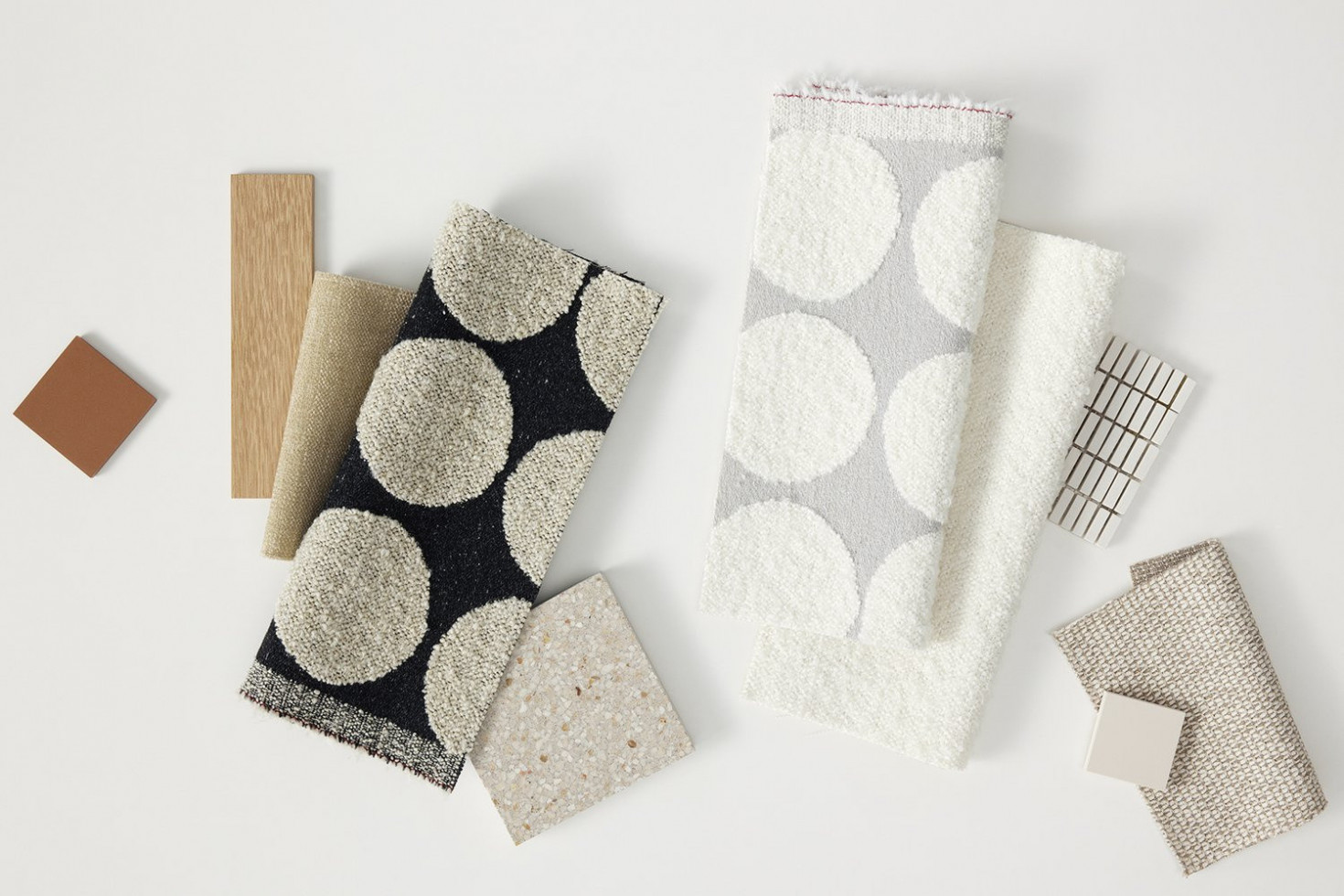
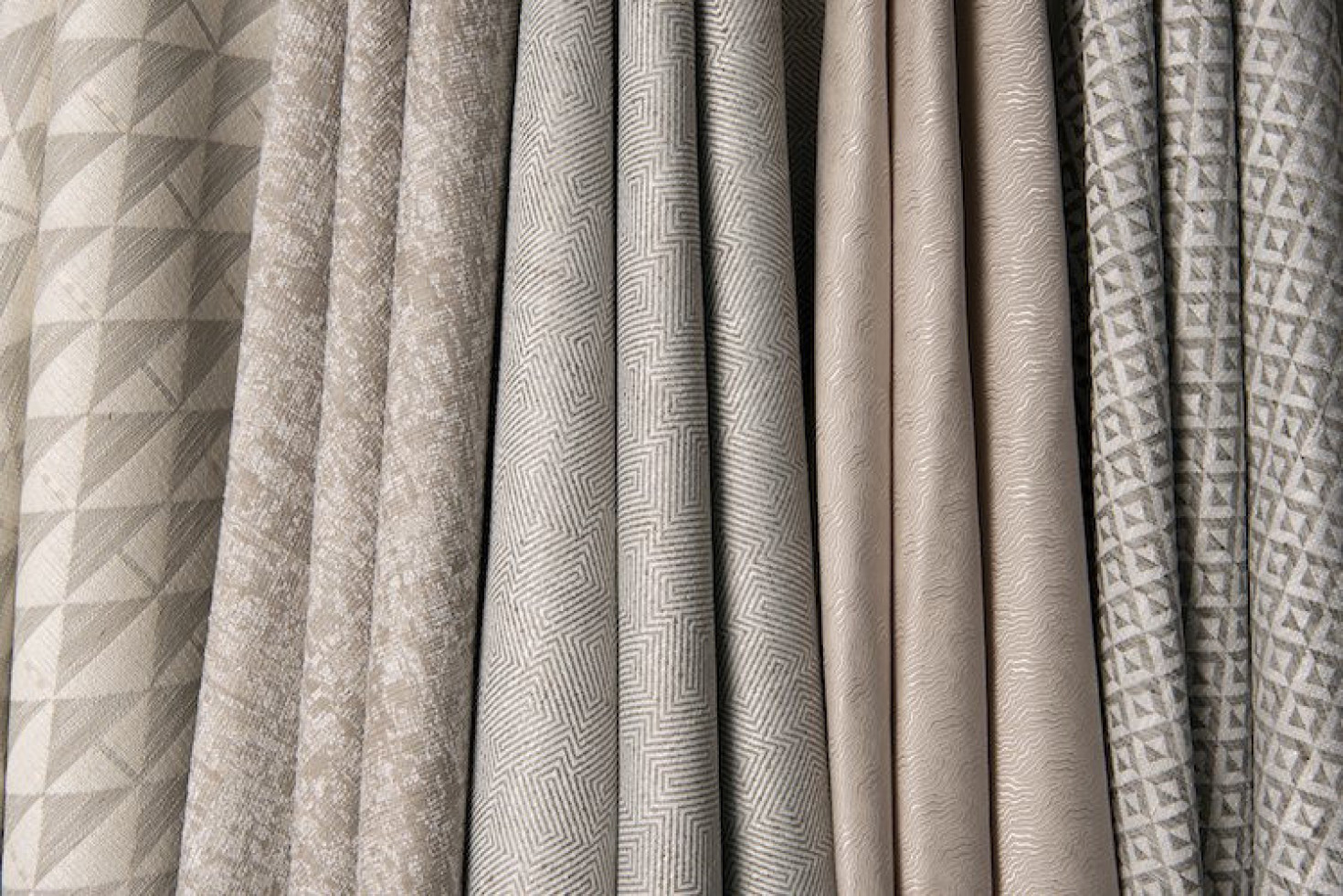
Designtex introduces their latest Performance Luxury textiles, including Habitat, Roundel, Stamp, and Check, which are designed to withstand robust cleaning without sacrificing elegance. The textiles are engineered to release stains and come in a variety of colors and patterns. The Drop 22 family includes Roundel, Habitat, Stamp, and Check, each with their own unique design and colorways.
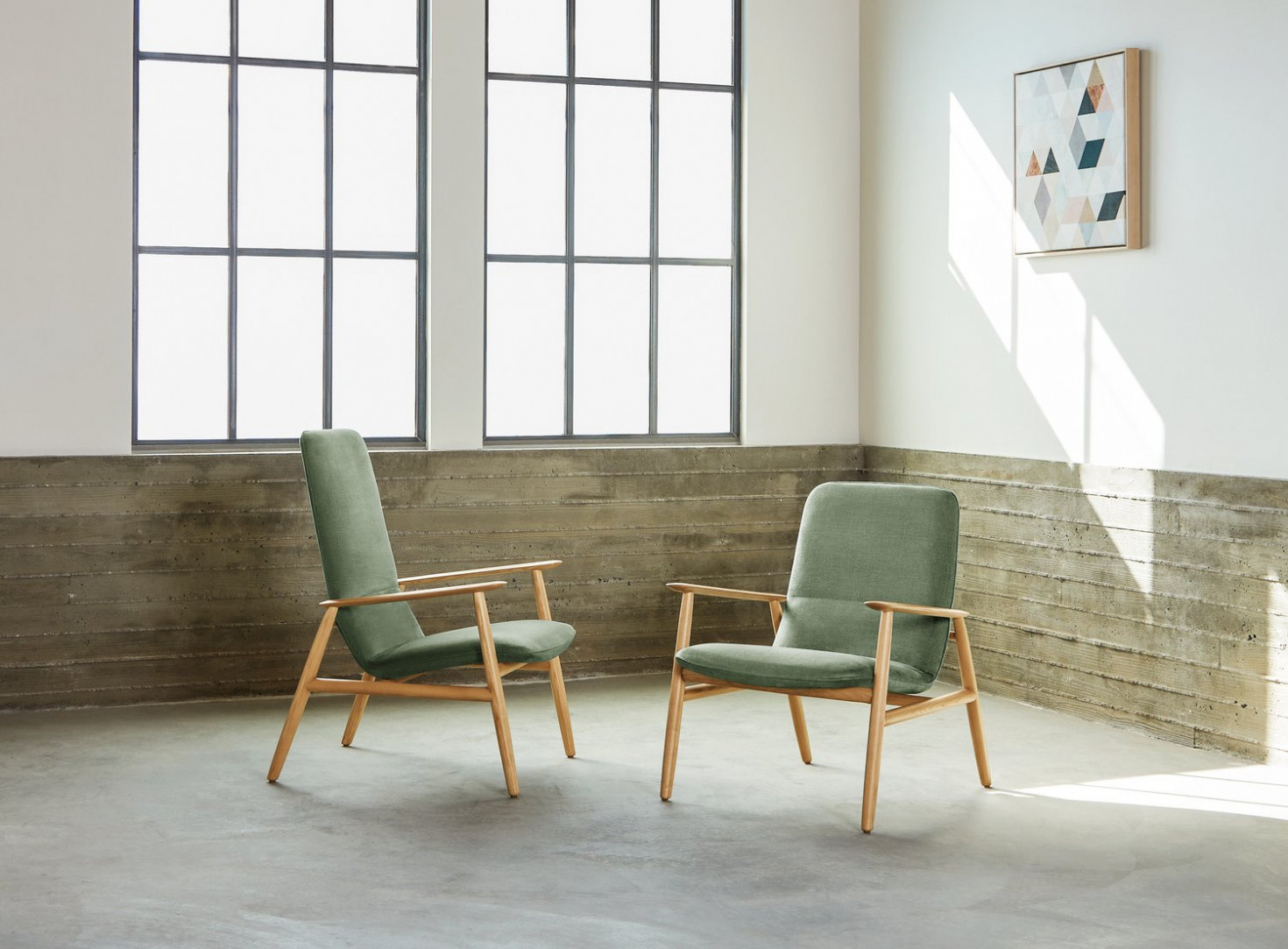
Pirra Lounge by Arcadia is a collection of mid- and high back models with a sculptural wood frame and inner suspension support for extended comfort. Designed by Gemma Bernal, the chair's minimalist charm and mindful details make it suitable for commercial environments such as open offices, coworking spaces, and hospitality applications.
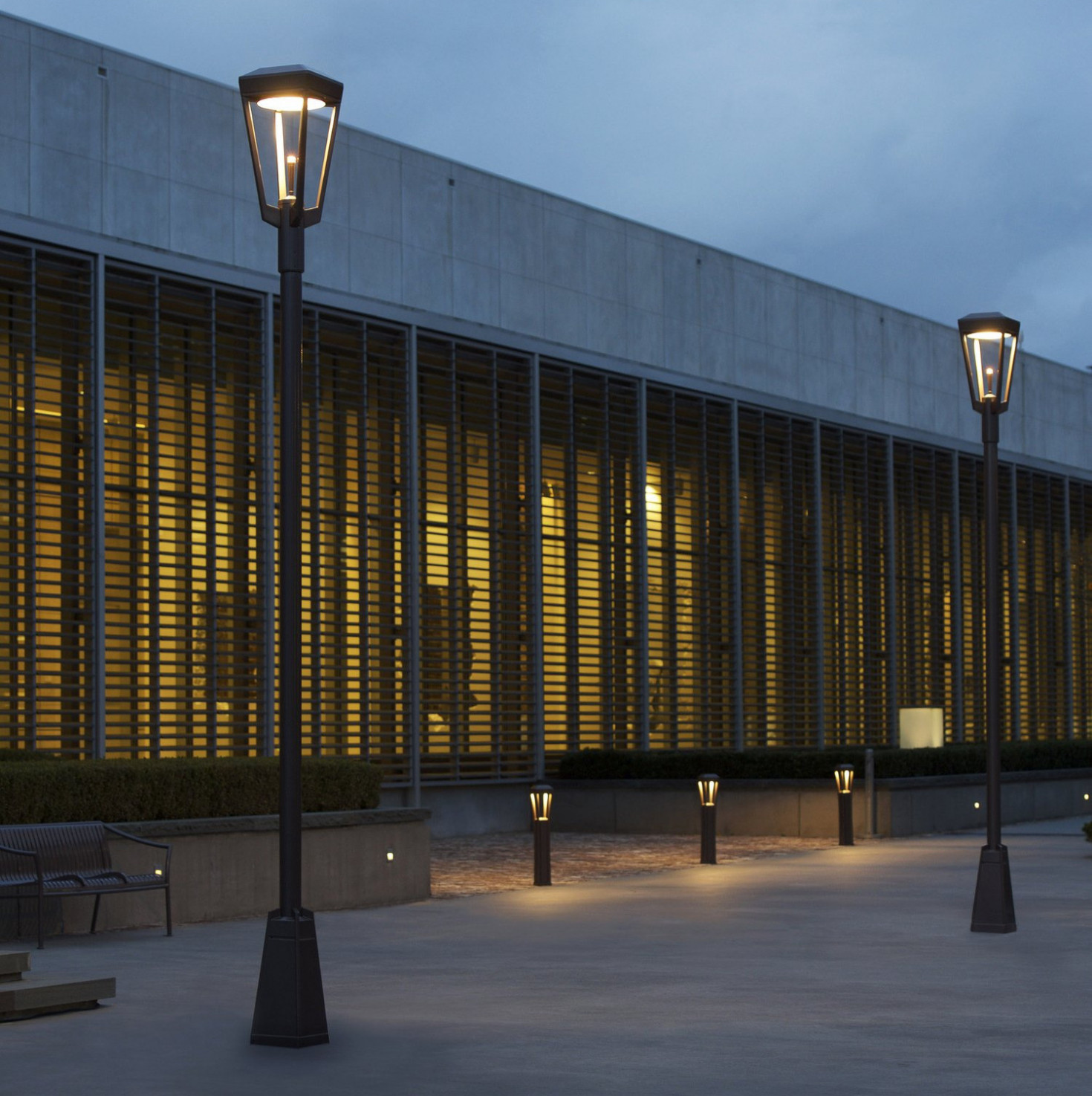
Landscape Forms has expanded its Ashbery lighting family to broaden its performance capabilities, allowing it to be used in a greater range of outdoor spaces. The expansion includes Type 2 and Type 4 distributions, expanded lumen ranges, more options for increased output, and a clear lens to join the original diffused lens. A new smaller-scale luminaire has also been added, while retaining the line's signature historical character. The expansion was driven by customer feedback and aims to provide more options for solutions they already know and love.
Jamie Stern Furniture, Carpet & Leather introduces the Algarve Collection, a new textile collection featuring five patterned fabrics inspired by the coastal geography and architecture of the southernmost region of Portugal. The collection is suitable for various applications and includes patterns such as Alley-Oop, Alter Ego, Beckett, Briolette, and Kickback.
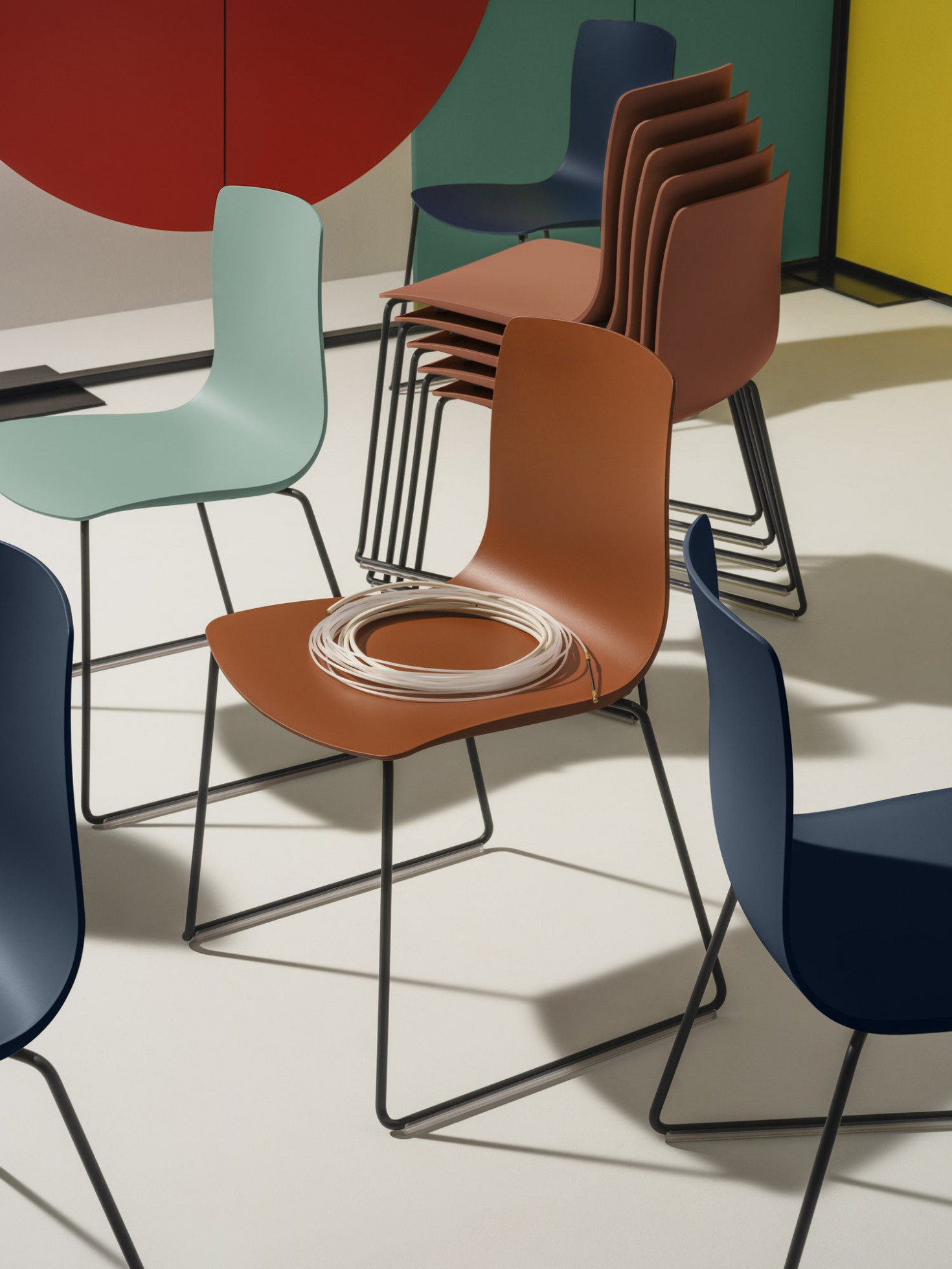
Arper, an Italian furniture manufacturer, is demonstrating a commitment to sustainable innovation through the reinvention of two classic designs: Aava 02 and Juno 02. Aava 02 incorporates post-consumer plastic into its design, while Juno 02 is made from 70% post-industrial recycled plastic. Both designs showcase how classic designs can evolve to meet the demands of a modern, eco-conscious consumer, and that sustainability and timeless aesthetics can go hand in hand.

Trends in Commercial Projects from Around the Globe
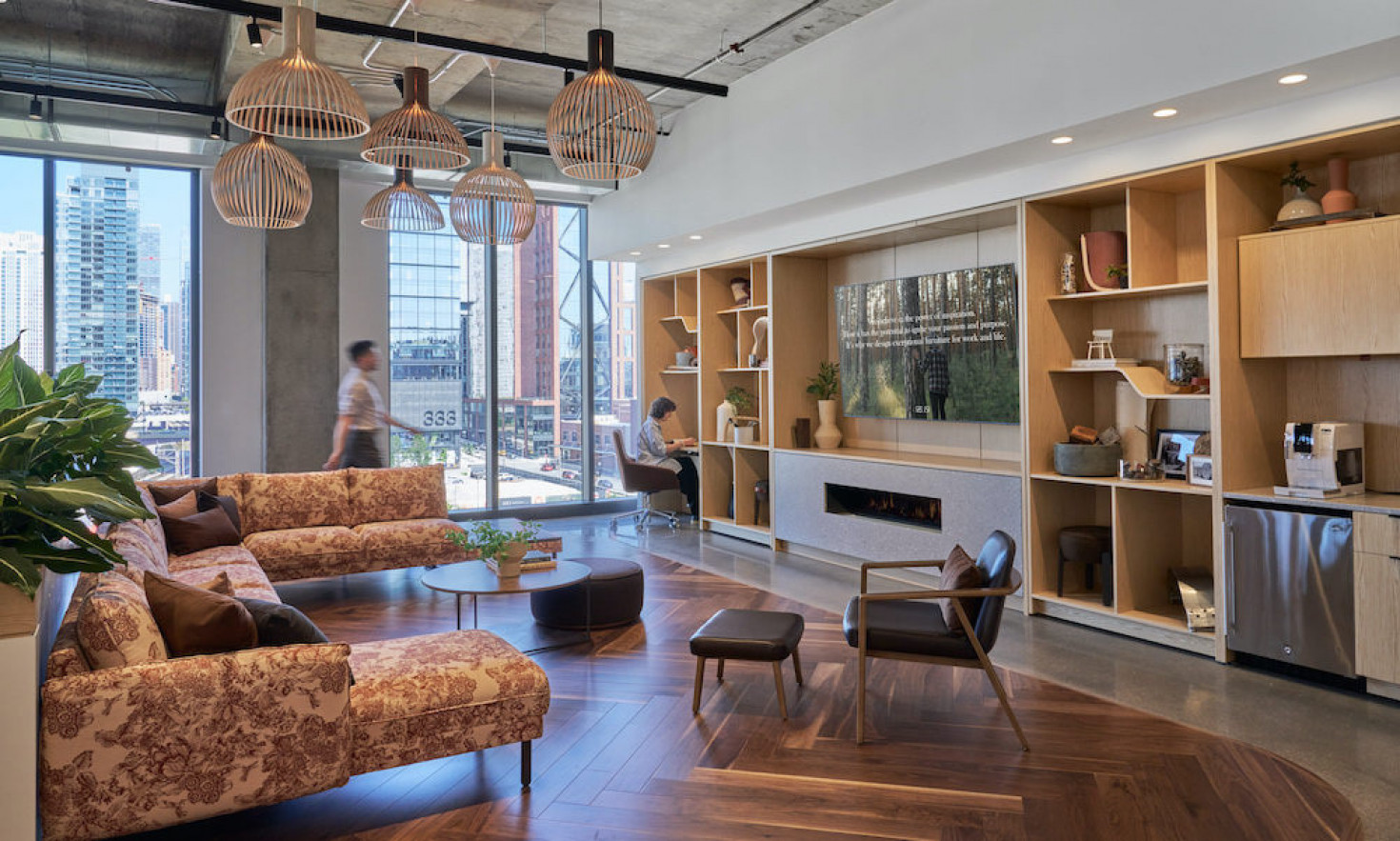
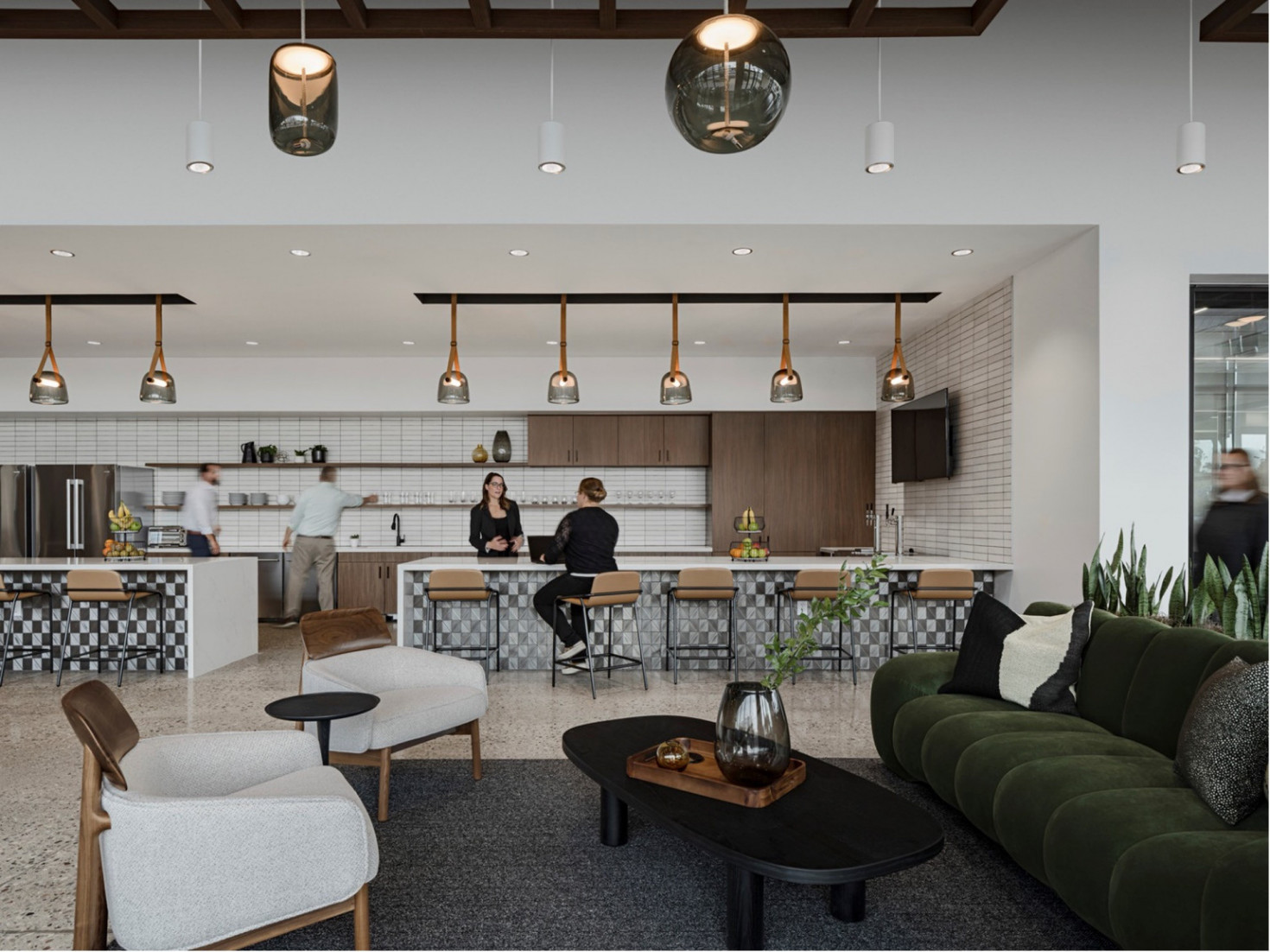
Partners by Design worked with JSI's creative team to design a new showroom in Fulton Market that showcases the company's brand, culture, and history. The space features a flexible, modern background with playful and unexpected branding elements, as well as artifacts and imagery honoring JSI's legacy. The showroom offers a comprehensive collection of lovingly crafted versatile products and solutions that foster collaboration, productivity, and well-being, and serves as an experiential platform for visitors to physically engage with the furniture and explore the possibilities and impact of design.
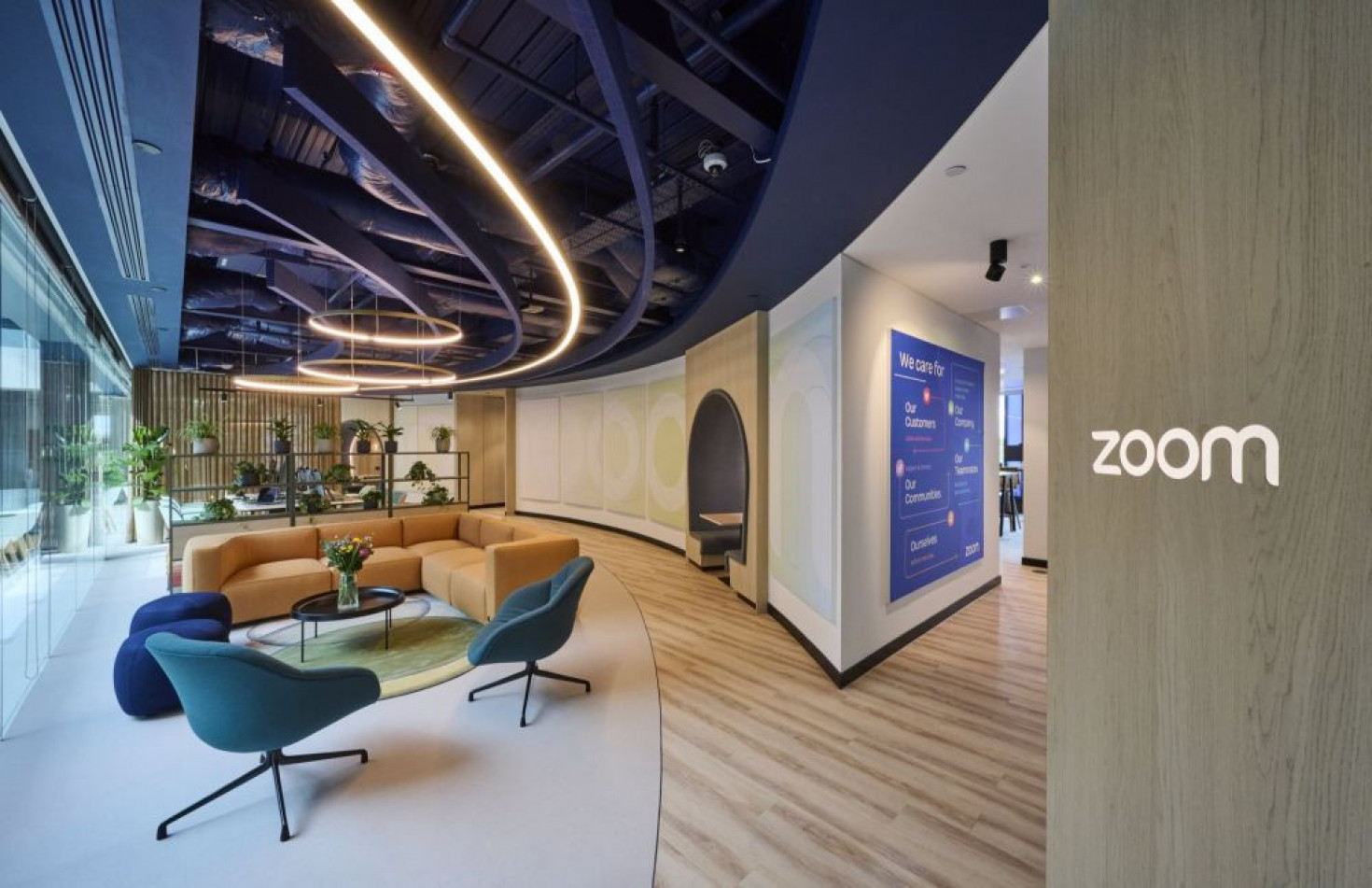
Zoom has opened a new 'Engagement Hub' in London, designed to support the changing nature of the employee experience. The 15,000 square foot space features built-in Zoom technology and provides a collaborative space for Zoom's 200+ UK employees to share ideas and strategies, while fostering a sense of community across the global Zoom network. The office is fully equipped with tools, technologies and workspaces to foster human connection as well as enable digital engagement, and is designed with sustainability in mind.
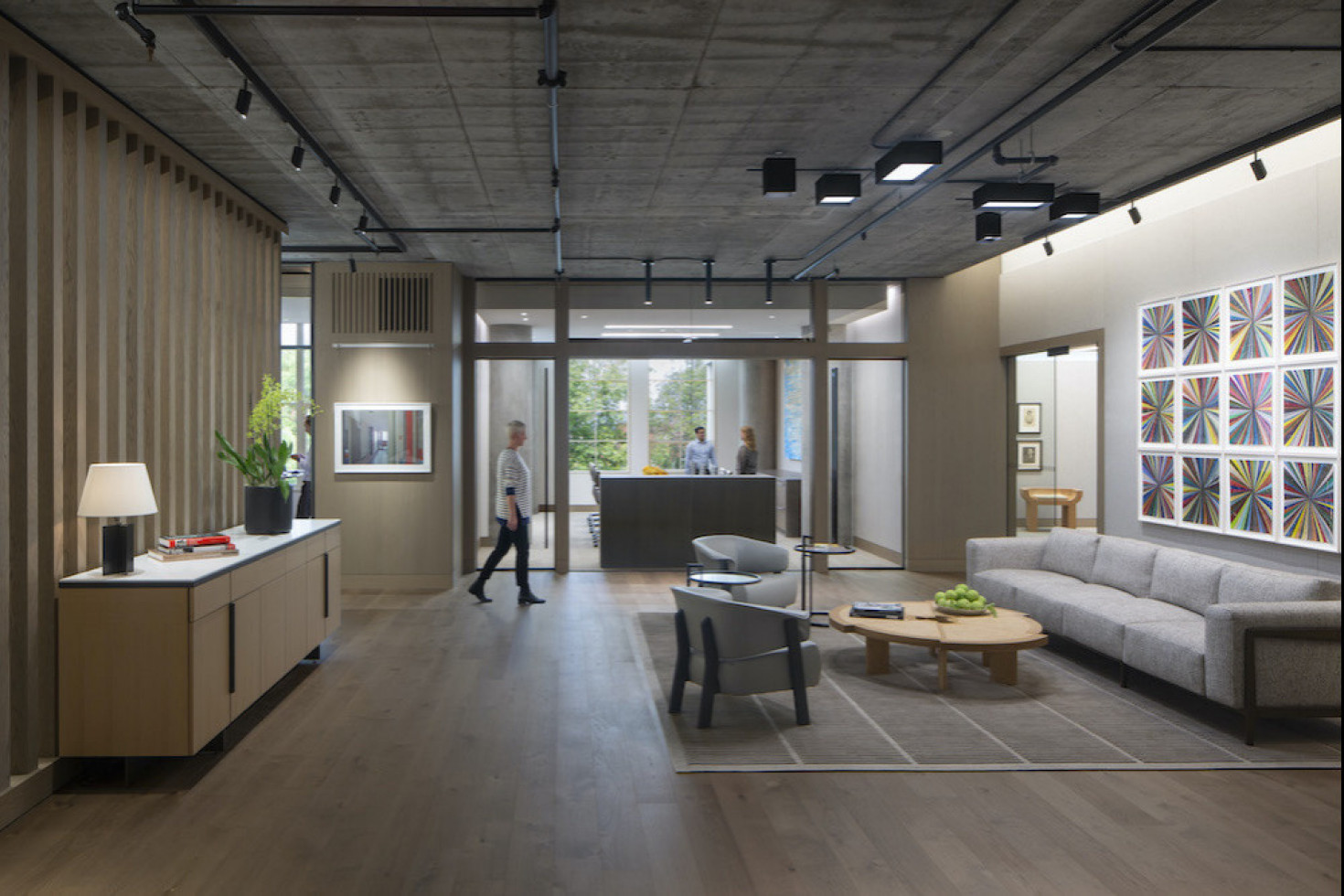
TEF Design transformed existing office space and adjacent vacant space into a single workplace for a private equity firm. The design prioritizes light, materiality, and craft, with a central hub linking the shared workspace and private founder's wing. The flexible work zone features perimeter, glass-fronted private offices, and a multipurpose collaboration area. The private zone comprises an executive suite with a separate entrance, restroom, and a breakroom/catering kitchen with views of the Golden Gate Bridge. The project features sustainable materials, a flexible wellness room, and access to outdoor open space and a fitness center. The project team includes TEF Design, BCCI Builders, Commercial Casework, Camissa + Wipf, Architecture + Light, and Arup.

Upcoming Industry Events

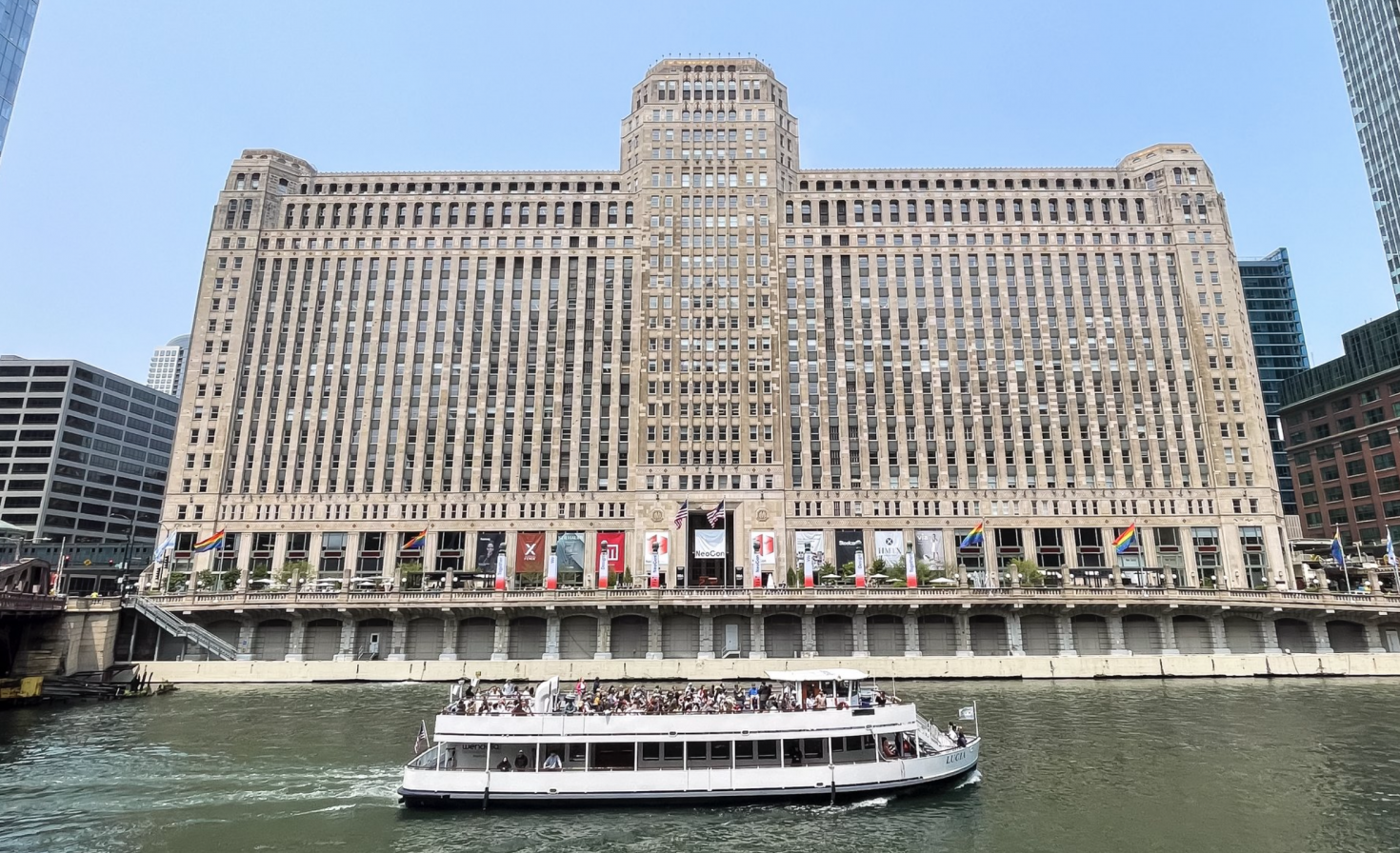
NeoCon 2024
June 10-12, 2024 | Chicago, IL
 
NeoCon has served as the world’s leading platform and most important event of the year for the commercial design industry since 1969. A launch pad for innovation—NeoCon offers ideas and introductions that shape the built environment today and into the future.  

Clerkenwell Design Week 2024
May 21-23, 2024 | London

Clerkenwell is home to more creative businesses and architects per square mile than anywhere else on the planet, making it truly one of the most important design hubs in the world. To celebrate this rich and diverse community, Clerkenwell Design Week has created a showcase of leading UK and international brands and companies presented in a series of showroom events, exhibitions and special installations that take place across the area.

Orgatec 2024
October 22-26, 2024 | Cologne, Germany

Orgatec is the International trade fair for office and property equipment. Held in Cologne, Germany.

Industry Briefing


Michael Lah Joins KI As Director of Industrial Design
Michael Lah has been appointed as the director of industrial design at KI, where he will oversee product design, support the development teams, and assist in selecting and maintaining surface materials. Lah has over 20 years of experience in industrial design and has worked for companies such as Kohler and Whirlpool Corporation. He holds 20 U.S. utility and design patents and says he is excited to work with KI to create superior user experiences.

Empire Office Promotes Jocelyn Corrigan to COO
Empire Office, a provider of commercial furniture and interior solutions, has promoted Jocelyn Corrigan to Chief Operating Officer. In her new role, Corrigan will oversee corporate strategy, new business development, and various departments, including creative studio, design, RFP, and marketing. Corrigan has over 25 years of experience in the industry and has played a critical role in the company's innovative initiatives.

ASID Economic Report Outlines Interiors Industry Indicators, Shifts + Trends

The American Society of Interior Designers (ASID) released its 2023 Economic Outlook Report, which analyzes the impact of the current economy on the interior design industry. The report examines economic indicators, shifts, and progression as they apply to interior design, following the COVID-19 pandemic and a two-month recession at the beginning of 2020.

The report forecasts the economy going in one of two paths: a soft landing or deep recession. Employment has bounced back from its initial sharp decline in early 2020 and is now above its pre-pandemic peak. The pandemic disrupted trade on multiple fronts, leading to many supply chain issues, but most supply chains have returned to normal. Residential construction felt the effects of the fallout from the pandemic but quickly recovered. The COVID-19 pandemic had a huge impact on the collapse of the travel industry, resulting in a decline in construction spending on lodging. In general, most major cities have excess office space in their downtown areas.



Allsteel Unveils 'Designed to do Better' Sustainability Commitments
Allsteel and parent company HNI have unveiled their 2022 Corporate Social Responsibility Report, highlighting their commitment to sustainability, inclusivity, and safety. Allsteel's "Designed to do Better" initiative aims to build a better portfolio of products, reduce waste and emissions, and align efforts with clients' goals. HNI has made progress towards measurable goals, including reducing energy use and greenhouse gas emissions, and achieving compliance with a new Code of Conduct for Tier 1 Suppliers.

Shaw Contract Launches StudioOne
Shaw Contract has launched StudioOne, a suite of customized design services that provides expert guidance and support for interior designers, flooring contractors, and facilities professionals. StudioOne offers inspiration, design tools, and one-on-one resources, including consultation with a team of interior designers and visualization services. The suite saves clients time and keeps project costs down, and is a comprehensive solution for all stages of the design process.

//3877 Expands Interiors Team with Two New Designers
Architecture and design firm //3877 has welcomed two new interior designers, Christine Anneken and Hunter McCalla, to their team. The designers bring fresh perspectives and distinct skillsets to the firm's hospitality program, having previously worked in boutique hotels and restaurant design. The firm also introduced intern Ana Cruz-Carrillo to their team for the summer, expanding her skillset and learning alongside her architecture mentors.

Find the best Contract Furniture Industry jobs and hire the best talent.
Dear Stephen, I'm a sales manager of a large dealer; our major line is one of the big three. I report to a third-generation owner of the dealership.


Indoff is expanding and in need of experienced outside sales professionals in your area. If you’re tired of missing out on money due to low commission rates or you’re sick of quotas, then Indoff is the perfect solution for you.

The Regional Sales Manager will be responsible for the sales and sales growth of The Senator Groups products in the region of the country outlined.
Baresque, a leading supplier of architectural acoustical solutions for the hospitality, contract furniture, public space-site furniture, commercial, education and healthcare markets, is seeking an experienced Project Manager to join our team in Farmers Branch, Texas.
A Sales Associate/Showroom Administrator at Exemplis is responsible for various sales and sales support functions related to the Exemplis Northern California Sales Team as well as managing all aspects of the SitOnIt Seating San Jose showroom.
Join our sales team! If you have a passion for office furniture, design and coaching this opportunity is for you. As our Corporate Trainer, you'll collaborate with our sales team to develop the skills of our distributors through tailored training programs.
Midcity is seeking a lead installer to start from beginning to end.
Working with our education sales & design teams, we are currently seeking an interior designer to provide software & design expertise in presenting furniture solutions for today’s classrooms.
The Director of Purchasing is responsible for the strategy and success of the Purchasing and Logistics Teams. This position is based out of our corporate distribution center located in Smock, PA with hybrid and remote work options available.

created in Publicate