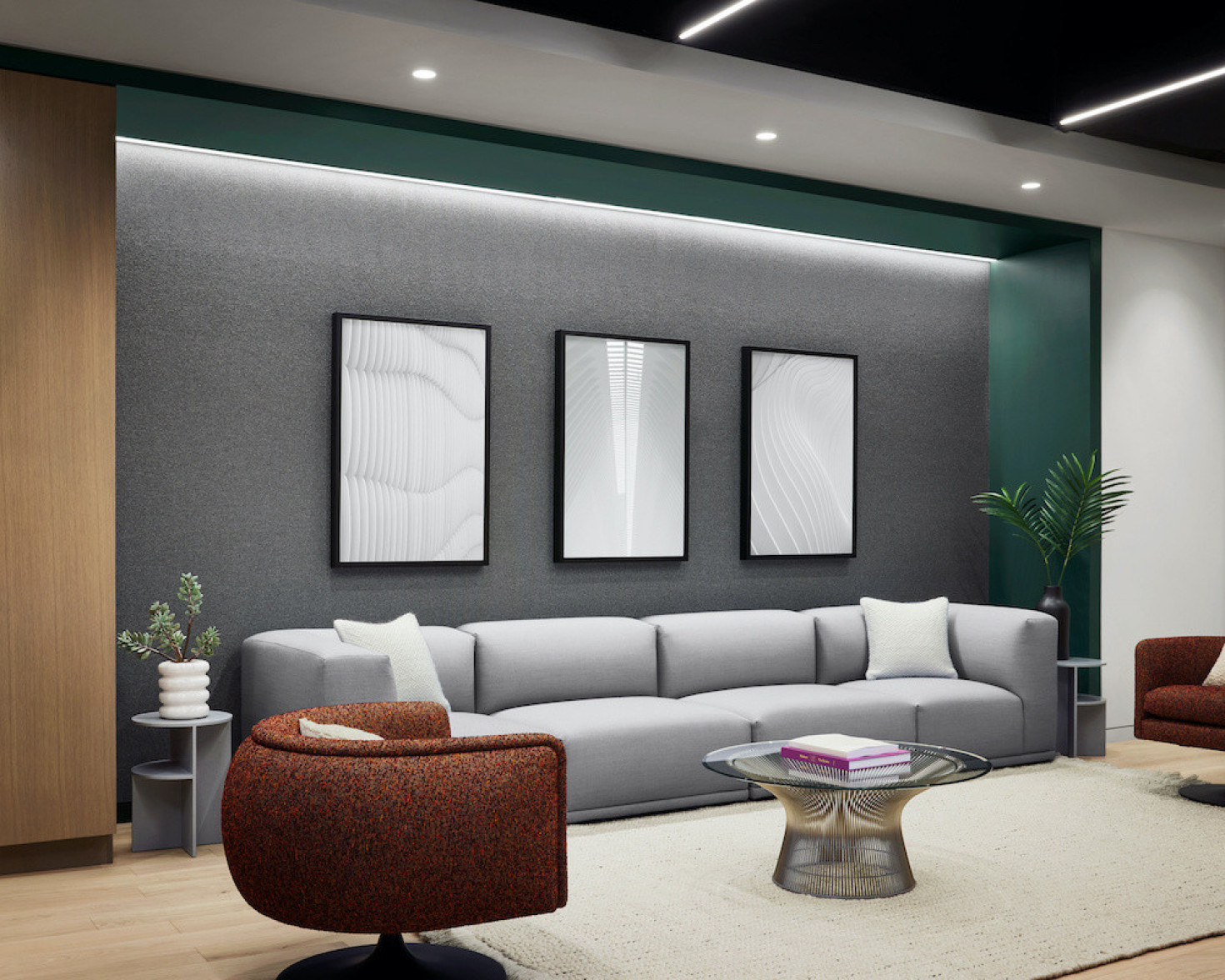
Demand for office space this spring remained well below pre-pandemic levels, new data shows, as companies continue to delay leasing decisions amid the slow return to the office.
The VTS Office Demand Index, which tracks in-person and virtual new tenant tour requirements, was down 14.1% year-over-year in May, the commercial real estate tech firm reported Wednesday.
Construction labor has long faced a generational challenge finding enough skilled workers. But the second half of 2022 may see that long-term problem really take its toll as inflation, federal spending, an aging workforce and persistent shortages combine to drive up costs, wages and the overall price of building anything in the United States.
Construction's labor shortage is only expected to worsen in the second half of 2022.
Workers might favor hybrid work plans, but Yelp CEO and cofounder Jeremy Stoppelman isn’t a fan.
He called the oft -suggested compromise between fully remote and in-person work “the hell of half measures” in an interview with the Washington Post this week. Although he recognized that workers enjoy the flexibility that hybrid policies offer, Stoppelman insisted that hybrid work was “the worst of both worlds.”
“It’s the worst of three options,” he added.

When it comes to office, corporate strategies can go from in-person through hybrid and right to home. There likely are no easy answers, despite what some executives would like to think.
“Many companies are struggling to figure out their office needs going forward,” Trevor Adler, a Stroock partner, tells GlobeSt.com. “Office leases have historically been for a term of 10 or 15 years, plus extension options, which generally suits both landlords and tenants given the investment that both parties typically need to make in transaction and buildout costs. Because those costs have not gone away, 10- or 15-year lease terms have remained the norm. For many tenants, the prospect of a 10 plus year lease remains attractive even given the current uncertainties of office needs, especially when flexibility is layered into the lease by means of expansion, contraction, and early termination options. But for those who seek even more flexibility, the alternatives of subletting and flexible/shared workspace providers each offer shorter terms and the possibility of minimal or zero transaction and buildout costs.”
Most IT decision makers believe hybrid work will be the new norm as businesses start to encourage staff back to the office.
The pressure is on for organizations to support new forms of collaboration and reshape the employee experience, according to tech marketing firm Foundry's 2022 Future of Work study.
The rise of remote work has drastically changed the relationship between companies and their employees.
What began two years ago as a sudden shift to a work-from-home model has changed collaboration, coordination, and communication permanently. As companies work to find the right balance between flexible work and optimum productivity, the “hybrid” work model is being codified in company policies. The stakes are high: The terms of the new hybrid work contract have a direct bearing on companies’ ability to keep employees happy, and to attract new ones.
According to a recent Gallup survey, nearly 60% of employees who can work from home would prefer a hybrid work schedule going forward. At the same time, roughly 60% said they want more structure from their employers when it comes to deciding hybrid work schedules. Less clear for employers, though, is how frequently employees might come into the office.
As companies continue to puzzle over how to return to offices, and to what degree they can compel workers in a tight labor market, there have been a number of developments in flex space marketplaces.
A new one is called TROT, which announced its online platform that will premier in the New York City market. The company said that “building owners can list available office spaces” while people in search for flexible office space “can easily browse a broad selection of locations, building classes and amenities to find a short-term space that works best for them.”
Like many companies, manufacturing technology firm Augury ditched its New York City office during the pandemic. With few people coming in, and most work able to be done remotely, paying rent on an empty office was a waste.
But the need for an office didn’t go away completely, and now the company is fitting out a new space in the city. As it does, it’s fundamentally rethinking how the space will work by looking at who will actually be using it. To help guide the new design, the company surveyed its teams to understand how different departments expected to use the space, especially in a more hybrid work mode. “When we were talking about that, we started asking what kind of people will be there?” says Tiffany Millar, Augury’s workplace experience director.
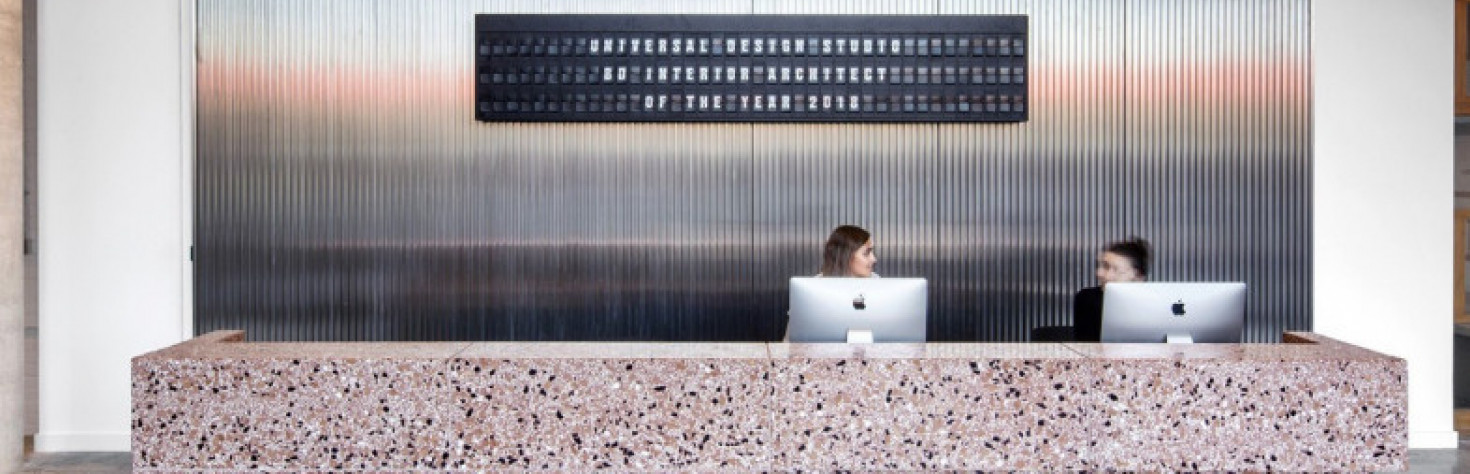
New York City is far from the only office market in the country, but it’s one of the most important, housing the nation’s financial and corporate powerhouses. The good news, according to a new Marcus & Millichap report, is that space usage has improved. The flip side, the future remains uncertain because companies more than ever are planning hybrid space strategies.
According to the report, there’s a definite recovery in the works.
Suburban markets are leading the post-pandemic office sector recovery, with absorption hitting 2.2 million square feet in the first quarter.
By contrast, CBD office markets posted negative 2.6 million square feet of absorption during the same period. CBDs have struggled since the onset of the downturn, with vacancy rates rising by 470 basis points over the past eight quarters compared to 280 basis points in the suburbs.
Asynchronous work has become increasingly popular recently, as it offers several benefits for employees and employers. For employees, asynchronous work improves work/life balance and allows greater flexibility in when and where work is performed. For employers, asynchronous work can help to reduce costs and increase productivity.
If companies allowed more of their employees to work from home permanently, businesses would gravitate toward city centers, while people would primarily live in the periphery, resulting in less traffic congestion and falling real estate prices downtown.
Those are our main findings from a model we created to forecast pandemic-driven changes in Los Angeles. Many of these changes were beginning to happen back in the spring of 2020, when we began this research. We wanted to build a model that could show the effects of more widespread telecommuting over a long period of time post-pandemic.
Hackable. Hospitable. Humanistic.
The future workplace provides plenty of opportunities to personalize the work setting, as evidenced at NeoCon 2022, the international trade show for the contract marketplace.
The annual gathering of furniture and interiors professionals was in full-scale for the first time since 2019. Products and trends premiered at NeoCon typically inform design and furnishing of workspaces, as well as higher education, healthcare and hospitality settings for the coming years.
Given the proliferation of easily customizable furnishings in bold colors and lush materials, one trend was clear: manufacturers are betting on choice and design to do what free food, amenities and mandates have not done — draw workers back to the workplace.
Davis announced the launch of their product offering on the Configura Extension Technology platform – CET for Commercial Interiors. Now featuring over 65 Davis products on the CET software, this state-of-the-art software streamlines the design, specification and ordering process allowing users to utilize this centralized platform throughout the entire furniture specification process.
"We are proud to have joined CET and are already working on adding more products and configurations in the future to continue improving the specification experience for our furniture sales reps, dealers and designers."
Inspired by the stunning views of Boston Harbor, Fogarty Finger focused on opening up the floor plan for all tenants to have access to the natural daylight. The design team focused on creating a light filled experience with direct views to Boston Harbor as soon as visitors turn the corner from the elevator lobby to enter the suite.
The retail giant announced today a new “view in your space” feature, which will be visible on compatible home decor items in the Walmart app, allowing users to view an augmented reality version of a desk—or other potential purchase—in their room using a smartphone screen and camera. They’ll be able to drag and drop an item to where it might be positioned, with its dimensions visible on-screen.
And since the company’s proprietary AI is able to detect things like walls and floors, the piece of furniture won’t simply be floating in midair (a common issue in competing apps); instead, it will sit realistically on the floor.