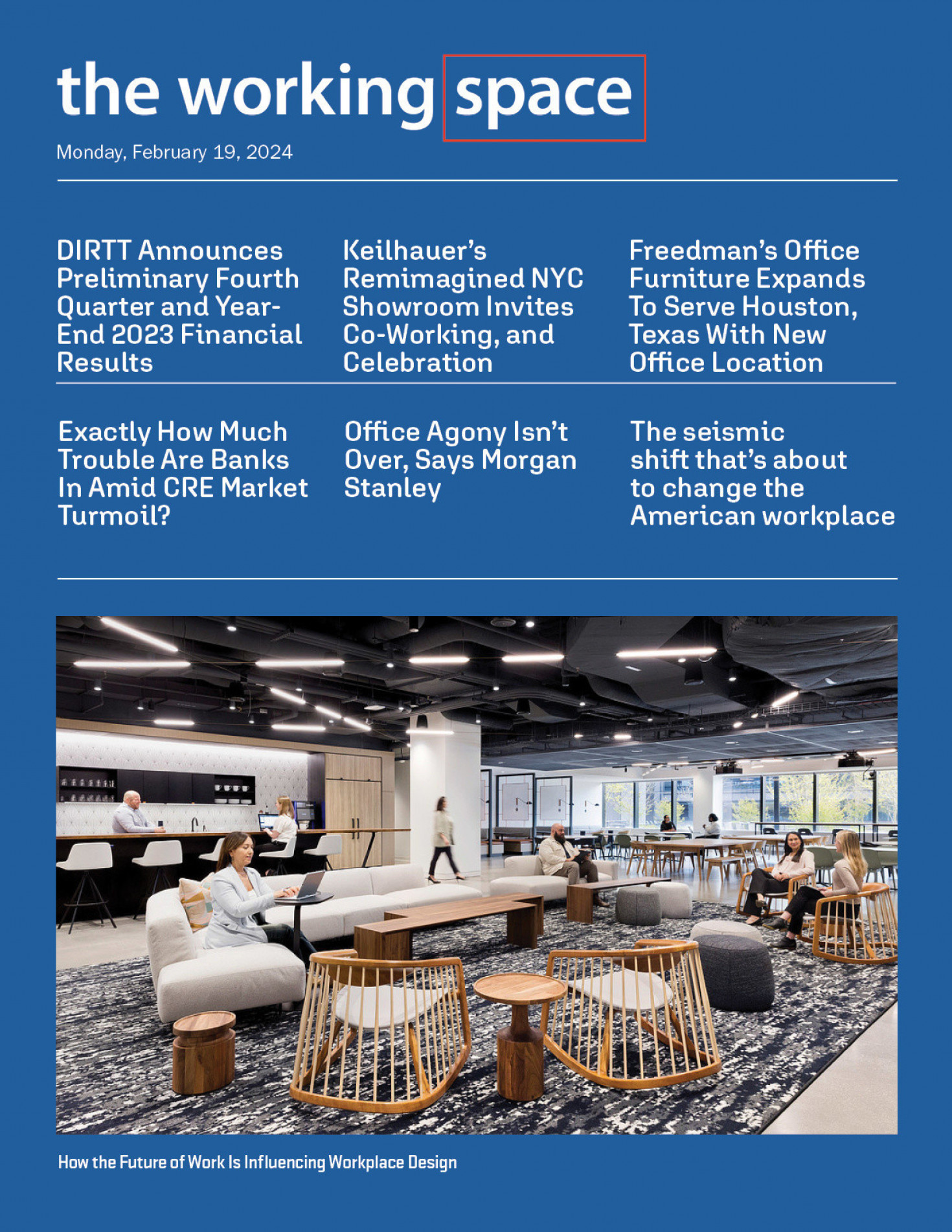
The Working Space
Monday, February 19, 2024
Adapting to Change: The Future of the Office Furniture Industry Amid Commercial Real Estate Shifts
As the U.S. commercial real estate sector faces unprecedented challenges due to evolving work patterns and a significant shift toward remote work, the implications for the office furniture industry are profound and multifaceted. With banks grappling with record-high office vacancy rates and a surge in commercial real estate loan maturities, the cautious approach in lending and an increase in loan loss reserves are indicative of a broader market downturn. This downturn, highlighted by a dramatic reduction in demand for office spaces, is forcing a reassessment of property valuations and future lending practices, which in turn affects the office furniture industry's demand dynamics.
Cities like Boston and Chicago, which are experiencing direct impacts from the commercial real estate sector's struggles, present case studies in how local economies—and by extension, local demand for office furniture—are being reshaped. Boston's anticipated $1 billion tax shortfall and Chicago's decline in construction activity underscore the broader slowdown in commercial development and the subsequent decrease in demand for office furnishings as fewer new offices are built or renovated.
However, the situation is not uniformly bleak. The resilience shown by certain sectors, such as the legal industry in Manhattan, points to niches of opportunity within the office furniture market. Law firms' expansion and substantial lease renewals indicate a preference for established locations and a positive outlook within specific industries, suggesting that demand for high-quality, specialized office furniture could persist or even grow in these areas.
The broader market's 30% devaluation in U.S. office buildings and the banking sector's readiness to work with borrowers to avoid defaults suggest a shifting landscape for office real estate. For the office furniture industry, this could mean a pivot towards more versatile and adaptable furniture solutions that cater to hybrid work models, emphasizing flexibility, ergonomics, and the efficient use of space.
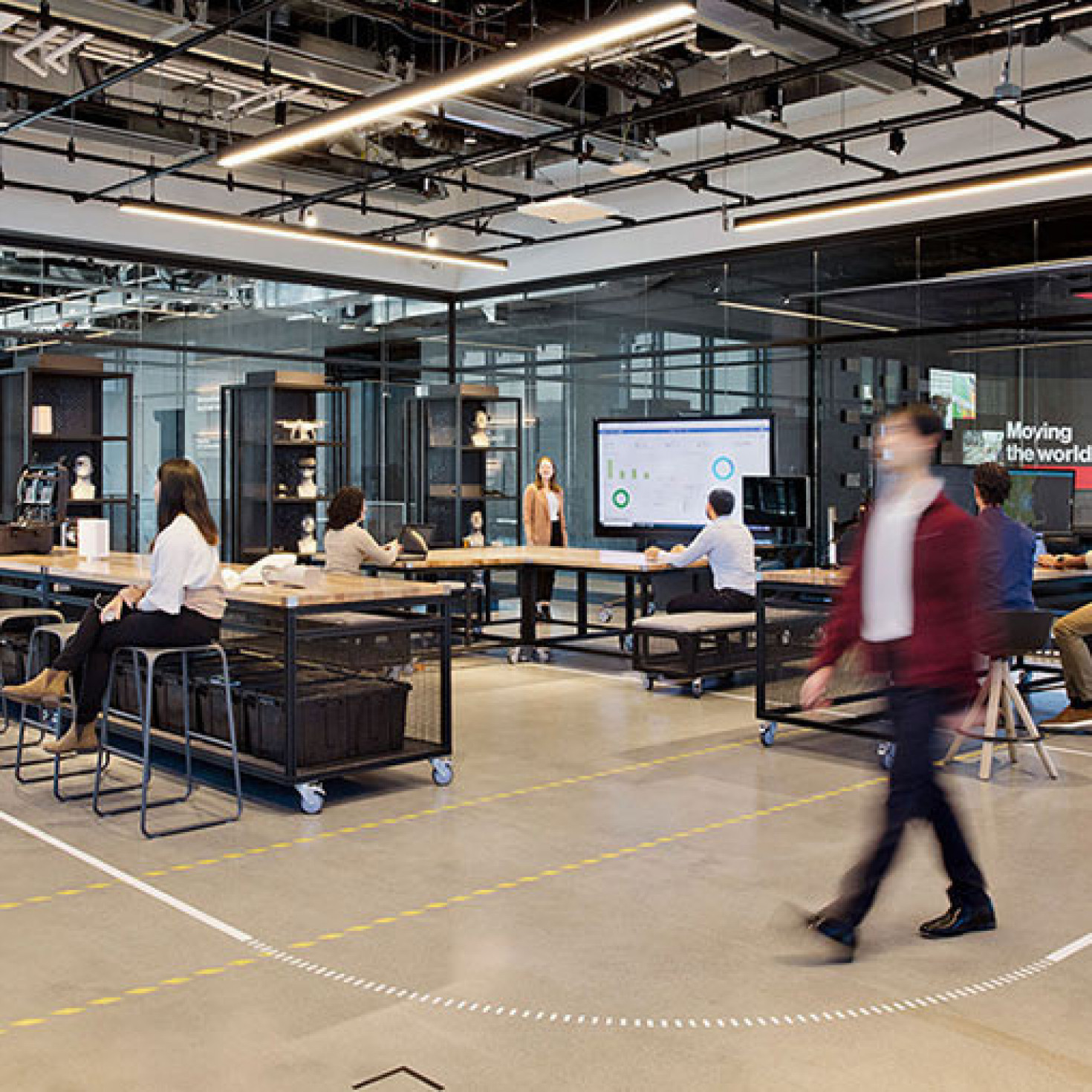
Colliers (EMEA)'s outlook for 2024, highlighting the importance of ESG commitments and the reimagining of the workplace as a hub for employee engagement and collaboration, offers strategic insights for the office furniture industry. This perspective underscores the potential for innovation in product design and business models, focusing on sustainability, adaptability, and the enhancement of collaborative spaces. The transformative use of data and AI in real estate decision-making also points to opportunities for the office furniture industry to leverage technology in developing smarter, more responsive office environments.
As the commercial real estate market navigates through these tumultuous times, the office furniture industry faces a critical period of adaptation and potential reinvention. The industry must respond to the changing demands of the workspace, which now prioritizes flexibility, sustainability, and the integration of technology. The coming years will be pivotal, not only in determining the trajectory of the commercial real estate sector but also in shaping the future of office furniture design and functionality in the post-pandemic workplace.
Industry News

Features
Workspace News

Trends
Design


Green / Stainability

Coworking

Technology

Other News

Latest Product News




Trends in Commercial Projects from Around the Globe
Upcoming Industry Events





Industry Briefing