The Monday Morning Quarterback
Monday, October 2. 2023
Industry News
MillerKnoll, Inc. reported mixed results for the first quarter of fiscal year 2024 as sales for the company in every category.
Meanwhile, the company is currently facing challenges from specific macroeconomic factors affecting certain sectors of the business. While the economic recession in North America seems to be fading, the housing market remains under pressure. Additionally, the company is dealing with difficult macroeconomic conditions in China and Europe. Nevertheless, the first-quarter financial results demonstrate the strength of the company's diversified business model, which helps offset regional challenges.
In the first quarter of fiscal year 2024, consolidated net sales were $917.7 million, a decrease of 14.9% compared to the same period last year. Orders in the quarter were $913.7 million, 9.8% lower year-over-year. Gross margin for the quarter was 39.0%, a 450 basis points increase from the same time last year. Consolidated operating expenses were $317.8 million, with adjusted operating expenses at $302.7 million. Operating margin for the quarter was 4.4%, or 6.0% on an adjusted basis. Reported earnings per share were $0.22, while adjusted earnings per share were $0.37.
As of September 2, 2023, the company's liquidity position was $561.3 million. During the first quarter, the company generated $130.9 million of cash flow from operations and repaid $66.0 million of debt. The company also repurchased approximately 1.7 million shares for $31.7 million. The net debt-to-EBITDA ratio at the end of the first quarter was 2.5x. Scheduled debt maturities for the remainder of fiscal year 2024, and for fiscal years 2025, 2026, and 2027 are $26.8 million, $41.3 million, $46.2 million, and $276.3 million, respectively.
By the end of the first quarter, the company achieved $142 million in run-rate cost synergies from the acquisition of Knoll, Inc. The company expects total run-rate cost synergies to reach $160 million per year by the end of the third year following the acquisition.
Results by segment in the first quarter of fiscal year 2024:
Americas Contract: Net sales were $490.4 million, down 8.7% year-over-year. New orders in the quarter totaled $487.3 million, down 4.7% year-over-year.Nevertheless, the company maintains an optimistic outlook, expecting adjusted diluted earnings per share in the range of $1.85 to $2.15 for full year fiscal 2024. For the second quarter of fiscal year 2024, the company anticipates net sales between $950 million and $990 million, with adjusted diluted earnings per share between $0.52 and $0.58.


Features
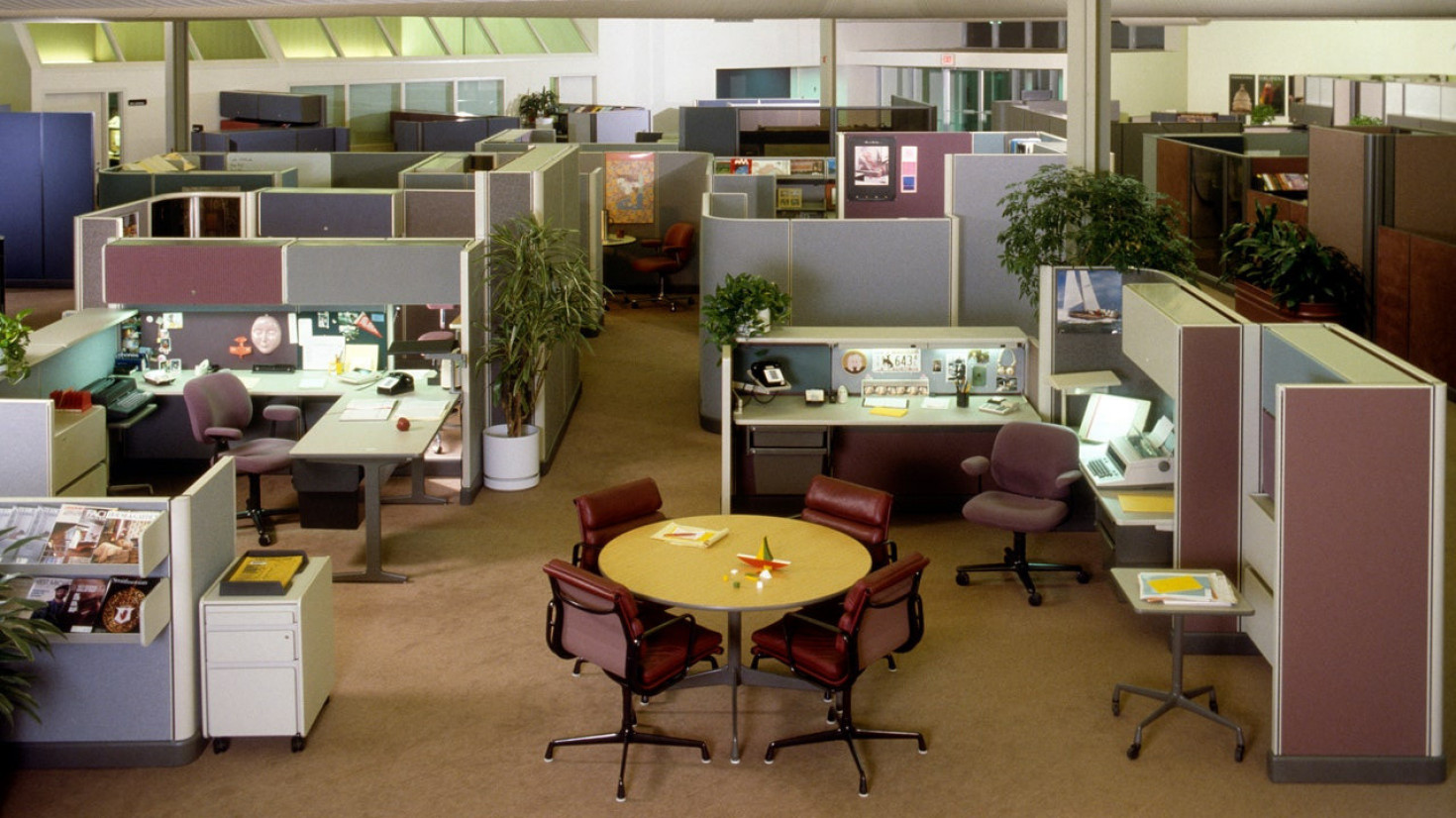
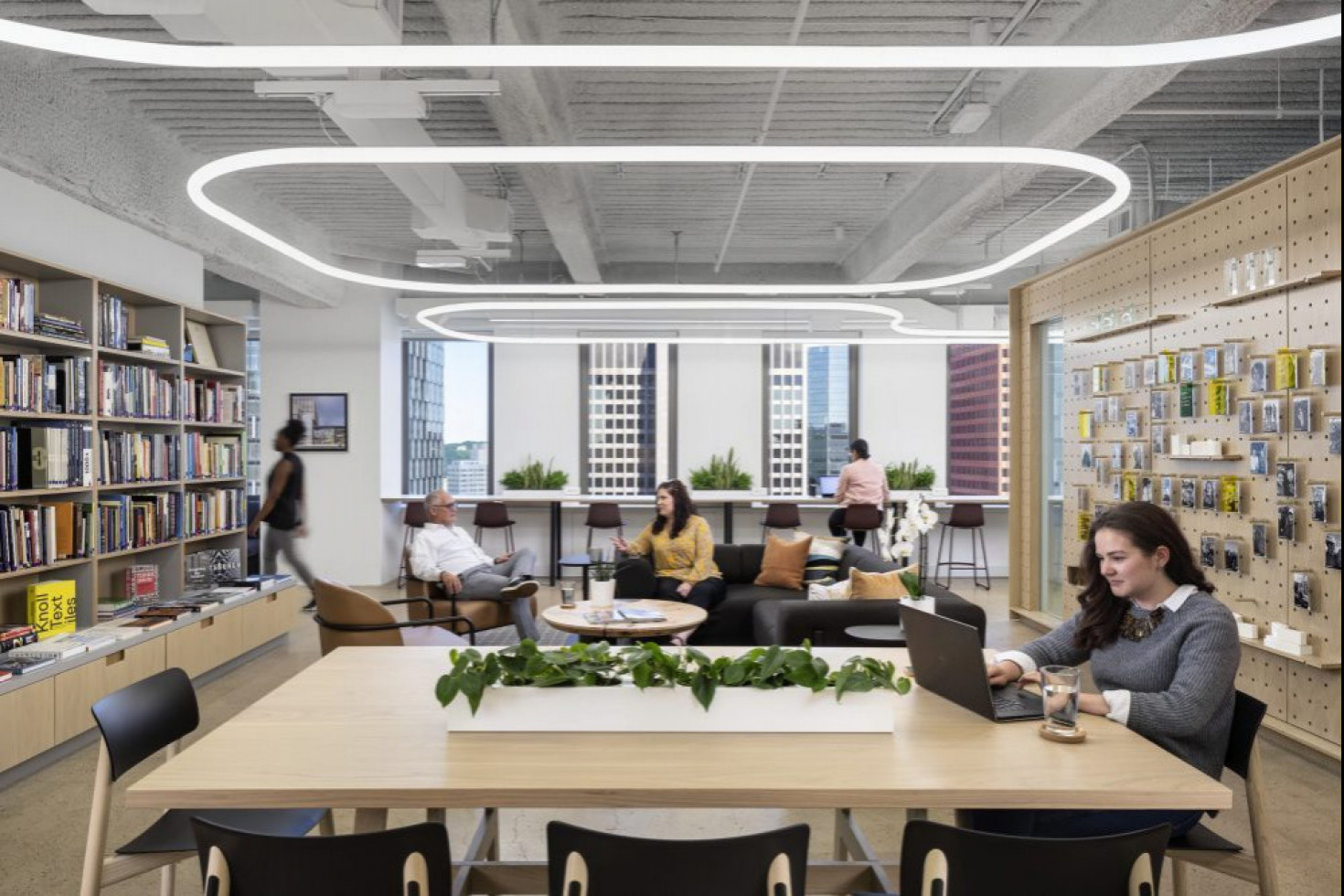
During the '80s, camaraderie was emphasized. In the 2000s, many people abandoned traditional offices in favor of shared coworking spaces, attracting freelance and remote workers. The pandemic further shifted the office landscape, turning every corner of the home into a potential workspace.
In the early 1900s, innovations such as stronger buildings, electric lighting, typewriters, and telephones became essential to office setups. The efficiency method, inspired by Henry Ford's assembly line, organized employees based on their jobs. Minimal desk spaces and swivel chairs were introduced.
After World War II, many employees returned to the workplace, including women who played crucial roles during the war. Companies added morale-boosting features like kitchens and break rooms. Midcentury office styles featured oversized desks, wood-paneled walls, and Danish design influences.
Overall, offices have evolved significantly over the years, adapting to changing work trends and technological advancements.
Workspace News

Other News

Trends

Design

Software
AI

Environmental




Latest Products








Trends in Commercial Projects from Around the Globe


Upcoming Industry Events



Industry Briefing




MMQB Help Wanted Ads