
Friday, March 11, 2022
News
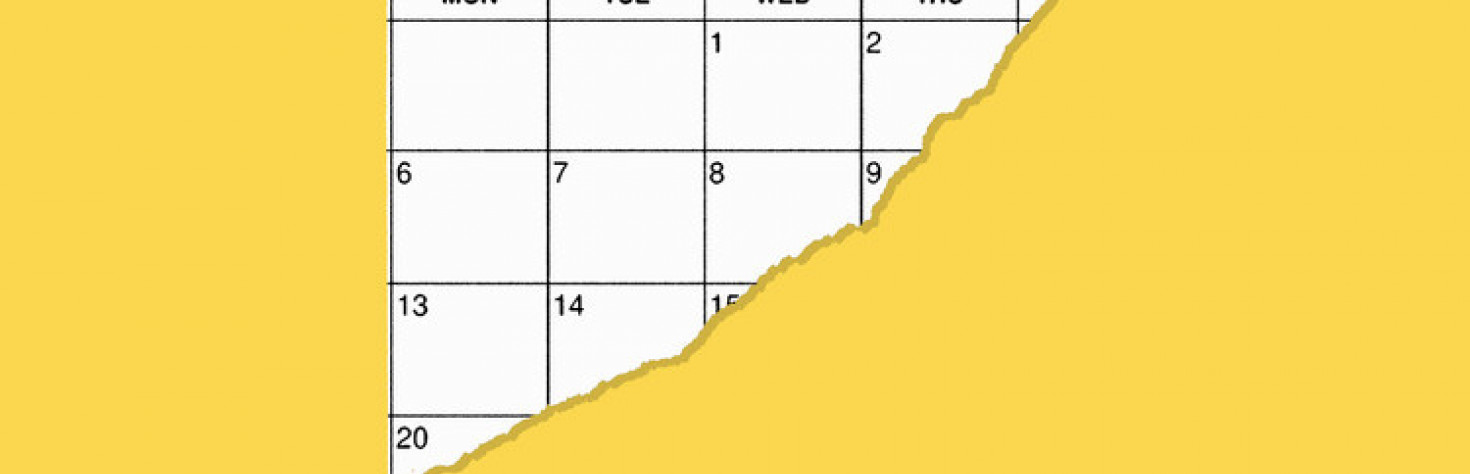
And the implications for work and cities are going to be fascinating.
America is slowly returning to normal. Stadiums are packed. Travel has bounced back. Restaurant reservations are surging.
But even as they resume normal leisure activities, many Americans still aren’t going back to the office. According to data from Kastle Systems, which tracks building access across the country, office attendance is at just 33 percent of its pre-pandemic average. That’s lower than in-person attendance in just about any other industry for which we have good data. Even movie theaters—a business sometimes written off as “doomed”—have recovered almost twice as much.
What once seemed like a hot take is becoming a stone-cold reality: For tens of millions of knowledge-economy workers, the office is never coming all the way back. The implications—for work, cities, and the geography of labor—will be fascinating.
But even as they resume normal leisure activities, many Americans still aren’t going back to the office. According to data from Kastle Systems, which tracks building access across the country, office attendance is at just 33 percent of its pre-pandemic average. That’s lower than in-person attendance in just about any other industry for which we have good data. Even movie theaters—a business sometimes written off as “doomed”—have recovered almost twice as much.
What once seemed like a hot take is becoming a stone-cold reality: For tens of millions of knowledge-economy workers, the office is never coming all the way back. The implications—for work, cities, and the geography of labor—will be fascinating.




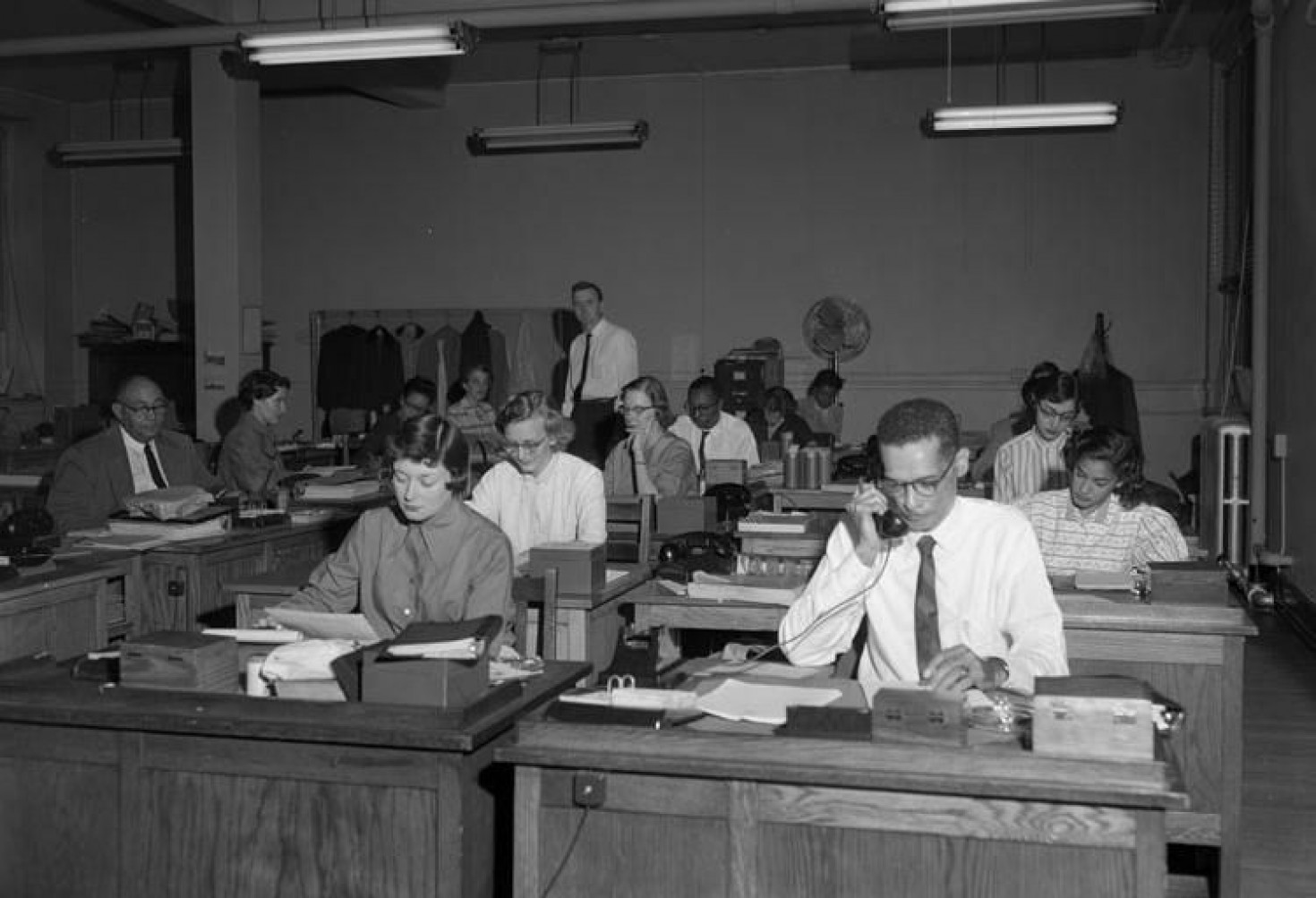
The Workplace
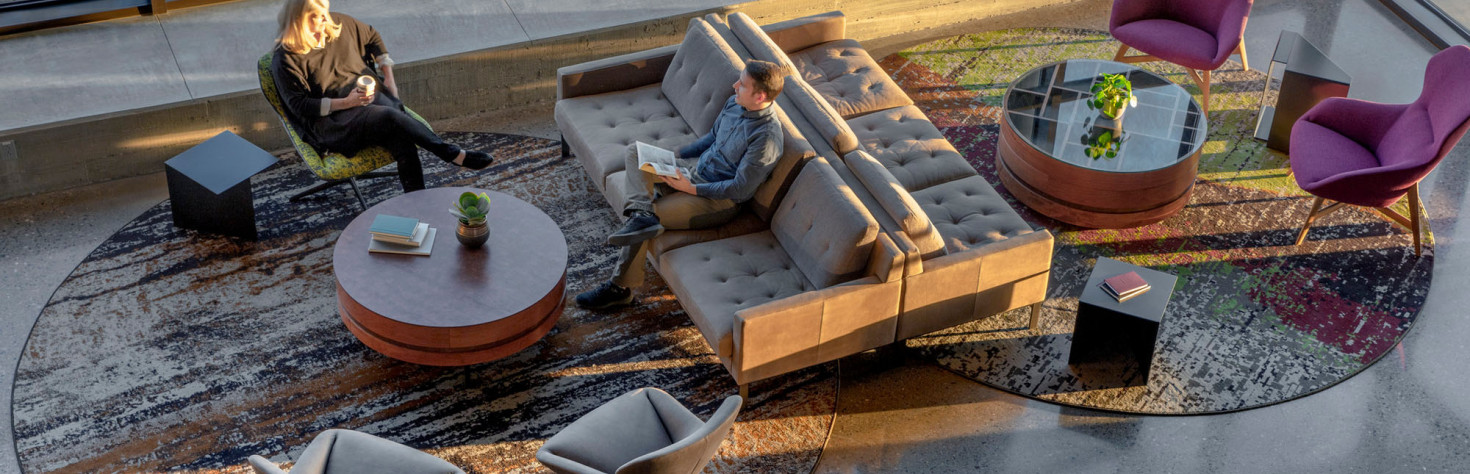
The desk, once a shrinking, cubicle-dwelling creature, is getting bigger, more versatile and homier as employers lure the workforce back to the office.
A Think Tank panel investigates how design changes can impact workers’ experiences in the office and prevent burnout.
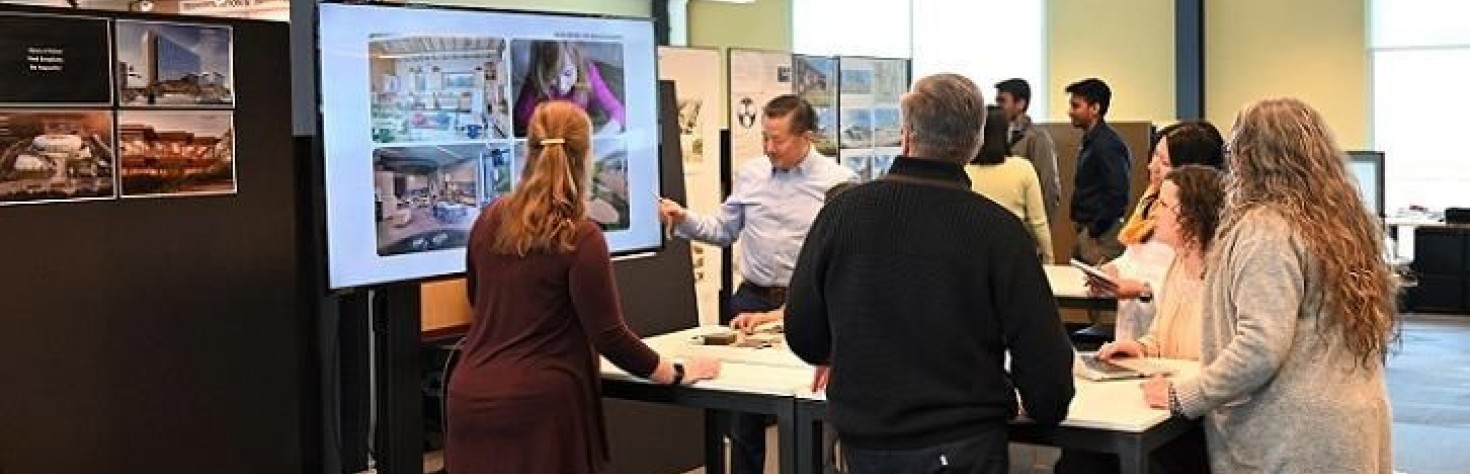
Most firms have decided to go slow and let workers have a range of choices about what days they will return.

Rob Harris on the changing nature of businesses and how the workplace and property need to wake up the new era of networking

Old attitudes around presenteeism don’t fit with hybrid working
Hybrid working may now be taking off around the world but not all senior leaders and managers are comfortable with breaking from the decades-old norm of spending five days a week in the office.
Even in progressive companies, long-held negative stereotypes can persist.
Hybrid working may now be taking off around the world but not all senior leaders and managers are comfortable with breaking from the decades-old norm of spending five days a week in the office.
Even in progressive companies, long-held negative stereotypes can persist.

Ride sharing company Lyft has announced that most employees will have the chance to work and live based on their own preference.
According to Kristin Sverchek, president of business affairs at Lyft, the “fully flexible workplace” strategy will help employees choose their own work style in an effort to attract and retain staff.
According to Kristin Sverchek, president of business affairs at Lyft, the “fully flexible workplace” strategy will help employees choose their own work style in an effort to attract and retain staff.
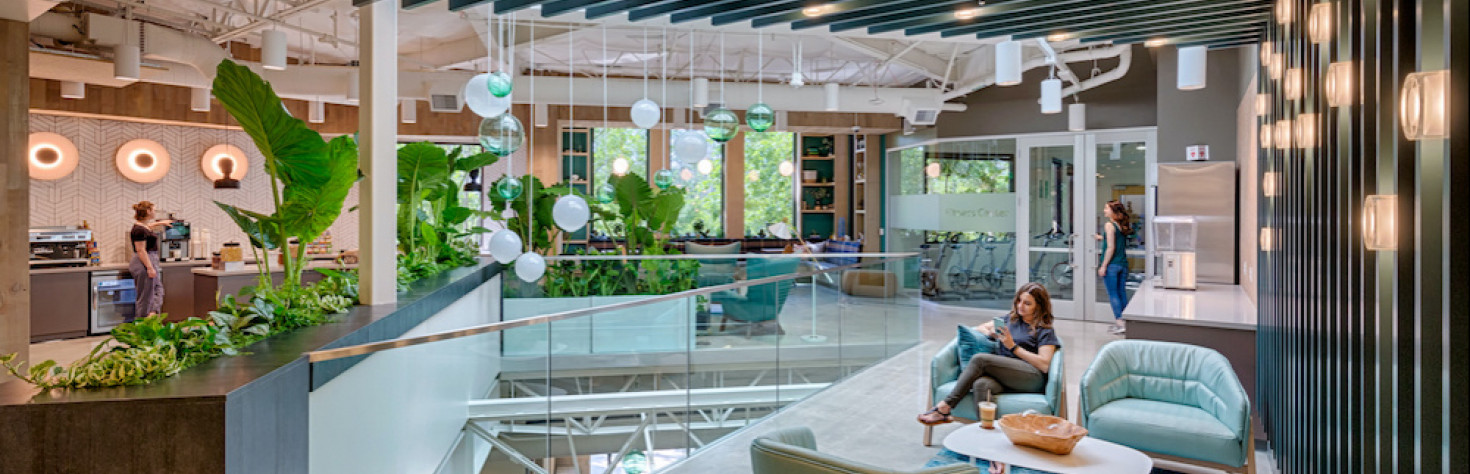
With the right tools, metrics, and processes, Sandi Rudy and Jennifer Moore share how we can develop a better user experience at work.

The latest data shows that meeting rooms are in high demand. Envoy’s Jonathan Weindel gives us a closer look at what’s going on.

A new survey claims that workers with access to workplace platforms and apps on their personal devices check notifications more regularly out of office hours than those without access. The Digital Detox survey, conducted by Just Eat for Business, claims to uncover workers’ habits towards breaks and computer use, focusing on screen time. The study also includes expert comments on the mental impact of skipping breaks, and offers advice on how to combat it.
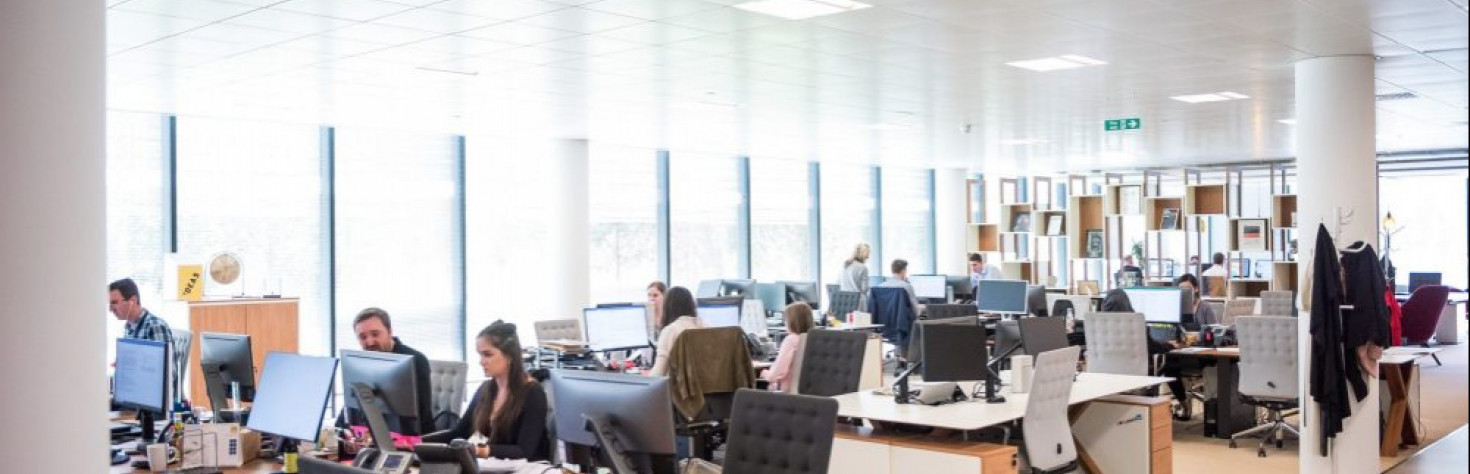
Ben Waber shares how measuring workplace analytics can help your organization improve productivity, performance, and retention.
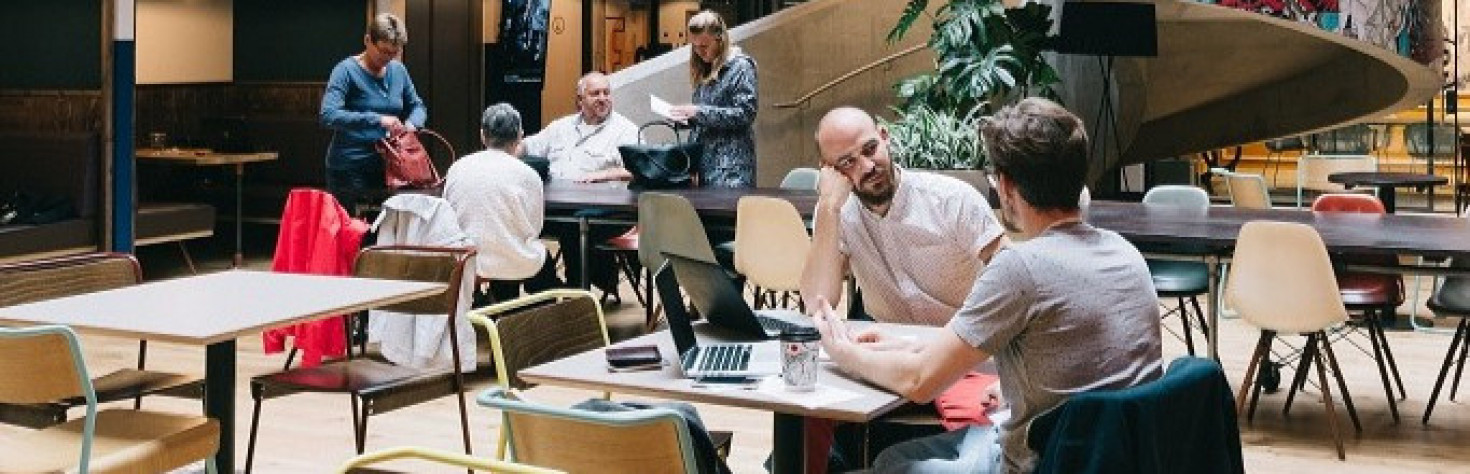
Should I stay or should I go? What happens when we start using offices again, asks Henry Stainton of The Instant Group
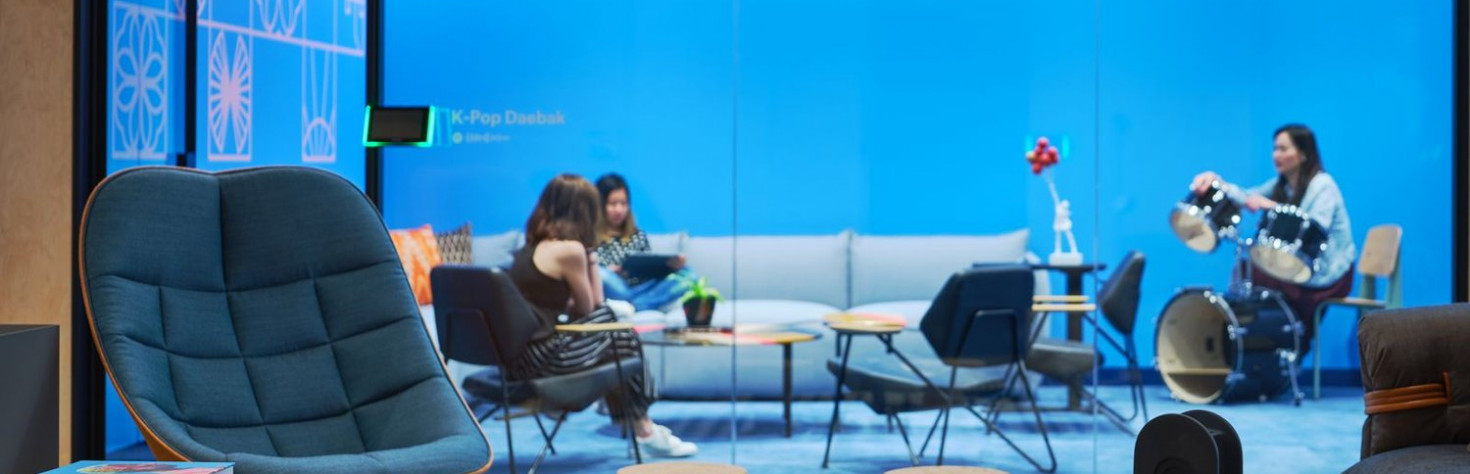
It’s still very early days but offices are refilling again, depending on which city and which state you are in. People are quite keen to get back to something which is more like the way they’ve operated pre-pandemic. It’s still very early days but offices are refilling again.
Trends
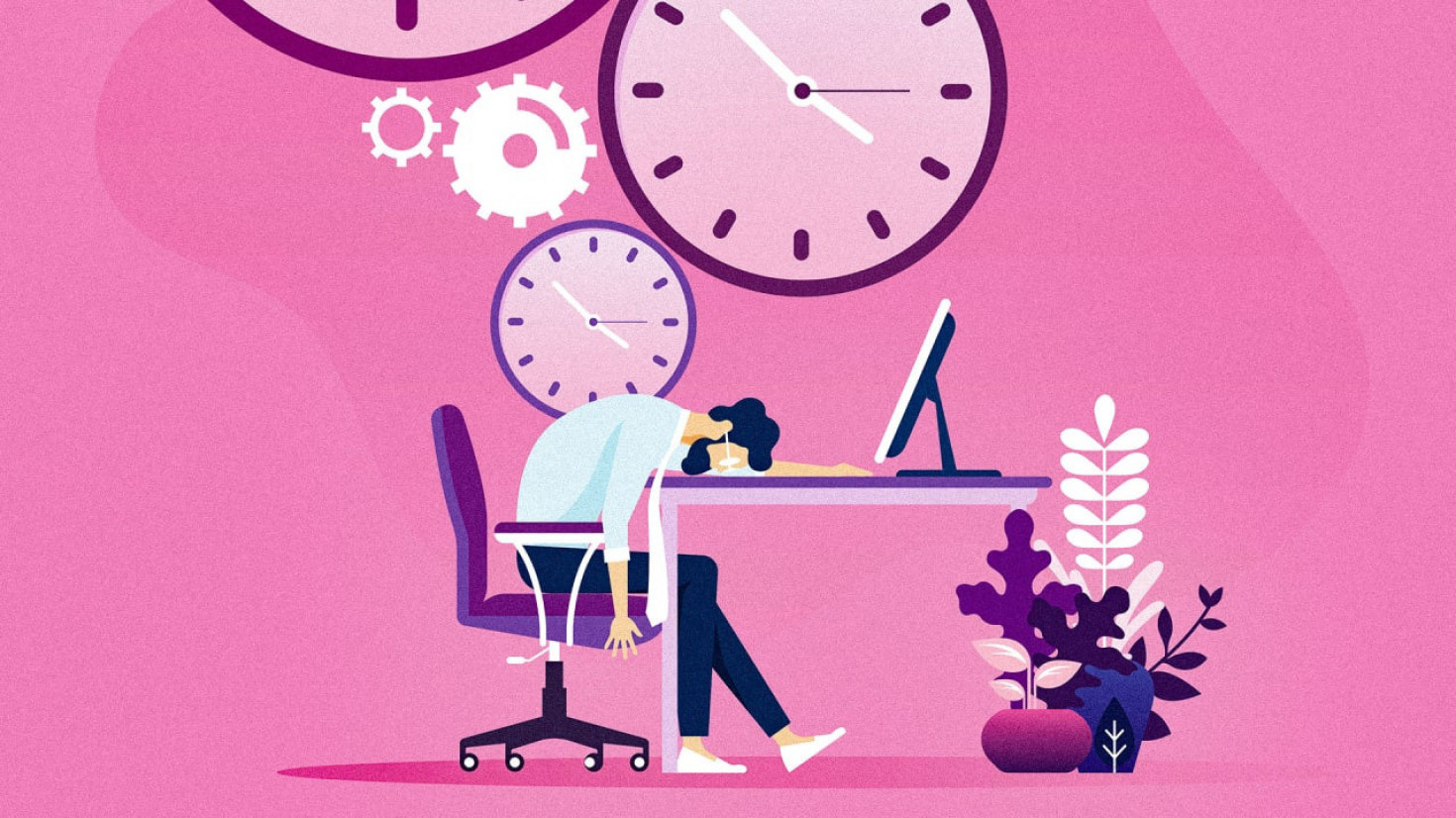
A third of remote employees have taken midday naps during the workday, and the return to the office could be a rude awakening.
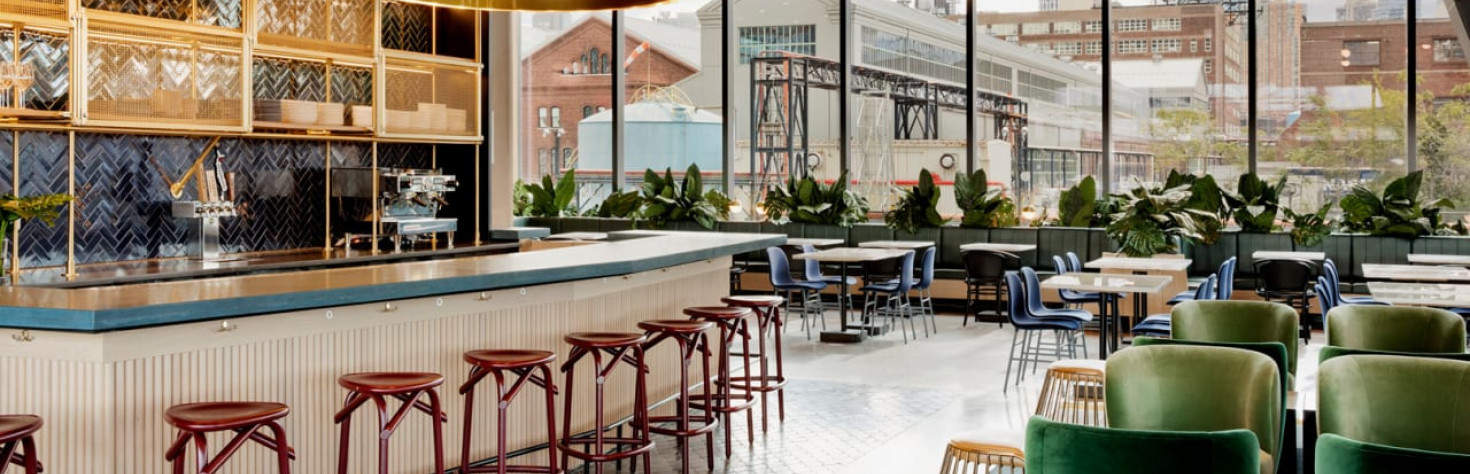
One architecture firm is bringing drinking holes directly into the workplace.
Fogarty Finger, a New York-based architecture firm that specializes in interiors, has found itself turning more square footage inside office buildings into bars. “I’ve been doing commercial interiors for a couple of decades now, and I can say with confidence that that’s quite new,” says cofounder Robert Finger. “Offices have been allocating more area to alternative workspaces. It might be a library, it might be a lounge area, sometimes expanded food service areas, sometimes gaming.”
Flex Office
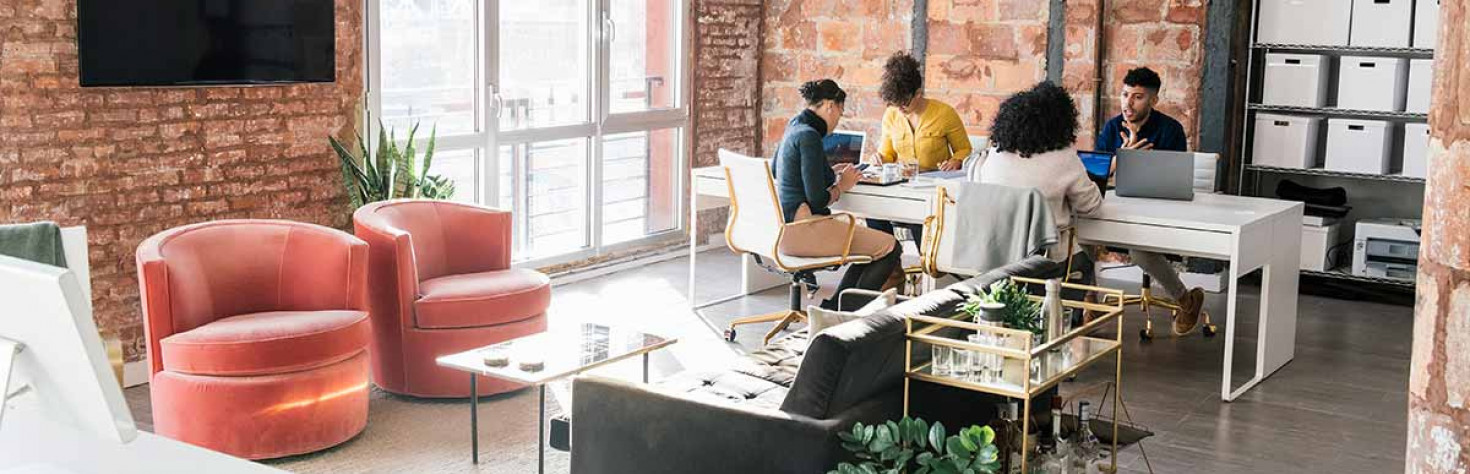
Exploring partnerships with flex operators amid empty offices and a hybrid future
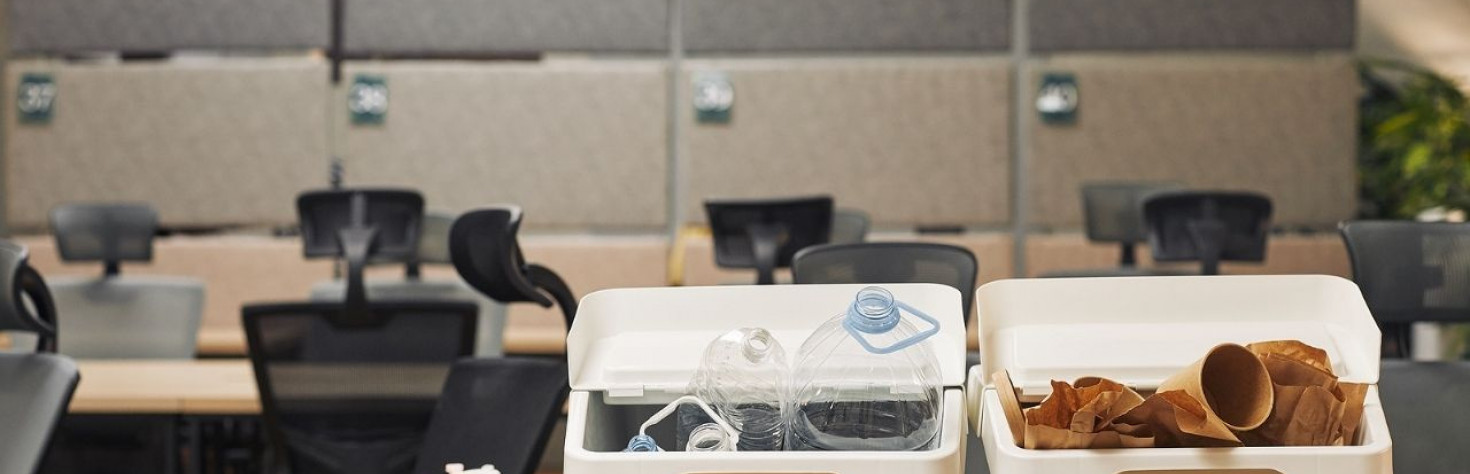
A circular economy follows the reduce, reuse and recycle approach. According to the World Resources Institute, 40% of all waste
Coworking
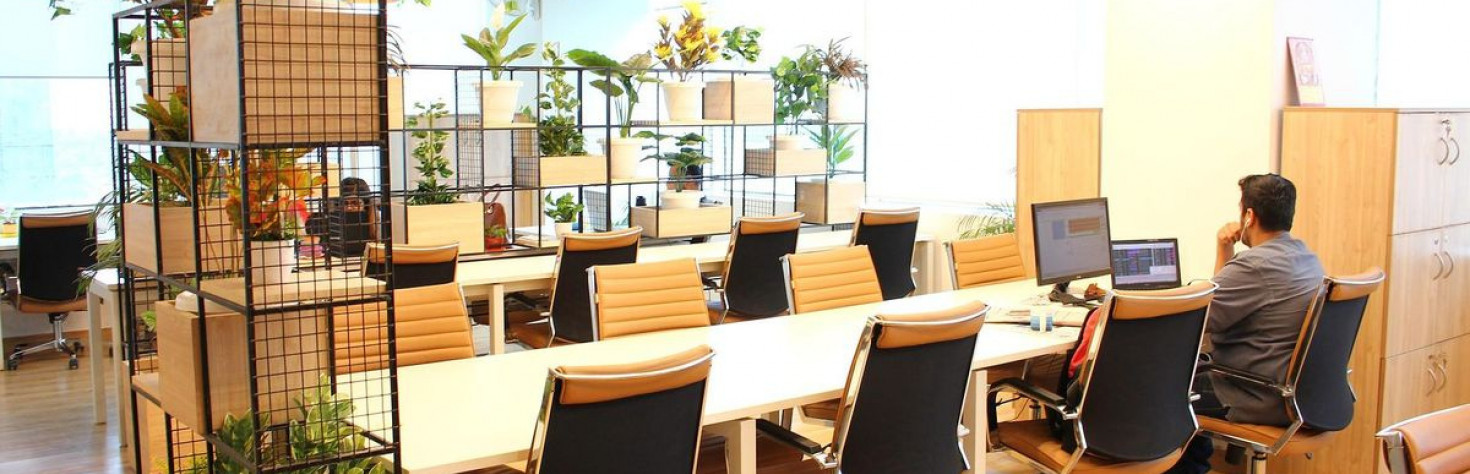
As the pandemic recedes, coworking specialist IWG expands its digital footprint.
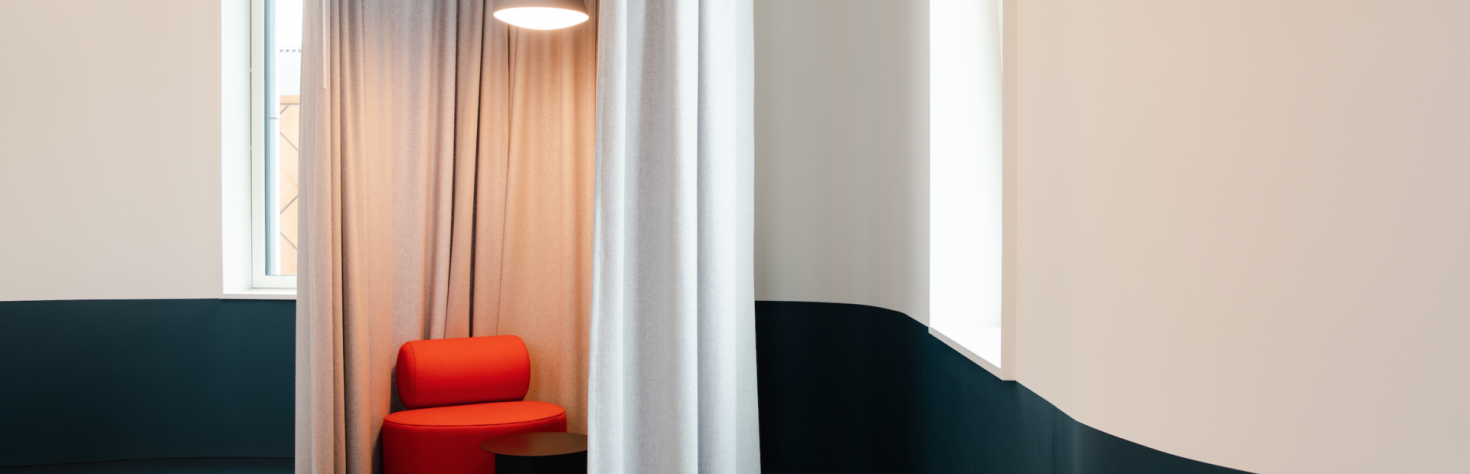
Part of London’s Design District, Bureau offers a new – and affordable – way for creatives to connect Co-working spaces are nothing new. The term was first coined in 1999 and the first shared workspaces began appearing in the early 2000s – since then countless iterations of the concept have sprung up across the globe. The world’s most notorious coworking space – WeWork – is even the subject of upcoming series WeCrashed. London’s latest take on the model is Bureau, a creative cross between a co-working space and a members club in the city’s new Design District.
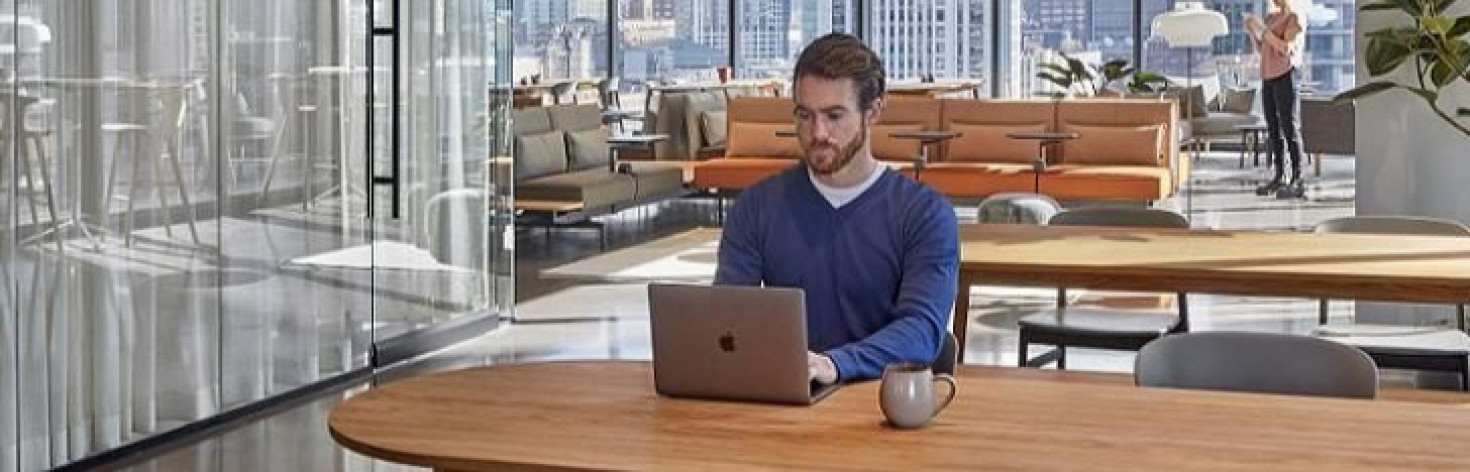
There was a real concern in the investment community that the pandemic would dramatically impact occupancy rates, but demand for flex space is back.
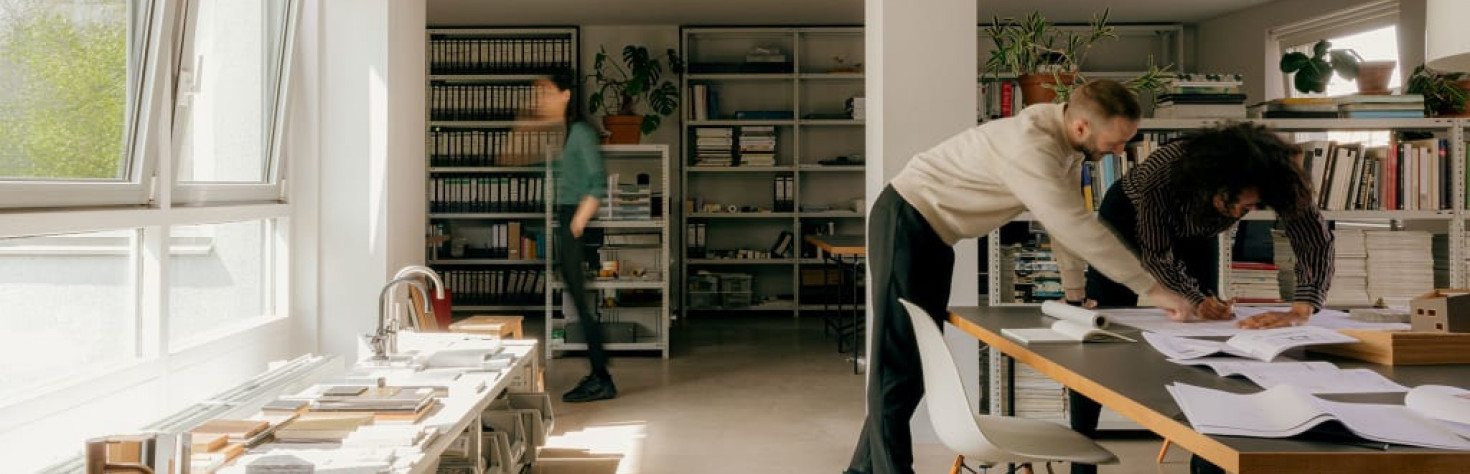
Asking what existing customers were looking for led Align to a brand-new business model.
Design
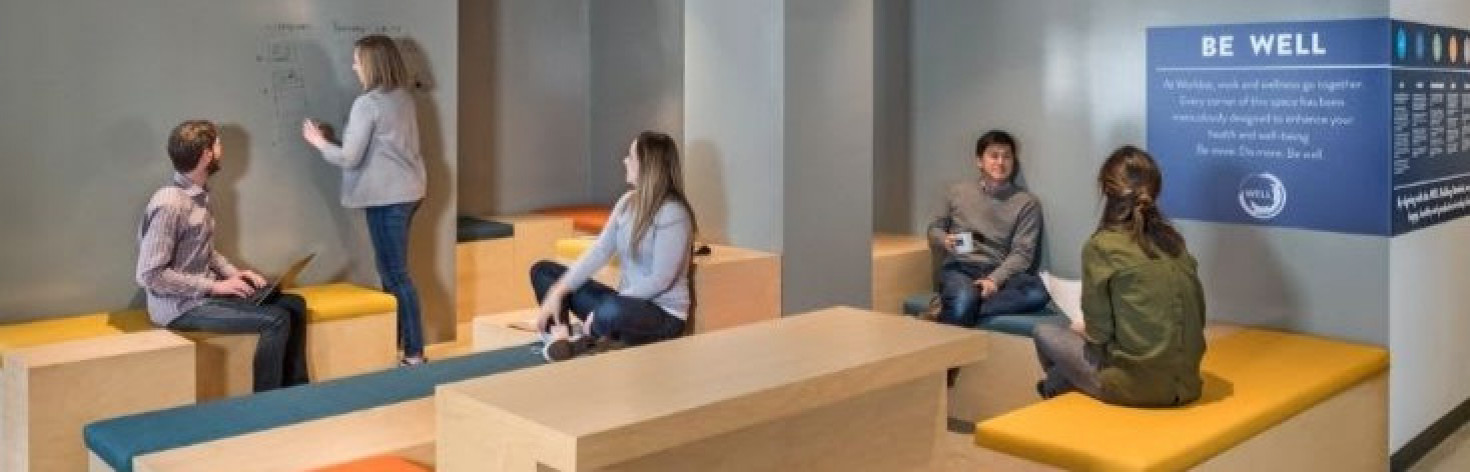
Wellness is front and centre of the flexible work right now. Allwork.Space explores why it’s important and how to achieve it.
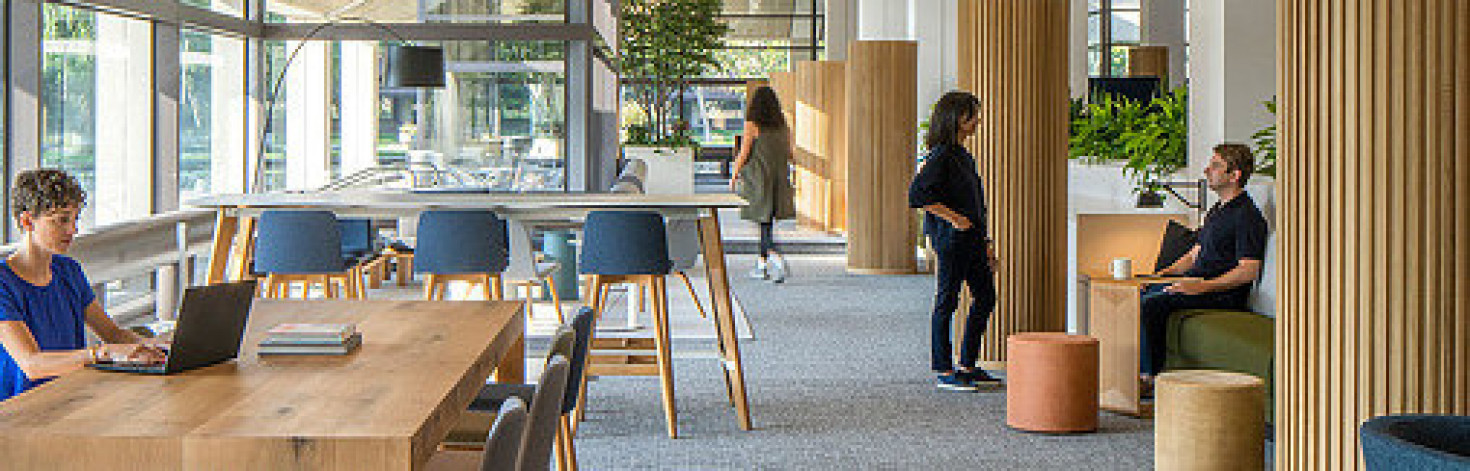
Construction costs are rising at historic rates for office buildings and workplace interiors. Inflation, supply chain stress, and labor shortages are the main culprits, but those factors don’t tell the deeper or whole story. The dynamic and evolving situation is more nuanced and complex. Examine and scrutinize the numbers underlying the building industry’s cost conditions, and you’ll find both challenges and opportunities for the design, construction, and delivery of great workplaces.
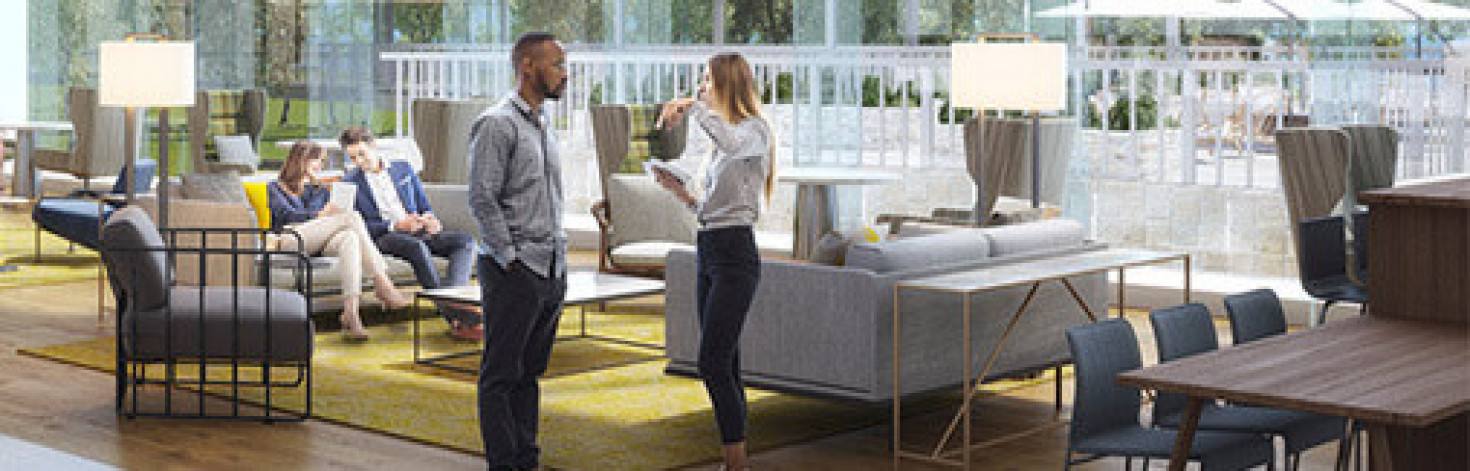
Across many parts of the globe, we are seeing mask and vaccine mandates being lifted. All this signals positive news for individuals and companies looking to get back to something resembling life in 2019.
People may be ready to return to the office, but the office isn’t exactly ready for them. The problem? Most workplaces are stuck in March 2020 and aren’t
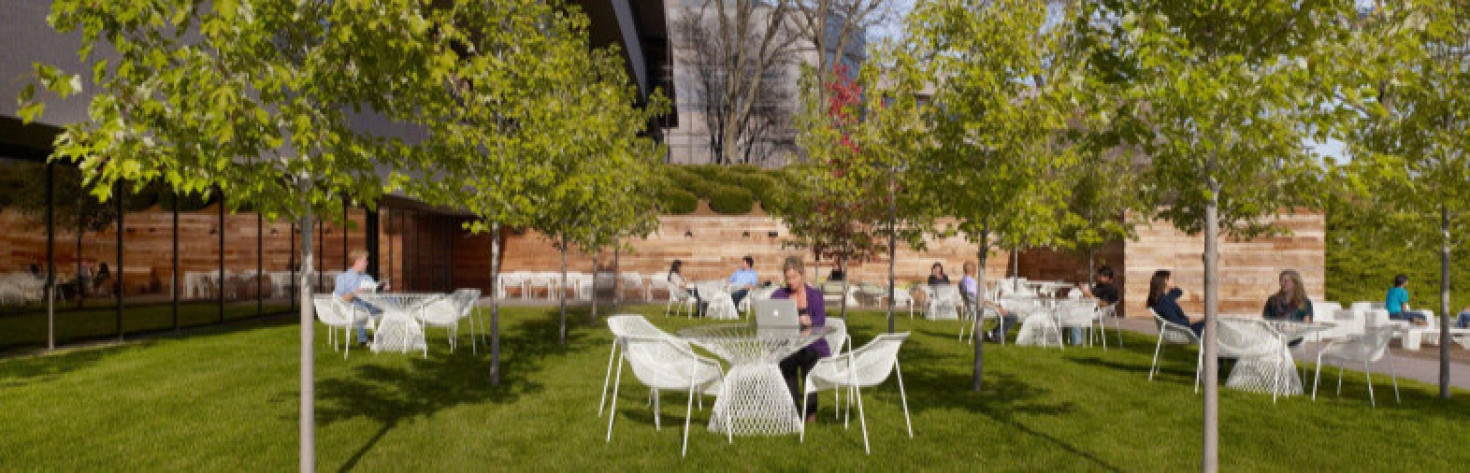
Where we work is now a choice, with companies abandoning hierarchical decision-making about office design in favour of tuning into their employees’ wants and needs.
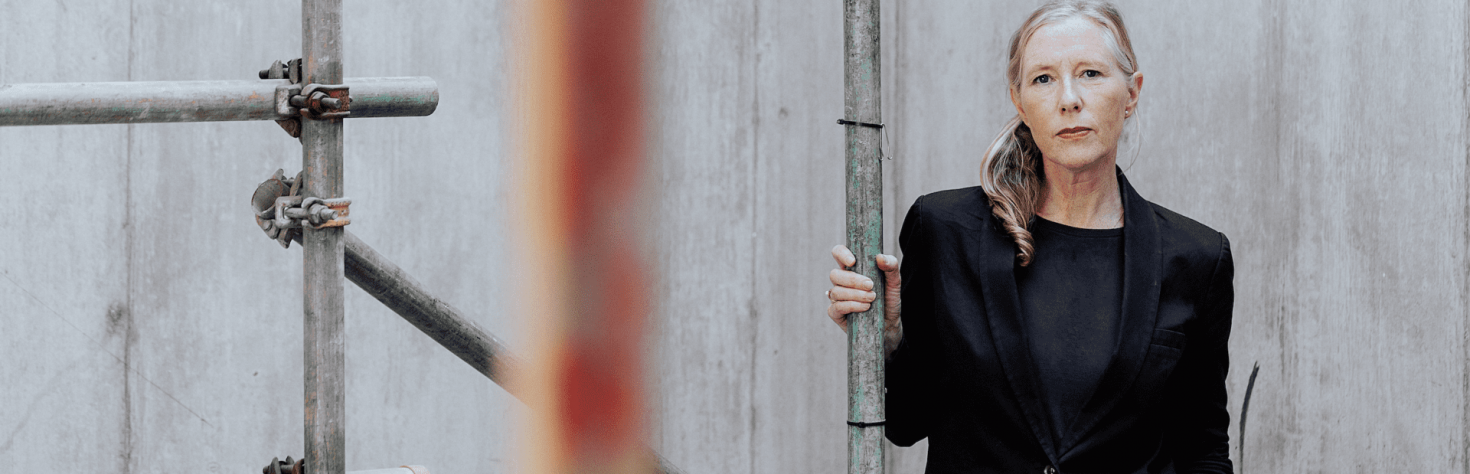
Early last year, architect Roz Barr designed Bureau, a members’ club and workspace in London’s Design District. Then Covid hit. Here Barr shares what she has learned. Nestled in London’s Design District, Bureau was always intended to be an innovative and versatile workspace concept.
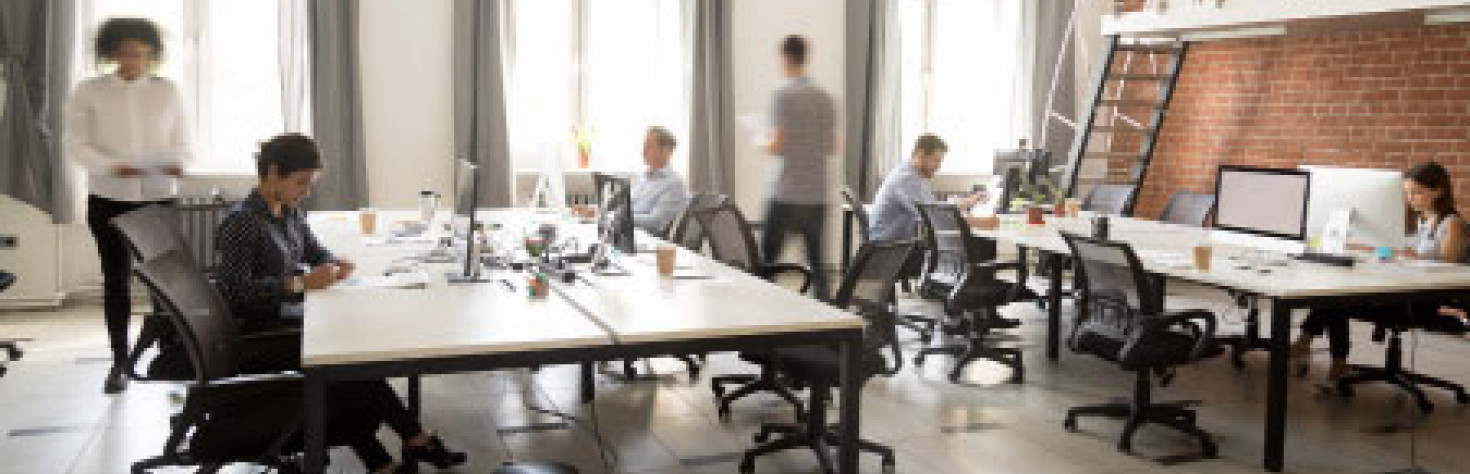
When the pandemic started to impact the U.S. in March 2020, facility managers, like many Americans, probably shared the mindset that the inconveniences would last a few weeks. The country would shut down for a short period, the threat of spreading COVID-19 would go away, and we would all go back to our regular way of life.
Metaverse
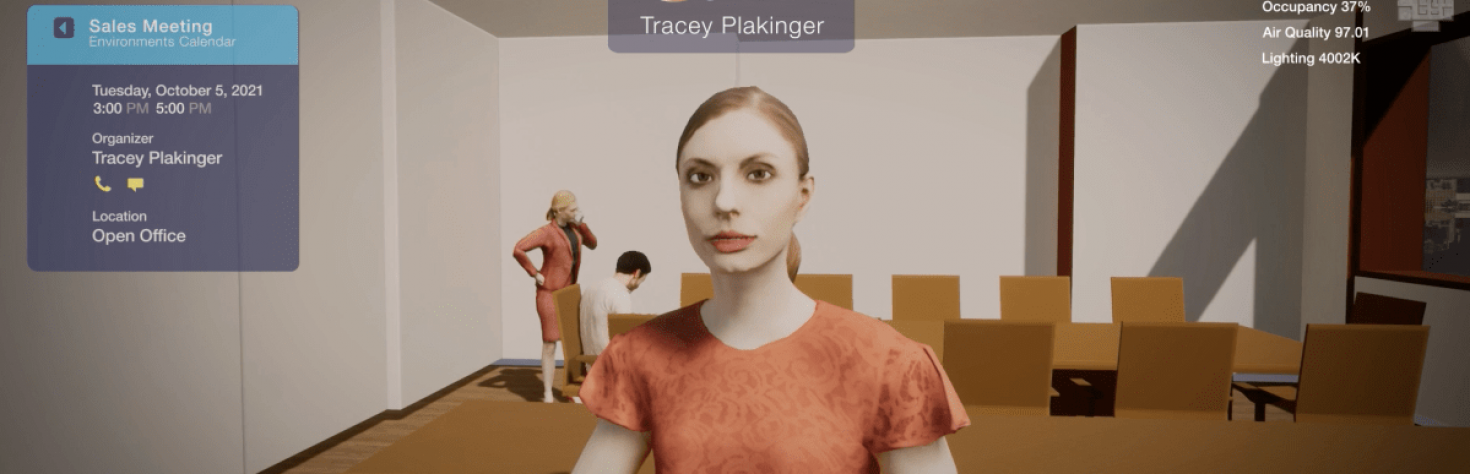
How working in the metaverse could help employees and companies.
Real Estate
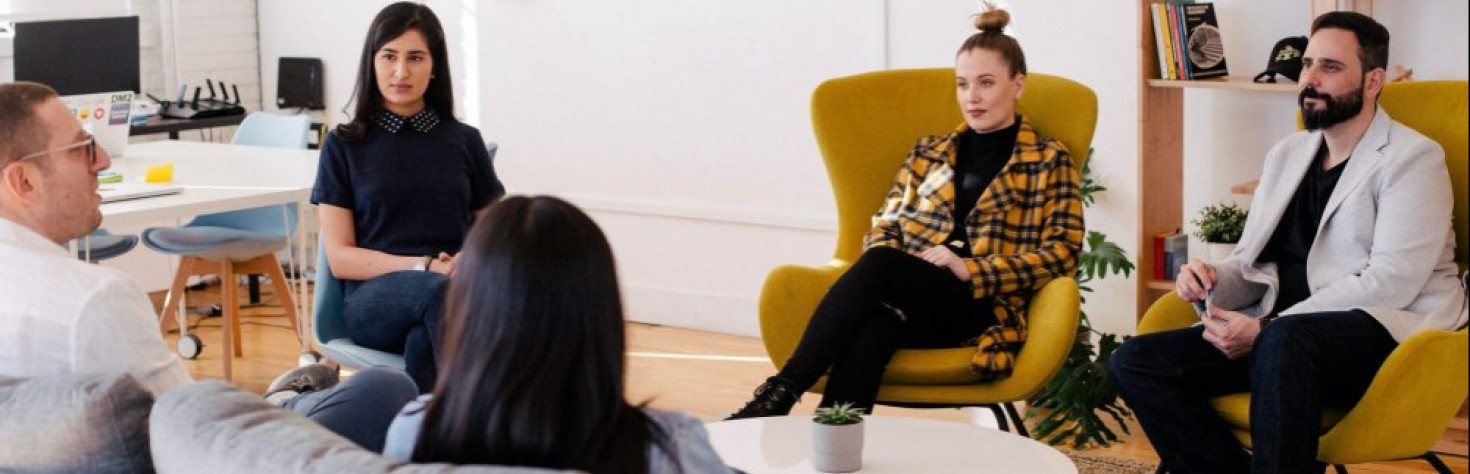
With new expectations and routines, planning a hybrid real estate strategy is difficult. Here are the key elements to include in yours.
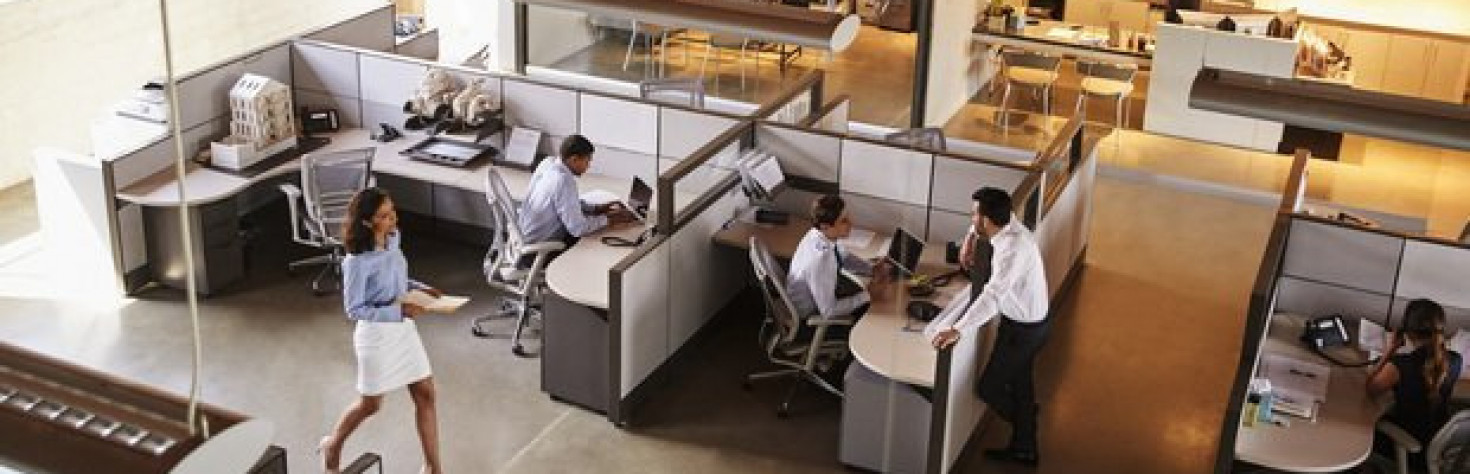
The office market will look a lot like it did in 2021 this year, marked by a slow recovery as companies return to the office.

Factors like pandemic proofing and ESG compliance could undercut values in as much as 75% of total inventory according to a new analysis.
WFH
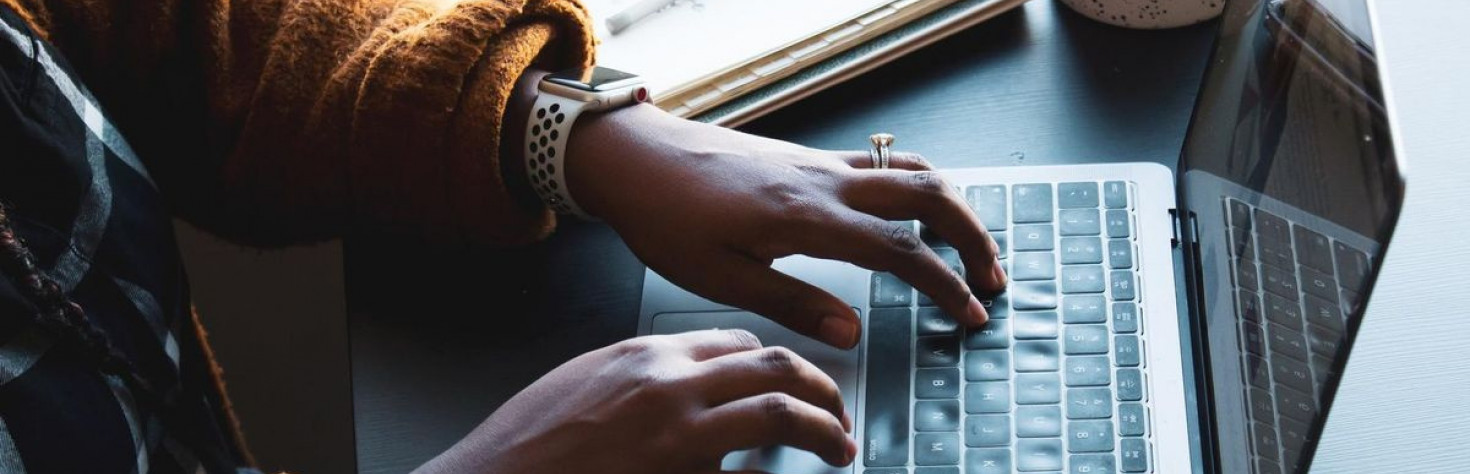
For many women, the benefits seen from working from home has made the option non-negotiable.
Makers
Dealers
Products
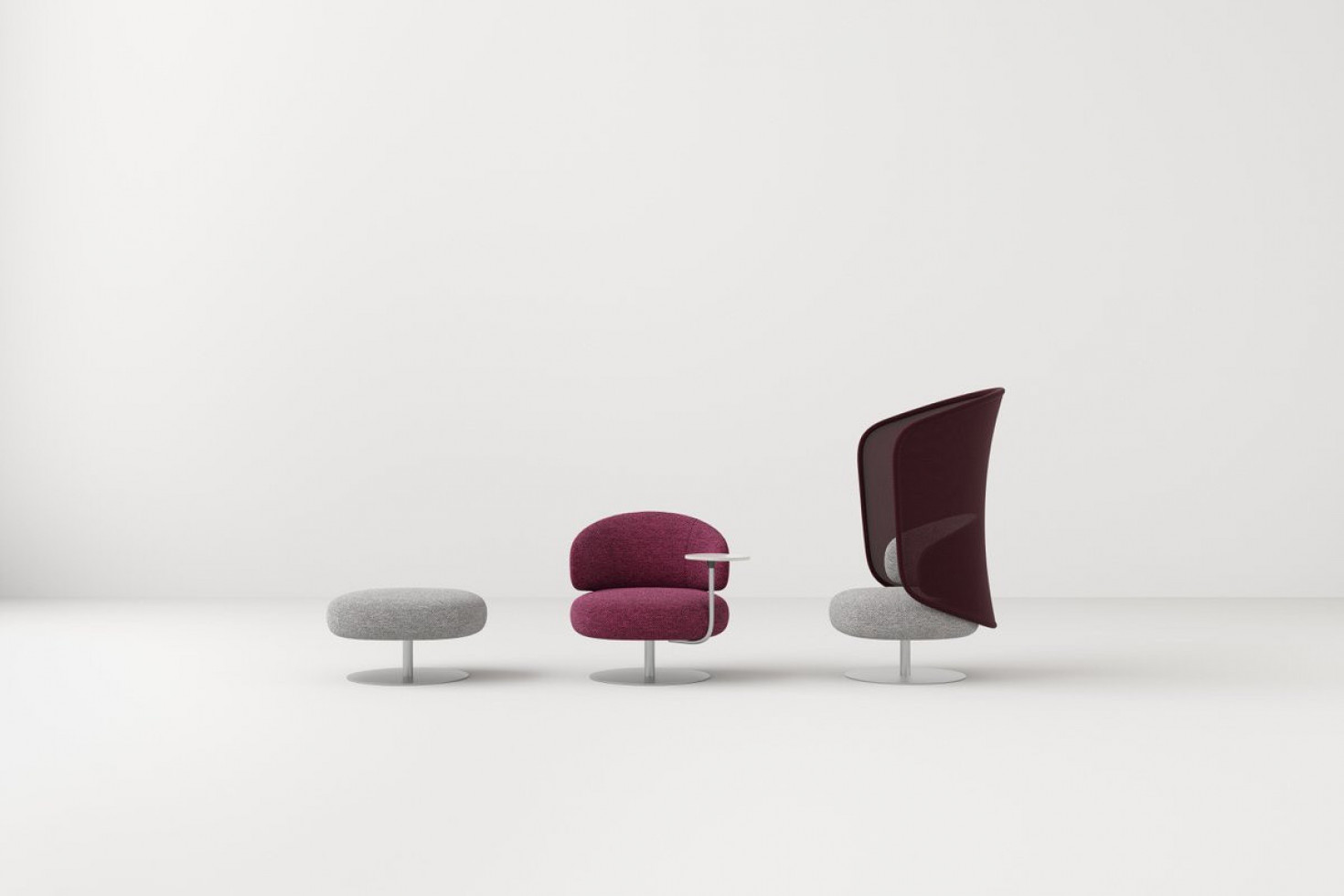
Libelle was created to deliver a sense of privacy and offer a personal escape while providing enough flexibility to allow for small collaborative interactions.
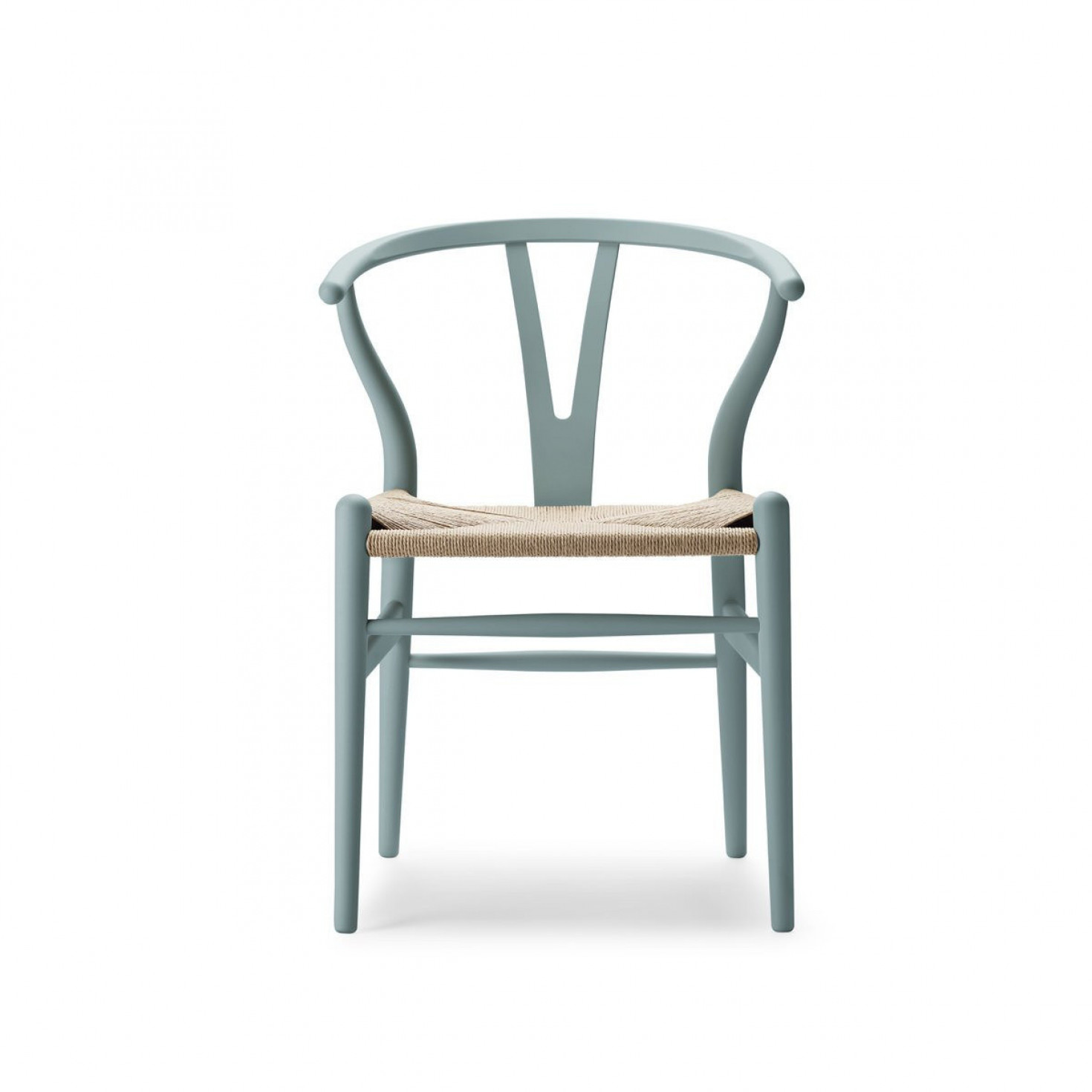
To celebrate Hans J. Wegner’s more than 70 years of collaboration with Carl Hansen & Son, the company is now expanding its collaboration with London-based designer Ilse Crawford to include the Wishbone Chair in nine new colors.
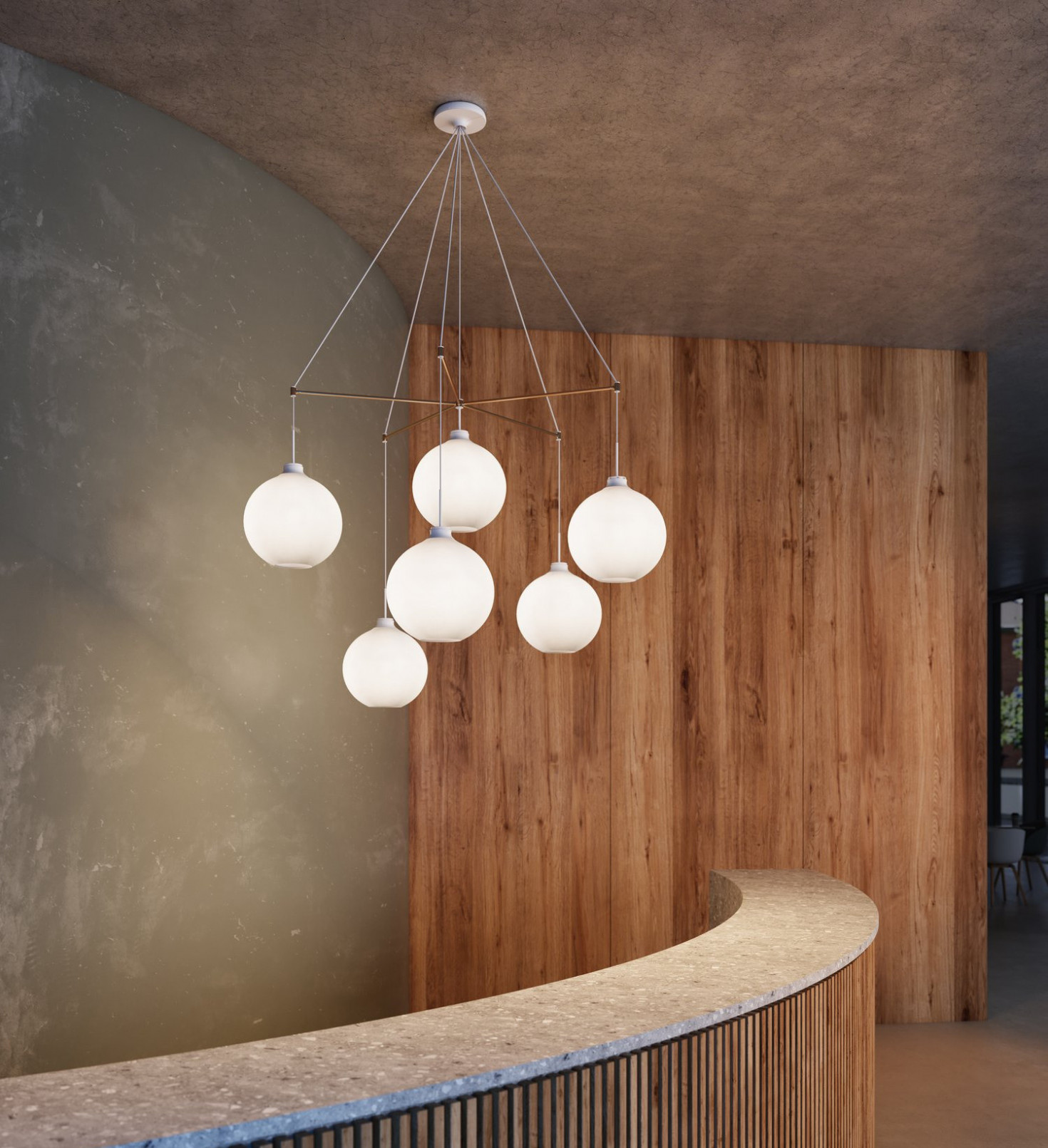
Designed for flexible use in a variety of settings, the adaptable system comes in a linear version, which holds three or five pendants.
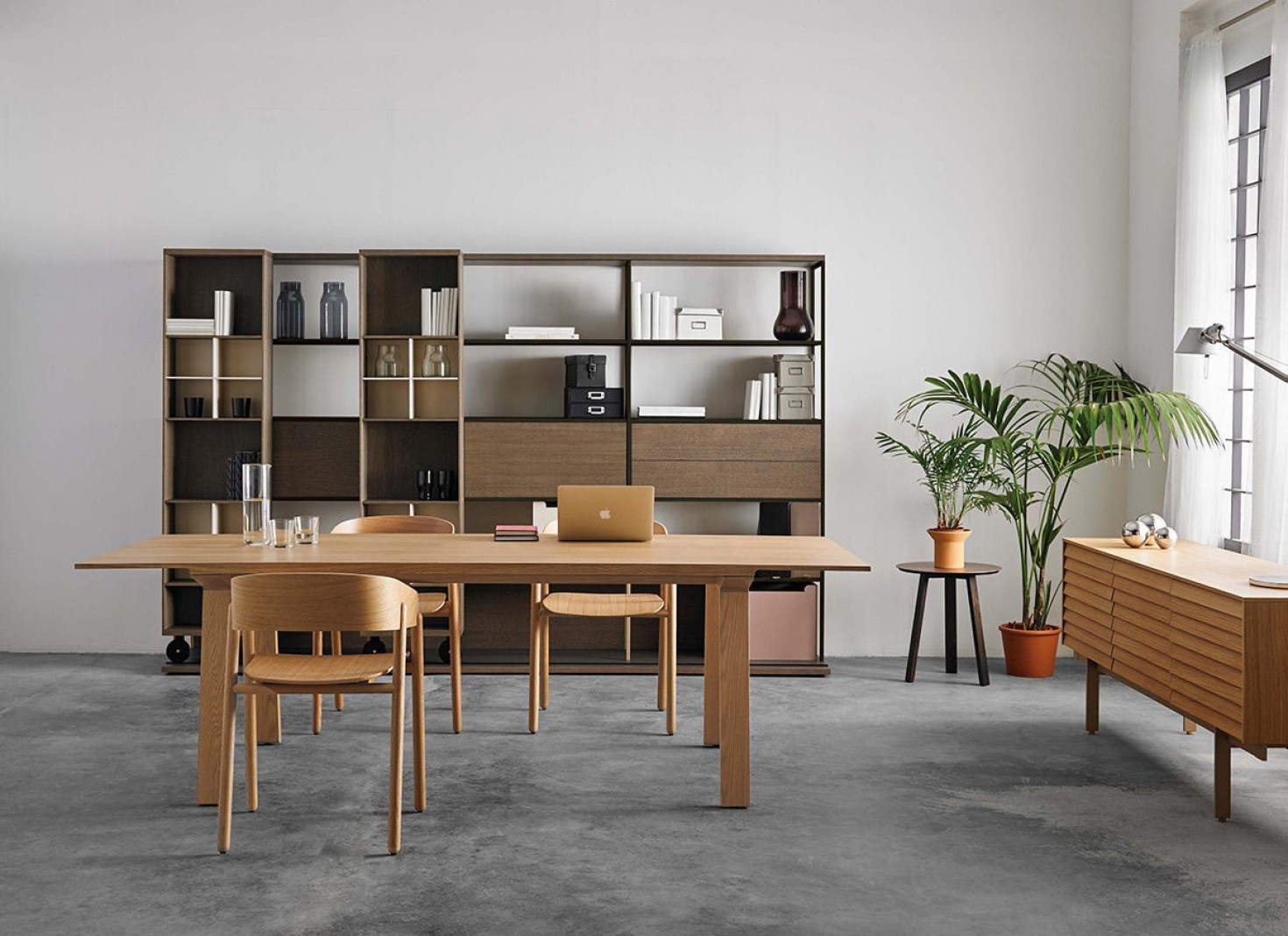
Punt embraces a new kind of sophistication and quality for furniture. Through the combination of materials, the collection can enhance any space.
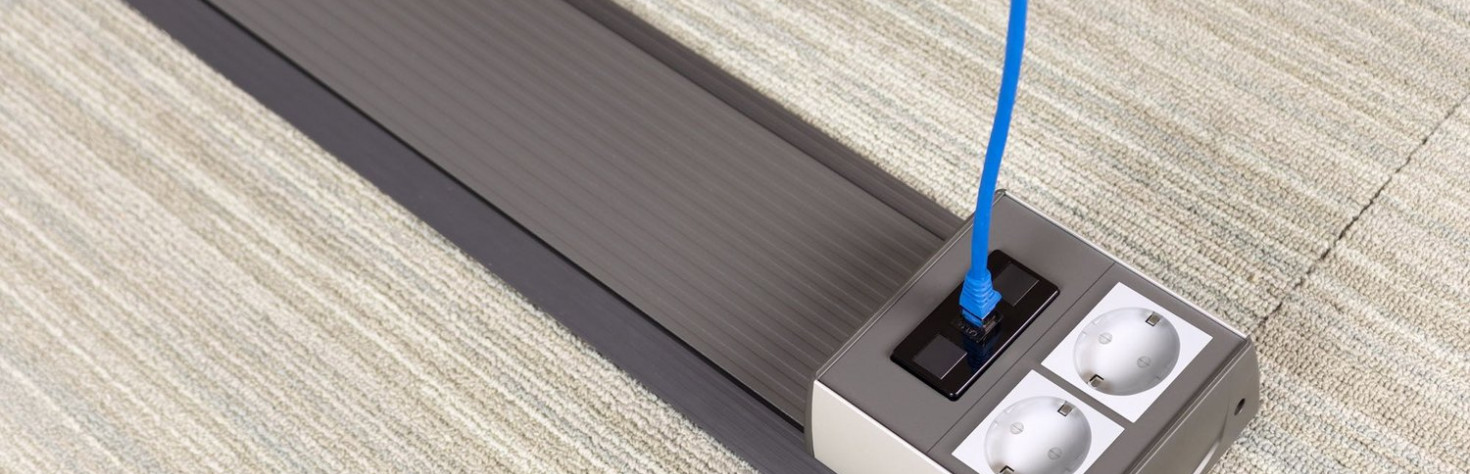
FSR is going global with its Smart-Way Raceway. The award-winning wire management system, which is manufactured in the USA, has been expanded to include international versions and is readily available for both domestic and international shipping.
According to Jan Sandri, FSR president, “Smart-Way is the most cost-effective and easiest way to get power, data and AV across the room to where it’s needed. It’s been incredibly popular in the US we’re excited to bring it to our customers all around the globe.”
According to Jan Sandri, FSR president, “Smart-Way is the most cost-effective and easiest way to get power, data and AV across the room to where it’s needed. It’s been incredibly popular in the US we’re excited to bring it to our customers all around the globe.”
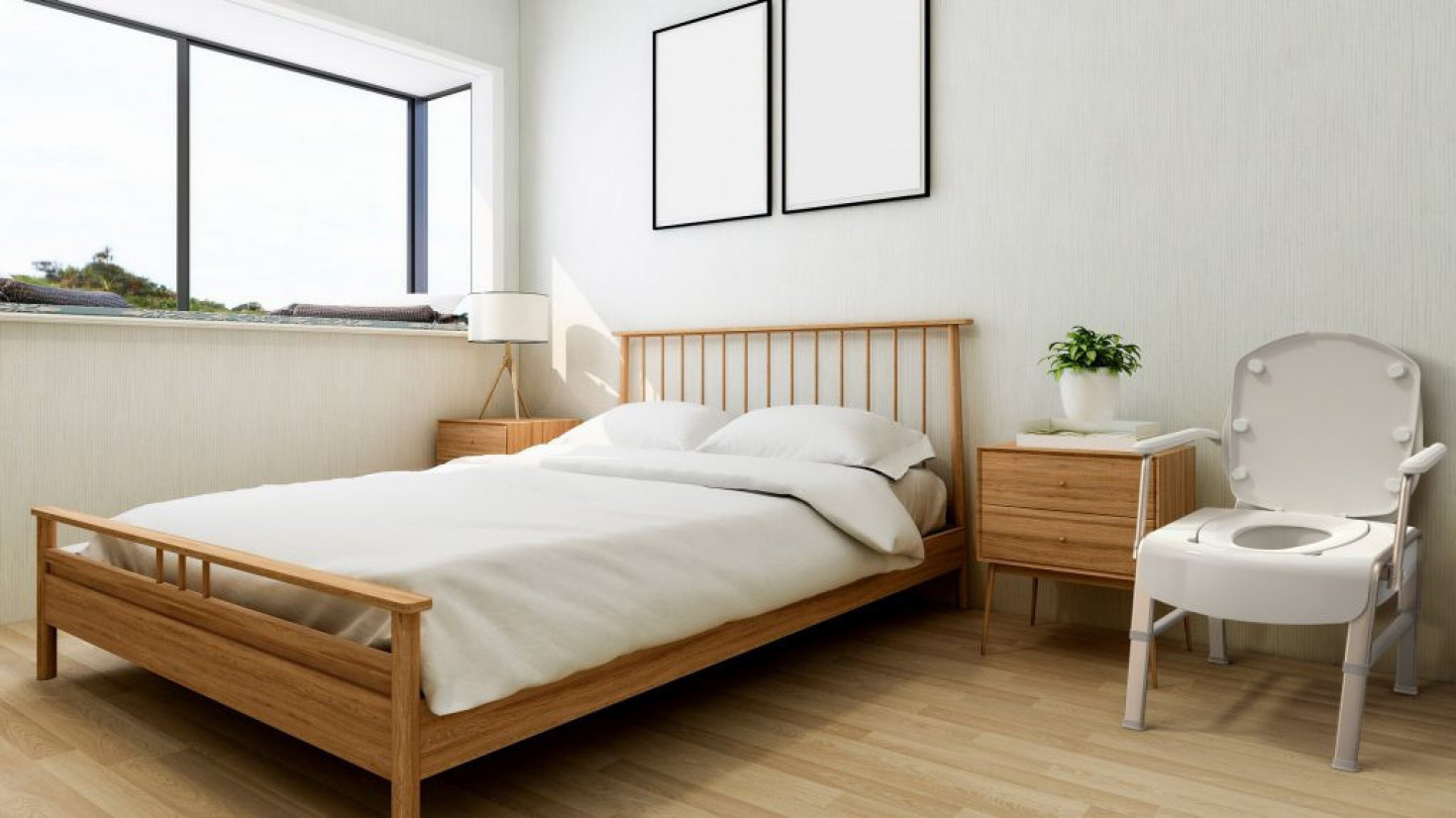
American firm Michael Graves Design has created a collection of home healthcare products for a major US pharmacy that is meant to “enhance people’s lives with moments of joy”.
Projects
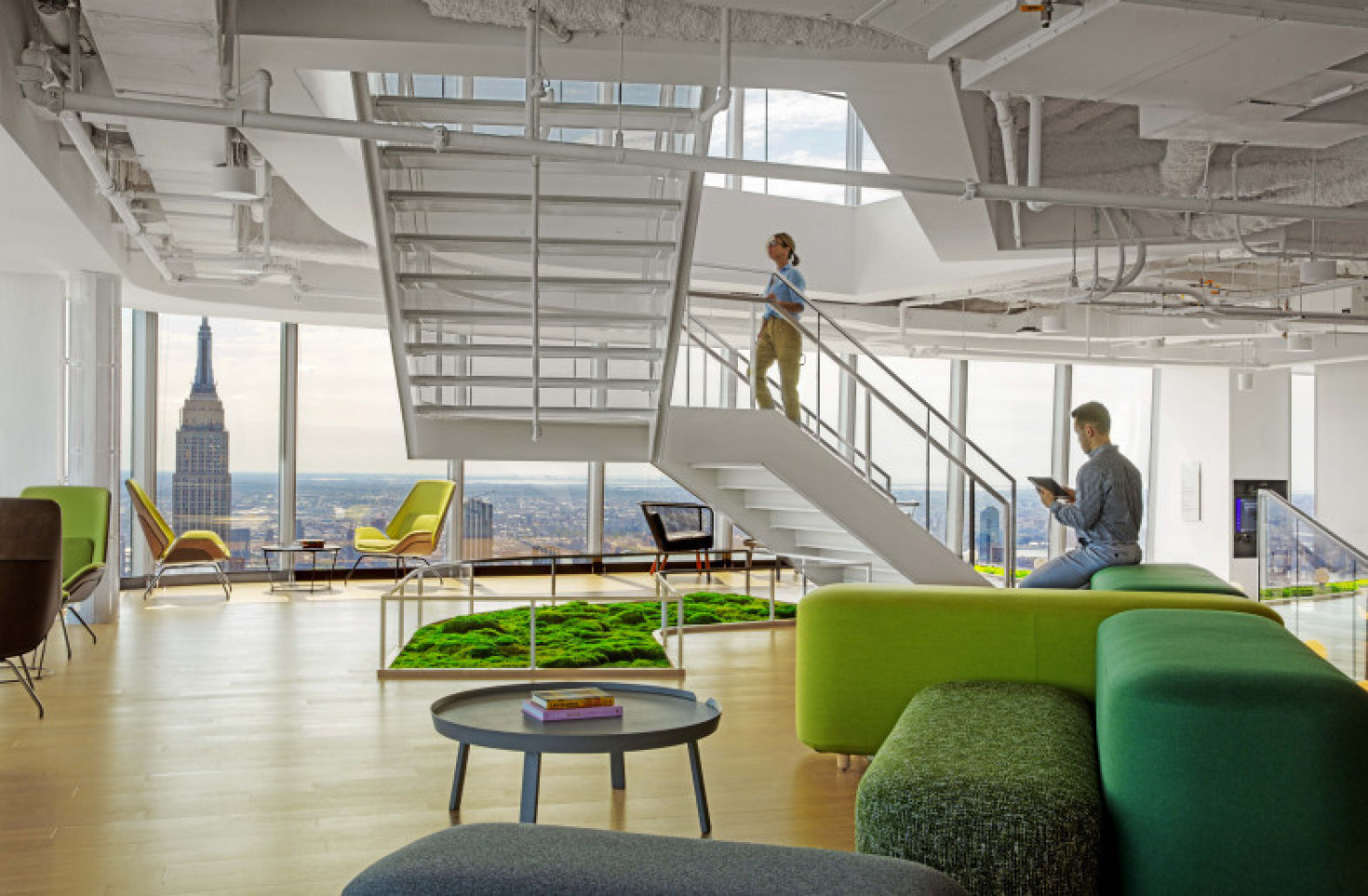
Accenture’s Innovation Hub in New York City facilitates a flexible, social and dynamic work environment for 5,000 of its employees.
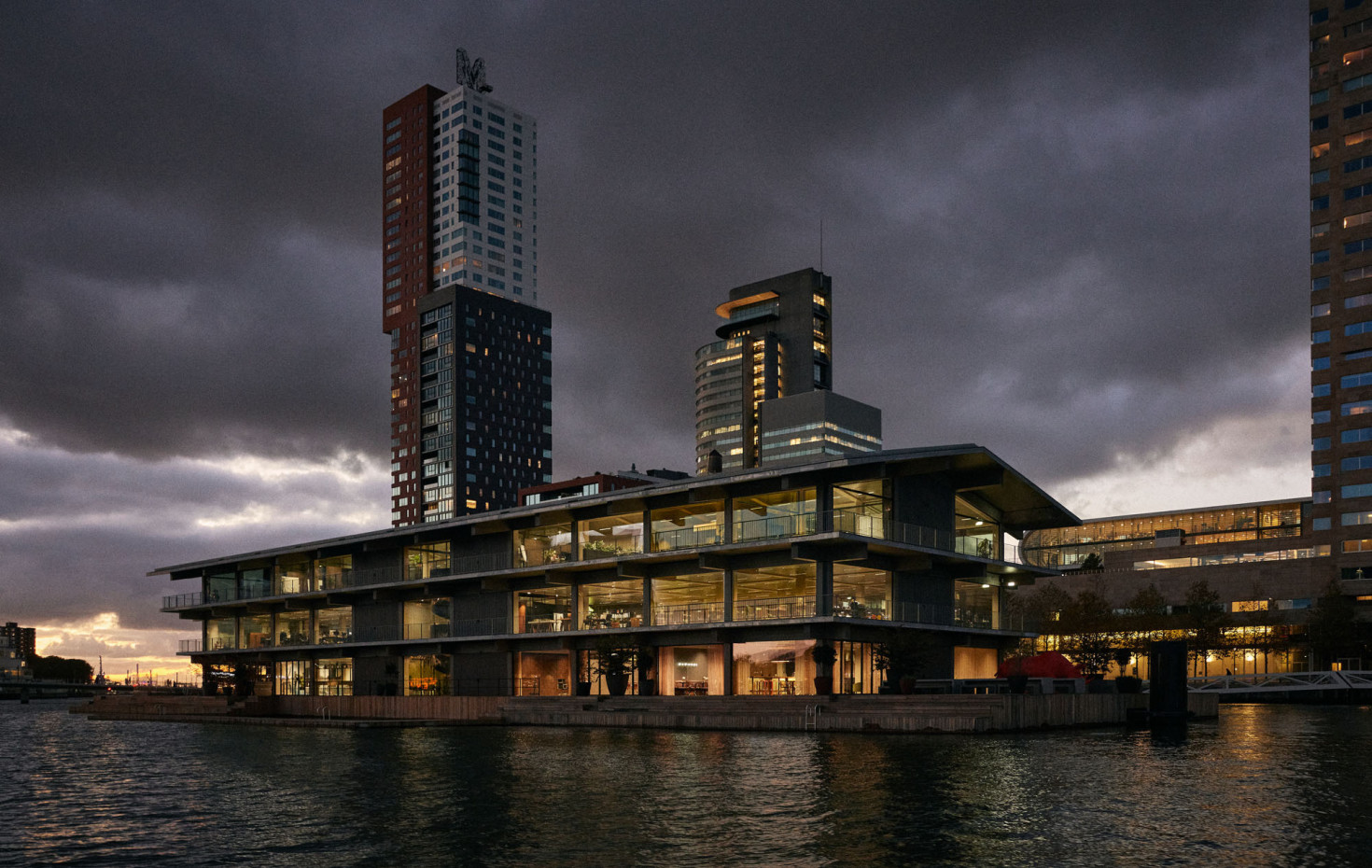
A three-story boat in Rotterdam is the largest floating office worldwide. Fully self-sufficient, it may be a blueprint for building in flood-prone cities.
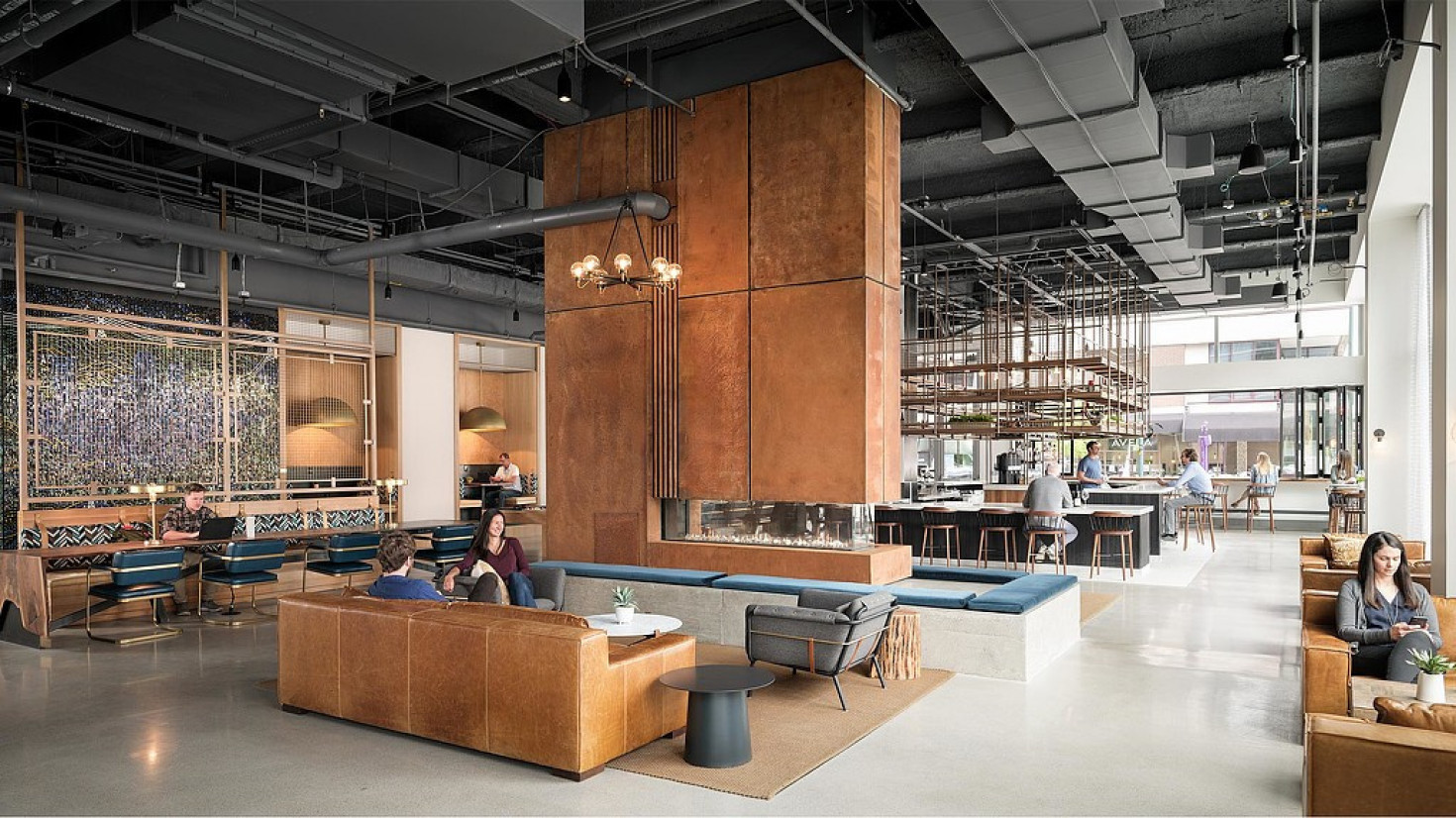
The Link is a creative mixed-use office tower in downtown Denver that transforms an existing building, formerly owned and operated by CenturyLink, into a modern, amenity-rich environment. Built in the 1960s, the former telecom office building had great bones and a prime location but sat underutilized for years.
Events
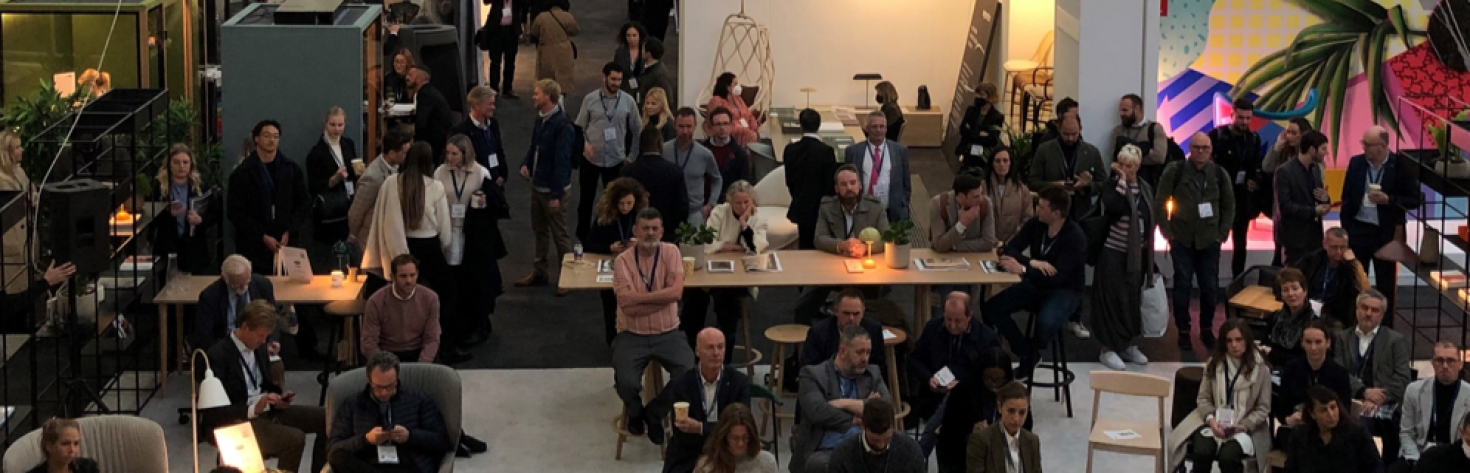
With 12 months to go, ‘Destination Workplace’ has been unveiled as the theme for the second edition of the Workspace Design Show. Taking place at London’s Business Design Centre on 27-28 February 2023, Workplace Design Show will once again be bringing together the entire commercial interiors community to discover and discuss tomorrow’s workspaces. The Workspace Design Show has announced the members of an advisory board and is also launching an Amsterdam counterpart. The Amsterdam show will have a special focus on bringing UK exporters an opportunity to sell to the Benelux market.
Noted
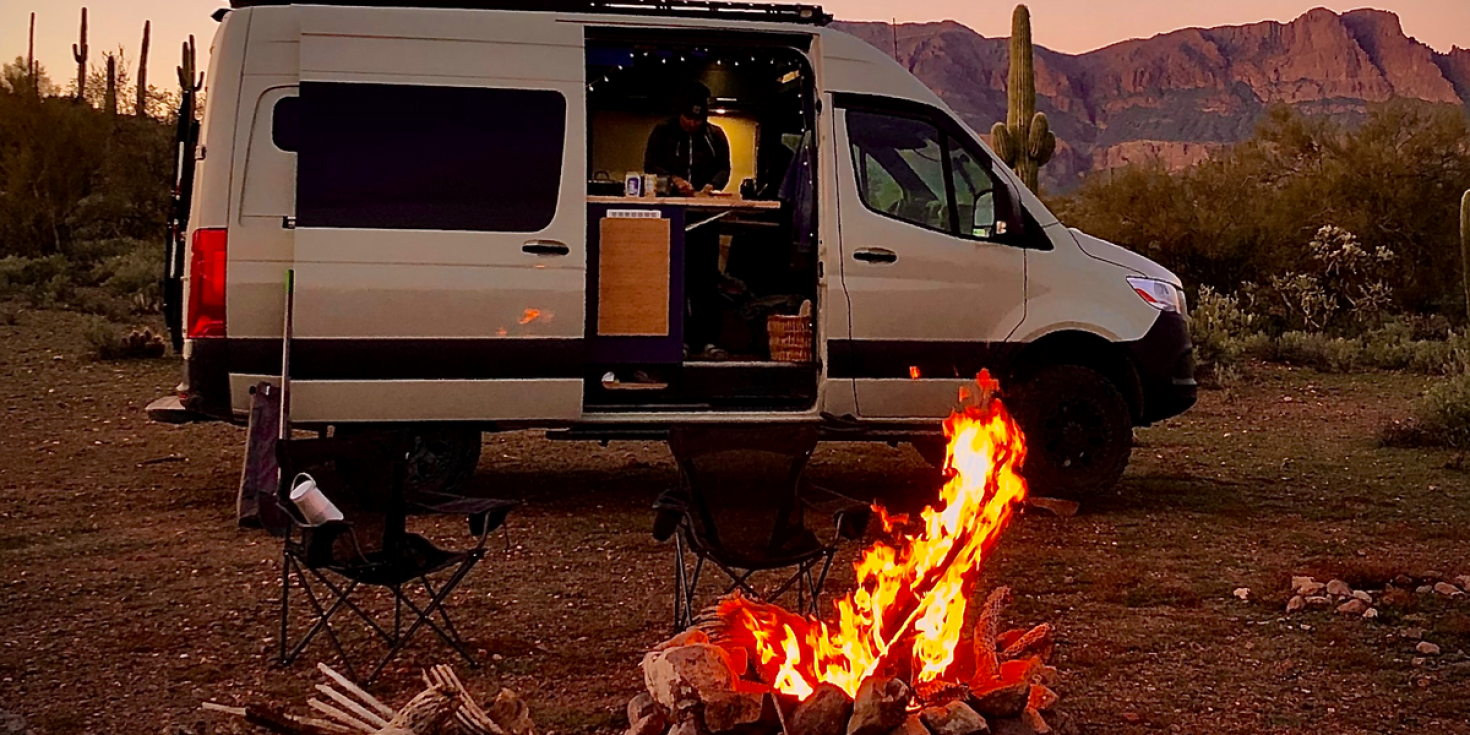
Working from a van isn’t for everybody. But here’s how to decide if you can make it work for you.

Signs welcoming back employees at an Oxford Properties-owned building missed their mark.

Find the best Contract Furniture Industry jobs and hire the best talent.
