Have a Look
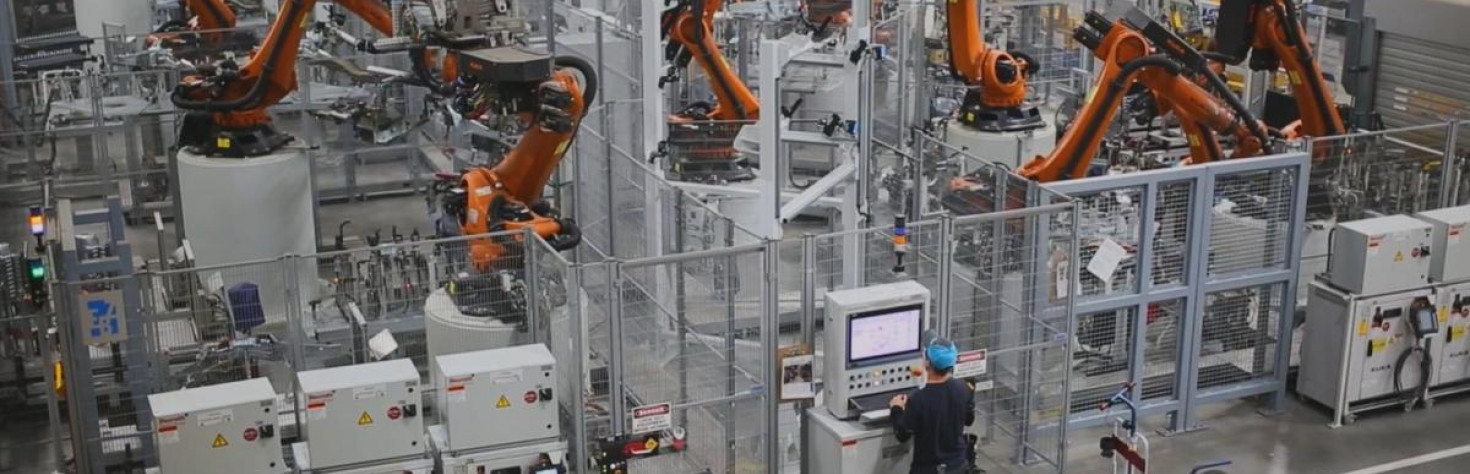
Calling all #FutureofWork geeks! This two-hour Frontline special on AI explores the ways our world is being reshaped and reimagined by technology. It's riveting, so get your popcorn first. And if you just can't wait for the #FutureofWork content, skip ahead to minute 32 before you click the play button.
Have a Think
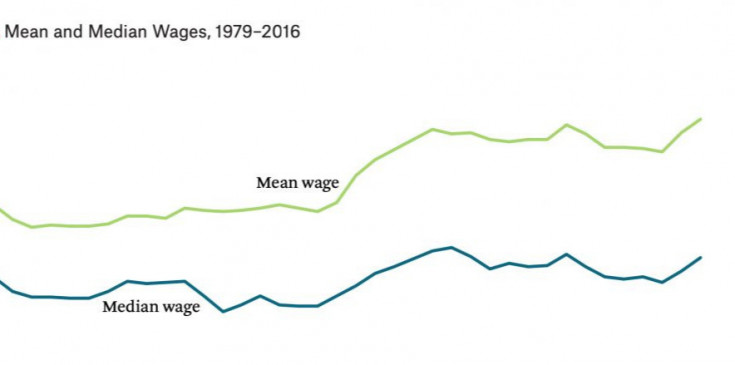
No single silver bullet solution exists that can solve our skills and earnings problems. Why? Because no single or dominant cause explains stagnating earnings or rising inequality in the US. Solving these problems is why we all get up in the morning.
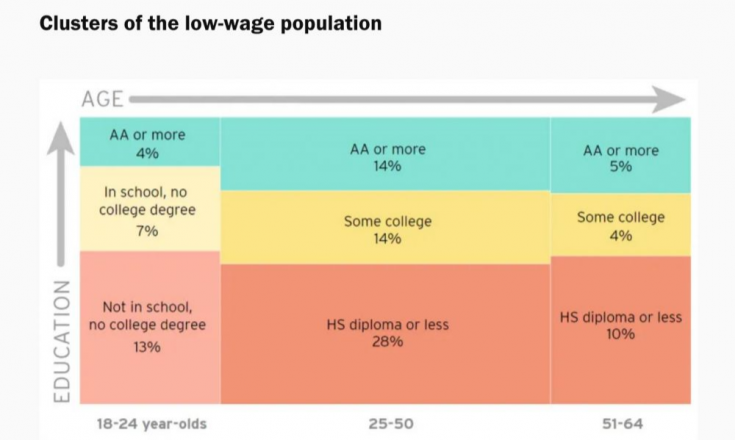
More than 53 million people, or 44% of all workers ages 18 to 64 in the United States, earn low hourly wages. More than half (56%) are in their prime working years of 25-50, and this age group is also the most likely to be raising children (43%). Do these national figures reflect the low-wage workforce in your state/community? Your workforce programs?

The Nexus Degree is a new kind of credential that blends education, training (and credentials), work, and stackability, so that credits earned fulfill the requirements of two year and four-year programs across participating post-secondary education institutions. Data challenges? Yes. But each instance of this broader trend toward learning across institutions builds the case for and enhances the value of LDS.
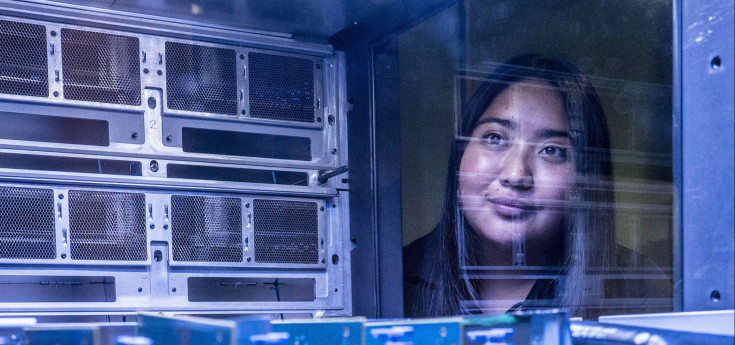
P-TECH has spread to 10 states and 17 countries since its founding in Brooklyn in 2011. By the end of 2019, there will be 220 P-TECH schools. With 93,000 students nationwide, it is one of the most extensive career and technical education programs in the United States. Measuring student progress across P-TECH's multiple work and learning systems and shaping policy around what works calls for exactly the kinds of integrated data systems we're all working on.

Our friends at Credential Engine have created this handy inventory of over 30 credential-related initiatives seeking to boost ease of use, effectiveness, and transparency in the ecosystem.

Will tomorrow’s leaders, despite good and ethical intentions, ultimately use their high-tech tools to exploit others ever more efficiently, or to find a better path forward? What role for policy? For data?
The NewDEAL Forum and the Alliance for Excellent Education have created the NewDEAL Forum Education Policy Group, comprising experts from the public and nonprofit sectors. Its focus will be on the intersection of education and the workforce.
Have A Resource

Best of 2019

Whoa. LODES, EITC, there's even an education data portal. And then there's this terrific narrative about how Urban came to "really open, open data." We're guessing there may be lessons in it for others. (October Edition)
The Future of Work poses pressing questions for workforce, employers, and our state. As automation increases, will there be enough jobs? How will workers fare as they turn to short-term, “gig economy” jobs, without the safety net of health insurance and retirement plans? The State of Washington's Future of Work Commission was among the first to launch, and to publish. (May Edition)

Mark Muro, Robert Maxim, and Jacob Whiton roll up their sleeves and dig deep into workforce data, to reveal how automation and AI will affect the people, places, and jobs over the next few decades. The authors also point to policy and program responses that will be needed going forward. Finally! A report that does more than admire or problemetize the #FutureofWork. (February Edition)

The critical role of data in solving complex problems is indisputable. But data is often distributed across multiple stakeholders, public and private, who lack an architecture and process for sharing it. This summary version of the longer report, offers a set of recommendations about partnerships, data sharing, and governance that you will find familiar. We thought seeing your practices advocated by McKinsey for the World Economic Forum might be confidence-inspiring for you and your data partners. (July Edition)
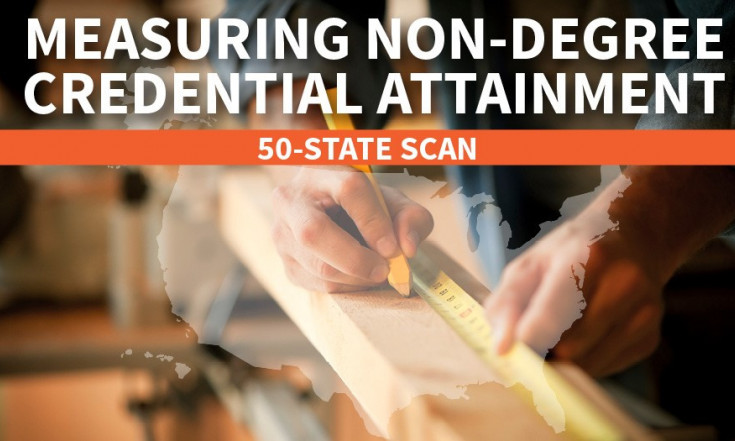
This 50-state scan from WDQC reveals that states are making progress collecting data about non-degree credential attainment, including certificates, industry certifications, and licenses. States differ in their approaches – how they integrate administrative data, for example – and the majority are working towards identifying "credentials of value" to help focus financial aid, workforce or other investments in talent development. (March Edition)
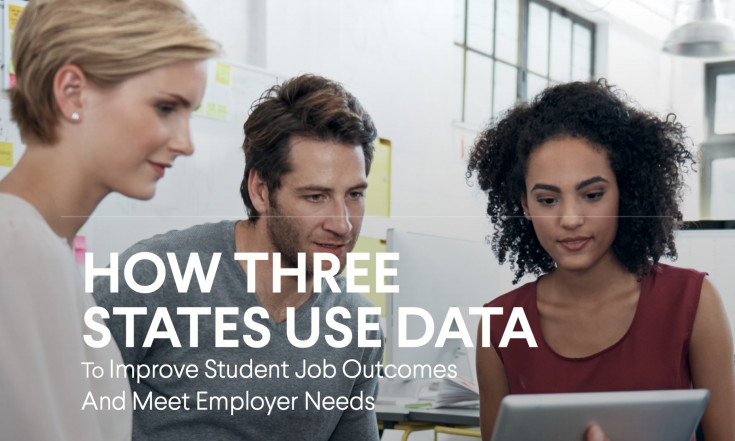
A must read, this JFF report for the US Department of Labor features our own WDQI Round VI Grantees Massachusetts and Missouri, along with Kansas (a WDQI alum twice over), in a collection of case studies about linking data in support of shared goals under the TAACCCT (Trade Adjustment Assistance Community College and Career Training) initiative. (April Edition)
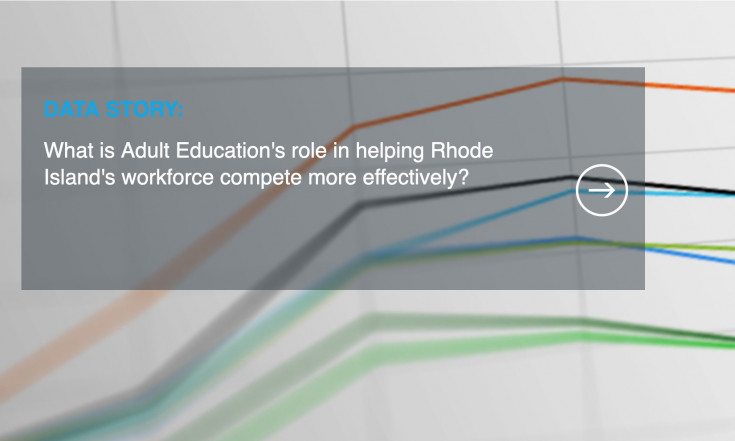
From time to time, we receive inquiries about the tools and resources states are developing to help their colleagues in government better understand and use LDS. Here is an example from Rhode Island, courtesy of the Data Hub. (September Edition)

VICE News Tonight aired a special report on The Future of Work on HBO (April 19, 2019). Even if you don't subscribe, there's a lot to be learned from the trailer and the short clips available online. In just a few minutes, the clips effectively communicate the magnitude of the workforce transitions we face – the ones we are building better longitudinal data systems to help navigate! The rich visual imagery grounds the narrative in real jobs people like us actually do. Click through to the short trailer above, and to this two-minute, fact-filled clip about 'How Automation is Radically Changing American Jobs' – and then head over to the piece on Estonia (no really, you'll thank us.) (April Edition)
Have a Listen

Tuesday, December 17, 2019 2:00 PM ~ 3:00 PM ET
This webinar shares evaluation and evidence information and activities as it relates to the Department of Labor’s Strategic Plan and the Foundations for Evidence-Based Policymaking Act of 2018 (Evidence Act). Register here.
This webinar shares evaluation and evidence information and activities as it relates to the Department of Labor’s Strategic Plan and the Foundations for Evidence-Based Policymaking Act of 2018 (Evidence Act). Register here.
Our Very Own #WDQI #MakingBetterWork Podcast Now Has Nine Episodes!
If you haven't subscribed, pull out your mobile device and do it now!
iTunes * Stitcher * GooglePlay
If you haven't subscribed, pull out your mobile device and do it now!
iTunes * Stitcher * GooglePlay
Search for Making Better Work on Google Play (a quirk of the platform).
Again, we hope these new communication channels will bring your work further into the public domain so that kindred spirits in different parts of the public data ecosystem can find each other. It's a big job but somebody's got to do it. Why not us?
Information Wants to Be Shared
The views expressed are those of the authors and should not be attributed to the US Department of Labor or other public agencies (state, federal, or local) participating in the Workforce Data Quality Initiative. Mentions of trade names, commercial products or organizations does not imply endorsement of same by the US Government or representatives. Click for information about WDQI.
