Friday, January 14, 2022
Starts and stops for the return to the workplace continue
Facebook’s parent company Meta Platforms is one of the most recent companies to delay its office reopening in the U.S. As we all know the Omicron variant of Covid-19 has led to a surge in cases and forced organizations to rethink their office reopening strategies.
But now, Meta employees who want to work from the office (very nice offices at that) will be able to start March 28, a delay from the original January 31 date. Of course, in this very unpredictable world, it could be later.
If nothing else, Meta gives you choices. Workers will be able to decide whether they want to return to the office, request to work remotely full-time, or request to work from home temporarily by March 14.
It goes without saying that workers in Meta’s offices will have to show proof of vaccination as well. If employees do not have a valid exemption due to medical or religious reasons, they can request to work remotely.
“Employees who take no action can face disciplinary measures, including termination. Obviously, this would be a last resort,” a Meta spokesperson said.
Ugh, it's only mid-January.
News

Nearly three years of the COVID-19 pandemic has dashed even the most cautious return dates. The best-laid plans have so far been unable to predict the course of the coronavirus as it mutates and spreads with increasing speed. First, we tried to flatten the curve, hoping by summer we’d be back. Surging cases and hospitalizations pushed return dates back to the fall. Then the deadly 2020 winter surge pushed dates back further. Vaccinations began rolling out to the public in early 2021, managers set their sights on a summer return. Then the Delta variant forced offices to reconsider yet again. Finally, it appeared the fading Delta variant and rising number of vaccinations and boosters would have this whole thing behind us by 2022, but Omicron was not to be outdone. Likely the most contagious form of the virus, Omicron has seen caseloads spike faster than at any time during the pandemic. Offices that have already opened are choosing to close down again, sending employees home for the foreseeable future. More than two-thirds of CEOs surveyed by Gartner report having to delay return to the office plans at least once. Mounting revisions and delays to return plans have some managers scrapping the idea altogether.
The nation’s largest employers are back at the drawing board. Google, Delta Airlines, Chevron, Bank of America, Apple, BlackRock, Starbucks, and Goldman Sachs have all either delayed or changed their return-office plans and COVID-19 protocols. Even JP Morgan Chase, one of the biggest advocates for the office, has told employees they can work from home at their manager’s discretion, at least through the end of January. What isn’t clear is whether the spread of Omicron is the latest sign of hubris from employers or the development that transitions the virus into a less-deadly endemic problem that can be mitigated. Businesses are finally thinking about how they will come back, not just when.




Demand for a four-day work week is being driven by the under 45s, with many prepared to quit to find a role that offers it. The data shows this most strongly among 35-44 year olds, with almost a fifth (19.4 percent) of them preparing to quit their job next year to find a new role that offers it, while another 16.1 percent plan to ask their current employer for a change in their work week in 2022.
This attitude is shared by younger workers with 18 percent of 25-34 year olds, and 15.3 percent of 16-24 year olds, also prepared to quit their job to find one offering a four day work week. A further 15.6 percent of 25-34 year olds, and 14.5 percent of 16-24 year olds, plan to ask their employer for a four-day work week next year.


The Workplace
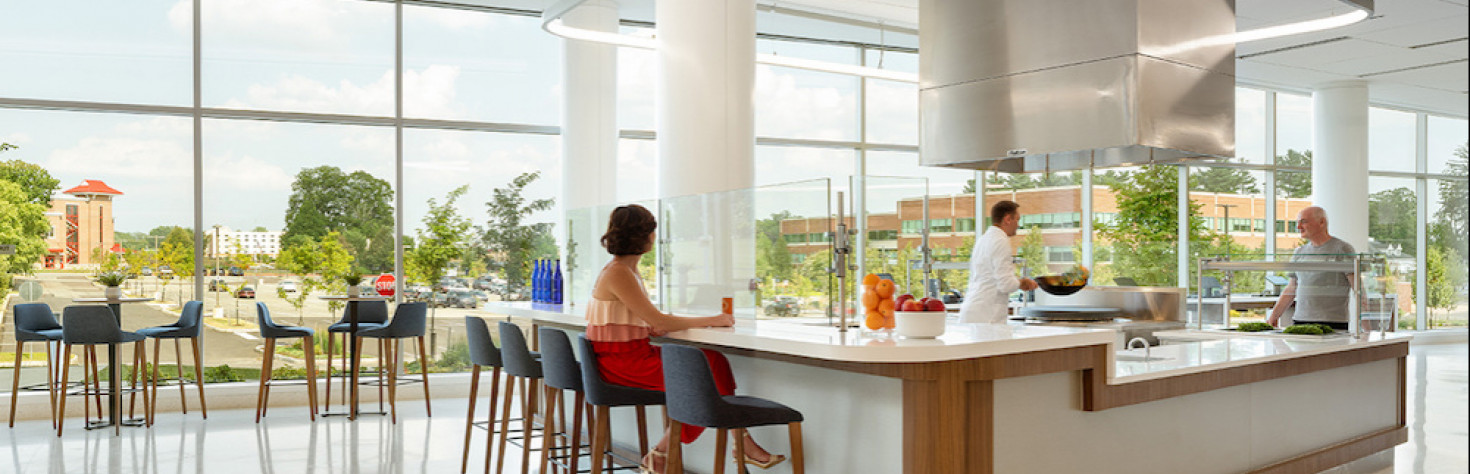

At the beginning of the pandemic, coming into the office five days a week, eight hours a day was not only a safety hazard, but it was soon found to be unnecessary.
Employees have discovered that they are just as productive, if not more, when choosing their own schedules and having more flexibility in their workdays.
For instance, Japanese conglomerate Panasonic recently revealed that workers would have the option to work four days a week to allow employees more time to “take side jobs, volunteer or just relax.”
The four-day workweek has been one of the most popular strategies in attracting and retaining new workers, especially as the world faces a labor shortage.
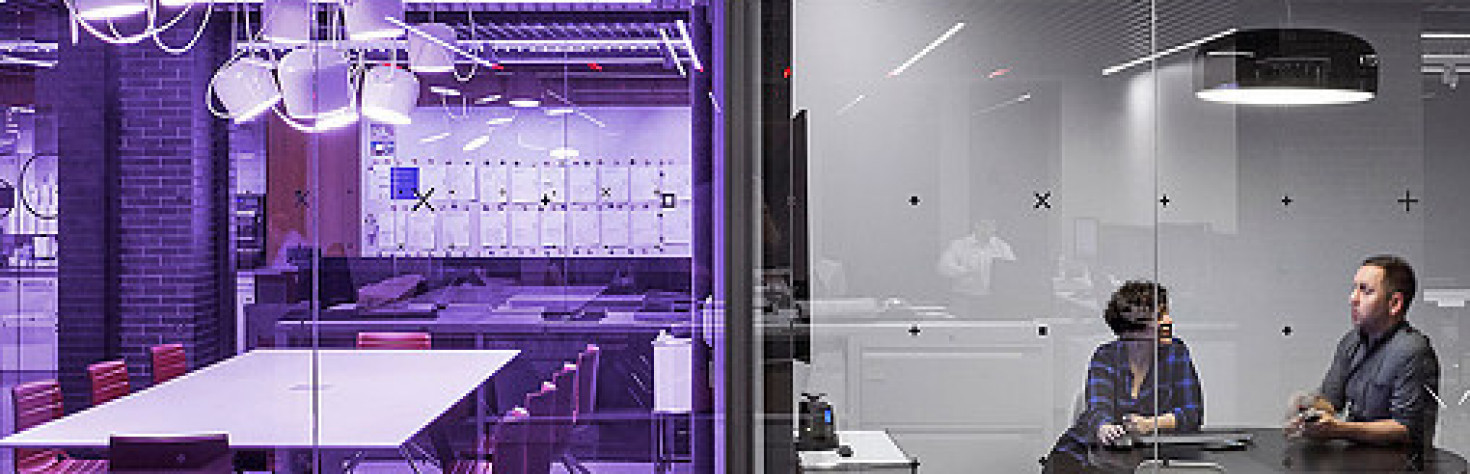
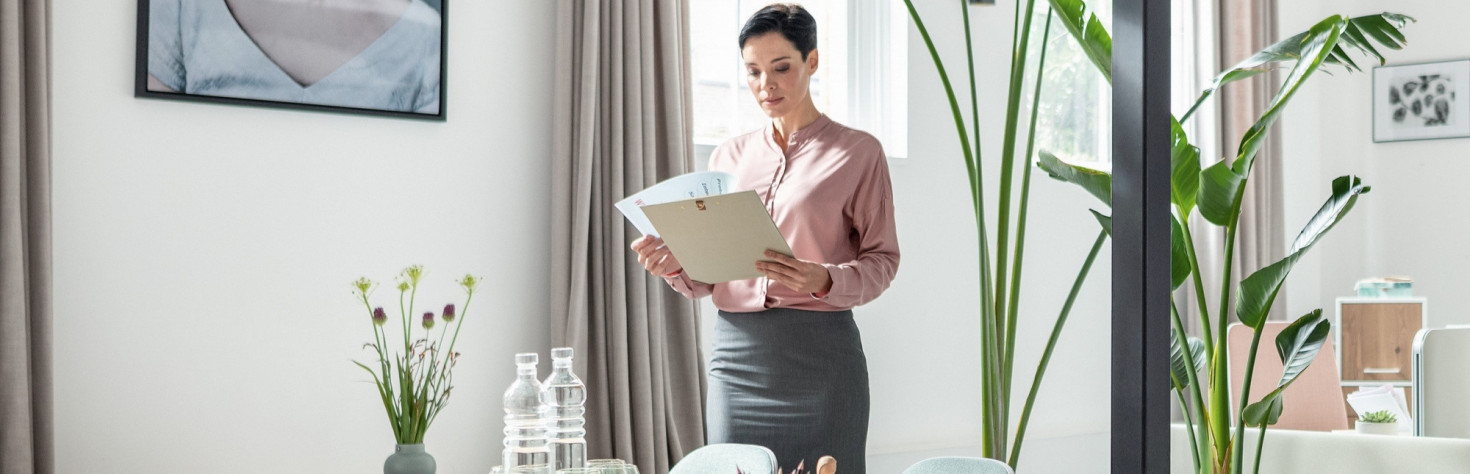
With these huge changes in the jobs market costing employers an average of £25,000 per worker, how can businesses turn the ‘Great Resignation’ into the ‘Great Retention?’
Organisations can’t rely on pre-pandemic thinking – rooted in the idea of the 9-5, office-based working day – to address complex challenges around the Great Resignation.

However, the biggest difference in 2022’s reaction to the pandemic is that businesses and the government are trying to find a way to live with the virus, rather than be deterred by it.
One of the most significant strategies being taken to make this a reality for the U.S. is the implementation of vaccine mandates.
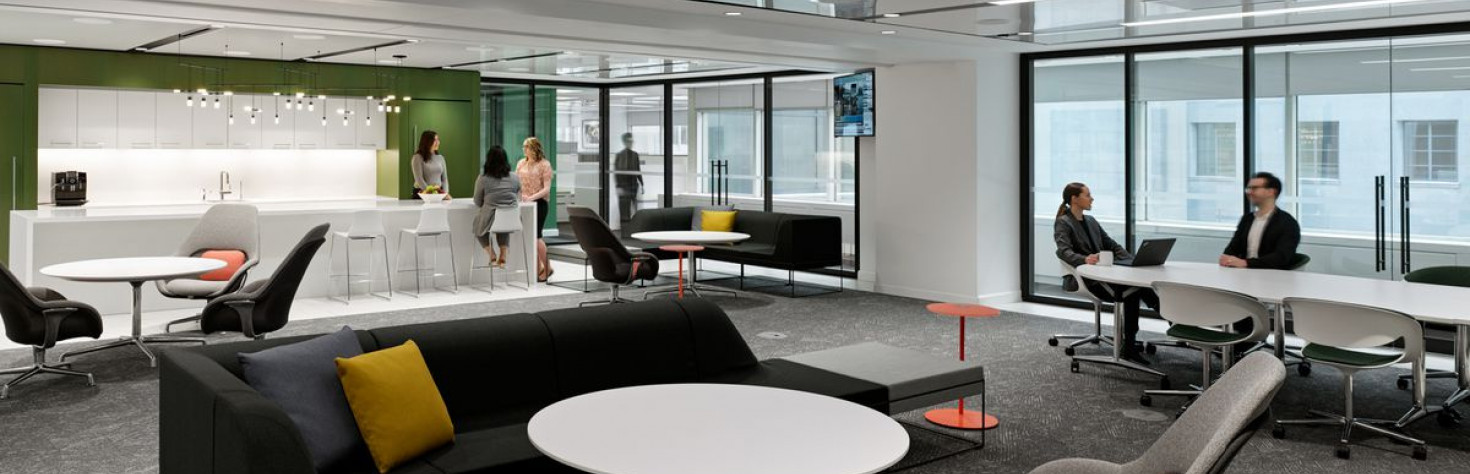
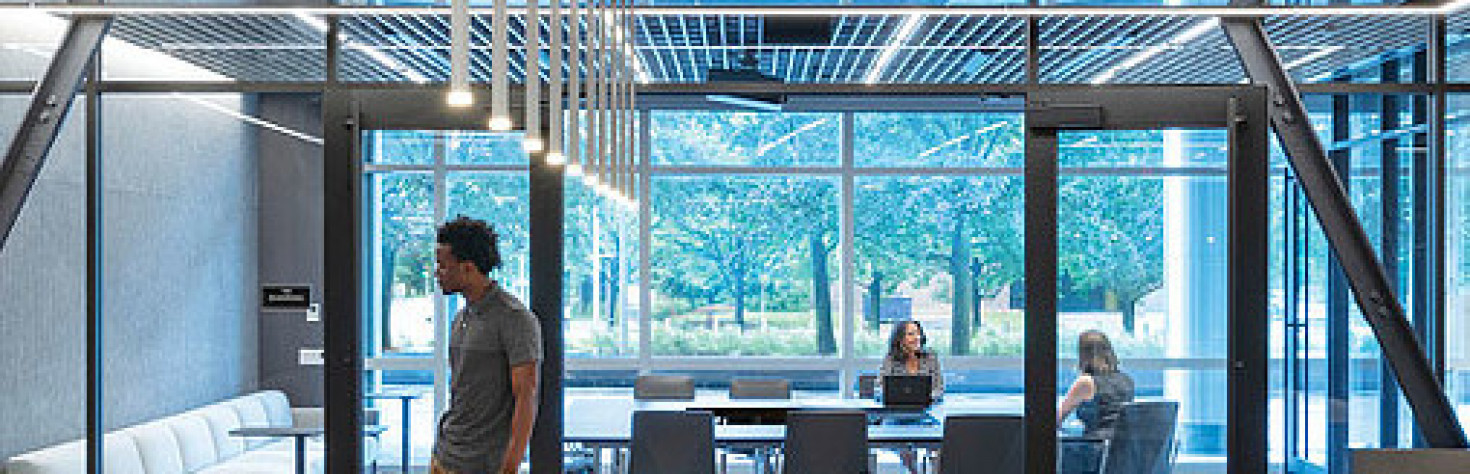
“Particularly in larger organizations, the idea of having a separate executive zone is becoming a thing of the past,” says Matthew Kobylar, design director of Gensler Toronto. The trending shift toward open offices had started even before the pandemic, “but it’s being reinforced in the hybrid workplace as people are realizing that when they come to the office, they want to see and interact with each other, including the management team.”
That has organizations repurposing corner offices as collaboration zones and repositioning managers for more visibility. “There is a shift to giving employees more physical space. We’re seeing some companies spending more on amenities to give people reasons to come into the office. Where they used to have just a grab-and-go coffee station on a floor, they’re saying, let’s make that bigger and more like your kitchen at home and have an island in the middle where you can sit and have spontaneous conversations,” Mr. Kobylar says.
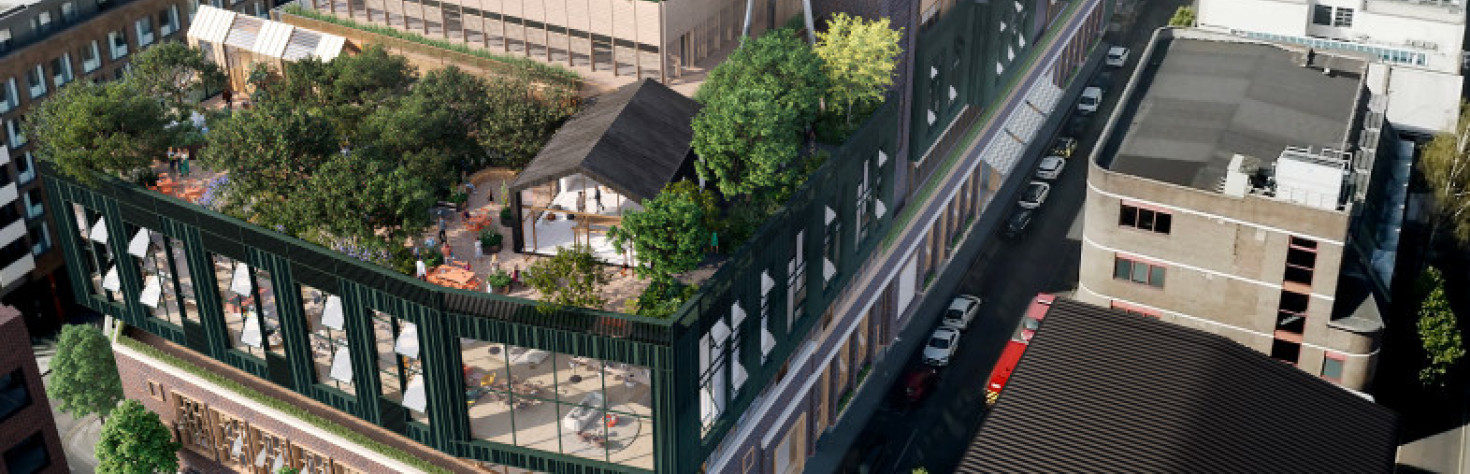
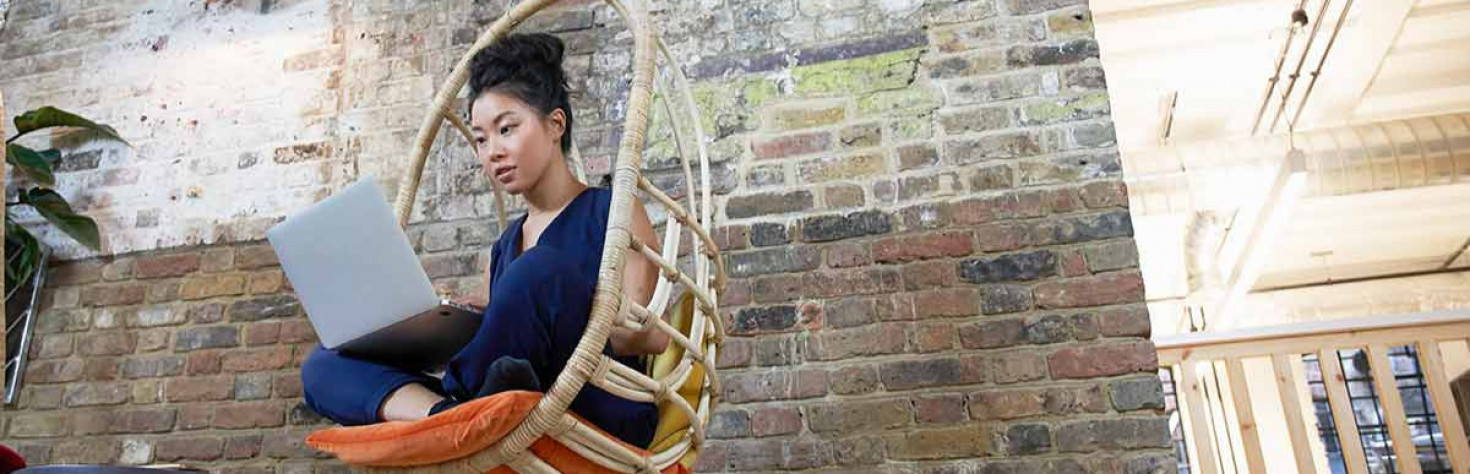
Knowing what will get optimum engagement and productivity from workers is one thing. But right now only 17 percent of workers have access to relaxation spaces, 19 percent to healthy food, and 25 percent to outdoor areas. For those that do, uptake of wellbeing amenities in the office is high, with 70 percent of workers using them weekly, the JLL report found.
Employers who don't build a strategy around the desired experiences will struggle to recruit and retain top talent in their industry, says Ben Tindale, managing director of accounts, JLL Work Dynamics – Australasia.
“Now is the chance of a lifetime for employers to reconcile wellbeing with performance,” he says. “Ignoring these expectations will be a missed opportunity with consequences for business outcomes.”
Workplace Tech

Trends
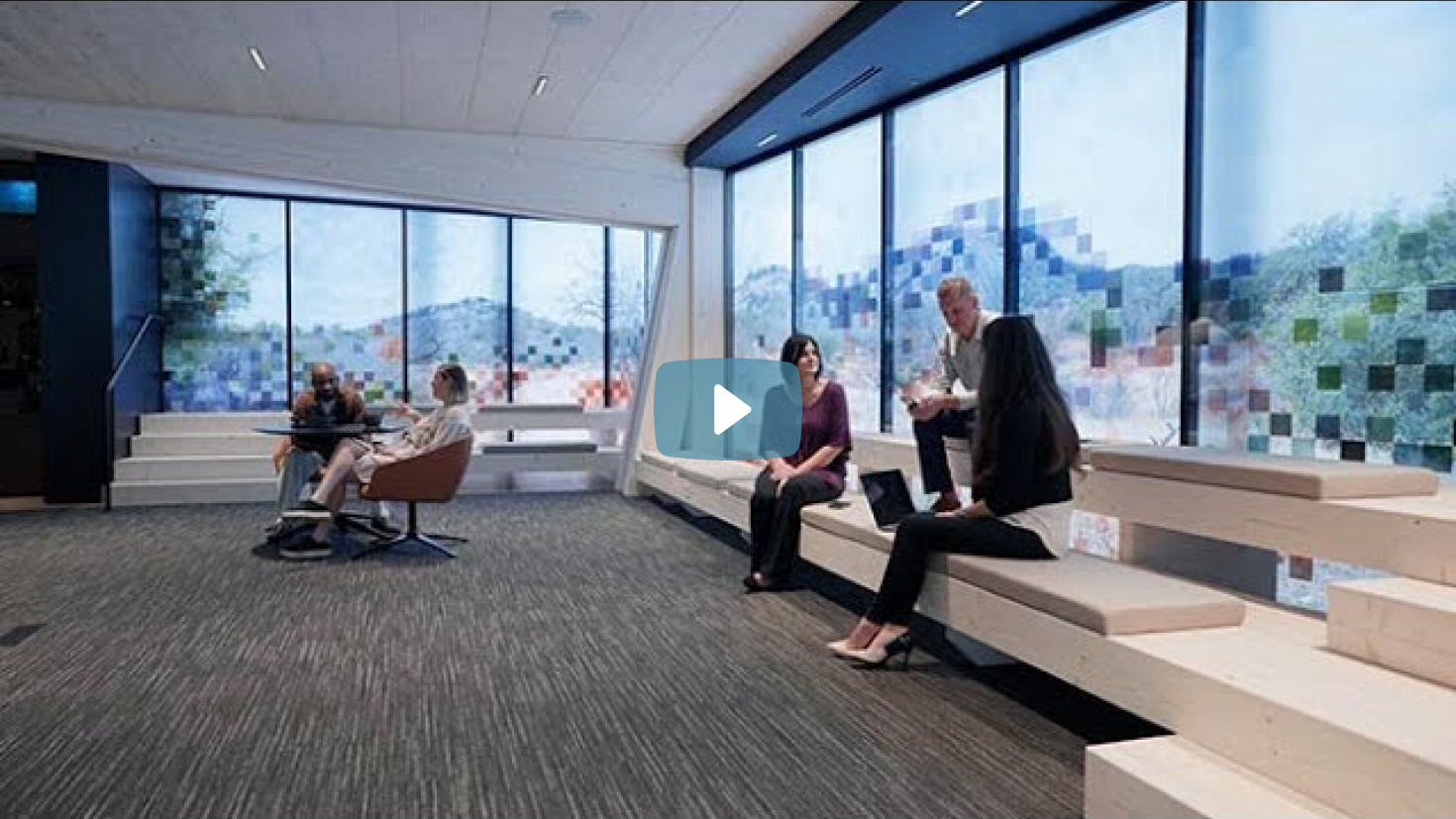
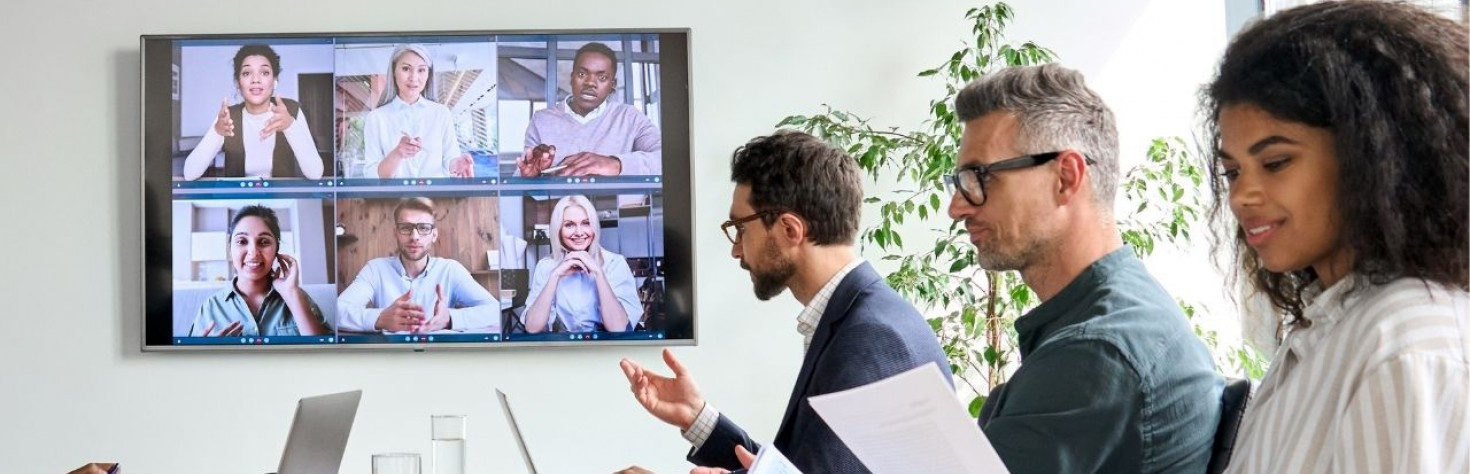
However, this time has allowed for more possibilities about what the physical office could look like. Remote working, hybrid models, shorter workweeks are all here to stay, but that doesn’t mean that the office will disappear.
Now is the time to reimagine what the office may look like in the future and what purpose it serves during this time.
With many people expected to split their time between home and the office in the coming years, businesses will need to take up space in a way that makes sense and doesn’t cost a fortune.
Additionally, offices will need to be outfitted with the purpose of making employees want to come into the workspace. Creating a home-like, cozy feel and shedding mundane cubicles is a good first step.

Although many companies are grasping to maintain some sense of pre-pandemic normalcy, a new normal has officially emerged and requires adapting.
So what can leaders do to ensure that 2022 moves in an upward trajectory?
For starters, it is critical to understand that risk will remain for much of 2022. Instead of waiting for risk to occur, forward-thinking businesses should address challenges in terms of the climate, community health, supply chain issues, labor shortages, and more as soon as possible.
WFH - Work From Home
This suite of benefits, including a $1,000 well-being subsidy and 15 paid holidays, is seen as a retention and recruiting tool, according to HR Dive.
There has been a benefits boom in the last year, with firms in many industries adding popular initiatives such as identity theft protection, pet insurance, mental health support and group legal benefits to more traditional offerings. It is a reflection of the evolving nature of stay-at-home work and the awareness of the mental toll of the pandemic, as well as a way to attract employees in a difficult labor market.
Remote Work


To do it right, you needed to identify people who did the exact same job and divide them into two cohorts, with group one working from home and the other working in an office.
A Stanford University economics professor named Nicholas Bloom and a graduate student named James Liang, who was CEO and co-founder of the biggest travel agency in China, came up with a solution. They used Liang's employees for research: studying 250 call center employees who worked from home, and 250 who worked in an office.
Flex Office
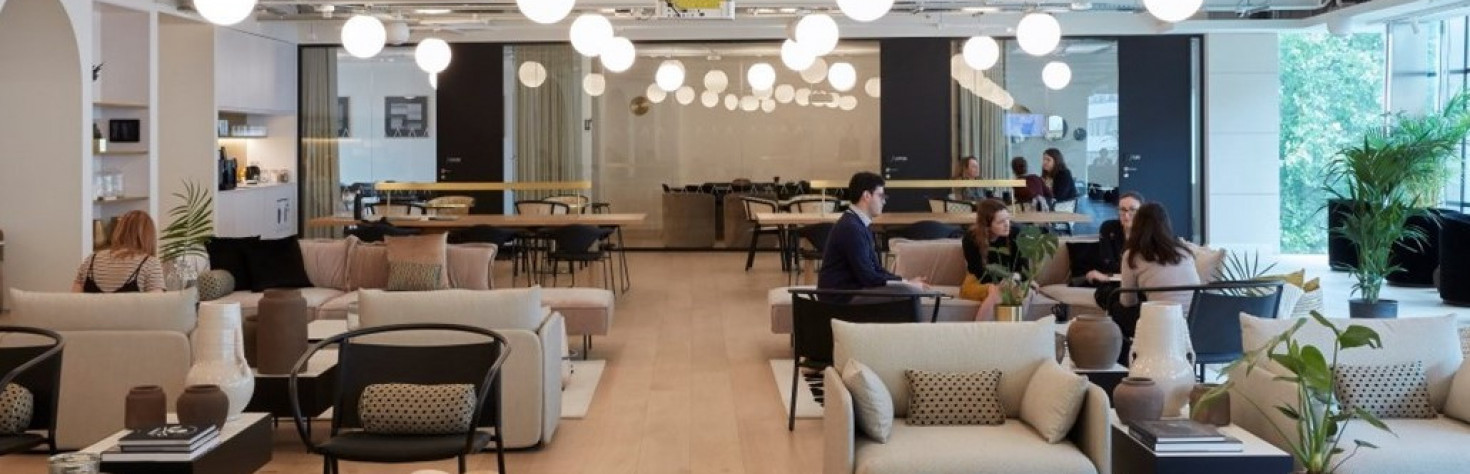
And, despite the impact of the pandemic, the office remains a hugely important asset for the thriving businesses within LABS workplaces, with 70 percent of respondents confirming that their office is, to at least some extent, still a strategic device for their business.
In fact, 60 percent of respondents said the pandemic has only had some impact or no impact at all on their workplace strategy.
This is evidenced by 94 percent of respondents also saying they enjoyed being in the office, with 47 percent citing colleague relationships as being the most important aspect of the workplace to them. Whilst 79 percent said that of second most importance was the opportunity for collaboration provided by the workplace, as well as colleague relationships.
The importance placed on relationships within the working environment and need for collaboration by the respondents is supported by 63 percent also saying that access to meeting rooms (24 percent), collaboration/break out spaces (22 percent) and café/bar spaces (17 percent) were highly important to them, and more essential/crucial than traditional work settings. Another 18 percent cited amenities, including phone booths, gyms, wellness facilities, auditoriums as being of prime importance to them.

However, one sector is feeling optimistic in the face of this unpredictability: flexible workspaces.
Operators like WeWork and others have cited seeing increased demand and growth over the past year as hybrid work becomes more popular.
“We’ve sold an office a day for the last six months, since June,” said Mike Kriel, CEO of Launch Workspaces. “We’ve had outrageous demand … three-quarters of this are folks who have never been in a flex environment before.”
Coworking
The coworking firm stated that it saw growth across desk sales, occupancy levels, and All Access memberships as organizations large and small make the transition to more flexible work arrangements.
More specifically, WeWork reported that it saw desk sales reach 66,000 during December, which is up from the 55,000 seen in November 2021. These desk sales total nearly 3.9 million gross square feet.
During the fourth quarter of 2021, WeWork reported consolidated gross desk sales of 164,000 square feet, up from the 153,000 sold in the third quarter.
Additionally, the company noted that occupancy rates grew to 63% during December compared to the 56% seen during the end of the third quarter of 2021.
Design

One Wall Street Journal essay explored the idea of transforming large offices into “clubhouses” or other types of social spaces.
Many companies have already acknowledged this necessary shift and started incorporating new amenities to make the office a place workers want to be in. Adding new experiences such as yoga studios, game rooms, cafes, and more to offices has become increasingly popular.
The essay discusses why it’s important to focus these offerings on creating social interactions.
Many workers already know they can complete their toughest tasks from the comfort of their home. What’s missing is the camaraderie and collaboration that remote working can’t provide.
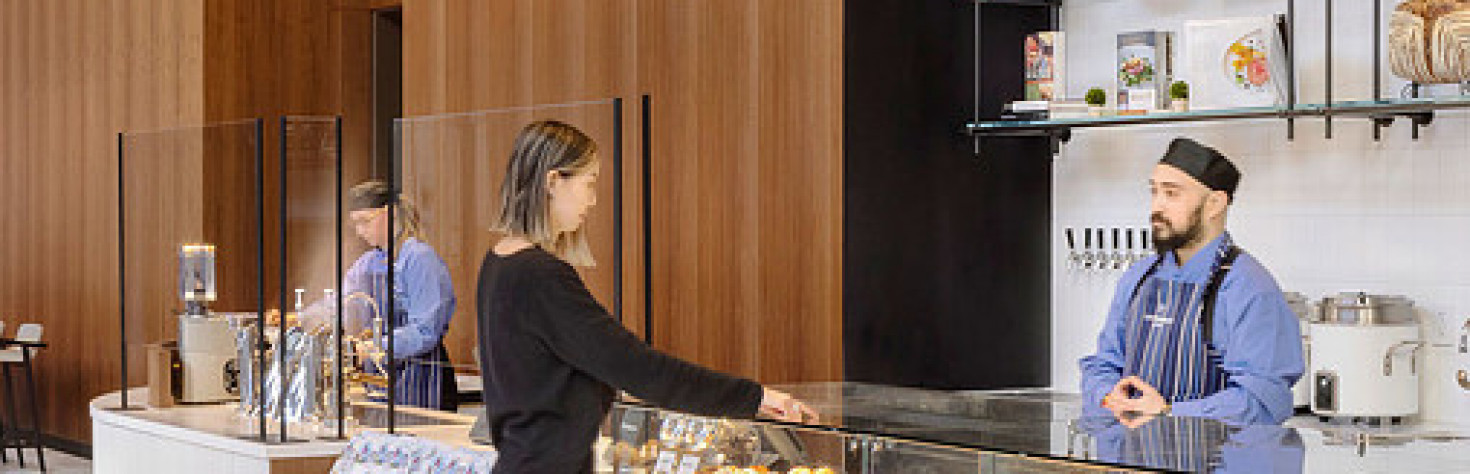

Those are just a few examples of hot-desk buzz words. Whatever the label, the idea is the same. Instead of assigning employees to their own desks, multiple workers use a single workstation at different times. A workstation might be a desk, a cubicle, or any other type of work surface, but it’s typically some form of a communal table.
Real Estate


The US office market has also recorded three consecutive quarters of leasing volume growth, led by five Big Tech companies that have expanded their footprint by a collective 9 million square feet since the onset of the pandemic.

But will it come back the way it once was? With every new Covid variant and employee who really likes the flexibility and work-life balance that remote and hybrid employment offer, it seems increasingly unlikely.

While investors initially doubted the value of certifications like LEED and BREEAM, green certifications result in a rent premium of 6% and a sales premium of 8%, JLL says in a new report on sustainability and the growing value of green.


Makers
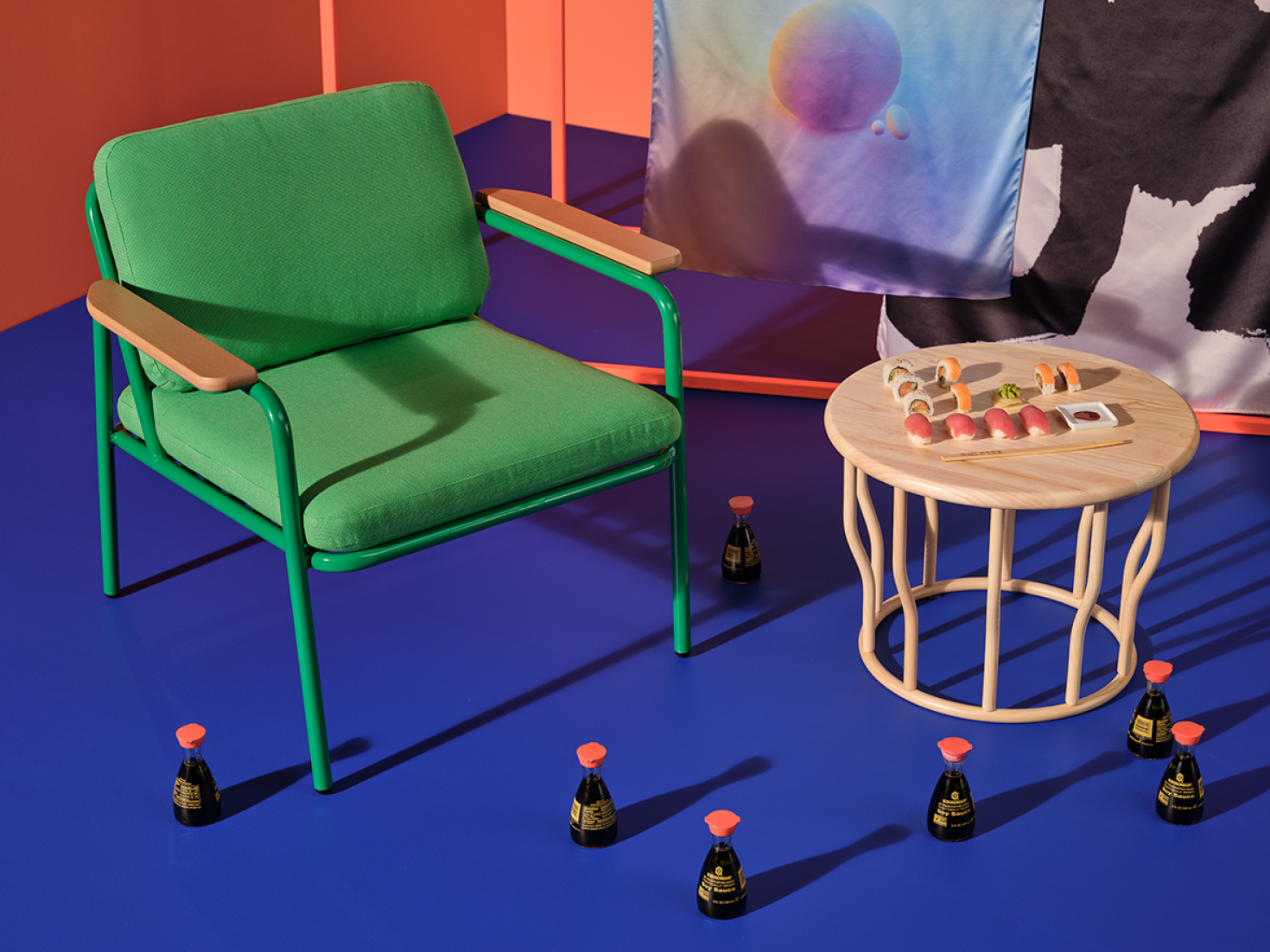

Felt Right Launches Commercial Design Division with Strong Market Differentiation
Felt Right is now bringing its customizable acoustic solutions to the commercial sector. Founder Talley Goodson built the mold-breaking company to turn the commercial felt tile business model upside down, empowering designers and small business owners by leading with simplicity, immediacy, sustainability, and ease of use.
Previously, Goodson founded and sold 3form, growing it into a $100 Million+ venture company along the way. During his 18 years working in architectural acoustic solutions, he always wanted to make them more accessible to small-business owners, to projects of any scope, even to consumers. He decided to retool instead of retire and launched Felt Right as a direct-to-customer e-commerce platform in 2020.
Now, after fulfilling tens of thousands of orders and receiving incredible customer feedback, Felt Right has scaled to support the contract, hospitality, healthcare, and education sectors. Whether it’s a coffee shop, co-working space, medical office, restaurant, or classroom that needs a new look, Felt Right tiles add color, creativity, texture, and important acoustic attributes to improve sound quality.
Felt Right is constantly evolving to anticipate and meet market demands, whether it's collaborating with Lori Weitzner – Color Mentor and Founder of Lori Weitzner Design – on their award-winning palette, developing new shapes based on customer feedback, or optimizing the tiles’ Noise Reduction Coefficient (NRC) with their resident acoustician.
The Felt Right Design Studio is a tech-enabled platform where designers can create configurations for their specific project size, exploring different patterns, shapes, and expertly curated colors. The company’s commercial team also provides best-of-its-kind design support for on-the-fly customization, real-time estimates, and simple installation guides. For Goodson, it’s just as important for clients to have the best experience as it is to have the best quality product.
Made in Salt Lake City, UT, with socially responsible manufacturing, Felt Right’s PET tiles are constructed with recycled content and shipped quickly, boasting unheard of lead times of five days, 10 times faster than other acoustic solutions companies. They help transform commercial interiors into more vibrant, attractive, and better-sounding spaces, which is more important now than ever as most people are highly aware of how the places they spend time in improve their overall wellness.
For more information on Felt Right and to explore the commercial design experience, visit: feltright.com/pages/commercial
Dealers
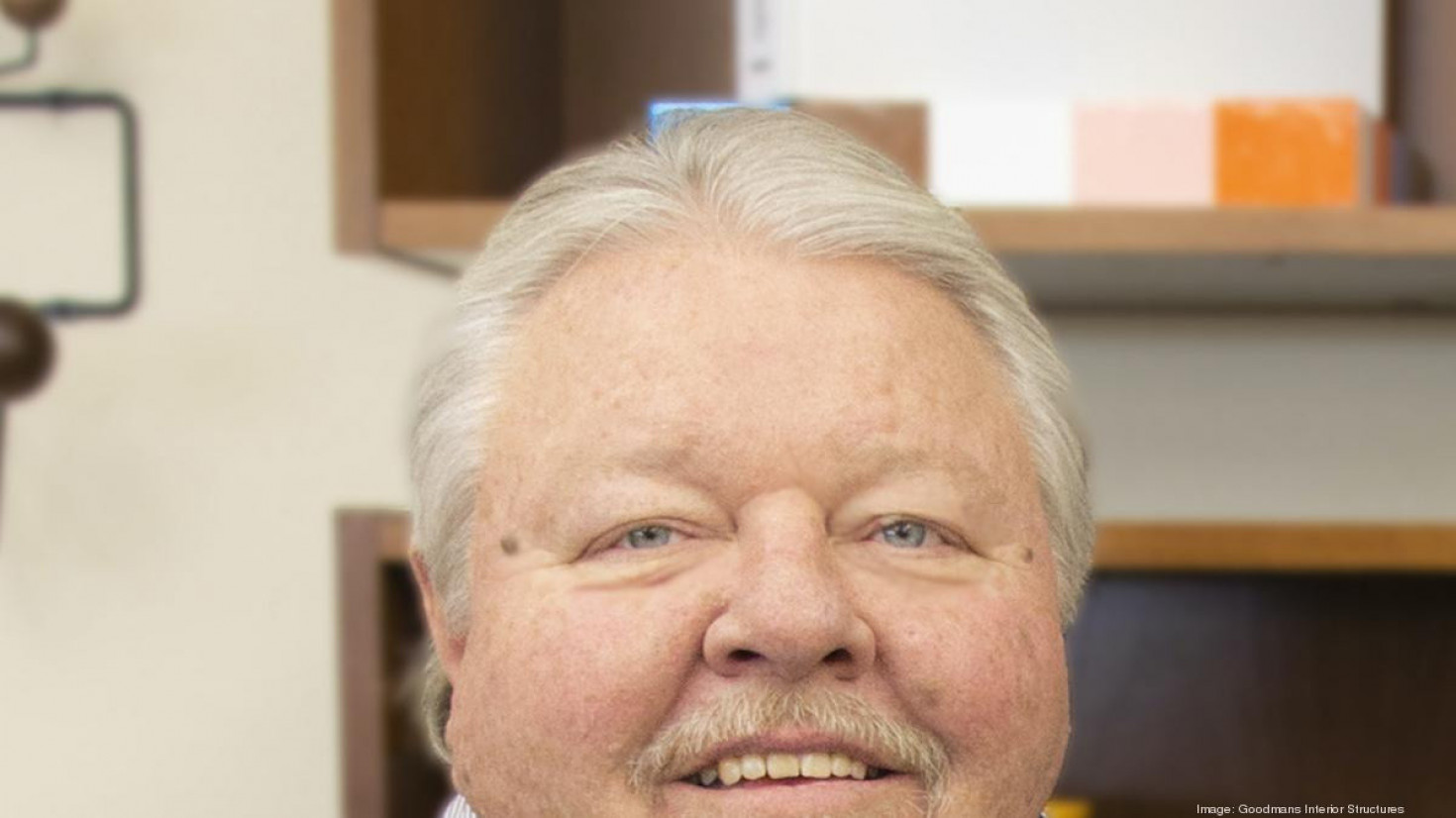
Talks between the two companies started in fall 2021 and closed earlier this month, said Goodmans' general manager Stuart Hamilton. A catalyst for the deal, Hamilton said, was Herman Miller Inc.'s acquisition of Knoll Inc. last summer. The $1.8 billion deal had a trickle-down effect locally to Goodmans.
Once MillerKnoll formed out of the acquisition, Hamilton said it opened up the possibility to acquire Workspace Dynamics, which had been a Knoll partner. It also allowed them to expand their portfolio to offer the 19 MillerKnoll affiliated brands, according to a news release.
“We are proud to have served our clients throughout New Mexico for the past 22.5 years as a Knoll partner. The MillerKnoll brand creation paved the way to join the brands at the dealership level as we move into a new year and a new era in the contract furniture industry," Workspace Dynamics founder and owner Mary Jury said in a statement, "We look forward to combining our talents, expertise and relationships with the Goodmans team, continue serving our clients and offering the best products and services throughout the state."
The cost of Goodmans' acquisition was not disclosed. Hamilton said five Workspace Dynamics employees have moved over to Goodmans in sales, support staff and project management positions. He added that Goodmans will consolidate Workspace Dynamics' office at 4711 Lomas Blvd. NE and a 5,000-square-foot warehouse into Goodmans' existing local operations.
Business Interiors of Idaho (BII) Merges with Freeform (Contract Resource Group, Inc.)
Business Interiors of Idaho (BII), a Boise-based company for 37 years, is merging with Freeform (Contract Resource Group, Inc.), a Spokane-based company for 30 years. Throughout their histories, BII and Freeform have provided customers solutions across the spectrum of furnishings, space planning, and interior design. BII and Freeform work with several of the region’s largest and most respected employers to support their growth and provide informed, functional, and comfortable environments.
The newly combined entity will employ nearly 50 team members and aims to raise the bar even further for the commercial furniture and design industry in the Intermountain and Inland Pacific Northwest. Over the course of this year, the company will assume the brand and marks of Freeform.
RJE Business Interiors announces new partnership with Allsteel
RJE Business Interiors (RJE), an Indianapolis, Ind.-based company specializing in the planning and design of strategic workplace environments, announced it has chosen Allsteel as its new primary manufacturing partner. Allsteel and the HNI brands will lead RJE’s current portfolio of offerings.
"We could not be more thrilled to announce our partnership with Allsteel, and we feel that Allsteel, HNI brands and national contracts provide innovative solutions for our customers and growth opportunities for RJE," said Denny Sponsel, chief executive officer and owner of RJE. "We have provided workplace solutions for the last 31 years and are always looking at new and innovative ways to bring value through excellent customer experience and designs. We are still the same RJE that values trust, going above and beyond for our customers and designing inspiring spaces, and this new partnership with Allsteel complements and magnifies these values, providing new ways to serve our customers."
As a result of this new Allsteel partnership, the Columbus, Ohio location of RJE will merge with Dupler Office, a Columbus, Ohio-based company specializing in the planning and design of strategic workplace environments and current Allsteel furniture dealer. Established in 2006, Dupler Office offers innovative, customized, sustainable solutions with a focus on how and where people work, heal, learn, and live. The RJE Columbus office will be joining forces with Dupler Office to create one Allsteel dealer partner for the Central Ohio market. All RJE Columbus team members will transition into the Dupler team, only adding to the strength of the current team bringing additional expertise to the business. They will operate as Dupler Office out of Dupler's current Arena District showroom.
RJE plans to unveil a new showroom in Spring 2022.
Systems Source Selects Haworth as Partner to Deliver Innovative New Design and Customer-Driven Technology
Systems Source, Inc. (SSI), a West Coast-based contract interiors firm and the former Knoll Inc’s largest distributor globally, announced its new partnership with Haworth.
“We are beyond excited to work with this award-winning company to expand our global footprint through innovative design and customer-driven technology,” said founder and CEO Rosemarie Smith.
As a dynamic industry leader for more than 20 years, SSI works with some of the largest organizations in the world. SSI chose a partnership to meet their client’s evolving needs both locally and globally. To propel the organization into its next phase of growth, SSI found a partner with shared values, capabilities, and total commitment to serving the commercial market. Haworth’s incredible investment and commitment to future looking modern design, diversity of products and laser focus on the needs of today’s business and institutional markets aligned with SSI’s design and client-centric culture.
“This once-in-a-generation realignment of manufacturer and distribution will provide our clients with exciting new design choices, streamlined interior planning and purchasing. We know our clients and design partners will benefit tremendously from our new partnership. It’s an exciting time to be in the commercial interiors industry and we look forward to introducing even better solutions for our customers and design partners in the coming months and years,” said Smith.
The Systems Source Headquarters is located at 4685 MacArthur Court, Suite 100 in Newport Beach, California.
Industry Veteran Steps Away From Rep Group to Incubate the Next Generation of Ideas for the Contract Furniture Industry: Shea Uebelhor of LEVEL Reps announces sabbatical from Chicago-based rep group to spearhead LEVEL Ventures and related startups
Shea Uebelhor, co-founder of the manufacturer’s rep group LEVEL Reps, is stepping away from the business to focus on the next round of industry-changing ideas.
Uebelhor consulted with many peers and mentors during the decision process, and ultimately felt encouraged and empowered to focus his efforts on ventures that will move the contract furniture industry into a new era.
“I’ve always been passionate about testing new ideas and challenging the status quo,” Uebelhor said. “And I believe in many ways we have accomplished that with the way LEVEL Reps serves the dealer and design community in concert with our amazing manufacturer partners. Now feels like the perfect time to shift focus to what’s next for furniture.”
“I’m thrilled for the opportunity Shea is going to have in this next chapter,” said LEVEL Reps co-founder Cory Johnson. “We have taken strategic measures to ensure LEVEL Reps is in great hands, but ultimately his desire to dream and build made a decision like this one a no-brainer for us both.”
Uebelhor and Johnson founded LEVEL Ventures in the last few years to incubate the best ideas they came across that represented a shift in approach for the furniture world. One such idea is a LEVEL Venture company named Cayke. Cayke’s mission is to enable manufacturers and dealers to procure and service in an entirely new way, aimed specifically at creating unique digital platforms to help grow sales revenues.
Cayke is an inclusive platform providing a unique buying experience for small and medium-sized manufacturers with an adoption plan for furniture dealerships and rep groups alike. Among other projects, Uebelhor expects to lead Cayke from the startup phase to long-term sustainability.
“Dealers today are evolving to attract new sales talent, improve margins, and separate themselves from larger, digital players,” says Uebehlor. “The digital buying experience is already here and it isn’t only for large manufacturers. Dealers as well as small to medium scale manufacturers are aware that a multi-faceted approach to the market is a new reality for our industry.”
Products
Kirei Launches Echotiles Sync, Modular Acoustic Tiles that Sync into any Space
Kirei, a provider of innovative eco-friendly design materials for any interior, announced the launch of EchoTile Sync, a timeless modular acoustic tile system to bring any space into sync.
Developed in collaboration with renowned designer Michael DiTullo, the modular system of EchoTile Sync creates a nearly infinite number of options to design the perfect look for any space. Users can build out a feature wall and bring unity across rooms with these dynamic acoustic tiles that both absorb and inspire.
“A room is a place to live, to play, to not just work but to create,” says John Stein, President of Kirei. “EchoTile Sync adds a classic wall tile to the mix to make any room a space to be remembered. Its modularity allows for designers to create anything from quiet corners to whimsical walls. We wanted EchoTile Sync to pair with EchoTile Racetrack so designers can have truly unlimited potential with their designs.”
The seven tile sizes (11.5”x11.5”, 11.5”x23”, 11.5”x46”, 23”x23”, 23”x46”, 46”x46”, and 46”x96”) are completely modular with 33 rich and versatile colorways. Each EchoTile Sync tile adds an architectural detail with its beveled edges which are forgiving on uneven walls. EchoTile Sync scales to fit any space with its simple spec and installs easily with construction adhesive. The different shapes and sizes allow designers to choose between creating wild patterns or calming designs while improving occupant well-being through EchoTile Sync’s health certifications and acoustic properties.
EchoTile Sync is made from EchoPanel®, a registered trademark of Woven Image®. It is a low VOC, Red List Free material with published ingredient transparency through Declare and third-party certification by Global GreenTag. Made from over 60% recycled PET, each panel diverts 235 single-use plastic bottles from global landfills and waterways. Kirei is proud to partner with Woven Image on their shared sustainability mission.
Projects
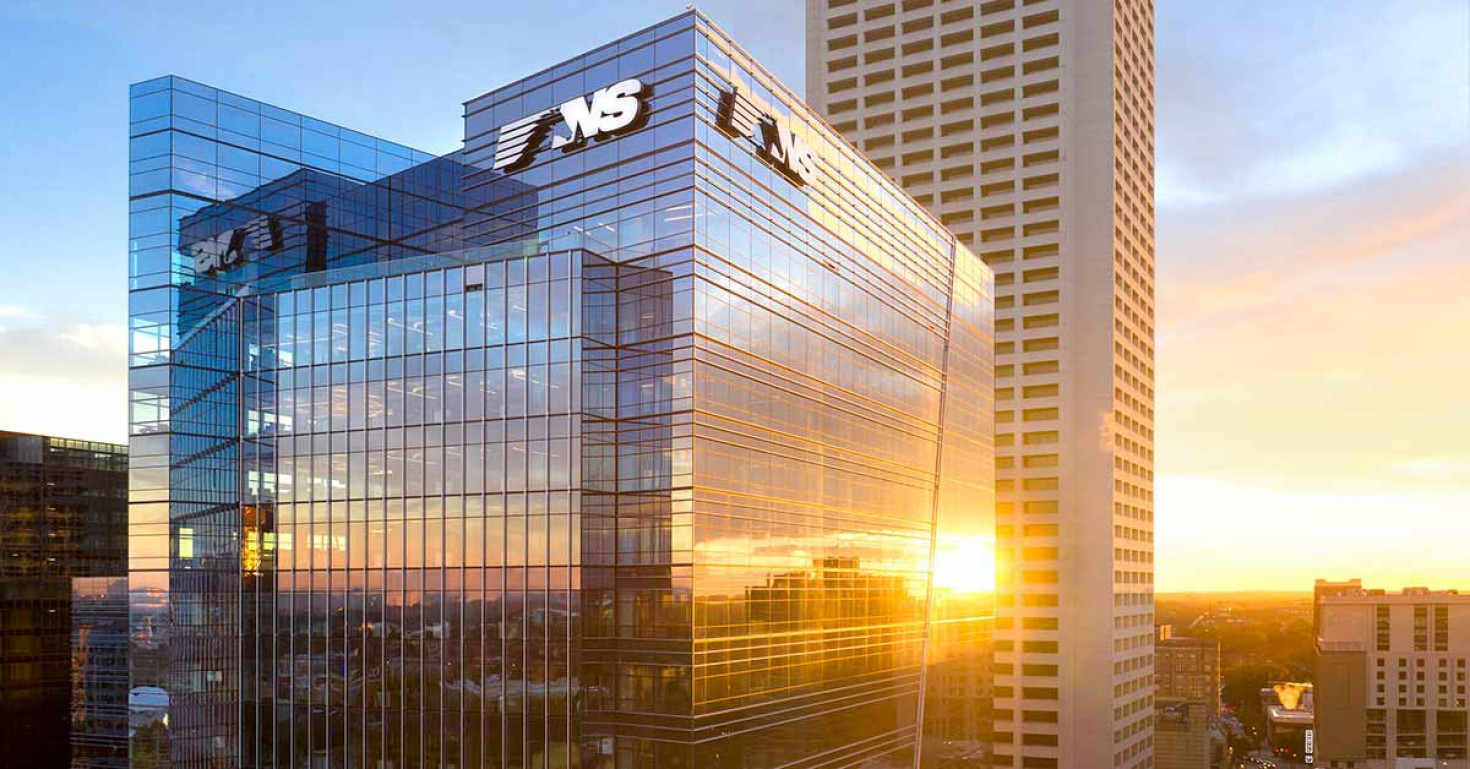
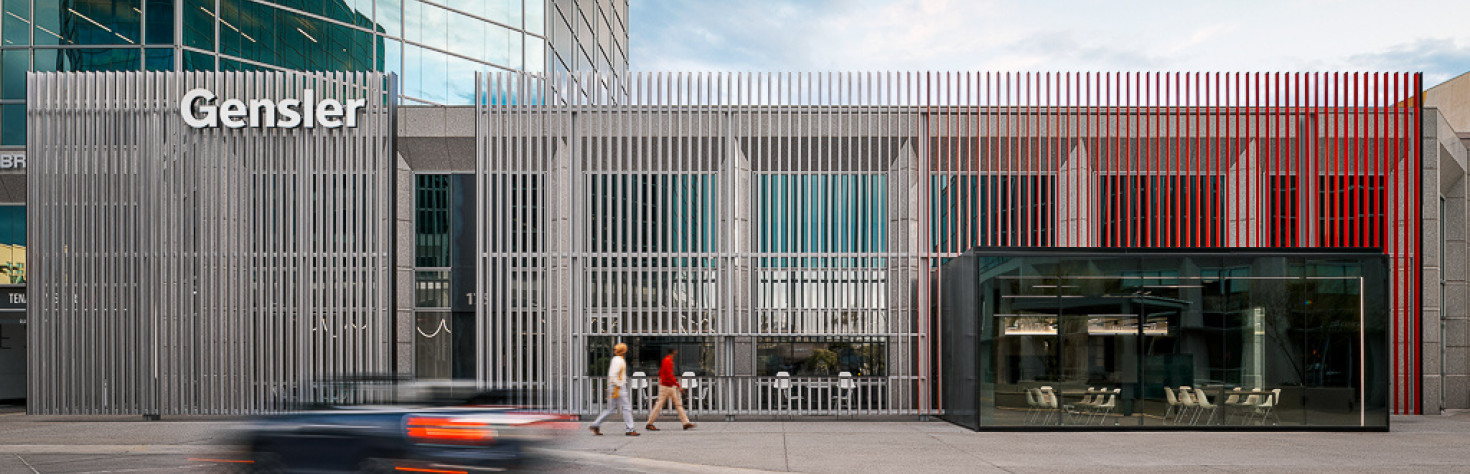
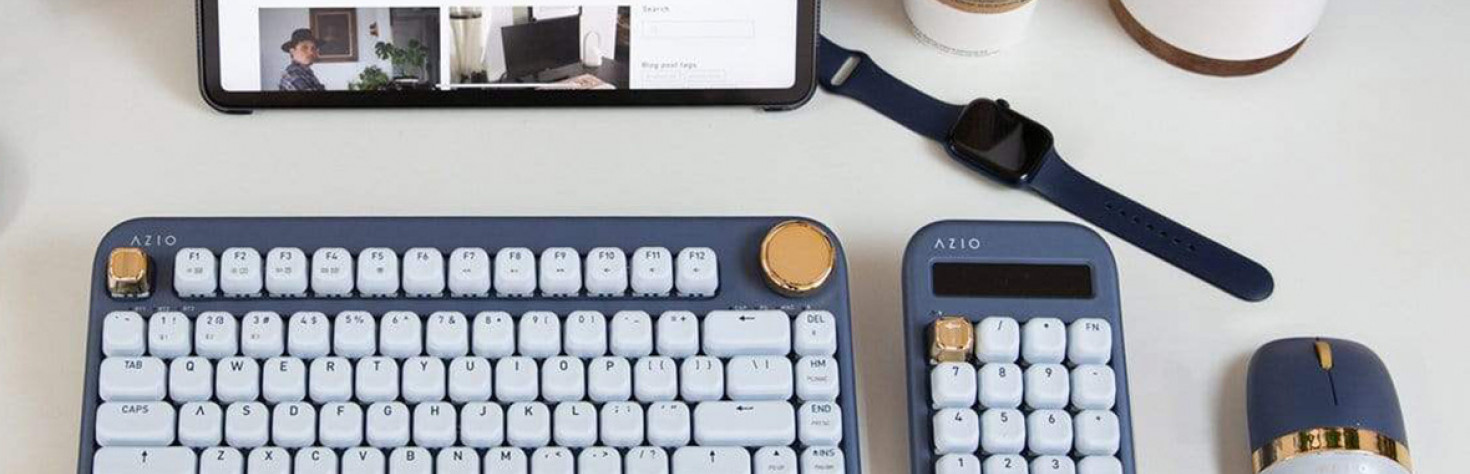
Backed by research and with an eye towards innovation, Gensler’s designers created a new Living Lab workplace model where staff and clients can collaborate, workshop ideas, and showcase design leadership. The 100% agile work setting embodies Gensler’s culture of openness and collaboration — and pushes the bounds of the evolving modern workplace.
Events
Landscape Forms to Host Live Virtual Roundtable: Designing for Holistic Sustainability - Featuring a powerhouse panel and moderator to lead the timely conversation
Landscape Forms is excited to kick off the new year with a timely and powerful discussion about sustainability and solutions for design industry taking place on Tuesday, January 18th at 11am EST via Zoom. Felix Oberholzer-Gee, Andreas Andresen Professor of Business Administration, Harvard Business School, will lead the conversation featuring:
- Pamela Conrad - Principal, Landscape Architect, CMG Landscape Architecture; Founder, Climate Positive Design
- Holger Hampf - President, Designworks, A BMW Group Company
- Avinash Rajagopal - Editor in Chief, Metropolis Magazine
- Alan Steel - President and CEO, New York Convention Center Operating Corporation
- Kate Williams - CEO, 1% For The Planet
Advancing holistic sustainability means addressing the three pillars of sustainability through design—creating new solutions that bridge industry boundaries to deal with climate change’s real economic, social, and environmental impacts. The cross-industry panel of experts will discuss how these three pillars can intersect, overlap and come into conflict. Discussion will continue with an exploration of the technology, policies, and strategies in business, design, media and landscape architecture that can help enact meaningful change for our planet and our communities.
Register to attend: https://us02web.zoom.us/webinar/register/WN_zCbrNgs9Qw63uEPCEy5Pag
Noted