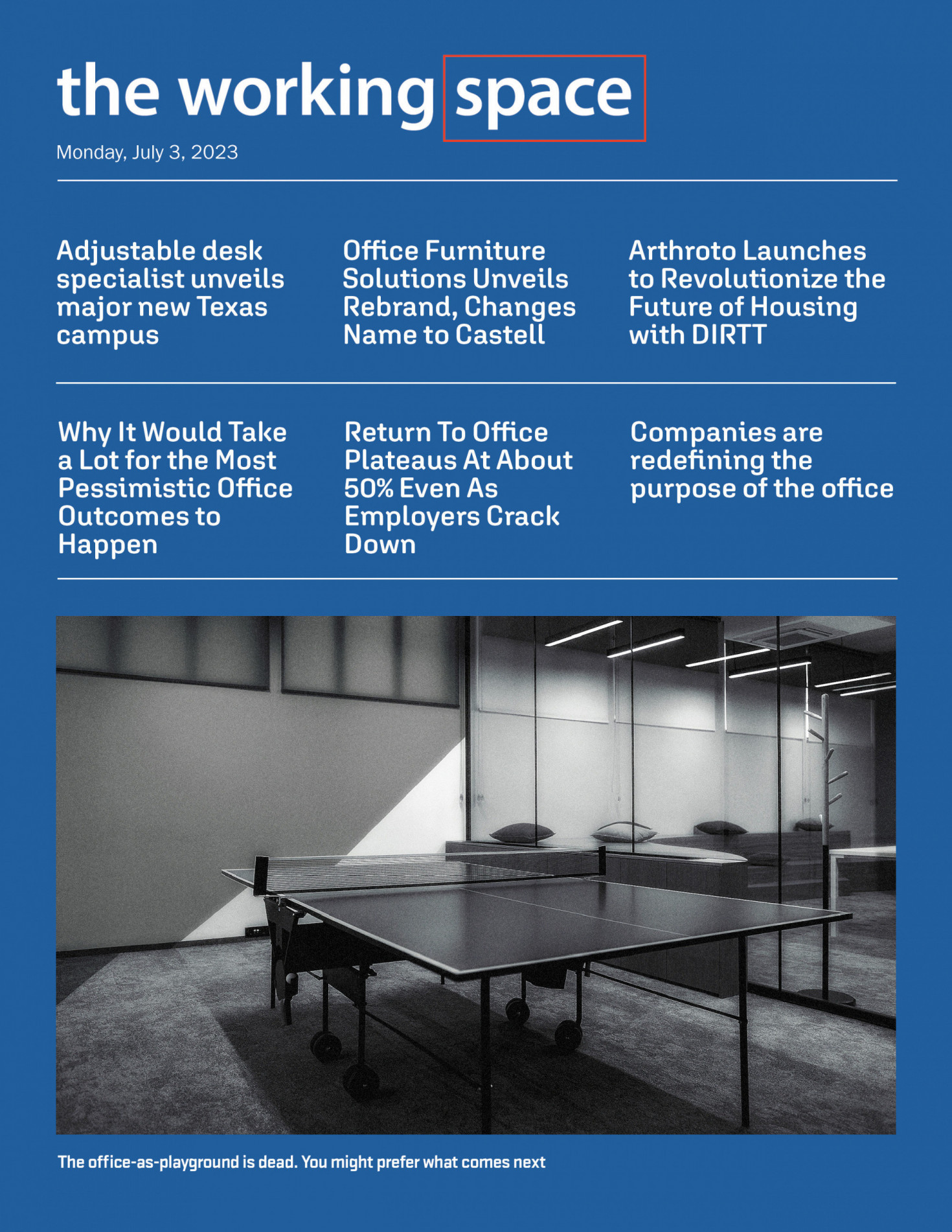
Adjustable desk specialist unveils major new Texas campus / Furniture Dealer MOI Relocating Showroom Within Downtown DC / Companies are redefining the purpose of the office / The office-as-playground is dead. You might prefer what comes next / Office Furniture Solutions Unveils Rebrand, Changes Name to Castell / Arthroto Launches to Revolutionize the Future of Housing with DIRTT / Return To Office Plateaus At About 50% Even As Employers Crack Down / Office Values Unlikely To Recover Before 2040 / The UnOffice: Workplaces for More Than Productivity / The pros and cons of taking a ‘workcation’ / and much more…


The Working Space
Monday, July 3, 2023


Industry News
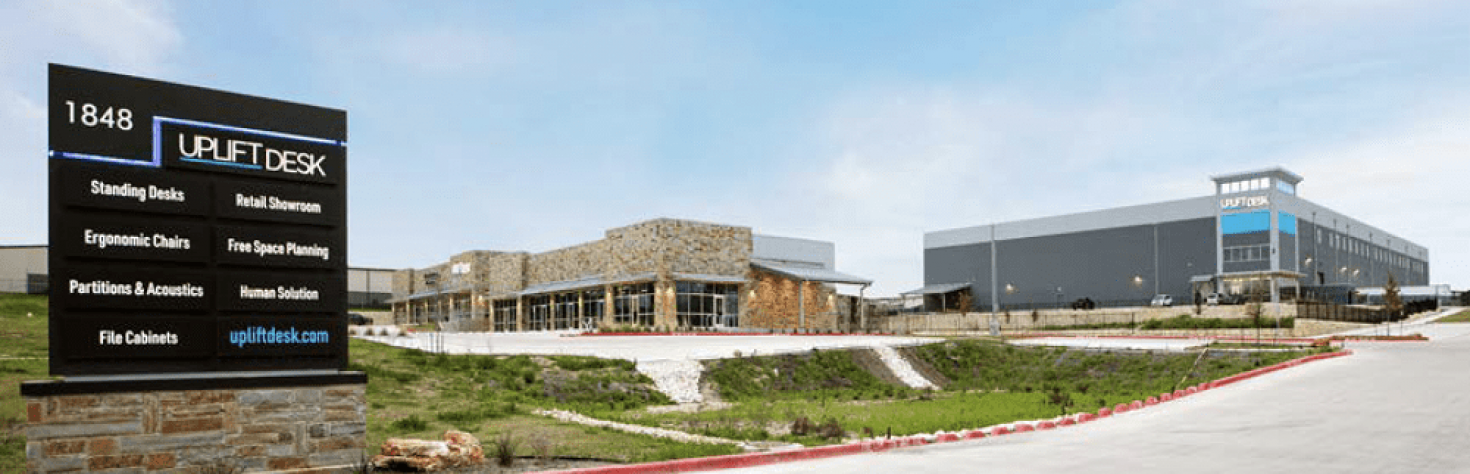
Uplift Desk, a home office furniture manufacturer, has opened a new 152,000-square-foot campus in Austin, Texas, featuring five buildings with showroom, warehouse, and office space. The new showroom allows customers to test out products before purchase and discover new ones. The campus also features one of the largest solar arrays in central Texas, generating over 1 million watts of clean electricity annually. The company is primarily an e-commerce operation and has over 310,000 square feet of warehouse space in the Austin area, holding 48,000 pallets of inventory, enabling same-day shipping.
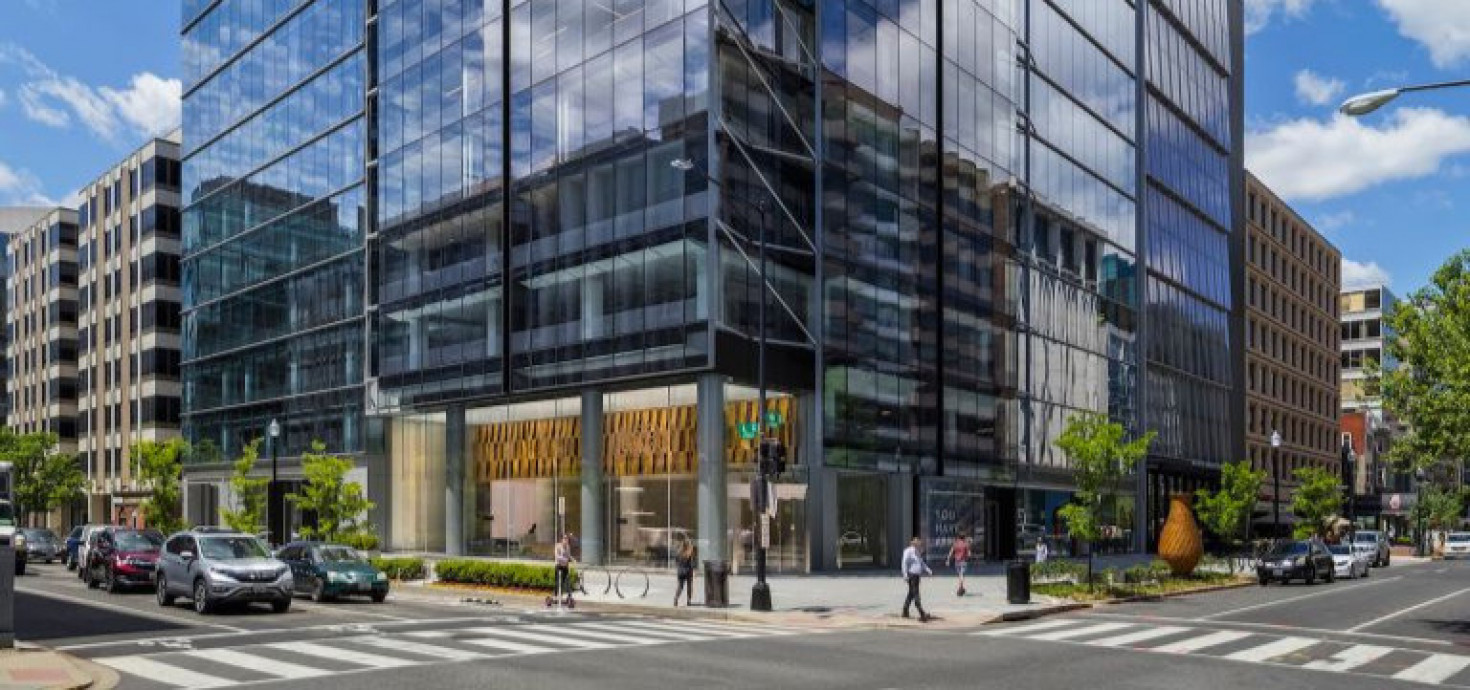
Furniture dealer MOI is relocating its showroom in Washington, D.C. to the second floor of 1901 L Street NW, a WELL-certified building in the Central Business District. The new space offers an open concept with floor-to-ceiling glass walls and many amenities, including a fitness studio and rooftop space. MOI's director of business development cited the need for more space to collaborate with partners and clients, and the building's proximity to key manufacturing partners and clients as reasons for the move.

Office Furniture Solutions Unveils Rebrand, Changes Name to Castell
Office Furniture Solutions has rebranded to Castell, with a focus on workplace design consulting, custom furniture, and architectural products. Castell aims to help clients navigate the challenges of hybrid workspaces and employee wellness, with a commitment to sustainability and second-life products. As a Teknion dealer, Castell has access to a global portfolio of office systems and workspace products.
Arthroto, a new startup in partnership with DIRTT, aims to convert underutilized office spaces into modern, sustainable and cost-effective residential and mixed-use housing. By leveraging prefabrication methodologies and new technologies, Arthroto aims to disrupt the housing industry and provide a holistic approach to repurpose unused office spaces into thriving communities.

Kimball International Supports Pride Month Through a Variety of Events
Kimball International supports the LGBTQIA+ community and allies through events, education, and sponsorships, including being a Rainbow Level sponsor of the Dubois County Indiana PRIDE Festival and co-sponsoring the third annual True Colors Pride event in Boston. They also provide a safe, positive, and caring environment for employees, customers, and suppliers through their DEIB strategy and Connection Communities.
According to a June 2023 report by CommercialEdge, the national office vacancy rate in May was 17%, up 30 basis points from the previous month and 160 basis points from the prior year. Tech markets such as Austin, Denver, and San Francisco recorded even higher rates. However, the national average rent rose during the month, with suburban areas benefiting from the highest rent increases. The life sciences sector was an exception to the generally gloomy picture of office vacancies, with San Diego's inventory set to expand by 10% when 4.9 million SF of office space under construction is completed.
U.S. office workers are back at their offices roughly 50% of the time, according to data by Kastle, and that has been the case since the beginning of 2023, suggesting an emerging plateau for office occupancy. Employers are still cracking down on workers they don't believe are coming into the office enough, however, with some companies threatening consequences for non-adherence to hybrid schedules.
San Francisco's office sublease market has surged 140% since 2020, with available sublease space reaching 8.9M SF in Q1 2021, up from 3.7M SF in Q1 2020. The surge is attributed to remote work, tech layoffs, and turmoil in the commercial real estate industry. San Francisco's overall office availability rate was 32.7% at the end of Q1, and 28.3M SF of office is either vacant or available for sublease in the market. With reduced usage and stalled capital markets, office valuations in San Francisco and beyond are falling, and many property owners are struggling to keep up with their loan payments.
A report from Capital Economics predicts that office values will fall by 35% by the end of 2025 and are unlikely to recover before 2040 due to the rise in remote work. The sluggish recovery of office foot traffic is driving down property values, with office vacancy rising from 16.8% in Q4 2019 to 19% in Q1 2023. The decline in office investment is similar to the decline in value that American malls experienced in the last six years, with mall valuations down by 33.5% in absolute terms. Creative repositioning of office assets and the redevelopment of older buildings could offset some of the decline in values, but the costs of converting or upgrading a space will fall on owners who are already struggling with the declining value of their assets.
While some predict a significant decline in office property values, a new analysis by Moody's Analytics CRE suggests that it would take a lot for an office platform to lose 40% of its value, and that it's highly unlikely to occur broadly. Four key metrics would all have to meet significant criteria to bring an office value crashing down, and the number of changes needed to reach that 40% loss from peak has a 4% likelihood of occurring.
While the United States office sector continues to struggle, high-end properties are in demand, particularly trophy and Class A properties. Tenants are willing to pay a premium for premier office accommodations, resulting in higher asking rents for trophy properties. The flight-to-quality trend is evident in major metropolitan areas, including Manhattan, San Francisco, Washington, D.C., and Los Angeles. Despite high vacancy rates, tenants are seeking high-end space and paying substantially less than their counterparts in other major metros.

Features

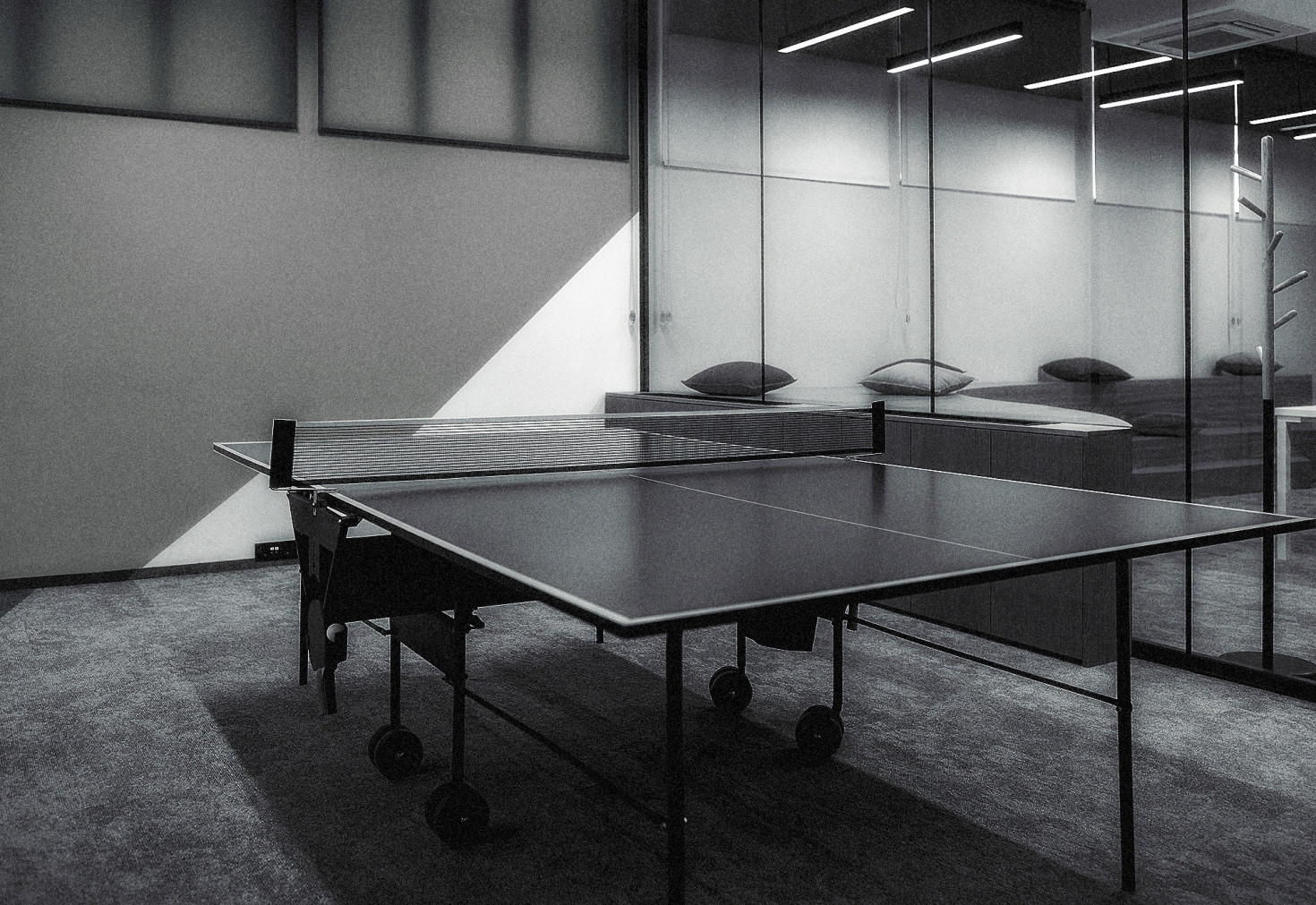
Daniel Zimmer leads SAP's office space redesign, which aims to improve the developer and engineer experience. The pandemic prompted Zimmer to rethink SAP's Bay Area footprint, and he turned to architect Aaron Taylor Harvey, who had launched a company, Spaces Of, to reimagine the office experience. Harvey's approach leverages storytelling and empathy to reflect a company's culture and work ethic through architectural design, rather than relying on gimmicks like Ping-Pong tables. Harvey's team begins the process with in-depth research to determine how an office might truly be used, and then develops a space that is flexible and meets the needs of the employees. SAP reduced its footprint by 75%, making it more efficient, with less overhead than running and maintaining multiple buildings required. The space is designed for maximum flexibility, meeting the needs of its employees, whether 30 or 250 are in the office on any given day.

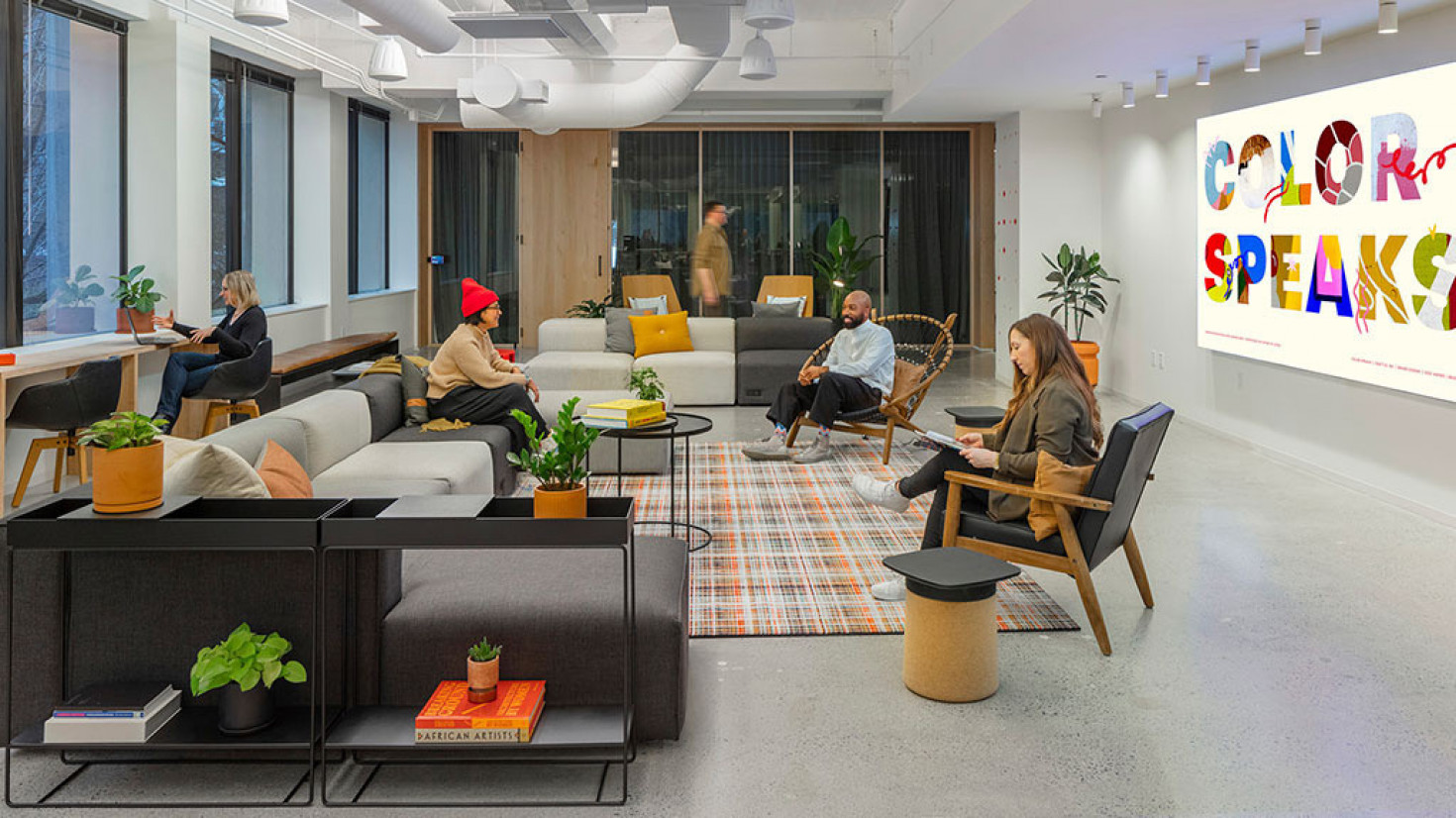
As hybrid work becomes more common, workplaces should embrace unproductive time as a way to foster balance, well-being, and community. While productivity is any work that is measurable and directly tied to business outcomes, unproductivity is often overlooked but vital to how people and businesses grow. Designing for unproductivity means creating spaces that allow for belonging, innovation, well-being, and growth, such as intimate seating, makerspaces, yoga rooms, and interactive war rooms.

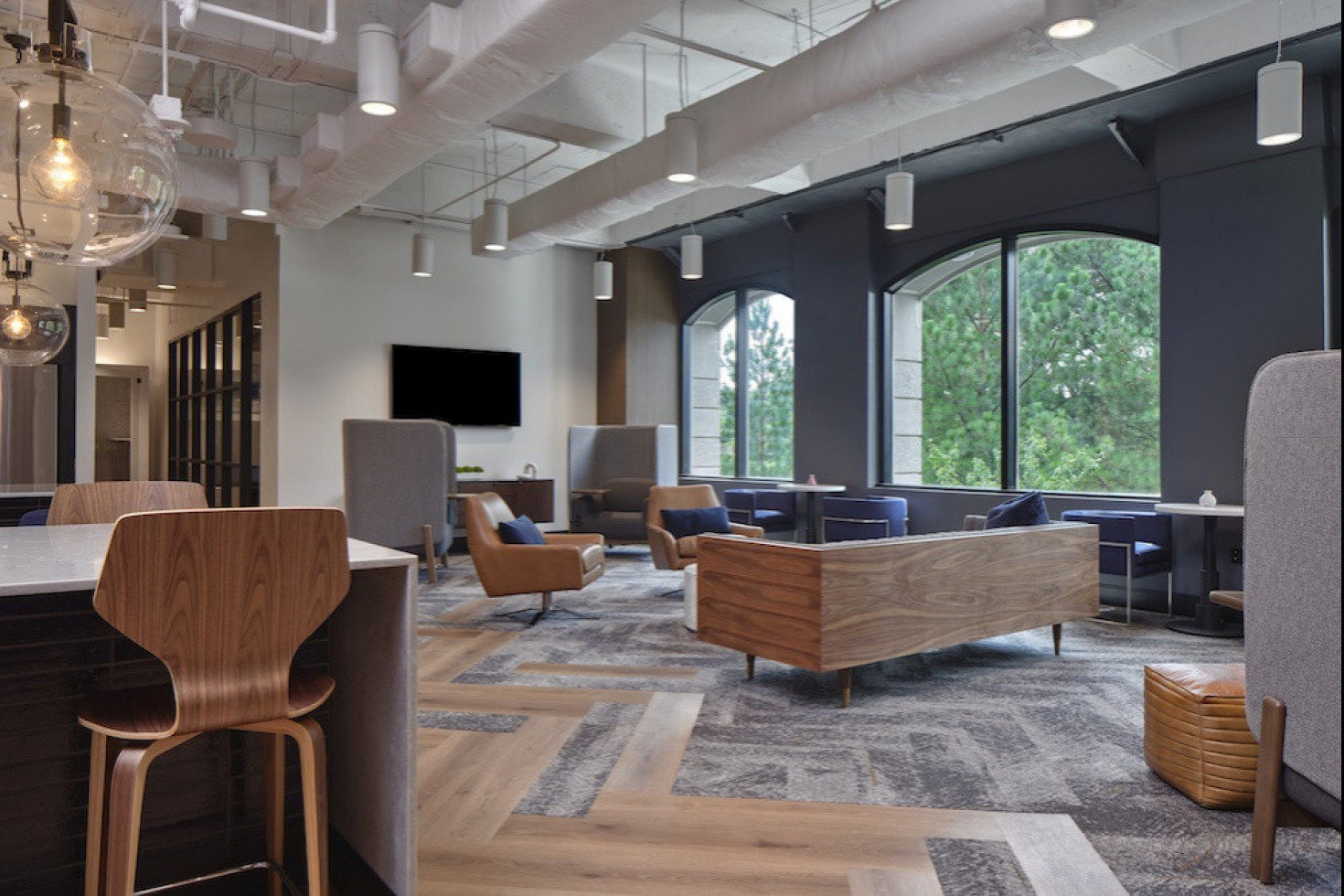
Companies are re-evaluating the future of work and formulating longer-term strategies for their offices, ranging from site consolidations to investing in higher quality amenities and reconfigurable workspaces. The purpose of real estate in supporting the resilience of businesses has never been more critical, and experts agree that corporate real estate strategies can contribute to tackling environmental and social goals while shaping the future of central business districts. The nature of real estate is shifting from being utility-led to purpose-driven, with a focus on driving organizational culture and increased opportunities for collaboration. Flexible, people-centric real estate will be at the heart of successful corporate strategies.

Workspace News

A survey conducted on anonymous workplace community Blind found that 45% of people work four hours or less a day. Some companies have pivoted to an outcome-driven model, where employers don’t care how work is done as long as it’s done. While there has been a push for salary transparency, there isn’t necessarily transparency around how many hours people work in a day, especially in remote or hybrid workplaces. Atlassian isn’t measuring the number of hours people work, instead using a unified-goal structure and an outcome-oriented approach. The future of knowledge work needs to be more outcome-oriented.
The implementation of return-to-office mandates has been mixed, with some companies experiencing pushback and walkouts. Workplace observers predict another period of mass talent movement as people look for companies that align better with their work preferences. Tighter mandates won't necessarily fix the underlying issues of why employees have resisted them, including falling productivity measures, poor management, and lack of recognition. Employers should give their people reasons to be in the office rather than enforcing attendance rules, and assign specific days for teams to collaborate on joint projects to achieve specific goals.
Gen-Z is the most stressed and disengaged generation in the workforce, with 91% of 18-24-year-olds reporting stress. Employers must prioritize supporting this cohort, which will comprise 27% of the workforce by 2025. Workplace stress is caused by a conflation of factors, including the pandemic, economic uncertainty, and a perceived lack of job security and career progression. Employers can reduce stress levels by increasing social interaction, offering mentorship programs, and providing greater flexibility at work.
Workcations can be a great way to mix business and pleasure, but they can also be career-limiting if not done properly. Benefits include visiting friends and family, exploring new locations, reducing stress, and improving mental well-being. However, it is important to consider personal and professional boundaries, as well as the impact on work and perceptions of contributions. Transparency with employers is key, and it is important to research laws and data security when working remotely in a different country.
RTO numbers have flatlined since the pandemic, but peak occupancy has increased, indicating a possible bottom. Remote work became synonymous with freedom during the pandemic, and companies need to focus on utilization and asynchronous schedules to take advantage of primed RTO percentages.
According to a survey by Toner Giant, 82% of UK hybrid workers watch TV during their working day, with men being 5% more likely to do so than women. Northern Irish and Gen Z workers were the most likely to watch TV, while those aged 55-64 watched the least. The most watched shows and services were streaming services, BBC Breakfast, and This Morning.
A report by IWG and Arup suggests that hybrid working is leading to a migration from larger cities to suburbs, small towns, and rural areas in the US and UK. The report claims that an estimated 500,000 people will leave US cities this year, with most moving to suburbs, revitalized former dormitory towns, and rural areas. The most common move during the pandemic was from the city centre to the suburbs, however, many people left large cities altogether, opting for less expensive or smaller cities and towns, or the countryside. The report also claims that rural and suburban economies could generate up to an extra £327m per year, due to the forecasted expansion of flexible office and co-working spaces in towns and villages to meet the growing demand for hybrid work.
The article discusses the experience of a married couple who turned their spare room into a shared workspace during the COVID-19 pandemic. They invested in office furniture and established personalized workspaces, but also had to navigate some challenges, such as pet peeves and respecting each other's boundaries. Overall, they found that working from home together strengthened their relationship and allowed for better work-life balance.
Gen Z, born between 1995 and 2012, will represent almost a third of the global workforce by 2025 and will reshape the workplace by valuing it more than previous generations. According to a Steelcase report, 54% of Gen Z workers believe the value of the workplace increased during the pandemic. They challenge traditional structures and values, but see making connections, learning, and career development in the office as key to success. They also value assigned workspaces, larger individual workspaces, and more privacy in individual workspaces. Employer values that align with their own and companies' sustainability initiatives are important to Gen Z and will be critical for talent acquisition and retention in the future.

Design

Workplace design can integrate elements of hospitality design to create a more desirable environment that attracts people even in the midst of the work-from-home revolution. The workplace should be a destination, not just a place to accomplish tasks, and designers can take inspiration from hotels and restaurants to elevate the built environment for users. Connectivity and community are key, and designers should incorporate communal areas, flexible furniture, and biophilic design elements to create a strong sense of place.

Technology

Generative artificial intelligence tools like DALL-E 2, Midjourney, and Stable Diffusion are transforming the architecture profession by providing architects with mini-factories of design ideas, building concepts, and photo-realistic renderings. AI has opened up a new visual world for architects, and many firms are now integrating these tools into their work, from sketching concepts to automating repetitive tasks. While few believe that AI will replace humans in the industry, it is defining a new age of architecture.

Latest Products

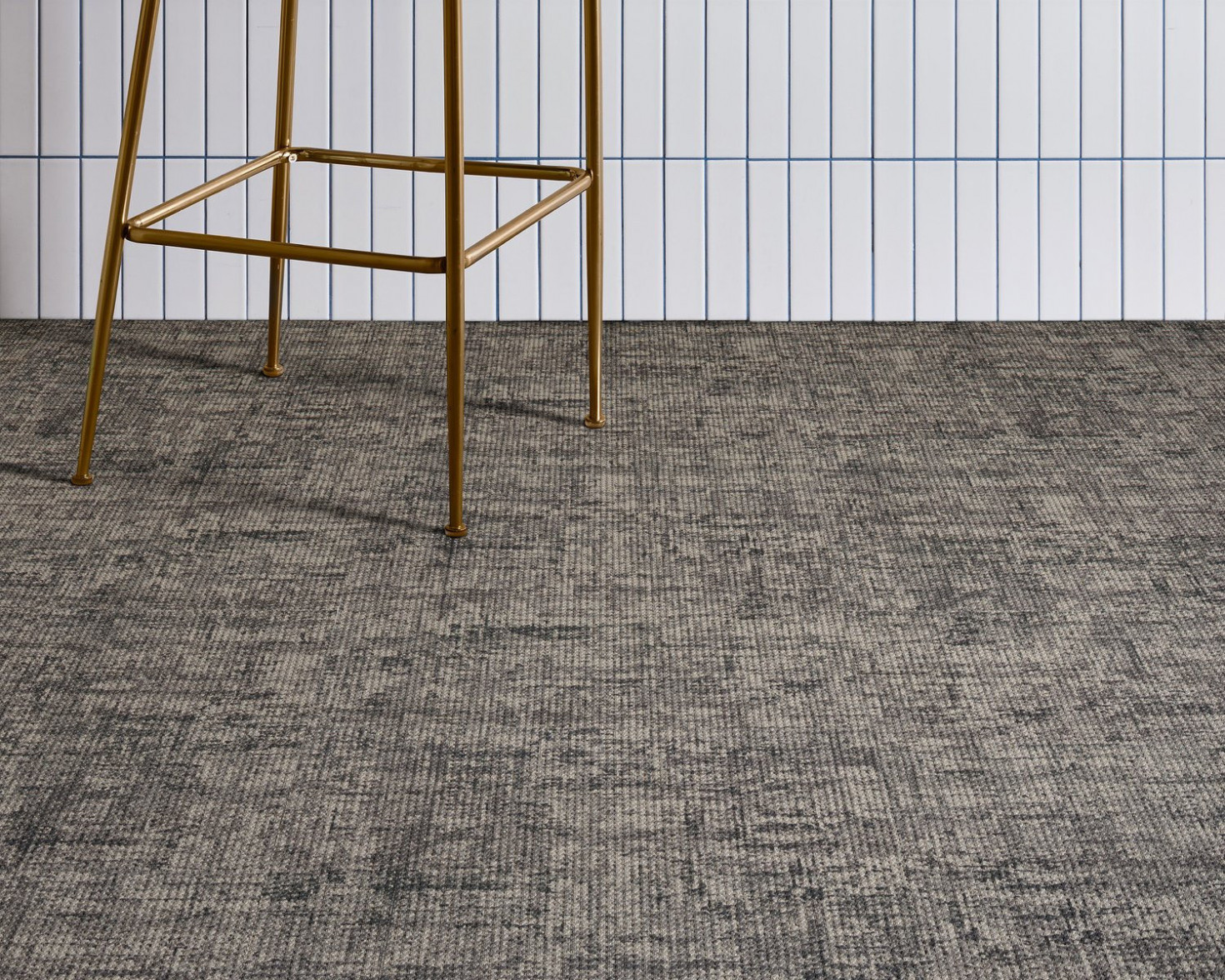
J+J Flooring has launched its latest Kinetex style, Digital, which provides the performance attributes of hard surface with the softness and warmth of carpet. The all over pattern in small to medium scale provides a sophisticated look for workplace, retail, education, and healthcare spaces. Kinetex contains no less than 45% post-consumer recycled content, with one 24” x 24” tile containing 27 recycled plastic bottles. The sustainability of Kinetex is backed by a Red List Free DECLARE label, NSF/ANSI-140 Platinum qualification, and product transparency is highlighted through an EPD and HPD. Additionally, Kinetex is carbon neutral.
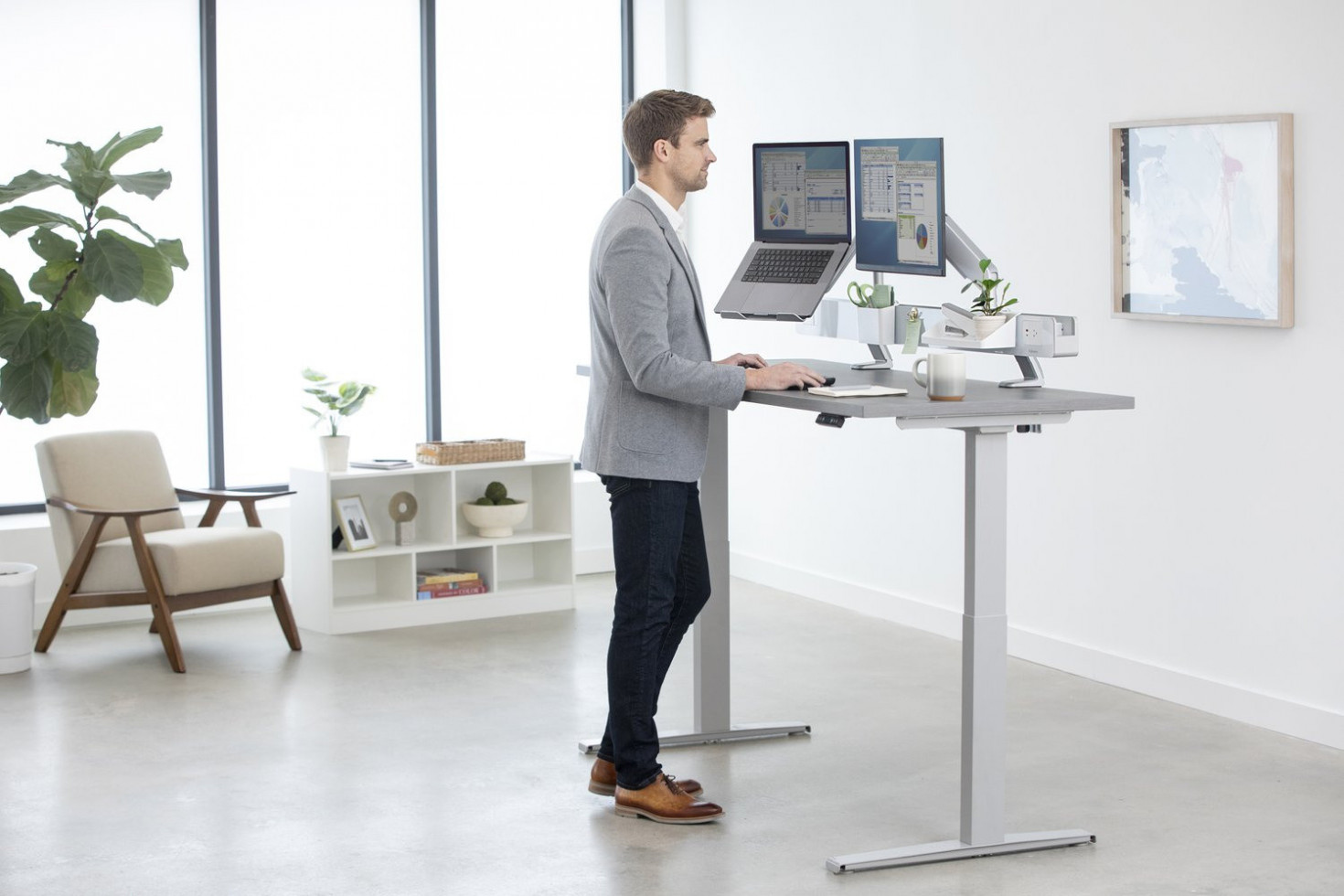
Fellowes has released the Rising Loft rail system, a versatile desktop rail system designed to optimize productivity and comfort. The system is customizable, flexible, and integrates with other workspace equipment, such as monitor arms and laptop holders. It reduces clutter, elevates comfort, and adapts to changing work needs throughout the day. The system includes integrated power solutions, cord management, and magnetic back painted marker board, and offers a variety of colors, lengths, and add-on options. The rail system comes with a Fellowes Lifetime Warranty and is available for purchase.
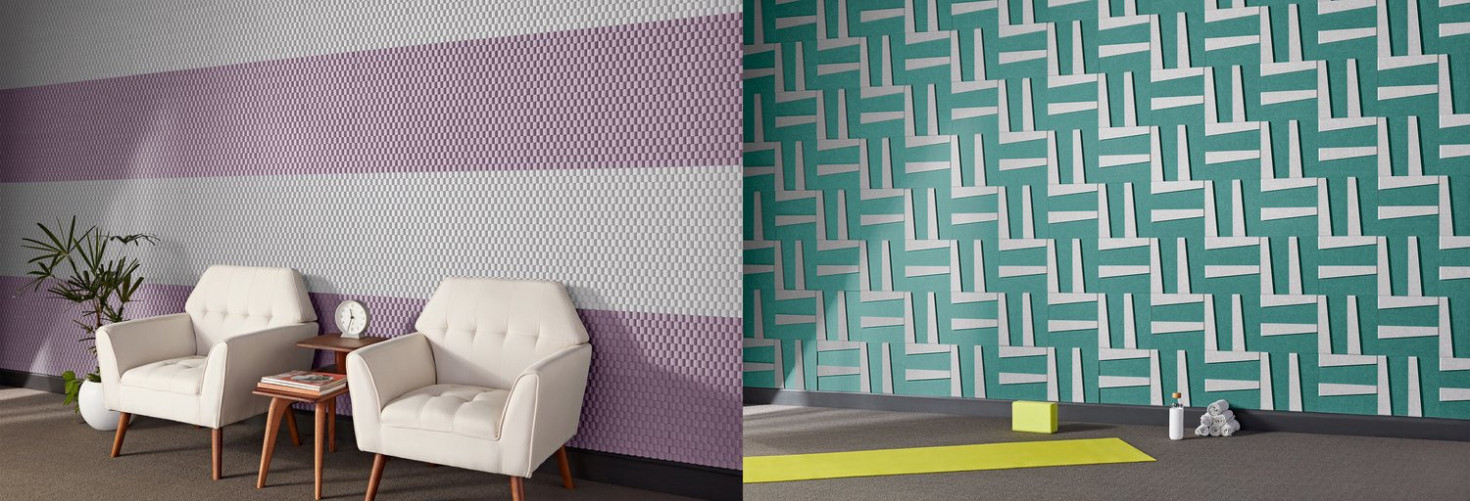
Kirei has launched two new acoustic tile products, the Dash Tile and Texture Tile, which offer superior sound absorption and unmatched aesthetics. The Dash Tile features a diagonal design, while the Texture Tile has a dense angled geometry, and both are made from Class A Fire Rated 12mm PET felt panels that are 60% post-consumer recycled PET. The tiles can be custom printed with Kirei Ink, and designers can utilize Carnegie’s Design Services for support. The Tessellate Collection from Kirei transforms recycled PET felt into unique and visually stunning pieces that make a bold statement in any room.
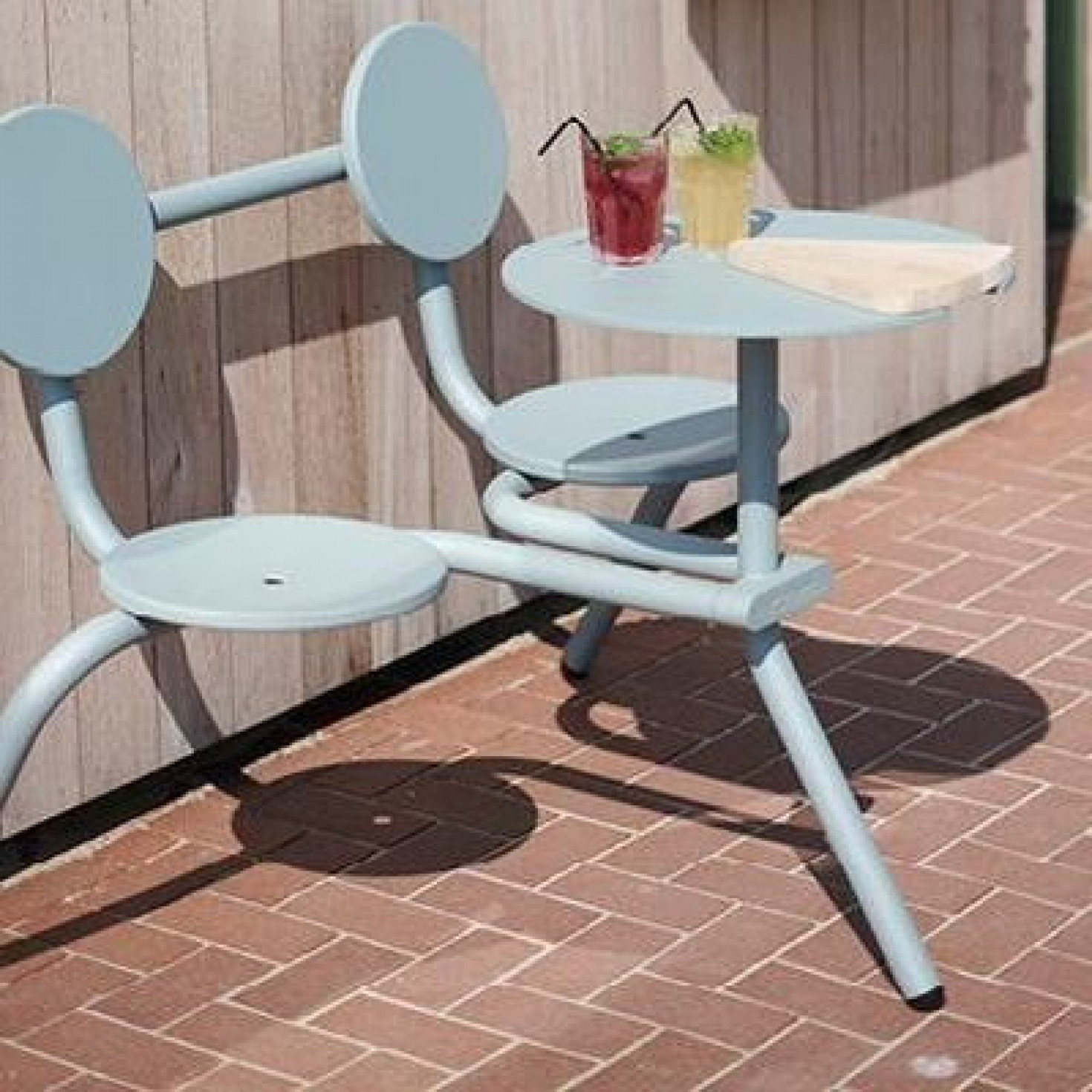
Flemish furniture designer Dirk Wynants has created Bistroo, a modern update to Parisian-café-style furniture. The weatherproof units consist of a powder-coated aluminum tabletop and seats mounted to a powder-coated steel structure. They are stackable for storage and come with optional upholstered seat pads and a tabletop that jives with the notch. Bistroo is in production by Belgian furniture brand Extremis.

Other News

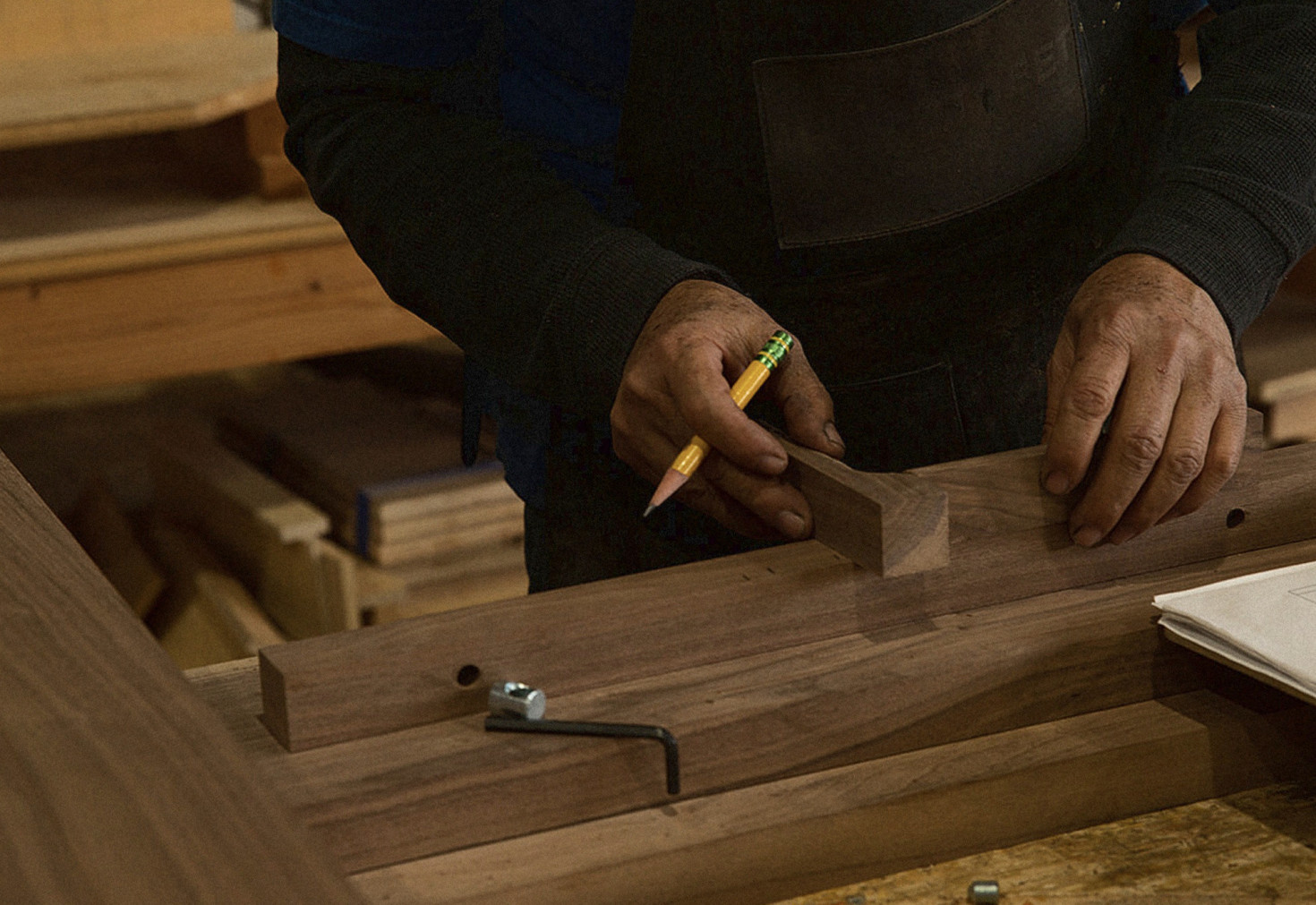
Kalon Studios, a furniture studio in Los Angeles, is part of a larger story in American manufacturing, illustrating just how tough it is to build and scale a design business in an industry that’s overwhelmingly characterized by polar-opposite approaches: wildly expensive, artisan-produced collectibles on one end, and seasonal designs built for a fast-furniture economy on the other. The result is an industry dominated by the biggest furniture makers, whose size and manufacturing needs dictate what can and cannot be made in the U.S. Competition is most stiff among the middle swath of the industry, leaving consumers with fewer options in a self-fulfilling trend cycle.

Trends in Commercial Projects from Around the Globe
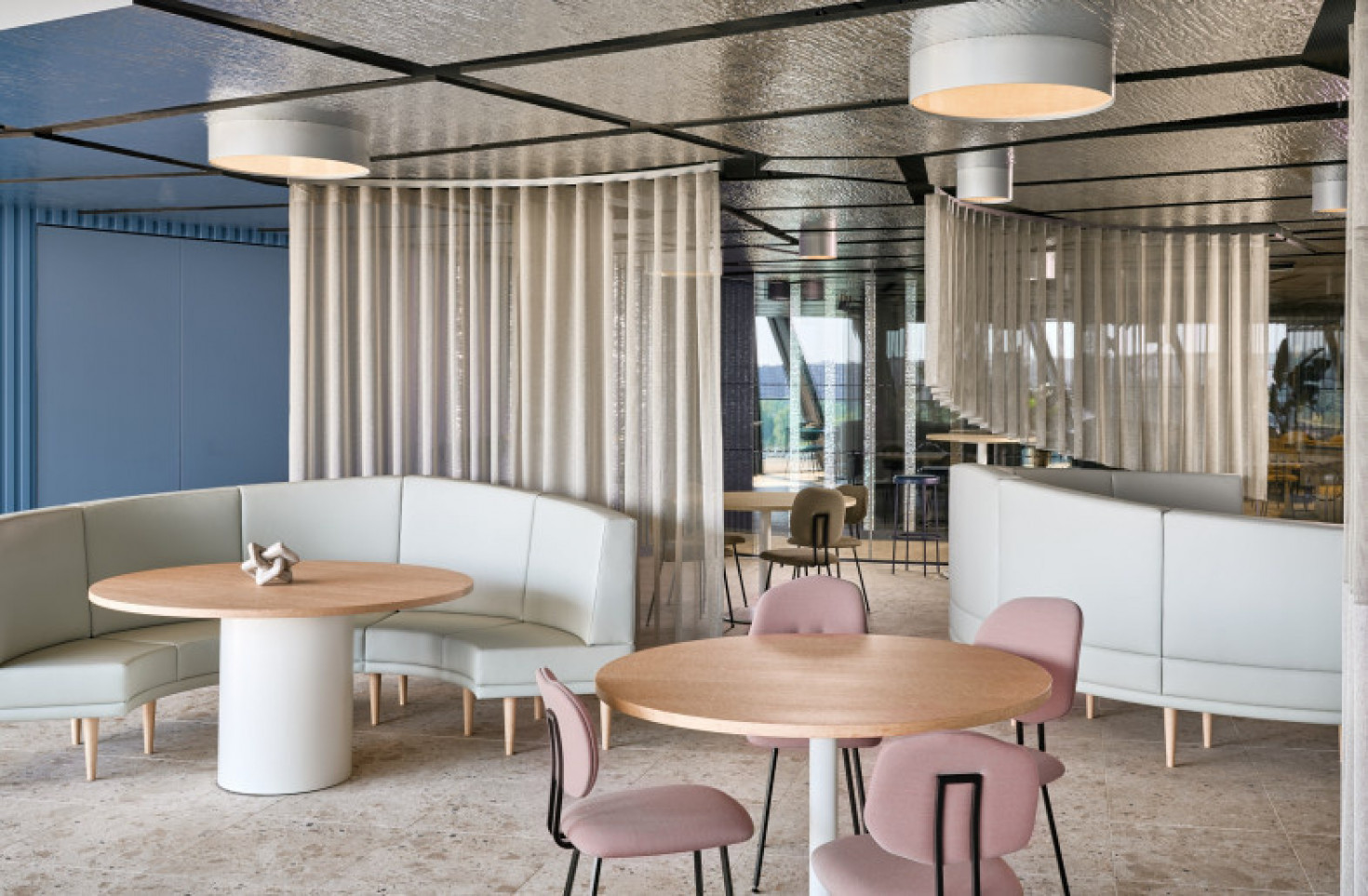
Booking.com's new headquarters in Amsterdam offers complete flexibility for employees to choose where and when they work, with no return-to-office policy post-COVID. The office acts as a magnet for collaboration and learning, with a wide variety of shared workspaces and meeting rooms. The interior was designed to learn from the pandemic, with two screens per desk for hybrid meetings and a focus on extroverted and introverted employees' needs. The office can accommodate further growth and is porous to local communities, with an auditorium open to third parties.
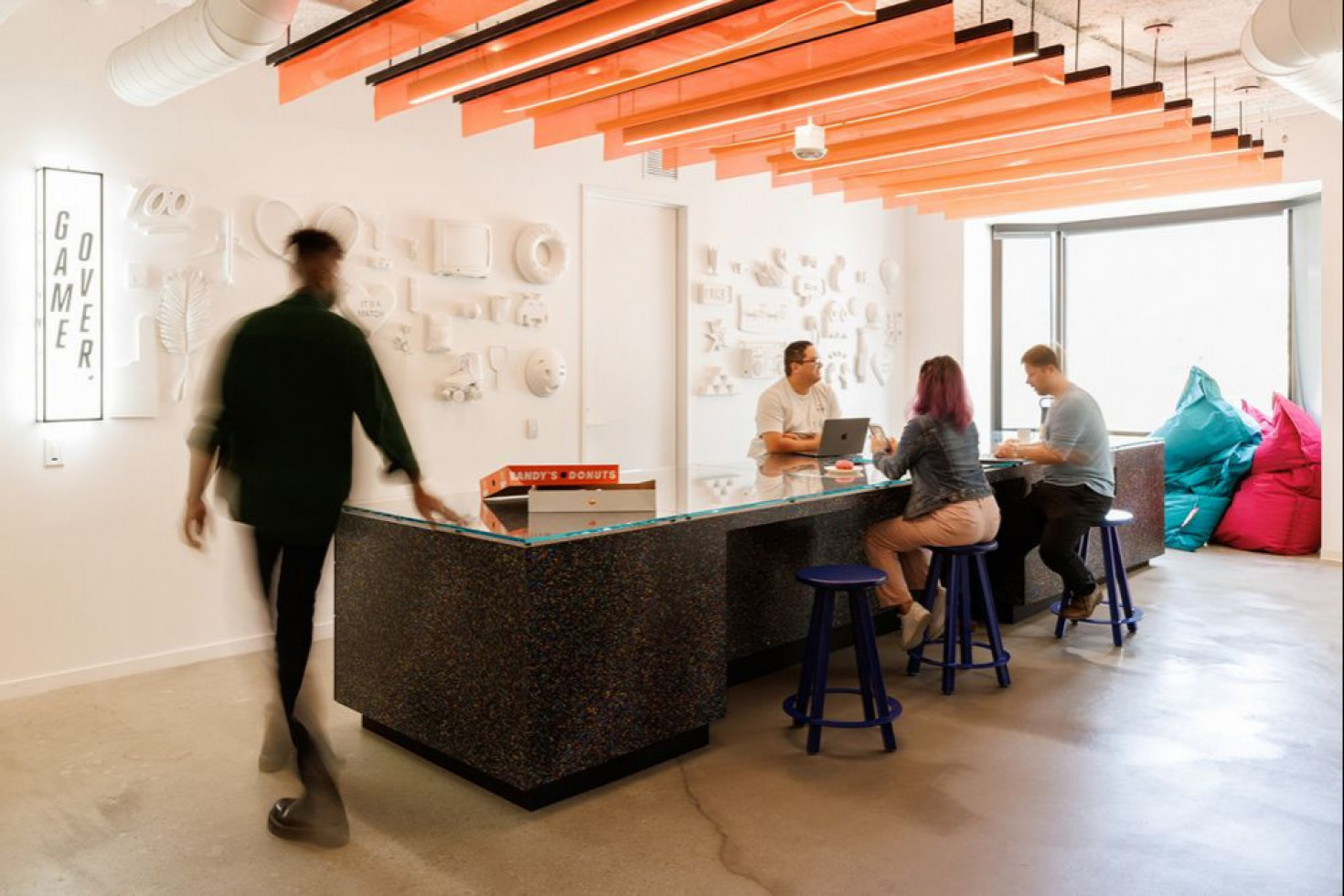
Tinder's new headquarters in West Hollywood, California designed by Rapt Studio is a seven-story, 77,000-square-foot project that aims to reestablish the pandemic-frayed ties that bind individuals into creative collaborative teams. The multi-level headquarters is modeled after public space typologies, such as the town square and the speakeasy, and features a variety of spaces for collaboration and connection, including a café, IT help desk, and a tranquil communal space fashioned after a library. The design emphasizes how design itself can be a force of connection.

Upcoming Industry Events

NeoCon 2024
June 10-12, 2024 | Chicago, IL
 
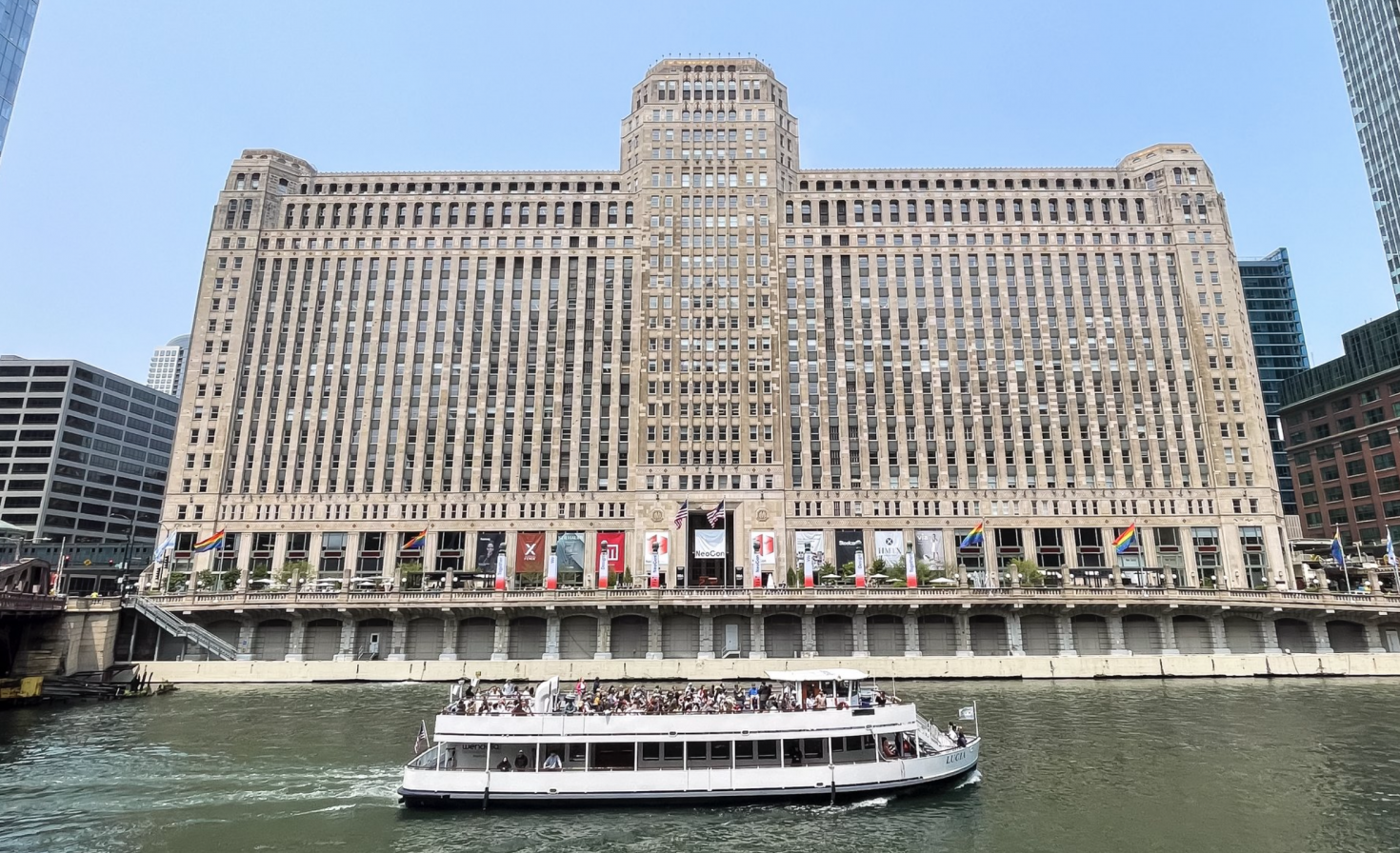
NeoCon has served as the world’s leading platform and most important event of the year for the commercial design industry since 1969. A launch pad for innovation—NeoCon offers ideas and introductions that shape the built environment today and into the future.  

Clerkenwell Design Week 2024
May 21-23, 2024 | London

Clerkenwell is home to more creative businesses and architects per square mile than anywhere else on the planet, making it truly one of the most important design hubs in the world. To celebrate this rich and diverse community, Clerkenwell Design Week has created a showcase of leading UK and international brands and companies presented in a series of showroom events, exhibitions and special installations that take place across the area.

Orgatec 2024
October 22-26, 2024 | Cologne, Germany

Orgatec is the International trade fair for office and property equipment. Held in Cologne, Germany.

Industry Briefing


Tangram Announces Mark Chaput as Vice President of Sales
Tangram Interiors has appointed Mark Chaput as Vice President of Sales in Los Angeles. With over 24 years of experience in the contract furniture industry, Chaput will lead Tangram's Senior Account Management Team and provide guidance to Tangram's Education and New Projects teams. The company has seen a 5.48% increase in Los Angeles employees and a 15.52% increase in Dallas employees in the last six months alone.

Lucida Surfaces Hires Yehuda Fisch as Regional Sales Manager
Lucida Surfaces has hired Yehuda Fisch as the new Regional Sales Manager in the Southeast, where he will spearhead sales efforts in Florida, Georgia, and the Carolinas. With 13 years of experience in the flooring industry, Fisch brings a wealth of knowledge to his new role and has established strong relationships with architects, designers, developers, contractors, and property managers. His appointment marks an exciting chapter for the company as it continues to expand its market presence and establish itself as a leader in the flooring industry.

Find the best Contract Furniture Industry jobs and hire the best talent.


Exemplis, manufacturer of SitOnIt and IDEON seating, is seeking an experienced, enthusiastic and highly motivated sales representative for our Mid-Atlantic Sales Team.

Indoff is expanding and in need of experienced outside sales professionals in your area. If you’re tired of missing out on money due to low commission rates or you’re sick of quotas, then Indoff is the perfect solution for you. We offer you the back-end support you deserve while rewarding with benefits.

Senior Regional Designer – Boston

The Senior Regional Designer is a home-based position, reporting to the Design Manager. This position will produce and oversee print and digital creative solutions that satisfy the marketing needs of Royal Thai or client.

Mayer Fabrics, a leading commercial textile company, is seeking highly motivated and dynamic Sales Representatives and/or Rep Groups in the greater areas of Dallas, TX, New York, NY, and Toronto, Ontario, Canada to join our team.
Swiftspace is the leader in flexible, mobile, modular furniture, and we are expanding our network of manufacturer's representatives. The market is demanding flexibility!

With 11 lines of product that can outfit virtually every application in the office: from simple to sophisticated workstations - including private offices with doors, Swiftspace cannot be equalled when providing flexible solutions to the ever-changing needs of the workplace.



created in Publicate