Getting to Know the Center for Teaching Excellence:
In our final issue of CTE Connections for the Fall Semester, we want to express how wonderful it is to work with such an amazing, impressive, and caring faculty. This semester we have seen you navigate, with grace and courage, the ongoing effects of the pandemic. We have seen the unwavering compassion and commitment you have extended to our students. All of this has been a tremendous effort, and CTE wishes you and yours a restful break, a happy holiday season, and continued health and well being in the new year.

Our Work--CTE and You!
Tap Reminder:
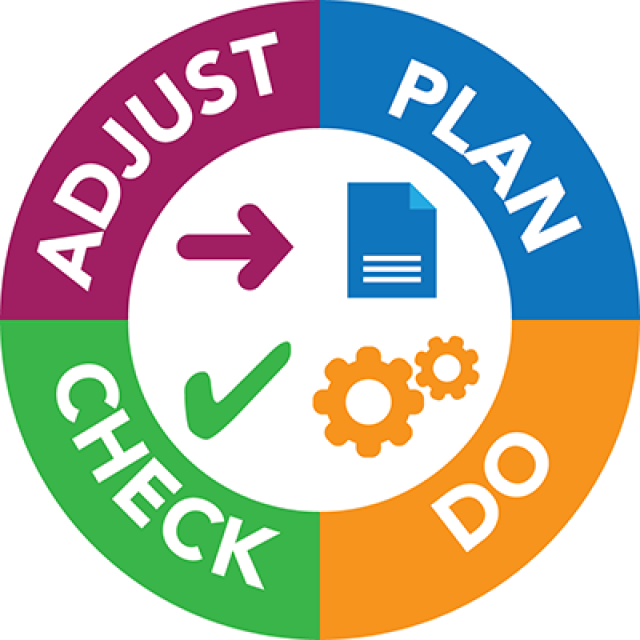
CTE encourages you to take a fresh approach to professional development, starting with this cycle’s TAP. The TAP is a living document that provides guidance and direction for the professional development activities that you choose to participate in throughout your FQAS cycle. The redesigned Teaching Action Plan (TAP) allows you to capture the full process of professional development from skills development and renewal to classroom application, so that you can reflect on what worked well, what didn’t work, what no longer works, and what could work with some adjustments. For more information on the TAP process and the suggested timeline of completion based on your probationary or non-probationary status, please see the FQAS page on the Center’s website.
FQAS:
In mid-November, CTE sent out a friendly reminder to all faculty with a FQAS cycle due date of 6/30/2022. However, you don’t have to wait to update your hours in Sum Total!
The suggested best practice is for you to keep track of your Professional Development activities by submitting your hours in SumTotal as you complete them throughout the cycle. We hope you see this as a win-win; faculty are able to easily input and keep track of their hours, and CTE has a more manageable work flow from a more even distribution of submitted hours.
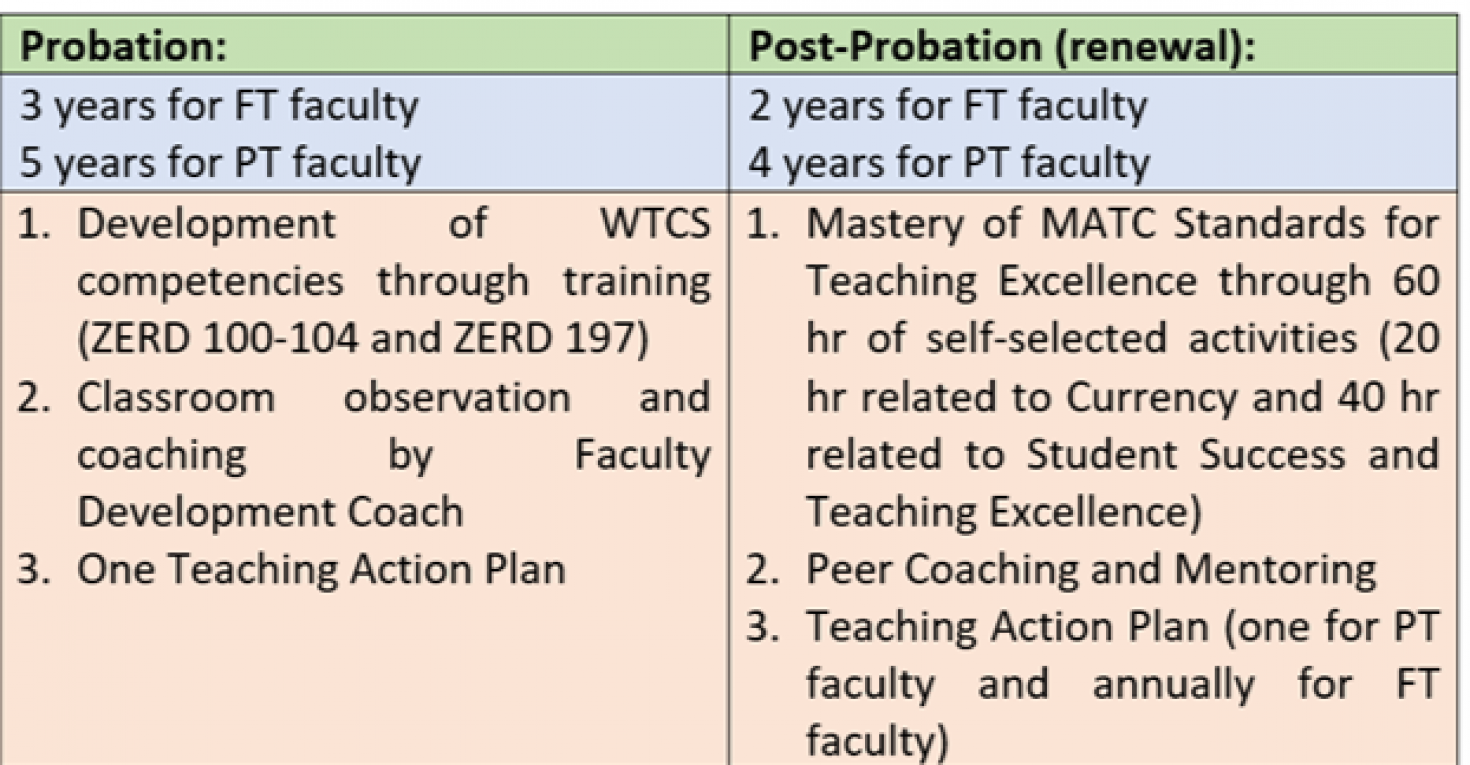
The requirements for completion and length of the cycle are dependent on your probationary or non-probationary status. For more information, please see the below chart from the FQAS page on the CTE website.
Every faculty member has been assigned a Faculty Development Coach who is available to assist you with any FQAS questions you may have as well. If you are in need of any assistance, or are unsure of who your coach is, please contact CTE@matc.edu.
8-Week Course Conversion Workshops:
In a recent Achieving the Dream webinar, How Adopting Shortened Semesters Accelerates Student Momentum and Success, Odessa College in Texas shared their success in moving to 8-week courses. Since beginning their change to 8-week courses in 2014, their student graduation rates have increased 42%! They attribute factors such as a decreased student drop rate, increased student persistence and momentum, and a reduction of student equity gaps by adopting the 8-week format. More details can be found in “Preparing for Shortened Academic Terms: A Guide”
CTE has two 8-Week Course Conversion Workshops (virtual) scheduled in January (5th-1pm-4pm & 13th-9am-12pm). The 8-Week Course Conversion Workshop will be provided by a team of Faculty Coaches and an Instructional Designer; it focuses on hands-on instruction and guidance to convert your course and prepare you to teach in an accelerated format. Helpful hint: In order to ensure a smooth transition, it is best if you collaborate with your Department/Lead Faculty in deciding which course you would like to convert prior to attending this workshop.
Please contact John Futterer, CTE’s Instructional Designer, to sign-up.
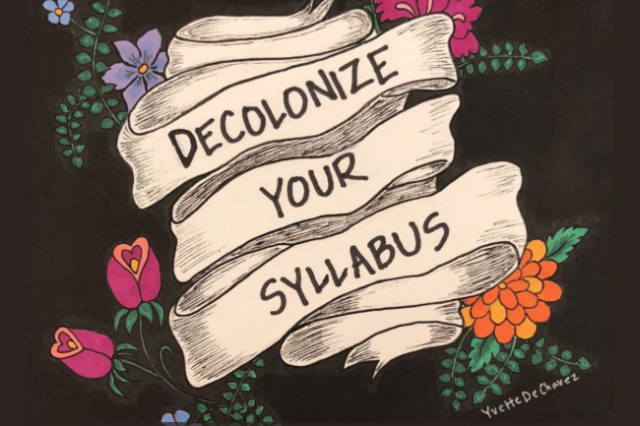
CTE is working on an Achieving the Dream initiative to help facilitate a cultural shift to view the syllabus as primary to establishing a student-centered approach to the classroom. The syllabus is often the students’ first impression of a course, the instructor, and the learning community that they are about to become a part of, as well as a guide that leads students to the successful completion of the course.
Below are some self-reflection questions that may help the transition toward a student-centered approach rather than what may be perceived as an intimidating and jargon-filled contract:
- Does the language in your syllabus focus on what students should not do? Can you flip it to focus on what students can do to succeed?
- How does your syllabus demonstrate respect and acceptance of all students?
- Do you describe in your syllabus how all students contribute to the learning community through their interactions with one another? Why or why not?
CTE Collaboration Connection:

The Learn Pillar Integration Committee needs your involvement!
We want you to be on the team! Do you like finding innovative solutions? Do you like working with a diverse and inclusive group of peers? Are you looking for inspiration and motivation within your role at the college? Then consider raising your hand to be a part of the Learn Pillar Integration team.
The Lean Pillar Integration Committee provides a structure for faculty involvement and collaborative decision-making across all Academic and Career Pathways within the college. The Committee performs this work by initiating and coordinating aspects of curriculum, instruction, and assessment using a collaborative and student-centered approach. The Committee seeks to increase the student-centered vision of the college; it focuses on the benefits of increased coordination and the direct impact on students; it models an updated concept of Shared Governance, so student-centered approaches and criteria guide each initiative and work team, it provides a diverse, equitable, and inclusive opportunity for front-line employees to give feedback based upon their direct interaction with students. All colleagues, with a special emphasis on the Learn Pillar, are invited to complete a brief survey of interest for consideration.
For more information, please view the Google Slides shared during the Learn Pillar Integration Committee Feedback sessions.
Teams will be formed in early 2022 so don’t delay in confirming your interest!
Friendly Reminders:
Final Grades Submission and Change of Grade form:
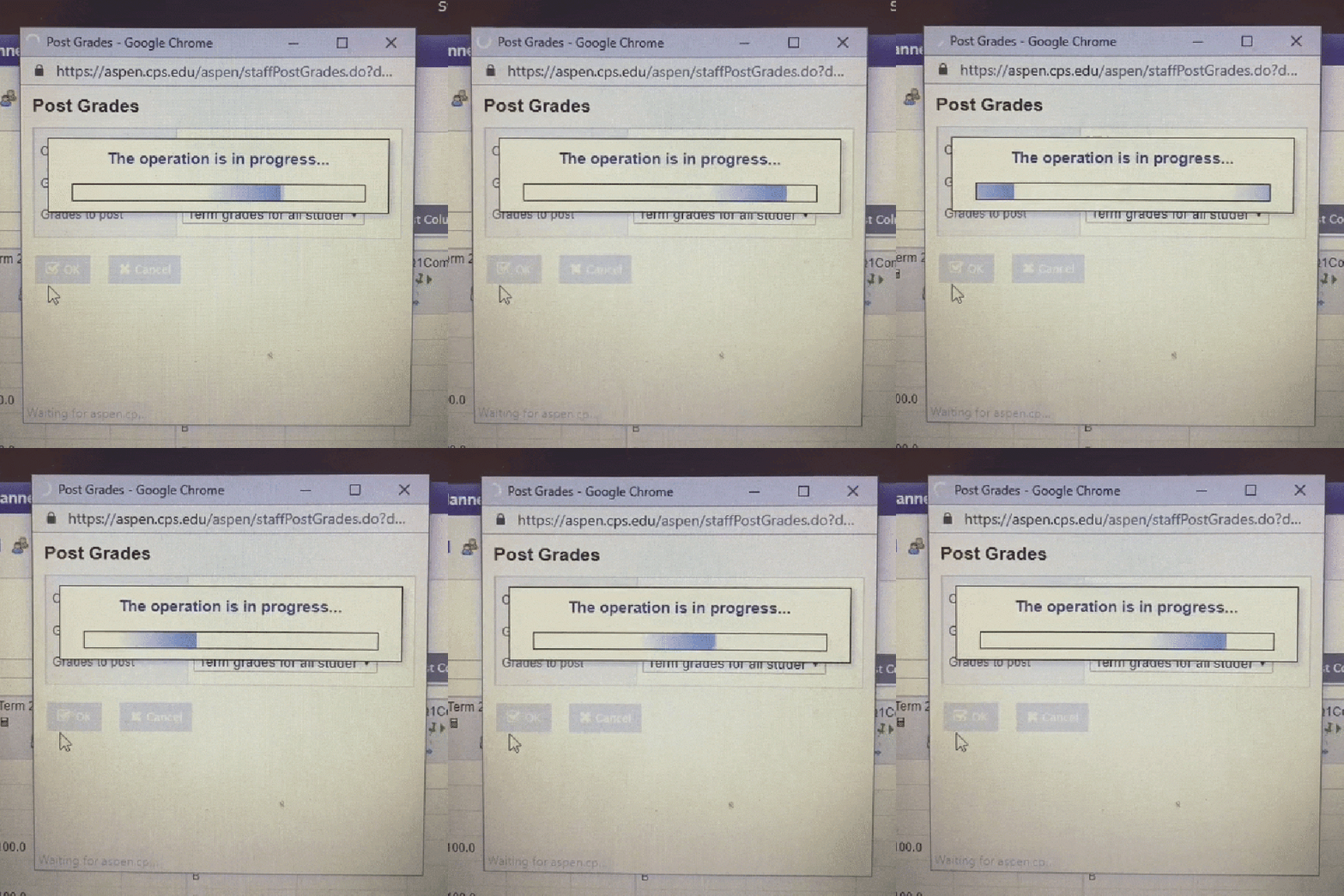
Final grades are due on December 21. You can submit your final grades using the ILP Integration tool in Blackboard or directly in Self-Service. A video demonstration of the ILP Integration Tool is also available. If you want to double check to see if your grades have been submitted, you can follow these instructions.
When you hit submit, the grade becomes final and cannot be changed in Self Service. If you notice that a correction needs to be made after you submit final grades, you need to complete a change of grade form to make the update. We’ve all been there, but here’s hoping that you get to use this form to help students who needed that extra support to get to the finish line!
Sum Total Reminder:
Winter break may be a good time to complete your Sum Total compliance requirements as assigned by Human Resources for all faculty and non-faculty. These are due March 31, 2022. You can log into SumTotal using your MATC email address and network password.
We recognize that some of these training modules may be required annually and may feel repetitious; however, this college-wide training supports the continued sustainability of our operations. Thanks for your time in contributing to the benefits this brings to the college.
Career Essentials Reminder:
MATC instructors who teach post-secondary courses need to submit the Career Essentials assessment directly in their Blackboard shells. Below is a document that can help you with this process:
MATC Professional Development Opportunities:

The DEI Committee’s Events Calendar has several opportunities for professional development posted for the remainder of the semester as well as in the new year. For more information and links to register, please see
DEI Committee’s website.
Improving Computer Literacy Workshop
January 12th 10 -12 noon
This is a basic computer workshop designed for faculty with limited computer skills. Faculty will be given the opportunity to improve on fundamental computer skills such as email, creating, maintaining and sharing files, as well as, basic Blackboard skills (uploading files, entering grades, adding contact information etc.). This will be the perfect opportunity to refresh and learn new skills. The workshop will be held in room M201(A). Seating is limited; early registration is encouraged.
Additional Professional Development Opportunities:
MATC’s partnership with Achieving the Dream (ATD) provides many opportunities for faculty to participate in outstanding professional development opportunities.
- The Evolving Classroom: How Faculty Roles Have Altered through the Pandemic (webinar): January 25, 2022
- DREAM 2022 (virtual conference): February 14-17, 2022
- Lessons from the Best: Learning from the 2022 LMA Winner(s) (webinar): March 16
- Building a Culture of Teaching & Learning through High-Impact Professional Learning (webinar): March 29
Hosted by the System Office and the WTCS Student Success Center, the C3 Conference is an exciting opportunity for college leaders from across the System to present best practices, network, and expand collaborative efforts.
This two-day event (February 3, 2022—February 4, 2022 8:00 AM-3:00 PM) is open to any WTCS personnel (such as executive leadership, deans, program chairs, managers, directors, faculty and staff).
Focus: C3 will offer the opportunity to learn from your peers within the following areas of strategic importance to the System:
- Guided Career Pathways
- Actions in Equity and Inclusion
- What's new and exciting in our virtual world?
If you are interested in attending this conference virtually and would like to request funding, please visit CTE's website where you’ll find the following information:
- The Center for Teaching Excellence (CTE) has limited funds for MATC full and part-time faculty to attend professional development events (web-conferences/workshops/webinars) related to student success and learning based on MATC Strategic Goals and Values. For the 2021-22 Academic Year priority will be given to professional development within the categories of: Diversity, Equity, & Inclusion or 21st Century Classroom Skills.
- Both, Full-time and Part-time faculty, are invited to apply for this scholarship while funds last.
- If you are interested, please make a copy of the Professional Development Agreement and submit it to cte@matc.edu
Keeping You Posted:

The first session of the MATC OER Series is still available for viewing. Provide your valuable feedback by Jan. 15, 2021 (deadline extended), and the OER Open Access Team will send you a certificate of participation. Also, check out the December 2021 MATC OER Newsletter with our second MATC Faculty Feature, upcoming events, news, opportunities, and more!
COVID 19 What Now? Flow Chart:
The COVID 19 What Now? Flow Chart was created by Local 212 MATC Faculty with input from the MATC Health and Safety Committee and others to assist faculty during the COVID19 pandemic. The flow chart is a handy reference guide providing next steps to maintain a healthy classroom environment.
Inspiration, Research, and Best Practices
Part of CTE’s mission is to keep you informed about current best practices and pedagogical approaches. Each issue of CTE Connections includes links that are meant to be engaging, thought-provoking, and applicable to various classroom environments.
In this issue, we’ve provided more links than we usually do, just in case you are looking for additional resources, best practices, or inspiration as you start to prepare for the new semester. If you didn’t get a chance to fully “geek out” with us during the semester, the links to previous issues of CTE Connections can be found below as well. Enjoy the rabbit hole!





Looking for previous issues of CTE Connections?
Issue 7
Milwaukee Area Technical College
The Center for Teaching Excellence
