Friday, February 4, 2022
News

Office vacancies dropped faster in the second half of last year than many experts predicted, falling by 30 basis points in the third quarter and by another 10 basis points in Q4. The national vacancy rate ended the year at 18.1% and is now 40 basis points lower than what Moody’s Analytics analysts say “may well be” the pandemic peak of 18.5% recorded in Q2 2021.





So far, it’s not looking good.
A January [report](http://ed annual survey from global recruiter Robert Walters) from global recruiter Robert Walters revealed that 60% of U.K. professionals feel “disengaged” due to lack of face time with leaders, while two-thirds are “highly likely” to leave their jobs for this reason. Alarmingly, 22% report they “don’t communicate” with their managers when working from home, up from 3% at the start of the pandemic. The report concluded that remote managers are “killing company culture.”
While some workers might welcome fewer meetings, Robert Walters’ CEO, Toby Fowlston, suggests managers should be careful not to hand out the “wrong kind of autonomy,” as team members may be suffering in silence.
“As the concrete solidifies on hybrid working schemes, the long-term impact of remote leadership is yet to be assessed, but it cannot be ignored,” said Fowlston. “Professionals vying for progression want to show initiative, adaptability, and the ability to handle responsibility by themselves — and so by nature, they won’t necessarily ask for more face time with their manager as they feel it works against the point they are trying to prove.”
The Workplace

Though companies like Uber are downsizing their offices thanks to the rise in remote work, other companies are taking advantage of emptied spaces and employing a different strategy- expanding their office real estate footprint as much as possible in order to have more flexibility for the future.
The social media platform’s office real estate expansion might come as a surprise since Twitter announced that employees could work from home indefinitely. Just before COVID crept into the U.S., then-CEO Jack Dorsey told Business Insider that Twitter’s concentration in San Francisco “is not serving us any longer.” The social media platform would brace for a more remote workforce (perfect timing on that front), and seek to expand into the Bay Area. Last September, Twitter signed a lease for its first office in Oakland, California. The 66,000 square foot, 18-story building is being designed for a hybrid work model and is set to open late this year.

How’s a new Rolex sound? Or the gift of Botox? Or free haircuts, in-office massages and daily catered lunch? What about cash holiday bonuses with a shopping trip for you and your colleagues to a luxury outlet mall?
Those are just some of the perks being offered by one ad tech company, New York-based Constellation, complementing other benefits like competitive salaries, paid time off and flexible work arrangements that have become the standard for virtually every player in an industry that’s been rocked by the pandemic and the challenged employment environment. Constellation has also installed in-office massage chairs for staff, which cost $10,000 each.
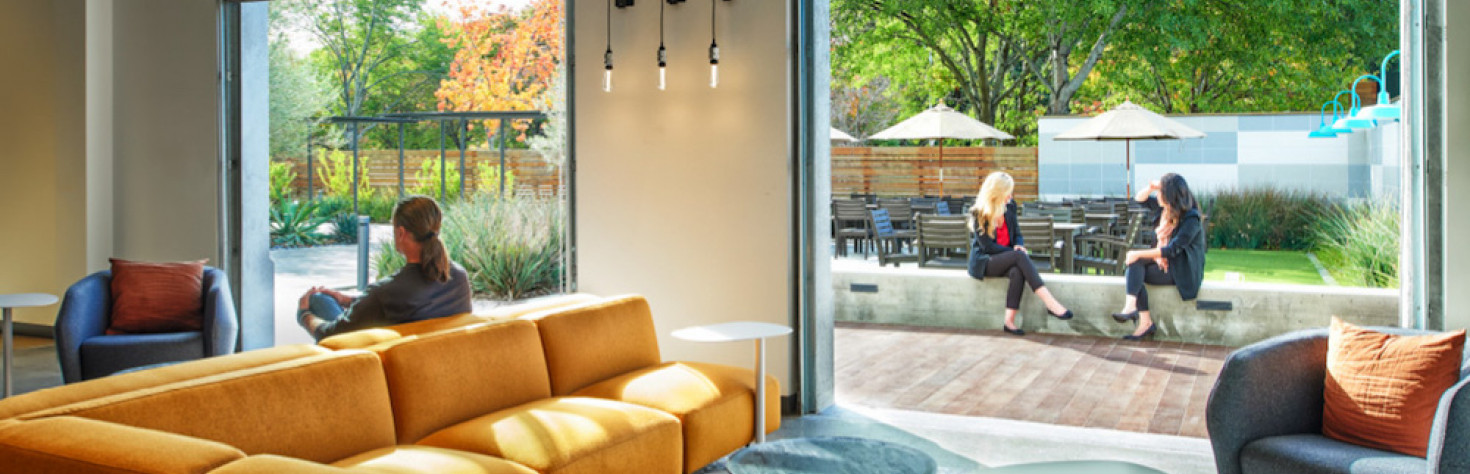
But beyond location, what about the critical question of what the work consists of? What is the work function based on required tasks? And how do specific activities affect office layout and floor plans?
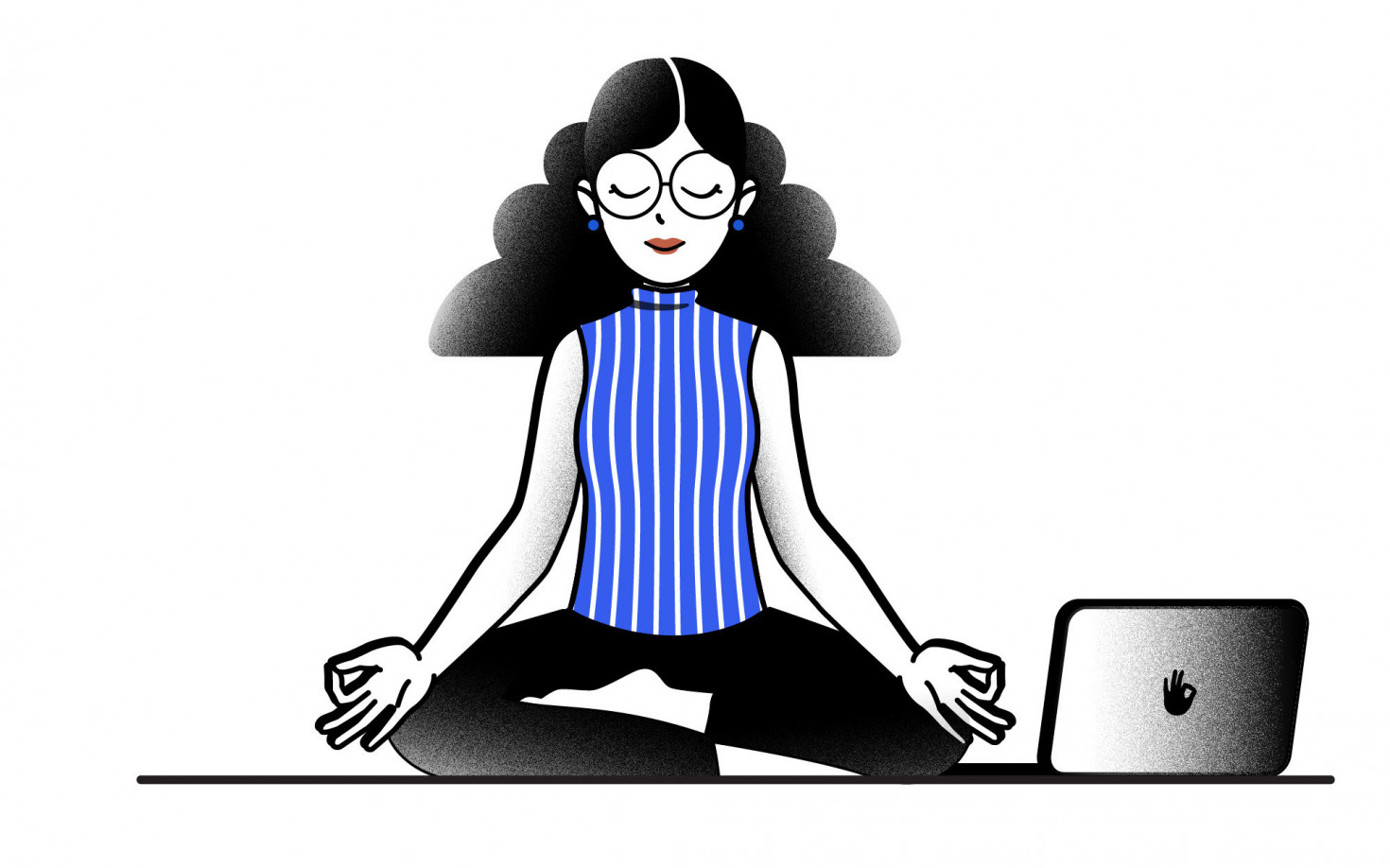
A toxic corporate culture could be 10 times more powerful than compensation when it comes to predicting who will stay and who will go. MIT Sloan Management Review just published a study that analyzed 34 million employee profiles of workers who left their jobs for any reason between April and September 2021. It also looked at 1.4 million Glassdoor reviews from the past few years, including before the pandemic. The survey revealed that salaries rank 16th on a list of topics predicting employee turnover. Number one is toxic corporate culture.

Trends

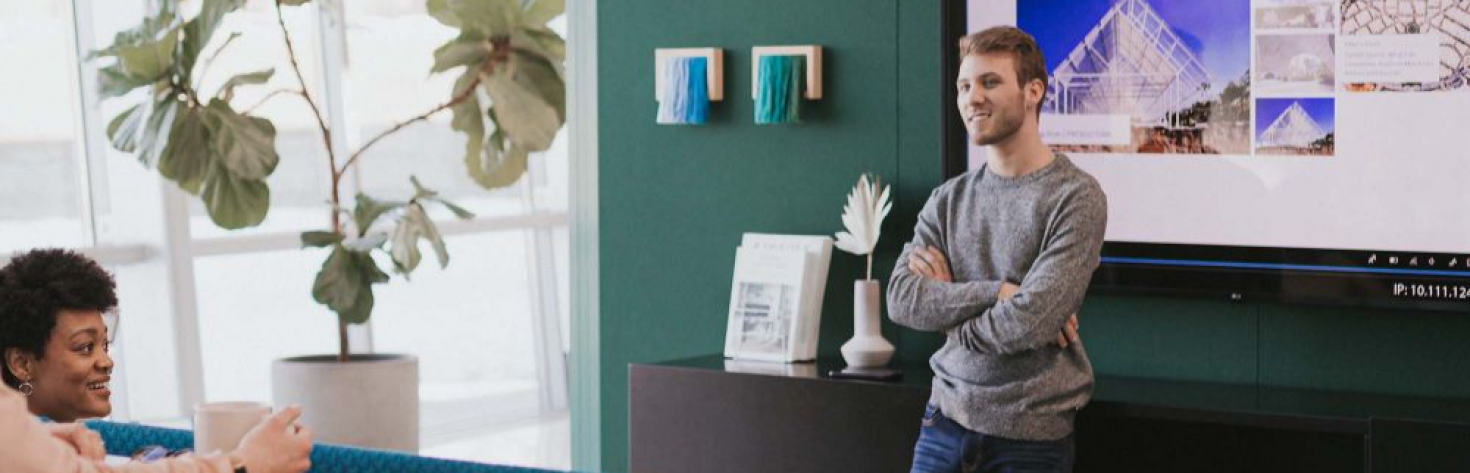
Haworth’s Work from Anywhere approach demonstrates the ecosystem and solutions for the evolving work landscapes. While work can be done at home or a third place, like a coworking space or lobby, the future office will be the hub of this ecosystem because this is where connections happen. It’s where people come together to make those creative innovation solutions work.
“As we look at this future of the office that we're all coming back into, what will it be? We certainly need to take into account that it will be a destination—for all the culture and connection and performance happening there,” said Marta Wassenaar.
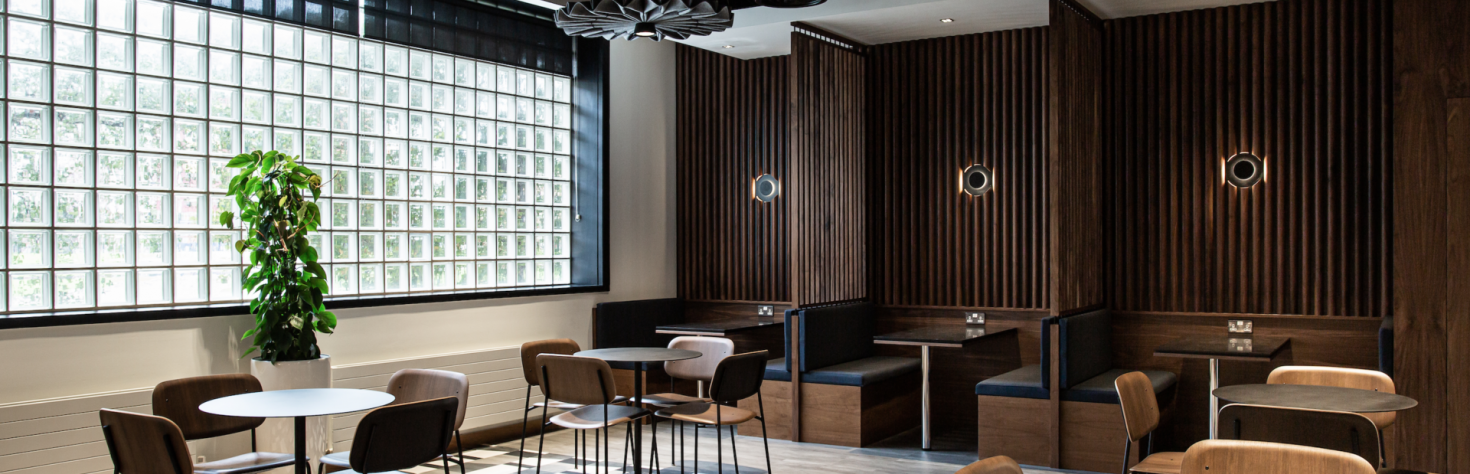
With less focus on workstations, it makes sense for some organisations to revaluate their spatial requirements, with ratios of employees working from home vs in the office increasing. This can help with overheads, but also provides a time to refresh and replenish the old static workplace.
Others are choosing to retain their square footage in order to transform static areas into more agile working spaces and boost flexibility to become a ‘destination’ in themselves; providing an exciting, attractive environment to entice people from their homes into an active workplace.
Coworking
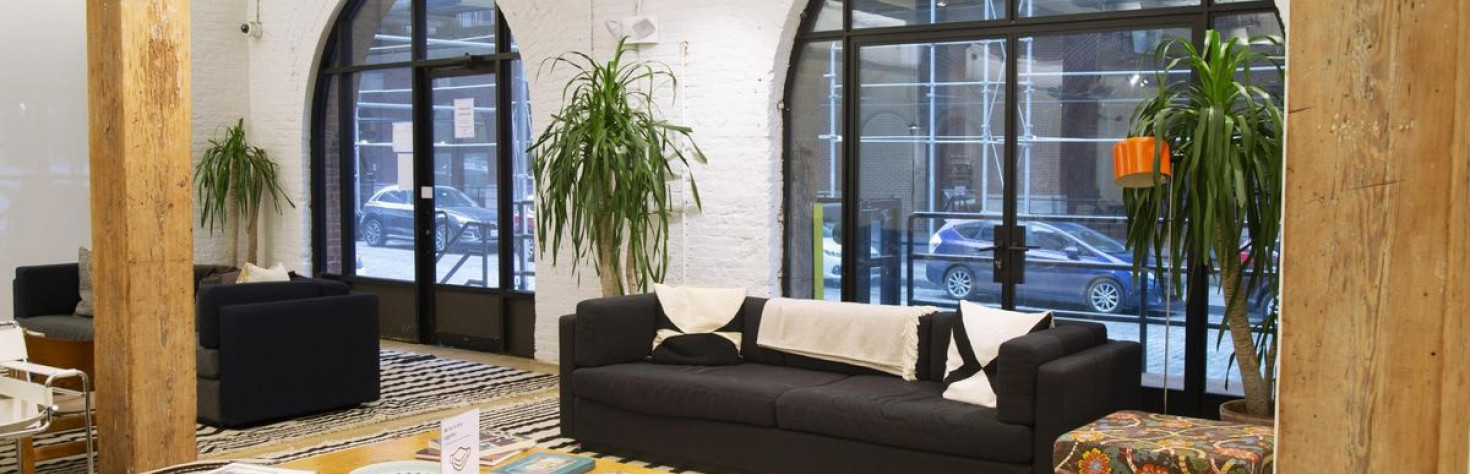
The company signed a 30K SF lease with WeWork at 53 Beach St. in Tribeca, the coworking firm announced. The deal is for dedicated space for 36 months, and the partnership means WeWork will tailor the space for Contentsquare with custom branding and designs aimed at supporting a hybrid work model.
According to the forecast, during the third quarter of 2020, almost 1.4 million startups were founded. This marked a 49% increase seen in the second quarter of the year.
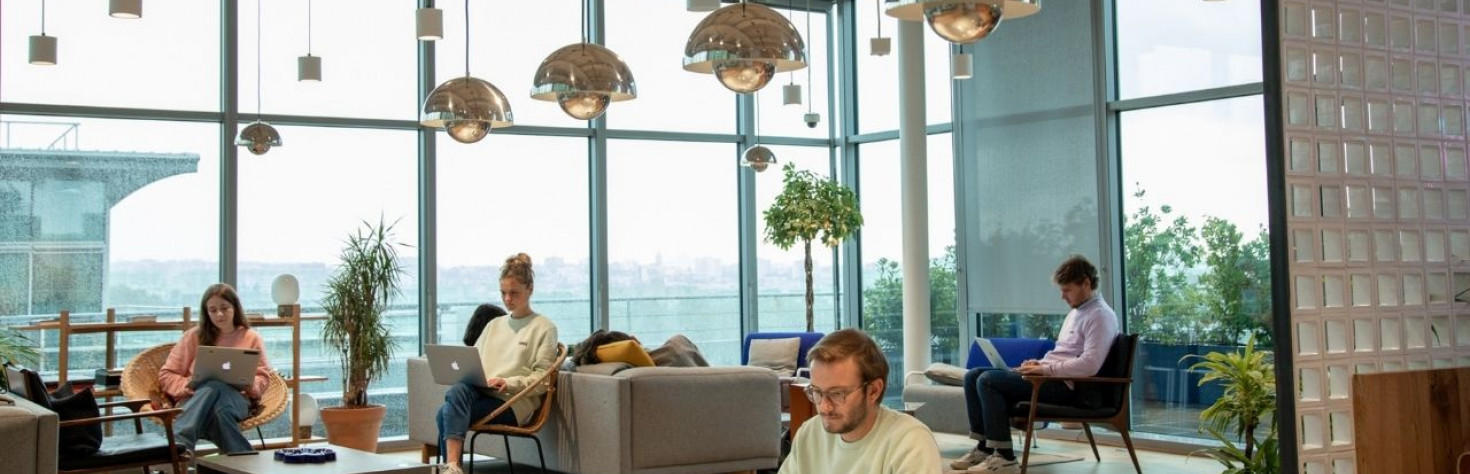
As a result, many of these startups have flocked to coworking spaces that offer lower costs of rent, as well as other utilities like office furniture, Wi-Fi, meeting rooms, and more.
Aside from cost savings, startups have also been able to tap into a diverse pool of talent within these spaces, networking with professionals from various backgrounds and skill sets.
Despite this, there is still a relatively low awareness of coworking spaces, which is hindering the market’s growth. In fact, the poll showed that just 20% of office workers come into a coworking space per month.
Remote Work


Design
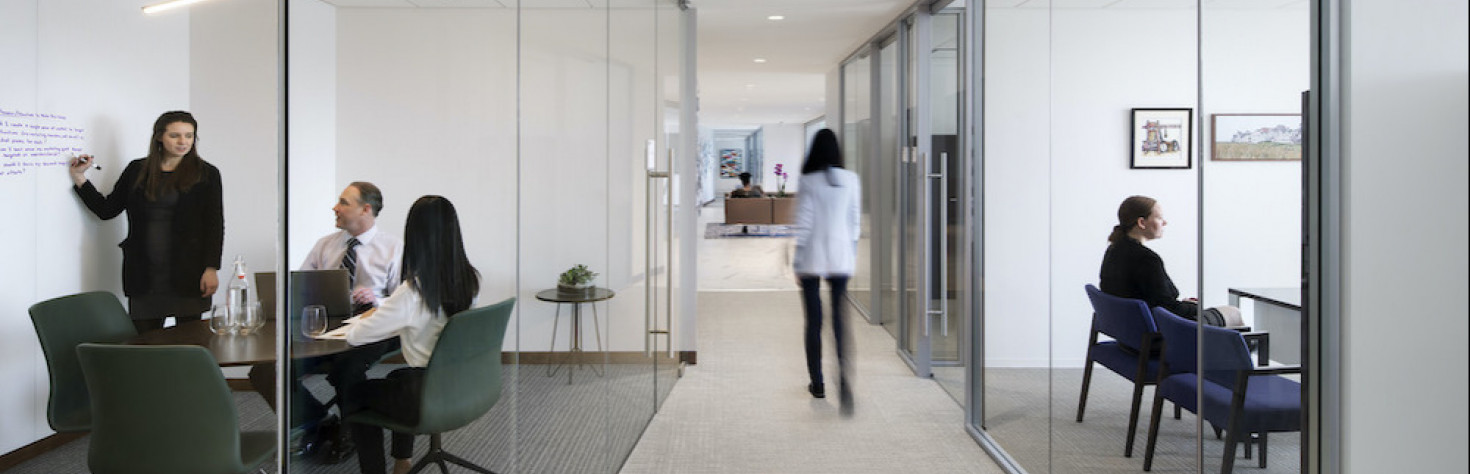

Recent research shows that green buildings can also improve the health and productivity of those who live or work inside them. In some cases, green buildings can have the same benefits as spending time in nature, which can benefit people living in cold climates.
Green buildings cost 5% to 10% more to develop than conventional buildings. Some planners might worry about the added design and construction costs of a green building. But detailed analyses show that the small increase in building costs has noticeable benefits on the health and wellness of those working or living inside and nearby the building.
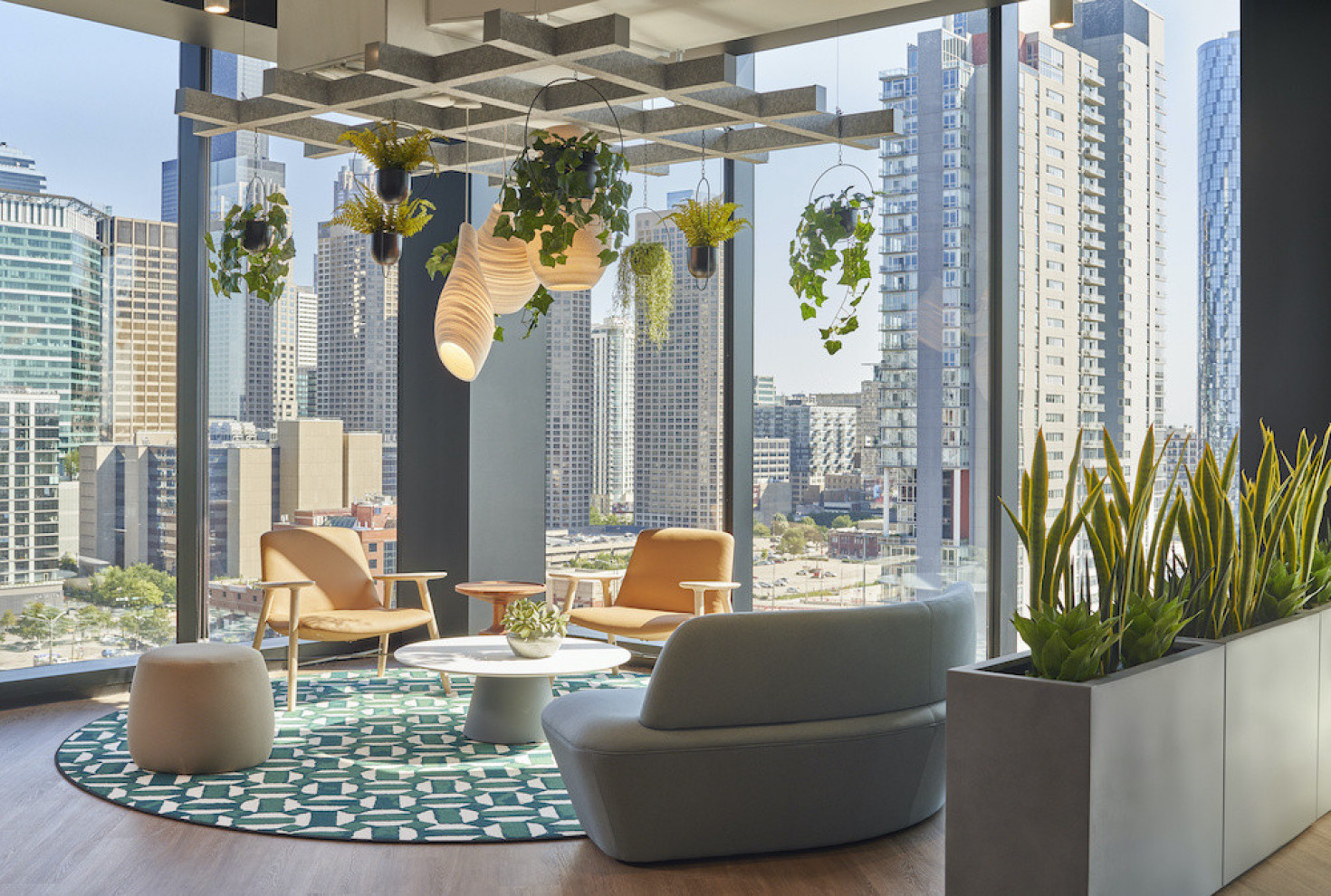
Over the last year, companies have been seeing more reason to create wellness-oriented office cultures. According to Mind Share Partners’ 2021 Mental Health at Work Report, mental health challenges among professionals rose from 2019 to 2021, with younger and historically underrepresented workers struggling most.
These struggles are caused in large by attrition, with employees increasingly leaving roles for mental health reasons, including job-related factors like overwhelming or unsustainable work. In 2021, 81% of Gen Zers and 68% of Millennials reported leaving companies for mental health reasons, compared with 75% and 50% respectively in 2019. Meanwhile, 91% of all respondents thought office culture should promote mental health.

Increasingly, however, the lobby has moved from bit player to the starring role of the workplace experience. The downtime away from the office due to the pandemic has had companies and designers reconsider the role of the entranceway, in terms of aesthetics as well as functionality. Just as 9/11 underscored the essential security role of lobbies and those who attend them, featuring technology to bolster the safety of employees and guests, the emergence of Covid-19 has put lobbies on the frontlines of protecting people, again with the aid of machines.
Metaverse

Roar has bought two plots of digital land in the 3D virtual world Decentraland and intends to turn them into Roar Meta Space – a studio to design and develop property for the virtual environment.
It sees the Roar Meta Space housing a commercial art gallery, a furniture showroom and store, a creative and business event space and an "experimental hotel of the future".

Hybrid Office
As prices soar at their fastest level for decades in the U.S. and Europe, some staff may abandon home working to cut surging costs on heating and food, for example.
U.S. natural gas prices have more than tripled since October 2020, while the U.K.’s Office for National Statistics said the cost of living is increasing at its fastest rate in 30 years. Energy bills in the U.K. are expected to rise by an average 50% by April. It’s an issue that may reportedly worsen should Russia retaliate to proposed sanctions made by the U.S., U.K. and European Union — to deter it from invading Ukraine — by choking gas supplies to those markets.
Canadian Company Launches Virtual Showrooms for Global Furniture Industry to Meet Needs of Hybrid Workforce
Tektus Digital, a Toronto-based real estate technology company, officially launched its flagship product – Virtual Showroom, aimed at furniture manufacturers and dealers looking to extend their showroom capacity online. With virtual and augmented reality companies looking to deliver ‘metaverse’ experiences to customers, Tektus has carved out its own niche with its focus on the furniture interiors market. Companies are exploring alternate solutions to physical showrooms by using virtual reality to showcase products, acoustics, lighting and more.
“Tektus is poised to deliver compelling virtual experiences to furniture companies that are exploring new ways to engage with their customers,” said Doug Barlett, CEO of Tektus Digital. “The range of showroom options and the cost-effective model that Tektus offers will transform the way customers consume and interact with information.”
While organizations increasingly look to bring their employees back to the office, many have pivoted to accommodate their hybrid workforce. Hybrid offers a range of benefits including providing greater work-life balance to employees as well as corporate real estate savings as companies reevaluate their physical space strategies. With more workers now able to work remotely, engaging with customers online has never been more critical, especially for organizations previously relying on in-person settings.
Customer behaviors have long been changing, with most doing their research on-line and many making purchasing decisions without even walking into an actual showroom. That’s why furnishing companies who are looking to lower their physical real estate costs are seeing opportunity and embracing virtualization technology which delivers high quality interactive photo realistic experiences for their customers.
The Tektus Virtual Showroom product is more than just ‘eye candy.’ Barlett believes the time is ripe for the traditional contract furniture industry to embrace the digital transformation. “Virtual showrooms are the new real estate frontier,” he said. “Almost every industry has gained efficiencies and enticed more customers by casting a wider net through technology enablement. With 3D renderings that mimic real life, and an array of showroom styles constantly being developed, Tektus is generating experiences that rival in-person showroom visits.”
Virtual showrooms can help furniture companies get in front of their customers and design partners by offering easy access to their products. They also serve as a platform for companies to provide sales training, even integrating avatar spokespersons to guide the customer experience. With real costs savings, the prospect of monetizing the showroom by selling directly to customers, and the ability to invite more ‘on-line foot traffic’, Tektus is well positioned to make its mark. Companies are also getting on board with virtualization technologies to reduce their carbon footprint.

During the past two years, it has had to adapt to the unpredictable switch between home and office working and the potential impact on our mental health.
Microsoft has even studied the impact of hybrid working on our brains. It followed the brainwave patterns of two people collaborating in-person and virtually and found that there were more brainwave patterns associated with stress and being overworked when the colleagues were interacting remotely.
When they switched to in-person, their brains had a harder time adapting to the joint task than if they had started and completed the whole job face-to-face.
There is still uncertainty over where we will be working in the future and where we will be the most productive and happy.
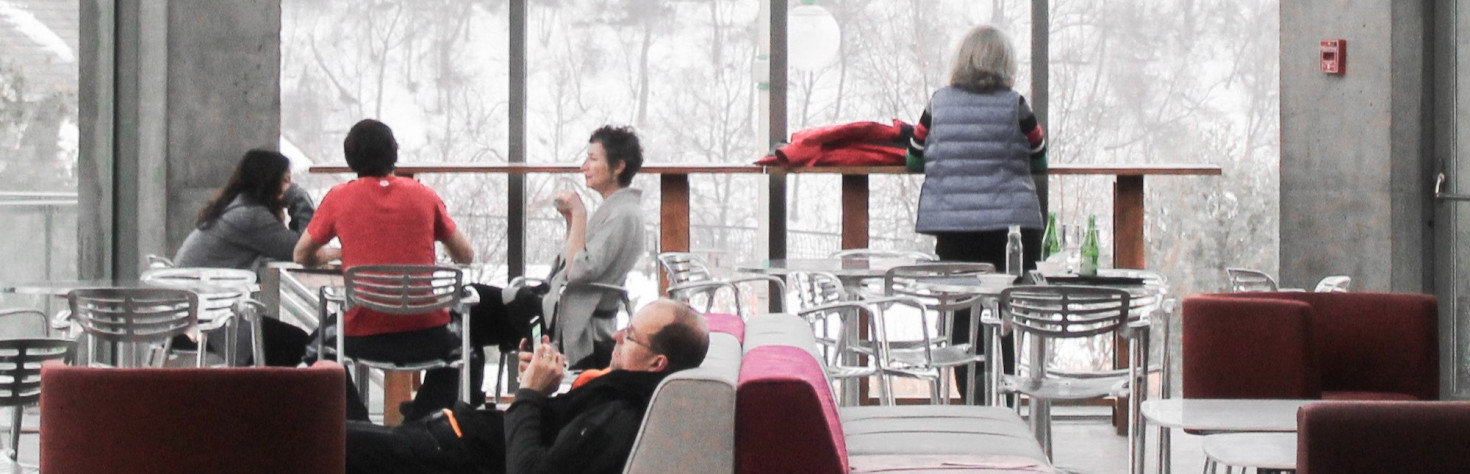

Having a system in place to manage employees coming into the office “makes a huge difference to the employee experience,” said Jordan Scoggins, director of information technology at Quartz. It’s a lot better than employees emailing back and forth to coordinate schedules, he added.
Workplace software companies like Envoy, Condeco, Teem, Robin and OfficeSpace provide employees with the ability to reserve available desk space when assigned desks are no longer the case. Office spaces were redesigned during the pandemic for social distancing — and to adjust to the reality that all employees wouldn’t be coming into the office five days a week.
Flex Office
Trends Impacting the Flexible Office Market
After flying high for years, flexible office and coworking were negatively affected by the onset of the pandemic. However, short- and medium-term trends among occupiers and landlords are favoring growth in the sector. The following report External Link examines the current state and the expected future of the flexible office sector for landlords, occupiers, and operators / providers across five themes.
Fundamentals Beginning to Look Up
Enterprise Demand Rebounding, Not Waning
The Long-Term Future of Workplace Ecosystems Includes Flexible Office
Changing Dynamics Between Landlords, Occupiers & Flexible Office Operators
After a severe and quick drop-off, much of the economy is on its way to recovery. Office-using employment, in particular, is rebounding around the globe, having surpassed pre-pandemic levels in many markets, including Toronto, Tokyo and London. Office usage, however, has been uneven amidst various spikes in the pandemic. However, flexible office provides a solution that is complementary to the needs of a more agile workforce.
WFH

“Around the world, there is a different dynamic about hybrid work. People in America are used to working from other places and their culture is not as tied to the office. In other places around the world, they don’t have the space and the technology to work from home, even if they wanted to,” Scott Nelson, CEO of occupier services at Colliers, tells GlobeSt.com.
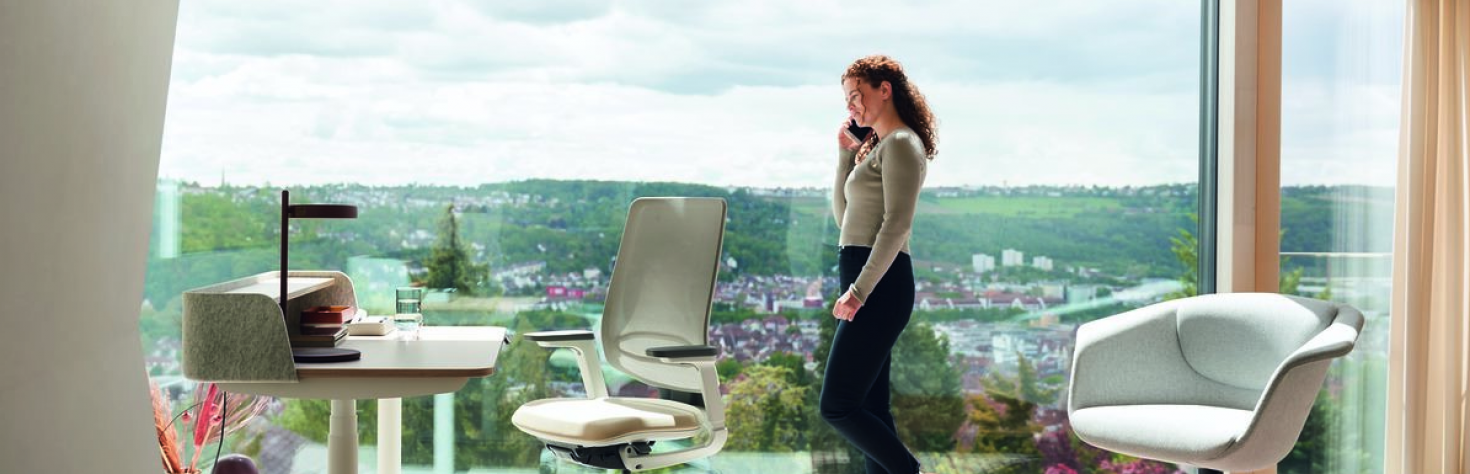
At the time of course, the assumption was that knowledge workers were primarily office-based, but they might take the opportunity to work from home more during the summer, perhaps predicated around childcare during school holidays. Now nearly two years into the pandemic and a wave of recent research shows the majority of staff routinely work from home, for at least two or three days per week. Business consultancy firm The Culture Builder’s report, Poly-working: the evolution of hybrid working found that just 23 percent of HR leaders plan to return their workforce to the office at 100 percent pre-pandemic levels.
Real Estate

But there are already signs that working from home is leaving a lasting impact on the way that the world completes office work. Some of the fastest-growing businesses are shedding office space as they evolve their new workplace policies to the developing consensus around mandatory office attendance. Understanding why and where lease terminations are happening is key to the future of the office. Here are some companies that have already adapted to the remote aspect of the workplace.
Workplace Tech

Makers
Products
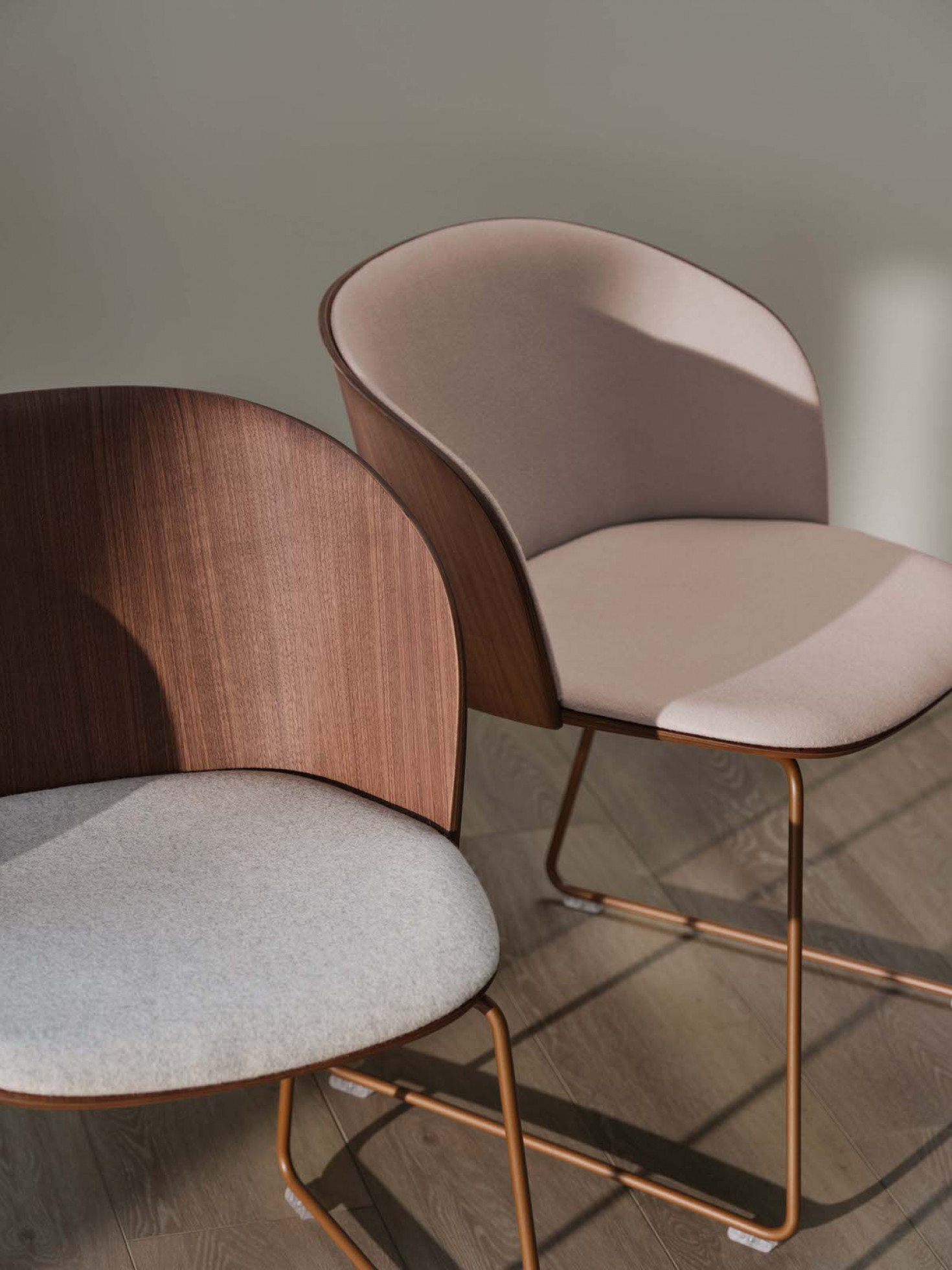
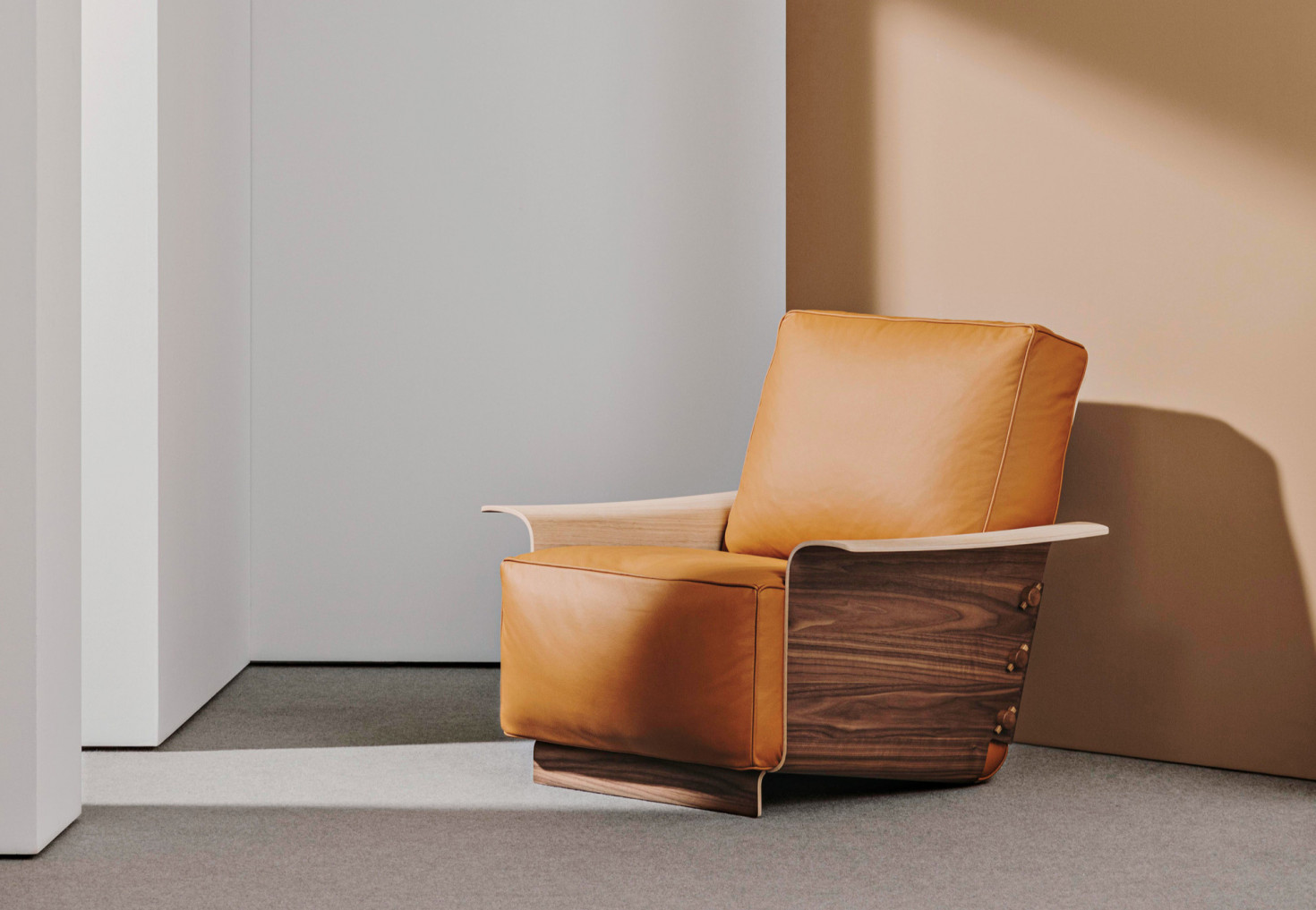
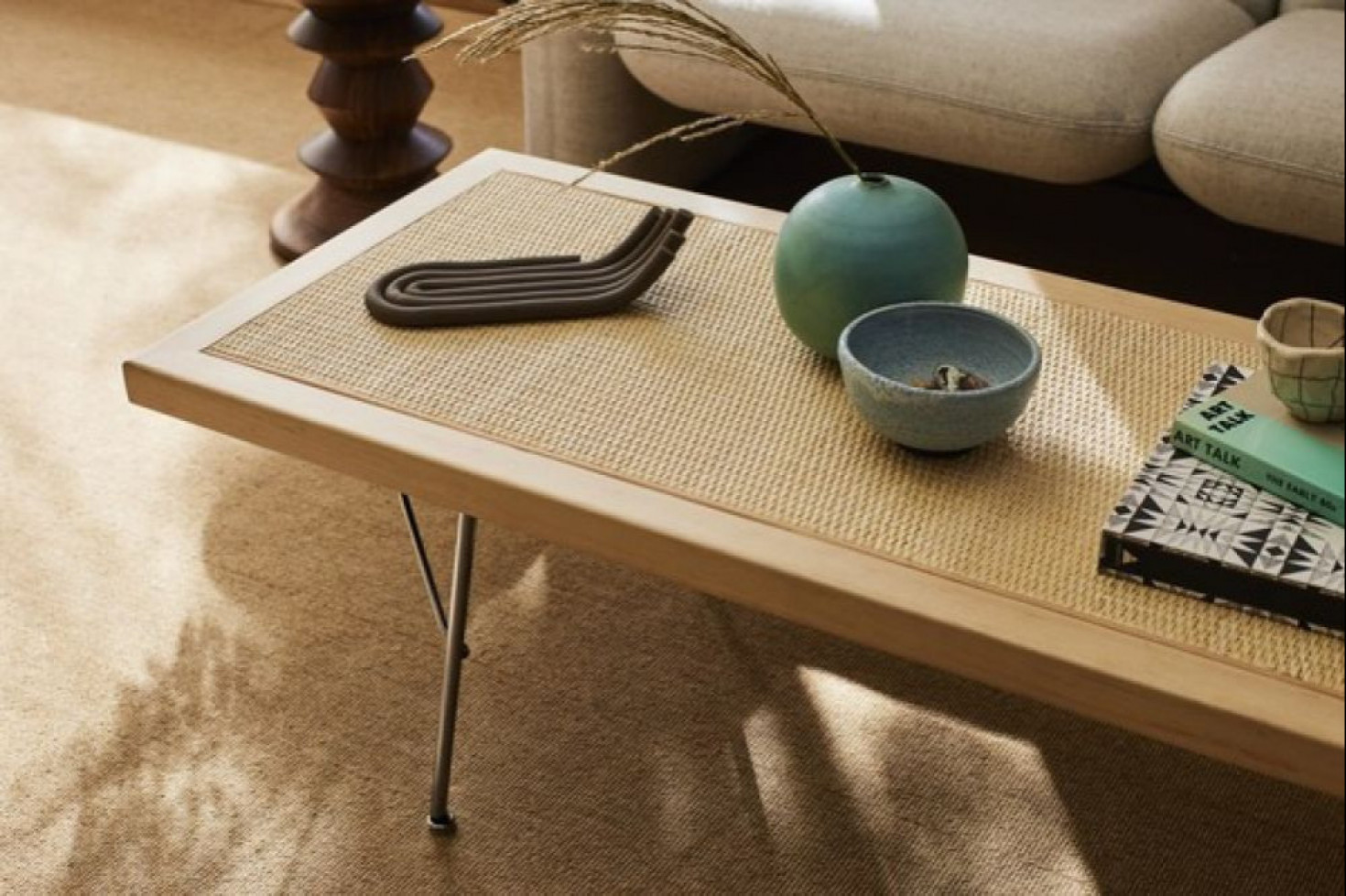
"I'm thrilled that this lesser-known piece is being revived for a second act," said Amy Auscherman, Director of Archives and Brand Heritage at MillerKnoll. "George Nelson and his associates had an incredible range. They could execute designs that were full of whimsy and play, as well as designs that were elegant and simple. The Cane Bench is a perfect example of the latter, and I think an important piece that extends the iconic Nelson bench oeuvre."
FSR Expands Next Generation Digital Ribbon Cable Series to Include USB 3.1 Gen 2 Type-C® Cables
FSR, a manufacturer of a wide variety of infrastructure and signal management solutions has expanded its Next Generation Digital Ribbon Cable series to include USB 3.1 Gen 2 Type-C® DR cables designed for most conferencing cameras, hard drives, PCs, laptops or any high-end peripheral devices that use a USB Type-C® connector to transfer data. Introduced at InfoComm 2021, these hybrid fiber/copper cables are now shipping.
Offered in 10m and 15m lengths the cables are compatible with both Windows and Apple iOS, can support a 5V/900 mA transfer limit, and deliver a speed of 10Gbps data transfer without signal loss or delay. Each cable is fitted with a discreet black jacket with connector shells labeled “HOST” and “DEVICE” to aid in error-free connection. The DR USB Type-C® cables* deliver superior performance while providing a reliable plug-and-play user experience without the need for software. The cables are plenum rated (type CMP/FT6) and feature enhanced pull strength of 15kg/33lbs. They join FSR’s extensive range of Next Generation Digital Ribbon Cables which includes 4K and 8K versions that utilize a proprietary technology to allow high-speed, high-definition, HDMI® signal transmission over distances of up to up to 328 ft. or 100 ft, respectively.
This cable does not support USB-C® Power Delivery or Alternate Mode.
Projects
Noted

This year contest participants were challenged to create miniature chairs of either an iconic, recognizable design or an original creation using only the foil, label, cage, and cork from no more than two champagne bottles. The winners in each category were, selected by an esteemed group of Office Hours speakers. Office Hours, a socially-engaged initiative dedicated to championing BIPOC design practitioners, was this year’s charitable organization. The panel of judges included ELLE Decor Editor in Chief Asad Syrkett, Architect Jacqueline Shaw, Architect Tei Carpenter, Apple Design Researcher Alyse Archer-Coité, and Graphic Designer Alex Lin.