Friday, June 17, 2022

News
 s3-eu-west-1.amazonaw...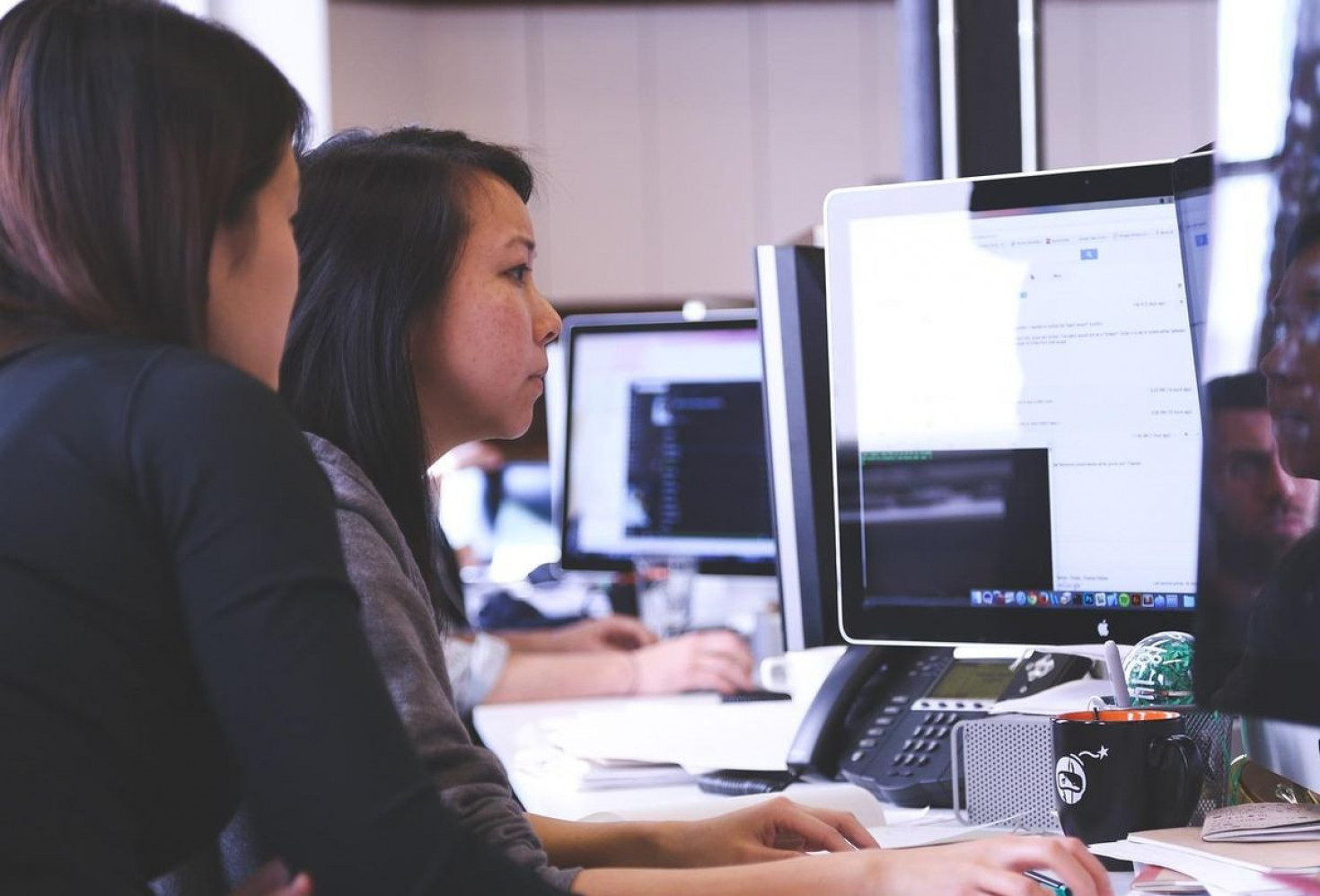
There is a long way to go, but a national report shows employers are making progress in their efforts to get workers back in the office.
Average office occupancy in 10 major U.S. metros came in at 44% of pre-pandemic levels during the first week of June, the highest mark since the pandemic began in 2020, according to Kastle Systems. The week before occupancy was 41.2%, a drop from previous weeks in May that probably reflected the Memorial Day weekend.
The Workplace
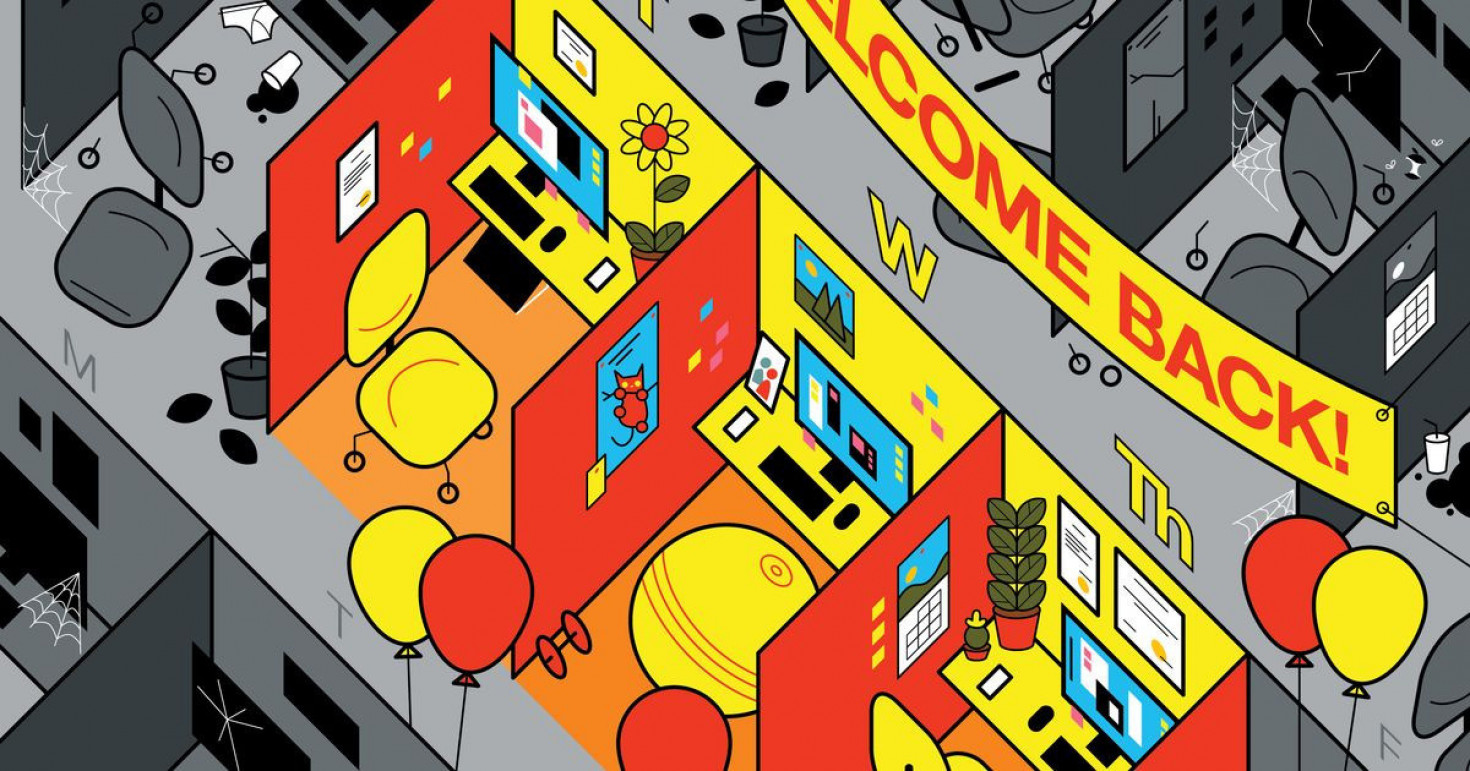
Hybrid work is supposed to be the future of the office. Except a lot of people just don’t like it.
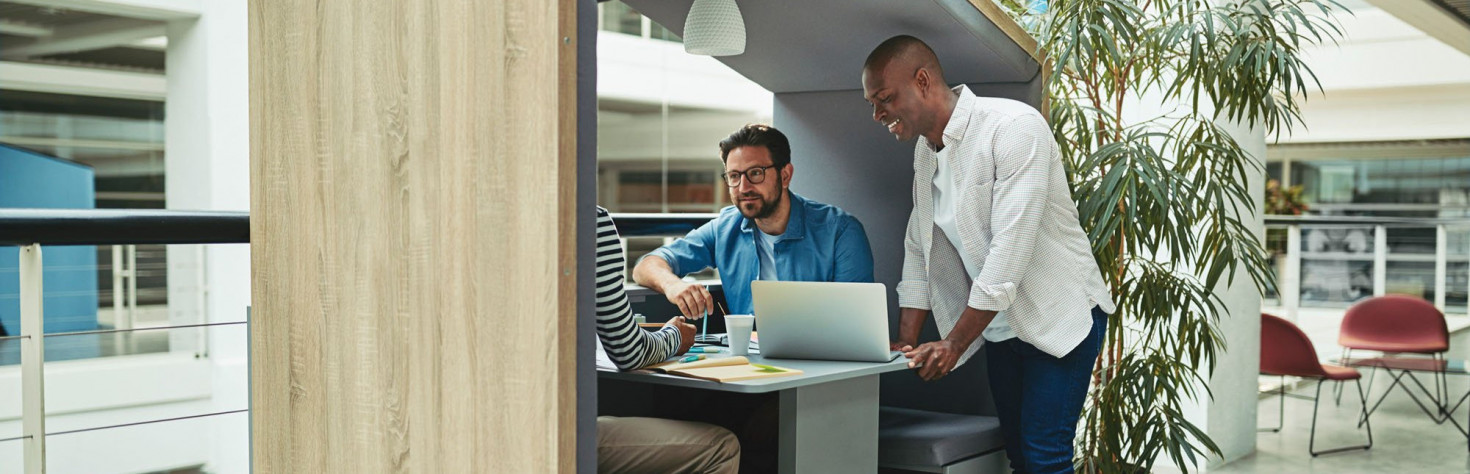
Will recent office policy and preference changes trigger a hybrid-work butterfly effect in workplace design?
Hybrid Working

As workers return to the office, it has become clear that the era of hybrid work is upon us. Some of the biggest companies in the world, such as Google,
Trends
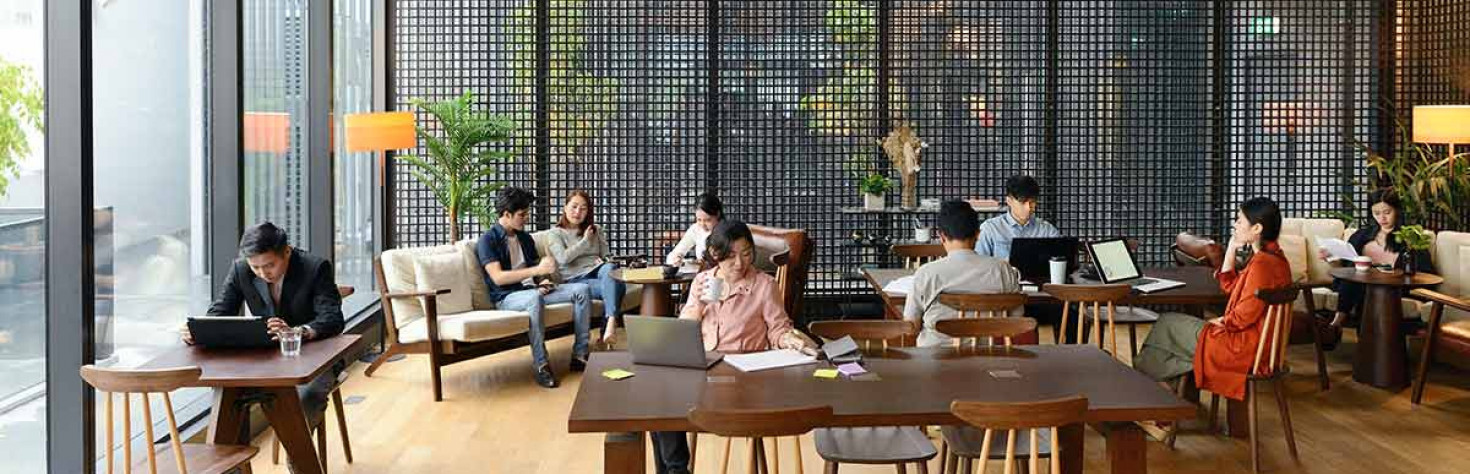
People are finding places other than the office or home to meet with colleagues or crack open the laptop, as the structural shift to the working week continues.
Increased flexibility is seeing more employees increasingly log into work from cafés, hotel lounges, and coworking spaces, according to JLL’s latest Workplace Preferences Barometer.
Design
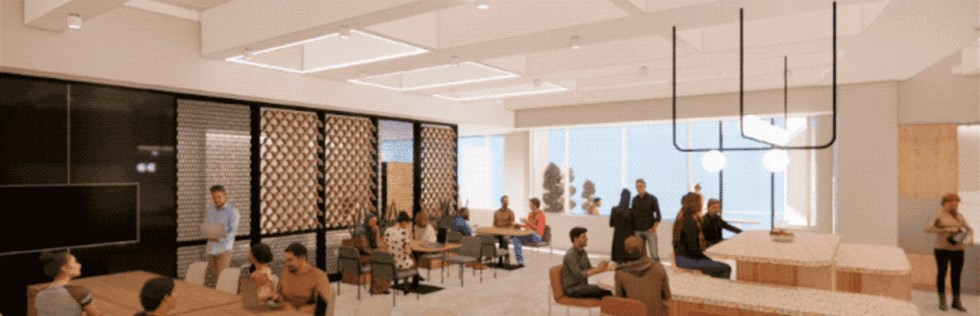
The future of the office is an open question, but this company is testing 3 designs to figure it out
Prototypes are being used to evaluate how the office can and should change.
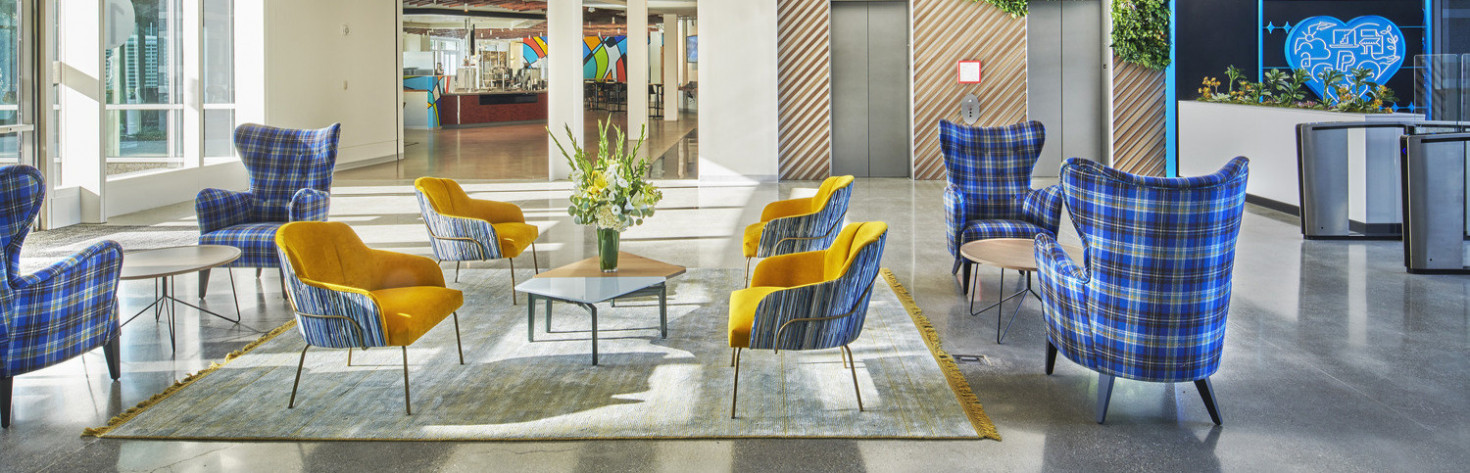
Residential and hospitality-inspired workplace design can become a powerful way to boost morale and get employees back to the office.
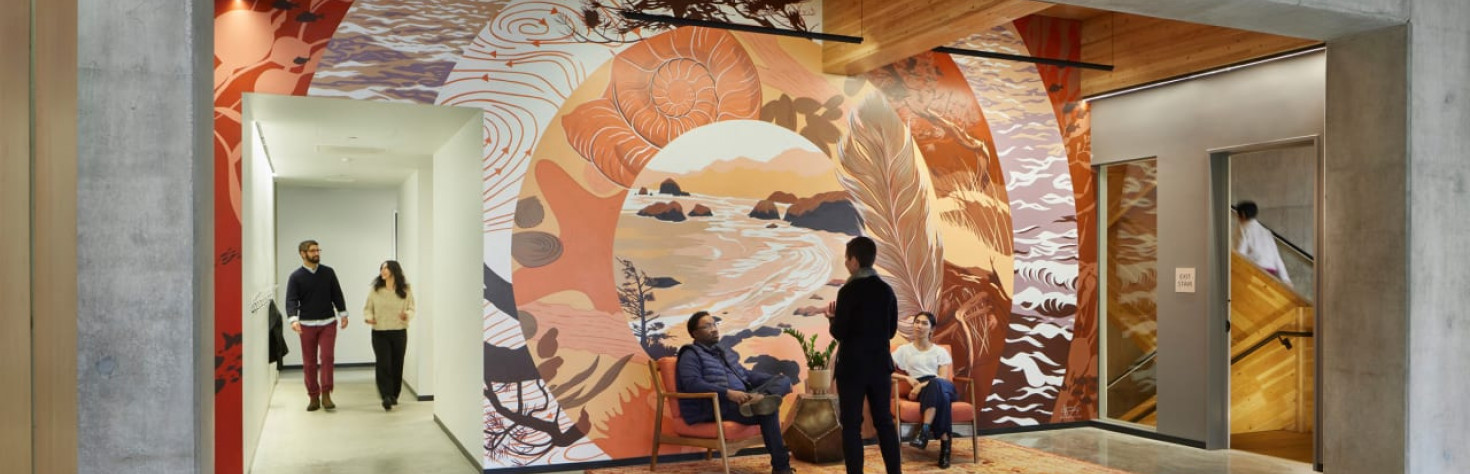
The building has been designed to meet the standard of the Living Building Challenge, a green-building-certification system that’s regarded as one of the most difficult to achieve. Prioritizing designs that have net positive impacts on the environment, Living Building Challenge buildings create more energy than they use, clean and reuse water, and absorb more carbon dioxide emissions than they produce. It’s a high bar, and one typically met by only high-end homes or large-scale trophy buildings for organizations with deep pockets, including several Google offices, a sustainable design center at Georgia Tech, and the headquarters of the Bullitt Foundation in Seattle.
Remote Work
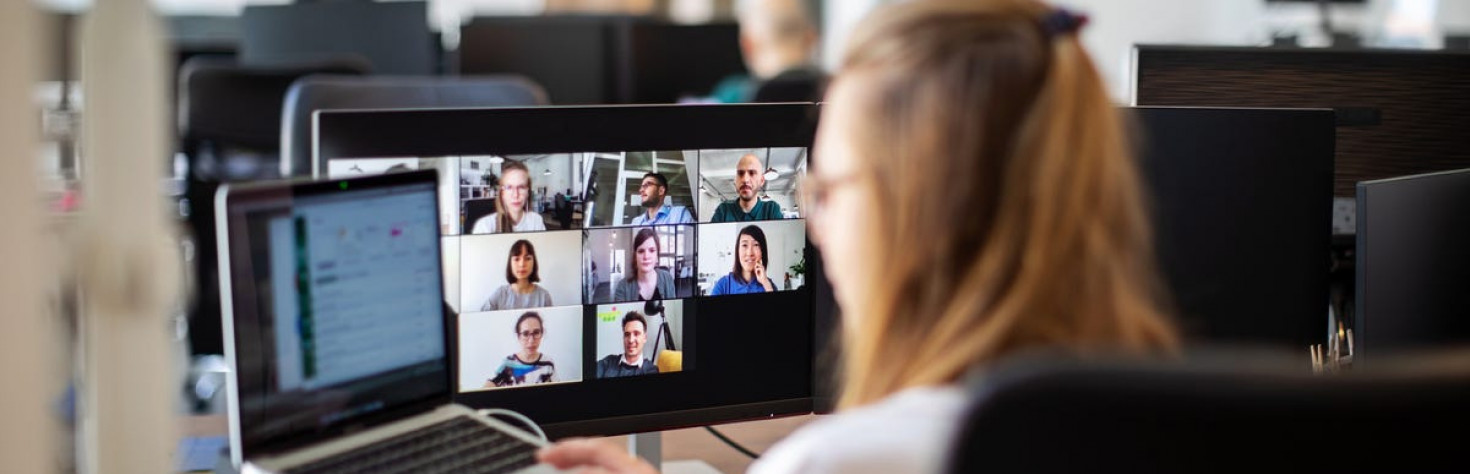
Employers are "abandoning remote working" in favor of hybrid models in an effort to retain valuable staff and ensure junior team members have better opportunities to learn and progress, say the findings of a new report.
Real Estate

At the beginning of the pandemic, there was a pervasive belief that remote work would become permanent, resulting in a knee-jerk conclusion that an office apocalypse was upon us. Thinking that the office had become entirely obsolete, executives and corporate occupiers said in various surveys that they’d slash their office footprints. Things have changed since the spring of 2020, though. Slowly but surely, companies have implemented hybrid work, and, though there’s still much uncertainty, the forecasts for the future of the office don’t seem quite as dire.
Makers
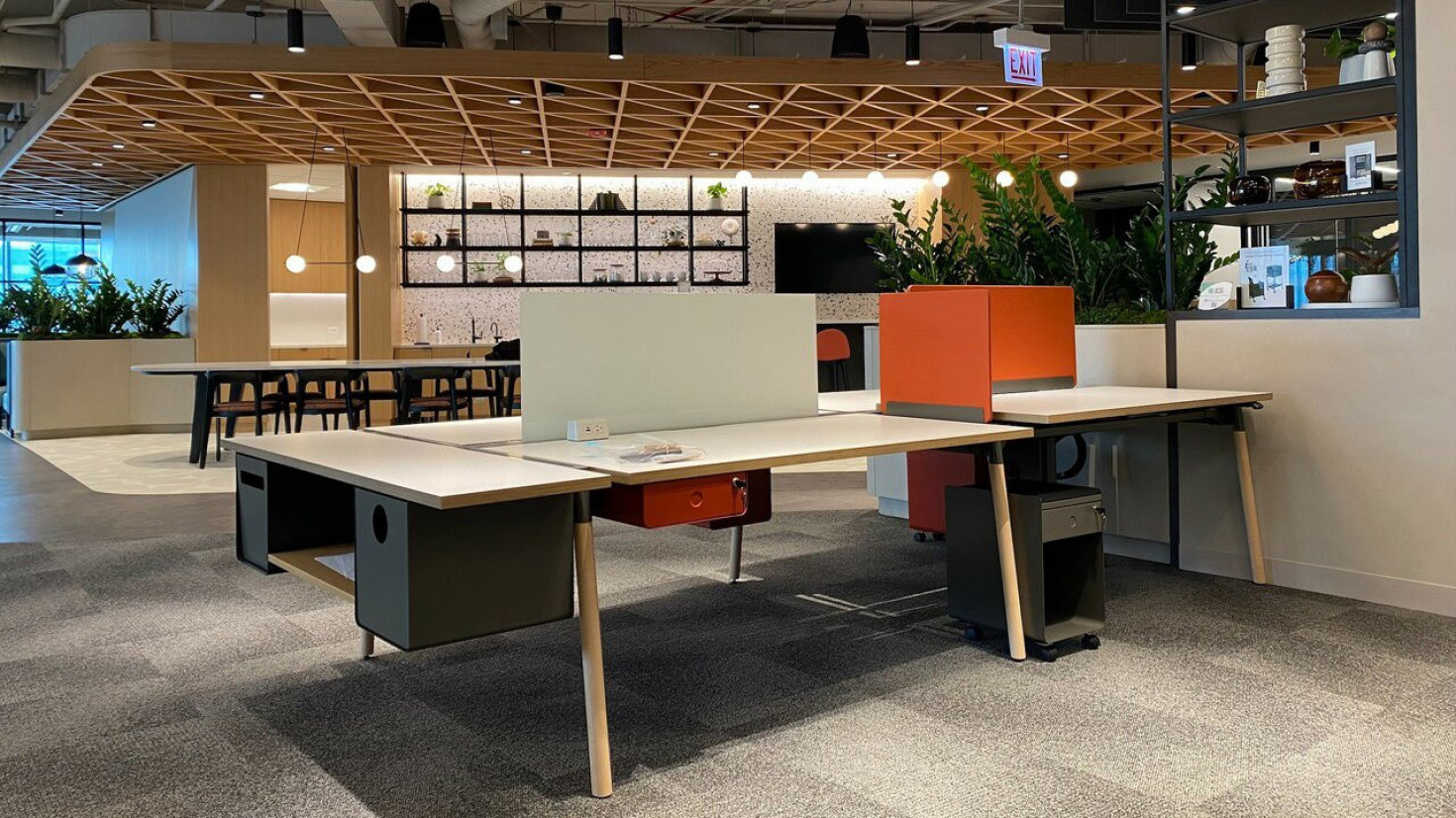
Inscape furniture and their premier dealer partner, Prevolv, have opened a combined showroom in Chicago’s iconic Fulton Market District. The 12,000 SF space will bring together their services and offerings at their 800 W Fulton Market location.
@NeoCon and Surrounding
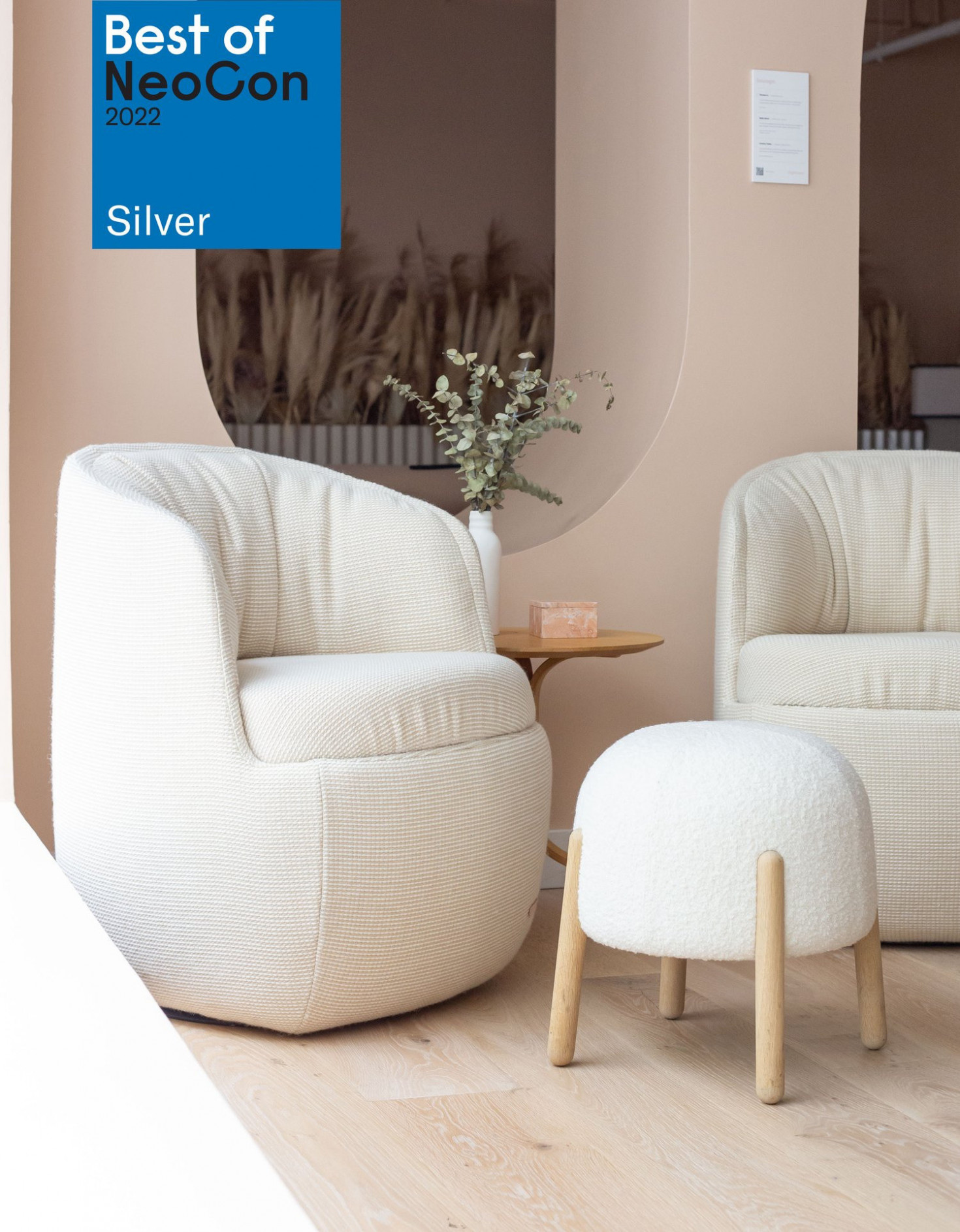
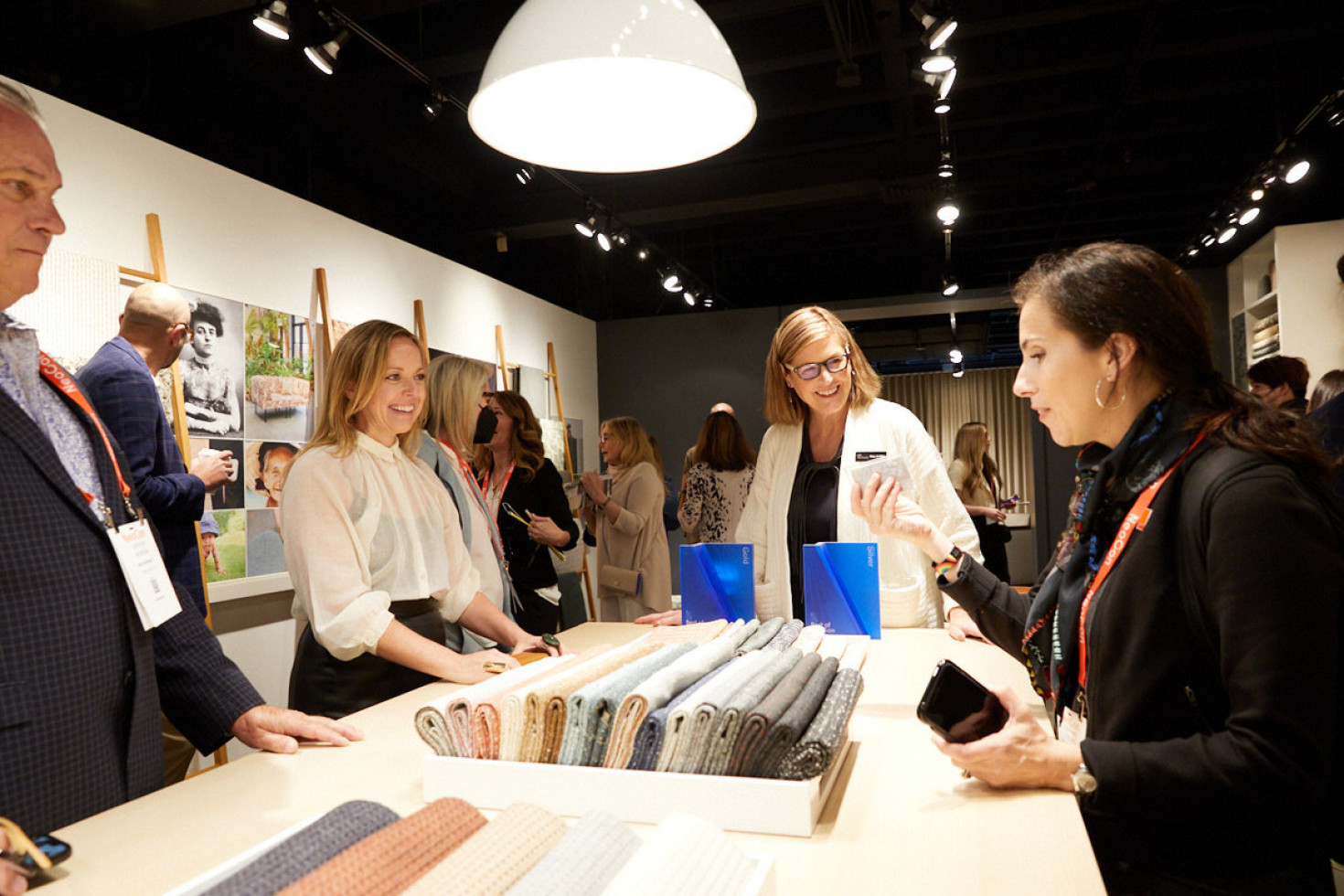
A new, adaptive soft seating option designed by Hightower® Studio, was launched this week at Hightower’s Chicago showroom during NeoCon, winning a Silver award for Guest Seating by the Best of NeoCon jury.
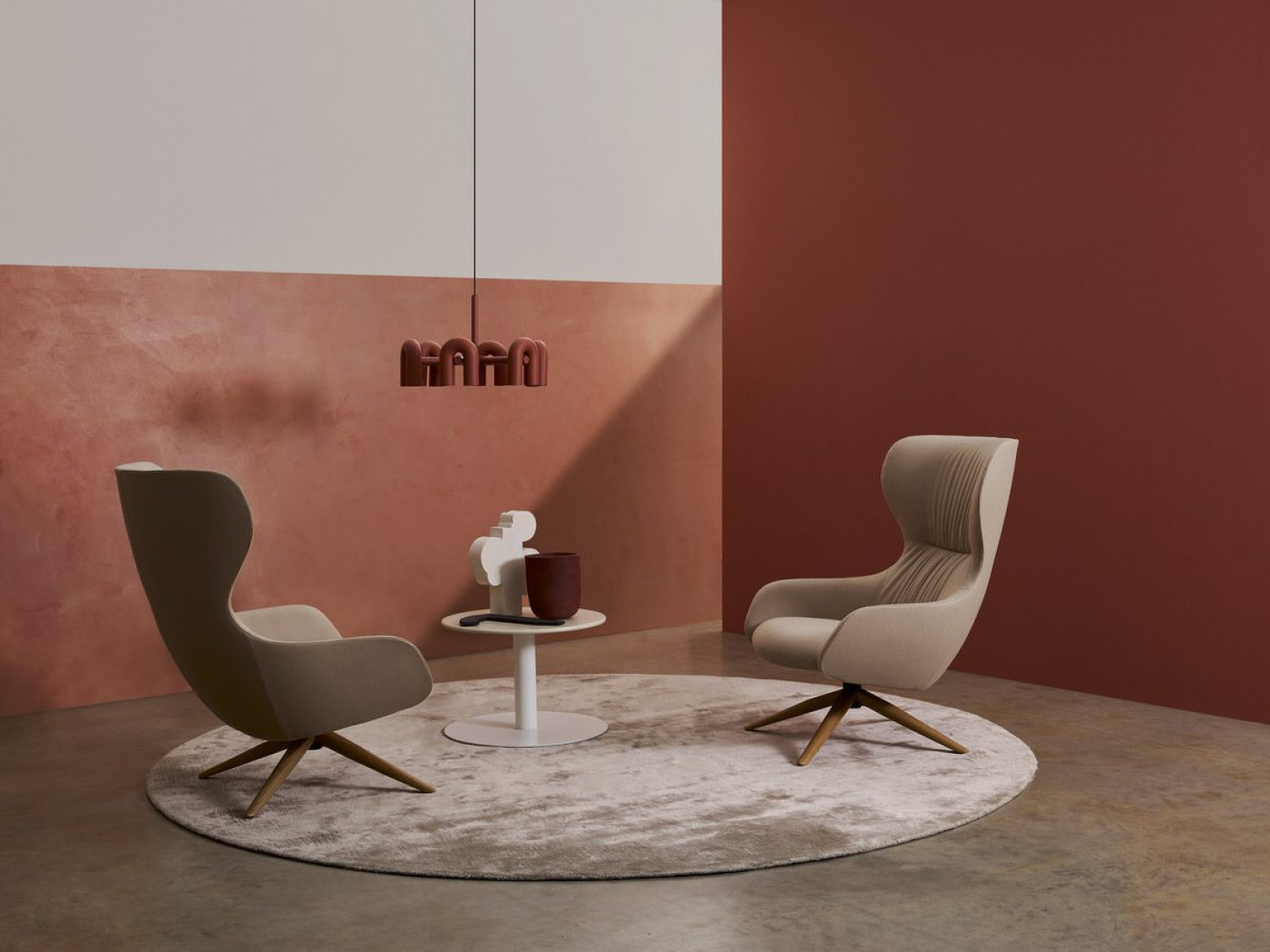
The Amelia Lounge Collection by Boss Design has won a prestigious Gold Award in the Seating: Sofas & Lounge category at NeoCon 2022.
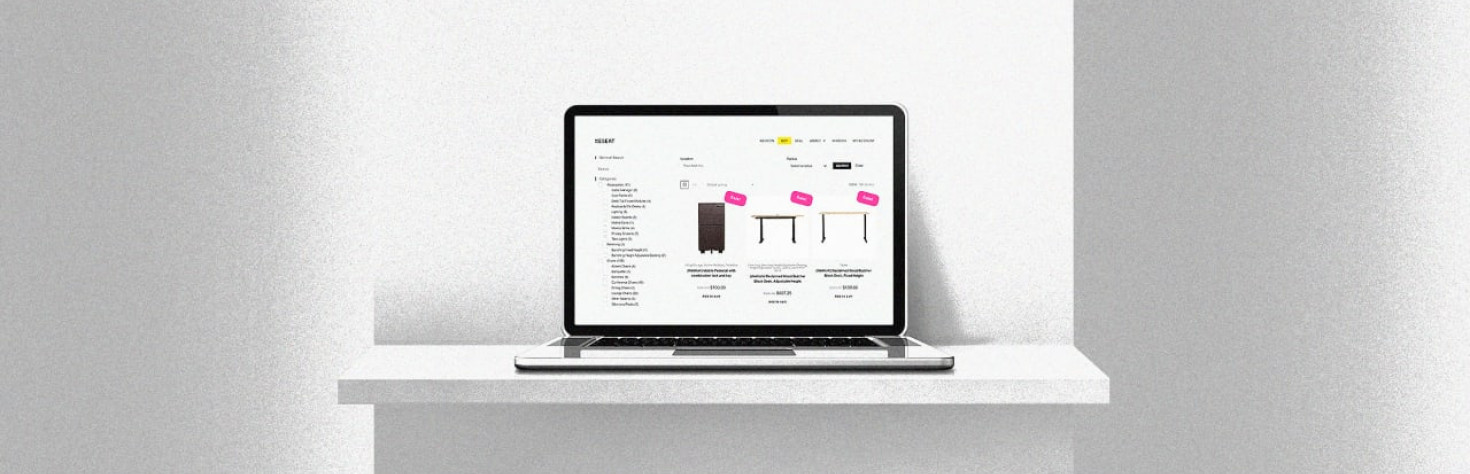
Reseat isn’t in the business of making new furniture. Instead, it’s focused on giving old office furniture a new lease on life.
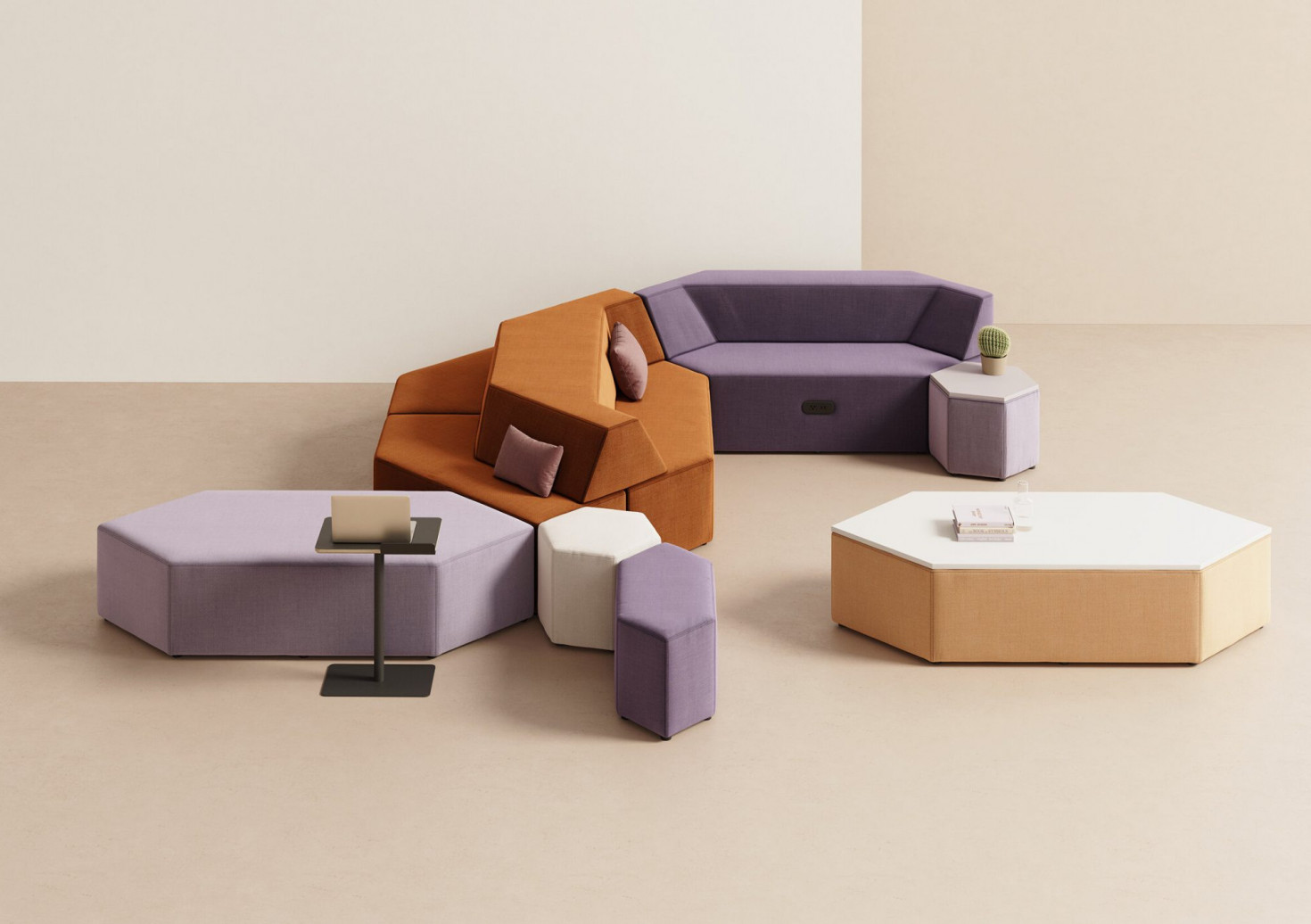
Annorlunda, the Swedish word for “unlike most others” or “different” encapsulates this year’s NeoCon.
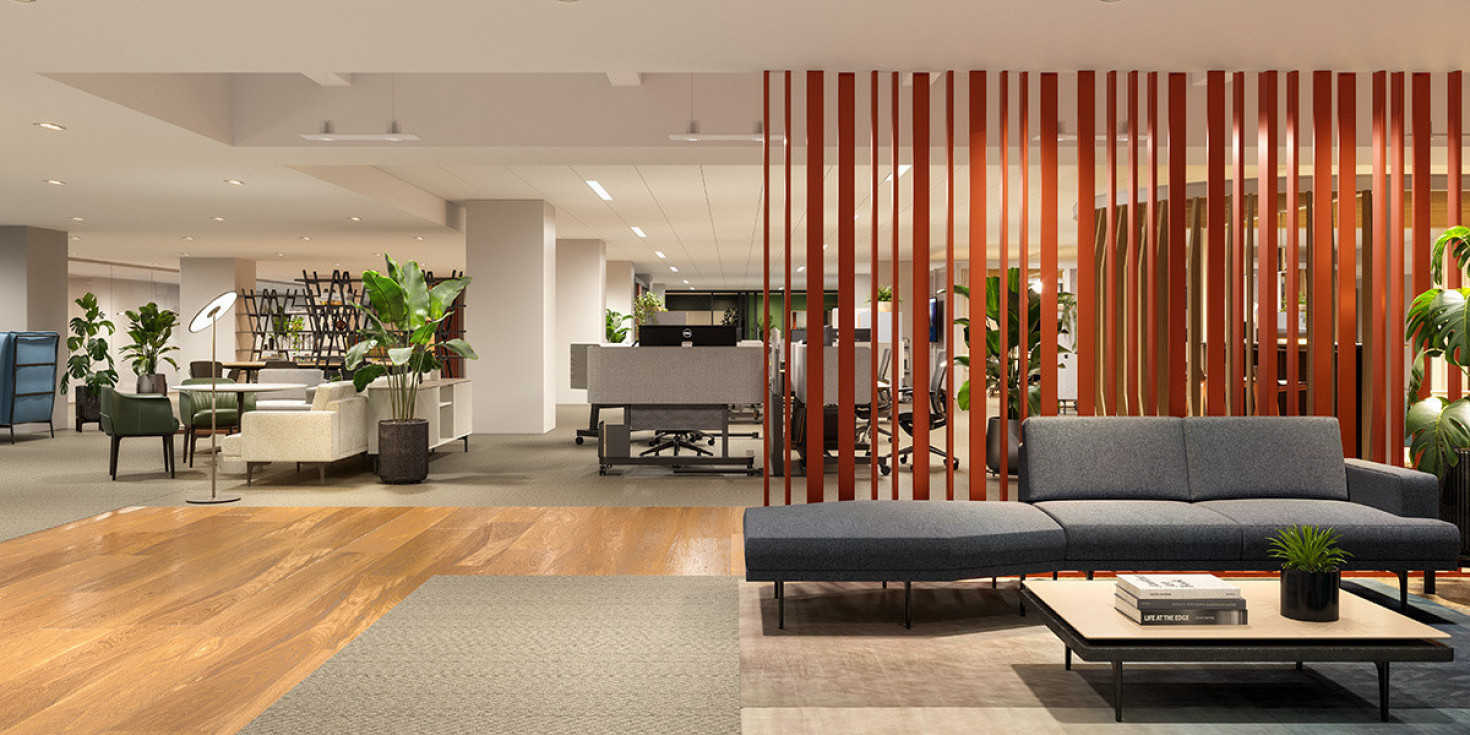
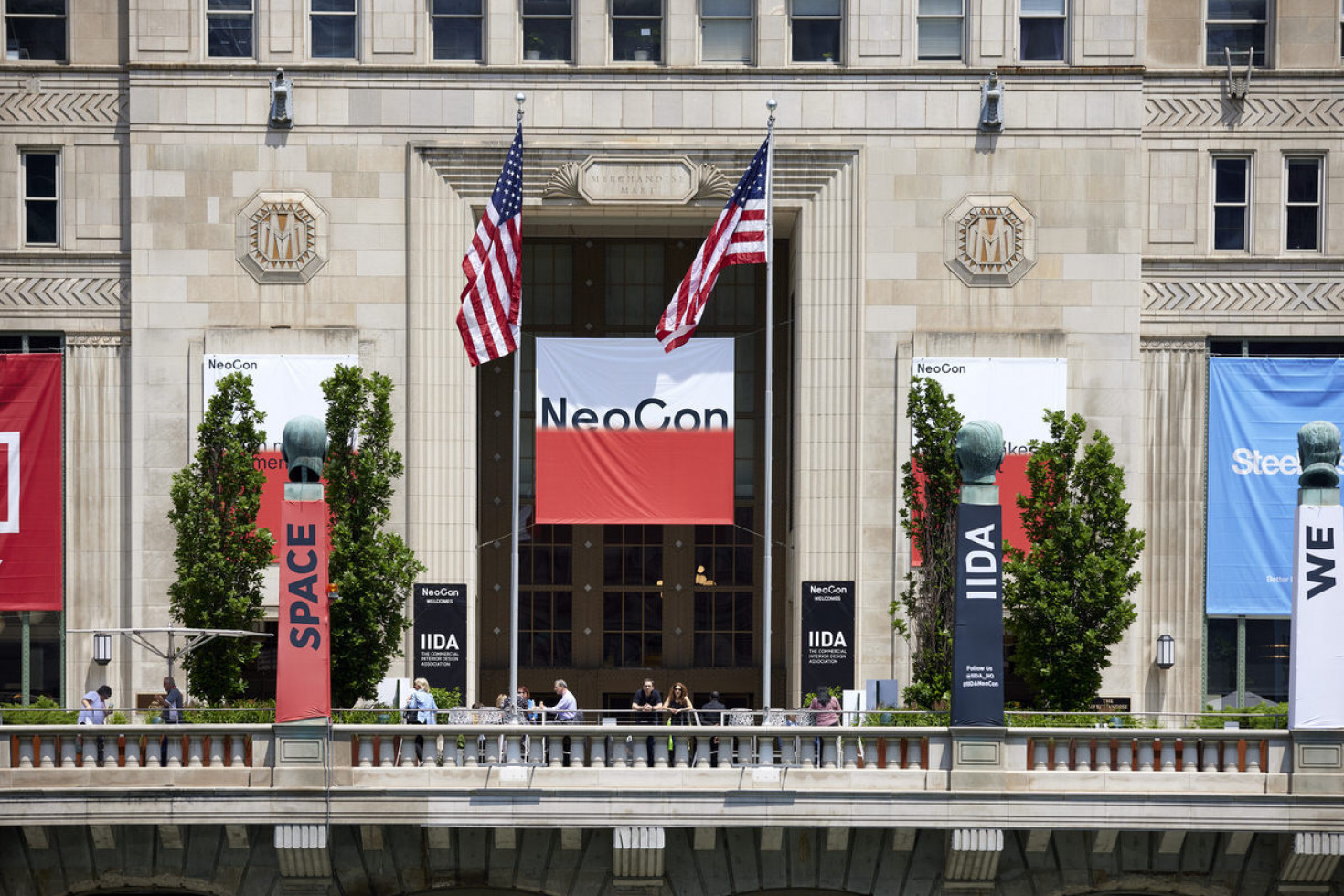
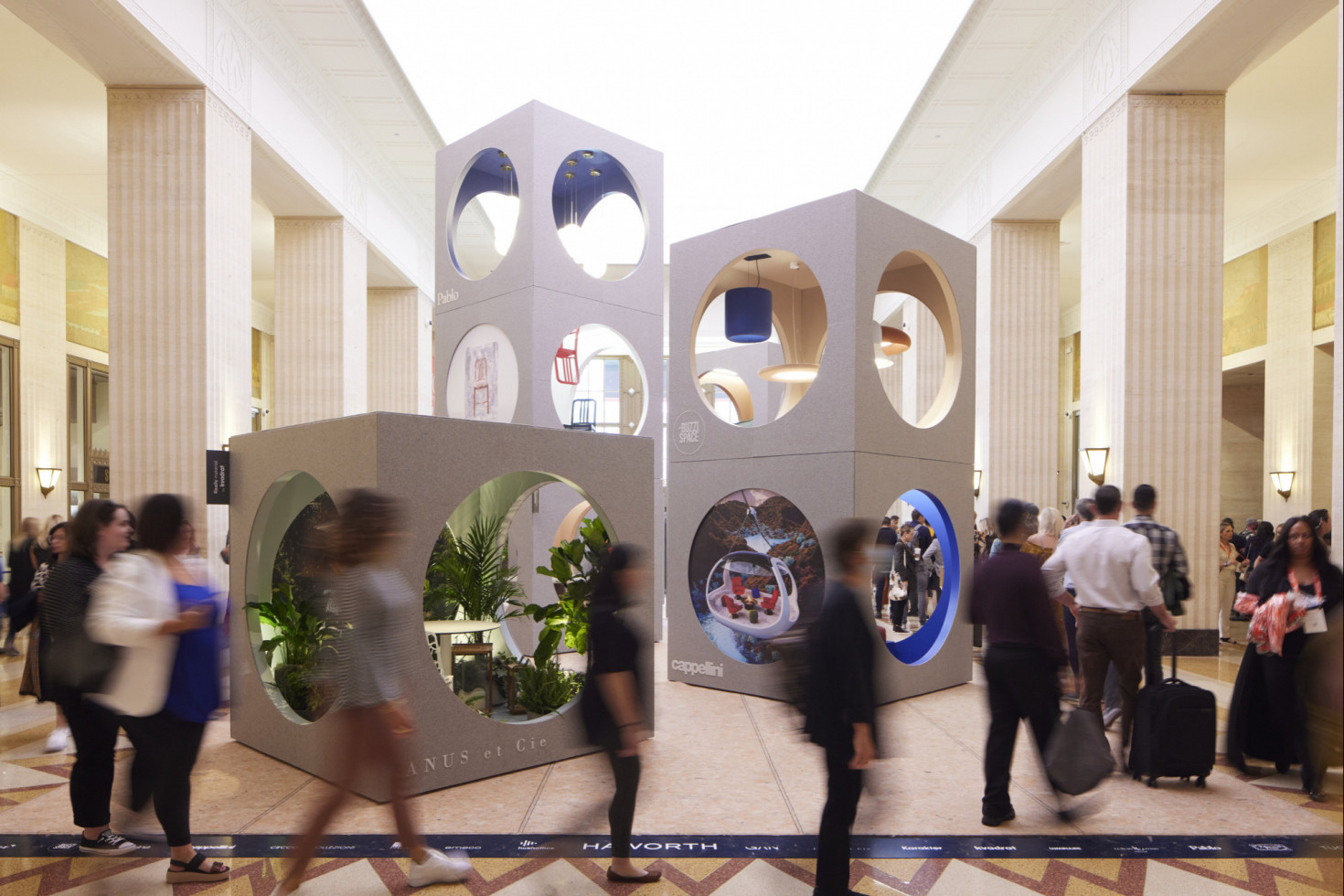
What’s next for the office? We invite you to explore our NeoCon spaces and featured products—designed to enhance the work from anywhere experience.
Products
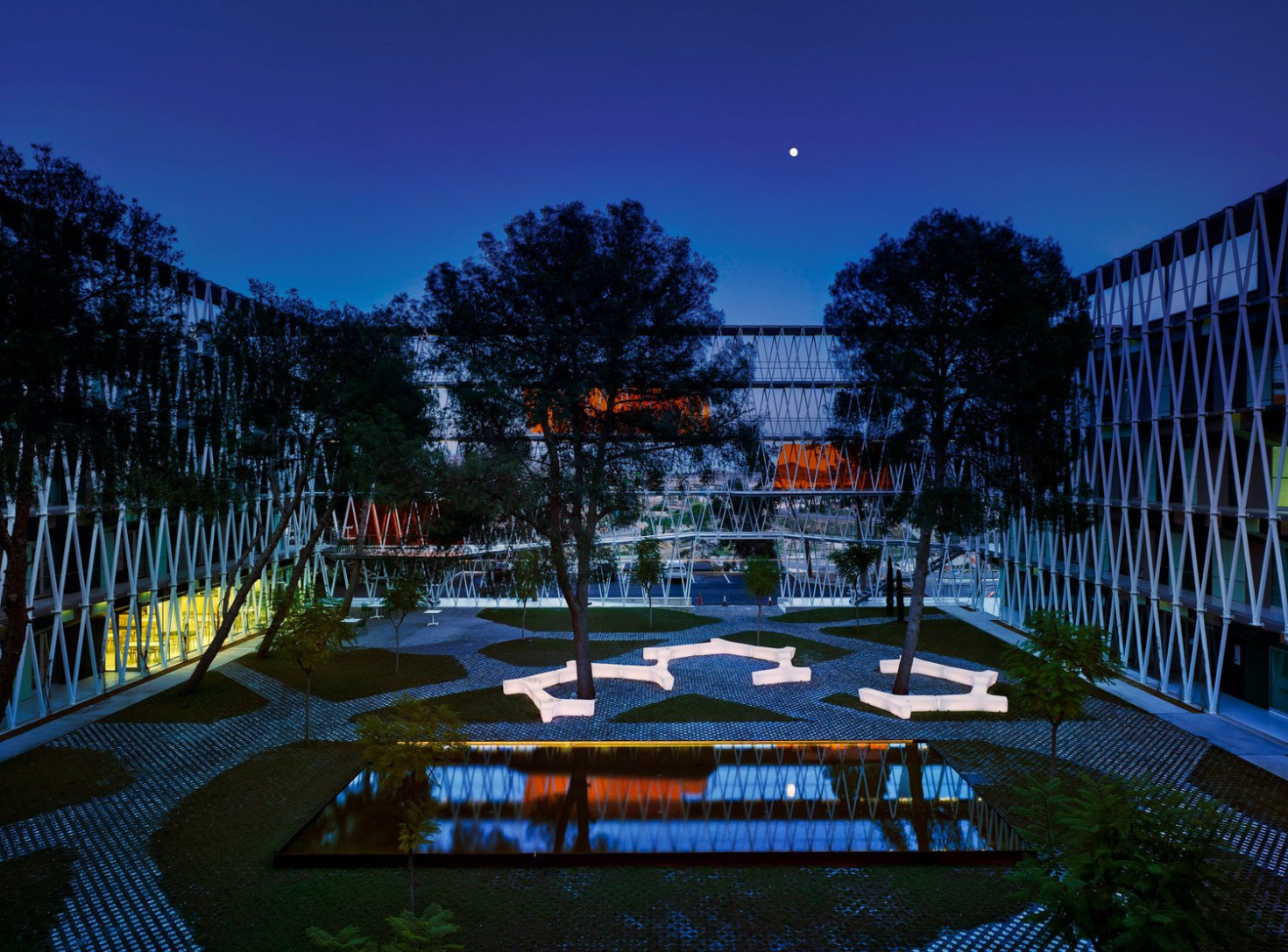
The Air Collection, a family of lightweight, recyclable high-density polyethylene (HDPE) seats and benches designed in collaboration with its long-time partner Escofet.
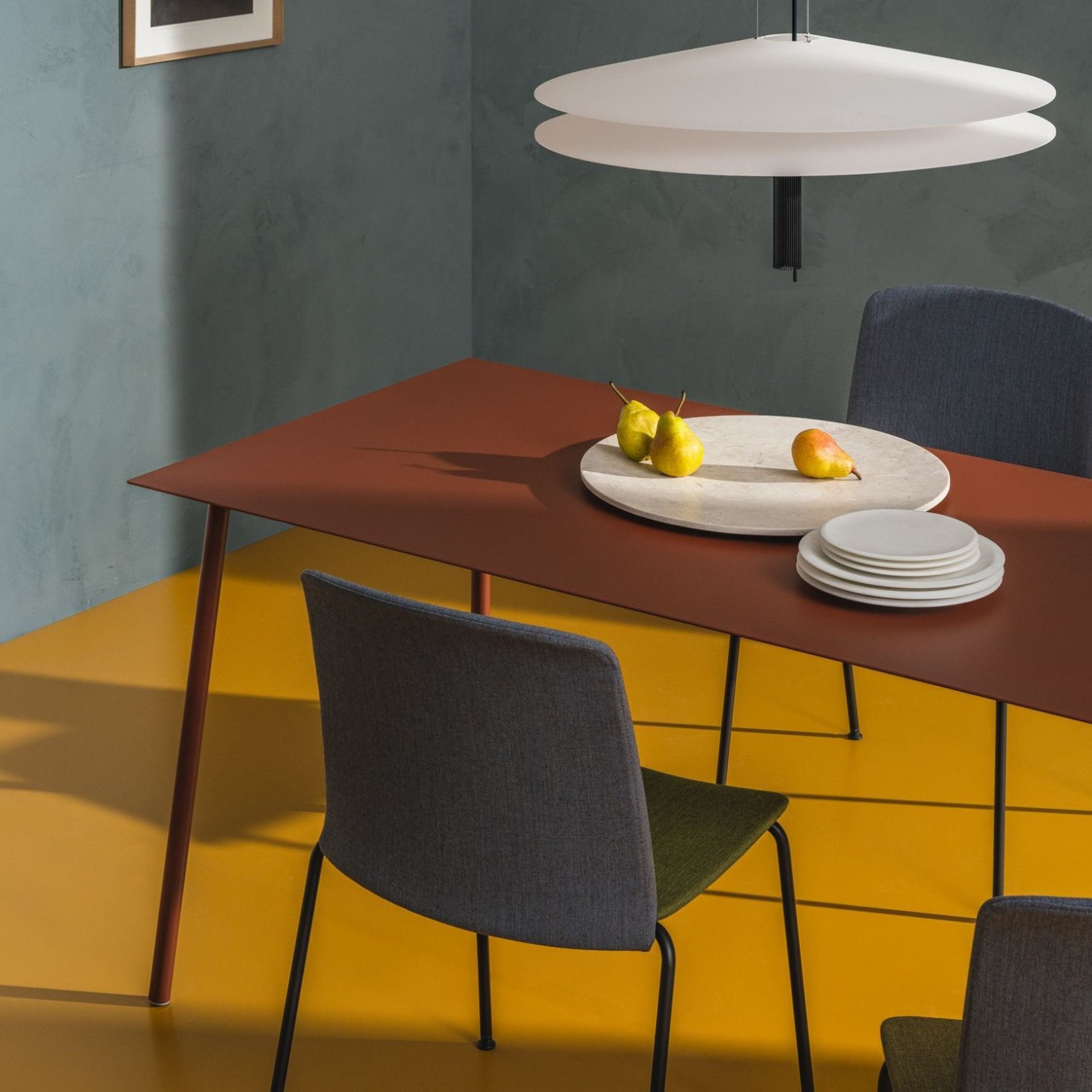
Aeeri radically dematerializes the table with a minimalist gesture, tracing the form’s line to find its very essence.
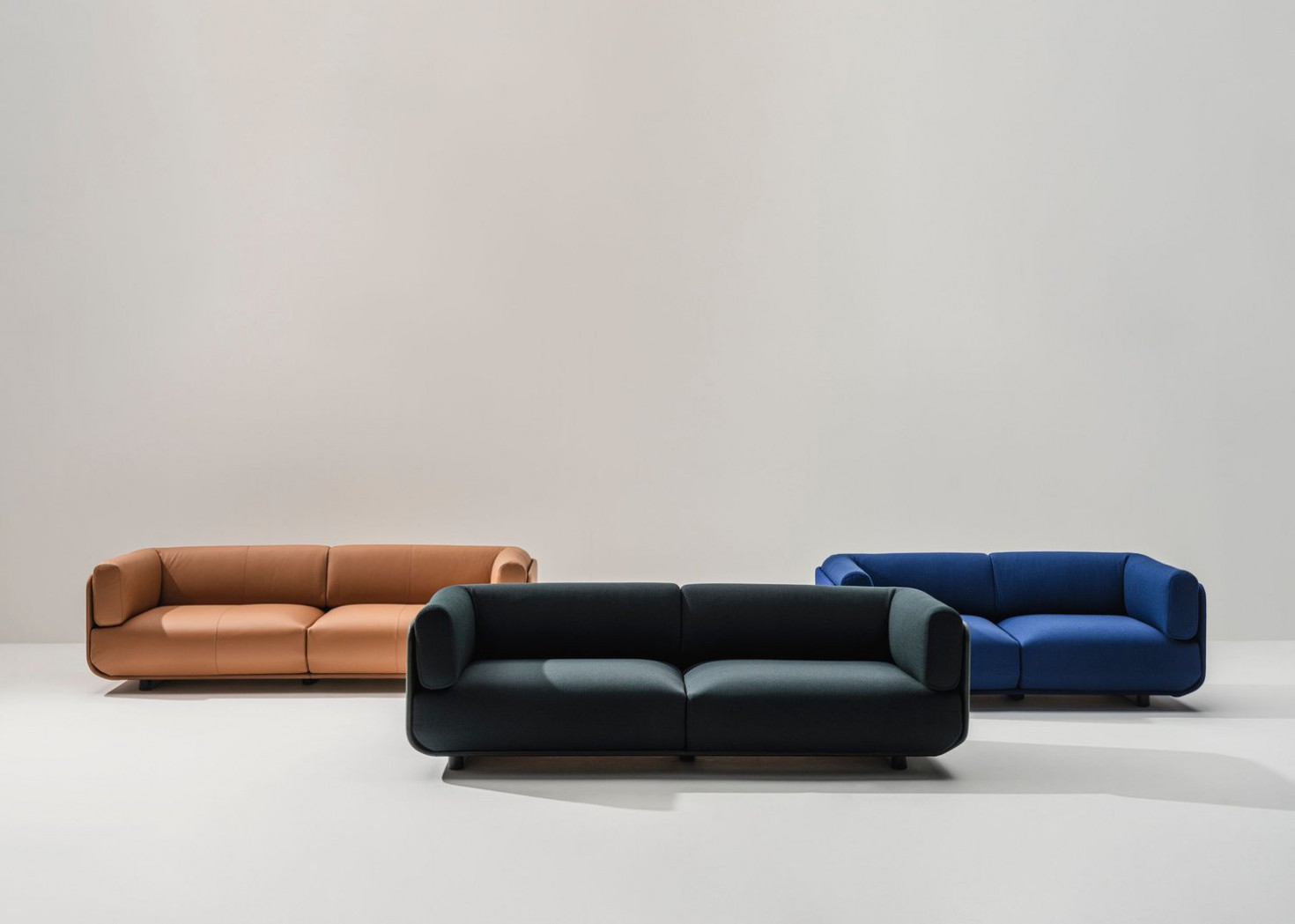
Structured and soft like a basket of pillows, Shaal wraps around us in a welcoming embrace, inviting tactility and warmth into any space, from residential to contract.
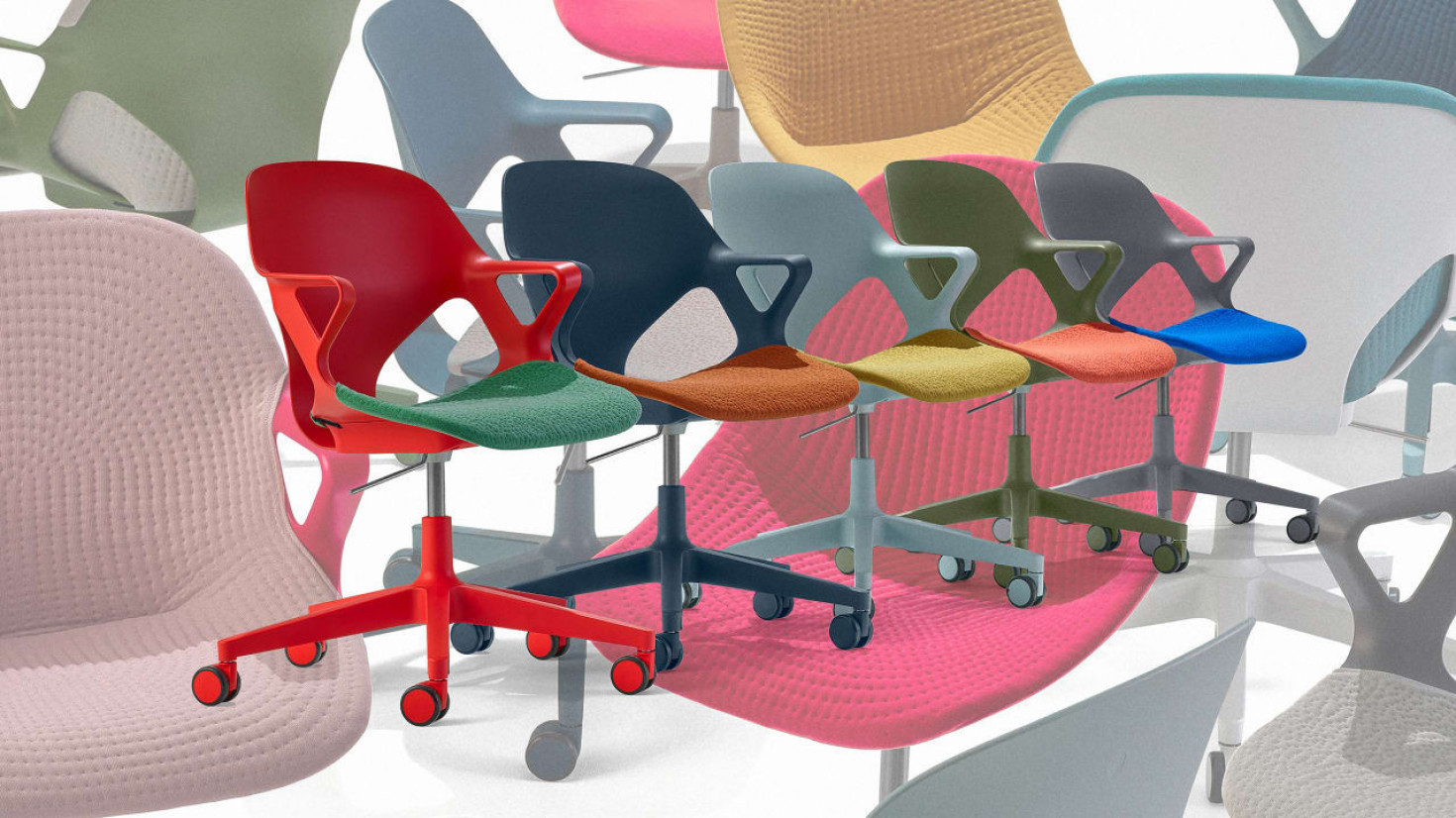
Mixing mid-century modern design with elements from performance chairs, the Zeph is Herman Miller’s cheapest ergonomic office chair in history.
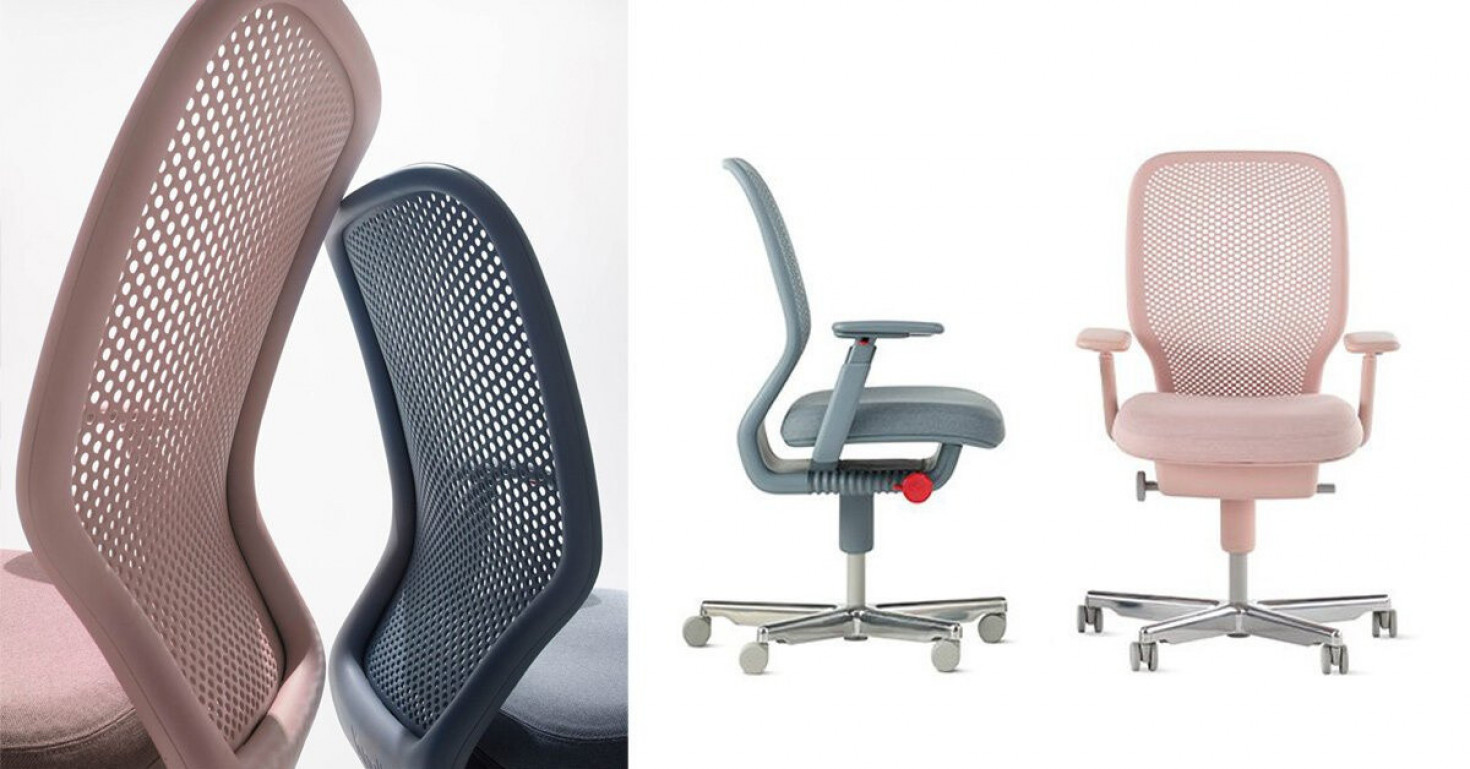
Four years after the Newson aluminum chair for Knoll, Marc Newson introduces his first Task chair for the German brand.
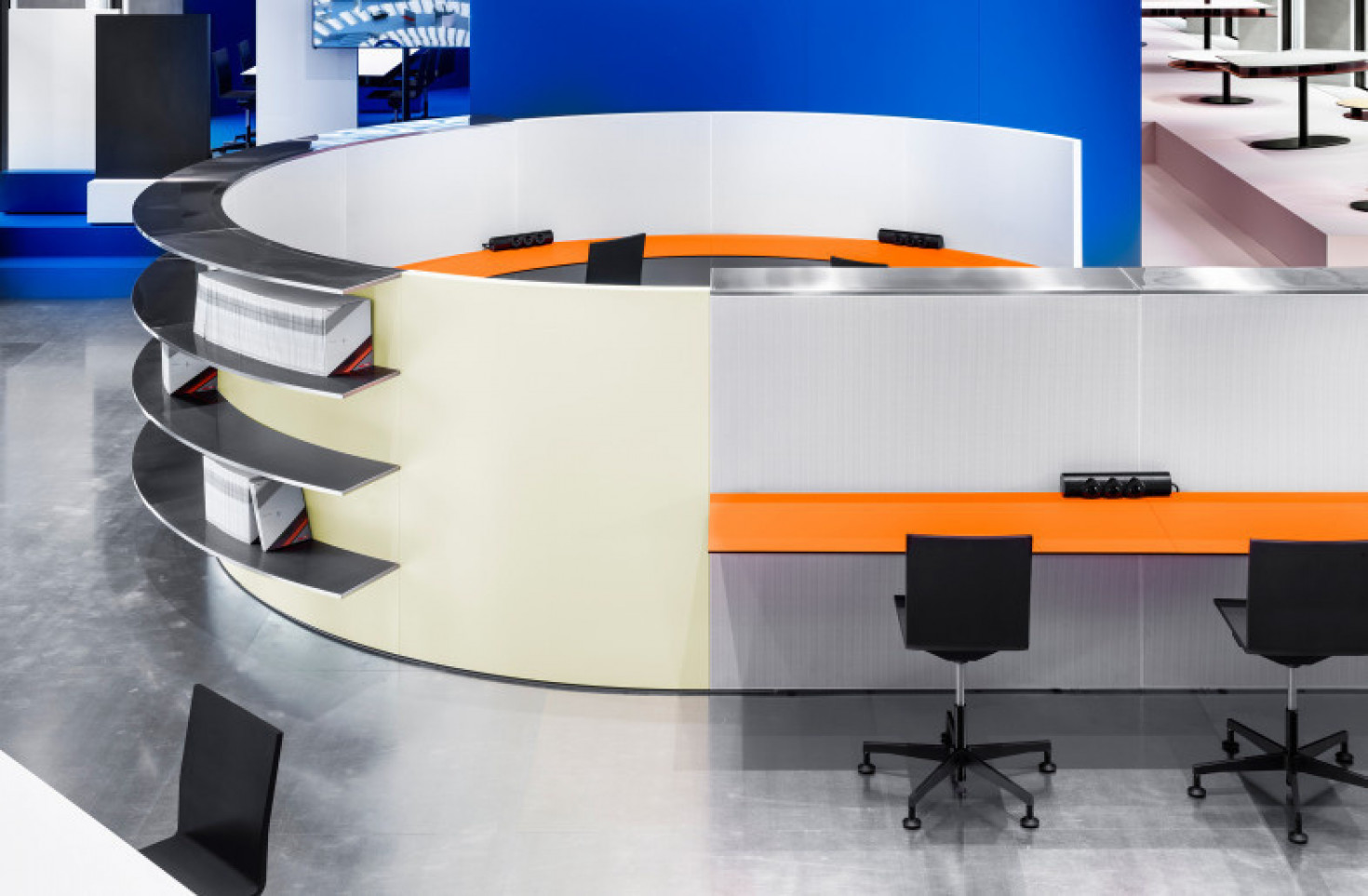
As the height of the pandemic becomes more distant, the impact that it has had on our workspaces is still imminently clear. What is less clear is the differentiation between work and non-workspaces. Our homes have taken on double functions as offices and traditional offices have become visibly and functionally different. During Milan Design Week, there was an obvious focus on the changing workspace. Here, we rounded up seven work-oriented products, pieces of furniture, and systems that address the future of work.
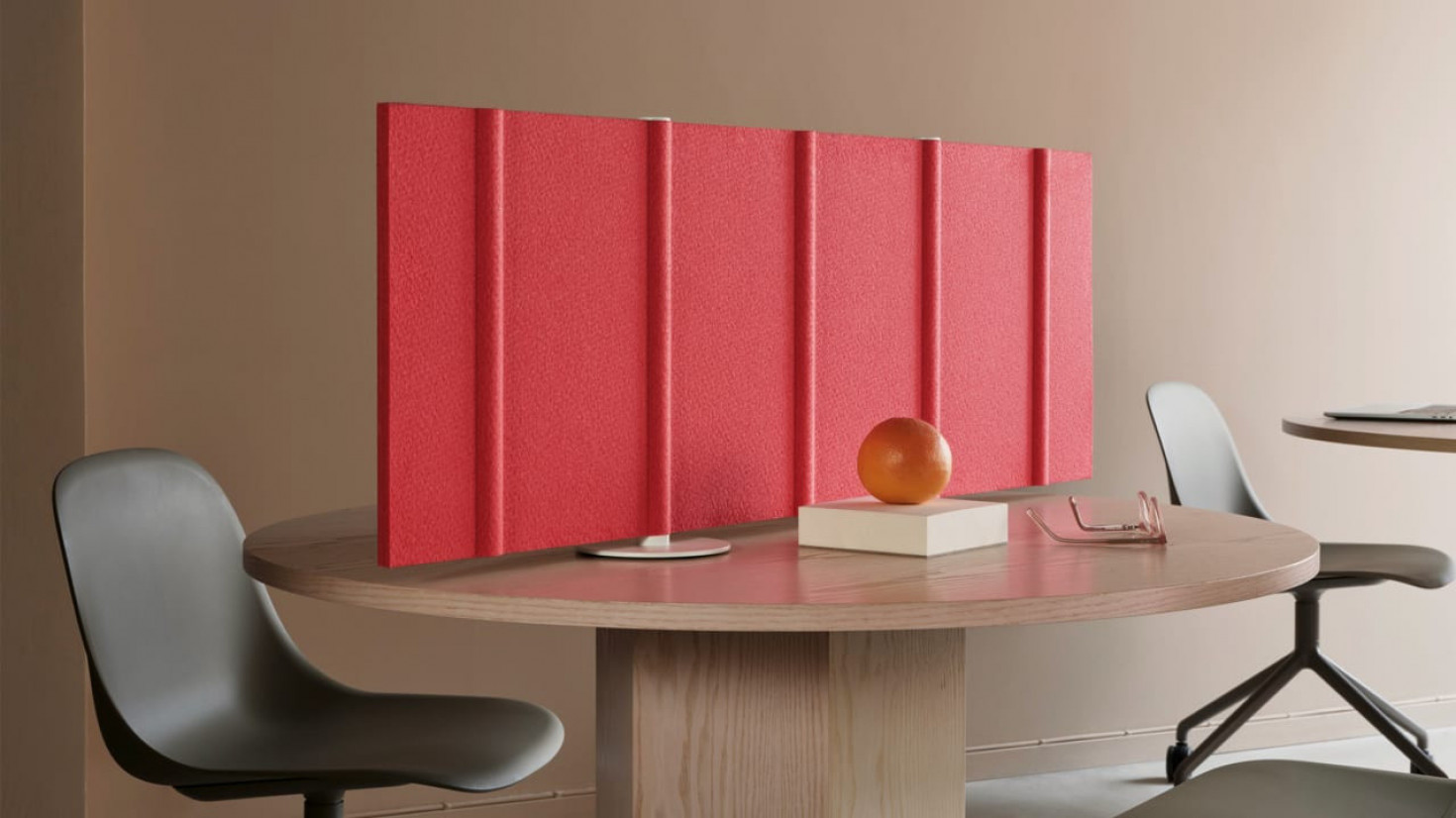
Baux’s newest panels were made from just one material and can be completely recycled.
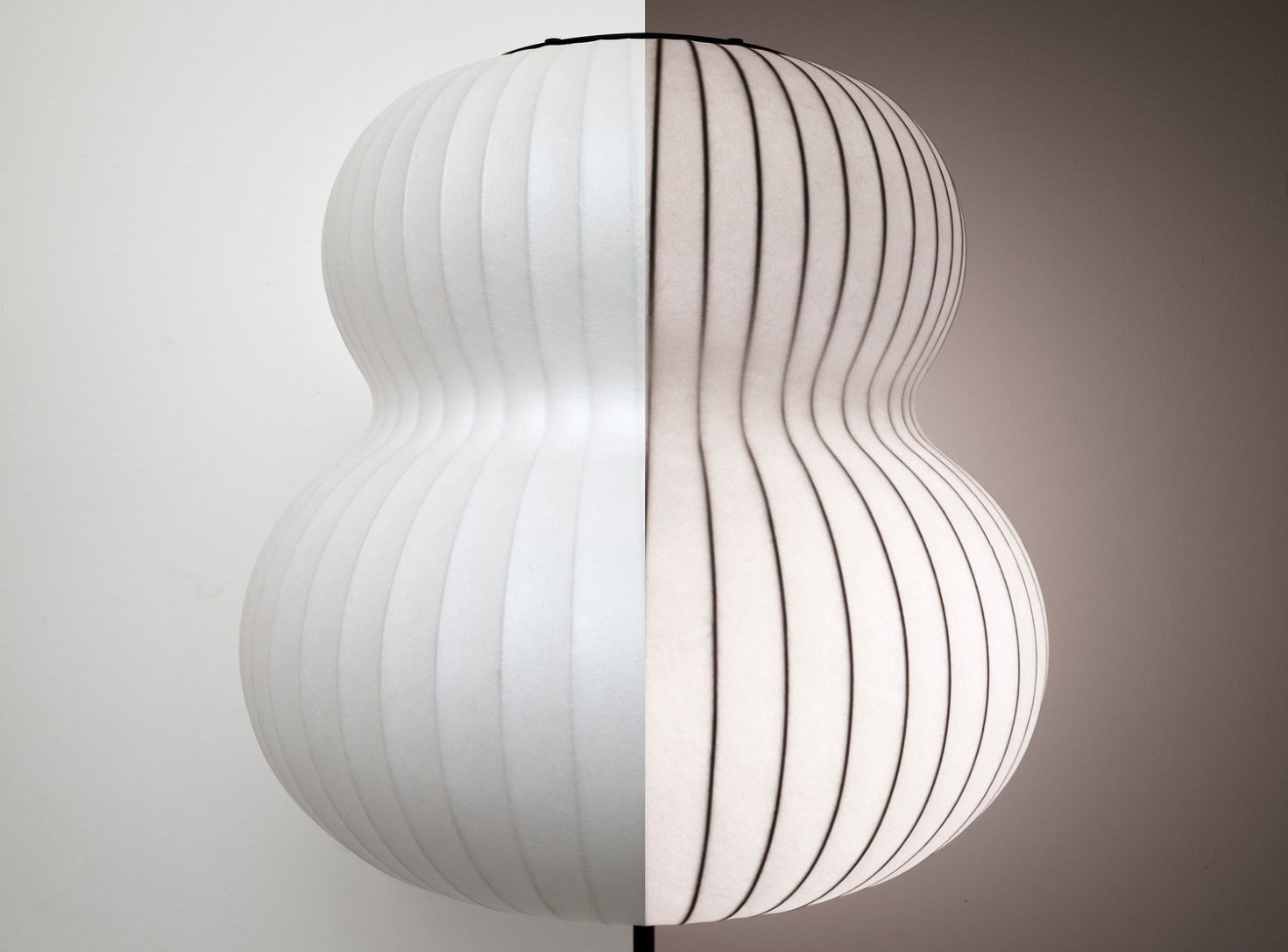
The Oji is a floor lamp made of laser-cut lampshade sprayed with webbed polymer.
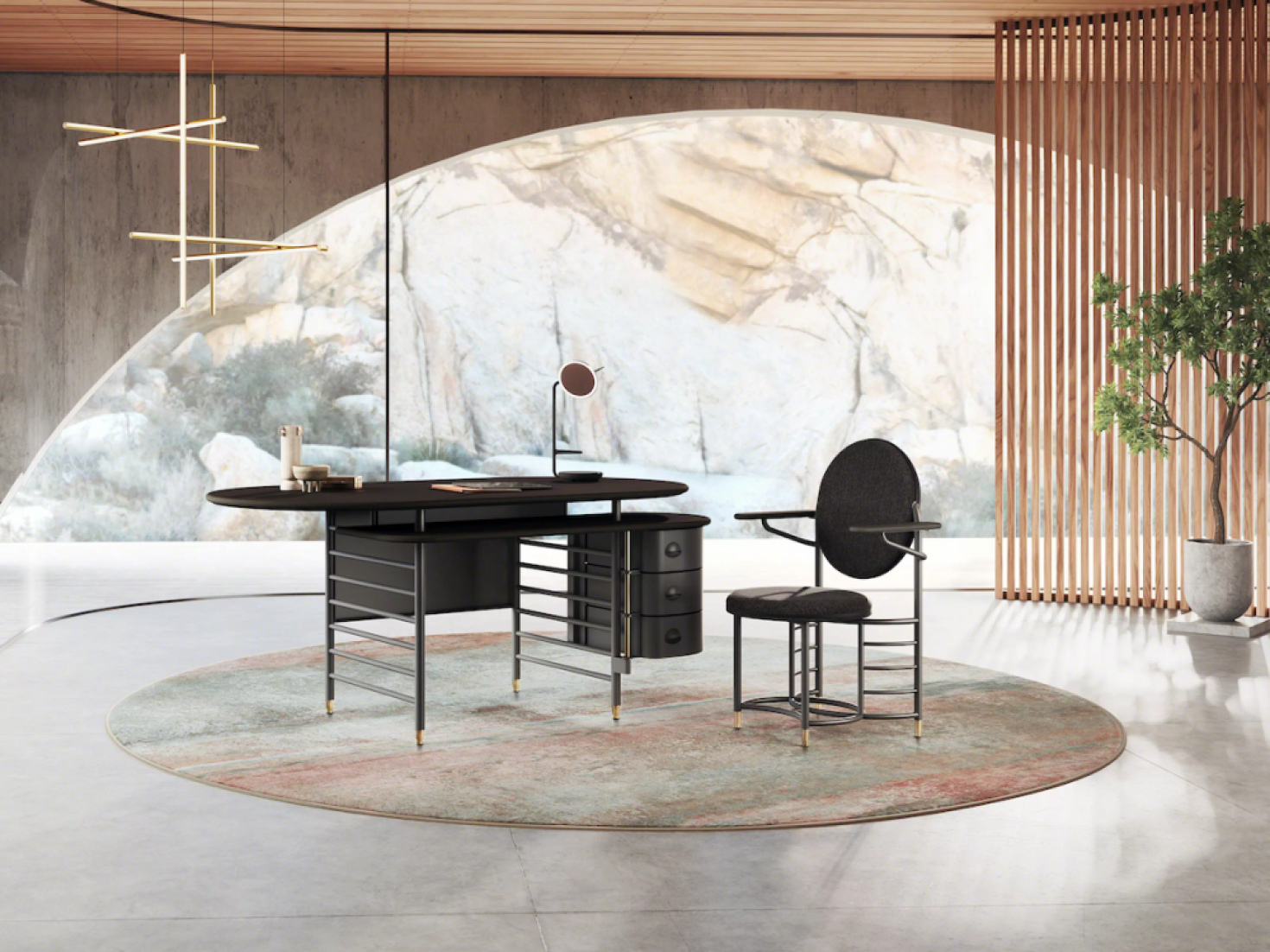
Steelcase and the Frank Lloyd Wright Foundation will bring the architect’s vision into the office space with the Racine Collection.
Projects
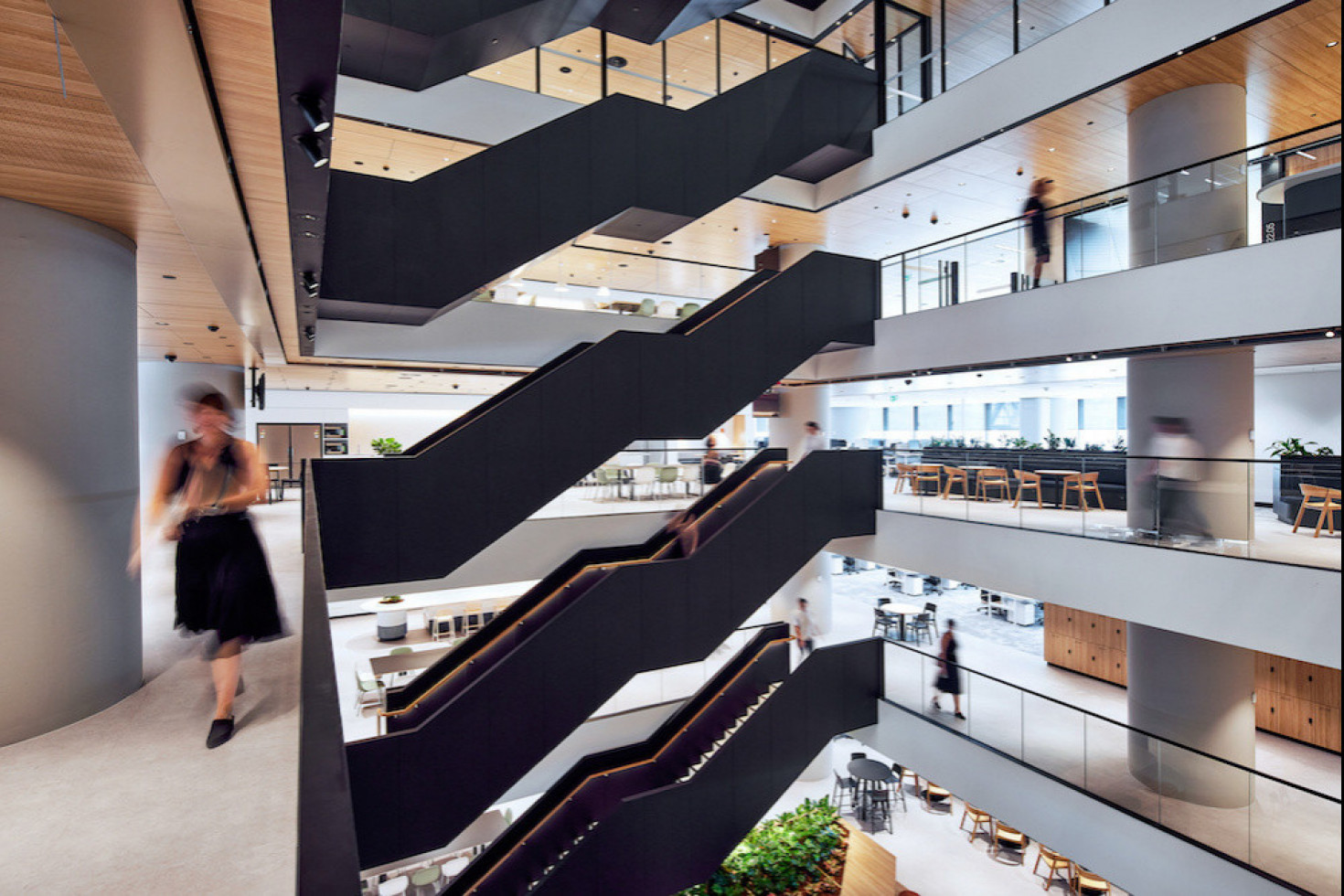
GroupGSA designed a new Sydney HQ for Link Market Services that enhances the way staff connects and collaborates in the workplace.
Events
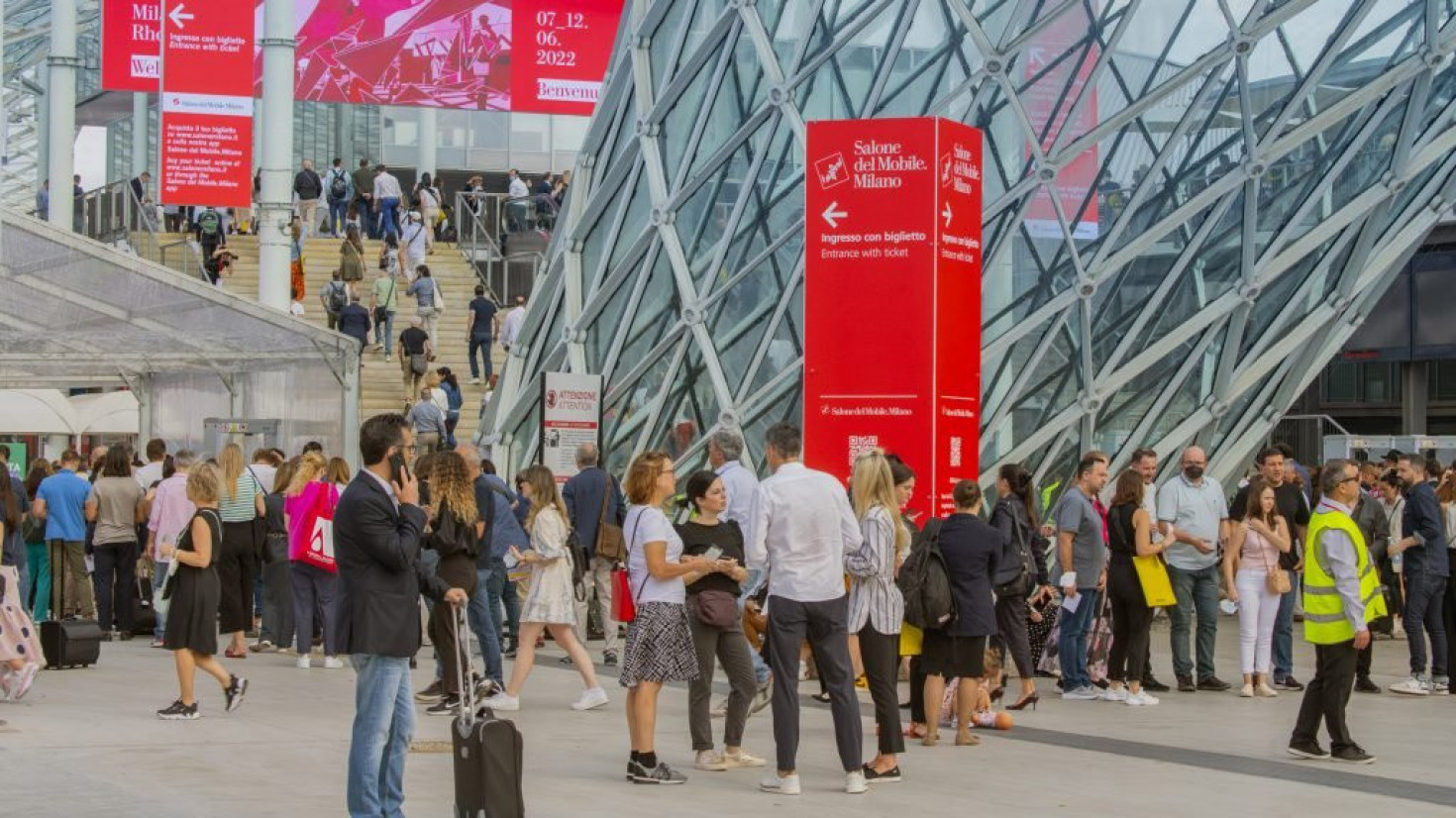
This year’s Milan design week pushed the annual event back to the top of the design calendar but also put the Milanese city back on the map, according to designers exhibiting at Salone del Mobile and the Fuorisalone events around the city.
Last Word
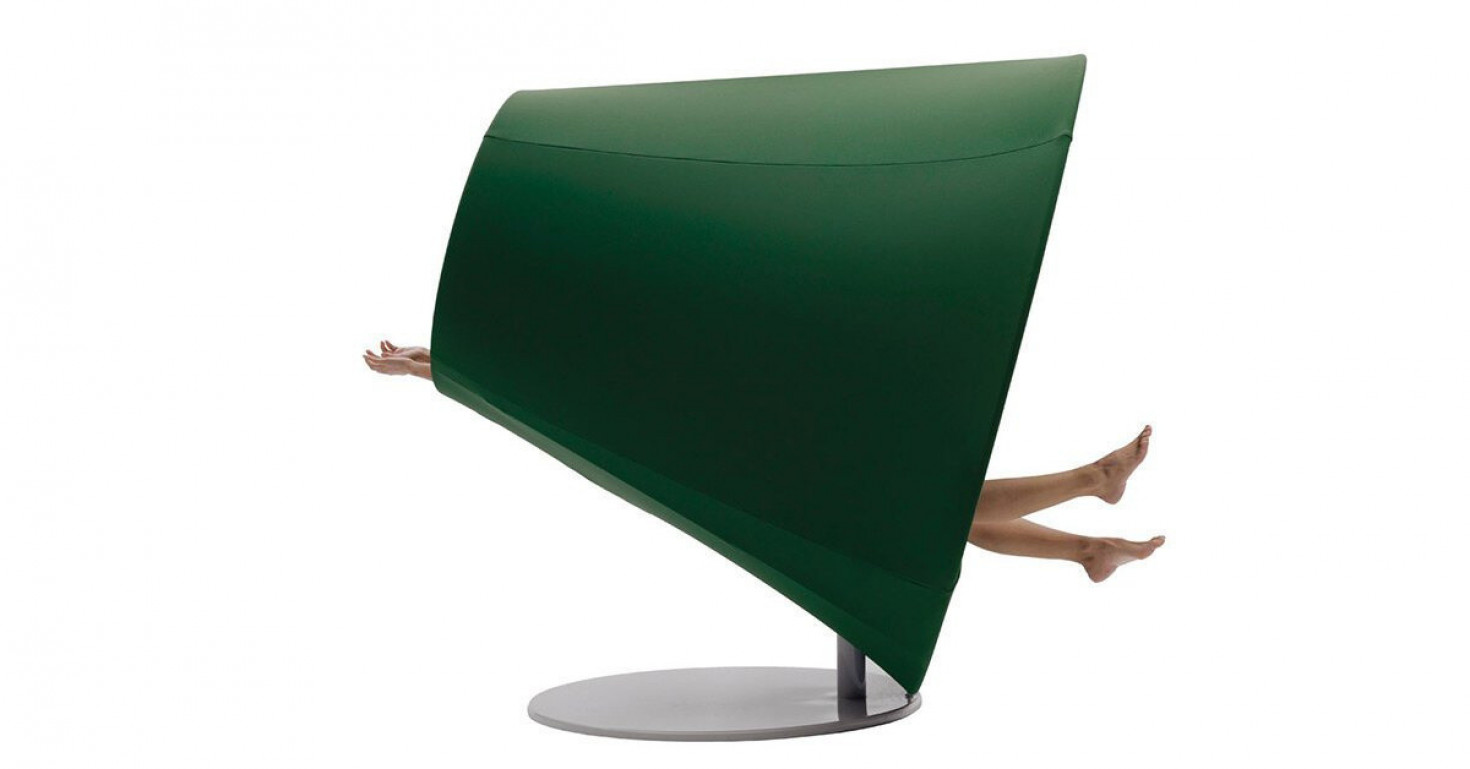
Italian designer Emanuele Magini unveils ‘gea’, a sculptural cone-shaped chair that doubles as a protective bed.
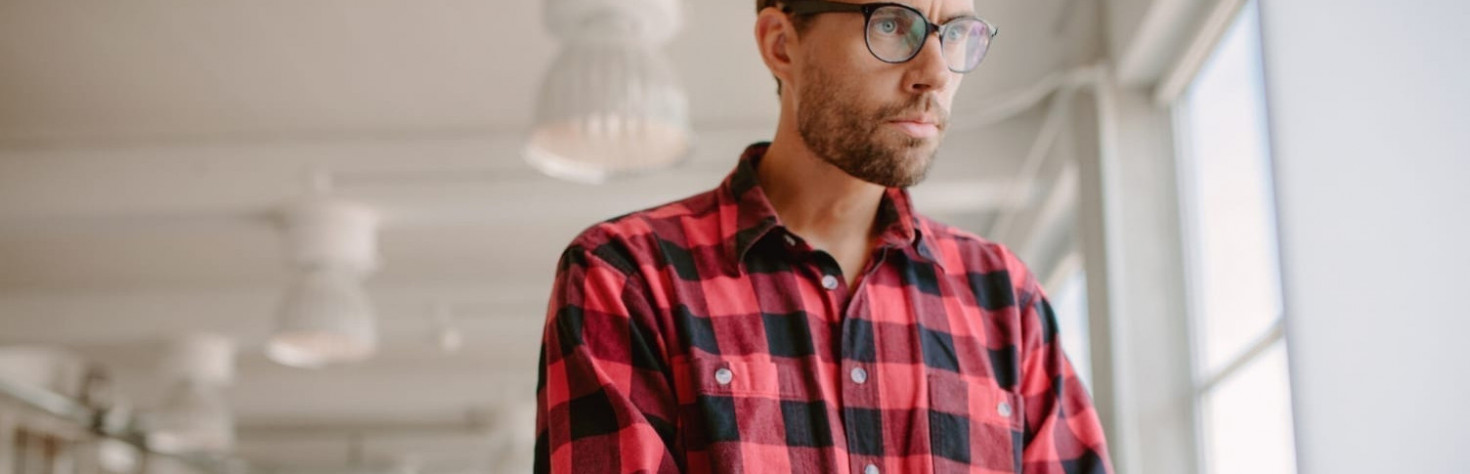
Breaking up long periods of sitting with bouts of standing (and walking) is good for your health.
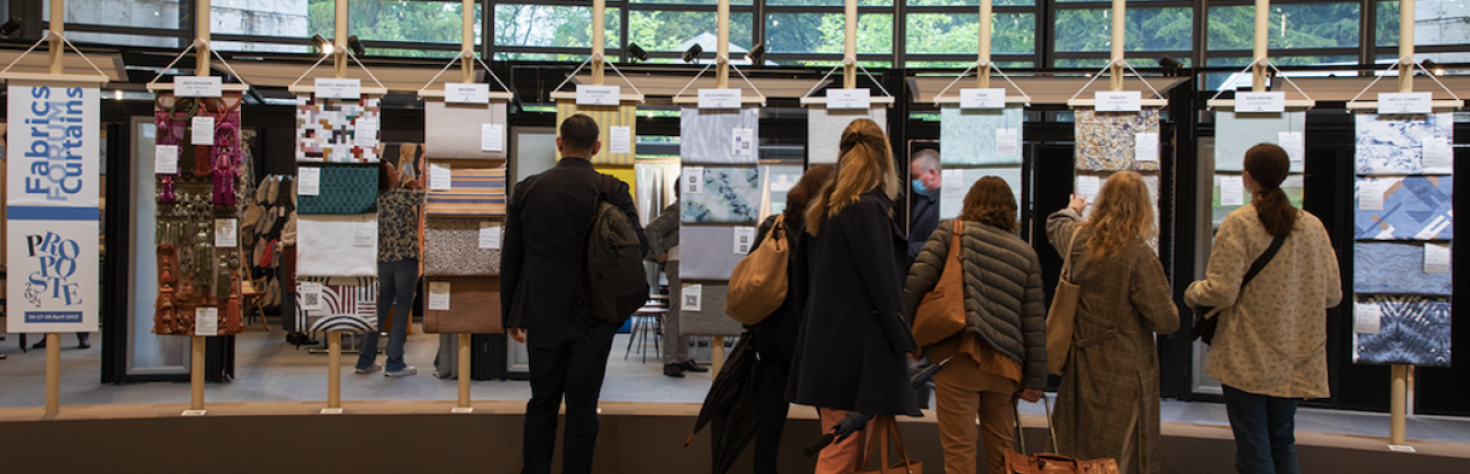
Every spring, a handful of insiders flock to Cernobbio, Italy, to determine the future of fabric. They’re there for Proposte, a textile trade fair that spills outside the walls of the tiny town’s convention center and into commandeered local shops—mills hawk their wares in rented-out gelaterias and optometry storefronts. Outside of the fabric industry, Proposte is hiding in plain sight: Few interior designers attend, and not many more have even heard of it. But much of what you see at a fabric showroom today is a direct result of last year’s Proposte.


Find the best Contract Furniture Industry jobs and hire the best talent.