Friday, August 5, 2022


Surprise! Youngest Workers Need the Office More

How modern office design impacts working relationships and decision making

Kimball International, Inc. Reports Fourth Quarter and Fiscal Year 2022 Results

News

Cubicles are largely empty in downtown San Francisco and Midtown Manhattan, but workers in America’s midsize and small cities are back to their commutes.
A new survey points to the significant cost savings being realized by hybrid workplaces — more than $10K per employee — suggesting that during a downturn, economic pressure may push more firms to downsize their already shrinking real estate footprints. 

A new survey released by Robin, a flexible workspace software platform, asked 247 business owners and facilities managers about their hybrid plans, opinions and strategies.

The results suggest significant cost savings can be found with a hybrid setup. Of the firms that responded to the survey, 83%, went hybrid as a cost-saving measure and 73% said they would shift to hybrid as a cost-saving measure before resorting to other actions such as layoffs.

There’s some ugly reality settling in for the office real estate market, if researchers from the NYU Stern School of Business and the Columbia University Graduate School of Business are correct.

In their recent paper, Work From Home and the Office Real Estate Apocalypse, Arpit Gupta, Vrinda Mittal, and Stijn Van Nieuwerburgh argue that the work-from-home shift since the pandemic has caused significant changes in “lease revenues, office occupancy, lease renewal rates, lease durations, and market rents.”

As the age of hybrid work sets in, companies are banking on the idea that better offices attract better employees, and that’s certainly getting reflected in office leasing activity. A recent report from CBRE revealed that since 2021, top-tier office buildings’ effective rents have increased while those of lower-quality assets have decreased.

The Workplace

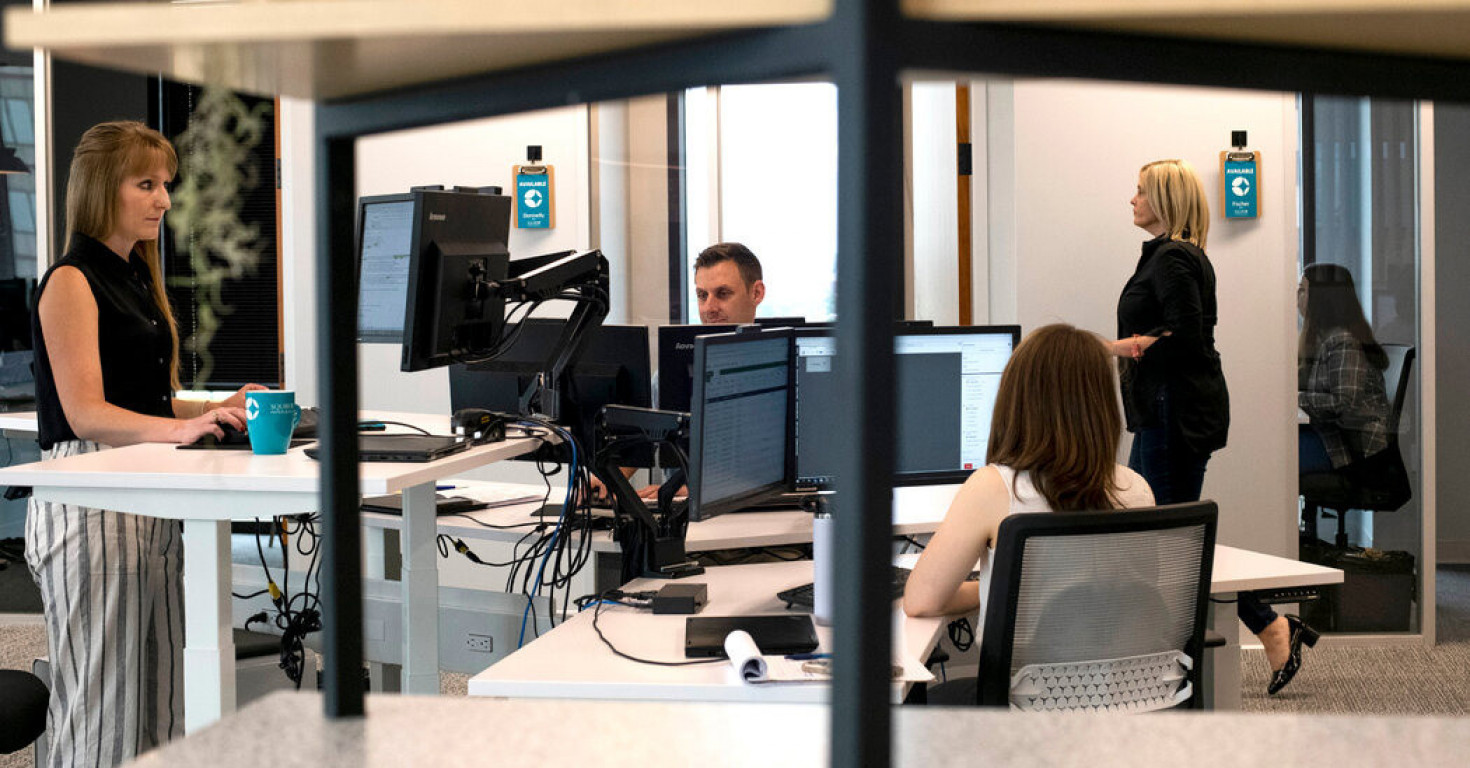
Research shows Gen Z values being at work more than experienced counterparts, but they need the office to better fit their needs.
 
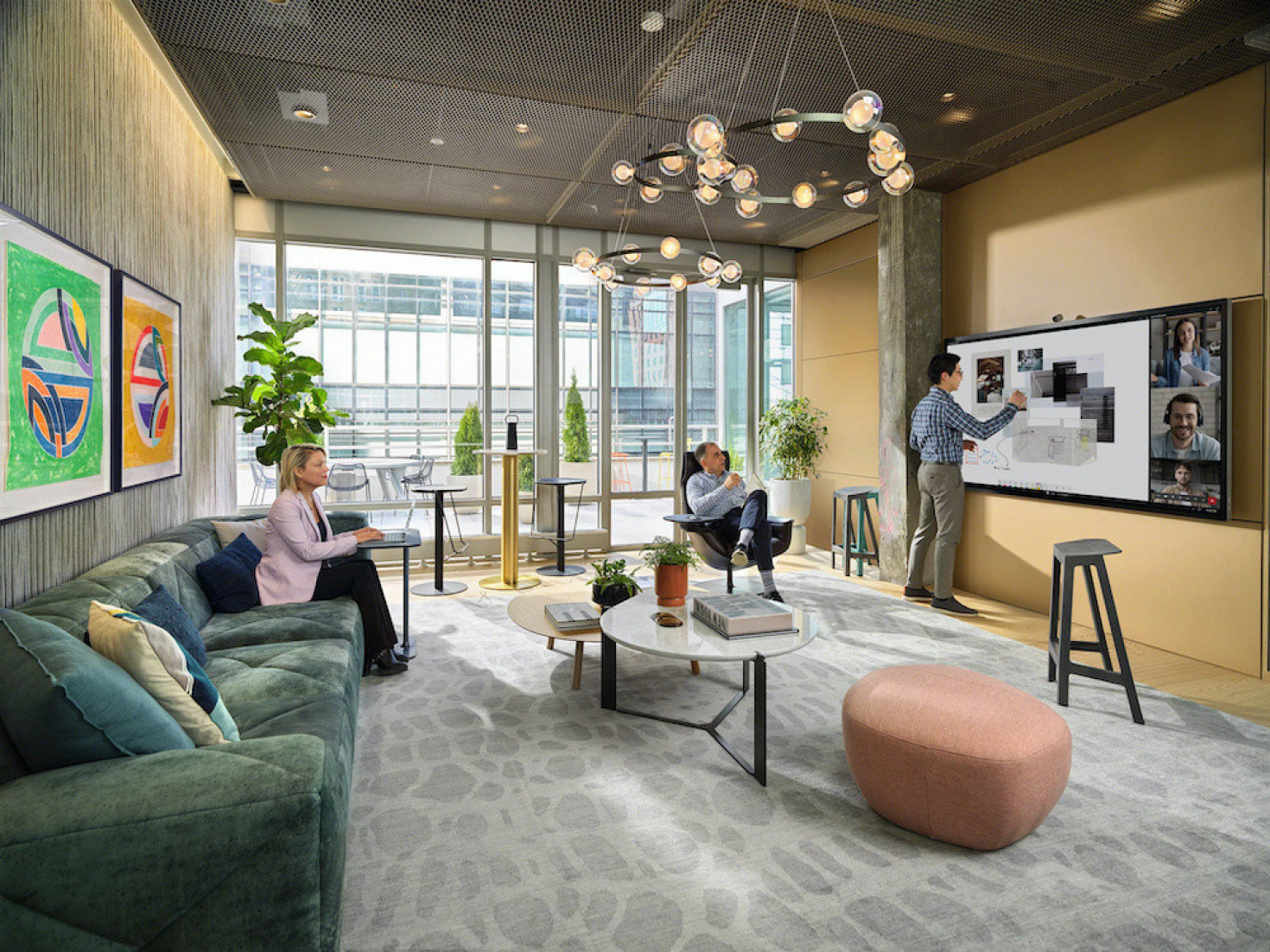
How does modern office architecture impact working relationships and decision making, and what does the optimum workspace look like?
Mark Eltringham the publisher of Workplace Insight and IN Magazine recently joined Caleb Parker, the founder of Bold, on his Work Bold podcast for an unscripted chat on: the future of work and how it may shape the future of commercial real estate; the reasons why anybody might ever want to go back to an office to work; the problem with weak arguments both for and against offices; and the importance of culture and flexibility rather than fixed times and places of work in determining people’s day to day experiences of work.
Offices in Middle America are seeing employees return much to the relief of landlords, but central cities are still struggling to recover.

While returning to the office remains a point of contention for many regions in the country, in other areas, it’s already been settled.

Cities with populations under 300,000 saw their days of work from home fall to 27% this spring from the 42% seen in October 2020. Similarly, the 10 largest cities in the U.S. saw their number of remote work days fall to 38% from the 50% during the same time frame.

You might not think much about acoustics in your day-to-day life, but when you’re at a concert, the acoustics are at the forefront of your mind. You want

Hybrid Working

The global workforce is in a messy transition period as employers experiment with the best way to be flexible.

Design

The most recent generation to enter the workforce is Generation Z. Born between 1997 and 2012, Generation Z currently makes up 30 percent of the world’s population and is expected to make up 27% of the workforce by 2025. This younger generation is already challenging the way earlier generations view work and are contributing innovative, thought-provoking ideas. It is significant to notice that individuals from Gen Z differ from preceding generations in several ways.
Lobbies may not be where all the work gets done in an office property, but it’s the first thing people see when they enter a building. They serve a purpose as a reception area for guests and tenants, to guide people on their way and on their way out. They have always been a part of a building’s functioning, but this important component of an office property is getting a lot of attention at the moment as landlords and tenants look to bring tenants back to the office. As remote and hybrid work trends have taken hold, it has pushed office owners and developers to supercharge building features and amenities to compete for workers’ attendance. An “onslaught” of renovation work is taking place at buildings across the country, including lobby areas, according to the American Institute of Architects.

WFH

Those who watch the office commercial real estate market closely have likely wondered when corporations would get serious and get workers back in the office where they belong. Unfortunately, the days of “normal” office usage may be thoroughly in the past.

According to new survey data from the firm WFH Research, things may be stabilizing where they are now. After monthly online survey data since May 2020, the percentage of paid full days worked from home is remaining at just over 30%. Although the research data doesn’t go back earlier, an estimate from government survey data before the pandemic placed the trend then at about 10%.

Remote workers aren’t only working from at-home offices. They’re also working from pools, beaches and cruise ships — which managers say is fine, as long as their performance doesn’t take a hit.

Real Estate

While bosses and workers continue to wrestle over workplace return policies in the largest U.S. employment hubs, in midsized and small cities, employees are largely back at their desks full time.

The return to the office has been far more robust in places where the government-mandated lockdowns were shorter and where people use cars to commute, The New York Times reports, citing research led by economists Steven Davis, Nick Bloom and Jose Maria Barrero.

Makers
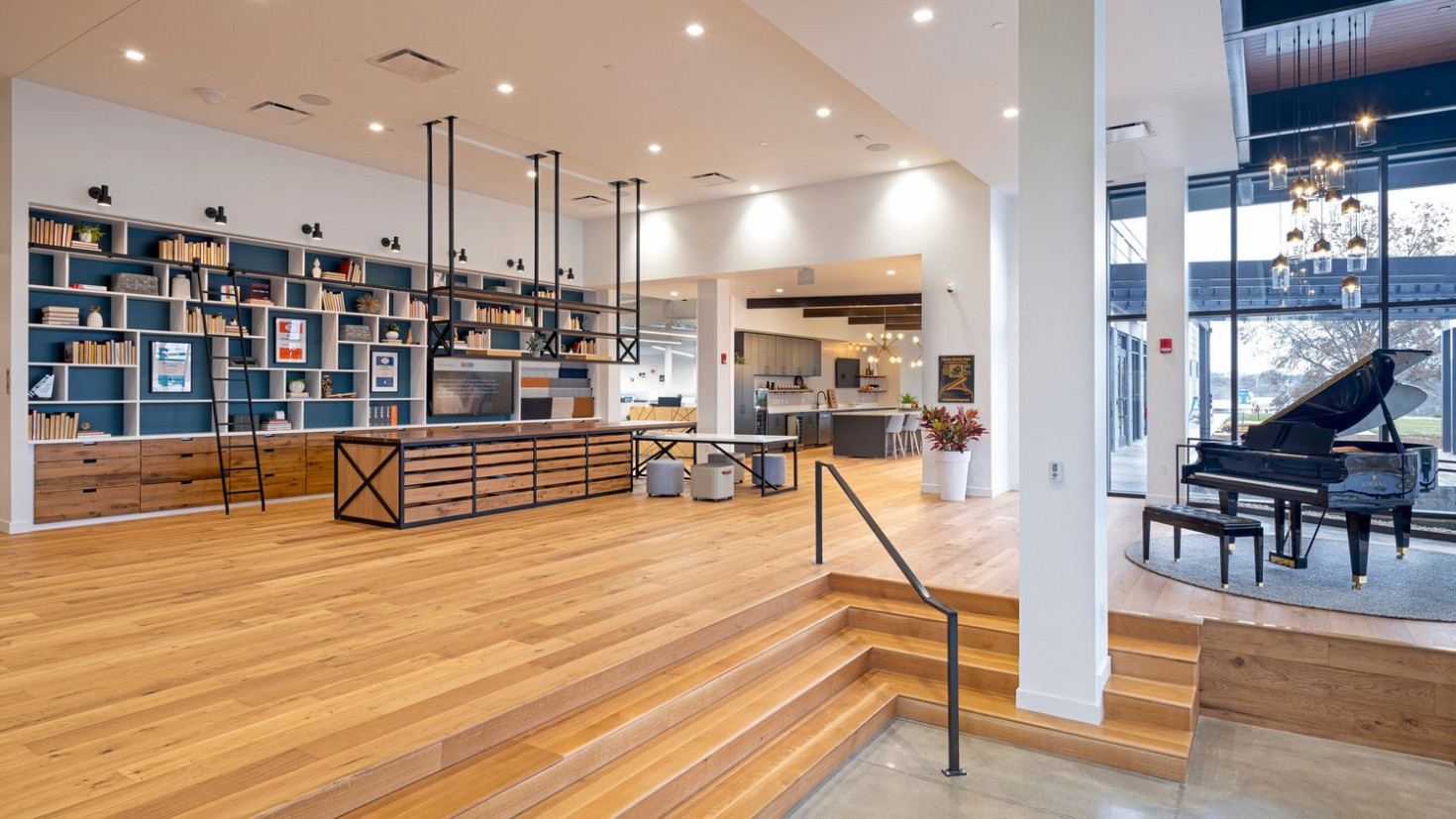
Consolidated net sales increased 21% to $176.9 million from the year ago quarter, driven by double-digit growth of Workplace and Health end markets, which included a strong contribution from the Poppin business.
Steelcase announced it has been included on the 2022 Forbes List for Best Employers for Women, ranking 13 out of 400 organizations recognized. The Best Employers for Women have been identified in an independent survey of 50,000 U.S. employees working for companies employing at least 1,000 people within the U.S.

Dealers

Founded in 2001, Office Interiors is a commercial office furniture dealership providing comprehensive solutions to clients in the Mid-South and across the U.S.

Products

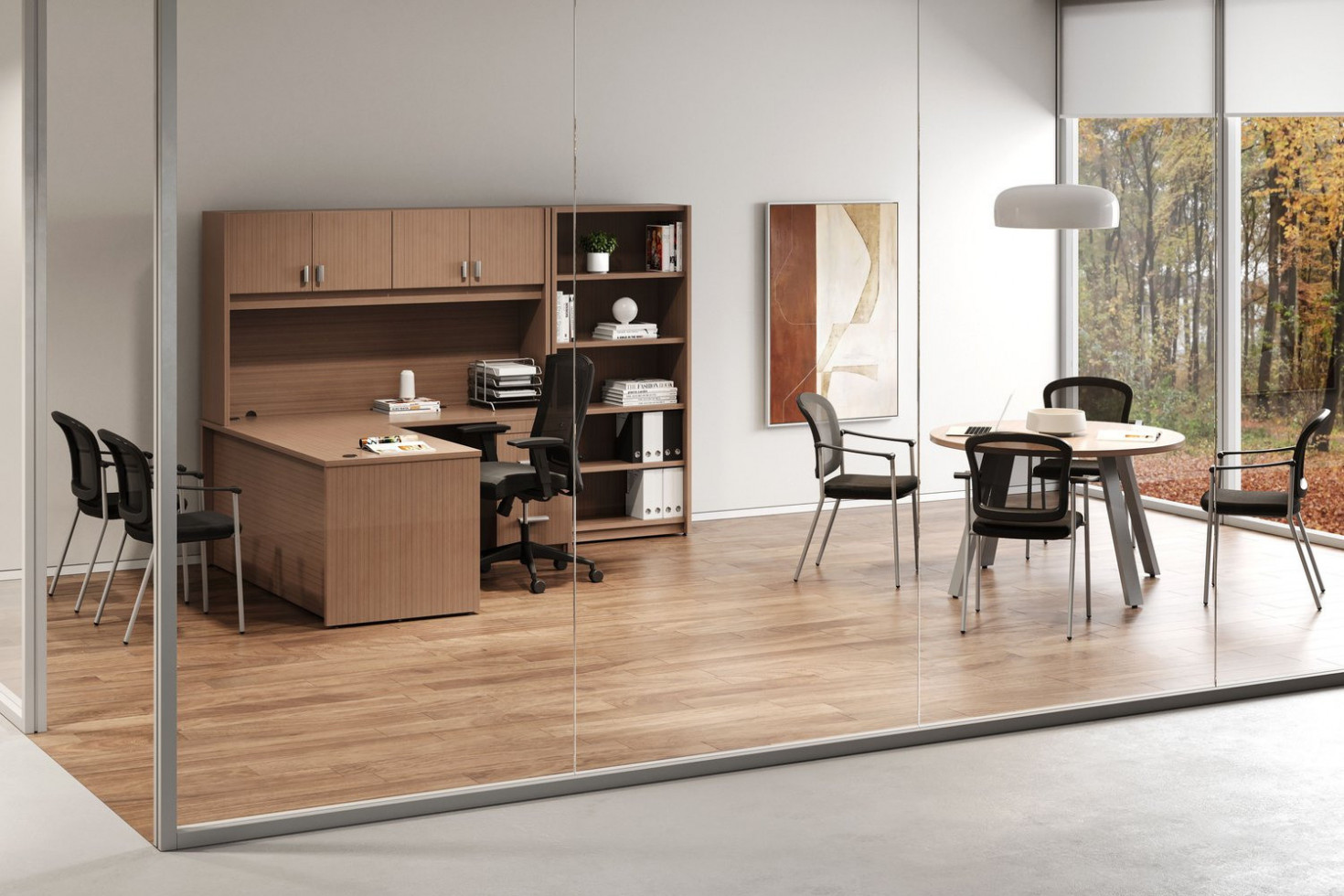
EDGE includes more than 20 carefully curated modular pieces in different finishes and sizes, including a transaction counter, three-drawer wardrobe, open- and closed-storage solutions, credenzas, height-adjustable desk options, and more.
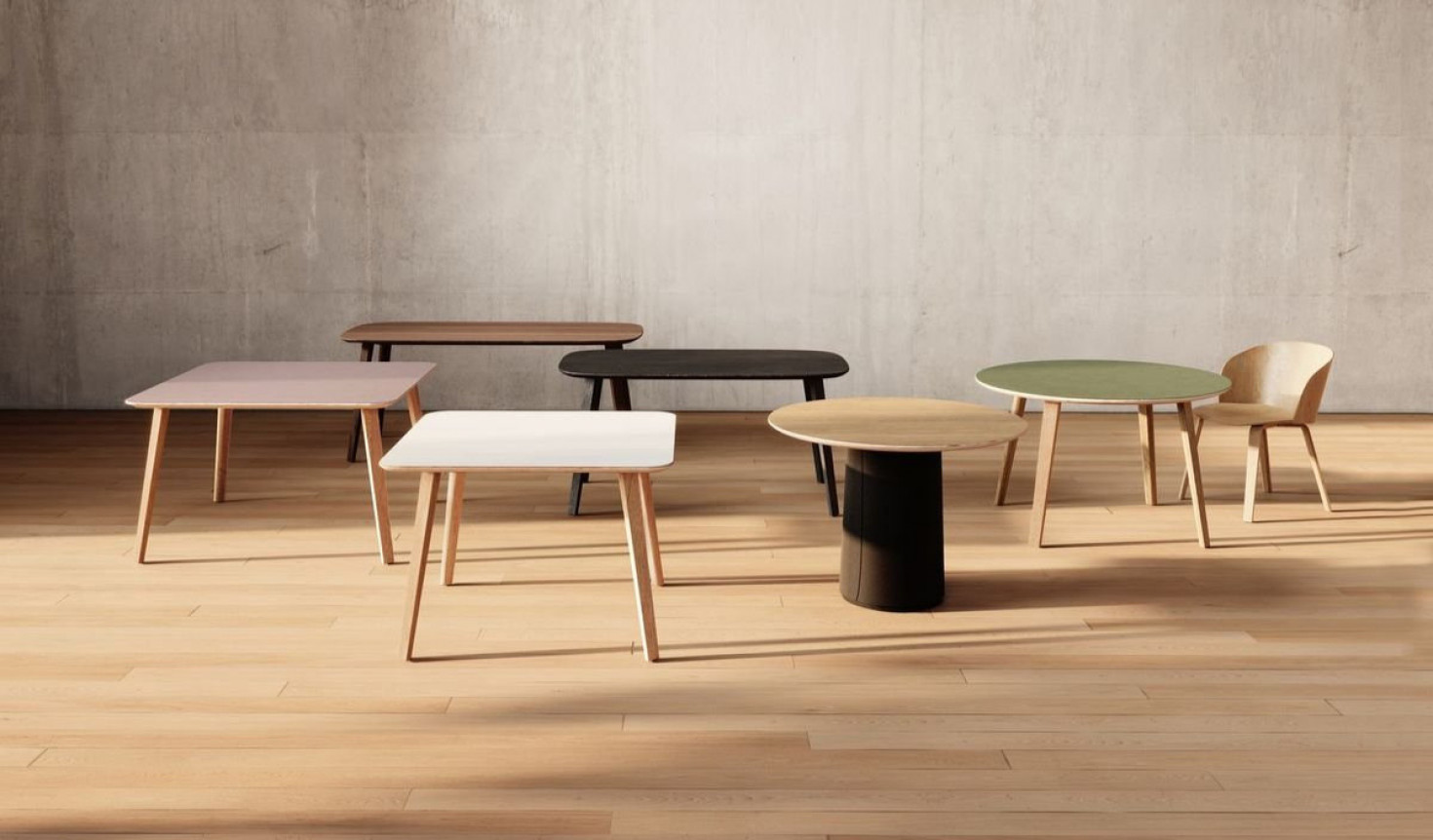
Ideal for cafés, light work or small huddle rooms the new tables introduce a new flare to the series—greeting people with a warm demeanor and residential appeal.
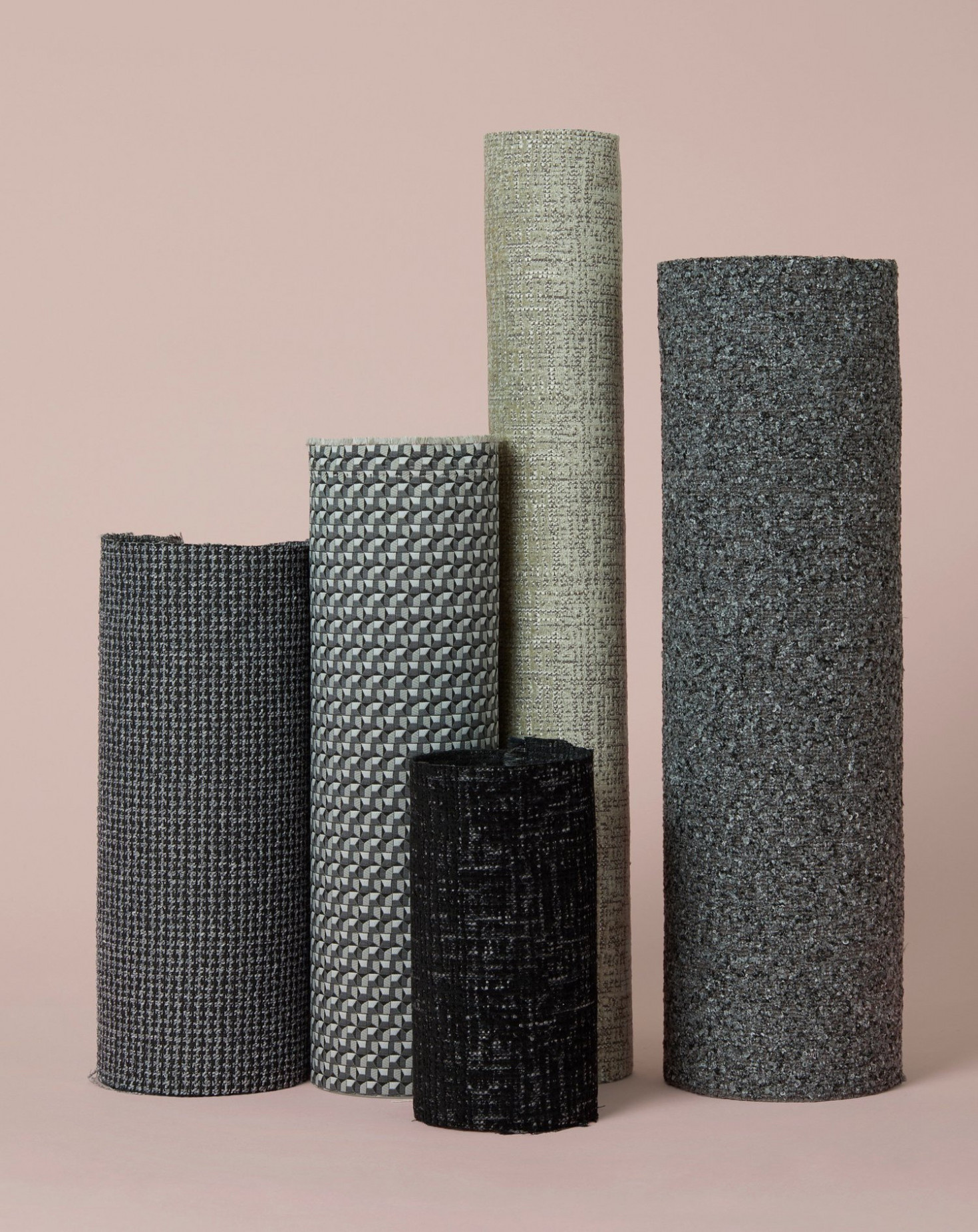
Introducing Drop 16 - Designtex + West Elm 5.0 - the newest collection featuring four handsome woven wonders that are right at home wherever people live, play and work right now.
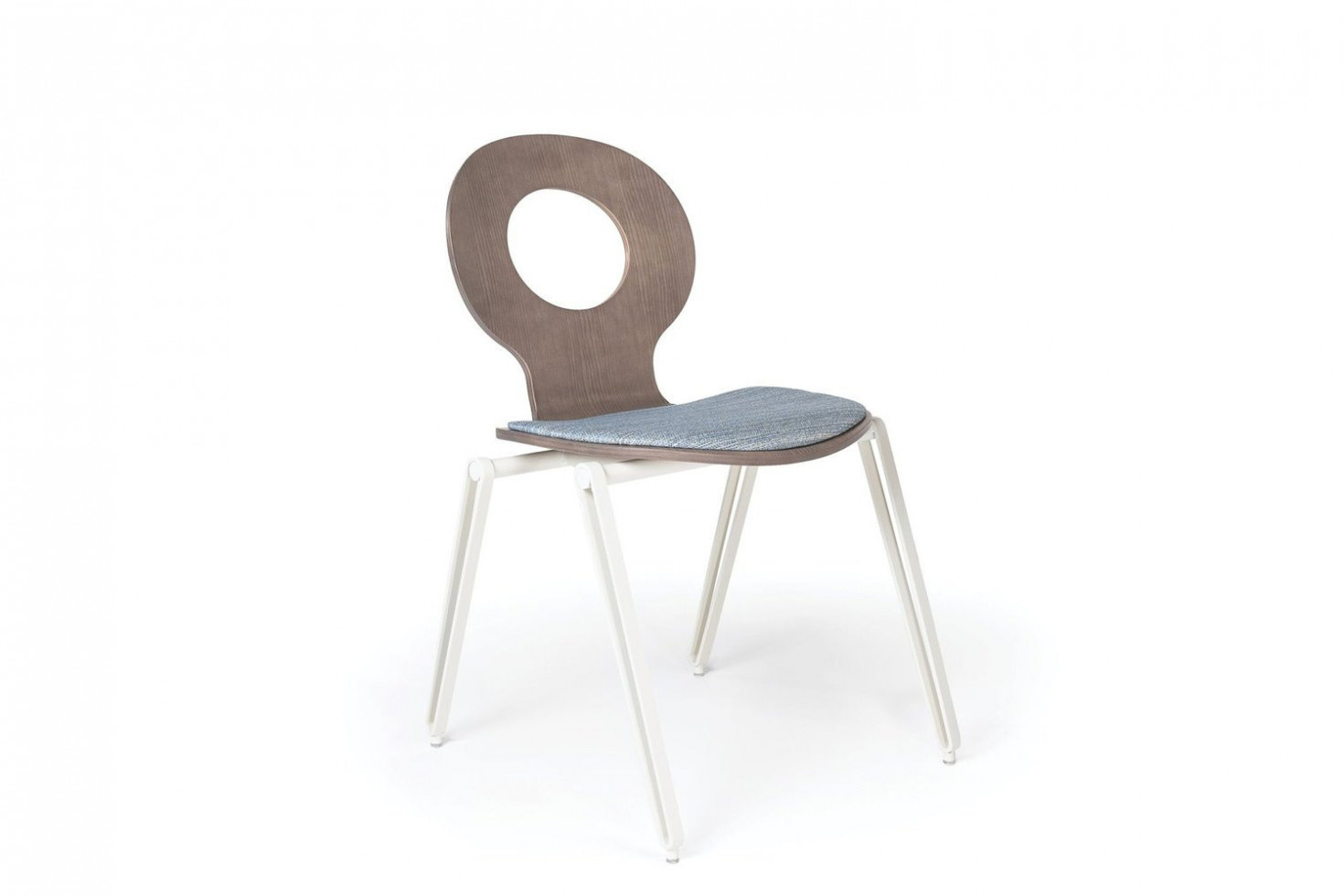
The Thea chair, designed exclusively for Versteel by Roberto Lucci, incorporates the same hairpin leg detail as the Thea table to provide added strength as well as comfort.

Projects

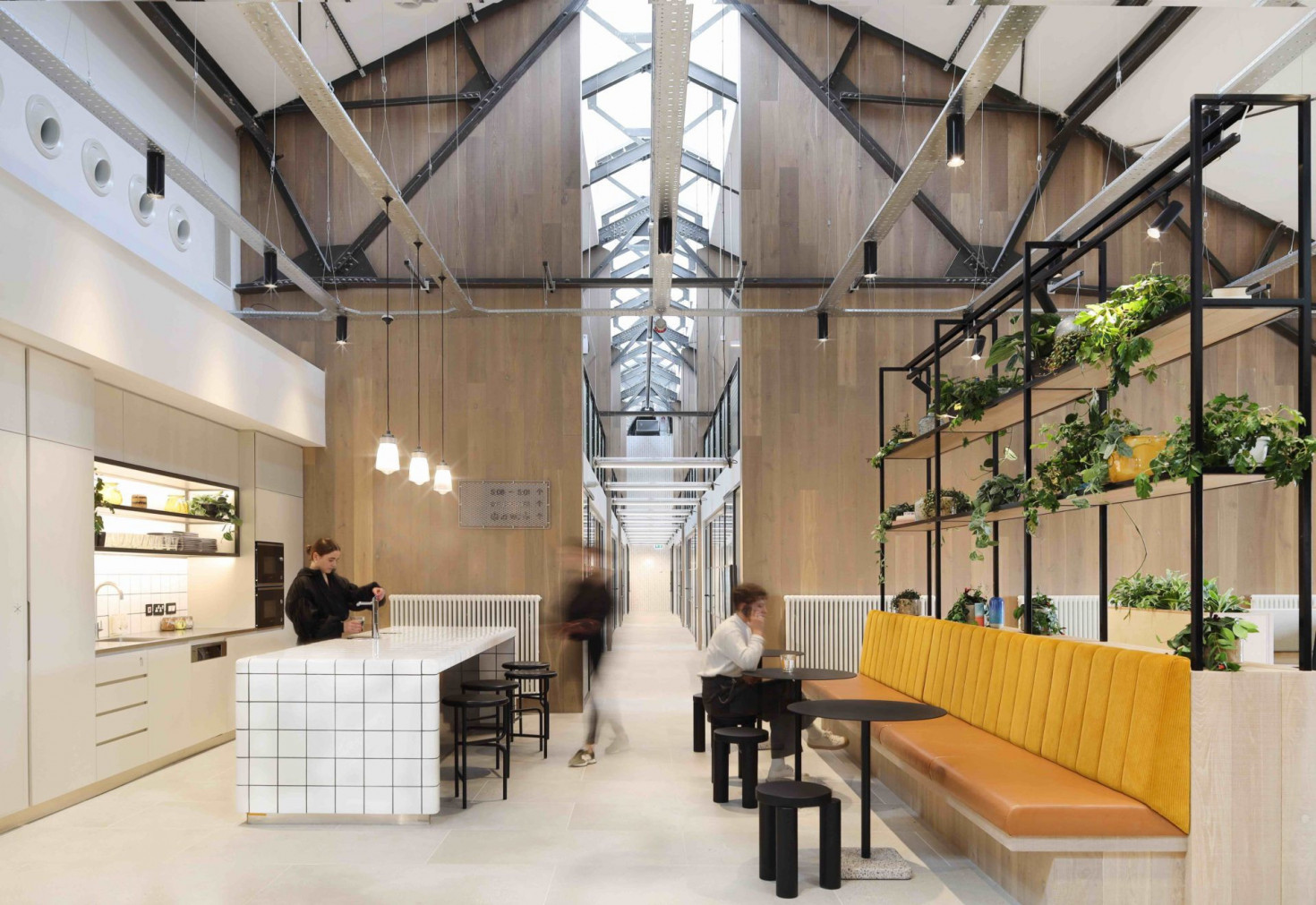
MoreySmith embrace the historical features of the Generator Building in Bristol’s Waterfront Quarter transforming it into Clockwise’s newest flexible workspace Award winning London-based architects and designers MoreySmith were commissioned to design the latest offering by flexible
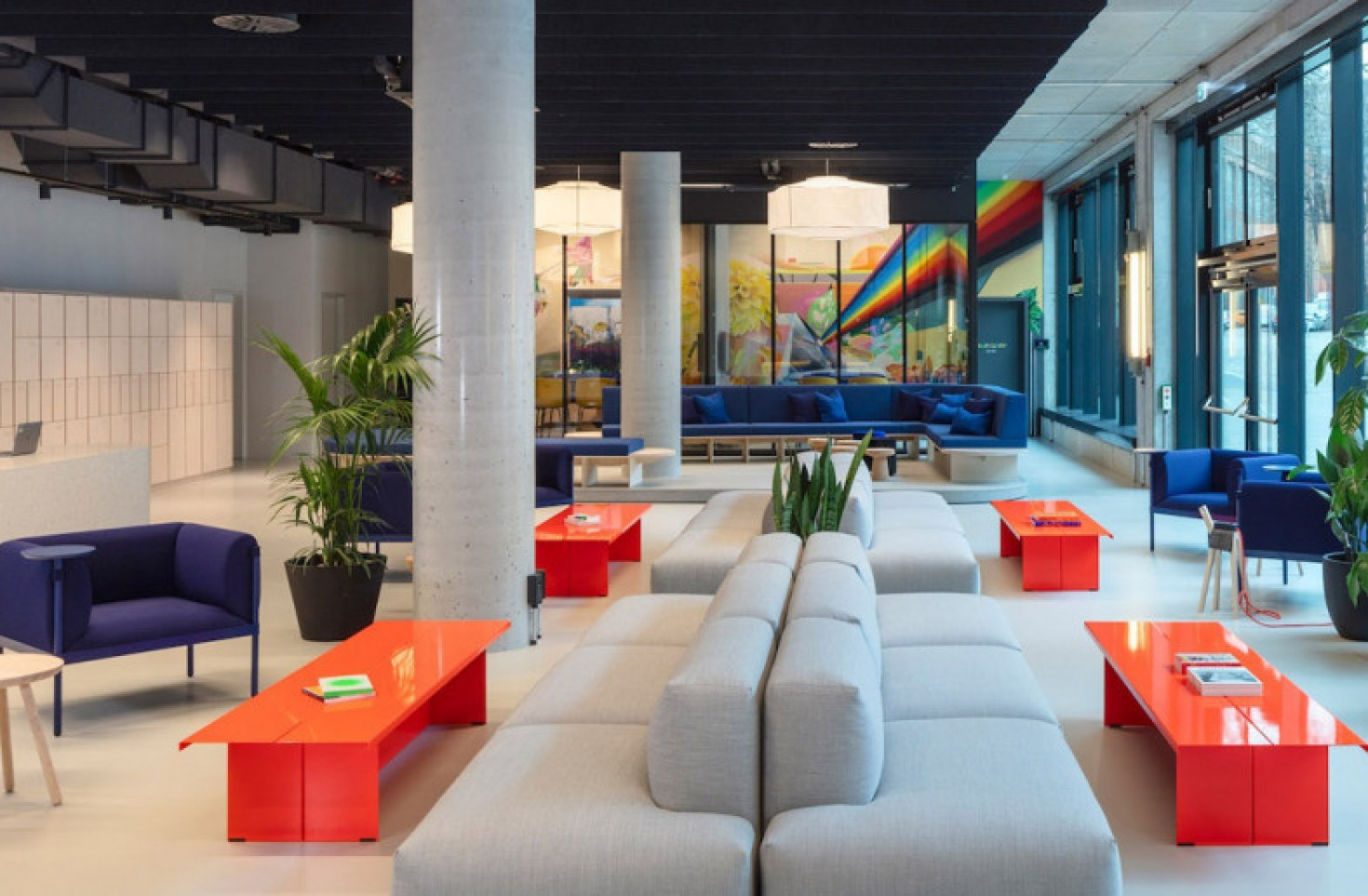
From modular work zones to chromatherapy nap-pods, Contentful’s Berlin office gives employees myriad spatial-use options.

Last Word

A new coworking firm is coming to New York City, targeting high-end customers willing to pay six figures to join and $36K in annual fees.

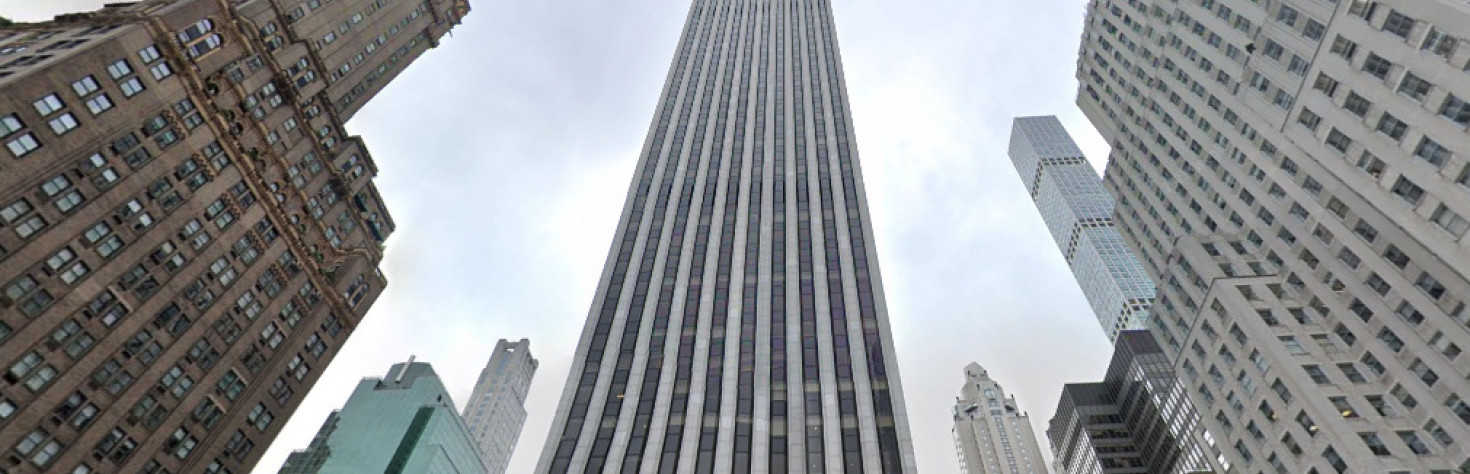
The private club, called Colette, will be installed on the 37th floor of the GM building at 767 Fifth Ave., Bloomberg reports. It is a collaboration between restaurateur Juan Santa Cruz and Edmond Safra, who is a member of the billionaire Safra family and has an ownership stake in the building.



Find the best Contract Furniture Industry jobs and hire the best talent.
created in Publicate