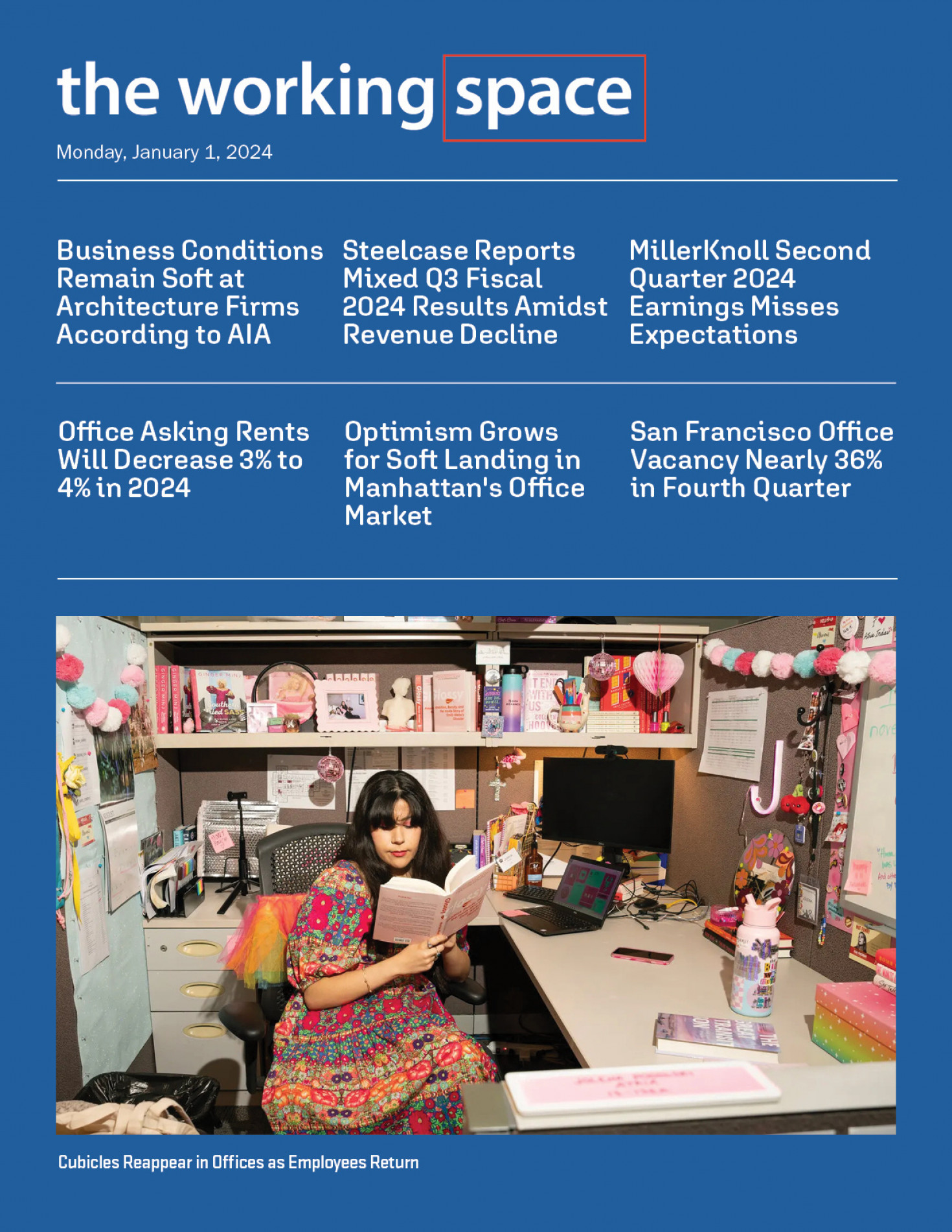
Business Conditions Remain Soft at Architecture Firms / MillerKnoll Second Quarter 2024 Earnings Misses Expectations / Steelcase Reports Mixed Q3 Fiscal 2024 Results Amidst Revenue Decline and Improved Margins / Office Asking Rents Will Decrease 3% to 4% in 2024 / Los Angeles Offices Are Trading for Bargain Basement Prices / CRE Prices Continue to Decline / Optimism Grows for Soft Landing in Manhattan's Office Market / A look back at all of the furniture layoffs and shutdowns of 2023 / WORKSPACE announces expansion to Saudi Arabia / San Francisco Office Vacancy Nearly 36% in Fourth Quarter / Economists: 44% Of U.S. Office Loans Underwater, Threatening More Bank Failures / Overcoming Challenges In Hybrid Meetings With Hybrid Conference Rooms / I Think I Know How This Ends / New York Is Full of Empty Offices After Covid. Make Way for the Playground City. / Building A 24/7 Workspace — How To Make Money Beyond The 9 To 5 / Return to office, quit rates, rise of generative AI: How work changed this year / All the ways offices got better in 202 / and much much more…


The Working Space
Monday, January 1, 2024


Exploring the Landscape of the Return to Office and Office Use in 2024

2024 is expected to mark a significant turning point in the post-pandemic era, with companies worldwide gradually resuming their regular operations and employees returning to their physical workplaces. The return to the office has been a subject of great debate and speculation, given the rise of remote work during the pandemic. In this blog post, we will examine the landscape of the return to office and office use in 2024.

Hybrid Work Models:

As we enter into 2024, it is evident that hybrid work models will dominate the corporate world. Many organizations have realized the benefits of remote work, including increased employee satisfaction and productivity, and will continue to offer flexibility to their workforce. Consequently, employees will have the freedom to choose whether to work remotely or in the office on specific days, striking a balance between collaboration and autonomy.

Rethinking Office Spaces:

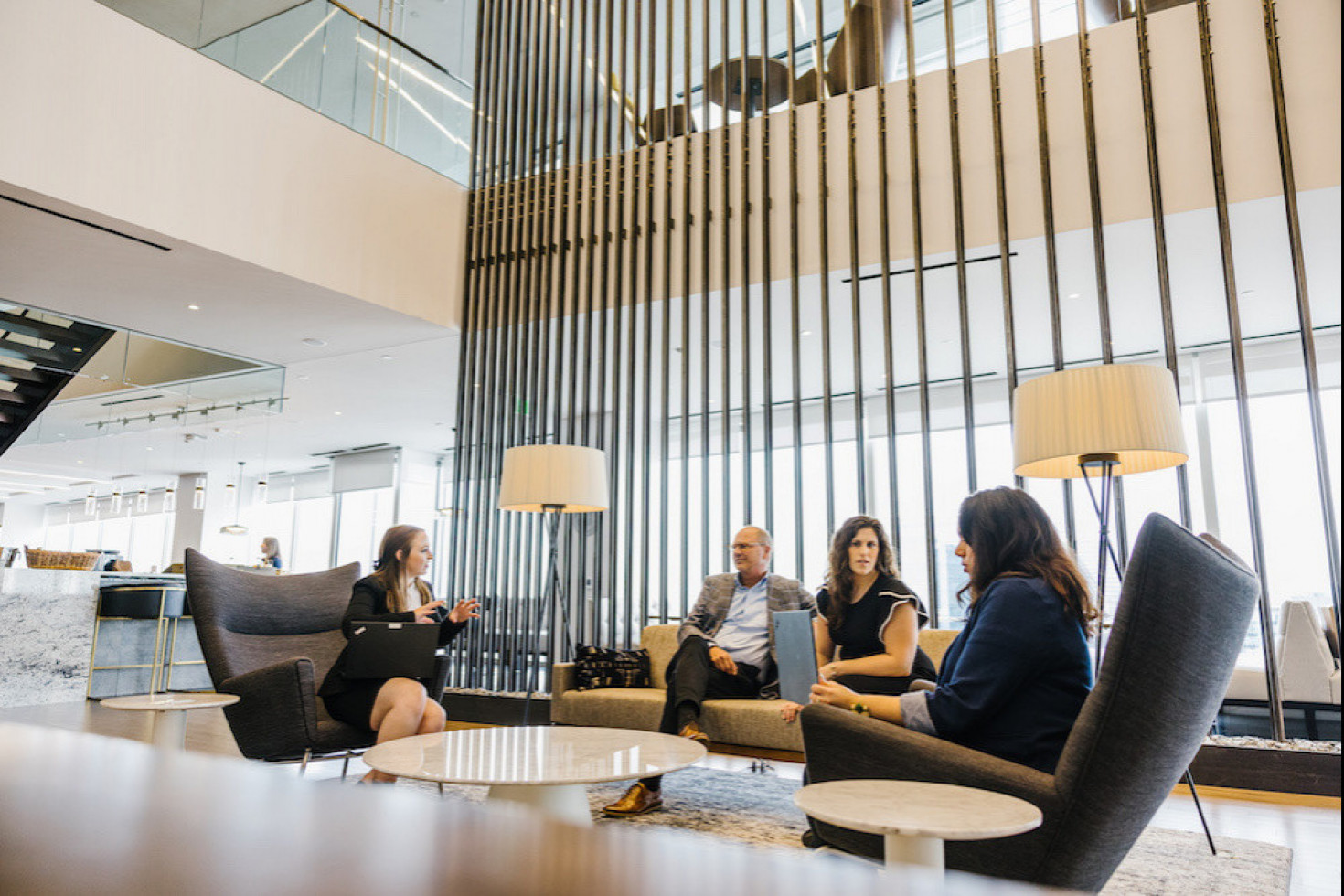
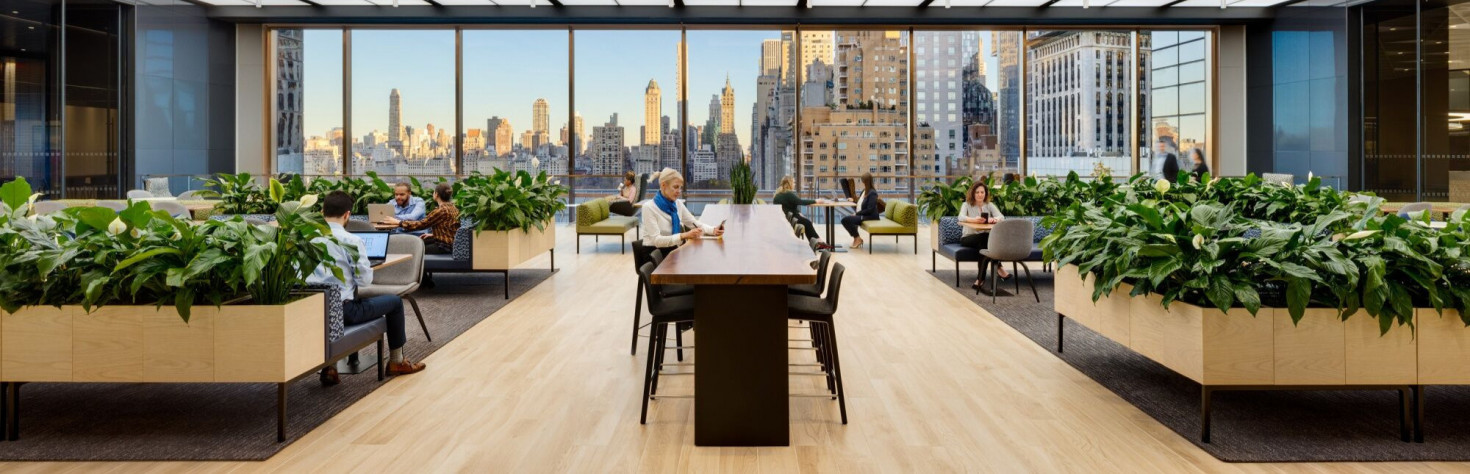
The return to office in 2024 will not be a simple reversion to the traditional workplace structure. Instead, companies will focus on creating hybrid environments that prioritize collaboration, innovation, and employee well-being. Office spaces will be redesigned to accommodate more informal meeting areas, breakout spaces, and collaboration zones, fostering creativity and effective teamwork.

Focus on Employee Well-being:

The past year has brought mental and physical well-being to the forefront of corporate consciousness. Employers are expected to take more significant steps toward prioritizing employee well-being in the office. This may include measures such as providing flexible work hours, implementing meditation or relaxation areas, and emphasizing wellness programs that promote healthy lifestyles.

Technology and Office Connectivity:

The reliance on technology will only grow stronger in 2024. Offices will be equipped with advanced digital infrastructure to facilitate seamless communication and connectivity between remote and in-office employees. Additionally, companies will invest in smart office technology, such as sensors, automation systems, and virtual collaboration tools, to enhance productivity and streamline operations.

Enhanced Health and Safety Measures:

The COVID-19 pandemic has permanently changed the way we perceive health and safety in the workplace. In 2024, stringent health protocols will likely remain in place, with companies continuing to prioritize measures like regular sanitization, touchless technology, improved ventilation systems, and vaccination policies to ensure employee safety and well-being.

Conclusion:

As we look ahead to 2024, it becomes clear that the return to office and the future of office use will be shaped by a newfound understanding and appreciation for flexible work arrangements, employee well-being, and technological advancements. Offices will evolve into hybrid spaces that promote collaboration, creativity, and innovation, while simultaneously prioritizing health and safety measures. This shift represents a new era of work, where companies embrace the benefits of both remote and in-office experiences, ultimately leading to a more inclusive, flexible, and productive work environment for all.

Industry News
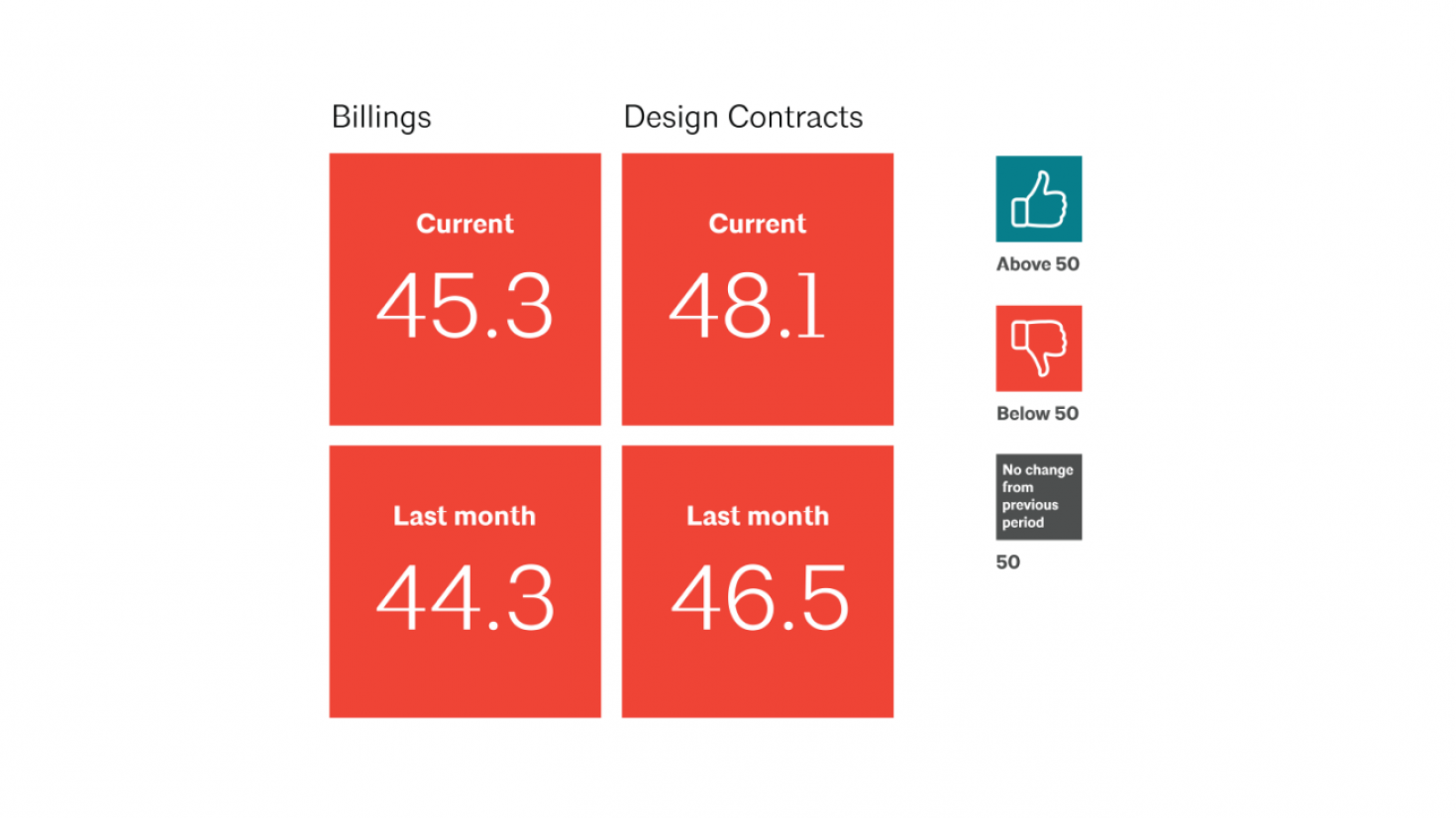
According to the AIA/Deltek Architecture Billings Index, business conditions remain soft at architecture firms, with the ABI score remaining below 50 for the fourth consecutive month. While there are signs of credit conditions easing and an uptick in inquiries for future projects, firms in all regions and specializations are reporting weakening business conditions. The weakest billings were reported in the West region and by firms specializing in multi-family residential projects.

Steelcase Reports Mixed Q3 Fiscal 2024 Results Amidst Revenue Decline and Improved Margins
Steelcase Inc (SCS) reports mixed Q3 fiscal 2024 results with a 6% revenue decline but a notable 15% increase in orders. Operating income and adjusted operating income rise year-over-year, while gross margin improves significantly. The company announces a quarterly cash dividend of $0.10 per share. Despite revenue decline, net income and adjusted earnings per share show significant improvement.
Steelcase's revenue decrease was attributed to a lower backlog at the start of the third quarter, with a 5% decline in the Americas and a 7% decline in International. However, the company experienced robust order growth, with a 16% increase in the Americas and a 10% increase in International, primarily driven by large corporate customers and growth in the Asia Pacific region.

MillerKnoll, Inc. Reports Second Quarter Fiscal 2024 Results
MillerKnoll, Inc. reported strong financial performance in the second quarter of fiscal 2024, with a 28.3% increase in adjusted earnings per share despite lower sales. The company achieved this through improved gross margins, strategic inventory management, pricing initiatives, and synergy efforts. Business confidence has rebounded, and the company remains focused on diversification, international expansion, technology investments, and delivering innovative solutions. Consolidated net sales decreased by 11.0% compared to the same period last year, but gross margin increased by 470 basis points. Operating expenses and debt were effectively managed, resulting in record-high operating margins. The company continues to achieve cost synergies from the acquisition of Knoll, Inc. and expects further progress in integration plans. Results by segment show varying performance, with positive outlooks in project funnel activity, order comparisons, and seasonal demand. The company maintains an optimistic outlook for the future, with increased guidance for adjusted diluted earnings for fiscal year 2024.
Dubai-based office furniture company, WORKSPACE, is expanding into Saudi Arabia with branch offices in Riyadh and Dammam. The move is in response to the growing demand for high-quality office furniture solutions in the region, driven by economic reforms and diversification in Saudi Arabia. The new offices are expected to be fully operational by the end of 2023, and WORKSPACE is actively recruiting staff members to support the expansion. The company aims to provide creative solutions, superior quality furniture, and comprehensive office space planning services to organizations of all sizes.
The furniture industry experienced numerous closures, layoffs, and bankruptcy filings in 2023. High-profile companies such as Roesing Furniture, Sofas Unlimited, and Klaussner Home Furnishings were among those affected. Additionally, several manufacturers and retailers, including Creative Metal and Wood, Mitchell Gold & Bob Williams, and Tuesday Morning, faced financial difficulties and had to shut down operations. The year was marked by significant challenges for the furniture industry.
According to a report from CBRE, effective rents for Class A+/A offices have decreased by 1.2% since 2022, while Class B/C rents dropped by 3.9%. Base rents for top-tier assets have increased by 2.6%. CBRE forecasts a 3% to 4% decrease in asking rents in 2024, with concessions expected to moderate. Landlords are offering higher concessions such as tenant improvements, free rent, and allowances. The trend of concessions is expected to continue as the office market adjusts to the new normal.
Los Angeles office prices are experiencing significant discounts, with the recent sale of the Aon Center in Downtown Los Angeles at a 45% discount compared to its 2014 purchase price. The sale of the Aon Center, the largest office tower deal this year in downtown LA, reflects the struggling office market with a high availability of space for lease or sublease. The implementation of Measure ULA, a property transfer tax, has also had a dampening effect on real estate transactions in Los Angeles.
According to Northmarq, single-tenant office sales in the third quarter experienced a significant decline of 31% compared to the second quarter and a 63% decline year over year. The high costs of refinancing, rising interest rates, and increased rates for utilities, insurance, and taxes have put financial pressure on property owners. As demand drops and transaction counts fall, average cap rates have been rising. However, Northmarq suggests that while the office sector is facing challenges, it is not beyond repair or irredeemable, as commercial real estate investment activity has declined before and owners have faced similar threats in the past.
According to a new analysis by Trepp, commercial real estate (CRE) prices continue to decline, with the office sector experiencing the largest drop. The decline is attributed to increasing interest rates and heightened inflation. The analysis also reveals the percentage of properties sold at a loss for different property types, showing a nationwide phenomenon of office properties being sold at a loss. The exact impact of the declining prices on transaction volume is difficult to determine due to proprietary data used by different companies.
Manhattan's office market experienced a drop in leasing activity in 2023, but the fourth quarter showed signs of stabilization with a surge in office leasing volume. The legal sector led the leasing activity, and financial services firms are now seeking more space. The availability of office space has plateaued, and the development pipeline is shrinking, leading to increased competition for the best available spaces. As interest rates decrease, there may be investment in existing buildings for upgrades. Overall, there is cautious optimism for a soft landing in Manhattan's office market in 2024.
Approximately 44% of office properties in the U.S. are underwater on their loans, posing a threat to banks and potentially leading to more bank failures. A 10% default rate on commercial real estate loans could result in $80 billion in losses, with CRE loans accounting for about $2.7 trillion in aggregate bank assets. The rising cost of debt and difficulty in refinancing when debt matures contribute to the risk. The Federal Reserve's potential rate cuts in 2024 may alleviate distress, but the exposure of banks to CRE distress remains a serious concern.
The future of commercial real estate in the 21st-century city lies in integrating living, working, and recreational spaces. High office vacancy rates present an opportunity to revitalize urban centers and create vibrant communities. Mixed-use developments like the District Wharf in Washington, D.C., demonstrate the potential for this reinvention of commercial real estate within a broader urban context.
San Francisco's office vacancy rate reached a record high of 35.9% in the fourth quarter, with negative net absorption totaling 1.4 million square feet. The increase in vacancy and availability was driven by subleased space listings and tenants not renewing their leases. Asking rents declined to about $70 per square foot. The outlook for the office market is expected to improve in 2024, particularly with the growth of generative AI companies. CBRE predicts that office occupancy losses will continue through the first half of 2024 before stabilizing in the second half.
According to the CommercialEdge National Office Report, the office sector is facing challenges with rising loan defaults, decreased demand, increased expenses, and declining values. The report highlights that nearly $150 billion of office loans will mature by the end of next year, with primary markets like Manhattan, Los Angeles, and Chicago being at risk. Physical occupancy rates remain low, and investor demand for offices is expected to remain low in the near term.

Features

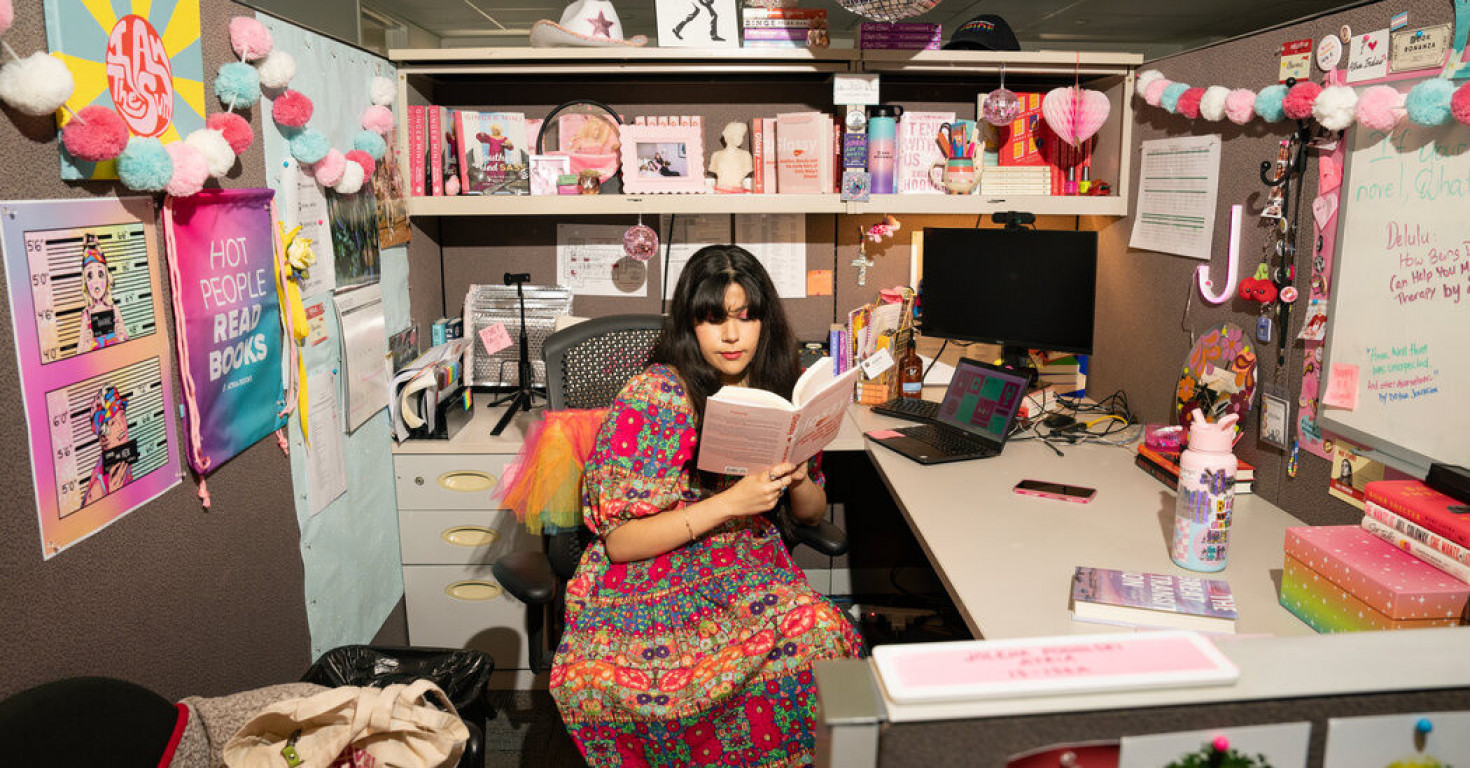
Cubicles, once popular in the 80s and 90s, are making a comeback as employers and employees realize the importance of quiet spaces and privacy. The market for cubicles and partitions is expected to grow to $8.3 billion in the next five years. The new cubicles are ergonomic, flexible, and can be personalized. Workers are sharing photos of their customized cubicles on social media.
The article discusses the future of office buildings and challenges the notion that they are becoming obsolete. It predicts a slowdown in new office space delivery, the adaptation or replacement of obsolete office spaces, and an increase in demand for office space due to the hiring of more knowledge workers. The author suggests that the market dynamics will change, leading to a rebound in the office market. Additionally, the article highlights the importance of intentional design, purposeful experiences, downsizing and adaptive reuse of office spaces, and effective technology to create functional and appealing work environments.
Overcoming challenges in hybrid meetings is crucial for maintaining team cohesion and productivity. Neglecting these challenges can lead to a division between in-person and remote participants, inconsistent meeting experiences, and a decline in collaboration and innovation. Investing in high-quality audio and video equipment, prioritizing meeting equity, and considering room acoustics and lighting are key steps in creating effective hybrid conference rooms. Standardizing interfaces, simplifying connectivity, and ensuring scalability and global support are also important. Long-term serviceability, incorporating accessibility features, and gathering user feedback contribute to a future-proof investment. Embracing the hybrid meeting model requires redefining the new normal and creating a harmonious fusion of physical and digital interactions.
New York City is experiencing a shift from a productivity-focused city to one centered around pleasure and recreation. While office buildings remain empty, the city is attracting millions of visitors. To ensure the economic future of the city, it is important to embrace this transition and create mixed-use neighborhoods that bring together various amenities and activities. This transformation into a "Playground City" requires rethinking zoning regulations, repurposing office spaces, animating the streets, supporting local businesses, and engaging citizens in the process. By doing so, New York can continue to thrive and offer a vibrant urban experience.

Workspace News

In 2023, there were major shifts in the way work gets done. Workers returned to offices in new hybrid arrangements, generative AI tools were adopted, and Gen Z workers entered the workforce. The state of the working world in 2024 includes 33% of workers in the office three days a week, 54% in a hybrid schedule, and 6% fully remote. There were 8.7 million job openings in the US, and Gen Zers are expected to outnumber baby boomers in the next year. The most popular hybrid work arrangement is three days in-person and two days remote. The rate of people quitting their jobs decreased, and more workers are using generative AI tools.
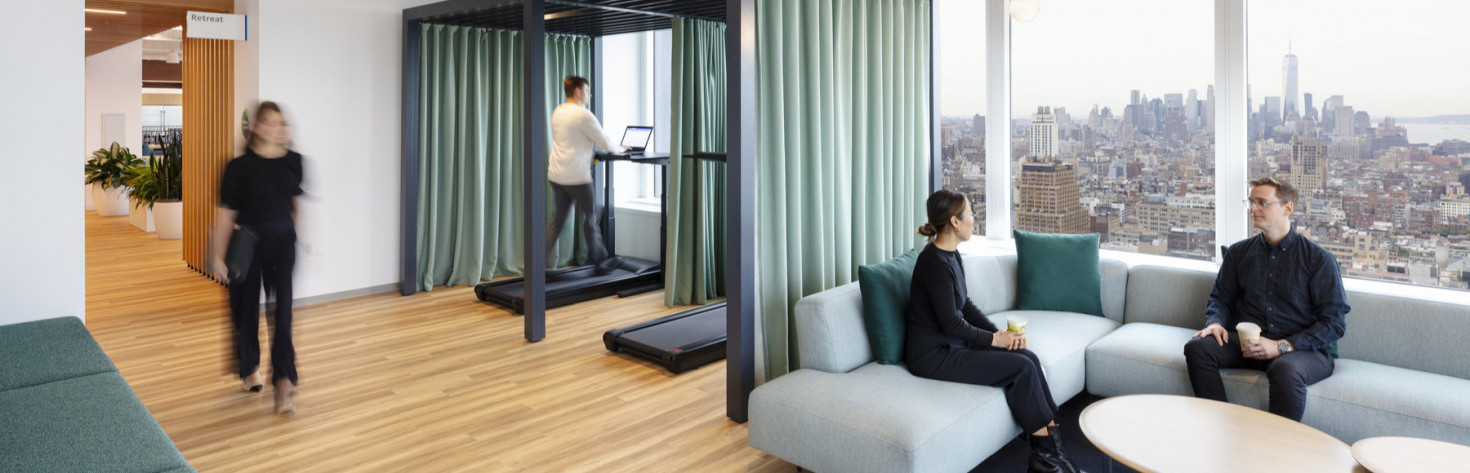
The article discusses various ways in which offices have improved in 2023. It covers topics such as reducing noise in the office through workstation design, designing offices based on data analysis of office usage, incorporating walking rooms for in-person meetings, creating pet-friendly office spaces, and designing offices that can be repurposed for different uses in the future.
The article discusses potential shifts in office dynamics in 2024. It highlights the importance of face-to-face meetings and the desire for personal interactions, even in hybrid work environments. The survey reveals that younger employees prefer in-office work at least part of the time, while the demand for flexibility is strong among workers in the 35 to 54 age group. Commutes and the need for quality technology and amenities are identified as challenges. The article suggests that offices will transform in their design to accommodate the modern demands of employees.
The debate around returning to the office (RTO) will continue in 2024, with a call for transparency from companies about their reasons for requiring in-office work. Better productivity measurements and including employees in decision-making processes will be important. In-office attendance may be used in performance reviews, leading to a shift in employee preferences and the emergence of a new talent market. Retention and employee satisfaction, including flexibility in work arrangements, will be key considerations for workplaces in the new year.
In the evolving landscape of work, there is a shift towards a three-day-a-week office model. This poses a challenge for flexible workspace providers to monetize empty space. Strategies for generating revenue 24/7 include examining higher space utilization on Saturdays, leveraging technology to better serve individual users, and offering a variety of products based on customer needs. Reimagining the space, being thoughtful about discounting strategies, and measuring key performance indicators are also important. The workspace revolution requires providers to adapt to the unique needs of individuals and remain flexible.
Generation Z has the potential to transform leadership for the better and break the cycle of generational trauma in the workplace. They prioritize mental health and psychological safety, are less likely to tolerate toxic environments, and value regular communication and independence. By addressing mental health concerns, embracing open communication, and empowering employees, leaders can create a healthier and more productive work environment.
According to research by the British Chambers of Commerce Insights Unit and Cisco, less than 30 percent of firms expect their workforce to be fully in person over the next five years. The survey of over 1,000 businesses found that 27 percent predict their staff will be fully in person, while 47 percent anticipate mostly in-person work, 16 percent expect mostly remote work, and 8 percent expect fully remote work. The research also highlights the value of flexible working in attracting and retaining talent.
Business leaders are embracing flexible working arrangements to maintain productivity during the seasonal rush while allowing employees to enjoy the holiday period. Overcoming proximity bias and leveraging collaborative tools are crucial for remote employees to feel valued and included. Revising work strategies, utilizing technology, and managing expectations can prevent burnout and ensure a smooth transition into the holiday break. Leveraging AI tools and technology-enabled meeting platforms can streamline workflows and improve communication and collaboration. Addressing proximity bias and utilizing the right tech tools are essential for productivity and employee satisfaction during the festive season.
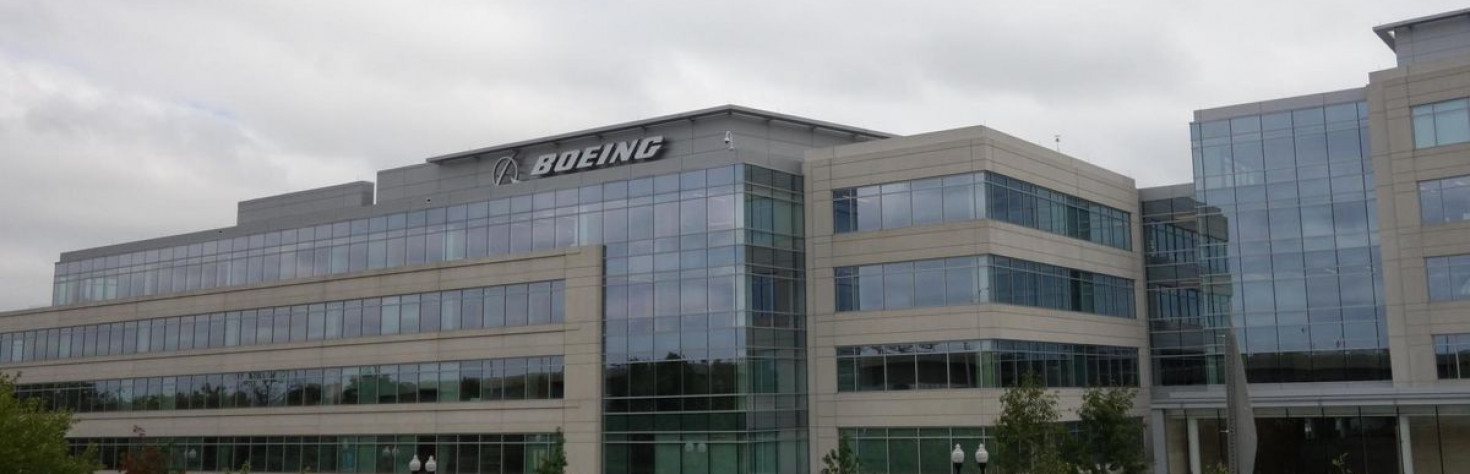
Boeing plans to end hybrid work schedules and require employees to return to the office full-time. The change may come soon after the holidays and is a reversal of their pandemic-era policy. The company cites the benefits of in-person collaboration and communication. This decision affects over 156,000 employees worldwide, with the largest concentration in Washington. The move by Boeing comes as more workers are returning to the office, reaching the highest level since early 2020.

Trends

According to architecture and design firm Gensler, three office design predictions for 2024 include tech companies embracing eavesdropping, financial service firms creating a coffee-shop feel, and law firms increasing access to natural light. The focus is shifting towards the well-being of teams and individuals in the workplace, with an emphasis on inviting and experience-based spaces. Tech companies are also exploring mentorship-focused designs and prioritizing openness in office spaces. Additionally, offices are being situated near cultural institutions and civic gathering spaces to create a more appealing work environment.
The workplace trends for 2024 focus on people performance rather than real estate metrics, curated destinations instead of universal planning, abundance over scarcity, in-person relationships over virtual connections, multi-use neighborhoods instead of monotonous office buildings, biophilia and natural elements, privacy for focus work, holistic well-being, workplace ecosystems beyond the office, joy of work, adaptability, and putting people first in the workplace.
The future of work and office design will prioritize essentials for modern work, address distractions, eliminate return to office mandates, provide flexibility, and include more spaces for focused work. Office design will focus on creating supportive spaces that cater to concentrated work and echo the comfort of home offices. Distractions will be addressed through infrastructure changes, especially for neurodivergent individuals. Return to office mandates will be replaced by creating office spaces that naturally attract employees. Flexibility will become a non-negotiable right, with offices becoming destination offices that accommodate all types of work and address the need for privacy and social connection. The number one office design trend will be the provision of spaces for focused work, as the ability to concentrate is essential to performance.
Hybrid learning is becoming a permanent part of higher education, but the effectiveness of virtual and hybrid learning has decreased. Campus presence is increasing, with 82% of students participating in classes on campus. However, virtual activities are reported to be less effective than on-campus activities. Students feel less supported in hybrid learning. Relationships, motivation, and emotional well-being have declined for both students and educators. There is a preference for on-campus learning, but attention must be given to social and meeting spaces to support interaction and well-being.
This article discusses the importance of workplace culture, the impact of proper mother's rooms on women at work, and the integration of wellness into the workplace. It emphasizes the need for inclusive design strategies and the shift towards infusing wellness and wellbeing into the workplace. The article also highlights Work & Mother's initiatives in providing lactation suites and launching a multipurpose wellness facility.

Design

As hybrid work becomes more prevalent, design elements that prioritize human interaction, intentional downsizing and adaptive reuse of office spaces, and effective technology are expected to shape workspaces in 2024. Creating purposeful gathering spaces, providing dedicated areas for different types of work, and offering seamless technology transitions between remote and in-office work are key considerations. Designers should aim to create unique work experiences that can't be replicated outside the office, fostering a sense of community and providing employees with the tools they need to grow and collaborate.
Erin McDannald, CEO of Lighting Environments Elevated, discusses the importance of office design in creating a healthier and happier workforce. McDannald emphasizes the need for compassionate design that invests in human potential and integrates essential elements such as air quality, nature, movement, and mental well-being. Optimizing office design can improve employee focus, decision-making, creativity, and retention, ultimately benefiting the business's bottom line.
Creating an inclusive office environment is crucial for fostering engagement, productivity, and retention. Inclusive design involves incorporating elements such as access to fresh air, diverse workspace options, and environments that encourage learning. By challenging hierarchies, offering choice, and creating spaces that inspire collaboration and personal growth, companies can create a culture of inclusion that benefits both employees and the organization.
Gensler's Strategy Director and Principal, Michael Chapell, shares three strategies for leveraging brand and creating an intentional workplace: building culture with intention, using advanced data analytics and computational models for decision-making, and embracing experimentation to create an experience-driven workplace. These strategies are crucial for organizations navigating the evolving nature of work and the workplace in 2024.
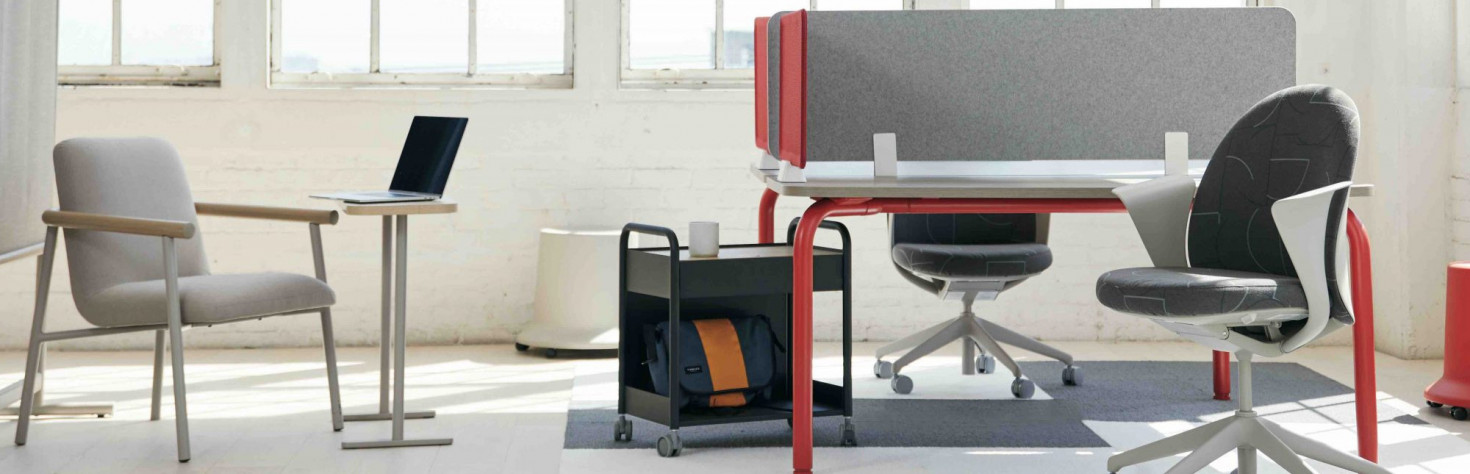
As employees return to physical office spaces, there is a shift away from open-plan offices due to issues with noise and privacy. The focus is now on creating dynamic work environments that offer both collaboration and refuge. Solutions such as adjustable screens, pods, and agile post-and-beam structures are being used to provide privacy while still allowing for flexibility. The cubicle is also being reimagined to address these concerns. Overall, the reevaluation of office design is crucial to meet the evolving needs of the workforce and reflect organizational values.

Coworking

Mark Dixon, CEO of IWG Plc., discusses the trends in hybrid work, the difference between IWG and WeWork, and the evolution of co-working. Despite WeWork's bankruptcy, IWG is experiencing record revenue and is expanding its locations. Dixon emphasizes the importance of getting rid of leases and highlights the value-added services IWG provides. He also mentions the long journey of co-working's acceptance and expresses optimism about the future of the market.
WeWork and the Department of Justice have reached an agreement regarding the redaction of WeWork's client list in its bankruptcy process. WeWork argued that disclosing the list could lead to customer poaching and hinder debt payments, while the Department of Justice emphasized the importance of transparency in the bankruptcy process. The agreement includes provisions for redacting certain confidential and personally identifiable information.

Other News

The Evolution of Working from Home
Working from home has seen a significant increase, rising fivefold from 2019 to 2023, with 40% of US employees now working remotely at least one day a week. Fully remote work is associated with a 10-20% lower productivity compared to fully in-person work, while hybrid work has no impact on productivity. The shift towards remote work is driven by cost savings, such as reduced office space and access to cheaper labor. The amount of working from home varies across countries and demographic groups, with education being a significant predictor. Looking ahead, technological advancements and changing norms are expected to further increase the prevalence of working from home.

Latest Product News

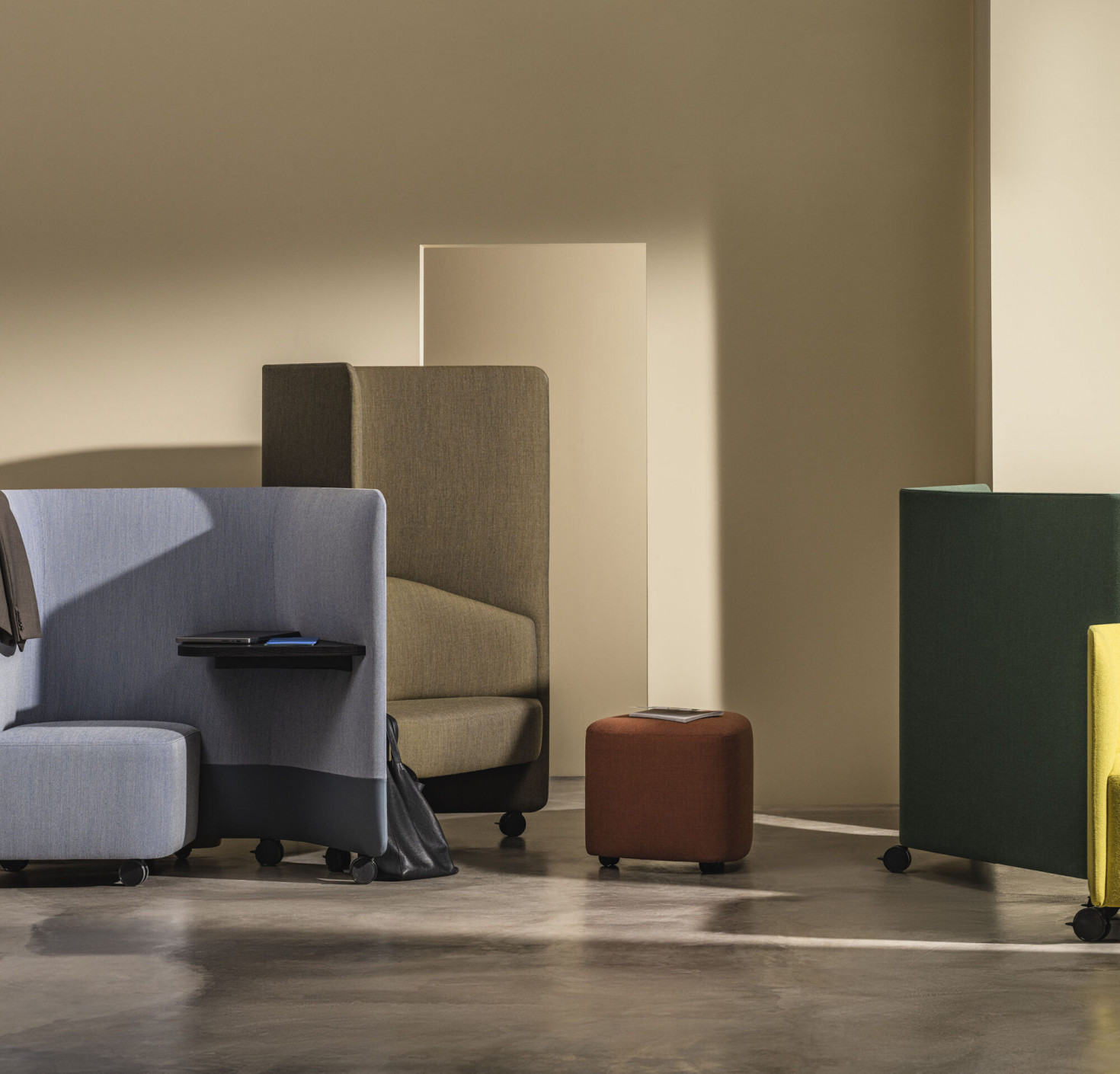
Andreu World and designer Alfredo Häberli have introduced the In Out Collection, a mobile furniture system designed to promote productivity and accommodate the evolving nature of office and remote work. The collection features armchairs with side tables, ergonomic design, acoustic absorption, and wheels for mobility. It also emphasizes sustainability, with materials chosen to align with principles of transparency and timeless design. The collection embodies the concept of "Smart Work" for a flexible and adaptable work environment.
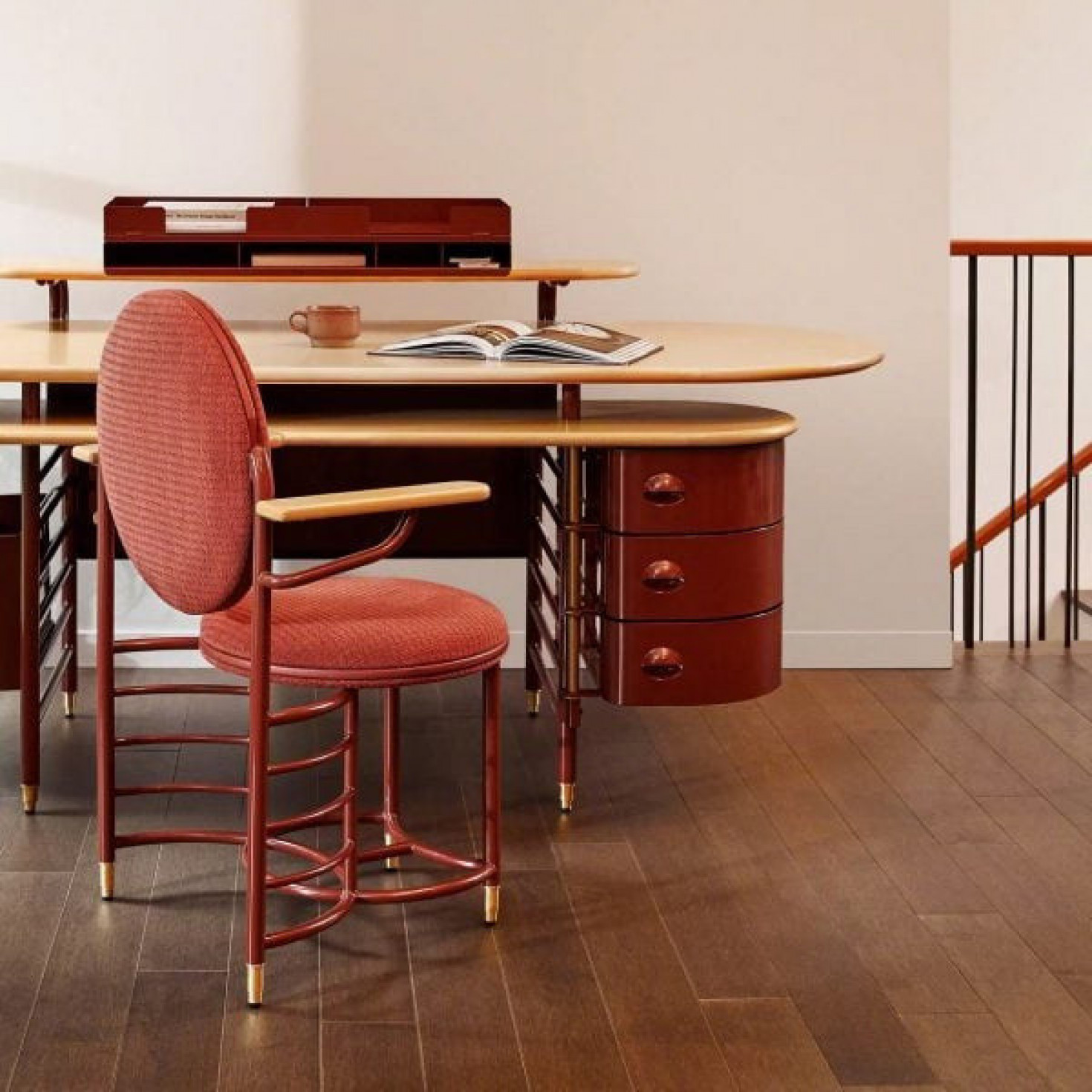
How is the state of today's furniture design? You decide. Dezeen readers have voted the reissue of the Racine collection by Frank Lloyd Wright for Steelcase as the best furniture design of 2023. The collection, originally designed in 1939 for the SC Johnson Administration building, received the most votes. The Shift sofa hammock by Form Us With Love for Samsung came in second, followed by the High Bar by Alter Interiors.
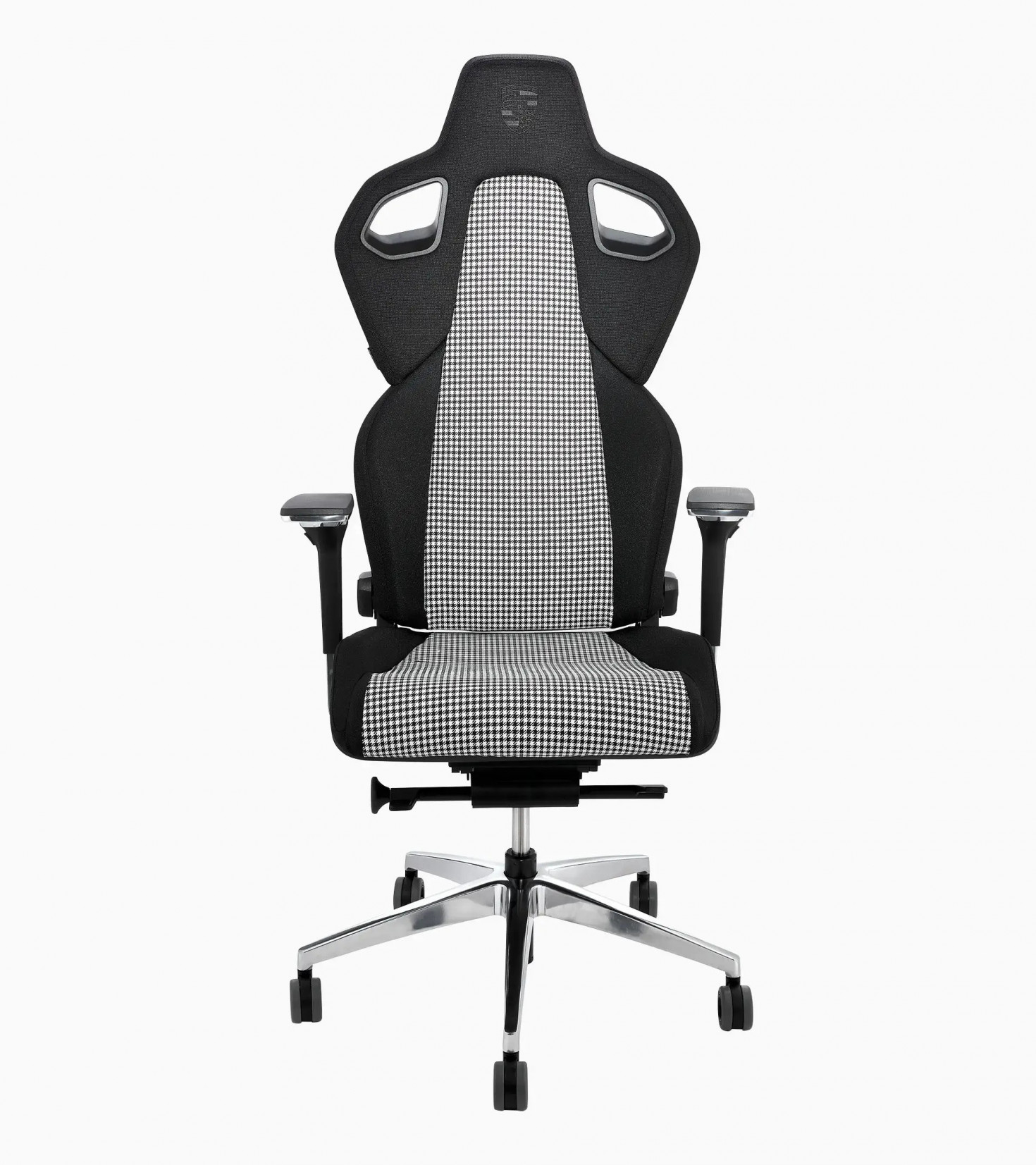
The RECARO x Porsche Gaming Chair Pepita - Ltd. is an exclusive, limited edition gaming chair designed in collaboration with RECARO and Studio F. A. Porsche. Made in Germany, this chair features high-quality materials, a unique Porsche Pepita houndstooth fabric, and ergonomic design for optimal comfort and support. With adjustable features and a limited edition number label, this gaming chair is a must-have for gaming or working at home. Before you order, know that it's $3,000 plus shipping and tax.

Trends in Commercial Projects from Around the Globe
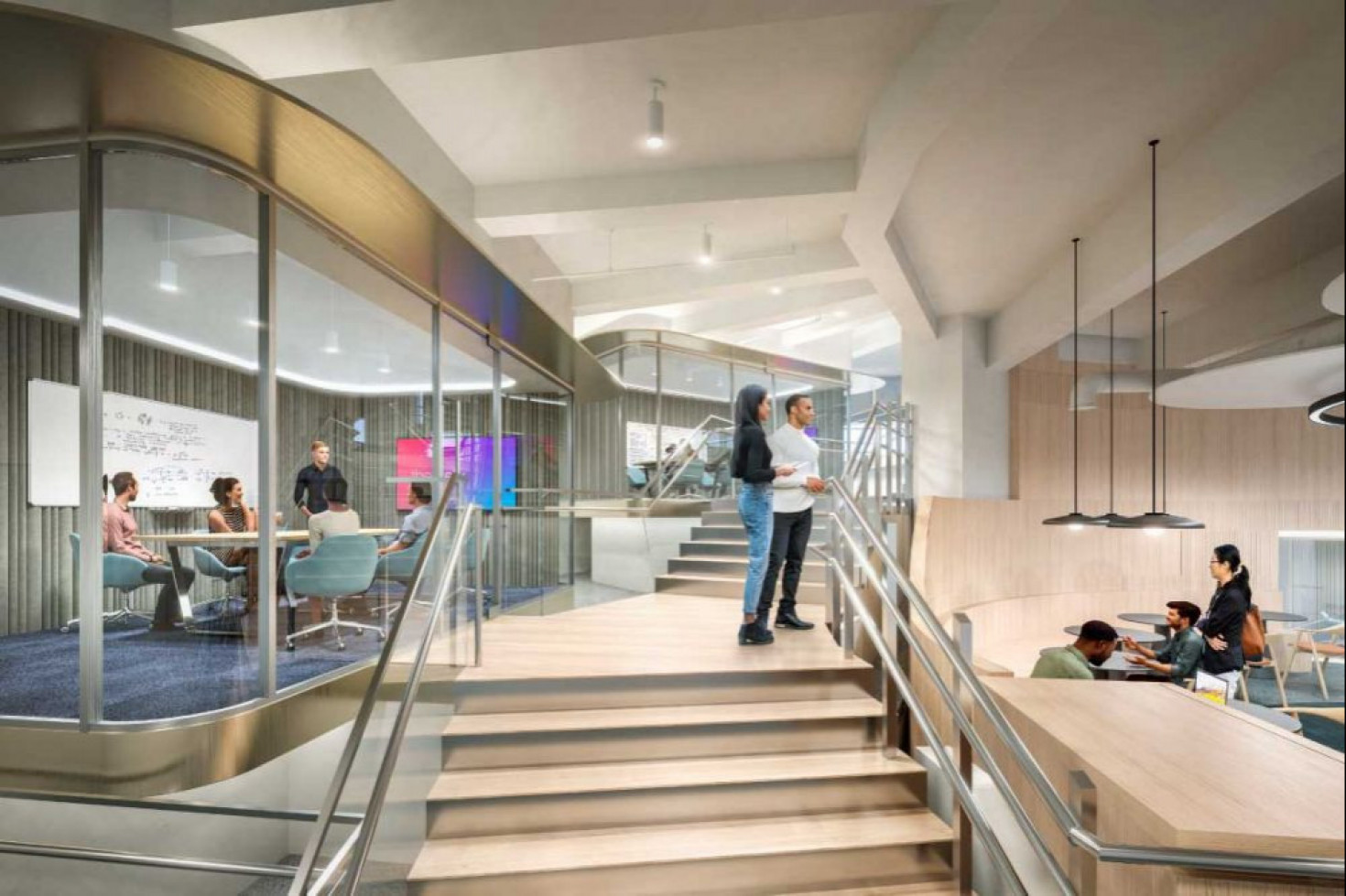
Taconic Partners and Nuveen have transformed a former Chrysler showroom in New York City into West End Labs (WEL), a cutting-edge life sciences property. The redevelopment project retained the property's main structural elements, including a former auto ramp transformed into conference rooms. WEL offers state-of-the-art facilities, sustainability features, and tenant amenities such as a rooftop terrace and a conference center. With the largest floor plates in the commercial life science market, WEL provides pre-built lab space and is designed to achieve LEED Gold certification. The project contributes to the growth of New York City's life sciences industry and showcases the future of lab and office space.
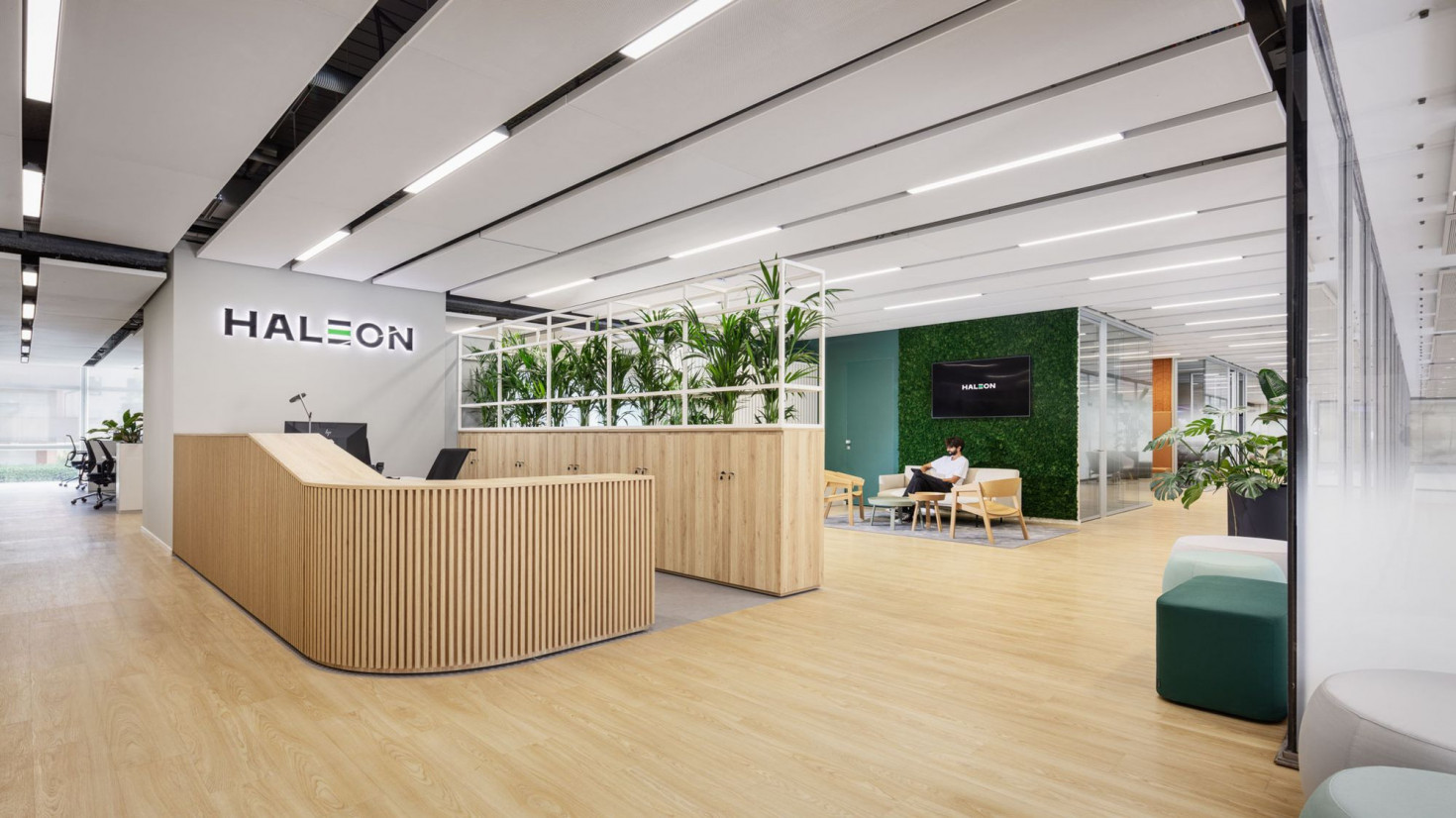
Tétris designed Haleon's first Italian headquarters in Milan, located in the iconic 'Monte Rosa 91' campus. The aim was to create a dynamic, flexible, and inclusive working environment that facilitates hybrid working and work-life balance. The interior design follows the architectural style of Studio Renzo Piano's project, incorporating biophilic elements and emphasizing natural luminosity. The workspace supports new ways of working with flexible and modular open-plan areas equipped with ergonomic desks.
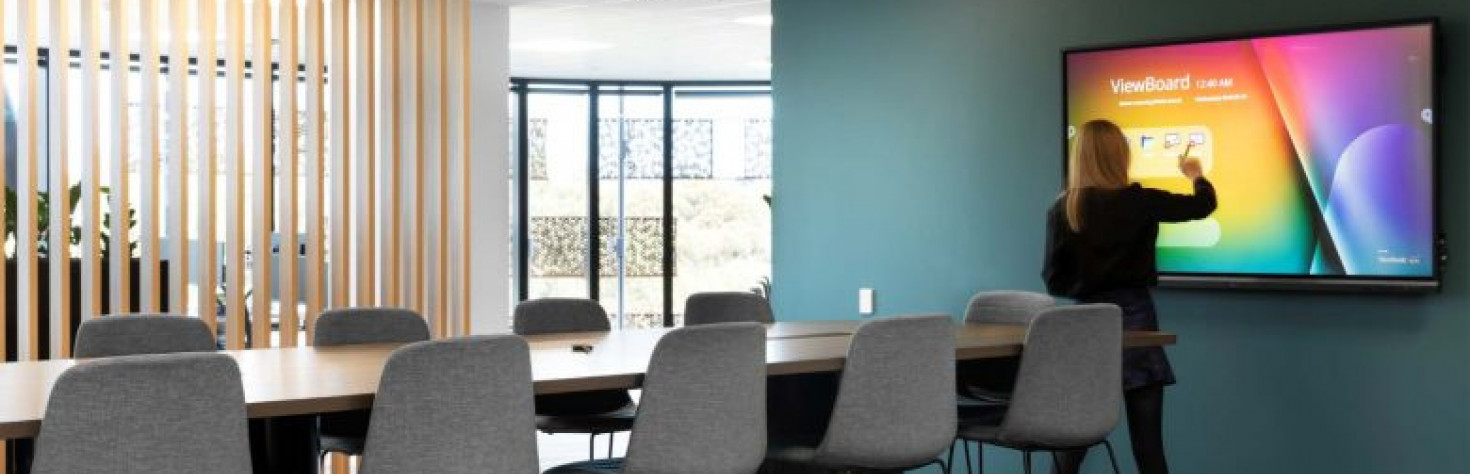
Amicus Technology assisted Siemens Gamesa in creating a modern and collaborative office space by integrating reliable technology. The rental agreement allowed for technology upgrades and optimization. Core technology solutions included boardrooms, breakout areas, and meeting rooms with user-friendly technology. The new office has facilitated a more agile and immersive work environment, enhancing employee experience and fostering stronger connections with clients.

Upcoming Industry Events


Clerkenwell Design Week 2024
May 21-23, 2024 | London

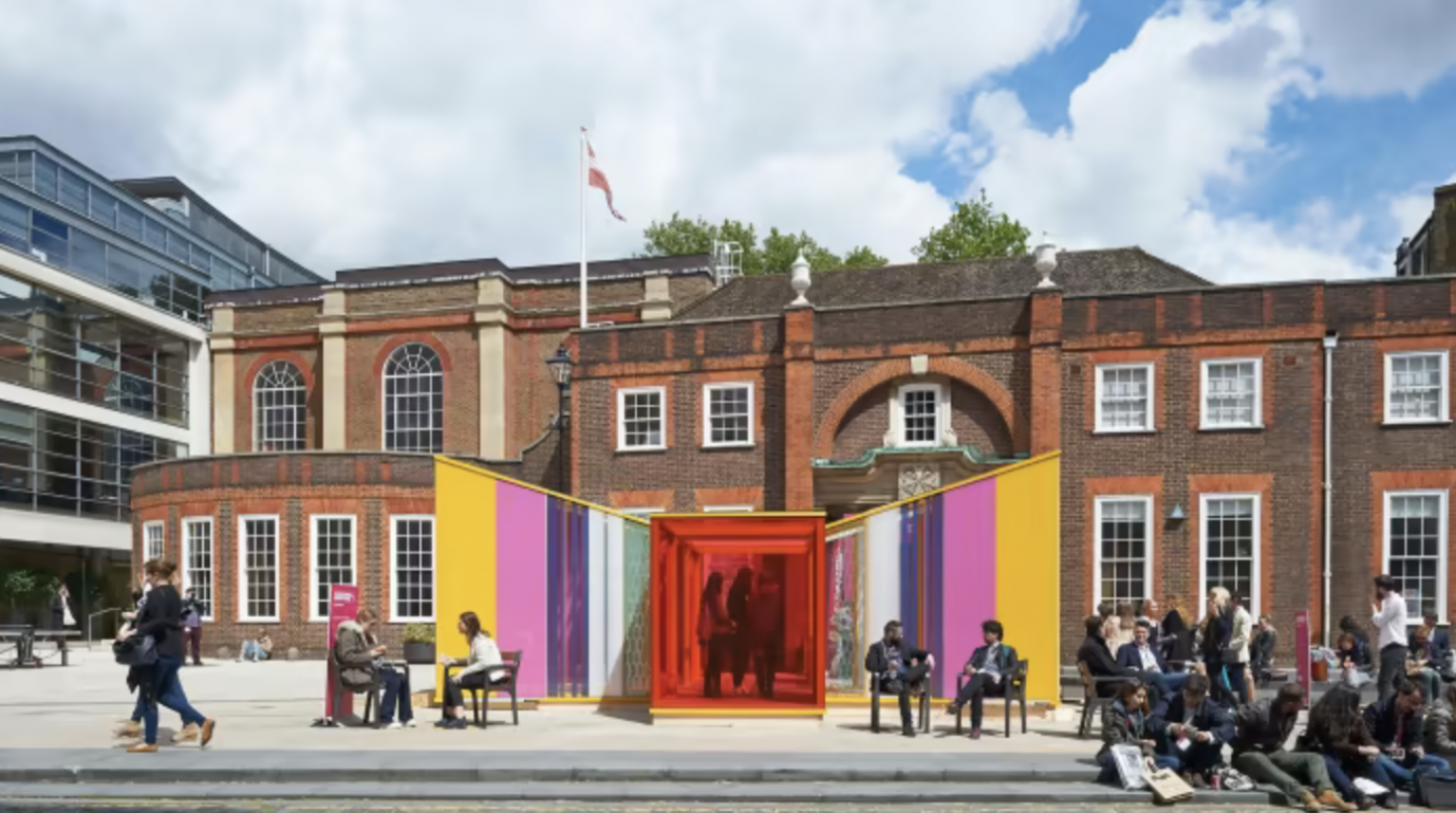
Clerkenwell is home to more creative businesses and architects per square mile than anywhere else on the planet, making it truly one of the most important design hubs in the world. To celebrate this rich and diverse community, Clerkenwell Design Week has created a showcase of leading UK and international brands and companies presented in a series of showroom events, exhibitions and special installations that take place across the area.

NeoCon 2024
June 10-12, 2024 | Chicago, IL
 
NeoCon has served as the world’s leading platform and most important event of the year for the commercial design industry since 1969. A launch pad for innovation—NeoCon offers ideas and introductions that shape the built environment today and into the future.  

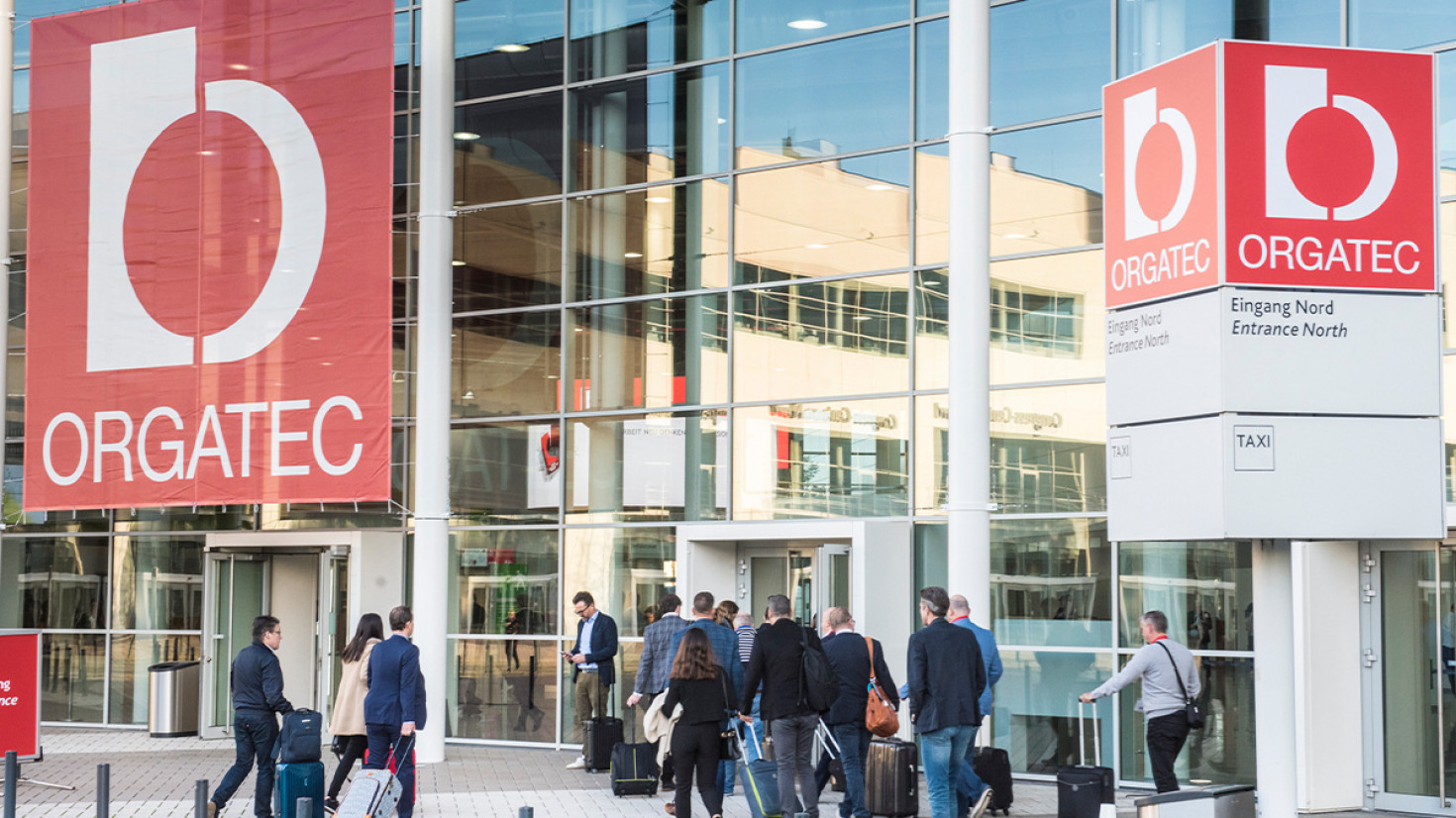
Orgatec 2024
October 22-26, 2024 | Cologne, Germany

Orgatec is the International trade fair for office and property equipment. Held in Cologne, Germany.

Industry Briefing

Great Lakes Architectural Products Group Rebrands as Great APG, Now a Proud Member of the K5 Company
Bradley J. Betts and Del S. Eldridge, founders of Great Lakes Architectural Products Group, officially renamed the company to Great APG. In addition to the new name. Great APG has entered a formal partnership with the K5 Company. As a member of the K5 Company, Great APG gains access to advantages and resources that will enhance their position in the architectural products industry. The rebranding marks a commitment to growth and delivering exceptional products and services. The collaboration with K5 Company amplifies their impact and allows them to share their passion for exceptional products on a larger scale. Great APG, now a proud member of the K5 Company, is poised to revolutionize the architectural products industry and elevate user experiences through enhanced workspaces and surroundings.

IIDA NY Celebrates Inaugural Student Uplift Program
The International Interior Design Association's New York Chapter (IIDA NY) has launched the Student Uplift (SUP) program to support student development in the field of interior design. Through membership, mentorship, and events, SUP aims to connect students, sponsors, and design professionals. The program includes networking opportunities, awards presentations, and CEU courses on sustainable materials. The inaugural event was attended by industry leaders and benefactors who awarded IIDA memberships to 11 student participants. The SUP program aligns with IIDA NY's mission of empowering the next generation of interior designers.

Find the best Contract Furniture Industry jobs and hire the best talent.
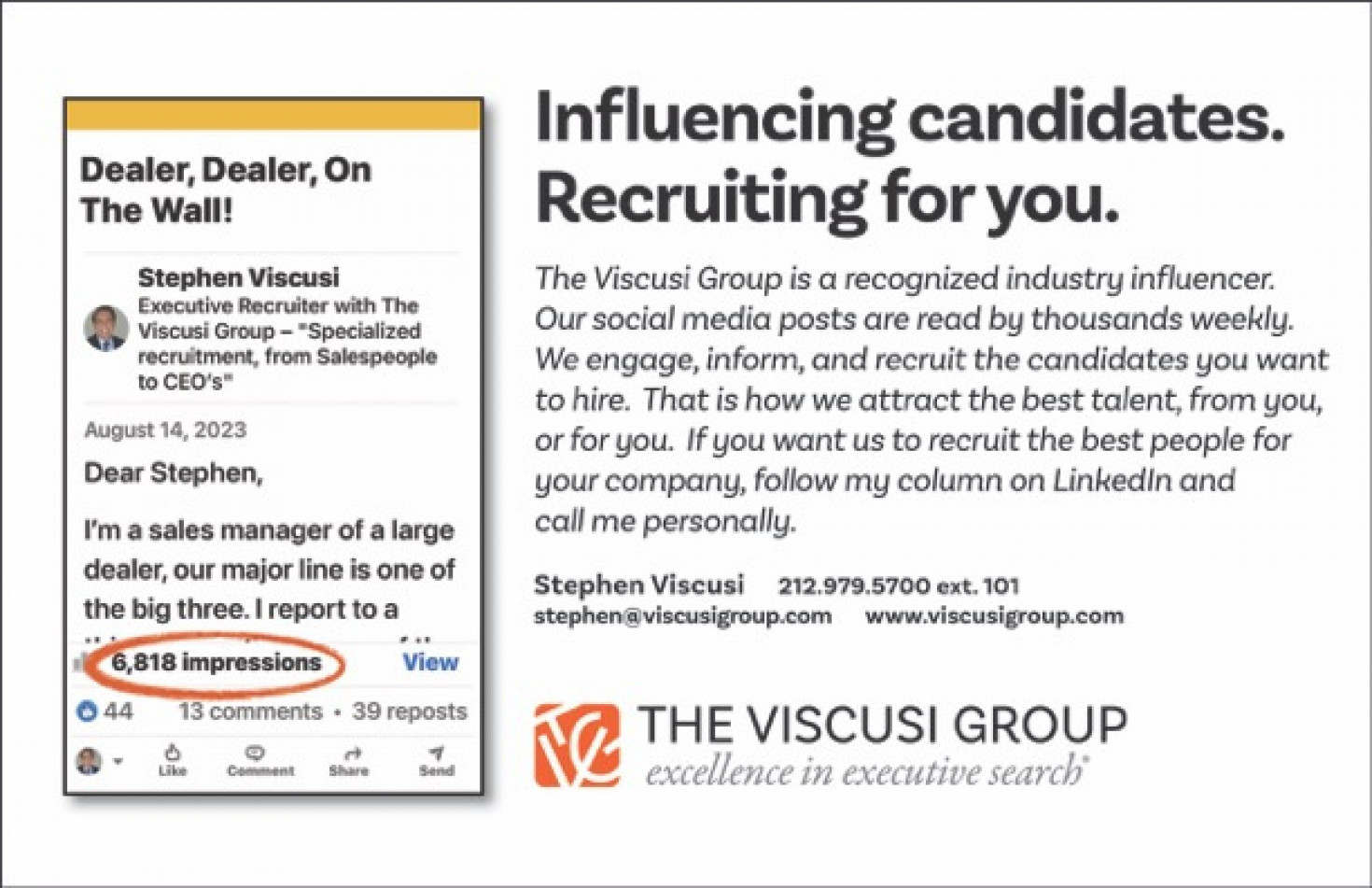
Dear Stephen, Last year I made $350,000. I'm a sales rep at a dealer. I've consistently made good money (both a high base salary and "all in"), but last year was by far my best year. Previously, I had worked for #Knoll, before it was #MillerKnoll, and at #Knoll, I had very strong years as an...


Main Duties and Responsibilities: · Serve as main liaison and support person to our lab reseller...
MODSILVER, a premier provider of cutting-edge commercial table bases, table legs, and accessories that manufactures its products in the USA, is expanding its sales team and seeking independent sales representatives to cover select US territories.
We are seeking a dynamic and experienced Business Development Support Specialist to join Flatwater, a subsidiary of Ho-Chunk Inc.
As the VP of New Business Development Sales, you will lead a team of new business development salespeople while directing the development and execution of the business development vision, strategy, plans, and processes that drive sales, increase revenue, expand markets, and accomplish financial objectives in northern California.
As an On-Site Client Design Specialist, you will play a key role in partnering directly with our clients in the field at their facilities to achieve seamless moves, adds, and reconfigurations of their existing workspaces.
We are seeking a sales professional to represent our healthcare productsWashington, Oregon, Idaho and Alaska.
Indoff is expanding and in need of experienced outside sales professionals in your area.
Work with our Representatives in the New York City, Philadelphia and Washington DC markets to help grow sales.

created in Publicate