
JLL’s Future of Work Survey 2024: A Contract Furniture Goldmine, or Just a Riddle Wrapped in Corporate Speak?
It’s that magical time again when the biennial JLL Future of Work Survey lands on our desks like a glossy, research-packed crystal ball (or just a pdf). This year’s findings are brimming with phrases like “destination workplaces,” “sustainability requirements,” and “AI-driven work environments.” For those of us in the contract furnishings industry, it begs the question: is this survey a harbinger of robust sales, or just a polite nudge toward more expensive design trends?
The Battle for Talent: Are Workplaces the New Resume?
According to the survey, the workplace is now the front line in the war for talent. Companies that want to attract the best and brightest are being told to invest heavily in office design (yea). Think acoustics, thermal comfort, and spaces for individual work—all areas where, apparently, most offices fail miserably.
For us contract furniture folks, this sounds like an opportunity. The more companies want to “win the battle for talent,” the more they might spend on expensive ergonomic chairs, height adjustable desks, and acoustic pods. But let’s not pop the champagne just yet. Many of these investments hinge on employers believing that furniture and design can directly influence their Glassdoor ratings. Good luck convincing CFOs to swap out last decade’s task chairs unless there’s a graph proving ROI.
Hybrid Work: More Furniture or Less?
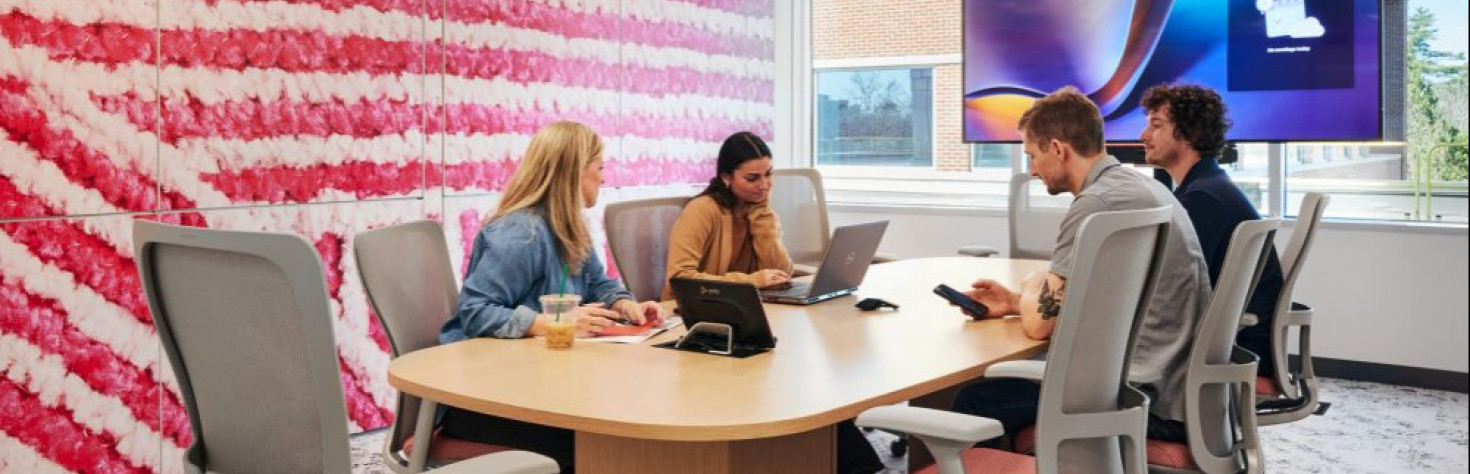
The survey highlights that 56% of companies are “Hybrid Adopters,” while 44% are “Office Advocates.” Here’s where things get murky for sales projections. On one hand, hybrid models mean fewer desks and chairs overall. On the other hand, these spaces need to be better, which means premium finishes, collaborative zones, and yes, fancier chairs.
If you’re in the business of selling flex-friendly furniture—modular desks, stackable seating, and acoustic booths—this might be your time to shine. But beware: the same hybrid work strategy that calls for cutting-edge office furniture could also have clients eyeing a slimmer square footage, leaving fewer spaces to fill.
Social Purpose: Is the Break Room the New Water Cooler?
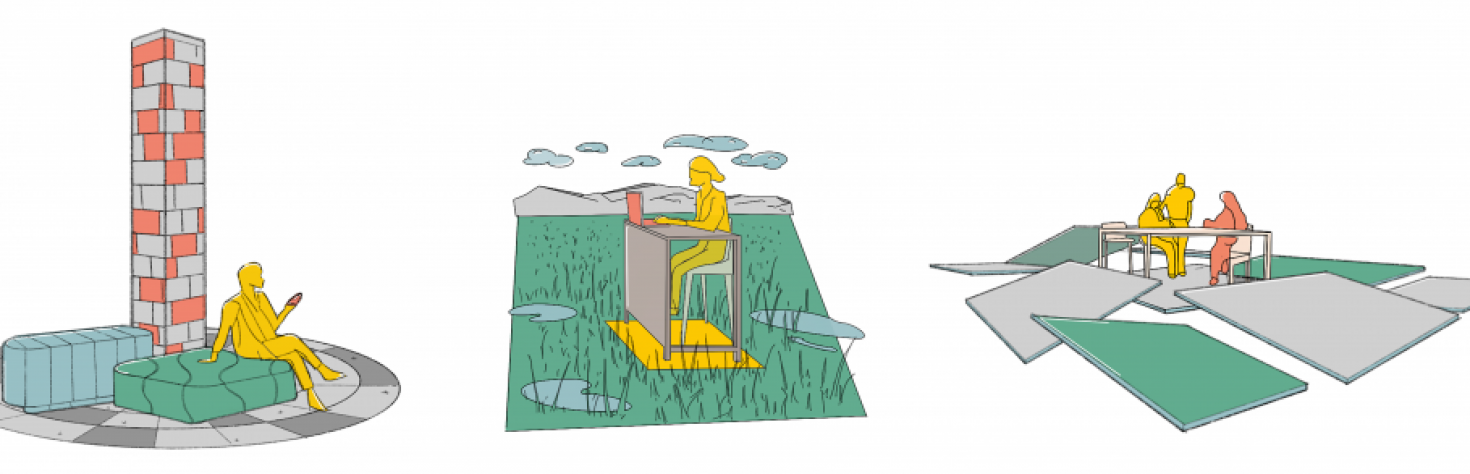
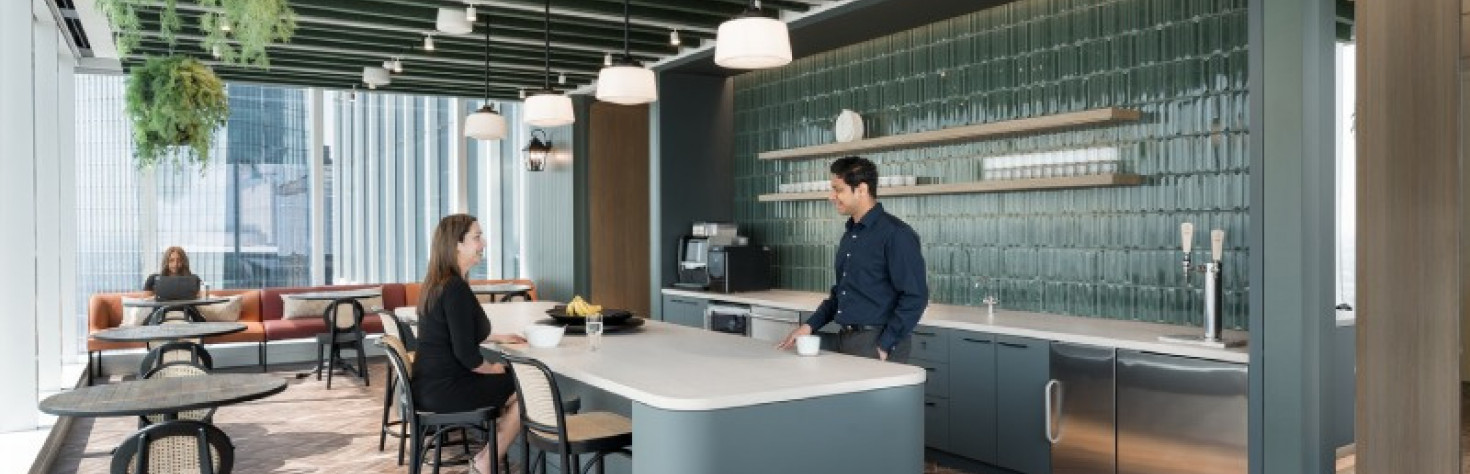
Apparently, the real reason employees are coming back to the office is for collaboration, social connection, and a strong sense of purpose. JLL even suggests that “serendipitous meetings” and “social bonds” happen at the “blurry edges of activities.” Translation? Companies need more breakout zones, café-style seating, and collaboration-friendly layouts.
If this trend holds, we could see an even bigger surge in demand for furniture that supports casual gatherings and collaborative work. Think lounge chairs with built-in power, modular meeting pods, and bar-height tables. But let’s not forget: social spaces are notoriously underused when employees realize their favorite collaboration tool is Slack.
Sustainability: The Circular Economy (and Your Margins)
The survey emphasizes sustainability, from retrofitting old spaces to reusing materials. Companies like Tetra Pak are turning recycled materials into furniture, which sounds great for the planet—but what about the bottom line? Furniture manufacturers and dealers may find themselves pressured to offer green options that are not only sustainable but also stylish and affordable.
And here’s the rub: if corporations start refurbishing and reusing more furniture, does that mean fewer new sales for us? Or is this an opportunity to lean into upcycling and selling “refreshed” pieces? Either way, the emphasis on sustainability adds complexity to every project—though there’s definitely money to be made if you can market those complexities as features.
AI and Tech-Enhanced Workplaces: A Reason to Upsell?
With 86% of respondents claiming they’re adapting well to hybrid work, the focus now shifts to AI and technology integration. Offices of the future will need tech-enhanced furniture—think desks with wireless charging, chairs that track posture, and conference tables equipped with built-in video conferencing tech.
This could be the contract furniture industry’s jackpot: technology upgrades mean premium pricing. But before we start attaching VR headsets to every office chair, let’s remember that not every company is Google. For many, “tech-enhanced” might just mean buying a few extra power strips.
Will Companies Actually Spend?
The good news: 60% of organizations plan to increase spending on workplace design and refurbishment by 2030. The bad news? Budgets are increasingly tied to “sustainability” and “efficiency,” which might translate to doing more with less.
While it’s tempting to see JLL’s findings as a green light for big-ticket furniture sales, the reality is more nuanced. Corporate leaders are looking for solutions that meet a growing list of demands—AI readiness, climate resilience, hybrid work flexibility—without breaking the bank. The challenge for the industry will be proving that furniture and design aren’t just expenses but investments.
Closing Thoughts: Boom or Bust?
The Future of Work survey paints a picture of opportunity for the contract furnishings industry, but it’s a complicated one. Success will depend on how well manufacturers, dealers, and designers can pivot to meet new demands—sustainable, flexible, tech-enabled, and socially conscious workspaces.
So, is the survey a sales goldmine or just another collection of buzzwords? Maybe it’s both. Either way, it’s clear that the industry’s future won’t be shaped by chairs and desks alone. It’ll be shaped by how well we can sell the promise of “destination workplaces” to a skeptical, budget-conscious corporate world. And hey, if nothing else, it’s a good excuse to update the showroom.

The global office furniture market was valued at approximately $54.24 billion in 2021 and is projected to reach around $85 billion by 2026, reflecting a compound annual growth rate (CAGR) of 9.4%.
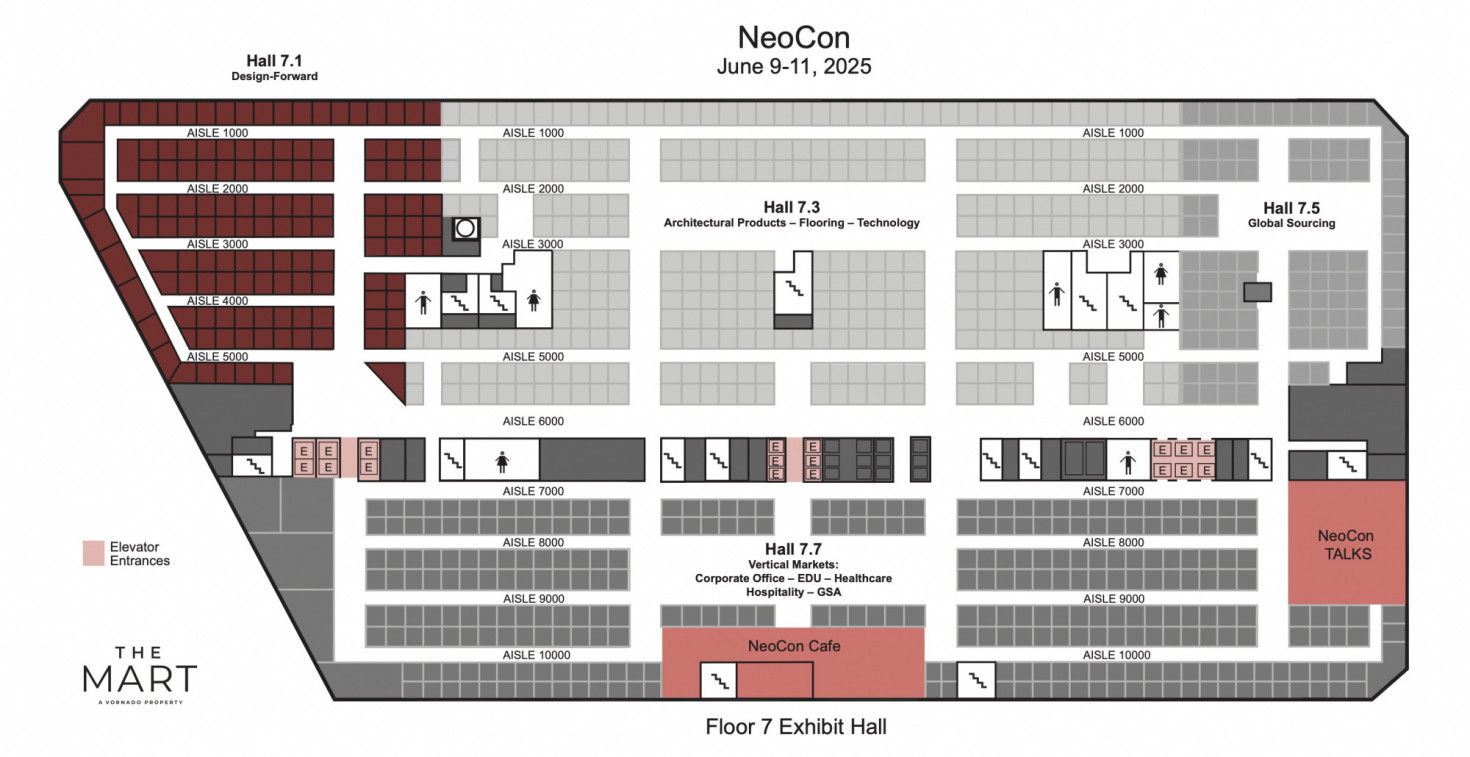
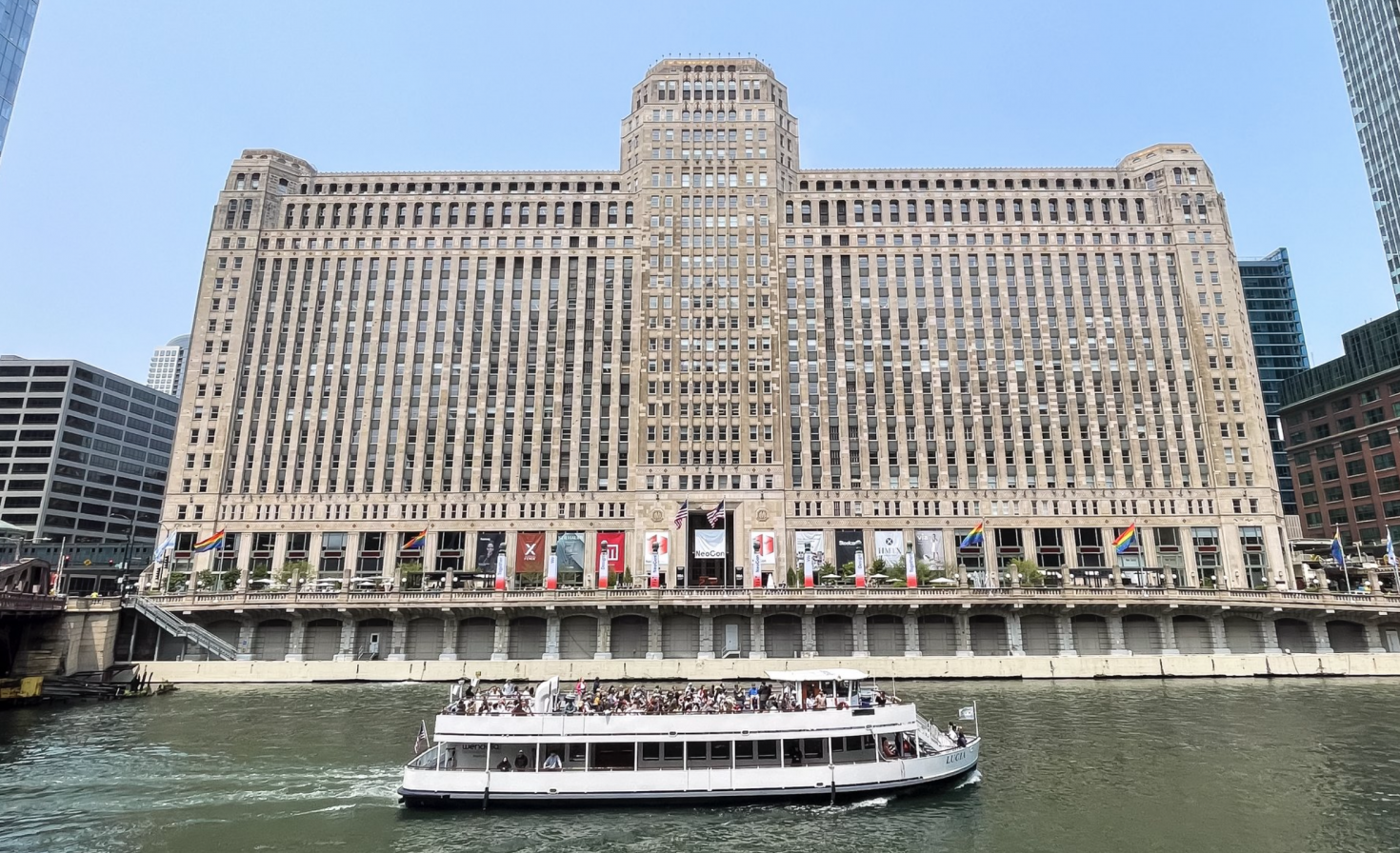
This strategic, design-led transformation enables us to create a more focused and engaging environment that fosters growth and meaningful connections for all involved. It further strengthens and enhances NeoCon’s ongoing role as both a business accelerator and a global hub for innovation in the commercial design industry. remarks Byron Morton, Vice President & Co-Head of Leasing at NeoCon.


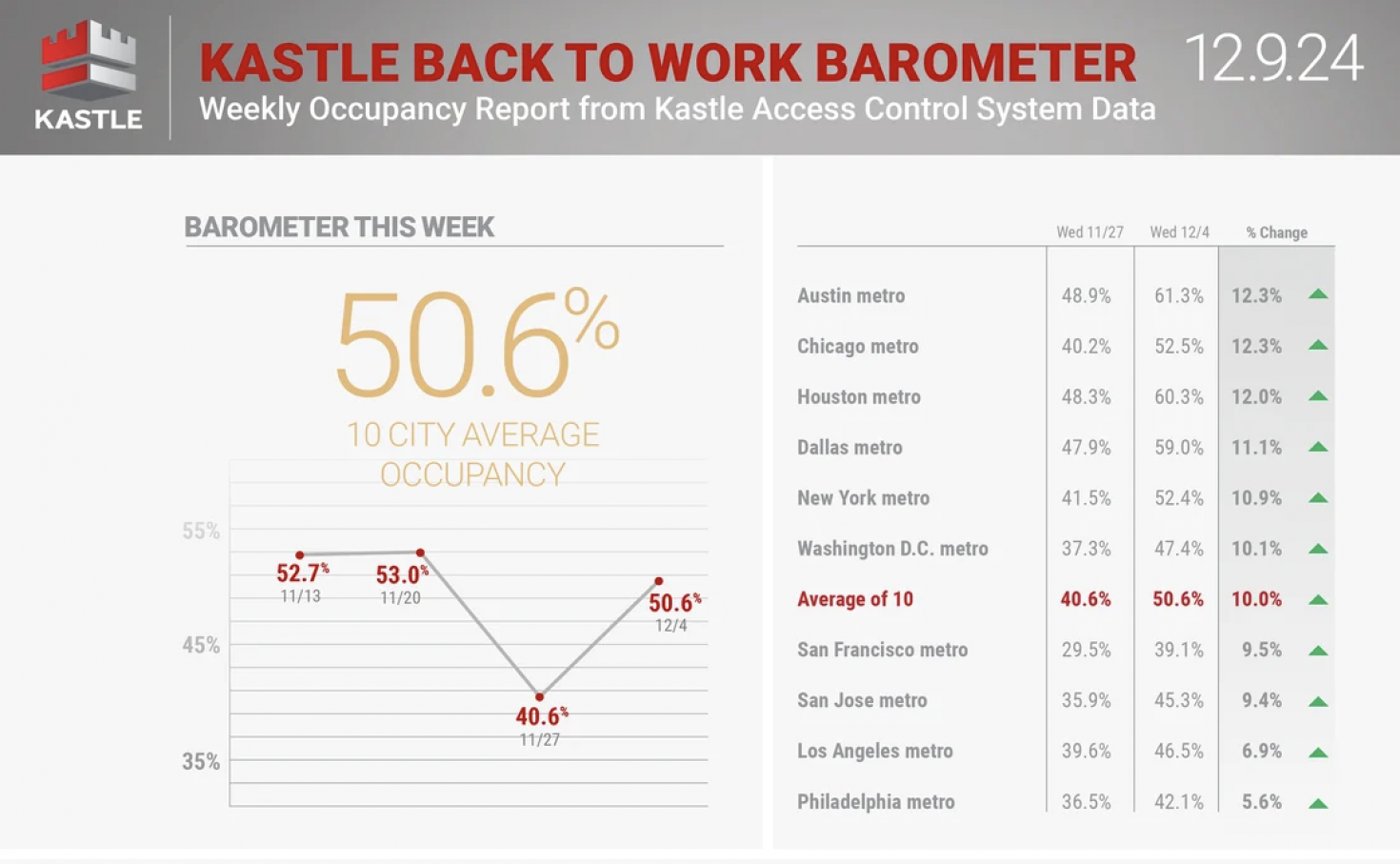
Peak day office occupancy was 61.3% on Tuesday 12/3, up 17.5 points from the previous Tuesday. Occupancy on Wednesday 12/4 also rebounded to 60.1%. The average low day was on Monday 12/2 at 47.3%.
The weekly average occupancy rebounded 10 full points from the previous week to 50.6%, according to the 10-city Back to Work Barometer. Every tracked city experienced a significant increase, with occupancy in several cities rising double digits.

Virco Mfg. Corporation, a manufacturer of educational furniture and equipment, reported mixed financial results for its third quarter and first nine months of 2024. While quarterly revenue showed a slight decline to $82.6 million from $84.3 million year-over-year, the nine-month revenue grew 5% to $237.8 million. The company's third-quarter gross profit decreased 4% to $36.7 million, though the nine-month gross profit increased 7.3% to $107.2 million, with an improved gross margin of 45.1%.
Operating performance faced some challenges as SG&A expenses increased 8.8% in the third quarter, primarily due to higher freight and installation costs, leading to a decline in quarterly operating income to $11.1 million. However, the company's financial position strengthened significantly, as evidenced by its shift from paying interest expenses to earning interest income in the third quarter, reflecting its debt-free status and reduced reliance on seasonal credit lines.
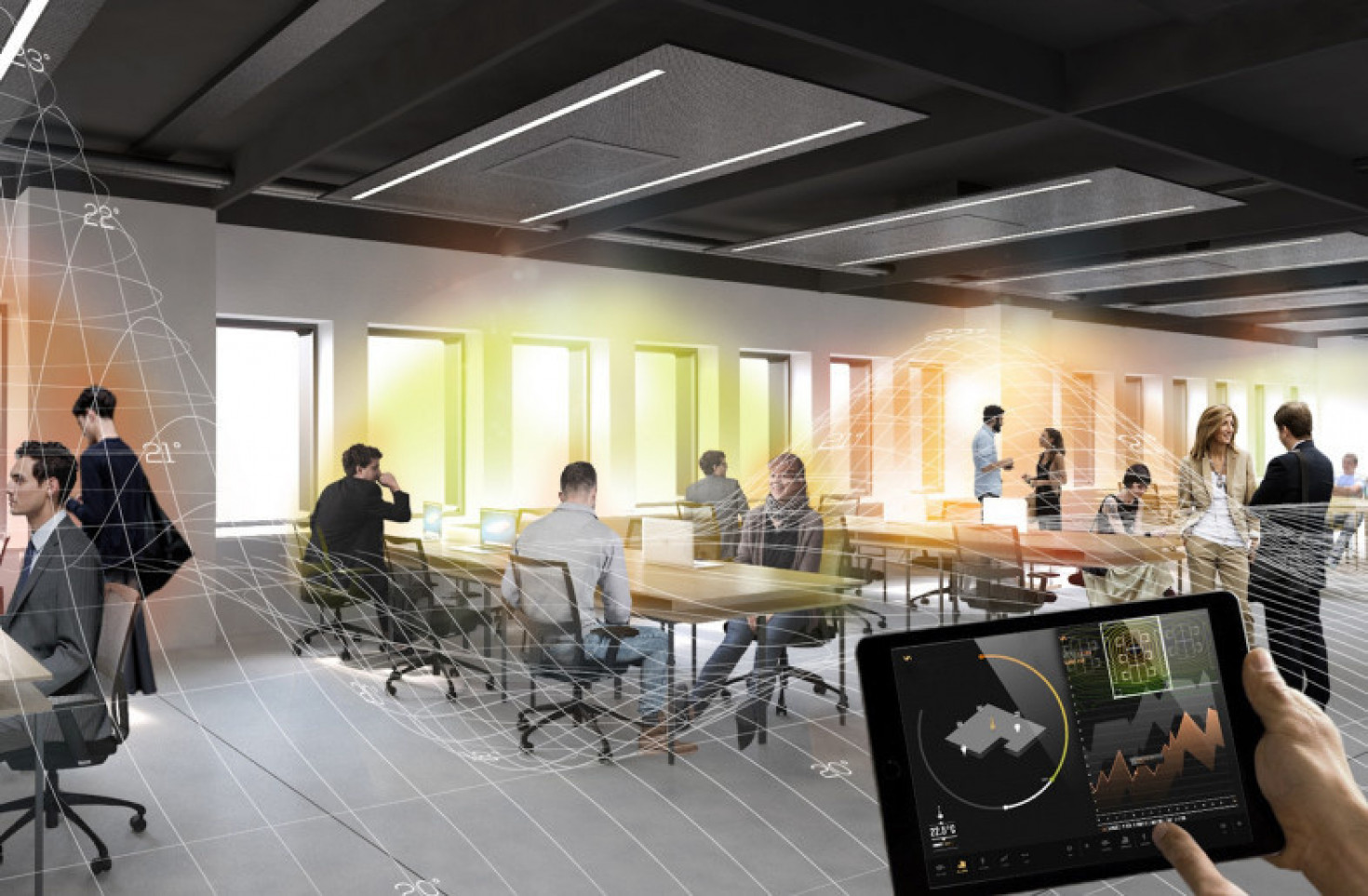
The implementation of these smart environments relies on two key components: IoT sensors that monitor building efficiency and human behavior, and the "Internet of Self" - personal data that users can choose to share. While showing promise in areas like workplace comfort, deep focus, and team collaboration (as demonstrated by successful implementations at facilities like the Agnelli Foundation and Deloitte's The Edge building), these systems also raise important ethical considerations regarding data privacy and potential misuse, requiring careful oversight from multiple stakeholders to ensure they truly support human flourishing rather than becoming tools for exploitation.

When Eric Schmidt joined Google in 2001, despite the company having raised $25 million, he shared an office with four engineers instead of having a luxurious space. Later, he was given a small 8x12 office where he used a door as his desk - a memento he still keeps today as a reminder of the company's humble beginnings.
This exemplifies Schmidt's belief that great founders should be frugal in their early days. Google's cofounders Larry Page and Sergey Brin embodied this principle initially, focusing their resources on essential areas like product development and hiring talent rather than fancy furniture or extravagant perks. While Google has since become one of the world's largest purchasers of high-end office furniture, Schmidt emphasizes that founders who prioritize appearances with beautiful offices and expensive furniture too early are missing the point. Even when the cofounders had raised millions in their early days, they maintained their frugal mindset - there was even an instance where Schmidt had to lend his car to one of them because theirs broke down.
Today, Google's success has allowed it to invest heavily in workplace amenities, but Schmidt's door-desk remains a powerful reminder of the importance of prioritizing growth over appearances in a company's early stages.
The impact on employees has been significant, with many facing difficult choices between their jobs and preferred work arrangements. While outright firings for RTO non-compliance are relatively rare, industry experts predict a "bloodbath" in 2025 as neither employers nor employees back down from their positions. There is some hope for high earners, though, as remote work opportunities for positions paying $250,000 or more have increased from 8.8% to 10.4% in recent quarters.
AI agents are emerging as the next significant breakthrough in artificial intelligence, poised to revolutionize workplaces by automating complex, multi-step tasks like client onboarding, expense approvals, and customer service responses with minimal human supervision. Unlike chatbots, agents can function as digital coworkers, completing lengthy assignments, collaborating on projects, and coordinating with other agents. Companies like Salesforce, McKinsey, and Nsure have already deployed agents to streamline operations, improve productivity, and shift human roles toward higher-value tasks. These agents enhance efficiency while maintaining employee morale, as they take over repetitive duties and allow workers to focus on strategic and creative responsibilities. The technology is rapidly advancing, with organizations exploring diverse applications, from industry-specific agents to autonomous project teams, signaling a profound transformation in how work is conducted.
Their selections include Adam Nathaniel Furman's warm Russet brown, Atoms' trio of Grand Canyon-inspired colors (navy, brown, and mauve), Nicola Harding's dusty mauve, Cassandra Cannon's timeless dusty blue, and Ruxandra Duru's pairing of a muted red with a greenish white. Each designer's choice reflects their personal experiences and emotional connections to color rather than following industry trends.
The path to building a successful Intelligent Enterprise involves strategic initiatives such as implementing transparent AI systems, fostering psychological safety, and promoting authentic connections. The approach is yielding tangible results, with data showing that personalized work experiences significantly impact employee investment and retention - 64% of knowledge workers would be more invested in company growth with personalized experiences, and 87% would even consider salary sacrifices for such personalization. The future workplace success hinges not just on technological advancement but on creating an environment where trust enables innovation, human potential, and organizational performance.
The implementation of a purpose-driven workplace relies heavily on data collection and analysis through multiple tools. This includes gathering information through human psychology studies, conducting interviews and focus groups, observing how people use spaces both digitally and physically, and analyzing utilization data. This comprehensive data collection helps create customized workplace solutions that enhance employee satisfaction, optimize real estate utilization, and improve operational efficiency.

The piece emphasizes a shift toward viewing workers as informed consumers, advocating for amenities that go beyond aesthetics to create meaningful experiences. This includes leveraging shared building and neighborhood amenities, embracing a more flexible approach to workspace utilization, and creating environments that encourage discovery and innovation. The goal is to transform the workplace from a mundane requirement into an engaging destination that workers choose to visit.
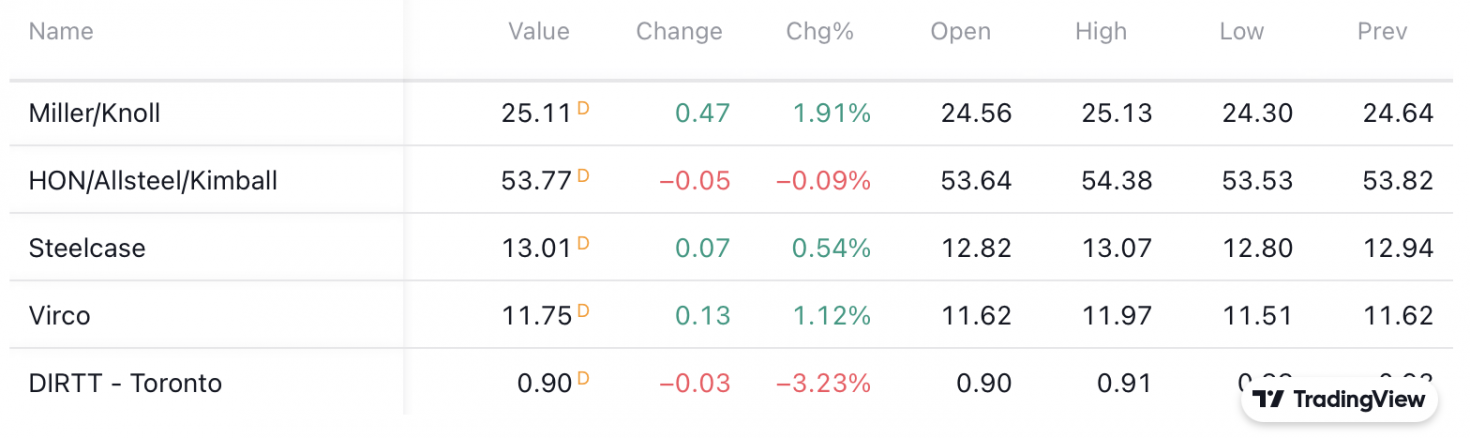
MillerKnoll recently announced that all North American products will be free of added PFAS (“forever chemicals”) by May 2025, touting this as an industry-first commitment to sustainability and healthier materials. PFAS, long used for stain and water resistance, have raised significant health and environmental concerns due to their persistence in the environment. While MillerKnoll’s initiative is commendable, it’s important to note that Humanscale eliminated PFAS from their entire product line back in 2020, making them the true trailblazer in this space. MillerKnoll’s move, though beneficial, comes years after the standard was set by their competitor.
MillerKnoll’s announcement last week highlights their broader efforts toward sustainable practices, citing recognition from the Chemical Footprint Project (CFP) and achievements such as eliminating flame retardants and VOCs from their products. However, Humanscale’s early adoption of PFAS-free practices and their consistent leadership in chemical safety and sustainability place them far ahead in the race. Humanscale not only addressed this issue before it gained widespread regulatory and consumer attention but also collaborated with sustainability initiatives like the Living Product Challenge to redefine best practices in the industry.
While MillerKnoll’s move signals growing momentum for safer materials and chemical transparency across the industry, it’s worth giving proper credit where it’s due. Humanscale’s foresight and action in eliminating PFAS four years earlier reflect true leadership in sustainability, setting the bar for others to follow. MillerKnoll’s announcement, rather than breaking new ground, underscores the importance of catching up to the standards already established by their competitor.
The shift is supported by digital platforms, local resellers, and manufacturers like Humanscale, which refurbishes its products to extend their lifecycle. Designers appreciate these resources, which address common concerns such as warranties, functionality, and quality assurance. Secondhand furniture not only meets high standards but also promotes a circular economy, saves raw materials, and helps companies convey their commitment to sustainability—a value particularly important to younger workers. With tools like RESEAT and platforms like 1stdibs and Chairish, designers are finding it easier than ever to integrate sustainable practices into their projects, creating eco-friendly, distinctive office spaces.
Allsteel has launched the second season of its Tell Me More podcast with a three-part miniseries on trauma-informed design, hosted by Dr. Lauren Gant, Senior Workplace Advisory Manager at Allsteel. The series dives into the significance of trauma-informed design in workplace environments, exploring how thoughtful design can address trauma responses, promote well-being, and create more inclusive spaces.
The first episode, Exploring Trauma Informed Design: Why it Matters, challenges misconceptions and highlights the importance of recognizing diverse trauma responses. The second episode, Design Considerations, focuses on how workplace environments can profoundly impact human experiences and well-being. The final installment, Addressing the Challenges, discusses how the evolving conversation around trauma can shape flexible, people-centered workplace design practices.
With expert insights and engaging discussions, this podcast series emphasizes how innovative design solutions can enhance productivity, collaboration, and employee well-being. Episodes are available monthly on Apple Podcasts and Spotify, featuring conversations with industry leaders.

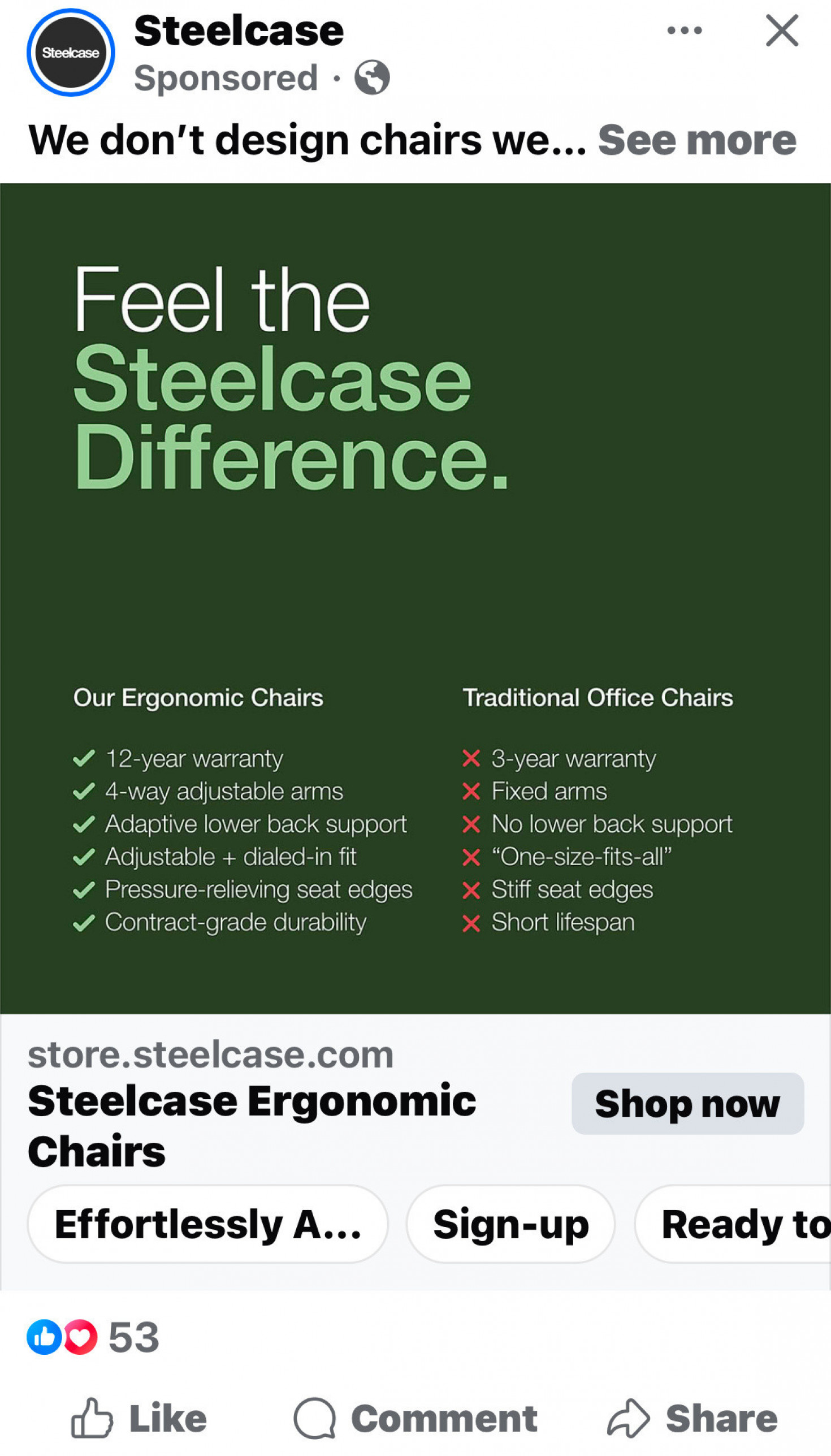
Oh, Steelcase, you clever yet exasperated souls. In their latest Facebook ad, they’re pitching their ergonomic chairs as the crème de la crème compared to what they call “traditional” office chairs. But let’s pump the brakes for a second—since when did “traditional” mean a wobbly chair with stiff seat edges, a laughable 3-year warranty, and a lifespan rivaling that of a fruit fly? Come on, Steelcase, we know what you’re really comparing yourselves to: the endless flood of dirt-cheap, fly-by-night, “ergonomic” specials that seem to materialize out of thin air on Facebook.
Here’s the thing: calling these knockoff chairs “traditional” is a stretch, to say the least. A better term might be “budget,” “low-end,” or “why-did-I-think-this-was-a-good-idea” seating. These aren’t “traditional” task chairs—they’re bargain-bin, no-name imports with no standards, no substance, and often no real brand behind them. It’s got to be maddening for Steelcase (and every other reputable contract seating manufacturer) to see their thoughtful, engineering-driven designs lumped into the same category as this Facebook marketplace fluff. These cheap imports are to office chairs what flip phones are to iPhones: they serve a purpose—just not one anyone who values their spine should be buying into.
I give the ad a 3 out of 5 because, while it gets the point across, Steelcase could’ve leaned in a little harder on the real story here: they’re competing with junk, not tradition. They’re the masters of adjustability, comfort, and longevity, with a 12-year warranty to prove it. So why not just say that outright? When you’re standing on a rock-solid foundation, there’s no need to waver. Call out the fluff for what it is—and let your chairs do the talking.

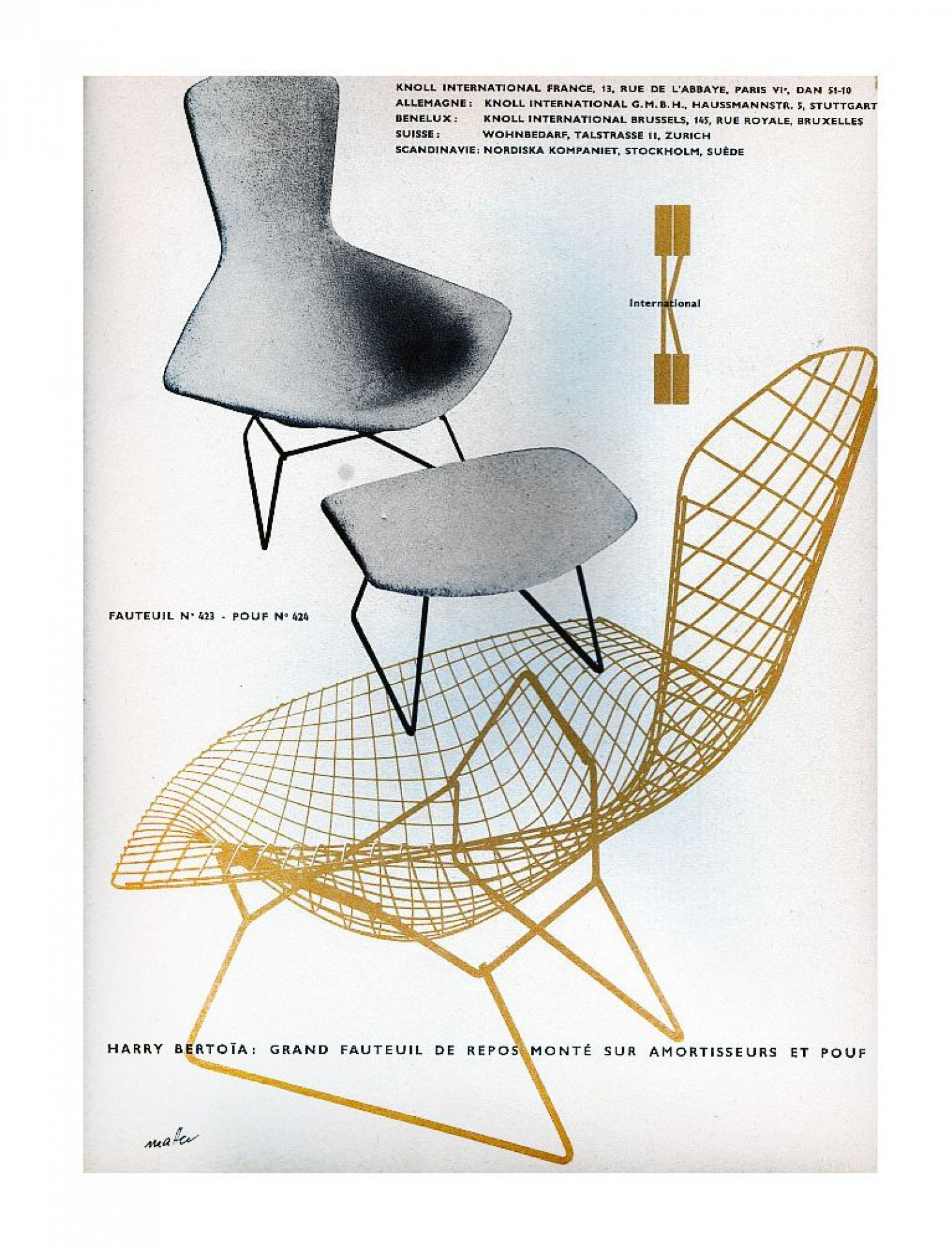
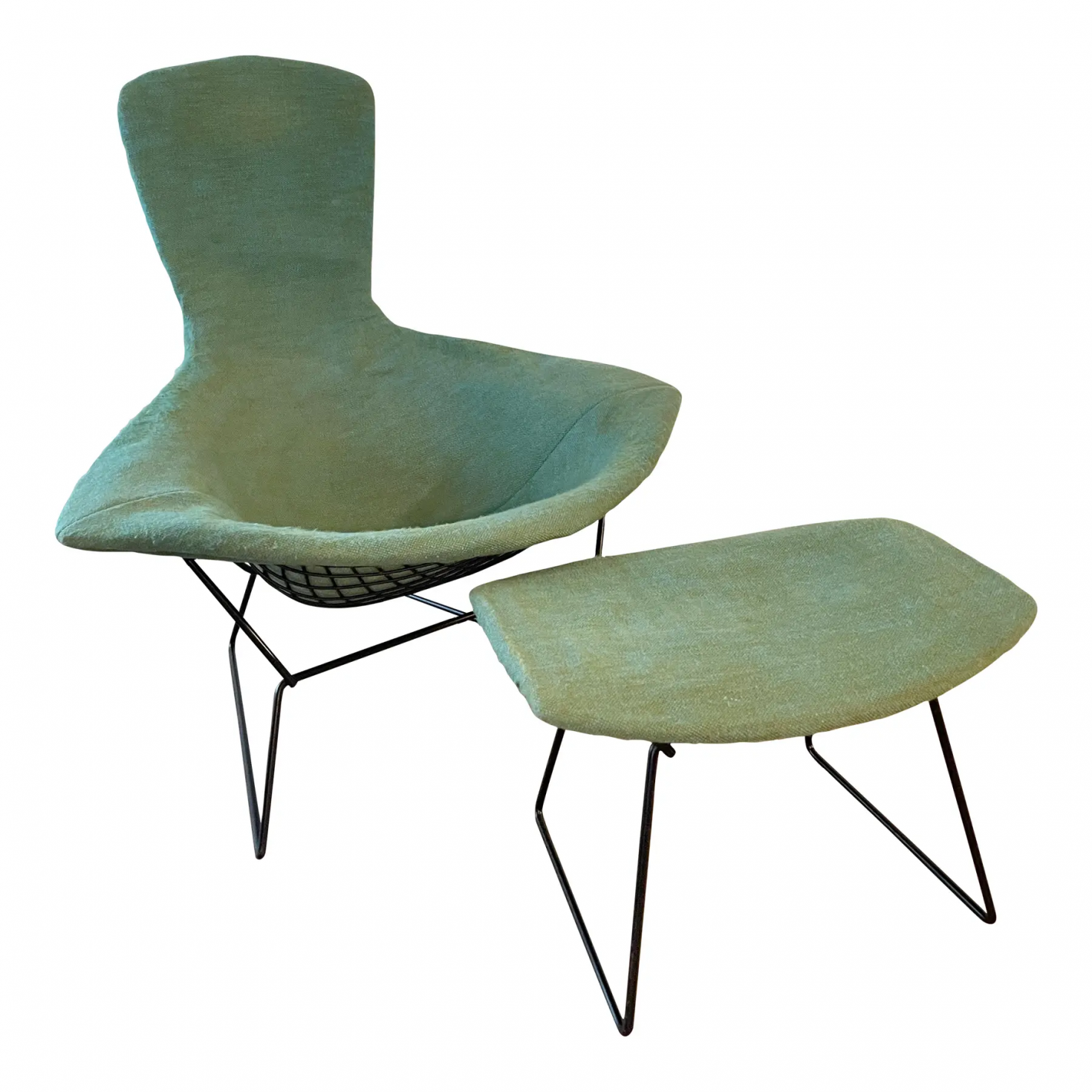
HARRY BERTOÏA: GRAND FAUTEUIL DE REPOS MONTÉ SUR AMORTISSEURS ET POUF
HARRY BERTOÏA: LARGE LOUNGE CHAIR MOUNTED ON SHOCK ABSORBERS WITH OTTOMAN
KNOLL INTERNATIONAL FRANCE, 13, RUE DE L'ABBAYE, PARIS VI. DAN 51-10 ALLEMAGNE: KNOLL INTERNATIONAL G.M.B.H. HAUSSMANNSTR. S. STUTTGART BENELUX: KNOLL INTERNATIONAL BRUSSELS, 145, RUE ROYALE, BRUXELLES 3CISSE: WOHNBEDARF. TALSTRASSE 11. ZURICHI SCANDINAVIE: NORDISKA KOMPANIET, STOCKHOLM, SUÈDE
FAUTEUIL N• 423 - POUF Nº 426


"I was really excited when I saw this chair! One of the early Harry Bertoia for Knoll Bird lounge chairs with matching ottoman. Circa 1960. Original labels on both the chair and the ottoman. Original upholstery. Black metal frame.
"Originally designed in 1952, these ergonomic lounge chairs are both comfortable and stylish. Bertoia chairs are unique fusions of sculpture, space and industrial material. Bertoia designed both a simple grid of chrome-plated stainless steel rods and the molds that would shape them into functional and comfortable seats with a truly innovative appearance.
"While the original upholstery is tired, the chairs are structurally in remarkable near-excellent condition. No issues, or repair."
Condition: Single owner, both the chair and ottoman are in remarkably great condition. No issues or repairs. All welding original. Shock mounts are original and in good condition. Very, very minimal wear to the metal. There are a couple teeny, tiny spots on the underside of the chair that show rust formation. These couple areas are nearly hidden by the edges of the upholstery. The original upholstery presents 'fair.' There is fading, discoloration and worn/ fuzz areas, mainly at the edges, mostly from use and rubbing against the fabric.
Seller Location: Chicago, IL
$6,500 + shipping
MMQB Expert Advice: Pass.
The Harry Bertoia Bird Lounge Chair is undeniably a classic, admired for its innovative design and timeless appeal. However, the $6,500 price tag on this particular used set listed on Chairish is hard to justify. For starters, a brand-new Bird Chair and Ottoman can be purchased from Design Within Reach (DWR) for $4,644 and $1,513 respectively, totaling $6,157 - before an often available 20% discount. That’s a lot less than the used version, and it comes with pristine materials, a warranty, and none of the wear and tear of a 60-year-old piece.
While vintage enthusiasts might appreciate the 1960s labels and craftsmanship, the original upholstery on this set is described as being in “fair” condition, with fading, discoloration, and worn edges. Reupholstering a Bird Chair is no small task and can cost upwards of $1,000 depending on the fabric and labor. Factoring that in, the total investment climbs to more than $7,500, far exceeding the cost of a brand-new set.
Additionally, the listing notes a few rust spots and mentions that you might want to purchase new covers or custom upholster the chair. For such a high asking price, it’s reasonable to expect a chair that doesn’t require significant additional investment. With plenty of lower-priced vintage Bird Chair sets available online, often under $4,000, there are far better options for those looking to own a piece of mid-century design history.
While the Harry Bertoia Bird Lounge Chair is a remarkable piece, this particular listing falls short of being a good deal. Between the high price, the worn condition, and the added costs of restoration, it’s hard to recommend this as a smart purchase. If you’re set on owning a Bird Chair, take your time to shop around, compare prices, and consider the benefits of buying new or finding a more reasonably priced vintage option.


Configura is launching a comprehensive materials database with key partners like Mayer Fabrics, Momentum Textiles, and Maharam. This new database, set to launch in 2025, addresses the industry's need for accessible and accurate material options, streamlining workflows and enabling designers to visualize and select materials more efficiently. CEO Stefan Persson emphasizes that this initiative responds directly to user feedback about the challenges of accessing high-quality materials within a unified system.
The platform's continuous integration of fabric manufacturers represents a significant advancement in material selection processes. Through an interactive and visually immersive design environment, CET allows users to view materials in 3D and configure products with precision. As the launch approaches, the database will expand to include additional manufacturers and material options, offering designers a broader selection of textiles, laminates, and finishes. This development marks a crucial milestone in Configura's commitment to enhancing the design process for its user community.
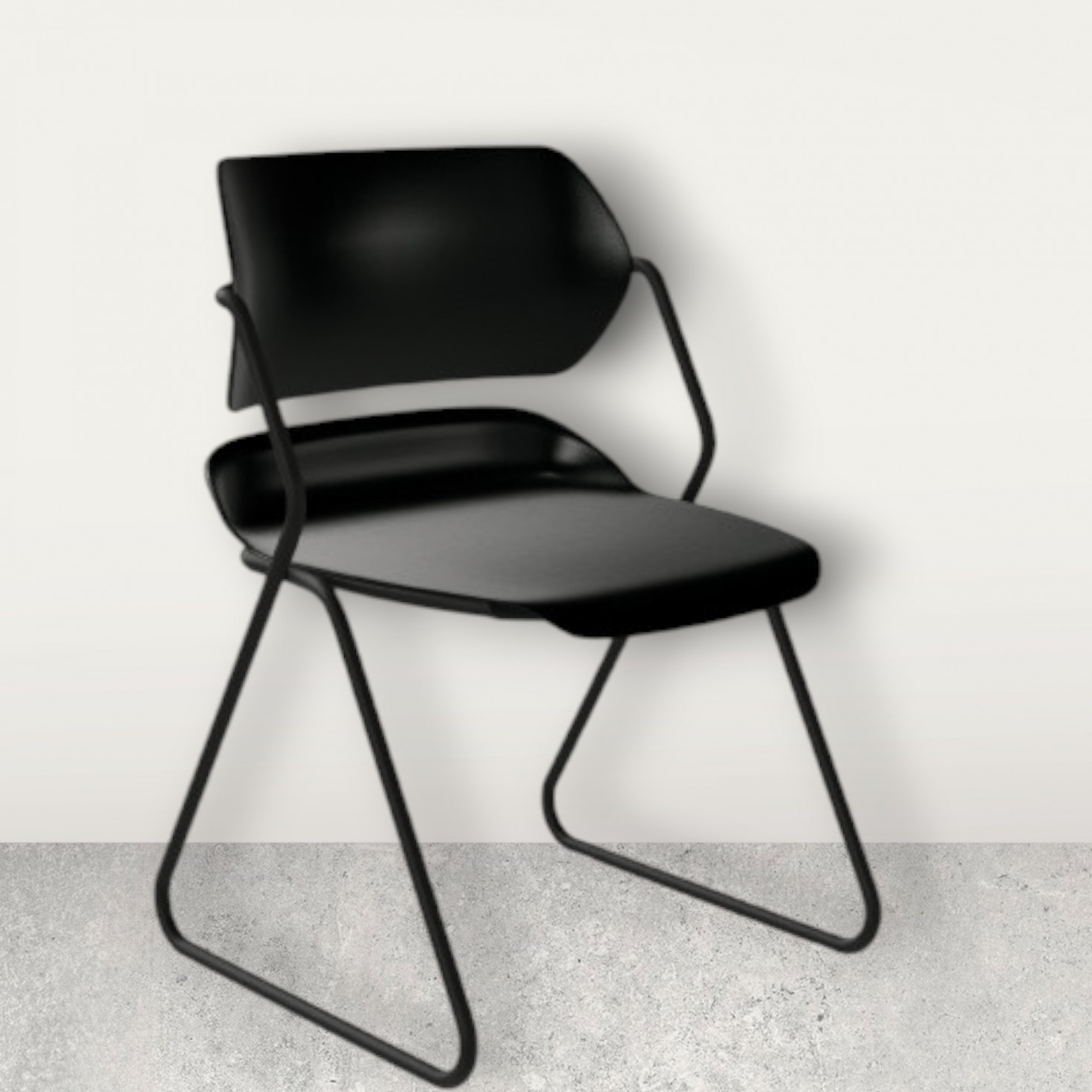
Partner with Fluidconcepts to Inspire Workspaces Across these Regions:
North Texas I Oklahoma I Arkansas I Missouri I Iowa I Nebraska I Kansas I Minnesota I Wisconsin
If you’re experienced in building relationships with designers and dealers and have a passion for innovative furniture, we’d love to hear from you. Email us at sales@fluidgroup.com.

A family-owned company that has developed into a market-leading manufacturer of high-quality components for the office chair, lounge furniture and automotive industry since 1969. Bock supports their customers as a holistic specialist partner and manufacture both standardized and individual solutions made of polyurethane, various plastics and aluminum according to your requirements.