Friday, August 26, 2022


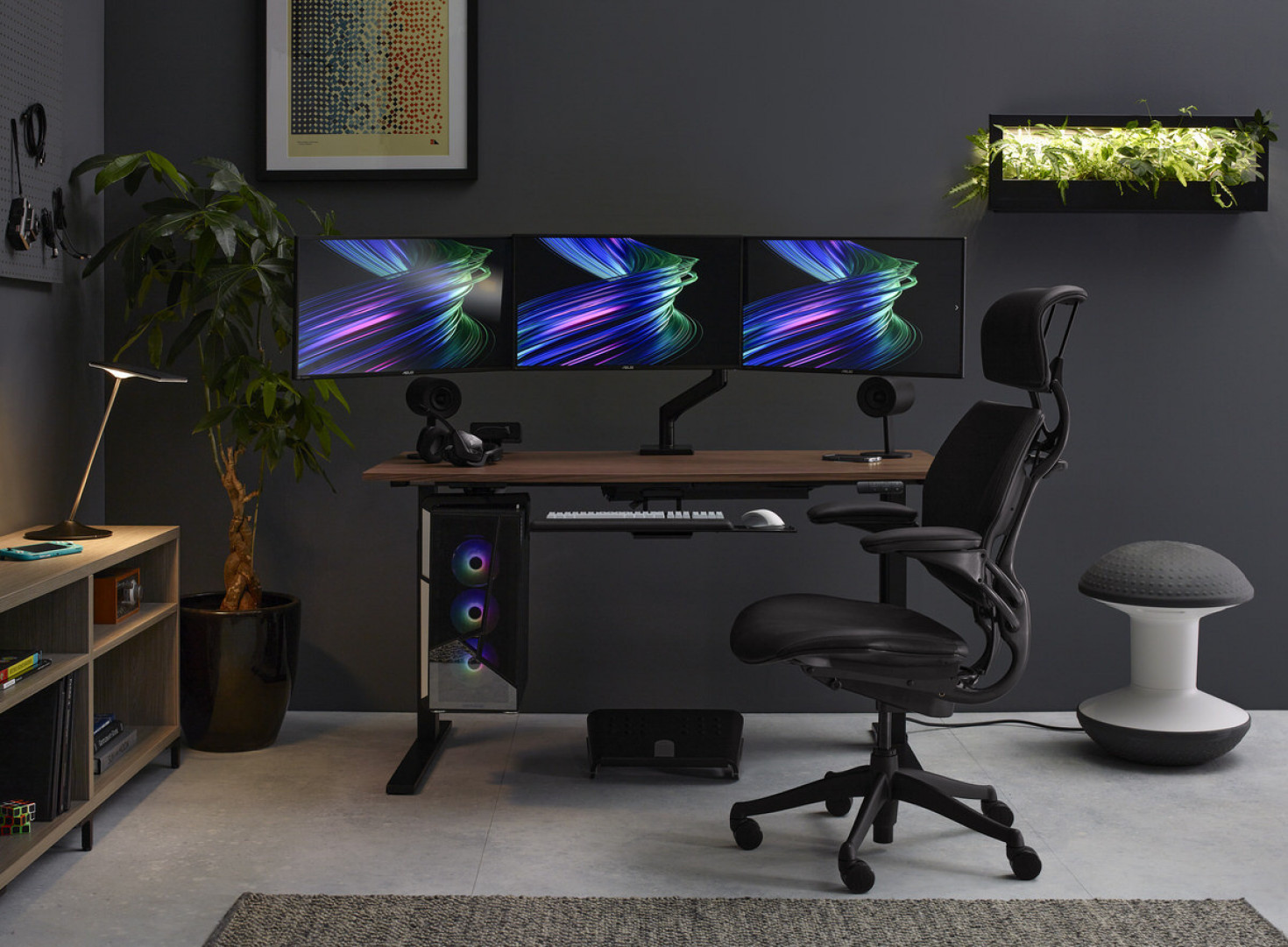
Humanscale Levels Up the Gaming Experience

Why Child Care Makes Sense in Office Buildings—and Other Real Estate Too

The remote work revolution already is reshaping America

News

It was just the other day that the Federal Reserve Bank of New York told CRE people in the office sector not to get overly worried. Although remote work was clearly here to stay to some degree, the amount of workspace in greater New York City was stable.

Just one problem: not all large tenants are buying it. As the *Wall Street Journal* reported, there are big companies taking additional looks at office usage because they’re concerned about an economic downturn and whether they need to spend at their current rate for space they might not need.

Ride-sharing company Lyft is pulling back its office footprint, the latest tech company to do so amid cost-cutting pressures and the rise of remote work.

Lyft plans to sublease 45% of the 615K SF of office space it leases across San Francisco, New York City, Nashville and Seattle, The Wall Street Journal reported Wednesday.

Office owners and employers nationwide have more months of uncertainty ahead as an expected recession and the well-worn dynamics of a downturn combine with the vagaries and unpredictability of the return-to-office movement.

Recessions usually mean more power for employers as workers worry about their jobs, which could create leverage for getting people back to the office instead of serving as a salary governor as in downturns past. But in a post-Covid world, nothing is that simple.

Yes, many CEOs want all workers to come back into the office. Yes, may office property owners and operators, worried about what working from home would eventually mean for rent roles, want it as well.

The Federal Reserve Bank of New York says that while there may be more people back in headquarters, remote work isn’t going away. But then, neither has the amount of workspace used, at least in New York.

The Workplace
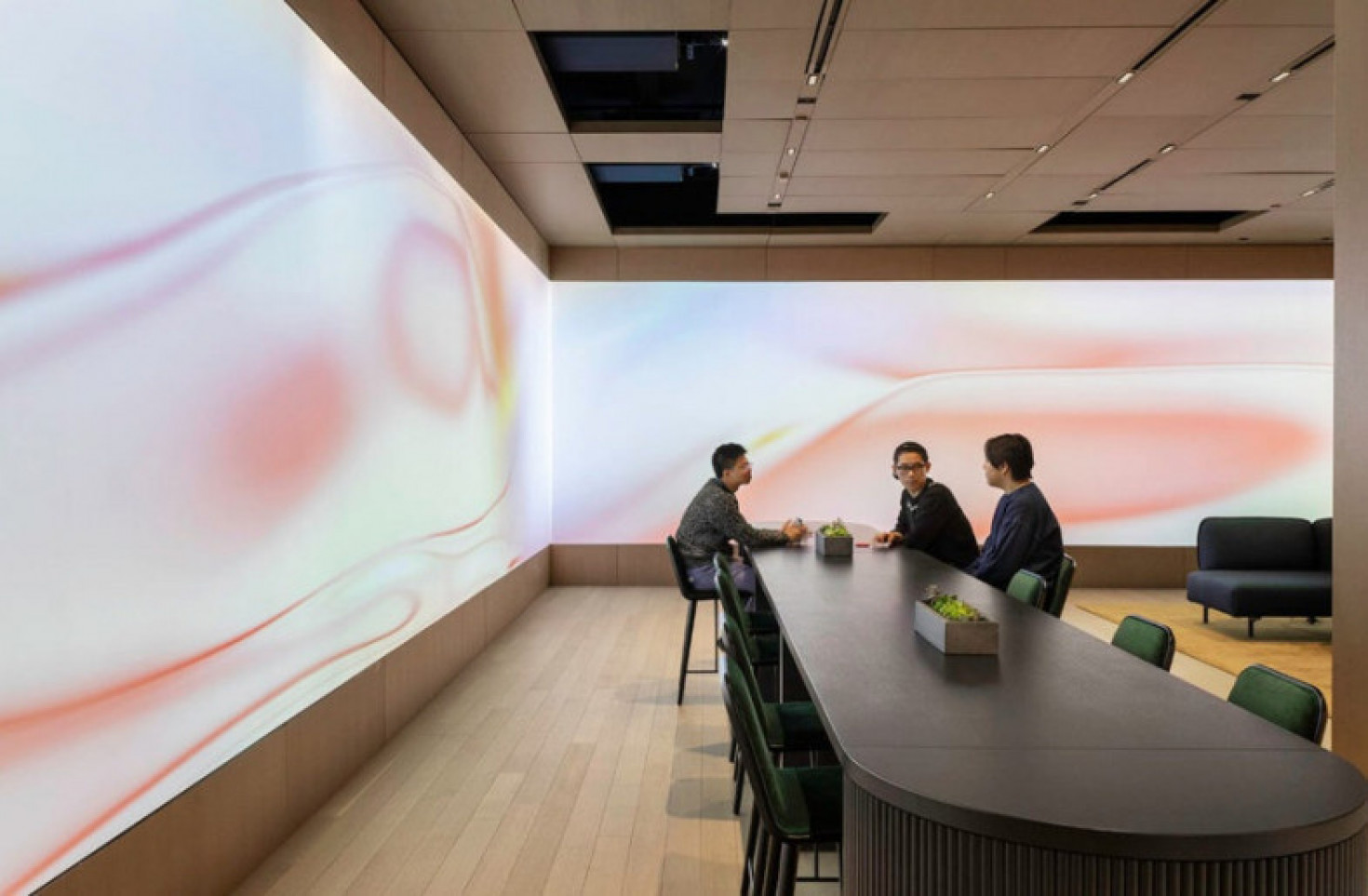
Interactive artworks in workspaces can help employees feel more connected to the company – and each other.
As asynchronous work continues to veer toward the norm for many US companies, corporate real estate executives are struggling to nail down their space needs, making leasing increasingly challenging for the office sector.

“A particularly challenging pain point is the discrepancy between how employees say they work in the office and what building and utilization data shows,” says Tony Josipovic, JLL Global Product Management executive director in a new post. “Getting a true benchmark is already challenging and it’s a must have – think of it as a table-stakes.”

Sanjeev Patel and Shannon Robinson of Duda|Paine explore creating truly sustainable workplaces to attract people back to the office.
A landmark decision was made recently in the long history of efforts to protect people from injury and illness at work. At a hybrid conference held by the International Labour Organization (ILO) in Geneva, for those attending in person, delegates voted in favour of a resolution to make the principle of a safe and healthy work environment a human right. That’s correct; we managed to reach the third decade of the 21st century without a safe workplace being a fundamental right of us all.
In this episode of the McKinsey Talks Talent podcast, McKinsey talent leaders Bryan Hancock and Bill Schaninger speak with senior expert, Phil Kirschner about the ways in which companies must adapt their physical office space to please their workers and provide opportunities for real connection.

Trends

Child care is an important issue these days for most office workers, and it’s easy to understand why: it’s expensive, hard to find, and it’s crucial for working parents. The pandemic took a crushing toll on the child care industry, creating a labor shortage and forcing many providers to close their doors. That’s left a lot of families without reliable care for children, and it’s led to women leaving the workforce in droves. Employers know how important child care is, but for office owners and developers, there’s an urgency these days to reevaluate including child care facilities in a property and asking an important question: is child care the ultimate office amenity?
As large companies increasingly gravitate toward hybrid setups and coworking, some are opting for shared spaces tailored to their specific needs.

Remote Work

The coronavirus pandemic set in motion a shift to remote and hybrid work that is quietly reshaping American economics and demographics.

While the fine women and men at U.S. statistical agencies are still grappling with how to measure this astonishing transformation, a host of academics and other experts have rushed to fill the data gap.

They’ve found that remote work has ebbed significantly since the height of pandemic shutdowns in 2020, when almost two-thirds of work was done remotely. But it has since stabilized at an extraordinarily high level: Around a third of work was done remotely in the United States in 2021 and 2022, according to economists José María Barrero (Autonomous Technological Institute of Mexico), Nicholas Bloom (Stanford University) and Steven Davis (University of Chicago).

Estimates from Kastle suggest that office occupancy in the New York metro area is at 40 percent of pre-pandemic levels. Only 8 percent of Manhattan office workers come in five days a week, while 28 percent work remotely full-time, and still more follow a hybrid remote schedule. Similar patterns hold nationwide: 30 percent of paid work days are done remotely, estimates remote-work expert Nick Bloom, a figure that includes in-person jobs for which no remote option exists. For jobs that can be done remotely, only about half of the hours happen in the office.

Real Estate

Real estate players who ignore net zero are putting their capital — not to mention the planet — at risk, says Allwork.Space.
Pension funds based in the U.S. and Canada are unwinding their bets on office buildings and retail as they reckon with the potential for big value declines.

North American public pension funds manage more than $6T, allocating almost 9% of that amount to real estate. Office has long been the preferred real estate asset class for these funds, but its share of investment has rapidly dwindled — office holdings now account for 23% of private real estate funds' holdings, down 11% from three years ago, according to National Council of Real Estate Investment Fiduciaries data reported by The Wall Street Journal.

Healthcare company Centene has pulled out of its plans to move into the huge new headquarters building being developed for it in Charlotte, North Carolina.

The planned 800K SF headquarters building in University City would have served as an East Coast hub for the healthcare company, representing more than 3,000 jobs and a $1B investment, the Charlotte Business Journal reported.

Makers
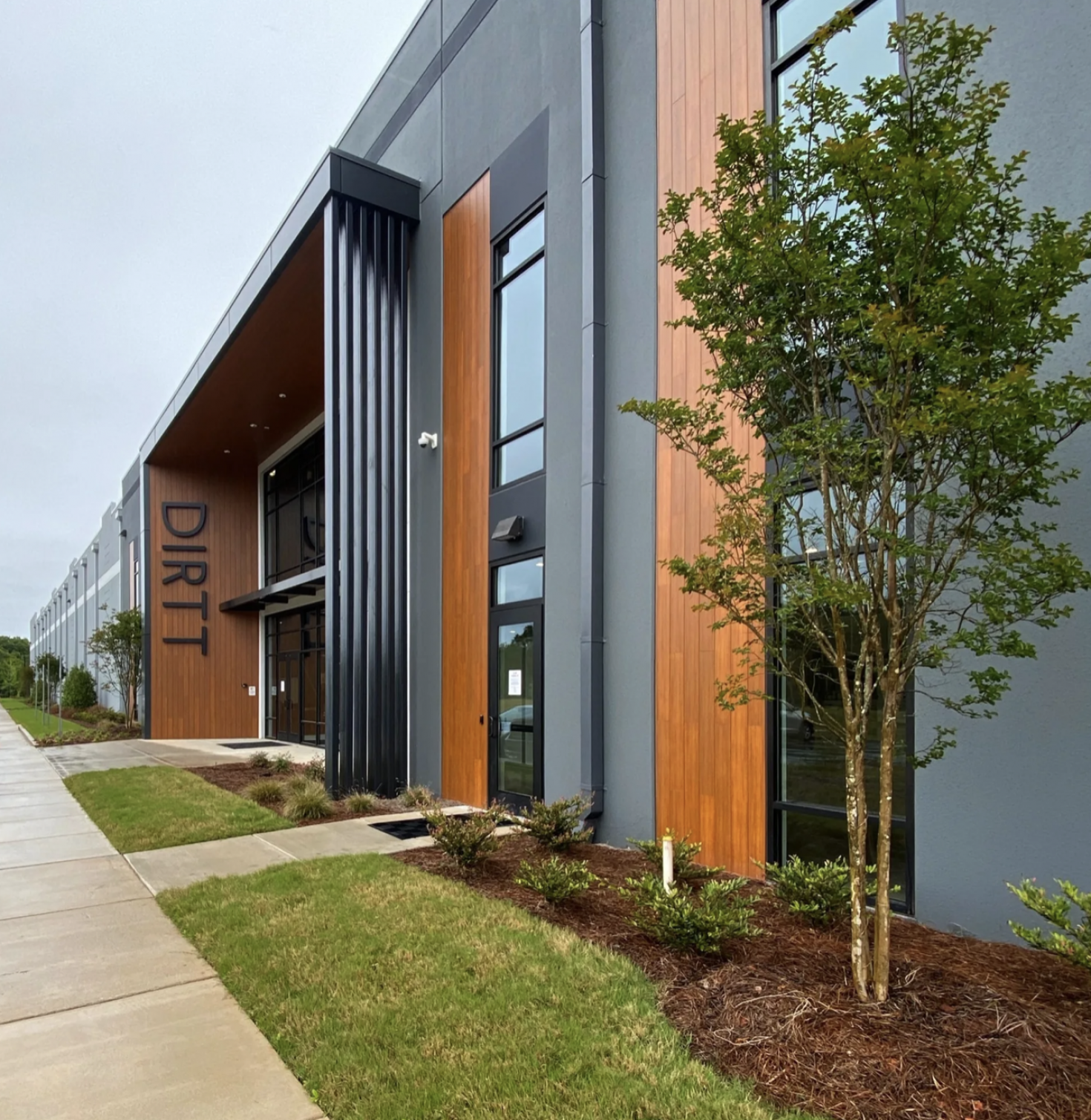
DIRTT Shutters Operations at Rock Hill, SC Facility

Struggling wall maker DIRTT this week announced the suspension of operations at its manufacturing facility in Rock Hill, South Carolina. With sufficient capacity for current and expected production requirements at its facilities in Savannah, Georgia and Calgary, Alberta, the decision is part of the company’s ongoing focus on realigning the organization, driving efficiency, and improving profitability.

The closure comes after an approximate $18.5 million investment in the Rock Hill plant announced in June of 2021. The custom-built 130,000 square foot building was reported to be expandable to 260,000 square feet to support future growth, which obviously is not currently happening. 

DIRTT will continue to assess its capacity requirements and will evaluate options to resume operations at the Rock Hill facility as volume demand continues to expand.

Mr. Urban also notes, “I’d like to thank the Rock Hill team for their commitment to building exceptional spaces for our clients across the United States and Canada. We’ll be supporting our Rock Hill staff with their transitions.”

The company most recently reported a loss of $19.3 million on revenue of $44.7 million.

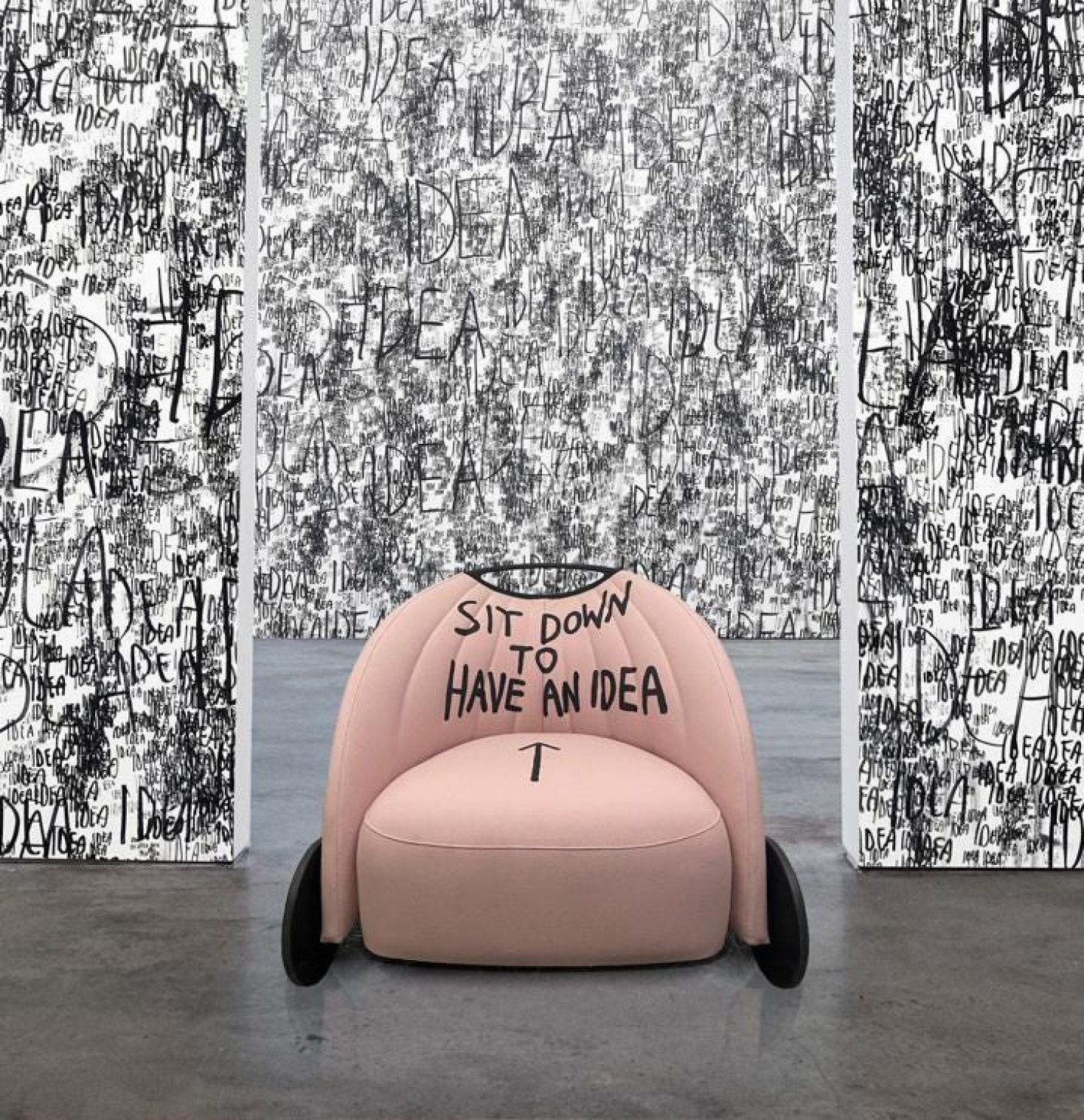
An Italian Luxury Furnishing Company is shifting the conversational paradigm of office furniture. Luxy wants for you to create a space that promotes inspiration and creativity by envisioning the space as an extension of your imagination.

Products

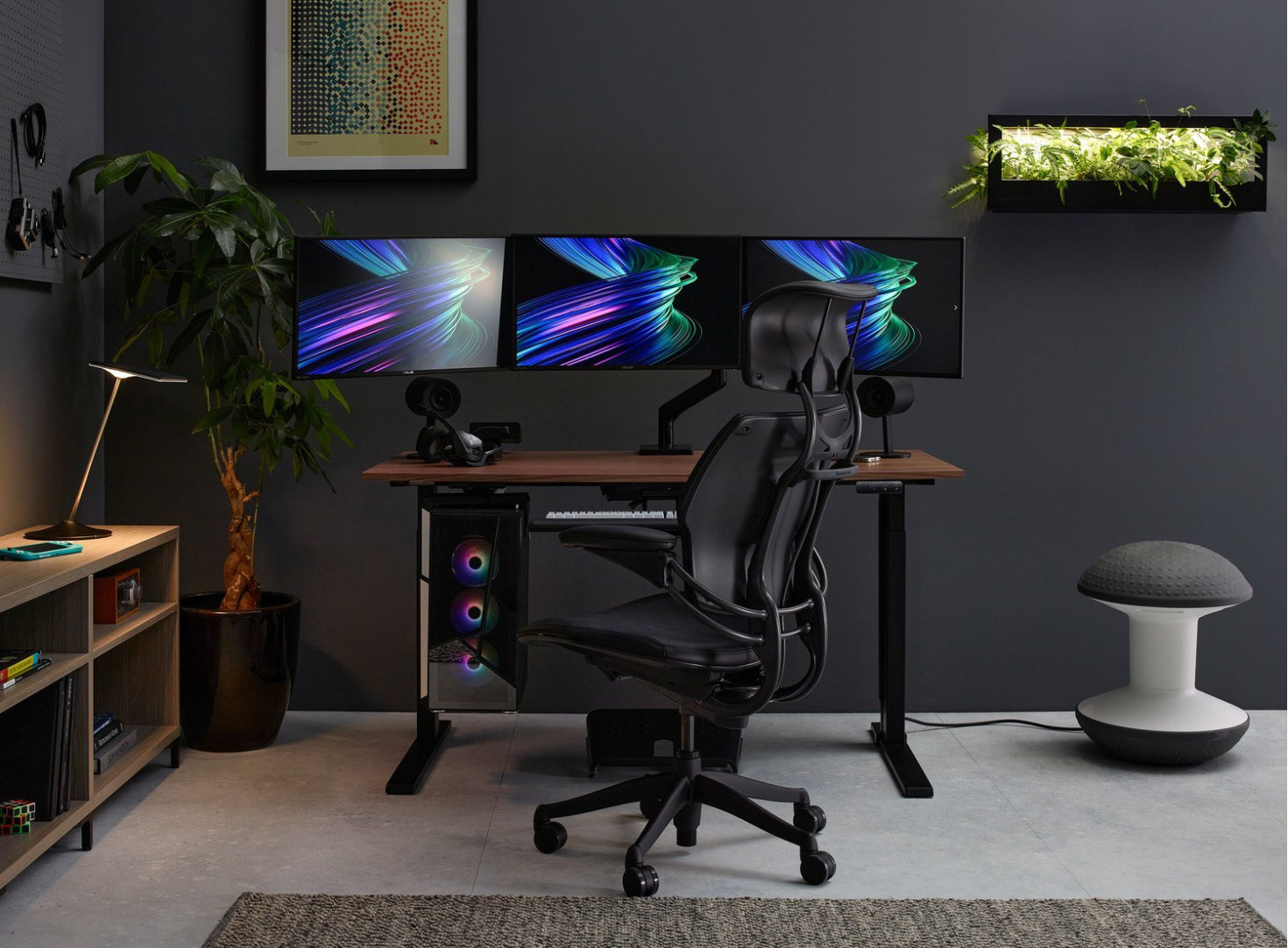
Featuring gaming chairs, sit-to-stand desks, monitor arms, lighting, and premium accessories, the curated collection brings Humanscale’s extensive expertise in ergonomics and design to an industry where it’s often overlooked.
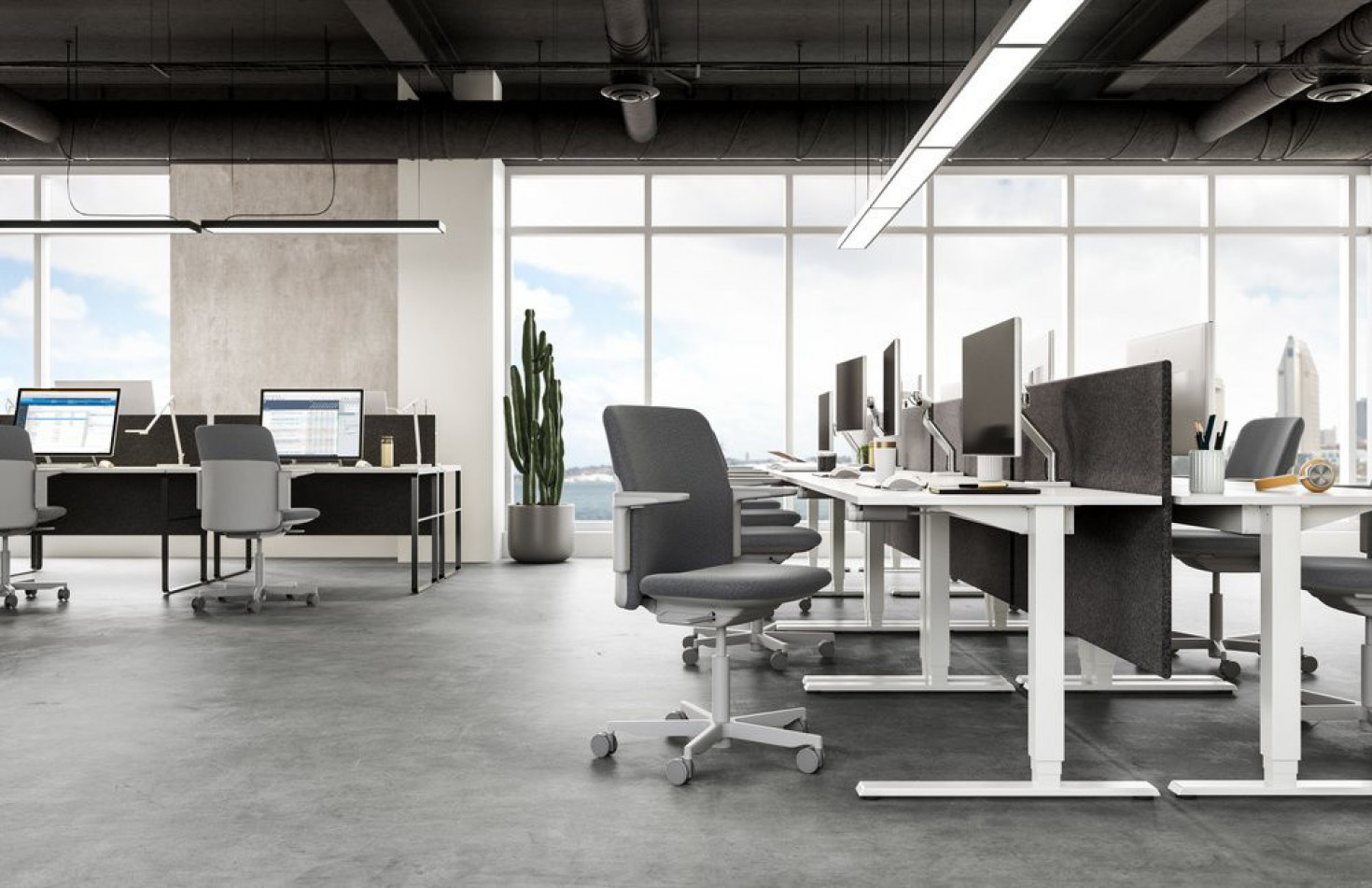
Path, the world’s Most sustainable Task Chair, each chair is climate positive, and composed of over 20lbs of recycled content, including almost 10lbs of ocean plastic.
Designed from the heart and crafted by hand, the guest and dining chair brings the human touch back into furniture.
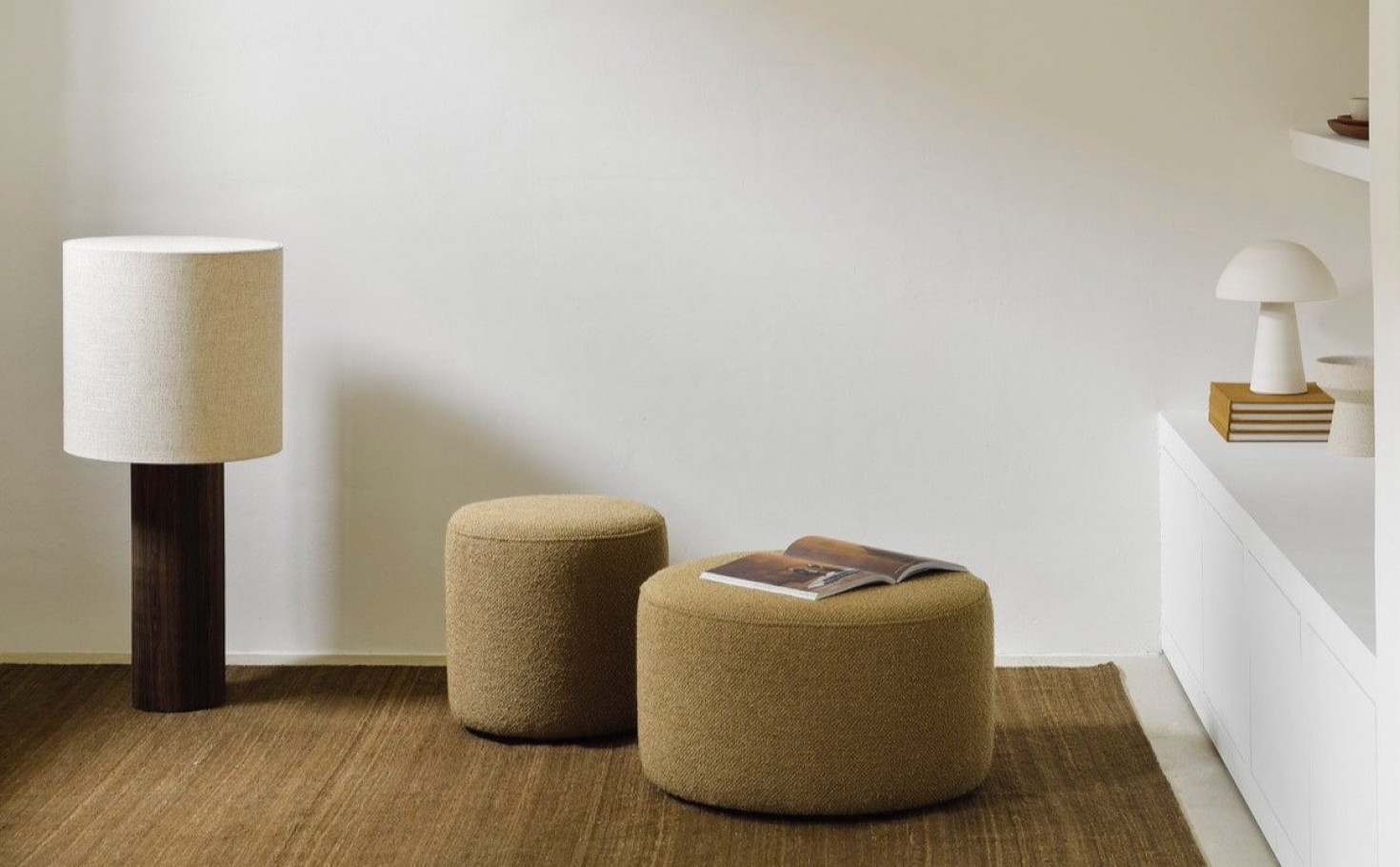
Functioning as both additional seating and an easy to style decor piece.
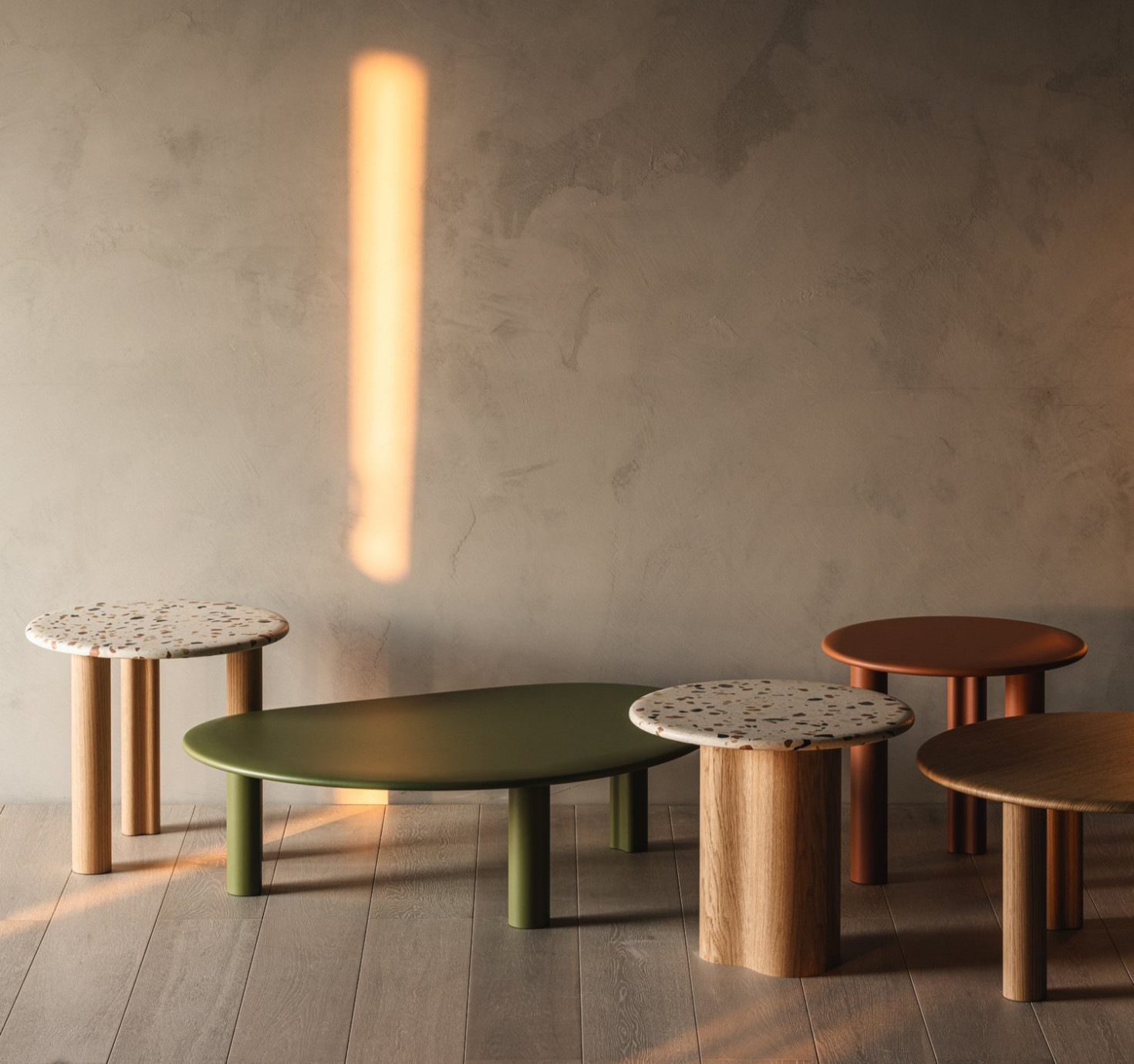
Expressive spatial landscapes unfold with the new Ghia collection of low tables.
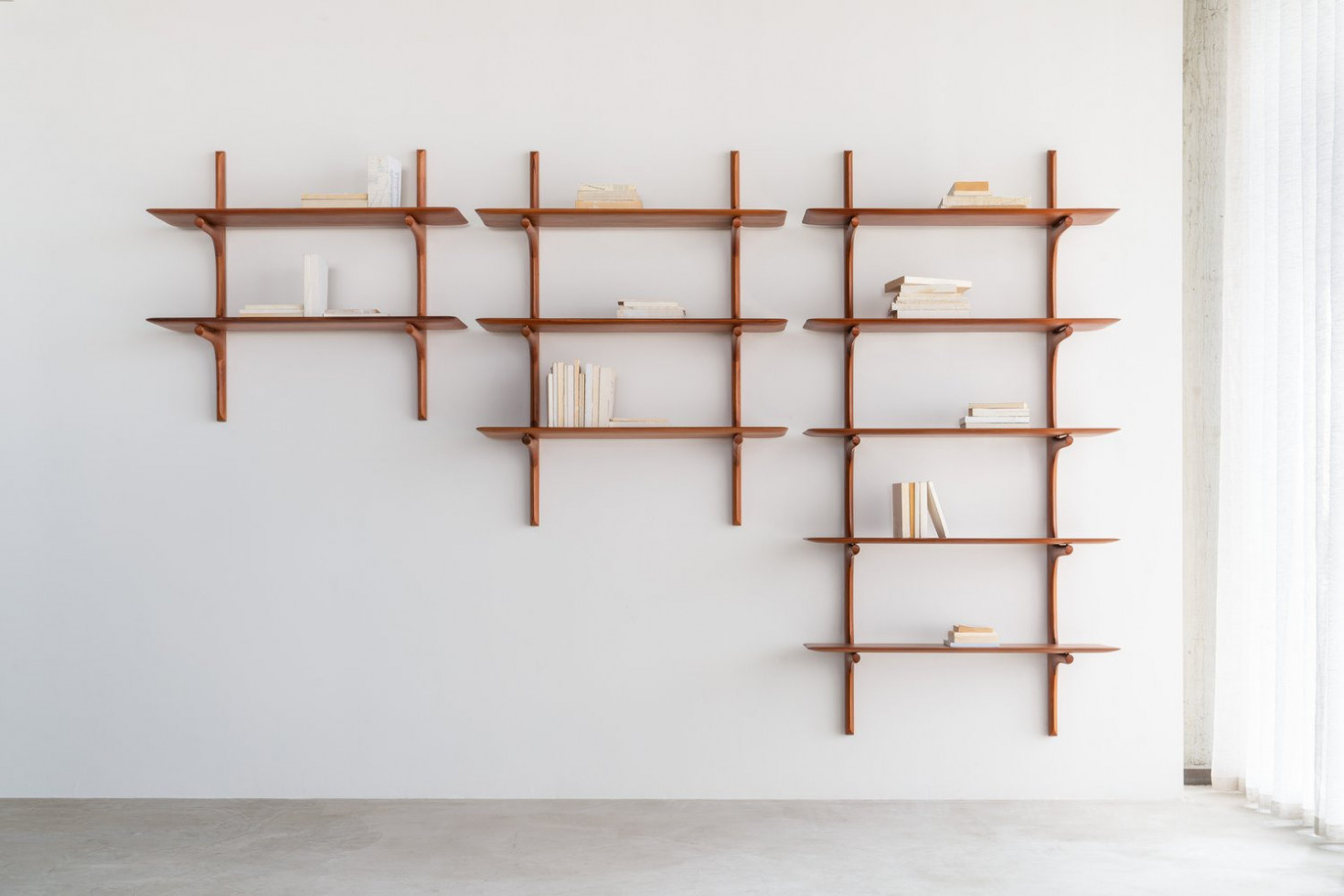
Showcasing the masterful work of Ethnicraft’s skilled artisans, the PI Wall Shelves draw inspiration from nature, seen in the sleek, polished yet imperfect finish.
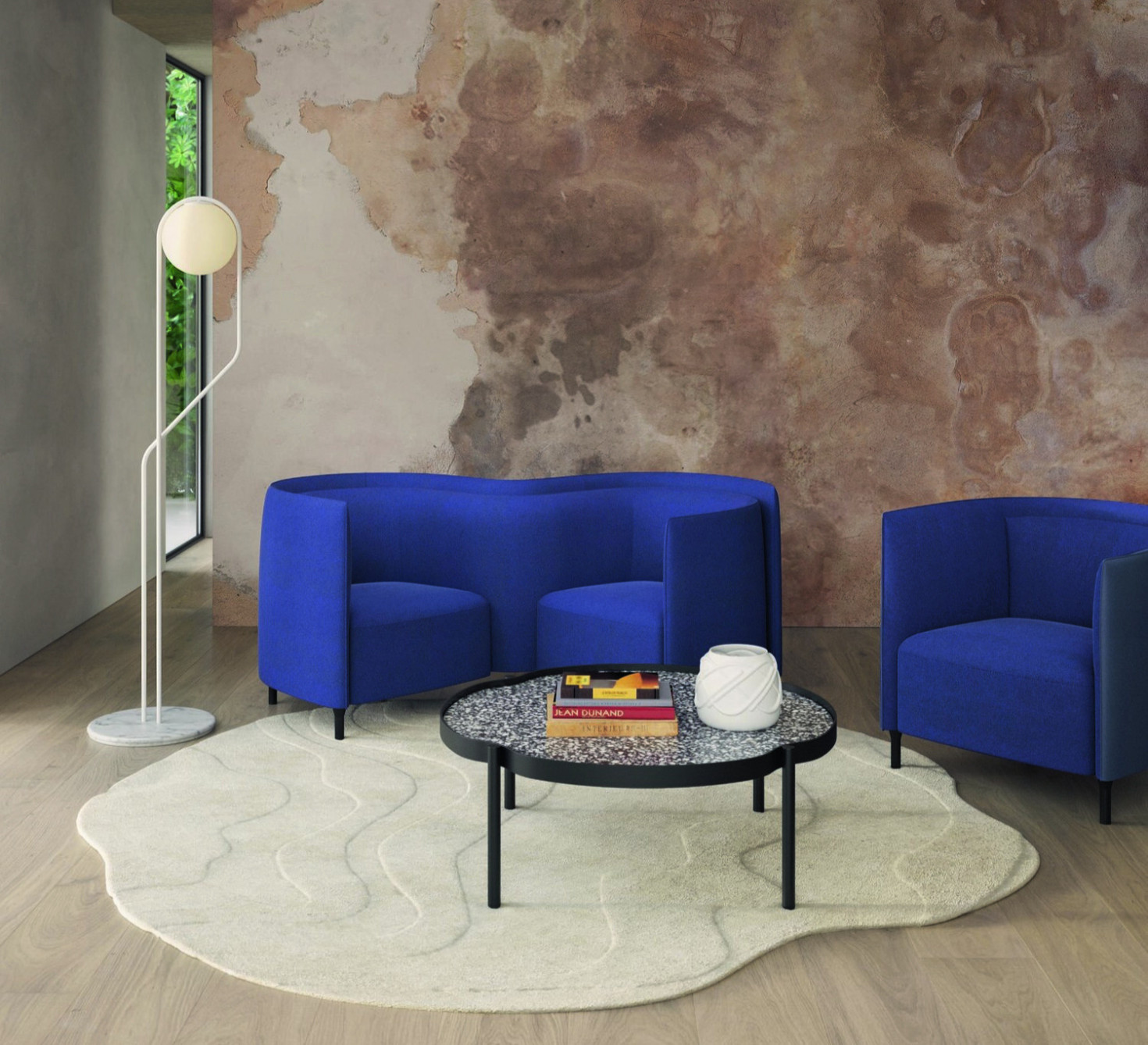
Classic yet contemporary. Pilippe Nigro’s newest design, Hemicycle, was created to work in any space- from an intimate apartment to a busy office.
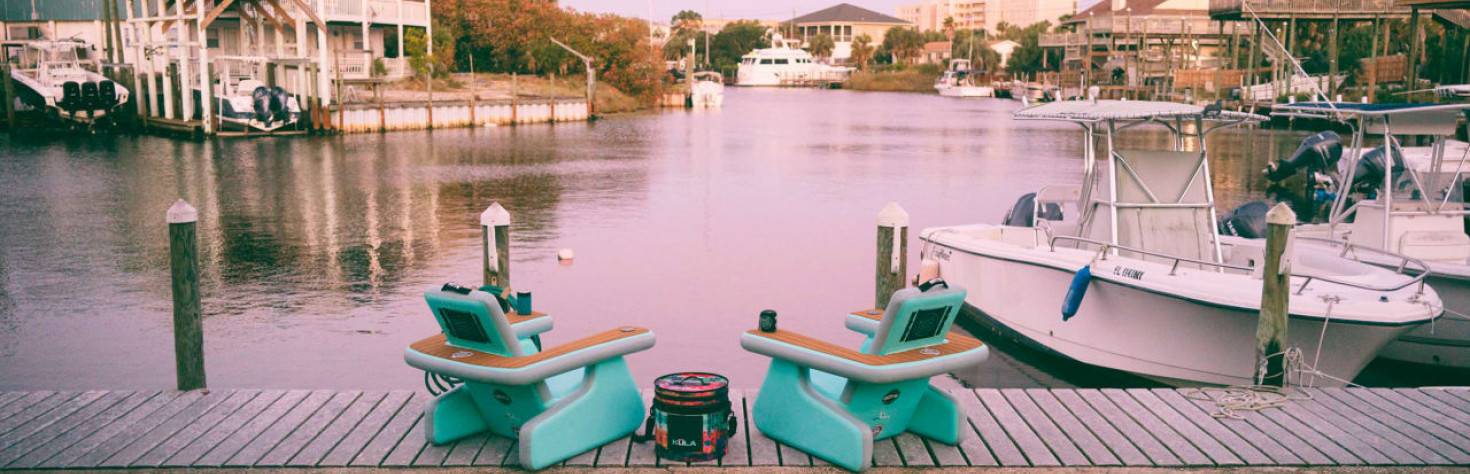
Tens of thousands of polyester threads make the AeroRondack more rigid and functional than your standard inflatable furniture.

Projects

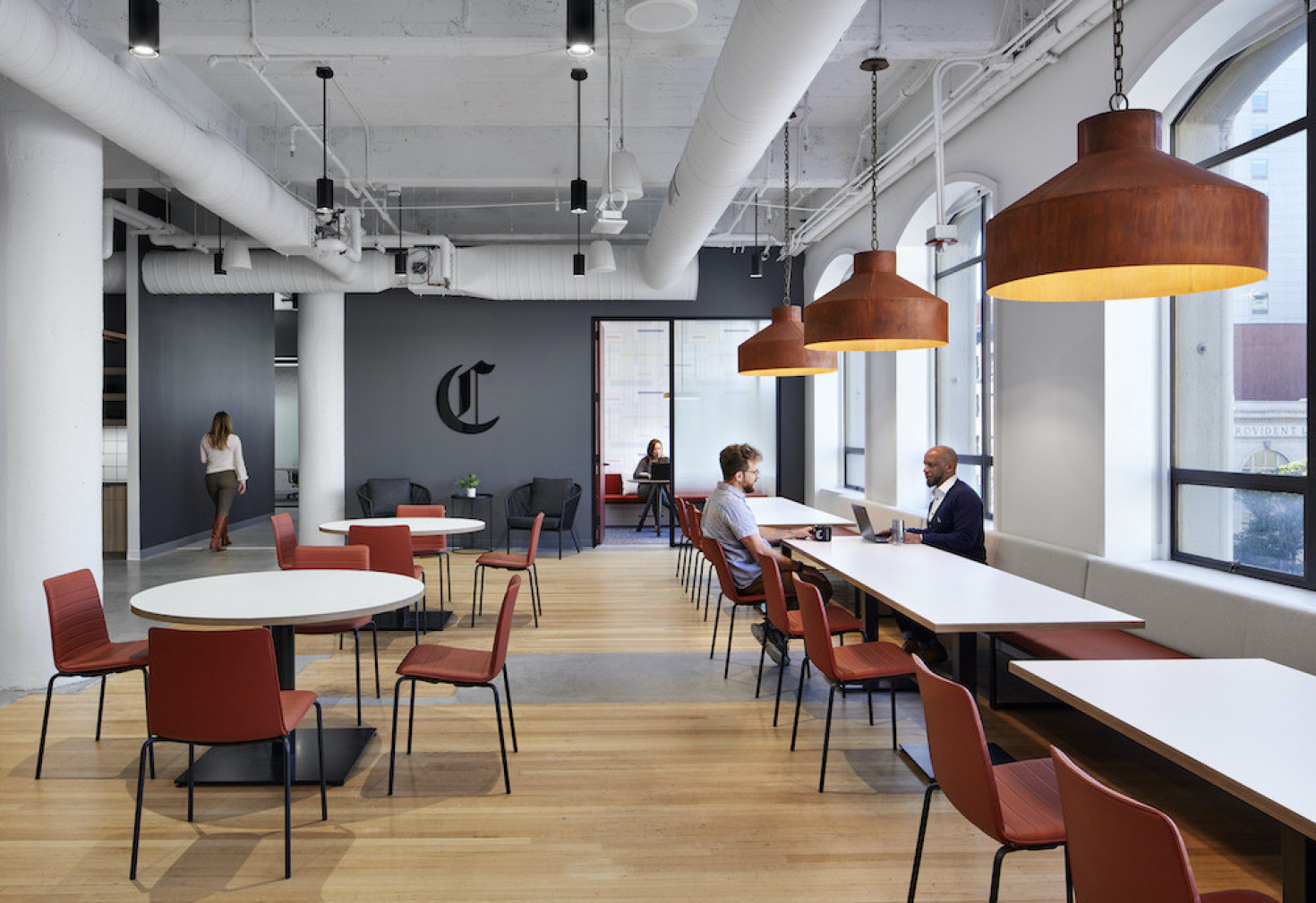
To achieve the San Francisco Chronicle’s goal of a classical feel with a modern look, HGA used pre-existing elements and introduced new ones.
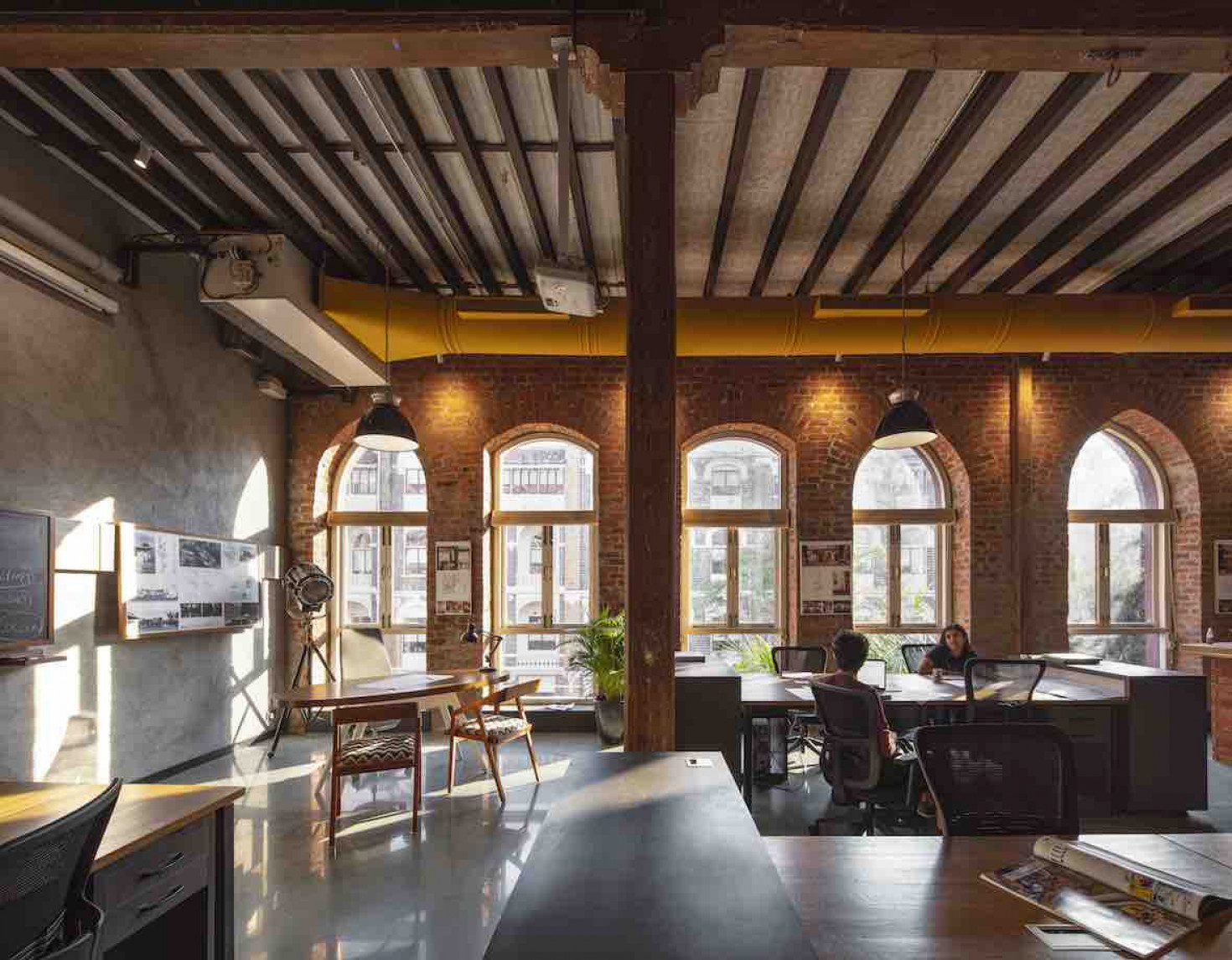
Located in South Bombay, Studio PKA minimized waste and reused materials from an existing office to build a new one.

Last Word

With millions of followers, a new class of corporate creators is skewering our current state of work— and dominating social media.

Find the best Contract Furniture Industry jobs and hire the best talent.
created in Publicate