






Coming Up
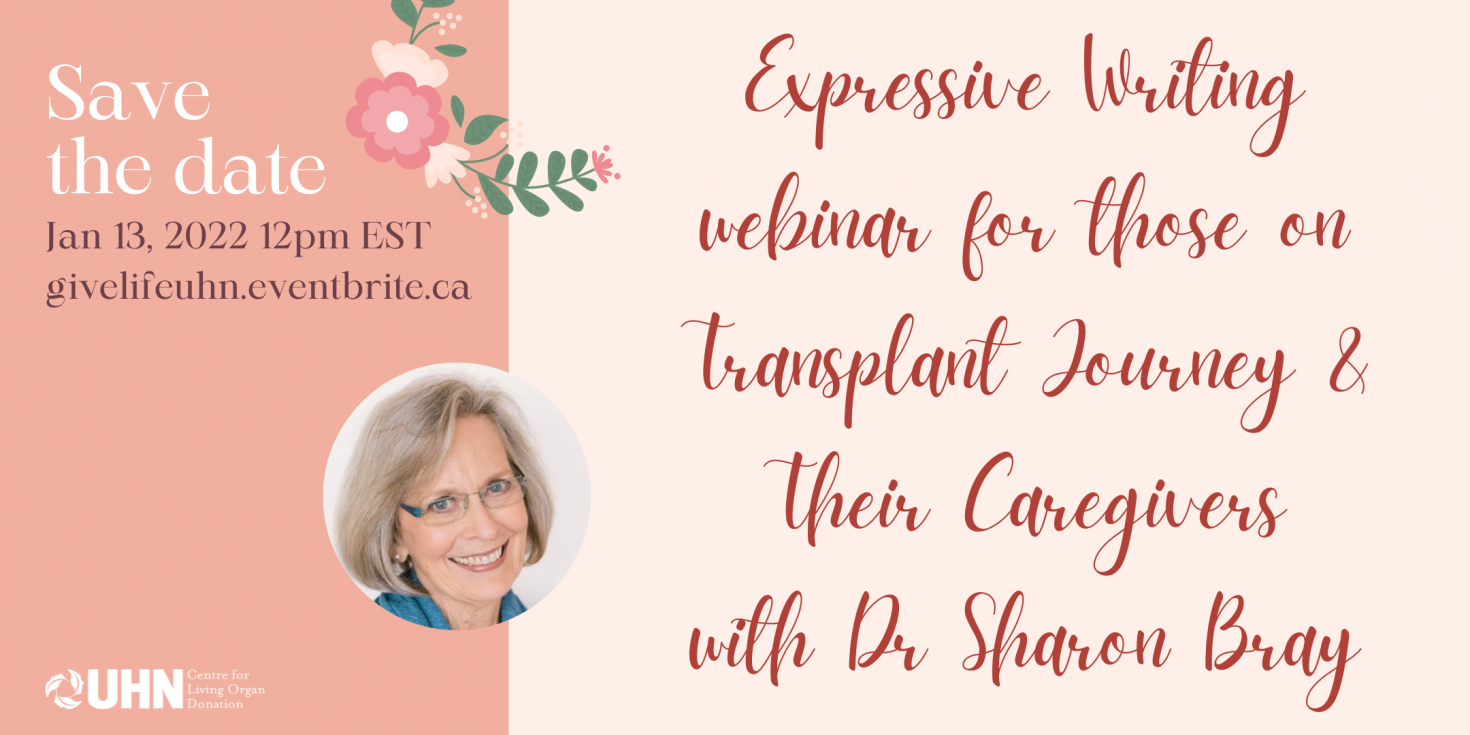





- 1st Tuesday of the Month: Information for Potential Living Kidney Donors
- 2nd Tuesday of the Month: Finding a Living Donor (registrants will be able to access additional resources including Having Your Donor Find You, a free self-paced video series)
- 3rd Tuesday of the Month: Financial Resources for Living Donors (PRELOD and other provincial reimbursement programs, employer support and more)
- 4thTuesday of the Month: Information for Potential Living Liver Donors

In Case You Missed It
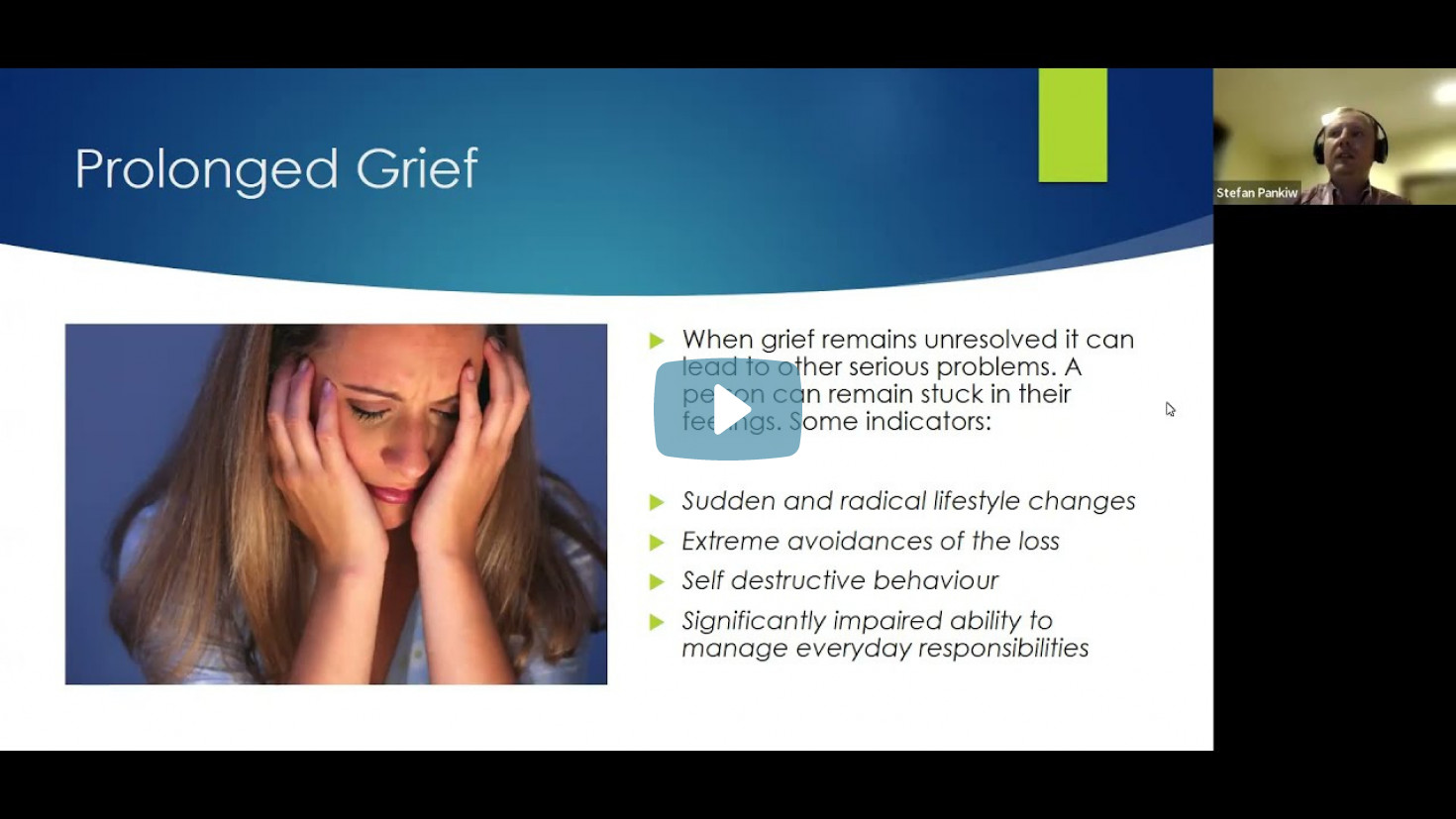
- Canadian Virtual Hospice - www.mygrief.ca
- What’s Your Grief - whatsyourgrief.com
- Option B - optionb.org
- Self-Compassion - self-compassion.org
- Genesis Bereavement Resources - genesis-resources.com
- Centre for Loss and Transition - www.centerforloss.com


RESEARCH HIGHLIGHTS
Below are links to selected articles on living organ donation and transplantation published within the last six months. If you have a suggestion email us.
Anonymous Living Liver Donor Perspectives on the Role of Family in their Donation Experience Reviews family reactions to donation, impact of donation on donor-family relationships and opportunities to improve support for donor families based on semi-structured interviews with anonymous living liver donors at UHN.
An Environmental Scan and Evaluation of Quality Indicators Across Canadian Kidney Transplant Centers Identifies 46 kidney transplant quality indicators currently being measured across Canada and notes significant gaps in measures related to living donation, person-centered care and equitable care.
Liver Retransplantation Using Living Donor Grafts: A Western Experience. Due to a shortage of deceased donor organs, recipients on the waitlist for a liver retransplant face a 29% mortality rate. This study documents the successful use of living donor liver grafts at UHN for patients requiring liver retransplantation.
Living Donor Versus Deceased Donor Pediatric Liver Transplantation: A Systematic Review and Meta-analysis Children with living donor liver transplant (LDLT) had a 42% lower risk of death and 44% lower risk of organ rejection 1 year post-transplant when compared with children who received a deceased donor liver. Authors concluded that LDLT can help optimize long-term survival and reduce organ shortage and waitlist mortality of pediatric liver recipients.
Outcomes of living donors are worse than those of matched healthy controls: Is the matching group appropriate? In this letter to the editor Drs Nazia Selzner and Mark Cattral question the methodology, conclusions and generalizability of a recent Korean study on living liver donor outcomes. A significant percentage of donors in the study had pre-existing conditions not present in the healthy control group. In Western countries living donation is only offered to very healthy individuals whereas in Asia, older donors (age > 70 years), donors with higher BMI or other medical or psychiatric co-morbidities may be acceptable because deceased donor rates are low and living donation is often the only path to transplantation.
Risk Factors and Outcomes of Early Hospital Readmission in Canadian Kidney Transplant Recipients: A Population-Based Multi-Center Cohort Study Hospitaliation within 30 days of discharge was more likely among recipients who were older, lower income, frail, living with COPD or peripheral vascular disease, and who had a longer hospitalization for the initial kidney transplant. These patients were also at increased risk of graft failure and death.
Voucher-Based Kidney Donation and Redemption for Future Transplant Vouchers enable a living donor to donate now and their intended recipient to have a timely transplant when they need it in the future. This study assesses 250 family voucher-based kidney donations in 79 US transplant centers leading to 573 downstream kidney transplants, many of which would not otherwise have occurred, according to the authors.
Toronto General Hospital | Ajmera Transplant Centre
585 University Ave, 9 MaRS-9115, Toronto, ON M5G 2N2 Canada
livingorgandonation@uhn.ca | 416-340-5400
www.livingorgandonation.ca
