The Working Space
Monday, July 17, 2023
Industry News
MillerKnoll, Inc. reported its fiscal year 2023 results, with net sales (12 months) increasing by 3.6% year-over-year to $4.1 billion. Consolidated net sales for the fourth quarter were $956.7 million, reflecting a decrease of 13.1% on a reported basis and a decrease of 12.0% organically compared to the same period last year. The company also reported a net debt-to-EBITDA ratio of 2.5x and captured $131 million in run rate synergies following the acquisition of Knoll. The Americas Contract segment posted net sales totaling $474.4 million, down 12.0% year-over-year, while the International Contract and Specialty segment delivered net sales of $237.4 million, down 13.1% on a reported basis. The Global Retail segment's net sales totaled $244.9 million, a decline of 15.0% over the same quarter last year. The company expects net sales to be slightly lower on a year-over-year basis and earnings to be back-half weighted for fiscal year 2024.
During the fourth quarter, MillerKnoll, Inc. recorded special charges associated with recent restructuring actions and ongoing acquisition integration activities. In addition, the company recognized a non-cash, pre-tax charge of $19.7 million related to the impairment of the Knoll trade name. They ended the fourth quarter with a net debt-to-EBITDA ratio of 2.5x and captured $131 million in run rate synergies following the close of the Knoll acquisition in the first quarter of fiscal 2022.

Chennai has played a crucial role in Haworth's strategic goals, serving as a focal point for the company's operations in India, housing a state-of-the-art manufacturing facility, a global shared service center, and a premium showroom and experience center. Haworth currently employs around 300 people in India, including its Shared Service Center, with five showrooms and offices across the country. The company remains committed to providing quality solutions that meet evolving workplace requirements like design, well-being, flexibility, technology, and sustainability as it continues to grow its market share in India.

Enrico Colizani, Knoll Brand President, said that the new cross-brand MillerKnoll showroom will create a beautiful immersive and convenient-to-visit showroom experience for contract, trade, and retail customers. Knoll's current studio and showroom at 1330 6th Avenue will close concurrently with the opening of the new space at 251 Park Avenue.
Features

Workspace News
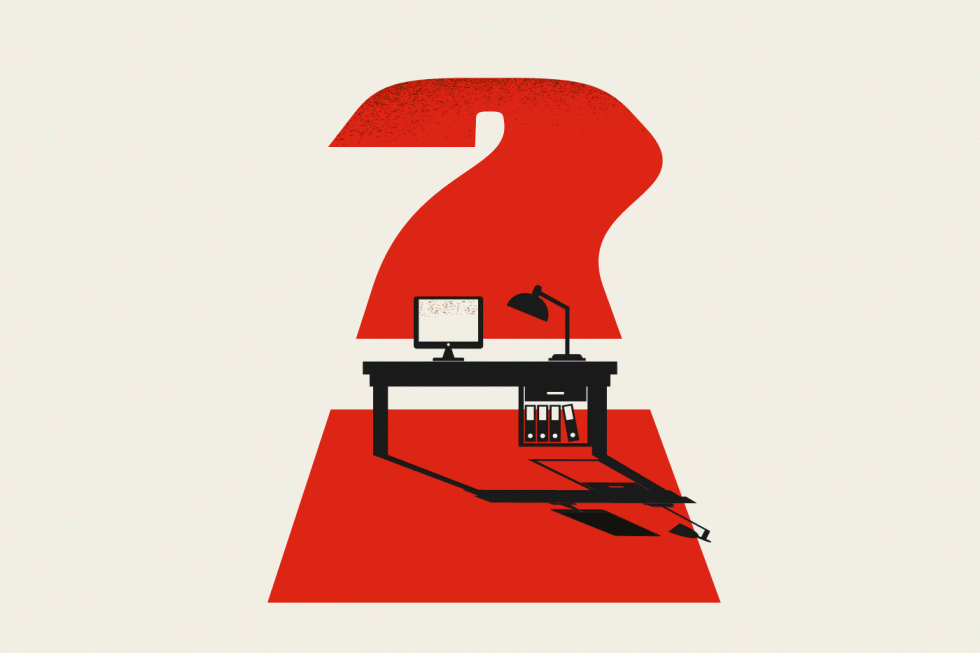
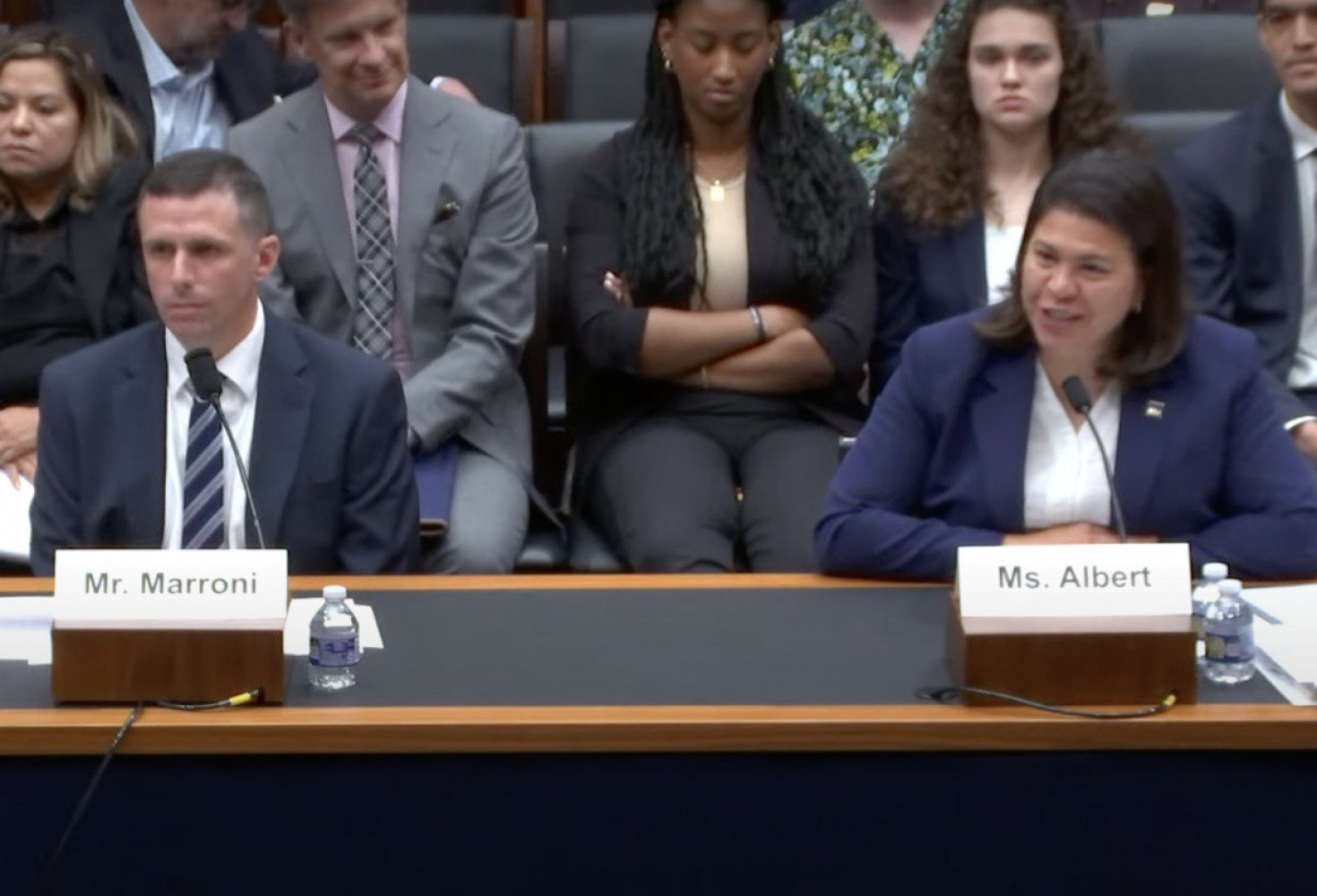
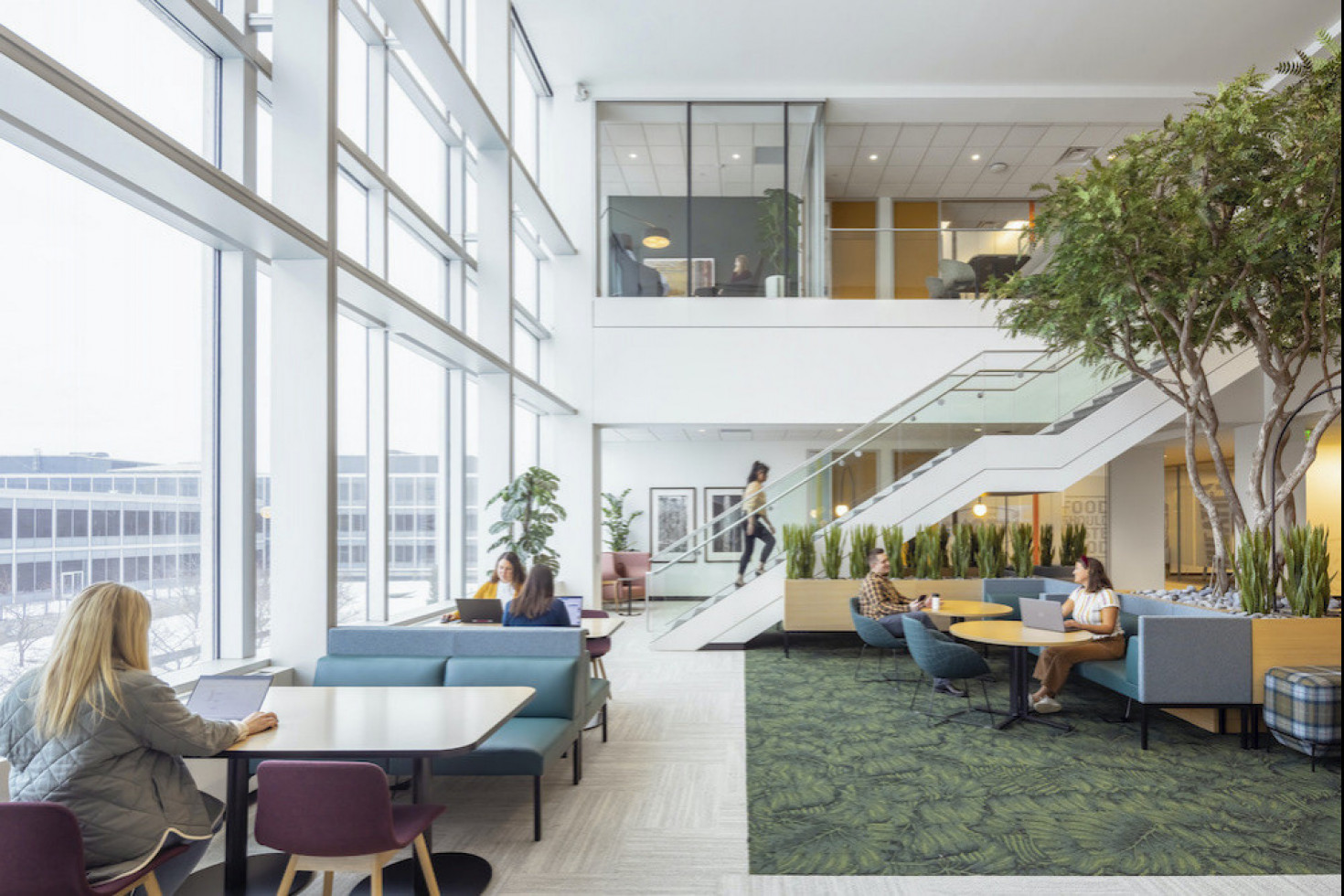
The global design firm Gensler recently conducted a survey of 14,000 workers in nine countries to study how office employees spend their time at work and how office design impacts their experience. The study reveals that while more than 60% of workers said they need to be in an office to feel the most productive in their work, only 43% of the offices the surveyed employees work in have spaces that are effective and offer great workplace experiences. Additionally, only 38% of workplaces have been redesigned since the pandemic began.
The survey also showed that workers need to come into the office for both individual and team productivity. The sweet spot for workers to maximize their productivity at the office is between 58 to 68% of a typical work week at the office. However, workers want to be able to shift their focus and toggle between different kinds of tasks, like they would have done pre-pandemic when they were in the office more. The disconnect between workers wanting an equal amount of private and collaborative space is being driven in part by an increasing number of companies shrinking their footprints and opting not to add private workspaces. Companies need to pay constant attention to what works and what doesn’t to create the right equation of individual and team workspaces and offer a good set of choices to make the difference for workers and help offices turn the corner in terms of occupancy.
Trends
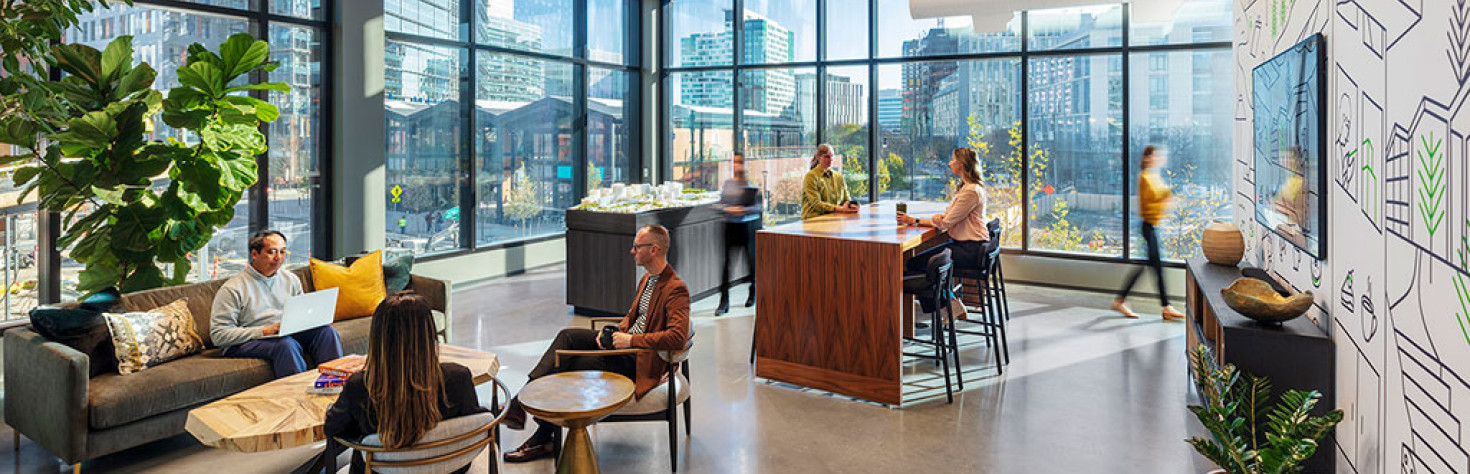
Five workplace trends are driving priorities for the new post-pandemic office: mobility, choice, privacy, hybrid work, and health and well-being. Workers expect the ability to work from anywhere, a variety of work settings beyond the office, maintaining privacy, improving the hybrid experience, and having health and wellness incorporated into everything. Employers must rethink the physical office to create workspaces where employees want to be and where they are supported to do their individual and collective best work.
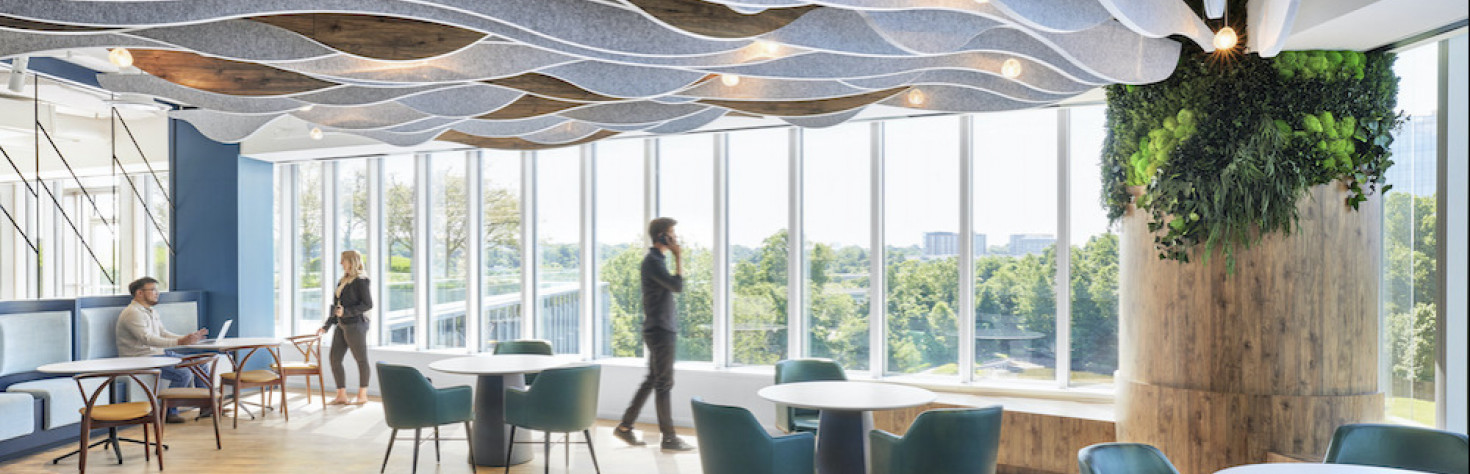
The article discusses the changing role of the office in 2023 and beyond. Instead of competing with remote work, companies should use physical facilities as a collaborative partner in the overall network of where work is done. Architects and designers must view the office as a new tool and imagine it as an equalizer, incubator, culture center, and showroom all in one.
The office can serve as an equalizer by providing amenities that cannot be easily replicated at home, addressing disparities in home workspaces, and facilitating access to essential internal resources. It can function as an incubator by promoting creativity and innovation and providing dynamic spaces for collaboration and experimentation. The office can act as a culture center by embodying the company's vision, mission, and values through thoughtful design and technology integration.
By treating the office as a showroom, spaces can evoke a sense of belonging to something greater, showcasing the brand and creating opportunities for social and business connectivity. In reimagining the office as an equalizer, incubator, culture center, and showroom, architects and designers can create a transformative workplace that aligns with employees' evolving needs and aspirations for years to come.
Design

AI
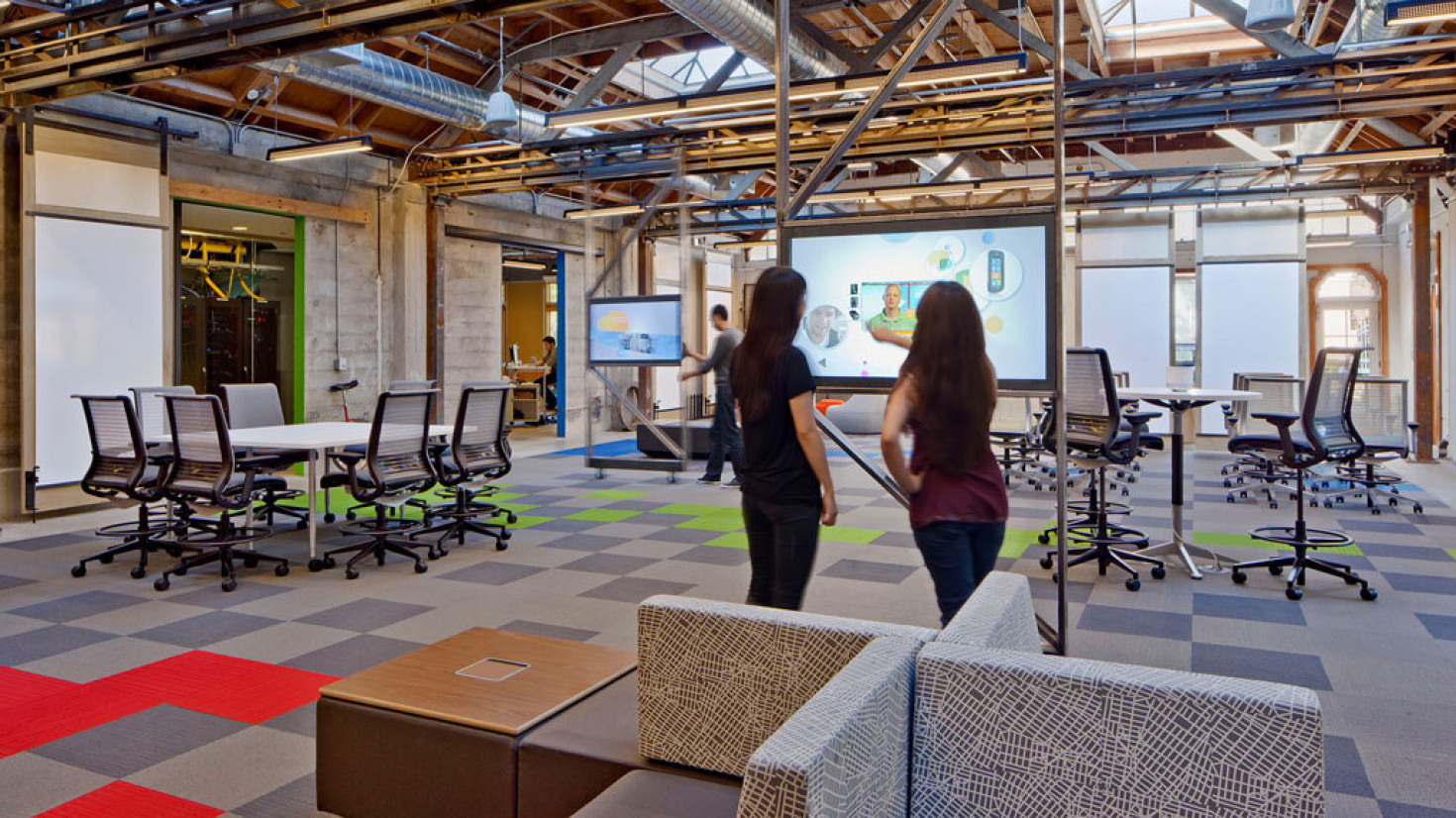
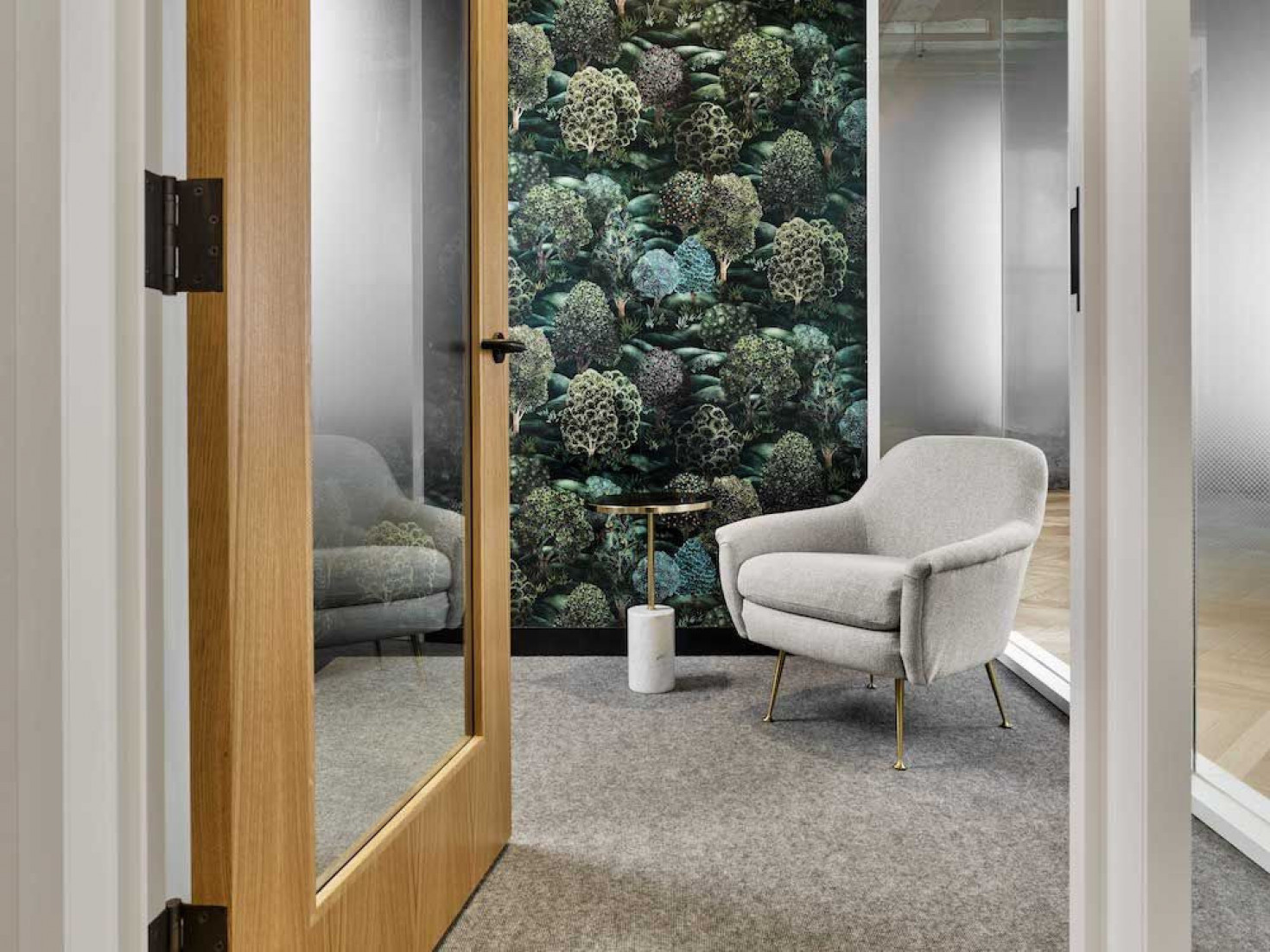
AI can create adaptive workspaces tailored to individual preferences, adjusting temperature, lighting, and ambient noise levels. It can also schedule tasks and meetings, monitor posture, and provide wellness breaks. AI-driven personalized learning programs can curate a unique learning pathway for employees based on their current skill level, learning style, and career ambitions to ensure continuous growth and adaptation to evolving business landscapes. AI can optimize energy usage, reduce waste, and predict equipment failures, minimizing disruptions and lowering maintenance costs. However, the ethical implications of AI integration must be managed judiciously to maintain a balance between automation and human interaction.

Technology
Latest Products
Other News

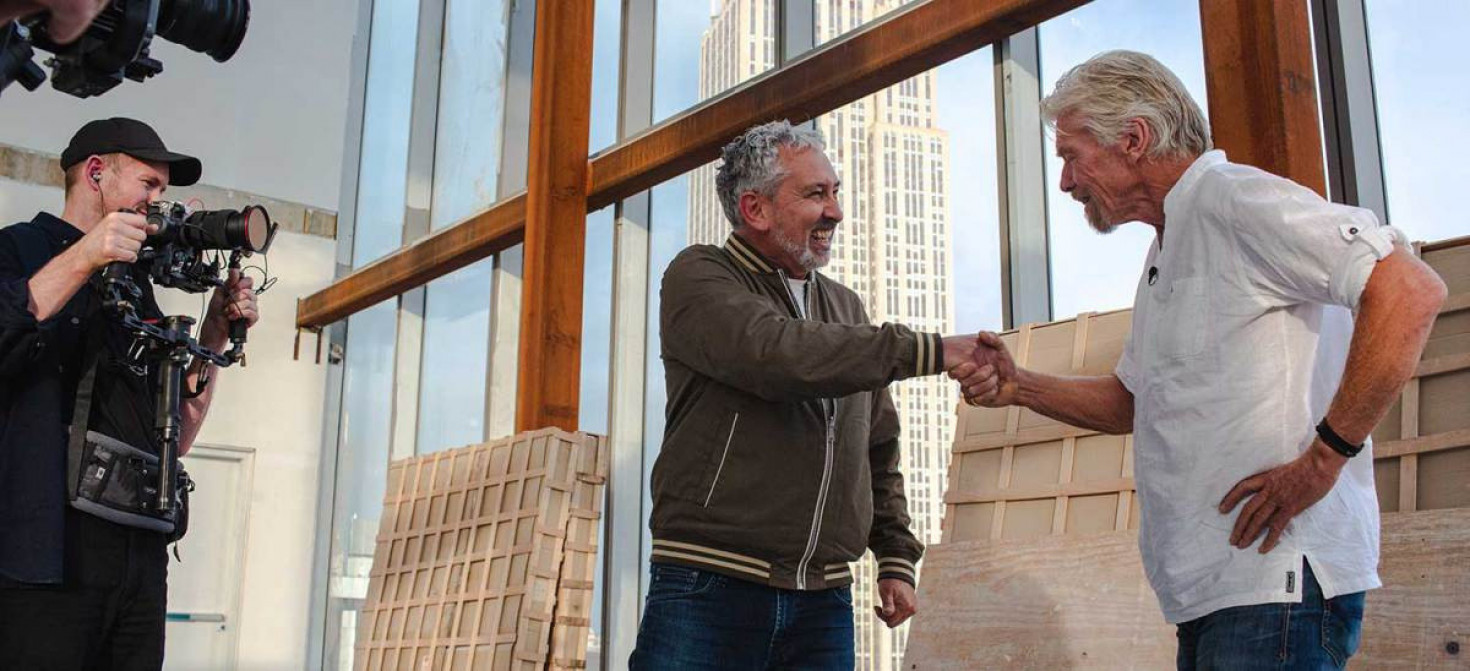
Trends in Commercial Projects from Around the Globe
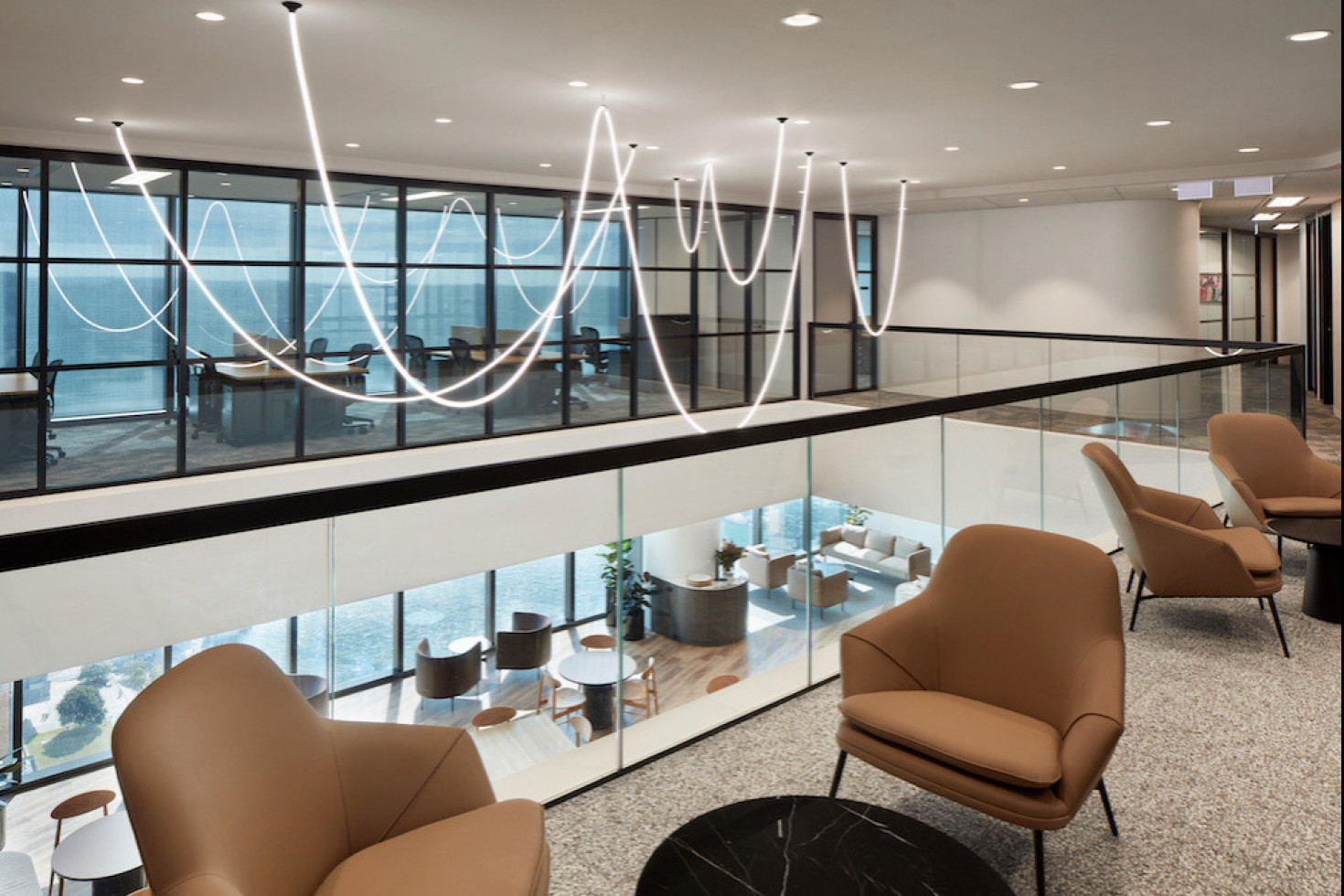
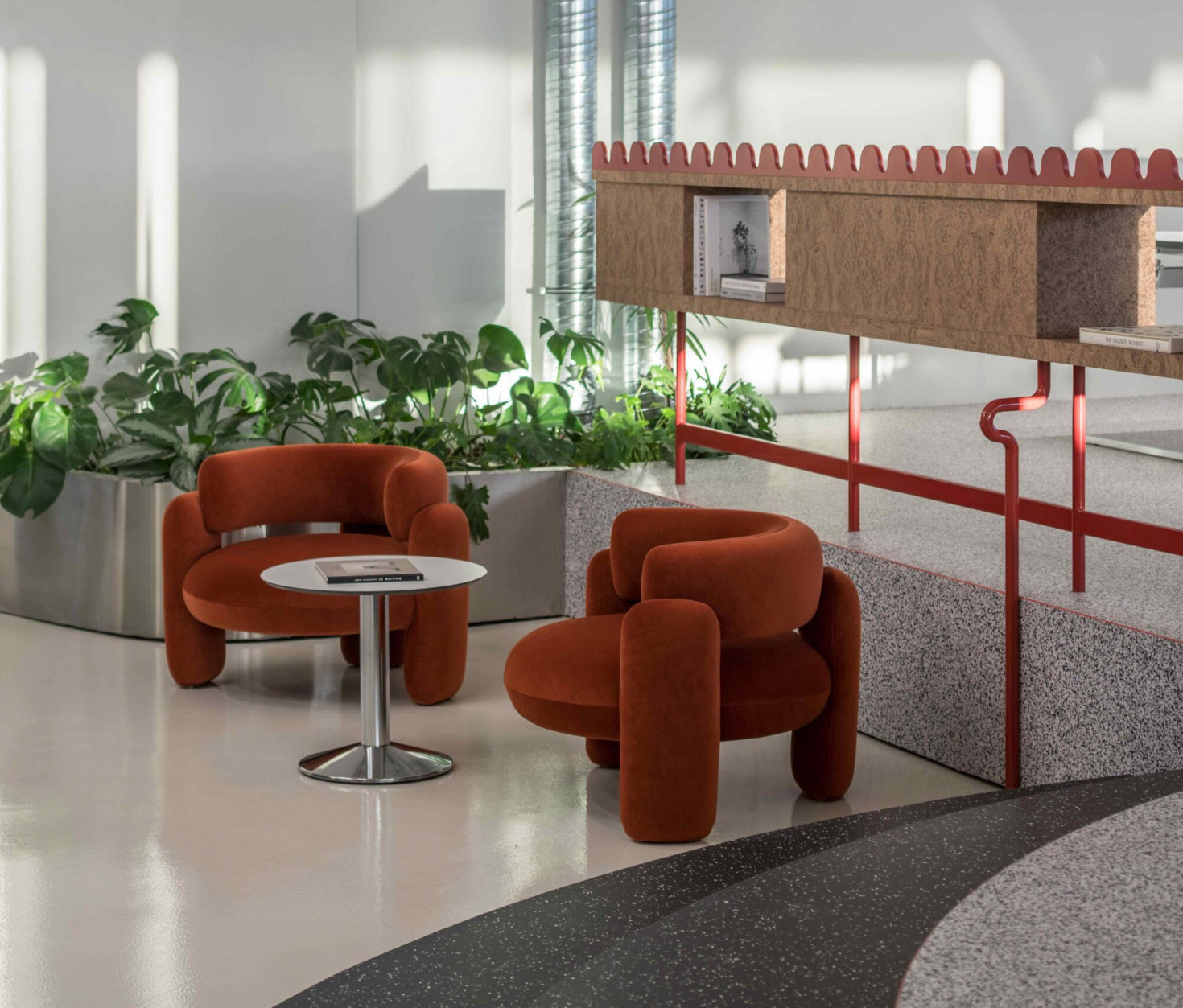
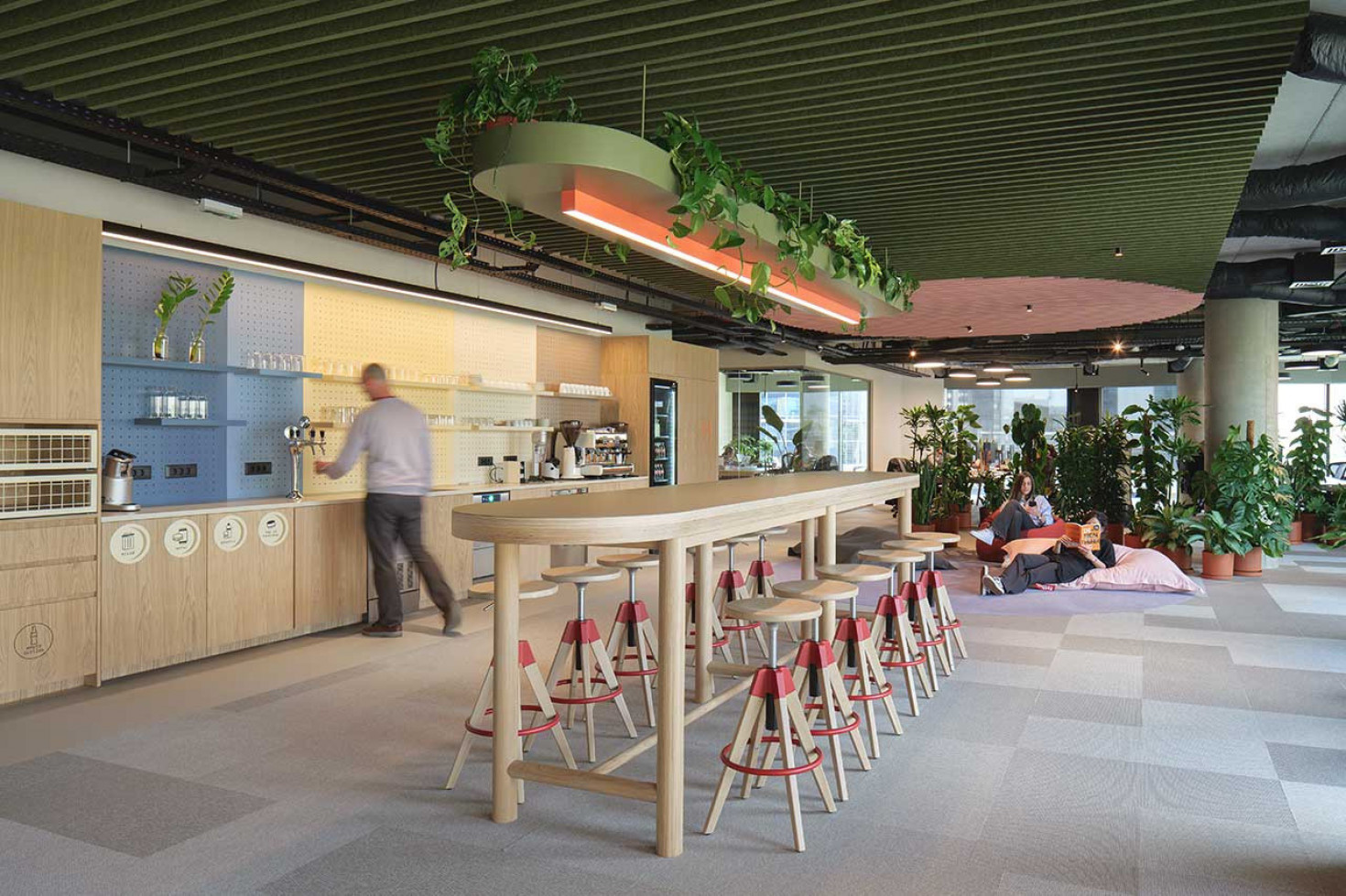
Upcoming Industry Events

Industry Briefing










Indoff is expanding and in need of experienced outside sales professionals in your area. If you’re tired of missing out on money due to low commission rates or you’re sick of quotas, then Indoff is the perfect solution for you. We offer you the back-end support you deserve while rewarding with benefits.